SyncSignal
Give B2B SaaS teams per-customer visibility into sync failures, expired credentials, and rate limits with a lightweight SDK instead of custom monitoring.
B2B SaaS teams often learn that a customer’s data stopped syncing only after that customer reports a stale dashboard, missing records, or a broken workflow. The cause might be an expired OAuth token, a third-party API rate limit, or a sync job that quietly failed. The engineering team then has to work out which customer is affected, when the problem started, and whether it has been fixed.
SyncSignal is a B2B SaaS idea for solving that visibility gap. It gives software teams a customer-by-customer view of sync health, credential status, and rate-limit problems through a lightweight SDK and a focused monitoring dashboard. Instead of building bespoke monitoring for every integration, teams can instrument their sync workflows once and see which customer needs attention.
This article explores the market opportunity, ideal customers, product design, technical architecture, monetization, risks, and a practical launch plan for SyncSignal.
What SyncSignal does
SyncSignal is a customer-level sync monitoring platform for B2B SaaS. A product team adds a small SDK to its backend, identifies the customer and integration involved in each sync, and sends structured status events to SyncSignal.
The platform turns those events into operational answers:
- Which customers have a healthy sync?
- Which accounts are falling behind?
- Did a sync fail because of invalid credentials, a rate limit, or an internal error?
- When did the issue begin, and has it recovered?
- Which integrations or customer segments are affected?
- Is the problem isolated to one customer or widespread?
The key distinction is scope. General-purpose monitoring tools help teams investigate infrastructure and application behavior. SyncSignal focuses on the customer and integration relationship: the operational state of a particular customer’s connection to a particular external service.
A useful product promise might be:
Know which customer’s data is out of sync, why it happened, and what to do next.
SyncSignal should not need access to customer passwords, OAuth secrets, or the data being transferred. Its role is to receive carefully designed operational events and make them useful.
The problem with customer data syncs
Many SaaS products depend on integrations to deliver their core value. A product might sync invoices from accounting software, contacts from a CRM, events from a calendar, or inventory from an ecommerce platform. When those syncs stop working, customers often experience the failure indirectly.
A record may be missing. A report may be out of date. An automation may not run. The customer may not know whether the issue is in the SaaS product, the third-party service, or their own account configuration.
The provider has a different problem: it may know that a background job failed, but not whether the failure is important to a customer or whether the same issue is affecting many customers. Logs can contain the error message, but finding the right account and reconstructing the sync history may require searching across multiple systems.
Why standard observability can leave a gap
Logs, metrics, and traces remain essential. They help teams understand application behavior and investigate technical failures. But customer-facing sync operations often require a more specific view.
For example, an error rate might show that a worker is failing more often than usual. It may not readily answer:
- Which customer is missing data?
- Which integration connection is affected?
- When was that customer’s last successful sync?
- Is the failure retrying, blocked, or resolved?
- Should customer support contact the account owner?
Teams can build these views themselves, but doing so for every connector creates repeated work. A team may maintain custom tables, internal dashboards, alert rules, and support playbooks that grow alongside its integration catalog.
SyncSignal’s opportunity is to make this customer-aware layer reusable. It should complement existing observability tools, not claim to replace them.
Target audience for SyncSignal
The strongest initial customers are B2B software companies that operate recurring or event-driven syncs on behalf of other businesses. They need more than a generic uptime monitor because the state of each customer’s integration matters.
Primary ideal customer profile
A promising early customer is a SaaS company with:
- Multiple external integrations or data sources.
- Background jobs that run on schedules, queues, or webhooks.
- A support team that receives questions about missing or stale data.
- Engineers who currently investigate sync issues through logs or internal tools.
- A product where integration reliability affects retention, trust, or workflow completion.
Potential product categories include:
- CRM and sales operations software.
- Accounting, billing, and finance platforms.
- Data synchronization and automation products.
- HR, recruiting, and workforce management systems.
- Ecommerce operations and inventory software.
- Customer data and analytics platforms.
- Vertical SaaS products that connect to industry-specific systems.
These companies may be small enough to lack a dedicated integrations reliability team, yet mature enough to feel the cost of customer-reported sync failures.
Buyers, users, and champions
The buyer is not always the person who first notices the problem. SyncSignal should support a buying group with different priorities.
- Engineering leaders want fewer repetitive investigations and a consistent way to measure integration health.
- Integration engineers need a clear view of retries, failure reasons, and affected connections.
- Customer support teams want account-specific answers without asking an engineer to search logs.
- Customer success teams want to detect degraded integrations before a renewal or business review.
- Product leaders want to understand which integrations are unreliable and where investment will improve customer experience.
A product-led adoption path can begin with an engineer installing the SDK. Expansion can follow when support and customer success teams use the dashboard, alerts, or customer-facing status features.
Who is not an ideal first customer
SyncSignal may be less compelling for companies with very few integrations, infrequent sync activity, or a simple product where a failed sync has little customer impact. It may also be difficult to sell to organizations that cannot send operational metadata to an external service, unless SyncSignal offers a suitable deployment or data-residency option.
The initial positioning should stay narrow. A product that tries to serve every kind of monitoring need risks competing directly with established observability platforms before it has earned a differentiated place.
Market opportunity and product gap
SyncSignal sits between application observability and customer support workflows. That position creates a practical wedge: it can help teams move from “something failed” to “these customers are affected, and here is the recovery status.”
The market opportunity is driven by a familiar product pattern. SaaS companies increasingly rely on third-party systems, APIs, and customer-authorized connections to deliver valuable workflows. Every integration adds operational states that the provider needs to track: authentication, permissions, availability, quotas, data freshness, and recovery.
The product gap is not simply a lack of logs. It is the lack of a consistent, customer-aware operational model across integrations.
Existing approaches and their limitations
Teams commonly handle sync reliability through a combination of:
- Application logs and error tracking.
- Internal admin pages or database queries.
- Queue dashboards and job monitoring.
- Custom alerts sent to chat or email.
- Support runbooks and manual customer outreach.
- Integration-specific status tables built inside the product.
These tools are useful, but they may answer different questions and require people to join the dots. A monitoring platform may show a failing worker, while a support tool holds the account history and a product database contains the connection state.
SyncSignal can reduce that fragmentation by providing a normalized event model and a customer-level view. The strongest value proposition is not “another dashboard.” It is a repeatable way to represent and act on sync health across a SaaS company’s integrations.
A differentiated point of view
SyncSignal’s USP should be customer-impact-first sync observability. Every signal is tied to a customer, connection, integration, and sync operation, while sensitive credentials and payload data stay out of the monitoring pipeline.
That focus can support features that generic tooling may not prioritize:
- A timeline of successful and failed syncs for one customer connection.
- Staleness detection based on expected sync frequency.
- Clear classifications for authentication failures, rate limits, and provider outages.
- Recovery tracking that closes an incident when syncs resume.
- A support-friendly summary that avoids exposing raw logs.
- Alerts that identify affected customers, not just failing services.
Core features and solution details
The initial product should be deliberately small. It needs to make instrumentation easy and deliver useful answers quickly. Building a large analytics suite before proving that teams trust and use the core health workflow would add risk without validating demand.
1. Lightweight SDK and event ingestion
The SDK should allow a team to report a small set of meaningful events from its backend. A good integration should take minutes to understand and should not require a product team to redesign its sync architecture.
An event might include:
- A stable customer identifier chosen by the SaaS provider.
- An integration or connector name.
- A connection identifier that is not a secret.
- An event type, such as sync started, sync succeeded, or sync failed.
- A timestamp and optional duration.
- A normalized failure category.
- Optional metadata such as records processed or retry count.
The SDK should support batching and resilient delivery. If SyncSignal is temporarily unavailable, the customer’s own sync process must continue rather than block on telemetry delivery.
2. Customer and connection health dashboard
The main dashboard should make it easy to identify unhealthy accounts. It should support filters for integration, status, time range, failure category, and customer identifier.
A connection detail page should show a chronological timeline:
- Last successful sync.
- Recent attempts and outcomes.
- Failure category and safe diagnostic context.
- Retry or recovery state.
- The alert history associated with the connection.
The interface should distinguish a single failed attempt from a sustained outage. A transient error should not necessarily trigger the same urgency as a connection that has been stale for hours.
3. Credential and authorization status
Expired or revoked credentials are among the most actionable integration failures. SyncSignal can help teams identify these conditions if their application reports an appropriate, sanitized status event.
The platform should not request or store OAuth tokens. Instead, the application can report a category such as authorization_required or credential_expired, along with a safe, customer-specific reference. The SaaS product remains responsible for managing secrets and initiating reauthorization.
This separation is important for security and trust. SyncSignal should make the problem visible without becoming a credential vault.
4. Rate-limit visibility
Third-party APIs often enforce request limits. When a connector is throttled, teams need to know whether the issue is isolated, recurring, or affecting a large set of customers.
SyncSignal can track rate-limit events, retry timing, and affected connections. Over time, it could help product teams identify patterns such as a connector repeatedly exhausting its quota or a particular sync workload requiring better batching.
The first version does not need to predict provider quotas. It should reliably record the application’s observed rate-limit state and help teams investigate it.
5. Alerts and escalation
Alerts should be based on customer impact rather than every individual error. Useful initial rules could include:
- A connection has not succeeded within its expected freshness window.
- A credential failure needs customer action.
- Multiple customers are affected by the same integration issue.
- A sync has repeatedly failed beyond a configured threshold.
- A previously degraded connection has recovered.
Delivery can start with email and a webhook. Additional destinations should be driven by validated customer requests. A high volume of noisy alerts undermines the product, so alert grouping, deduplication, and recovery notifications should be considered core reliability features.
6. Support-ready incident context
A support user should not need to understand the full job system to answer a customer. SyncSignal can provide a concise operational summary, for example: “The connection requires authorization. The last successful sync was yesterday. No data has been synced since the credential failure was detected.”
The summary should be based on structured events, not an unsupported guess. It should also be clear about what the platform does and does not know.
7. Customer-facing status options
A later version could offer embeddable status components or an API that lets the SaaS provider surface connection health inside its own application. This gives customers a self-service explanation and may reduce support requests.
This feature should be optional. Some companies will prefer to keep integration monitoring internal, while others will want to expose a clear status to end users.
Recommended technical stack
SyncSignal needs a stack that supports reliable event ingestion, multi-tenant access control, and a fast-moving product team. The best first architecture is not necessarily the most elaborate one. It should preserve clear boundaries so that ingestion, storage, alerting, and dashboard queries can evolve independently.
Product application
A web application built with React and TypeScript is a reasonable choice for the dashboard and SDK ecosystem. TypeScript is especially useful when defining event schemas, API contracts, and client libraries because inconsistent event shapes can undermine the product’s value.
A framework such as Next.js can support the dashboard, marketing pages, and authenticated application in one codebase. Its trade-off is that the team must understand the framework’s routing, rendering, and deployment model rather than treating it as plain React.
API and event pipeline
A simple first version can use a stateless API service to authenticate SDK requests, validate schemas, apply rate limits, and enqueue accepted events. The ingestion endpoint should acknowledge events quickly and avoid performing expensive dashboard aggregation inline.
A queue separates ingestion from processing. It helps absorb bursts and allows retries when downstream storage is temporarily unavailable. The trade-off is operational complexity: queues introduce delivery semantics, replay behavior, and dead-letter handling that the team must manage deliberately.
For the first release, the event model should be explicit and versioned. For example:
type SyncEvent = {
  customerId: string;
  integration: string;
  connectionId: string;
  eventType: "sync_started" | "sync_succeeded" | "sync_failed";
  occurredAt: string;
  failureCategory?: "authorization" | "rate_limit" | "provider" | "internal";
  durationMs?: number;
  recordsProcessed?: number;
};
In production, validation should reject malformed or oversized events, while allowing controlled schema evolution. The SDK should make it straightforward to add optional fields without breaking existing customers.
Data storage
A relational database such as PostgreSQL is a strong starting point for organizations, projects, connections, alert rules, and event metadata. It offers mature indexing and transactional behavior, and it lets a small team avoid introducing a specialized database before query patterns are known.
The main trade-off is event volume. If customers send a large number of events, retaining every raw event in a transactional database may become expensive or make dashboard queries harder to operate. Begin with retention limits, indexes based on real query patterns, and precomputed health summaries. Add an analytical store only when actual volume and query requirements justify it.
Observability and reliability
SyncSignal must be trustworthy as a monitoring product. Its own ingestion latency, event loss, processing lag, and notification delivery should be measured. OpenTelemetry can provide a vendor-neutral foundation for traces, metrics, and logs within SyncSignal’s services.
This is not just an engineering convenience. If the platform misses events or sends alerts late, customers may lose confidence in the very system meant to make sync reliability visible.
Authentication, tenancy, and access control
Every event must be associated with the correct project and organization. SDK credentials should be scoped, rotatable, and revocable. Dashboard access should use role-based permissions, and customer-level identifiers should be isolated across tenants.
Avoid relying on an unverified customer ID in the request body as the sole boundary. The authenticated project context must determine which tenant owns the event. Add audit logs for sensitive administrative actions and make data deletion and export paths part of the product design.
Build-versus-buy trade-offs
A small team should avoid building commodity infrastructure unless it is central to the product’s differentiation. Managed databases, queues, email providers, and identity services can reduce operational work. The trade-off is provider dependence, ongoing cost, and the need to understand each vendor’s reliability and data-handling terms.
For a bootstrapped or early-stage team, a modular monolith and managed services are usually more practical than a fleet of microservices. Separate services when measured load, deployment needs, or team ownership create a concrete reason.
Competitive advantage analysis
SyncSignal will operate alongside several categories of products. Its advantage must be clear enough that a buyer understands why it is not merely another log search page.
| Category | What it does well | Potential gap SyncSignal addresses | SyncSignal’s positioning |
|---|---|---|---|
| General observability platforms | Infrastructure, logs, traces, and metrics | Customer-to-connection health may require custom instrumentation and dashboards | A focused customer-level sync layer that complements observability |
| Error tracking tools | Capturing and grouping application exceptions | A stack trace may not reveal sync freshness or customer recovery status | Connect failures to customer impact and sync history |
| Job and queue monitoring | Worker throughput, retries, and job execution | Job state may not represent third-party authorization or customer-visible staleness | Normalize health across jobs, integrations, and customer connections |
| Internal admin tools | Custom workflows tailored to one company | They require ongoing engineering and maintenance | Reusable SDK, event model, alerts, and dashboard |
| Status-page products | Communicating broad service availability | A global status may hide isolated customer connection failures | Show granular connection health and actionable account-level context |
This comparison should be validated through customer interviews and product trials. It is not enough to claim that existing tools lack a capability. The team should learn which tools prospects already use, how they investigate incidents today, and what they would pay to avoid maintaining themselves.
The defensible advantage
The strongest long-term advantage is not the SDK alone. Competitors can build an SDK. A more durable position could come from the combination of:
- A simple, trusted event model for integration health.
- Mature customer-aware alerting and recovery workflows.
- Deep integrations with engineering and support tools.
- Reliable historical data across a company’s connectors.
- A reputation for safe handling of operational metadata.
- Low-friction implementation that makes adoption easy.
The product should earn this position by being dependable and useful, rather than by promising a broad platform too early.
Monetization strategy
SyncSignal can use a SaaS subscription model, but pricing should map to customer value and operating costs. The team should avoid pricing that punishes healthy usage or creates confusing bills when a customer’s sync activity grows.
Potential pricing dimensions
Options include:
- Tracked connections: Charge according to the number of customer integration connections monitored.
- Monthly event volume: Use event volume as a cost-aware limit, with transparent overage rules.
- Monitored customers: Price by the number of customer accounts or workspaces represented.
- Feature tiers: Offer basic health history on entry plans and advanced retention, alerting, access control, or compliance features on higher tiers.
- Annual contracts: Provide an option for larger organizations that require procurement, support commitments, or security review.
Tracked connections may align naturally with customer value because each connection represents an operational unit. Event volume may align better with infrastructure cost, but can make bills harder to predict. A hybrid model can work if limits are easy to understand.
Suggested launch packaging
A simple early packaging structure could include:
- Developer plan: One project, limited connection volume, short history, and basic alerts.
- Growth plan: More connections, longer history, team access, and integrations with common alert destinations.
- Business plan: Advanced roles, audit features, custom retention, and priority support.
Exact prices should not be chosen from guesswork. Use discovery calls, design-partner commitments, and usage data to test willingness to pay. A free tier can help SDK adoption, but it should not be so generous that it attracts high-cost usage without a credible upgrade path.
Risks and mitigation
A monitoring product has a higher trust burden than many internal productivity tools. Customers rely on it to provide a timely and accurate view of operational health. SyncSignal should treat reliability, privacy, and alert quality as product features.
Risk: event instrumentation is too difficult
If implementation requires substantial refactoring, engineering teams may abandon the SDK before seeing value.
Mitigation: Start with a few clear instrumentation patterns, useful language-specific SDKs, copyable examples, and a test mode that confirms events are arriving. Offer a lightweight API alongside the SDK so teams can adopt incrementally.
Risk: noisy or misleading alerts
Overly sensitive alerts can create fatigue. Incorrectly classified failures can send customers toward the wrong fix.
Mitigation: Build deduplication, severity levels, and configurable thresholds. Distinguish an observed failure from an inferred state. Provide clear event timelines so users can verify why an alert fired.
Risk: sensitive data is sent accidentally
Developers may include raw API responses, email addresses, or tokens in metadata or error messages.
Mitigation: Define a strict schema, encourage stable pseudonymous identifiers, set payload size limits, and provide redaction guidance. Avoid collecting secrets by design. Document retention, deletion, and access controls in straightforward language.
Risk: integration health is difficult to standardize
A “successful sync” can mean different things across products. One application may sync every minute, while another syncs nightly. A generic threshold could mislabel normal behavior as an incident.
Mitigation: Let the application declare expected freshness or heartbeat behavior. Treat connector-specific categories as structured metadata while keeping a small shared set of common failure types.
Risk: customers already have a workaround
Prospects may say that their observability stack already covers the problem.
Mitigation: Ask them to demonstrate their current incident workflow. Identify the manual steps required to move from a failed job to an affected customer and recovery confirmation. Position SyncSignal as an integration layer that works with existing tools, not as a forced replacement.
Risk: expensive event growth
A customer can generate large amounts of telemetry, especially if every record operation is reported individually.
Mitigation: Recommend event-level summaries rather than per-record events for the initial product. Support batching, sampling where appropriate, retention controls, and clear usage visibility.
Risk: platform reliability undermines trust
If SyncSignal drops events or delays notifications, customers may make decisions based on incomplete information.
Mitigation: Make ingestion and notification health observable, use durable queues where appropriate, define retry behavior, and show data freshness in the dashboard. Publish clear incident communication practices as the service matures.
Go-to-market strategy
SyncSignal should reach its first users through a narrow audience of teams that already feel the cost of integration support. A broad “monitor everything” message is harder to understand than a specific customer problem.
Start with design partners
Recruit a small group of SaaS teams with several active integrations and recurring sync support issues. During discovery, ask for concrete examples:
- What was the last sync incident?
- How did the team discover it?
- How long did investigation take?
- Which people were involved?
- How did the customer learn about the issue?
- What did the team build or buy to monitor it?
The goal is to learn the workflow, not to collect general approval. A prospect who says the idea sounds useful but cannot identify a recent painful incident may not be the best first customer.
Use a focused content strategy
Search-focused content can target engineering and product questions with high intent, such as:
- How to monitor SaaS integrations.
- How to detect stale customer data.
- How to track API sync failures.
- How to handle expired OAuth credentials in a SaaS product.
- How to reduce support tickets caused by failed integrations.
- How to monitor background sync jobs by customer.
Content should explain useful operational practices even when readers do not buy SyncSignal. That builds credibility and gives engineers a reason to try the SDK.
Build trust through practical documentation
Developer tools are evaluated in the details. Provide clear quickstarts, event schema references, security explanations, retention settings, and troubleshooting steps. Show what data the SDK sends and what it intentionally does not collect.
A product demo should show the full lifecycle: a connection fails, the right alert fires, a support user sees the customer impact, and the issue closes after the next successful sync.
Actionable implementation plan
SyncSignal can be built in stages that test the riskiest assumptions early. The initial objective is not feature completeness. It is to prove that teams can instrument sync events, identify customer impact, and reduce investigation effort.
Validate the problem with interviews
Speak with engineering leaders, integration developers, and support teams at SaaS companies. Focus on recent examples of customer data sync failures, current investigation steps, and the cost of resolving them. Look for repeated patterns across companies rather than designing around one unusual workflow.
Define the smallest useful event model
Specify the required fields for customers, connections, integrations, sync attempts, outcomes, and failure categories. Decide how the product handles timestamps, retries, freshness expectations, and schema versions. Keep the model small enough to adopt without a major refactor.
Build ingestion and a basic dashboard
Create project authentication, event validation, durable ingestion, and a dashboard that answers three questions: which connections are unhealthy, what happened, and when did each last succeed? Make data freshness visible so users know how current the view is.
Add alerting and recovery behavior
Introduce a limited set of alert rules based on repeated failure, credential action, and stale connections. Group related events, notify users when an issue recovers, and let customers tune thresholds to match their sync schedules.
Run a design-partner pilot
Install the SDK in a small number of real products. Observe the setup process, measure time to first useful event, and review whether support and engineering teams use the dashboard during actual incidents. Treat confusion and missing data as product feedback.
Refine pricing, security, and positioning
Use pilot usage to understand event volume, connection counts, retention needs, and operational costs. Complete a security review, document data handling, and test packaging with buyers. Refine the message around the customer pain that proved most urgent.
The most valuable early success measures should reflect customer outcomes. Examples include time from failure to detection, time from detection to diagnosis, percentage of monitored connections with a recent success signal, alert precision, and the proportion of support investigations resolved without engineering escalation. Define each metric carefully so the team does not mistake increased event volume for improved reliability.
When SyncSignal is a strong SaaS opportunity
SyncSignal has a promising foundation if customer interviews confirm that integration failures are frequent, costly, and difficult to diagnose with existing workflows. Its clearest opening is among B2B SaaS teams that need customer-level visibility but do not want to maintain a monitoring system for every connector.
The idea’s advantage depends on focus. SyncSignal should make sync state understandable, actionable, and safe to share across engineering and support. A reliable event pipeline, a lightweight SDK, thoughtful alerting, and a genuinely useful customer view matter more than a long list of integrations or a broad observability claim.
For founders moving from validation to implementation, TurboStarter can help accelerate the SaaS foundation so more time can go toward the product’s differentiated monitoring experience.
Final recommendation
Build SyncSignal as a focused B2B SaaS sync monitoring product, not as a general-purpose observability platform. Start with teams that manage many customer-specific integrations and can describe the support burden caused by stale or failed data. Give them a safe, low-effort way to report sync events, then turn those events into clear customer impact and recovery workflows.
If the product consistently helps teams answer “which customer is affected, why, and what happens next?” faster than their current process, it has a clear foundation for expansion into richer alerting, support workflows, customer-facing status, and broader integration reliability tooling.
More 🏢 B2B Application SaaS ideas
Discover more innovative b2b application SaaS ideas that are trending in 2026. Each idea is AI-generated with market validation and growth potential to help you find your next profitable venture faster than competitors.
Your competitors are building with TurboStarter
Below are some of the SaaS ideas that have been generated and built with our starter kit.
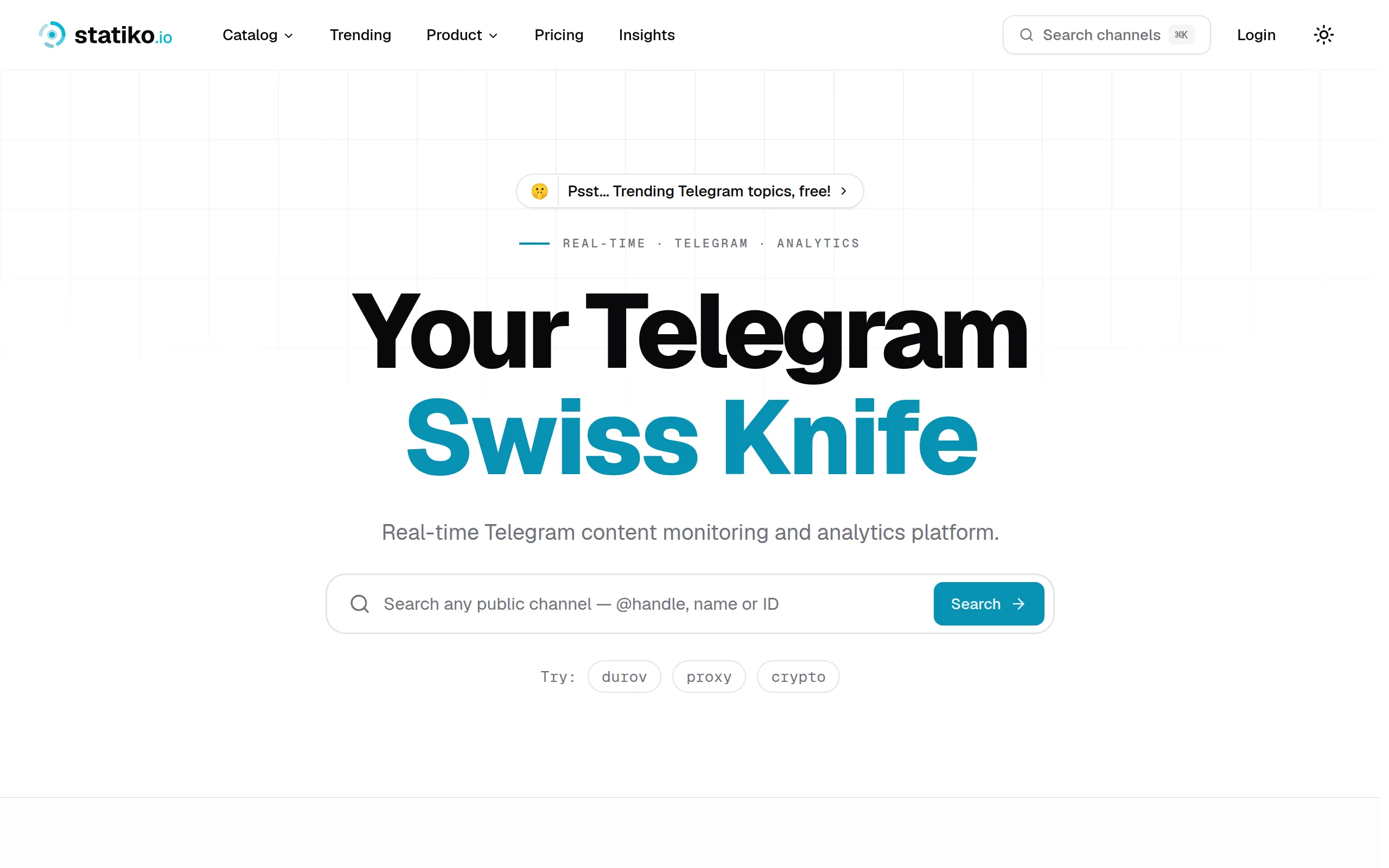
Statiko
Monitor any Telegram channel in real time - track posts, edits, deletions, and growth with AI recaps 📡

Shibui
AI website builder - describe your business, pick a niche template, edit by chatting, and publish instantly ✨

Pro Service
Find verified home service professionals, compare quotes, and pay securely through escrow - built for Brazilians across the US 🏠
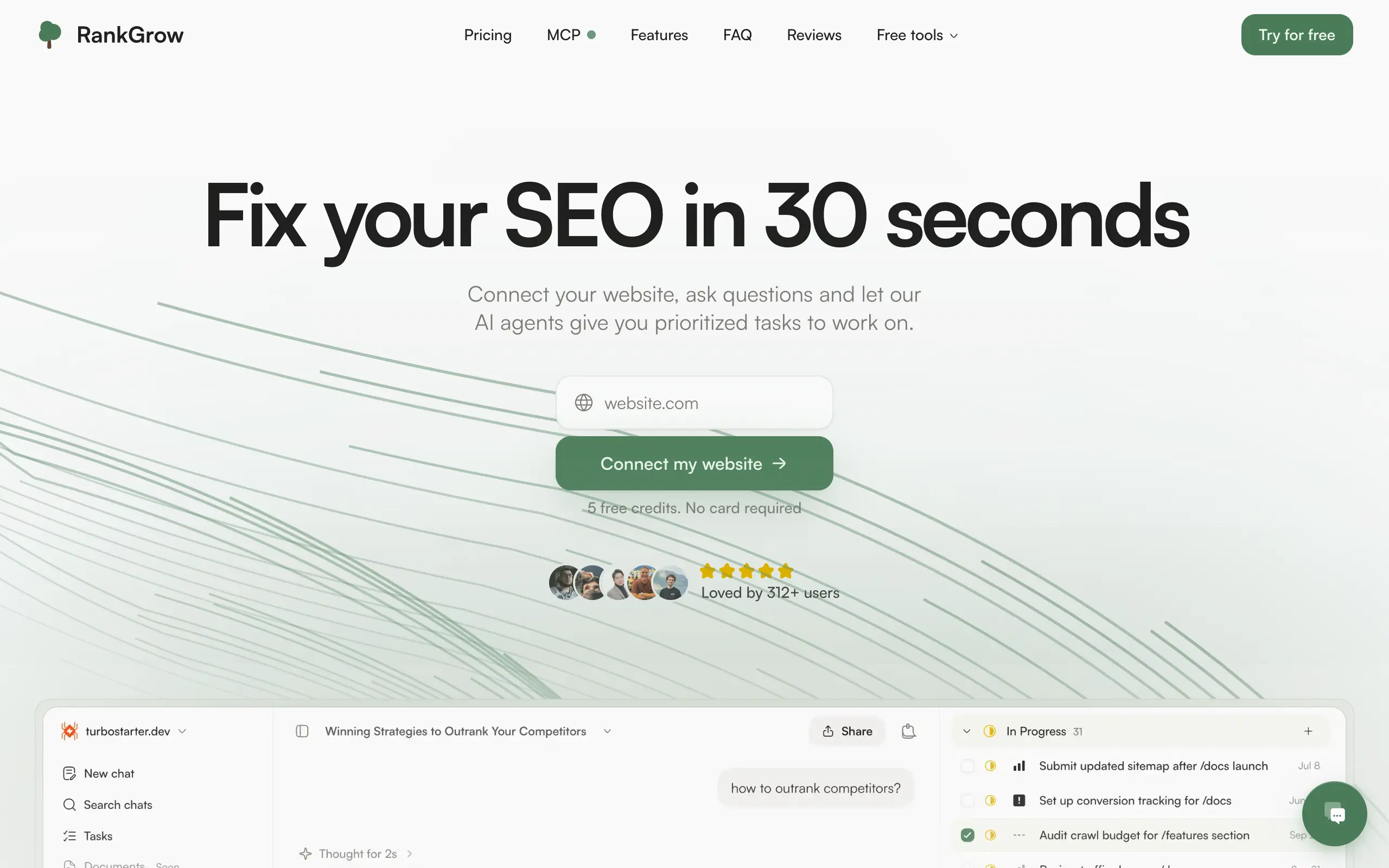
RankGrow
Fix your SEO with AI agents - connect Search Console, get prioritized tasks, and grow organic traffic 📈
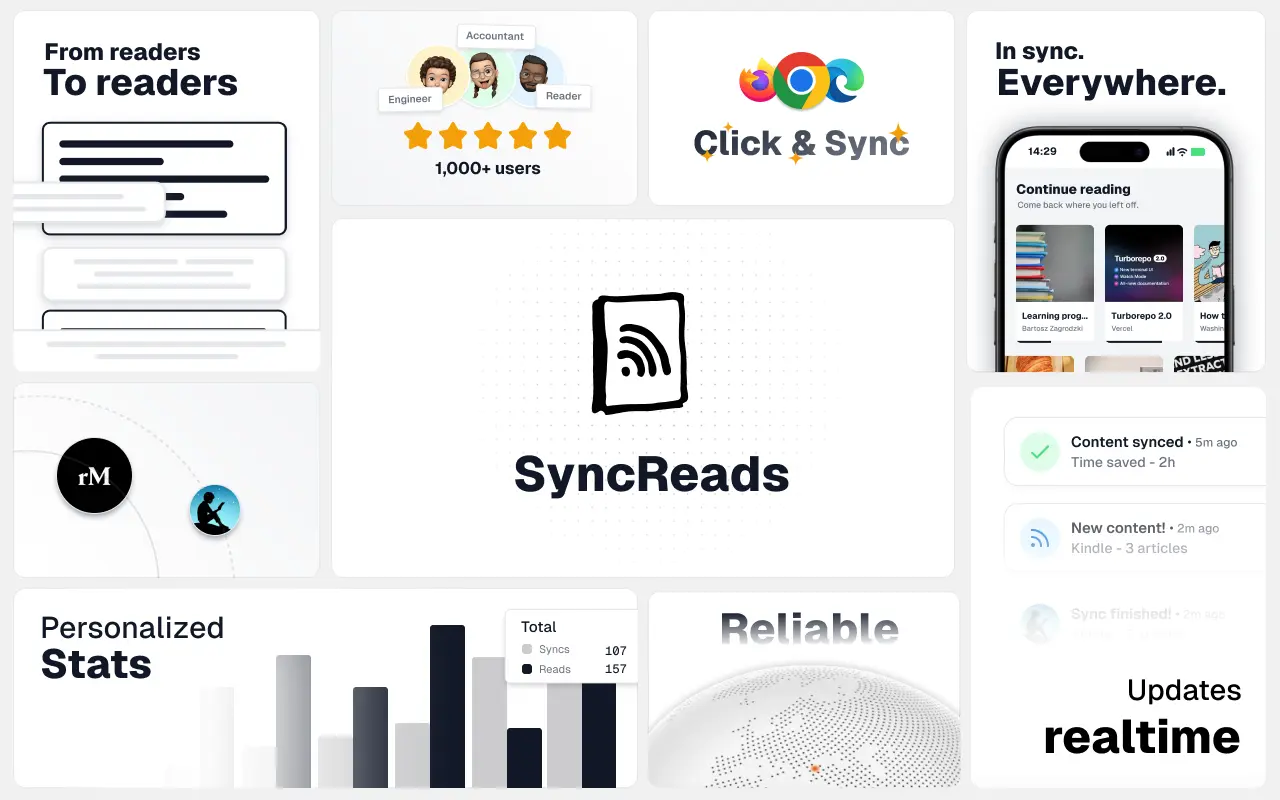
SyncReads
Sync your favorite content for distraction-free reading, save time and replace multiple apps. Anytime, anywhere 🔄
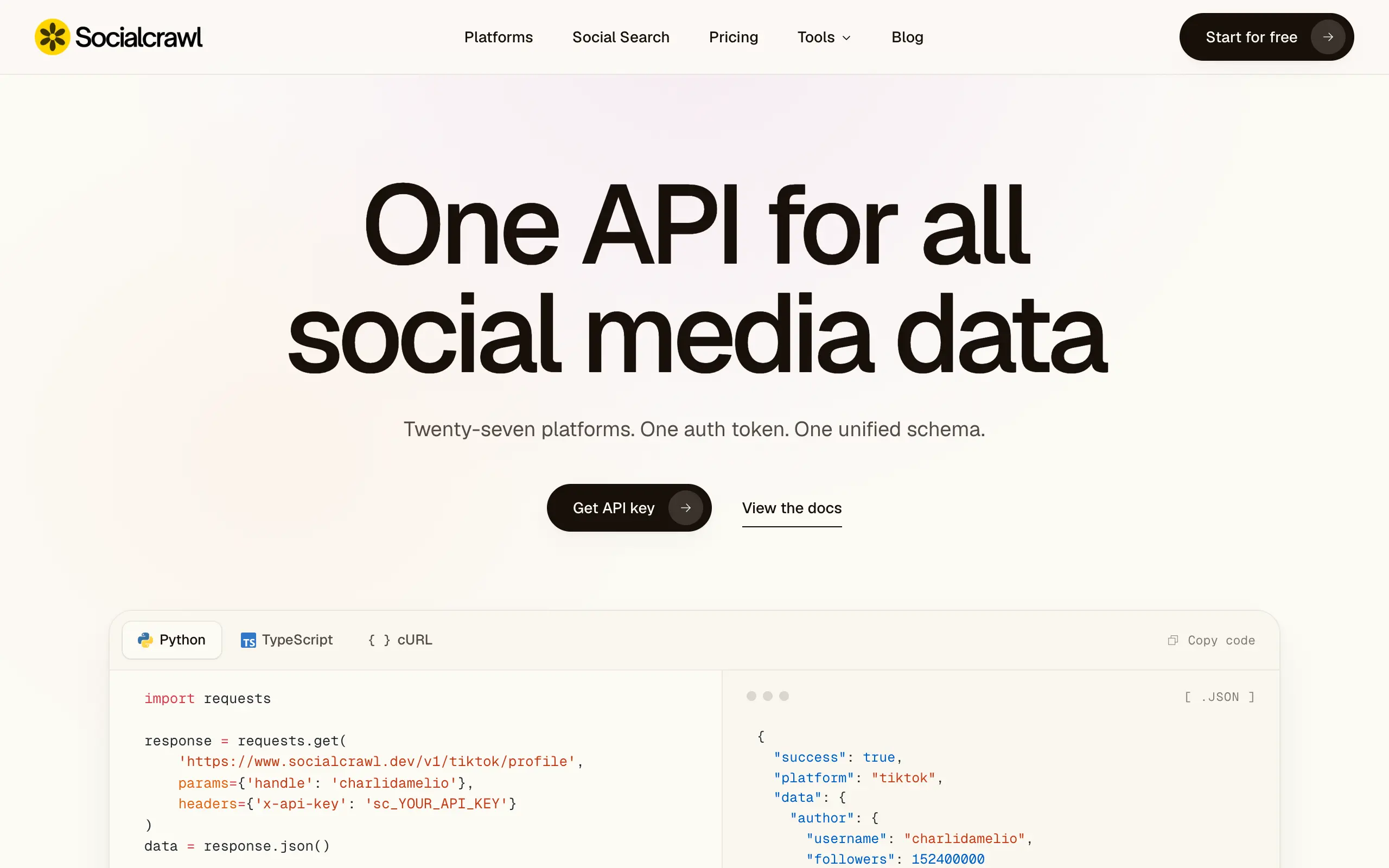
Socialcrawl
Get clean, structured data from 21 platforms like TikTok, Instagram, and YouTube with a single request 📊
Statiko
Monitor any Telegram channel in real time - track posts, edits, deletions, and growth with AI recaps 📡
Shibui
AI website builder - describe your business, pick a niche template, edit by chatting, and publish instantly ✨
Pro Service
Find verified home service professionals, compare quotes, and pay securely through escrow - built for Brazilians across the US 🏠
RankGrow
Fix your SEO with AI agents - connect Search Console, get prioritized tasks, and grow organic traffic 📈
SyncReads
Sync your favorite content for distraction-free reading, save time and replace multiple apps. Anytime, anywhere 🔄
Socialcrawl
Get clean, structured data from 21 platforms like TikTok, Instagram, and YouTube with a single request 📊
Statiko
Monitor any Telegram channel in real time - track posts, edits, deletions, and growth with AI recaps 📡
Shibui
AI website builder - describe your business, pick a niche template, edit by chatting, and publish instantly ✨
Pro Service
Find verified home service professionals, compare quotes, and pay securely through escrow - built for Brazilians across the US 🏠
RankGrow
Fix your SEO with AI agents - connect Search Console, get prioritized tasks, and grow organic traffic 📈
SyncReads
Sync your favorite content for distraction-free reading, save time and replace multiple apps. Anytime, anywhere 🔄
Socialcrawl
Get clean, structured data from 21 platforms like TikTok, Instagram, and YouTube with a single request 📊
Statiko
Monitor any Telegram channel in real time - track posts, edits, deletions, and growth with AI recaps 📡
Shibui
AI website builder - describe your business, pick a niche template, edit by chatting, and publish instantly ✨
Pro Service
Find verified home service professionals, compare quotes, and pay securely through escrow - built for Brazilians across the US 🏠
RankGrow
Fix your SEO with AI agents - connect Search Console, get prioritized tasks, and grow organic traffic 📈
SyncReads
Sync your favorite content for distraction-free reading, save time and replace multiple apps. Anytime, anywhere 🔄
Socialcrawl
Get clean, structured data from 21 platforms like TikTok, Instagram, and YouTube with a single request 📊
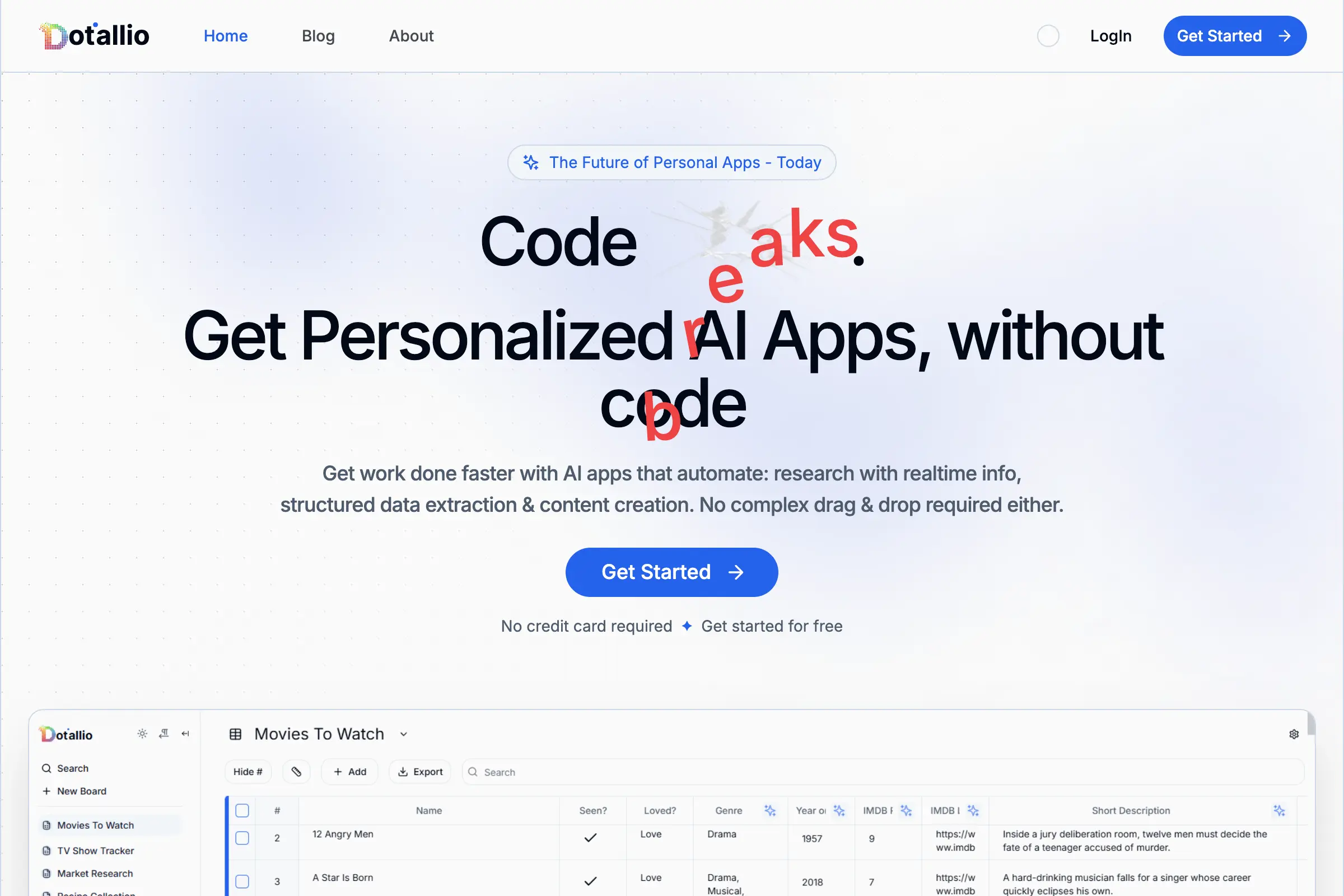
Dotallio
Personalized AI apps that automate research, data extraction, and content creation without code 🤖
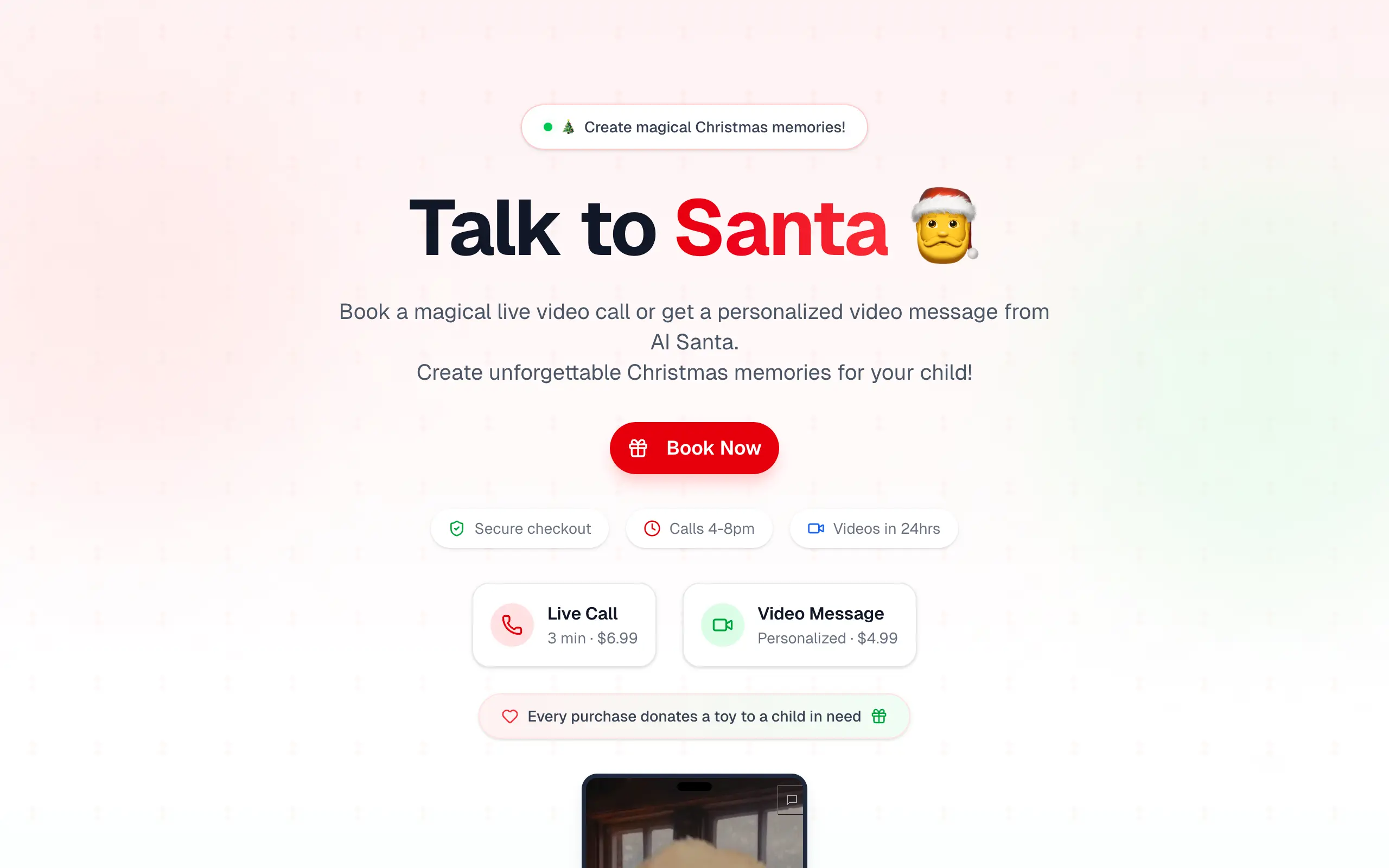
Talk to Santa
Enjoy a magical live video chat or receive a unique AI-generated video greeting from Santa Claus 🎅

pozywka.pl
Scalable blog for food journalist, focused on performance and user experience 🌭
zagrodzki.me
Personal blog and portfolio of Bart Zagrodzki, where he shares his knowledge and work 💼
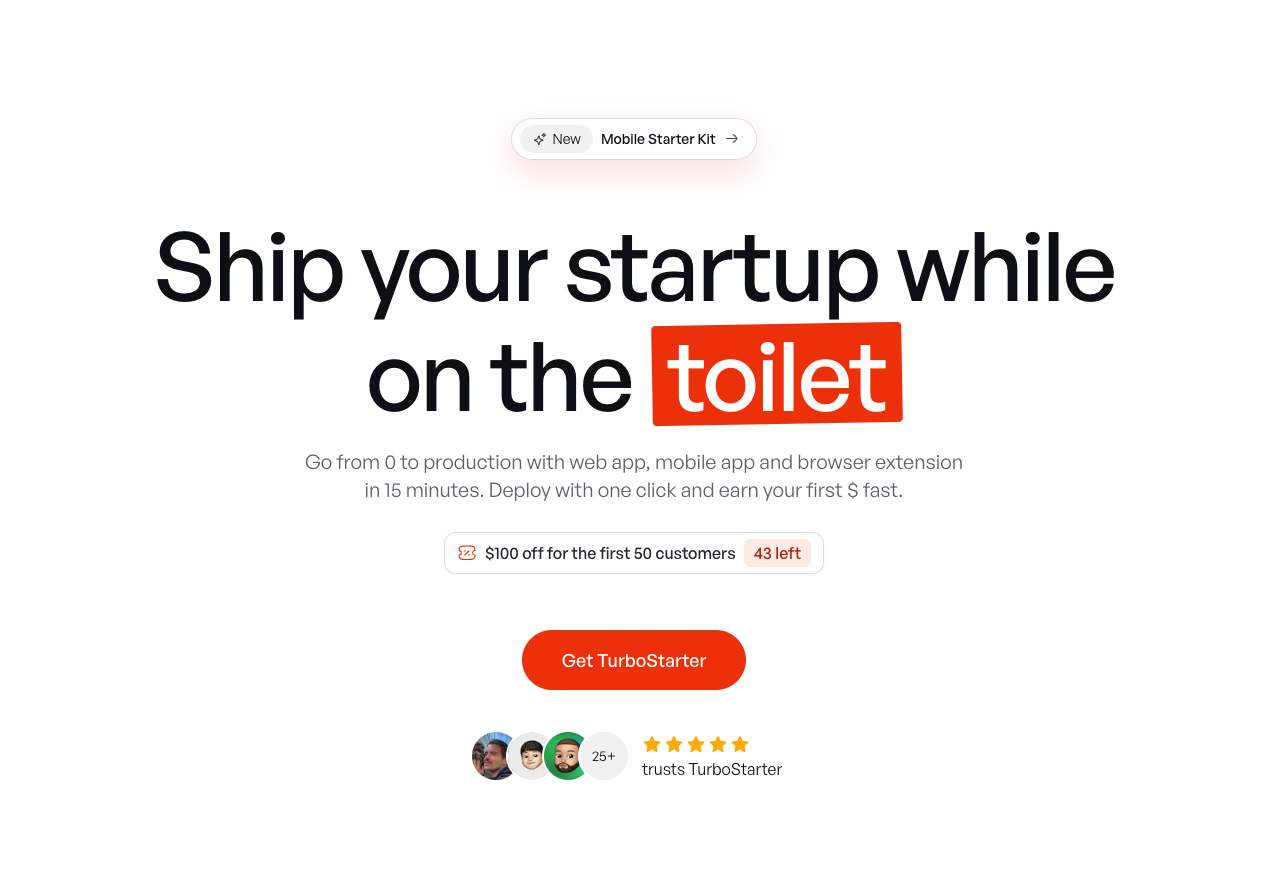
TurboStarter
Ship your startup everywhere. In minutes.
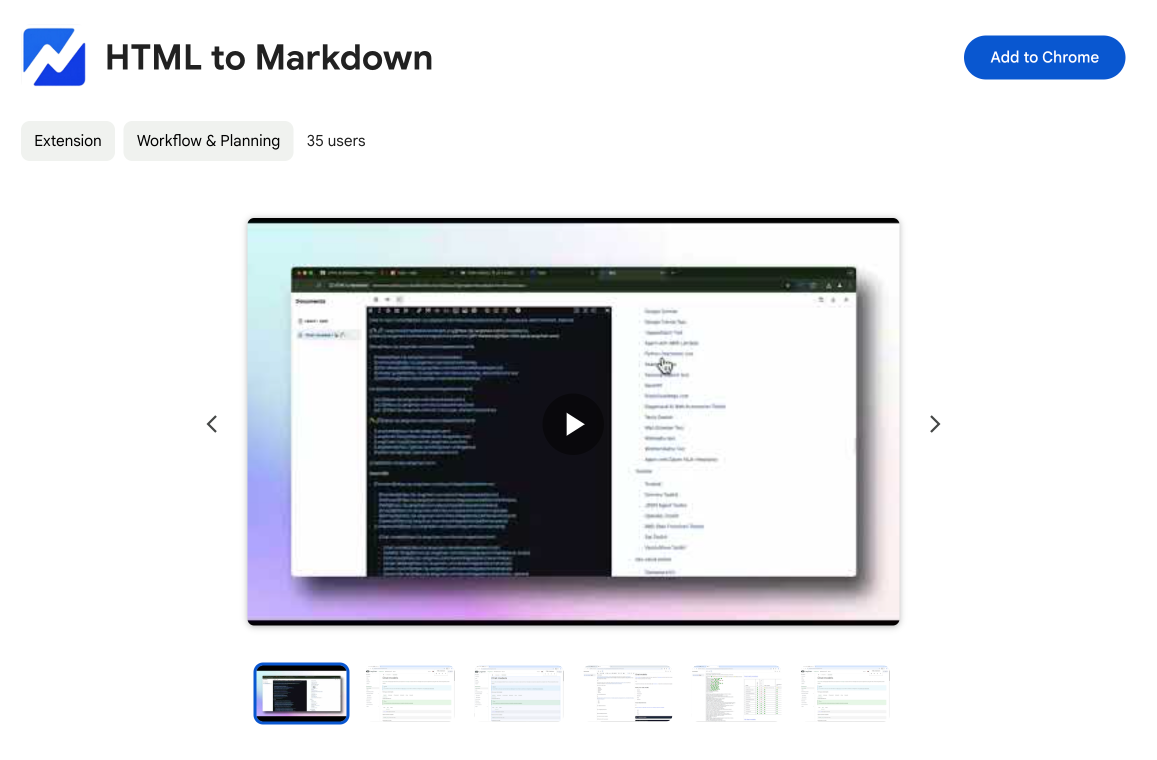
HTML to Markdown
Convert HTML to Markdown with ease, directly in your browser 📄
Dotallio
Personalized AI apps that automate research, data extraction, and content creation without code 🤖
Talk to Santa
Enjoy a magical live video chat or receive a unique AI-generated video greeting from Santa Claus 🎅
pozywka.pl
Scalable blog for food journalist, focused on performance and user experience 🌭
zagrodzki.me
Personal blog and portfolio of Bart Zagrodzki, where he shares his knowledge and work 💼
TurboStarter
Ship your startup everywhere. In minutes.
HTML to Markdown
Convert HTML to Markdown with ease, directly in your browser 📄
Dotallio
Personalized AI apps that automate research, data extraction, and content creation without code 🤖
Talk to Santa
Enjoy a magical live video chat or receive a unique AI-generated video greeting from Santa Claus 🎅
pozywka.pl
Scalable blog for food journalist, focused on performance and user experience 🌭
zagrodzki.me
Personal blog and portfolio of Bart Zagrodzki, where he shares his knowledge and work 💼
TurboStarter
Ship your startup everywhere. In minutes.
HTML to Markdown
Convert HTML to Markdown with ease, directly in your browser 📄
Dotallio
Personalized AI apps that automate research, data extraction, and content creation without code 🤖
Talk to Santa
Enjoy a magical live video chat or receive a unique AI-generated video greeting from Santa Claus 🎅
pozywka.pl
Scalable blog for food journalist, focused on performance and user experience 🌭
zagrodzki.me
Personal blog and portfolio of Bart Zagrodzki, where he shares his knowledge and work 💼
TurboStarter
Ship your startup everywhere. In minutes.
HTML to Markdown
Convert HTML to Markdown with ease, directly in your browser 📄
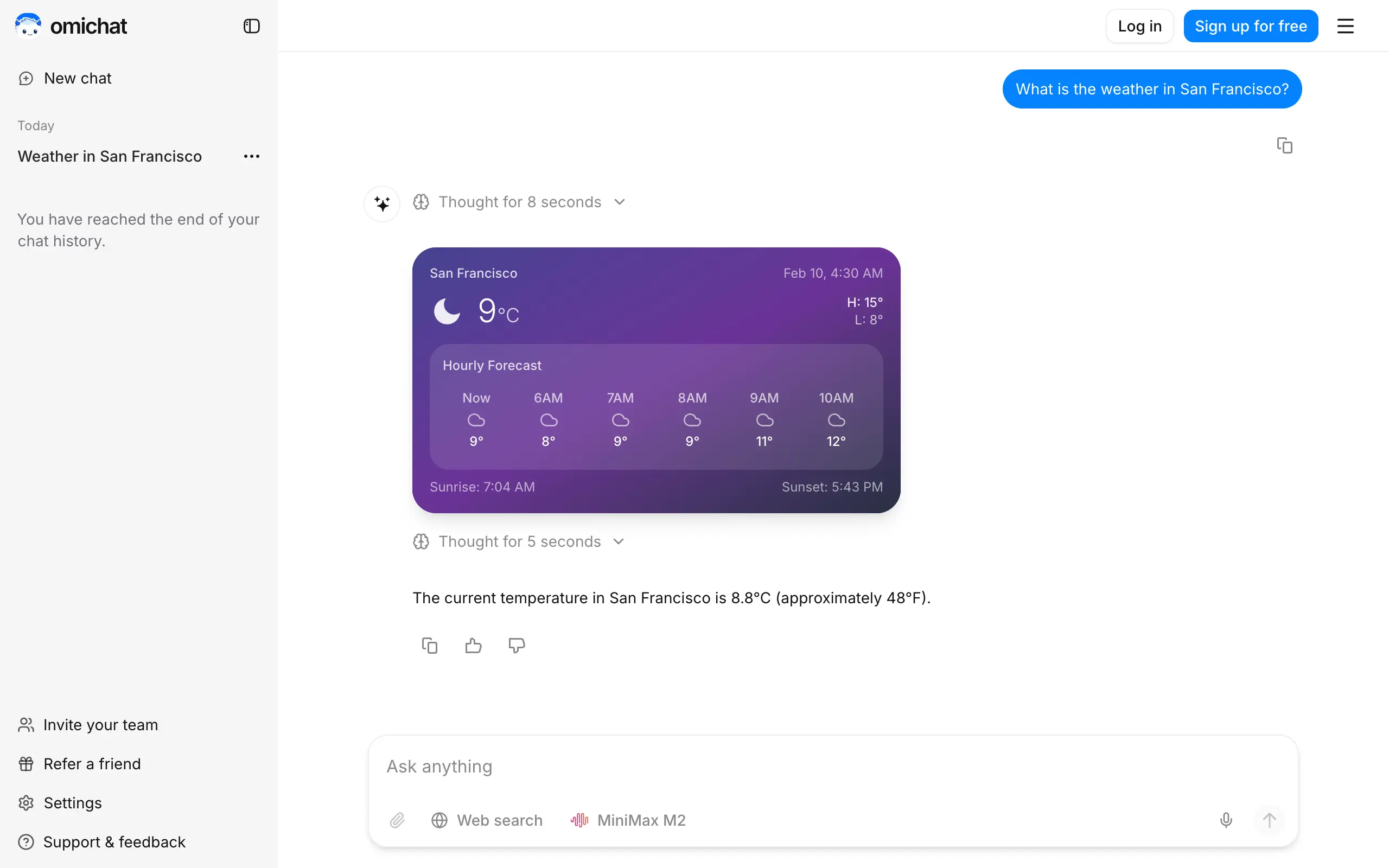
Omichat
Chat with 50+ AI models, including ChatGPT and Claude, in one place - switch models anytime without losing context 🤖
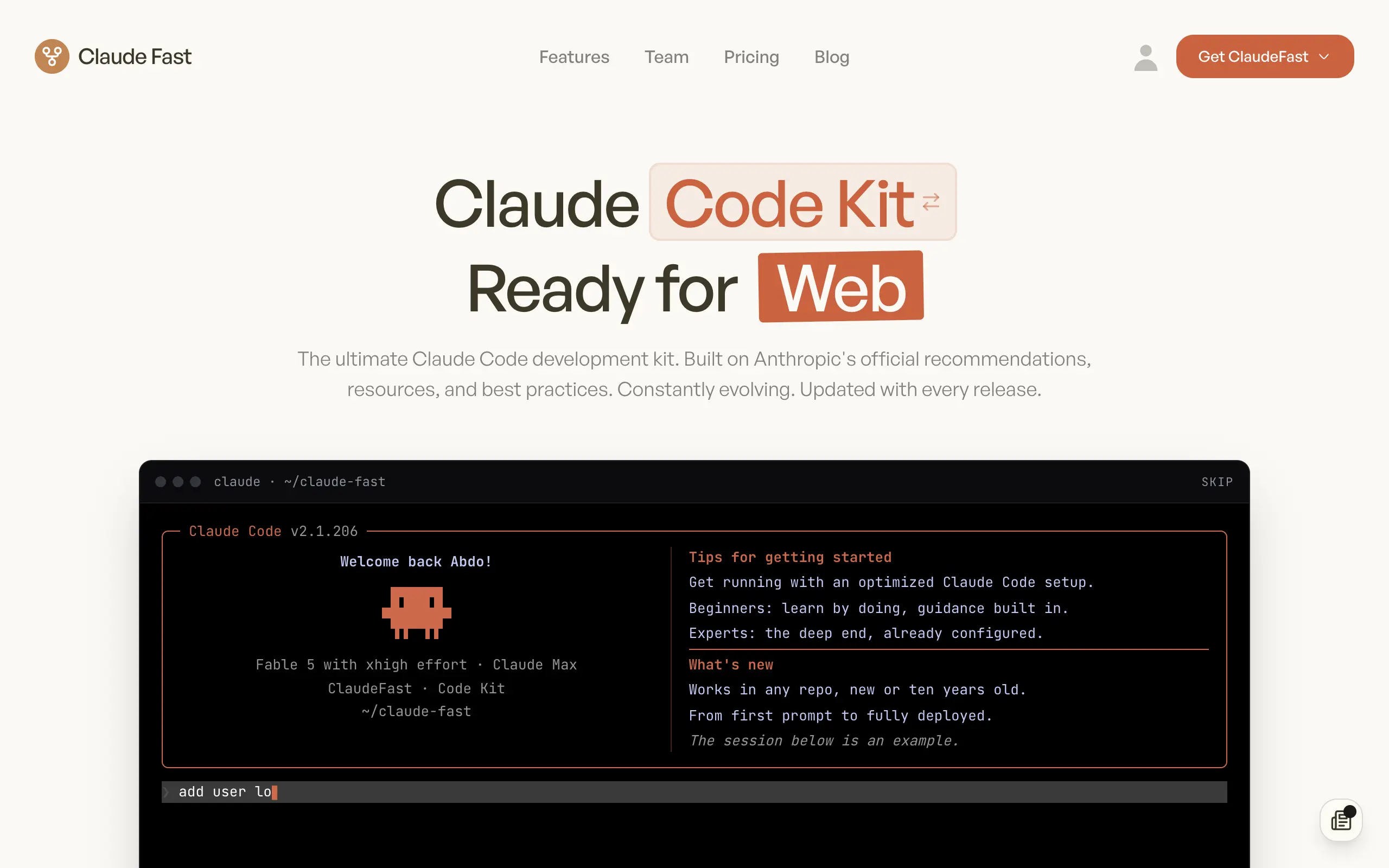
Claude Fast
Supercharge your Claude Code with 6x effective context window and specialized AI agents 🤖
EmojAI
AI-powered emoji picker with smart, context-aware suggestions 🤖
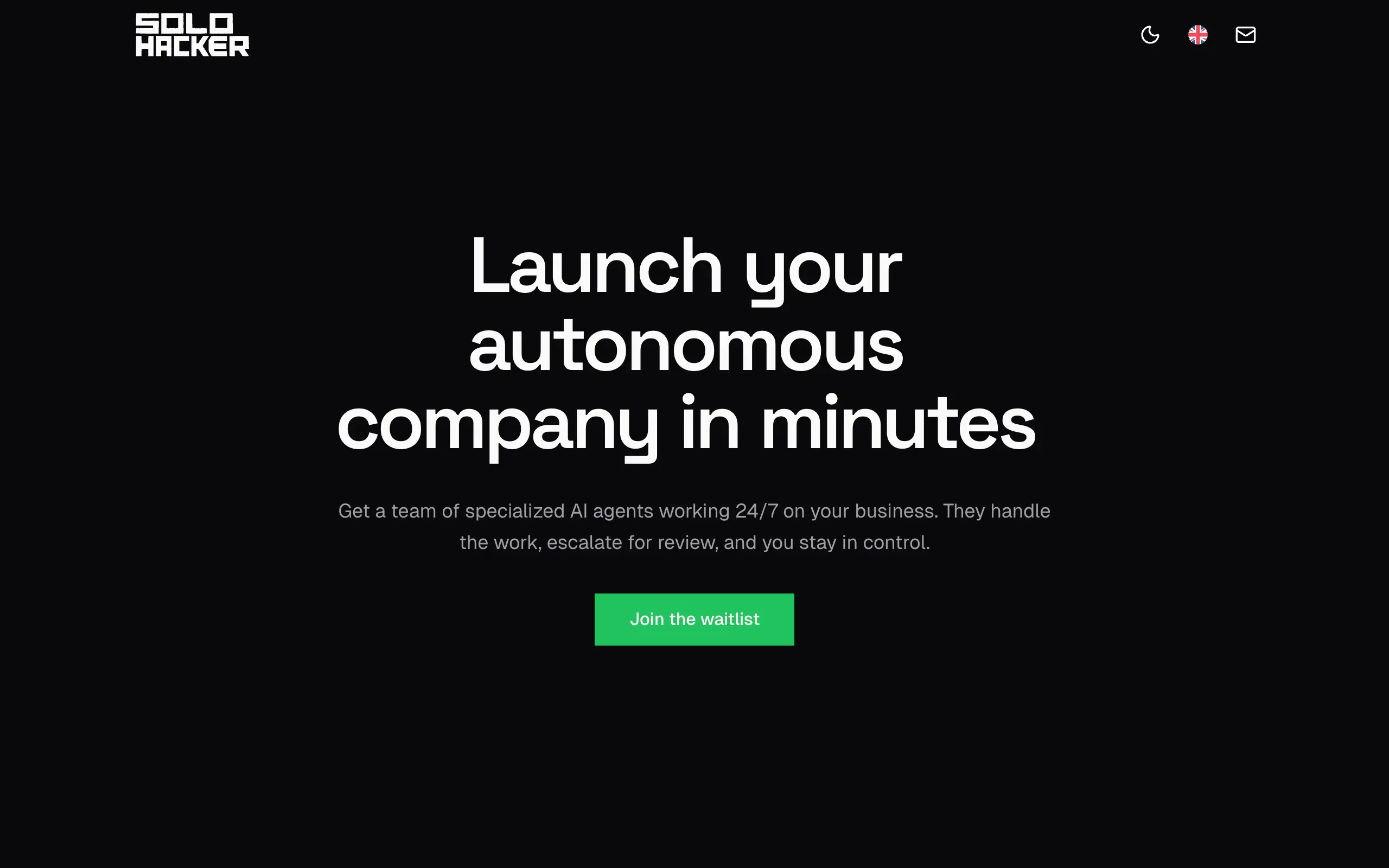
Solohacker
Autonomous company launcher - AI agents work 24/7, escalate what matters, and you stay in control 🤖

BeRawi: Storytelling Coach
Practice storytelling daily with instant feedback to sound clearer, more engaging, and confident 🎤
Omichat
Chat with 50+ AI models, including ChatGPT and Claude, in one place - switch models anytime without losing context 🤖
Claude Fast
Supercharge your Claude Code with 6x effective context window and specialized AI agents 🤖
EmojAI
AI-powered emoji picker with smart, context-aware suggestions 🤖
Solohacker
Autonomous company launcher - AI agents work 24/7, escalate what matters, and you stay in control 🤖
BeRawi: Storytelling Coach
Practice storytelling daily with instant feedback to sound clearer, more engaging, and confident 🎤
Omichat
Chat with 50+ AI models, including ChatGPT and Claude, in one place - switch models anytime without losing context 🤖
Claude Fast
Supercharge your Claude Code with 6x effective context window and specialized AI agents 🤖
EmojAI
AI-powered emoji picker with smart, context-aware suggestions 🤖
Solohacker
Autonomous company launcher - AI agents work 24/7, escalate what matters, and you stay in control 🤖
BeRawi: Storytelling Coach
Practice storytelling daily with instant feedback to sound clearer, more engaging, and confident 🎤
Omichat
Chat with 50+ AI models, including ChatGPT and Claude, in one place - switch models anytime without losing context 🤖
Claude Fast
Supercharge your Claude Code with 6x effective context window and specialized AI agents 🤖
EmojAI
AI-powered emoji picker with smart, context-aware suggestions 🤖
Solohacker
Autonomous company launcher - AI agents work 24/7, escalate what matters, and you stay in control 🤖
BeRawi: Storytelling Coach
Practice storytelling daily with instant feedback to sound clearer, more engaging, and confident 🎤

Connect with like-minded people
Join our community to get feedback, support, and grow together with 1,000+ builders on board, let's ship it!
Join usShip your startup everywhere. In minutes.
Don't burn tokens on setup and start building features on day one.