Tailgate
Measurement and fitting record app for independent bridal alteration seamstresses who juggle dozens of gowns at once. It sends each client a timed fitting schedule and photo checklist by text message.
Tailgate is a measurement and fitting record app for independent bridal alteration seamstresses. It tracks every gown's measurements, sends each bride a timed fitting schedule by text, and collects photo checklists before each appointment. In 2026 it has potential because small service businesses already run on text messages, and nobody has built a record system for this one craft.
Key takeaways
- Target customer: solo and two-person bridal alteration studios handling roughly 20 to 60 gowns at any given time.
- Pricing angle: a flat monthly subscription, for example $29 to $49 per studio, with no per-client fees.
- Biggest risk: seamstresses may not change habits built around paper cards, notebooks and personal phone texting.
- Time to MVP: about 3 to 5 weeks for a web app with SMS, starting from TurboStarter.
What problem does a bridal alteration measurement app solve?
Independent seamstresses lose time and money because gown records live in notebooks, camera rolls and text threads. A lost measurement or a missed fitting date means a bride panicking two weeks before her wedding. Tailgate turns that scattered information into one record per gown and automates the reminders.
Who is Tailgate for?
The ideal customer is a solo seamstress, or a studio with one or two helpers, who does bridal alterations as the main income. She typically has 20 to 60 active gowns, each with a wedding date, several fittings, and a bride who texts at odd hours. She is not looking for enterprise software. She wants fewer mistakes and fewer evenings spent chasing people.
Secondary customers are bridal boutiques with an in-house seamstress and dry cleaners that offer alterations on the side. Ignore them at first. Their buying process is slower and their needs differ.
What is the current workaround and why does it fail?
Most work from a combination of paper measurement cards, a shared calendar, phone photos and personal text threads. Each tool does one thing, and nothing connects them.
- Paper cards: easy to write on while pinning, but they get lost, stained and cannot be searched.
- Camera roll: before photos mix with family pictures and are impossible to tie to a specific gown.
- Calendar apps: they hold appointments but not the measurements or what the bride needs to bring.
- Manual texts: the seamstress writes "Don't forget your shoes and shapewear" forty times a season.
The failure shows up in the weeks before a wedding, when volume peaks and memory stops being a system.
Is there a market opportunity for bridal alteration software?
Yes, but a narrow one. General appointment tools such as Square Appointments or Calendly handle scheduling, and tailoring or fashion software exists for larger production workflows. Almost nothing treats a bridal alteration as the unit of work: one gown, one bride, one wedding date, a sequence of fittings and a growing measurement history.
Why now?
Three trends help in 2026:
- Text-first communication: clients expect SMS and answer it faster than email or app notifications.
- Phone cameras are good enough: brides can send usable posture and fit photos without any equipment.
- Cheap building blocks: SMS APIs, auth and billing are commodity, so a tiny team can ship a niche product quickly.
The honest caveat is size. This is a small niche, so Tailgate is a lifestyle-scale or bootstrapped business, not a venture-scale one, unless you later expand to other fitted garments such as tuxedos, formalwear and costume work.
What should the Tailgate MVP include?
Build the minimum that replaces the notebook and the repeated texts. The aha moment is the first time a bride gets a text with her fitting time and checklist, replies with photos, and the seamstress sees them attached to the right gown without typing anything.
Gown and measurement record
One record per gown with wedding date, measurements, notes and a history of changes between fittings.
Timed fitting schedule
Generate a fitting sequence backward from the wedding date and adjust it with one tap.
Text message reminders
Send each bride her appointment time and what to bring, with replies landing in the gown record.
Photo checklist
Ask for specific photos before a fitting and attach them automatically to the correct gown.
What should you cut from version one?
Cut payments and invoicing, a bride-facing app, inventory, multi-staff scheduling and a marketplace. Brides should never need an account: a text link is enough. Seamstresses can keep their existing payment method for now.
How is Tailgate different from spreadsheets and booking apps?
The unique selling proposition is simple: Tailgate organizes work around the gown and the wedding date, not the appointment slot. Generic tools know when someone is coming. Tailgate knows what must be done before the wedding and what information is missing.
| Option | Gown-level measurement history | Wedding-date fitting schedule | Photo collection by text | Setup effort |
|---|---|---|---|---|
| Tailgate | ✅ | ✅ | ✅ | Low |
| Paper cards and notebook | Partial | ❌ | ❌ | None |
| Spreadsheet | Partial | Manual | ❌ | Medium |
| Booking apps (Calendly, Square) | ❌ | ❌ | ❌ | Low |
| General CRM | Custom fields | Manual | ❌ | High |
The moat is not technology. It is the workflow defaults: the fitting cadence, the checklist wording and the measurement fields that a working seamstress would recognize as correct.
How would Tailgate make money?
Charge the studio, never the bride. The seamstress feels the pain and has a business budget.
- Flat monthly subscription: for example $29 per month for one user and a set number of active gowns, with a higher tier for helpers. This is the simplest to explain and sell.
- Seasonal plan: bridal work peaks by season, so offer a lower-priced month-to-month plan that can be paused. This reduces churn caused by quiet months.
- SMS usage bundle: include a generous message allowance and charge for overage. Keep it predictable, since seamstresses dislike surprise bills.
As an assumption: if you charge $29 per month and 100 studios stay subscribed, that is $2,900 in monthly recurring revenue before SMS costs. Measure your actual message cost per gown before choosing the allowance.
Which growth channel works first?
Start with direct outreach and communities. Bridal alteration seamstresses gather in Facebook groups, local bridal networks and boutique referral relationships. Offer a few of them free setup in exchange for feedback, then ask for introductions. Paid ads usually waste money in a niche this small.
How do you validate Tailgate before building it?
Spend one to two weeks proving that seamstresses will pay, not just nod politely.
Interview eight seamstresses
Ask them to walk you through their last three gowns, including where measurements were stored and what went wrong. Listen for missed fittings and repeated texts.
Ship a one-page landing site
Promise one outcome: every bride knows her fitting times and what to bring, without you texting each one. Collect waitlist emails and a phone number.
Run a manual concierge test
For two or three studios, send the fitting texts yourself from a shared number and track the replies in a spreadsheet. This tests the aha moment without code.
Ask for a pre-sale
Offer a founding-member price, such as a discounted annual plan, and see who pays. Three paid commitments are a stronger signal than fifty waitlist signups.
How do you build Tailgate with TurboStarter?
The fastest route is a starter kit that handles everything a SaaS needs before your actual product. TurboStarter ships a monorepo with web and mobile apps, plus the pieces you would otherwise spend weeks on. That leaves your time for the fitting schedule logic and the SMS flow.
What does TurboStarter cover?
- Accounts: authentication for seamstresses, with no bride accounts needed.
- Subscriptions: billing for the monthly plans.
- Data: a typed database layer for gowns, clients and fittings.
- Photo uploads: storage for the fitting photos.
Transactional emails, an admin panel, analytics and background tasks are also included, and organizations support helpers later. The custom work is the schedule generator, the SMS integration and the gown record screens.
How should the data model look?
Keep the model small. The gown is the center, and everything hangs off it.
type Gown = {
  id: string;
  studioId: string;
  clientName: string;
  clientPhone: string;
  weddingDate: Date;
  measurements: Record<string, number>; // e.g. bust, waist, hem
  notes: string;
};

type Fitting = {
  id: string;
  gownId: string;
  scheduledAt: Date;
  checklist: string[];
  photoUrls: string[];
  status: "scheduled" | "confirmed" | "done" | "missed";
};
Which SMS provider should you choose?
The default choice. It has mature documentation, two-way messaging and photo (MMS) support. Expect to handle US carrier registration for business texting, which takes time, so start it in week one.
Other SMS providers can be cheaper in some regions and are worth pricing once you know your volume. The trade-off is usually less documentation and fewer integrations. Switch only if message costs threaten your margin.
Use scheduled background jobs to send reminders, and keep the schedule logic in plain, testable functions. Start web-first. A mobile app can wait until seamstresses ask to take measurements on a phone while pinning.
What could make Tailgate fail?
Biggest risk: habit change
Seamstresses already have a system, even if it is messy. If data entry takes longer than writing on a card, they will quit within a week. Make measurement entry fast enough to use mid-fitting, and import existing gowns for them during onboarding.
- Small market: the niche limits revenue. Mitigate by planning expansion into adjacent fitted-garment work once the core is proven.
- SMS compliance and cost: carrier registration and consent rules can delay launch. Mitigate by collecting consent at booking and starting registration early.
- Seasonality: wedding work is uneven, which causes churn. Mitigate with pausable plans and annual discounts.
- Brides ignoring texts: reminders only help if replies arrive. Mitigate with short messages, one clear request each, and a fallback call for no-shows.
What are the next steps for launching Tailgate?
Days 1 to 7: talk and decide
Complete the interviews, publish the landing page and start SMS registration.
Days 8 to 14: concierge test
Run the manual text flow for two or three studios and refine the checklist wording.
Days 15 to 24: build the core
Set up the starter kit, then build the gown record, schedule generator and SMS sending.
Days 25 to 30: onboard first users
Import their existing gowns by hand, collect feedback weekly and convert pre-sales into paid plans.
Start with a narrow promise and a handful of real seamstresses. Set up your project with TurboStarter and spend your time on the part only Tailgate does.
FAQ
Talk to eight or more people in the niche, then test willingness to pay with a pre-sale or a manual version of the service. Paid commitments matter more than waitlist signups. If nobody will prepay a founding price, revisit the problem before writing code.
A flat fee in the range of $29 to $49 per studio per month is a reasonable starting assumption. Seamstresses are solo business owners, so predictable pricing matters more than features. Test two price points in your pre-sale conversations.
Direct competitors are few, but the real alternatives are paper, spreadsheets and generic booking tools like Calendly or Square Appointments. Tailoring and fashion production software exists but targets larger workflows. Your edge is a gown-centered workflow built for bridal alterations.
A TypeScript web app with a relational database, authentication, billing, file storage for photos and an SMS provider such as Twilio. A starter kit like TurboStarter covers most of that except the SMS integration and your scheduling logic.
Expect three to five weeks of part-time to full-time work for a web MVP, assuming you use a starter kit. Main costs are SMS fees, hosting and your time. Carrier registration for business texting can add calendar delay, so begin it early.
More 🏢 B2B Application SaaS ideas
Discover more innovative b2b application SaaS ideas that are trending in 2026. Each idea is AI-generated with market validation and growth potential to help you find your next profitable venture faster than competitors.
Your competitors are building with TurboStarter
Below are some of the SaaS ideas that have been generated and built with our starter kit.

Monitor any Telegram channel in real time - track posts, edits, deletions, and growth with AI recaps 📡

AI website builder - describe your business, pick a niche template, edit by chatting, and publish instantly ✨
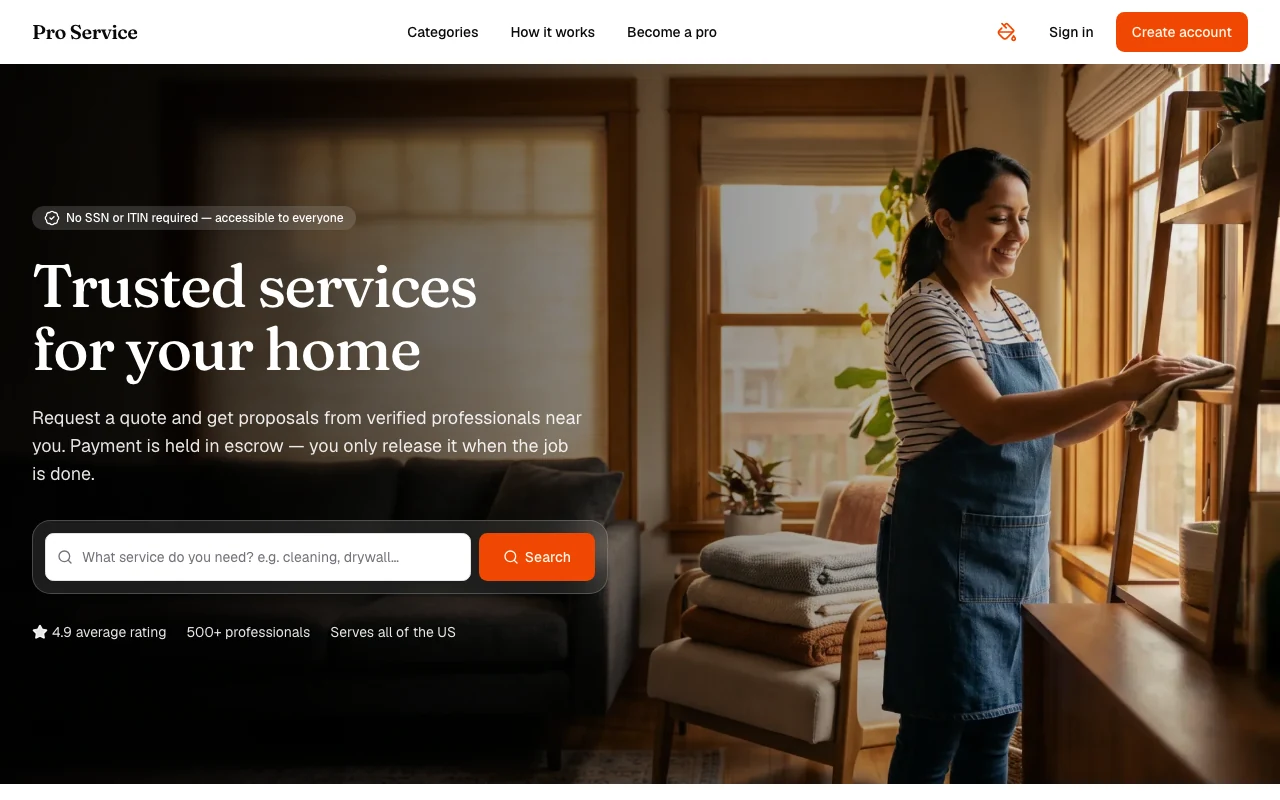
Find verified home service professionals, compare quotes, and pay securely through escrow - built for Brazilians across the US 🏠
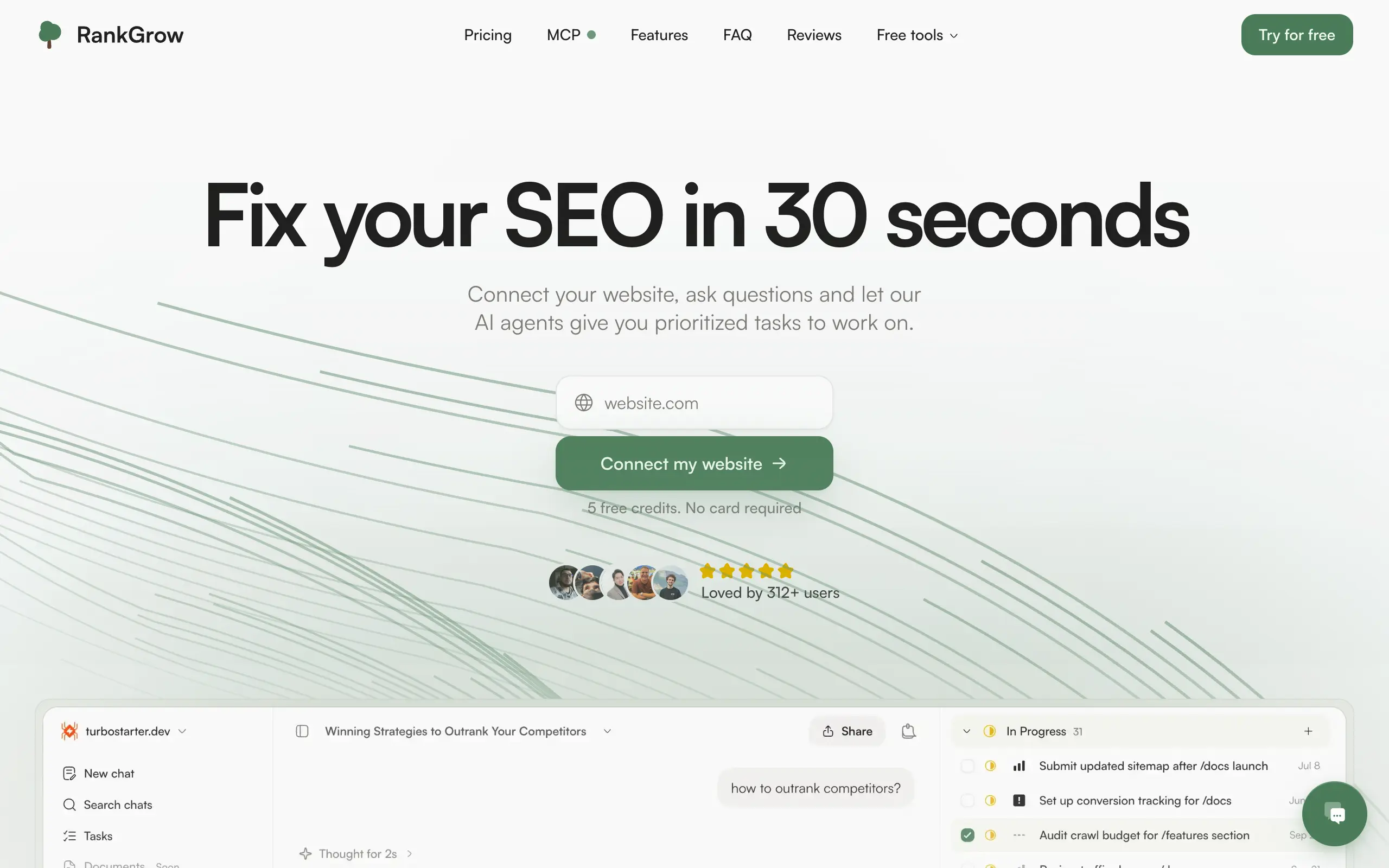
Fix your SEO with AI agents - connect Search Console, get prioritized tasks, and grow organic traffic 📈

Sync your favorite content for distraction-free reading, save time and replace multiple apps. Anytime, anywhere 🔄

Get clean, structured data from 21 platforms like TikTok, Instagram, and YouTube with a single request 📊
Monitor any Telegram channel in real time - track posts, edits, deletions, and growth with AI recaps 📡
AI website builder - describe your business, pick a niche template, edit by chatting, and publish instantly ✨
Find verified home service professionals, compare quotes, and pay securely through escrow - built for Brazilians across the US 🏠
Fix your SEO with AI agents - connect Search Console, get prioritized tasks, and grow organic traffic 📈
Sync your favorite content for distraction-free reading, save time and replace multiple apps. Anytime, anywhere 🔄
Get clean, structured data from 21 platforms like TikTok, Instagram, and YouTube with a single request 📊

Personalized AI apps that automate research, data extraction, and content creation without code 🤖

Enjoy a magical live video chat or receive a unique AI-generated video greeting from Santa Claus 🎅

Scalable blog for food journalist, focused on performance and user experience 🌭

Personal blog and portfolio of Bart Zagrodzki, where he shares his knowledge and work 💼

Ship your startup everywhere. In minutes.

Convert HTML to Markdown with ease, directly in your browser 📄
Personalized AI apps that automate research, data extraction, and content creation without code 🤖
Enjoy a magical live video chat or receive a unique AI-generated video greeting from Santa Claus 🎅
Scalable blog for food journalist, focused on performance and user experience 🌭
Personal blog and portfolio of Bart Zagrodzki, where he shares his knowledge and work 💼
Ship your startup everywhere. In minutes.
Convert HTML to Markdown with ease, directly in your browser 📄

Chat with 50+ AI models, including ChatGPT and Claude, in one place - switch models anytime without losing context 🤖

Supercharge your Claude Code with 6x effective context window and specialized AI agents 🤖

AI-powered emoji picker with smart, context-aware suggestions 🤖

Autonomous company launcher - AI agents work 24/7, escalate what matters, and you stay in control 🤖

Practice storytelling daily with instant feedback to sound clearer, more engaging, and confident 🎤
Chat with 50+ AI models, including ChatGPT and Claude, in one place - switch models anytime without losing context 🤖
Supercharge your Claude Code with 6x effective context window and specialized AI agents 🤖
AI-powered emoji picker with smart, context-aware suggestions 🤖
Autonomous company launcher - AI agents work 24/7, escalate what matters, and you stay in control 🤖
Practice storytelling daily with instant feedback to sound clearer, more engaging, and confident 🎤

Connect with like-minded people
Join our community to get feedback, support, and grow together with 1,000+ builders on board, let's ship it!
Join usShip your startup everywhere. In minutes.
Don't burn tokens on setup and start building features on day one.