TalentMatch Pro
AI-driven B2B talent sourcing and matching platform for agencies and enterprises, optimizing candidate selection and reducing hiring time.
Understanding the need for AI-driven B2B talent sourcing
The modern hiring landscape is more competitive than ever. Agencies and enterprises are under constant pressure to identify, attract, and secure top talent—often across multiple roles, locations, and skill sets. Traditional recruitment methods, while still valuable, are increasingly unable to keep pace with the speed and precision required in today’s market. This is where AI-driven B2B talent sourcing and matching platforms like TalentMatch Pro come into play.
By leveraging artificial intelligence, these platforms optimize candidate selection, reduce hiring time, and deliver a measurable impact on recruitment ROI. In this article, we’ll explore the core features, market opportunity, technical considerations, and actionable steps for implementing a solution like TalentMatch Pro.
Who is TalentMatch Pro for? Target audience analysis
Understanding the target audience is crucial for any SaaS product, especially in the B2B talent sourcing space. TalentMatch Pro is designed for:
- Recruitment agencies: Firms managing multiple clients and high-volume hiring needs.
- Enterprise HR departments: Large organizations with ongoing, complex hiring requirements.
- Talent acquisition teams: Internal teams focused on strategic workforce planning.
- RPO (Recruitment Process Outsourcing) providers: Companies offering outsourced recruitment services to other businesses.
Key pain points addressed:
- Time-consuming manual candidate screening
- Difficulty matching candidates to nuanced job requirements
- High cost-per-hire and long time-to-fill metrics
- Inconsistent candidate quality and poor cultural fit
- Limited access to passive talent pools
By focusing on these user segments, TalentMatch Pro aligns its features and messaging to directly address the most pressing challenges in B2B recruitment.
Identifying the market opportunity and gaps
The global recruitment software market is projected to reach over $3.85 billion by 2028 (source: suggest referencing a recent Statista or Gartner report). Despite this growth, several gaps persist:
- Fragmented solutions: Many platforms focus on either sourcing or matching, but not both.
- Limited AI adoption: Traditional applicant tracking systems (ATS) often lack advanced AI-driven matching capabilities.
- Manual processes: Human-driven screening is slow and prone to bias.
- Poor integration: Difficulty syncing with existing HR tech stacks.
TalentMatch Pro addresses these gaps by offering an end-to-end, AI-powered platform that streamlines sourcing, matching, and candidate engagement—all while integrating seamlessly with existing tools.
Core features and solution details
To deliver on its promise, TalentMatch Pro must offer a robust set of features tailored to the needs of agencies and enterprises. Here’s a breakdown of the essential components:
AI-powered candidate sourcing
- Automated talent pool expansion: Scans public profiles, resumes, and databases to identify both active and passive candidates.
- Semantic search: Uses natural language processing (NLP) to understand job descriptions and candidate profiles beyond keyword matching.
- Diversity and inclusion filters: Promotes unbiased sourcing by anonymizing candidate data and highlighting diverse talent.
Intelligent candidate matching
- Skill and experience mapping: AI algorithms assess not just hard skills, but also soft skills, cultural fit, and career trajectory.
- Predictive analytics: Forecasts candidate success and retention likelihood based on historical data.
- Real-time ranking: Continuously updates candidate shortlists as new data becomes available.
Workflow automation
- Automated outreach: Personalized messaging to candidates at scale, improving response rates.
- Interview scheduling: Integrates with calendar tools to streamline the interview process.
- Feedback loops: Collects and analyzes hiring manager and candidate feedback to refine matching algorithms.
Integrations and data security
- ATS and HRIS integration: Connects with popular systems like Greenhouse, Workday, and BambooHR.
- GDPR and CCPA compliance: Ensures data privacy and regulatory adherence.
- Role-based access control: Protects sensitive information and maintains audit trails.
AI-driven sourcing
Automate the discovery of top talent across multiple channels.
Intelligent matching
Leverage machine learning to match candidates to roles with precision.
Workflow automation
Reduce manual tasks and accelerate the hiring process.
Seamless integrations
Connect with your existing HR tech stack effortlessly.
Recommended tech stack for TalentMatch Pro
Choosing the right technology stack is critical for scalability, performance, and maintainability. Here’s a recommended stack for building an AI-driven B2B talent sourcing platform:
Frontend
- React: For building a responsive, component-based user interface.
- TailwindCSS: Enables rapid UI development with utility-first CSS.
- TypeScript: Adds type safety and improves code maintainability.
Backend
- Node.js: High-performance, event-driven server-side logic.
- Express: Minimalist web framework for building APIs.
- Python (for AI/ML modules): Leverage libraries like scikit-learn, TensorFlow, or spaCy for NLP and machine learning.
Database
- PostgreSQL: Robust, scalable relational database.
- Elasticsearch: For fast, full-text search and semantic matching.
Infrastructure
- AWS / Google Cloud: Scalable cloud hosting, managed AI/ML services, and security.
- Docker: Containerization for consistent deployment.
- Kubernetes: Orchestration for scaling microservices.
Trade-offs to consider
- Python vs. Node.js for AI: While Node.js is excellent for API and real-time features, Python remains the go-to for advanced AI/ML due to its mature ecosystem.
- Monolithic vs. microservices: Microservices offer scalability but add complexity; a modular monolith may suffice for early-stage MVPs.
- Self-hosted vs. managed services: Managed cloud services reduce operational overhead but may increase costs at scale.
Monetization strategy options
A successful SaaS platform must have a clear path to revenue. For TalentMatch Pro, consider these monetization models:
1. Subscription-based pricing
- Tiered plans: Offer different feature sets (e.g., Basic, Pro, Enterprise) based on usage, integrations, and support.
- Per-seat or per-company pricing: Scale pricing with the size of the client’s team.
2. Pay-per-match or pay-per-hire
- Usage-based fees: Charge agencies or enterprises for each successful candidate match or hire.
3. Custom enterprise contracts
- White-label solutions: Offer custom branding and integrations for large clients.
- Dedicated support and SLAs: Premium support packages for mission-critical deployments.
4. Add-on services
- AI consulting: Help clients optimize their hiring processes using platform insights.
- Data enrichment: Offer access to premium candidate databases or analytics.
Subscription-based pricing is generally the most predictable and scalable, especially for B2B SaaS. It ensures recurring revenue and aligns with client expectations.
Offer advanced analytics, additional integrations, or premium support as add-ons to increase average revenue per user (ARPU).
Potential risks and mitigation strategies
Launching and scaling an AI-driven B2B talent sourcing platform comes with unique challenges. Here’s how to anticipate and address them:
Data privacy and compliance
- Risk: Mishandling candidate data can lead to legal and reputational issues.
- Mitigation: Implement robust encryption, regular audits, and ensure compliance with GDPR, CCPA, and other regulations.
Algorithmic bias
- Risk: AI models may inadvertently perpetuate bias, leading to unfair hiring practices.
- Mitigation: Use anonymized data, regularly audit algorithms, and incorporate fairness metrics.
Integration complexity
- Risk: Difficulty integrating with diverse ATS/HRIS systems can slow adoption.
- Mitigation: Build flexible APIs, offer pre-built connectors, and provide technical support.
Market competition
- Risk: Established players may have more resources and brand recognition.
- Mitigation: Focus on unique features, superior user experience, and rapid innovation.
User adoption
- Risk: Resistance to new technology among recruiters and HR teams.
- Mitigation: Offer onboarding, training, and clear ROI demonstrations.
Competitive advantage analysis
To stand out in a crowded market, TalentMatch Pro must deliver clear, defensible advantages:
| AI-driven matching | Manual screening | ATS integration | Bias mitigation | Real-time analytics |
|---|---|---|---|---|
| ✅ | ❌ | ❌ | ✅ | ❌ |
| ✅ | ❌ | ✅ | ✅ | ❌ |
Unique selling proposition (USP):
- End-to-end automation: From sourcing to matching to engagement, all powered by AI.
- Bias mitigation: Proactively addresses diversity and inclusion, a growing priority for enterprises.
- Seamless integrations: Works with existing HR tools, reducing friction and accelerating adoption.
- Continuous learning: AI models improve over time, delivering better matches and insights.
Why choose TalentMatch Pro?
TalentMatch Pro combines cutting-edge AI with practical workflow automation, helping agencies and enterprises hire faster, smarter, and more fairly.
Implementation steps: Bringing TalentMatch Pro to life
Building and launching an AI-driven B2B talent sourcing platform requires a structured approach. Here’s a step-by-step guide:
Staying ahead: Industry trends and future-proofing
The recruitment technology space is evolving rapidly. To ensure long-term relevance, TalentMatch Pro should:
- Leverage generative AI: Use large language models (LLMs) for smarter candidate communication and job description parsing.
- Embrace remote and hybrid work trends: Adapt matching algorithms to consider remote-readiness and global talent pools.
- Focus on analytics and reporting: Provide actionable insights on diversity, hiring efficiency, and candidate experience.
- Prioritize ethical AI: Stay ahead of regulations and public expectations around fairness and transparency.
Conclusion: Why TalentMatch Pro is the future of B2B talent sourcing
In a world where the right hire can make or break a business, agencies and enterprises need more than just another recruitment tool—they need a strategic partner. TalentMatch Pro delivers on this promise by combining AI-driven sourcing, intelligent matching, and workflow automation in a single, integrated platform.
By addressing real-world pain points, leveraging the latest technology, and prioritizing fairness and compliance, TalentMatch Pro is uniquely positioned to transform how organizations find and hire top talent.
Ready to accelerate your hiring process and secure the best candidates? Explore how TurboStarter can help you launch your own AI-driven B2B talent sourcing platform today.
Frequently asked questions
The platform uses anonymized data, regular algorithm audits, and fairness metrics to minimize bias and promote diversity in hiring.
Yes, it offers pre-built connectors and flexible APIs for seamless integration with popular ATS and HRIS platforms.
Unlike traditional tools, TalentMatch Pro leverages advanced AI for both sourcing and matching, automates workflows, and prioritizes bias mitigation.
Example: AI-powered candidate matching code snippet
Here’s a simplified example of how a candidate matching algorithm might be implemented using Python and scikit-learn:
from sklearn.feature_extraction.text import TfidfVectorizer
from sklearn.metrics.pairwise import cosine_similarity

# Example job description and candidate profiles
job_desc = ["Looking for a Python developer with experience in AI and cloud."]
candidates = [
    "Experienced Python developer with cloud and AI background.",
    "Front-end engineer skilled in React and CSS.",
    "Data scientist with Python and machine learning expertise."
]

# Vectorize text
vectorizer = TfidfVectorizer()
vectors = vectorizer.fit_transform([job_desc[0]] + candidates)

# Compute similarity scores
similarities = cosine_similarity(vectors[0:1], vectors[1:]).flatten()

# Rank candidates by similarity
ranked_candidates = sorted(zip(candidates, similarities), key=lambda x: x[1], reverse=True)
print(ranked_candidates)
By following this comprehensive guide, you’ll be well-equipped to build, launch, and scale an AI-driven B2B talent sourcing and matching platform that meets the evolving needs of agencies and enterprises.
More 🏢 B2B Application SaaS ideas
Discover more innovative b2b application SaaS ideas that are trending in 2026. Each idea is AI-generated with market validation and growth potential to help you find your next profitable venture faster than competitors.
Your competitors are building with TurboStarter
Below are some of the SaaS ideas that have been generated and built with our starter kit.
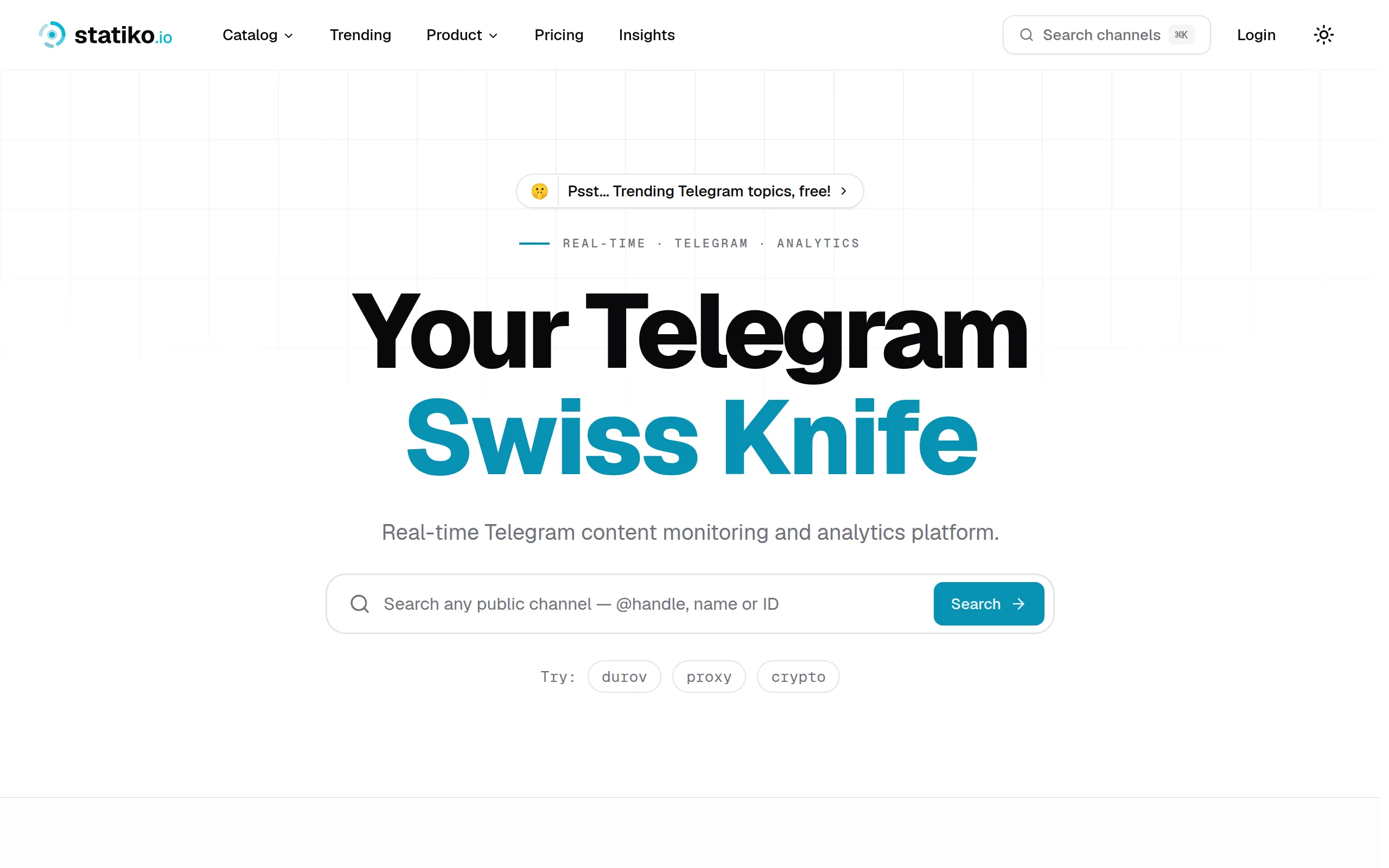
Statiko
Monitor any Telegram channel in real time - track posts, edits, deletions, and growth with AI recaps 📡

Shibui
AI website builder - describe your business, pick a niche template, edit by chatting, and publish instantly ✨

Pro Service
Find verified home service professionals, compare quotes, and pay securely through escrow - built for Brazilians across the US 🏠
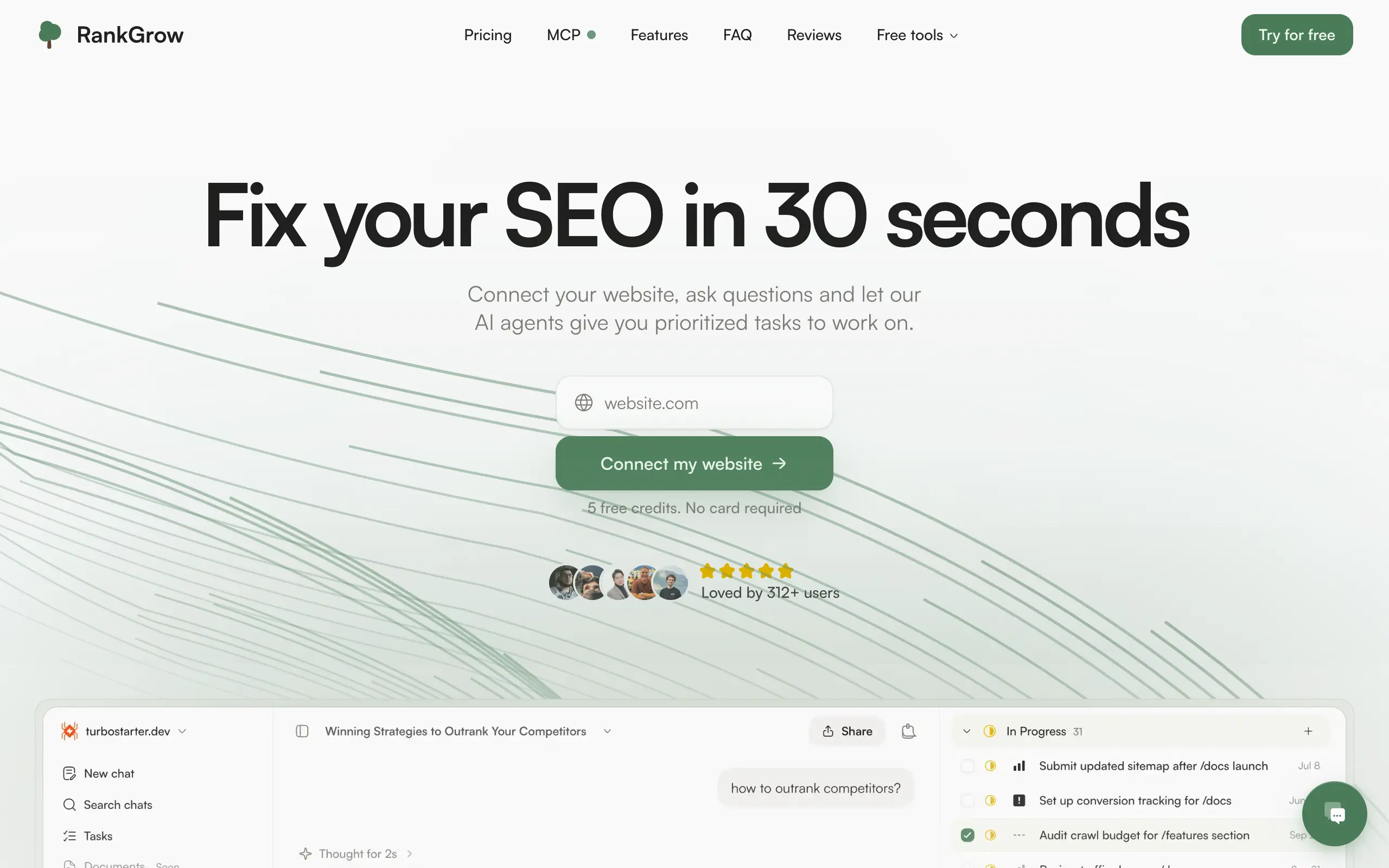
RankGrow
Fix your SEO with AI agents - connect Search Console, get prioritized tasks, and grow organic traffic 📈
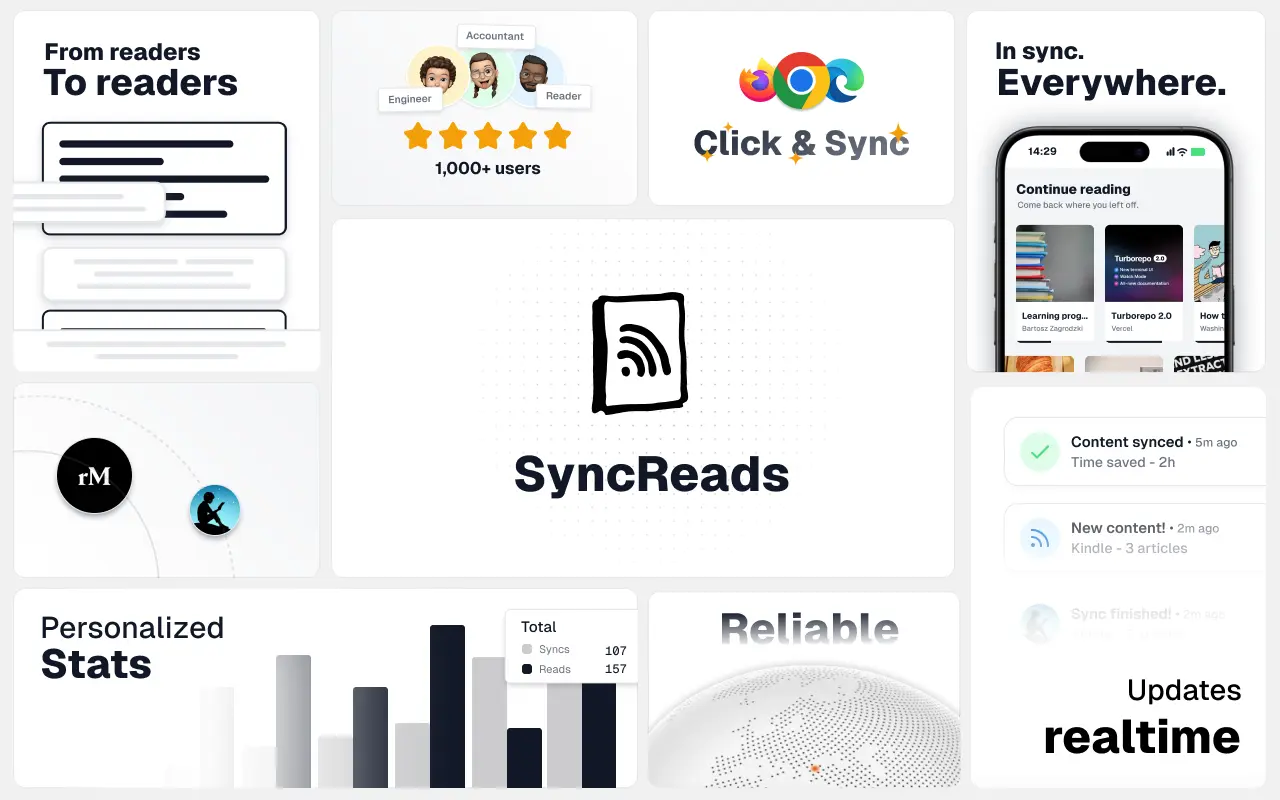
SyncReads
Sync your favorite content for distraction-free reading, save time and replace multiple apps. Anytime, anywhere 🔄
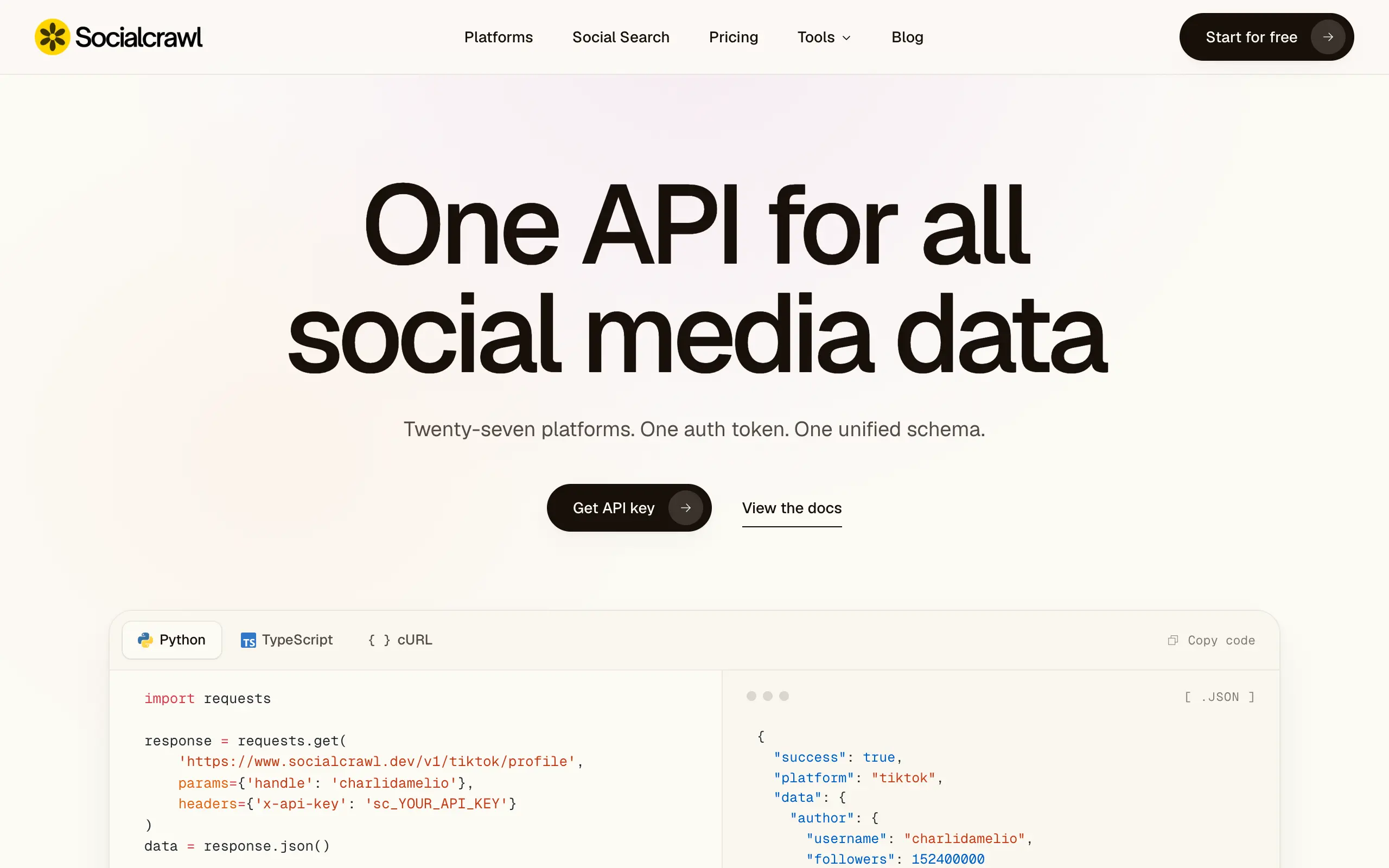
Socialcrawl
Get clean, structured data from 21 platforms like TikTok, Instagram, and YouTube with a single request 📊
Statiko
Monitor any Telegram channel in real time - track posts, edits, deletions, and growth with AI recaps 📡
Shibui
AI website builder - describe your business, pick a niche template, edit by chatting, and publish instantly ✨
Pro Service
Find verified home service professionals, compare quotes, and pay securely through escrow - built for Brazilians across the US 🏠
RankGrow
Fix your SEO with AI agents - connect Search Console, get prioritized tasks, and grow organic traffic 📈
SyncReads
Sync your favorite content for distraction-free reading, save time and replace multiple apps. Anytime, anywhere 🔄
Socialcrawl
Get clean, structured data from 21 platforms like TikTok, Instagram, and YouTube with a single request 📊
Statiko
Monitor any Telegram channel in real time - track posts, edits, deletions, and growth with AI recaps 📡
Shibui
AI website builder - describe your business, pick a niche template, edit by chatting, and publish instantly ✨
Pro Service
Find verified home service professionals, compare quotes, and pay securely through escrow - built for Brazilians across the US 🏠
RankGrow
Fix your SEO with AI agents - connect Search Console, get prioritized tasks, and grow organic traffic 📈
SyncReads
Sync your favorite content for distraction-free reading, save time and replace multiple apps. Anytime, anywhere 🔄
Socialcrawl
Get clean, structured data from 21 platforms like TikTok, Instagram, and YouTube with a single request 📊
Statiko
Monitor any Telegram channel in real time - track posts, edits, deletions, and growth with AI recaps 📡
Shibui
AI website builder - describe your business, pick a niche template, edit by chatting, and publish instantly ✨
Pro Service
Find verified home service professionals, compare quotes, and pay securely through escrow - built for Brazilians across the US 🏠
RankGrow
Fix your SEO with AI agents - connect Search Console, get prioritized tasks, and grow organic traffic 📈
SyncReads
Sync your favorite content for distraction-free reading, save time and replace multiple apps. Anytime, anywhere 🔄
Socialcrawl
Get clean, structured data from 21 platforms like TikTok, Instagram, and YouTube with a single request 📊
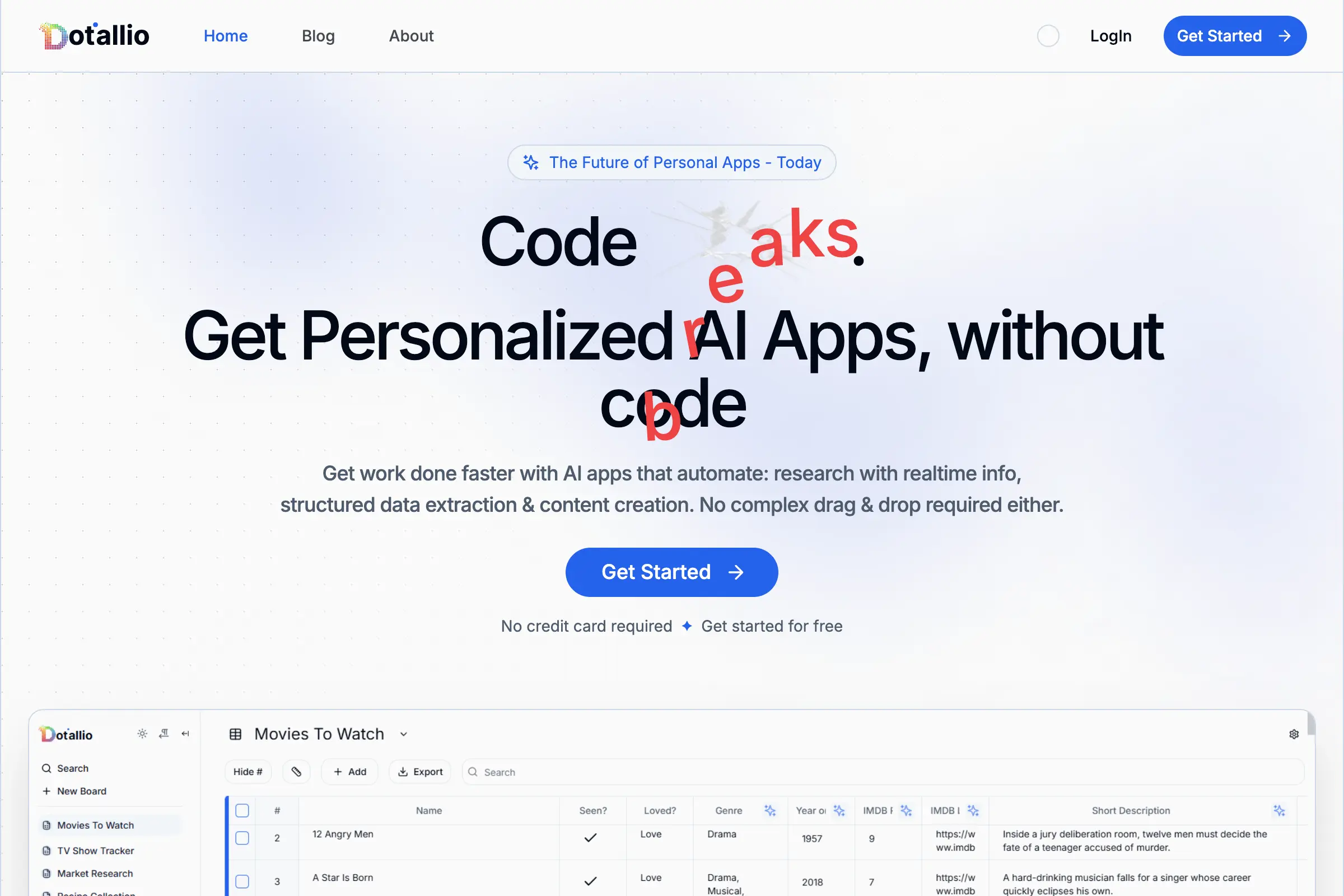
Dotallio
Personalized AI apps that automate research, data extraction, and content creation without code 🤖

Talk to Santa
Enjoy a magical live video chat or receive a unique AI-generated video greeting from Santa Claus 🎅
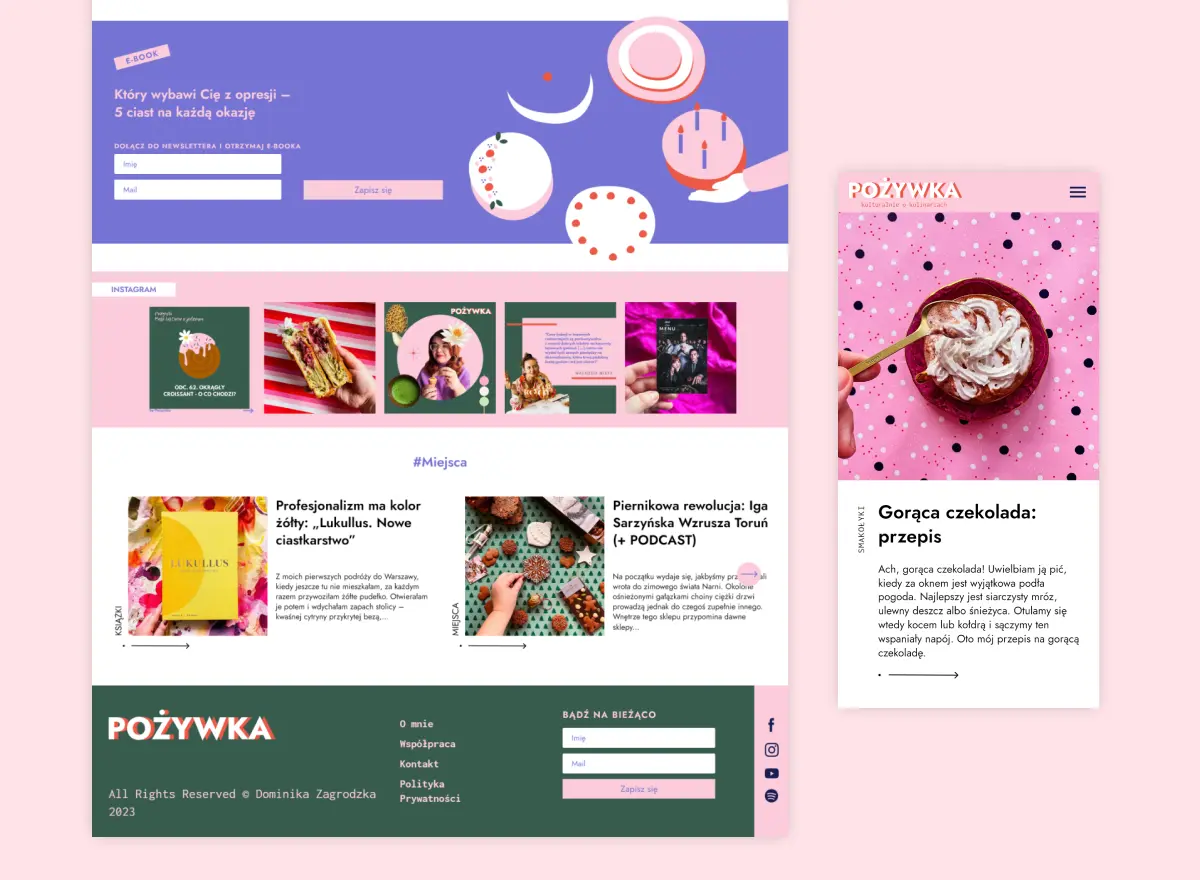
pozywka.pl
Scalable blog for food journalist, focused on performance and user experience 🌭
zagrodzki.me
Personal blog and portfolio of Bart Zagrodzki, where he shares his knowledge and work 💼
TurboStarter
Ship your startup everywhere. In minutes.
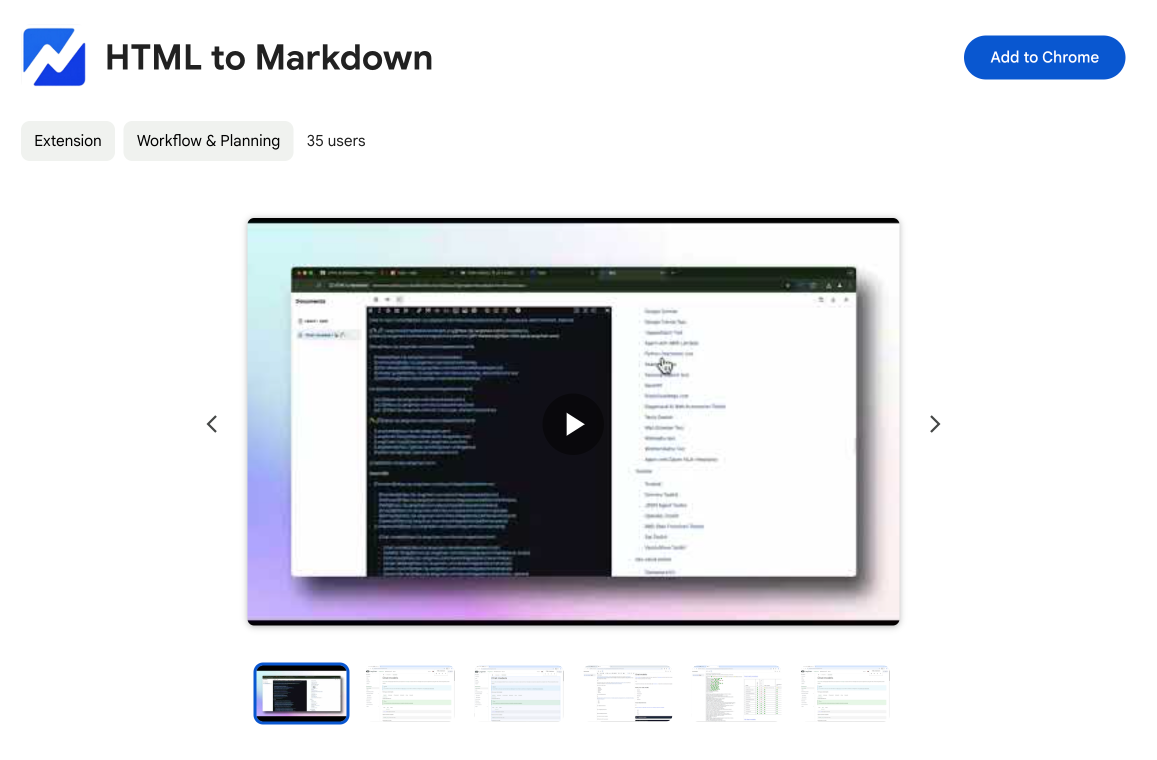
HTML to Markdown
Convert HTML to Markdown with ease, directly in your browser 📄
Dotallio
Personalized AI apps that automate research, data extraction, and content creation without code 🤖
Talk to Santa
Enjoy a magical live video chat or receive a unique AI-generated video greeting from Santa Claus 🎅
pozywka.pl
Scalable blog for food journalist, focused on performance and user experience 🌭
zagrodzki.me
Personal blog and portfolio of Bart Zagrodzki, where he shares his knowledge and work 💼
TurboStarter
Ship your startup everywhere. In minutes.
HTML to Markdown
Convert HTML to Markdown with ease, directly in your browser 📄
Dotallio
Personalized AI apps that automate research, data extraction, and content creation without code 🤖
Talk to Santa
Enjoy a magical live video chat or receive a unique AI-generated video greeting from Santa Claus 🎅
pozywka.pl
Scalable blog for food journalist, focused on performance and user experience 🌭
zagrodzki.me
Personal blog and portfolio of Bart Zagrodzki, where he shares his knowledge and work 💼
TurboStarter
Ship your startup everywhere. In minutes.
HTML to Markdown
Convert HTML to Markdown with ease, directly in your browser 📄
Dotallio
Personalized AI apps that automate research, data extraction, and content creation without code 🤖
Talk to Santa
Enjoy a magical live video chat or receive a unique AI-generated video greeting from Santa Claus 🎅
pozywka.pl
Scalable blog for food journalist, focused on performance and user experience 🌭
zagrodzki.me
Personal blog and portfolio of Bart Zagrodzki, where he shares his knowledge and work 💼
TurboStarter
Ship your startup everywhere. In minutes.
HTML to Markdown
Convert HTML to Markdown with ease, directly in your browser 📄
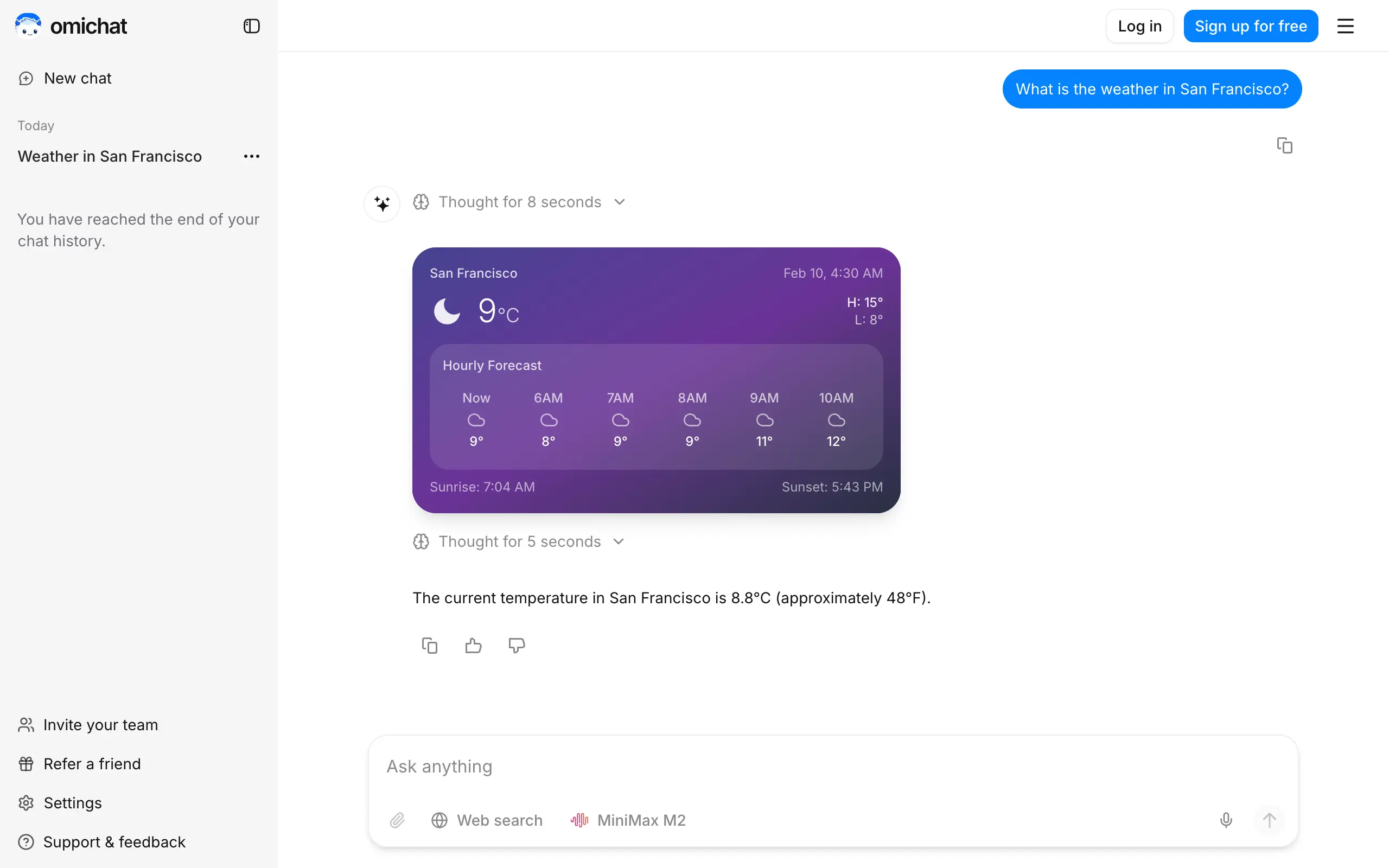
Omichat
Chat with 50+ AI models, including ChatGPT and Claude, in one place - switch models anytime without losing context 🤖
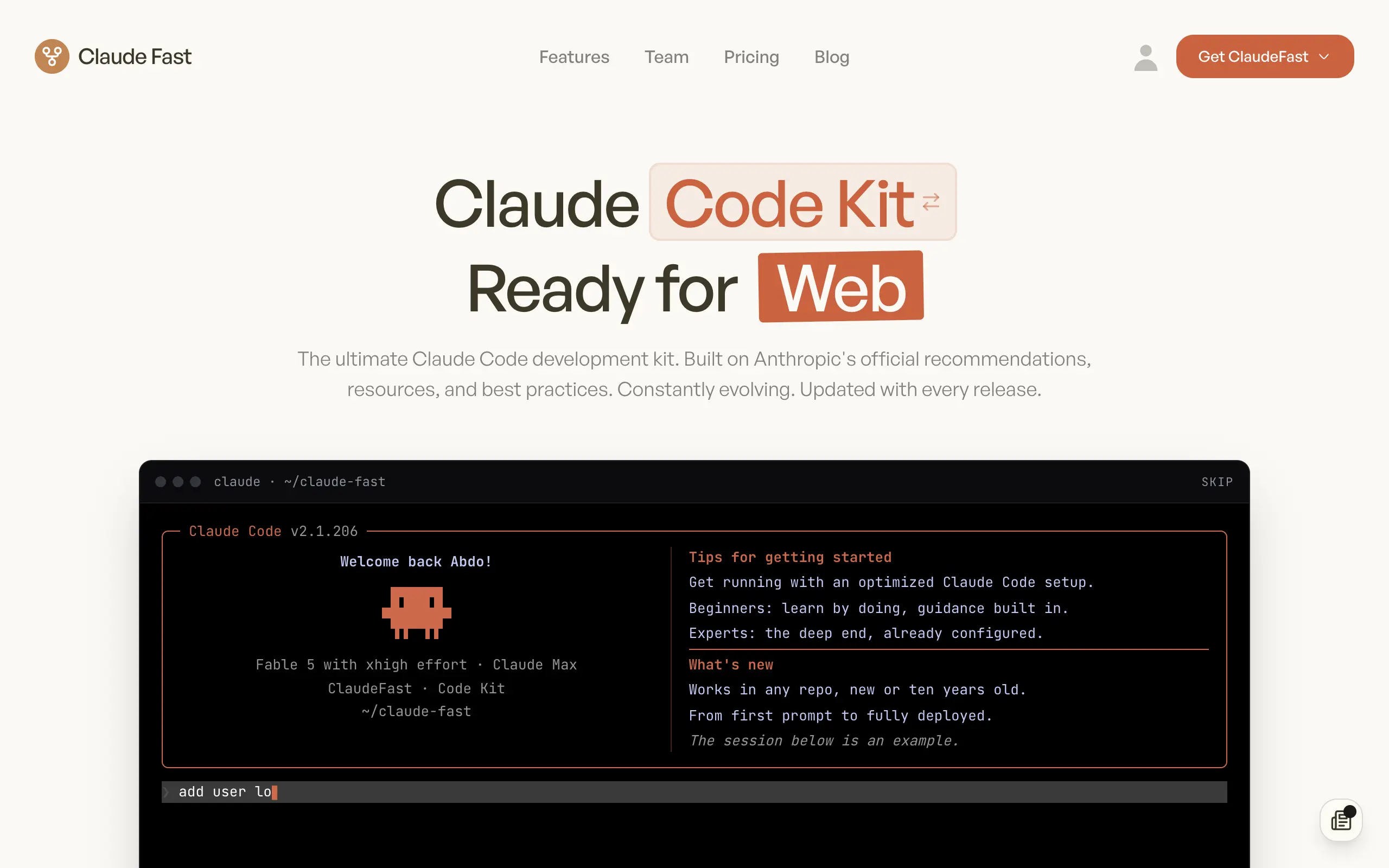
Claude Fast
Supercharge your Claude Code with 6x effective context window and specialized AI agents 🤖
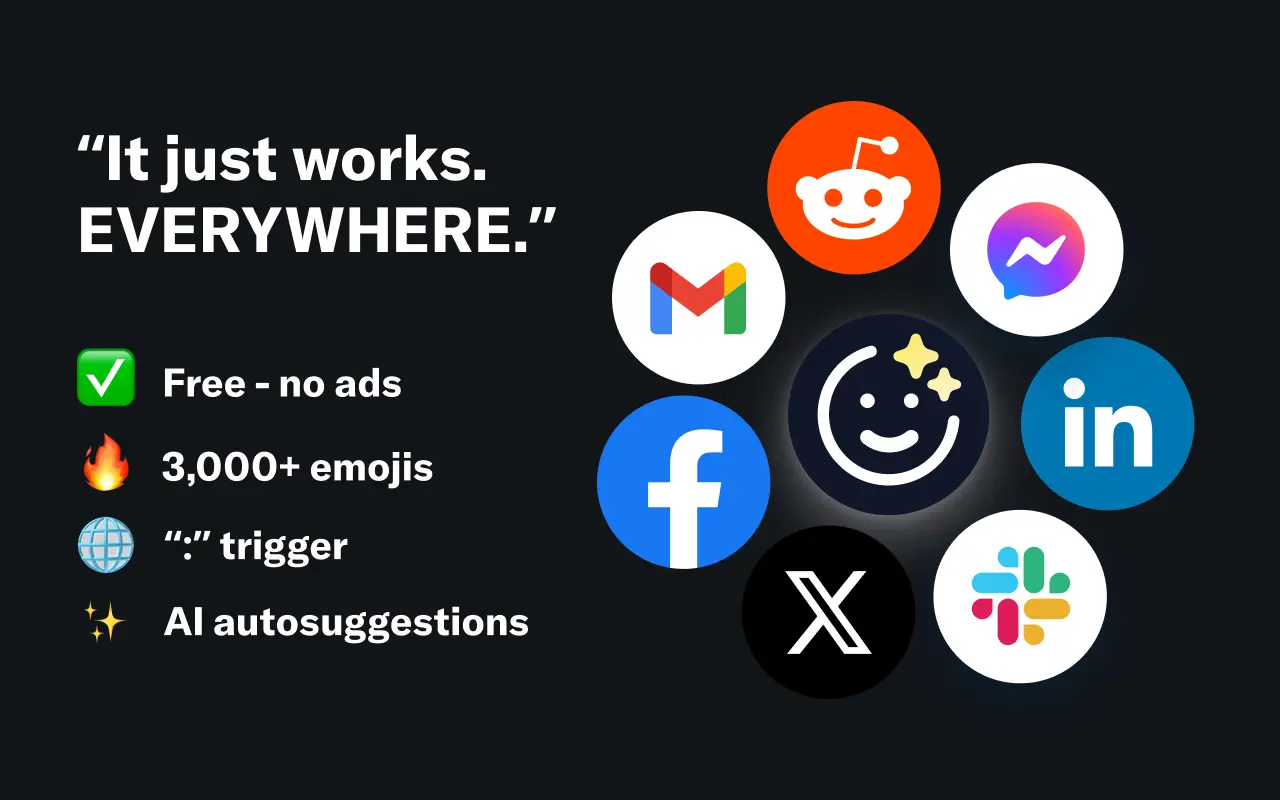
EmojAI
AI-powered emoji picker with smart, context-aware suggestions 🤖
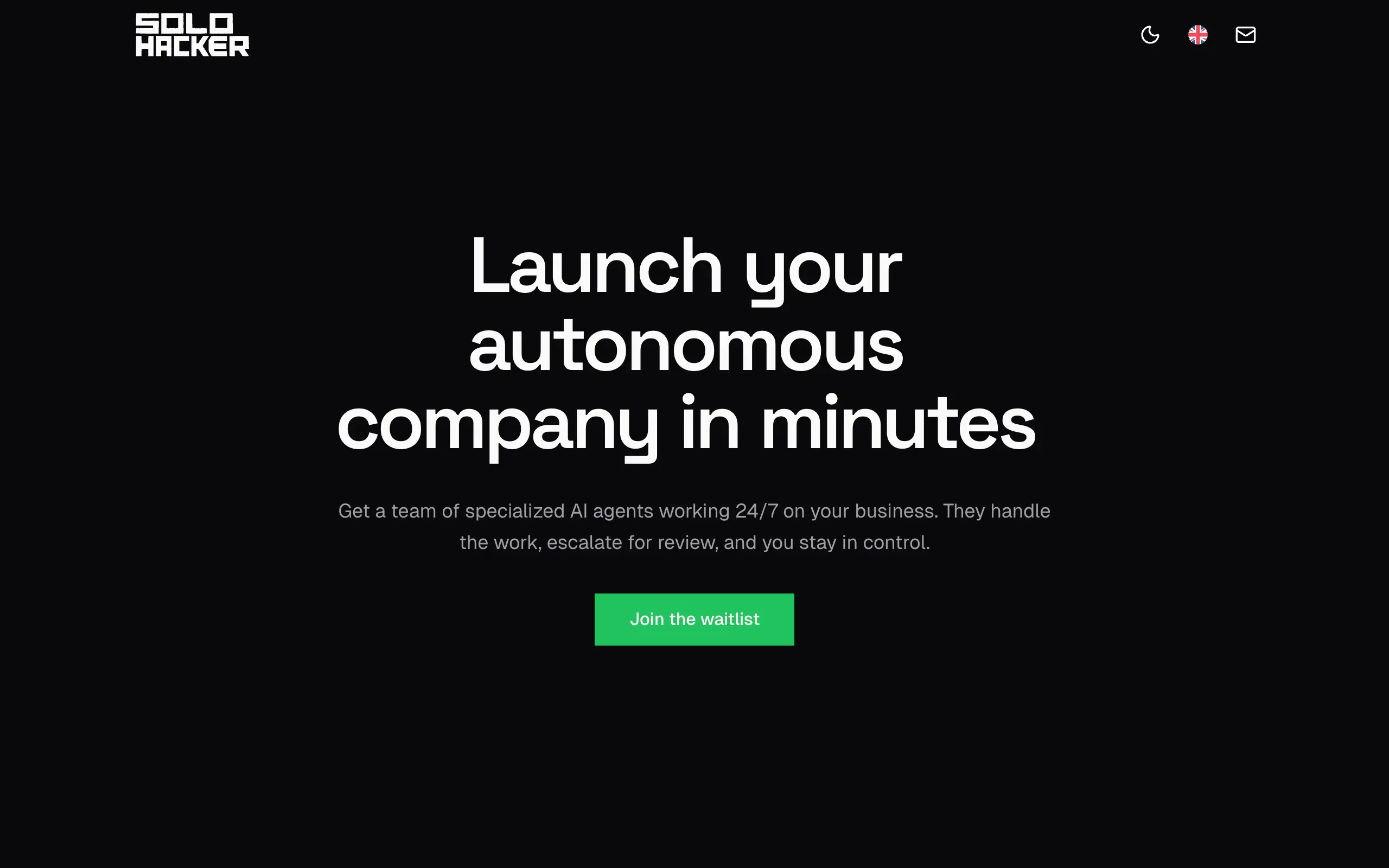
Solohacker
Autonomous company launcher - AI agents work 24/7, escalate what matters, and you stay in control 🤖
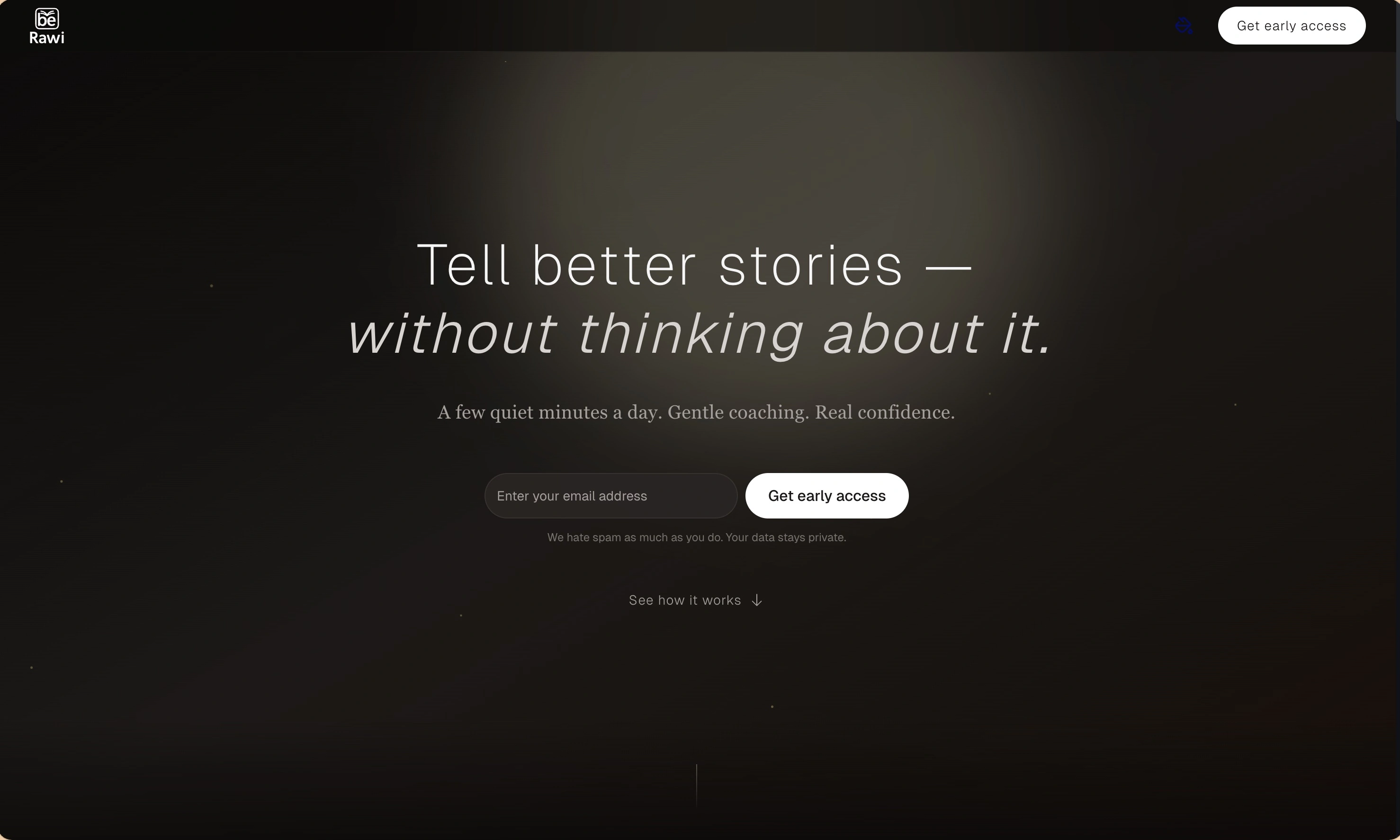
BeRawi: Storytelling Coach
Practice storytelling daily with instant feedback to sound clearer, more engaging, and confident 🎤
Omichat
Chat with 50+ AI models, including ChatGPT and Claude, in one place - switch models anytime without losing context 🤖
Claude Fast
Supercharge your Claude Code with 6x effective context window and specialized AI agents 🤖
EmojAI
AI-powered emoji picker with smart, context-aware suggestions 🤖
Solohacker
Autonomous company launcher - AI agents work 24/7, escalate what matters, and you stay in control 🤖
BeRawi: Storytelling Coach
Practice storytelling daily with instant feedback to sound clearer, more engaging, and confident 🎤
Omichat
Chat with 50+ AI models, including ChatGPT and Claude, in one place - switch models anytime without losing context 🤖
Claude Fast
Supercharge your Claude Code with 6x effective context window and specialized AI agents 🤖
EmojAI
AI-powered emoji picker with smart, context-aware suggestions 🤖
Solohacker
Autonomous company launcher - AI agents work 24/7, escalate what matters, and you stay in control 🤖
BeRawi: Storytelling Coach
Practice storytelling daily with instant feedback to sound clearer, more engaging, and confident 🎤
Omichat
Chat with 50+ AI models, including ChatGPT and Claude, in one place - switch models anytime without losing context 🤖
Claude Fast
Supercharge your Claude Code with 6x effective context window and specialized AI agents 🤖
EmojAI
AI-powered emoji picker with smart, context-aware suggestions 🤖
Solohacker
Autonomous company launcher - AI agents work 24/7, escalate what matters, and you stay in control 🤖
BeRawi: Storytelling Coach
Practice storytelling daily with instant feedback to sound clearer, more engaging, and confident 🎤

Connect with like-minded people
Join our community to get feedback, support, and grow together with 1,000+ builders on board, let's ship it!
Join usShip your startup everywhere. In minutes.
Don't burn tokens on setup and start building features on day one.