TalentSync 360
Unified talent intelligence platform for large organizations, integrating skills mapping, succession planning, and predictive attrition analytics.
Understanding the need for unified talent intelligence in large organizations
In today's rapidly evolving business landscape, large organizations face unprecedented challenges in managing their workforce. The rise of remote work, digital transformation, and a competitive talent market have made it essential for enterprises to have a holistic view of their human capital. This is where a unified talent intelligence platform like TalentSync 360 becomes indispensable.
TalentSync 360 is designed to address the growing need for integrated solutions that go beyond traditional HR systems. By combining skills mapping, succession planning, and predictive attrition analytics, it empowers organizations to make data-driven decisions, reduce turnover, and build resilient teams.
Target audience analysis: Who benefits most from TalentSync 360?
Understanding the primary users and stakeholders is crucial for any B2B SaaS solution. TalentSync 360 is tailored for:
- Chief Human Resources Officers (CHROs) and HR leadership: Seeking strategic insights to align talent with business goals.
- Talent acquisition and development teams: Needing granular skills data to inform hiring, upskilling, and internal mobility.
- Business unit leaders and department heads: Wanting visibility into team capabilities and succession pipelines.
- People analytics and HRIS professionals: Looking for advanced analytics and seamless integration with existing HR tech stacks.
- C-level executives: Interested in reducing attrition risk and ensuring organizational agility.
Key pain points addressed:
- Siloed HR data across multiple systems
- Lack of real-time visibility into workforce skills and gaps
- Difficulty in identifying high-potential employees for succession
- Inability to predict and proactively address attrition risks
- Manual, time-consuming talent management processes
Market opportunity and gap analysis
The global talent management software market is projected to exceed $16 billion by 2028 (source: suggest referencing a recent Gartner or Statista report). Yet, most solutions focus on isolated HR functions—recruitment, performance, or learning—without offering a unified, intelligence-driven approach.
Current market gaps:
- Fragmented solutions: Organizations juggle multiple tools for skills tracking, succession planning, and analytics, leading to data silos and inefficiencies.
- Limited predictive capabilities: Few platforms offer robust, AI-powered attrition analytics that can forecast turnover risk at individual and team levels.
- Poor integration: Legacy HRIS and point solutions often lack seamless interoperability, making holistic talent insights difficult.
- Reactive, not proactive: Most HR tools provide historical data, not forward-looking recommendations.
TalentSync 360 fills these gaps by delivering a single source of truth for talent intelligence, leveraging advanced analytics and seamless integrations.
Core features and solution details
TalentSync 360 stands out by offering a comprehensive suite of features that address the full spectrum of talent intelligence needs:
1. Skills mapping and visualization
- Dynamic skills inventory: Automatically aggregates and updates employee skills from resumes, performance reviews, learning platforms, and project data.
- Interactive skills matrix: Visualizes skills distribution across teams, departments, and geographies.
- Gap analysis: Identifies critical skill shortages and recommends targeted upskilling or hiring.
2. Succession planning
- Automated succession pipelines: Maps potential successors for key roles based on skills, performance, and career aspirations.
- Readiness assessment: Evaluates internal candidates’ readiness and highlights development needs.
- Scenario modeling: Simulates the impact of leadership changes or departures.
3. Predictive attrition analytics
- AI-powered risk scoring: Uses machine learning to predict which employees are at risk of leaving, factoring in engagement, tenure, compensation, and external benchmarks.
- Attrition heatmaps: Visualizes turnover risk by department, location, or demographic.
- Proactive retention recommendations: Suggests personalized interventions to retain top talent.
4. Unified talent dashboard
- Real-time analytics: Consolidates key metrics—skills coverage, succession health, attrition risk—into a single, customizable dashboard.
- Drill-down capabilities: Enables deep dives into individual, team, or organizational data.
- Automated reporting: Generates executive-ready reports for board meetings and strategic planning.
5. Seamless integrations
- HRIS and ATS connectors: Integrates with leading systems like Workday, SAP SuccessFactors, and Greenhouse.
- Learning management system (LMS) sync: Pulls in learning data from platforms such as Coursera or Udemy.
- APIs and webhooks: Supports custom integrations and data exports.
Skills mapping
Visualize and close skills gaps across your organization.
Succession planning
Build robust pipelines for critical roles and future-proof your leadership.
Attrition analytics
Predict and mitigate turnover risk with AI-driven insights.
Recommended tech stack for TalentSync 360
Selecting the right technology stack is vital for scalability, security, and user experience. Here’s a recommended stack for building TalentSync 360, along with trade-offs to consider:
Frontend
- React: Modern, component-based UI development; large ecosystem and community support.
- TypeScript: Adds type safety, reducing bugs and improving maintainability.
- TailwindCSS: Utility-first CSS framework for rapid, consistent styling.
- Redux or Recoil: For state management in complex dashboards.
Backend
- Node.js with Express: High performance, asynchronous, and scalable.
- Python (for AI/ML modules): Leverage libraries like scikit-learn, TensorFlow, or PyTorch for predictive analytics.
- PostgreSQL: Robust, scalable relational database with strong support for complex queries.
- Redis: For caching and real-time analytics.
Data and AI
- Apache Kafka: Real-time data streaming and event processing.
- Snowflake or BigQuery: For large-scale data warehousing and analytics.
- TensorFlow or PyTorch: For building and deploying machine learning models.
Integrations and APIs
- RESTful APIs: For interoperability with HRIS, ATS, and LMS platforms.
- OAuth 2.0 / SAML: For secure, enterprise-grade authentication and SSO.
DevOps and Security
- Docker and Kubernetes: Containerization and orchestration for scalability.
- AWS, Azure, or Google Cloud: For cloud hosting, security, and compliance.
- SOC 2 and GDPR compliance: Essential for enterprise trust.
Tech stack trade-offs
While React and Node.js offer rapid development and flexibility, Python is preferred for advanced analytics. Consider microservices to decouple AI modules from the core app, ensuring scalability and maintainability.
Monetization strategy options
A robust monetization strategy is key to long-term SaaS success. For TalentSync 360, consider the following models:
1. Subscription-based pricing
- Tiered plans: Offer different feature sets (e.g., Basic, Pro, Enterprise) based on organization size, analytics depth, and integration needs.
- Per-employee pricing: Scales with the number of active users or employees managed.
2. Add-on modules
- Premium analytics: Charge extra for advanced AI-driven attrition models or custom dashboards.
- Integration packs: Offer paid connectors for niche HRIS or LMS platforms.
3. Professional services
- Implementation and onboarding: One-time fees for setup, data migration, and training.
- Custom analytics and consulting: For organizations needing tailored insights or integrations.
4. Usage-based pricing
- API calls or data volume: For organizations with high data throughput or custom integrations.
| Subscription | Add-ons | Professional Services | Usage-based | Freemium |
|---|---|---|---|---|
| ✅ | ❌ | ❌ | ✅ | ❌ |
| ✅ | ❌ | ✅ | ✅ | ❌ |
Potential risks and mitigation strategies
Launching and scaling a unified talent intelligence platform comes with challenges. Here’s how to address them:
1. Data privacy and security
- Risk: Handling sensitive employee data increases exposure to breaches and compliance violations.
- Mitigation: Implement end-to-end encryption, regular security audits, and adhere to SOC 2, GDPR, and other relevant standards.
2. Integration complexity
- Risk: Integrating with diverse HRIS, ATS, and LMS systems can be technically challenging.
- Mitigation: Build robust, well-documented APIs and offer professional integration support.
3. AI/ML model bias
- Risk: Predictive analytics may inadvertently reinforce biases present in historical data.
- Mitigation: Regularly audit models for fairness, use explainable AI techniques, and allow human oversight.
4. Change management
- Risk: Resistance from HR teams accustomed to legacy systems.
- Mitigation: Provide comprehensive onboarding, training, and ongoing support.
5. Market competition
- Risk: Established HR tech vendors may introduce similar features.
- Mitigation: Focus on continuous innovation, superior user experience, and customer-centric support.
TalentSync 360 employs enterprise-grade encryption, role-based access controls, and regular compliance audits to safeguard sensitive HR data.
The platform offers flexible APIs and custom integration services to connect with virtually any HRIS or ATS.
Competitive advantage analysis
To stand out in the crowded HR tech market, TalentSync 360 offers several unique selling propositions:
Unified platform approach
Unlike point solutions, TalentSync 360 consolidates skills mapping, succession planning, and attrition analytics into a single, integrated platform. This eliminates data silos and provides a holistic view of talent.
Advanced predictive analytics
The platform leverages state-of-the-art AI/ML models to deliver actionable insights—not just historical reports. Predictive attrition analytics enable proactive retention strategies, a feature lacking in most competitors.
Seamless enterprise integrations
TalentSync 360 is built for interoperability, with out-of-the-box connectors for leading HRIS, ATS, and LMS platforms, plus flexible APIs for custom needs.
User-centric design
Intuitive dashboards, interactive visualizations, and automated reporting ensure high adoption rates among HR teams and business leaders.
Continuous innovation
By staying ahead of industry trends—such as skills-based organizations, internal talent marketplaces, and explainable AI—TalentSync 360 remains future-proof.
Actionable implementation steps
Deploying TalentSync 360 in a large organization requires a structured approach. Here’s a step-by-step guide:
Conclusion: Why TalentSync 360 is the future of enterprise talent intelligence
In an era where talent is the ultimate competitive advantage, large organizations can no longer afford fragmented, reactive HR systems. TalentSync 360 delivers a unified, intelligence-driven platform that empowers enterprises to map skills, plan for the future, and proactively retain top performers.
By integrating advanced analytics, seamless integrations, and user-friendly design, TalentSync 360 stands out as the go-to solution for forward-thinking HR leaders. Its unique approach not only addresses today’s challenges but also positions organizations for long-term success in a dynamic workforce landscape.
For those seeking to accelerate their SaaS journey, platforms like TurboStarter can help bring innovative solutions like TalentSync 360 to market faster and more efficiently.
Frequently asked questions
TalentSync 360 goes beyond basic HR data management by integrating advanced skills mapping, succession planning, and predictive analytics in a single platform.
Implementation timelines vary, but most organizations can be up and running within 4-8 weeks, depending on integration complexity.
Yes, the platform supports multi-language, multi-currency, and region-specific compliance requirements.
Further reading and resources
- React documentation
- TailwindCSS documentation
- Node.js documentation
- TurboStarter for SaaS launch acceleration
By adopting TalentSync 360, large organizations can transform their approach to talent management—unlocking deeper insights, building stronger teams, and staying ahead in the race for top talent.
More 🏢 B2B Application SaaS ideas
Discover more innovative b2b application SaaS ideas that are trending in 2026. Each idea is AI-generated with market validation and growth potential to help you find your next profitable venture faster than competitors.
Your competitors are building with TurboStarter
Below are some of the SaaS ideas that have been generated and built with our starter kit.
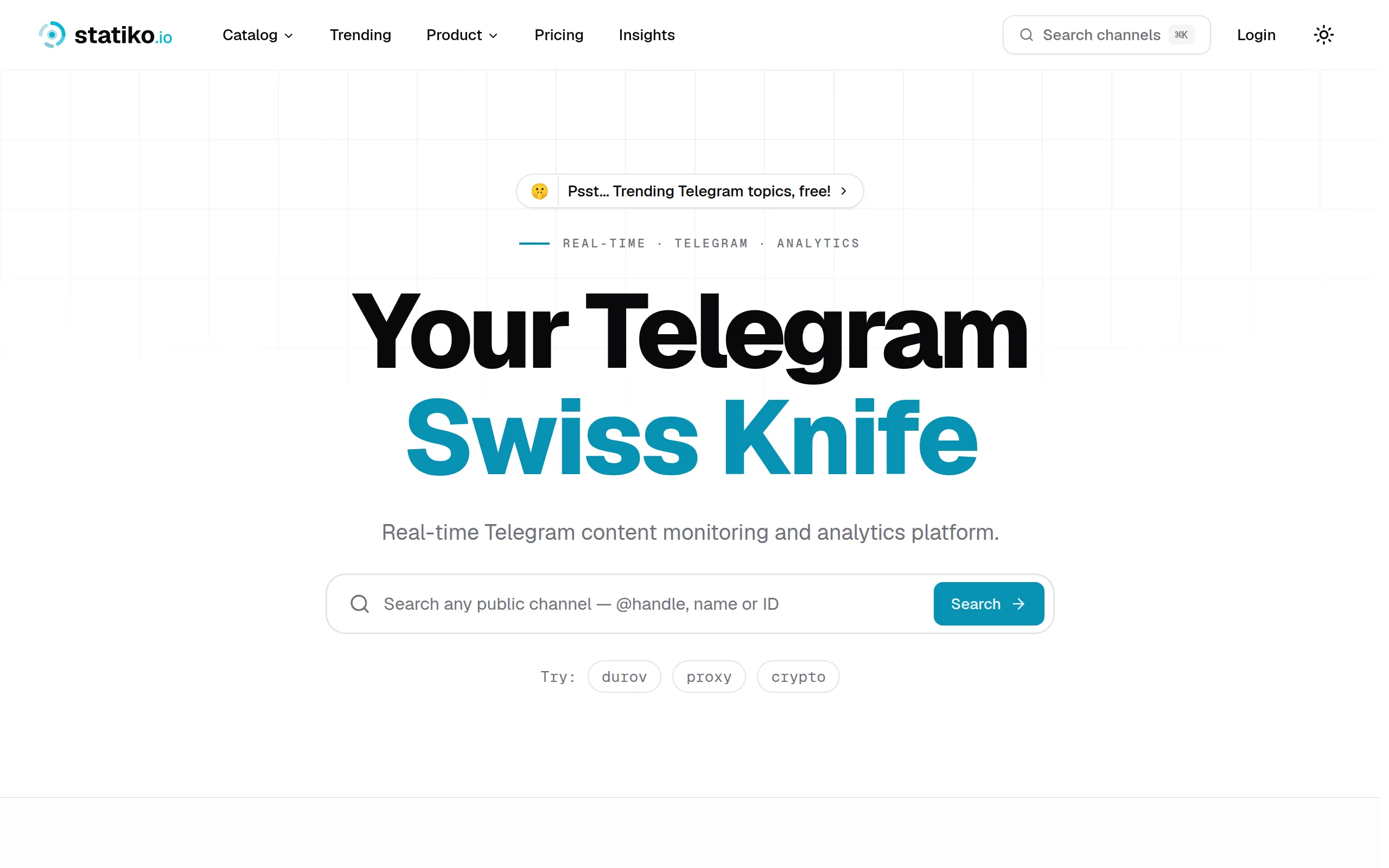
Statiko
Monitor any Telegram channel in real time - track posts, edits, deletions, and growth with AI recaps 📡

Shibui
AI website builder - describe your business, pick a niche template, edit by chatting, and publish instantly ✨

Pro Service
Find verified home service professionals, compare quotes, and pay securely through escrow - built for Brazilians across the US 🏠
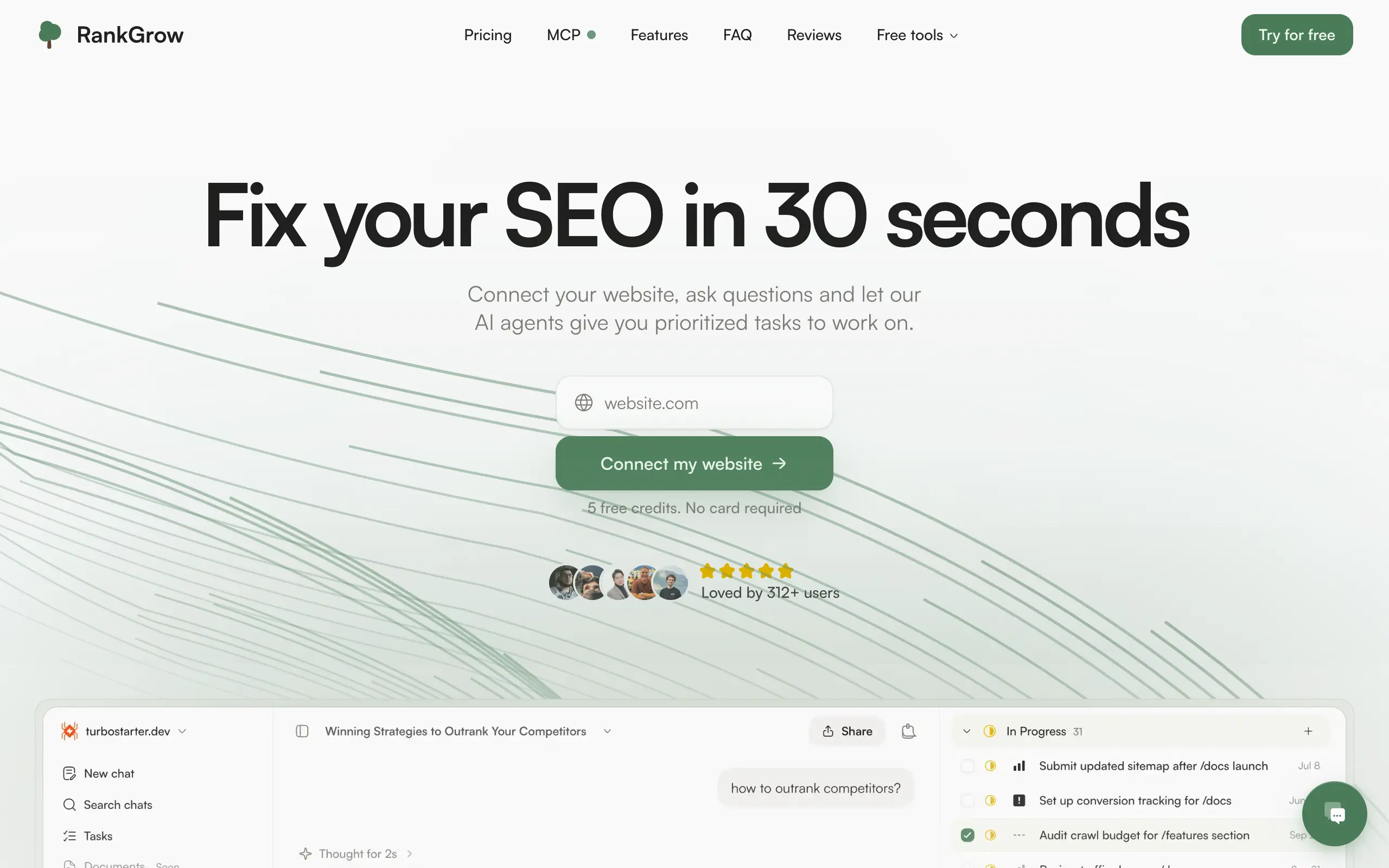
RankGrow
Fix your SEO with AI agents - connect Search Console, get prioritized tasks, and grow organic traffic 📈
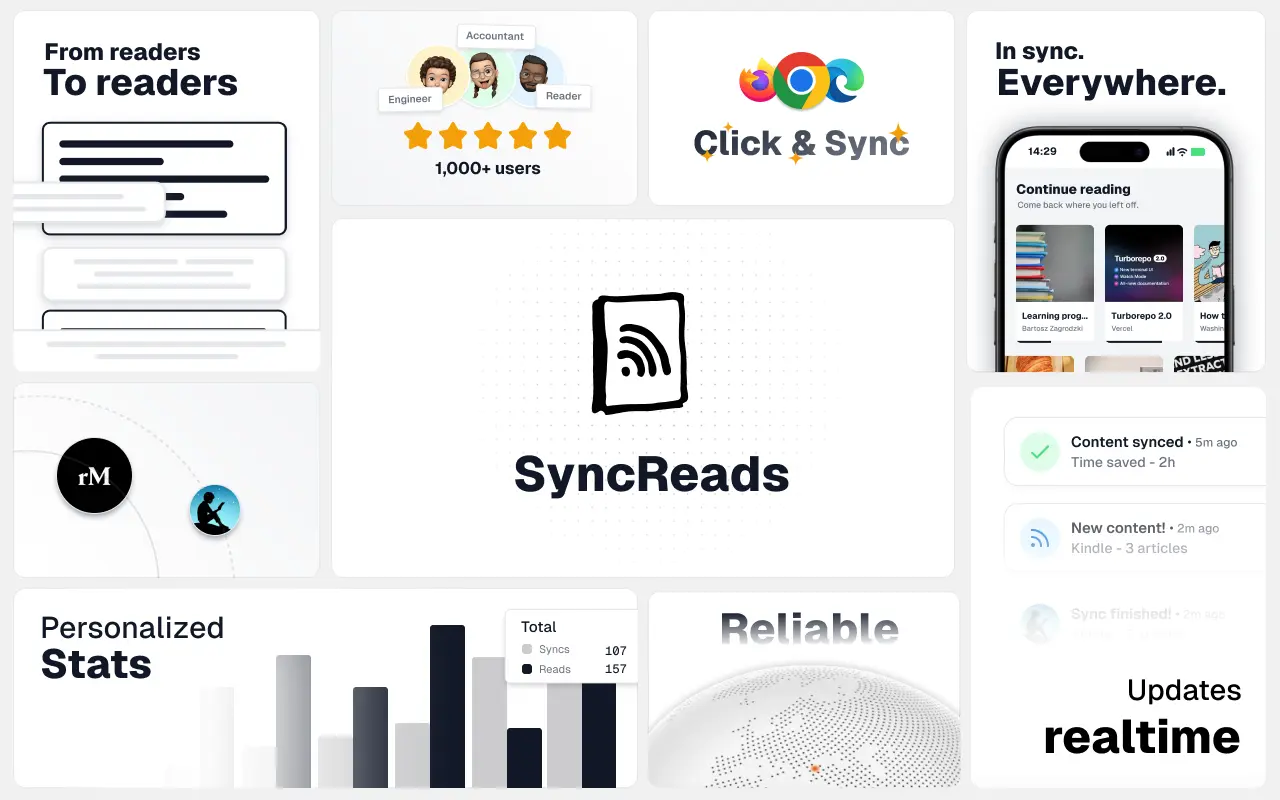
SyncReads
Sync your favorite content for distraction-free reading, save time and replace multiple apps. Anytime, anywhere 🔄
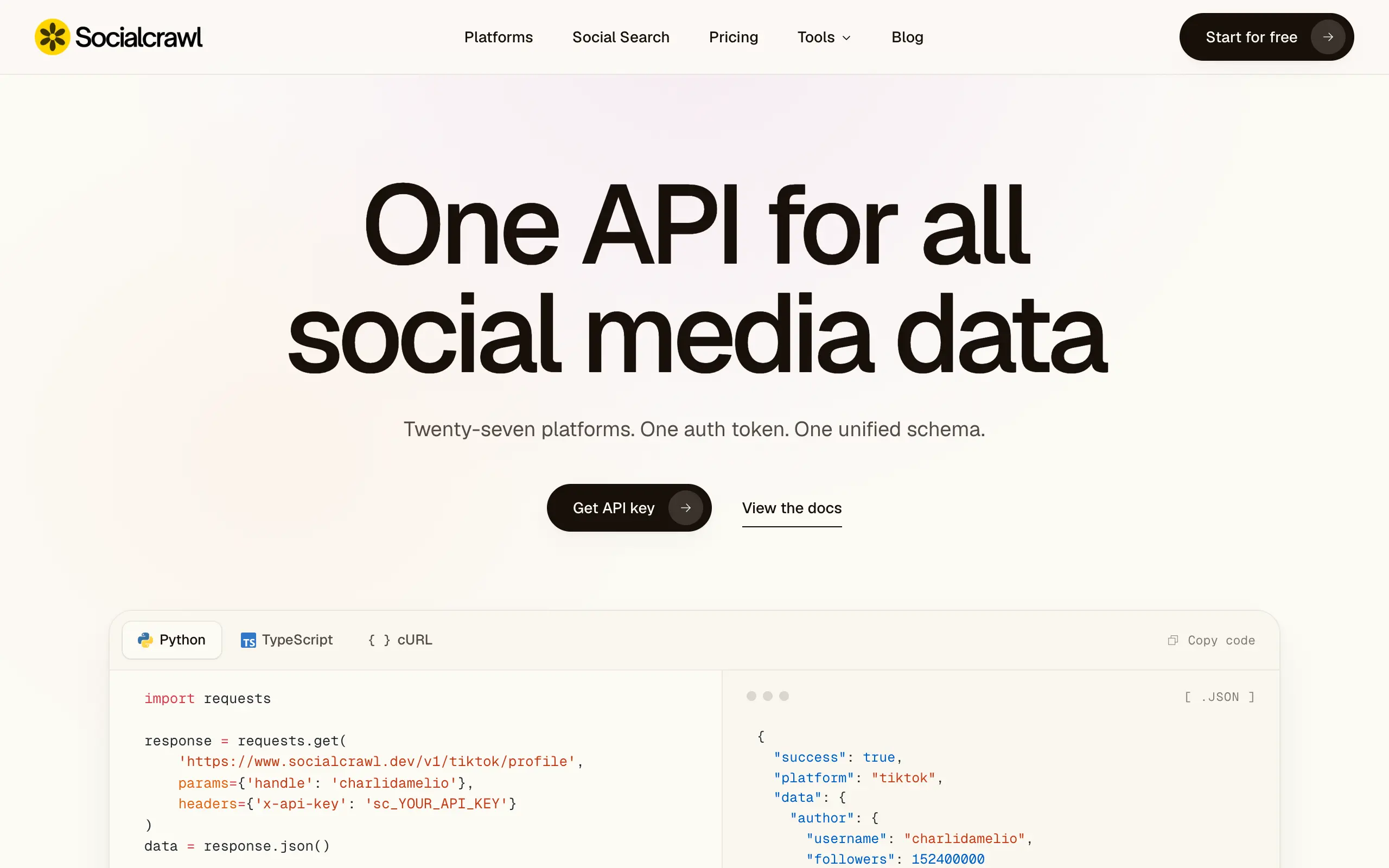
Socialcrawl
Get clean, structured data from 21 platforms like TikTok, Instagram, and YouTube with a single request 📊
Statiko
Monitor any Telegram channel in real time - track posts, edits, deletions, and growth with AI recaps 📡
Shibui
AI website builder - describe your business, pick a niche template, edit by chatting, and publish instantly ✨
Pro Service
Find verified home service professionals, compare quotes, and pay securely through escrow - built for Brazilians across the US 🏠
RankGrow
Fix your SEO with AI agents - connect Search Console, get prioritized tasks, and grow organic traffic 📈
SyncReads
Sync your favorite content for distraction-free reading, save time and replace multiple apps. Anytime, anywhere 🔄
Socialcrawl
Get clean, structured data from 21 platforms like TikTok, Instagram, and YouTube with a single request 📊
Statiko
Monitor any Telegram channel in real time - track posts, edits, deletions, and growth with AI recaps 📡
Shibui
AI website builder - describe your business, pick a niche template, edit by chatting, and publish instantly ✨
Pro Service
Find verified home service professionals, compare quotes, and pay securely through escrow - built for Brazilians across the US 🏠
RankGrow
Fix your SEO with AI agents - connect Search Console, get prioritized tasks, and grow organic traffic 📈
SyncReads
Sync your favorite content for distraction-free reading, save time and replace multiple apps. Anytime, anywhere 🔄
Socialcrawl
Get clean, structured data from 21 platforms like TikTok, Instagram, and YouTube with a single request 📊
Statiko
Monitor any Telegram channel in real time - track posts, edits, deletions, and growth with AI recaps 📡
Shibui
AI website builder - describe your business, pick a niche template, edit by chatting, and publish instantly ✨
Pro Service
Find verified home service professionals, compare quotes, and pay securely through escrow - built for Brazilians across the US 🏠
RankGrow
Fix your SEO with AI agents - connect Search Console, get prioritized tasks, and grow organic traffic 📈
SyncReads
Sync your favorite content for distraction-free reading, save time and replace multiple apps. Anytime, anywhere 🔄
Socialcrawl
Get clean, structured data from 21 platforms like TikTok, Instagram, and YouTube with a single request 📊
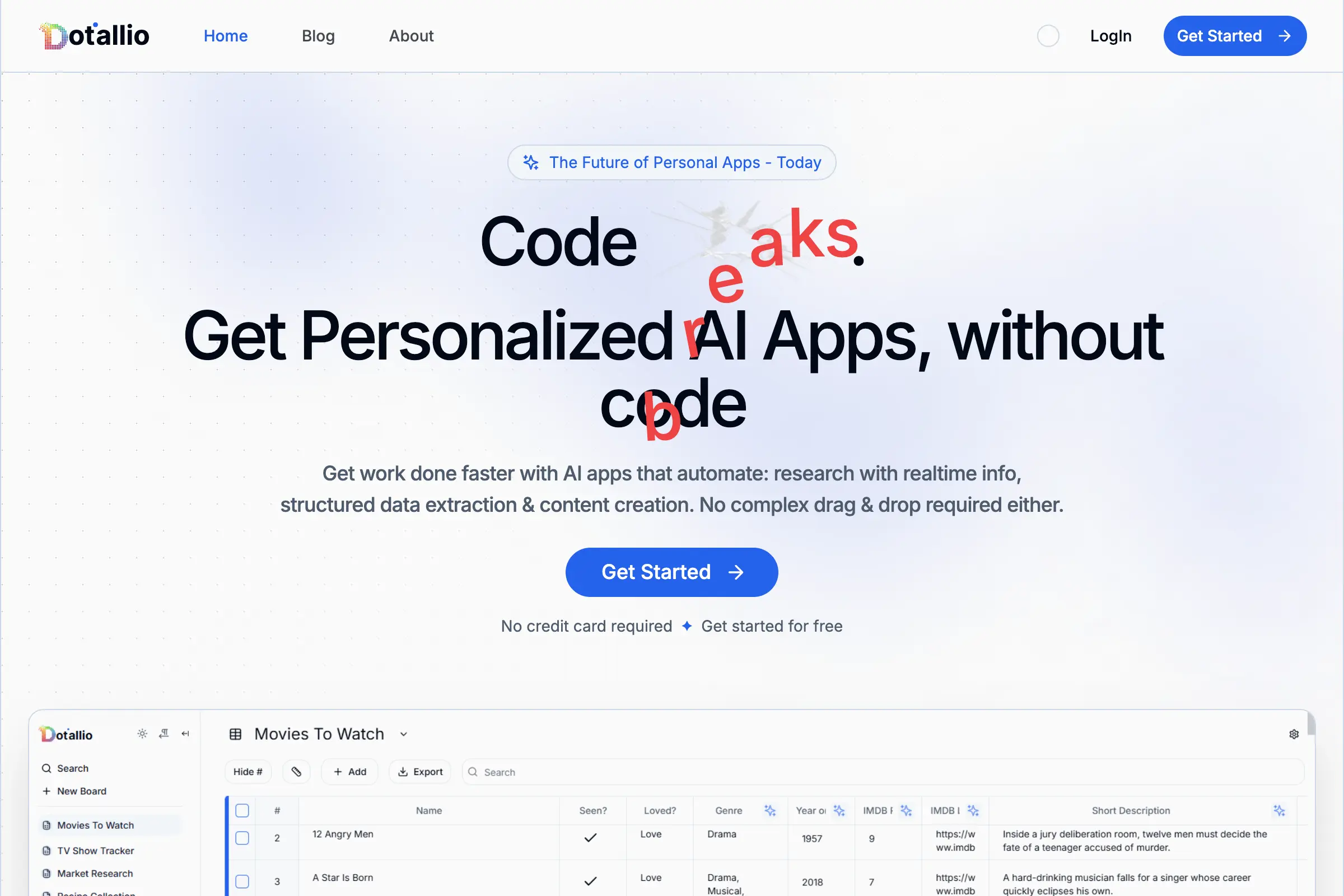
Dotallio
Personalized AI apps that automate research, data extraction, and content creation without code 🤖

Talk to Santa
Enjoy a magical live video chat or receive a unique AI-generated video greeting from Santa Claus 🎅
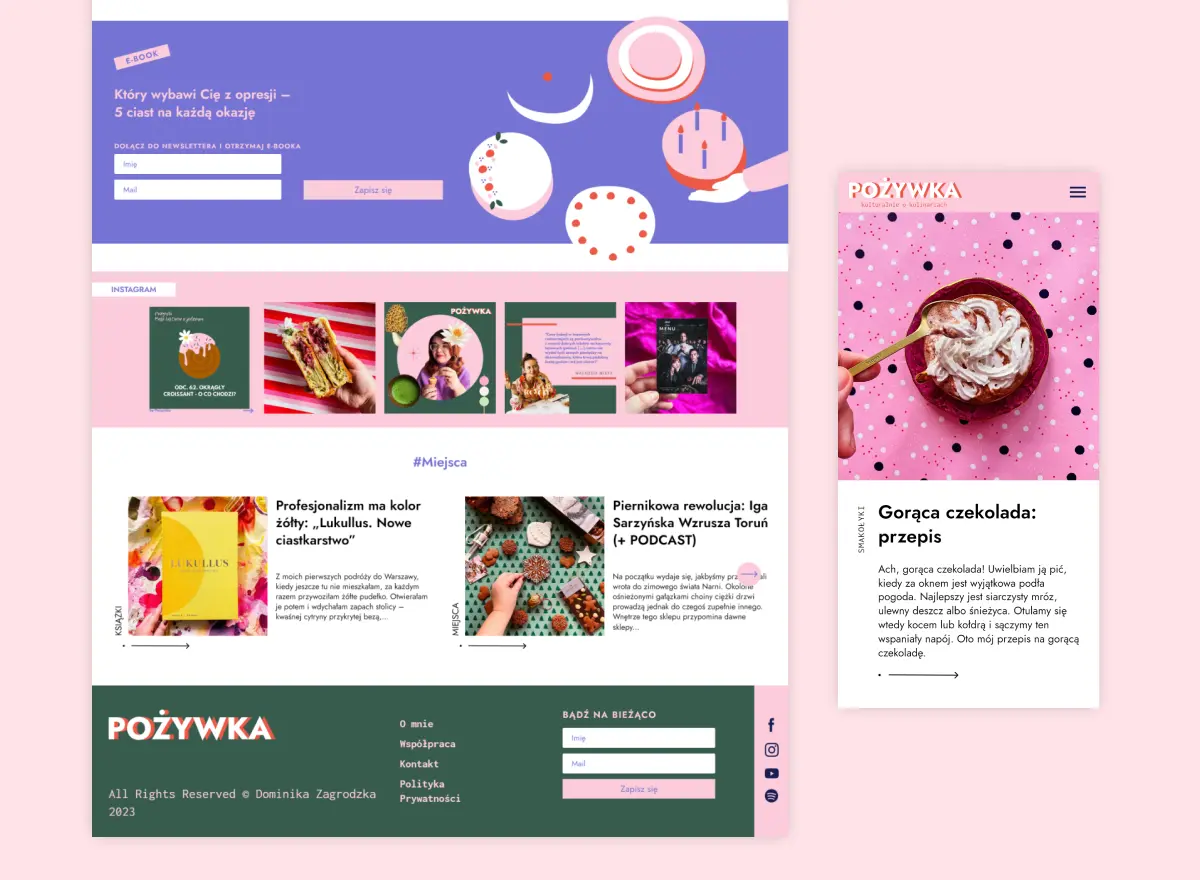
pozywka.pl
Scalable blog for food journalist, focused on performance and user experience 🌭
zagrodzki.me
Personal blog and portfolio of Bart Zagrodzki, where he shares his knowledge and work 💼
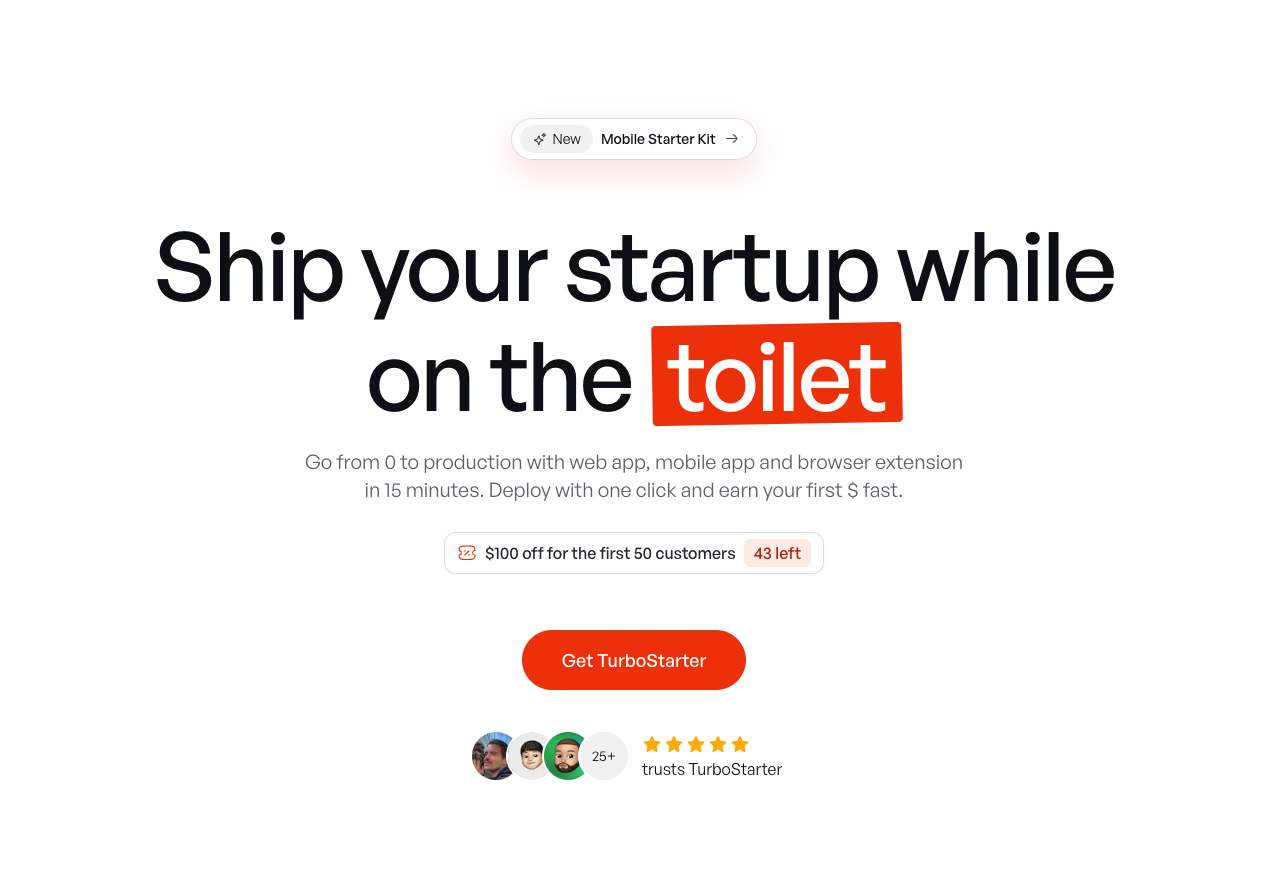
TurboStarter
Ship your startup everywhere. In minutes.
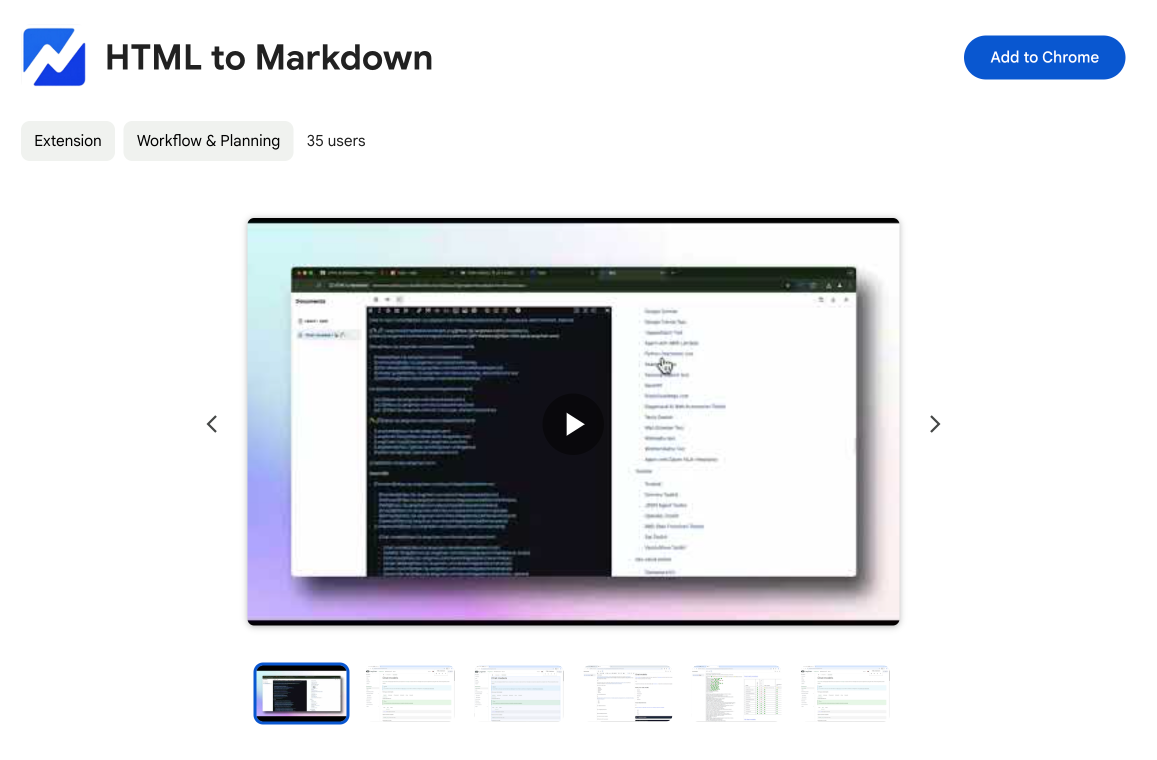
HTML to Markdown
Convert HTML to Markdown with ease, directly in your browser 📄
Dotallio
Personalized AI apps that automate research, data extraction, and content creation without code 🤖
Talk to Santa
Enjoy a magical live video chat or receive a unique AI-generated video greeting from Santa Claus 🎅
pozywka.pl
Scalable blog for food journalist, focused on performance and user experience 🌭
zagrodzki.me
Personal blog and portfolio of Bart Zagrodzki, where he shares his knowledge and work 💼
TurboStarter
Ship your startup everywhere. In minutes.
HTML to Markdown
Convert HTML to Markdown with ease, directly in your browser 📄
Dotallio
Personalized AI apps that automate research, data extraction, and content creation without code 🤖
Talk to Santa
Enjoy a magical live video chat or receive a unique AI-generated video greeting from Santa Claus 🎅
pozywka.pl
Scalable blog for food journalist, focused on performance and user experience 🌭
zagrodzki.me
Personal blog and portfolio of Bart Zagrodzki, where he shares his knowledge and work 💼
TurboStarter
Ship your startup everywhere. In minutes.
HTML to Markdown
Convert HTML to Markdown with ease, directly in your browser 📄
Dotallio
Personalized AI apps that automate research, data extraction, and content creation without code 🤖
Talk to Santa
Enjoy a magical live video chat or receive a unique AI-generated video greeting from Santa Claus 🎅
pozywka.pl
Scalable blog for food journalist, focused on performance and user experience 🌭
zagrodzki.me
Personal blog and portfolio of Bart Zagrodzki, where he shares his knowledge and work 💼
TurboStarter
Ship your startup everywhere. In minutes.
HTML to Markdown
Convert HTML to Markdown with ease, directly in your browser 📄
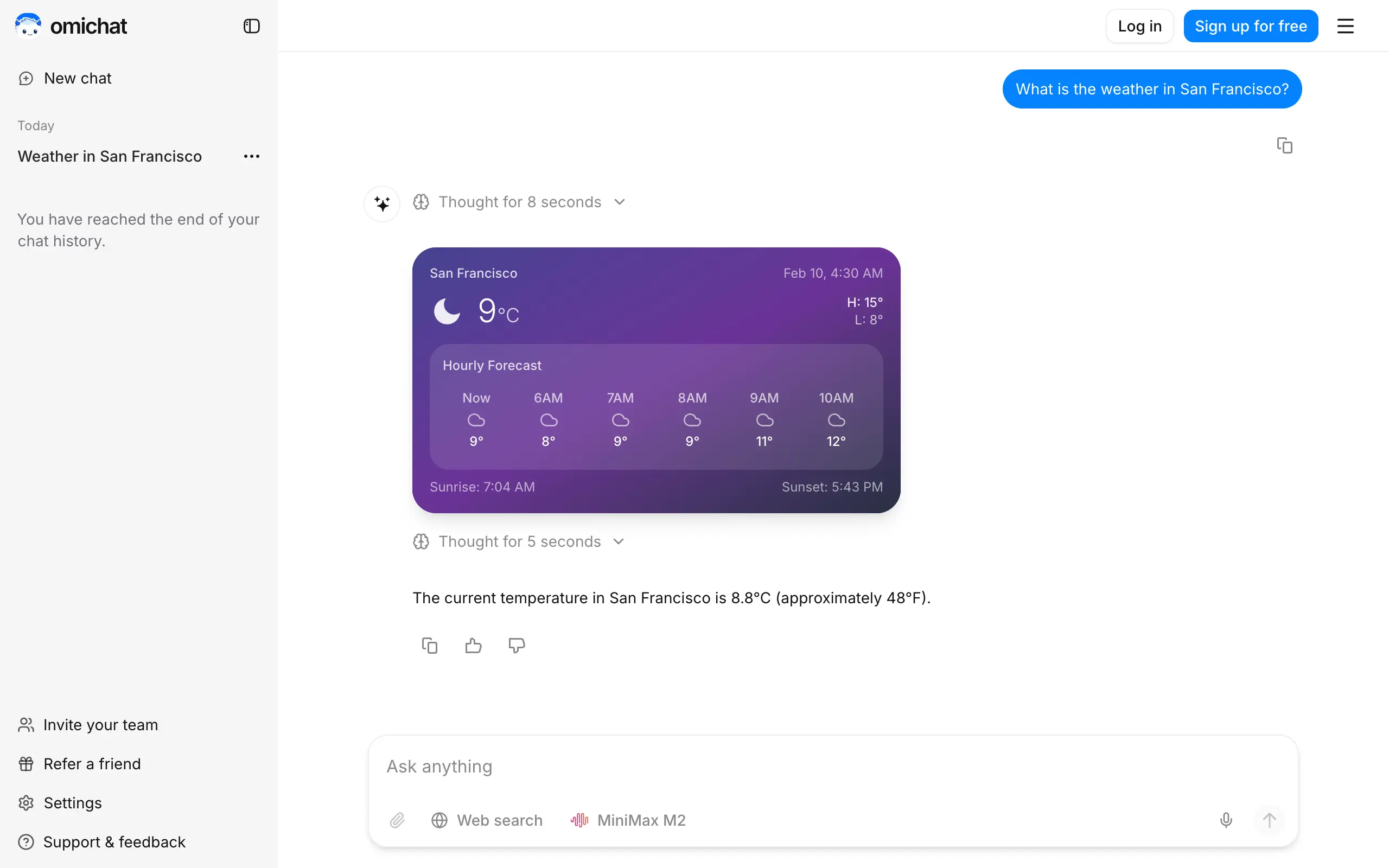
Omichat
Chat with 50+ AI models, including ChatGPT and Claude, in one place - switch models anytime without losing context 🤖
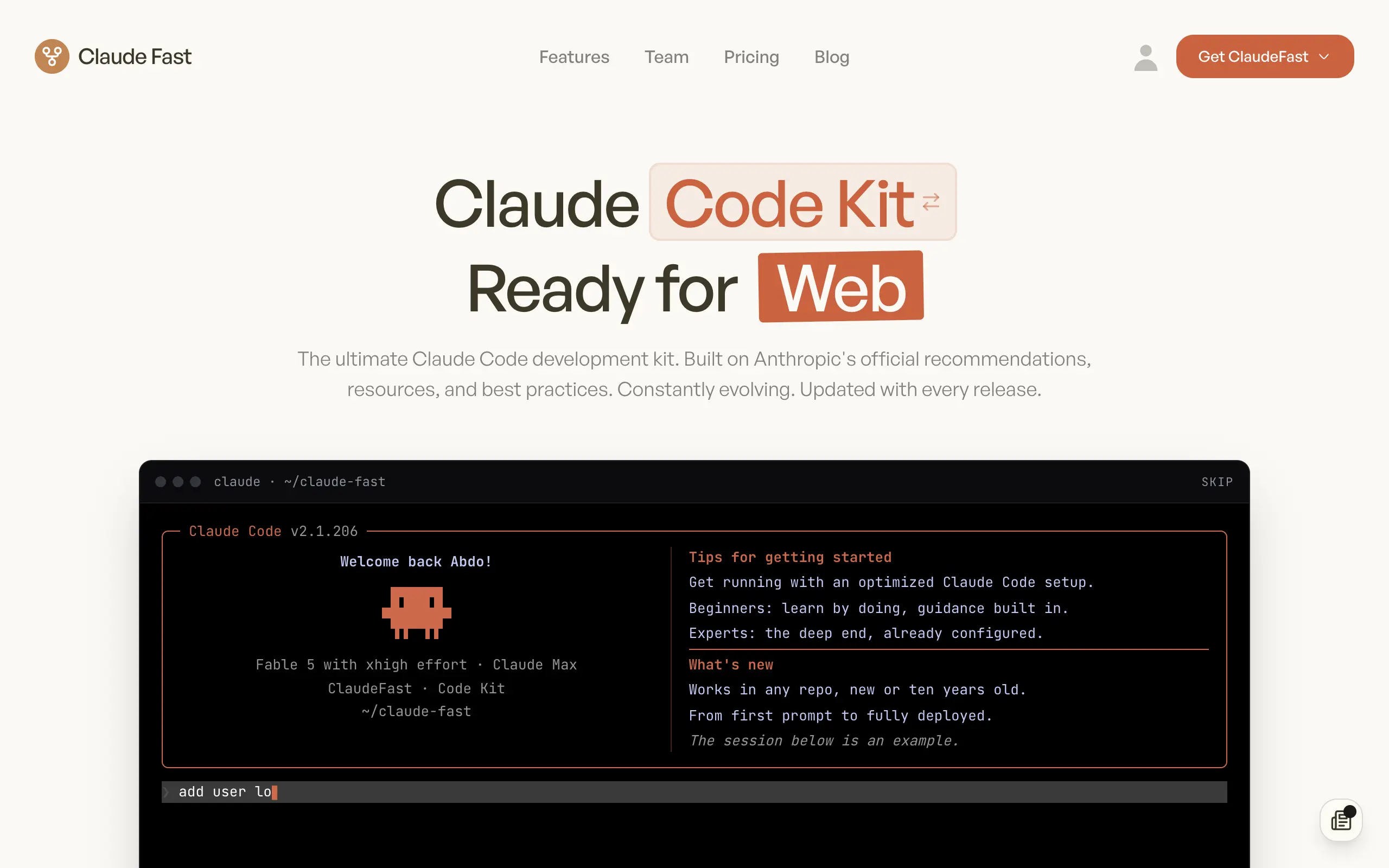
Claude Fast
Supercharge your Claude Code with 6x effective context window and specialized AI agents 🤖
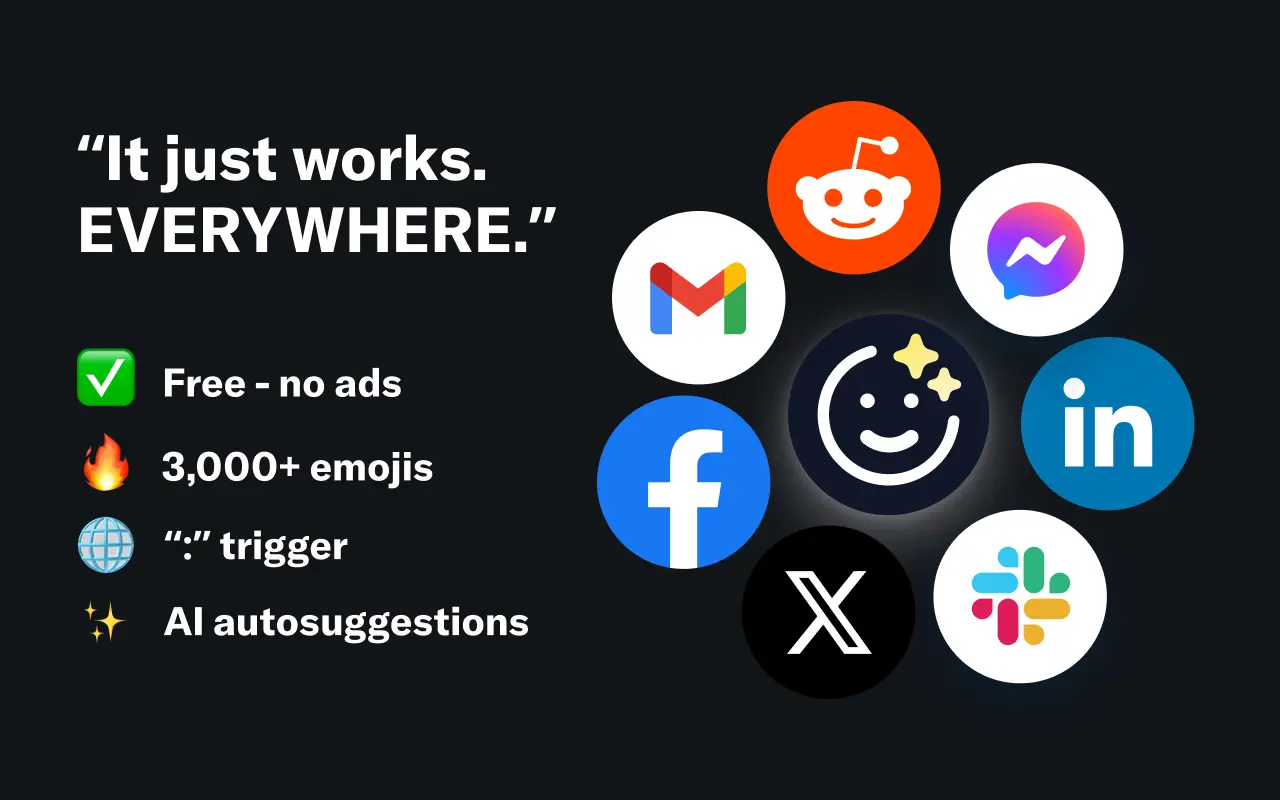
EmojAI
AI-powered emoji picker with smart, context-aware suggestions 🤖
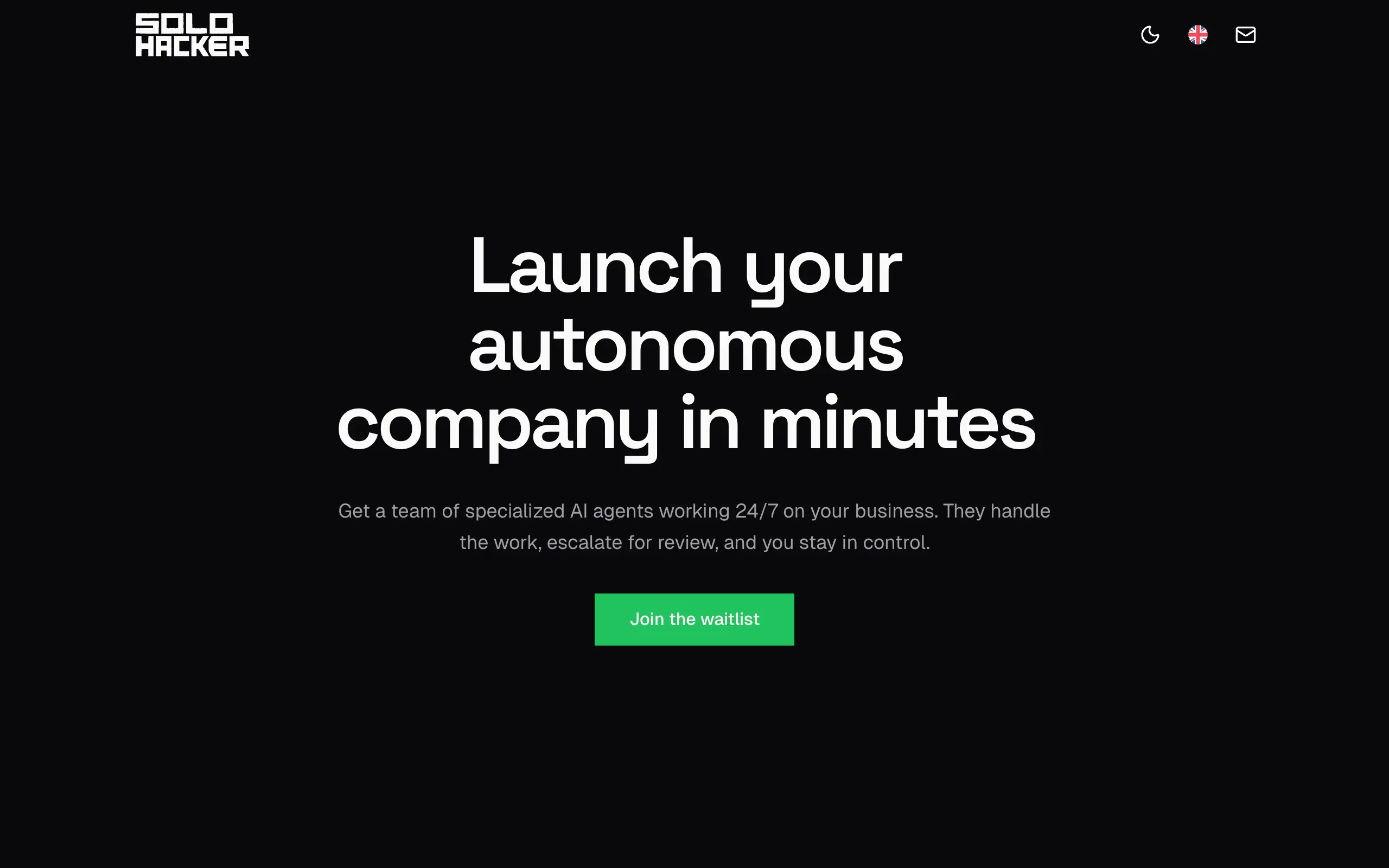
Solohacker
Autonomous company launcher - AI agents work 24/7, escalate what matters, and you stay in control 🤖
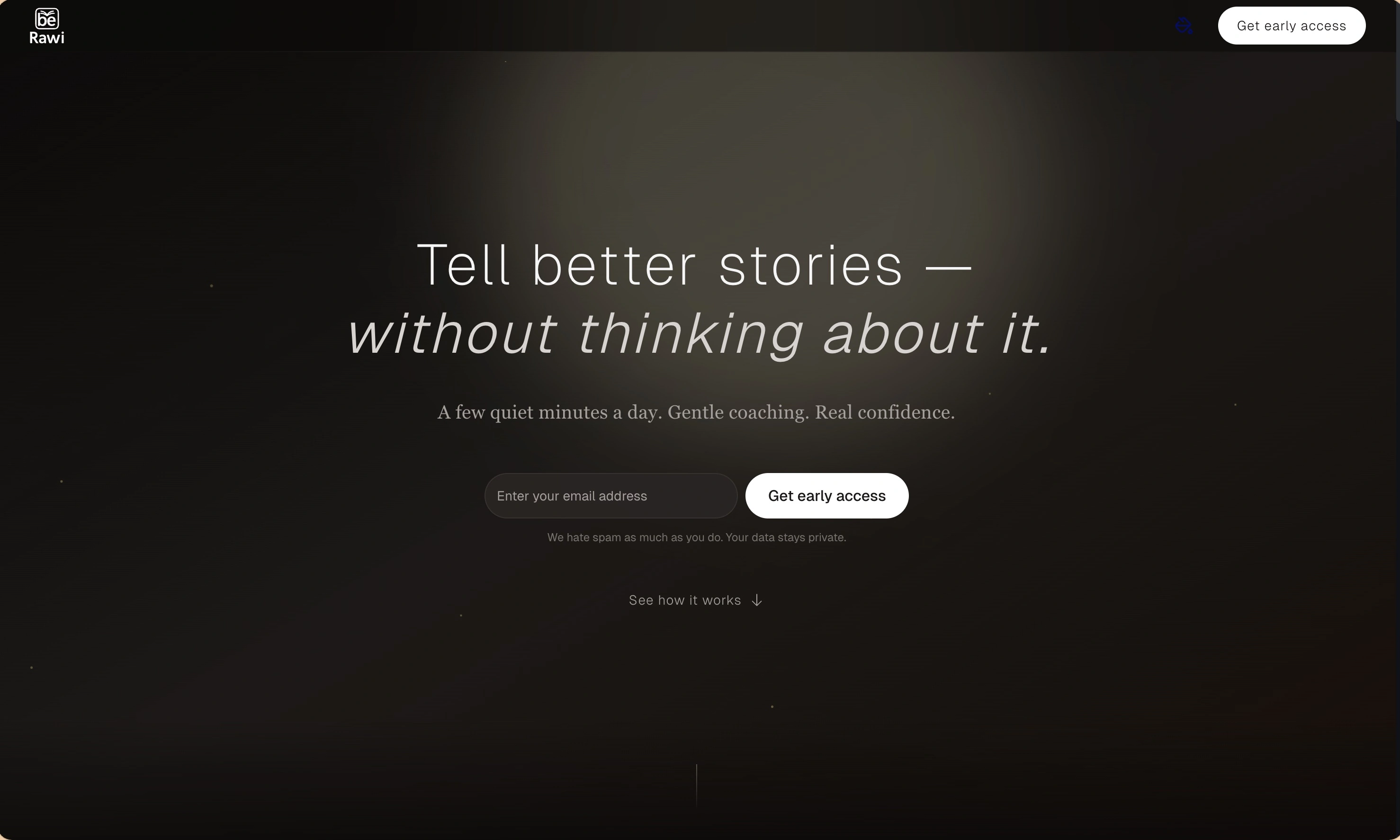
BeRawi: Storytelling Coach
Practice storytelling daily with instant feedback to sound clearer, more engaging, and confident 🎤
Omichat
Chat with 50+ AI models, including ChatGPT and Claude, in one place - switch models anytime without losing context 🤖
Claude Fast
Supercharge your Claude Code with 6x effective context window and specialized AI agents 🤖
EmojAI
AI-powered emoji picker with smart, context-aware suggestions 🤖
Solohacker
Autonomous company launcher - AI agents work 24/7, escalate what matters, and you stay in control 🤖
BeRawi: Storytelling Coach
Practice storytelling daily with instant feedback to sound clearer, more engaging, and confident 🎤
Omichat
Chat with 50+ AI models, including ChatGPT and Claude, in one place - switch models anytime without losing context 🤖
Claude Fast
Supercharge your Claude Code with 6x effective context window and specialized AI agents 🤖
EmojAI
AI-powered emoji picker with smart, context-aware suggestions 🤖
Solohacker
Autonomous company launcher - AI agents work 24/7, escalate what matters, and you stay in control 🤖
BeRawi: Storytelling Coach
Practice storytelling daily with instant feedback to sound clearer, more engaging, and confident 🎤
Omichat
Chat with 50+ AI models, including ChatGPT and Claude, in one place - switch models anytime without losing context 🤖
Claude Fast
Supercharge your Claude Code with 6x effective context window and specialized AI agents 🤖
EmojAI
AI-powered emoji picker with smart, context-aware suggestions 🤖
Solohacker
Autonomous company launcher - AI agents work 24/7, escalate what matters, and you stay in control 🤖
BeRawi: Storytelling Coach
Practice storytelling daily with instant feedback to sound clearer, more engaging, and confident 🎤

Connect with like-minded people
Join our community to get feedback, support, and grow together with 1,000+ builders on board, let's ship it!
Join usShip your startup everywhere. In minutes.
Don't burn tokens on setup and start building features on day one.