TaskSync
A project management tool designed for small to medium-sized businesses, offering task automation, team collaboration, and progress tracking. It simplifies project workflows and enhances productivity.
Target Audience for Streamlined Project Management
Small to medium-sized businesses (SMBs) are constantly seeking ways to simplify their workflows and enhance team collaboration. This approach is especially relevant for teams juggling multiple projects, tight deadlines, and the need for efficient task automation. The target audience includes:
- Project Managers: Looking for seamless integration into existing workflows.
- Team Leaders: Needing transparent progress tracking and resource management.
- SMBs: That are scaling operations and need a cost-effective solution.
- Remote Teams: In search of reliable, cloud-based collaboration tools.
- Freelance Collaborators: Who require easy-to-use functionalities without a steep learning curve.
The right project management tool not only increases productivity but also supports strategic decision-making by providing insights into task progress and workflow bottlenecks. For business owners, finding a solution that aligns with both their operational needs and budget is key.
Capitalizing on Market Opportunity
The demand for agile project management solutions has skyrocketed over the past decade. With the growing emphasis on task automation and collaborative work environments, there is an immense market opportunity. Here’s a breakdown of the current market landscape:
- Digital Transformation Trends: More companies are embracing digital tools to replace manual processes, making feature-rich project management tools extremely valuable.
- Rising Remote Work: With an increase in remote working arrangements, businesses need reliable online solutions that facilitate remote collaboration and progress tracking.
- Customization Demand: Many organizations are looking for scalable and customizable solutions that can be tailored to specific workflow needs.
- Competitive Pricing Models: Pricing strategies that leverage subscription models or pay-per-user plans make the tool accessible for businesses of varying sizes.
The growth in this market is fueled by companies increasingly relying on data-driven decisions, simplifying communication channels, and requiring transparent progress tracking. To capitalize on this, it’s essential to create an offering that not only meets but exceeds user expectations in terms of integration, usability, and performance.
Leveraging Technology with a Modern Tech Stack
At the heart of any forward-thinking project management tool is a robust and scalable tech stack. Modern development practices call for technology that offers not only flexibility but also rapid deployment. Developers can significantly reduce time to market by using modern starter kits like TurboStarter, which provides a solid foundation for rapid implementation across web, mobile, and even browser extension projects.
Key Components of the Tech Stack
- Frontend Development:
Modern frameworks such as React or Vue.js empower developers to create dynamic and responsive interfaces. Utilizing components for different UI elements ensures code reusability and component-based architecture. For example:const test = () => { console.log("this is a code snippet!"); } - Backend Infrastructure:
Leveraging Node.js or Ruby on Rails provides a reliable backend ecosystem capable of handling numerous concurrent user requests. - Database Solutions:
Options like PostgreSQL or MongoDB cater to both relational and non-relational data requirements while ensuring scalability as user data grows. - Cloud Integration:
Platforms like AWS, Google Cloud, or Azure are essential for managing application deployment, ensuring high availability, and scaling as required by increasing demand. - APIs and Microservices:
Building the application using microservices allows individual components to scale independently and ensures that performance bottlenecks are minimized.
Choosing a well-integrated tech stack not only accelerates the development process but also ensures that the product remains robust and flexible in the long run.
Quick Tip
By integrating TurboStarter into your development process, you can accelerate the implementation phase while ensuring that your product adheres to modern best practices.
Monetization Strategy: Creating Revenue Streams That Add Value
A secure and sustainable monetization strategy is crucial for any SaaS product. Here we explore several avenues to generate revenue without compromising on delivery quality.
Subscription Models
-
Tiered Pricing:
Offer different pricing tiers based on features and usage limits to cater to varying business sizes and needs.- Basic: For startups and small teams.
- Professional: For growing businesses needing advanced functionalities.
- Enterprise: For large organizations requiring full customization and dedicated support.
-
Freemium Model:
Provide a basic version for free that includes essential features. This encourages trial and adoption, increasing the likelihood of conversion through upsell of advanced functionalities.
Add-On Services
- Integration Modules:
Allow businesses to add integrations with popular tools (like CRM, email automation, etc.) as optional extras. - Custom Solutions:
Offer white-label services and customizations for larger organizations with specific requirements. - Consulting and Support:
Provide premium support packages and consultancy services for optimization, workflow design, and implementation best practices.
Performance-Based Pricing
- Offer enterprise clients performance-based pricing, where fees correlate with improved productivity and project outcomes. This model builds trust and aligns your success with that of your clients.
Analytics and Reporting Add-Ons
- Providing in-depth data analytics tools that help businesses monitor productivity and optimize resource allocation can be an effective upsell strategy.
By employing a mix of subscription-based offerings and add-ons, the tool can generate consistent revenue and provide measurable value to clients.
Navigating Risks in Adoption and Implementation
While the market outlook is promising, launching a SaaS solution in the project management arena comes with its own set of challenges. Recognizing these risks helps in strategizing effective mitigation plans.
Potential Risks
- Market Competition:
The market is highly competitive with both established players and emerging startups. Understanding competitive dynamics and responding quickly to market needs is essential. - Integration Challenges:
Ensuring seamless integration with existing enterprise tools and data systems can be complex. - User Adoption:
Transitioning teams from traditional processes to modern automated systems may encounter resistance. - Data Security & Compliance:
Protecting sensitive business data and complying with industry regulations such as GDPR or HIPAA is critical. - Scalability Issues:
As the client base grows, ensuring that the infrastructure is robust enough to handle increased demands without compromising performance is vital.
Mitigation Strategies
- Competitive Analysis:
Regularly review and update the product roadmap based on competitor insights and user feedback. - Pilot Programs:
Start with pilot projects and gather user feedback to iterate on the core functionalities. - Robust Security Protocols:
Implement state-of-the-art security measures including encryption, multi-factor authentication, and regular vulnerability assessments. - User Training and Onboarding:
Develop comprehensive onboarding resources such as tutorials, webinars, and documentation to ease the transition.
- Conduct continuous market research
- Foster a culture of innovation and responsiveness
- Utilize agile development methodologies for rapid iteration
- Establish a dedicated customer support and success team
Competitive Advantages in a Crowded Space
In the realm of project management SaaS, competitive differentiation lies in combining robust functionality with an intuitive user experience. Here are several competitive advantages that set this tool apart:
Seamless Task Automation
Automating repetitive tasks ensures that teams focus on high-value activities. The tool provides configurable workflows that adjust to various project needs, reducing manual effort and increasing efficiency.
- Custom Alerts & Reminders: Automated notifications for deadlines and project milestones.
- Integration with Calendars & Email: Seamless synchronization with popular calendars and email applications.
Enhanced Team Collaboration
Centralized communication channels and collaboration tools empower teams to work together more effectively. This solution includes:
- Real-Time Updates: Instant notification updates that help teams stay in sync.
- Comment Threads & Mentions: Easily track discussions on specific tasks.
- File Sharing & Version Control: Securely share files with comprehensive version history.
Advanced Progress Tracking
Companies need to monitor progress to ensure projects remain on schedule and within budget. This tool delivers insightful analytics and reporting that include:
- Dashboard Overviews: Visual progress tracking with intuitive charts and graphs.
- Customizable Reports: Tailor reports to measure productivity and detect bottlenecks.
- Integration with BI Tools: Enhance existing dashboards with business intelligence integrations.
Integration and Flexibility
Flexibility is key in a dynamic business environment. The technical infrastructure supports integrations with a range of popular tools to create a seamless ecosystem.
Feature highlight
Integrates with popular SaaS tools to ensure seamless workflow connectivity.
User-Friendly Interface
A well-designed user interface reduces the learning curve, making the product accessible to users at all technical levels.
- Intuitive Design: Simple yet powerful UI that emphasizes usability.
- Accessibility: High standards of accessibility to accommodate diverse user needs.
- Mobile Support: Fully responsive design ensuring that the tool works effortlessly on both desktop and mobile.
Accelerating Development with a Robust Starter Kit
As development cycles become more rapid, leveraging tools that can expedite the process is critical. TurboStarter acts as a rapid implementation kit, empowering teams to quickly set up web, mobile, and even browser extension projects without compromising on quality. This integration means that even with tight deadlines, the core functionalities can be assembled and tailored to suit specific business needs. It enhances the overall development experience while maintaining consistency across different modules.
TurboStarter helps accelerate development through ready-to-use components and best practices, ensuring that you meet market demands quickly.
Its modular architecture allows for smooth integration into existing projects, making enhancements cost-effective and efficient.
Monetizing Innovation While Managing Costs
The monetization approach needs to balance generating revenue with keeping the solution accessible. By adopting a multi-tiered pricing model combined with value-added services, the solution meets both business and user requirements.
Subscription & Service Fees
- Monthly/Annual Subscriptions: Encourage longer commitments through predictable pricing.
- One-Time Setup Fees: Premium installations with tailoring for large enterprises.
- Revenue from Integrations: Charge for additional integrations, custom modules, and bespoke services.
Upselling and Cross-Selling Opportunities
Often, once users see the initial value, they are open to exploring additional features. Offering tailored modules such as advanced reporting, dedicated support lines, and custom integrations can foster long-term partnerships and customer loyalty.
Implementation Roadmap and Key Steps
Deploying a comprehensive project management tool involves several implementation phases. A well-planned roadmap ensures clarity and successful launch without disruption to ongoing business activities.
Early Stages of Implementation
- Ideation and Planning: Ensure that the product vision aligns closely with market needs by involving stakeholders in the planning phase. The goal is to create a product that resonates with the target audience, is scalable, and differentiates itself competitively.
- Prototyping: Develop prototypes or wireframes that illustrate the primary workflows. Early feedback is invaluable in ensuring that crucial features such as task automation and progress tracking are intuitive and effective.
- Utilizing Agile Methodologies: Adopt agile project management methodologies like Scrum or Kanban to ensure iterative development, continuous improvement, and regular stakeholder feedback sessions.
Feature Rollout and Feedback Integration
Rolling out new features in phases can help the team manage complexity and respond quickly to user feedback. For example:
- Beta Testing with Select Clients: Launch the MVP with a small group of target users to gauge usability and identify any issues early.
- User Feedback Loops: Implement user surveys, bug tracking, and performance monitoring to gather data-driven insights.
- Iterative Updates: Roll out continuous updates, ensuring that new features are stable and well-integrated into the overall system.
Ensuring Scalability and Long-Term Success
Scalability is not just about handling more users—it’s also about adapting efficiently to evolving market demands and technological advancements. A successful project management tool must:
- Embrace Cloud-native Architecture: This facilitates dynamic scaling and ensures high availability.
- Focus on Modular Design: Modular components allow for independent updates, reducing downtime during rollout of new features.
- Invest in Continuous Integration and Delivery (CI/CD): Automated testing and deployment pipelines ensure that updates and fixes are deployed safely and quickly.
Security Reminder
When scaling your application, never compromise on security. Integrate robust data encryption, access controls, and regular security audits into your development cycle.
Strategies for Long-Term Viability
- Operational Excellence: Regular performance audits and infrastructure optimizations are essential to manage increased user loads.
- Customer Success: Dedicated support and training resources ensure user adoption and long-term satisfaction.
- Market Adaptability: Stay ahead of technological trends and continuously evolve the product to meet emerging business needs.
Conclusion: Clear Implementation Steps for a Successful Launch
Implementing this project management solution involves a comprehensive plan that integrates business strategy, market insight, and cutting-edge technology. The key steps to implement include:
- Start by identifying the exact needs of the target audience through detailed market research.
- Develop a minimum viable product (MVP) that focuses on core functionalities like task automation, real-time collaboration, and progress tracking.
- Use TurboStarter as a rapid deployment solution to accelerate your development timeline.
- Adopt an agile methodology to ensure iterative improvements and regular updates based on user feedback.
- Implement robust integrations with modern cloud services, databases, and APIs, ensuring scalability as user base grows.
- Establish a flexible, tiered monetization strategy that includes subscription models, add-ons, and performance-based pricing.
- Mitigate potential risks through comprehensive planning, beta testing, and continuous security audits.
- Promote your solution’s competitive advantages—seamless automation, intuitive teamwork, and powerful analytics—through clear messaging and targeted marketing.
- Finally, provide robust customer support and regular training to ensure smooth onboarding and sustained user success.
By following these steps, businesses can adopt a streamlined project management tool that not only revolutionizes workflow efficiency but also provides scalable, customizable solutions to meet evolving business demands. Embrace innovation, leverage modern tech stacks, and create a solution that sets new standards for productivity in the competitive SaaS landscape.
More 🏢 B2B Application SaaS ideas
Discover more innovative b2b application SaaS ideas that are trending in 2026. Each idea is AI-generated with market validation and growth potential to help you find your next profitable venture faster than competitors.
Your competitors are building with TurboStarter
Below are some of the SaaS ideas that have been generated and built with our starter kit.
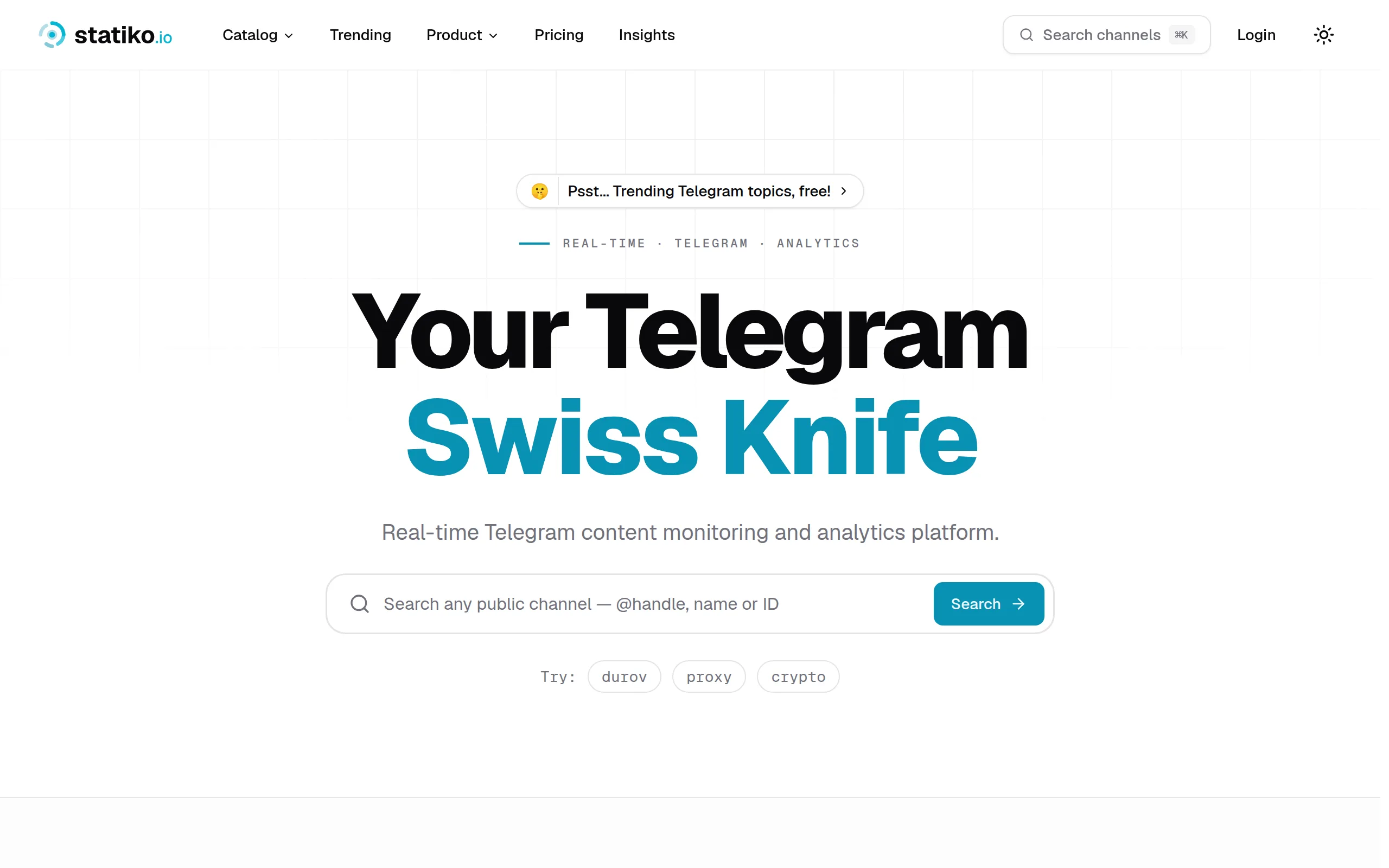
Statiko
Monitor any Telegram channel in real time - track posts, edits, deletions, and growth with AI recaps 📡

Shibui
AI website builder - describe your business, pick a niche template, edit by chatting, and publish instantly ✨

Pro Service
Find verified home service professionals, compare quotes, and pay securely through escrow - built for Brazilians across the US 🏠
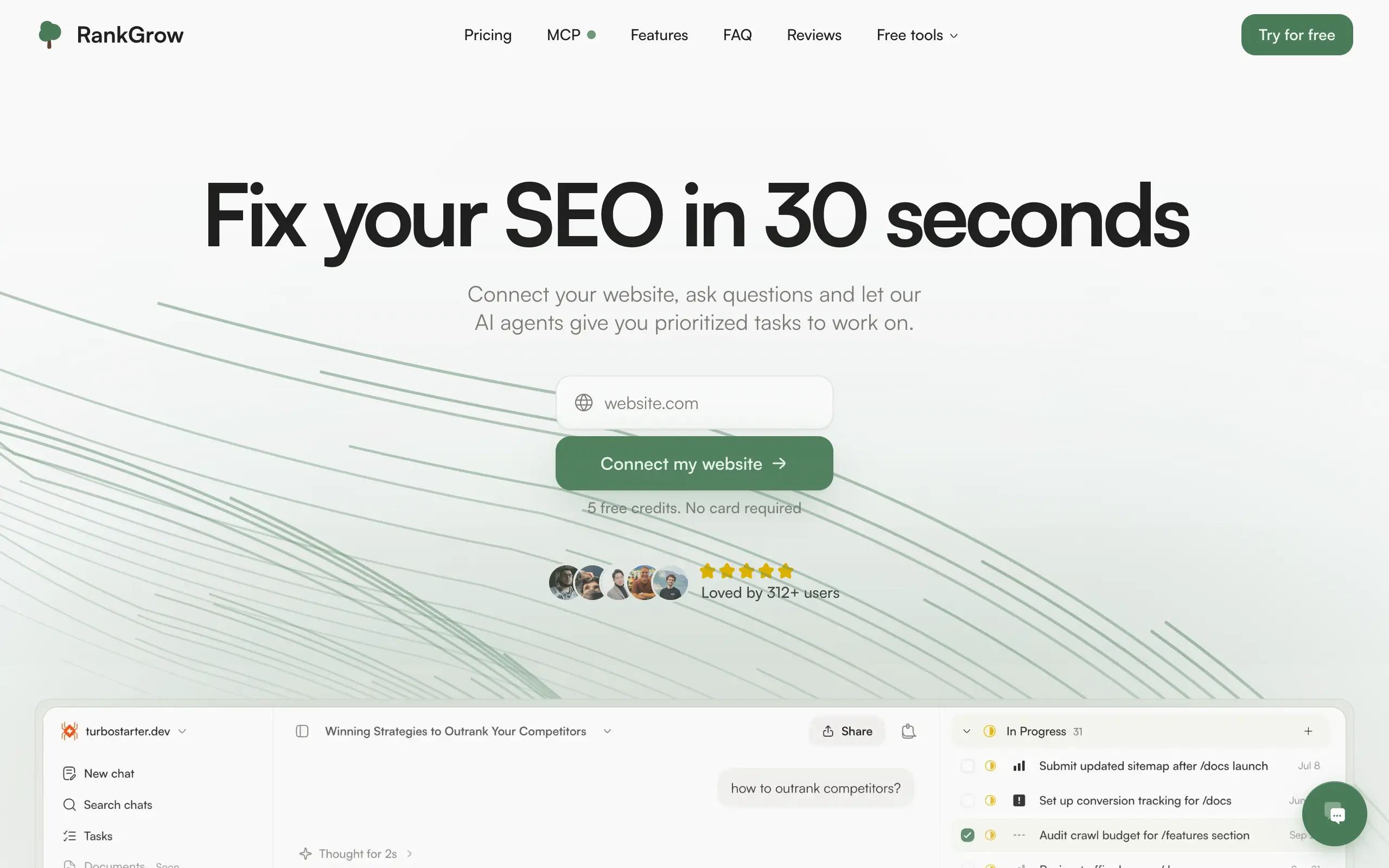
RankGrow
Fix your SEO with AI agents - connect Search Console, get prioritized tasks, and grow organic traffic 📈
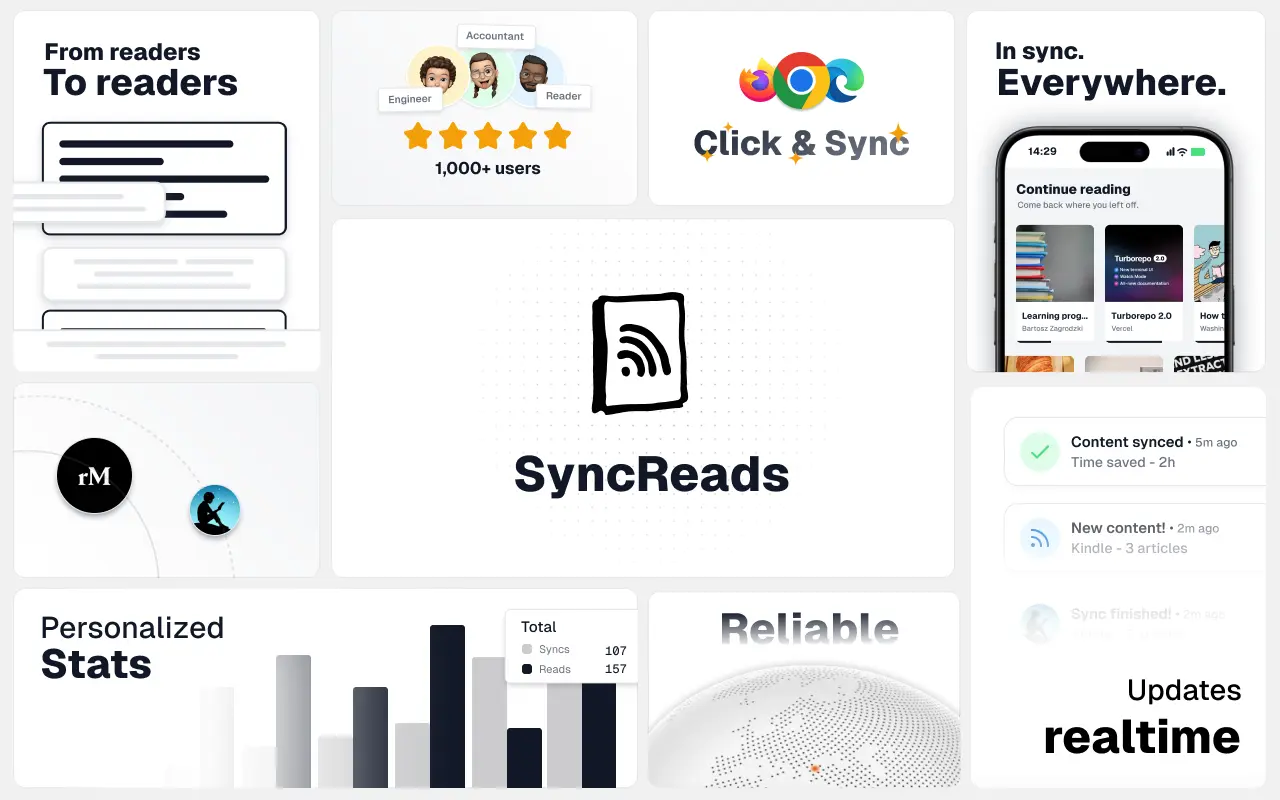
SyncReads
Sync your favorite content for distraction-free reading, save time and replace multiple apps. Anytime, anywhere 🔄
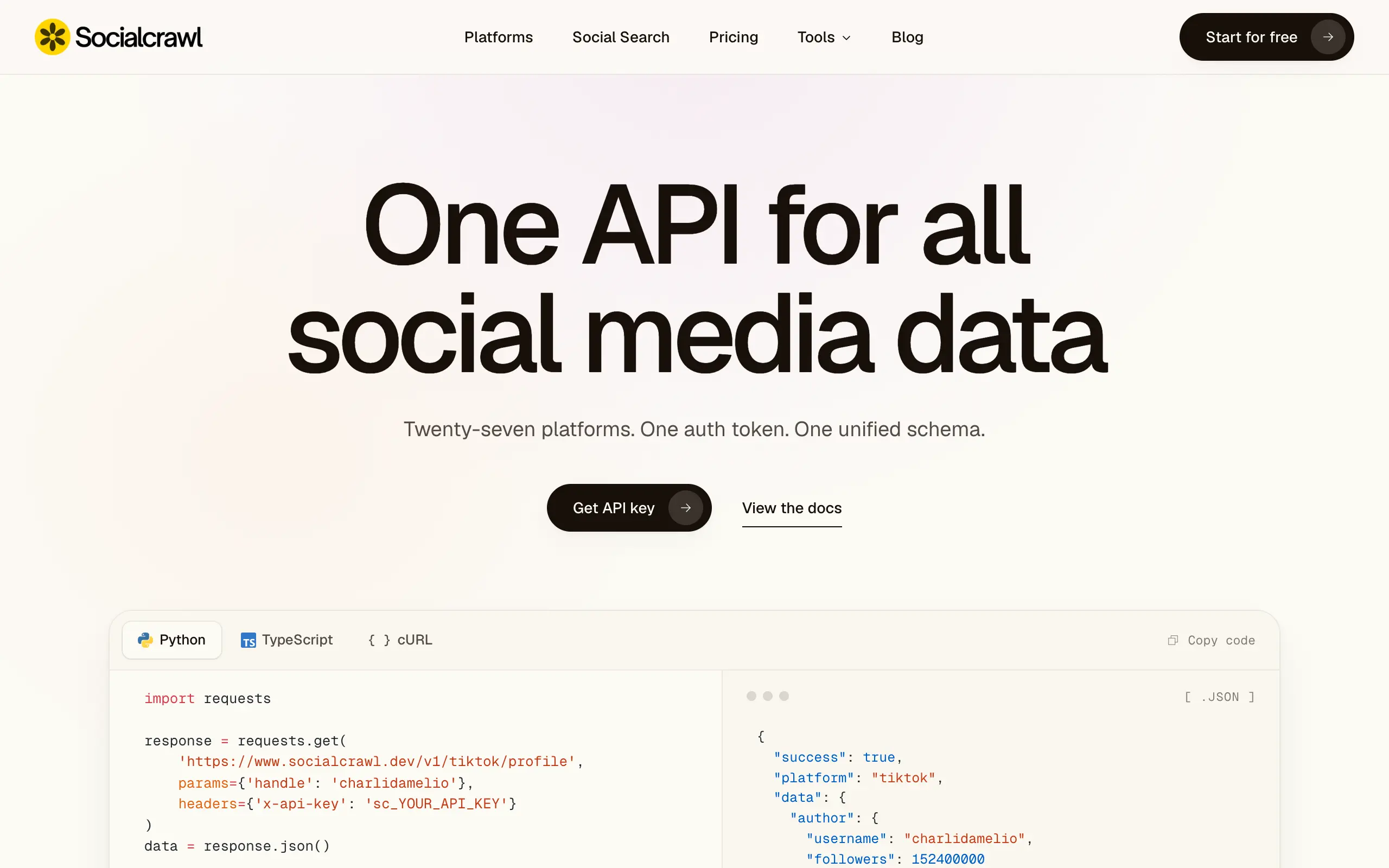
Socialcrawl
Get clean, structured data from 21 platforms like TikTok, Instagram, and YouTube with a single request 📊
Statiko
Monitor any Telegram channel in real time - track posts, edits, deletions, and growth with AI recaps 📡
Shibui
AI website builder - describe your business, pick a niche template, edit by chatting, and publish instantly ✨
Pro Service
Find verified home service professionals, compare quotes, and pay securely through escrow - built for Brazilians across the US 🏠
RankGrow
Fix your SEO with AI agents - connect Search Console, get prioritized tasks, and grow organic traffic 📈
SyncReads
Sync your favorite content for distraction-free reading, save time and replace multiple apps. Anytime, anywhere 🔄
Socialcrawl
Get clean, structured data from 21 platforms like TikTok, Instagram, and YouTube with a single request 📊
Statiko
Monitor any Telegram channel in real time - track posts, edits, deletions, and growth with AI recaps 📡
Shibui
AI website builder - describe your business, pick a niche template, edit by chatting, and publish instantly ✨
Pro Service
Find verified home service professionals, compare quotes, and pay securely through escrow - built for Brazilians across the US 🏠
RankGrow
Fix your SEO with AI agents - connect Search Console, get prioritized tasks, and grow organic traffic 📈
SyncReads
Sync your favorite content for distraction-free reading, save time and replace multiple apps. Anytime, anywhere 🔄
Socialcrawl
Get clean, structured data from 21 platforms like TikTok, Instagram, and YouTube with a single request 📊
Statiko
Monitor any Telegram channel in real time - track posts, edits, deletions, and growth with AI recaps 📡
Shibui
AI website builder - describe your business, pick a niche template, edit by chatting, and publish instantly ✨
Pro Service
Find verified home service professionals, compare quotes, and pay securely through escrow - built for Brazilians across the US 🏠
RankGrow
Fix your SEO with AI agents - connect Search Console, get prioritized tasks, and grow organic traffic 📈
SyncReads
Sync your favorite content for distraction-free reading, save time and replace multiple apps. Anytime, anywhere 🔄
Socialcrawl
Get clean, structured data from 21 platforms like TikTok, Instagram, and YouTube with a single request 📊
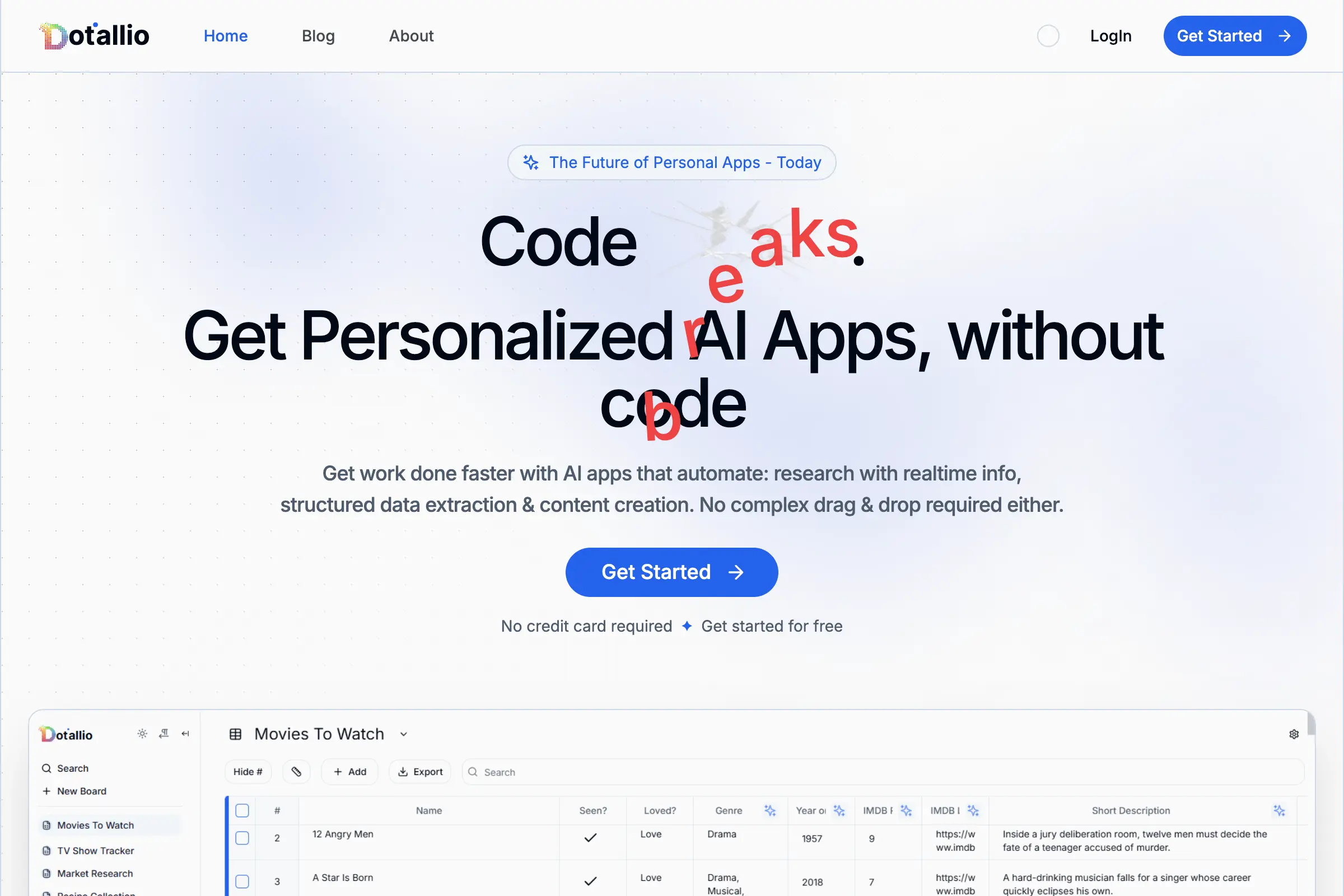
Dotallio
Personalized AI apps that automate research, data extraction, and content creation without code 🤖

Talk to Santa
Enjoy a magical live video chat or receive a unique AI-generated video greeting from Santa Claus 🎅
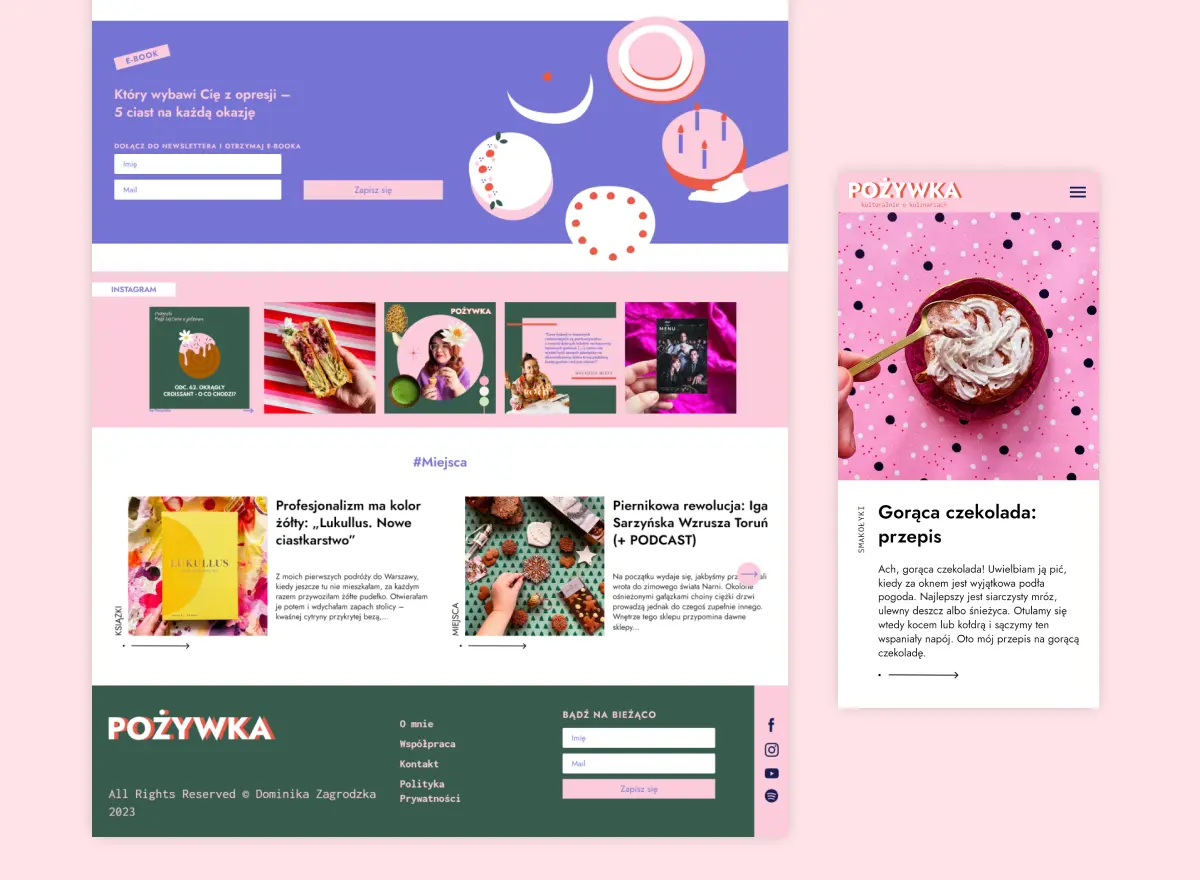
pozywka.pl
Scalable blog for food journalist, focused on performance and user experience 🌭
zagrodzki.me
Personal blog and portfolio of Bart Zagrodzki, where he shares his knowledge and work 💼
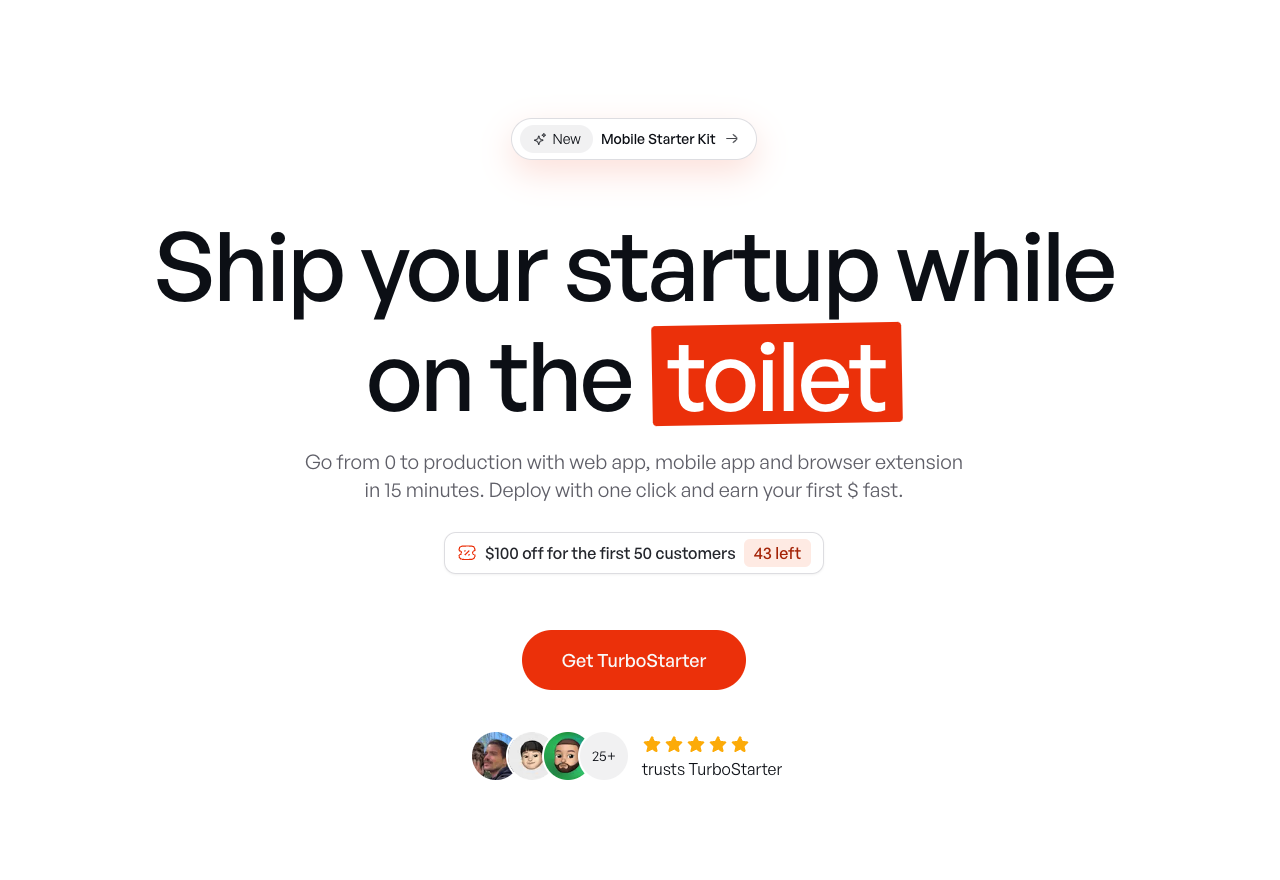
TurboStarter
Ship your startup everywhere. In minutes.
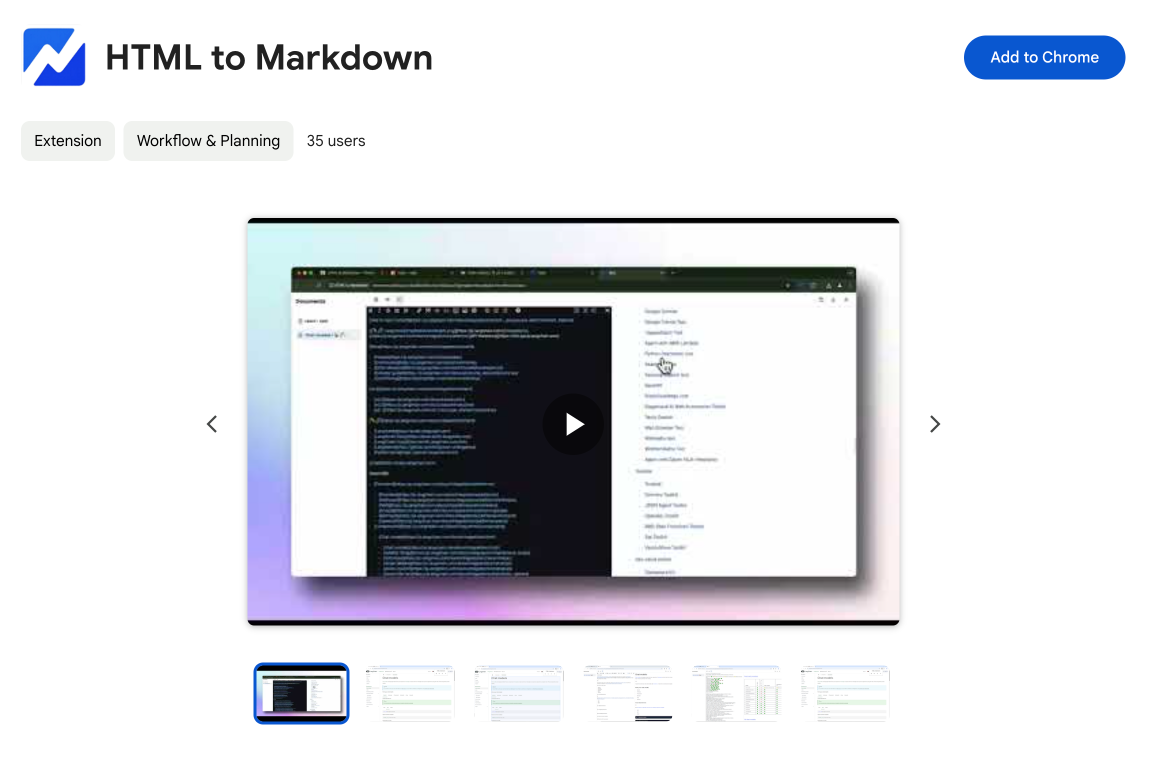
HTML to Markdown
Convert HTML to Markdown with ease, directly in your browser 📄
Dotallio
Personalized AI apps that automate research, data extraction, and content creation without code 🤖
Talk to Santa
Enjoy a magical live video chat or receive a unique AI-generated video greeting from Santa Claus 🎅
pozywka.pl
Scalable blog for food journalist, focused on performance and user experience 🌭
zagrodzki.me
Personal blog and portfolio of Bart Zagrodzki, where he shares his knowledge and work 💼
TurboStarter
Ship your startup everywhere. In minutes.
HTML to Markdown
Convert HTML to Markdown with ease, directly in your browser 📄
Dotallio
Personalized AI apps that automate research, data extraction, and content creation without code 🤖
Talk to Santa
Enjoy a magical live video chat or receive a unique AI-generated video greeting from Santa Claus 🎅
pozywka.pl
Scalable blog for food journalist, focused on performance and user experience 🌭
zagrodzki.me
Personal blog and portfolio of Bart Zagrodzki, where he shares his knowledge and work 💼
TurboStarter
Ship your startup everywhere. In minutes.
HTML to Markdown
Convert HTML to Markdown with ease, directly in your browser 📄
Dotallio
Personalized AI apps that automate research, data extraction, and content creation without code 🤖
Talk to Santa
Enjoy a magical live video chat or receive a unique AI-generated video greeting from Santa Claus 🎅
pozywka.pl
Scalable blog for food journalist, focused on performance and user experience 🌭
zagrodzki.me
Personal blog and portfolio of Bart Zagrodzki, where he shares his knowledge and work 💼
TurboStarter
Ship your startup everywhere. In minutes.
HTML to Markdown
Convert HTML to Markdown with ease, directly in your browser 📄
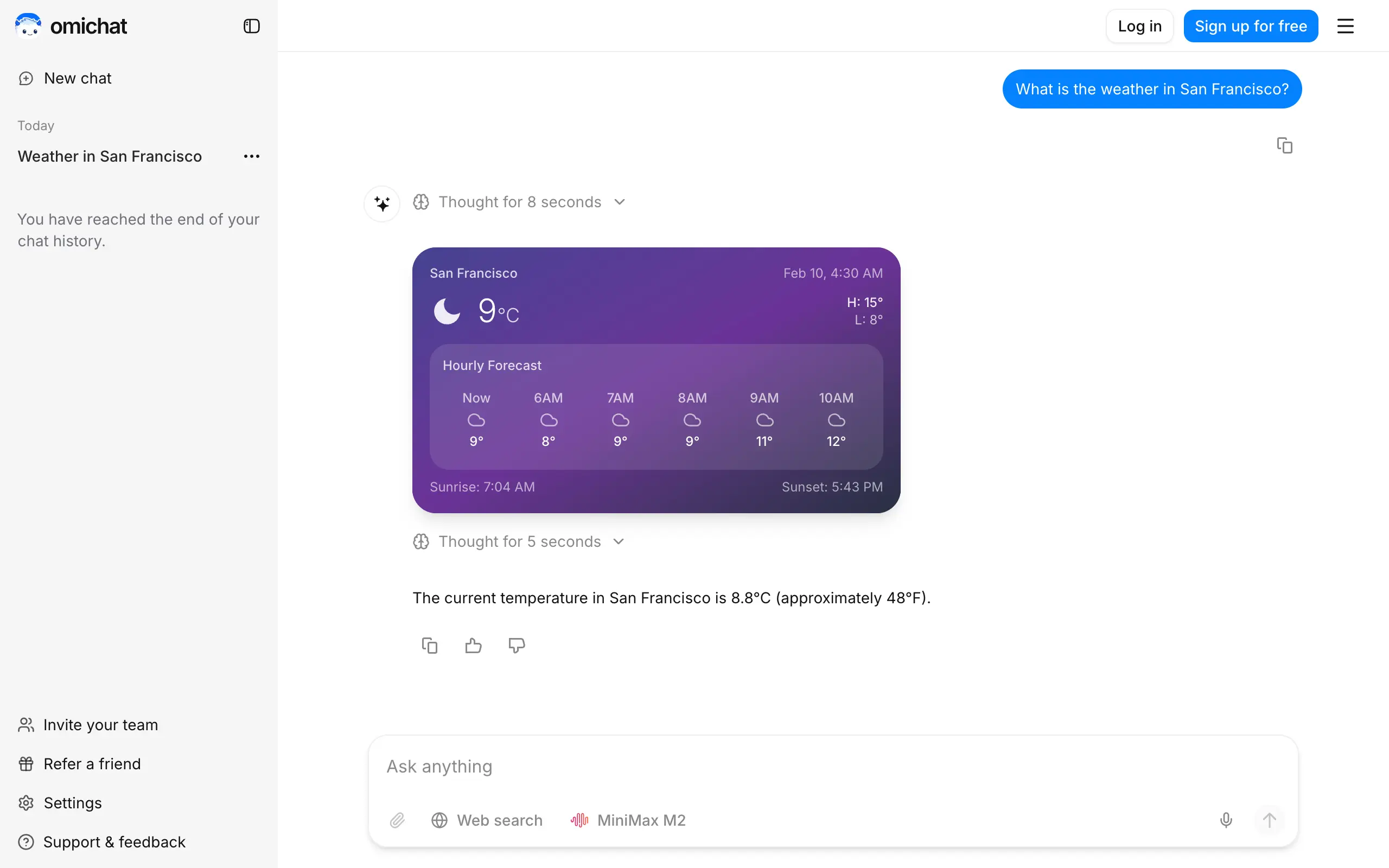
Omichat
Chat with 50+ AI models, including ChatGPT and Claude, in one place - switch models anytime without losing context 🤖
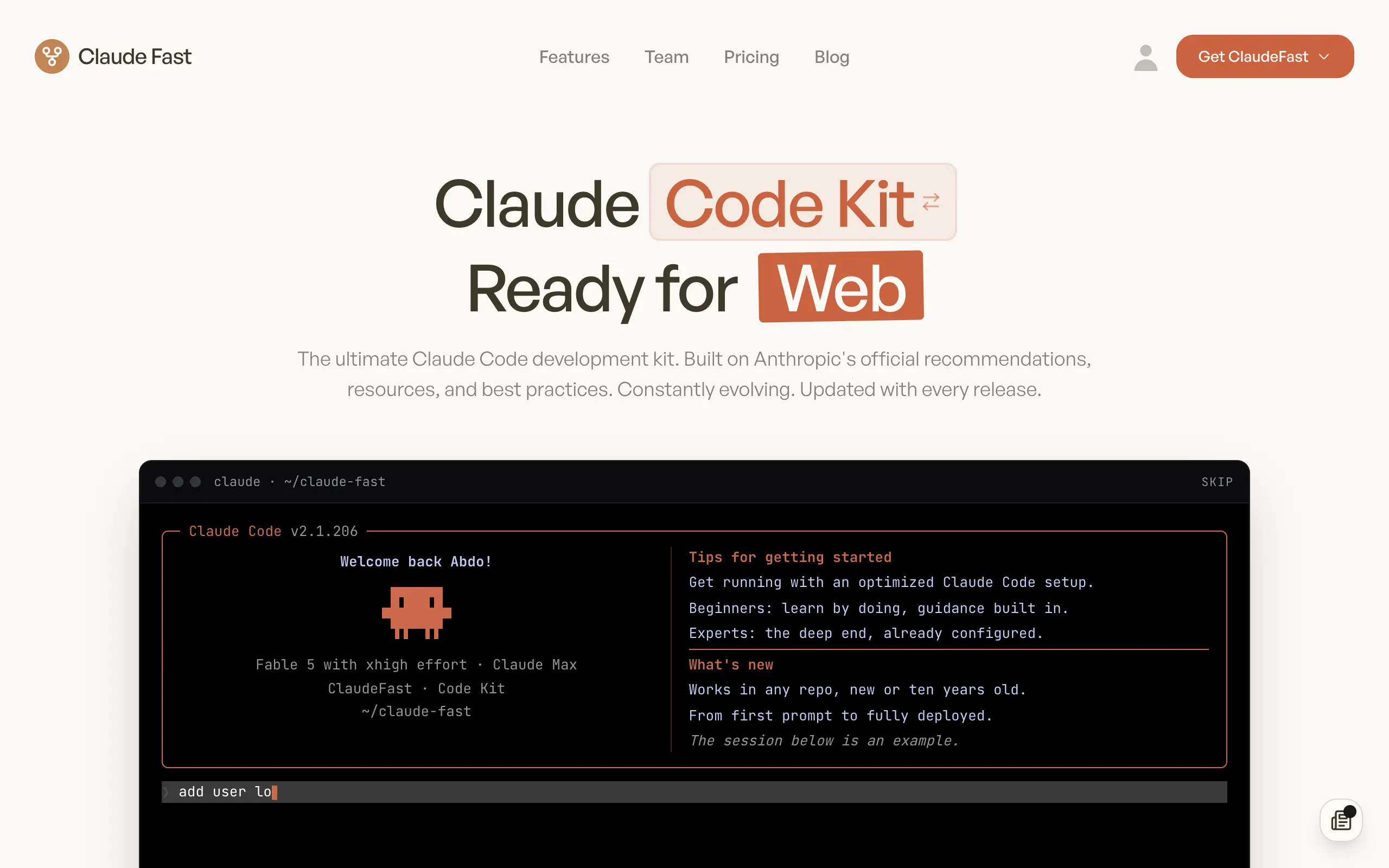
Claude Fast
Supercharge your Claude Code with 6x effective context window and specialized AI agents 🤖
EmojAI
AI-powered emoji picker with smart, context-aware suggestions 🤖
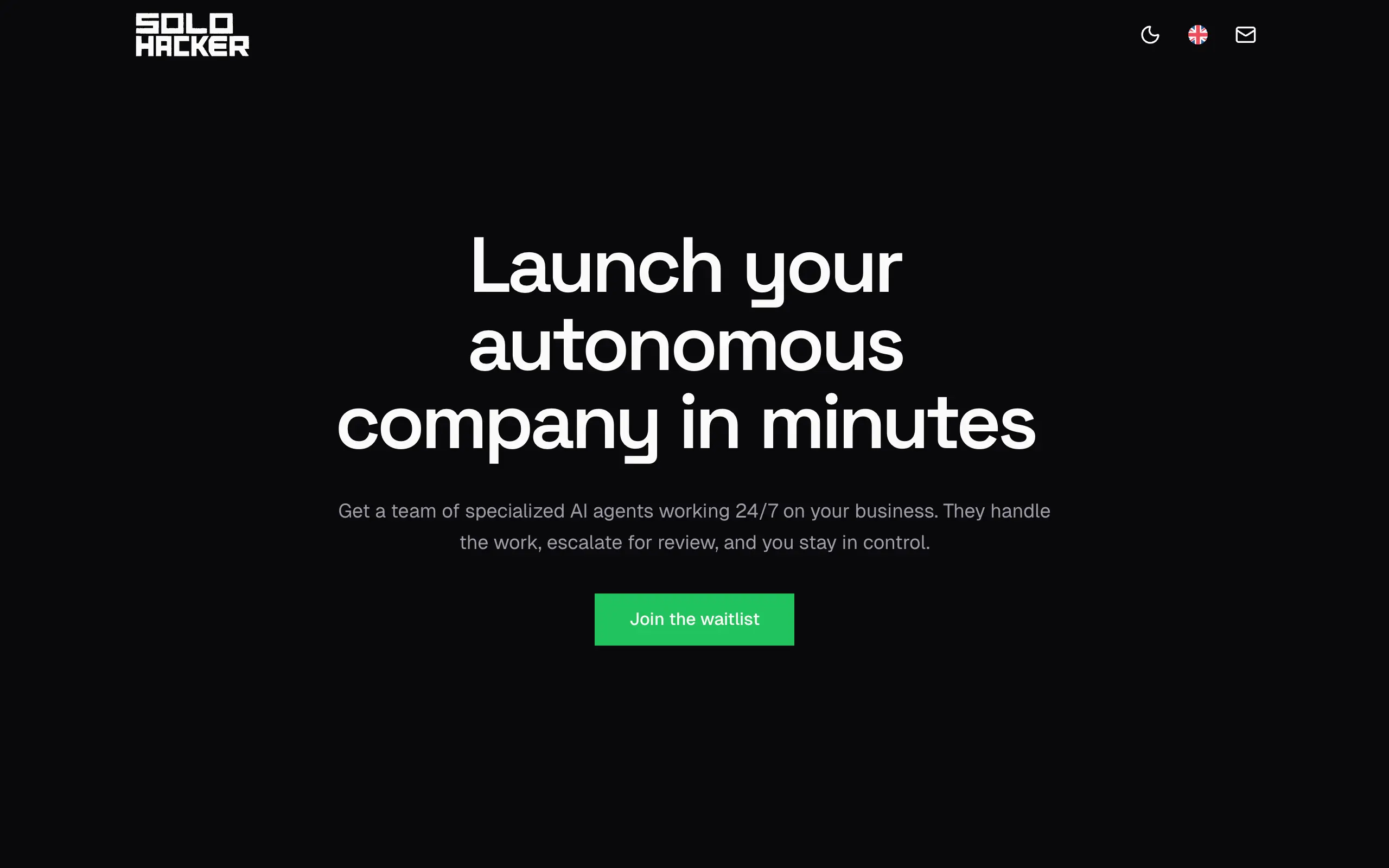
Solohacker
Autonomous company launcher - AI agents work 24/7, escalate what matters, and you stay in control 🤖

BeRawi: Storytelling Coach
Practice storytelling daily with instant feedback to sound clearer, more engaging, and confident 🎤
Omichat
Chat with 50+ AI models, including ChatGPT and Claude, in one place - switch models anytime without losing context 🤖
Claude Fast
Supercharge your Claude Code with 6x effective context window and specialized AI agents 🤖
EmojAI
AI-powered emoji picker with smart, context-aware suggestions 🤖
Solohacker
Autonomous company launcher - AI agents work 24/7, escalate what matters, and you stay in control 🤖
BeRawi: Storytelling Coach
Practice storytelling daily with instant feedback to sound clearer, more engaging, and confident 🎤
Omichat
Chat with 50+ AI models, including ChatGPT and Claude, in one place - switch models anytime without losing context 🤖
Claude Fast
Supercharge your Claude Code with 6x effective context window and specialized AI agents 🤖
EmojAI
AI-powered emoji picker with smart, context-aware suggestions 🤖
Solohacker
Autonomous company launcher - AI agents work 24/7, escalate what matters, and you stay in control 🤖
BeRawi: Storytelling Coach
Practice storytelling daily with instant feedback to sound clearer, more engaging, and confident 🎤
Omichat
Chat with 50+ AI models, including ChatGPT and Claude, in one place - switch models anytime without losing context 🤖
Claude Fast
Supercharge your Claude Code with 6x effective context window and specialized AI agents 🤖
EmojAI
AI-powered emoji picker with smart, context-aware suggestions 🤖
Solohacker
Autonomous company launcher - AI agents work 24/7, escalate what matters, and you stay in control 🤖
BeRawi: Storytelling Coach
Practice storytelling daily with instant feedback to sound clearer, more engaging, and confident 🎤

Connect with like-minded people
Join our community to get feedback, support, and grow together with 1,000+ builders on board, let's ship it!
Join usShip your startup everywhere. In minutes.
Don't burn tokens on setup and start building features on day one.