Tattoo Booker
Helps independent tattoo artists fill empty chair slots with deposits and online booking. Artists stop losing hours to no-shows and back-and-forth DMs.
Tattoo Booker is a booking and deposit tool built for independent tattoo artists. It replaces Instagram DM negotiations with a structured request form, a paid deposit and an automatic waitlist that fills cancelled slots. In 2026, with clients expecting to book anything from their phone and artists tired of losing paid hours to no-shows, a narrow, tattoo-specific booking product is a realistic business for a solo founder building tattoo booking software for independent artists.
Key takeaways
- Target customer: independent and small-studio tattoo artists who book mostly through Instagram DMs and lose hours to no-shows and slow replies.
- Pricing angle: a flat monthly subscription, for example $19 to $39 per artist, plus an optional small fee on deposits.
- Biggest risk: artists are hard to move off Instagram, and generic schedulers are "good enough" for many of them.
- Time to MVP: roughly 3 to 5 weeks for one developer using a starter kit, assuming you skip custom design tools and mobile apps at first.
What problem does tattoo booking software solve?
Tattoo artists sell a scarce, perishable asset: chair time. A cancelled 4-hour session that is not refilled is lost revenue, and most artists cannot afford many of those in a month.
The problem has three parts:
- No-shows and late cancellations: without a deposit that actually costs the client something, flaking is cheap.
- DM back-and-forth: every booking takes many messages about size, placement, style, budget and dates.
- Empty slots that never get refilled: when someone cancels, the artist has no quick way to offer the slot to interested people.
Who feels it most?
The ideal customer is a solo artist or a 2 to 5 chair studio with a steady Instagram following, who tattoos full-time and is booked weeks out. They handle admin themselves between sessions, often late at night.
Shop owners with a front-desk person feel it less. Hobbyists and apprentices usually do not have enough volume to care.
What do they do today, and why does it fail?
The common workaround is a mix of Instagram DMs, a notes app or paper calendar, and a manual deposit through Venmo, Cash App or PayPal. Some use a Google Form or a generic scheduler like Calendly.
This fails in predictable ways:
- Deposits are chased by hand, so they are often late or skipped.
- Forms do not capture reference images, body placement or size in a structured way.
- Nothing connects a cancellation to the people who wanted an earlier date.
- Client details end up scattered across DMs, so repeat bookings are slow.
Is there a market gap for tattoo booking software in 2026?
Yes, but a narrow one. Generic schedulers such as Calendly, Square Appointments and Acuity handle time slots well. Tattoo-specific and studio management tools also exist, and you should study them closely. The gap is not "online booking exists"; it is that most tools are built for salons and consultations, not for the request, review, deposit, session flow tattooing actually follows.
Why now?
- Clients book from their phones and expect to pay a deposit online without friction.
- Artists are building personal brands on social platforms, which sends traffic to a link in bio but gives them nothing to convert it.
- Payment tooling is mature. Taking deposits via Stripe is a solved problem for a small team.
- AI can reduce admin: summarizing a request, flagging missing details and drafting replies is now cheap to add.
The honest caveat: this is a niche. It rewards a founder who is willing to talk to artists weekly and build features for how they actually work, not one hoping for a viral consumer launch.
What should the MVP include?
Build the smallest flow that turns a link-in-bio click into a paid, scheduled session. The aha moment is the first time an artist wakes up to a deposit already paid and a confirmed slot, with no DMs exchanged.
Booking request form
A structured form for idea, placement, size, references and preferred dates, replacing the first ten DMs.
Deposit collection
Artist approves a request, the client pays a deposit online, and the slot is held only after payment.
Cancellation waitlist
When a slot opens, interested clients are notified and the first to pay the deposit gets it.
Automated reminders
Email or SMS reminders with aftercare and cancellation terms to cut no-shows before they happen.
What to cut from version one
- Native mobile apps. A responsive web app is enough at first.
- Flash sales, design marketplaces and portfolio hosting.
- Multi-location studio management, payroll and inventory.
- Complex calendar sync beyond a simple Google Calendar connection.
What to keep opinionated
Let the artist set their own deposit rules, refund policy and minimum notice. Artists have strong views here, and a rigid policy engine will lose them on day one.
How is Tattoo Booker different from Calendly or a spreadsheet?
The unique selling point is simple: it fills and protects chair time, not just calendar slots. It understands requests, deposits and waitlists as first-class concepts.
| Option | Structured tattoo requests | Deposit before slot is held | Cancellation waitlist | Setup effort |
|---|---|---|---|---|
| Tattoo Booker | ✅ | ✅ | ✅ | Low |
| Instagram DMs plus Venmo | ❌ | ❌ | ❌ | None, but time-heavy |
| Generic scheduler | ❌ | Depends on plan | ❌ | Low |
| Google Forms plus calendar | Partial | ❌ | ❌ | Medium |
| Full studio management software | Depends | Depends | Depends | High |
Your pitch is not "better software." It is "fewer hours spent in DMs and fewer unpaid empty slots." Position it as a tool that pays for itself the first time it prevents a single no-show.
How would Tattoo Booker make money?
Start with a subscription, because artists understand a flat monthly cost and it is predictable for you.
Option 1: flat monthly plan
Charge $19 to $29 per artist per month. If you reach 200 paying artists at $25, that is $5,000 in monthly recurring revenue, assuming low churn. Artists compare this to one lost session, which makes the price easy to justify.
Option 2: subscription plus a deposit fee
Keep a lower base price and add a small percentage on deposits processed. This aligns your income with the value you create, but it can feel like a tax to artists with high volume. Test it carefully.
Option 3: studio tier
Charge per studio with a set number of artists included. This raises the average account size and is easier to defend when a shop owner makes the buying decision.
Which growth channel works first?
Direct outreach to artists on Instagram, followed by referrals from early users. Artists follow each other, trust peers and notice when a colleague's booking link looks professional. Paid ads are usually a poor first channel for such a small, specific audience.
How do you validate a tattoo booking app before building it?
Spend one to two weeks proving that artists will talk to you, join a waitlist and ideally pay.
Interview 10 to 15 artists
Ask about their last five bookings, how many no-shows they had this year and what they currently use to take deposits. Listen for specific costs and frustrations, not general enthusiasm.
Ship a one-page landing page
State one promise, such as "Stop chasing deposits in your DMs," and add a waitlist form. Share it in conversations with the artists you interviewed.
Run a manual concierge test
Offer three artists a hosted form plus a payment link that you set up by hand. If they use it for real clients, you have learned what to automate first.
Ask for a pre-sale
Offer a founding-member price for a year paid upfront or a refundable deposit. Even five or ten committed artists is a stronger signal than hundreds of waitlist emails.
What tech stack should you use to build a tattoo booking SaaS?
Use a standard web stack that one developer can maintain: a TypeScript full-stack app, Postgres, Stripe for payments, transactional email and SMS for reminders. The less you invent in the infrastructure, the more time you spend on the booking logic.
TurboStarter fits here because most of the undifferentiated work is already done: a monorepo for web and mobile, authentication, billing for subscriptions, a database layer and emails. It also includes file storage, background tasks and an admin panel, which you will use for reference image uploads, reminder jobs and support. That leaves you to build requests, deposits and waitlists.
Choosing how to take deposits
Simplest to ship: deposits go to your Stripe account, and you pay artists out manually or on a schedule. This is fine for a validation pilot but creates compliance and bookkeeping work as you grow.
Each artist connects their own Stripe account and deposits go straight to them, with an optional platform fee. It takes longer to implement and has onboarding steps for artists, but it is the right long-term model for a deposit product.
A minimal data model
type BookingRequest = {
  id: string;
  artistId: string;
  clientEmail: string;
  description: string;
  placement: string;
  sizeCm: number;
  referenceFileKeys: string[];
  status: "pending" | "approved" | "deposit_paid" | "completed" | "cancelled";
  depositCents: number;
  scheduledAt: Date | null;
};
Add a separate waitlist table linking clients to an artist and a preferred date range. Reminder emails and waitlist notifications run as scheduled background jobs.
What could make Tattoo Booker fail?
Biggest risk: artists will not leave Instagram
Many artists run their whole business inside DMs and see a booking link as extra work. If your tool adds a step instead of removing one, they will quietly stop using it. Design the flow so the link in bio and an auto-reply to DMs make the form the easiest path for both sides, and test this with real artists before building anything else.
Other risks to plan for:
- Small willingness to pay: many artists are price-sensitive. Mitigate by anchoring on the cost of one no-show and offering an annual discount.
- Competition from generic tools: a scheduler with a deposit feature may be good enough. Win on tattoo-specific workflow and speed of setup.
- Payment and refund disputes: deposit chargebacks create friction. Make cancellation terms explicit at checkout and store a clear record of what the client agreed to.
What are the next steps to launch in 30 days?
Days 1 to 7: talk to artists
Complete your interviews, publish the landing page and recruit three artists for a pilot.
Days 8 to 14: build the core flow
Set up the project with TurboStarter, then build the request form, artist dashboard and deposit payment.
Days 15 to 21: add reminders and waitlist
Implement automated reminders and the cancellation waitlist, then onboard your pilot artists.
Days 22 to 30: charge and iterate
Convert pilot users to a paid plan, fix the top three friction points and ask each artist for one referral.
Pick one artist, build the smallest version of the deposit flow and put it in front of real clients this month. The sooner a real deposit lands, the sooner you know whether this idea has legs.
FAQ
Artists clearly have the problem: no-shows, DM overload and unfilled slots. What is unproven is whether enough of them will pay for a dedicated tool, which is why the interviews and pre-sales matter more than any market estimate.
Most solo artists will compare the price to the cost of one lost session. A range of $19 to $39 per month is a reasonable starting assumption, which you should test with a founding-member offer before settling.
General schedulers like Calendly, Square Appointments and Acuity, plus studio management tools aimed at tattoo shops. Study what artists actually complain about in each, because your edge is workflow fit, not feature count.
A TypeScript web app with Postgres, Stripe, transactional email and background jobs covers almost everything. Using a starter kit like TurboStarter saves the weeks you would otherwise spend on authentication, billing and emails.
Expect roughly 3 to 5 weeks for a single developer using a starter kit, and a few hundred dollars or less in tooling before you have paying users. Costs rise mainly with SMS volume and payment fees, which scale with usage.
Not at first. Clients book through a mobile-friendly web page, and artists can manage requests from a responsive dashboard. Consider a native app only after artists ask for push notifications or faster daily use.
More 🏢 B2B Application SaaS ideas
Discover more innovative b2b application SaaS ideas that are trending in 2026. Each idea is AI-generated with market validation and growth potential to help you find your next profitable venture faster than competitors.
Your competitors are building with TurboStarter
Below are some of the SaaS ideas that have been generated and built with our starter kit.

Monitor any Telegram channel in real time - track posts, edits, deletions, and growth with AI recaps 📡

AI website builder - describe your business, pick a niche template, edit by chatting, and publish instantly ✨
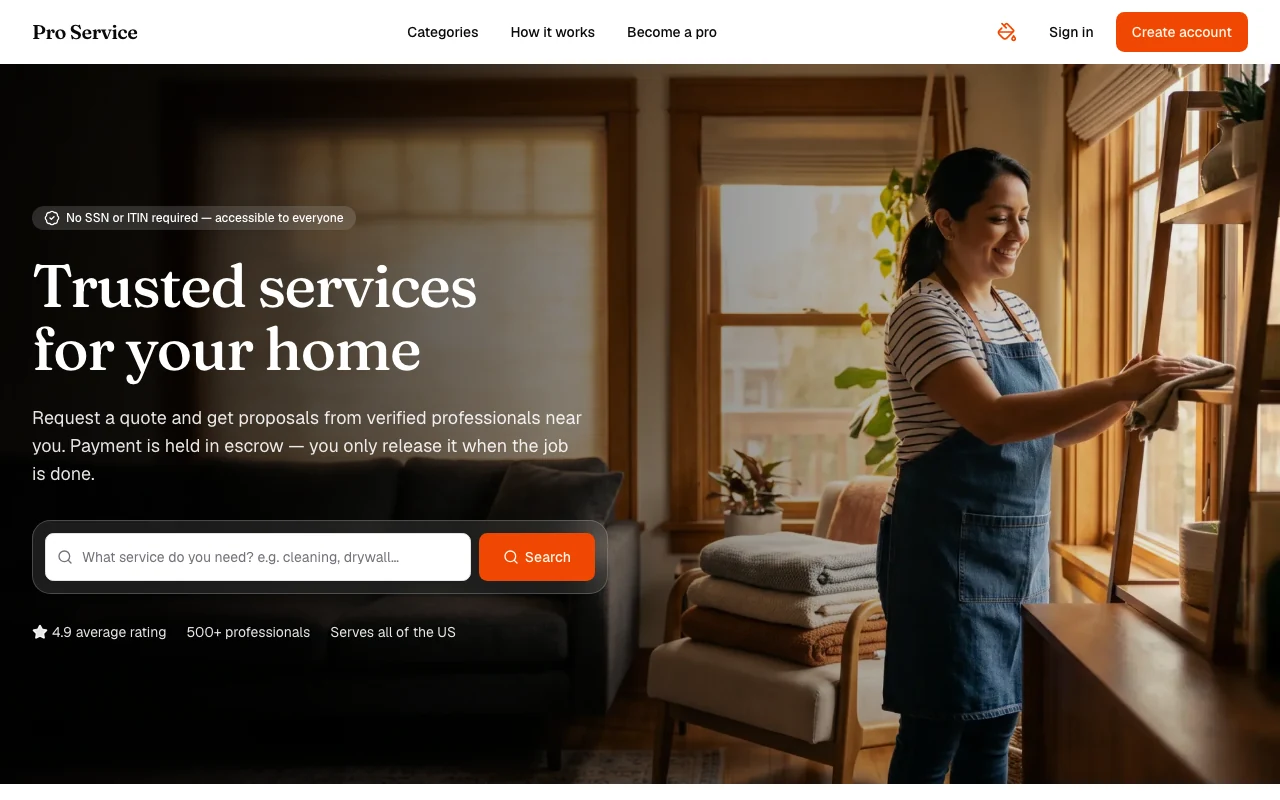
Find verified home service professionals, compare quotes, and pay securely through escrow - built for Brazilians across the US 🏠
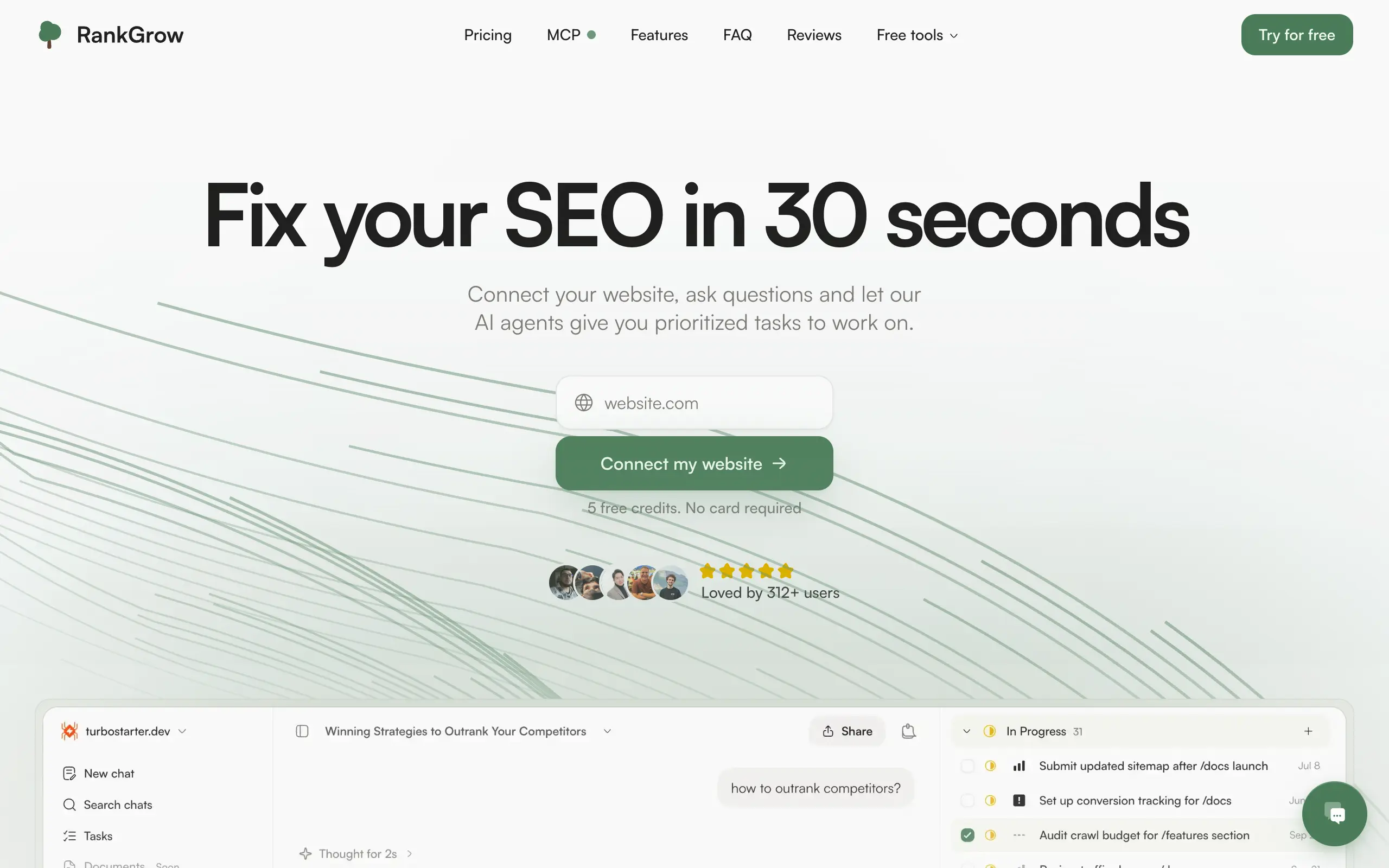
Fix your SEO with AI agents - connect Search Console, get prioritized tasks, and grow organic traffic 📈

Sync your favorite content for distraction-free reading, save time and replace multiple apps. Anytime, anywhere 🔄

Get clean, structured data from 21 platforms like TikTok, Instagram, and YouTube with a single request 📊
Monitor any Telegram channel in real time - track posts, edits, deletions, and growth with AI recaps 📡
AI website builder - describe your business, pick a niche template, edit by chatting, and publish instantly ✨
Find verified home service professionals, compare quotes, and pay securely through escrow - built for Brazilians across the US 🏠
Fix your SEO with AI agents - connect Search Console, get prioritized tasks, and grow organic traffic 📈
Sync your favorite content for distraction-free reading, save time and replace multiple apps. Anytime, anywhere 🔄
Get clean, structured data from 21 platforms like TikTok, Instagram, and YouTube with a single request 📊

Personalized AI apps that automate research, data extraction, and content creation without code 🤖

Enjoy a magical live video chat or receive a unique AI-generated video greeting from Santa Claus 🎅

Scalable blog for food journalist, focused on performance and user experience 🌭

Personal blog and portfolio of Bart Zagrodzki, where he shares his knowledge and work 💼

Ship your startup everywhere. In minutes.

Convert HTML to Markdown with ease, directly in your browser 📄
Personalized AI apps that automate research, data extraction, and content creation without code 🤖
Enjoy a magical live video chat or receive a unique AI-generated video greeting from Santa Claus 🎅
Scalable blog for food journalist, focused on performance and user experience 🌭
Personal blog and portfolio of Bart Zagrodzki, where he shares his knowledge and work 💼
Ship your startup everywhere. In minutes.
Convert HTML to Markdown with ease, directly in your browser 📄

Chat with 50+ AI models, including ChatGPT and Claude, in one place - switch models anytime without losing context 🤖

Supercharge your Claude Code with 6x effective context window and specialized AI agents 🤖

AI-powered emoji picker with smart, context-aware suggestions 🤖

Autonomous company launcher - AI agents work 24/7, escalate what matters, and you stay in control 🤖

Practice storytelling daily with instant feedback to sound clearer, more engaging, and confident 🎤
Chat with 50+ AI models, including ChatGPT and Claude, in one place - switch models anytime without losing context 🤖
Supercharge your Claude Code with 6x effective context window and specialized AI agents 🤖
AI-powered emoji picker with smart, context-aware suggestions 🤖
Autonomous company launcher - AI agents work 24/7, escalate what matters, and you stay in control 🤖
Practice storytelling daily with instant feedback to sound clearer, more engaging, and confident 🎤

Connect with like-minded people
Join our community to get feedback, support, and grow together with 1,000+ builders on board, let's ship it!
Join usShip your startup everywhere. In minutes.
Don't burn tokens on setup and start building features on day one.