TerraGrade
Unify soil lab results, satellite vigor maps, and field audits into defensible land suitability scores for plantation investments.
Why land suitability scoring software is becoming essential for plantation investments
Plantation investment decisions depend on a difficult combination of agronomy, geography, infrastructure, climate exposure, regulatory constraints, and commercial assumptions. Yet many investment teams still assess land through disconnected spreadsheets, PDF soil reports, GIS exports, satellite screenshots, consultant notes, and site-visit documents.
That fragmented workflow creates an expensive problem. A plot can look promising in a presentation while hiding soil depth constraints, drainage risk, poor access, unmanaged slope, water limitations, or weak operational evidence. The result is often an overly optimistic underwriting model and a land acquisition decision that is hard to defend to an investment committee, lender, insurer, or external auditor.
TerraGrade is a land suitability scoring software concept for plantation investments. It brings together soil laboratory results, satellite-derived vigor maps, field audits, and spatial constraints into transparent, defensible land suitability scores.
Instead of asking whether a site is broadly “good,” TerraGrade helps users answer more useful questions:
- Which parcels are suitable for a specific plantation crop and management model?
- Which site limitations will affect yield, capex, or operating costs?
- How confident should the investment team be in each recommendation?
- What evidence supports the score?
- Which areas require further sampling, site inspection, remediation, or exclusion?
- How does one acquisition target compare with another using a consistent methodology?
The opportunity is especially relevant for investors and operators assessing forestry, perennial crops, agroforestry, timberland, oil palm, rubber, cocoa, coffee, citrus, nuts, bioenergy crops, and regenerative land-use projects.
The core value proposition
TerraGrade should not position itself as another generic GIS dashboard. Its strongest positioning is a decision-support system that converts heterogeneous land evidence into crop-specific, auditable investment intelligence.
The problem with plantation land due diligence today
Traditional land due diligence is rarely short of data. The bigger issue is that the data is inconsistent, incomplete, and difficult to translate into an investment-grade conclusion.
A soil laboratory report may provide pH, organic matter, texture, nutrient levels, electrical conductivity, and cation exchange capacity. Satellite data can show vegetation vigor patterns over time. A field auditor might document erosion, drainage, road access, existing vegetation, water points, and visible constraints. Meanwhile, the investment team needs a single view of suitability, risk, confidence, and expected remediation cost.
These inputs are often reviewed separately.
A typical process may involve:
- An external consultant reviewing laboratory data.
- A GIS analyst mapping parcel boundaries and terrain.
- An agronomist creating a qualitative site note.
- An investment associate updating an underwriting model.
- An investment committee receiving a short summary with limited traceability.
This workflow introduces several weaknesses.
- "Inconsistent scoring": Different consultants may use different thresholds or assumptions.
- "Weak traceability": Decision-makers cannot easily see how raw observations influenced the final recommendation.
- "Slow comparison": Comparing several candidate estates requires repetitive manual work.
- "Hidden uncertainty": Missing samples or outdated imagery can be overlooked.
- "Poor scenario planning": Teams struggle to model how liming, drainage, irrigation, road investment, or land preparation could change suitability.
- "Limited post-investment learning": Data collected during acquisition is not systematically linked to later field performance.
For high-value, long-duration plantation assets, these weaknesses matter. A land purchase is not only a real estate decision. It is a biological production investment, often with long payback periods and a limited ability to reverse mistakes after planting.
Who needs plantation land suitability scoring software
TerraGrade’s primary market is not every farmer with a field map. Its best early customers are organizations making repeatable, high-stakes land allocation decisions.
Institutional farmland and timberland investors
Institutional asset managers need a repeatable way to compare acquisition targets, document underwriting assumptions, and support governance requirements. Their stakeholders may include investment committees, fund investors, lenders, insurers, and third-party valuation firms.
For this audience, TerraGrade should emphasize:
- Standardized screening across multiple opportunities
- Transparent scoring methodology
- Audit-ready evidence trails
- Portfolio-level risk visibility
- Faster investment committee preparation
- Scenario analysis for remediation and development costs
The platform can become especially valuable where the firm evaluates land across multiple countries, crop types, or consultants.
Plantation developers and operators
Operators need to know not only whether land is investable, but where to plant, what to plant, and what interventions are required before establishment.
Their practical questions include:
- Which blocks need drainage or terracing?
- Which areas require soil amendments?
- Where should soil sampling density increase?
- Which zones have persistent vigor anomalies?
- Which fields should be excluded from planting plans?
- Which parcels offer the best near-term development return?
For operators, the product must move beyond a static score and support operational planning.
Agricultural lenders and insurers
Agricultural lenders need stronger evidence that collateral land can produce as expected. Insurers need a clearer view of location-specific exposure, management quality, and historical vegetation patterns.
A land suitability score does not eliminate underwriting risk, but it can provide a standardized input into credit and insurance workflows. This makes TerraGrade potentially valuable as an independent assessment layer rather than only an internal operations tool.
Carbon, restoration, and agroforestry project developers
Nature-based project developers frequently evaluate large land areas with varied conditions. Their feasibility depends on biological potential, implementation cost, permanence risk, baseline conditions, accessibility, and monitoring requirements.
TerraGrade can support site selection for:
- Reforestation and afforestation
- Agroforestry programs
- Sustainable timber projects
- Regenerative agriculture transitions
- Biodiversity restoration investments
- Biomass and bioenergy feedstock projects
However, the product should avoid implying that suitability scores alone prove carbon additionality, permanence, biodiversity outcomes, or credit eligibility. Those claims require separate methodologies and verification processes.
The market gap for defensible land suitability scores
There are many tools in the broader agricultural technology and geospatial intelligence market. GIS platforms manage spatial layers. Farm management software tracks operations. Remote sensing providers offer imagery and indices. Soil laboratories generate analytical reports. Consultants create land evaluations.
The gap is the workflow between raw evidence and an investment-grade recommendation.
A generic GIS environment is flexible, but flexibility can become a weakness for investment users. It often requires specialist skills, custom configuration, and manual interpretation. A farm management system may be excellent for tracking inputs and field activity, but it is not necessarily designed for pre-acquisition land underwriting. A satellite analytics tool may identify vegetation variation, but it may not explain whether variation is caused by soil constraints, management history, cloud contamination, seasonal phenology, or water stress.
TerraGrade can fill this gap by offering a structured workflow that combines:
- Crop-specific agronomic suitability logic
- Site-level evidence collection
- Spatial risk overlays
- Transparent scoring models
- Confidence and data quality indicators
- Investment-oriented scenario analysis
- Exportable due diligence reports
The product’s unique selling proposition is not simply “AI for agriculture.” It is defensible land suitability scoring for plantation investments, where each score can be traced back to source data, assumptions, thresholds, and reviewer decisions.
| Capability | Generic GIS | Satellite dashboard | Farm software | TerraGrade opportunity |
|---|---|---|---|---|
| Spatial mapping | Strong | Moderate | Limited | Strong |
| Soil laboratory normalization | Custom work | Limited | Variable | Native workflow |
| Investment-grade scoring | Manual | Limited | Rare | Core product |
| Audit trail and evidence pack | Variable | Limited | Variable | Built in |
| Crop-specific scenarios | Custom work | Limited | Operational focus | Investment focus |
How TerraGrade should calculate land suitability scores
The credibility of TerraGrade will depend on methodology more than interface design. Users must understand that a score represents a structured assessment, not a mysterious algorithmic verdict.
A good scoring framework combines three concepts:
- Suitability assesses whether site conditions support the intended crop and production system.
- Risk identifies factors that could reduce expected performance or raise development costs.
- Confidence communicates how complete, current, and reliable the evidence is.
These should be displayed separately. A single score is convenient, but it can be misleading when it hides uncertainty.
Build a crop-specific suitability model
A plantation site suitable for eucalyptus may be unsuitable for coffee. A property appropriate for rainfed forestry may require costly irrigation for citrus. TerraGrade should therefore start with configurable crop profiles rather than one universal land score.
Each crop profile can include weighted criteria such as:
- Soil depth
- Texture and structure
- Soil pH
- Organic carbon or organic matter
- Nutrient availability
- Salinity and sodicity indicators
- Drainage class
- Water holding capacity
- Slope and erosion exposure
- Elevation
- Temperature range
- Rainfall patterns
- Drought frequency
- Flood probability
- Distance to roads and processing infrastructure
- Land-cover history
- Legal and conservation constraints
The system should permit expert administrators to change weights and thresholds. For example, a crop model might classify slope differently depending on whether the operation uses mechanized harvesting, manual harvest, contour planting, or terracing.
A transparent weighted model is often more valuable than an opaque machine learning model in early product stages. Users can challenge, review, and approve explicit assumptions.
A simplified example might be represented as:
type SuitabilityInput = {
  soilDepth: number
  soilPH: number
  drainageScore: number
  slopePercent: number
  vigorStability: number
  accessScore: number
}

const calculateSuitability = (input: SuitabilityInput) => {
  const weightedScore =
    input.soilDepth * 0.22 +
    input.soilPH * 0.12 +
    input.drainageScore * 0.2 +
    input.slopePercent * 0.14 +
    input.vigorStability * 0.18 +
    input.accessScore * 0.14

  return Math.round(weightedScore * 10) / 10
}
In production, the model should not treat raw field values as direct scores. It should first transform them through crop-specific response curves, account for hard exclusions, record the model version, and retain the precise data source used in each calculation.
Use hard constraints alongside weighted factors
Not every factor should be averaged away.
A site with very strong soil chemistry and excellent historical vigor may still be unacceptable if it overlaps a legally protected area, has no viable access, is subject to extreme flood risk, or lacks sufficient soil depth for the intended planting system.
TerraGrade should distinguish between:
- "Hard exclusions": Conditions that automatically prevent recommendation for the selected use case.
- "Conditional constraints": Conditions that require remediation, additional diligence, or an approved exception.
- "Weighted variables": Factors that influence the comparative ranking among viable areas.
This distinction prevents a high average score from hiding a fatal site constraint.
Show score confidence as clearly as the score itself
A suitability score based on recent lab samples, verified boundaries, multiple seasons of imagery, and a completed field audit deserves more confidence than one based on incomplete samples and outdated records.
TerraGrade should generate a confidence rating based on:
- Data recency
- Sample density
- Geographic coverage
- Laboratory metadata availability
- Remote sensing data continuity
- Audit completion
- Spatial resolution
- Conflicting observations
- Reviewer approval status
A user should be able to see statements such as:
Suitable for rainfed eucalyptus establishment, subject to drainage remediation in northern blocks. Confidence is moderate because soil sampling coverage is incomplete in 28% of the target area.
That language is much more useful in due diligence than a single green score.
Core features for an investment-grade land due diligence platform
The ideal TerraGrade product should make complex evidence understandable without oversimplifying it.
Evidence hub
Upload, normalize, geolocate, and review soil reports, field audits, boundary files, satellite layers, photos, and supporting documents.
Suitability engine
Apply versioned, crop-specific rules to generate parcel, block, and sub-block suitability classifications.
Risk map
Visualize slope, flooding, access, vigor instability, soil limitations, and other constraints in one decision-ready map.
Investment memo export
Produce traceable reports that summarize assumptions, scores, limitations, scenarios, and supporting evidence.
Soil laboratory ingestion and normalization
Soil data is foundational, but it is rarely clean. Laboratories may use different units, sampling depths, test methods, naming conventions, and report formats.
TerraGrade should support:
- CSV and spreadsheet imports
- PDF extraction with human verification
- Latitude and longitude capture
- Sampling depth metadata
- Unit conversion
- Test method recording
- Quality control flags
- Sample-to-zone matching
- Spatial interpolation options
- Repeat sampling history
The product should never silently normalize values without retaining the original result and unit. For investment decisions, traceability is a feature.
A useful workflow would allow an agronomist to review a flagged value, confirm the conversion, attach a note, and approve it for inclusion in the suitability model.
Satellite vigor maps and temporal analysis
Satellite vigor maps can identify spatial patterns that field sampling may miss. Common vegetation indices, including NDVI, can be useful indicators of greenness and relative canopy activity. However, they should be treated as contextual signals rather than direct measures of yield or soil quality.
TerraGrade should make temporal patterns more valuable than one-off imagery. Users need to know whether an area consistently underperforms over multiple seasons or simply appeared weak during cloud cover, harvest, drought, or temporary management disruption.
Key satellite analytics could include:
- Multi-season vegetation vigor trends
- Relative within-property variability
- Persistent low-vigor zones
- Change detection after clearing or planting
- Moisture and water stress proxies
- Cloud and data-quality masks
- Comparison against regional baselines where appropriate
The interface should explain limitations. Satellite-derived vigor cannot independently establish the cause of a problem. It needs corroboration from soil, topography, weather, management records, and field observation.
Mobile field audit workflows
A mobile field audit tool creates the bridge between remote analysis and physical reality.
Auditors should be able to collect:
- Geotagged photos
- Soil pit observations
- Drainage notes
- Erosion indicators
- Existing crop condition
- Road and bridge condition
- Water infrastructure evidence
- Pest and disease observations
- Land use conflicts
- Local access constraints
- Safety and operational notes
Offline support is important because prospective plantation land is often located in areas with unreliable connectivity. The mobile experience should prioritize fast capture, standardized checklists, and later synchronization.
Spatial constraints and exclusion layers
TerraGrade should allow organizations to overlay site evidence with spatial constraints. The exact layers will vary by geography and investment thesis, but common examples include:
- Parcel boundaries
- Elevation and slope
- Hydrology and drainage networks
- Flood-prone zones
- Roads and travel time
- Protected areas
- Wetlands
- Land-cover history
- Fire exposure
- Settlement proximity
- Processing facilities
- Grid and water infrastructure
The platform should allow users to label each layer as informational, conditional, or exclusionary within a specific investment policy.
Scenario modeling for remediation and development
A suitability platform becomes much more valuable when it models interventions.
Instead of only saying a zone is marginal, TerraGrade should help the user ask whether a feasible action can change the investment outcome. For example:
- Could liming move soil pH into a productive range?
- What would drainage improvements cost?
- How much area becomes plantable after excluding steep slopes?
- Would better roads lower transport risk enough to justify development?
- Which crop is more resilient under projected water constraints?
- How does a lower-density planting strategy affect site suitability?
A scenario should create a new versioned analysis rather than overwrite the baseline. Investment teams need to compare an “as-is” assessment with an “after remediation” case.
Recommended technology stack for TerraGrade
TerraGrade is a spatial SaaS product, so its technical architecture needs to handle geospatial queries, large raster data, workflows, permissions, and auditable calculations.
A practical initial stack can prioritize delivery speed without creating an architecture that cannot scale.
Application layer
Use React with Next.js for the web application. This combination supports fast development, modern routing, server-side rendering where needed, and a mature ecosystem for authenticated SaaS applications.
For interface design, Tailwind CSS is a strong choice because it supports consistent design systems and rapid iteration. It is particularly helpful for dense analytical interfaces where map panels, filters, scorecards, tables, and review workflows need consistent visual behavior.
Mapping and geospatial visualization
For interactive maps, MapLibre GL JS is an attractive open-source option. It supports vector maps and can reduce dependency on proprietary map rendering tools.
For complex spatial data processing, a PostgreSQL database with PostGIS is the most sensible default. PostGIS supports geometry storage, spatial indexes, intersections, distance calculations, clipping, buffering, and other core geospatial operations.
A common pattern would be:
- Store tenant, project, user, audit, and score records in PostgreSQL.
- Store vector geometries in PostGIS.
- Store large files and rasters in object storage.
- Use asynchronous worker jobs for processing and report generation.
- Generate map tiles or derived summaries rather than loading full datasets in the browser.
Remote sensing and raster processing
Raster workflows are technically demanding. Processing large satellite images directly inside a standard web request is slow and unreliable.
For an early-stage product, TerraGrade can use scheduled jobs and precomputed summaries. The system may calculate zonal statistics for each polygon, store result tables, and show derived map layers to users.
Python is a reasonable choice for data science and geospatial processing because of its mature ecosystem. However, teams should avoid building an overly ambitious proprietary imagery pipeline before validating customer demand.
The trade-off is clear:
- "Managed geospatial services": Faster initial delivery, lower operational burden, potentially higher vendor cost and less control.
- "Self-managed raster pipeline": Greater flexibility and potential long-term cost control, but significantly more engineering and operations complexity.
Start with the simplest pipeline that can deliver reliable, explainable results.
Authentication, permissions, and auditability
TerraGrade will handle commercially sensitive location data, investment analysis, and potentially personally identifiable audit records. It needs strong role-based access controls from the beginning.
Useful roles include:
- Organization administrator
- Investment manager
- Agronomist
- GIS analyst
- Field auditor
- External consultant
- Read-only investor or lender reviewer
Every important action should be logged. That includes uploads, source edits, score recalculations, approvals, overrides, report exports, and permission changes.
For a robust SaaS foundation, TurboStarter can accelerate the initial build by providing a production-oriented starting point for authentication, billing, application structure, and common SaaS workflows. The product-specific advantage must still come from TerraGrade’s domain model, scoring methodology, spatial experience, and evidence governance.
Monetization strategies for TerraGrade
The strongest model is likely a hybrid of subscription revenue and project-based usage.
Annual platform subscription
A recurring subscription works well for funds, operators, and developers evaluating multiple sites throughout the year.
Pricing can be based on:
- Number of active projects
- Hectares under analysis
- Number of users
- Number of crop models
- Data storage volume
- API access
- Report exports
- Advanced scenario modeling
An annual contract aligns with institutional procurement and reduces the risk of low monthly usage during seasonal acquisition cycles.
Per-project due diligence pricing
Some customers will only need the product for a defined acquisition process. A per-project plan can lower the adoption barrier and create a path toward annual contracts.
This model is particularly relevant for:
- Independent sponsors
- Boutique advisory firms
- One-time land transactions
- Pilot deployments
- Lender-led assessments
The product should make project setup simple enough that a customer can begin with a single estate rather than committing to enterprise-wide deployment.
Expert services and methodology configuration
Early TerraGrade customers may require support to configure crop-specific models, load legacy data, interpret outputs, or create internal risk policies.
Services can generate meaningful early revenue, but they should not become the business model. Productize recurring work through templates, onboarding flows, data import tools, and rule libraries.
A healthy long-term split is:
- Software handles repeatable workflows.
- Domain experts support exceptions, governance, and advanced interpretation.
- Partners provide local sampling, audits, and specialist analysis.
Data and API partnerships
As the platform matures, TerraGrade could provide an API for internal underwriting systems, lender workflows, or portfolio reporting tools. This can create enterprise expansion revenue.
The company should be cautious about reselling third-party data without clear licensing rights. Data ownership, derived outputs, and customer confidentiality must be explicit in commercial agreements.
Competitive advantage and defensibility
TerraGrade’s moat will not come from putting a map on a dashboard. Mapping tools are widely available. The defensible advantage comes from combining domain-specific methodology with a trusted evidence system.
A proprietary but explainable scoring framework
Over time, TerraGrade can develop a library of crop, region, and management-specific suitability templates. Each template can capture how expert practitioners weigh soil, slope, water, climate, access, and operational constraints.
The key is to keep the methodology explainable. Customers should be able to understand the rules, customize governance-approved assumptions, and review the effect of changes.
Structured data network effects
Every completed project can improve the platform’s understanding of what evidence is useful, where data gaps occur, how sampling density relates to confidence, and which constraints most often influence investment decisions.
This learning must respect customer confidentiality. TerraGrade should not expose one customer’s site data to another. Instead, it can build anonymized benchmarks and methodology improvements from aggregated patterns where contracts permit.
Workflow lock-in through investment governance
Once a firm uses TerraGrade reports in investment committee memos, acquisition files, lender packages, and portfolio monitoring processes, switching becomes less attractive. The product becomes part of the organization’s evidence and governance system.
That is a more durable position than being treated as a one-off visualization tool.
Trust through evidence lineage
A powerful differentiator is the ability to click from a final suitability classification to the underlying laboratory sample, satellite observation period, field photo, model rule, reviewer note, and score version.
In high-stakes land decisions, users do not just need a recommendation. They need to defend it.
Risks TerraGrade must address early
A credible land suitability SaaS product should openly acknowledge what it can and cannot determine.
Low-quality, incomplete, outdated, or inconsistently sampled data can produce misleading outputs. TerraGrade should use data-quality checks, visible confidence ratings, required metadata, and clear warnings when evidence is insufficient.
A score with two decimal places may imply certainty that does not exist. Use clear score bands, confidence intervals where appropriate, narrative caveats, and scenario comparisons instead of overstating accuracy.
Crop performance depends on management, genetics, weather, labor, pests, disease, and many local factors. Keep crop models configurable, engage qualified agronomists, and avoid presenting the platform as a substitute for field expertise.
Vegetation indices are influenced by cloud cover, seasonality, canopy structure, and management events. Display data quality, use multi-date analysis, and require corroboration for high-impact decisions.
Spatial layers can be incomplete or jurisdiction-specific. TerraGrade should frame exclusion layers as decision-support inputs and encourage legal, environmental, and permitting review before acquisition or development.
Data security is another major concern. Plantation boundaries, land acquisition targets, soil results, and investment analyses may be commercially sensitive. TerraGrade should adopt tenant isolation, encryption in transit and at rest, least-privilege access, audit logs, backup policies, and formal incident response procedures.
For enterprise customers, a roadmap toward recognized security controls and independent assessments will be important. Security documentation should be practical and honest rather than overstated.
A focused MVP for TerraGrade
The MVP should not attempt to solve every agronomic question. Its purpose is to prove that investment teams will pay for faster, more consistent, and more defensible land screening.
A focused version should include:
- Project and property setup
- Boundary upload and map visualization
- Soil sample upload with normalization
- Field audit forms with photos and notes
- Basic satellite vigor trend layer
- One or two crop-specific suitability models
- Constraint and exclusion mapping
- Suitability, risk, and confidence outputs
- Reviewer workflow and score approval
- Downloadable investment summary report
Avoid adding full farm operations management, advanced machine learning, carbon credit verification, or global coverage on day one. Those are possible future expansions, but they can distract from the central workflow.
Focus on a small number of plantation use cases, structured evidence ingestion, transparent scoring, and a report that an investment team can use immediately.
Add scenario modeling, mobile offline field audits, richer time-series analysis, configurable scorecards, and portfolio-level comparison.
Add APIs, custom policy rules, multi-country templates, lender workflows, advanced permissions, partner integrations, and anonymized benchmark analytics.
How to validate demand before building deeply
Before investing heavily in automated geospatial processing, TerraGrade should validate the exact decision workflow customers are willing to pay to improve.
Interview at least 20 potential users across investors, plantation operators, agronomy consultants, and lenders. The most useful interviews focus on real recent transactions rather than hypothetical product feedback.
Ask questions such as:
- What was the last plantation acquisition you reviewed?
- Which data sources did you receive?
- What information was difficult to verify?
- Where did the due diligence process slow down?
- What decision was hardest to defend internally?
- How were soil and satellite findings incorporated into underwriting?
- Which data gaps caused additional fieldwork?
- What report or output did stakeholders expect?
- What would make you trust an automated suitability score?
- What would make you reject it?
Then run a concierge pilot. Take three to five historical or live opportunities and produce a TerraGrade-style suitability assessment manually or semi-manually. This reveals whether the desired output, confidence framework, and report structure are compelling before the team automates every data pipeline.
The goal is to validate willingness to pay for the outcome, not enthusiasm for maps or AI.
Actionable implementation steps
A disciplined launch plan can turn TerraGrade from a broad concept into a credible vertical SaaS product.
Choose one beachhead market, such as timberland acquisition teams, eucalyptus plantation developers, or agroforestry investment firms. Narrow positioning creates clearer product requirements and more credible sales conversations.
Define one crop-specific suitability rubric with experienced agronomists. Document every variable, threshold, exclusion, weighting rule, remediation assumption, and confidence factor.
Design the evidence lineage model before the interface. Every score should connect to source records, model versions, reviewers, timestamps, and decision notes.
Build the MVP around boundary upload, soil data ingestion, field audits, satellite summaries, scoring, confidence indicators, and investment memo export.
Pilot the product with real properties and compare TerraGrade’s output with expert assessments. Measure time saved, issues identified, confidence in recommendations, and willingness to pay.
Use pilot feedback to improve methodology, not just user interface details. The scoring model and trust layer are the product’s strategic core.
Expand into scenarios, portfolio comparisons, APIs, and enterprise controls only after the initial use case produces repeatable value.
Final perspective
The plantation investment market does not need another generic dashboard with colorful maps. It needs a reliable way to transform fragmented site evidence into investment decisions that can be reviewed, explained, and defended.
TerraGrade can occupy that position by making land suitability scoring rigorous, transparent, crop-aware, and operationally useful. The best version of the platform will not claim to replace agronomists, field teams, legal diligence, or investment judgment. Instead, it will make those experts more consistent by giving them a shared evidence base and a repeatable decision framework.
For founders building in agricultural technology, climate intelligence, geospatial SaaS, or investment software, that focus is the opportunity. Build the system that helps a team move from scattered data to a defensible answer about where capital should be deployed.
More 🏢 B2B Application SaaS ideas
Discover more innovative b2b application SaaS ideas that are trending in 2026. Each idea is AI-generated with market validation and growth potential to help you find your next profitable venture faster than competitors.
Your competitors are building with TurboStarter
Below are some of the SaaS ideas that have been generated and built with our starter kit.
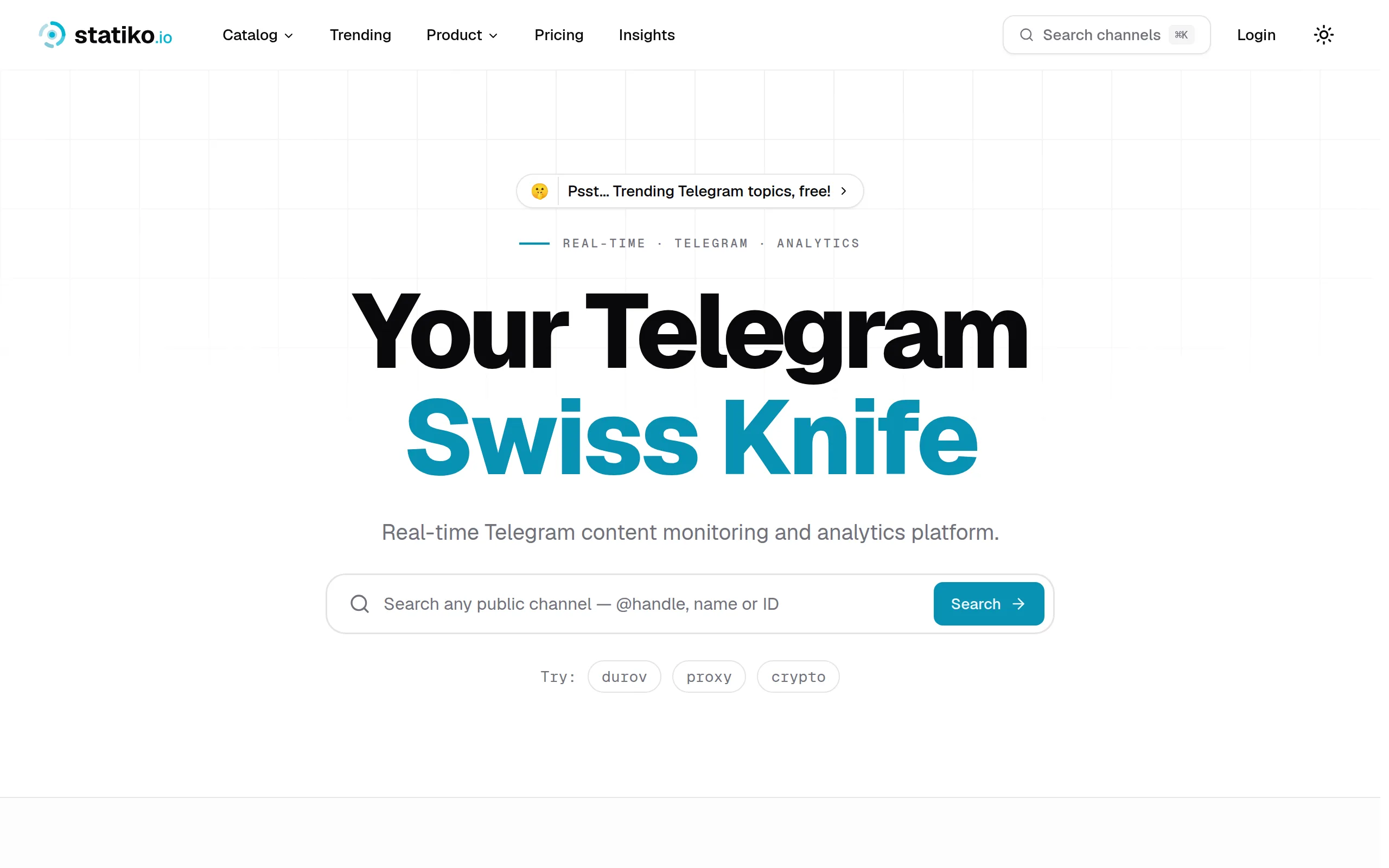
Statiko
Monitor any Telegram channel in real time - track posts, edits, deletions, and growth with AI recaps 📡
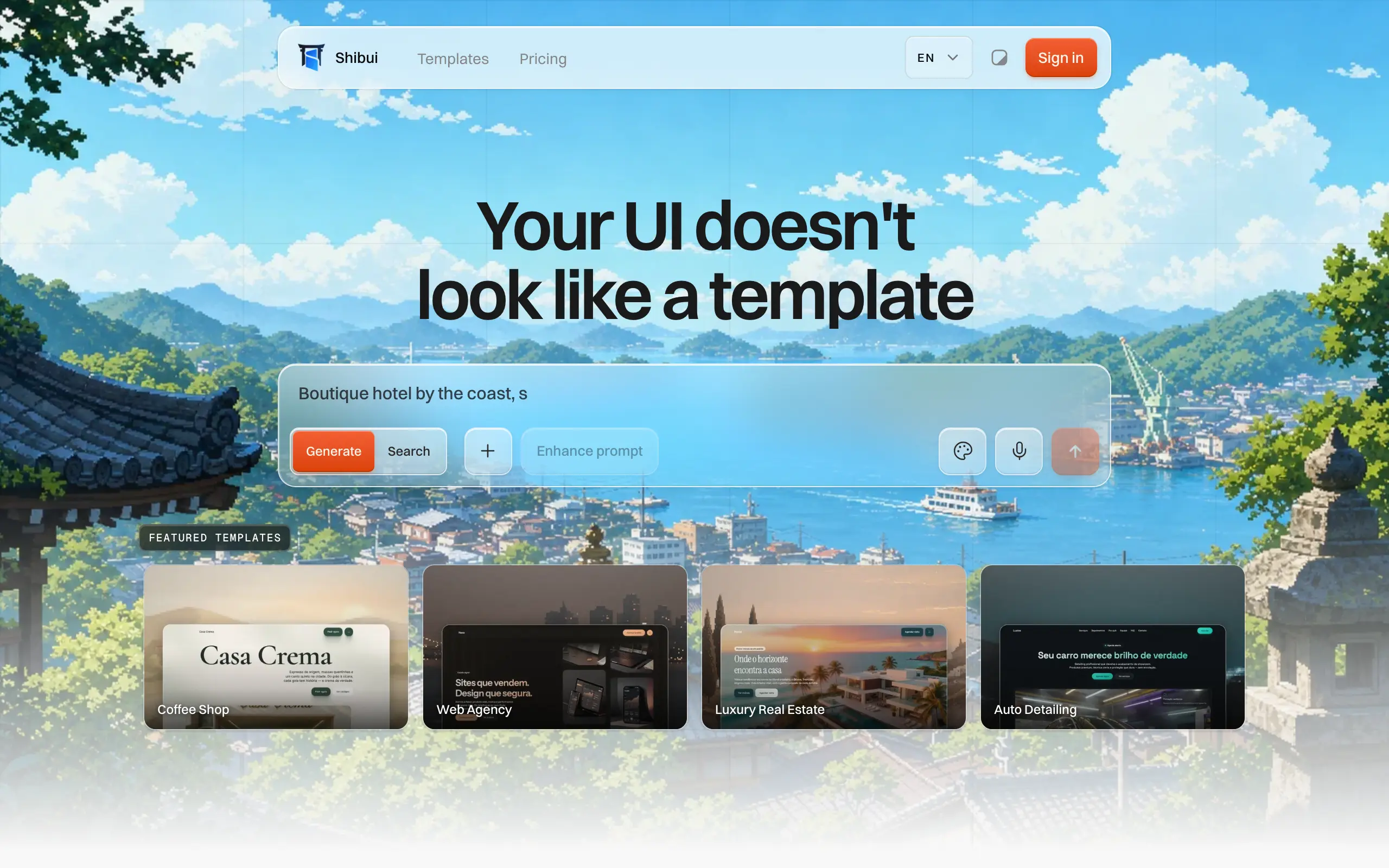
Shibui
AI website builder - describe your business, pick a niche template, edit by chatting, and publish instantly ✨

Pro Service
Find verified home service professionals, compare quotes, and pay securely through escrow - built for Brazilians across the US 🏠
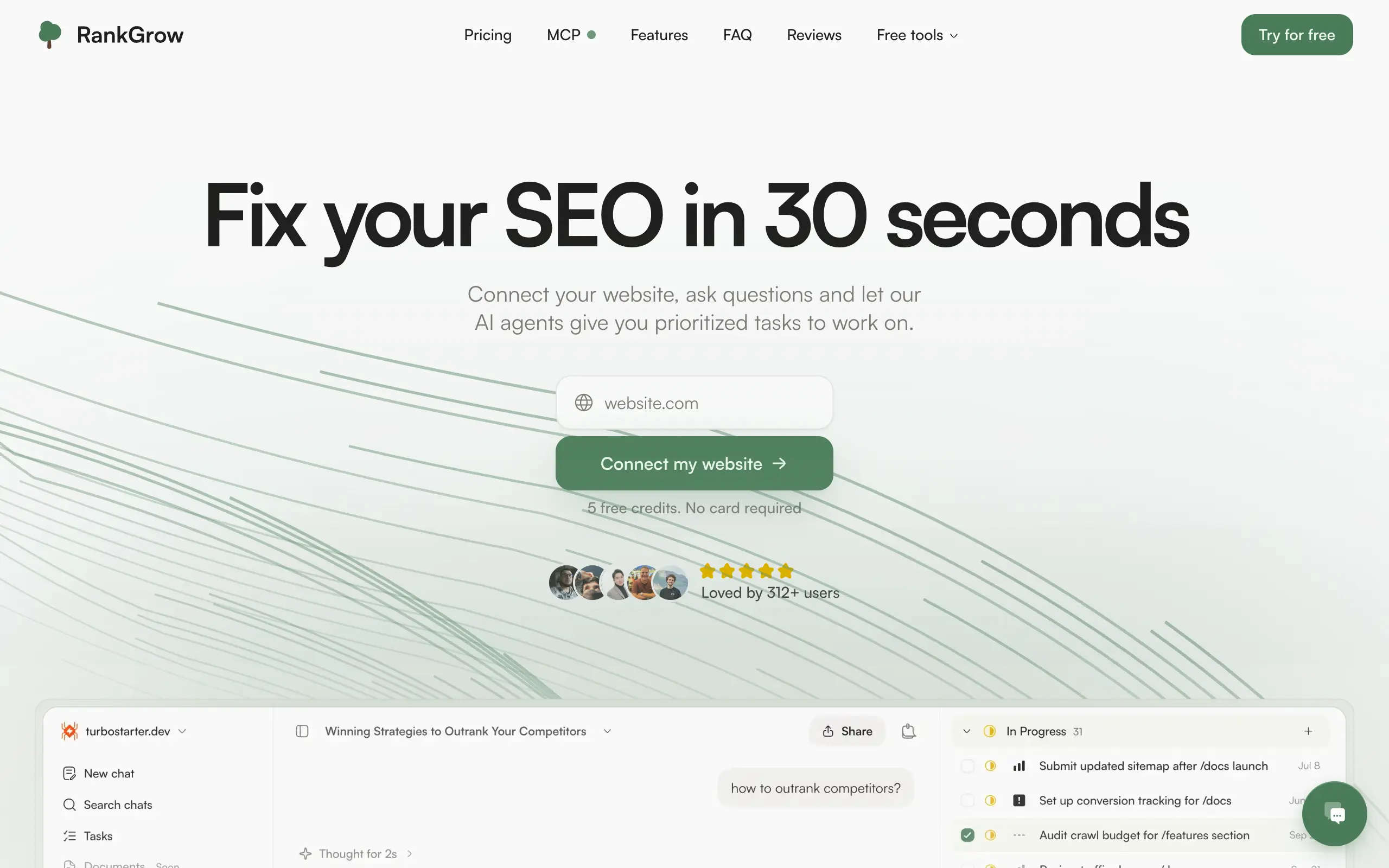
RankGrow
Fix your SEO with AI agents - connect Search Console, get prioritized tasks, and grow organic traffic 📈
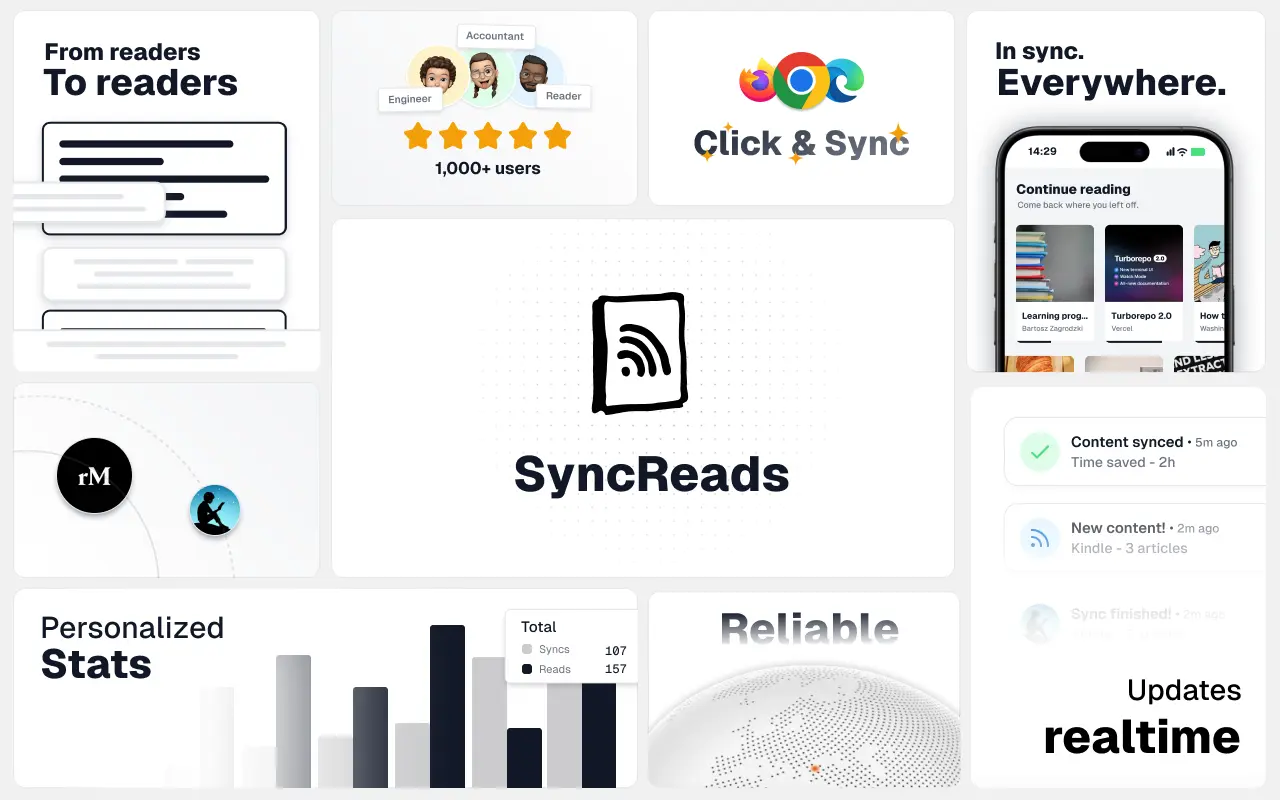
SyncReads
Sync your favorite content for distraction-free reading, save time and replace multiple apps. Anytime, anywhere 🔄
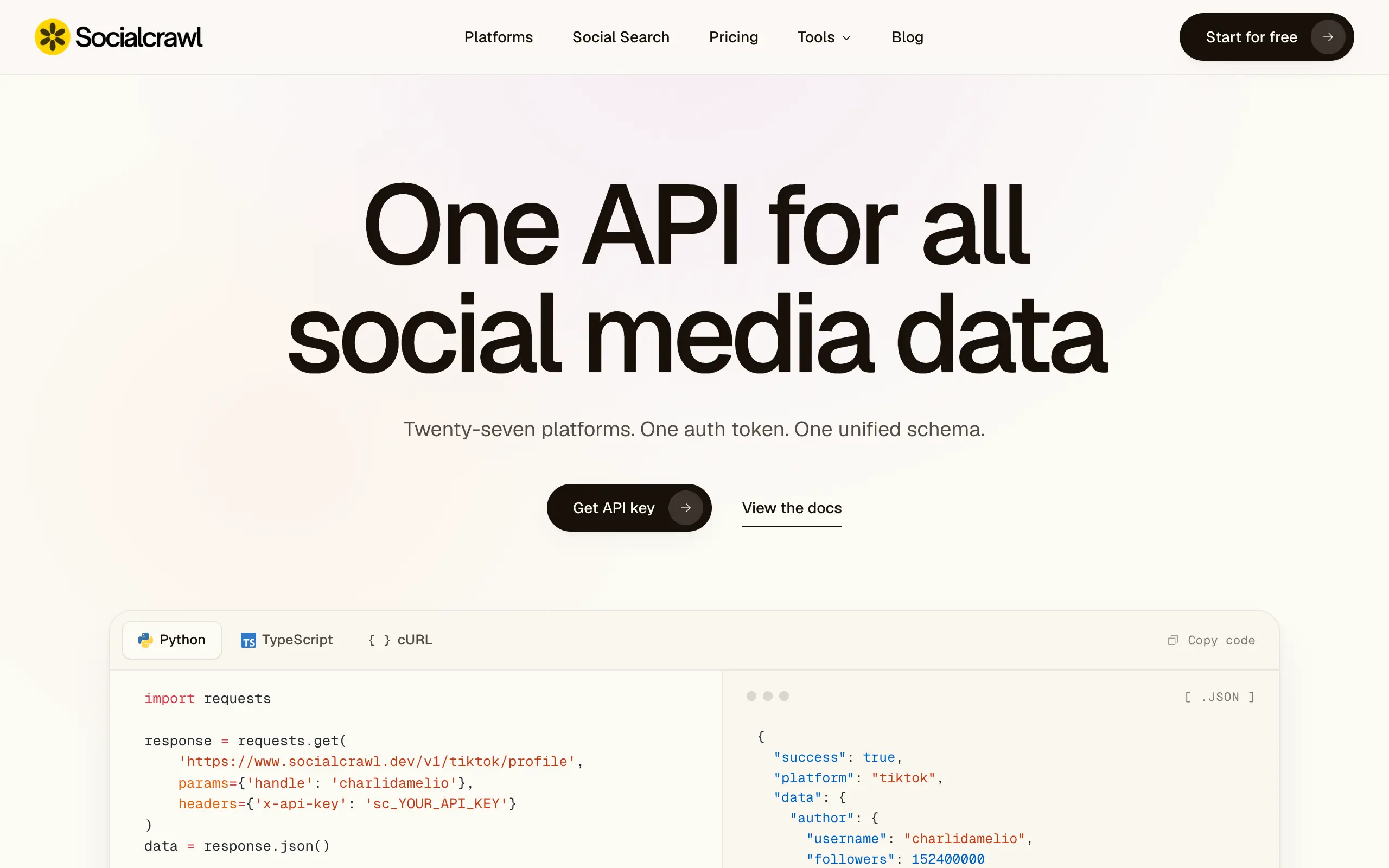
Socialcrawl
Get clean, structured data from 21 platforms like TikTok, Instagram, and YouTube with a single request 📊
Statiko
Monitor any Telegram channel in real time - track posts, edits, deletions, and growth with AI recaps 📡
Shibui
AI website builder - describe your business, pick a niche template, edit by chatting, and publish instantly ✨
Pro Service
Find verified home service professionals, compare quotes, and pay securely through escrow - built for Brazilians across the US 🏠
RankGrow
Fix your SEO with AI agents - connect Search Console, get prioritized tasks, and grow organic traffic 📈
SyncReads
Sync your favorite content for distraction-free reading, save time and replace multiple apps. Anytime, anywhere 🔄
Socialcrawl
Get clean, structured data from 21 platforms like TikTok, Instagram, and YouTube with a single request 📊
Statiko
Monitor any Telegram channel in real time - track posts, edits, deletions, and growth with AI recaps 📡
Shibui
AI website builder - describe your business, pick a niche template, edit by chatting, and publish instantly ✨
Pro Service
Find verified home service professionals, compare quotes, and pay securely through escrow - built for Brazilians across the US 🏠
RankGrow
Fix your SEO with AI agents - connect Search Console, get prioritized tasks, and grow organic traffic 📈
SyncReads
Sync your favorite content for distraction-free reading, save time and replace multiple apps. Anytime, anywhere 🔄
Socialcrawl
Get clean, structured data from 21 platforms like TikTok, Instagram, and YouTube with a single request 📊
Statiko
Monitor any Telegram channel in real time - track posts, edits, deletions, and growth with AI recaps 📡
Shibui
AI website builder - describe your business, pick a niche template, edit by chatting, and publish instantly ✨
Pro Service
Find verified home service professionals, compare quotes, and pay securely through escrow - built for Brazilians across the US 🏠
RankGrow
Fix your SEO with AI agents - connect Search Console, get prioritized tasks, and grow organic traffic 📈
SyncReads
Sync your favorite content for distraction-free reading, save time and replace multiple apps. Anytime, anywhere 🔄
Socialcrawl
Get clean, structured data from 21 platforms like TikTok, Instagram, and YouTube with a single request 📊
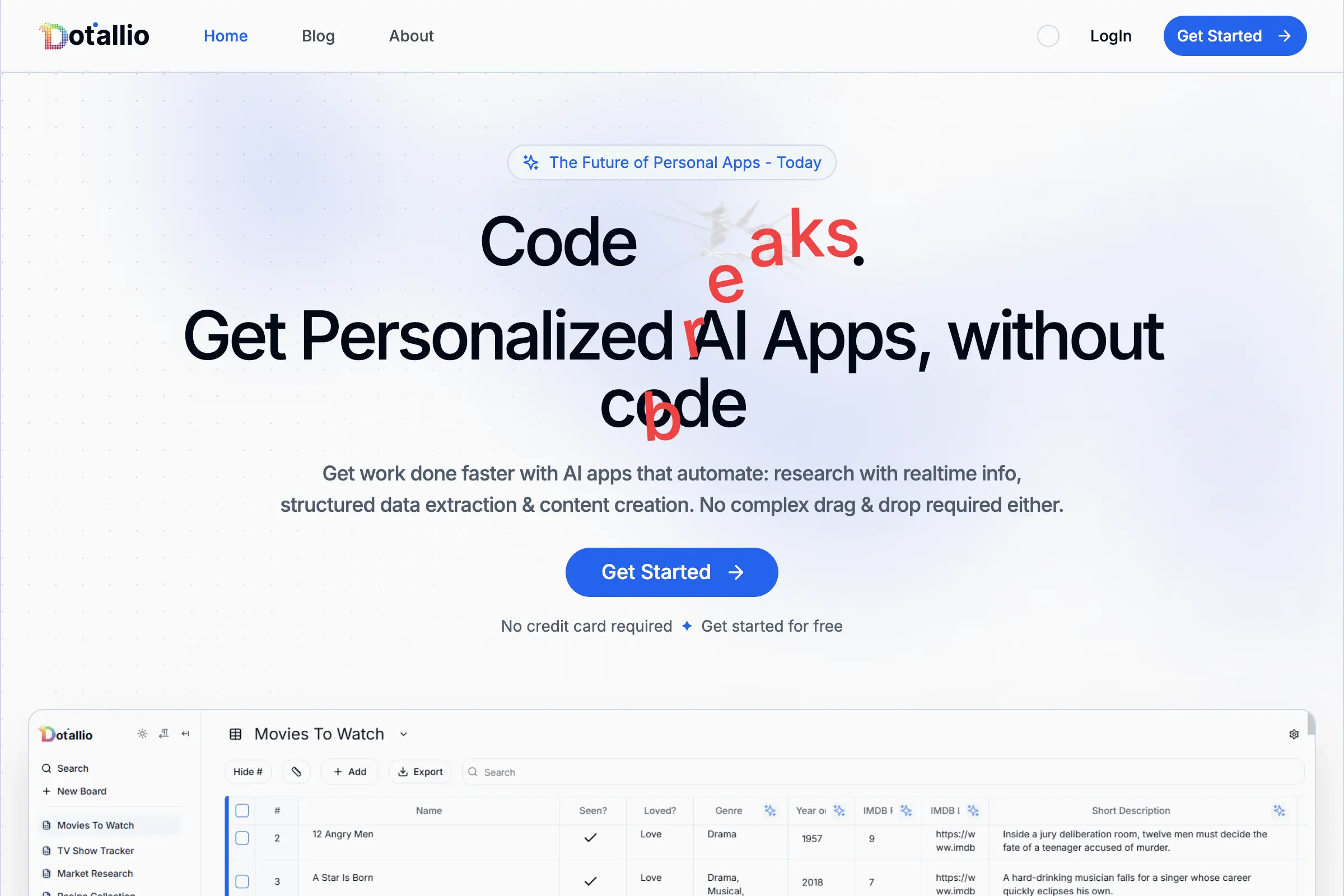
Dotallio
Personalized AI apps that automate research, data extraction, and content creation without code 🤖

Talk to Santa
Enjoy a magical live video chat or receive a unique AI-generated video greeting from Santa Claus 🎅

pozywka.pl
Scalable blog for food journalist, focused on performance and user experience 🌭
zagrodzki.me
Personal blog and portfolio of Bart Zagrodzki, where he shares his knowledge and work 💼
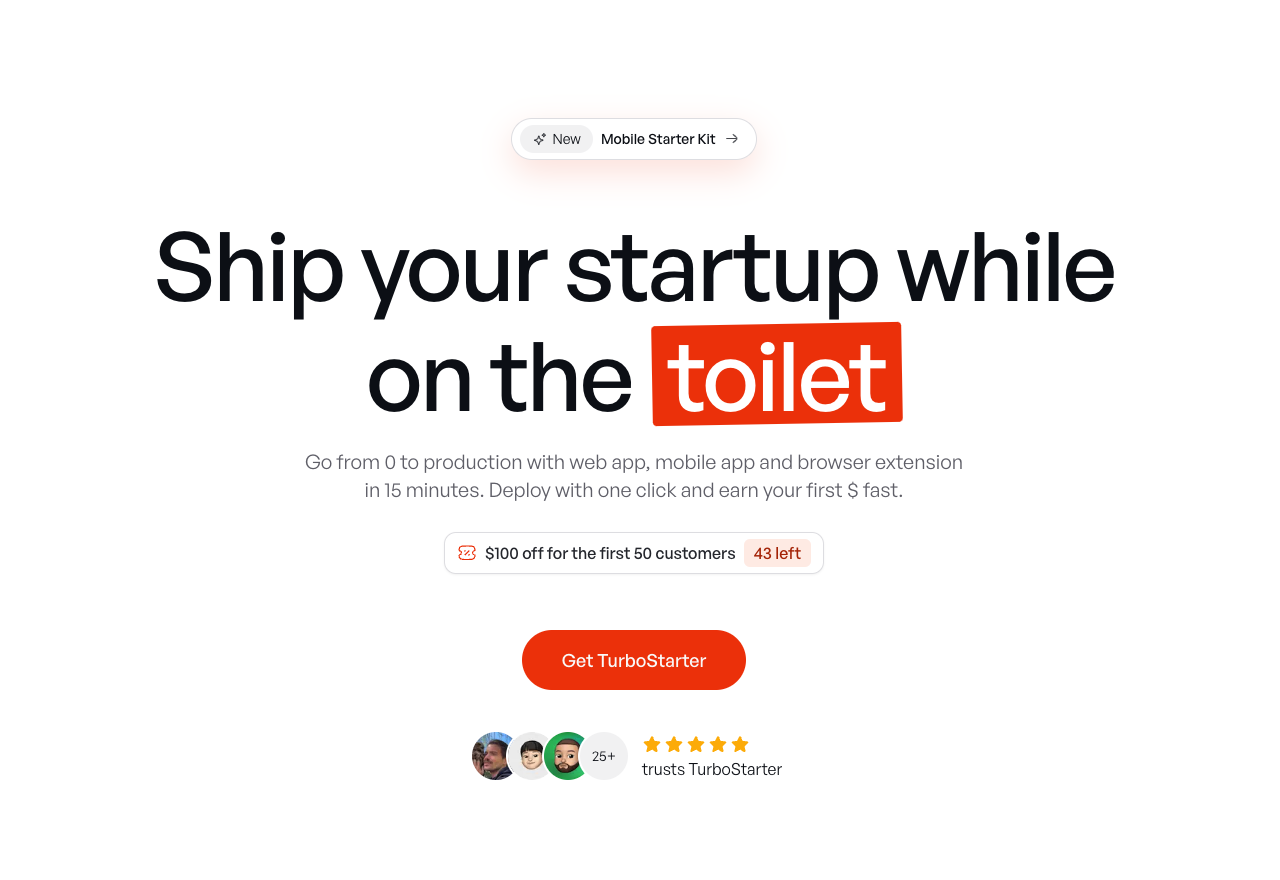
TurboStarter
Ship your startup everywhere. In minutes.
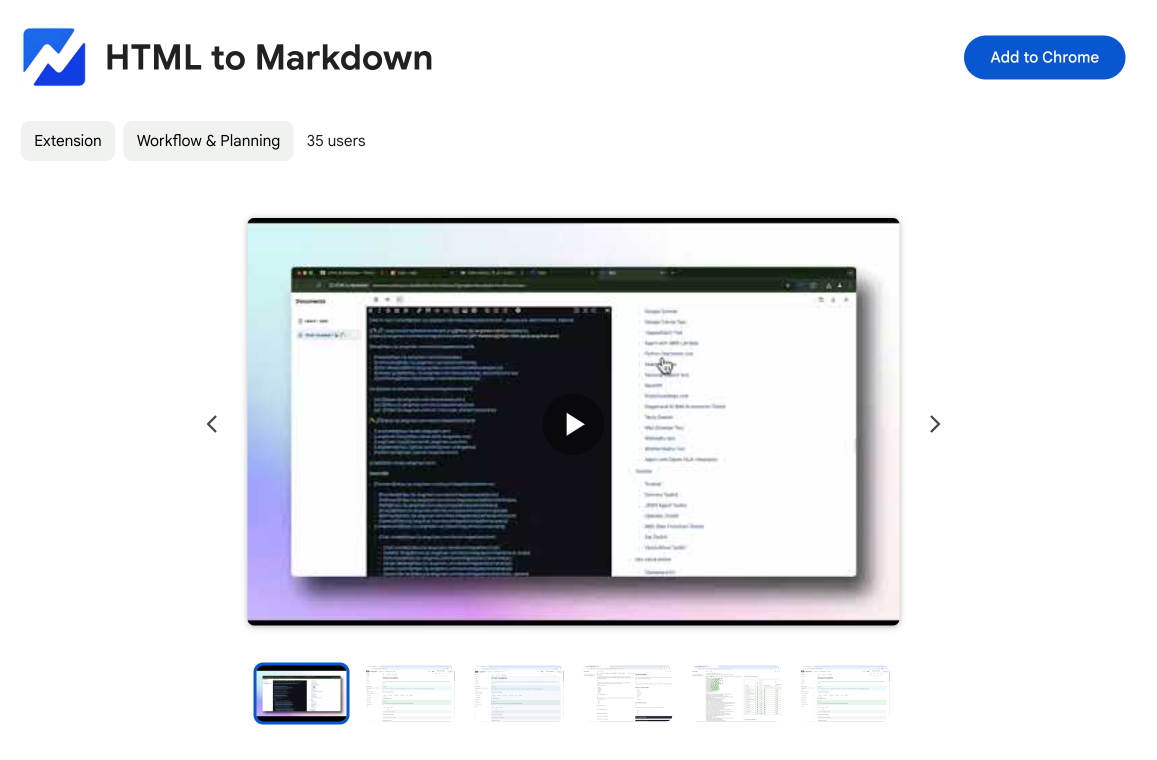
HTML to Markdown
Convert HTML to Markdown with ease, directly in your browser 📄
Dotallio
Personalized AI apps that automate research, data extraction, and content creation without code 🤖
Talk to Santa
Enjoy a magical live video chat or receive a unique AI-generated video greeting from Santa Claus 🎅
pozywka.pl
Scalable blog for food journalist, focused on performance and user experience 🌭
zagrodzki.me
Personal blog and portfolio of Bart Zagrodzki, where he shares his knowledge and work 💼
TurboStarter
Ship your startup everywhere. In minutes.
HTML to Markdown
Convert HTML to Markdown with ease, directly in your browser 📄
Dotallio
Personalized AI apps that automate research, data extraction, and content creation without code 🤖
Talk to Santa
Enjoy a magical live video chat or receive a unique AI-generated video greeting from Santa Claus 🎅
pozywka.pl
Scalable blog for food journalist, focused on performance and user experience 🌭
zagrodzki.me
Personal blog and portfolio of Bart Zagrodzki, where he shares his knowledge and work 💼
TurboStarter
Ship your startup everywhere. In minutes.
HTML to Markdown
Convert HTML to Markdown with ease, directly in your browser 📄
Dotallio
Personalized AI apps that automate research, data extraction, and content creation without code 🤖
Talk to Santa
Enjoy a magical live video chat or receive a unique AI-generated video greeting from Santa Claus 🎅
pozywka.pl
Scalable blog for food journalist, focused on performance and user experience 🌭
zagrodzki.me
Personal blog and portfolio of Bart Zagrodzki, where he shares his knowledge and work 💼
TurboStarter
Ship your startup everywhere. In minutes.
HTML to Markdown
Convert HTML to Markdown with ease, directly in your browser 📄
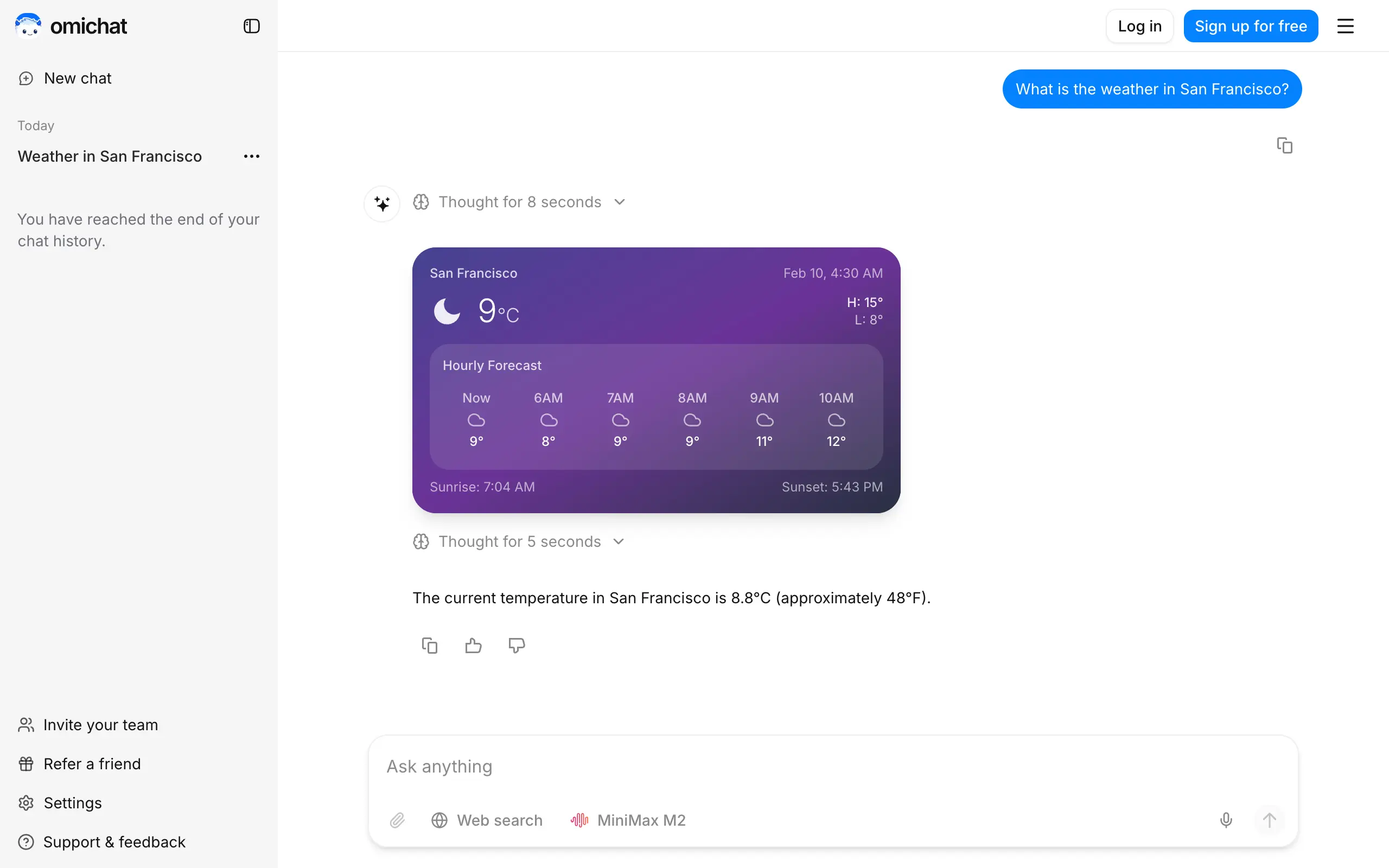
Omichat
Chat with 50+ AI models, including ChatGPT and Claude, in one place - switch models anytime without losing context 🤖
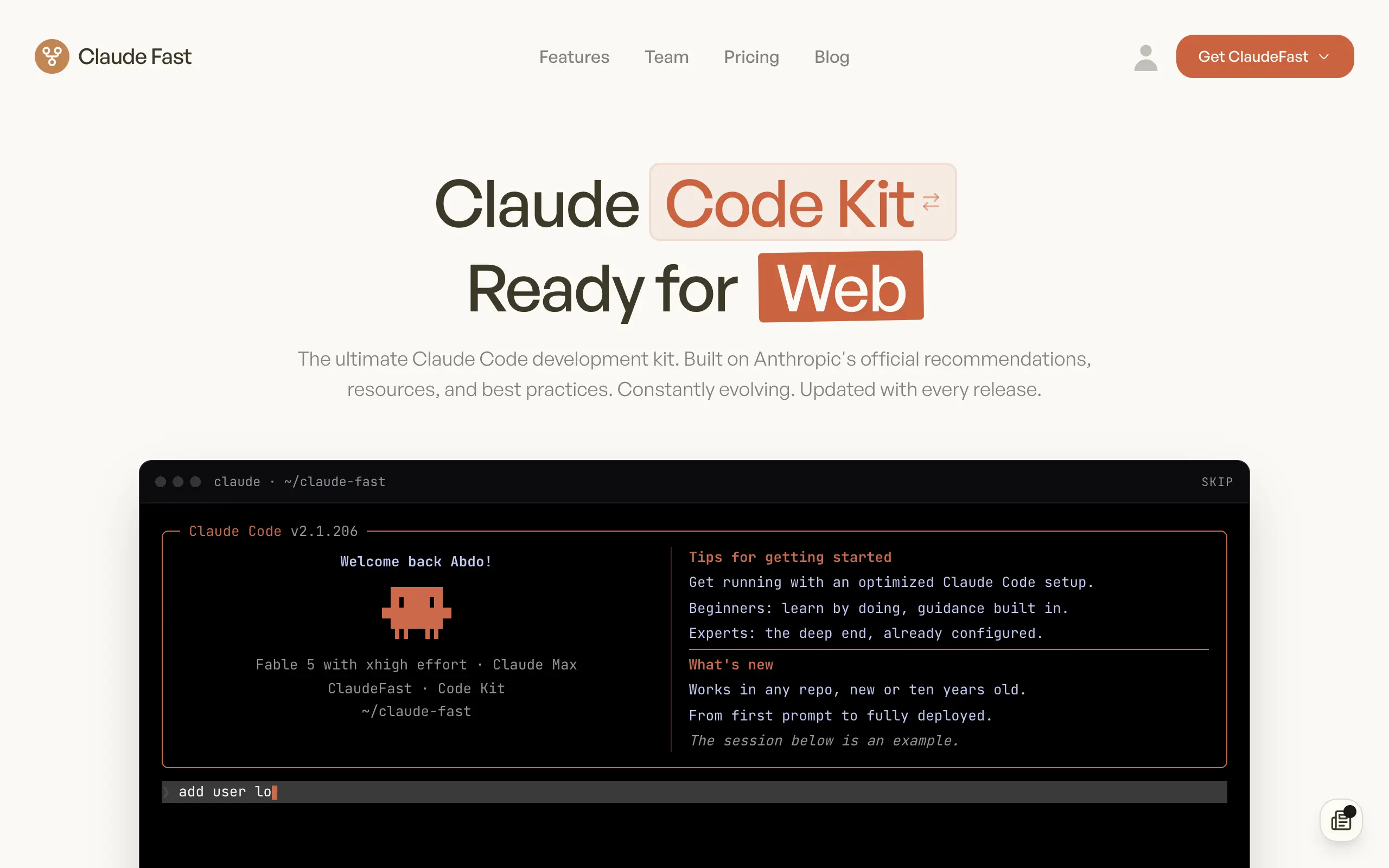
Claude Fast
Supercharge your Claude Code with 6x effective context window and specialized AI agents 🤖

EmojAI
AI-powered emoji picker with smart, context-aware suggestions 🤖

Solohacker
Autonomous company launcher - AI agents work 24/7, escalate what matters, and you stay in control 🤖

BeRawi: Storytelling Coach
Practice storytelling daily with instant feedback to sound clearer, more engaging, and confident 🎤
Omichat
Chat with 50+ AI models, including ChatGPT and Claude, in one place - switch models anytime without losing context 🤖
Claude Fast
Supercharge your Claude Code with 6x effective context window and specialized AI agents 🤖
EmojAI
AI-powered emoji picker with smart, context-aware suggestions 🤖
Solohacker
Autonomous company launcher - AI agents work 24/7, escalate what matters, and you stay in control 🤖
BeRawi: Storytelling Coach
Practice storytelling daily with instant feedback to sound clearer, more engaging, and confident 🎤
Omichat
Chat with 50+ AI models, including ChatGPT and Claude, in one place - switch models anytime without losing context 🤖
Claude Fast
Supercharge your Claude Code with 6x effective context window and specialized AI agents 🤖
EmojAI
AI-powered emoji picker with smart, context-aware suggestions 🤖
Solohacker
Autonomous company launcher - AI agents work 24/7, escalate what matters, and you stay in control 🤖
BeRawi: Storytelling Coach
Practice storytelling daily with instant feedback to sound clearer, more engaging, and confident 🎤
Omichat
Chat with 50+ AI models, including ChatGPT and Claude, in one place - switch models anytime without losing context 🤖
Claude Fast
Supercharge your Claude Code with 6x effective context window and specialized AI agents 🤖
EmojAI
AI-powered emoji picker with smart, context-aware suggestions 🤖
Solohacker
Autonomous company launcher - AI agents work 24/7, escalate what matters, and you stay in control 🤖
BeRawi: Storytelling Coach
Practice storytelling daily with instant feedback to sound clearer, more engaging, and confident 🎤

Connect with like-minded people
Join our community to get feedback, support, and grow together with 1,000+ builders on board, let's ship it!
Join usShip your startup everywhere. In minutes.
Don't burn tokens on setup and start building features on day one.