Tidewell
Helps independent marine surveyors generate compliant inspection reports from their phone on site. It cuts report writing from several evenings to under an hour per survey.
Tidewell is a mobile-first reporting tool for independent marine surveyors: they capture photos, notes and measurements on the vessel, and the app assembles a compliant inspection report they can review and send within the hour. In 2026 the pieces finally line up for a tool like this: phone cameras and voice transcription are good enough to replace clipboards, and AI can structure messy field notes into the formal language that insurers, lenders and buyers expect. If you are looking at b2b application SaaS ideas for 2026, this is a narrow vertical with a painful, repeated job and few purpose-built options, which is exactly where small teams can win.
Key takeaways
- Target customer: independent marine surveyors (pre-purchase, insurance and condition surveys on yachts and small commercial vessels) working alone or in firms of two to five people.
- Pricing angle: a monthly subscription per surveyor, for example $49 to $99/month, anchored against the evenings they currently lose to writing.
- Biggest risk: compliance. Report formats and standards vary by country, insurer and survey type, so a generic template will not be trusted.
- Time to MVP: roughly 4 to 6 weeks for one survey type and one report format, if you start from a starter kit instead of building auth, billing and infrastructure yourself.
What problem does Tidewell solve for marine surveyors?
Marine surveyors do the inspection in a day and then spend several evenings writing it up. The fieldwork is the part they are paid and trained for, but the report is the actual deliverable, so the writing time is unpaid overhead that caps how many surveys they can complete per month.
Who is the ideal customer?
The sharpest starting profile is a solo surveyor doing pre-purchase and insurance surveys on recreational yachts, typically 5 to 15 surveys a month in peak season. They own their business, pay for their own tools and make their own buying decisions, so there is no procurement cycle. They are often members of a professional body and care about looking credible to brokers, insurers and buyers.
Avoid larger firms and classification societies at first. They have internal systems, long sales cycles and rigid formats that you cannot match in an MVP.
What do they use today?
The usual workaround is a mix of tools stitched together by habit:
- Notes and photos captured on a phone, a tablet or paper, sometimes with a voice recorder.
- A Word or Google Docs template copied from the last survey and edited by hand.
- Photos dragged into the document one at a time, resized and captioned manually.
- Findings re-typed from memory days later, when details have faded.
Why does the workaround fail?
It fails in three ways. First, time: the double handling of notes and photos is where the evenings go. Second, consistency: copying an old report invites errors, such as leftover vessel names or missed sections. Third, defensibility: if a finding is disputed months later, a surveyor needs a clear record of what was observed, when and with which photo.
Is there a market for marine survey report software in 2026?
Yes, but it is a small and specific one, and you should size it by counting surveyors you can actually reach rather than quoting a top-down number. Think in terms of a few thousand reachable professionals across major boating regions, which supports a healthy bootstrapped business but not a venture-scale story.
What is the gap in existing solutions?
The existing options sit at two extremes. Generic inspection apps (the field-inspection category, such as SafetyCulture or similar checklist tools) are flexible but know nothing about hull, rigging, engines or the language marine reports require. Heavy enterprise inspection platforms are built for fleets and large organizations. Between them, independent surveyors mostly use Word.
The gap is a vertical tool that understands marine survey structure: sections, finding severity, recommendations and the phrasing buyers and insurers expect.
Why is now a good time?
- Voice and image AI is usable in the field. Dictation and photo understanding are accurate enough to draft findings that a professional then verifies.
- Surveyors are phone-first. Many already take hundreds of photos per survey on their phone.
- Verticalized SaaS is proven. Small niches with painful paperwork keep supporting focused products, because incumbents ignore them.
The honest caveat: surveyors are conservative about tools that touch their professional liability. Your pitch has to be "you stay in control and the report is yours", not "AI writes your survey".
What should the Tidewell MVP include?
Build one survey type, one report format and one workflow end to end. The aha moment is when a surveyor finishes walking a boat, taps once, and sees a structured, branded draft report with captioned photos already in the right sections.
Guided on-site capture
A checklist-driven mobile flow for photos, voice notes and measurements, organized by vessel section, working with weak or no signal.
Draft report generation
Turns captured notes and photos into structured findings with severity and recommendations that the surveyor edits and approves.
Branded PDF output
Exports a clean report with the surveyor's logo, credentials and a consistent layout ready to send to clients and insurers.
Survey record and audit trail
Stores timestamped photos, original notes and edits per survey so findings can be defended later.
What should you cut from version one?
- Multiple survey standards and country-specific variants. Pick one.
- Client portals, invoicing and scheduling. Surveyors already have habits for those.
- Team collaboration and review workflows.
- Custom template builders. Ship one good template and let early users shape the second.
Offline capture deserves special attention. Boatyards and marinas often have poor connectivity, so queue uploads and generate drafts when the signal returns.
How is Tidewell different from Word templates and generic inspection apps?
Tidewell's unique selling proposition is simple: marine-specific structure plus a finished draft report within the hour, with the surveyor reviewing everything before it goes out. It wins by being narrower than general tools and faster than manual writing.
| Option | Marine-specific structure | Drafts text from field notes | Works on phone on site | Audit trail of findings |
|---|---|---|---|---|
| Tidewell | ✅ | ✅ | ✅ | ✅ |
| Word or Docs templates | Manual | ❌ | ❌ | ❌ |
| Generic inspection apps | ❌ | Limited | ✅ | Partly |
| Enterprise inspection platforms | Sometimes | Varies | Varies | ✅ |
The comparison that matters most is against Word, because that is the real competitor. Surveyors will not switch for a prettier template. They will switch if their next report takes one hour instead of three evenings.
How would Tidewell make money?
A simple per-surveyor subscription is the most realistic model. Surveyors are individuals who expense software, so predictable monthly pricing with an annual discount fits.
Option 1: flat monthly subscription
Charge a single price such as $59/month per surveyor with a limited free trial. Assuming you convert 20% of trial users who complete one real report (a plausible target to test, not a benchmark), 100 trials yield 20 customers and about $1,180 MRR. The math is modest, so acquisition cost must stay near zero.
Option 2: per-report credits
Sell bundles of reports, for instance a price per finished report. This suits part-time surveyors with uneven volume and lowers the barrier to the first purchase. The downside is lumpy revenue and a temptation to ration usage.
Option 3: firm plan with seats
Once solo surveyors adopt it, offer a plan for small firms with shared templates and a reviewer role. Do not build this until at least a few customers ask for it unprompted.
Which growth channel works first?
Direct outreach and community. Surveyors cluster in professional associations, training courses, forums and regional groups. Offering to convert one real past survey into a Tidewell report for free is a far stronger hook than ads, and a sample report that a buyer or broker sees can carry your brand along.
Direct outreach
Message surveyors individually with an offer to convert one of their past surveys into a Tidewell draft.
Professional communities
Join forums and regional groups, and share useful workflow tips before ever mentioning the product.
Training and courses
Partner with surveyor trainers so new surveyors start with modern tooling instead of Word habits.
Referral from reports
A small footer on exported reports lets brokers and clients discover the tool, with an option to remove it on paid plans.
How do you validate Tidewell before building it?
Spend one to two weeks proving that surveyors will hand you a real survey and a credit card before you write production code.
Interview eight to ten surveyors
Ask them to walk you through their last report: where the hours went, which tools they used and what they would never delegate. Listen for the sections they dread writing.
Collect sample reports
Request two or three anonymized past reports and the notes behind them. These define your template and reveal how much variation exists between surveyors.
Run a manual concierge test
Take one surveyor's raw notes and photos and produce the draft report by hand, with help from an AI model. If they say it saves real time and they would use it, you have your first signal.
Launch a focused landing page
State one promise, such as a finished draft report in under an hour, show a sample output and collect waitlist emails from surveyor communities.
Ask for a pre-sale
Offer a discounted founding-member annual plan to the interviewees who were most enthusiastic. Even three or five paid commitments tell you more than a hundred waitlist signups.
What tech stack do you need to build Tidewell?
Build a web app with a mobile-friendly capture experience, a Postgres database, file storage for photos, and an AI layer that drafts text from structured input. The less custom infrastructure you write, the more time you have for the survey logic that actually differentiates the product.
TurboStarter is a good fit here because it ships the undifferentiated parts in a ready-made monorepo: authentication, billing for subscriptions, a database layer, file storage for photos, emails, an admin panel and a mobile app alongside the web app. That means your first weeks go into the capture flow and report generation rather than login screens and webhooks.
Capture: native app or mobile web?
Better for camera control, background uploads and offline queues, which matter on a boat with poor signal. It costs more in store review and release overhead, but a starter kit with mobile support reduces that burden. Choose this if offline reliability is the first thing surveyors ask about.
Faster to ship and update, with no app store friction. Offline support and large photo uploads are weaker and less predictable across devices. Choose this only for early concierge-style pilots with a handful of users.
How should you model a survey?
Keep the data model explicit, because the audit trail depends on it. A survey contains sections, sections contain findings, and findings reference original media and notes.
type Finding = {
  id: string;
  surveyId: string;
  section: "hull" | "rigging" | "engine" | "electrical" | "safety";
  severity: "info" | "minor" | "major" | "critical";
  rawNote: string;      // original dictation or text, never overwritten
  draftText: string;    // AI-generated, editable
  finalText: string | null; // surveyor-approved wording
  mediaIds: string[];
  capturedAt: string;
};
Storing the raw note, the draft and the approved text separately is the key design choice. It keeps the surveyor accountable for the final wording and gives you a defensible history.
Which AI approach should you use?
Use a general-purpose LLM through an API with strict, structured output (sections, severity, recommendation) and a fixed prompt per survey type. Do not fine-tune early. Spend that effort on curating good example reports and on a review screen that makes edits fast. TurboStarter includes AI integration, so wiring a provider in is a small task rather than a project.
Why could Tidewell fail, and what can you do about it?
Biggest risk: trust and compliance
Surveyors carry professional liability for what their reports say. If the tool drafts wording that is wrong, vague or non-compliant with a given standard or insurer requirement, one bad report can end your reputation in a small community. Mitigate this by never auto-sending, forcing explicit approval of every finding, keeping raw notes alongside drafts, and starting with a single report format that you validate with working surveyors line by line.
- Small market ceiling. The niche supports a solid indie business, not unlimited growth. Mitigation: keep costs low, price for value, and expand to adjacent inspection trades (such as other vessel types or boatyard inspections) only after the core is profitable.
- Low switching motivation. Word is free and familiar. Mitigation: sell the time saved on a real report, and onboard each user by converting one of their own past surveys.
- Field reliability. If capture fails offline or loses photos, trust is gone. Mitigation: local-first queuing, resumable uploads and an obvious sync status before any other feature.
- Seasonality. Survey volume rises and falls with the boating season. Mitigation: offer annual plans and pause options so churn does not spike in winter.
What are the next steps to launch Tidewell in 30 days?
Week 1: interviews and samples
Complete your interviews, gather sample reports and pick one survey type and format to support.
Week 2: concierge test and landing page
Produce drafts by hand for two or three surveyors, publish the landing page and start direct outreach.
Week 3: build the capture and draft flow
Set up the project from a starter kit, then build guided capture, the data model above and the first draft generation with a review screen.
Week 4: PDF export, billing and pilot
Add branded PDF export, turn on subscriptions, and onboard your pre-sale surveyors on their next real job.
Start with the smallest version that produces one real, sendable report, and let paying surveyors decide what comes next. If you want to skip the setup work and spend your time on the survey logic, TurboStarter gets the foundation running in a day.
Frequently asked questions
Interview eight to ten working surveyors, collect real past reports and run a manual concierge test on one survey. Then ask the most engaged ones for a pre-sale. Paid commitments matter more than waitlist signups.
Start by testing a flat monthly price in the range of $49 to $99 per surveyor, framed against the evenings saved per report. Offer an annual discount to smooth out seasonality. Adjust based on how quickly pilot users say the time savings pay for the tool.
The real competitors are Word and Google Docs templates, plus generic inspection and checklist apps and enterprise inspection platforms. Few tools are built around marine survey structure for solo surveyors. Your edge is vertical depth and speed to a finished draft.
A TypeScript web app with Postgres, object storage for photos, an LLM API for drafting and a mobile client for field capture is a sensible default. Using a starter kit like TurboStarter covers authentication, billing, storage and mobile so you can focus on the reporting engine.
Expect about 4 to 6 weeks of focused work for one survey type and one report format, assuming a starter kit. Costs are mostly your time plus modest hosting, storage and AI API usage, which scale with the number of photos and reports.
Only as a draft. The surveyor must review and approve every finding, and the tool should keep original notes and edits as a record. Position the product as a writing assistant, never as the author of the survey.
More 🏢 B2B Application SaaS ideas
Discover more innovative b2b application SaaS ideas that are trending in 2026. Each idea is AI-generated with market validation and growth potential to help you find your next profitable venture faster than competitors.
Your competitors are building with TurboStarter
Below are some of the SaaS ideas that have been generated and built with our starter kit.

Monitor any Telegram channel in real time - track posts, edits, deletions, and growth with AI recaps 📡

AI website builder - describe your business, pick a niche template, edit by chatting, and publish instantly ✨
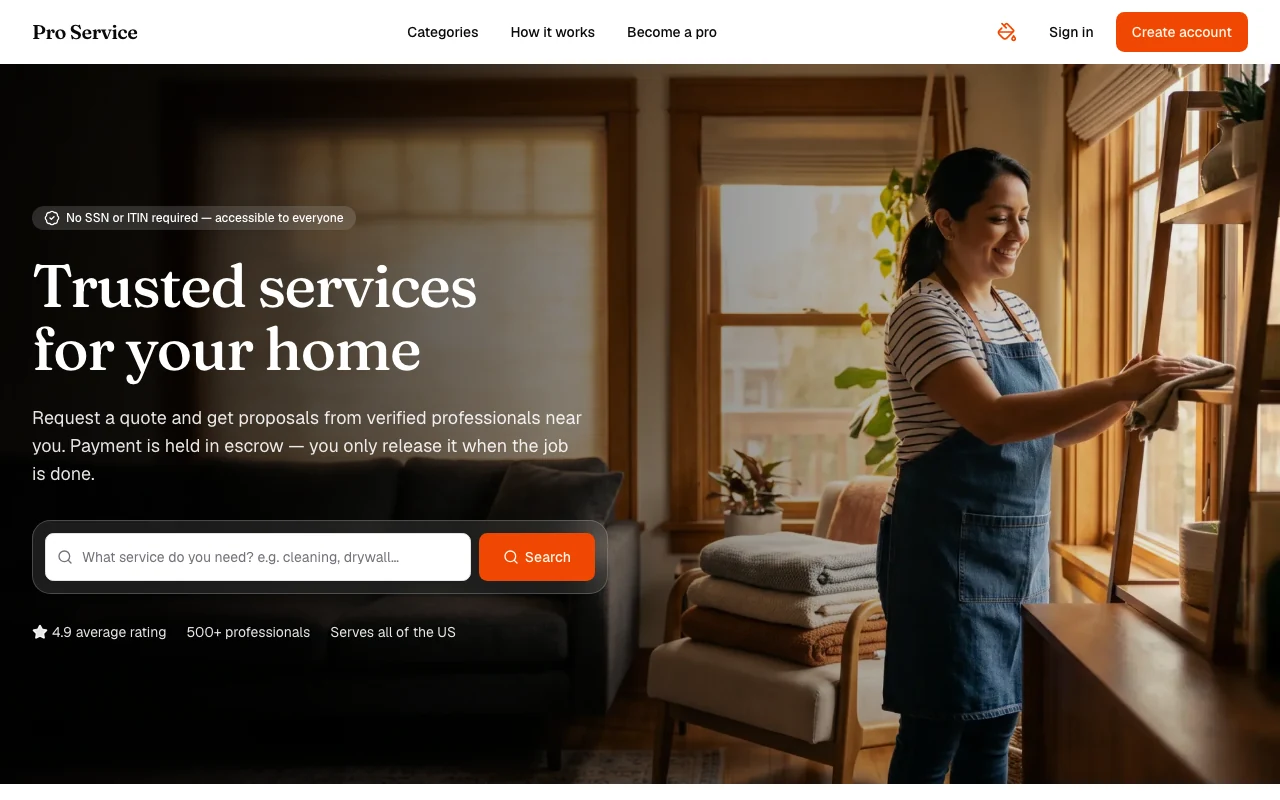
Find verified home service professionals, compare quotes, and pay securely through escrow - built for Brazilians across the US 🏠
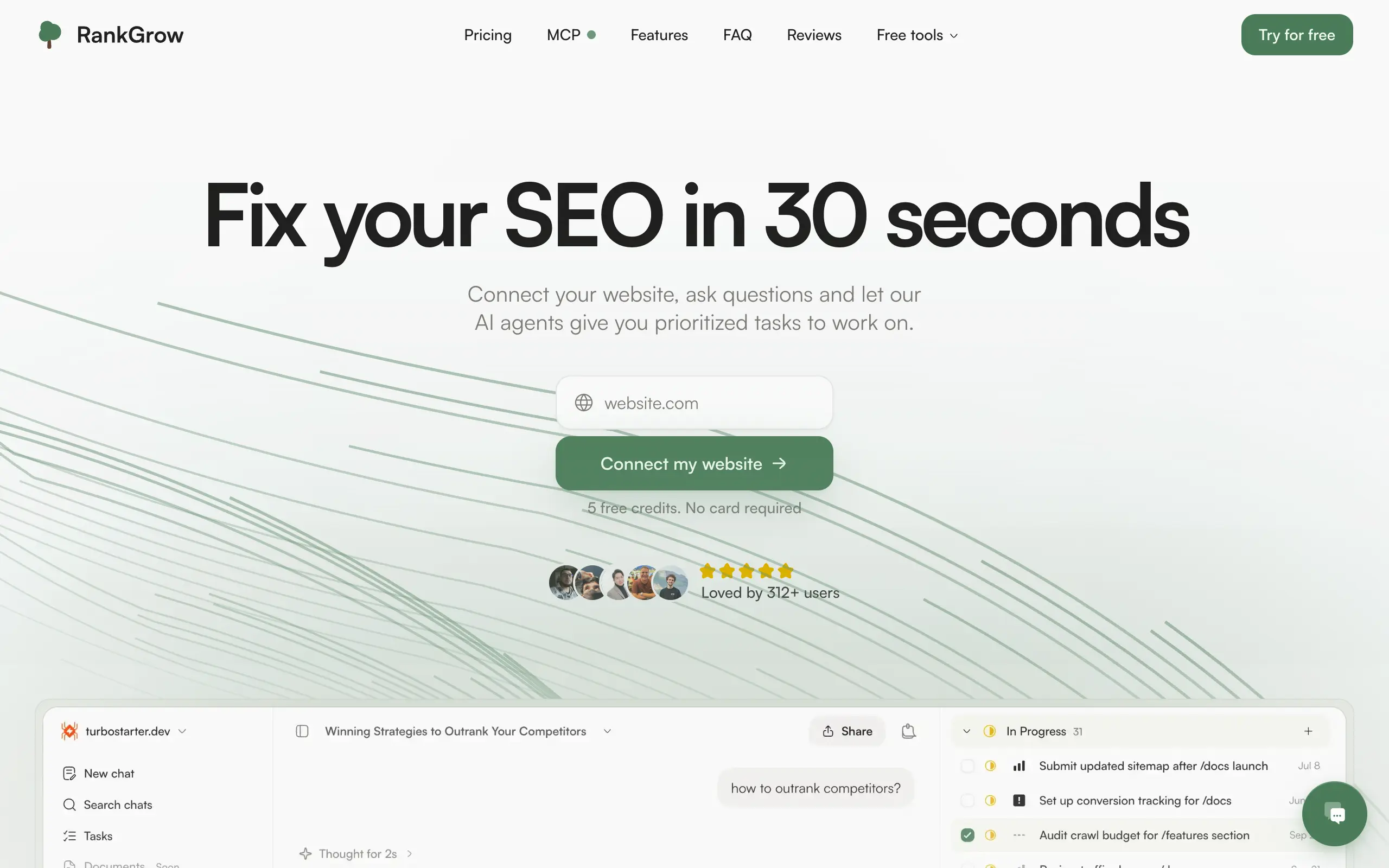
Fix your SEO with AI agents - connect Search Console, get prioritized tasks, and grow organic traffic 📈
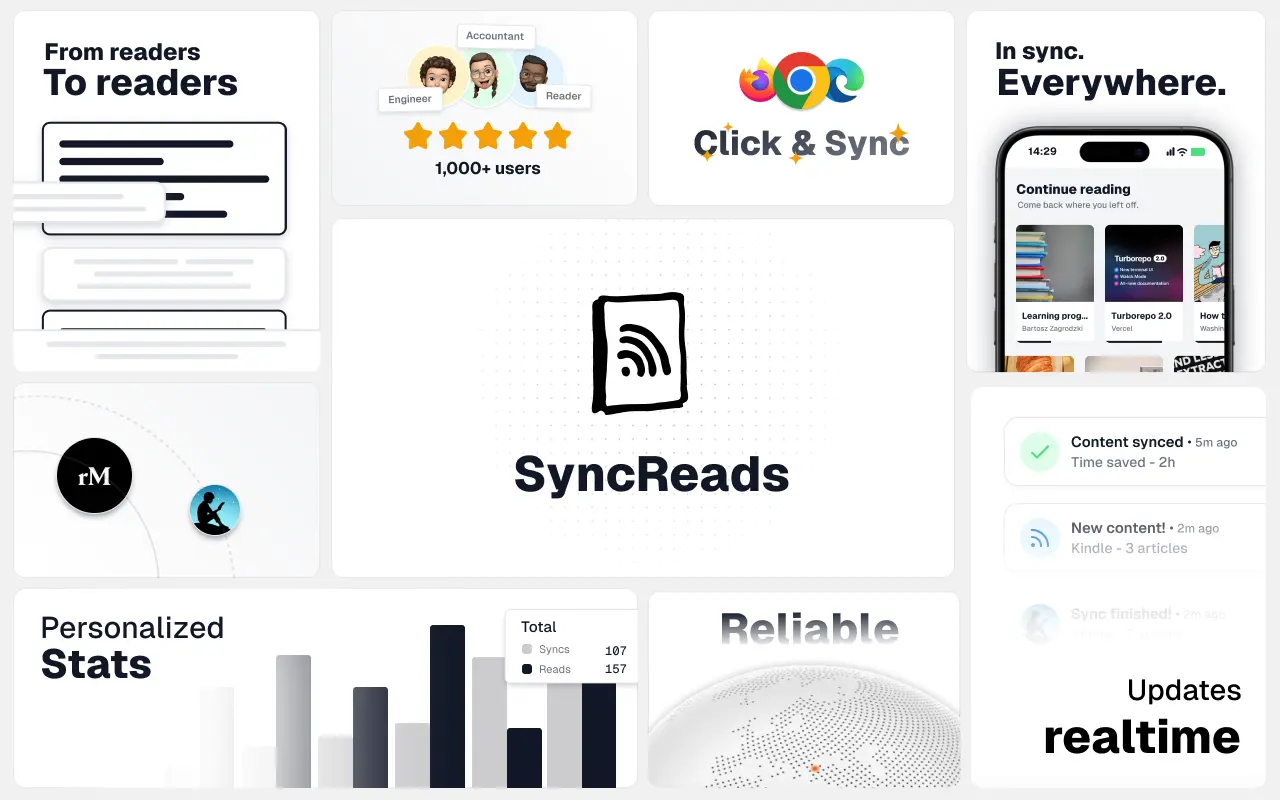
Sync your favorite content for distraction-free reading, save time and replace multiple apps. Anytime, anywhere 🔄
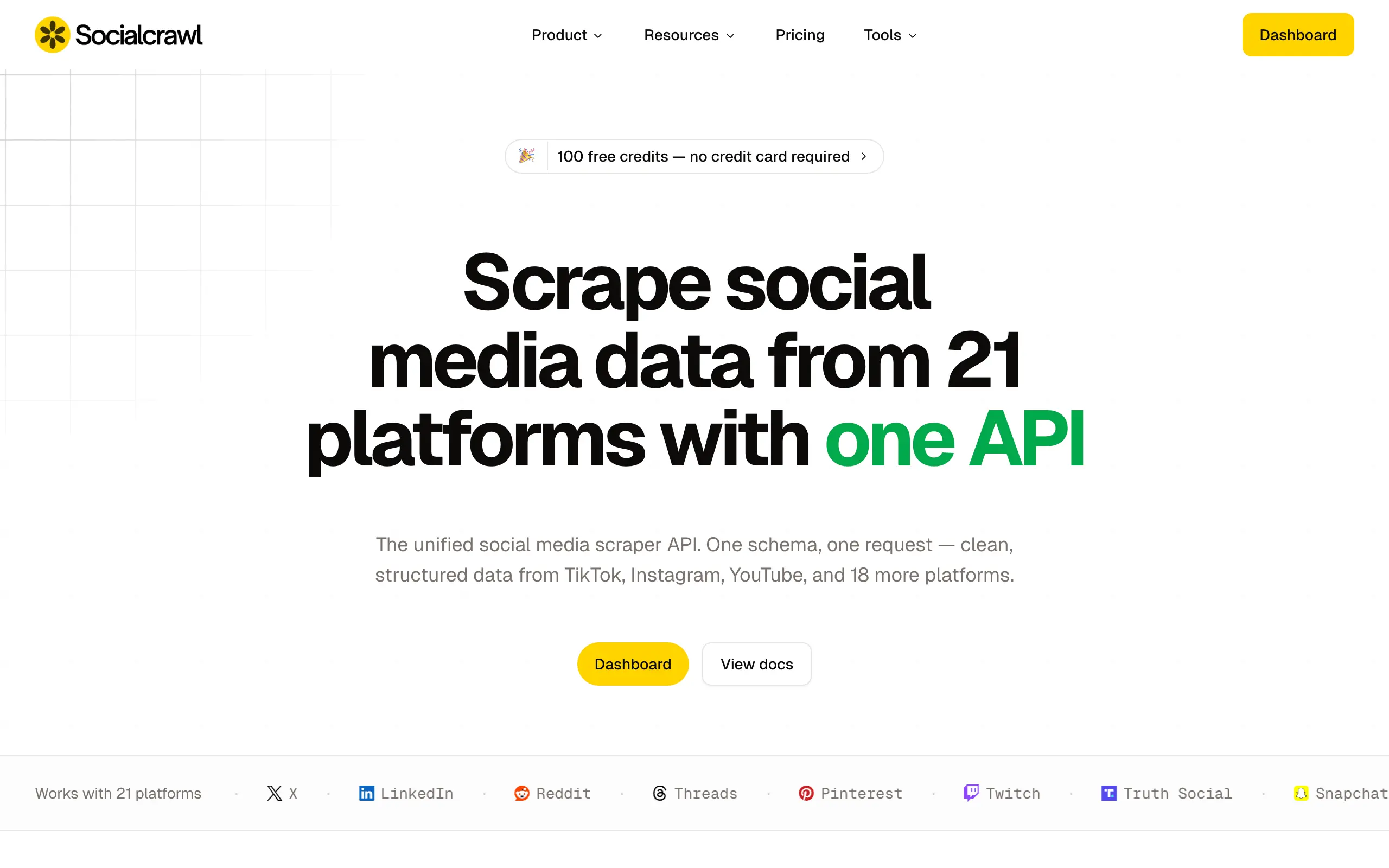
Get clean, structured data from 21 platforms like TikTok, Instagram, and YouTube with a single request 📊
Monitor any Telegram channel in real time - track posts, edits, deletions, and growth with AI recaps 📡
AI website builder - describe your business, pick a niche template, edit by chatting, and publish instantly ✨
Find verified home service professionals, compare quotes, and pay securely through escrow - built for Brazilians across the US 🏠
Fix your SEO with AI agents - connect Search Console, get prioritized tasks, and grow organic traffic 📈
Sync your favorite content for distraction-free reading, save time and replace multiple apps. Anytime, anywhere 🔄
Get clean, structured data from 21 platforms like TikTok, Instagram, and YouTube with a single request 📊
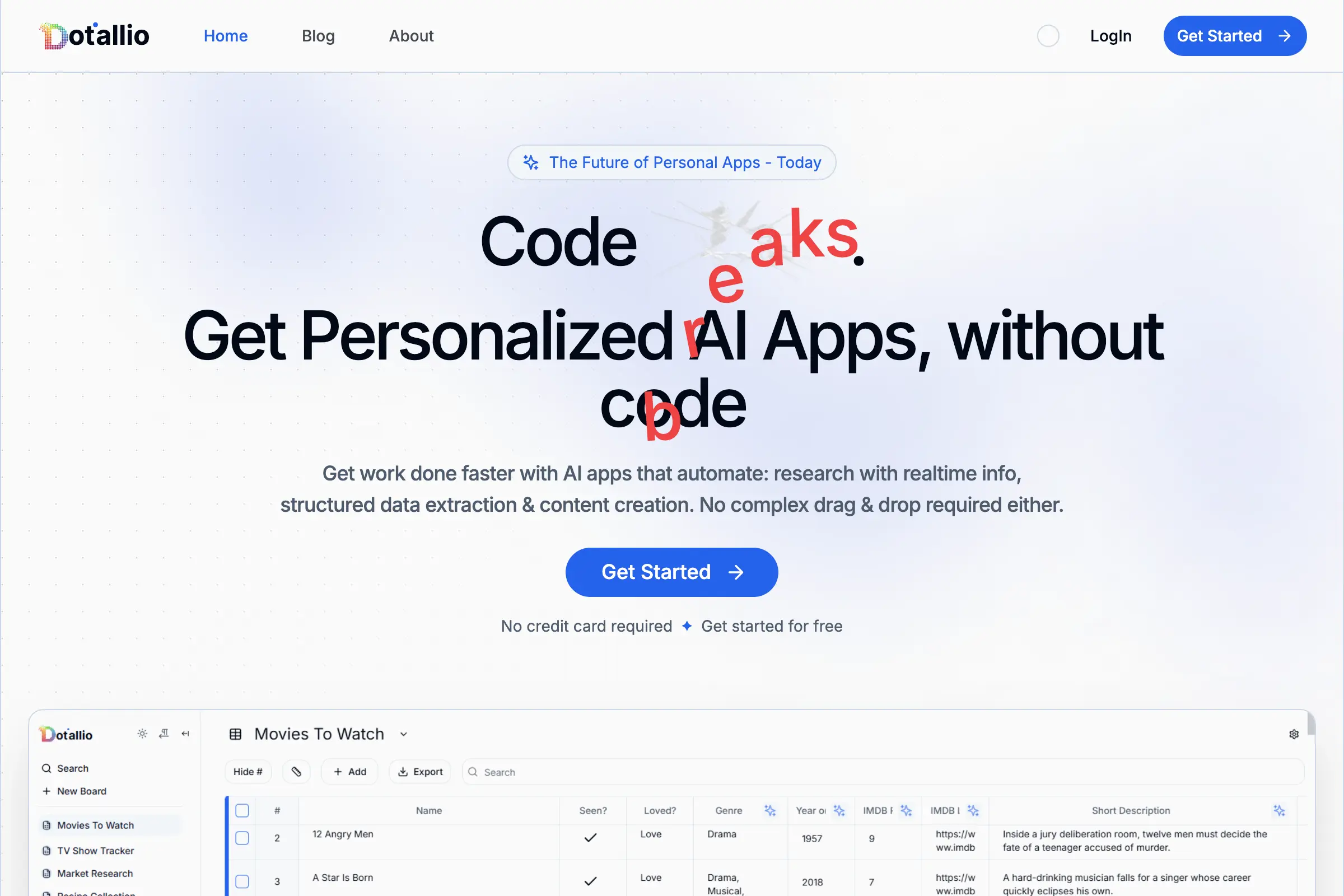
Personalized AI apps that automate research, data extraction, and content creation without code 🤖
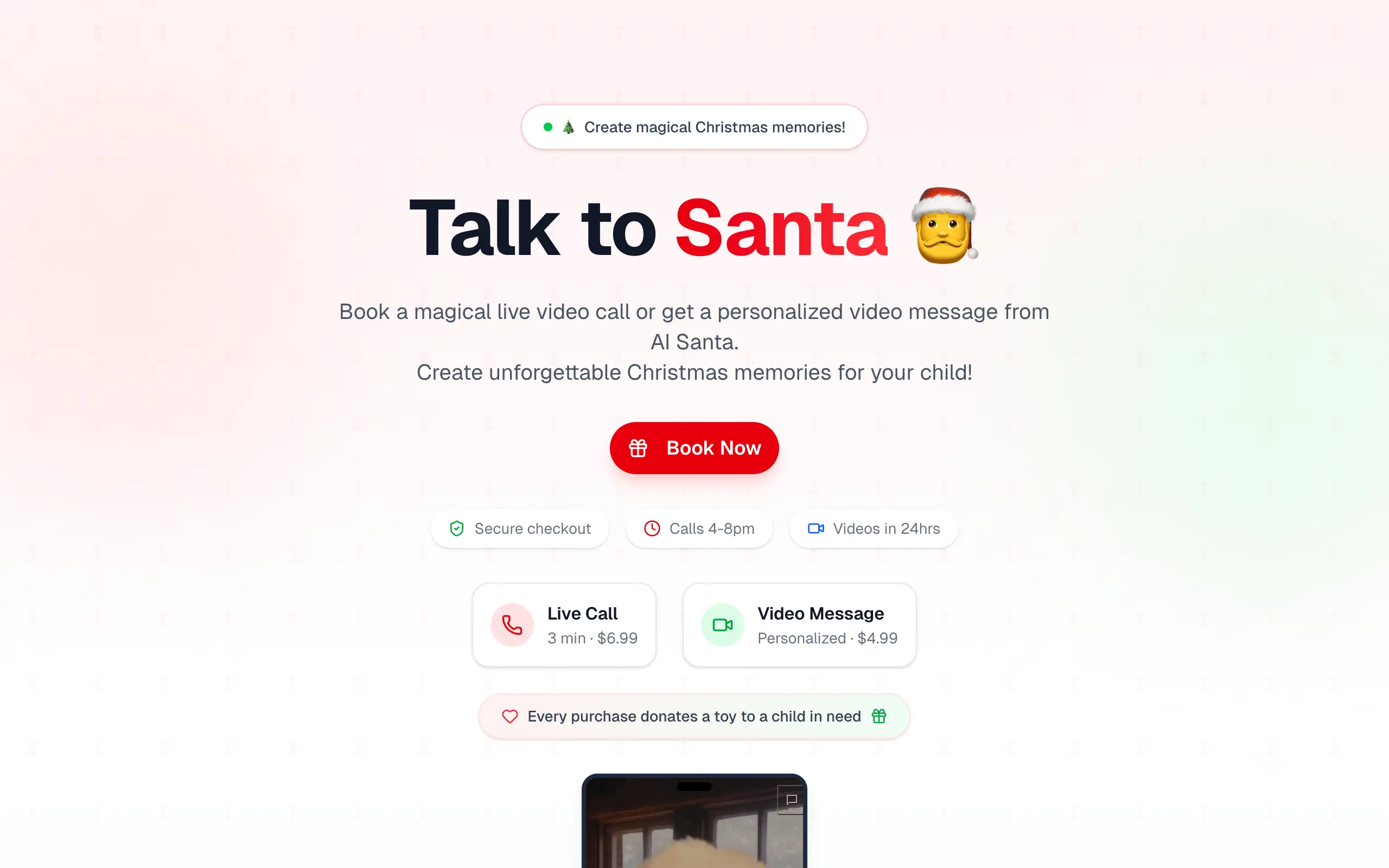
Enjoy a magical live video chat or receive a unique AI-generated video greeting from Santa Claus 🎅
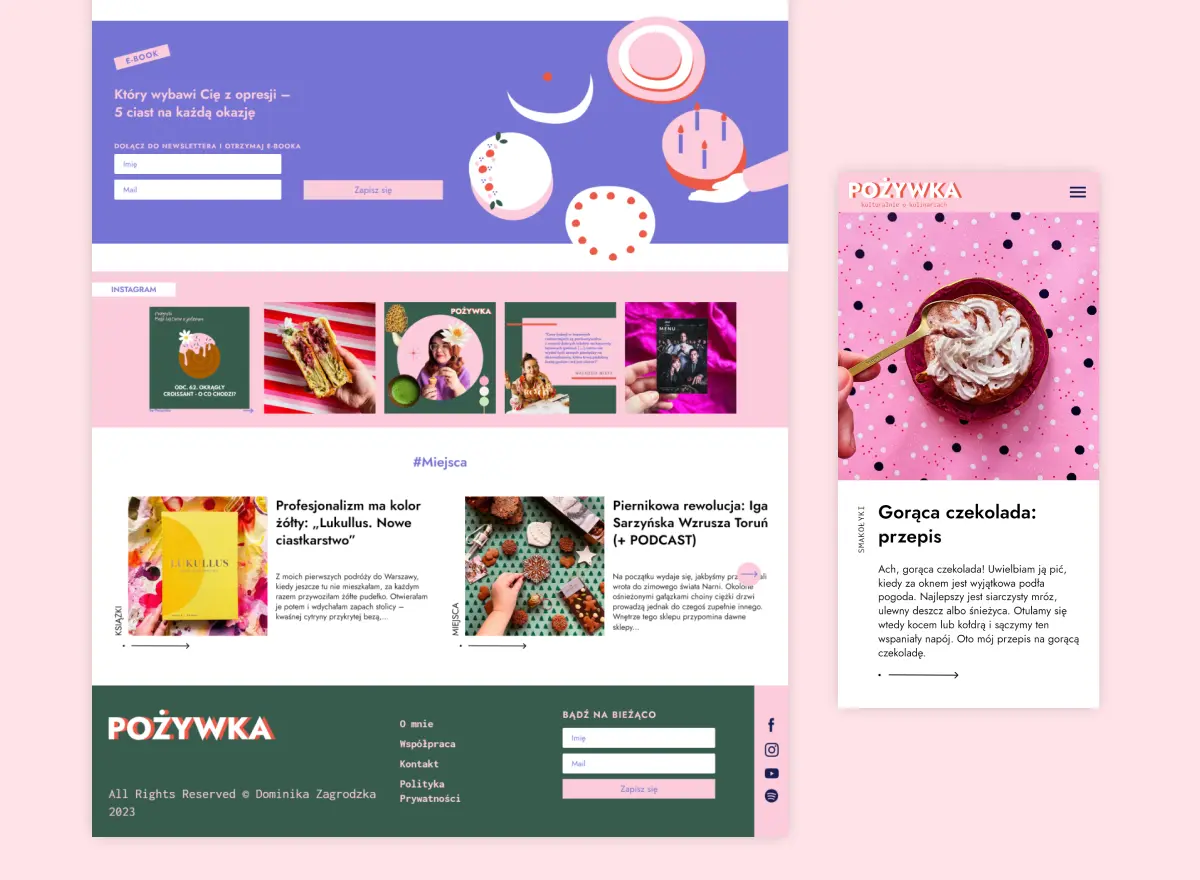
Scalable blog for food journalist, focused on performance and user experience 🌭
Personal blog and portfolio of Bart Zagrodzki, where he shares his knowledge and work 💼
Ship your startup everywhere. In minutes.
Convert HTML to Markdown with ease, directly in your browser 📄
Personalized AI apps that automate research, data extraction, and content creation without code 🤖
Enjoy a magical live video chat or receive a unique AI-generated video greeting from Santa Claus 🎅
Scalable blog for food journalist, focused on performance and user experience 🌭
Personal blog and portfolio of Bart Zagrodzki, where he shares his knowledge and work 💼
Ship your startup everywhere. In minutes.
Convert HTML to Markdown with ease, directly in your browser 📄
Chat with 50+ AI models, including ChatGPT and Claude, in one place - switch models anytime without losing context 🤖
Supercharge your Claude Code with 6x effective context window and specialized AI agents 🤖

AI-powered emoji picker with smart, context-aware suggestions 🤖
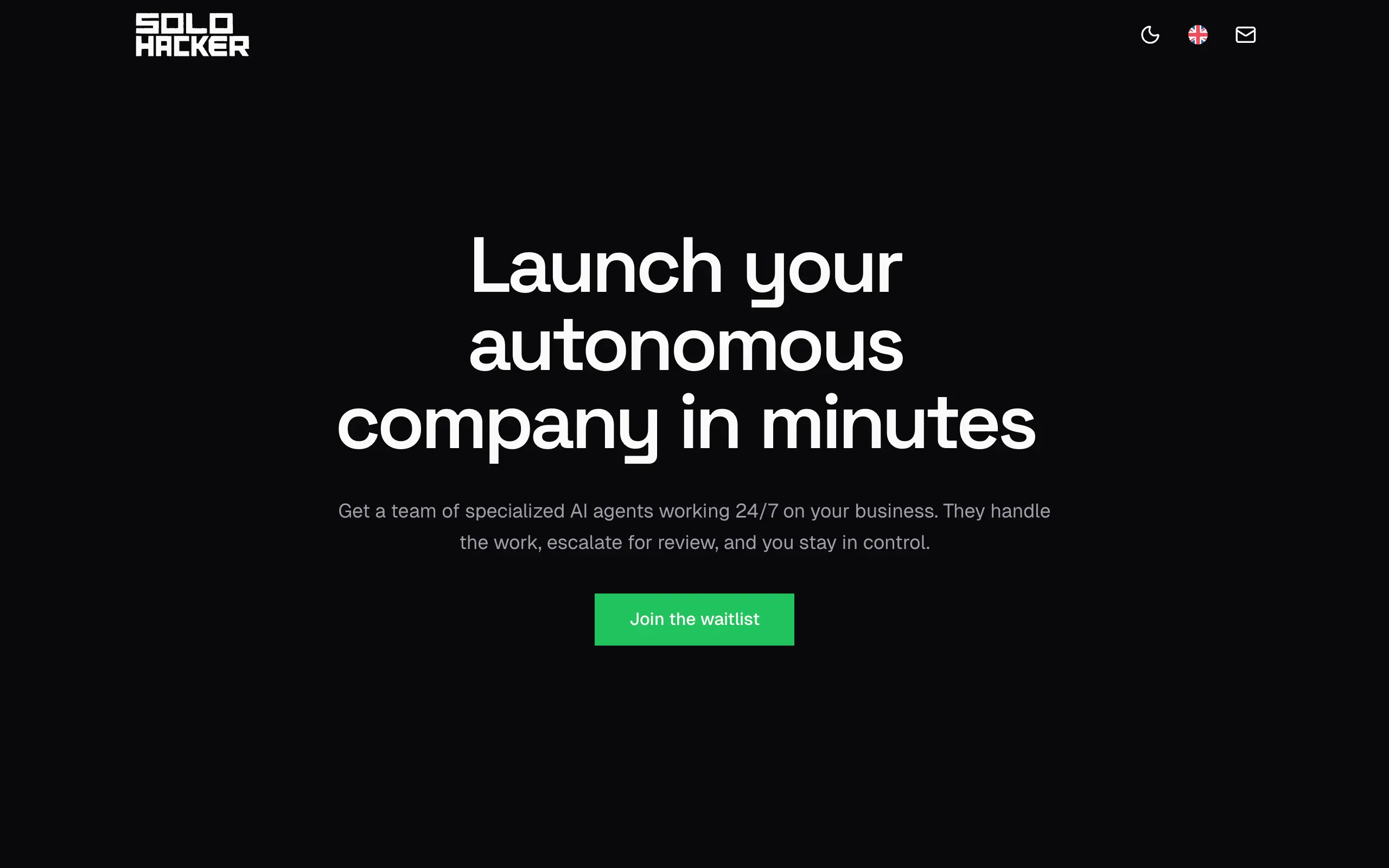
Autonomous company launcher - AI agents work 24/7, escalate what matters, and you stay in control 🤖

Practice storytelling daily with instant feedback to sound clearer, more engaging, and confident 🎤
Chat with 50+ AI models, including ChatGPT and Claude, in one place - switch models anytime without losing context 🤖
Supercharge your Claude Code with 6x effective context window and specialized AI agents 🤖
AI-powered emoji picker with smart, context-aware suggestions 🤖
Autonomous company launcher - AI agents work 24/7, escalate what matters, and you stay in control 🤖
Practice storytelling daily with instant feedback to sound clearer, more engaging, and confident 🎤

Connect with like-minded people
Join our community to get feedback, support, and grow together with 1,000+ builders on board, let's ship it!
Join usShip your startup everywhere. In minutes.
Don't burn tokens on setup and start building features on day one.