Tintwise
Helps independent hair salons track color formulas for each client across visits. Stylists stop losing mixing notes and repeat results reliably every appointment.
Tintwise is a client color formula tracker for independent hair salons. It stores exactly what a stylist mixed, applied and processed for each client on each visit, so the next appointment starts from a record instead of memory. In 2026, a salon color formula software product has room to grow because most independents still run on paper cards, phone photos and booking tools that treat color as a free-text note.
Key takeaways
- Target customer: independent salon owners and booth-rent stylists with roughly 1 to 6 chairs who do color services weekly.
- Pricing angle: flat monthly subscription per salon, with a cheaper solo-stylist tier. Something like $19 to $39/month is a reasonable starting assumption to test.
- Biggest risk: stylists will not change a messy, hands-busy workflow unless logging a formula takes under a minute.
- Time to MVP: about 3 to 5 weeks for a solo founder using a starter kit for the undifferentiated parts.
What problem does Tintwise solve for hair salons?
Color is the highest-skill, highest-risk service in a salon, and its record keeping is the weakest part of the business. A client returns after eight weeks wanting "the same as last time," and the stylist has a smudged index card, a vague note like "6N + 20vol" with no ratios, or nothing at all.
The result is a corrective color, a free redo, or a lost client. Redoing a color costs product, chair time and goodwill, and none of it shows up in a spreadsheet, so owners underestimate it.
Who is Tintwise for?
The ideal customer profile is specific: an independent salon owner or booth renter who does color for a large share of their revenue, works with 1 to 6 chairs, and has no IT person. They already pay for a booking tool and maybe a card reader, and they are used to small monthly software fees.
Secondary users are the stylists and assistants who actually mix. If they dislike the tool, the owner's purchase does not matter.
What do salons use today, and why does it fail?
- Paper cards in a box: easy to start, impossible to search, lost when a stylist leaves.
- Phone photos and notes apps: fast, but unstructured. Nobody can find "Maria, March" two years later.
- Booking software notes fields: a free-text box attached to an appointment. It is not built for brand, shade, ratio, developer volume or processing time.
- Memory: works until the stylist is sick, on vacation or gone.
The common failure is the same: the record is not structured, not shared across stylists and not available at the mixing bowl.
Why is salon color formula software a good B2B SaaS idea in 2026?
The opportunity is a gap between two kinds of products. Salon management platforms such as Fresha, Vagaro and Square Appointments handle booking, payments and marketing well, and they typically offer only generic client notes. Brand-specific tools and smart-mixing hardware from professional color manufacturers exist, but they tend to tie you to one brand or to expensive equipment.
Independents mostly use several brands and cannot justify hardware. A lightweight, brand-agnostic formula log fits that gap.
Why now?
- Phones are already at the station. Stylists photograph results anyway, so a mobile-first log is less of a behavior change than it was.
- Booth rental and independent studios keep growing in many markets, which means more small businesses buying their own tools instead of inheriting a chain's system.
- AI makes input cheaper. Voice dictation and photo parsing can turn "one part 6N, one part 7G, 20 volume, 35 minutes" into structured fields without typing.
- Retention matters more to owners. Rising product and rent costs make keeping an existing color client more valuable than chasing new ones.
What is the honest competitive picture?
Booking platforms can add a structured formula field at any time. That is the real threat, and the defense is depth: a formula history, shade search and stylist-friendly input they are unlikely to prioritize.
What should the Tintwise MVP include?
Build the shortest path to the aha moment: a stylist opens a returning client and sees last visit's exact formula, photos and notes in one screen, before mixing. Everything else is secondary.
Client formula history
A per-client timeline of every visit with brand, shades, ratios, developer, processing time and result photos.
Fast formula entry
Mobile-first input with recent shades, saved brand lines and optional voice dictation so logging takes seconds at the bowl.
Before and after photos
Attach photos to each visit so the formula is tied to the actual outcome and lighting notes.
Salon-wide sharing
Any stylist in the salon can pull a client's record, with permissions so booth renters can keep their own clients private.
What should you cut from version one?
- Booking, payments and marketing. Integrate later or never.
- Inventory and cost-per-service tracking. Valuable, but a second product.
- Formula suggestions generated by AI. Wrong suggestions in a chemical service carry real liability.
- Brand shade catalogs for every manufacturer. Start with free-text plus saved shades per salon.
How is Tintwise different from spreadsheets and booking apps?
The positioning is simple: the color record that lives at the mixing bowl. It is not a salon suite. It does one job better than the generic notes field and is faster than a spreadsheet on a phone.
| Option | Structured formulas | Fast on a phone | Works across brands | Shared between stylists |
|---|---|---|---|---|
| Tintwise | ✅ | ✅ | ✅ | ✅ |
| Paper cards | ❌ | ✅ | ✅ | ❌ |
| Spreadsheets | Partly | ❌ | ✅ | Partly |
| Booking app notes | ❌ | Depends | ✅ | ✅ |
| Brand-specific mixing hardware | ✅ | Depends | ❌ | Depends |
The honest caveat is that a booking app with a decent formula field would satisfy many owners. Tintwise wins by being quicker to use and by owning the history for the client, including when a stylist moves salons.
How would Tintwise make money?
Charge salons a flat subscription. Per-seat pricing punishes small teams and invites stylists to share logins.
Pricing options
- Per-salon flat plan: for example $29/month for up to 4 stylists. Simple to explain and easy for an owner to approve without asking anyone.
- Solo plan plus team plan: $12 to $15/month for a booth renter and a higher tier for salons. This widens the top of the funnel, and booth renters often become advocates when they move.
- Annual discount: two months free for paying yearly. Cash upfront helps a bootstrapped founder, and it reduces churn.
As an assumption to test: if you charge $29/month and convert 20% of salons that finish a 14-day trial, you need roughly 35 paying salons to reach $1,000 in monthly recurring revenue. Measure your real trial-to-paid rate before planning around any figure.
Which growth channel works first?
Start with direct outreach and stylist communities. Salon owners are reachable through local beauty school networks, stylist groups on social platforms and in-person visits. A founder who walks into ten salons and demos on a phone learns more than any ad campaign will teach.
How do you validate Tintwise in two weeks?
Interview ten stylists and owners
Ask them to show you how they stored their last three color formulas and what happened the last time one was lost. Listen for cost and frustration, not enthusiasm for your idea.
Shadow one color appointment
Watch where phones, gloves and timers actually sit. This tells you whether the input must work one-handed in under a minute.
Publish a landing page
State one promise: never lose a client's color formula again. Add a waitlist form and send salon-owner traffic from direct messages and local groups.
Run a clickable prototype test
Put a mock client history on a phone and ask five stylists to log a formula. Time it. If it takes over a minute, fix input before anything else.
Ask for a pre-sale
Offer founding-member pricing, such as a discounted first year, to the salons that engaged. Even five paid commitments are a stronger signal than fifty waitlist emails.
What tech stack should you use to build Tintwise?
Tintwise is a standard multi-tenant SaaS with a mobile-heavy usage pattern: accounts, salons with staff, client records, photos, subscriptions and a few emails. None of that is unique, which is why starting from TurboStarter makes sense. It ships a ready-made monorepo with web and mobile apps, so you spend your weeks on formula entry and history rather than plumbing.
What does TurboStarter cover for you?
- Authentication for owners and stylists.
- Organizations to model a salon with multiple stylists and roles.
- Billing for the monthly and annual subscriptions, including trials.
- Mobile support, which matters because the stylist's main device is a phone.
Database, emails, file storage for result photos and an admin panel are included too, so what remains is your domain model and the entry experience.
A starting data model
Keep formulas structured but flexible. A visit has one or more color "bowls," and each bowl has components.
type Visit = {
  id: string;
  clientId: string;
  stylistId: string;
  date: string;
  notes?: string;
  photoUrls: string[];
  bowls: Bowl[];
};

type Bowl = {
  label: string; // e.g. "Roots", "Lengths", "Toner"
  developerVolume?: number;
  processingMinutes?: number;
  components: { brand: string; shade: string; amountGrams?: number; ratioPart?: number }[];
};
This handles root touch-ups, balayage with a separate toner and multi-brand mixes without forcing a rigid catalog.
Which AI approach should you choose for voice and photo input?
Send a dictated transcript to a hosted model and ask it to return the structured bowl JSON. It is fast to build and handles messy phrasing like "equal parts six-N and seven-gold," at the cost of per-request fees and sending client data to a third party. Always show the parsed result for the stylist to confirm. The AI module in the starter kit gives you a head start on wiring this in.
Use the phone's built-in dictation to fill a plain text field and keep structured entry manual with quick-pick shades. It costs nothing per use and keeps data local, but it is slower for stylists and pushes more work onto the form design. This is a sensible first release if you want to avoid AI cost and privacy questions.
For most founders, ship manual quick-pick entry first, then add AI parsing once you see how stylists actually talk.
What could make Tintwise fail?
Biggest risk: stylists will not log formulas
If entering a formula takes more than about a minute, stylists stop doing it and the product becomes an empty database. The owner may buy it, but usage decays and they cancel within a few months. Mitigate it by timing entry in prototype tests, prefilling from the last visit, saving favorite shades and measuring weekly formulas logged per active stylist, not just signups.
Other risks
- Booking platforms add the feature. Differentiate on speed and history depth, and consider exporting or integrating with the major booking tools instead of fighting them.
- Low willingness to pay. Many independents resist another subscription. Tie the price to a concrete saved redo and test a solo tier.
- Data and privacy concerns. Client photos and records are personal data. Offer clear export and deletion, and check the rules that apply in each market you sell in.
What should you do in the first 30 days?
Days 1 to 7: talk to salons
Complete the interviews, shadow an appointment and write down the exact input flow stylists need.
Days 8 to 14: launch the landing page and prototype
Collect waitlist signups and run timed logging tests. Ask the most engaged salons for a pre-sale.
Days 15 to 24: build the core on a starter kit
Set up the project with TurboStarter, model salons, clients and visits, and ship formula entry plus history on mobile.
Days 25 to 30: onboard five pilot salons
Install it in their real workflow, watch the first week of use and fix whatever slows logging.
The goal at day 30 is not revenue growth. It is proof that stylists log formulas without being reminded. Once that holds, you have a real salon color formula software business to scale.
FAQ
Interview owners and stylists, watch a real color appointment, and test a clickable prototype for logging speed. Then ask for pre-sales. Paid commitments from a handful of salons tell you more than a long waitlist.
Independent salons usually accept small flat fees, so testing a range like $12 to $15/month for solo stylists and $29 to $39/month for small salons is a reasonable start. Adjust based on trial conversion and how often the product is used.
Booking and salon management platforms such as Fresha, Vagaro and Square Appointments are the closest, mainly through generic client notes. Brand-specific mixing systems and paper cards are the other alternatives.
A TypeScript monorepo with a web dashboard and a mobile app, a relational database for clients and visits, and object storage for photos. A starter kit like TurboStarter covers authentication, organizations, billing and storage so you only build the formula experience.
A solo founder can typically reach a usable MVP in 3 to 5 weeks when starting from a starter kit. Main costs are your time, hosting, photo storage and any AI usage, which should stay modest at pilot scale.
More 🏢 B2B Application SaaS ideas
Discover more innovative b2b application SaaS ideas that are trending in 2026. Each idea is AI-generated with market validation and growth potential to help you find your next profitable venture faster than competitors.
Your competitors are building with TurboStarter
Below are some of the SaaS ideas that have been generated and built with our starter kit.

Monitor any Telegram channel in real time - track posts, edits, deletions, and growth with AI recaps 📡

AI website builder - describe your business, pick a niche template, edit by chatting, and publish instantly ✨
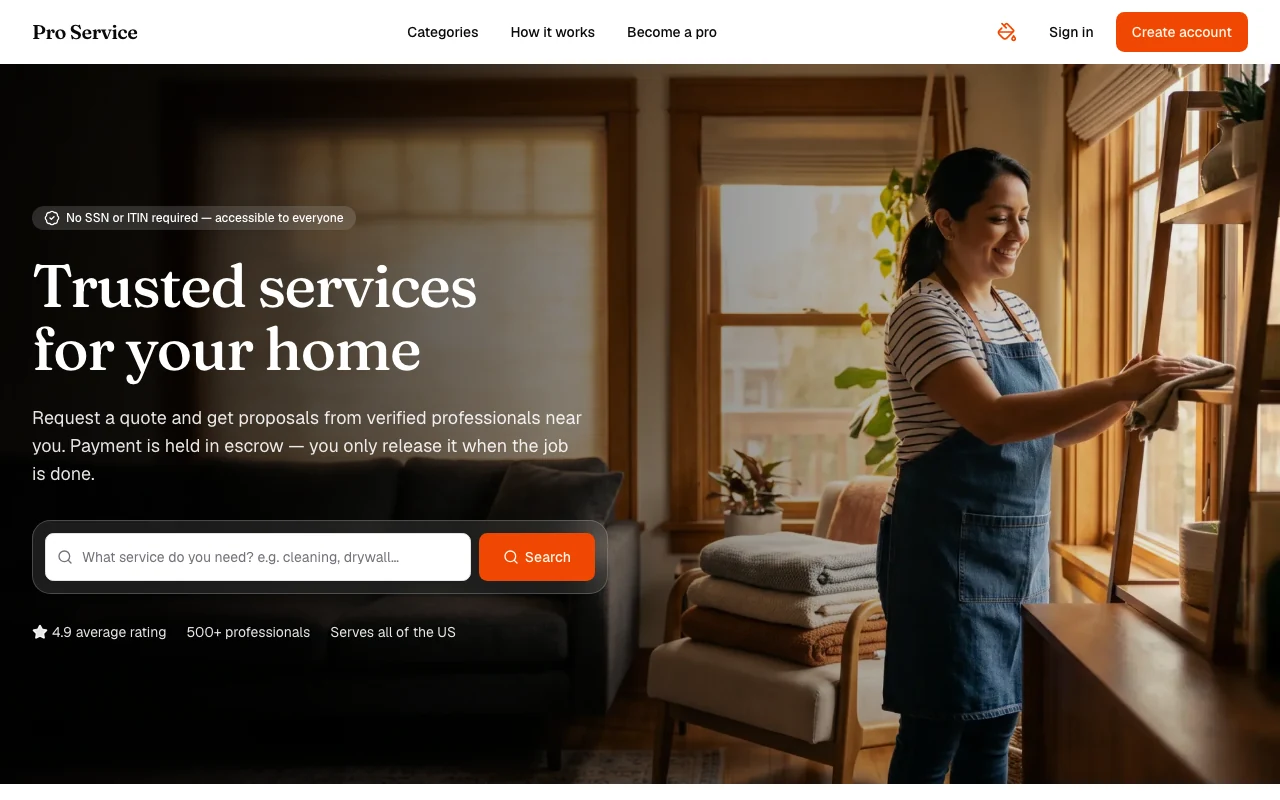
Find verified home service professionals, compare quotes, and pay securely through escrow - built for Brazilians across the US 🏠
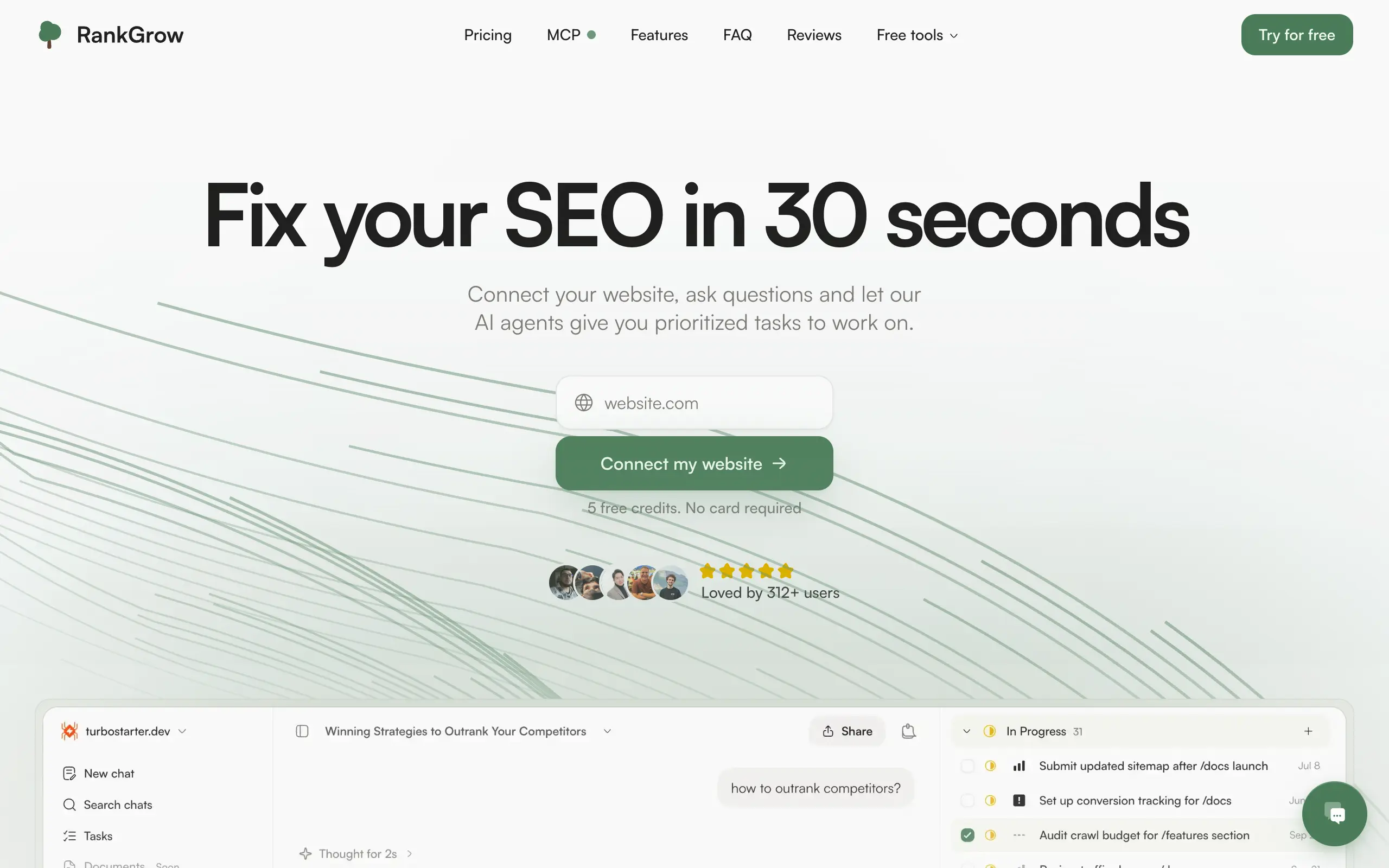
Fix your SEO with AI agents - connect Search Console, get prioritized tasks, and grow organic traffic 📈

Sync your favorite content for distraction-free reading, save time and replace multiple apps. Anytime, anywhere 🔄

Get clean, structured data from 21 platforms like TikTok, Instagram, and YouTube with a single request 📊
Monitor any Telegram channel in real time - track posts, edits, deletions, and growth with AI recaps 📡
AI website builder - describe your business, pick a niche template, edit by chatting, and publish instantly ✨
Find verified home service professionals, compare quotes, and pay securely through escrow - built for Brazilians across the US 🏠
Fix your SEO with AI agents - connect Search Console, get prioritized tasks, and grow organic traffic 📈
Sync your favorite content for distraction-free reading, save time and replace multiple apps. Anytime, anywhere 🔄
Get clean, structured data from 21 platforms like TikTok, Instagram, and YouTube with a single request 📊

Personalized AI apps that automate research, data extraction, and content creation without code 🤖

Enjoy a magical live video chat or receive a unique AI-generated video greeting from Santa Claus 🎅

Scalable blog for food journalist, focused on performance and user experience 🌭

Personal blog and portfolio of Bart Zagrodzki, where he shares his knowledge and work 💼

Ship your startup everywhere. In minutes.

Convert HTML to Markdown with ease, directly in your browser 📄
Personalized AI apps that automate research, data extraction, and content creation without code 🤖
Enjoy a magical live video chat or receive a unique AI-generated video greeting from Santa Claus 🎅
Scalable blog for food journalist, focused on performance and user experience 🌭
Personal blog and portfolio of Bart Zagrodzki, where he shares his knowledge and work 💼
Ship your startup everywhere. In minutes.
Convert HTML to Markdown with ease, directly in your browser 📄

Chat with 50+ AI models, including ChatGPT and Claude, in one place - switch models anytime without losing context 🤖

Supercharge your Claude Code with 6x effective context window and specialized AI agents 🤖

AI-powered emoji picker with smart, context-aware suggestions 🤖

Autonomous company launcher - AI agents work 24/7, escalate what matters, and you stay in control 🤖

Practice storytelling daily with instant feedback to sound clearer, more engaging, and confident 🎤
Chat with 50+ AI models, including ChatGPT and Claude, in one place - switch models anytime without losing context 🤖
Supercharge your Claude Code with 6x effective context window and specialized AI agents 🤖
AI-powered emoji picker with smart, context-aware suggestions 🤖
Autonomous company launcher - AI agents work 24/7, escalate what matters, and you stay in control 🤖
Practice storytelling daily with instant feedback to sound clearer, more engaging, and confident 🎤

Connect with like-minded people
Join our community to get feedback, support, and grow together with 1,000+ builders on board, let's ship it!
Join usShip your startup everywhere. In minutes.
Don't burn tokens on setup and start building features on day one.