Touchline Signal
A research copilot for youth soccer clubs that turns parent feedback, match notes, and attendance data into clear retention insights.
Why youth soccer clubs need a retention intelligence layer
Youth soccer clubs rarely lose families because of a single bad result, one missed practice, or an unhappy email. Attrition usually builds quietly over time.
A player starts missing optional sessions. A parent mentions uncertainty about playing time. A coach writes a vague match note about low energy or declining confidence. Registration renewals approach, and the club discovers too late that several families have already decided to leave.
This is the operational gap that Touchline Signal, a youth soccer club retention software concept, is designed to solve. It acts as a research copilot that combines parent feedback, coach match notes, and attendance data into clear, prioritized retention insights.
Instead of asking club directors to manually interpret spreadsheets, survey responses, WhatsApp messages, and coach observations, Touchline Signal can surface patterns such as:
- Which age groups show early churn risk
- Which teams have declining attendance or engagement
- What parent concerns appear most often
- Whether dissatisfaction is tied to communication, development, cost, playing time, or culture
- Which interventions could have the greatest effect before registration deadlines
The opportunity is not simply to build another youth sports management platform. The strongest positioning is to build the retention intelligence layer for youth soccer organizations already using registration, scheduling, payment, and communication tools.
The core strategic insight
Most clubs already collect useful retention signals. Their real problem is that those signals are fragmented, unstructured, and difficult to convert into timely action.
The target audience for youth soccer club retention software
Touchline Signal should focus on organizations where player retention directly affects revenue, roster stability, coaching capacity, and reputation. The ideal customers are not individual teams looking for a basic attendance tracker. They are clubs that manage enough players, teams, and communication volume to feel the cost of disconnected information.
Primary customer segments
Competitive youth soccer clubs
Clubs with multiple age groups, travel teams, seasonal fees, and a strong need to protect renewals.
Academy and development programs
Programs where player progression, parent confidence, and coach communication shape long-term enrollment.
Multi-location sports organizations
Regional organizations that need comparable retention data across campuses, leagues, or training centers.
The economic buyer
The economic buyer is likely one of the following roles:
- "Club director": owns enrollment targets, revenue, parent satisfaction, and overall club reputation.
- "Executive director": manages operational performance and needs evidence before changing policies or allocating resources.
- "Director of coaching": needs visibility into coaching quality, player development concerns, and team culture.
- "Operations manager": owns registration workflows, attendance processes, parent communications, and renewal campaigns.
- "Owner or board member": wants predictable revenue and reduced player churn without increasing administrative burden.
A club director may not search for “research copilot” software. Their search behavior is more likely to include terms such as:
- Youth soccer player retention
- Soccer club parent feedback software
- Youth sports attendance analytics
- Soccer club churn prevention
- Parent satisfaction survey for sports clubs
- Youth sports club management insights
- Soccer registration renewal strategy
This means the marketing language should connect advanced AI analysis to familiar business outcomes. Lead with retention, parent satisfaction, team health, and renewal confidence. Explain the research copilot capability as the mechanism behind those outcomes.
The users who create and consume insight
Touchline Signal will have several distinct user groups. Product design should respect the difference between people who enter information and people who act on it.
| User | Primary job | Data contributed | Insight needed | Product priority |
|---|---|---|---|---|
| Club director | Protect renewals | Strategic context | Risk by team and reason | High |
| Coach | Support players | Match notes and observations | Actionable team patterns | High |
| Operations lead | Run club workflows | Attendance and survey data | Follow-up priorities | High |
| Parent | Share feedback | Structured and free-text feedback | Clear acknowledgement | Medium |
The pain is emotional and operational
Retention is a difficult problem because it combines business risk with personal relationships. A family leaving a club can be tied to financial pressure, a player’s confidence, coaching expectations, scheduling issues, travel demands, or a feeling that feedback was ignored.
Club staff often face three painful realities:
-
They learn about dissatisfaction too late. Exit surveys are useful, but they are retrospective. By the time a parent explains why they left, the club has lost the opportunity to repair trust.
-
They cannot distinguish isolated complaints from systemic patterns. One unhappy parent does not necessarily indicate a team-level problem. Ten similar comments across a season likely do.
-
They lack time for manual analysis. Small and mid-sized clubs often operate with lean administrative teams. Even when they gather feedback, they may not have an analyst who can code qualitative responses, identify trends, and connect sentiment to attendance behavior.
A well-designed youth soccer club retention platform turns that uncertainty into a focused weekly operating rhythm.
The market gap and opportunity for Touchline Signal
The youth sports technology market includes registration platforms, team communication apps, scheduling tools, payment systems, video analysis products, and athlete development solutions. Many of these systems are valuable, but they are built to manage transactions and logistics rather than explain why families stay, disengage, or leave.
That creates a meaningful product gap.
Where existing tools fall short
Registration and club management platforms can usually report who registered, paid, attended, or did not return. They are less likely to answer questions such as:
- Why are attendance rates falling for one U13 group?
- Are concerns about playing time increasing after a coaching change?
- Which parent feedback themes are associated with non-renewal intent?
- Which teams require a communication intervention before tryout season?
- Are families responding positively to recent changes in training structure?
A generic survey platform can collect answers. A spreadsheet can store attendance. A coach note system can document observations. But neither produces a unified retention narrative without substantial manual work.
The underserved segment
The best initial market is likely mid-market youth soccer clubs with roughly 150 to 2,500 players. These organizations are large enough to have recurring administrative complexity and material annual renewal revenue, but they may be too small to employ dedicated customer research or data operations staff.
Enterprise-level clubs and national academies may eventually be valuable customers, but they often require longer sales cycles, advanced data integrations, and more formal procurement. Very small clubs may not have enough data volume or budget for a dedicated retention analytics tool.
The mid-market segment offers a strong balance of urgency, data availability, and implementation speed.
Why now is the right time for a research copilot
Several trends make this concept more viable than it would have been a few years ago:
- AI-assisted text classification can organize open-ended feedback without requiring a large internal research team.
- Modern APIs and CSV workflows make it easier to ingest attendance and registration data from existing systems.
- Club leaders are increasingly expected to offer a more transparent, family-centered experience.
- Rising costs for facilities, travel, coaching, and league participation make player retention more financially important.
- Families expect organizations to acknowledge feedback and demonstrate improvement, not simply collect annual survey responses.
For market-size or participation claims in sales content, cite respected sources directly in the final published version. A credible reference format would include an organization name, report title, publication year, and access date. Examples may include national soccer associations, youth sports participation reports, or reputable sports industry research firms.
The unique value proposition of Touchline Signal
Touchline Signal should not position itself as “AI for soccer clubs” in a vague way. That message is easy to copy and difficult for buyers to evaluate.
A clearer value proposition is:
Touchline Signal helps youth soccer clubs identify retention risks early by turning parent feedback, coach observations, and attendance data into prioritized actions.
The differentiation is the combination of three things:
-
Cross-source insight
The platform connects structured operational data with qualitative human feedback. -
Retention-specific interpretation
Rather than offering generic sentiment scores, it maps signals to the realities that affect youth soccer club loyalty. -
Actionable recommendations
It tells staff what to investigate, who should own the response, and what intervention may help.
A better alternative to dashboards full of metrics
Many SaaS products make the mistake of treating visibility as value. A dashboard with attendance percentages and word clouds may look useful, but it still leaves the customer asking, “What should we do next?”
Touchline Signal should aim to produce an executive-ready insight such as:
“The U14 girls program has a rising retention risk. Attendance is down 12% over six weeks, parent comments increasingly mention unclear development pathways, and coach notes reference reduced training engagement. Recommended next action: schedule a pathway communication session for families and review individual development plan coverage with coaching staff.”
That is more valuable than a collection of disconnected charts because it adds context, confidence, and a recommended next step.
Core features for a youth soccer retention platform
The product should begin with a narrow, defensible workflow. Avoid trying to replace a club’s registration, payments, messaging, roster, and scheduling system in the first release.
The initial product should be an intelligence layer that receives data from existing workflows and helps leadership act faster.
Unified retention signal hub
The foundational feature is a central workspace that organizes relevant data around players, teams, age groups, seasons, and club locations.
Data sources can include:
- Parent pulse surveys
- Open-ended feedback forms
- Coach match notes
- Training attendance records
- Registration and renewal status
- Support requests or categorized administrative inquiries
- Optional post-event feedback
- Manual notes from club staff
Each data point should retain its source, date, team context, and privacy classification. Users need to trust that every conclusion is traceable to real evidence.
Parent feedback analysis
Parents should be able to submit feedback through mobile-friendly forms that take less than two minutes to complete. The goal is to capture both quantitative signals and the context behind them.
Useful survey prompts include:
- How satisfied is your family with communication this month?
- Does your player feel supported and included?
- How clear is the player development pathway?
- What is working well?
- What could the club improve?
- How likely are you to continue next season?
The AI analysis layer can cluster responses into themes such as communication, coaching, playing time, player development, scheduling, facilities, costs, travel, safety, and team culture.
It should always display supporting excerpts and response counts. A sentiment label without evidence will create skepticism among experienced club leaders.
Coach note intelligence
Coaches often hold the most valuable early context, but their notes are inconsistent. Some write detailed reflections, while others record only a few phrases after a match or training session.
Touchline Signal should make note capture quick and structured. For example, a coach can select a team, write a short note, choose relevant tags, and identify whether follow-up is needed.
Potential themes include:
- Player confidence
- Team cohesion
- Parent communication need
- Development concern
- Attendance issue
- Behavioral pattern
- Injury or welfare context
- Positive milestone
The platform can then summarize recurring observations without exposing sensitive individual comments broadly across the club.
Attendance trend monitoring
Attendance is a powerful behavioral signal, but it is not self-explanatory. A lower attendance rate may reflect injury, exam periods, weather, travel, a scheduling conflict, disengagement, or poor data quality.
The platform should not present absence as proof of churn. It should present attendance as one component of a broader evidence model.
A useful risk model might consider:
- Attendance change compared with a player’s own baseline
- Attendance change compared with team norms
- Recent cancellation patterns
- Parent feedback themes
- Coach observations
- Registration stage
- Time remaining until renewal deadlines
Team health scorecards
A team health view helps directors compare groups without forcing them to read hundreds of comments.
A scorecard can include:
- Parent communication confidence
- Attendance stability
- Player engagement signals
- Positive feedback ratio
- Emerging issue categories
- Renewal intent
- Number of unresolved follow-ups
Avoid presenting a single opaque score as absolute truth. The better approach is to show a clear category score with visible contributors and confidence levels.
Club leaders see portfolio-level patterns across teams, locations, and age groups. They can identify where to allocate attention before renewal periods or major club events.
Coaches see a focused view of their own team, recurring feedback themes, attendance shifts, and recommended communication or player-support actions.
AI-generated retention briefs
The signature feature should be a weekly or monthly retention brief. It converts a large volume of information into a concise, evidence-backed update.
Every brief should include:
- "What changed": emerging positive and negative movement since the previous period.
- "Why it matters": the likely retention implication, with a confidence indicator.
- "Evidence": the relevant data trends and anonymized feedback excerpts.
- "Recommended action": a practical next step, owner, and suggested timeframe.
- "Open questions": items that require human verification before action.
This output makes the product useful not only for analysis but also for meetings. Club leaders can use the brief during operations reviews, coaching leadership meetings, and board updates.
Case management and closed-loop follow-up
Insight without accountability becomes another unread report. Touchline Signal should let staff convert a finding into a follow-up task.
Examples include:
- Assign the director of coaching to review U12 training feedback.
- Ask an operations manager to clarify travel expectations for a specific age group.
- Schedule a parent listening session.
- Send a development pathway explainer.
- Check in with a family after repeated absences.
Each action should have an owner, due date, status, and outcome note. This builds a feedback loop that helps the club learn which interventions actually improve retention.
How the retention insight engine should work
The AI system should support human judgment, not silently make high-stakes decisions about children or families. Explainability and privacy need to be product principles from day one.
A practical analysis workflow
Risk scoring should be transparent
A player or team retention score must not become a black box. Users should be able to understand why a risk flag exists.
A simple interpretable model can begin with weighted signals:
type RetentionSignal = {
  attendanceChange: number
  negativeFeedbackTrend: number
  unresolvedConcerns: number
  renewalIntent: number
  coachEngagementFlag: number
}

export function calculateRisk(signal: RetentionSignal) {
  const score =
    signal.attendanceChange * 0.25 +
    signal.negativeFeedbackTrend * 0.3 +
    signal.unresolvedConcerns * 0.2 +
    signal.renewalIntent * 0.15 +
    signal.coachEngagementFlag * 0.1

  return Math.min(100, Math.max(0, Math.round(score)))
}
The exact formula will evolve with customer usage, but the product should always show which factors contributed to the result. A model can say “elevated risk due to declining attendance and unresolved communication concerns,” rather than claiming to know why a family will leave.
Use AI for synthesis, not unsupported certainty
Large language models are useful for summarizing feedback, extracting themes, drafting briefs, and proposing questions. They are less reliable when asked to infer hidden motives or make sensitive decisions without evidence.
For that reason, Touchline Signal should include safeguards such as:
- Human review for high-impact recommendations
- Source excerpts behind every generated conclusion
- Confidence labels for inferred patterns
- Clear separation between observed facts and AI-generated interpretation
- The ability to correct theme classifications
- Audit logs for edits, actions, and data access
Do not diagnose individual families
The product should identify patterns that deserve attention, not label a child or parent as a problem. Sensitive information about minors, welfare, health, or behavior requires strict access controls and thoughtful organizational policy.
Recommended technology stack and trade-offs
A modern B2B SaaS stack can support rapid development while leaving room for enterprise-grade governance.
Recommended application architecture
For an early-stage product, use Next.js with React for the application layer. This combination provides a strong foundation for authenticated dashboards, server-side rendering, API routes, and a scalable component model.
A practical stack could include:
- Next.js for the web app, backend-for-frontend routes, and marketing site
- React for interactive dashboards and workflows
- Tailwind CSS for a fast, consistent design system
- PostgreSQL for relational club, player, team, survey, and action data
- Supabase for managed PostgreSQL, authentication, storage, and row-level security
- OpenAI for structured text analysis and summarization workflows
- Stripe for subscription billing
- Sentry for application monitoring and error tracking
Why PostgreSQL is a strong data foundation
Retention insight depends on relationships. A player belongs to a team, a team belongs to a club, feedback belongs to a period, and actions connect to insights. A relational database is a natural fit for that operating model.
PostgreSQL also supports robust reporting queries and can work alongside vector search where semantic retrieval becomes useful. At an early stage, avoid adding a separate vector database unless retrieval quality or scale clearly requires it. Fewer infrastructure components mean lower operational complexity.
Build versus buy trade-offs
| Capability | Build first | Buy first | Recommended path | Reason |
|---|---|---|---|---|
| Survey forms | Moderate effort | Fast validation | Build lightweight | Feedback workflow is core |
| Attendance ingestion | Complex integrations | CSV imports | Start with CSV | Validate demand before APIs |
| AI classification | Custom models | LLM APIs | Use APIs first | Faster iteration and lower cost |
| Billing | High compliance burden | Subscription platform | Use Stripe | Reliable recurring billing |
Data integration strategy
Integrations can become a trap. Youth soccer clubs use many different registration and attendance systems, and each integration can consume disproportionate product and support resources.
Start with:
- Guided CSV templates for attendance, rosters, and renewal status
- Simple form-based parent feedback collection
- Coach note capture inside Touchline Signal
- A small number of high-demand integrations after validating customer demand
- An API and webhook strategy only when the core workflow proves repeatable
This approach helps the product earn revenue before it attempts to become an integration-heavy platform.
Privacy, safeguarding, and trust requirements
Because Touchline Signal processes information related to youth athletes and families, trust is not a compliance checkbox. It is a core competitive requirement.
The product should collect the minimum information needed to produce retention insights. It should also give clubs clear controls over who can see individual-level data.
Essential privacy controls
- Role-based access for directors, coaches, operations staff, and administrators
- Team-scoped permissions so coaches only access relevant information
- Data retention settings aligned with the club’s policies
- Encryption in transit and at rest
- Audit logs for sensitive record access
- Export and deletion workflows
- Clear consent language for feedback collection
- Anonymized reporting where individual identity is unnecessary
- Redaction or restricted handling for sensitive welfare-related content
For legal and regulatory decisions, customers should consult qualified counsel. Requirements can vary by jurisdiction, especially when dealing with data about minors. The product should avoid making legal compliance guarantees unless those claims are reviewed and supported by documented controls.
Monetization strategy for Touchline Signal
The most logical model is subscription pricing tied to the size and complexity of the club. A club-level SaaS model aligns with the buyer’s budget and prevents families or coaches from facing separate purchasing decisions.
Recommended pricing structure
A tiered annual plan can combine a platform fee with active player bands.
- "Starter": for smaller clubs using surveys, coach notes, CSV attendance imports, and monthly retention briefs.
- "Growth": for multi-team clubs needing team health scorecards, automated alerts, action workflows, and more frequent reporting.
- "Scale": for multi-location organizations requiring advanced permissions, priority onboarding, API access, custom reporting, and dedicated support.
Avoid pricing purely per coach or per admin seat. The value is created across the entire player base, and clubs need broad internal participation for data quality.
High-value expansion revenue
Potential add-ons include:
- White-label parent feedback forms
- Premium onboarding and historical data migration
- Custom retention benchmarks
- Multi-club portfolio reporting
- Advanced integrations
- Quarterly retention strategy workshops
- Board-ready reporting packs
- Multilingual feedback workflows
Services can be especially valuable during the early stage because they reveal the language customers use, the actions they take, and the data problems that recur across clubs. Over time, productize the most repeatable parts of those services.
Competitive advantage and defensibility
The biggest competitive threat is not necessarily another AI startup. It is the possibility that a broader club management platform adds basic sentiment analysis or a generic survey tool offers AI summaries.
Touchline Signal needs a defensible position beyond “we summarize feedback.”
The moat comes from domain-specific workflow depth
The product can build durable advantage through:
- A soccer-specific taxonomy of retention drivers
- Historical benchmarks across age groups, seasons, and club structures
- Feedback-to-action workflows that capture intervention outcomes
- Data models built for teams, players, coaches, seasons, and renewal cycles
- High trust through transparent evidence and privacy controls
- Implementation playbooks that help clubs act on insights consistently
Over time, the system can learn which patterns most often precede churn and which club interventions are associated with improved parent confidence or renewal intent. That knowledge base is much harder to replicate than a generic AI summary feature.
A sharper positioning statement
The strongest competitive message is:
Touchline Signal does not replace your registration or communication system. It helps your club understand what those systems cannot tell you: where retention risk is emerging, why it may be happening, and what to do next.
This lowers switching anxiety because prospects do not have to replace their existing operational stack.
Risks and mitigation strategies
Every promising SaaS concept has risks. Addressing them early improves product quality and makes enterprise buyers more confident.
Risk one: insufficient or inconsistent data
Some clubs will have incomplete attendance records, irregular coach notes, and low survey response rates.
Mitigation options include:
- Make CSV imports forgiving and provide data-cleaning feedback
- Use short, targeted parent pulse surveys instead of long annual surveys
- Offer coach note templates that take less than one minute to complete
- Show confidence levels when data volume is low
- Focus on team-level patterns before individual-level predictions
Risk two: AI-generated conclusions are wrong or overconfident
A poor summary could damage trust or cause a club to act unfairly.
Mitigation options include:
- Require evidence excerpts for generated findings
- Use controlled categories and structured output schemas
- Add human review for high-risk insights
- Allow users to correct classifications
- Clearly label AI interpretations as recommendations, not facts
Risk three: clubs do not act on insights
Even accurate insights have limited value if no one owns the response.
Mitigation options include:
- Convert every key finding into an assignable action
- Send concise weekly briefs instead of overwhelming dashboards
- Add reminders and outcome tracking
- Include playbooks for common issues such as communication gaps or declining attendance
- Highlight early wins during onboarding
Risk four: long sales cycles and seasonal buying patterns
Youth sports clubs may make budget decisions seasonally or through committees.
Mitigation options include:
- Offer a paid pilot aligned with a renewal window
- Create clear ROI narratives around retained registrations
- Equip champions with board-ready reports
- Start with one age group or location before club-wide expansion
- Build case studies around measurable action and renewal outcomes
Actionable implementation roadmap
The right initial build is not a fully automated prediction engine. It is a trusted workflow that helps a club see and act on patterns faster than it can today.
Phase one: validate the problem with design partners
Recruit five to ten youth soccer clubs with different operating models. Interview directors, coaches, and operations leads separately.
Ask questions such as:
- When do you usually learn that a family is unhappy?
- What information do you review before renewal season?
- Which parent concerns are hardest to interpret?
- How is attendance currently recorded?
- What actions do you take when a team appears disengaged?
- What would make an insight trustworthy enough to act on?
Use these conversations to create a retention-driver taxonomy. Do not assume that generic SaaS categories will reflect how soccer clubs think.
Phase two: build the minimum lovable workflow
The first usable release should include:
- Club, team, and season setup
- CSV attendance upload
- Parent feedback form builder
- Coach note capture
- Basic theme classification
- Team health dashboard
- Evidence-backed weekly retention brief
- Action assignment and follow-up tracking
The product should make a director’s weekly review faster and more useful within the first month. That is a better early success metric than maximizing feature count.
Phase three: measure product value
Track leading indicators that demonstrate whether Touchline Signal creates operational value.
- "Time to insight": how long staff spend identifying a meaningful issue.
- "Follow-up completion": the share of recommended actions completed on time.
- "Feedback response rate": whether parents participate in lightweight pulse surveys.
- "Issue resolution rate": whether recurring themes decline after interventions.
- "Renewal intent movement": changes in stated likelihood to continue.
- "Retention outcome": renewal rate compared with a baseline or prior season.
Be careful with causal claims. A club may improve retention for many reasons, including coaching changes, local competition, pricing, player performance, or broader economic conditions. The product can report association and operational progress while encouraging customers to interpret outcomes responsibly.
Phase four: scale integrations and benchmarks
Once the core workflow proves adoption, prioritize integrations based on repeated customer demand and clear revenue impact. Build anonymized benchmarks only with strong privacy design and explicit contractual permissions.
At that stage, Touchline Signal can evolve from a reporting tool into a trusted operating system for club experience and retention strategy.
Final perspective
Touchline Signal has a compelling B2B SaaS opportunity because it addresses a problem that is financially important, emotionally sensitive, and poorly served by existing operational tools.
The winning version of this product will not be the one with the most impressive AI language. It will be the one that helps a busy club director confidently answer three questions:
- What is changing across our teams?
- Which families or groups need attention first?
- What practical action should we take now?
By combining parent feedback analysis, coach note intelligence, attendance trends, transparent AI synthesis, and accountable follow-up workflows, Touchline Signal can become a differentiated youth soccer club retention platform.
For founders building this kind of SaaS product, TurboStarter can provide a practical foundation for moving from validated workflow to production-ready application faster.
More 🏢 B2B Application SaaS ideas
Discover more innovative b2b application SaaS ideas that are trending in 2026. Each idea is AI-generated with market validation and growth potential to help you find your next profitable venture faster than competitors.
Your competitors are building with TurboStarter
Below are some of the SaaS ideas that have been generated and built with our starter kit.
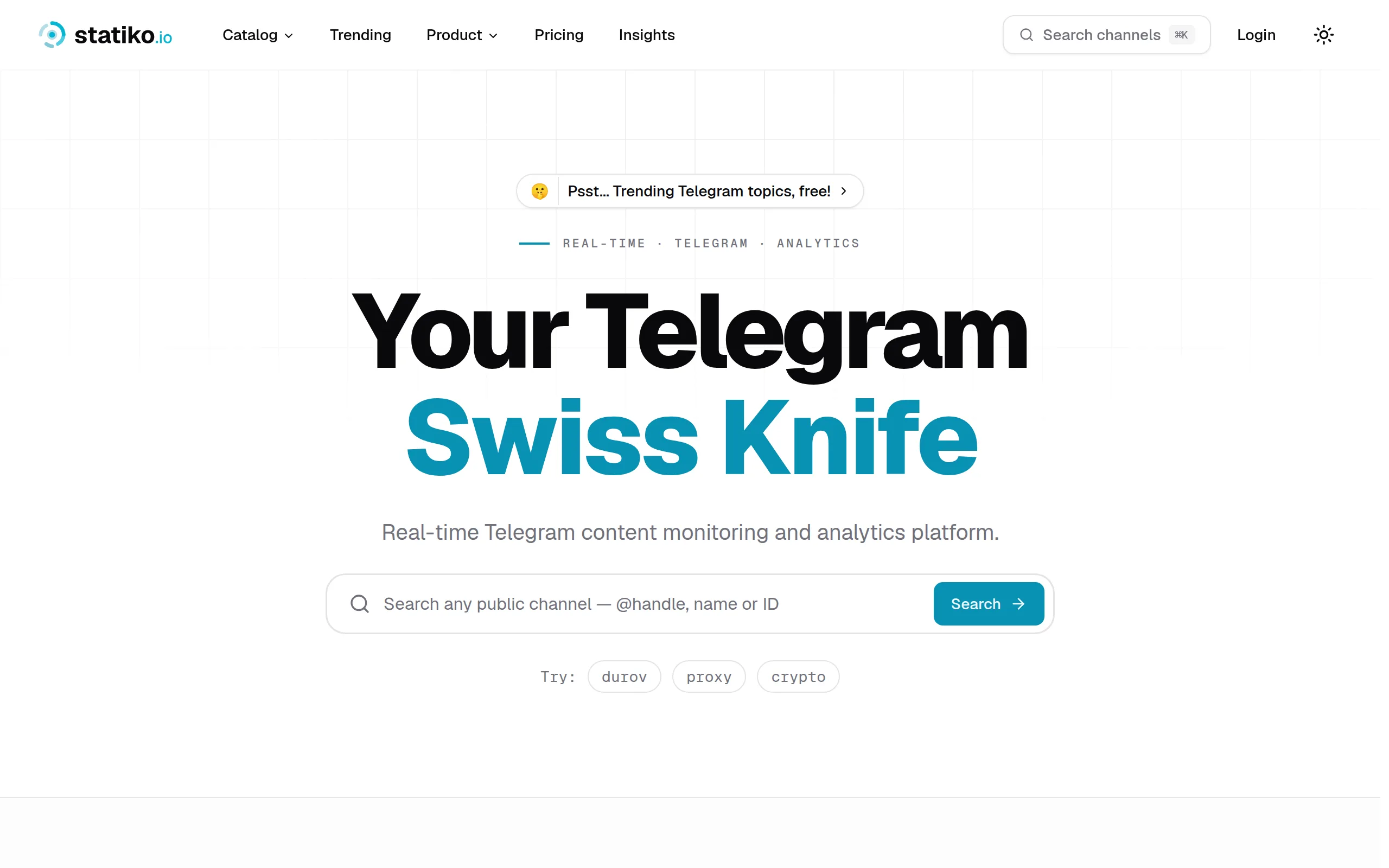
Statiko
Monitor any Telegram channel in real time - track posts, edits, deletions, and growth with AI recaps 📡

Shibui
AI website builder - describe your business, pick a niche template, edit by chatting, and publish instantly ✨

Pro Service
Find verified home service professionals, compare quotes, and pay securely through escrow - built for Brazilians across the US 🏠
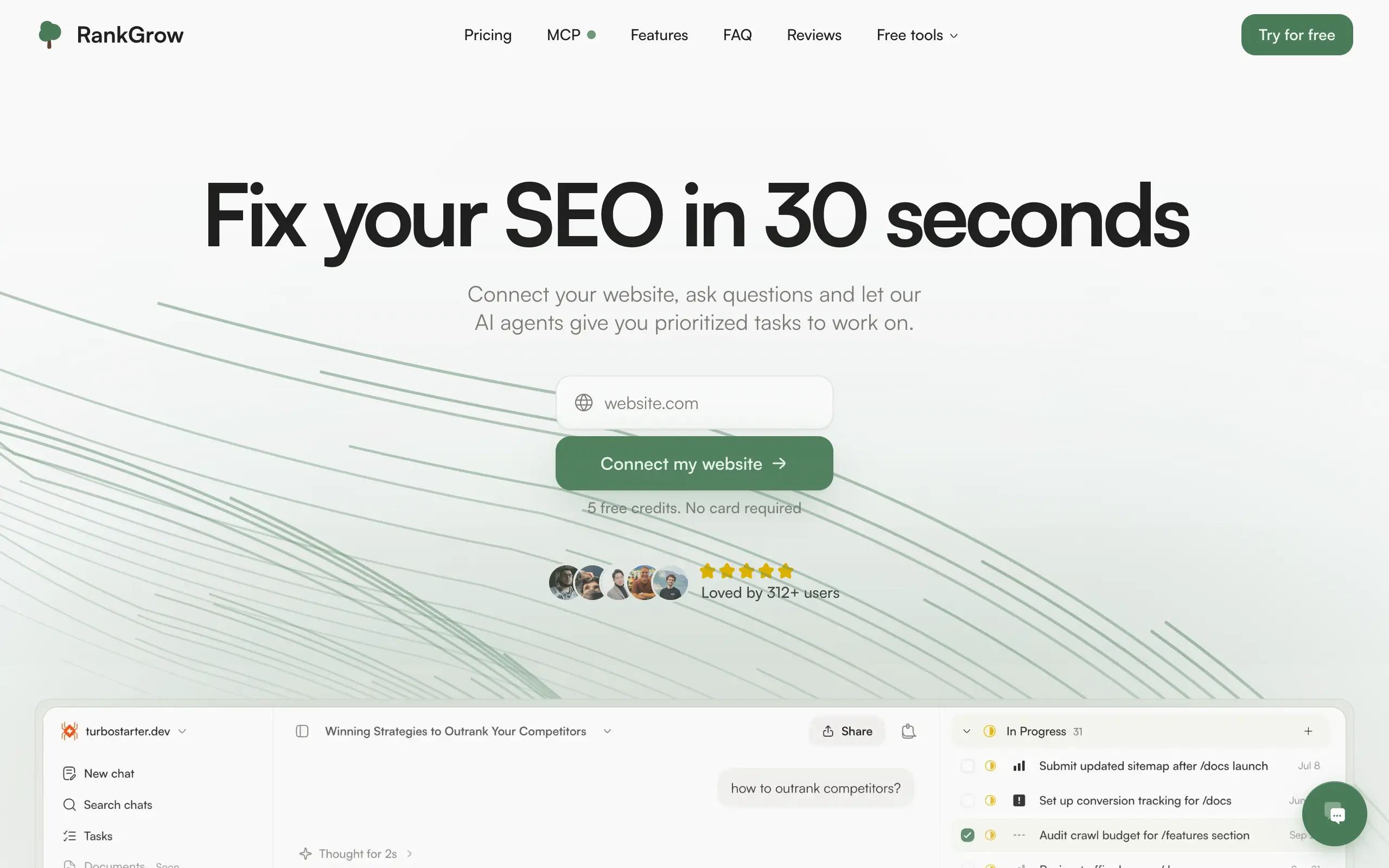
RankGrow
Fix your SEO with AI agents - connect Search Console, get prioritized tasks, and grow organic traffic 📈
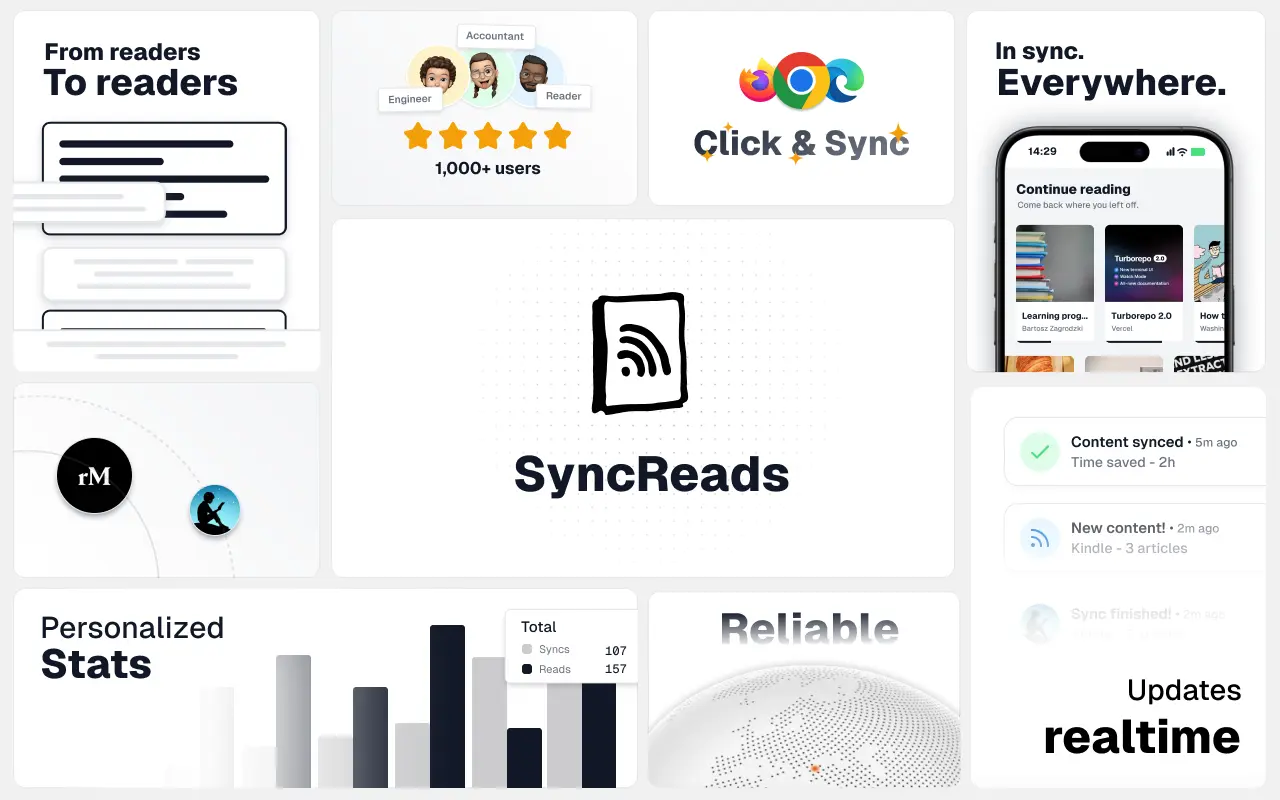
SyncReads
Sync your favorite content for distraction-free reading, save time and replace multiple apps. Anytime, anywhere 🔄
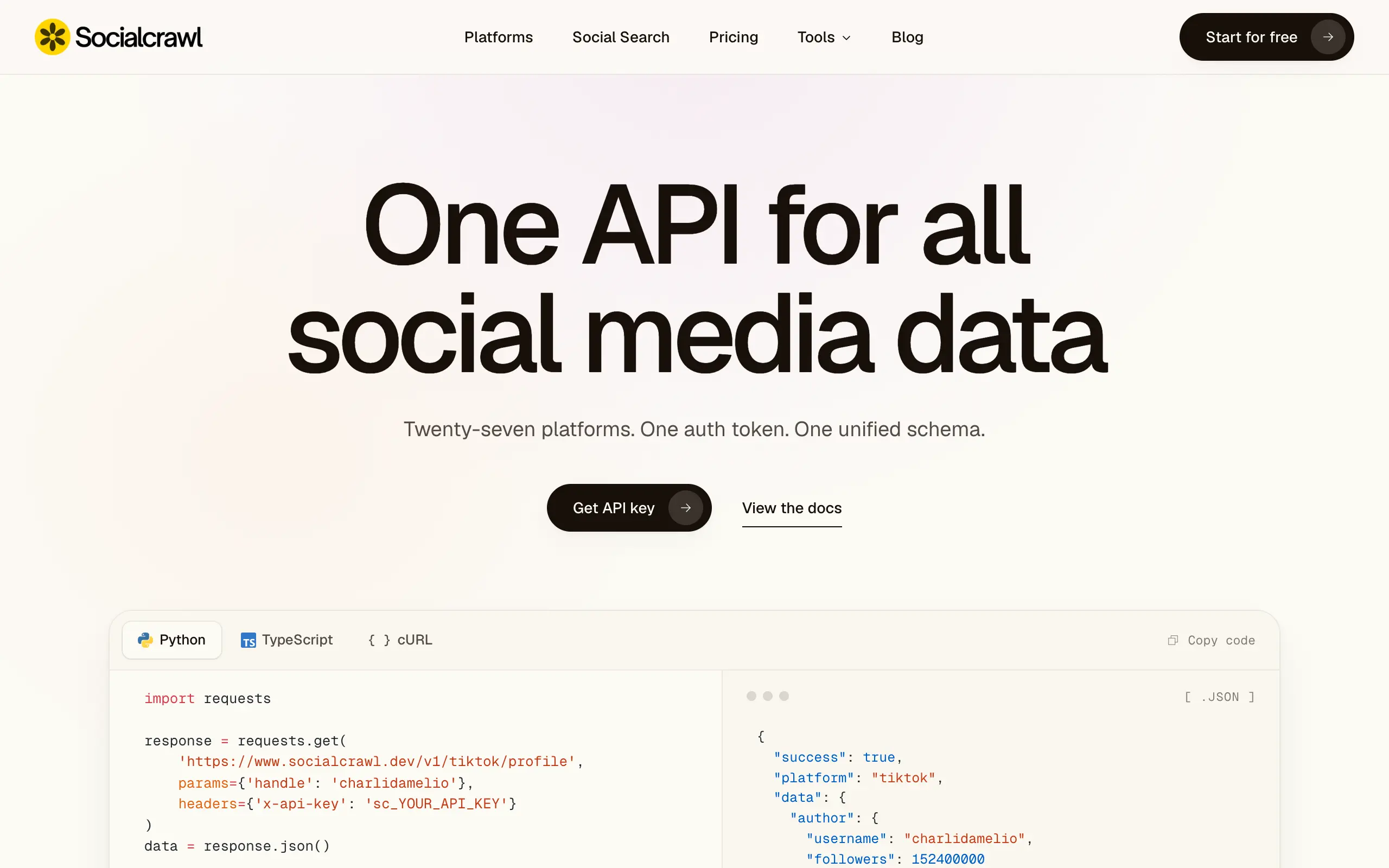
Socialcrawl
Get clean, structured data from 21 platforms like TikTok, Instagram, and YouTube with a single request 📊
Statiko
Monitor any Telegram channel in real time - track posts, edits, deletions, and growth with AI recaps 📡
Shibui
AI website builder - describe your business, pick a niche template, edit by chatting, and publish instantly ✨
Pro Service
Find verified home service professionals, compare quotes, and pay securely through escrow - built for Brazilians across the US 🏠
RankGrow
Fix your SEO with AI agents - connect Search Console, get prioritized tasks, and grow organic traffic 📈
SyncReads
Sync your favorite content for distraction-free reading, save time and replace multiple apps. Anytime, anywhere 🔄
Socialcrawl
Get clean, structured data from 21 platforms like TikTok, Instagram, and YouTube with a single request 📊
Statiko
Monitor any Telegram channel in real time - track posts, edits, deletions, and growth with AI recaps 📡
Shibui
AI website builder - describe your business, pick a niche template, edit by chatting, and publish instantly ✨
Pro Service
Find verified home service professionals, compare quotes, and pay securely through escrow - built for Brazilians across the US 🏠
RankGrow
Fix your SEO with AI agents - connect Search Console, get prioritized tasks, and grow organic traffic 📈
SyncReads
Sync your favorite content for distraction-free reading, save time and replace multiple apps. Anytime, anywhere 🔄
Socialcrawl
Get clean, structured data from 21 platforms like TikTok, Instagram, and YouTube with a single request 📊
Statiko
Monitor any Telegram channel in real time - track posts, edits, deletions, and growth with AI recaps 📡
Shibui
AI website builder - describe your business, pick a niche template, edit by chatting, and publish instantly ✨
Pro Service
Find verified home service professionals, compare quotes, and pay securely through escrow - built for Brazilians across the US 🏠
RankGrow
Fix your SEO with AI agents - connect Search Console, get prioritized tasks, and grow organic traffic 📈
SyncReads
Sync your favorite content for distraction-free reading, save time and replace multiple apps. Anytime, anywhere 🔄
Socialcrawl
Get clean, structured data from 21 platforms like TikTok, Instagram, and YouTube with a single request 📊
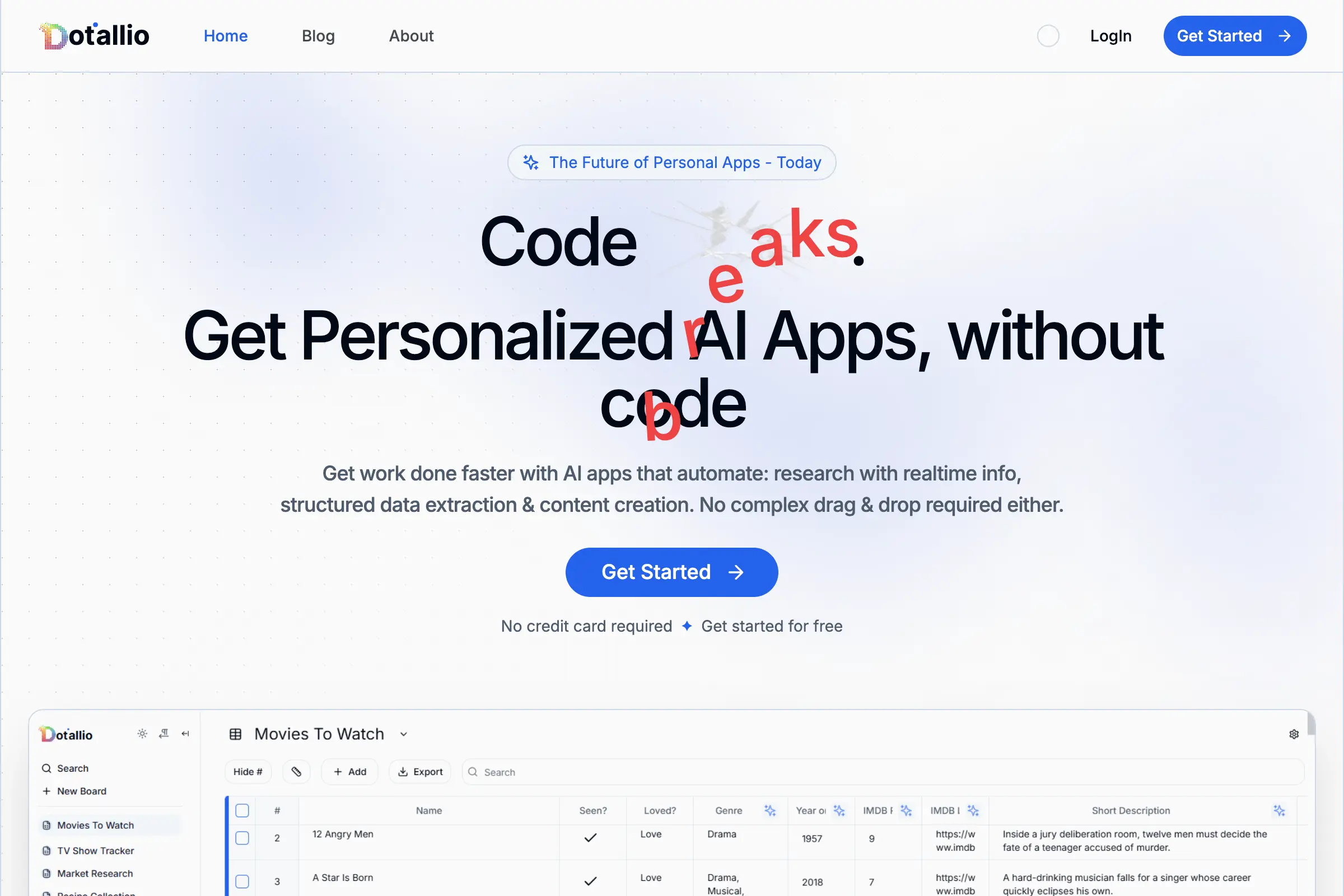
Dotallio
Personalized AI apps that automate research, data extraction, and content creation without code 🤖
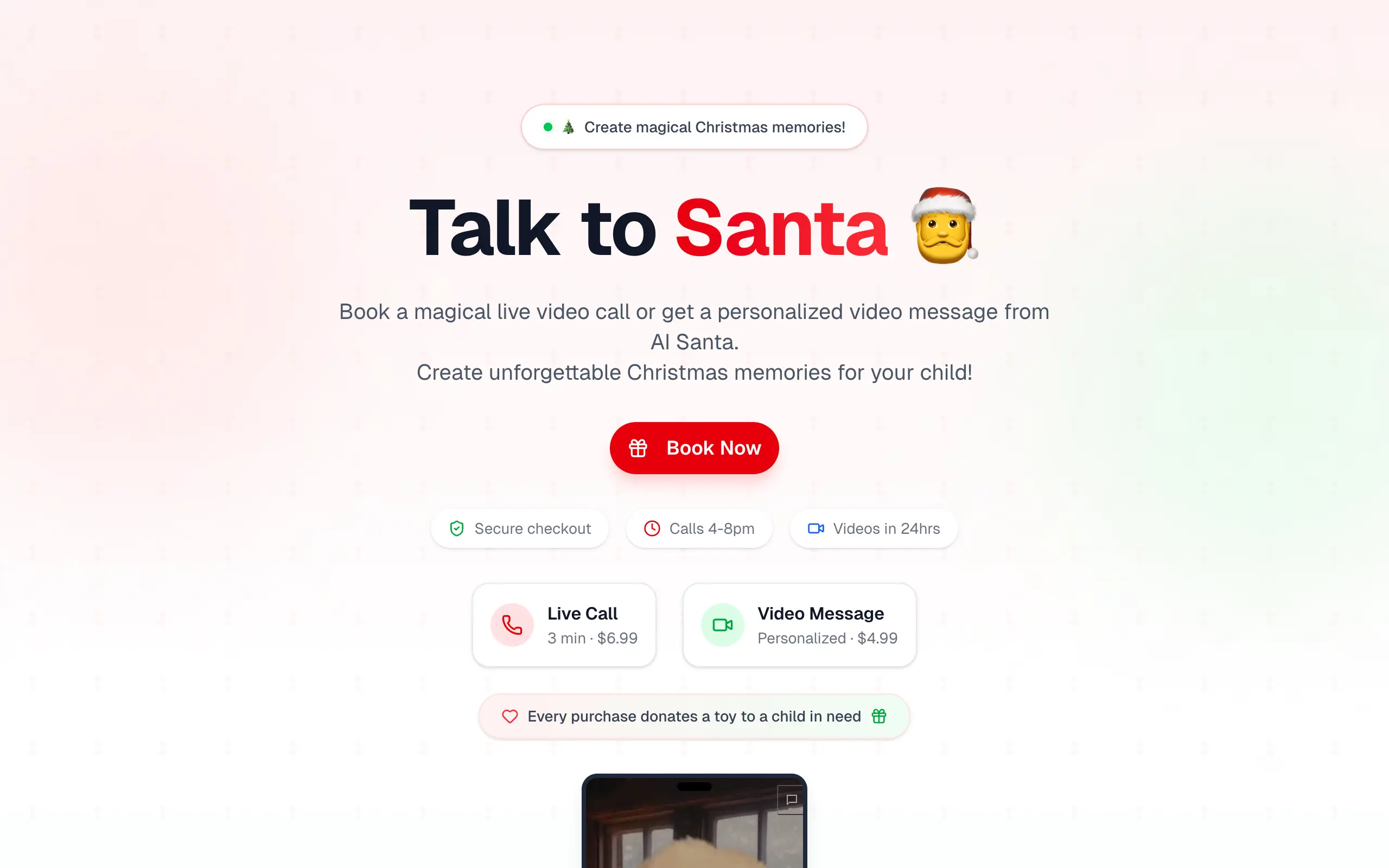
Talk to Santa
Enjoy a magical live video chat or receive a unique AI-generated video greeting from Santa Claus 🎅
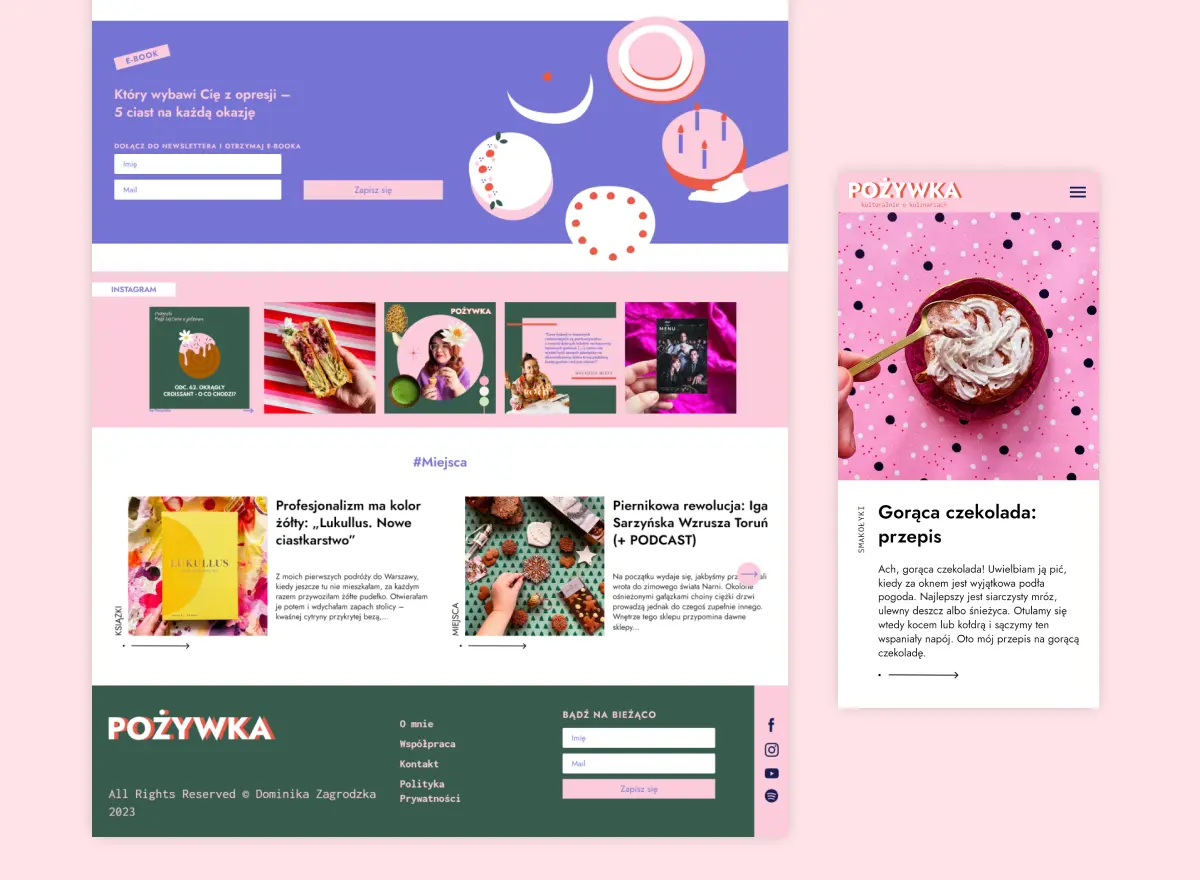
pozywka.pl
Scalable blog for food journalist, focused on performance and user experience 🌭
zagrodzki.me
Personal blog and portfolio of Bart Zagrodzki, where he shares his knowledge and work 💼
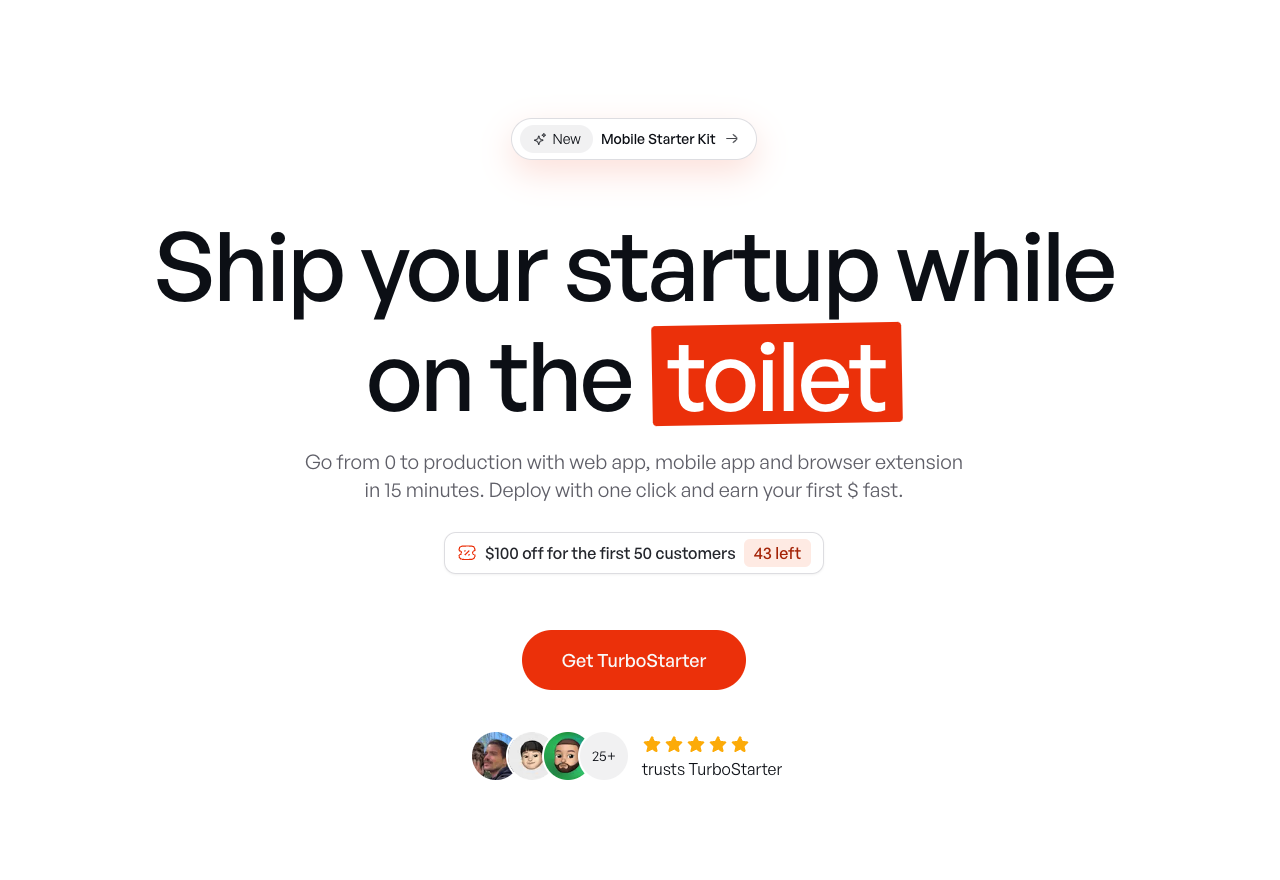
TurboStarter
Ship your startup everywhere. In minutes.
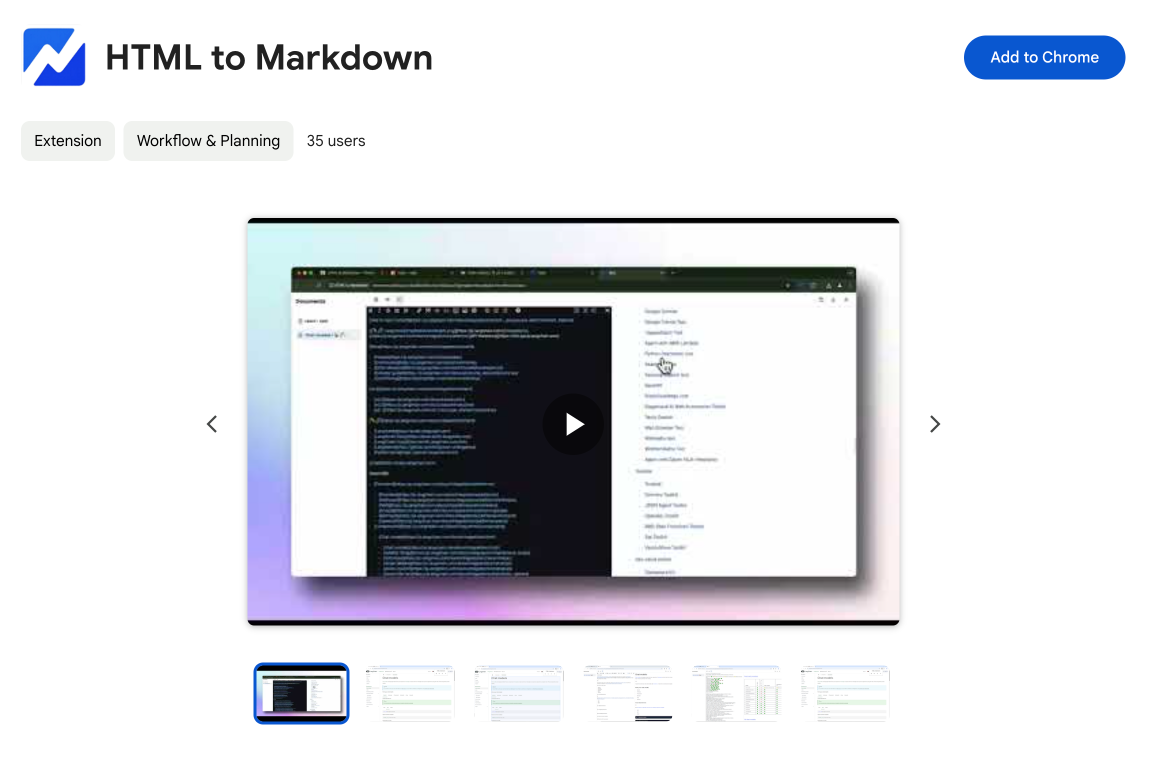
HTML to Markdown
Convert HTML to Markdown with ease, directly in your browser 📄
Dotallio
Personalized AI apps that automate research, data extraction, and content creation without code 🤖
Talk to Santa
Enjoy a magical live video chat or receive a unique AI-generated video greeting from Santa Claus 🎅
pozywka.pl
Scalable blog for food journalist, focused on performance and user experience 🌭
zagrodzki.me
Personal blog and portfolio of Bart Zagrodzki, where he shares his knowledge and work 💼
TurboStarter
Ship your startup everywhere. In minutes.
HTML to Markdown
Convert HTML to Markdown with ease, directly in your browser 📄
Dotallio
Personalized AI apps that automate research, data extraction, and content creation without code 🤖
Talk to Santa
Enjoy a magical live video chat or receive a unique AI-generated video greeting from Santa Claus 🎅
pozywka.pl
Scalable blog for food journalist, focused on performance and user experience 🌭
zagrodzki.me
Personal blog and portfolio of Bart Zagrodzki, where he shares his knowledge and work 💼
TurboStarter
Ship your startup everywhere. In minutes.
HTML to Markdown
Convert HTML to Markdown with ease, directly in your browser 📄
Dotallio
Personalized AI apps that automate research, data extraction, and content creation without code 🤖
Talk to Santa
Enjoy a magical live video chat or receive a unique AI-generated video greeting from Santa Claus 🎅
pozywka.pl
Scalable blog for food journalist, focused on performance and user experience 🌭
zagrodzki.me
Personal blog and portfolio of Bart Zagrodzki, where he shares his knowledge and work 💼
TurboStarter
Ship your startup everywhere. In minutes.
HTML to Markdown
Convert HTML to Markdown with ease, directly in your browser 📄
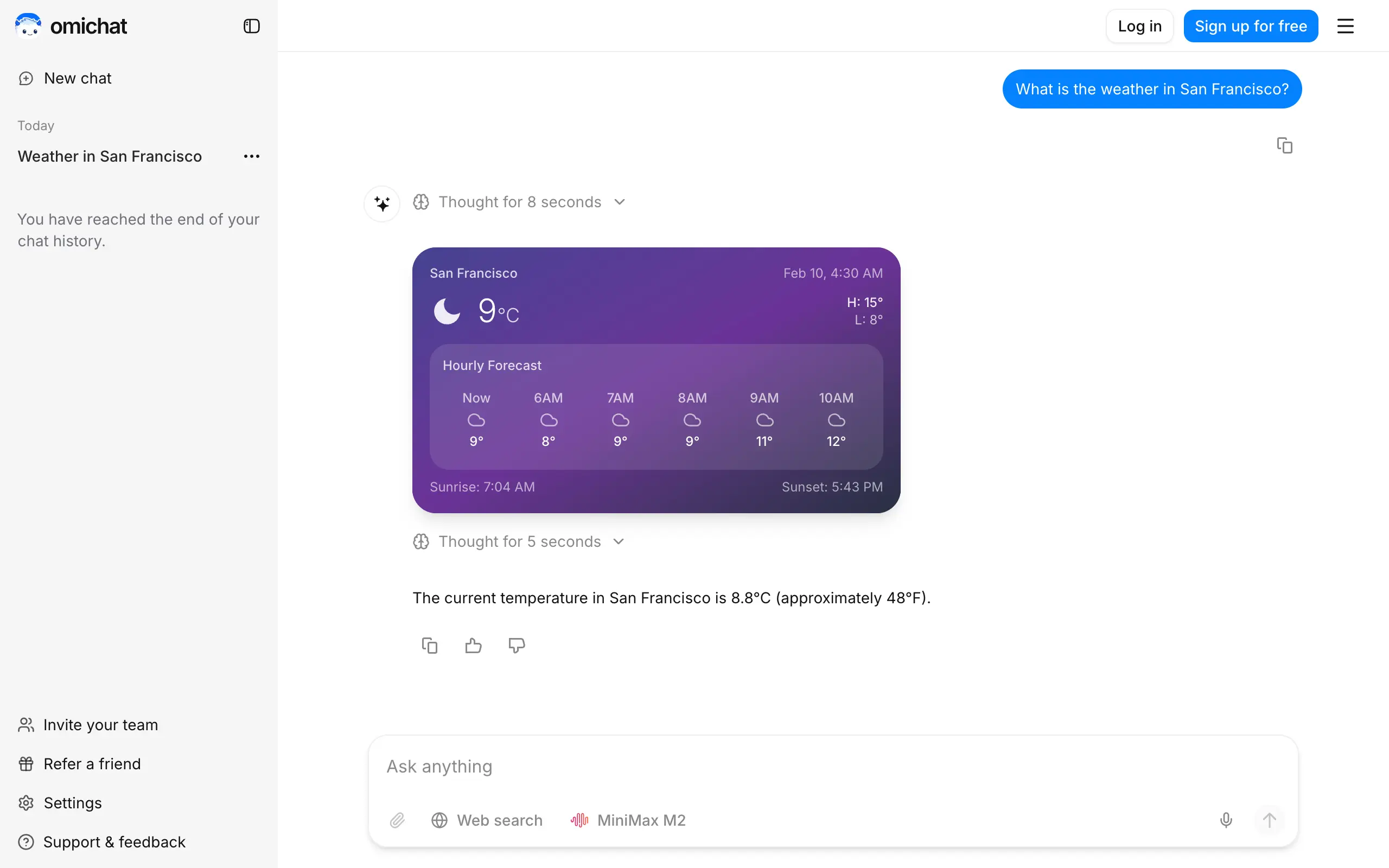
Omichat
Chat with 50+ AI models, including ChatGPT and Claude, in one place - switch models anytime without losing context 🤖
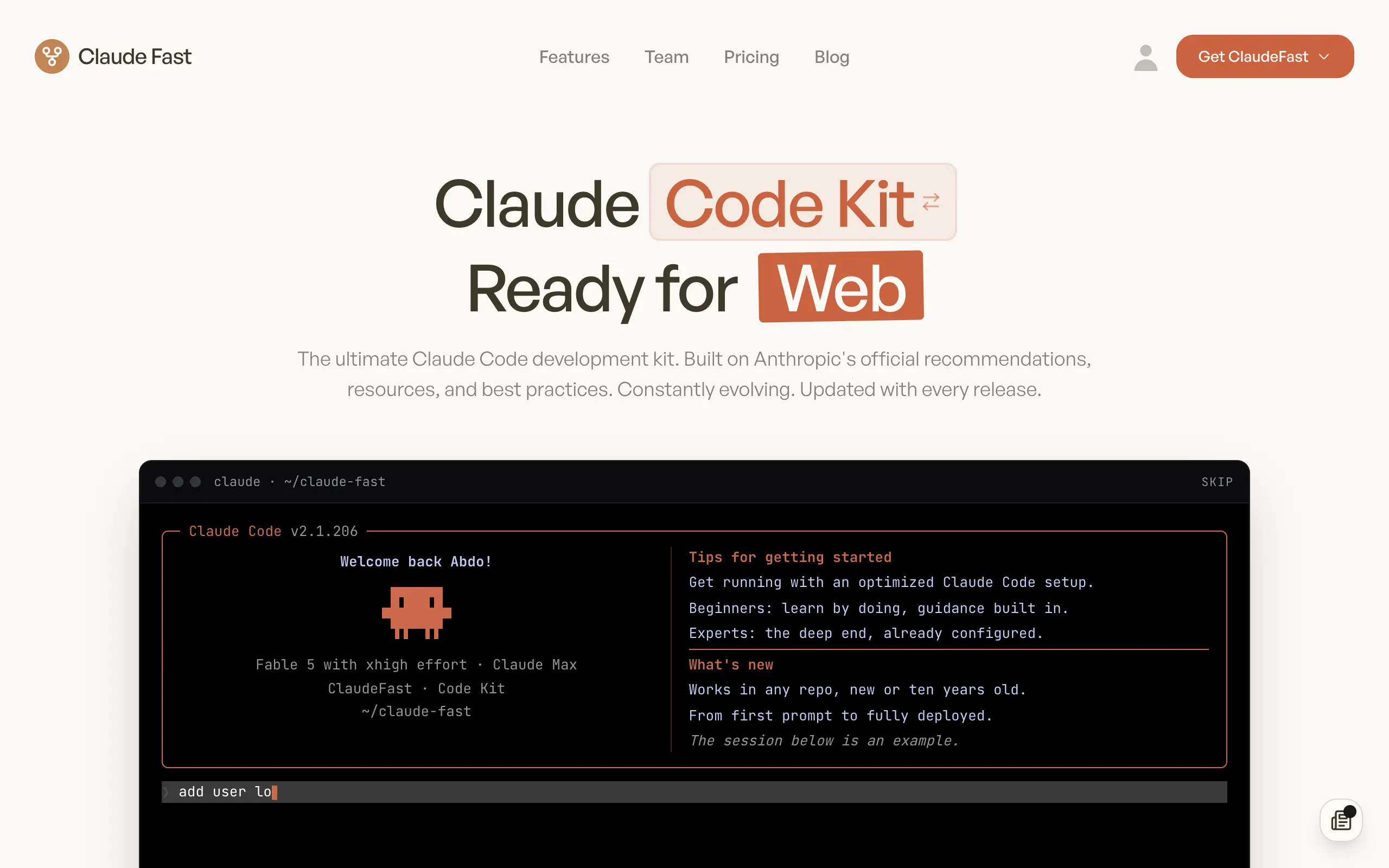
Claude Fast
Supercharge your Claude Code with 6x effective context window and specialized AI agents 🤖
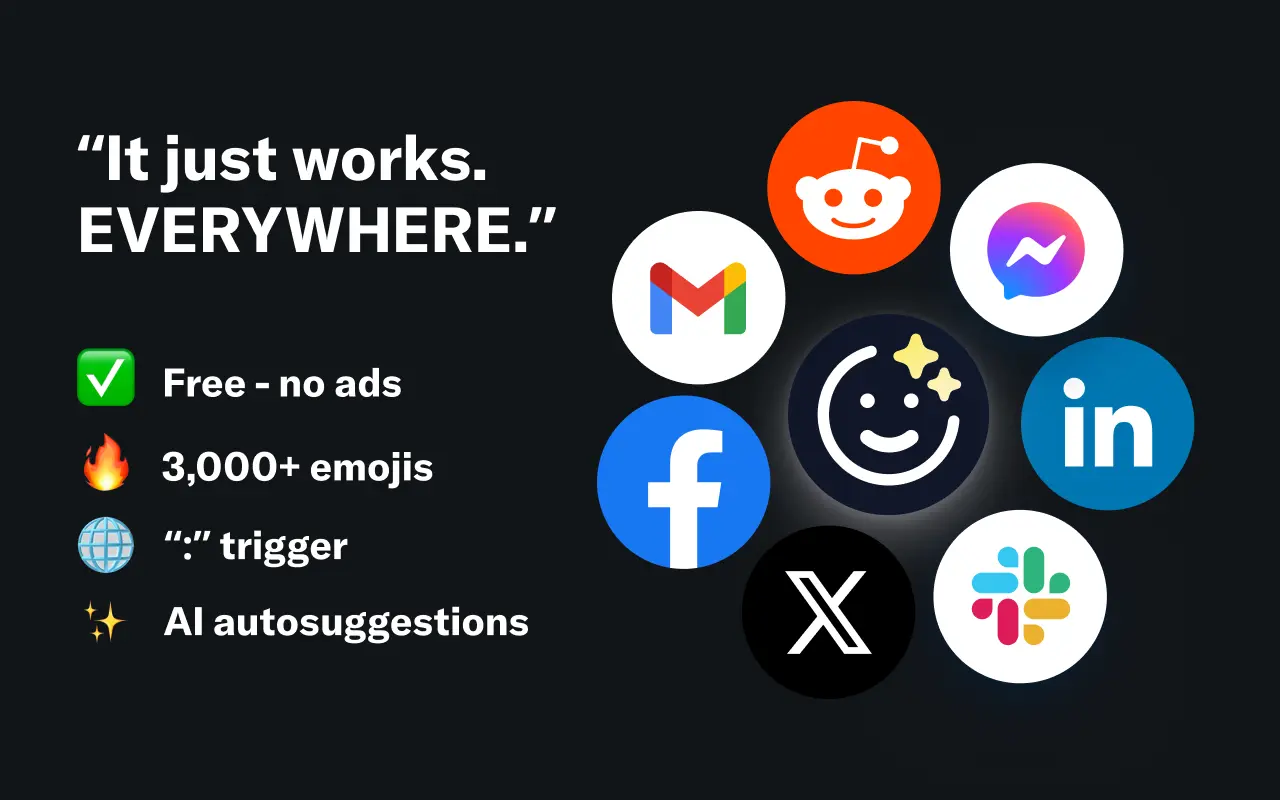
EmojAI
AI-powered emoji picker with smart, context-aware suggestions 🤖
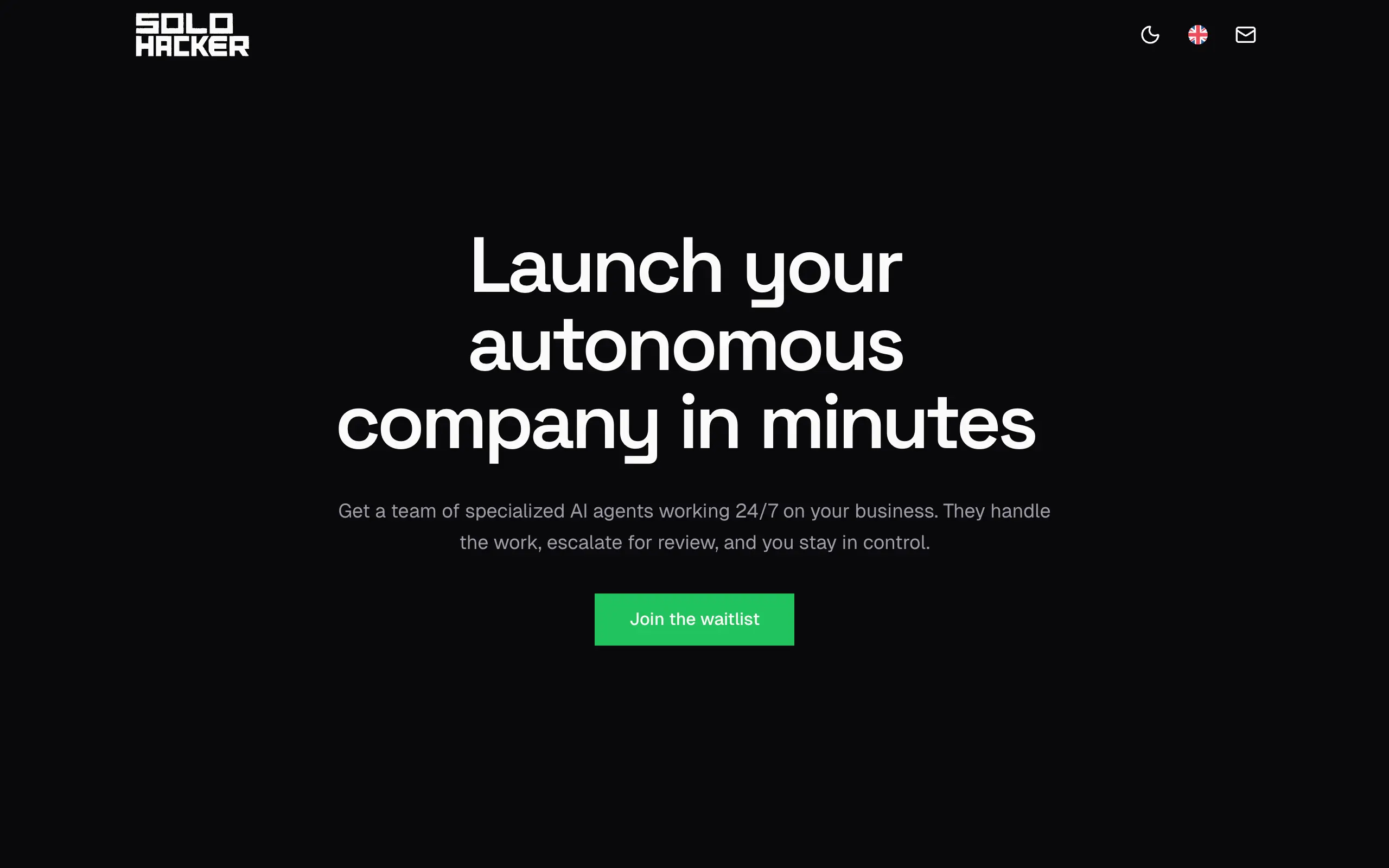
Solohacker
Autonomous company launcher - AI agents work 24/7, escalate what matters, and you stay in control 🤖
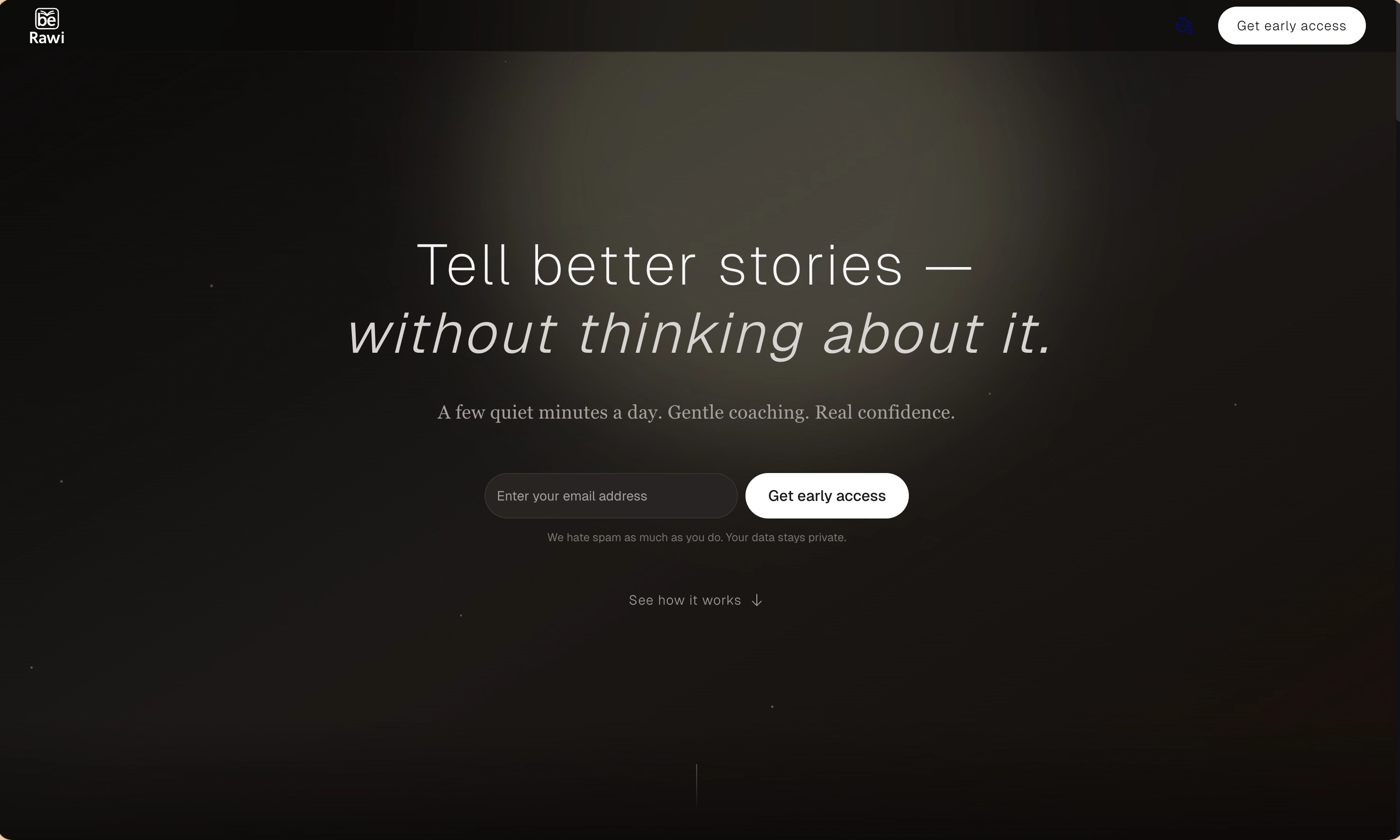
BeRawi: Storytelling Coach
Practice storytelling daily with instant feedback to sound clearer, more engaging, and confident 🎤
Omichat
Chat with 50+ AI models, including ChatGPT and Claude, in one place - switch models anytime without losing context 🤖
Claude Fast
Supercharge your Claude Code with 6x effective context window and specialized AI agents 🤖
EmojAI
AI-powered emoji picker with smart, context-aware suggestions 🤖
Solohacker
Autonomous company launcher - AI agents work 24/7, escalate what matters, and you stay in control 🤖
BeRawi: Storytelling Coach
Practice storytelling daily with instant feedback to sound clearer, more engaging, and confident 🎤
Omichat
Chat with 50+ AI models, including ChatGPT and Claude, in one place - switch models anytime without losing context 🤖
Claude Fast
Supercharge your Claude Code with 6x effective context window and specialized AI agents 🤖
EmojAI
AI-powered emoji picker with smart, context-aware suggestions 🤖
Solohacker
Autonomous company launcher - AI agents work 24/7, escalate what matters, and you stay in control 🤖
BeRawi: Storytelling Coach
Practice storytelling daily with instant feedback to sound clearer, more engaging, and confident 🎤
Omichat
Chat with 50+ AI models, including ChatGPT and Claude, in one place - switch models anytime without losing context 🤖
Claude Fast
Supercharge your Claude Code with 6x effective context window and specialized AI agents 🤖
EmojAI
AI-powered emoji picker with smart, context-aware suggestions 🤖
Solohacker
Autonomous company launcher - AI agents work 24/7, escalate what matters, and you stay in control 🤖
BeRawi: Storytelling Coach
Practice storytelling daily with instant feedback to sound clearer, more engaging, and confident 🎤

Connect with like-minded people
Join our community to get feedback, support, and grow together with 1,000+ builders on board, let's ship it!
Join usShip your startup everywhere. In minutes.
Don't burn tokens on setup and start building features on day one.