TraceChain Verify
End-to-end shipment verification using tamper-proof tracking and event validation. Helps logistics firms reduce fraud, disputes, and compliance risks.
The future of shipment integrity: why traceability is no longer optional
Global supply chains are more complex than ever. From multi-modal transportation to cross-border compliance requirements, logistics operations face increasing pressure to maintain transparency, reduce fraud, and ensure accurate delivery verification.
This is where TraceChain Verify—a tamper-proof shipment verification SaaS—enters the picture.
At its core, TraceChain Verify addresses a growing and expensive problem: lack of trust in shipment data. Whether it's disputes over delivery conditions, cargo tampering, or compliance audits, traditional tracking systems fall short because they rely on centralized, mutable data sources.
Modern logistics demands something stronger: verifiable, immutable, and auditable tracking systems.
Understanding the problem: where traditional logistics systems fail
Most logistics platforms today rely on standard GPS tracking, manual status updates, and centralized databases. While functional, these systems are vulnerable to several critical issues:
Data manipulation and fraud
- Shipment records can be altered post-event
- Proof-of-delivery documents are often unverifiable
- Internal or external actors can manipulate logs
Dispute resolution challenges
- Conflicting data between carriers, brokers, and clients
- Lack of reliable event timestamps
- Limited ability to prove chain-of-custody integrity
Compliance risks
- Increasing regulatory requirements (especially in pharmaceuticals, food, and high-value goods)
- Incomplete audit trails
- Difficulty demonstrating compliance during inspections
Operational inefficiencies
- Time-consuming investigations
- High customer support overhead for disputes
- Loss of trust between stakeholders
Key insight
In high-value logistics segments, even a small percentage of disputed shipments can lead to millions in annual losses.
What is TraceChain Verify?
TraceChain Verify is a B2B SaaS platform for end-to-end shipment verification, leveraging tamper-proof tracking and cryptographic event validation to ensure every shipment event is trustworthy.
Instead of simply tracking location, it creates an immutable chain of custody, where every scan, handoff, and condition update is securely recorded and verifiable.
Think of it as:
- A digital audit trail for every shipment
- A fraud-resistant tracking system
- A compliance-ready verification layer
Target audience: who needs shipment verification most?
TraceChain Verify is not for casual shipping use cases. It targets organizations where trust, compliance, and traceability are mission-critical.
Primary customer segments
3PL & logistics providers
Reduce disputes, improve client trust, and offer premium verification services.
Pharmaceutical companies
Ensure compliance with strict regulations and maintain cold chain integrity.
Food & agriculture suppliers
Track origin, handling conditions, and prevent contamination disputes.
High-value goods transporters
Protect against theft, tampering, and insurance claims fraud.
Secondary audiences
- Freight brokers
- Customs and compliance teams
- Insurance companies
- Enterprise supply chain managers
Buyer personas
- Operations Directors: Want fewer disputes and smoother workflows
- Compliance Officers: Need audit-ready data
- CIOs / CTOs: Looking for secure, scalable infrastructure
- Procurement Teams: Focused on cost reduction and vendor reliability
Market opportunity: why this SaaS idea is timely
The global logistics and supply chain market is undergoing rapid digital transformation.
Key trends driving demand
- Blockchain and verifiable data adoption in enterprise systems
- Increased focus on ESG and supply chain transparency
- Rising fraud and cargo theft incidents
- Growth of cross-border eCommerce logistics
- Regulatory frameworks like FDA DSCSA (Drug Supply Chain Security Act)
According to industry reports (suggest referencing sources like Gartner, McKinsey, or DHL Logistics Trend Radar), digital trust in supply chains is becoming a competitive differentiator.
Market gap
While there are many tracking tools, few solutions provide:
- Immutable event validation
- Multi-party verification
- Built-in compliance frameworks
- Fraud-resistant audit trails
This gap creates a strong opportunity for TraceChain Verify.
Core product features: what makes TraceChain Verify powerful
1. Tamper-proof event logging
Each shipment event is:
- Timestamped
- Cryptographically signed
- Immutable once recorded
This ensures data integrity across all stakeholders.
2. Chain-of-custody tracking
Track every handoff:
- Warehouse → carrier → customs → delivery
- Verified identities for each handler
- Complete historical traceability
3. Smart verification checkpoints
Automated validation rules:
- Location-based triggers
- Time-based anomalies
- Environmental conditions (temperature, humidity)
4. Dispute resolution engine
- Side-by-side event comparison
- Verified logs for arbitration
- Exportable audit reports
5. Compliance-ready reporting
- Regulatory-friendly formats
- Audit logs with verification proofs
- Custom compliance templates
6. API-first architecture
Seamlessly integrate with:
- TMS (Transportation Management Systems)
- WMS (Warehouse Management Systems)
- IoT tracking devices
// Example: Event verification payload
const shipmentEvent = {
  shipmentId: "SC-93823",
  timestamp: "2026-05-14T10:22:00Z",
  location: "Hamburg Port",
  handlerId: "USR-2231",
  eventType: "HANDOFF",
  signature: "0xA78F..."
};
Technology stack: building a scalable verification platform
Choosing the right tech stack is critical for performance, security, and scalability.
Frontend
- React for dynamic dashboards
- TailwindCSS for rapid UI development
- Data visualization libraries for shipment timelines
Backend
- Node.js or Go for high-performance APIs
- GraphQL or REST APIs depending on integration needs
Database
- PostgreSQL for structured data
- Event sourcing architecture for immutable logs
Blockchain / verification layer
Options include:
- Ethereum or Polygon (public chains)
- Hyperledger Fabric (enterprise private chain)
Trade-offs:
- Public chains = transparency, but higher cost and latency
- Private chains = control, faster, but less decentralized
Infrastructure
- AWS / GCP for scalability
- Kubernetes for orchestration
- CDN for global performance
Security
- End-to-end encryption
- Zero-trust architecture
- Identity verification layers
Pro tip
Start with a hybrid model: store critical verification hashes on-chain while keeping operational data off-chain for scalability.
Monetization strategy: how TraceChain Verify makes money
A strong SaaS business model should align pricing with value delivered.
Subscription tiers
- Starter: Small logistics firms
- Professional: Mid-size operations with integrations
- Enterprise: Custom deployments with compliance modules
Usage-based pricing
- Per shipment verification
- Per event recorded
- API call volume
Add-on services
- Compliance reporting modules
- Insurance integration features
- Advanced analytics dashboards
Enterprise contracts
- SLA-backed deployments
- Dedicated support
- Custom integrations
Competitive analysis: how TraceChain Verify stands out
| Feature | Traditional TMS | Basic GPS Tracking | Blockchain Pilots | TraceChain Verify |
|---|---|---|---|---|
| Immutable records | ❌ | ❌ | ✅ | ✅ |
| Real-time tracking | ✅ | ✅ | ❌ | ✅ |
| Dispute resolution tools | ❌ | ❌ | ❌ | ✅ |
| Compliance readiness | ⚠️ | ❌ | ⚠️ | ✅ |
Unique selling proposition (USP)
TraceChain Verify combines:
- Real-time logistics tracking
- Immutable verification
- Built-in compliance tooling
Most competitors offer one or two—but not all three.
Risks and challenges (and how to mitigate them)
1. Adoption resistance
Many logistics firms are slow to adopt new systems.
Mitigation:
- Offer seamless integrations
- Provide clear ROI metrics
- Start with pilot programs
2. Blockchain skepticism
Some enterprises associate blockchain with complexity.
Mitigation:
- Abstract technical complexity
- Focus messaging on "verification" rather than blockchain
- Use hybrid architecture
3. Data privacy concerns
Sensitive shipment data must be protected.
Mitigation:
- Encrypt all data
- Use permissioned access
- Offer regional data hosting
4. Integration complexity
Legacy systems can be difficult to connect.
Mitigation:
- Provide robust APIs
- Offer pre-built connectors
- Partner with integration providers
Step-by-step implementation plan
Go-to-market strategy
Phase 1: niche focus
Target:
- Pharmaceutical logistics
- High-value cargo transport
These segments have the strongest need and willingness to pay.
Phase 2: partnerships
- Logistics platforms
- IoT device providers
- Insurance companies
Phase 3: content & SEO
Create content around:
- Shipment fraud prevention
- Supply chain transparency
- Logistics compliance
This builds organic traffic and authority.
SEO keyword strategy for TraceChain Verify
Primary keyword:
- shipment verification software
Secondary keywords:
- tamper-proof logistics tracking
- supply chain verification platform
- logistics fraud prevention software
- chain of custody tracking system
- blockchain logistics SaaS
Long-tail opportunities:
- how to prevent shipment fraud in logistics
- best software for supply chain transparency
- tools for logistics compliance tracking
Future roadmap: where this product can evolve
TraceChain Verify can expand into:
Predictive analytics
- Identify high-risk shipments
- Forecast delays or anomalies
AI-powered anomaly detection
- Detect unusual patterns in shipment data
- Flag potential fraud automatically
Insurance integrations
- Automated claim validation
- Reduced processing time
ESG tracking
- Carbon footprint verification
- Ethical sourcing validation
Practical example: how a shipment is verified
- Shipment status updated manually
- Dispute arises over damaged goods
- Conflicting reports from carrier and receiver
- No reliable proof
- Each event cryptographically logged
- Condition recorded at every checkpoint
- Immutable audit trail available
- Dispute resolved quickly with verified data
Why now is the right time to build this
Several forces are converging:
- Digital transformation in logistics
- Increased compliance requirements
- Growing demand for transparency
- Maturity of blockchain and verification tech
This creates a rare window where a well-executed product can gain significant traction.
Building faster with the right foundation
Launching a SaaS like TraceChain Verify requires speed, scalability, and solid architecture from day one.
Instead of building everything from scratch, using a production-ready SaaS starter kit can significantly reduce development time.
TurboStarter provides a powerful foundation for building scalable SaaS products, including authentication, billing, and core infrastructure—allowing you to focus on your unique verification logic.
Final thoughts: from tracking to trust
The logistics industry doesn’t just need better tracking—it needs verifiable truth.
TraceChain Verify transforms shipment data from something that can be questioned into something that can be trusted.
That shift—from visibility to verifiability—is where the real value lies.
Companies that adopt this model early will not only reduce fraud and disputes but also gain a competitive advantage in a market increasingly driven by transparency and accountability.
More 🏢 B2B Application SaaS ideas
Discover more innovative b2b application SaaS ideas that are trending in 2026. Each idea is AI-generated with market validation and growth potential to help you find your next profitable venture faster than competitors.
Your competitors are building with TurboStarter
Below are some of the SaaS ideas that have been generated and built with our starter kit.

Statiko
Monitor any Telegram channel in real time - track posts, edits, deletions, and growth with AI recaps 📡

Shibui
AI website builder - describe your business, pick a niche template, edit by chatting, and publish instantly ✨

Pro Service
Find verified home service professionals, compare quotes, and pay securely through escrow - built for Brazilians across the US 🏠
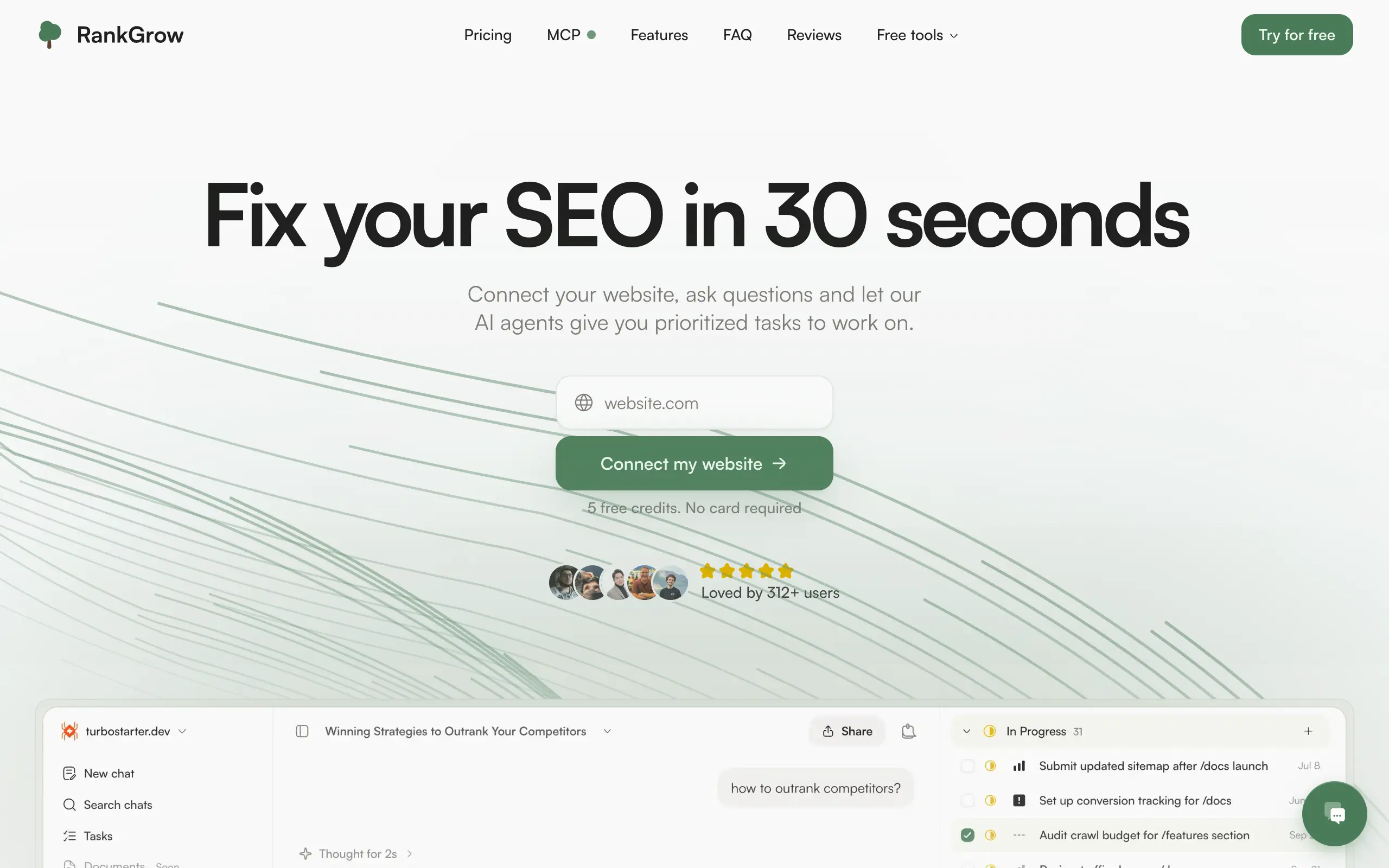
RankGrow
Fix your SEO with AI agents - connect Search Console, get prioritized tasks, and grow organic traffic 📈
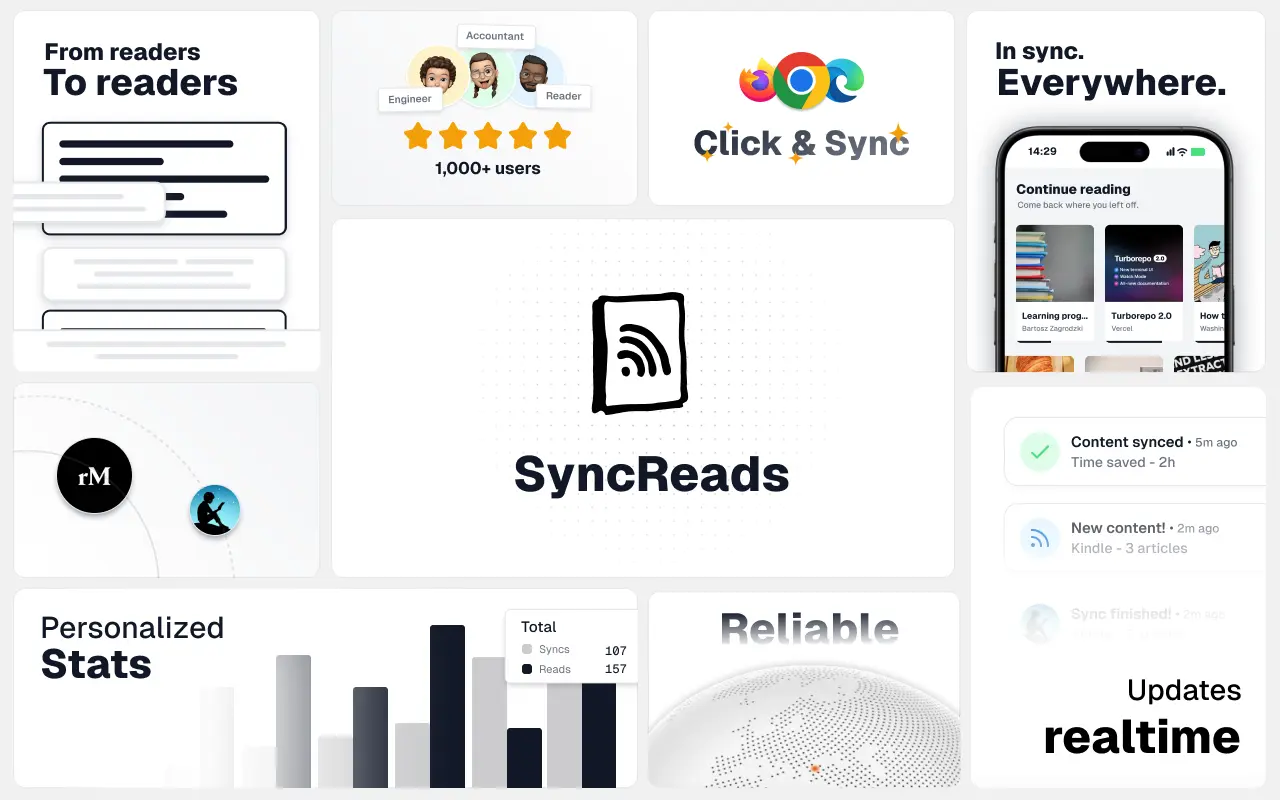
SyncReads
Sync your favorite content for distraction-free reading, save time and replace multiple apps. Anytime, anywhere 🔄
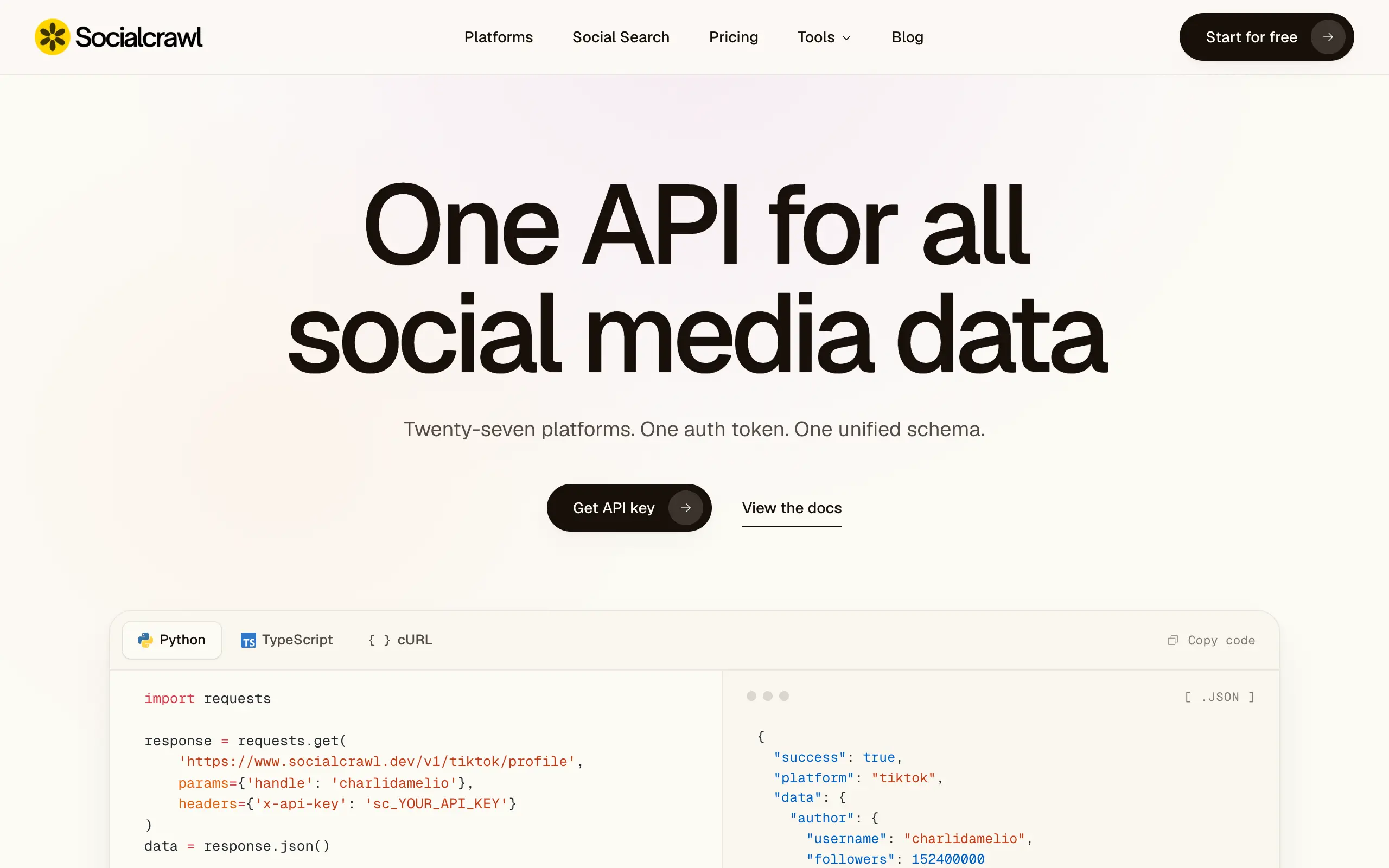
Socialcrawl
Get clean, structured data from 21 platforms like TikTok, Instagram, and YouTube with a single request 📊
Statiko
Monitor any Telegram channel in real time - track posts, edits, deletions, and growth with AI recaps 📡
Shibui
AI website builder - describe your business, pick a niche template, edit by chatting, and publish instantly ✨
Pro Service
Find verified home service professionals, compare quotes, and pay securely through escrow - built for Brazilians across the US 🏠
RankGrow
Fix your SEO with AI agents - connect Search Console, get prioritized tasks, and grow organic traffic 📈
SyncReads
Sync your favorite content for distraction-free reading, save time and replace multiple apps. Anytime, anywhere 🔄
Socialcrawl
Get clean, structured data from 21 platforms like TikTok, Instagram, and YouTube with a single request 📊
Statiko
Monitor any Telegram channel in real time - track posts, edits, deletions, and growth with AI recaps 📡
Shibui
AI website builder - describe your business, pick a niche template, edit by chatting, and publish instantly ✨
Pro Service
Find verified home service professionals, compare quotes, and pay securely through escrow - built for Brazilians across the US 🏠
RankGrow
Fix your SEO with AI agents - connect Search Console, get prioritized tasks, and grow organic traffic 📈
SyncReads
Sync your favorite content for distraction-free reading, save time and replace multiple apps. Anytime, anywhere 🔄
Socialcrawl
Get clean, structured data from 21 platforms like TikTok, Instagram, and YouTube with a single request 📊
Statiko
Monitor any Telegram channel in real time - track posts, edits, deletions, and growth with AI recaps 📡
Shibui
AI website builder - describe your business, pick a niche template, edit by chatting, and publish instantly ✨
Pro Service
Find verified home service professionals, compare quotes, and pay securely through escrow - built for Brazilians across the US 🏠
RankGrow
Fix your SEO with AI agents - connect Search Console, get prioritized tasks, and grow organic traffic 📈
SyncReads
Sync your favorite content for distraction-free reading, save time and replace multiple apps. Anytime, anywhere 🔄
Socialcrawl
Get clean, structured data from 21 platforms like TikTok, Instagram, and YouTube with a single request 📊
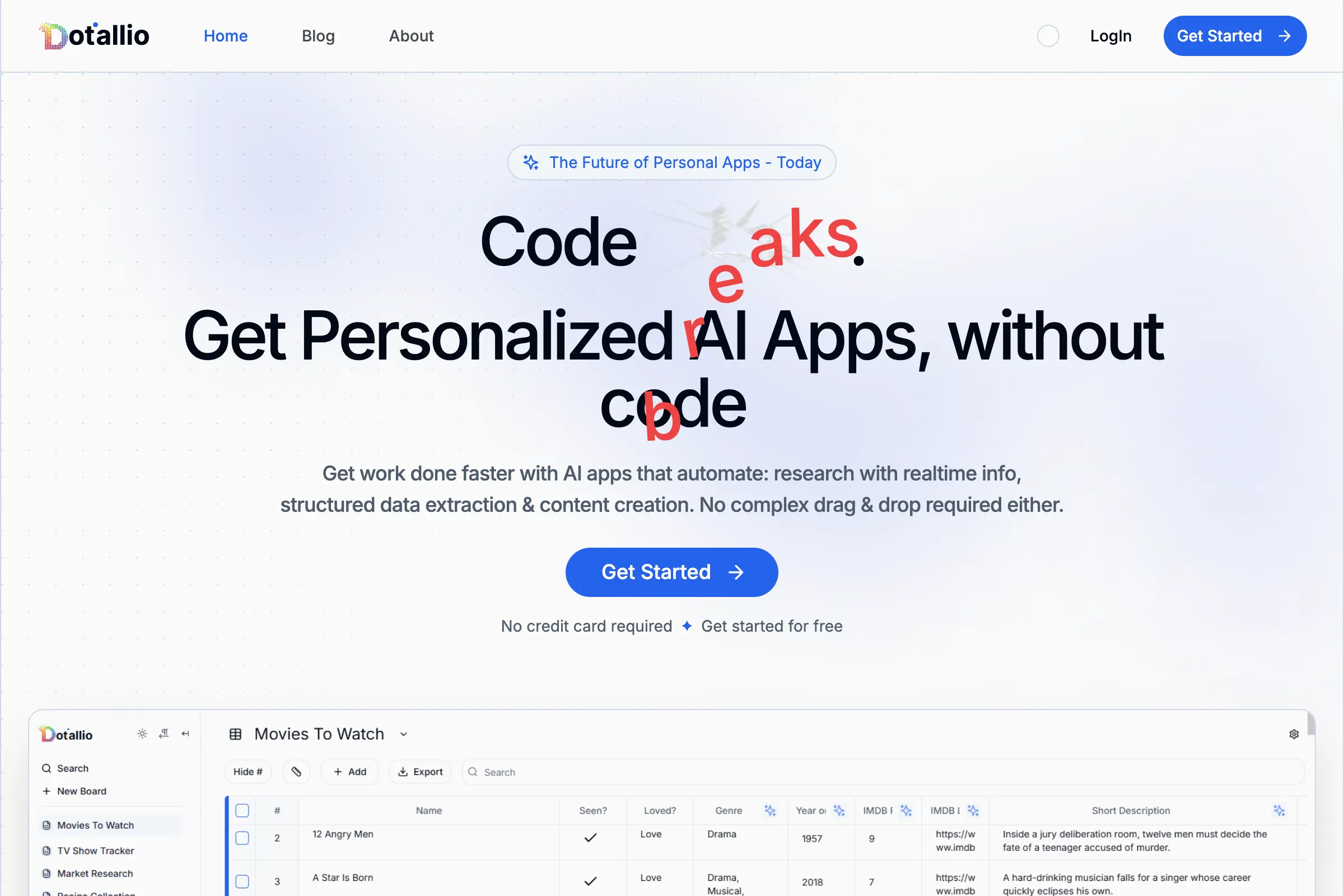
Dotallio
Personalized AI apps that automate research, data extraction, and content creation without code 🤖

Talk to Santa
Enjoy a magical live video chat or receive a unique AI-generated video greeting from Santa Claus 🎅

pozywka.pl
Scalable blog for food journalist, focused on performance and user experience 🌭
zagrodzki.me
Personal blog and portfolio of Bart Zagrodzki, where he shares his knowledge and work 💼
TurboStarter
Ship your startup everywhere. In minutes.
HTML to Markdown
Convert HTML to Markdown with ease, directly in your browser 📄
Dotallio
Personalized AI apps that automate research, data extraction, and content creation without code 🤖
Talk to Santa
Enjoy a magical live video chat or receive a unique AI-generated video greeting from Santa Claus 🎅
pozywka.pl
Scalable blog for food journalist, focused on performance and user experience 🌭
zagrodzki.me
Personal blog and portfolio of Bart Zagrodzki, where he shares his knowledge and work 💼
TurboStarter
Ship your startup everywhere. In minutes.
HTML to Markdown
Convert HTML to Markdown with ease, directly in your browser 📄
Dotallio
Personalized AI apps that automate research, data extraction, and content creation without code 🤖
Talk to Santa
Enjoy a magical live video chat or receive a unique AI-generated video greeting from Santa Claus 🎅
pozywka.pl
Scalable blog for food journalist, focused on performance and user experience 🌭
zagrodzki.me
Personal blog and portfolio of Bart Zagrodzki, where he shares his knowledge and work 💼
TurboStarter
Ship your startup everywhere. In minutes.
HTML to Markdown
Convert HTML to Markdown with ease, directly in your browser 📄
Dotallio
Personalized AI apps that automate research, data extraction, and content creation without code 🤖
Talk to Santa
Enjoy a magical live video chat or receive a unique AI-generated video greeting from Santa Claus 🎅
pozywka.pl
Scalable blog for food journalist, focused on performance and user experience 🌭
zagrodzki.me
Personal blog and portfolio of Bart Zagrodzki, where he shares his knowledge and work 💼
TurboStarter
Ship your startup everywhere. In minutes.
HTML to Markdown
Convert HTML to Markdown with ease, directly in your browser 📄

Omichat
Chat with 50+ AI models, including ChatGPT and Claude, in one place - switch models anytime without losing context 🤖
Claude Fast
Supercharge your Claude Code with 6x effective context window and specialized AI agents 🤖
EmojAI
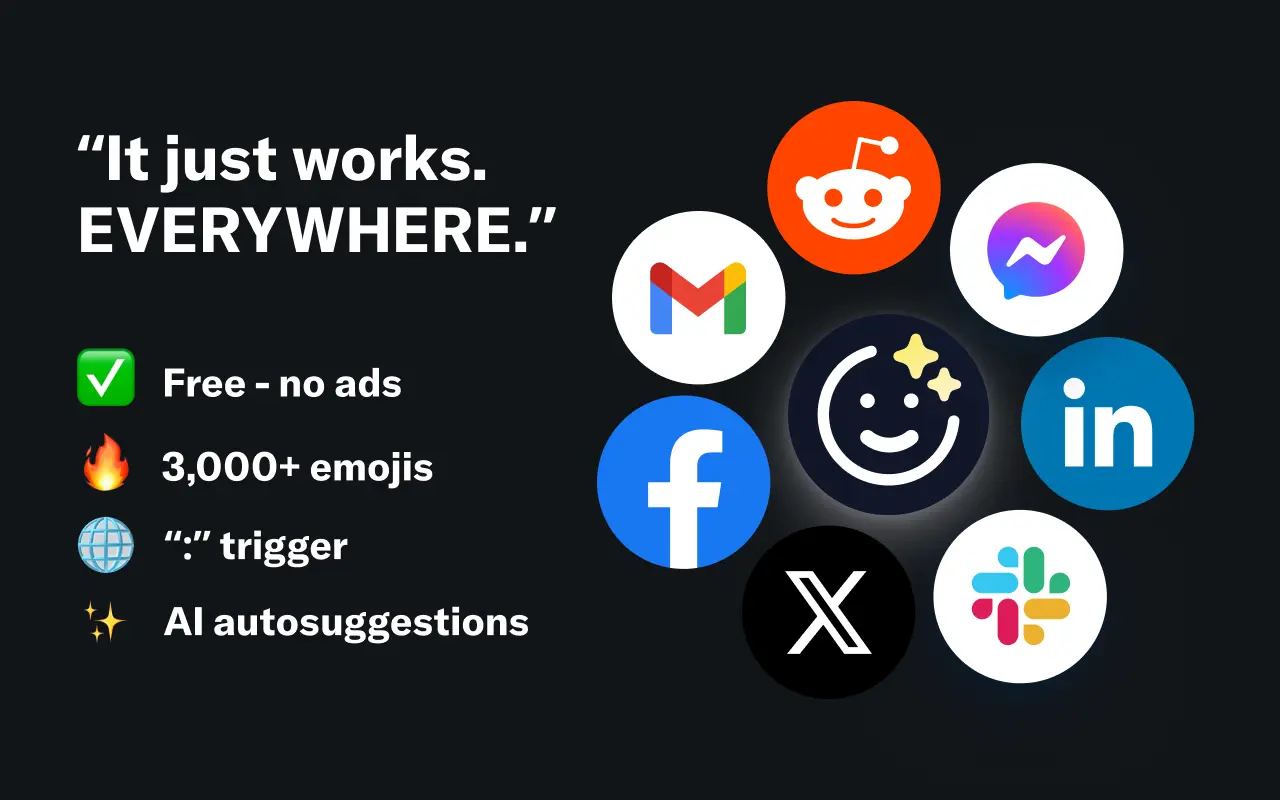
AI-powered emoji picker with smart, context-aware suggestions 🤖
Solohacker
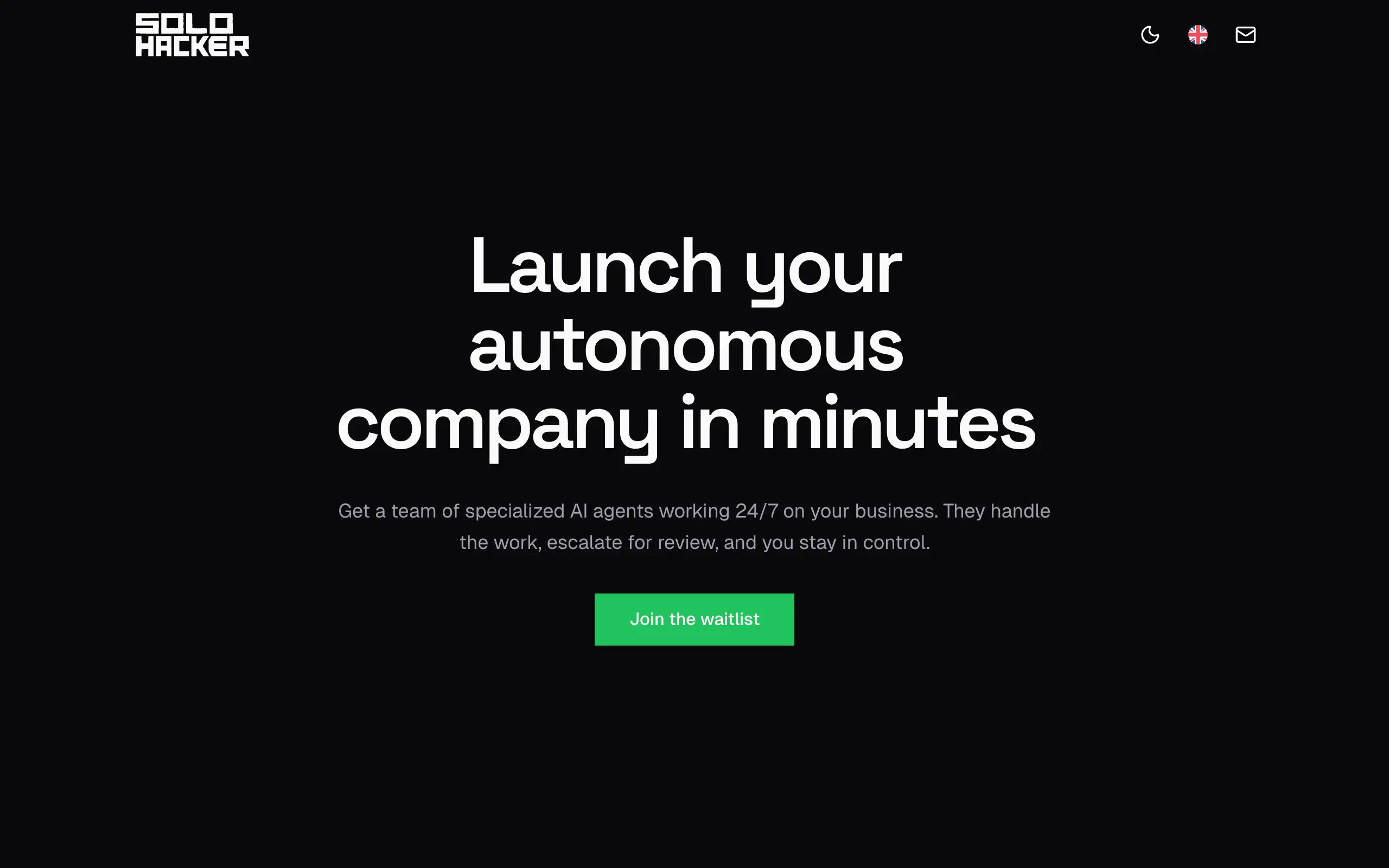
Autonomous company launcher - AI agents work 24/7, escalate what matters, and you stay in control 🤖

BeRawi: Storytelling Coach
Practice storytelling daily with instant feedback to sound clearer, more engaging, and confident 🎤
Omichat
Chat with 50+ AI models, including ChatGPT and Claude, in one place - switch models anytime without losing context 🤖
Claude Fast
Supercharge your Claude Code with 6x effective context window and specialized AI agents 🤖
EmojAI
AI-powered emoji picker with smart, context-aware suggestions 🤖
Solohacker
Autonomous company launcher - AI agents work 24/7, escalate what matters, and you stay in control 🤖
BeRawi: Storytelling Coach
Practice storytelling daily with instant feedback to sound clearer, more engaging, and confident 🎤
Omichat
Chat with 50+ AI models, including ChatGPT and Claude, in one place - switch models anytime without losing context 🤖
Claude Fast
Supercharge your Claude Code with 6x effective context window and specialized AI agents 🤖
EmojAI
AI-powered emoji picker with smart, context-aware suggestions 🤖
Solohacker
Autonomous company launcher - AI agents work 24/7, escalate what matters, and you stay in control 🤖
BeRawi: Storytelling Coach
Practice storytelling daily with instant feedback to sound clearer, more engaging, and confident 🎤
Omichat
Chat with 50+ AI models, including ChatGPT and Claude, in one place - switch models anytime without losing context 🤖
Claude Fast
Supercharge your Claude Code with 6x effective context window and specialized AI agents 🤖
EmojAI
AI-powered emoji picker with smart, context-aware suggestions 🤖
Solohacker
Autonomous company launcher - AI agents work 24/7, escalate what matters, and you stay in control 🤖
BeRawi: Storytelling Coach
Practice storytelling daily with instant feedback to sound clearer, more engaging, and confident 🎤

Connect with like-minded people
Join our community to get feedback, support, and grow together with 1,000+ builders on board, let's ship it!
Join usShip your startup everywhere. In minutes.
Don't burn tokens on setup and start building features on day one.