Trustmark Halal
A credibility toolkit that helps ethical businesses display verified values, customer reviews, and transparent policies to win more clients.
Why halal business credibility is becoming a growth channel
For ethical businesses, trust is no longer a brand attribute that can be implied through polished design, generic mission statements, or a few customer testimonials. Buyers increasingly expect proof. They want to understand how a business operates, what standards it follows, how it handles complaints, whether its claims are verified, and whether the customer experience matches the values promoted on its website.
Trustmark Halal is a B2B credibility toolkit designed to help halal and values-led businesses make that proof visible. It gives businesses a practical way to display verified values, customer reviews, transparent policies, and trust signals that reduce buyer hesitation.
The primary opportunity is not simply to create another halal directory or another review widget. It is to build a halal business credibility platform that translates ethical commitments into clear, conversion-oriented evidence.
That distinction matters.
A halal restaurant, cosmetics brand, travel operator, food manufacturer, financial service, marketplace seller, or professional services firm may already be genuinely values-driven. Yet it can still lose customers because prospective buyers cannot quickly verify its standards. Unclear certification status, hidden refund rules, unsupported claims, inconsistent reviews, or vague sourcing language can create doubt at the exact moment a purchase decision is being made.
Trustmark Halal addresses that trust gap through a digital trustmark system that businesses can embed, share, and maintain over time.
The central product insight
The best trust infrastructure does not ask customers to take a business at its word. It helps businesses show verifiable evidence in the places where customers make decisions.
Who needs a halal business credibility toolkit
The strongest initial audience is not every business that uses the word “halal.” It is businesses for which buyer confidence directly affects conversion, repeat purchase behavior, referrals, or enterprise deal velocity.
High-fit customer segments
Halal food and beverage brands
Brands that need to show certification status, ingredient policies, sourcing commitments, delivery standards, and verified customer feedback.
Modest fashion and cosmetics retailers
Retailers that need to substantiate ethical sourcing, material standards, product suitability, return policies, and buyer reviews.
Travel and hospitality providers
Hotels, tour operators, booking services, and travel planners that need transparent information about halal-friendly facilities and service policies.
Professional and financial services firms
Consultants, agencies, legal firms, and Islamic finance-adjacent businesses that win clients through credibility, clarity, and reputation.
Other attractive segments include:
- Halal-certified manufacturers and distributors
- Muslim-owned ecommerce stores
- Wedding vendors and event businesses
- Education and training providers
- Ethical marketplaces with multiple sellers
- Community-focused healthcare and wellness providers
- Islamic fintech and compliance-oriented SaaS products
- Charities and social enterprises seeking transparent accountability
The decision makers behind the purchase
Trustmark Halal should speak to several decision-maker profiles, each with a different reason for investing in credibility infrastructure.
- Founders and owners need a low-effort way to differentiate their business and strengthen customer confidence without building custom trust pages.
- Marketing leaders need higher-converting landing pages, reusable social proof, and tangible proof points for campaigns.
- Ecommerce managers need to reduce checkout abandonment by answering policy, authenticity, and delivery concerns before buyers leave.
- Compliance and operations teams need a structured place to store, update, and publish business policies and evidence.
- Partnership managers need a standardized trust profile that makes it easier to qualify for collaborations, wholesale agreements, marketplaces, and affiliate relationships.
- Consumers and procurement teams need a quick answer to a fundamental question: “Can I trust this business to do what it says?”
The product should therefore serve two audiences at once. Businesses are the paying customer, while end customers are the users who interpret the trust signals and decide whether to buy.
The market gap: ethical claims are easy to make but hard to verify
Many businesses publish values statements such as “ethical,” “halal,” “responsible,” “community-led,” or “transparent.” Those statements may be sincere, but without evidence they often fail to influence a skeptical customer.
The problem is especially acute in categories where the customer has a high personal, religious, health, financial, or reputational stake in choosing correctly. A customer who is unsure about halal suitability, ingredients, service standards, refund protection, or business integrity may not ask a question. They may simply leave the site and choose a more familiar alternative.
Existing options solve only parts of the problem:
- Review platforms collect opinions but rarely organize policy and verification evidence.
- Certification bodies may validate a specific standard but do not provide a modern customer-facing trust profile.
- Directories help discovery but do not necessarily improve conversion on a company’s own website.
- Generic badge tools can look superficial when they lack verification workflows.
- “About us” pages explain a company’s story but are not built for ongoing evidence, transparency, or trust maintenance.
This creates room for a focused halal trustmark platform that combines identity, evidence, reviews, transparent policies, and visible status in one customer-friendly experience.
| Trust need | Generic reviews | Static certification badge | Trustmark Halal approach | Business impact |
|---|---|---|---|---|
| Verified values | Limited | Partial | Structured evidence profile | Higher confidence |
| Customer feedback | Strong | None | Verified review collection | More social proof |
| Transparent policies | Weak | Weak | Standardized policy display | Fewer objections |
| Website conversion support | Indirect | Limited | Embeddable trust widgets | Clearer buying decisions |
The Trustmark Halal value proposition
The core value proposition should be simple enough for a business owner to understand in seconds:
Trustmark Halal helps ethical businesses turn their values into visible, verifiable trust signals that win more customers.
Its unique selling proposition is the combination of:
- Halal and ethical relevance
- Evidence-based verification
- Customer reviews and reputation management
- Policy transparency
- Website-native conversion tools
- A public trust profile that compounds over time
This is more persuasive than a standalone logo badge because it creates a trail of proof. A visitor can click a trustmark and see why the business has earned it, when relevant information was reviewed, what policies apply, and what verified customers have experienced.
What the customer sees
A customer-facing trust profile should answer the questions buyers naturally ask before purchasing:
- Is this business legitimate?
- What exactly has been verified?
- Does it hold current halal certification where relevant?
- What values and standards does it publicly commit to?
- What do recent customers say?
- What happens if an order is delayed, damaged, unsuitable, or disputed?
- Who can I contact if I need help?
- Is the information current?
The experience must be fast, readable, and mobile-first. Trust signals lose value if buyers must navigate through a dense dashboard, confusing terminology, or a long verification process.
What the business manages
Behind the public profile, the business dashboard should make trust operations practical rather than burdensome. Businesses need guided workflows that clarify what to provide, why it matters, and how it appears publicly.
A useful dashboard can include:
- Business identity and ownership details
- Public profile and brand settings
- Verification checklist and document upload flow
- Certification records with renewal reminders
- Values and standards declarations
- Customer review requests and moderation controls
- Transparent policy templates
- Embeddable website badge and review widgets
- Team roles and permissions
- Trust profile analytics
- Change history and review status
- Dispute and feedback management tools
Core features for an MVP that earns trust
An MVP should focus on making the trustmark meaningful. It does not need to become a full compliance platform on day one.
Verified business profile
Every approved business should have a public profile containing the minimum information buyers need to make an informed decision. The profile should clearly distinguish between information that is self-declared and information that has been reviewed or verified.
Useful profile fields include:
- Legal or trading business name
- Website and public contact channels
- Business category and service region
- Company registration details where applicable
- Date joined Trustmark Halal
- Verification status and last review date
- Halal certification details where applicable
- Values and policy commitments
- Customer review summary
- Direct links to returns, complaints, delivery, privacy, and terms policies
Avoid vague statuses such as “trusted business” without further context. The product should explain what every status means.
Layered verification statuses
A single “verified” label creates risk because it implies a level of due diligence that may not have occurred. Instead, Trustmark Halal should use a layered model.
Confirm that the business controls its domain, email address, and listed public business identity. This is the entry-level verification layer.
Review submitted policies, certifications, business documentation, and supporting materials against defined criteria. The scope of review must be clearly described.
Show review collection quality, responsiveness, complaint outcomes, and ongoing profile freshness. Reputation is built continuously, not granted once.
A layered model is more trustworthy because it communicates boundaries. It also creates a natural upgrade path for businesses that want deeper verification.
Transparent policy center
Policies are often hidden in website footers, written in dense legal language, or missing altogether. Yet clear policies can be one of the strongest conversion assets for a trust-sensitive business.
Trustmark Halal can offer editable policy templates for:
- Returns and refunds
- Shipping and delivery
- Customer complaints
- Product suitability and ingredients
- Data privacy
- Accessibility and inclusion
- Ethical sourcing
- Halal compliance claims
- Subscription cancellation
- Warranty and aftercare
The product should not present templates as legal advice. It should include plain-language guidance and encourage businesses to obtain qualified legal review for jurisdiction-specific requirements.
Review collection and integrity controls
Reviews are highly valuable, but only if customers believe they are authentic. Trustmark Halal should prioritize review integrity from the beginning.
Recommended safeguards include:
- Invite reviews after a completed purchase, booking, or verified engagement
- Connect invitations to order IDs or transaction events where possible
- Label unverified reviews separately from verified transaction reviews
- Show review dates and business responses
- Detect duplicate patterns, suspicious volume spikes, and repeated device fingerprints
- Keep an audit trail for moderation decisions
- Allow businesses to reply publicly without editing customer feedback
- Provide a fair dispute process for reviews that violate published rules
The goal is not to promise that every review is “true.” The goal is to show that the platform has credible processes for proving transaction relationships and managing abuse.
Embeddable halal trustmark widgets
The trustmark should work where conversion happens: on product pages, checkout pages, booking pages, contact forms, proposal pages, and email signatures.
Widget formats can include:
- Compact verified business badge
- Floating trustmark button
- Review rating strip
- Policy assurance panel
- Checkout reassurance block
- Detailed profile modal
- Certification status card
- “Why trust this business?” accordion widget
A simple JavaScript embed can support a fast launch, while a React component can later support more customizable implementations.
type TrustmarkWidgetProps = {
  businessId: string;
  variant?: "badge" | "rating" | "policy";
};

export function TrustmarkWidget({
  businessId,
  variant = "badge",
}: TrustmarkWidgetProps) {
  return (
    <a
      href={`https://trustmarkhalal.co/businesses/${businessId}`}
      aria-label="View this business's Trustmark Halal profile"
      data-trustmark-variant={variant}
    >
      Verified by Trustmark Halal
    </a>
  );
}
The production version should load asynchronously, avoid layout shift, work without third-party cookies, and offer an accessible fallback link if JavaScript is unavailable.
Analytics that connect trust to growth
Businesses should be able to see whether their trust profile influences real outcomes. Early analytics do not need to be overly complex.
Start with:
- Trustmark widget impressions
- Profile opens
- Click-through rate from badge to profile
- Review invitation send and completion rates
- Policy page views
- Most-viewed trust evidence
- Review response time
- Profile completeness score
- Verification renewal status
As the platform matures, offer conversion tracking through first-party events, UTM parameters, and ecommerce integrations. Avoid claiming direct revenue attribution unless the measurement method is transparent and defensible.
How Trustmark Halal can build a credible verification model
Trust is the product. That means the verification methodology cannot be an afterthought.
A credible verification system needs published criteria, consistent handling, appropriate human oversight, and visible limits. It should explain exactly what Trustmark Halal does and does not validate.
Build a verification standard before scaling sales
Before onboarding hundreds of businesses, create an internal verification policy that defines:
- Eligible business categories
- Required identity evidence
- Optional and required certification evidence
- Review intervals and renewal dates
- Reasons for suspension or removal
- Customer complaint handling procedures
- Appeal routes for businesses
- Criteria for public status labels
- Data retention and privacy practices
- Escalation process for high-risk claims
A practical approach is to begin with a transparent baseline standard rather than trying to act as a universal halal certifier. Trustmark Halal can verify business identity, document disclosures, public policies, and submitted evidence while clearly linking to or displaying third-party halal certification when it exists.
Do not overstate certification authority
A trustmark platform should never imply that it has certified a product, ingredient, process, or religious standard unless it has the formal authority, methodology, and qualified expertise to make that determination.
Differentiate verification from endorsement
The public interface should use precise language:
- “Identity verified” means a defined identity check was completed.
- “Documentation reviewed” means specified files were reviewed against stated criteria.
- “Halal certificate displayed” means a business supplied a certificate and its details were checked according to the published process.
- “Customer reviews verified” means the reviewer’s relationship to a transaction was validated when possible.
- “Trustmark Halal member” means the company participates in the program, not that every claim or product has been independently certified.
This language protects buyers, businesses, and the platform itself.
Recommended SaaS tech stack for Trustmark Halal
The product is a multi-tenant B2B SaaS application with public profile pages, workflows, file storage, review collection, role-based access, and embeddable widgets. The stack should optimize for speed of implementation without sacrificing security or maintainability.
A pragmatic modern stack
- Frontend and application framework built with Next.js for server rendering, public SEO pages, API routes, and dashboard workflows.
- UI layer built with React and Tailwind CSS for a consistent, responsive component system.
- Database built on PostgreSQL for relational data such as businesses, verification records, documents, reviews, memberships, and audit events.
- ORM and schema tooling using Prisma for type-safe data access and migration workflows.
- Authentication using Auth.js or a managed identity provider with support for organization memberships and multi-factor authentication.
- Object storage for certificates and evidence documents using encrypted, access-controlled storage.
- Payments through Stripe for subscriptions, invoices, trials, upgrades, and tax-ready billing workflows.
- Email delivery through a transactional provider for review invitations, renewal reminders, verification decisions, and policy update alerts.
- Observability through error monitoring, audit logs, performance metrics, and uptime checks.
For founders who want a faster path from idea to production-ready SaaS, TurboStarter can reduce setup work around recurring needs such as authentication, billing, teams, and application structure.
Trade-offs to consider
A managed backend can accelerate the earliest version, particularly when the team is small. However, verification workflows, auditability, document access rules, and multi-tenant data boundaries eventually benefit from an explicit relational schema and clear authorization architecture.
A no-code solution may validate demand for a directory or basic profile product. It becomes less suitable when the business needs:
- Fine-grained role permissions
- Secure document upload and review processes
- Embeddable widgets with performance requirements
- Immutable audit records
- Subscription entitlements
- Complex business verification workflows
- Reliable review integrity checks
The right choice depends on the initial goal. If the goal is validating willingness to pay, launch a lean but secure workflow. If the goal is becoming trusted infrastructure, invest early in policy, data modeling, and security controls.
Suggested data model
The first schema should represent trust evidence as structured records rather than loose notes. Core entities may include:
OrganizationOrganizationMemberBusinessProfileVerificationApplicationVerificationCheckEvidenceDocumentCertificateRecordPolicyDocumentReviewReviewInvitationReviewDisputeTrustmarkStatusWidgetInstallationSubscriptionAuditEvent
Every significant verification decision should create an audit event. Record who performed the action, when it happened, what changed, and what evidence informed the result.
Monetization options for a halal trustmark SaaS
The best pricing model should align with how customers perceive value. Businesses are not buying a badge alone. They are buying credibility, clearer proof, reputation tools, and a system that helps convert cautious buyers.
Recommended subscription structure
A tiered recurring subscription model is likely the strongest foundation.
| Plan | Best for | Core inclusions | Pricing logic | Expansion path |
|---|---|---|---|---|
| Starter | Small local businesses | Public profile, basic badge, policy center | Accessible monthly fee | Reviews and deeper verification |
| Verified | Growing ecommerce and service firms | Verification workflow, reviews, widgets, analytics | Primary revenue tier | More locations and team access |
| Business | Multi-location brands | Multiple profiles, advanced permissions, integrations | Value-based annual pricing | Custom verification support |
| Enterprise | Platforms and large operators | API access, SSO, custom workflows, reporting | Contract pricing | White-label or partner program |
Potential supplemental revenue streams include:
- One-time verification or expedited review fees
- Additional business location fees
- Premium review collection automations
- API access for marketplaces and directories
- White-label trust portals for trade bodies or certification partners
- Paid policy review support from qualified partners
- Trustmark design customization for enterprise accounts
- Referral partnerships with relevant service providers
Avoid monetizing ranking placement in a public directory without strong disclosure. If businesses can pay to appear more trustworthy, the platform undermines its own central promise.
Competitive advantage: why Trustmark Halal can stand out
Trustmark Halal can win by occupying the intersection between cultural relevance, verification rigor, and conversion tooling.
Generic trust products are broad. Traditional certification systems are often narrow and document-oriented. Review platforms focus on reputation. Trustmark Halal can combine these into an experience designed specifically for ethical businesses that need to demonstrate values in a commercially useful way.
Defensible advantages to build
A clear trust taxonomy
Create public definitions for what each trust signal means. Most competitors rely on vague badges. A transparent taxonomy makes the badge more credible.
A focused vertical wedge
Starting with halal and values-led businesses creates stronger positioning, more relevant templates, better category knowledge, and a more coherent marketplace narrative than a generic “trust platform.”
Evidence that is useful to buyers
Do not collect documents merely for internal compliance. Translate proof into concise customer-facing explanations, renewal dates, policy summaries, and clickable evidence categories.
Trustmark placement on owned channels
Directories depend on users visiting the directory. Widgets and public profiles travel to the business website, checkout flow, proposals, and email touchpoints where purchase decisions occur.
Reputation plus transparency
Reviews matter, but businesses also need clear complaint, refund, delivery, and sourcing policies. Combining both offers a fuller picture of trustworthiness.
An accumulating trust graph
Over time, verified status, fresh documents, review history, response quality, policy updates, and customer outcomes create a richer credibility record that is harder to replicate than a static badge.
Key risks and how to mitigate them
A trustmark business operates in a sensitive category. It must plan for operational, legal, reputational, and technical risks from the start.
Risk of misleading halal claims
The largest risk is creating confusion about who is certifying what. This can cause reputational damage and may expose the platform to disputes.
Mitigation steps include:
- Publish exact definitions for all badges and statuses
- Use separate labels for identity verification, document review, and third-party certification
- Work with qualified advisors for halal-related standards
- Require evidence renewals and visible expiration dates
- Build clear suspension and appeal processes
- Never describe a business as universally halal-compliant without an appropriate basis
Risk of fraudulent documents or businesses
Bad actors may submit altered certificates, false business details, or misleading policy information.
Mitigation steps include:
- Verify business domains and contact methods
- Use document metadata, expiry dates, and manual review queues
- Contact issuing bodies where appropriate and permitted
- Flag inconsistent names, dates, domains, or certificate identifiers
- Require periodic re-verification
- Maintain an internal risk score for manual review prioritization
Risk of review manipulation
Businesses may try to generate fake positive feedback or pressure unhappy customers to remain silent.
Mitigation steps include:
- Tie review invitations to completed transactions where possible
- Separate verified and unverified review labels
- Set clear review moderation rules
- Use anomaly detection for suspicious activity
- Preserve a reviewer dispute route
- Publish how review verification works
Risk of being seen as pay-to-play
If customers believe that payment buys verification, Trustmark Halal loses legitimacy.
Mitigation steps include:
- Separate subscription billing from verification outcomes
- Explain that fees support operational review, software access, and program administration
- Apply the same published criteria to every business
- Make suspensions visible where necessary
- Avoid allowing paid upgrades to override failed verification
Risk of sensitive data exposure
Evidence documents may include personal information, registration details, certificates, and internal policy materials.
Mitigation steps include:
- Encrypt data in transit and at rest
- Apply strict role-based access control
- Use signed URLs for document access
- Log administrative access to sensitive files
- Define retention schedules
- Conduct regular security reviews
- Publish a clear privacy policy and data processing approach
Go-to-market strategy for early traction
A successful launch should prioritize trust density within a focused niche over broad but shallow marketplace growth.
Start with one high-intent vertical
A strong starting point could be halal ecommerce brands in food, cosmetics, or modest fashion. These businesses often have direct-to-consumer websites, visible trust objections, repeat purchase potential, and a clear reason to display credentials before checkout.
Avoid launching with too many verticals at once. A narrow segment makes it easier to:
- Build category-specific verification checklists
- Write relevant onboarding content
- Create tailored policy templates
- Develop credible case studies
- Identify the highest-converting widget placements
- Partner with organizations that already serve the niche
Use a founding member program
Recruit an initial group of businesses that receive discounted pricing or hands-on onboarding in exchange for feedback, public case studies, and permission to measure outcomes.
The program should not weaken standards. Founding members can get early access and support, but they should still meet the same published verification requirements.
Measure outcomes such as:
- Time to complete verification
- Percentage of businesses that install a widget
- Review invitation completion rate
- Profile visit-to-click rate
- Customer support questions reduced by transparent policies
- Conversion lift where a valid testing method is available
- Renewal intent after the first verification period
Build authority through education
SEO content can become a meaningful acquisition channel because business owners actively search for ways to build credibility, display halal certification, collect verified reviews, and improve ecommerce conversion.
High-intent content topics include:
- How to show halal certification on an ecommerce website
- What makes a halal business trustworthy online
- How to collect verified customer reviews ethically
- Halal business policy templates for returns and refunds
- How to reduce customer hesitation on halal product pages
- The difference between halal certification and business verification
- How to create a transparent ethical sourcing policy
- Trust badges that actually improve customer confidence
When publishing claims about market size, consumer sentiment, or conversion rates, cite primary research or respected industry reports. For example, use a reference note such as “Source: author analysis of first-party platform data” or “Source: [publisher name], [report title], [year]” after validating the underlying source.
A practical implementation roadmap
The fastest path is not to build every possible trust feature. It is to build a narrow, credible system that helps early businesses prove something meaningful.
What to build in the first 90 days
Days 1 through 30 should focus on research, positioning, verification criteria, information architecture, and clickable prototypes. Speak with business owners and prospective customers, not only industry experts. Their language will reveal which trust concerns actually influence purchasing decisions.
Days 31 through 60 should focus on the operational MVP. Build organization accounts, an evidence upload flow, reviewer admin tools, public business profiles, and a basic trustmark badge. Keep verification manual at first so the team learns where judgment is required.
Days 61 through 90 should focus on live pilots. Onboard a small group of vetted businesses, collect implementation feedback, refine public trust language, and begin publishing educational content around halal business transparency and verified customer trust.
Avoid building a large consumer marketplace, complicated scoring algorithms, fully automated document verification, broad social feeds, or dozens of integrations before validating that businesses will pay for trusted profiles and website conversion tools.
Track the percentage of approved businesses that install their trustmark widget on a high-intent page. Approval without installation does not create buyer value or prove that the trust signal fits the customer journey.
Yes. The platform can clearly verify identity, collect and present evidence, display third-party certification details, manage policies, and support trustworthy review collection. Its public language must accurately reflect that scope.
The long-term vision for Trustmark Halal
Trustmark Halal can grow from a business badge into trusted infrastructure for ethical commerce. The long-term opportunity is a portable credibility layer that helps customers evaluate businesses across websites, marketplaces, directories, procurement processes, and partner ecosystems.
The platform’s strength will not come from claiming that every member is perfect. It will come from making business practices more visible, creating clear standards, showing what has been verified, and giving customers a fair way to assess the evidence.
That is a more durable promise than a generic seal.
For ethical businesses, credibility should not remain buried in a policy document, a private certificate file, or an unstructured collection of testimonials. Trustmark Halal can turn that credibility into a living trust profile that supports growth, accountability, and better customer decisions.
More 🏢 B2B Application SaaS ideas
Discover more innovative b2b application SaaS ideas that are trending in 2026. Each idea is AI-generated with market validation and growth potential to help you find your next profitable venture faster than competitors.
Your competitors are building with TurboStarter
Below are some of the SaaS ideas that have been generated and built with our starter kit.
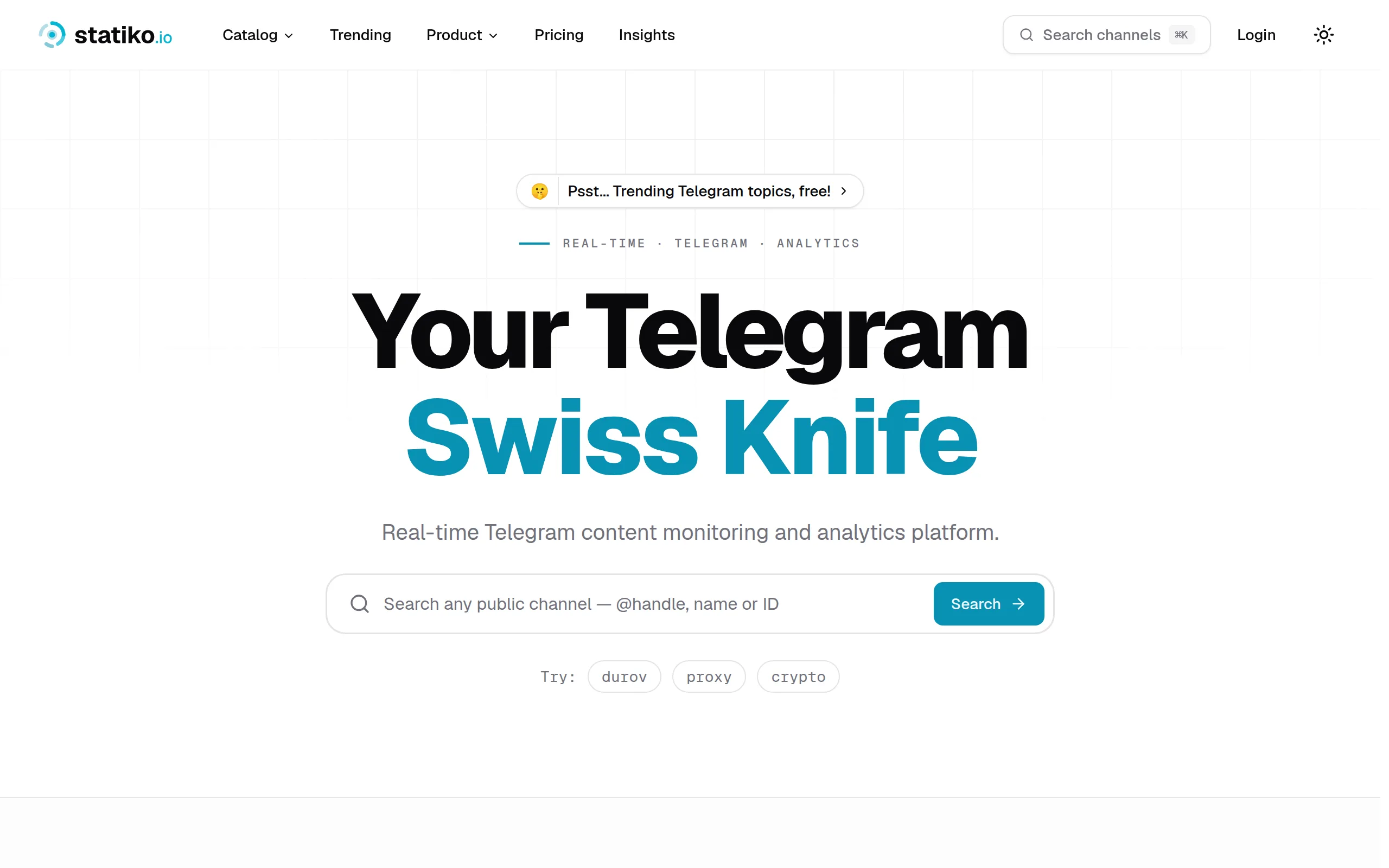
Statiko
Monitor any Telegram channel in real time - track posts, edits, deletions, and growth with AI recaps 📡

Shibui
AI website builder - describe your business, pick a niche template, edit by chatting, and publish instantly ✨

Pro Service
Find verified home service professionals, compare quotes, and pay securely through escrow - built for Brazilians across the US 🏠
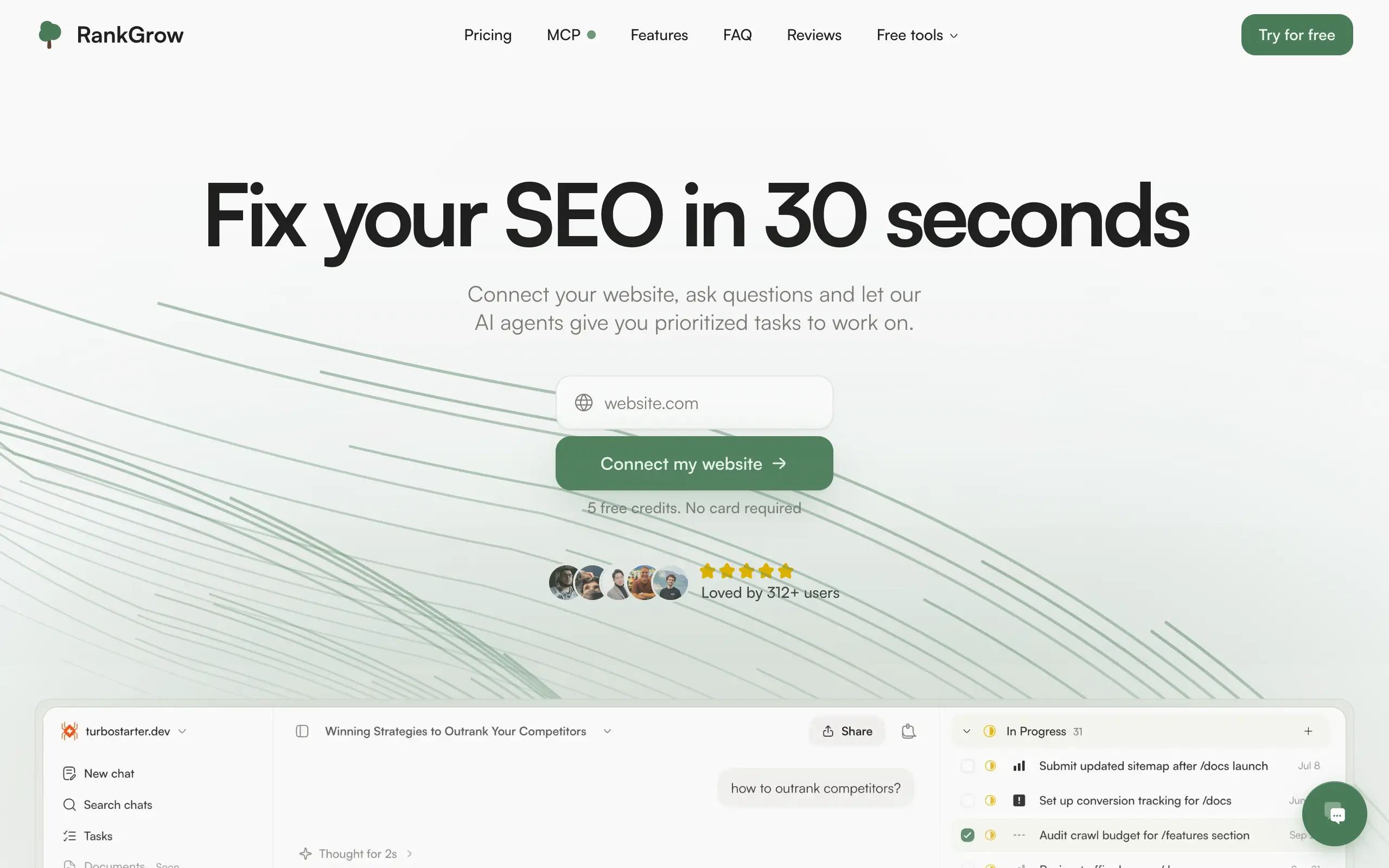
RankGrow
Fix your SEO with AI agents - connect Search Console, get prioritized tasks, and grow organic traffic 📈
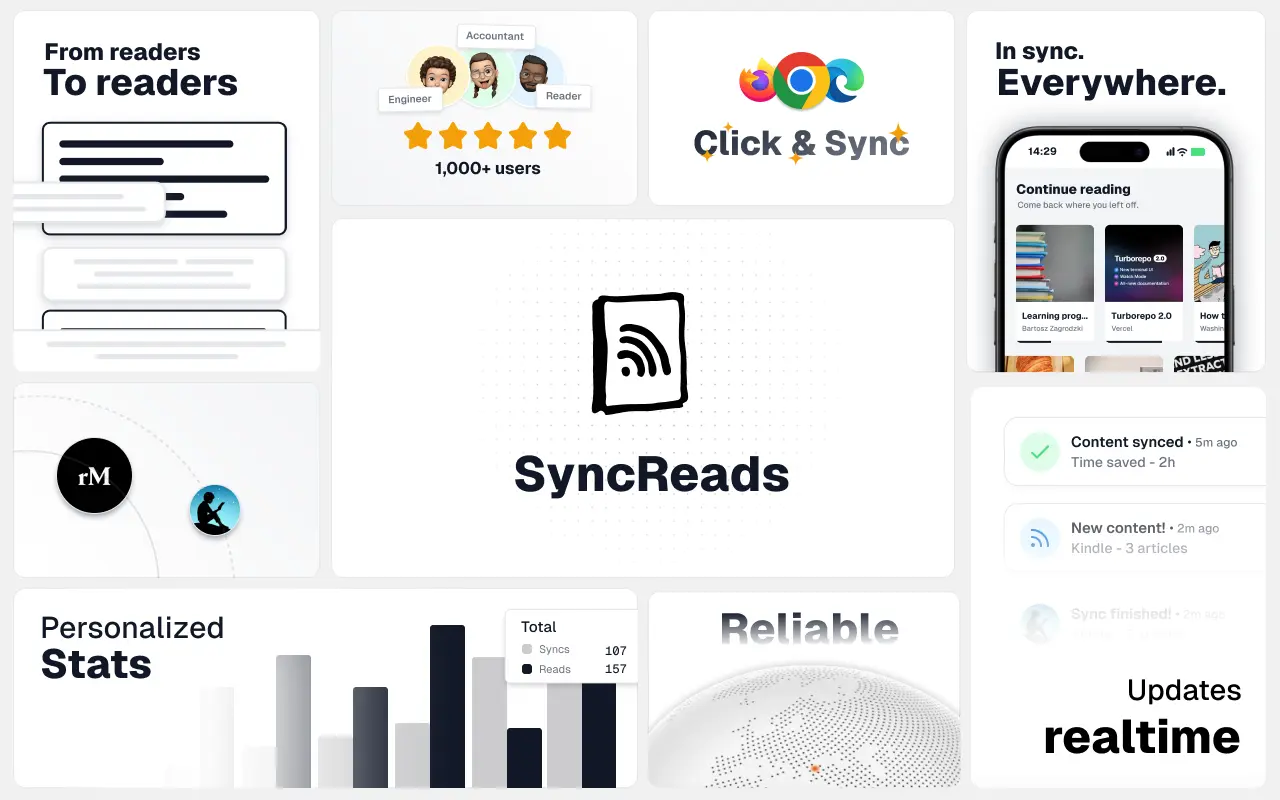
SyncReads
Sync your favorite content for distraction-free reading, save time and replace multiple apps. Anytime, anywhere 🔄
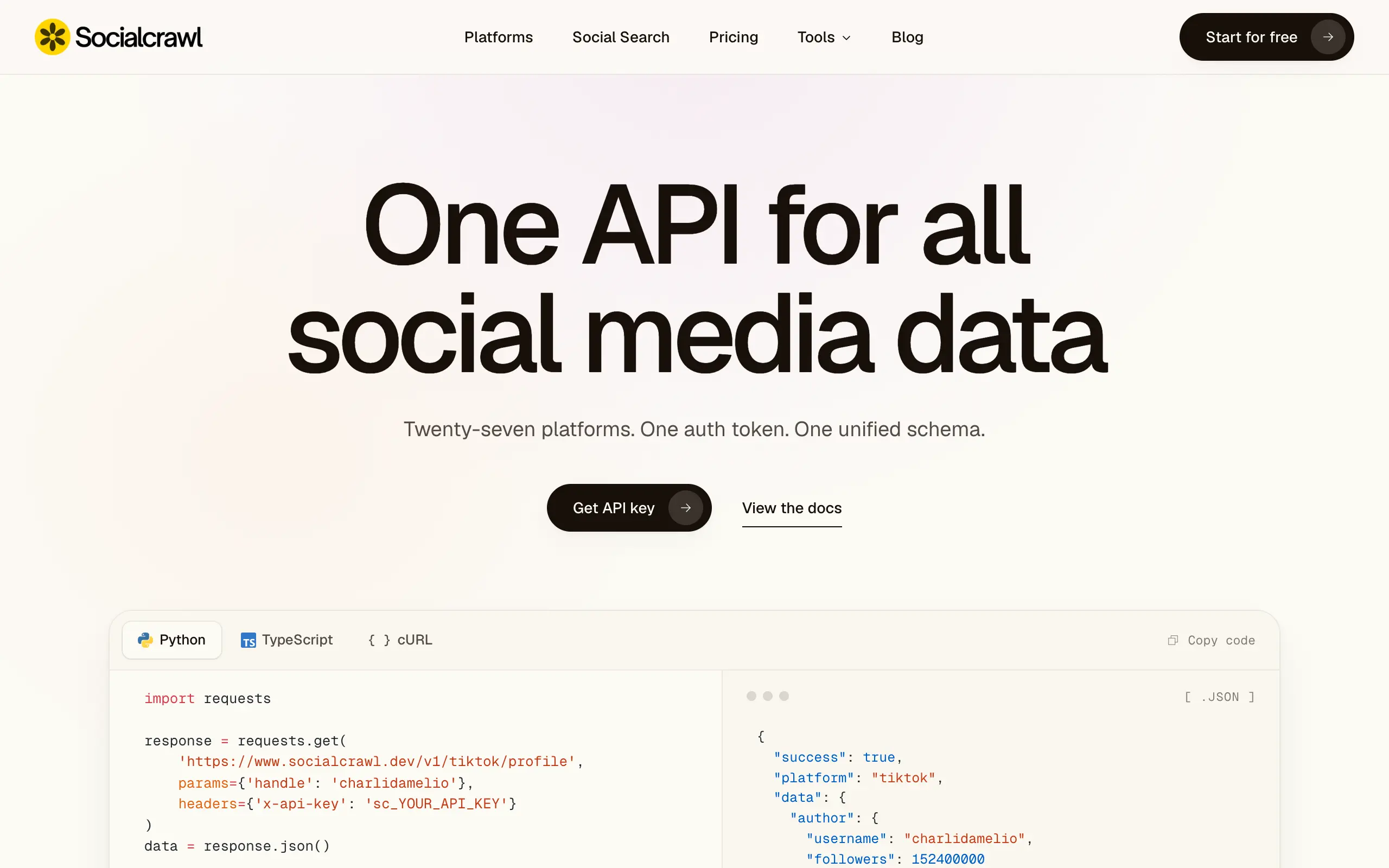
Socialcrawl
Get clean, structured data from 21 platforms like TikTok, Instagram, and YouTube with a single request 📊
Statiko
Monitor any Telegram channel in real time - track posts, edits, deletions, and growth with AI recaps 📡
Shibui
AI website builder - describe your business, pick a niche template, edit by chatting, and publish instantly ✨
Pro Service
Find verified home service professionals, compare quotes, and pay securely through escrow - built for Brazilians across the US 🏠
RankGrow
Fix your SEO with AI agents - connect Search Console, get prioritized tasks, and grow organic traffic 📈
SyncReads
Sync your favorite content for distraction-free reading, save time and replace multiple apps. Anytime, anywhere 🔄
Socialcrawl
Get clean, structured data from 21 platforms like TikTok, Instagram, and YouTube with a single request 📊
Statiko
Monitor any Telegram channel in real time - track posts, edits, deletions, and growth with AI recaps 📡
Shibui
AI website builder - describe your business, pick a niche template, edit by chatting, and publish instantly ✨
Pro Service
Find verified home service professionals, compare quotes, and pay securely through escrow - built for Brazilians across the US 🏠
RankGrow
Fix your SEO with AI agents - connect Search Console, get prioritized tasks, and grow organic traffic 📈
SyncReads
Sync your favorite content for distraction-free reading, save time and replace multiple apps. Anytime, anywhere 🔄
Socialcrawl
Get clean, structured data from 21 platforms like TikTok, Instagram, and YouTube with a single request 📊
Statiko
Monitor any Telegram channel in real time - track posts, edits, deletions, and growth with AI recaps 📡
Shibui
AI website builder - describe your business, pick a niche template, edit by chatting, and publish instantly ✨
Pro Service
Find verified home service professionals, compare quotes, and pay securely through escrow - built for Brazilians across the US 🏠
RankGrow
Fix your SEO with AI agents - connect Search Console, get prioritized tasks, and grow organic traffic 📈
SyncReads
Sync your favorite content for distraction-free reading, save time and replace multiple apps. Anytime, anywhere 🔄
Socialcrawl
Get clean, structured data from 21 platforms like TikTok, Instagram, and YouTube with a single request 📊
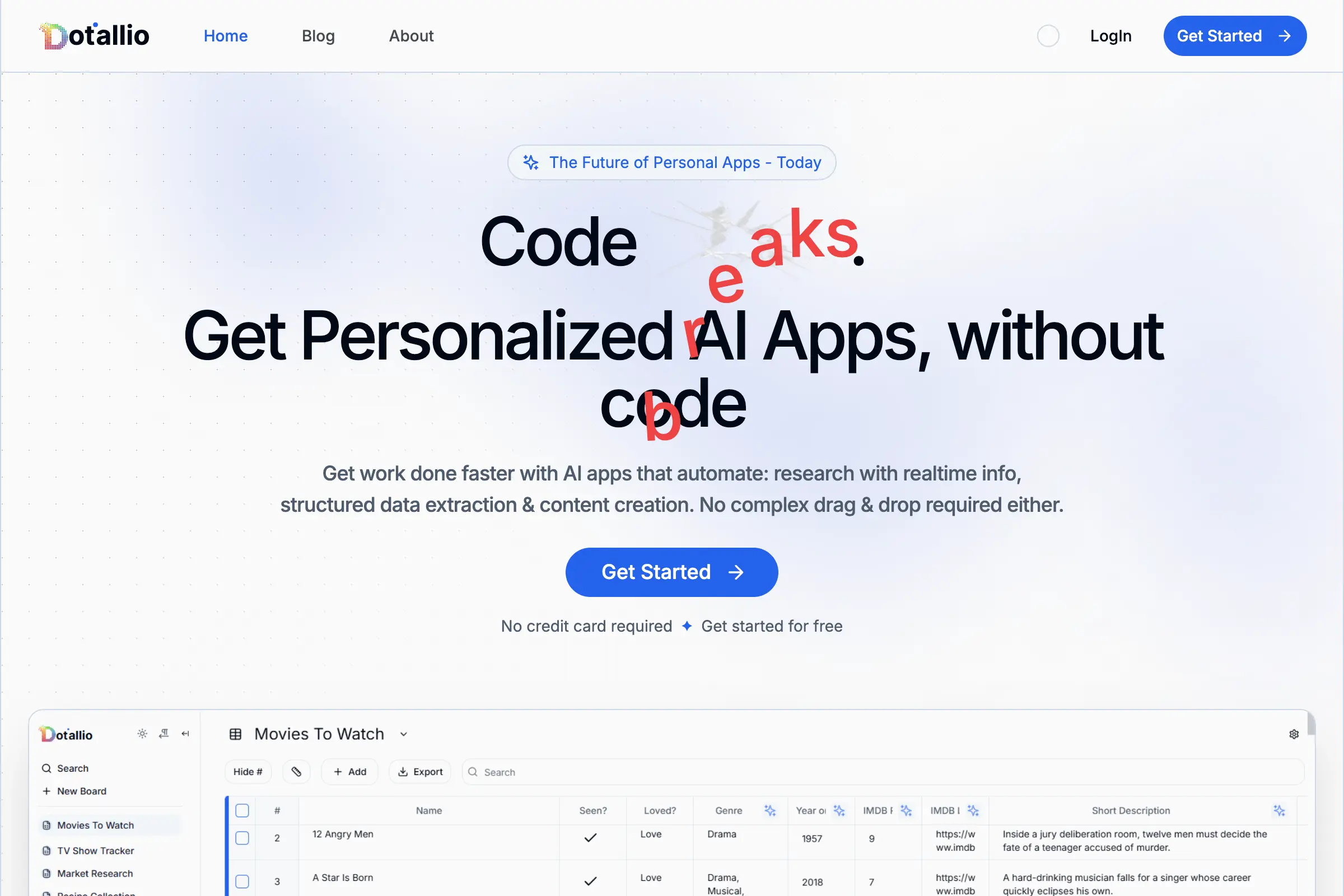
Dotallio
Personalized AI apps that automate research, data extraction, and content creation without code 🤖

Talk to Santa
Enjoy a magical live video chat or receive a unique AI-generated video greeting from Santa Claus 🎅
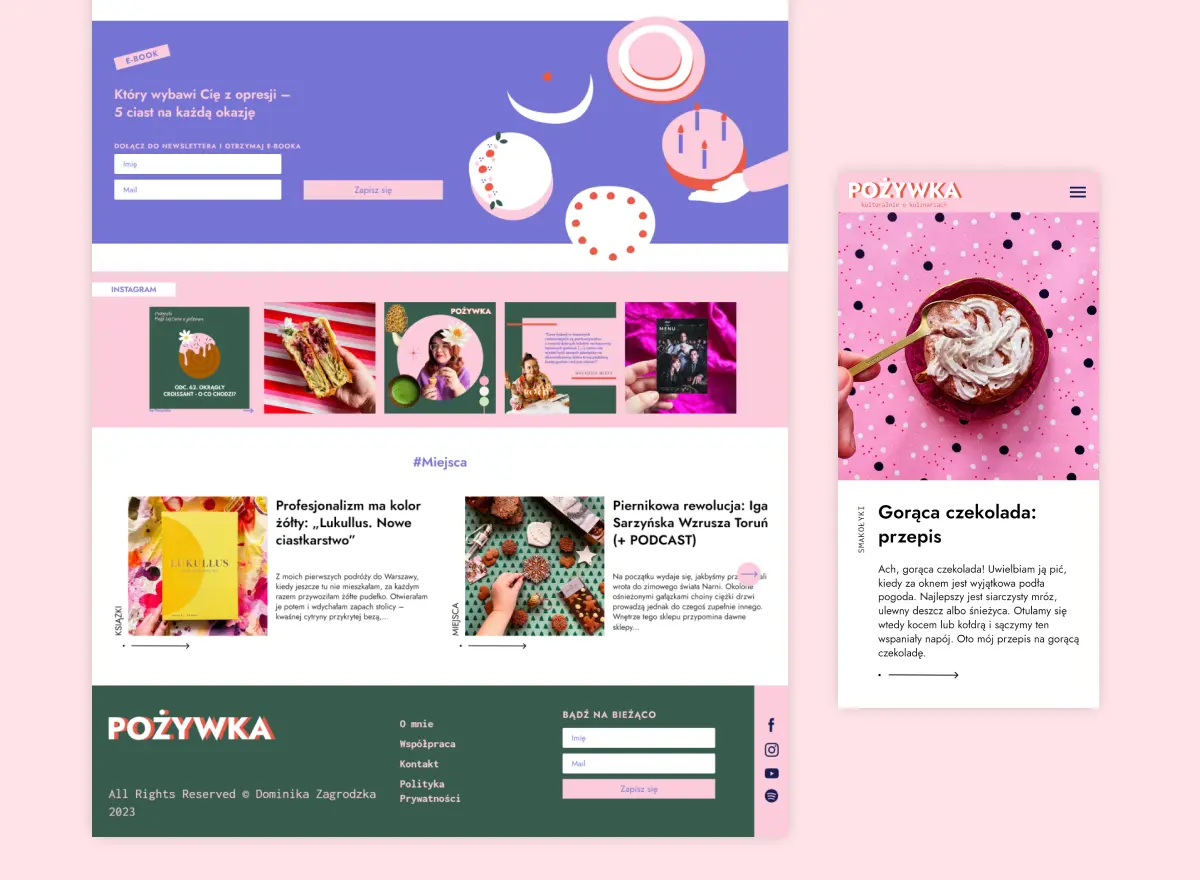
pozywka.pl
Scalable blog for food journalist, focused on performance and user experience 🌭
zagrodzki.me
Personal blog and portfolio of Bart Zagrodzki, where he shares his knowledge and work 💼
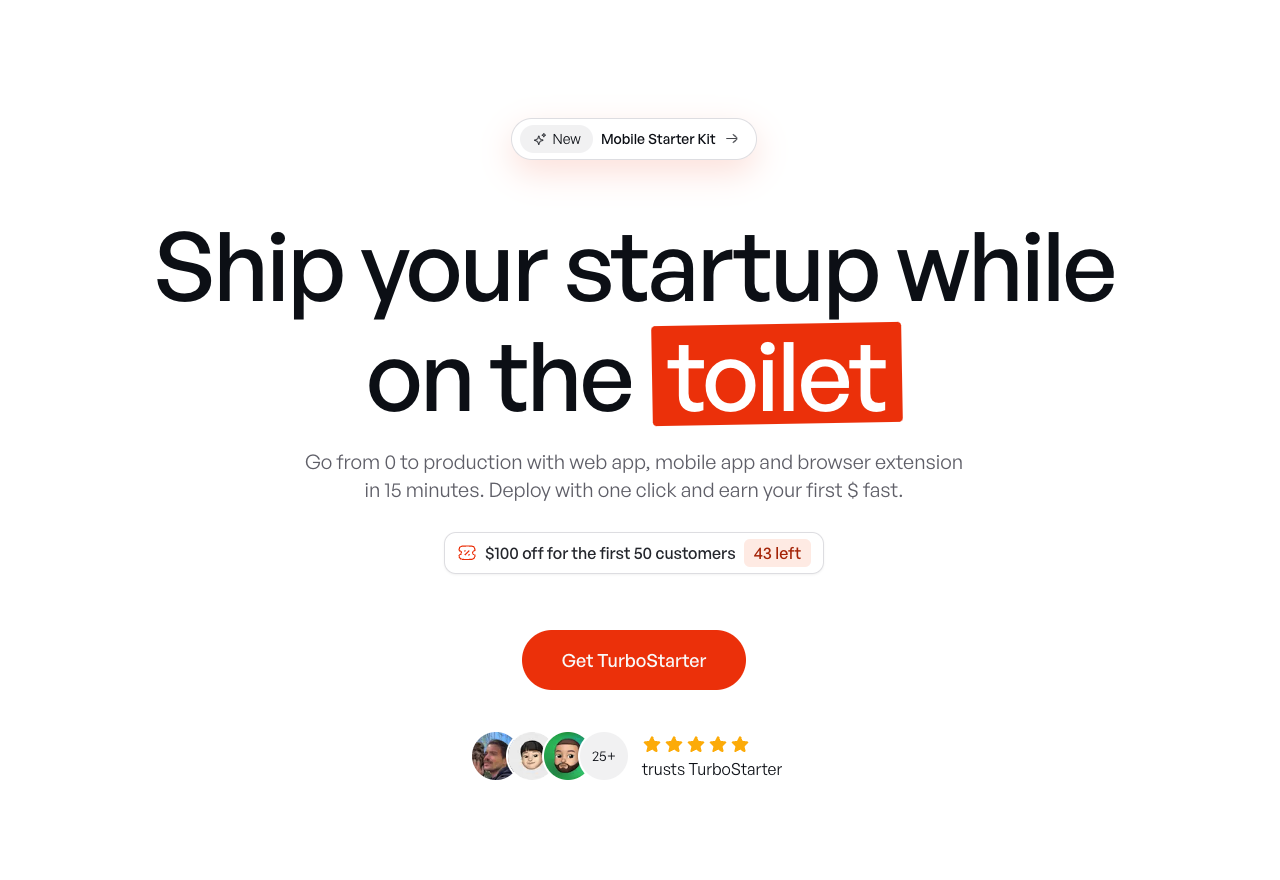
TurboStarter
Ship your startup everywhere. In minutes.
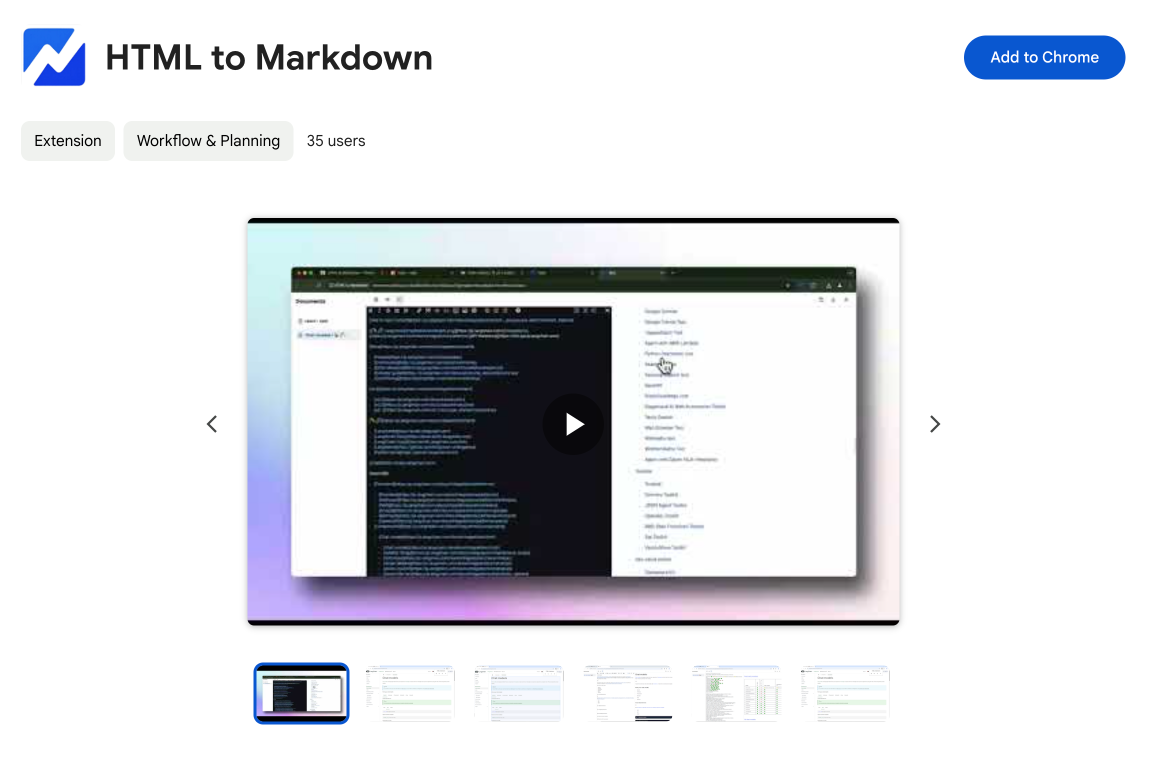
HTML to Markdown
Convert HTML to Markdown with ease, directly in your browser 📄
Dotallio
Personalized AI apps that automate research, data extraction, and content creation without code 🤖
Talk to Santa
Enjoy a magical live video chat or receive a unique AI-generated video greeting from Santa Claus 🎅
pozywka.pl
Scalable blog for food journalist, focused on performance and user experience 🌭
zagrodzki.me
Personal blog and portfolio of Bart Zagrodzki, where he shares his knowledge and work 💼
TurboStarter
Ship your startup everywhere. In minutes.
HTML to Markdown
Convert HTML to Markdown with ease, directly in your browser 📄
Dotallio
Personalized AI apps that automate research, data extraction, and content creation without code 🤖
Talk to Santa
Enjoy a magical live video chat or receive a unique AI-generated video greeting from Santa Claus 🎅
pozywka.pl
Scalable blog for food journalist, focused on performance and user experience 🌭
zagrodzki.me
Personal blog and portfolio of Bart Zagrodzki, where he shares his knowledge and work 💼
TurboStarter
Ship your startup everywhere. In minutes.
HTML to Markdown
Convert HTML to Markdown with ease, directly in your browser 📄
Dotallio
Personalized AI apps that automate research, data extraction, and content creation without code 🤖
Talk to Santa
Enjoy a magical live video chat or receive a unique AI-generated video greeting from Santa Claus 🎅
pozywka.pl
Scalable blog for food journalist, focused on performance and user experience 🌭
zagrodzki.me
Personal blog and portfolio of Bart Zagrodzki, where he shares his knowledge and work 💼
TurboStarter
Ship your startup everywhere. In minutes.
HTML to Markdown
Convert HTML to Markdown with ease, directly in your browser 📄
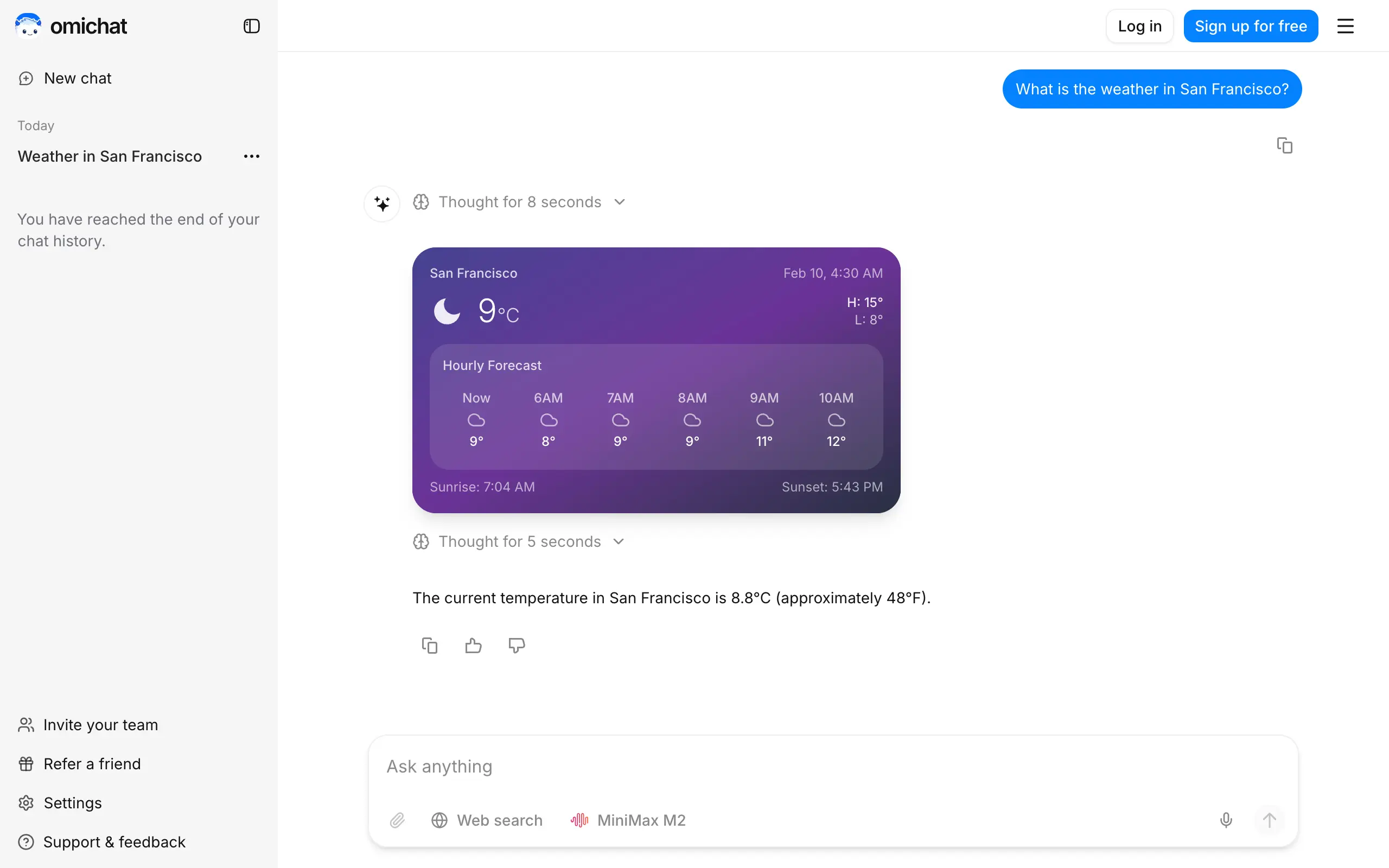
Omichat
Chat with 50+ AI models, including ChatGPT and Claude, in one place - switch models anytime without losing context 🤖
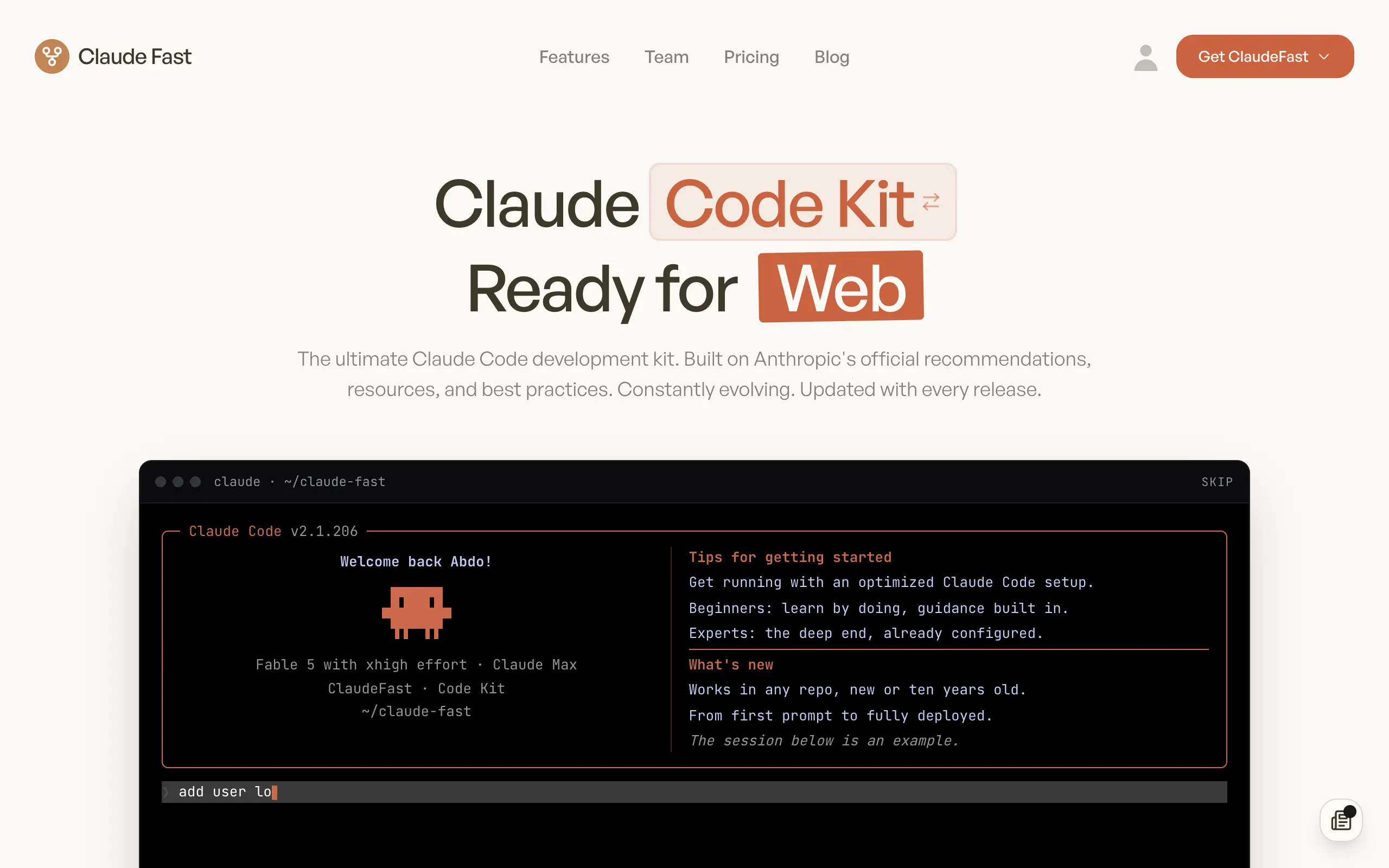
Claude Fast
Supercharge your Claude Code with 6x effective context window and specialized AI agents 🤖
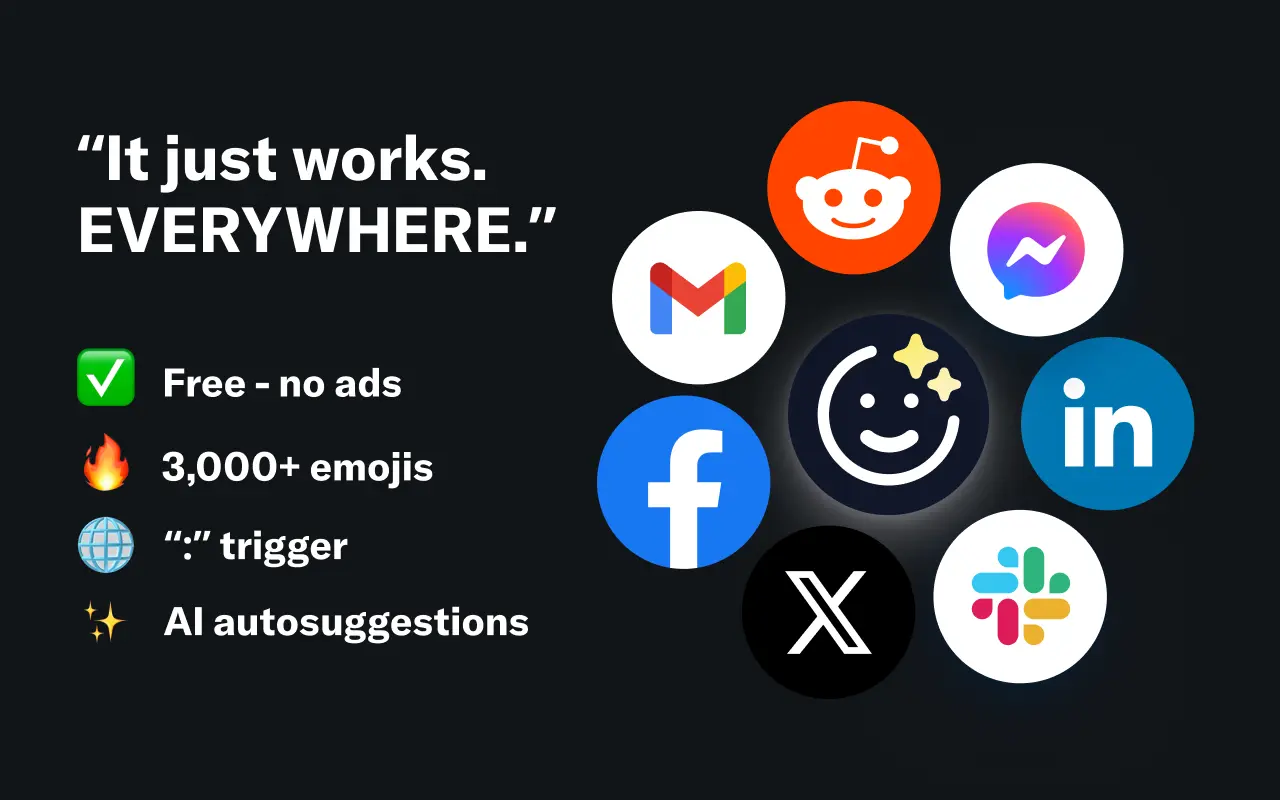
EmojAI
AI-powered emoji picker with smart, context-aware suggestions 🤖

Solohacker
Autonomous company launcher - AI agents work 24/7, escalate what matters, and you stay in control 🤖

BeRawi: Storytelling Coach
Practice storytelling daily with instant feedback to sound clearer, more engaging, and confident 🎤
Omichat
Chat with 50+ AI models, including ChatGPT and Claude, in one place - switch models anytime without losing context 🤖
Claude Fast
Supercharge your Claude Code with 6x effective context window and specialized AI agents 🤖
EmojAI
AI-powered emoji picker with smart, context-aware suggestions 🤖
Solohacker
Autonomous company launcher - AI agents work 24/7, escalate what matters, and you stay in control 🤖
BeRawi: Storytelling Coach
Practice storytelling daily with instant feedback to sound clearer, more engaging, and confident 🎤
Omichat
Chat with 50+ AI models, including ChatGPT and Claude, in one place - switch models anytime without losing context 🤖
Claude Fast
Supercharge your Claude Code with 6x effective context window and specialized AI agents 🤖
EmojAI
AI-powered emoji picker with smart, context-aware suggestions 🤖
Solohacker
Autonomous company launcher - AI agents work 24/7, escalate what matters, and you stay in control 🤖
BeRawi: Storytelling Coach
Practice storytelling daily with instant feedback to sound clearer, more engaging, and confident 🎤
Omichat
Chat with 50+ AI models, including ChatGPT and Claude, in one place - switch models anytime without losing context 🤖
Claude Fast
Supercharge your Claude Code with 6x effective context window and specialized AI agents 🤖
EmojAI
AI-powered emoji picker with smart, context-aware suggestions 🤖
Solohacker
Autonomous company launcher - AI agents work 24/7, escalate what matters, and you stay in control 🤖
BeRawi: Storytelling Coach
Practice storytelling daily with instant feedback to sound clearer, more engaging, and confident 🎤

Connect with like-minded people
Join our community to get feedback, support, and grow together with 1,000+ builders on board, let's ship it!
Join usShip your startup everywhere. In minutes.
Don't burn tokens on setup and start building features on day one.