TurnAlert Med
An SMS-first appointment and queue management tool that helps hospitals call patients only when needed, reducing overcrowding and improving patient experience without new hardware.
Overview: solving hospital overcrowding with SMS-first queue management
Hospital overcrowding, long waiting times, and chaotic queues are not just operational inconveniences—they directly impact patient safety, staff burnout, and overall healthcare outcomes. In many regions, especially across Africa and other emerging markets, hospitals struggle with limited infrastructure, inconsistent internet access, and patients who may not own smartphones.
TurnAlert Med addresses this problem head-on with an SMS-first appointment and queue management system for hospitals. Instead of forcing patients to wait physically for hours, hospitals can notify them via SMS when it is actually time to come in, reducing congestion while improving patient experience—without requiring new hardware or complex digital adoption.
This article provides a comprehensive, expert-level analysis of TurnAlert Med as a B2B SaaS product. It is written for healthcare administrators, founders, investors, and technical teams evaluating the market opportunity, feature set, monetization strategies, technical architecture, and competitive advantages of an SMS-based hospital queue management system.
Understanding the core problem TurnAlert Med solves
The real cost of overcrowded hospitals
Hospital overcrowding is not just a logistical issue. It has measurable consequences:
- Increased risk of hospital-acquired infections
- Higher patient dissatisfaction and complaints
- Burnout among nurses, doctors, and front-desk staff
- Inefficient use of limited clinical resources
In many public and private hospitals, patients arrive extremely early to “secure a spot,” leading to overcrowded waiting areas long before clinicians are ready to see them.
Why this matters
Reducing physical queues is one of the most cost-effective ways to improve patient experience without hiring more staff or expanding facilities.
Why existing solutions fail in emerging markets
Most appointment and queue management tools are built with assumptions that do not hold true everywhere:
- High smartphone penetration
- Reliable mobile data and Wi-Fi
- Patients comfortable installing and using mobile apps
In contrast, SMS remains universally accessible, works on basic phones, and does not require user training.
TurnAlert Med’s SMS-first hospital queue management approach is deliberately designed for environments where simplicity, reliability, and accessibility matter more than flashy dashboards.
Primary keyword and search intent alignment
The primary keyword for this product and article is:
SMS-first hospital appointment and queue management system
Related semantic and LSI keywords used throughout this article include:
- hospital queue management software
- SMS appointment reminders for hospitals
- patient flow management system
- outpatient appointment scheduling
- healthcare SaaS for hospitals
- SMS-based patient notification system
The dominant user intent behind these searches is solution validation and implementation guidance—decision-makers want to understand how it works, who it’s for, whether it’s viable, and how to deploy it.
Target audience analysis
Primary buyers: hospital decision-makers
TurnAlert Med is a B2B healthcare SaaS, with buying decisions typically made by:
- Hospital administrators and operations managers
- Medical directors and outpatient department heads
- Government health agencies managing public hospitals
- NGO-run clinics and healthcare networks
Their priorities include:
- Reducing patient complaints
- Improving throughput without expanding facilities
- Minimizing cost and training requirements
- Deploying solutions quickly
End users: patients and frontline staff
Although not the buyers, adoption success depends on:
- Patients: often using feature phones, multilingual, varying literacy levels
- Front-desk staff: receptionists, triage nurses, clerks
TurnAlert Med’s SMS-first design reduces friction for both groups, which is a critical adoption advantage.
Market opportunity and gap identification
Why the market is underserved
Globally, the healthcare IT market is large—but queue management for hospitals in low- and middle-income regions remains underserved.
Most solutions focus on:
- High-income countries
- App-based or kiosk-based systems
- Expensive hardware installations
This leaves a gap for:
- Low-cost
- Infrastructure-light
- Mobile-native (SMS) solutions
Why SMS is still a strategic advantage in 2026
Despite the rise of mobile apps, SMS continues to outperform in critical healthcare communication:
- Near 100% open rates
- Works without internet
- Familiar and trusted by patients
For appointment reminders and queue notifications, SMS consistently outperforms email and push notifications.
What TurnAlert Med actually does
Core product concept
TurnAlert Med is an SMS-first hospital appointment and queue management platform that:
- Registers patients at the hospital or clinic
- Places them in a digital queue
- Sends SMS notifications when their turn is approaching
- Reduces physical waiting time and congestion
Patients only come to the hospital when they are needed, not hours earlier.
Core features and solution breakdown
1. SMS-based queue notifications
Patients receive messages like:
- “You are number 12 in the queue”
- “Please arrive at the hospital in 30 minutes”
- “Your appointment has been delayed by 20 minutes”
This transparency significantly reduces anxiety and complaints.
2. Appointment scheduling and rescheduling
Hospitals can:
- Schedule appointments manually or in bulk
- Reschedule and notify patients automatically via SMS
- Reduce no-shows with reminders
3. Staff-facing admin dashboard
Staff get a simple web-based interface to:
- View live queues
- Advance patients
- Pause or reassign queues
- Handle walk-ins
The dashboard is intentionally minimal to reduce training time.
4. Multi-department support
Large hospitals can manage queues for:
- Outpatient departments
- Labs and diagnostics
- Pharmacy pickups
- Specialty clinics
Each department can have its own SMS flow and rules.
Feature comparison: TurnAlert Med vs alternatives
| Feature | TurnAlert Med | App-based systems | Hardware kiosks | Manual queues | Paper appointments |
|---|---|---|---|---|---|
| SMS support | ✅ | ❌ | ❌ | ❌ | ❌ |
| No new hardware | ✅ | ✅ | ❌ | ✅ | ✅ |
Recommended tech stack and architecture
Frontend
- React for the admin dashboard
- TailwindCSS for rapid UI development
Trade-off: React requires some training but offers scalability and maintainability.
Backend
- Node.js with a framework like NestJS or Express
- REST or GraphQL APIs
- Queue state management with Redis
SMS integration
- Local SMS aggregators per country
- Fallback routing for message delivery reliability
Database
- PostgreSQL for relational data
- Redis for real-time queue state
Hosting
- Cloud-based (AWS, GCP, or regional providers)
- Emphasis on low latency and uptime
Data protection
Healthcare data may be subject to local privacy regulations. Architecture should support data residency where required.
Monetization strategies for TurnAlert Med
1. Per-facility monthly subscription
Hospitals pay a flat monthly fee based on size:
- Small clinics
- Medium hospitals
- Large tertiary hospitals
2. Per-SMS usage pricing
SMS costs can be:
- Bundled into subscription tiers
- Charged as overage
This aligns revenue with actual usage.
3. Government or NGO contracts
Public health systems and NGOs often prefer:
- Annual contracts
- Centralized billing
- Multi-facility deployments
4. White-label licensing
TurnAlert Med can be licensed to:
- Healthcare IT providers
- Telecom operators serving hospitals
Competitive advantage and USP
Why TurnAlert Med stands out
TurnAlert Med’s unique selling proposition is its ruthless focus on:
- SMS-first design
- Zero hardware requirements
- Rapid deployment
- Accessibility for non-smartphone users
Most competitors optimize for feature richness. TurnAlert Med optimizes for real-world adoption.
Defensibility factors
- Deep integration with hospital workflows
- Local SMS partnerships
- Operational know-how in healthcare environments
Risks and mitigation strategies
Risk: SMS delivery failures
Mitigation:
- Multiple SMS gateways
- Delivery receipts and retries
Risk: Staff resistance to change
Mitigation:
- Minimal UI complexity
- On-site or remote onboarding
- Pilot programs
Risk: Regulatory compliance
Mitigation:
- Configurable data retention policies
- Local hosting options
Hospitals can configure reminder frequency and escalation messages, including follow-up calls for critical appointments.
Implementation roadmap
Go-to-market strategy
Initial focus markets
- Urban hospitals with severe overcrowding
- Public-private partnership facilities
- NGO-supported clinics
Sales motion
- Direct sales to hospital administrators
- Demonstrations using real queue simulations
- Pilot programs converting to paid contracts
How TurnAlert Med fits into a broader SaaS ecosystem
TurnAlert Med can later expand into:
- Patient feedback collection via SMS
- Follow-up care reminders
- Integration with electronic medical records
This makes it a strong foundational product in a healthcare SaaS portfolio.
Building TurnAlert Med faster with proven SaaS infrastructure
Founders building healthcare SaaS often underestimate the time required to get from idea to production. Using a structured SaaS starter approach can dramatically reduce risk.
Platforms like TurboStarter provide prebuilt authentication, billing, and infrastructure patterns that let teams focus on healthcare-specific logic instead of boilerplate code.
Final thoughts: why TurnAlert Med is a strong SaaS opportunity
TurnAlert Med addresses a clear, painful, and widespread problem with a solution that is:
- Technically simple
- Operationally impactful
- Aligned with real-world constraints
Its SMS-first hospital appointment and queue management model is not a compromise—it is a strategic advantage in markets where accessibility matters most.
For founders, investors, and healthcare leaders, TurnAlert Med represents a rare combination of social impact, market demand, and sustainable SaaS economics.
More 🏢 B2B Application SaaS ideas
Discover more innovative b2b application SaaS ideas that are trending in 2026. Each idea is AI-generated with market validation and growth potential to help you find your next profitable venture faster than competitors.
Your competitors are building with TurboStarter
Below are some of the SaaS ideas that have been generated and built with our starter kit.
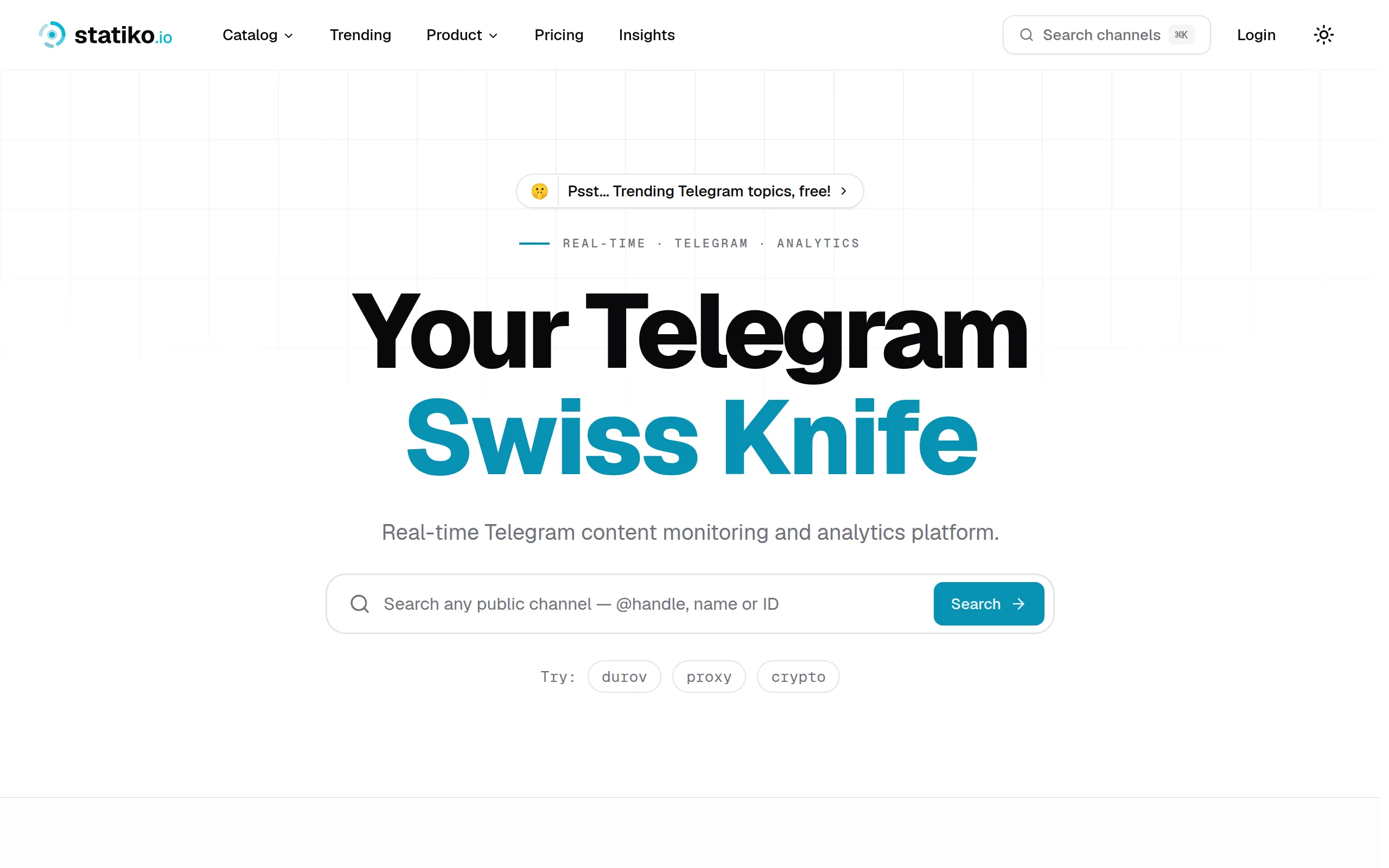
Statiko
Monitor any Telegram channel in real time - track posts, edits, deletions, and growth with AI recaps 📡

Shibui
AI website builder - describe your business, pick a niche template, edit by chatting, and publish instantly ✨
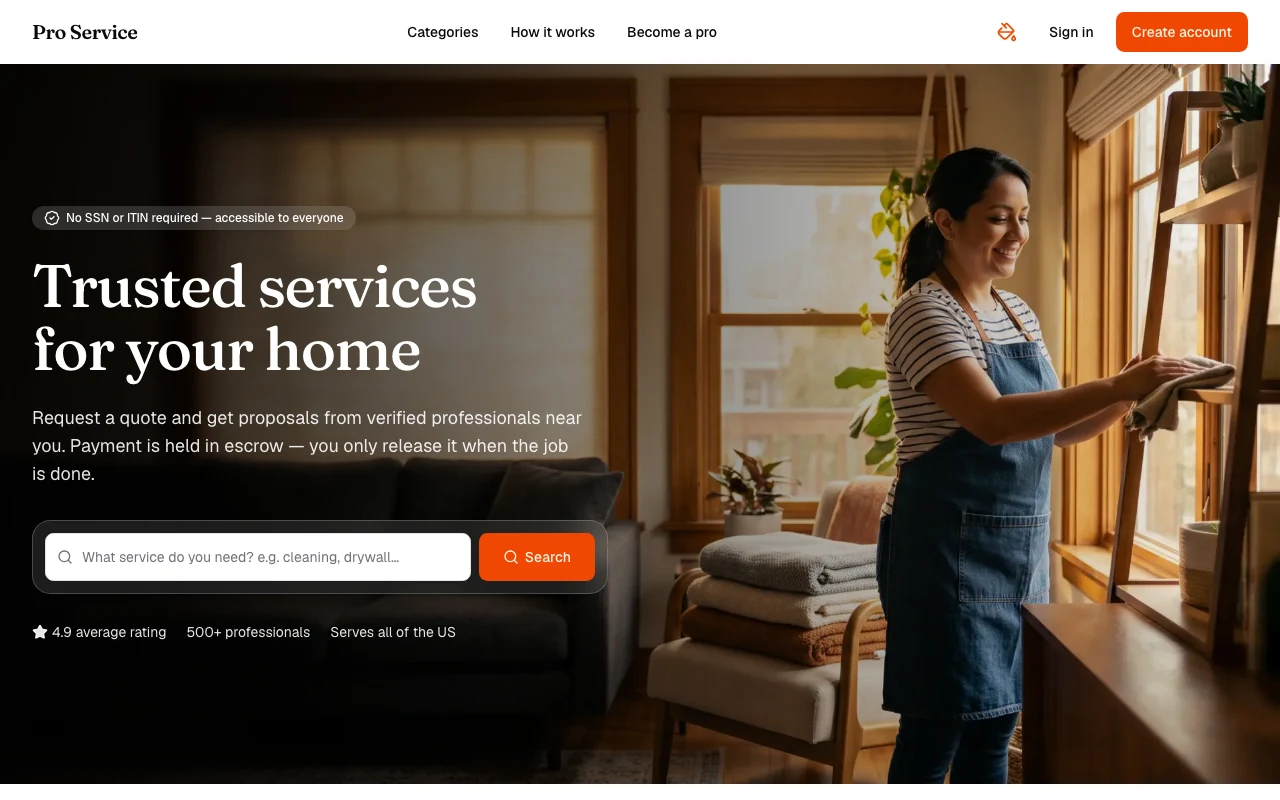
Pro Service
Find verified home service professionals, compare quotes, and pay securely through escrow - built for Brazilians across the US 🏠
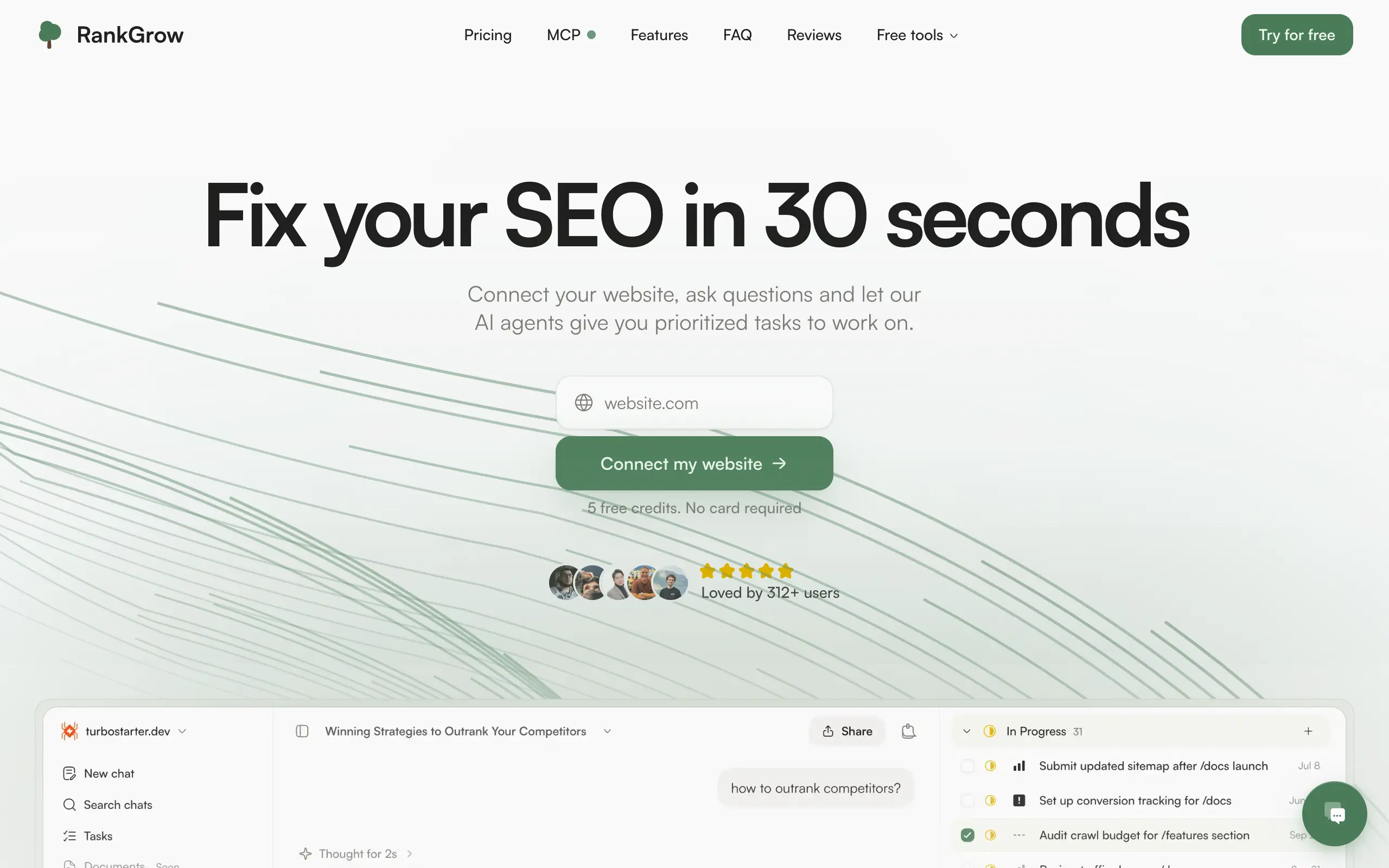
RankGrow
Fix your SEO with AI agents - connect Search Console, get prioritized tasks, and grow organic traffic 📈
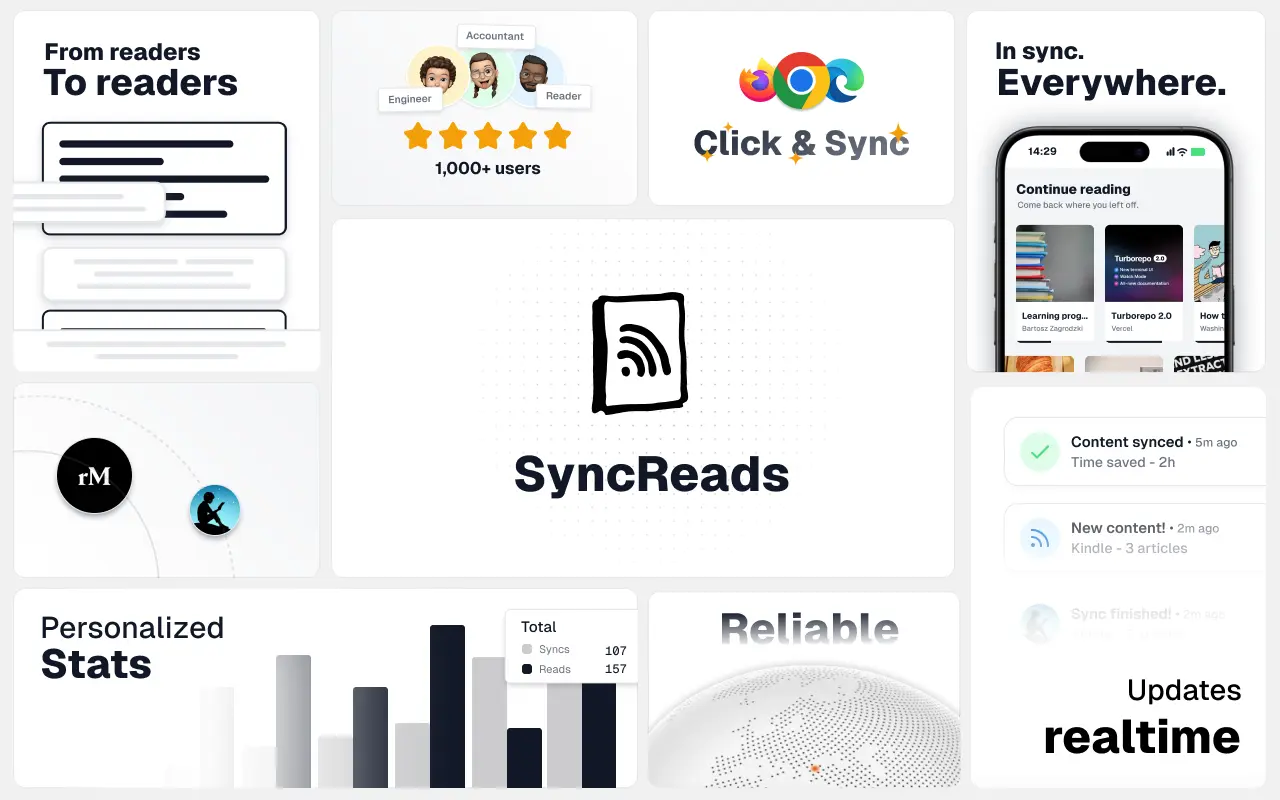
SyncReads
Sync your favorite content for distraction-free reading, save time and replace multiple apps. Anytime, anywhere 🔄
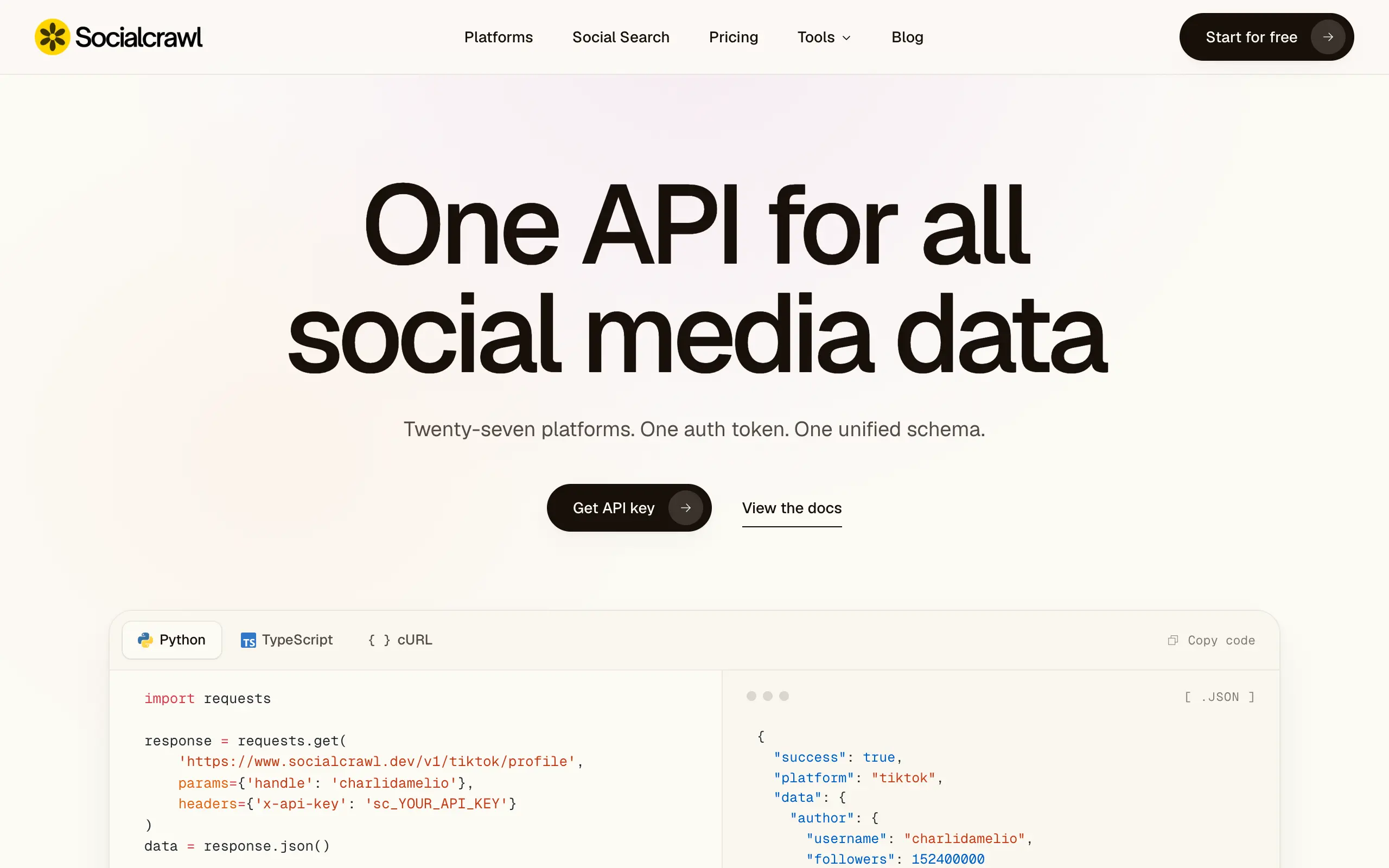
Socialcrawl
Get clean, structured data from 21 platforms like TikTok, Instagram, and YouTube with a single request 📊
Statiko
Monitor any Telegram channel in real time - track posts, edits, deletions, and growth with AI recaps 📡
Shibui
AI website builder - describe your business, pick a niche template, edit by chatting, and publish instantly ✨
Pro Service
Find verified home service professionals, compare quotes, and pay securely through escrow - built for Brazilians across the US 🏠
RankGrow
Fix your SEO with AI agents - connect Search Console, get prioritized tasks, and grow organic traffic 📈
SyncReads
Sync your favorite content for distraction-free reading, save time and replace multiple apps. Anytime, anywhere 🔄
Socialcrawl
Get clean, structured data from 21 platforms like TikTok, Instagram, and YouTube with a single request 📊
Statiko
Monitor any Telegram channel in real time - track posts, edits, deletions, and growth with AI recaps 📡
Shibui
AI website builder - describe your business, pick a niche template, edit by chatting, and publish instantly ✨
Pro Service
Find verified home service professionals, compare quotes, and pay securely through escrow - built for Brazilians across the US 🏠
RankGrow
Fix your SEO with AI agents - connect Search Console, get prioritized tasks, and grow organic traffic 📈
SyncReads
Sync your favorite content for distraction-free reading, save time and replace multiple apps. Anytime, anywhere 🔄
Socialcrawl
Get clean, structured data from 21 platforms like TikTok, Instagram, and YouTube with a single request 📊
Statiko
Monitor any Telegram channel in real time - track posts, edits, deletions, and growth with AI recaps 📡
Shibui
AI website builder - describe your business, pick a niche template, edit by chatting, and publish instantly ✨
Pro Service
Find verified home service professionals, compare quotes, and pay securely through escrow - built for Brazilians across the US 🏠
RankGrow
Fix your SEO with AI agents - connect Search Console, get prioritized tasks, and grow organic traffic 📈
SyncReads
Sync your favorite content for distraction-free reading, save time and replace multiple apps. Anytime, anywhere 🔄
Socialcrawl
Get clean, structured data from 21 platforms like TikTok, Instagram, and YouTube with a single request 📊
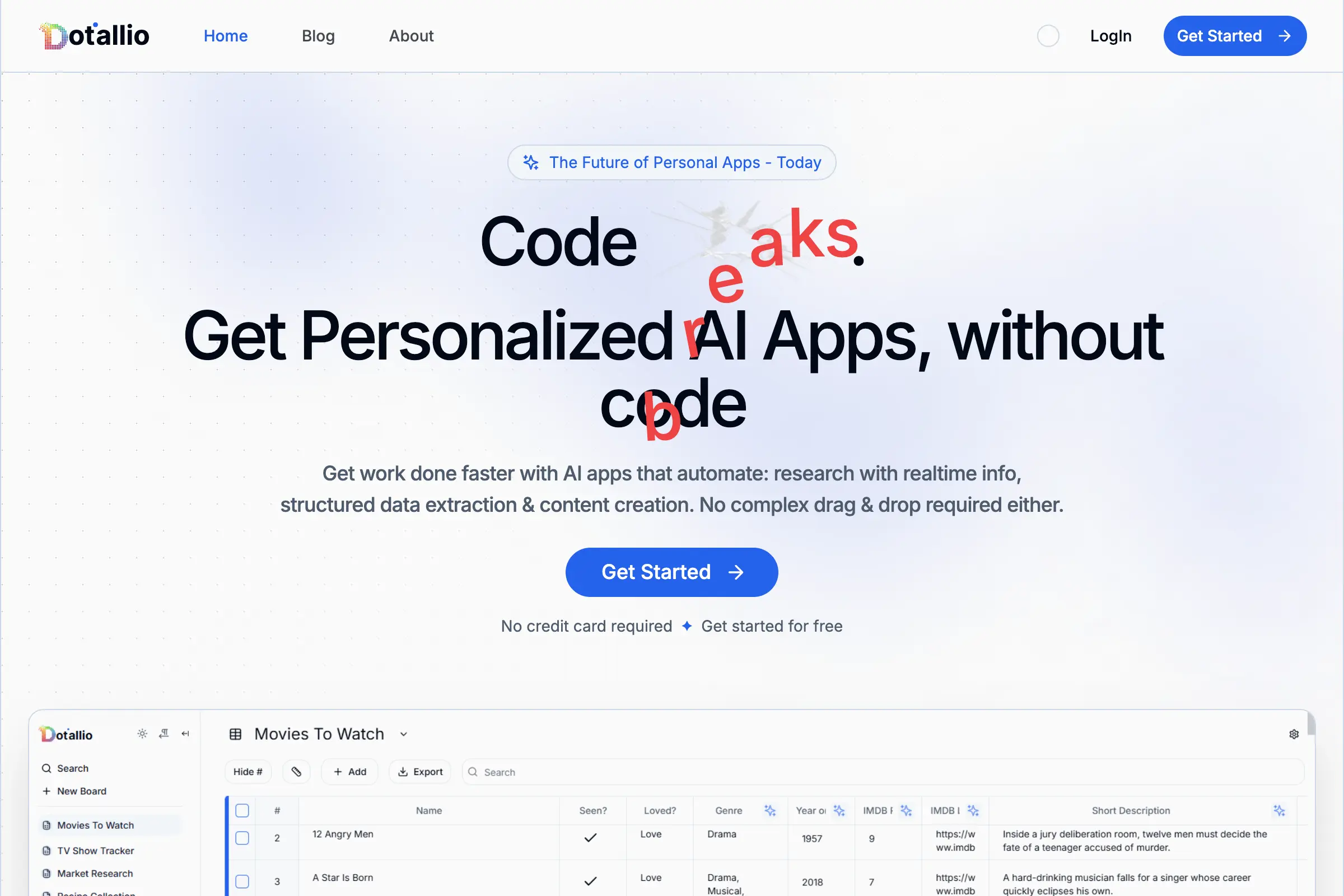
Dotallio
Personalized AI apps that automate research, data extraction, and content creation without code 🤖
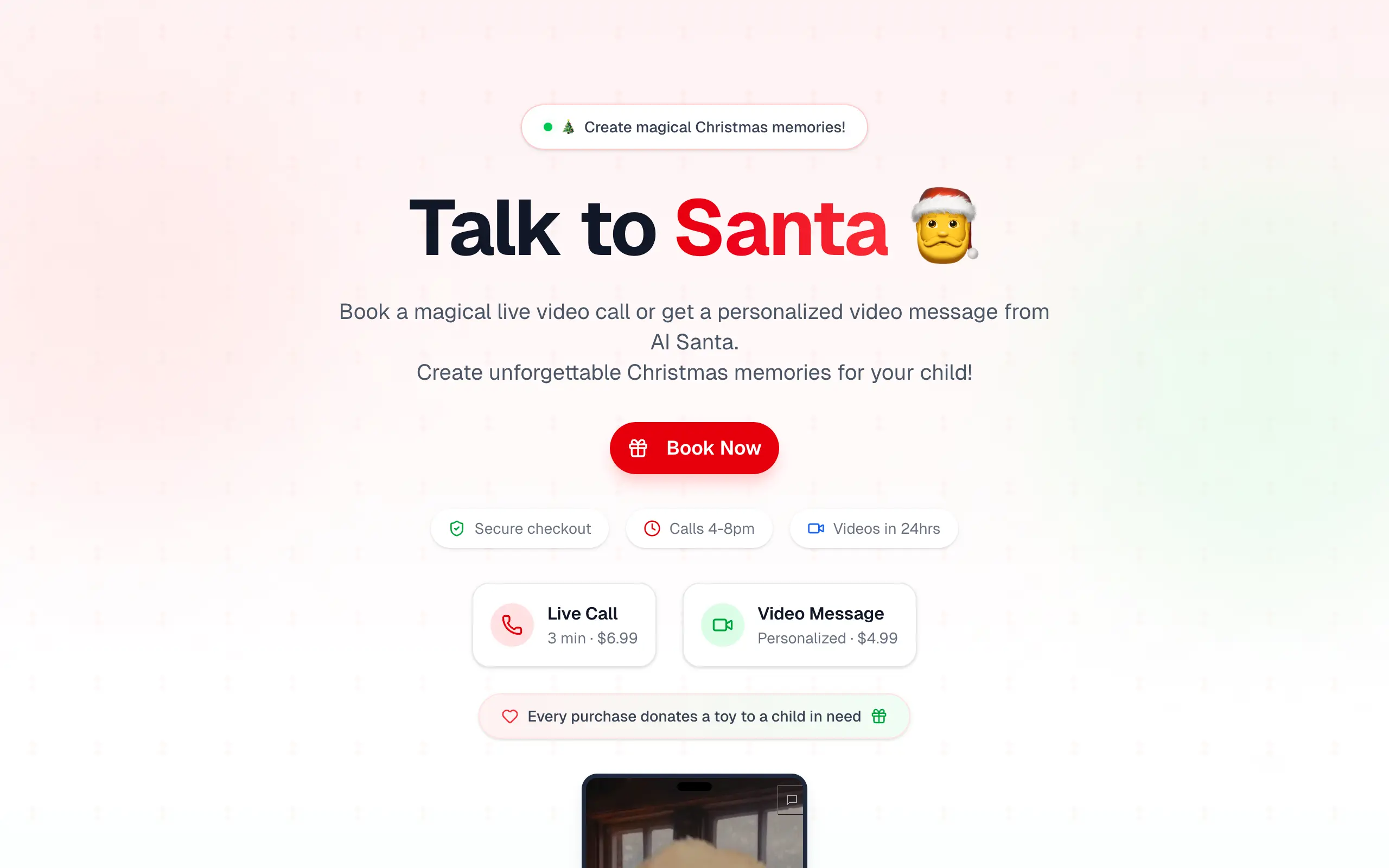
Talk to Santa
Enjoy a magical live video chat or receive a unique AI-generated video greeting from Santa Claus 🎅
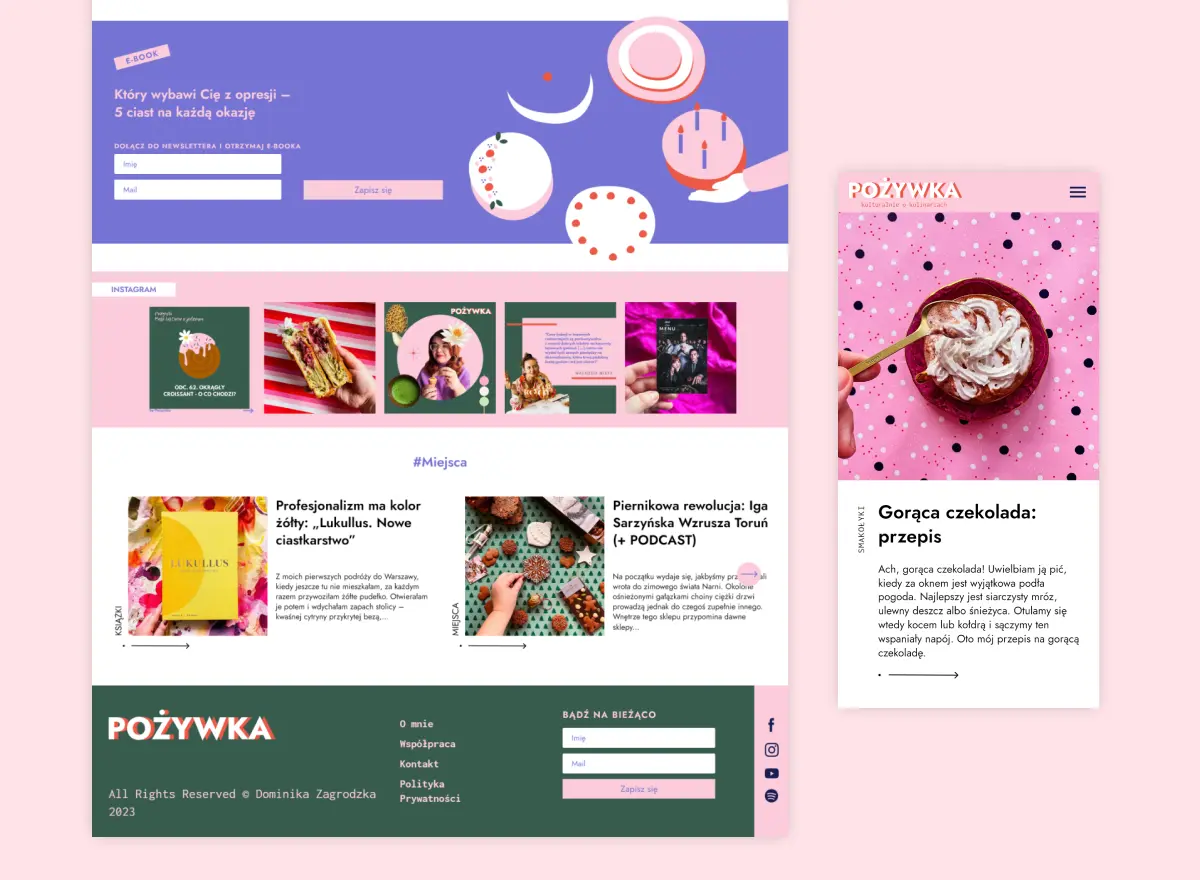
pozywka.pl
Scalable blog for food journalist, focused on performance and user experience 🌭
zagrodzki.me
Personal blog and portfolio of Bart Zagrodzki, where he shares his knowledge and work 💼
TurboStarter
Ship your startup everywhere. In minutes.
HTML to Markdown
Convert HTML to Markdown with ease, directly in your browser 📄
Dotallio
Personalized AI apps that automate research, data extraction, and content creation without code 🤖
Talk to Santa
Enjoy a magical live video chat or receive a unique AI-generated video greeting from Santa Claus 🎅
pozywka.pl
Scalable blog for food journalist, focused on performance and user experience 🌭
zagrodzki.me
Personal blog and portfolio of Bart Zagrodzki, where he shares his knowledge and work 💼
TurboStarter
Ship your startup everywhere. In minutes.
HTML to Markdown
Convert HTML to Markdown with ease, directly in your browser 📄
Dotallio
Personalized AI apps that automate research, data extraction, and content creation without code 🤖
Talk to Santa
Enjoy a magical live video chat or receive a unique AI-generated video greeting from Santa Claus 🎅
pozywka.pl
Scalable blog for food journalist, focused on performance and user experience 🌭
zagrodzki.me
Personal blog and portfolio of Bart Zagrodzki, where he shares his knowledge and work 💼
TurboStarter
Ship your startup everywhere. In minutes.
HTML to Markdown
Convert HTML to Markdown with ease, directly in your browser 📄
Dotallio
Personalized AI apps that automate research, data extraction, and content creation without code 🤖
Talk to Santa
Enjoy a magical live video chat or receive a unique AI-generated video greeting from Santa Claus 🎅
pozywka.pl
Scalable blog for food journalist, focused on performance and user experience 🌭
zagrodzki.me
Personal blog and portfolio of Bart Zagrodzki, where he shares his knowledge and work 💼
TurboStarter
Ship your startup everywhere. In minutes.
HTML to Markdown
Convert HTML to Markdown with ease, directly in your browser 📄
Omichat
Chat with 50+ AI models, including ChatGPT and Claude, in one place - switch models anytime without losing context 🤖
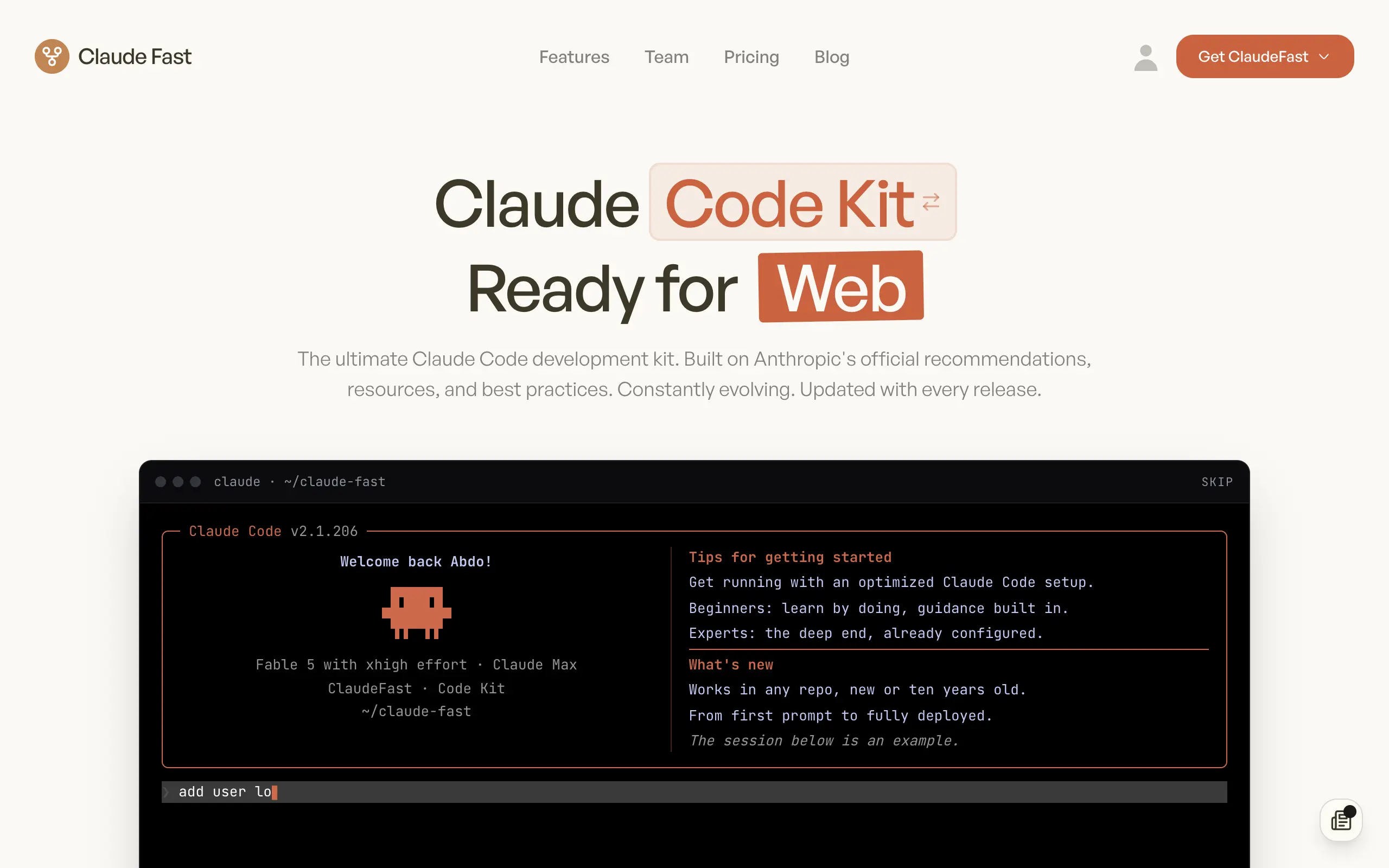
Claude Fast
Supercharge your Claude Code with 6x effective context window and specialized AI agents 🤖
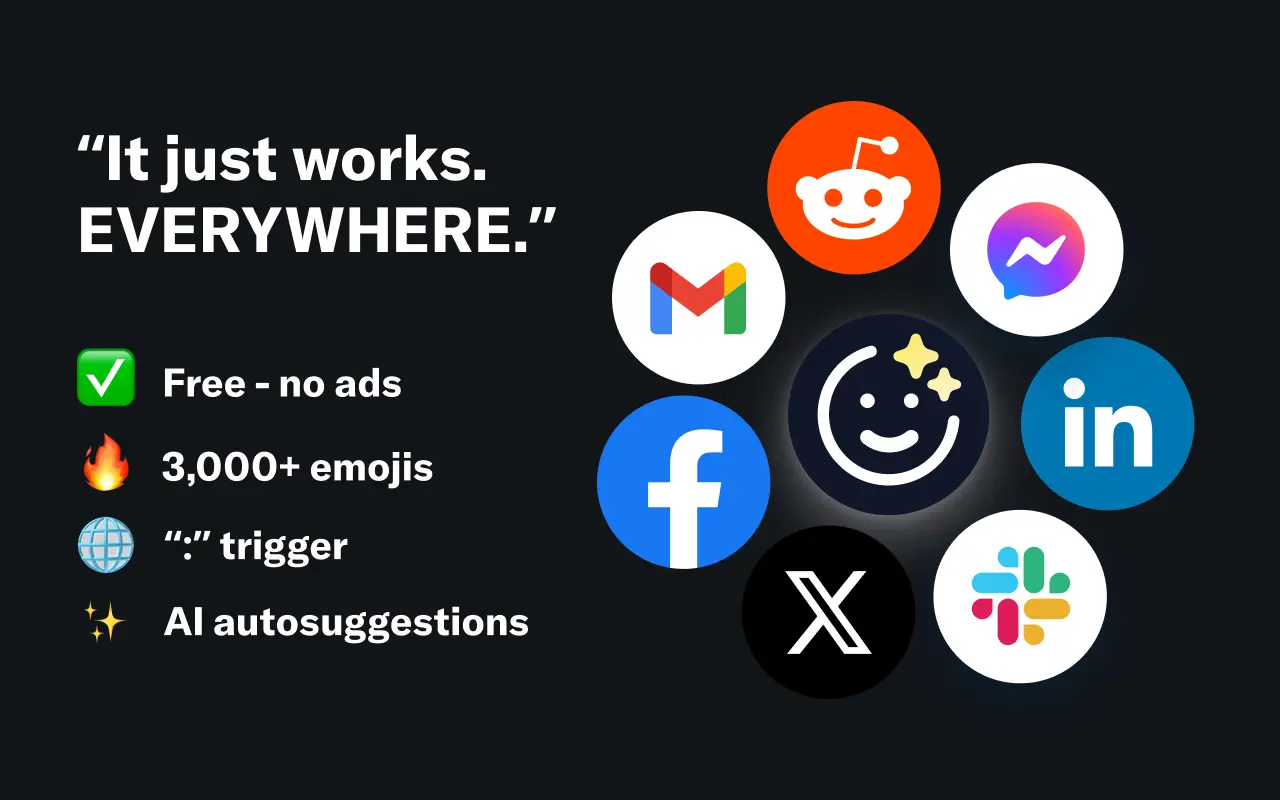
EmojAI
AI-powered emoji picker with smart, context-aware suggestions 🤖
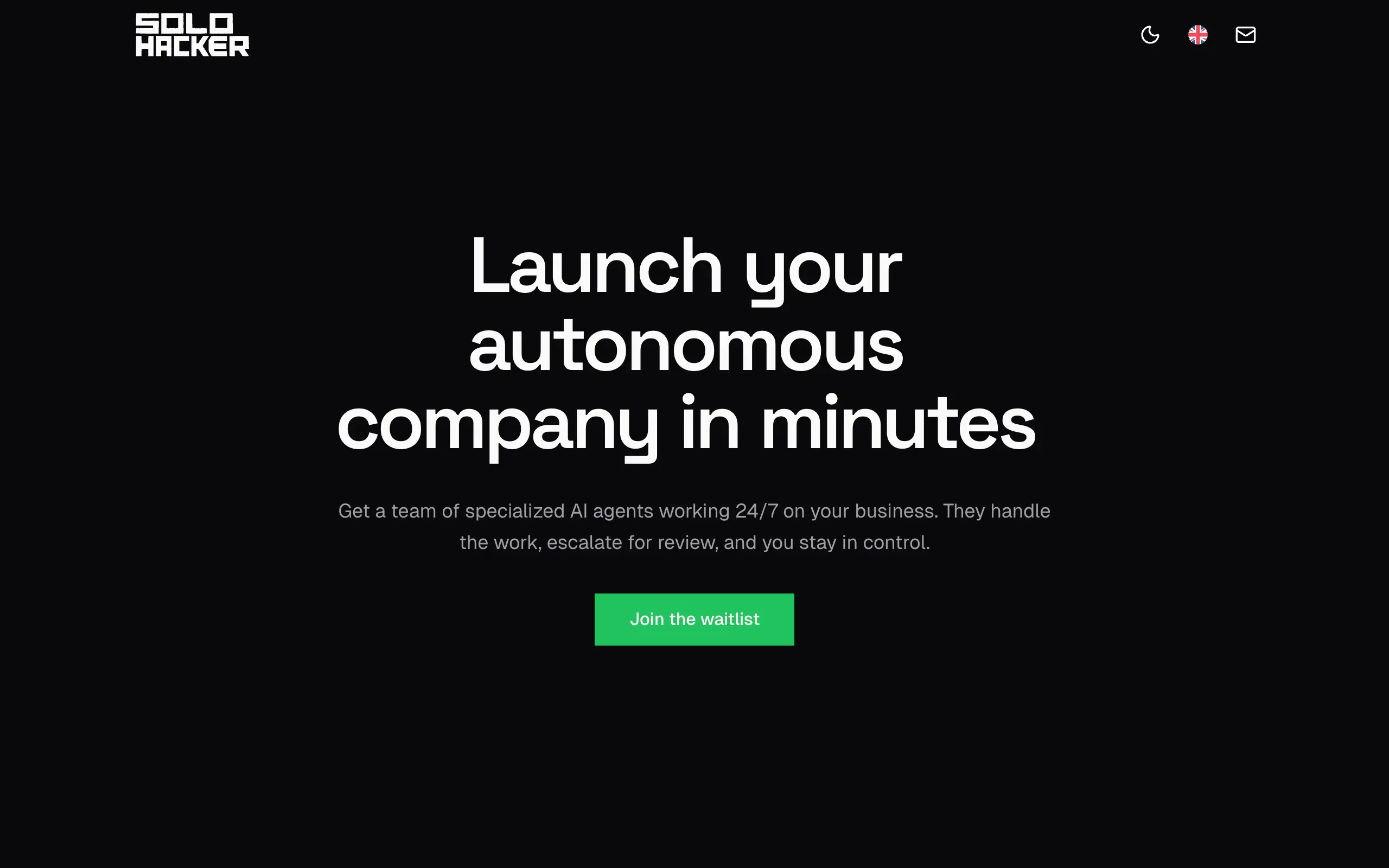
Solohacker
Autonomous company launcher - AI agents work 24/7, escalate what matters, and you stay in control 🤖
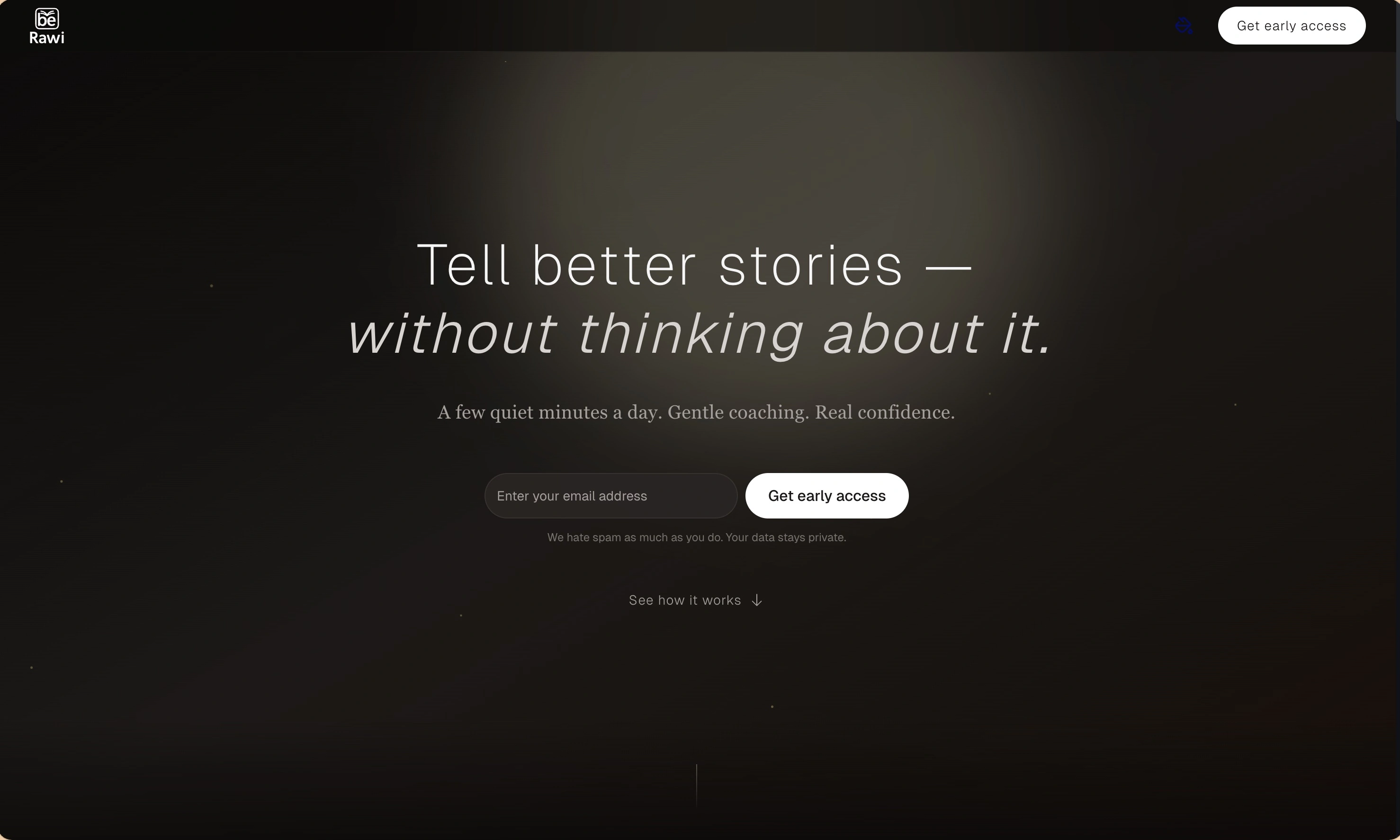
BeRawi: Storytelling Coach
Practice storytelling daily with instant feedback to sound clearer, more engaging, and confident 🎤
Omichat
Chat with 50+ AI models, including ChatGPT and Claude, in one place - switch models anytime without losing context 🤖
Claude Fast
Supercharge your Claude Code with 6x effective context window and specialized AI agents 🤖
EmojAI
AI-powered emoji picker with smart, context-aware suggestions 🤖
Solohacker
Autonomous company launcher - AI agents work 24/7, escalate what matters, and you stay in control 🤖
BeRawi: Storytelling Coach
Practice storytelling daily with instant feedback to sound clearer, more engaging, and confident 🎤
Omichat
Chat with 50+ AI models, including ChatGPT and Claude, in one place - switch models anytime without losing context 🤖
Claude Fast
Supercharge your Claude Code with 6x effective context window and specialized AI agents 🤖
EmojAI
AI-powered emoji picker with smart, context-aware suggestions 🤖
Solohacker
Autonomous company launcher - AI agents work 24/7, escalate what matters, and you stay in control 🤖
BeRawi: Storytelling Coach
Practice storytelling daily with instant feedback to sound clearer, more engaging, and confident 🎤
Omichat
Chat with 50+ AI models, including ChatGPT and Claude, in one place - switch models anytime without losing context 🤖
Claude Fast
Supercharge your Claude Code with 6x effective context window and specialized AI agents 🤖
EmojAI
AI-powered emoji picker with smart, context-aware suggestions 🤖
Solohacker
Autonomous company launcher - AI agents work 24/7, escalate what matters, and you stay in control 🤖
BeRawi: Storytelling Coach
Practice storytelling daily with instant feedback to sound clearer, more engaging, and confident 🎤

Connect with like-minded people
Join our community to get feedback, support, and grow together with 1,000+ builders on board, let's ship it!
Join usShip your startup everywhere. In minutes.
Don't burn tokens on setup and start building features on day one.