Turnwise
Coordinate inspections, repairs, cleaning, and leasing tasks between tenants to reduce apartment vacancy days. Property teams get real-time status and vendor accountability in one workflow.
Why apartment make-ready work needs a better system
Every apartment turnover is a small, time-sensitive project. After a resident moves out, property teams must inspect the unit, assign repairs and cleaning, coordinate internal staff and vendors, verify completed work, and prepare the apartment for its next occupant. Each task may be familiar. The challenge is getting all of them done in the right order, with clear ownership and enough time to address problems before move-in.
That is the problem Turnwise is designed to solve. Turnwise is a B2B apartment make-ready coordination platform that gives property teams a shared view of unit readiness, deadlines, assigned work, and photo-verified completion. Its purpose is not simply to store a checklist. It is to help teams coordinate the many people and tasks involved in turning a unit while keeping exceptions visible.
For property managers evaluating apartment turnover software, the central question is whether a tool can help reduce confusion and improve operational visibility without adding a burdensome process. For founders evaluating Turnwise as a SaaS opportunity, the question is whether a focused product can serve an underserved workflow more effectively than spreadsheets, email, messaging apps, and broad property-management platforms.
The strongest product strategy answers both questions by treating a unit turn as a workflow with accountable owners, dependencies, evidence, and a deadline—not as a loose collection of tasks.
What is apartment make-ready software?
Apartment make-ready software helps property teams coordinate the work required to prepare a vacant rental unit for occupancy. Depending on the property and the scope of work, a turn can involve:
- A move-out inspection and condition assessment
- Cleaning and trash removal
- Painting, patching, and flooring work
- Maintenance repairs and safety checks
- Appliance or fixture replacement
- Vendor scheduling and access coordination
- Final quality assurance
- Readiness confirmation for leasing or move-in
These tasks are often handled by different people. A property manager may own the overall timeline, a maintenance technician may handle repairs, a cleaner may work after maintenance, and an outside contractor may need access for a specialized job. One unfinished task can delay everything that follows.
A purpose-built apartment turnover platform should make it easy to answer operational questions such as:
- Which units are currently in the make-ready process?
- What is the target ready date for each unit?
- Which tasks are complete, overdue, or blocked?
- Who is responsible for each open task?
- Has the work been verified?
- Is there photo evidence for work that needs review?
- Which upcoming move-in dates are at risk?
A system that answers these questions quickly can help teams focus attention where it is needed, instead of reconstructing status from scattered conversations.
The market opportunity for Turnwise
The opportunity for Turnwise lies in the gap between general property-management software and the day-to-day coordination of physical work inside a vacant unit.
Property-management platforms commonly support important business functions such as leasing, resident communication, accounting, and maintenance requests. Those capabilities matter, but a unit turn has its own operational logic. It is temporary, deadline-driven, cross-functional, and dependent on sequencing. A repair may need to be completed before a cleaner can finish. A final inspection may reveal rework. A vendor may miss a scheduled visit. A move-in date may be fixed even when the work is not.
Teams often bridge this gap with combinations of:
- Spreadsheets and shared calendars
- Email threads and text messages
- Paper inspection forms
- General task-management tools
- Maintenance work-order systems
- Photo folders without a clear link to tasks
- Status meetings and manual follow-up
These tools can be useful, especially for smaller operators. The weakness is not that they are inherently bad. It is that information is fragmented across them, and none may provide a reliable, real-time view of the entire make-ready process.
That creates a potential market opening for a focused product. Turnwise can occupy the operational layer between the initial move-out assessment and the unit’s final readiness confirmation. It can help teams coordinate work without attempting to replace every system they already use.
The problem is more than missed tasks
A missed task is only one symptom of a less visible coordination problem. Teams may also experience:
- Unclear ownership, where several people assume someone else is handling an item
- Poor sequencing, where one trade is scheduled before prerequisite work is complete
- Late discovery of defects that could have been identified earlier
- Repeated status checks that consume manager and maintenance time
- Inconsistent documentation of completed work
- Disagreements about whether a task was actually finished
- Limited visibility into recurring delays by property, vendor, or task type
Turnwise’s value proposition should address this broader system of friction. The product should help teams see the work, coordinate the work, and establish confidence that the work is complete.
Why a specialized workflow can be valuable
A horizontal task manager can create tasks, assign owners, and track due dates. A property-management system may manage maintenance requests. A photo-storage tool can keep images. But a make-ready workflow needs these capabilities to work together in the context of a unit, a turnover timeline, and a readiness decision.
A vertical SaaS product can encode that context through:
- Turn-specific task templates
- Dependencies between work categories
- Unit-level status and deadline tracking
- Vendor assignment and coordination
- Photo evidence attached to relevant tasks
- A final readiness checklist or approval
- Portfolio-level reporting on turn progress
The product’s advantage is not merely a larger feature list. It is a workflow that reflects how apartment teams actually prepare units.
Turnwise target audience analysis
Turnwise should begin with customers that feel the coordination problem frequently and have enough operational complexity to value a dedicated system. The product may serve different roles within an organization, but those roles should not be treated as interchangeable.
Property managers and regional managers
Property and regional managers need to understand whether units will be ready when expected. They are likely to care about:
- A portfolio view of active turns
- Deadline and exception reporting
- Clear responsibility for open work
- Visibility across multiple sites
- Consistent processes across teams
- The ability to intervene before a delay becomes a leasing problem
For these buyers, Turnwise should make it easy to move from a portfolio-level overview to a specific unit and then to the task or issue causing a delay.
Maintenance supervisors and technicians
Maintenance teams are responsible for much of the physical work and often coordinate with vendors. Their priorities are practical: clear instructions, realistic schedules, easy status updates, and a simple way to document completed work.
If the software creates duplicate entry or requires too many steps on a phone, adoption may suffer. Turnwise should make common actions fast:
- View assigned work
- Update task status
- Add notes or photos
- Flag a blocker
- Identify what needs to happen next
The field experience is not a secondary interface. It is central to the quality of the operational data.
Vendors and contractors
External vendors may only need access to a small part of the workflow. Requiring them to learn a complex property-management platform could create friction. A useful vendor experience should provide only the information needed to complete assigned work, such as:
- Property and unit details
- Scope of work
- Schedule or requested completion date
- Access instructions, when appropriate
- A way to confirm completion
- A way to provide notes or photo evidence
Turnwise should consider a low-friction vendor workflow, such as secure task links or limited-access accounts, while ensuring that customer data remains protected.
Owners and asset managers
Owners may not need to manage individual tasks, but they may care about operational consistency and portfolio performance. Over time, aggregated turnover data could help customers understand where delays occur and which work categories create bottlenecks.
Turnwise should avoid promising financial outcomes it cannot substantiate. Instead, it can provide transparent operational measures, such as completion against target dates, average time in workflow, and the frequency of blocked tasks.
Ideal initial customer profile
A practical initial customer profile could include property operators that:
- Manage multiple apartment communities
- Handle turns frequently enough to develop repeatable processes
- Coordinate both in-house staff and external vendors
- Use spreadsheets or several disconnected tools today
- Have a clear operational owner for make-ready performance
- Are willing to standardize a workflow across teams
Smaller operators may be easier to reach, while larger operators may have more acute coordination needs but longer procurement, security, and integration requirements. Turnwise should learn from both, but focus its first product and sales motion on a segment where the buying process is manageable and the operational pain is easy to demonstrate.
Turnwise’s core product and solution
The product should organize a turnover around the unit and its readiness deadline. Users need enough structure to coordinate work reliably, but not so much that creating a turn becomes a project-management exercise.
1. A unit-level turn record
Each active turn should have a single record that captures the essentials:
- Property and unit
- Move-out date, if available
- Target ready date
- Current stage or readiness status
- Assigned manager or coordinator
- Task list and task owners
- Notes, blockers, and photos
- Completion and approval history
This record becomes the shared reference point. It reduces the need to ask where the latest information lives.
2. Repeatable checklists and task templates
Teams should be able to create standard turnover templates for common scopes of work. A basic template might include inspection, maintenance, cleaning, quality assurance, and final readiness confirmation. Operators should also be able to adapt templates by property, unit type, or condition.
Templates can improve consistency, but they should be flexible. A unit needing only light cleaning should not be forced through an unnecessarily elaborate process. Turnwise can support this through optional tasks, task categories, or templates that coordinators can adjust when a turn begins.
3. Deadlines, dependencies, and ownership
A useful turn tracker should show more than whether a task is open or closed. It should communicate who owns the work and whether other tasks depend on it.
For example, a cleaning task may depend on maintenance work being complete. If maintenance is delayed, the cleaning schedule may need to change. A task dependency model can help coordinators identify these relationships rather than treating every item as independent.
Each task should ideally include:
- A clear owner
- A due date or scheduled date
- A status
- A description of expected work
- Relevant notes, attachments, or photos
- An optional dependency or approval requirement
Turnwise should keep status values simple enough for consistent use. Too many statuses can create ambiguity, while too few can hide meaningful blockers. A sensible early model might distinguish work that is not started, in progress, blocked, ready for verification, and complete.
4. Photo-verified work
Photos can provide useful evidence of work completed and help managers review issues without an unnecessary site visit. But photos are valuable only when they are easy to capture and connected to the right unit and task.
Turnwise’s photo workflow should make it clear:
- Which task the photo documents
- Who submitted it
- When it was submitted
- Whether the photo is required or optional
- Whether a reviewer accepted the work or requested rework
Photo verification should not be treated as a substitute for inspections where physical review is required. Instead, it can improve documentation and make appropriate quality checks more efficient.
5. Portfolio and exception dashboards
A dashboard should help users spot exceptions, not simply display activity. Useful views might include:
- Turns approaching their target ready date
- Overdue or blocked tasks
- Units waiting for verification
- Work assigned to a particular team or vendor
- Units by readiness stage
- Recent changes requiring attention
The best first dashboard is not necessarily the most visually complex one. It is the one that helps a coordinator decide what to do next.
6. Notifications that prompt action
Notifications should be tied to meaningful events, such as a task becoming overdue, a vendor completing work, a photo needing review, or a unit becoming at risk of missing its target date.
Too many alerts can make users ignore all alerts. Turnwise should allow teams to control notification preferences and avoid sending duplicate reminders for the same issue. Where possible, a notification should include the context and next action, rather than merely announcing that something changed.
7. Audit history and accountability
A reliable operational tool should preserve important changes. An activity history can show when a task was assigned, updated, completed, or reopened and who made the change. This supports coordination and helps teams investigate recurring process issues.
Audit history should be designed with privacy and access control in mind. Users should see the information they need for their roles, while sensitive operational details should not be exposed unnecessarily.
Competitive advantage: how Turnwise can stand out
Turnwise will compete with existing habits as much as with software vendors. A spreadsheet may be inexpensive and familiar. A property-management platform may already be purchased. A general-purpose project tool may be flexible. The product must therefore make a clear case for why a dedicated apartment make-ready system is worth adopting.
| Approach | Unit-turn workflow | Vendor coordination | Photo evidence | Portfolio visibility | Main trade-off |
|---|---|---|---|---|---|
| Spreadsheets and messaging | Possible, but manual | Usually fragmented | Often disconnected | Requires manual updates | Low cost, but status can become stale |
| General task software | Configurable | Usually possible | Depends on setup | Often available | Flexible, but requires workflow design |
| Property-management platform | May support related processes | Varies by product | Varies by workflow | Often strong for core operations | Turn-specific coordination may be limited |
| Turnwise | Purpose-built opportunity | Designed around assigned work | Attached to turn tasks | Designed around readiness | Must prove adoption and fit |
This table describes categories, not a claim that every competitor has the same capabilities. Product teams should validate specific comparisons through current product documentation and customer interviews.
Turnwise’s potential USP
A strong unique selling proposition could be:
Turnwise gives apartment teams one operational view of every active make-ready turn, connecting deadlines, staff and vendor tasks, and photo-verified completion to unit readiness.
That positioning is specific and grounded in the workflow. It avoids claiming that Turnwise replaces every existing system or guarantees faster turns. The platform can instead promise better coordination, clearer accountability, and more reliable visibility.
The defensible advantage will come from execution and accumulated workflow knowledge, including:
- Templates refined for different turnover scenarios
- A field experience that teams and vendors will actually use
- Reliable task-to-unit documentation
- Integrations that reduce duplicate work
- Operational reporting that helps customers improve their process
- Customer trust built through dependable security and support
Recommended technology stack for Turnwise
Turnwise is a multi-user B2B workflow product with a web dashboard and a mobile-friendly field experience. The initial architecture should support fast iteration without sacrificing data integrity or security.
Frontend
A practical web stack could use React with Next.js for the application interface. This combination supports a structured component architecture and server-side capabilities where needed. The trade-off is that a framework adds conventions and complexity compared with a smaller client-only application. That trade-off is usually worthwhile when the product needs authentication, protected pages, and a substantial operational dashboard.
Use a responsive design from the start. Maintenance staff and vendors may update tasks from phones, while managers may review portfolio status on larger screens. A separate native mobile app may not be necessary for the earliest version if a well-designed mobile web workflow meets user needs.
Backend and database
A relational database such as PostgreSQL is a good fit because Turnwise’s data is connected and structured. Units belong to properties; turns belong to units; tasks belong to turns; people and vendors may be assigned to tasks; and status changes need a history.
A relational model also supports reporting across properties and time periods. The primary engineering challenge is to design permissions and relationships carefully, especially when a user can access more than one property or an external vendor should see only assigned work.
Potential backend options include:
- A TypeScript service for shared language across the application
- A managed PostgreSQL provider to reduce infrastructure work
- A background job system for reminders and scheduled notifications
- Object storage for photos and other attachments
The trade-off between a managed backend and a custom service is mainly control versus operational speed. Managed services can help a small team launch sooner, while a custom architecture can provide greater control as product requirements grow. The choice should be based on the team’s expertise, compliance needs, expected workload, and integration roadmap.
Authentication and authorization
Turnwise should use role-based access control from the beginning. Typical roles may include organization administrators, property managers, maintenance staff, and vendors. Roles should be supplemented by scope-based permissions, since access often depends on the organization, property, or assigned task.
Important requirements include:
- Secure authentication and session management
- Organization-level data isolation
- Property-level permissions
- Limited vendor access
- Audit logging for meaningful changes
- A process for removing access when a person leaves an organization
Security requirements should be reviewed against established guidance, such as the OWASP project resources. Turnwise should also document its data-handling practices and avoid collecting sensitive resident information unless there is a clear, justified need.
Photo storage and processing
Photos should be stored outside the primary relational database, with the database retaining references and relevant metadata. The application can generate secure upload links and use image processing to create suitable display sizes. Access to photos should follow the same property and task permissions as the underlying work.
The product should consider file size limits, supported formats, retention policies, and the consequences of a user uploading an image that includes sensitive information. Clear in-product guidance can help users submit useful work evidence without capturing unnecessary personal data.
Notifications and integrations
An early version can support in-app notifications and email reminders, then add more channels based on customer research. SMS may be valuable for field users or vendors, but it introduces additional delivery costs, consent considerations, and operational complexity.
Integrations should follow demonstrated demand. Potential categories include:
- Property-management platforms
- Work-order systems
- Calendar tools
- Single sign-on for larger customers
- Vendor or procurement systems
Building an integration before confirming the relevant customer workflow can waste time. Start by identifying which information users repeatedly copy between systems, then prioritize the integration that removes the most friction for the target segment.
Build versus buy
Turnwise should generally build the workflow that differentiates the product and buy commodity infrastructure where possible. That often means building unit-turn logic, permissions, task dependencies, and readiness reporting, while using established providers for authentication, email delivery, cloud hosting, and file storage.
This approach reduces the burden of operating standard infrastructure. It also means the team must evaluate vendors carefully, understand data export options, and avoid becoming dependent on a service that cannot meet future security or scale requirements.
Monetization strategy options
Turnwise’s pricing should reflect the operational value delivered and remain understandable to property operators. The right model depends on how customers organize their portfolios and how frequently they use the platform.
Per-unit or per-property subscription
A recurring subscription based on the number of units, properties, or communities can align pricing with customer scale. It is predictable for both the customer and the vendor, but the pricing metric should be easy to understand and should not discourage customers from using the product across their portfolio.
Tiered plans
A tiered model can separate essential coordination features from advanced operational capabilities.
- Starter could include a limited number of properties, core turn tracking, and standard checklists.
- Growth could add portfolio dashboards, vendor coordination, configurable templates, and expanded reporting.
- Enterprise could include advanced permissions, single sign-on, custom integrations, implementation support, and administrative controls.
The actual boundaries should be tested with buyers. Features that materially improve adoption should not be withheld simply to create artificial plan differences.
Per-turn pricing
Charging by completed turn may appeal to customers with highly seasonal or variable activity. However, it can make monthly costs less predictable and may discourage logging all work in the system. If considered, the pricing rules should be transparent and easy to forecast.
Implementation and enterprise services
Larger customers may need configuration, data migration, training, or integration support. These services can generate revenue, but they should not turn the business into a custom consulting shop. Standardized onboarding packages can help customers launch while keeping implementation repeatable.
Pricing research before launch
Before setting final prices, Turnwise should learn:
- How customers currently budget for operations software
- Who approves the purchase
- Whether pricing is expected per unit, property, or portfolio
- What features are necessary for an initial contract
- What security and integration requirements block procurement
- How much implementation help customers expect
Early conversations should test both willingness to pay and the perceived unit of value. The most enthusiastic interview response is not a substitute for a paid pilot or a clear purchasing commitment.
Risks and mitigation strategies
A strong product strategy identifies operational and business risks before they become expensive problems.
Risk: teams do not consistently update task status
If updates are delayed, the dashboard becomes untrustworthy. Managers may return to calls and spreadsheets, weakening the product’s value.
Mitigation: Make task updates fast on mobile, keep forms short, assign clear ownership, and provide useful reminders. During pilots, measure the proportion of active work that receives timely updates and interview users about where the process feels burdensome.
Risk: vendors resist using another platform
External contractors may not want to create an account or learn a new system, particularly if they serve many customers.
Mitigation: Offer a low-friction workflow for completing assigned work, such as limited-access links or a simple vendor portal. Keep the vendor experience focused on the task rather than exposing the entire customer workspace.
Risk: the product overlaps with existing systems
Customers may worry about duplicate work if Turnwise does not connect to their property-management or work-order platform.
Mitigation: Define Turnwise’s role clearly as the make-ready coordination layer. Begin with lightweight export or import options if a full integration is not yet justified, then prioritize deeper integrations based on repeated customer demand.
Risk: teams have different turn processes
Processes vary by property, asset age, staffing model, market, and unit condition. A rigid workflow may not fit.
Mitigation: Support configurable templates and optional tasks without making every part of the system customizable. The product should preserve a useful standard workflow while accommodating meaningful operational differences.
Risk: unreliable estimates create false confidence
A dashboard that predicts readiness without adequate data could mislead users. Task durations may vary and dependencies may change.
Mitigation: Start with transparent deadlines and statuses. Introduce predictive risk indicators only after Turnwise has enough reliable, permissioned operational data to support them. Explain why a unit is flagged as at risk and let users inspect the underlying task information.
Risk: photo evidence raises privacy or retention concerns
Images can inadvertently include personal information or sensitive property details. Customers may also expect control over how long images are retained.
Mitigation: Provide clear photo guidance, secure access controls, configurable retention policies where appropriate, and documented data-handling practices. Avoid collecting resident information that is not necessary for make-ready coordination.
Risk: long B2B sales cycles
Larger property operators may require security reviews, procurement approval, integration validation, and stakeholder buy-in.
Mitigation: Begin with a focused customer segment and a clear pilot plan. Document security practices early, make onboarding repeatable, and establish measurable pilot outcomes that matter to the operational buyer.
Risk: seasonal demand makes usage uneven
Turnover volumes can vary across customers and time periods, which may affect product usage and pricing expectations.
Mitigation: Use a recurring pricing model that customers can forecast, and make the product valuable beyond the busiest turnover periods through planning, reporting, and process improvement. Validate actual usage patterns before choosing a pricing metric.
How to validate Turnwise before scaling
The first objective should be to verify that the problem is frequent, important, and costly enough for customers to adopt a dedicated solution. A small number of high-quality discovery conversations can reveal more than a large list of unqualified feature requests.
Interview people who perform different parts of the workflow. Ask them to describe the last completed turn, not what an ideal process would look like. Useful questions include:
- What happened from the time the unit became vacant to the time it was marked ready?
- Where did people track tasks, dates, photos, and approvals?
- Which parts required the most follow-up?
- What typically caused a turn to fall behind?
- How did the team know that work was complete?
- Who was responsible for deciding that the unit was ready?
- Which systems were involved, and where was information entered more than once?
- What happens when a vendor misses a scheduled task?
- Who would approve a new tool, and what would they need to see?
Avoid leading questions such as “Would you use an app that solves this?” People may express interest without having a purchasing need. Stronger evidence includes a customer sharing a real workflow, agreeing to test a prototype, allocating staff time to a pilot, or discussing budget and procurement steps.
Define useful pilot measures
A pilot should establish a baseline and compare it with activity during the test. Potential measures include:
- Share of active turns with an owner and target date
- Percentage of tasks updated by their assigned owners
- Number of turns with overdue or blocked tasks
- Time between task completion and verification
- Frequency of missing documentation
- User-reported time spent on status follow-up
- Adoption by internal staff and vendors
These measures describe workflow performance; they do not automatically prove that Turnwise caused a change. The pilot should account for differences in unit condition, staffing, seasonality, and work scope when interpreting results.
Actionable implementation steps
A focused build plan can help Turnwise learn quickly without attempting to serve every possible property operation from day one.
1. Choose a narrow initial segment
Select a customer profile with recurring turns, clear operational ownership, and enough complexity to feel the coordination problem. Avoid building simultaneously for every property type and operating model.
2. Map the current turn workflow
Document the actual stages, roles, handoffs, exceptions, and systems used by pilot customers. Identify where work becomes invisible, where delays are discovered, and how readiness is confirmed.
3. Define the minimum useful workflow
Start with unit records, templates, task ownership, due dates, status updates, photos, and a clear readiness view. Defer features that do not directly improve coordination or help validate the product’s core promise.
4. Prototype the field experience early
Test the task-update and photo-submission experience on mobile devices with maintenance staff and vendors. Confirm that common actions are quick and that users understand what information is required.
5. Run a structured pilot
Agree with pilot customers on the properties, workflow, duration, onboarding, and success measures before the test begins. Review adoption and blockers regularly rather than waiting until the end.
6. Improve onboarding and permissions
Make it clear how organizations, properties, units, users, and vendors fit together. Test access rules with real customer roles before expanding to larger portfolios.
7. Prioritize integrations from observed friction
Track the information customers repeatedly re-enter and the systems that most affect their workflow. Build integrations when they solve a confirmed problem, not simply because a competitor offers them.
8. Turn pilot evidence into a repeatable sales story
Use customer-approved examples and measured operational results. Explain what Turnwise does, who it serves, what it integrates with, and what customers should expect during implementation. Avoid guarantees that the evidence cannot support.
Build Turnwise around the work that matters
Turnwise has a focused opportunity: help apartment teams coordinate the people, tasks, evidence, and deadlines involved in preparing a vacant unit. The product can stand out by treating make-ready work as a complete operational workflow instead of scattering it across generic task lists, messages, and disconnected files.
The strongest version of Turnwise will be easy for field teams to use, useful for managers who need portfolio visibility, and flexible enough to reflect real differences between properties. It should make the next action clear, reveal risks early, and create a dependable record of what has been completed and verified.
For founders, the most important next step is not to build every feature in the vision. It is to validate the workflow with the people who coordinate turns, test a narrow product with real properties, and use adoption and operational evidence to guide expansion.
For a faster foundation for a multi-tenant SaaS product, TurboStarter can help teams move from product concept toward implementation while keeping their attention on the workflows that make Turnwise distinctive.
More 🏢 B2B Application SaaS ideas
Discover more innovative b2b application SaaS ideas that are trending in 2026. Each idea is AI-generated with market validation and growth potential to help you find your next profitable venture faster than competitors.
Your competitors are building with TurboStarter
Below are some of the SaaS ideas that have been generated and built with our starter kit.
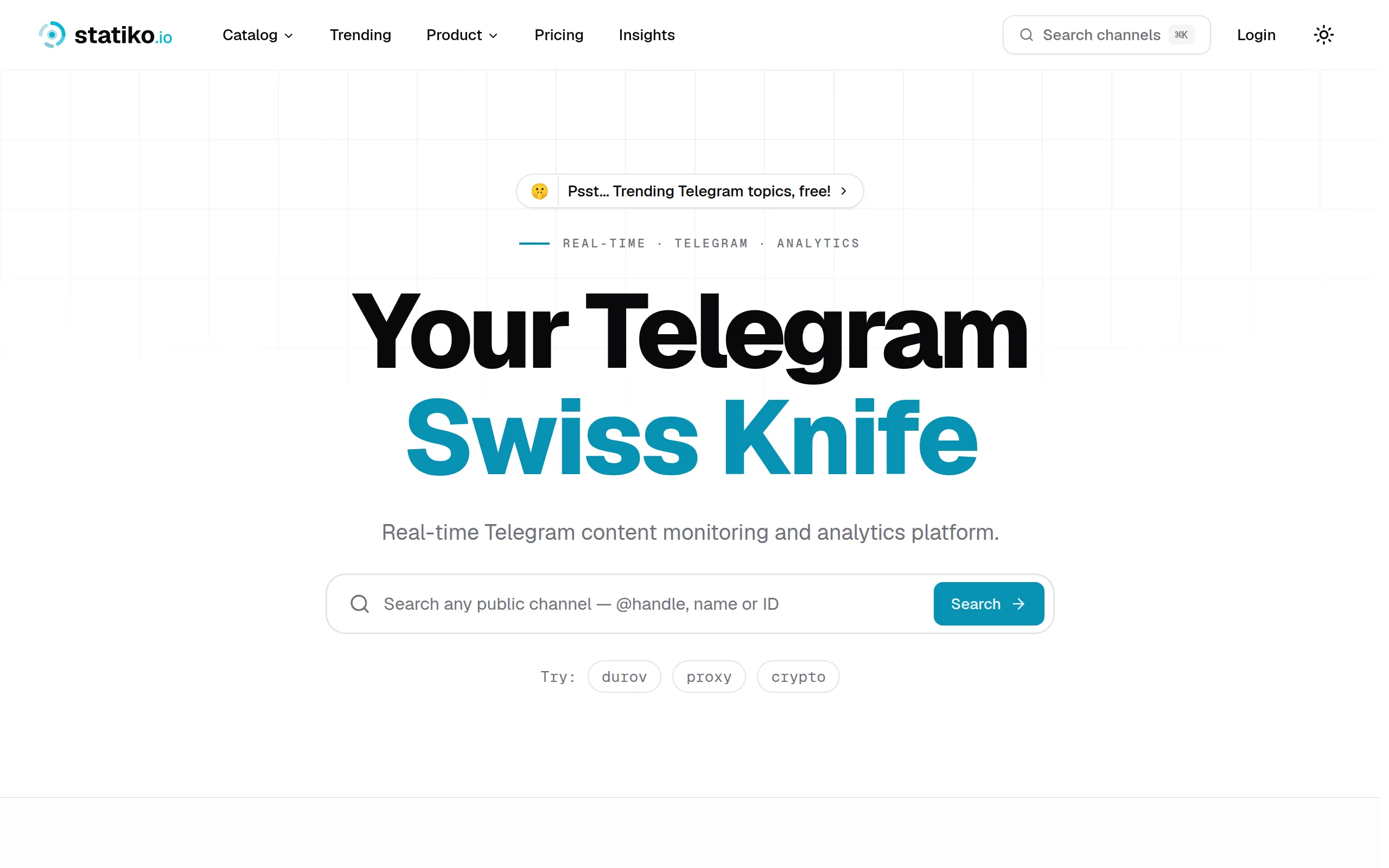
Statiko
Monitor any Telegram channel in real time - track posts, edits, deletions, and growth with AI recaps 📡

Shibui
AI website builder - describe your business, pick a niche template, edit by chatting, and publish instantly ✨

Pro Service
Find verified home service professionals, compare quotes, and pay securely through escrow - built for Brazilians across the US 🏠
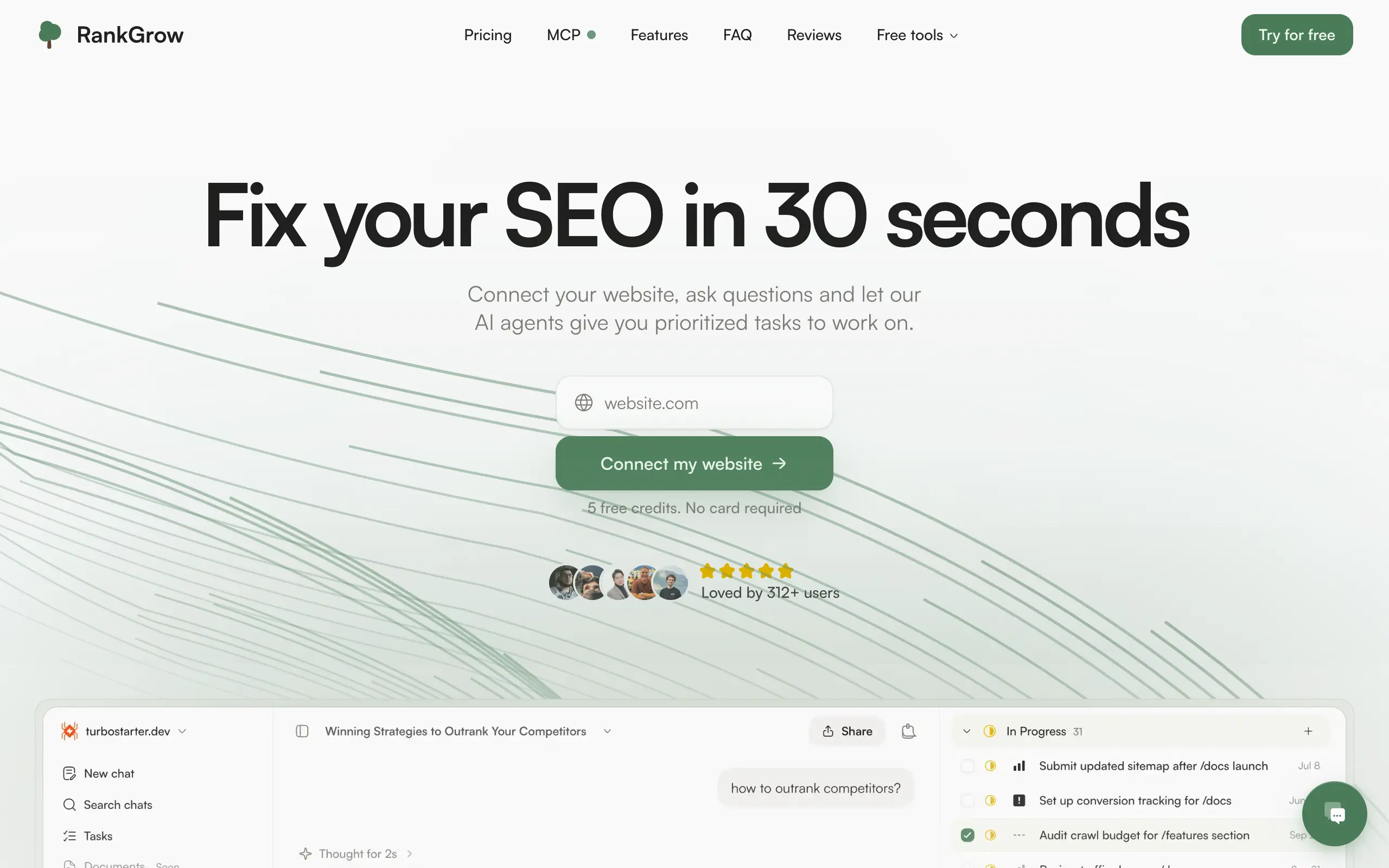
RankGrow
Fix your SEO with AI agents - connect Search Console, get prioritized tasks, and grow organic traffic 📈
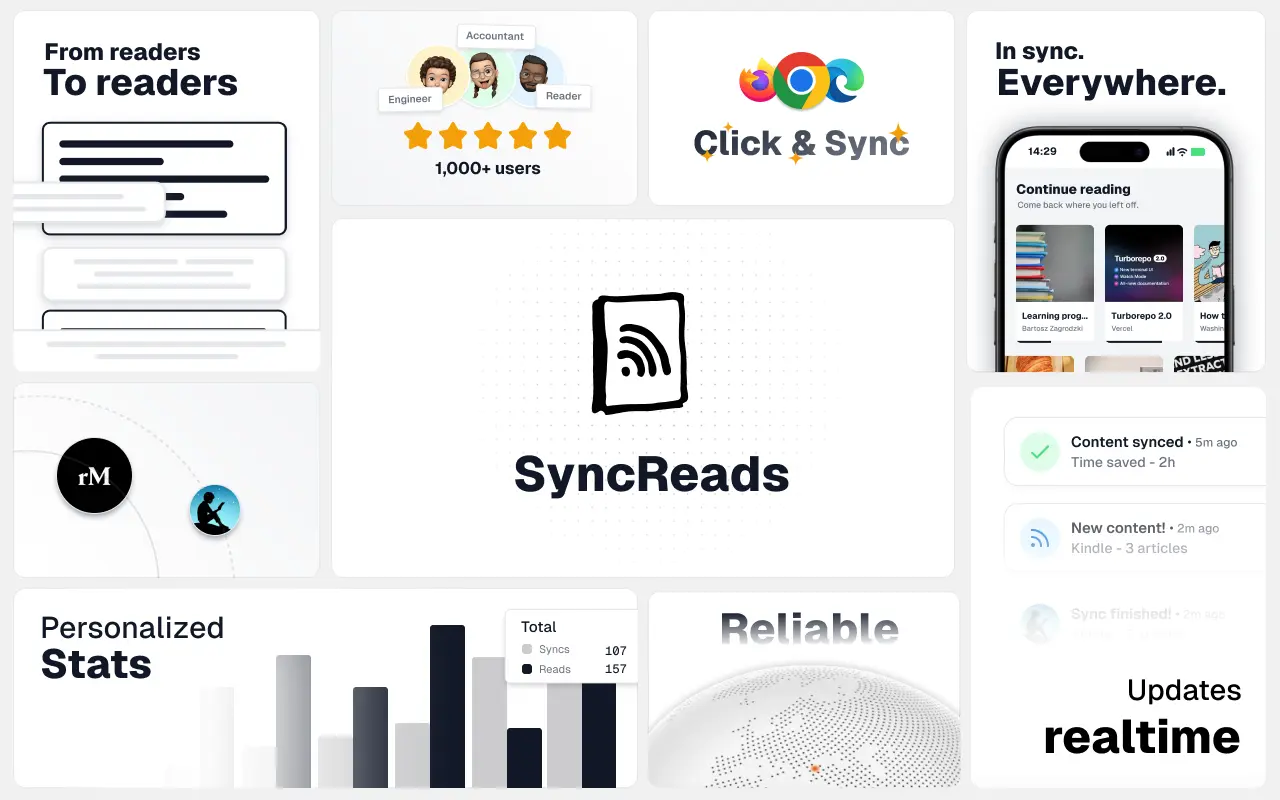
SyncReads
Sync your favorite content for distraction-free reading, save time and replace multiple apps. Anytime, anywhere 🔄
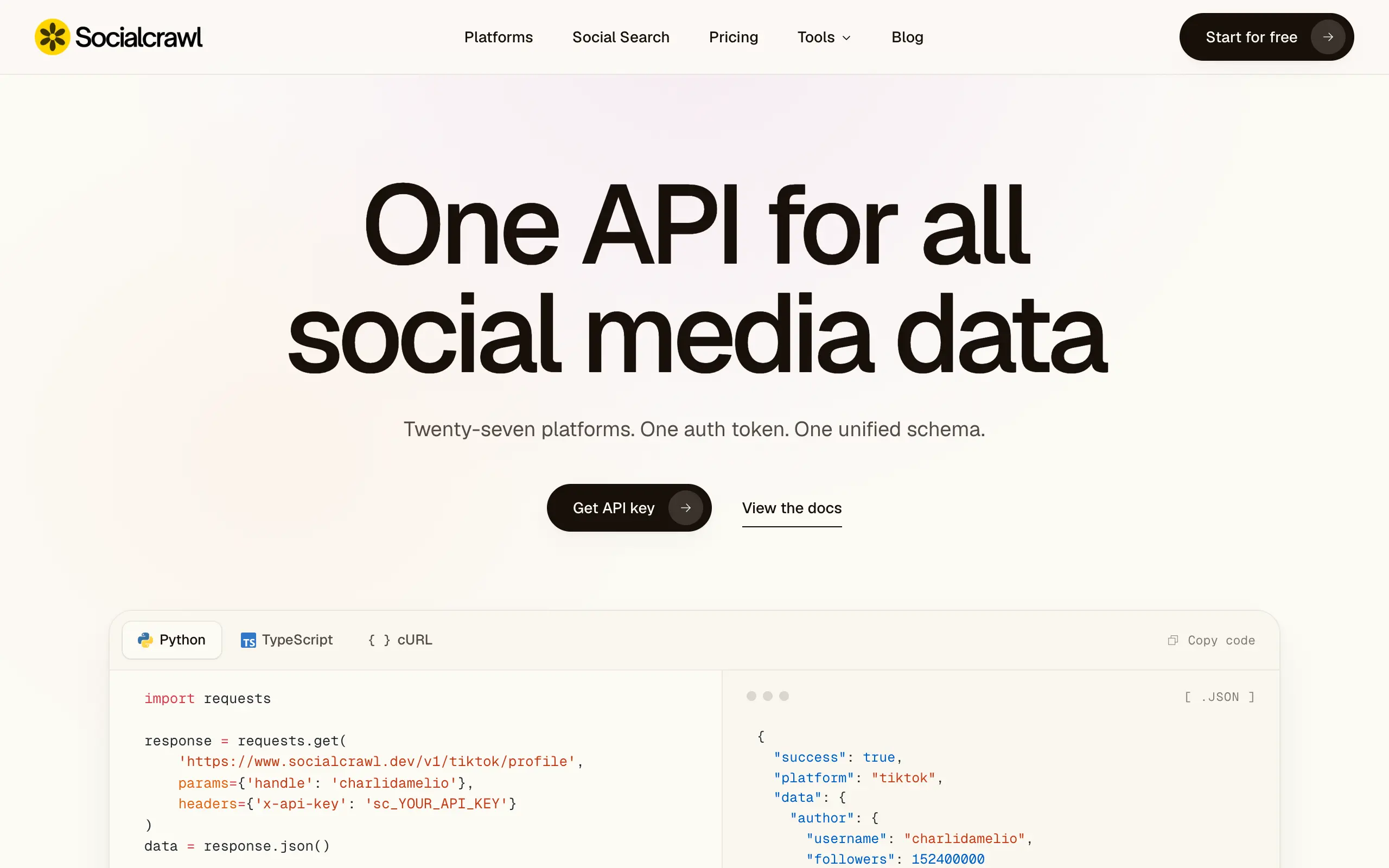
Socialcrawl
Get clean, structured data from 21 platforms like TikTok, Instagram, and YouTube with a single request 📊
Statiko
Monitor any Telegram channel in real time - track posts, edits, deletions, and growth with AI recaps 📡
Shibui
AI website builder - describe your business, pick a niche template, edit by chatting, and publish instantly ✨
Pro Service
Find verified home service professionals, compare quotes, and pay securely through escrow - built for Brazilians across the US 🏠
RankGrow
Fix your SEO with AI agents - connect Search Console, get prioritized tasks, and grow organic traffic 📈
SyncReads
Sync your favorite content for distraction-free reading, save time and replace multiple apps. Anytime, anywhere 🔄
Socialcrawl
Get clean, structured data from 21 platforms like TikTok, Instagram, and YouTube with a single request 📊
Statiko
Monitor any Telegram channel in real time - track posts, edits, deletions, and growth with AI recaps 📡
Shibui
AI website builder - describe your business, pick a niche template, edit by chatting, and publish instantly ✨
Pro Service
Find verified home service professionals, compare quotes, and pay securely through escrow - built for Brazilians across the US 🏠
RankGrow
Fix your SEO with AI agents - connect Search Console, get prioritized tasks, and grow organic traffic 📈
SyncReads
Sync your favorite content for distraction-free reading, save time and replace multiple apps. Anytime, anywhere 🔄
Socialcrawl
Get clean, structured data from 21 platforms like TikTok, Instagram, and YouTube with a single request 📊
Statiko
Monitor any Telegram channel in real time - track posts, edits, deletions, and growth with AI recaps 📡
Shibui
AI website builder - describe your business, pick a niche template, edit by chatting, and publish instantly ✨
Pro Service
Find verified home service professionals, compare quotes, and pay securely through escrow - built for Brazilians across the US 🏠
RankGrow
Fix your SEO with AI agents - connect Search Console, get prioritized tasks, and grow organic traffic 📈
SyncReads
Sync your favorite content for distraction-free reading, save time and replace multiple apps. Anytime, anywhere 🔄
Socialcrawl
Get clean, structured data from 21 platforms like TikTok, Instagram, and YouTube with a single request 📊
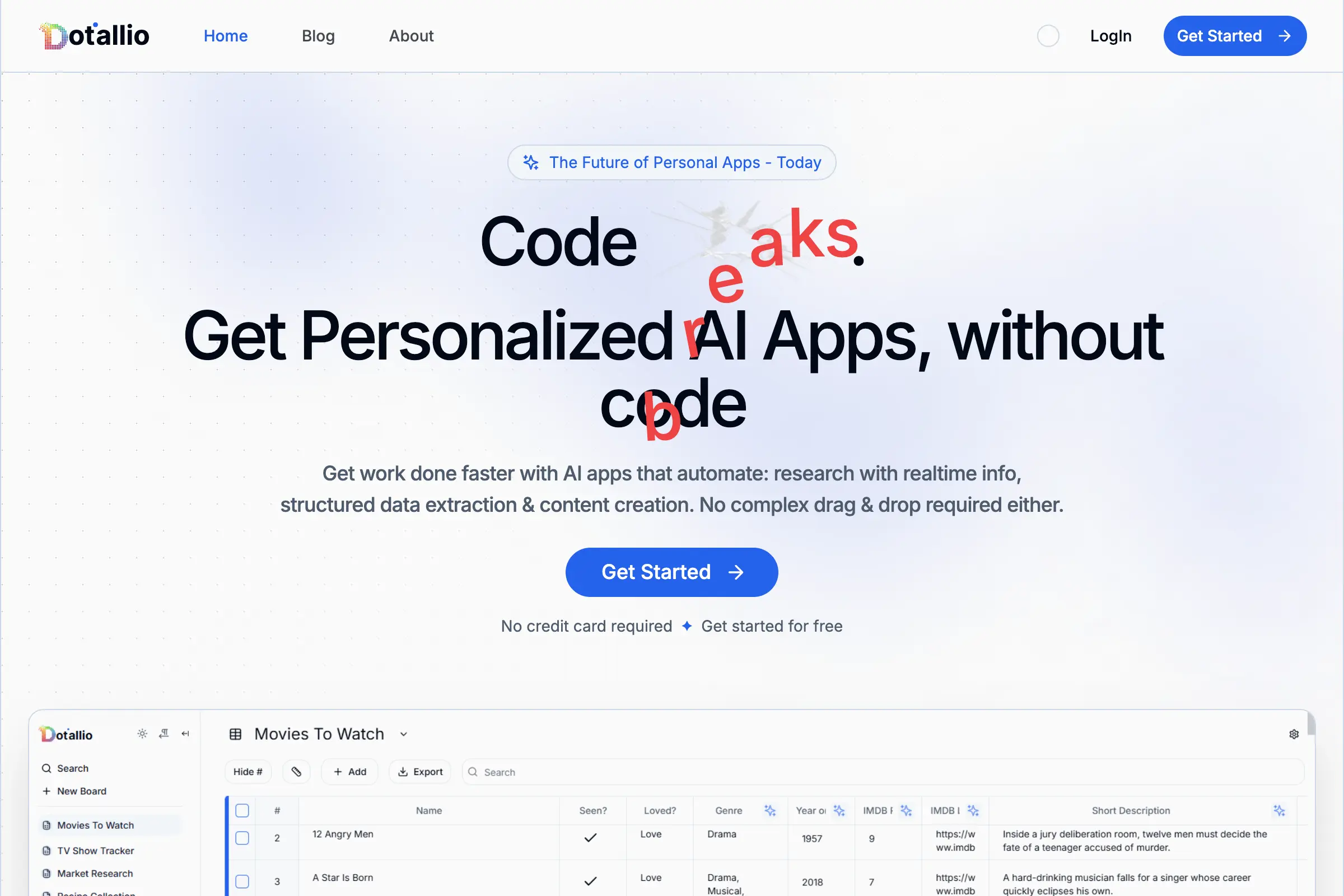
Dotallio
Personalized AI apps that automate research, data extraction, and content creation without code 🤖

Talk to Santa
Enjoy a magical live video chat or receive a unique AI-generated video greeting from Santa Claus 🎅
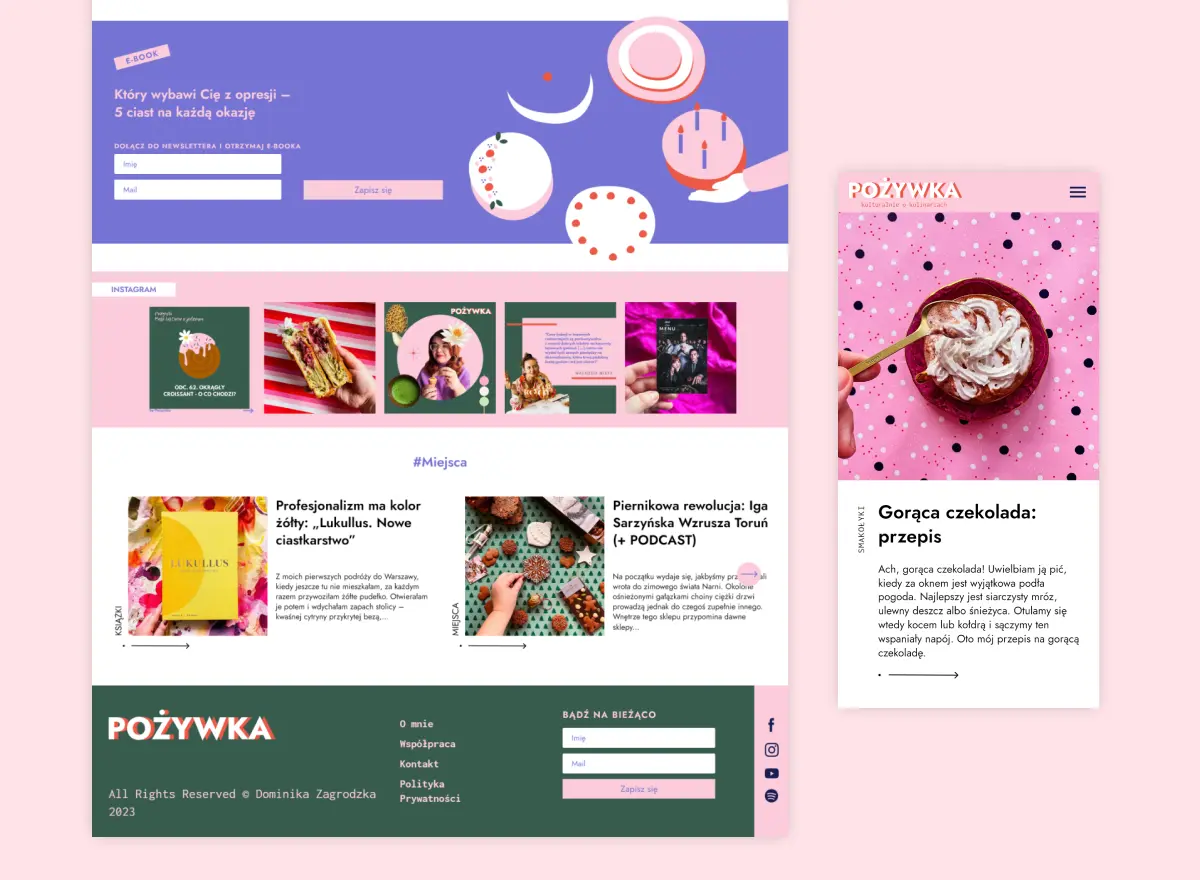
pozywka.pl
Scalable blog for food journalist, focused on performance and user experience 🌭
zagrodzki.me
Personal blog and portfolio of Bart Zagrodzki, where he shares his knowledge and work 💼
TurboStarter
Ship your startup everywhere. In minutes.
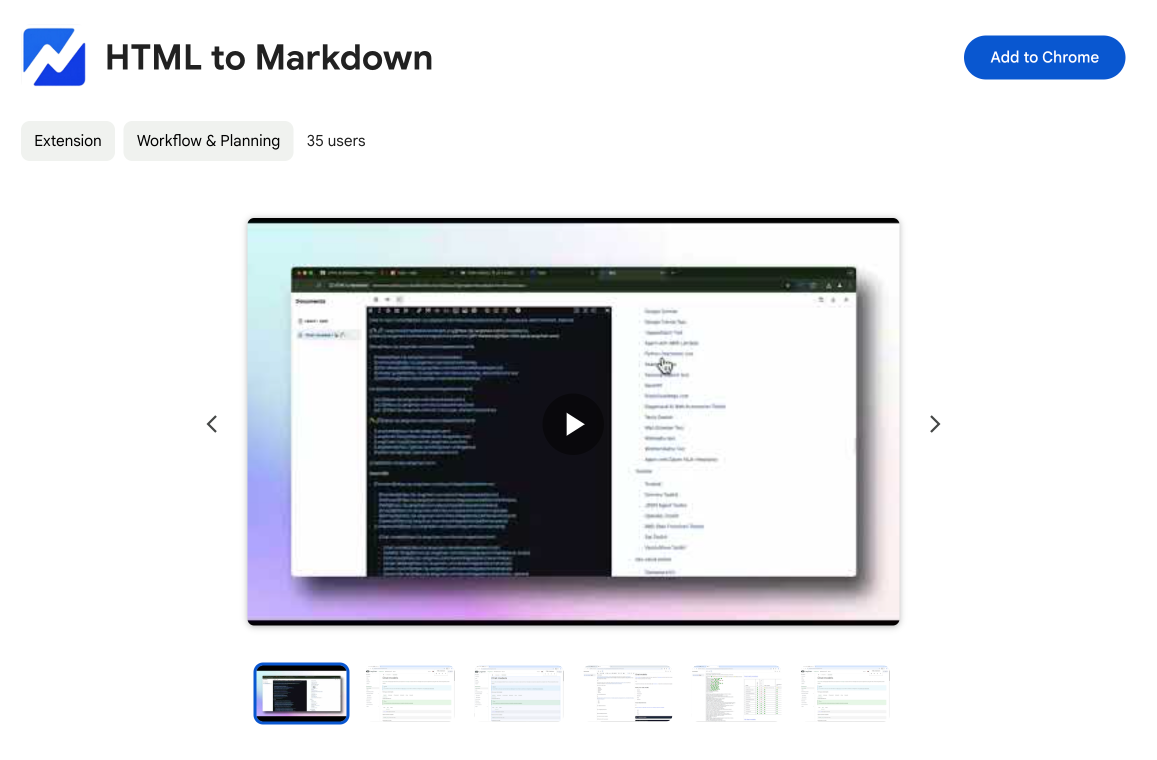
HTML to Markdown
Convert HTML to Markdown with ease, directly in your browser 📄
Dotallio
Personalized AI apps that automate research, data extraction, and content creation without code 🤖
Talk to Santa
Enjoy a magical live video chat or receive a unique AI-generated video greeting from Santa Claus 🎅
pozywka.pl
Scalable blog for food journalist, focused on performance and user experience 🌭
zagrodzki.me
Personal blog and portfolio of Bart Zagrodzki, where he shares his knowledge and work 💼
TurboStarter
Ship your startup everywhere. In minutes.
HTML to Markdown
Convert HTML to Markdown with ease, directly in your browser 📄
Dotallio
Personalized AI apps that automate research, data extraction, and content creation without code 🤖
Talk to Santa
Enjoy a magical live video chat or receive a unique AI-generated video greeting from Santa Claus 🎅
pozywka.pl
Scalable blog for food journalist, focused on performance and user experience 🌭
zagrodzki.me
Personal blog and portfolio of Bart Zagrodzki, where he shares his knowledge and work 💼
TurboStarter
Ship your startup everywhere. In minutes.
HTML to Markdown
Convert HTML to Markdown with ease, directly in your browser 📄
Dotallio
Personalized AI apps that automate research, data extraction, and content creation without code 🤖
Talk to Santa
Enjoy a magical live video chat or receive a unique AI-generated video greeting from Santa Claus 🎅
pozywka.pl
Scalable blog for food journalist, focused on performance and user experience 🌭
zagrodzki.me
Personal blog and portfolio of Bart Zagrodzki, where he shares his knowledge and work 💼
TurboStarter
Ship your startup everywhere. In minutes.
HTML to Markdown
Convert HTML to Markdown with ease, directly in your browser 📄
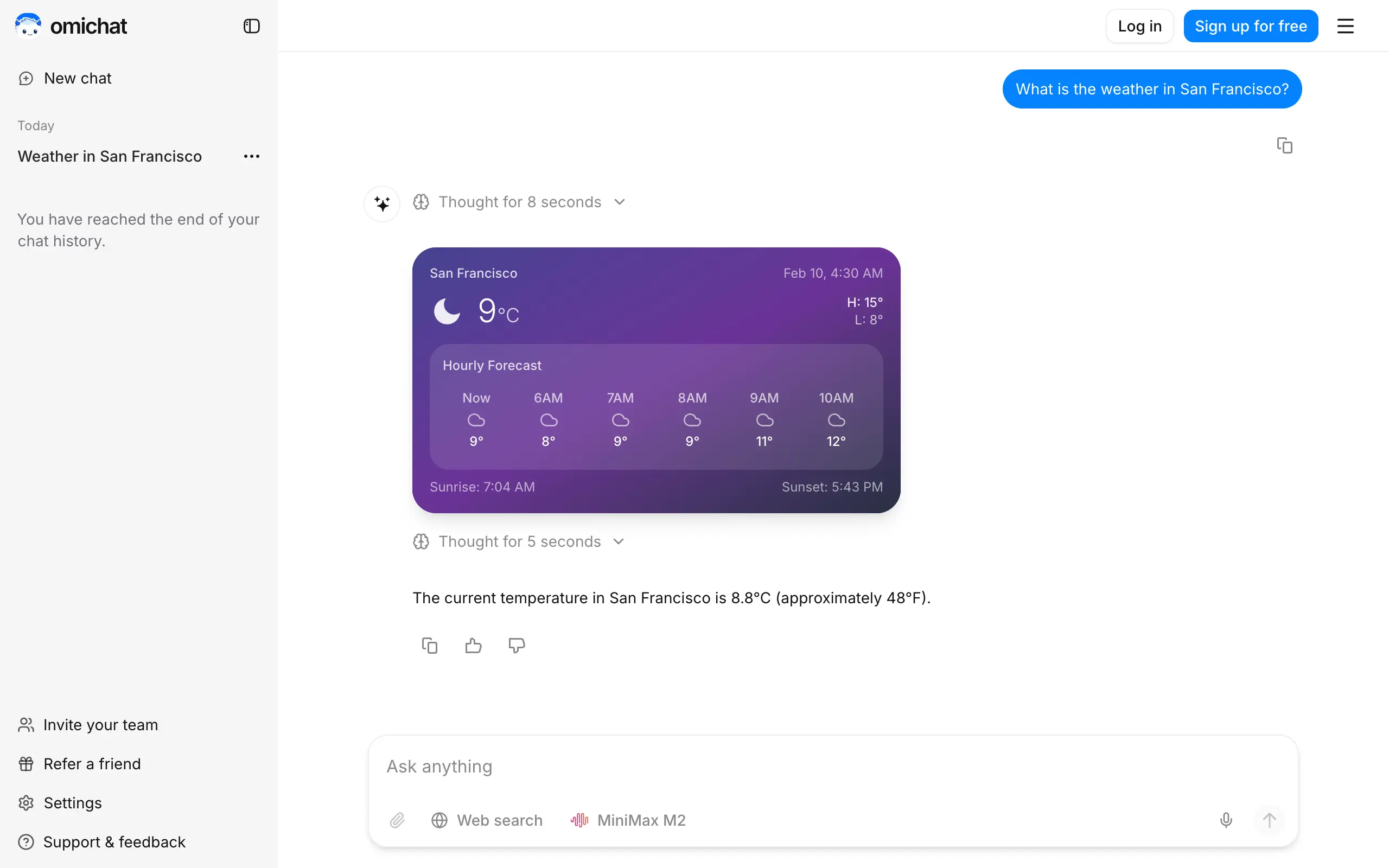
Omichat
Chat with 50+ AI models, including ChatGPT and Claude, in one place - switch models anytime without losing context 🤖
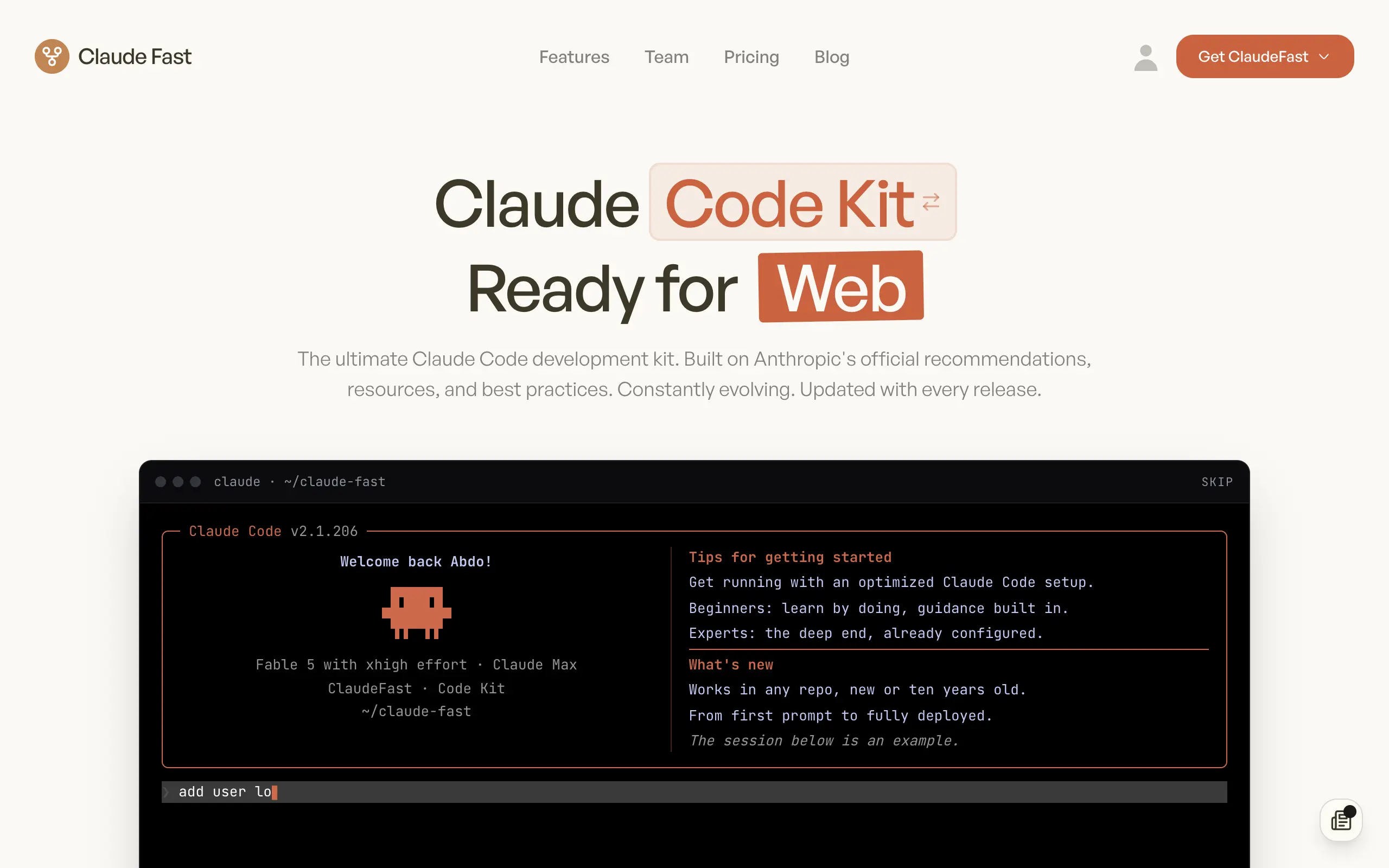
Claude Fast
Supercharge your Claude Code with 6x effective context window and specialized AI agents 🤖

EmojAI
AI-powered emoji picker with smart, context-aware suggestions 🤖
Solohacker
Autonomous company launcher - AI agents work 24/7, escalate what matters, and you stay in control 🤖

BeRawi: Storytelling Coach
Practice storytelling daily with instant feedback to sound clearer, more engaging, and confident 🎤
Omichat
Chat with 50+ AI models, including ChatGPT and Claude, in one place - switch models anytime without losing context 🤖
Claude Fast
Supercharge your Claude Code with 6x effective context window and specialized AI agents 🤖
EmojAI
AI-powered emoji picker with smart, context-aware suggestions 🤖
Solohacker
Autonomous company launcher - AI agents work 24/7, escalate what matters, and you stay in control 🤖
BeRawi: Storytelling Coach
Practice storytelling daily with instant feedback to sound clearer, more engaging, and confident 🎤
Omichat
Chat with 50+ AI models, including ChatGPT and Claude, in one place - switch models anytime without losing context 🤖
Claude Fast
Supercharge your Claude Code with 6x effective context window and specialized AI agents 🤖
EmojAI
AI-powered emoji picker with smart, context-aware suggestions 🤖
Solohacker
Autonomous company launcher - AI agents work 24/7, escalate what matters, and you stay in control 🤖
BeRawi: Storytelling Coach
Practice storytelling daily with instant feedback to sound clearer, more engaging, and confident 🎤
Omichat
Chat with 50+ AI models, including ChatGPT and Claude, in one place - switch models anytime without losing context 🤖
Claude Fast
Supercharge your Claude Code with 6x effective context window and specialized AI agents 🤖
EmojAI
AI-powered emoji picker with smart, context-aware suggestions 🤖
Solohacker
Autonomous company launcher - AI agents work 24/7, escalate what matters, and you stay in control 🤖
BeRawi: Storytelling Coach
Practice storytelling daily with instant feedback to sound clearer, more engaging, and confident 🎤

Connect with like-minded people
Join our community to get feedback, support, and grow together with 1,000+ builders on board, let's ship it!
Join usShip your startup everywhere. In minutes.
Don't burn tokens on setup and start building features on day one.