UniFeedback 360
Outil d’analyse prédictive pour écoles et universités collectant feedbacks étudiants en temps réel afin d’anticiper le décrochage et améliorer la satisfaction.
Why predictive student feedback analytics is becoming mission-critical for higher education
Student expectations have changed dramatically over the last decade. Universities and schools are no longer evaluated solely on academic reputation. They are judged on student experience, engagement, retention rates, employability outcomes, and digital responsiveness.
In this context, predictive student feedback analytics software like UniFeedback 360 addresses a critical gap: institutions collect feedback, but rarely use it in real time to prevent disengagement or dropout.
This article explores:
- The market opportunity for predictive analytics in higher education
- The target audience and buying process
- Core features and system architecture
- Recommended tech stack and trade-offs
- Monetization strategies
- Competitive landscape and differentiation
- Risks and mitigation
- A practical roadmap to build and launch
The goal is to provide a comprehensive, expert-level strategic guide for building and scaling a B2B SaaS platform in the EdTech analytics space.
The problem: feedback is collected, but not operationalized
Most universities already collect student feedback through:
- End-of-semester surveys
- LMS-integrated questionnaires
- Course evaluations
- Net Promoter Score (NPS) forms
- Institutional satisfaction surveys
However, these systems share several weaknesses:
- Delayed insights (feedback arrives too late to intervene)
- Siloed data (academic, attendance, and satisfaction data are not unified)
- Manual analysis
- No predictive modeling
- Limited action tracking
This creates a dangerous blind spot: institutions react after disengagement has already escalated.
According to widely cited higher education research (e.g., OECD education reports and UNESCO data), student dropout remains a persistent issue globally. Even a 1% improvement in retention can represent millions in preserved tuition revenue for large institutions.
That’s where a real-time predictive feedback analytics platform like UniFeedback 360 creates strategic value.
Target audience analysis: who buys predictive student feedback software?
Primary buyers (economic decision-makers)
- University presidents / provosts
- VP of academic affairs
- Directors of student success
- Institutional research departments
- Chief digital transformation officers
Secondary users (daily operators)
- Faculty and program directors
- Student support services
- Academic advisors
- Quality assurance teams
End beneficiaries
- Students
- Faculty
- Academic leadership
User intent: what institutions are actually searching for
When institutions search for solutions, they are typically looking for:
- “How to reduce student dropout rates”
- “Student engagement analytics platform”
- “Predictive analytics for universities”
- “Real-time student feedback tools”
- “Student retention software”
This indicates high problem-awareness and solution-seeking intent. Buyers are not browsing casually; they are seeking operational tools that improve measurable KPIs.
Market opportunity and gap
The macro trend: data-driven higher education
Higher education is undergoing digital transformation:
- Widespread adoption of LMS platforms like Moodle and Canvas
- Growing use of CRM systems for student lifecycle management
- Increased use of AI and predictive analytics in education
Despite this, a critical gap remains:
Most institutions analyze performance data and feedback data separately.
UniFeedback 360 bridges that gap by combining:
- Real-time sentiment analysis
- Academic performance indicators
- Attendance trends
- Engagement signals
- Predictive dropout risk modeling
Core value proposition of UniFeedback 360
UniFeedback 360 is a predictive student feedback analytics platform that enables schools and universities to:
- Collect feedback continuously
- Detect early warning signals
- Predict student disengagement
- Trigger automated interventions
- Measure satisfaction trends in real time
This transforms feedback from a compliance exercise into a strategic retention engine.
Core features of UniFeedback 360
1. Real-time feedback collection engine
- Micro-surveys during semester
- Anonymous or identified responses
- Mobile-first interface
- LMS integrations
- QR-based in-class feedback
2. Predictive analytics dashboard
Uses machine learning models to:
- Predict dropout risk probability
- Detect declining engagement patterns
- Identify dissatisfaction clusters
- Flag at-risk programs
Example predictive score model:
interface StudentRiskProfile {
  academicPerformanceScore: number
  attendanceScore: number
  engagementScore: number
  sentimentScore: number
  riskProbability: number
}
3. Sentiment analysis (NLP-powered)
Natural language processing analyzes:
- Open-text feedback
- Complaint patterns
- Emotional tone shifts
- Topic clustering (e.g., teaching quality, facilities, workload)
4. Automated intervention workflows
- Trigger alerts to advisors
- Notify faculty
- Schedule intervention meetings
- Send student support resources
5. Executive-level analytics
- Retention forecasting
- Department performance benchmarking
- Satisfaction heatmaps
- Longitudinal trend analysis
Competitive landscape
The predictive analytics and EdTech analytics market includes:
- LMS platforms with built-in analytics
- Student Information Systems (SIS)
- Survey platforms (Qualtrics, SurveyMonkey)
- Generic BI tools
But most competitors lack:
- Real-time feedback loops
- Integrated predictive modeling
- Dropout probability scoring
- Action automation
Competitive comparison
| Feature | LMS | Survey Tools | Generic BI | UniFeedback 360 | SIS |
|---|---|---|---|---|---|
| Real-time feedback | ❌ | ✅ | ❌ | ✅ | ❌ |
| Predictive dropout model | ❌ | ❌ | ✅ | ✅ | ❌ |
UniFeedback 360’s competitive edge lies in unifying feedback, analytics, and action workflows in one platform.
Recommended tech stack for building UniFeedback 360
Frontend
- React – component-driven UI
- Next.js – SSR and performance
- TailwindCSS – rapid UI styling
Backend
- Node.js or Python (FastAPI)
- REST or GraphQL API
- PostgreSQL for relational data
- Redis for caching
Machine learning layer
- Python (scikit-learn or TensorFlow)
- NLP models for sentiment classification
- Risk prediction logistic regression or gradient boosting
Data pipeline
- Event ingestion system
- ETL processes
- Data warehouse (Snowflake or BigQuery)
Infrastructure
- Cloud hosting (AWS, GCP, Azure)
- Role-based access control
- GDPR-compliant data storage
Trade-offs to consider
Build vs integrate ML
- Build custom models → Higher differentiation
- Use third-party ML APIs → Faster time to market
Real-time vs batch processing
- Real-time = better alerts, more infrastructure cost
- Batch = cheaper, less immediate value
Identified vs anonymous feedback
- Identified = better intervention
- Anonymous = higher participation rate
Monetization strategy
As a B2B SaaS platform, UniFeedback 360 can adopt:
1. Tiered subscription pricing
- Starter (small colleges)
- Growth (mid-size universities)
- Enterprise (large institutions, multi-campus)
Pricing factors:
- Number of students
- Number of departments
- Advanced analytics features
- API access
2. Per-student annual licensing
Example:
- €3–€10 per student/year
- Scales predictably
3. Add-on modules
- Advanced AI modeling
- Custom reporting
- White-label version
- Data consulting services
Unique selling proposition (USP)
UniFeedback 360 stands out because it:
- Combines real-time feedback with predictive analytics
- Moves from reporting to intervention
- Connects satisfaction metrics to retention outcomes
- Enables proactive institutional decision-making
Most competitors stop at dashboards. UniFeedback 360 drives action.
Risks and mitigation strategies
1. Data privacy concerns
Risk: Student data misuse or non-compliance.
Mitigation:
- GDPR-compliant architecture
- End-to-end encryption
- Role-based access control
- Clear consent mechanisms
2. Low student participation
Risk: Insufficient data for predictive modeling.
Mitigation:
- Gamified micro-surveys
- Mobile-first UX
- Anonymous option
- Incentive systems
3. Institutional resistance
Risk: Slow adoption due to bureaucracy.
Mitigation:
- Pilot programs
- ROI case studies
- Retention improvement metrics
Go-to-market strategy
Phase 1: Pilot institutions
- Target innovative mid-sized universities
- Offer discounted early access
- Co-develop predictive models
Phase 2: Case study publication
Demonstrate:
- Dropout reduction percentage
- Satisfaction improvement
- Faculty engagement increase
Phase 3: Partnerships
- LMS integrations
- Educational technology resellers
- Government education initiatives
Implementation roadmap
Technical example: simple risk prediction API endpoint
import express from "express"

const app = express()

app.post("/predict-risk", (req, res) => {
  const { academic, attendance, engagement, sentiment } = req.body

  const riskScore =
    academic * 0.3 +
    attendance * 0.25 +
    engagement * 0.2 +
    sentiment * 0.25

  res.json({ riskProbability: riskScore })
})
This is simplified. In production, use validated ML models and calibration.
Scaling efficiently with a modern SaaS foundation
Launching a predictive analytics SaaS requires:
- Authentication
- Billing
- Role management
- Secure infrastructure
- Multi-tenant architecture
Instead of building all of that from scratch, you can accelerate development using a production-ready SaaS foundation like TurboStarter, which provides essential SaaS building blocks and lets you focus on the predictive analytics core.
Future evolution: AI-driven academic intelligence
In the next 5–10 years, expect:
- Generative AI-based intervention suggestions
- Automated advisor assistants
- Cross-institution benchmarking networks
- Real-time emotional sentiment detection
UniFeedback 360 can evolve into a full academic intelligence platform, not just a feedback tool.
Final actionable steps
If you are building UniFeedback 360:
- Validate dropout pain with 10+ institutions
- Build MVP focused on real-time micro-feedback
- Integrate predictive model early
- Secure one flagship pilot
- Measure retention improvement
- Publish results
- Scale via partnerships
The EdTech analytics space is growing. Institutions need tools that don’t just collect data — they need systems that predict, act, and improve outcomes.
UniFeedback 360 sits at the intersection of AI, student engagement analytics, and retention strategy — a powerful and timely SaaS opportunity.
More 🏢 B2B Application SaaS ideas
Discover more innovative b2b application SaaS ideas that are trending in 2026. Each idea is AI-generated with market validation and growth potential to help you find your next profitable venture faster than competitors.
Your competitors are building with TurboStarter
Below are some of the SaaS ideas that have been generated and built with our starter kit.
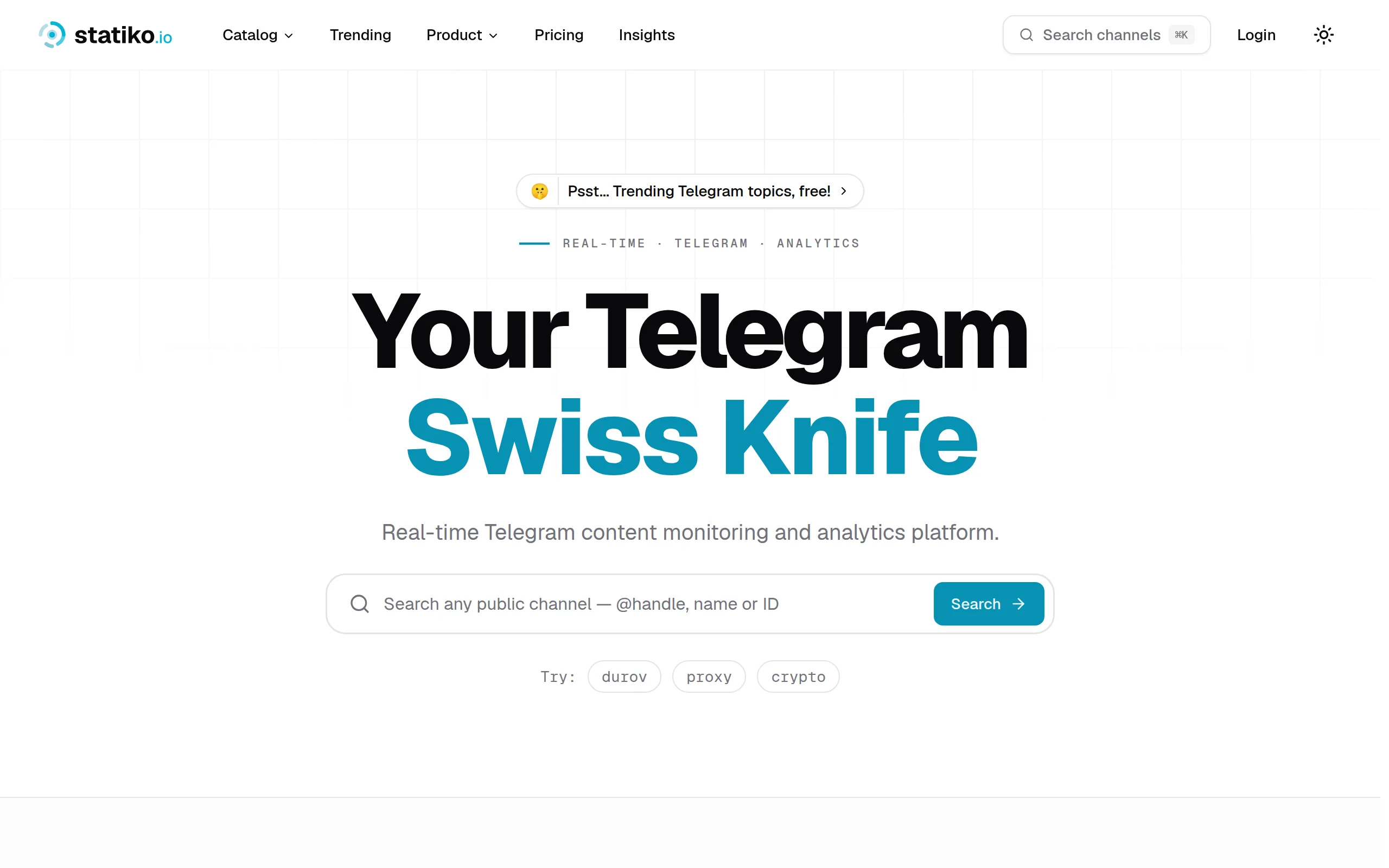
Statiko
Monitor any Telegram channel in real time - track posts, edits, deletions, and growth with AI recaps 📡

Shibui
AI website builder - describe your business, pick a niche template, edit by chatting, and publish instantly ✨

Pro Service
Find verified home service professionals, compare quotes, and pay securely through escrow - built for Brazilians across the US 🏠
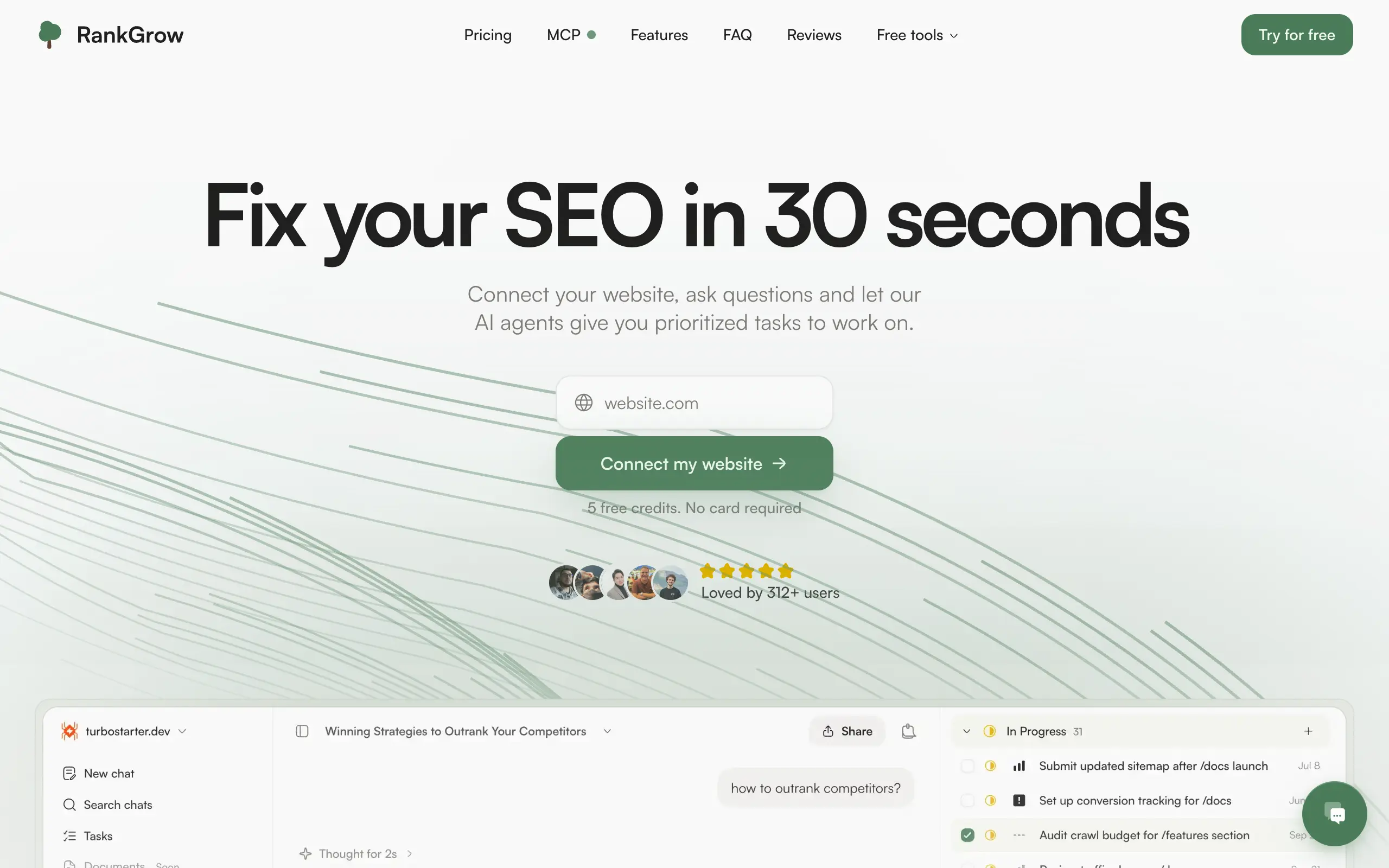
RankGrow
Fix your SEO with AI agents - connect Search Console, get prioritized tasks, and grow organic traffic 📈
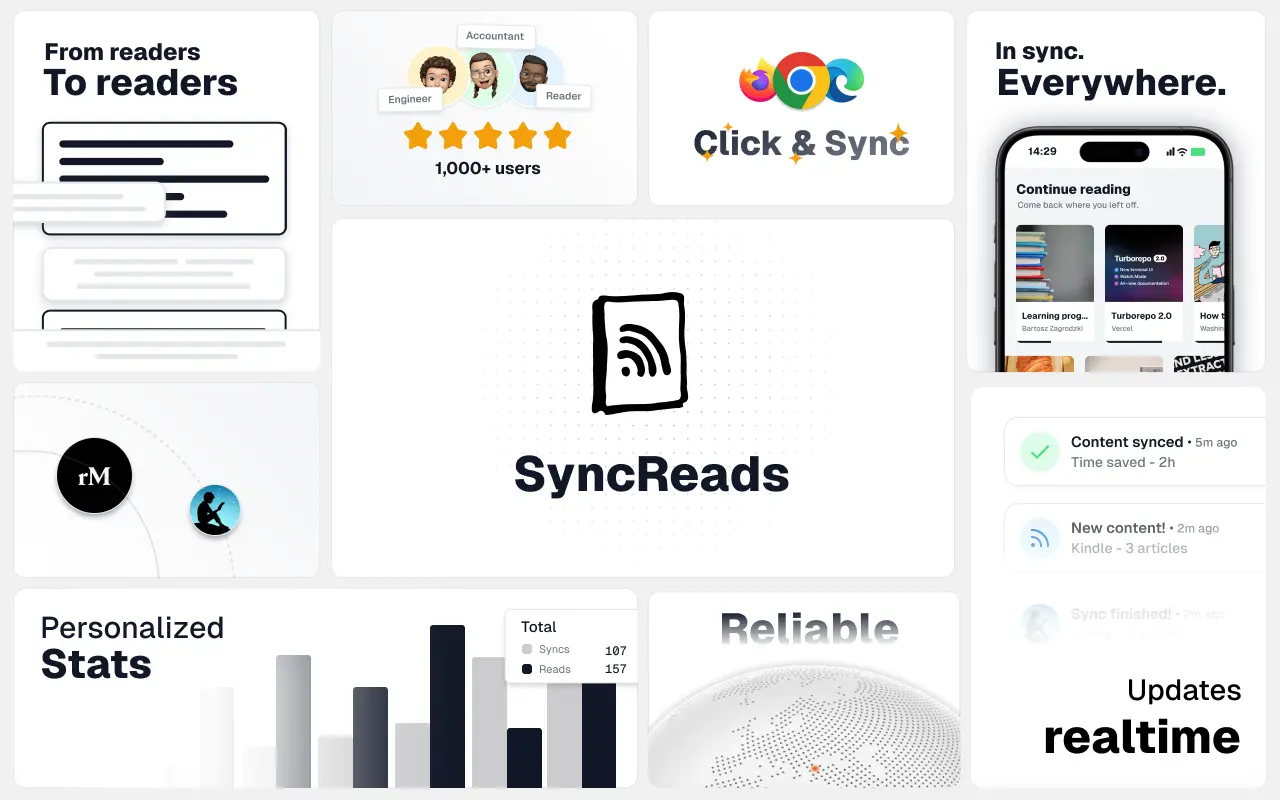
SyncReads
Sync your favorite content for distraction-free reading, save time and replace multiple apps. Anytime, anywhere 🔄
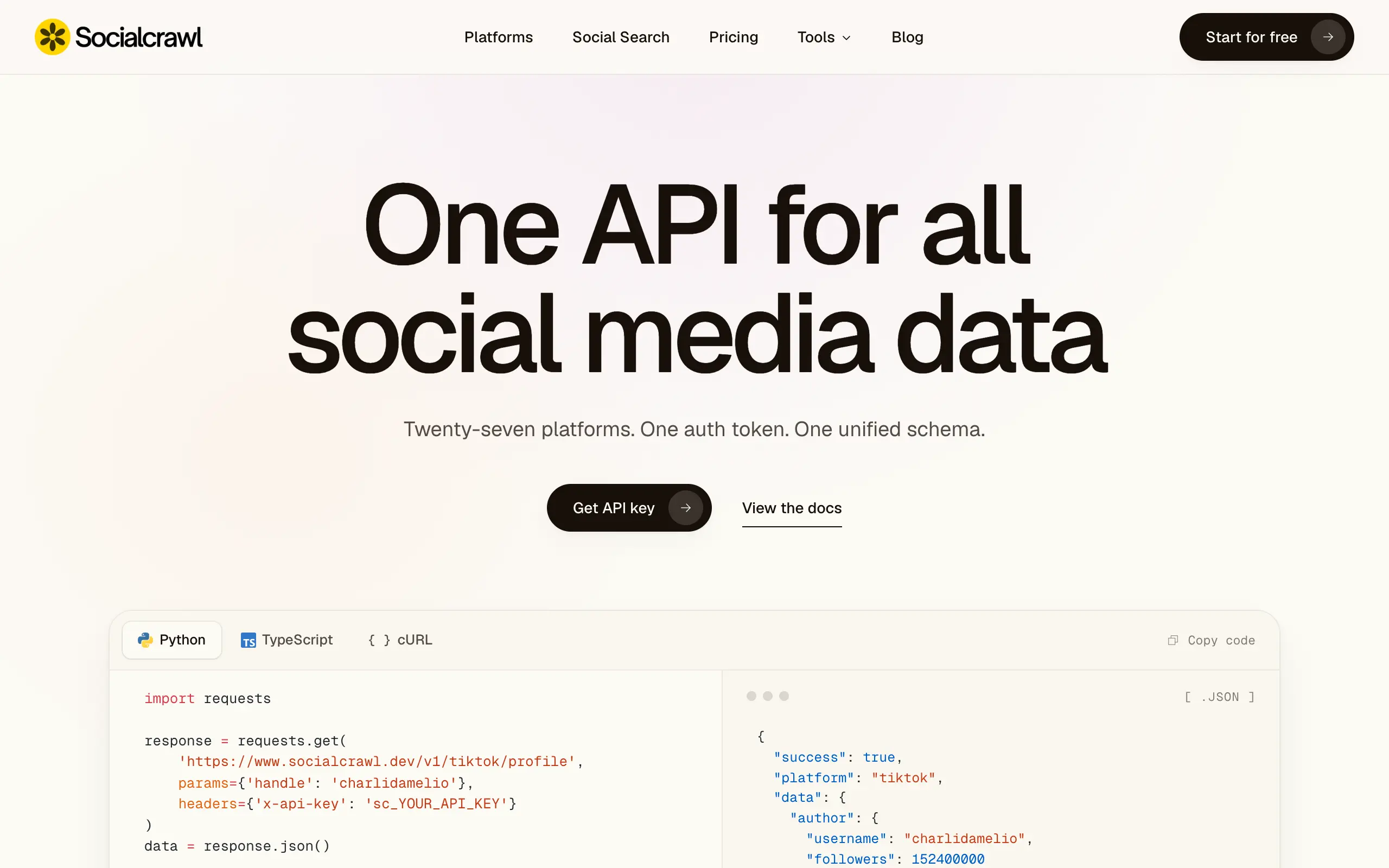
Socialcrawl
Get clean, structured data from 21 platforms like TikTok, Instagram, and YouTube with a single request 📊
Statiko
Monitor any Telegram channel in real time - track posts, edits, deletions, and growth with AI recaps 📡
Shibui
AI website builder - describe your business, pick a niche template, edit by chatting, and publish instantly ✨
Pro Service
Find verified home service professionals, compare quotes, and pay securely through escrow - built for Brazilians across the US 🏠
RankGrow
Fix your SEO with AI agents - connect Search Console, get prioritized tasks, and grow organic traffic 📈
SyncReads
Sync your favorite content for distraction-free reading, save time and replace multiple apps. Anytime, anywhere 🔄
Socialcrawl
Get clean, structured data from 21 platforms like TikTok, Instagram, and YouTube with a single request 📊
Statiko
Monitor any Telegram channel in real time - track posts, edits, deletions, and growth with AI recaps 📡
Shibui
AI website builder - describe your business, pick a niche template, edit by chatting, and publish instantly ✨
Pro Service
Find verified home service professionals, compare quotes, and pay securely through escrow - built for Brazilians across the US 🏠
RankGrow
Fix your SEO with AI agents - connect Search Console, get prioritized tasks, and grow organic traffic 📈
SyncReads
Sync your favorite content for distraction-free reading, save time and replace multiple apps. Anytime, anywhere 🔄
Socialcrawl
Get clean, structured data from 21 platforms like TikTok, Instagram, and YouTube with a single request 📊
Statiko
Monitor any Telegram channel in real time - track posts, edits, deletions, and growth with AI recaps 📡
Shibui
AI website builder - describe your business, pick a niche template, edit by chatting, and publish instantly ✨
Pro Service
Find verified home service professionals, compare quotes, and pay securely through escrow - built for Brazilians across the US 🏠
RankGrow
Fix your SEO with AI agents - connect Search Console, get prioritized tasks, and grow organic traffic 📈
SyncReads
Sync your favorite content for distraction-free reading, save time and replace multiple apps. Anytime, anywhere 🔄
Socialcrawl
Get clean, structured data from 21 platforms like TikTok, Instagram, and YouTube with a single request 📊
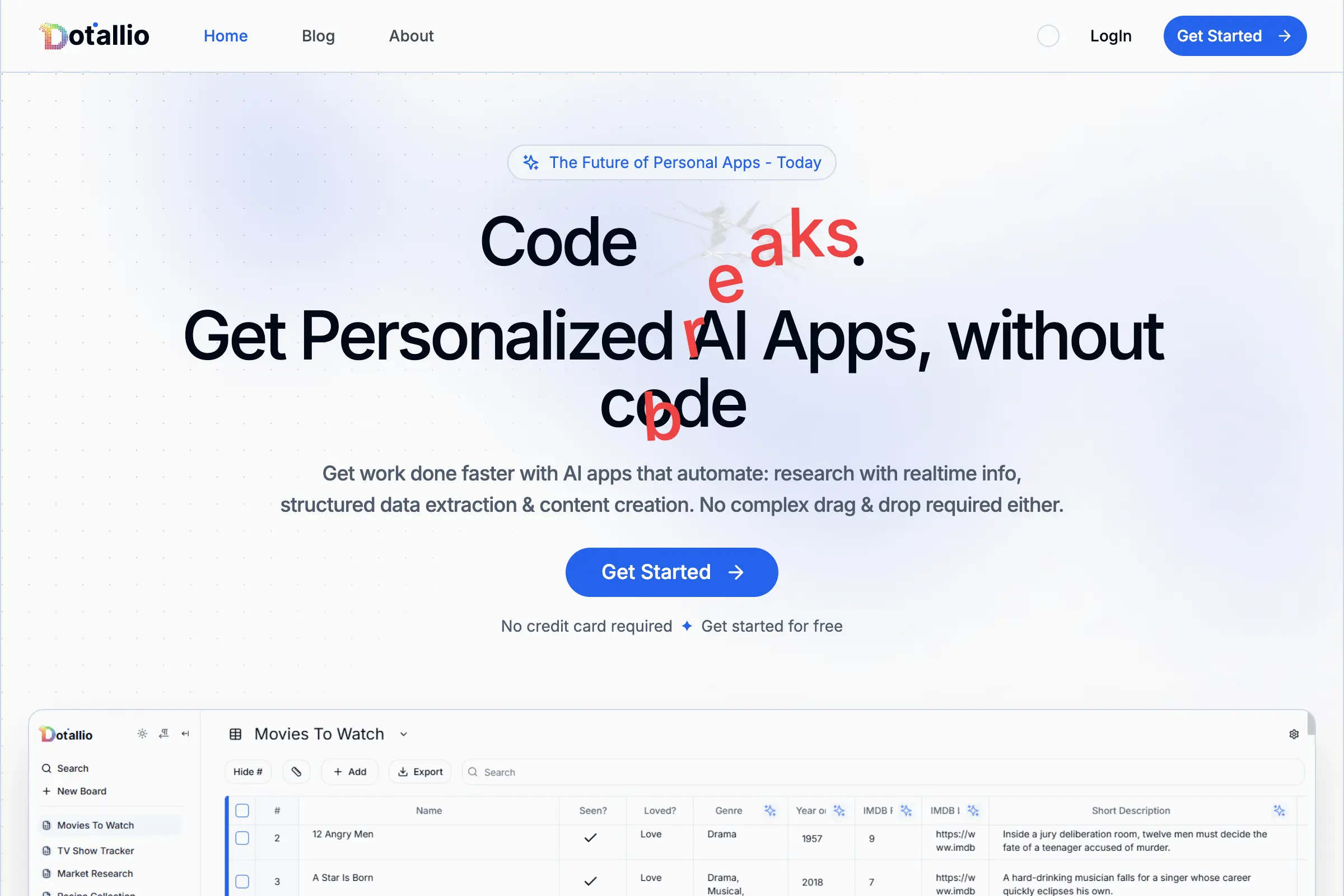
Dotallio
Personalized AI apps that automate research, data extraction, and content creation without code 🤖
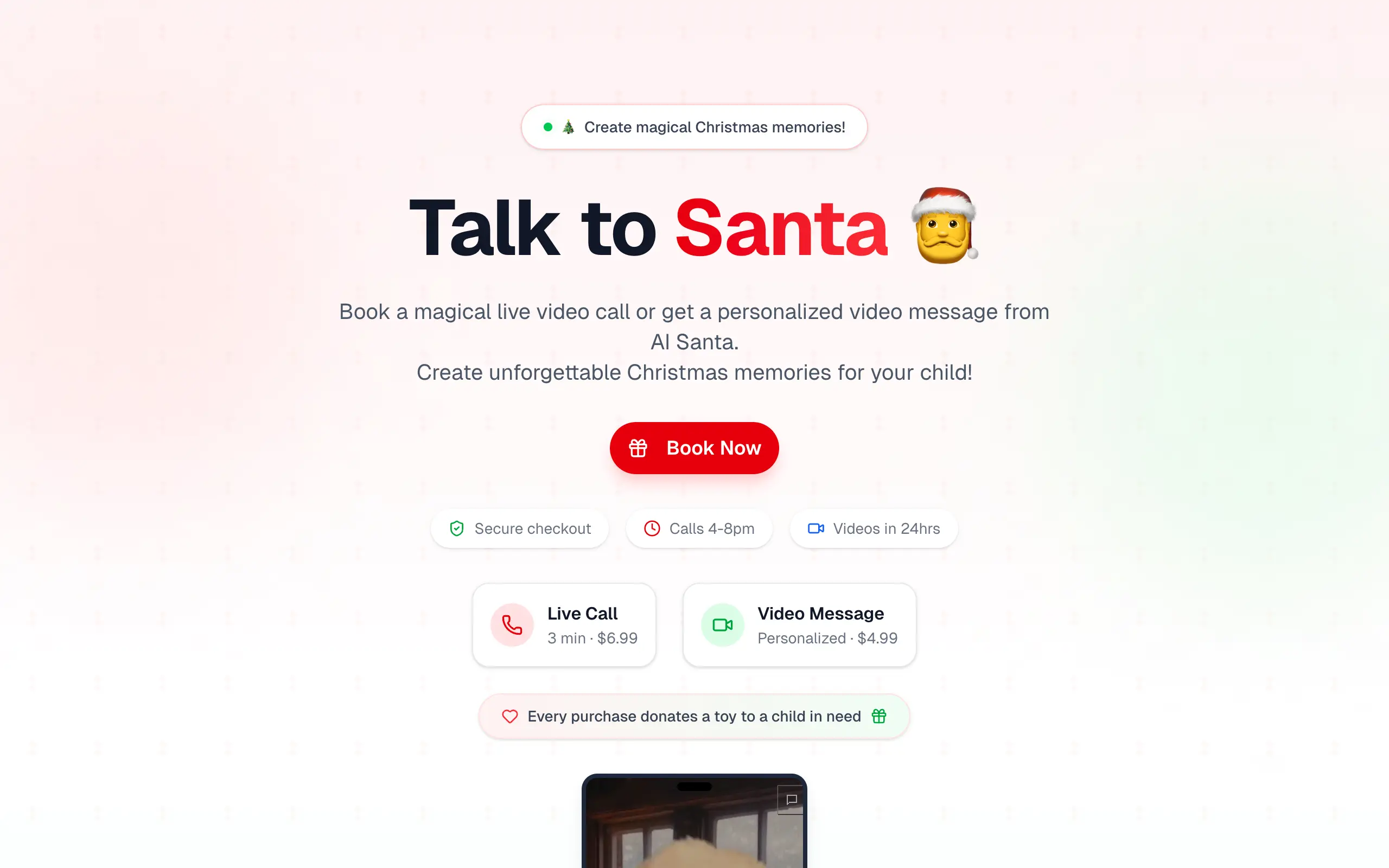
Talk to Santa
Enjoy a magical live video chat or receive a unique AI-generated video greeting from Santa Claus 🎅

pozywka.pl
Scalable blog for food journalist, focused on performance and user experience 🌭
zagrodzki.me
Personal blog and portfolio of Bart Zagrodzki, where he shares his knowledge and work 💼
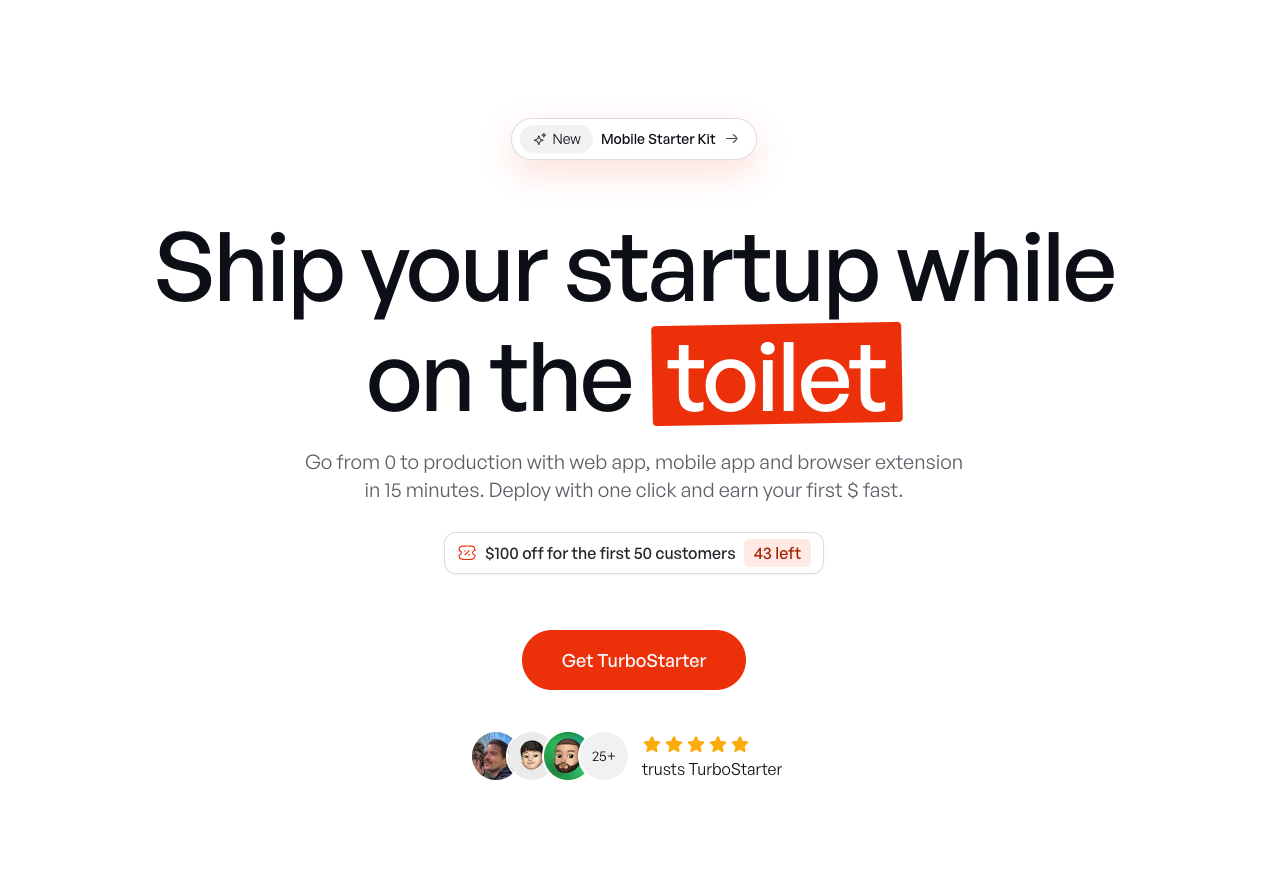
TurboStarter
Ship your startup everywhere. In minutes.
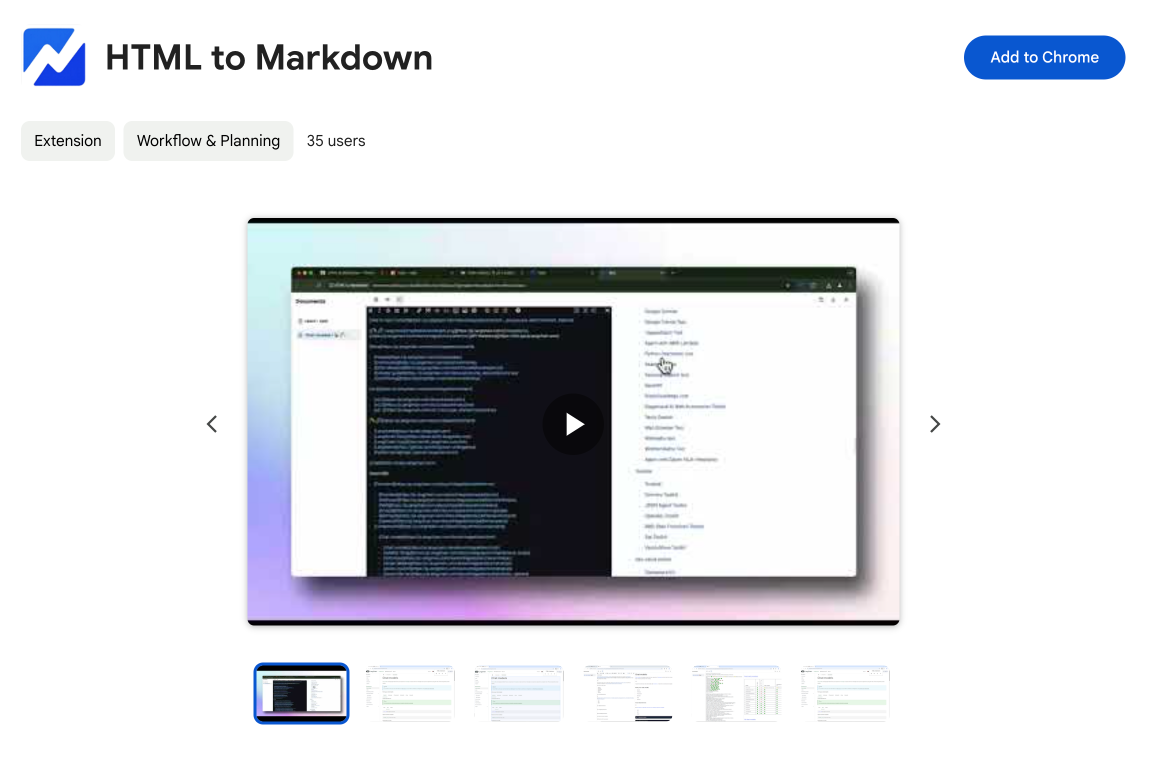
HTML to Markdown
Convert HTML to Markdown with ease, directly in your browser 📄
Dotallio
Personalized AI apps that automate research, data extraction, and content creation without code 🤖
Talk to Santa
Enjoy a magical live video chat or receive a unique AI-generated video greeting from Santa Claus 🎅
pozywka.pl
Scalable blog for food journalist, focused on performance and user experience 🌭
zagrodzki.me
Personal blog and portfolio of Bart Zagrodzki, where he shares his knowledge and work 💼
TurboStarter
Ship your startup everywhere. In minutes.
HTML to Markdown
Convert HTML to Markdown with ease, directly in your browser 📄
Dotallio
Personalized AI apps that automate research, data extraction, and content creation without code 🤖
Talk to Santa
Enjoy a magical live video chat or receive a unique AI-generated video greeting from Santa Claus 🎅
pozywka.pl
Scalable blog for food journalist, focused on performance and user experience 🌭
zagrodzki.me
Personal blog and portfolio of Bart Zagrodzki, where he shares his knowledge and work 💼
TurboStarter
Ship your startup everywhere. In minutes.
HTML to Markdown
Convert HTML to Markdown with ease, directly in your browser 📄
Dotallio
Personalized AI apps that automate research, data extraction, and content creation without code 🤖
Talk to Santa
Enjoy a magical live video chat or receive a unique AI-generated video greeting from Santa Claus 🎅
pozywka.pl
Scalable blog for food journalist, focused on performance and user experience 🌭
zagrodzki.me
Personal blog and portfolio of Bart Zagrodzki, where he shares his knowledge and work 💼
TurboStarter
Ship your startup everywhere. In minutes.
HTML to Markdown
Convert HTML to Markdown with ease, directly in your browser 📄
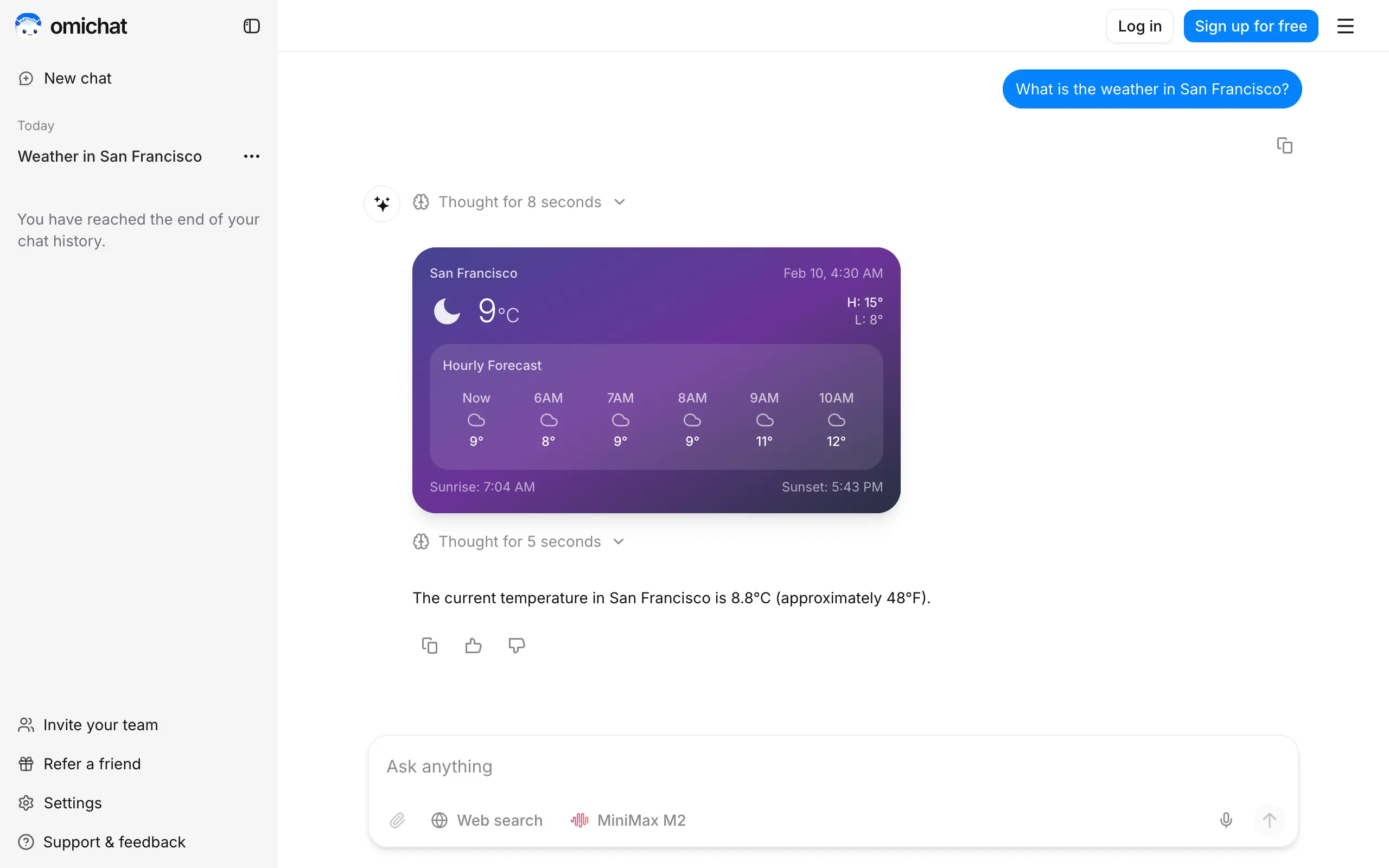
Omichat
Chat with 50+ AI models, including ChatGPT and Claude, in one place - switch models anytime without losing context 🤖
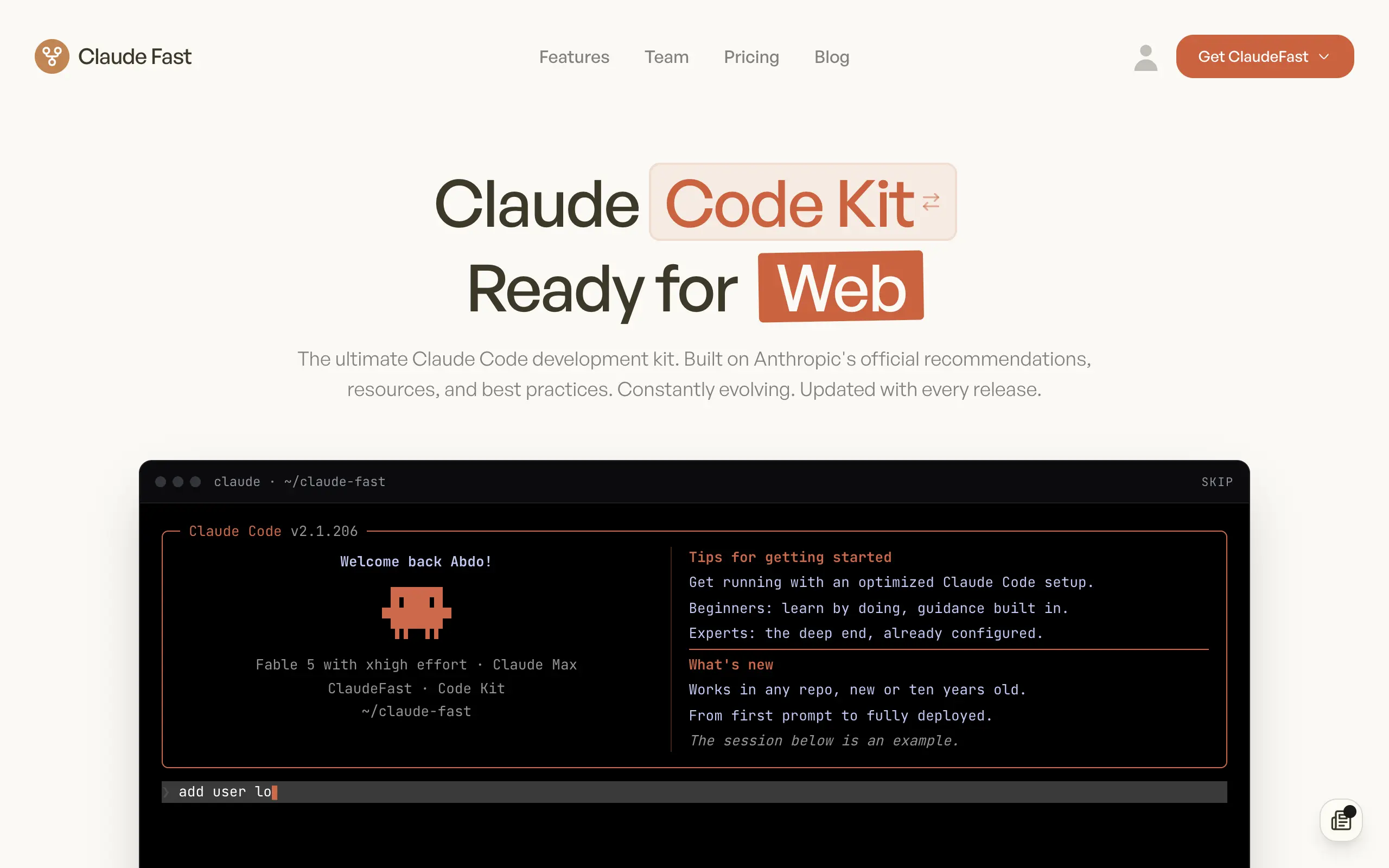
Claude Fast
Supercharge your Claude Code with 6x effective context window and specialized AI agents 🤖
EmojAI
AI-powered emoji picker with smart, context-aware suggestions 🤖
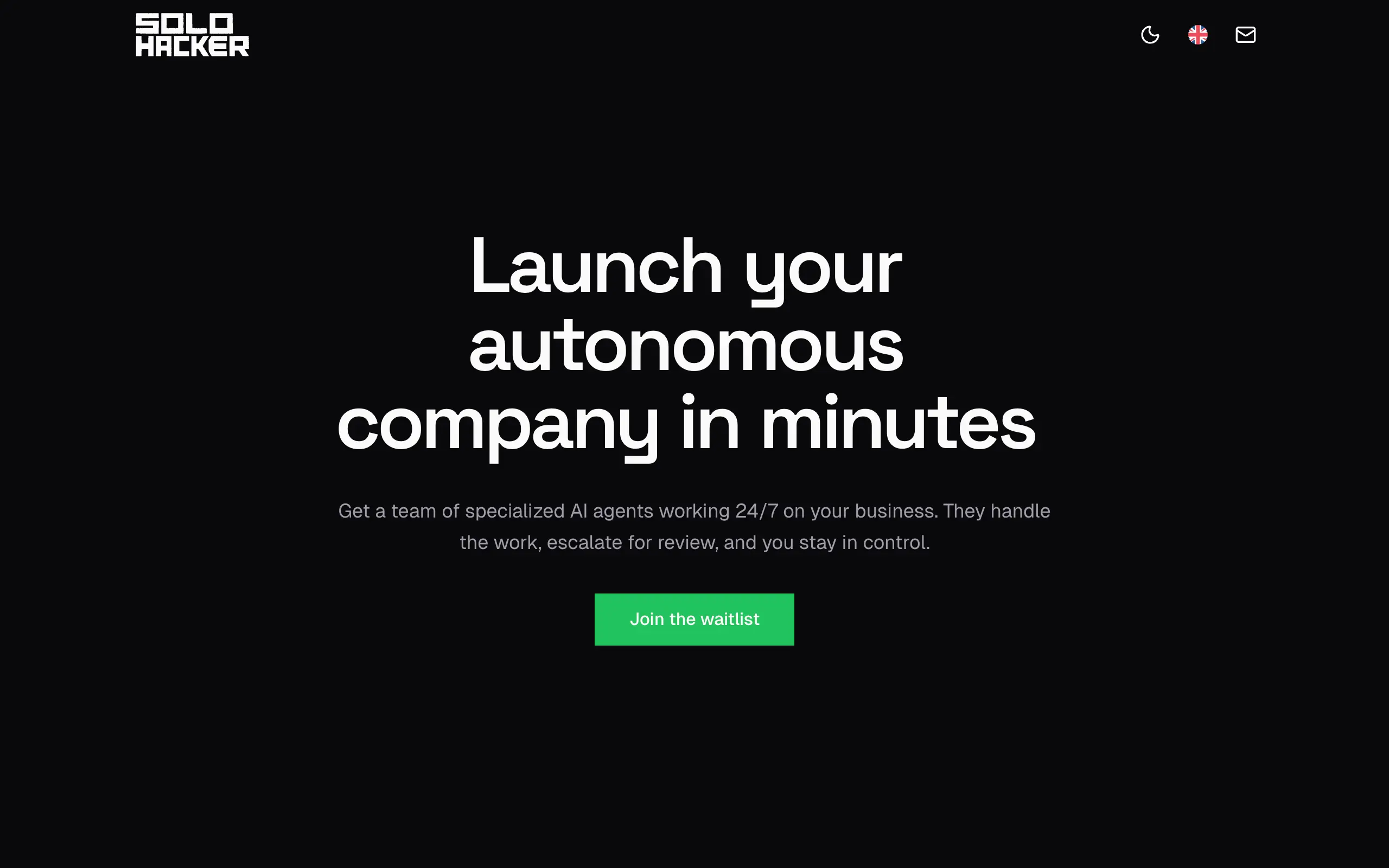
Solohacker
Autonomous company launcher - AI agents work 24/7, escalate what matters, and you stay in control 🤖
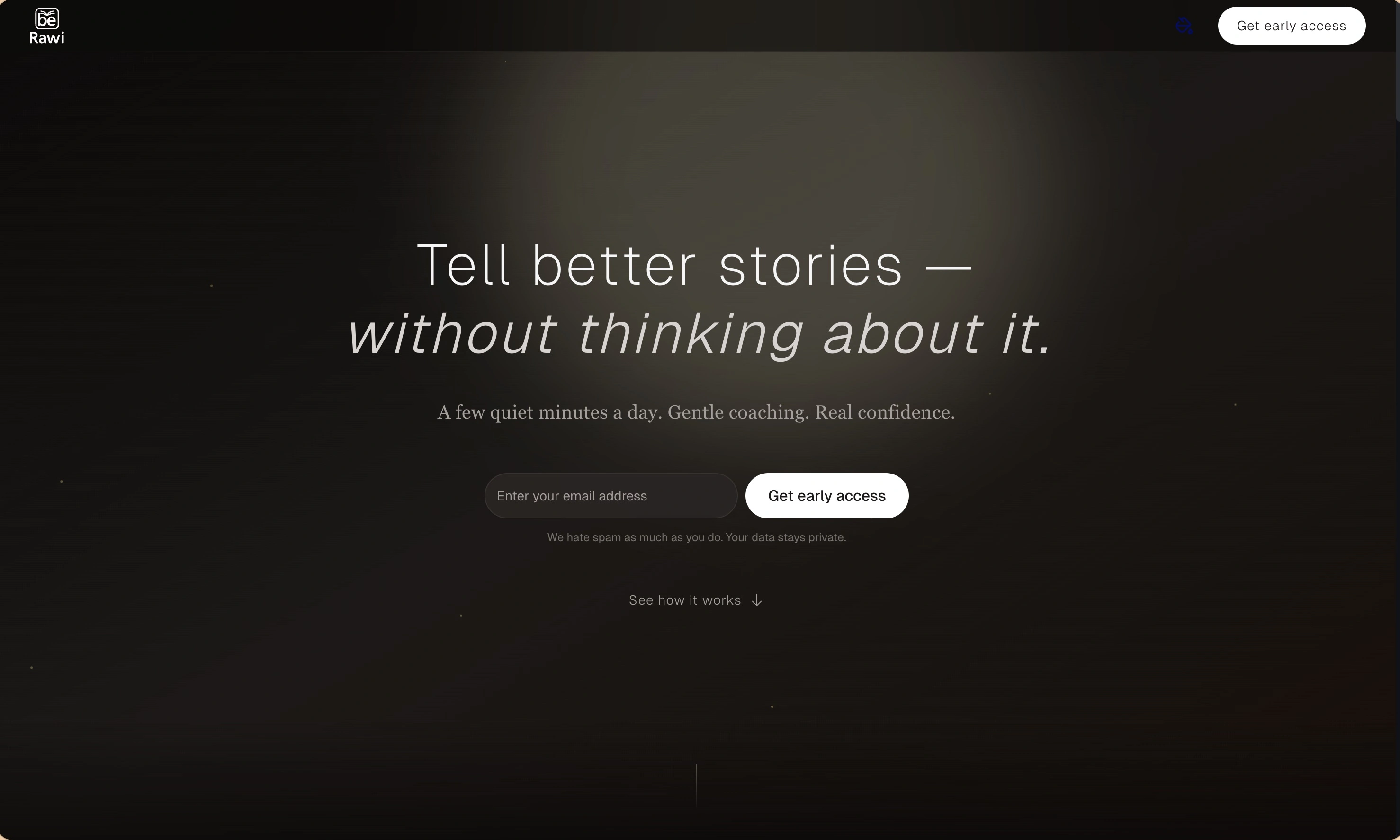
BeRawi: Storytelling Coach
Practice storytelling daily with instant feedback to sound clearer, more engaging, and confident 🎤
Omichat
Chat with 50+ AI models, including ChatGPT and Claude, in one place - switch models anytime without losing context 🤖
Claude Fast
Supercharge your Claude Code with 6x effective context window and specialized AI agents 🤖
EmojAI
AI-powered emoji picker with smart, context-aware suggestions 🤖
Solohacker
Autonomous company launcher - AI agents work 24/7, escalate what matters, and you stay in control 🤖
BeRawi: Storytelling Coach
Practice storytelling daily with instant feedback to sound clearer, more engaging, and confident 🎤
Omichat
Chat with 50+ AI models, including ChatGPT and Claude, in one place - switch models anytime without losing context 🤖
Claude Fast
Supercharge your Claude Code with 6x effective context window and specialized AI agents 🤖
EmojAI
AI-powered emoji picker with smart, context-aware suggestions 🤖
Solohacker
Autonomous company launcher - AI agents work 24/7, escalate what matters, and you stay in control 🤖
BeRawi: Storytelling Coach
Practice storytelling daily with instant feedback to sound clearer, more engaging, and confident 🎤
Omichat
Chat with 50+ AI models, including ChatGPT and Claude, in one place - switch models anytime without losing context 🤖
Claude Fast
Supercharge your Claude Code with 6x effective context window and specialized AI agents 🤖
EmojAI
AI-powered emoji picker with smart, context-aware suggestions 🤖
Solohacker
Autonomous company launcher - AI agents work 24/7, escalate what matters, and you stay in control 🤖
BeRawi: Storytelling Coach
Practice storytelling daily with instant feedback to sound clearer, more engaging, and confident 🎤

Connect with like-minded people
Join our community to get feedback, support, and grow together with 1,000+ builders on board, let's ship it!
Join usShip your startup everywhere. In minutes.
Don't burn tokens on setup and start building features on day one.