UnifiedMetrics
UnifiedMetrics is a B2B SaaS tool that consolidates analytics for web and mobile applications, offering developers a seamless way to track performance, user interactions, and conversion rates across platforms.
Target Audience: Developers & Business Decision-Makers
This B2B SaaS solution is designed for professionals who demand a seamless way to consolidate analytics across web and mobile applications. The tool is perfect for:
- Software Developers who want to easily track performance and user interactions.
- Product Managers aiming for improved conversion rates.
- Data Analysts seeking comprehensive performance insights.
- Business Executives looking for key performance indicators to drive strategic decisions.
By addressing these stakeholders, the platform ensures that technical and non-technical users alike can benefit from a cohesive view of critical performance metrics.
Pro Tip
Embrace detailed analytics to unlock hidden insights in your user data, enabling smarter, data-driven decisions.
Market Opportunity in Analytics Consolidation
In today's digital landscape, businesses are increasingly dependent on robust, accurate data to fine-tune their products and services. This analytics consolidation tool comes at a time when market demands include:
- Unified Data Visualization: Companies require an aggregated view of metrics from disparate platforms.
- Real-Time Monitoring: The need for live data updates to quickly respond to unexpected usage patterns.
- Cross-Platform Insights: Integration between web and mobile usage statistics provides a holistic picture.
- Scalable Solutions: Growing user bases and expanding functionality require flexible infrastructure.
In addition, emerging trends in cloud computing and distributed systems are creating a fertile ground for such a tool. The market size is not only expanding geographically but also diversifying in industry verticals where customer retention and conversion optimization are key revenue drivers.
A savvy entrepreneur or product strategist should recognize that aggregating data from multiple sources not only streamlines decision-making but also enhances cost efficiency over time. By reducing the need for multiple disconnected tools, this platform offers both operational simplicity and strategic depth.
Over the last few years, companies are moving from siloed data solutions to integrated ecosystems. This shift means that markets are ready for products that simplify analytics consolidation. The need for real-time insights combined with lower overhead costs creates a lucrative opportunity for early adopters.
Leveraging a Robust Tech Stack
Building a scalable analytics consolidation solution requires the right mix of technologies to handle data ingestion, processing, and visualization. Here are some of the key components of the tech stack:
-
Front-End Development:
- React, Vue, or Angular frameworks for building dynamic user interfaces.
- CSS-in-JS libraries like styled-components for modular styling.
-
Back-End Services:
- Node.js or Python for building RESTful APIs.
- GraphQL to provide flexible query possibilities.
-
Database Management:
- NoSQL databases such as MongoDB or DynamoDB to efficiently manage unstructured data.
- SQL databases like PostgreSQL for structured data storage.
-
Real-Time Data Processing:
- Apache Kafka or RabbitMQ to manage data streams.
- Tools like Spark for large-scale data processing tasks.
-
Cloud Infrastructure:
- AWS, Google Cloud, or Azure for scalable hosting and storage solutions.
- Containerization tools like Docker and orchestration systems such as Kubernetes.
For rapid implementation and prototyping, you might consider using TurboStarter. This starter kit streamlines preliminary development work for web, mobile, and browser extension projects, ensuring you can focus on your product's unique features rather than reinventing the wheel.
Here’s an example snippet showing a simple function logging a message:
const test = () => {
  console.log("this is a code snippet!");
}
Key Stack Benefit
Combining state-of-the-art frameworks with cloud scalability reduces overhead and accelerates development.
Monetization Strategy: Maximizing Revenue Streams
A multifaceted monetization approach is crucial for ensuring the long-term viability of an analytics consolidation platform. The potential strategies include:
-
Subscription-Based Model:
- Implement tiered subscription plans with different feature sets.
- Provide both monthly and annual billing options for flexibility.
-
Usage-Based Pricing:
- Charge based on the volume of data processed, offering an attractive proposition to startups and scaling enterprises alike.
-
Freemium Model:
- Offer a basic plan with essential features free of charge, inviting users to upgrade as they recognize the value of advanced analytics.
-
Enterprise Licensing:
- Establish custom pricing packages for large organizations that require bespoke integrations and additional security features.
-
Marketplace Partnerships:
- Integrate with popular third-party tools and platforms, generating referral revenue and expanding the user base.
Clearly laid out pricing strategies help build trust and ensure transparent communication with customers. When communicating pricing models, emphasize flexibility and scalability, ensuring that businesses know they can grow alongside the platform.
Consider trial periods and money-back guarantees to lower the barrier for entry. This builds confidence and demonstrates commitment to customer success.
Identifying and Mitigating Risks
When developing a platform that aggregates sensitive performance data, it’s important to consider potential risks and strategically mitigate them. Key risks include:
-
Data Privacy & Security:
- Implement robust encryption for data both in transit and at rest.
- Regularly update security protocols to counteract evolving threats.
-
Scalability Challenges:
- Ensure that infrastructure can handle spikes in data or user numbers.
- Design systems to gracefully scale horizontally and vertically.
-
Integration Complexities:
- Work meticulously on compatibility with various analytics tools and data formats.
- Provide comprehensive API documentation to ease partner integrations.
-
Customer Support & Training:
- Establish a support infrastructure that can handle queries and issues efficiently.
- Develop user guides, tutorials, and webinars to facilitate onboarding.
-
Competitive Pressure:
- Constantly innovate by adding features that address pain points identified through user feedback.
- Monitor emerging technologies and competitor strategies to adjust offerings as needed.
Security Reminder
Always prioritize data security and compliance with industry regulations such as GDPR and CCPA.
Competitive Advantages in the Marketplace
The competitive landscape for analytics solutions is robust, but this platform differentiates itself through a number of strategic advantages:
-
Consolidated Data Streams:
- Unlike tools that focus solely on a single platform, the unified approach minimizes the need for multiple tools, thereby reducing operational complexity.
-
User-Friendly Interface:
- An intuitive design ensures that both technical and non-technical users can navigate complex data with ease.
-
Customization and Integration:
- The platform offers robust APIs that allow seamless integration with existing tools and third-party services.
- Flexibility to customize dashboards and reports offers a tailored user experience.
-
Scalable Infrastructure:
- Built with a scalable and resilient architecture, the solution can handle growth efficiently.
- Cloud-native features allow real-time updates and instantaneous responses to heavy loads.
-
Cost-Effective Business Model:
- The tool leverages modern technology to reduce long-term costs, offering an affordable yet powerful data solution.
-
Actionable Insights:
- Advanced analytics powered by machine learning can automatically highlight critical trends and anomalies for proactive decision making.
By focusing on a clean, intuitive user interface, the platform demystifies complex data sets. The design emphasizes clarity, ensuring users can quickly extract meaning from the data without extensive training.
The back-end is designed for scalability from the start, handling everything from small-scale deployment to enterprise-level data ingestion. This adaptability sets the platform apart from legacy systems.
Competitive Edge
The consolidation of analytics from multiple sources into a single, cohesive tool is a unique value proposition in today’s fragmented market.
Technical & Business Synergy: A Case For Rapid Implementation
Bridging the gap between technology and business strategy is paramount. A robust tech stack combined with a clear understanding of market needs creates the perfect synergy for success. Rapid implementation is the key to staying ahead in this rapidly evolving industry. Developers can kickstart their projects using modern tools like TurboStarter to bypass initial development hurdles.
Integrating TurboStarter into the process enables teams to:
- Accelerate Development Cycles: Get a functional prototype online quickly.
- Reduce Overhead Costs: Leverage pre-built modules and layout components.
- Focus on Custom Features: Instead of building from the ground up, teams can concentrate on developing unique aspects of their analytics solution.
This approach ensures that early market entry does not compromise on quality or scalability. Rapid prototyping, followed by agile iterations, can be a game changer in the competitive B2B SaaS landscape.
Conclusion: Implementation Steps for Success
To build a comprehensive analytics consolidation tool, follow these action items to structure your development and go-to-market strategy effectively.
As you proceed, keep in mind that continuous customer engagement and iterative enhancements will further solidify your competitive advantages. Balancing immediate development needs with long-term platform evolution ensures that your analytics tool remains relevant and effective.
For any additional insights, check out the detailed guides provided at example.com or explore additional learning modules. To see the capability in action, feel free to interact with our interactive components displayed throughout this guide.
By adhering to these steps and strategies, you'll be well on your way to creating a powerful unified analytics solution that not only attracts but also retains customers by consistently delivering accurate, actionable insights. With a focus on scalability, security, and a user-friendly interface, the platform is poised to meet the growing demands of modern businesses looking for a comprehensive data management solution.
Embrace this opportunity to integrate cutting-edge technology with strategic market insights. Whether you are an established enterprise looking to consolidate your data pipelines or an innovative startup aiming to disrupt the industry, the roadmap provided above will serve as a solid foundation for your journey towards success. Stay agile, keep refining your product in response to user feedback, and always prioritize the core functionalities that make your platform indispensable.
The convergence of real-time data processing, cloud-native infrastructure, and advanced analytics will reshape how businesses perceive and leverage performance metrics. By creating a unified data ecosystem, you position your solution as not merely a tool but a strategic asset that drives informed decisions across the board.
In summary, the roadmap is clear—harness modern development frameworks, partner with proactive market researchers, and adopt a flexible, customer-centric monetization strategy. Doing so will ensure that you create an enduring product that not only competes but leads the market in revolutionizing how data is perceived and utilized in the digital age.
More 🏢 B2B Application SaaS ideas
Discover more innovative b2b application SaaS ideas that are trending in 2026. Each idea is AI-generated with market validation and growth potential to help you find your next profitable venture faster than competitors.
Your competitors are building with TurboStarter
Below are some of the SaaS ideas that have been generated and built with our starter kit.
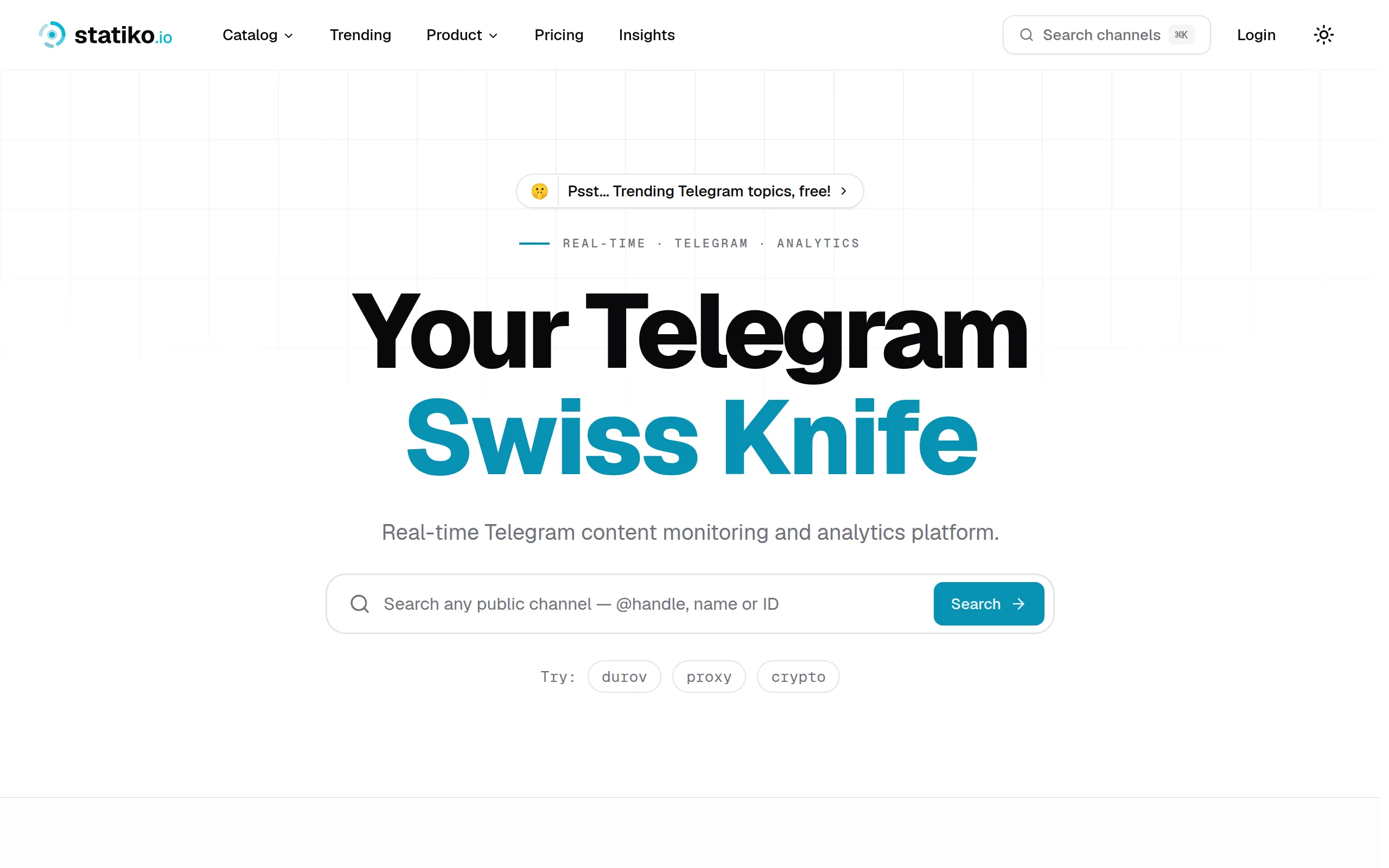
Statiko
Monitor any Telegram channel in real time - track posts, edits, deletions, and growth with AI recaps 📡

Shibui
AI website builder - describe your business, pick a niche template, edit by chatting, and publish instantly ✨

Pro Service
Find verified home service professionals, compare quotes, and pay securely through escrow - built for Brazilians across the US 🏠
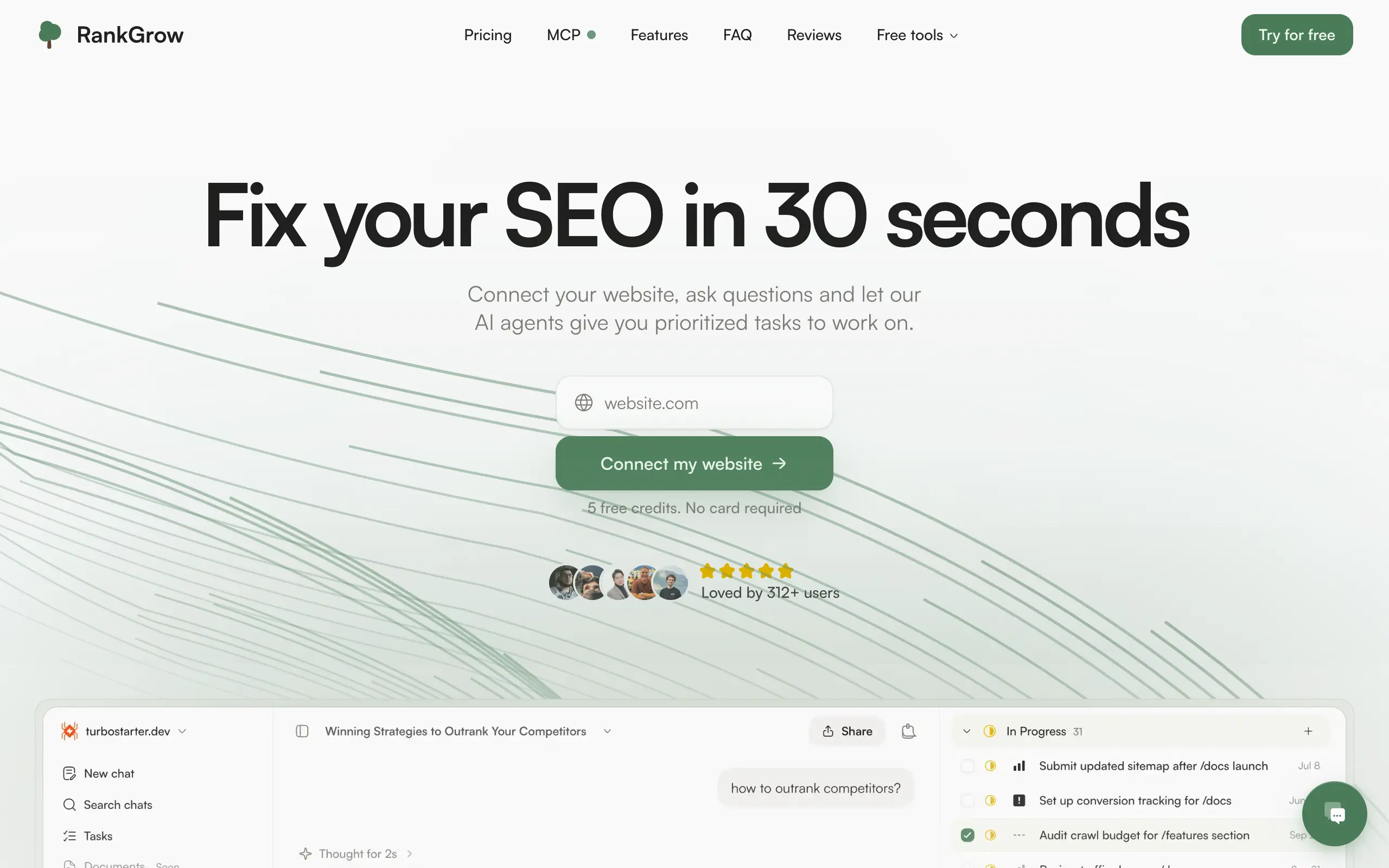
RankGrow
Fix your SEO with AI agents - connect Search Console, get prioritized tasks, and grow organic traffic 📈
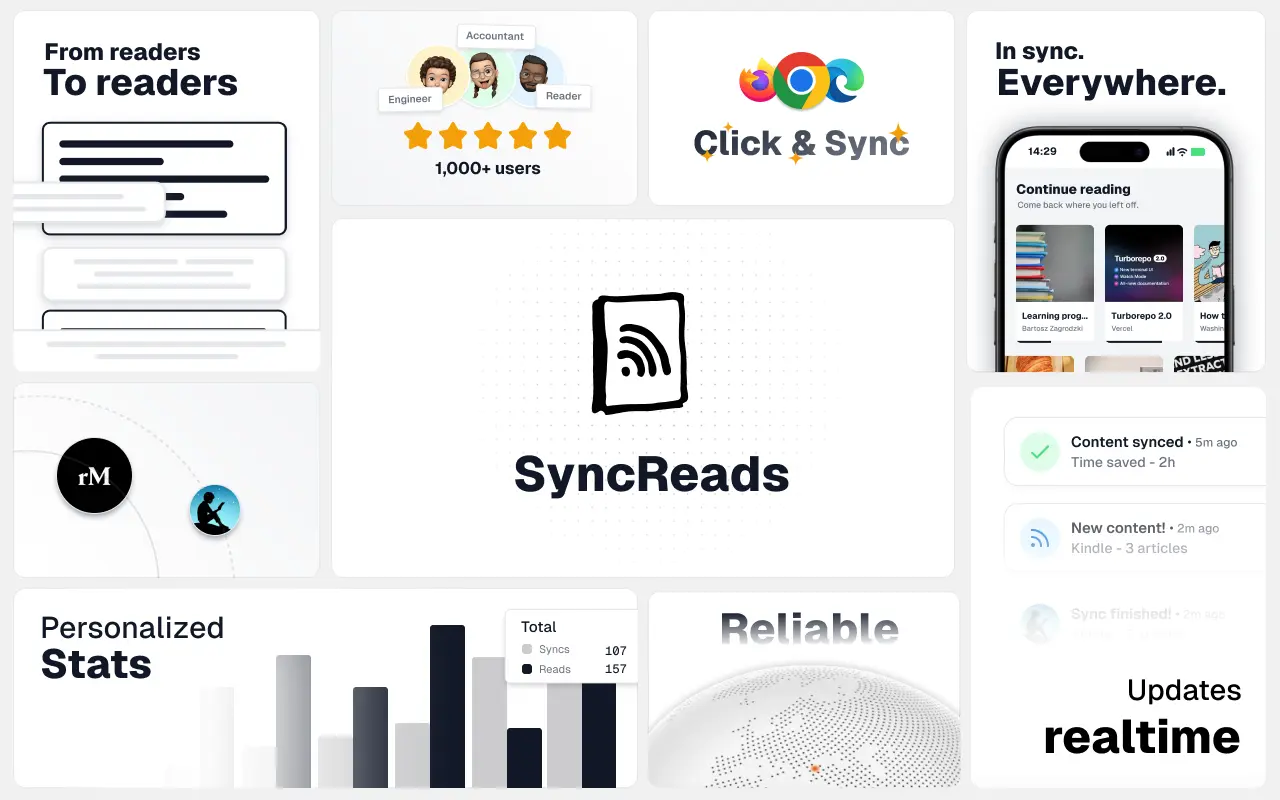
SyncReads
Sync your favorite content for distraction-free reading, save time and replace multiple apps. Anytime, anywhere 🔄
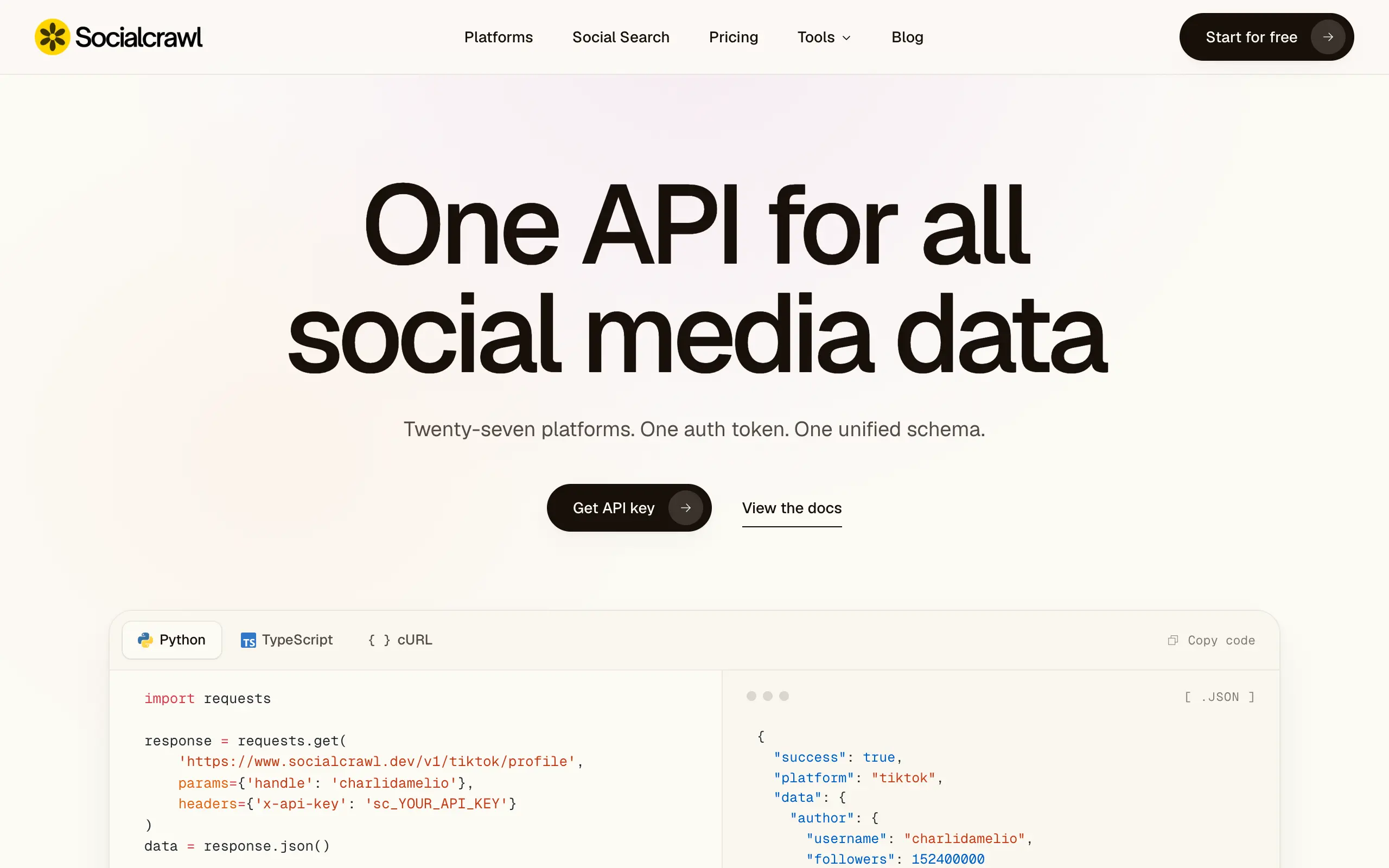
Socialcrawl
Get clean, structured data from 21 platforms like TikTok, Instagram, and YouTube with a single request 📊
Statiko
Monitor any Telegram channel in real time - track posts, edits, deletions, and growth with AI recaps 📡
Shibui
AI website builder - describe your business, pick a niche template, edit by chatting, and publish instantly ✨
Pro Service
Find verified home service professionals, compare quotes, and pay securely through escrow - built for Brazilians across the US 🏠
RankGrow
Fix your SEO with AI agents - connect Search Console, get prioritized tasks, and grow organic traffic 📈
SyncReads
Sync your favorite content for distraction-free reading, save time and replace multiple apps. Anytime, anywhere 🔄
Socialcrawl
Get clean, structured data from 21 platforms like TikTok, Instagram, and YouTube with a single request 📊
Statiko
Monitor any Telegram channel in real time - track posts, edits, deletions, and growth with AI recaps 📡
Shibui
AI website builder - describe your business, pick a niche template, edit by chatting, and publish instantly ✨
Pro Service
Find verified home service professionals, compare quotes, and pay securely through escrow - built for Brazilians across the US 🏠
RankGrow
Fix your SEO with AI agents - connect Search Console, get prioritized tasks, and grow organic traffic 📈
SyncReads
Sync your favorite content for distraction-free reading, save time and replace multiple apps. Anytime, anywhere 🔄
Socialcrawl
Get clean, structured data from 21 platforms like TikTok, Instagram, and YouTube with a single request 📊
Statiko
Monitor any Telegram channel in real time - track posts, edits, deletions, and growth with AI recaps 📡
Shibui
AI website builder - describe your business, pick a niche template, edit by chatting, and publish instantly ✨
Pro Service
Find verified home service professionals, compare quotes, and pay securely through escrow - built for Brazilians across the US 🏠
RankGrow
Fix your SEO with AI agents - connect Search Console, get prioritized tasks, and grow organic traffic 📈
SyncReads
Sync your favorite content for distraction-free reading, save time and replace multiple apps. Anytime, anywhere 🔄
Socialcrawl
Get clean, structured data from 21 platforms like TikTok, Instagram, and YouTube with a single request 📊
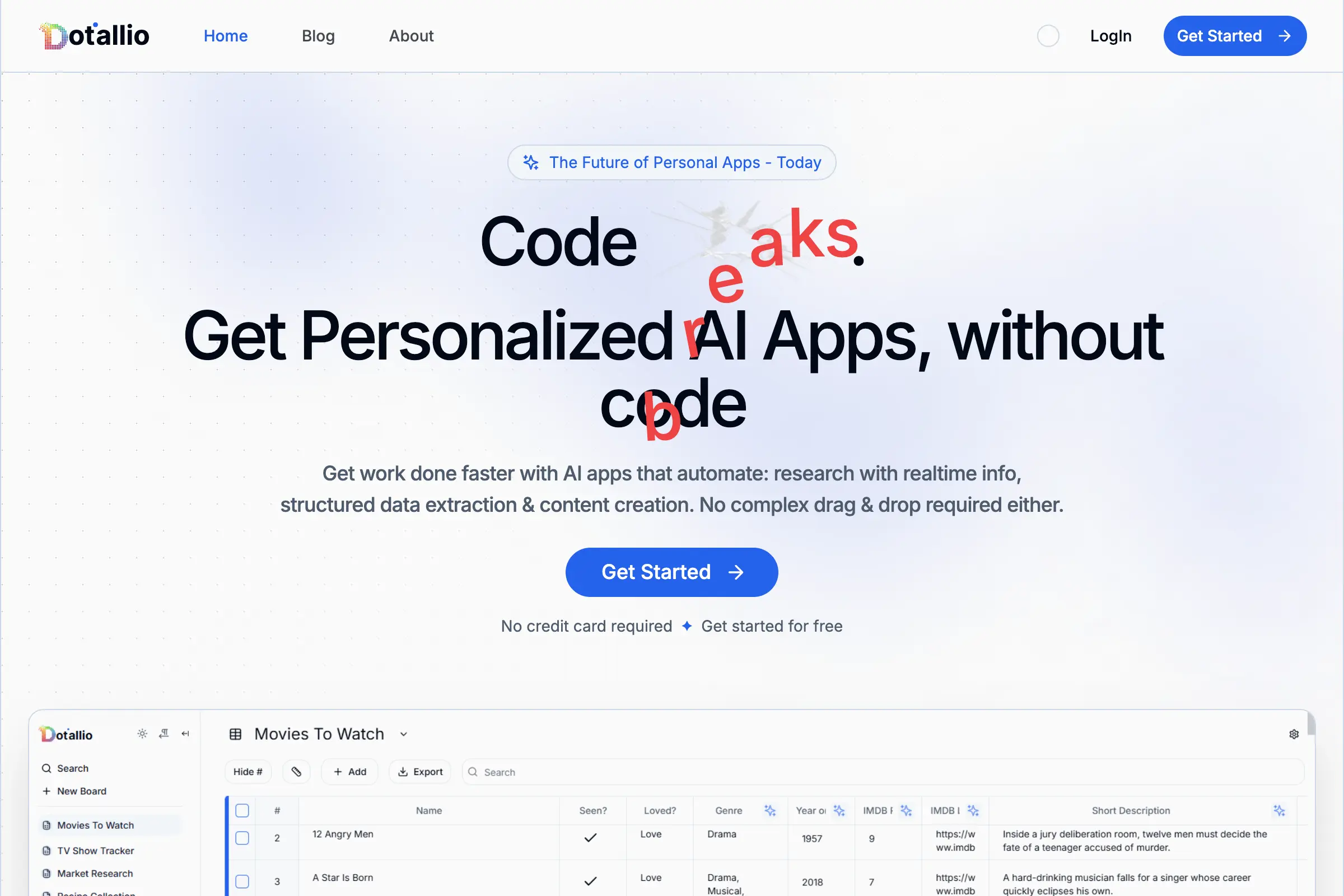
Dotallio
Personalized AI apps that automate research, data extraction, and content creation without code 🤖

Talk to Santa
Enjoy a magical live video chat or receive a unique AI-generated video greeting from Santa Claus 🎅
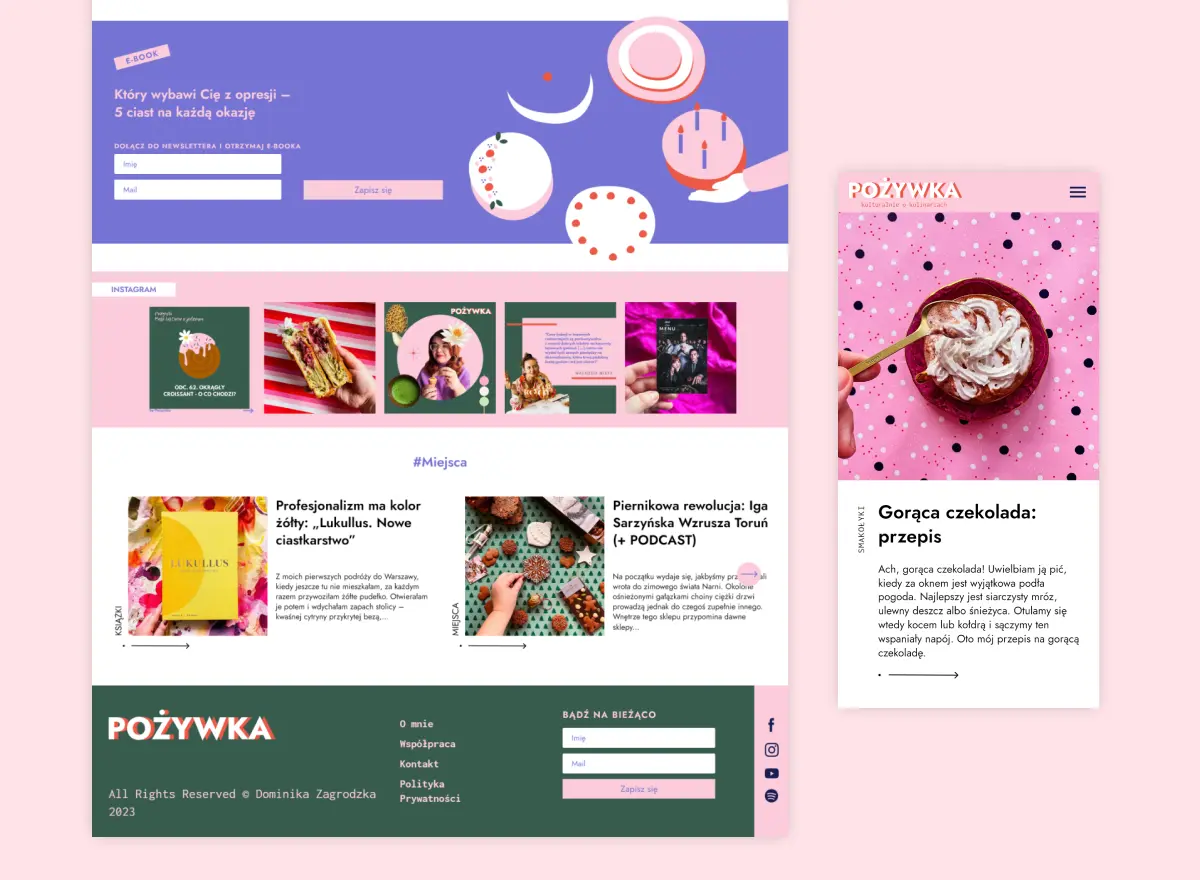
pozywka.pl
Scalable blog for food journalist, focused on performance and user experience 🌭
zagrodzki.me
Personal blog and portfolio of Bart Zagrodzki, where he shares his knowledge and work 💼
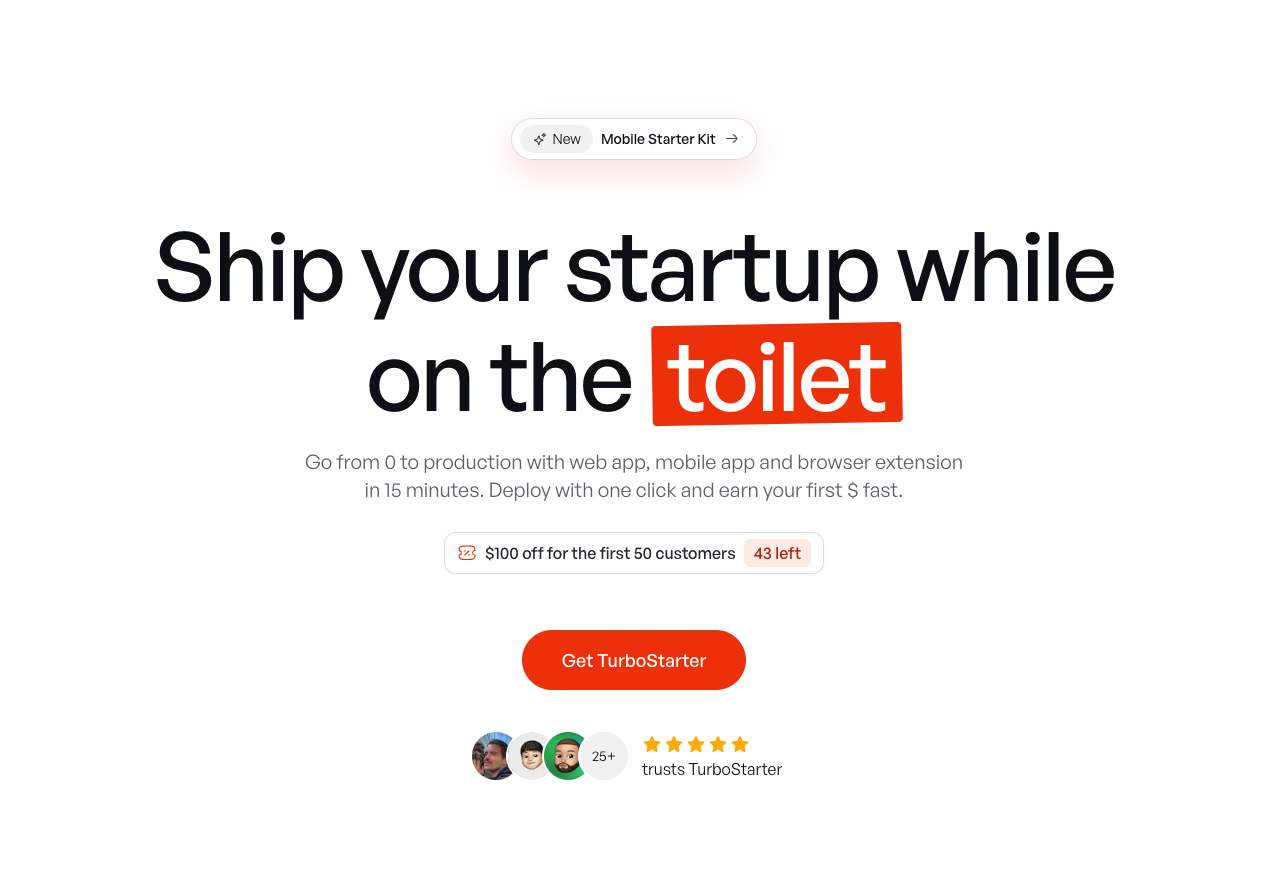
TurboStarter
Ship your startup everywhere. In minutes.
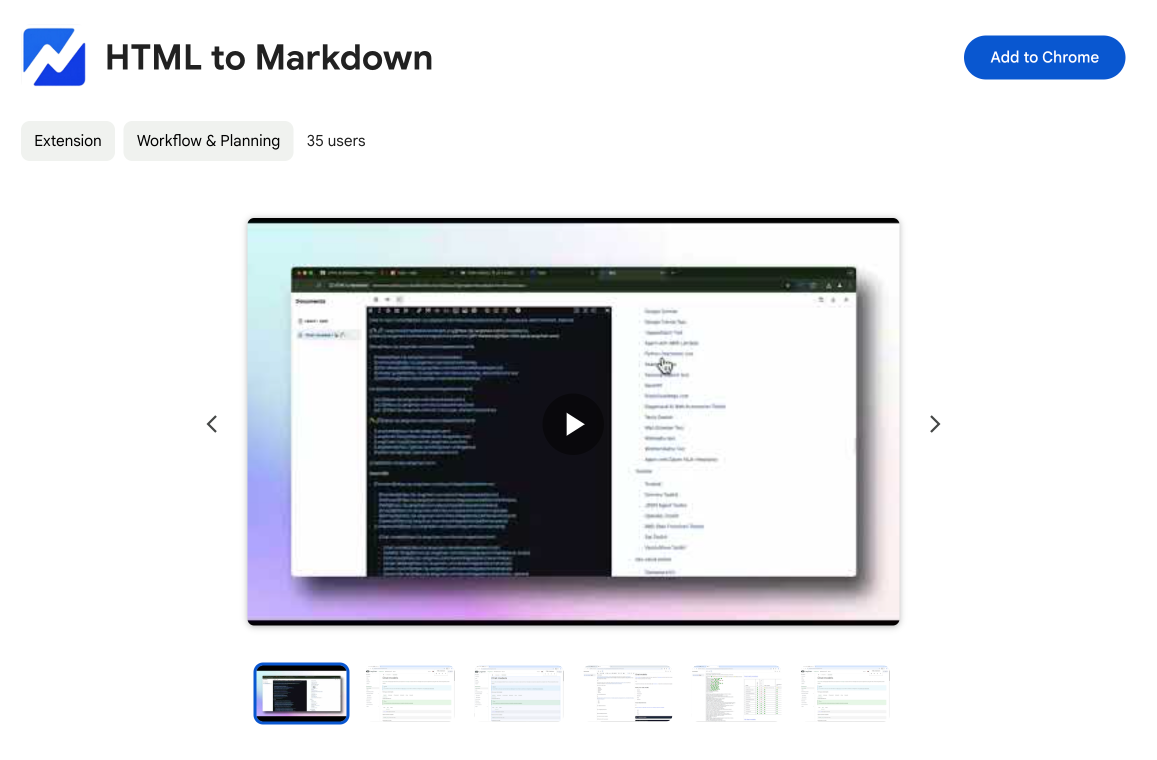
HTML to Markdown
Convert HTML to Markdown with ease, directly in your browser 📄
Dotallio
Personalized AI apps that automate research, data extraction, and content creation without code 🤖
Talk to Santa
Enjoy a magical live video chat or receive a unique AI-generated video greeting from Santa Claus 🎅
pozywka.pl
Scalable blog for food journalist, focused on performance and user experience 🌭
zagrodzki.me
Personal blog and portfolio of Bart Zagrodzki, where he shares his knowledge and work 💼
TurboStarter
Ship your startup everywhere. In minutes.
HTML to Markdown
Convert HTML to Markdown with ease, directly in your browser 📄
Dotallio
Personalized AI apps that automate research, data extraction, and content creation without code 🤖
Talk to Santa
Enjoy a magical live video chat or receive a unique AI-generated video greeting from Santa Claus 🎅
pozywka.pl
Scalable blog for food journalist, focused on performance and user experience 🌭
zagrodzki.me
Personal blog and portfolio of Bart Zagrodzki, where he shares his knowledge and work 💼
TurboStarter
Ship your startup everywhere. In minutes.
HTML to Markdown
Convert HTML to Markdown with ease, directly in your browser 📄
Dotallio
Personalized AI apps that automate research, data extraction, and content creation without code 🤖
Talk to Santa
Enjoy a magical live video chat or receive a unique AI-generated video greeting from Santa Claus 🎅
pozywka.pl
Scalable blog for food journalist, focused on performance and user experience 🌭
zagrodzki.me
Personal blog and portfolio of Bart Zagrodzki, where he shares his knowledge and work 💼
TurboStarter
Ship your startup everywhere. In minutes.
HTML to Markdown
Convert HTML to Markdown with ease, directly in your browser 📄
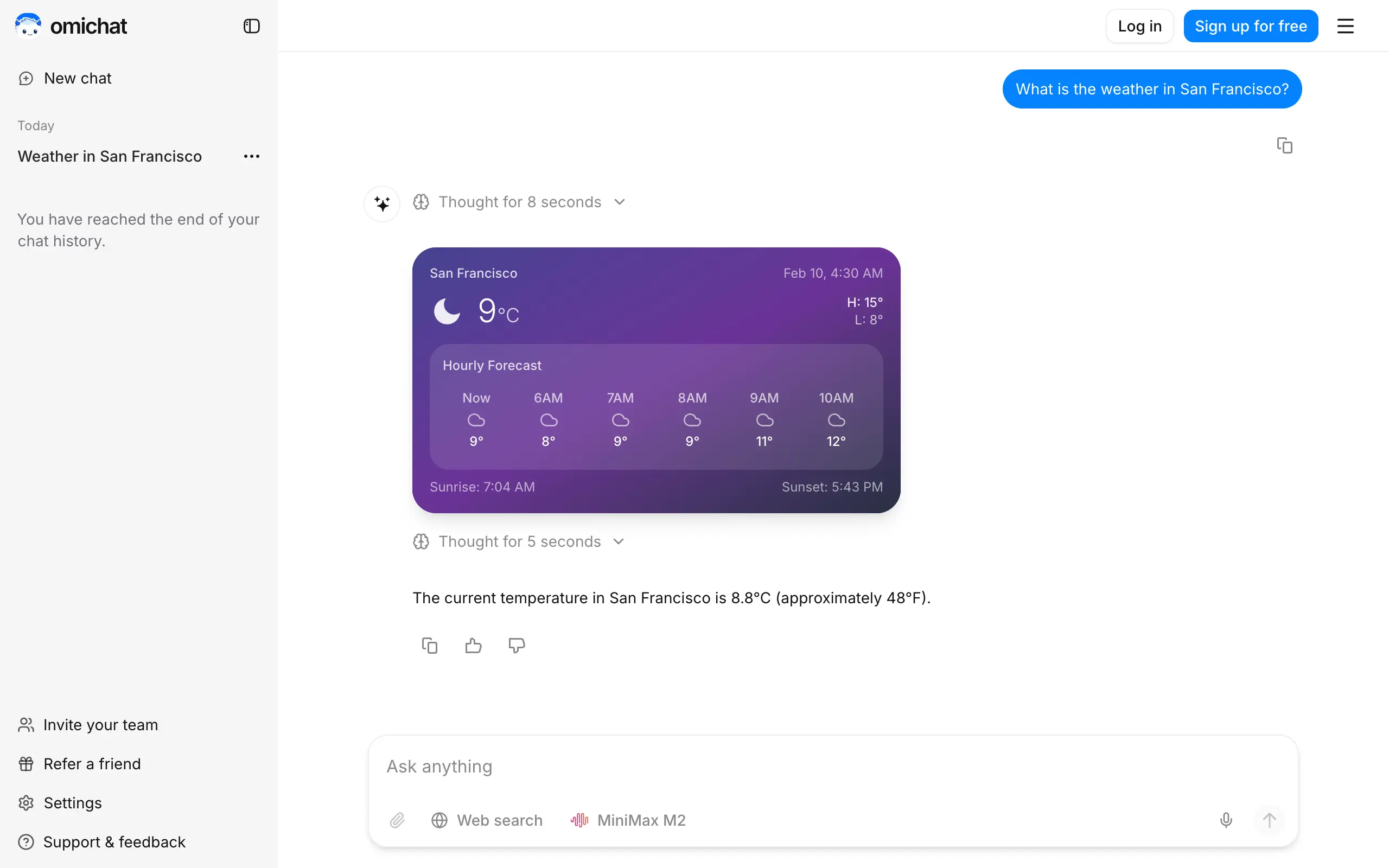
Omichat
Chat with 50+ AI models, including ChatGPT and Claude, in one place - switch models anytime without losing context 🤖
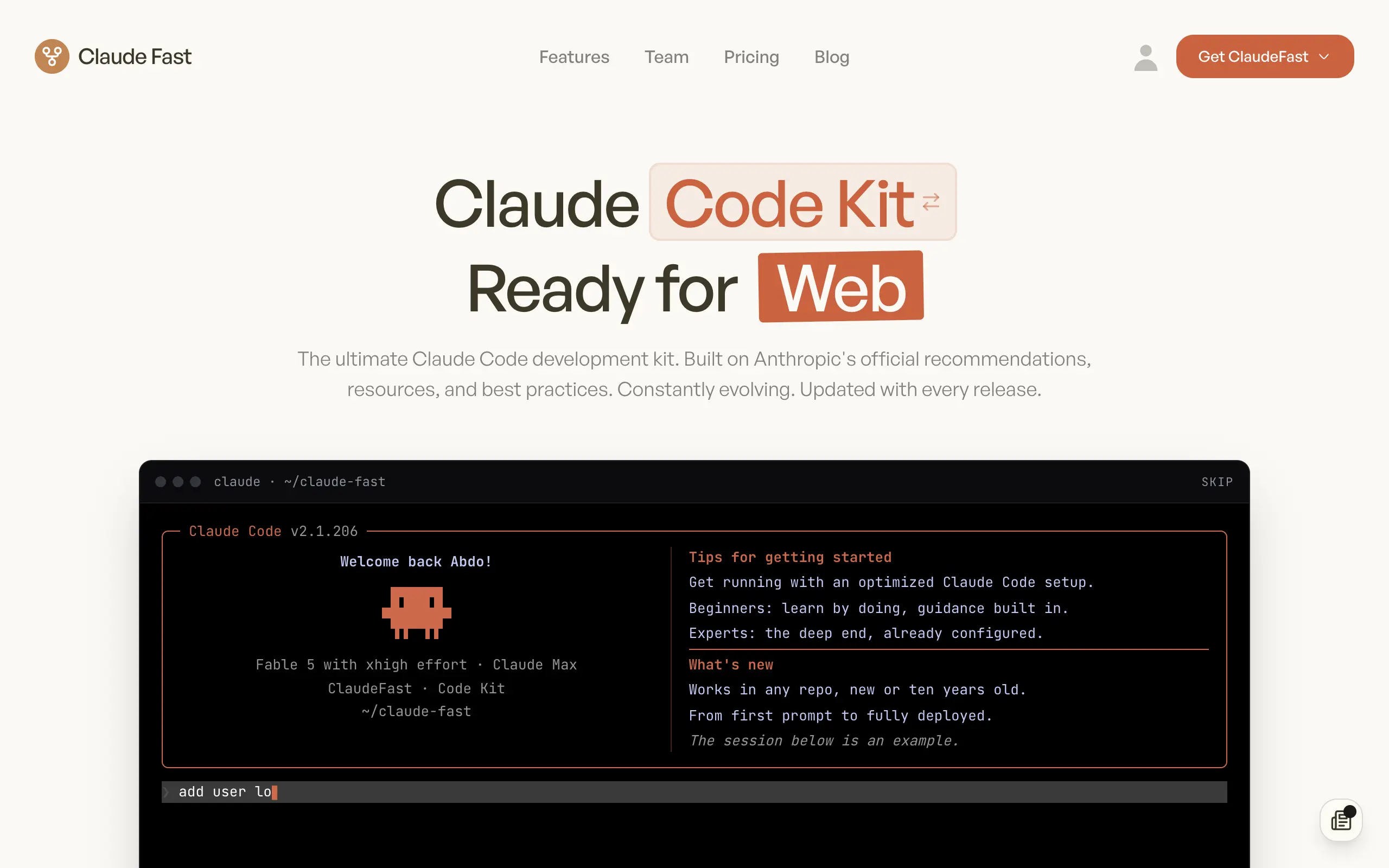
Claude Fast
Supercharge your Claude Code with 6x effective context window and specialized AI agents 🤖
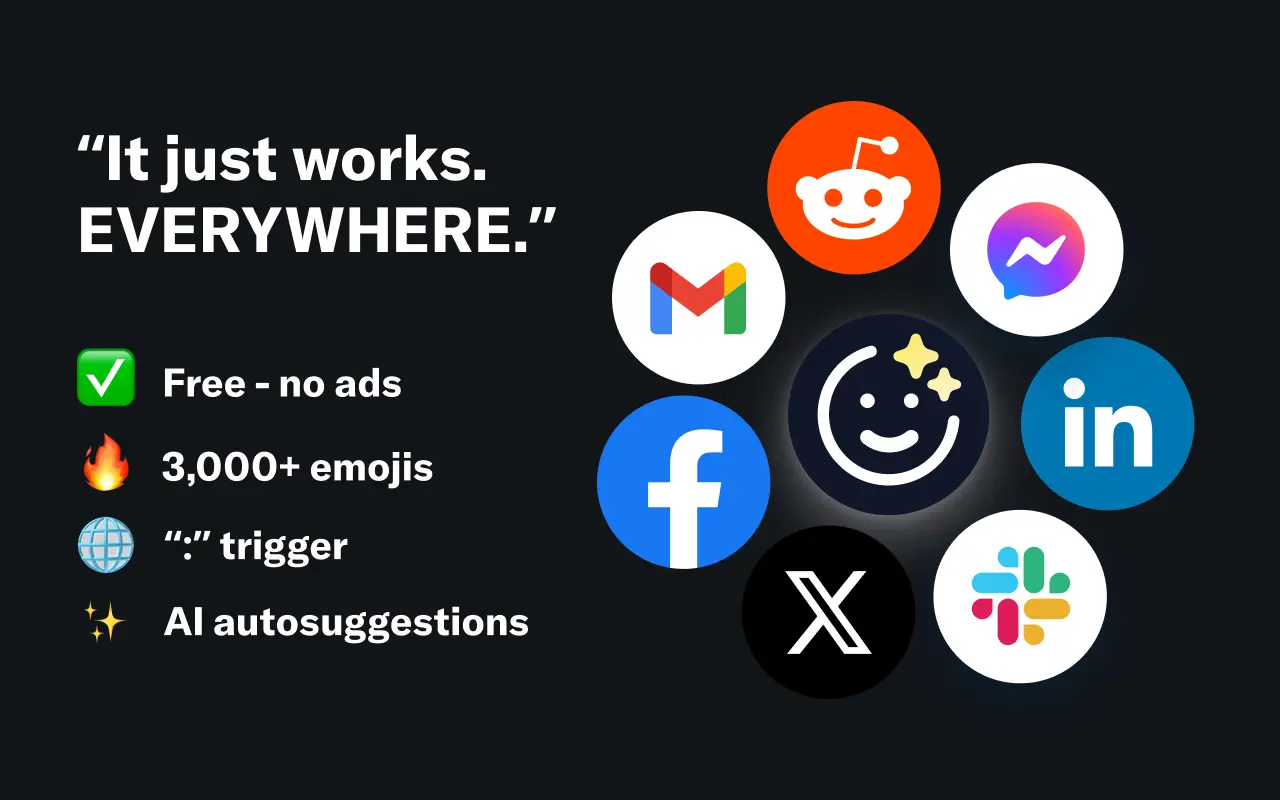
EmojAI
AI-powered emoji picker with smart, context-aware suggestions 🤖
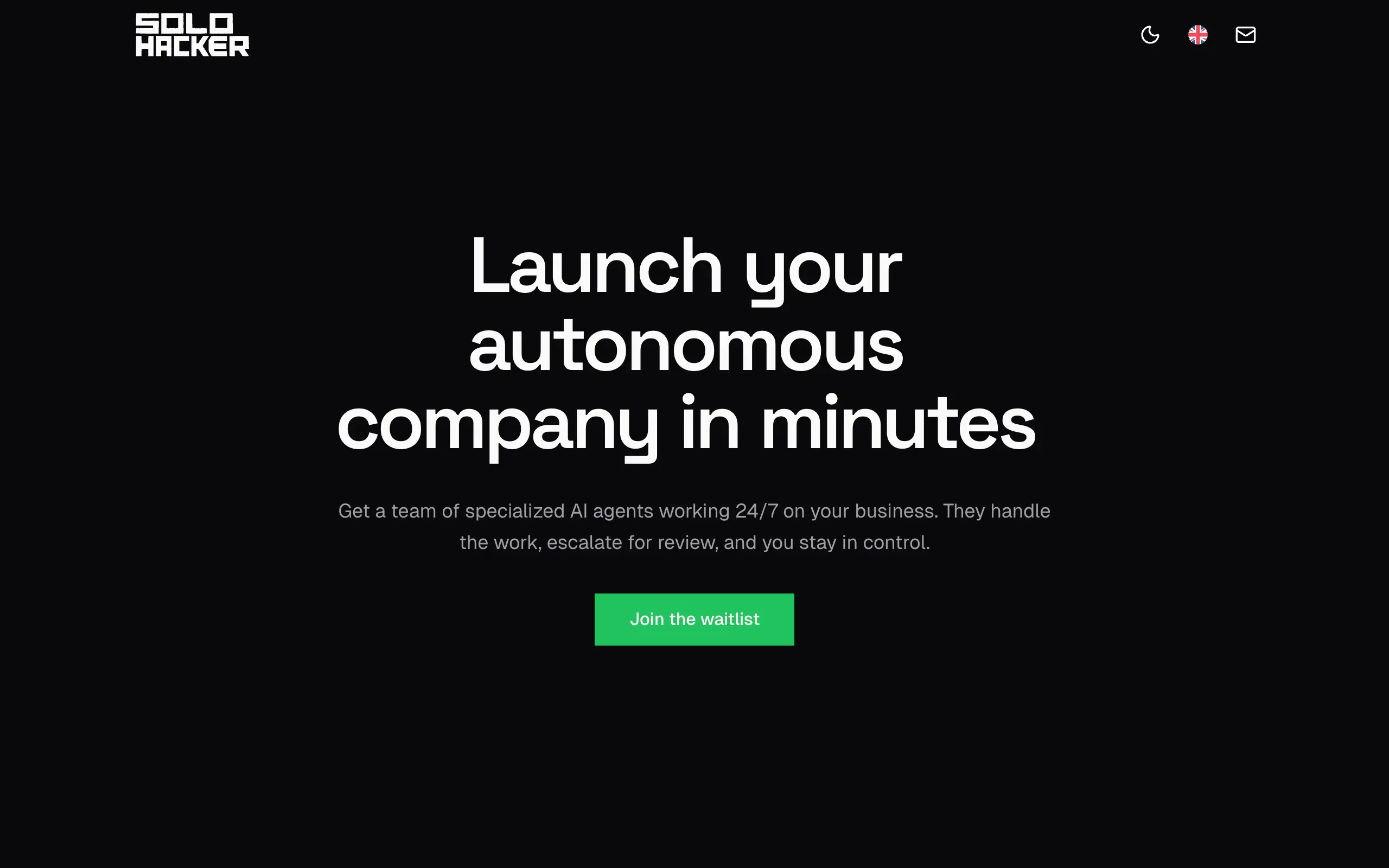
Solohacker
Autonomous company launcher - AI agents work 24/7, escalate what matters, and you stay in control 🤖

BeRawi: Storytelling Coach
Practice storytelling daily with instant feedback to sound clearer, more engaging, and confident 🎤
Omichat
Chat with 50+ AI models, including ChatGPT and Claude, in one place - switch models anytime without losing context 🤖
Claude Fast
Supercharge your Claude Code with 6x effective context window and specialized AI agents 🤖
EmojAI
AI-powered emoji picker with smart, context-aware suggestions 🤖
Solohacker
Autonomous company launcher - AI agents work 24/7, escalate what matters, and you stay in control 🤖
BeRawi: Storytelling Coach
Practice storytelling daily with instant feedback to sound clearer, more engaging, and confident 🎤
Omichat
Chat with 50+ AI models, including ChatGPT and Claude, in one place - switch models anytime without losing context 🤖
Claude Fast
Supercharge your Claude Code with 6x effective context window and specialized AI agents 🤖
EmojAI
AI-powered emoji picker with smart, context-aware suggestions 🤖
Solohacker
Autonomous company launcher - AI agents work 24/7, escalate what matters, and you stay in control 🤖
BeRawi: Storytelling Coach
Practice storytelling daily with instant feedback to sound clearer, more engaging, and confident 🎤
Omichat
Chat with 50+ AI models, including ChatGPT and Claude, in one place - switch models anytime without losing context 🤖
Claude Fast
Supercharge your Claude Code with 6x effective context window and specialized AI agents 🤖
EmojAI
AI-powered emoji picker with smart, context-aware suggestions 🤖
Solohacker
Autonomous company launcher - AI agents work 24/7, escalate what matters, and you stay in control 🤖
BeRawi: Storytelling Coach
Practice storytelling daily with instant feedback to sound clearer, more engaging, and confident 🎤

Connect with like-minded people
Join our community to get feedback, support, and grow together with 1,000+ builders on board, let's ship it!
Join usShip your startup everywhere. In minutes.
Don't burn tokens on setup and start building features on day one.