UpgradeRadar
Scan Odoo custom modules for deprecated APIs, risky overrides, and dependency conflicts before upgrades. Help consultants scope migrations faster and avoid costly surprises.
Odoo upgrades can unlock performance improvements, security fixes, and new business capabilities. They can also expose problems hidden in years of custom development: deprecated APIs, fragile overrides, incompatible dependencies, and assumptions that no longer hold in a newer version.
UpgradeRadar is a B2B SaaS concept for finding those risks before an upgrade becomes a production incident. It scans custom Odoo modules, explains likely compatibility issues, and helps Odoo partners turn technical findings into better-scoped upgrade projects. For teams searching for an Odoo upgrade scanner, the central value is not simply detecting code patterns. It is making upgrade risk visible, explainable, and actionable early enough to plan around it.
What UpgradeRadar does
UpgradeRadar analyzes an Odoo codebase and reports potential problems that could affect a move from one Odoo version to another. It focuses on custom and partner-developed modules, where undocumented assumptions and legacy patterns can make upgrades unpredictable.
A useful report could identify:
- References to APIs that have been removed, renamed, or changed
- Risky overrides of standard Odoo behavior
- Dependencies that may not support the target version
- Module manifests or XML files that need attention
- Patterns associated with migration work, regression risk, or manual review
- Findings that need more context before they can be classified as actual issues
The product should not promise a perfect, one-click upgrade. Static analysis can find many known risks, but it cannot fully understand every business process, runtime condition, or client-specific configuration. UpgradeRadar should be positioned as a pre-upgrade intelligence and project-scoping tool: it helps teams decide what to investigate, estimate, test, and prioritize.
That distinction matters. A scanner that overstates certainty can damage trust. A scanner that shows its evidence, confidence, and limitations can become a practical part of an upgrade workflow.
Why Odoo upgrades create a market opportunity
Odoo implementations often combine standard applications with custom modules, third-party add-ons, integrations, and client-specific workflows. Over time, these layers can become tightly coupled. A change in the underlying platform may affect a custom model, a view, a method override, an external integration, or the assumptions behind a workflow.
The resulting project uncertainty creates a clear business problem for two groups:
- Odoo partners need to scope work accurately, manage delivery risk, and explain upgrade effort to clients.
- Odoo customers need to understand whether an upgrade is likely to be routine or whether their customizations require substantial remediation.
Many teams begin with manual code review, spreadsheets, upgrade scripts, test environments, and institutional knowledge. These approaches can work, especially for small codebases or experienced teams. But they can be inconsistent, difficult to repeat, and hard to turn into a concise client-facing assessment.
That is the gap UpgradeRadar can address. Rather than replacing experienced Odoo developers, it can help them inspect more code consistently and spend review time on the findings that matter most.
The cost of discovering risks late
A compatibility issue found during the initial assessment is usually easier to manage than one found after a migration has started. Late findings can disrupt estimates, delay testing, force changes to a deployment plan, or require additional client discussions.
The specific consequences depend on the project, but common sources of surprise include:
- A custom module extending behavior that changed between versions
- A third-party add-on without a compatible release for the target version
- A dependency that is installed in production but missing from the repository
- A deprecated pattern that still appears to work in one environment
- A customization whose business purpose is no longer understood
- A change that requires regression testing across multiple workflows
UpgradeRadar’s commercial value depends on connecting technical signals to these project consequences. A list of lint warnings is not enough. Partners need evidence that helps them decide what to investigate and how to explain the work.
Target audience analysis
The strongest initial audience is likely to be Odoo implementation and migration partners. They repeatedly assess client codebases, have a direct financial incentive to scope projects well, and can use a reliable scanner across multiple engagements.
Odoo implementation partners
Partners may use UpgradeRadar during sales discovery, technical assessment, and delivery planning. Their priorities include:
- Finding high-risk areas before committing to a fixed scope
- Reducing time spent on repetitive manual inspection
- Creating consistent assessments across consultants
- Supporting estimates with concrete code evidence
- Showing clients why particular work is required
- Comparing the condition of modules across projects
For this audience, the product should offer multi-project management, shareable reports, role-based access, and a clear distinction between machine-detected findings and consultant conclusions.
Odoo customers with in-house technical teams
Larger customers may have internal developers who maintain custom modules and coordinate with an external partner. They need a way to understand their upgrade readiness, identify missing documentation, and prepare their codebase before a formal migration project begins.
These users may value:
- A self-service repository scan
- Historical scans to track improvements
- Findings grouped by module and business impact
- A way to assign issues to internal teams
- Exportable evidence for partner discussions
- Clear guidance on what requires expert review
Independent Odoo consultants
Independent consultants may need a lighter plan that supports a small number of projects and produces professional reports. They can be an effective early adopter segment because they often make tool decisions quickly. However, their budgets and usage may be more variable than those of established partners.
Best initial customer profile
A focused first customer profile could be an Odoo partner that:
- Maintains a portfolio of custom Odoo modules
- Regularly handles version upgrades
- Has enough developers to benefit from repeatable analysis
- Currently relies on manual review or internal scripts
- Needs better evidence for scoping and client communication
Starting with this segment helps keep product design grounded in a recurring workflow instead of trying to serve every Odoo user at once.
Market gap and positioning
UpgradeRadar sits between general-purpose code quality tools and full upgrade delivery services. General static analyzers can identify broad code-quality issues, but may not understand Odoo-specific compatibility patterns or migration workflows. A consulting team can provide deep expertise, but human review is costly and difficult to standardize across every initial assessment.
The product opportunity is to combine Odoo-aware rules, version-specific context, and project-ready reporting.
A practical positioning statement might be:
UpgradeRadar helps Odoo partners identify and explain custom-module upgrade risks before migration work begins.
This is more credible than promising automated upgrades or guaranteed compatibility. The product can deliver value even when a finding requires an expert to validate it, as long as it reduces the time needed to locate and understand the issue.
Competitive alternatives
Potential alternatives include manual code review, internal scripts, general-purpose static analysis, migration utilities, and existing project-management processes. These options are not necessarily direct competitors; many can be complementary.
| Approach | Odoo-specific context | Repeatable assessment | Client-ready reporting | Expert judgment |
|---|---|---|---|---|
| Manual review | Depends on reviewer | Variable | Usually manual | High |
| Internal scripts | Depends on maintenance | Often repeatable | Usually limited | Medium to high |
| General static analysis | Usually broad | Repeatable | Varies | Medium |
| UpgradeRadar | Designed for Odoo patterns | Designed for repeat scans | Core product opportunity | Supports, does not replace |
| Migration services | Depends on provider | Project-specific | Often included | High |
The comparison should be validated through customer interviews and hands-on trials. Do not assume that every partner has the same process or that a scanner will replace tools they already trust.
Core features for an Odoo upgrade scanner
The strongest product roadmap starts with trustworthy findings, not the largest possible feature list. Each capability should help answer a specific question: What might break, why does it matter, and what should the team do next?
1. Repository and archive scanning
Users need a straightforward way to submit a codebase. Early versions might support a secure ZIP upload and one source-control provider. Later, integrations can expand to additional Git providers and continuous integration workflows.
A first release should define exactly what is scanned:
- Python files
- Odoo module manifests
- XML views and data files
- JavaScript and frontend assets where relevant
- Dependency declarations
- Repository structure and module relationships
The interface should report excluded files and unsupported formats. Silent omissions undermine confidence, especially when a user expects a full assessment.
2. Version-aware compatibility rules
A useful Odoo compatibility scanner needs rules tied to a source version and a target version. A warning that a pattern is “deprecated” is less useful than a finding that identifies the affected code, explains the version context, and links the pattern to a likely upgrade concern.
Each rule should include:
- A stable rule identifier
- The affected file and line range
- The relevant source and target versions
- A short explanation in plain language
- A severity or priority classification
- A confidence level
- A suggested next action
- A link to internal documentation or an authoritative reference when available
Rules should be versioned and reviewed. A historical finding should remain explainable even after the underlying rule changes.
3. Risky override detection
Custom overrides can be entirely legitimate. The scanner should not treat customization itself as a defect. Instead, it can flag patterns that deserve review, such as overrides of sensitive framework methods, fragile assumptions about execution order, or code that bypasses expected extension points.
A high-quality result distinguishes among:
- Known incompatibility, when there is strong evidence of a breaking change
- Potential risk, when a pattern may be affected and needs review
- Review recommendation, when context is needed to assess the impact
This classification makes the report more useful and prevents every warning from looking equally urgent.
4. Dependency and module analysis
Upgrade risk may come from code outside the custom module itself. UpgradeRadar should inspect manifests and dependency declarations to identify missing, unavailable, or potentially incompatible dependencies.
A dependency view could show:
- Module-to-module relationships
- References to modules not found in the submitted repository
- Dependencies that need verification for the target version
- Modules that appear unused or orphaned
- Components that may require partner or vendor confirmation
The product should avoid claiming that a dependency is incompatible unless it can establish that fact. “Compatibility not verified” is often more honest and more useful than an unsupported yes-or-no result.
5. Prioritized reports for technical and business audiences
Developers need file-level evidence. Project managers need a summary of likely effort and uncertainty. Clients need a clear account of why discovery work is necessary.
A report can support all three audiences with layered detail:
- An executive summary of overall findings
- High-priority risks grouped by module
- A complete finding list with code locations
- Unverified dependencies and assumptions
- Recommended follow-up checks
- A scan timestamp, code revision, and target version
- A disclaimer explaining the limits of static analysis
Avoid presenting a single “upgrade readiness score” without explaining how it is calculated. A score can be useful for comparison, but only if users can inspect its inputs and understand what it does not measure.
6. Scan history and comparison
Upgrade projects are iterative. A partner may scan a repository during discovery, after remediation, and before deployment. Historical scans help show progress and prevent teams from treating each assessment as an isolated document.
Useful comparison features include:
- New findings since the previous scan
- Resolved findings
- Findings whose severity or confidence changed
- Differences between branches or commits
- A record of the rule-set version used for each scan
This creates a natural reason to return to the product and makes UpgradeRadar more valuable than a one-time upload utility.
7. Human feedback and rule improvement
Users should be able to mark a finding as valid, not applicable, already resolved, or needing review. This feedback can help improve rule quality, but it should not automatically change scanning behavior without a careful validation process.
For sensitive customer code, feedback should be handled with clear data policies. Partners may not be permitted to share source code or derived findings across customers. Product learning should therefore rely on explicit consent, carefully anonymized telemetry where appropriate, and transparent controls.
Recommended technology stack
The technology stack should support secure source-code handling, asynchronous analysis, and dependable rule updates. The best choice depends on the team’s skills, customer requirements, and expected scan volume.
Frontend and application layer
A web application built with React can provide a flexible interface for scan configuration, findings, history, and report exports. A React framework can help with routing and server-side functionality, but the product should avoid making a specific framework choice before validating team experience and deployment requirements.
Use a component library or design system to keep complex findings views consistent. The interface should support keyboard navigation, clear status states, and accessible severity indicators; color alone should not communicate risk.
Analysis engine
Python is a practical candidate for the scanning engine because the Odoo ecosystem and many code-analysis tools are Python-oriented. The analysis service can combine:
- Abstract syntax tree parsing
- Rule-based pattern matching
- XML parsing for views and data files
- Manifest and dependency inspection
- Version-specific rule packs
- Optional semantic checks for higher-complexity findings
A modular rule engine makes it easier to test and maintain checks independently. For each rule, maintain test fixtures that cover expected matches, non-matches, and edge cases.
Job processing and storage
Scanning should run as an asynchronous job rather than block a web request. A queue and worker system can handle different repository sizes, retries, time limits, and resource isolation. Store scan metadata and structured findings in a relational database. Store uploaded source archives only as long as required by the product’s retention policy.
The architecture should separate:
- User and organization data
- Scan configuration
- Temporary source-code handling
- Analysis workers
- Findings and report generation
- Audit and security events
Secure execution environment
Source code is sensitive, and archives may contain unexpected files. Treat every upload as untrusted input. Isolate analysis workers, limit CPU and memory, enforce file-size limits, and prevent workers from making unrestricted network requests.
A secure design should include:
- Per-job execution limits
- File type and archive validation
- Protection against path traversal and archive expansion attacks
- Encryption in transit and at rest
- Short-lived credentials for repository access
- Clear deletion controls
- Access logging and least-privilege permissions
- A documented incident-response process
For an initial product, a single-tenant deployment option may be valuable for larger partners with strict security requirements, even if the standard product uses a multi-tenant SaaS architecture.
Integrations and developer workflow
Start with integrations that remove friction from the customer’s existing process. A source-control connection can simplify repeated scans, while a command-line interface or CI action can support teams that want checks on pull requests.
Do not make CI gating the default before the rules are reliable. Early adopters may prefer advisory findings while they learn the tool. Later, teams can choose which rule categories block a build.
For infrastructure and application setup, a SaaS starter such as TurboStarter can help accelerate common product foundations. It should be evaluated against the team’s architecture, security requirements, and deployment model rather than adopted as a substitute for product-specific engineering.
Monetization strategy options
UpgradeRadar has several plausible pricing models. A good starting point is to charge based on the value partners receive from repeatable assessments while keeping early adoption easy.
Subscription by organization
A recurring subscription can include a defined number of active projects, users, or scans. This suits partners who want ongoing access across client engagements. Avoid making pricing depend only on the number of findings, since customers should not be penalized for discovering more risk.
Usage-based scanning
A usage-based plan can charge according to scan volume, repository size, or execution capacity. This aligns price with infrastructure costs but may make project budgets less predictable. If used, provide clear limits and estimates before a scan starts.
Tiered plans
A practical tier structure might include:
- Starter for independent consultants and small teams
- Partner for agencies managing multiple client projects
- Enterprise for larger organizations requiring advanced security, integrations, or deployment options
Plan differences should reflect customer needs, not arbitrary feature gates. For example, historical comparisons, team permissions, and report branding may be suitable upgrades for partner plans.
Paid assessment or onboarding
A one-time onboarding package can help partners configure repository access, understand findings, and establish a review workflow. This may produce revenue early, but it should not turn the product into a consulting business unless that is an intentional strategy.
Pricing validation
Before setting final prices, interview target customers about their current assessment process, the cost of project surprises, procurement expectations, and who approves software purchases. Test pricing with real offers rather than relying solely on hypothetical willingness-to-pay questions.
A useful commercial metric is not simply the number of scans. Track whether the product helps a partner reduce assessment time, improve estimate confidence, or increase conversion from discovery to a scoped project.
Competitive advantage and unique selling proposition
UpgradeRadar’s defensible advantage should come from the quality of its Odoo-specific compatibility knowledge and its fit in the upgrade workflow. A generic dashboard is easy to copy; a trusted body of version-aware rules, validated by experienced practitioners, is more difficult to reproduce.
Its strongest differentiators can be:
- Odoo-specific analysis rather than generic linting alone
- Version-aware findings that reflect the upgrade path
- Evidence-first explanations tied to code locations
- Partner-ready reports for technical and client conversations
- Historical scans that show remediation progress
- Transparent confidence levels that acknowledge uncertainty
- A feedback loop for continuously improving rule accuracy
The product’s most important trust signal is restraint. It should clearly label uncertain findings, avoid claiming a module is fully compatible based only on static checks, and make it easy for a specialist to verify the evidence.
Risks and mitigation
False positives and false negatives
A noisy scanner will be ignored. A quiet scanner that misses major issues can create a false sense of safety.
Mitigation: Build a benchmark set of representative modules, review rules with Odoo experts, publish what each rule detects, and let users mark findings for review. Measure both precision and recall where practical, but explain that results depend on the code and supported versions.
Changing Odoo behavior
Platform APIs and recommended practices can change. Rules may become outdated or require different treatment across versions.
Mitigation: Assign an owner to each rule pack, maintain versioned rule releases, and test changes against curated examples. Reference official Odoo documentation when applicable, including the Odoo documentation.
Source-code privacy
Customers may be reluctant to upload proprietary code to a third-party service. Partners may face contractual limits on sharing client repositories.
Mitigation: Minimize retention, explain data handling in plain language, provide deletion controls, use short-lived access tokens, and consider private deployment options for qualified customers. Do not use customer code to train or improve systems without explicit permission.
Overreliance on automated scores
A single readiness score can be mistaken for a guarantee that an upgrade will succeed.
Mitigation: Present the underlying findings, assumptions, coverage, and unscanned areas. Use scores only as summaries, and state clearly that runtime testing and expert review remain necessary.
Long sales cycles
Larger partners may require security reviews, procurement approval, and internal validation before adopting a new tool.
Mitigation: Begin with small paid pilots, make security documentation available early, and prove value in a narrow workflow such as pre-sales assessment or repository triage.
Supporting too many versions too soon
Broad version coverage increases rule-maintenance costs and can delay a reliable launch.
Mitigation: Choose an initial set of common upgrade paths based on customer interviews. Expand only when the product can maintain accurate, tested rules for the versions it claims to support.
Actionable implementation steps
Interview Odoo partners and customers
Speak with implementation partners, migration leads, and internal Odoo developers. Ask how they assess custom code today, which surprises have caused delays, how they present risk to clients, and what evidence would make them trust a scanner.
Define the first supported upgrade paths
Choose a narrow set of source-to-target version pairs based on repeated customer demand. Document what the initial scanner can analyze and what remains out of scope.
Build a curated test corpus
Collect representative code samples with permission or create synthetic fixtures that reflect common Odoo patterns. Include known issues, safe patterns, edge cases, and examples that should trigger human review rather than a definitive warning.
Ship a focused MVP
Start with secure repository or archive intake, a small set of high-confidence rules, findings with file-level evidence, and a clear report. Keep the initial workflow short enough that a partner can complete a scan during an assessment.
Run paid design-partner pilots
Work with a small number of partners on real projects. Measure scan completion, time saved, finding accuracy, report usefulness, and whether the results change project scoping or testing plans.
Improve trust before expanding automation
Prioritize rule explanations, version coverage, retention controls, and scan reproducibility. Add CI integrations, advanced scoring, and additional automation only after users trust the underlying findings.
What success should look like
Early success is not a high count of detected issues. It is evidence that UpgradeRadar improves a real decision. Useful measures include:
- Time from repository submission to a reviewed assessment
- Percentage of findings confirmed as useful by an Odoo expert
- The share of scans that lead to a concrete follow-up action
- Reduction in manual triage time for repeat customers
- Customer retention across multiple upgrade projects
- Partner willingness to include reports in client discovery
- Support burden caused by confusing or inaccurate findings
These metrics encourage the team to optimize for reliability and workflow impact rather than superficial scan volume.
The product promise
UpgradeRadar should help teams see upgrade risk earlier—not claim to eliminate every migration surprise. Its credibility will come from transparent evidence, well-maintained Odoo-specific rules, and a clear handoff from automated detection to expert judgment.
The opportunity for UpgradeRadar
Odoo upgrade work combines technical complexity with commercial uncertainty. Partners need to understand custom code before they can confidently plan a migration, while customers need clear explanations of why an upgrade may require more than a version change.
UpgradeRadar can occupy a valuable position in that process by scanning custom modules for deprecated APIs, risky overrides, and version conflicts, then turning the results into a practical assessment. Its strongest path is to start narrow, validate every rule with real Odoo practitioners, and earn trust through transparent findings instead of inflated automation claims.
The next step is straightforward: interview potential design partners, identify the most expensive recurring assessment surprises, and test whether a focused scanner can find and explain them reliably. If it can, UpgradeRadar has a credible foundation for a specialized B2B SaaS product—and a clear reason for Odoo teams to bring it into their upgrade workflow.
More 🏢 B2B Application SaaS ideas
Discover more innovative b2b application SaaS ideas that are trending in 2026. Each idea is AI-generated with market validation and growth potential to help you find your next profitable venture faster than competitors.
Your competitors are building with TurboStarter
Below are some of the SaaS ideas that have been generated and built with our starter kit.
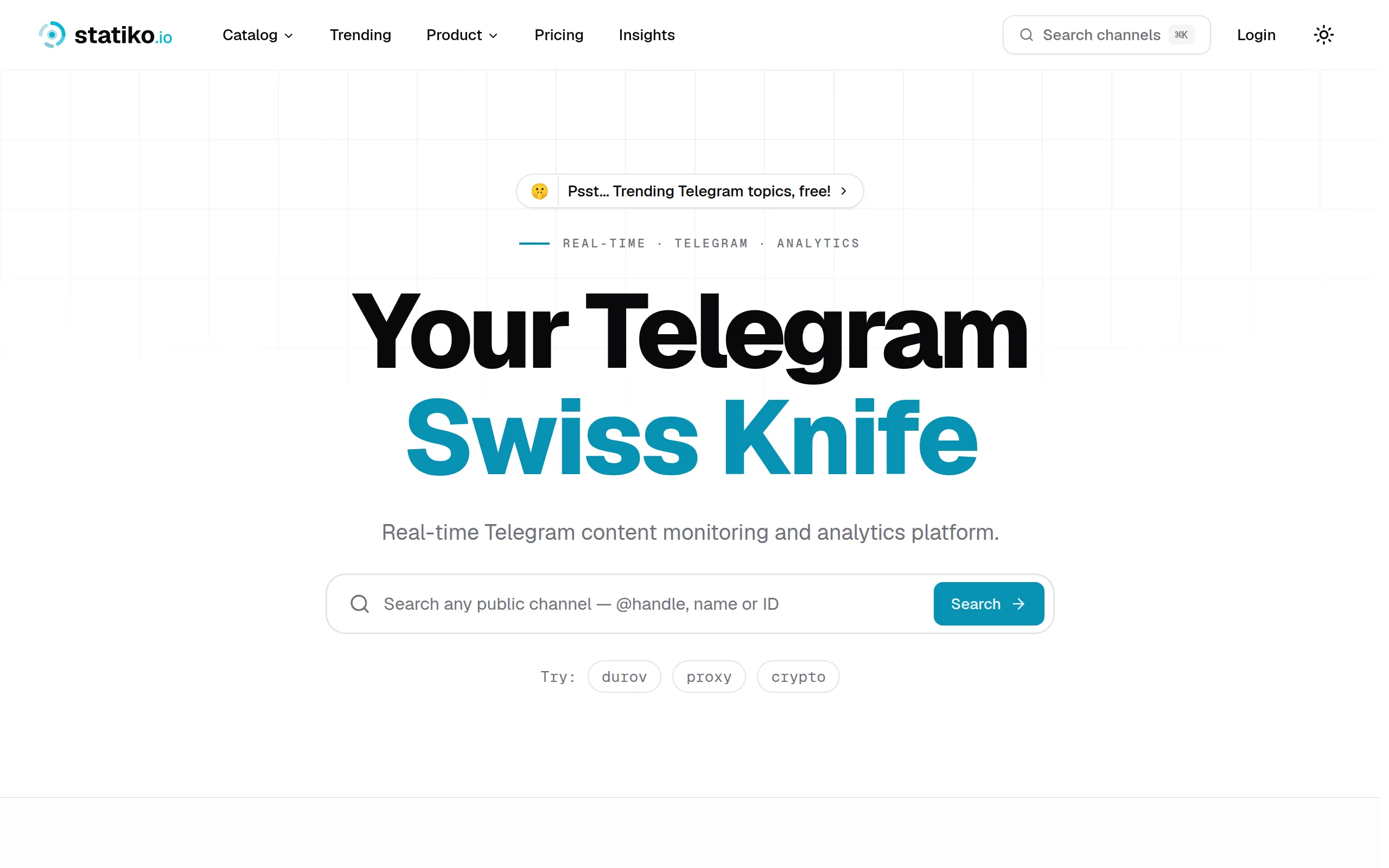
Statiko
Monitor any Telegram channel in real time - track posts, edits, deletions, and growth with AI recaps 📡

Shibui
AI website builder - describe your business, pick a niche template, edit by chatting, and publish instantly ✨

Pro Service
Find verified home service professionals, compare quotes, and pay securely through escrow - built for Brazilians across the US 🏠
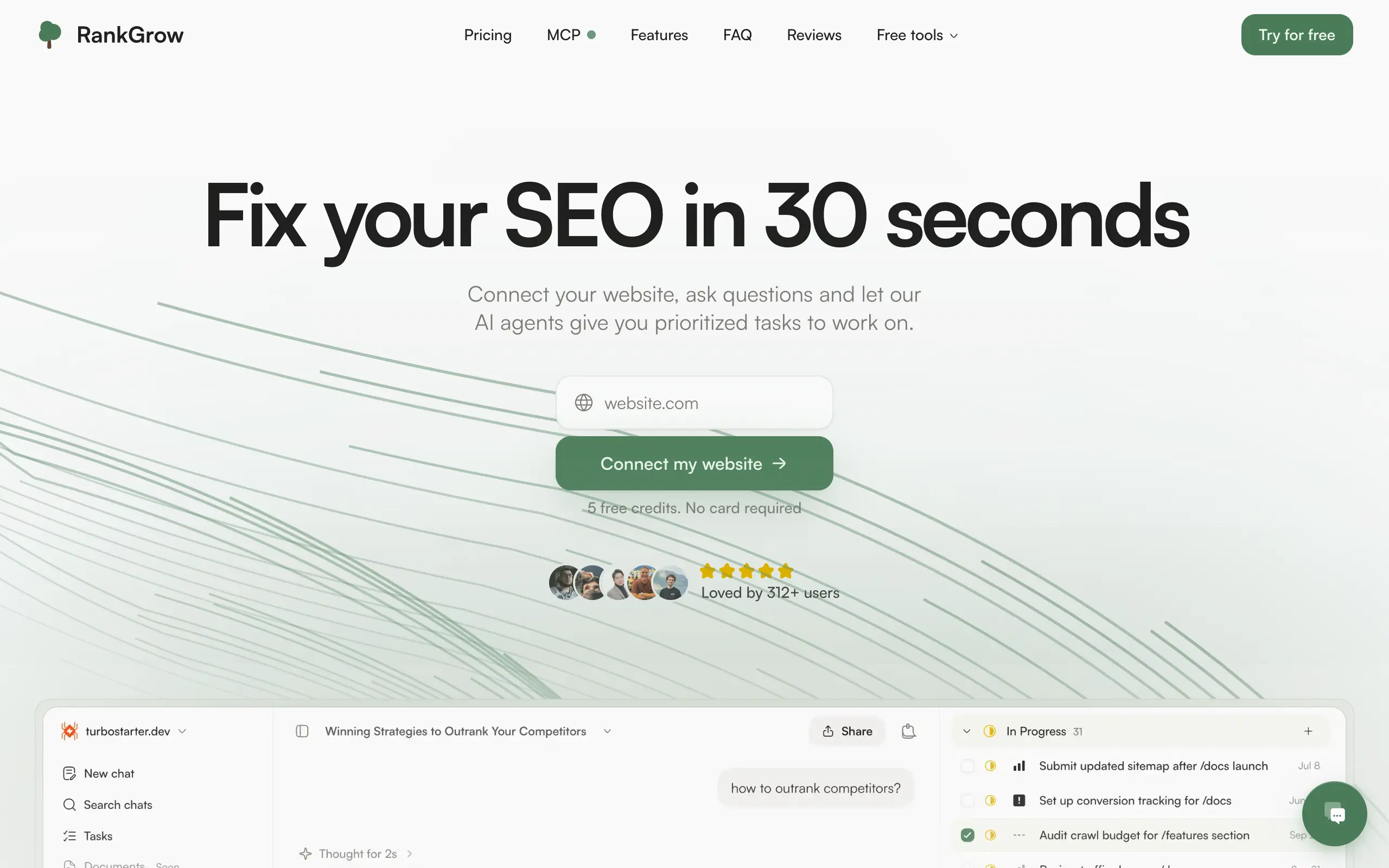
RankGrow
Fix your SEO with AI agents - connect Search Console, get prioritized tasks, and grow organic traffic 📈
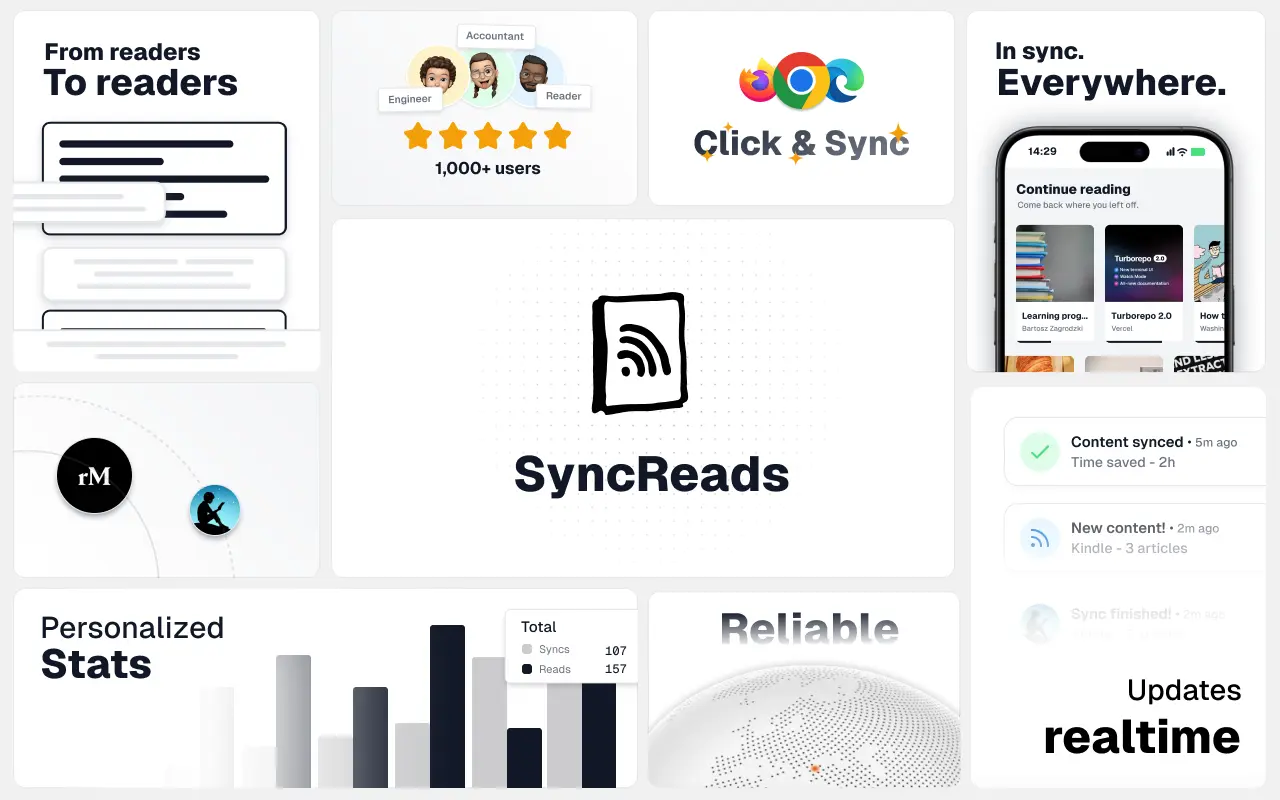
SyncReads
Sync your favorite content for distraction-free reading, save time and replace multiple apps. Anytime, anywhere 🔄
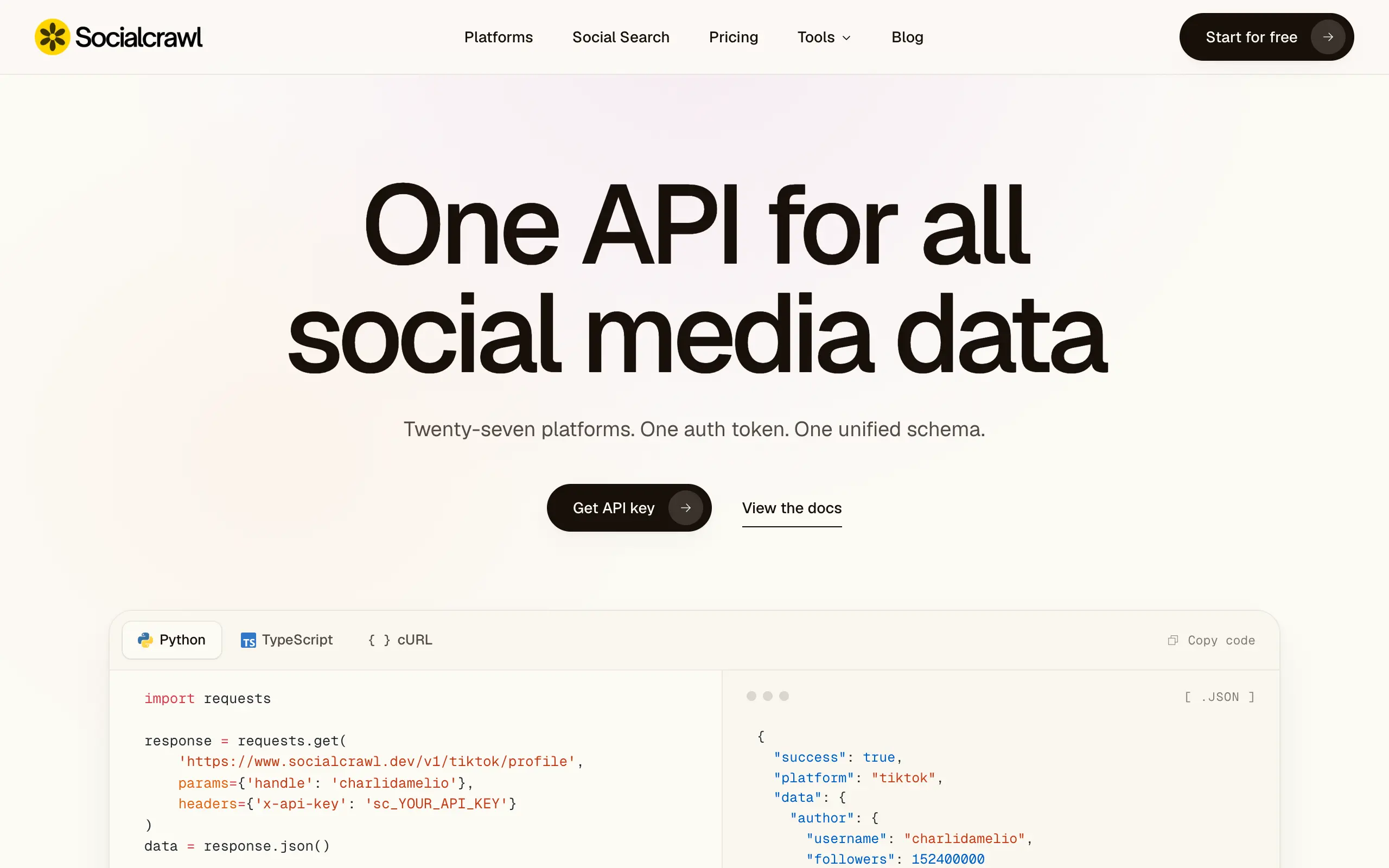
Socialcrawl
Get clean, structured data from 21 platforms like TikTok, Instagram, and YouTube with a single request 📊
Statiko
Monitor any Telegram channel in real time - track posts, edits, deletions, and growth with AI recaps 📡
Shibui
AI website builder - describe your business, pick a niche template, edit by chatting, and publish instantly ✨
Pro Service
Find verified home service professionals, compare quotes, and pay securely through escrow - built for Brazilians across the US 🏠
RankGrow
Fix your SEO with AI agents - connect Search Console, get prioritized tasks, and grow organic traffic 📈
SyncReads
Sync your favorite content for distraction-free reading, save time and replace multiple apps. Anytime, anywhere 🔄
Socialcrawl
Get clean, structured data from 21 platforms like TikTok, Instagram, and YouTube with a single request 📊
Statiko
Monitor any Telegram channel in real time - track posts, edits, deletions, and growth with AI recaps 📡
Shibui
AI website builder - describe your business, pick a niche template, edit by chatting, and publish instantly ✨
Pro Service
Find verified home service professionals, compare quotes, and pay securely through escrow - built for Brazilians across the US 🏠
RankGrow
Fix your SEO with AI agents - connect Search Console, get prioritized tasks, and grow organic traffic 📈
SyncReads
Sync your favorite content for distraction-free reading, save time and replace multiple apps. Anytime, anywhere 🔄
Socialcrawl
Get clean, structured data from 21 platforms like TikTok, Instagram, and YouTube with a single request 📊
Statiko
Monitor any Telegram channel in real time - track posts, edits, deletions, and growth with AI recaps 📡
Shibui
AI website builder - describe your business, pick a niche template, edit by chatting, and publish instantly ✨
Pro Service
Find verified home service professionals, compare quotes, and pay securely through escrow - built for Brazilians across the US 🏠
RankGrow
Fix your SEO with AI agents - connect Search Console, get prioritized tasks, and grow organic traffic 📈
SyncReads
Sync your favorite content for distraction-free reading, save time and replace multiple apps. Anytime, anywhere 🔄
Socialcrawl
Get clean, structured data from 21 platforms like TikTok, Instagram, and YouTube with a single request 📊
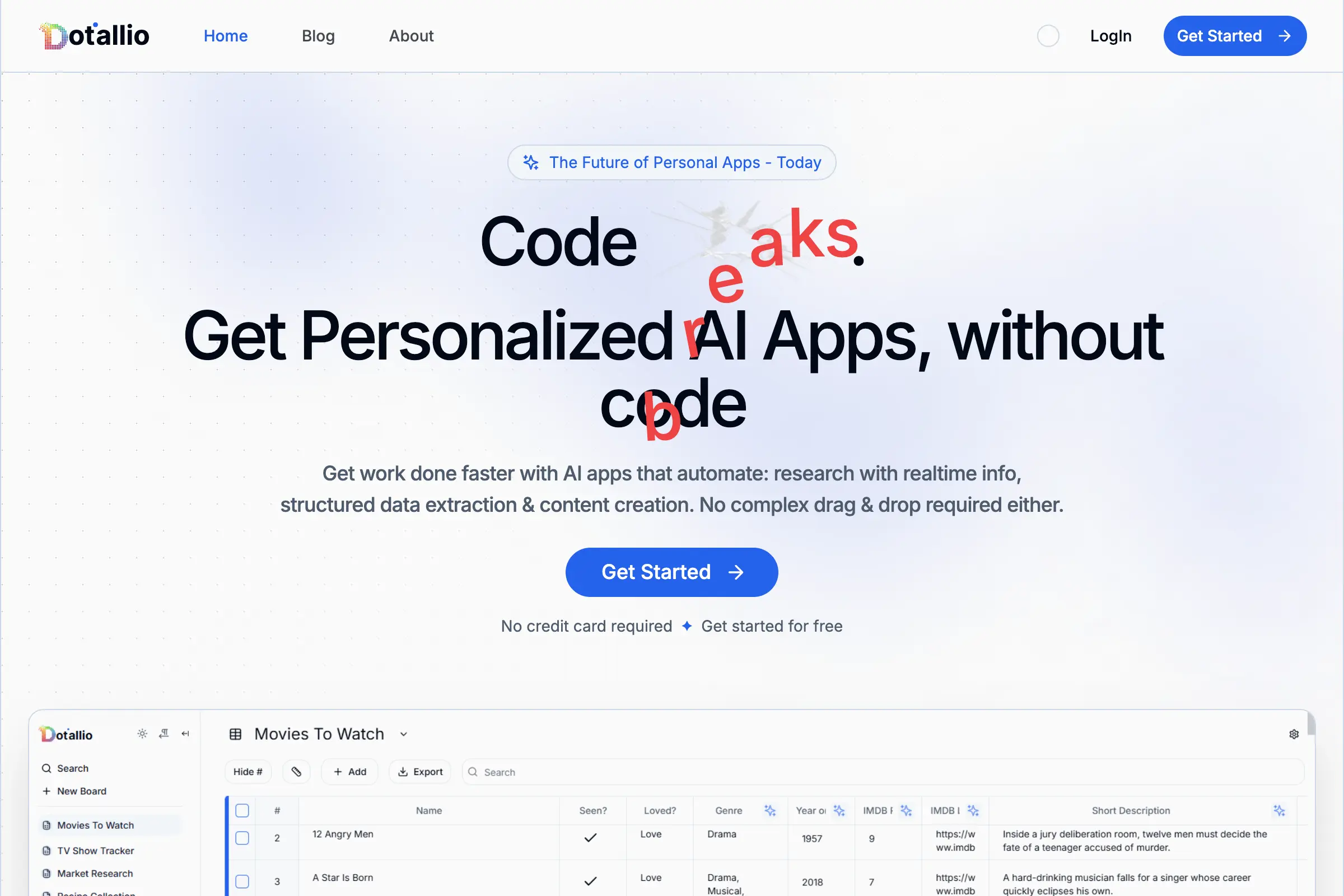
Dotallio
Personalized AI apps that automate research, data extraction, and content creation without code 🤖

Talk to Santa
Enjoy a magical live video chat or receive a unique AI-generated video greeting from Santa Claus 🎅
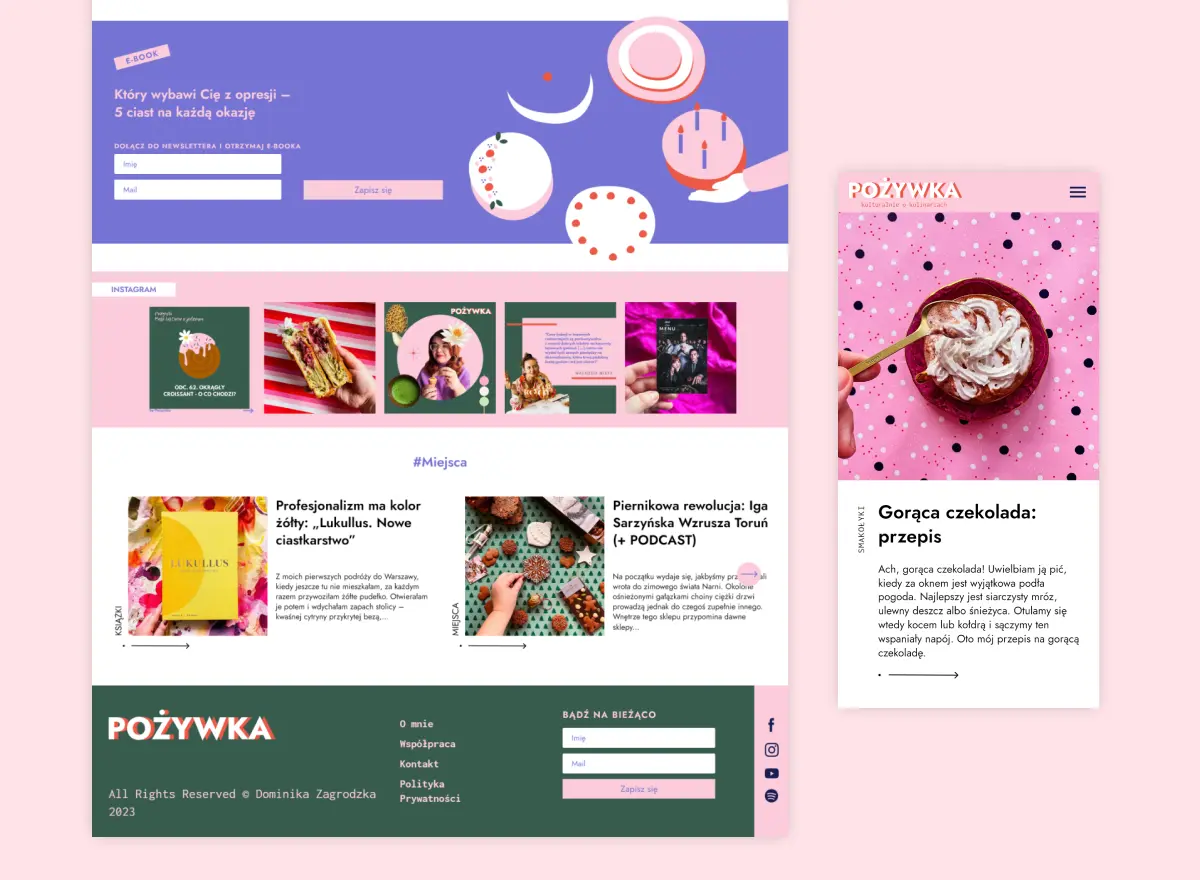
pozywka.pl
Scalable blog for food journalist, focused on performance and user experience 🌭
zagrodzki.me
Personal blog and portfolio of Bart Zagrodzki, where he shares his knowledge and work 💼
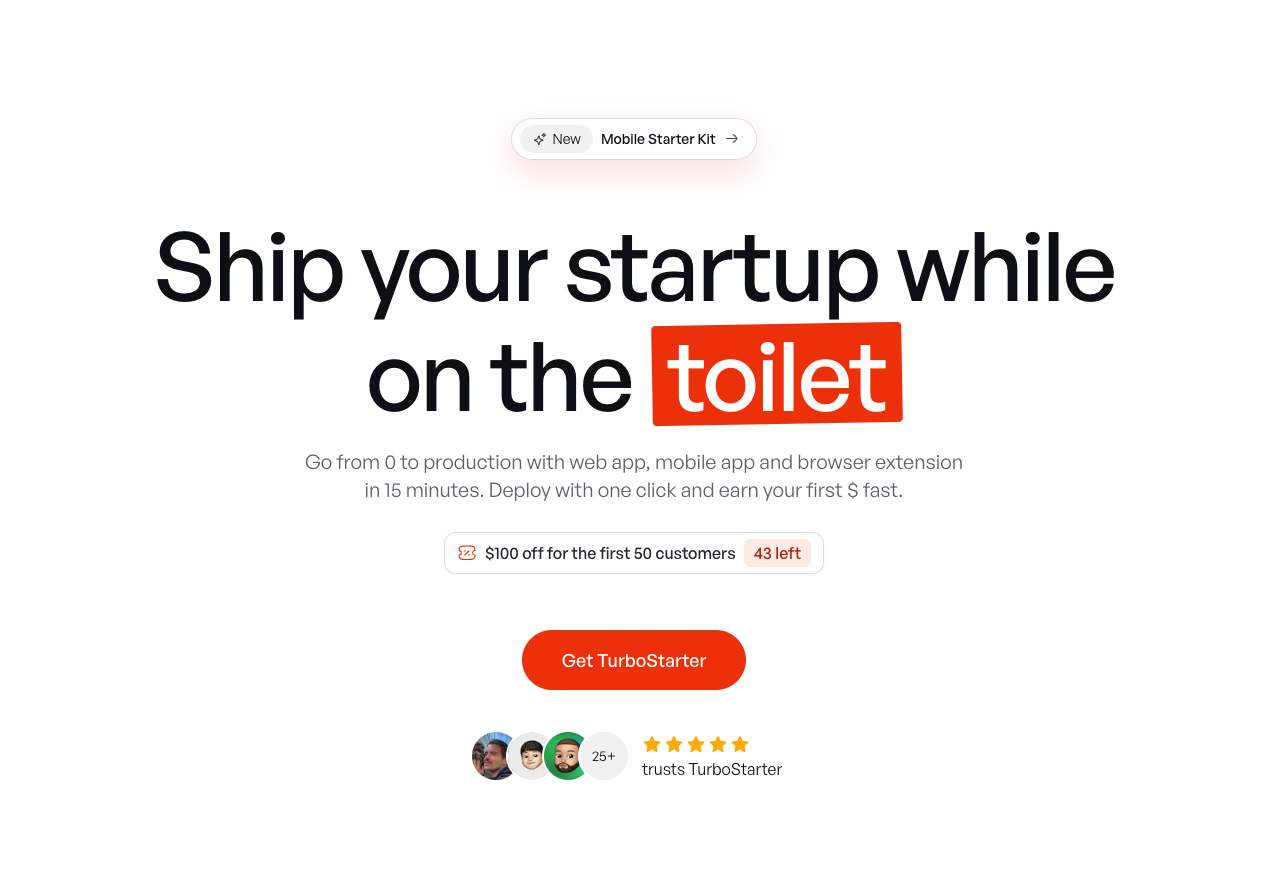
TurboStarter
Ship your startup everywhere. In minutes.
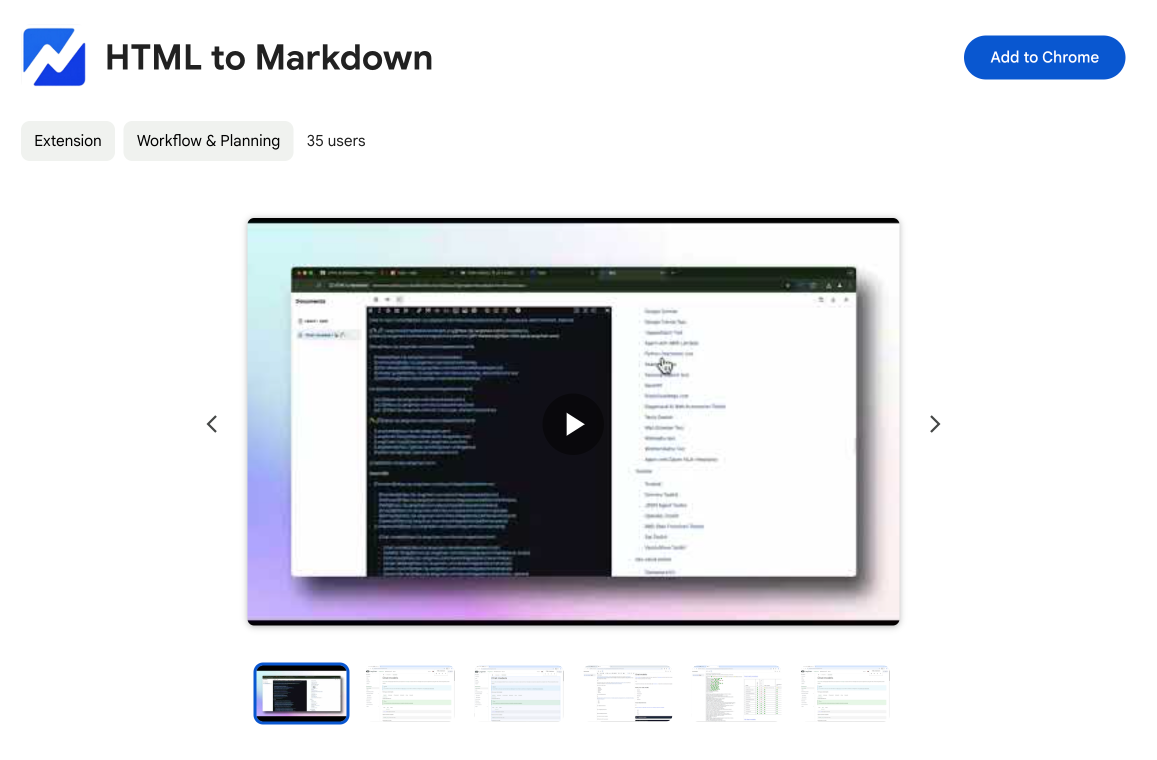
HTML to Markdown
Convert HTML to Markdown with ease, directly in your browser 📄
Dotallio
Personalized AI apps that automate research, data extraction, and content creation without code 🤖
Talk to Santa
Enjoy a magical live video chat or receive a unique AI-generated video greeting from Santa Claus 🎅
pozywka.pl
Scalable blog for food journalist, focused on performance and user experience 🌭
zagrodzki.me
Personal blog and portfolio of Bart Zagrodzki, where he shares his knowledge and work 💼
TurboStarter
Ship your startup everywhere. In minutes.
HTML to Markdown
Convert HTML to Markdown with ease, directly in your browser 📄
Dotallio
Personalized AI apps that automate research, data extraction, and content creation without code 🤖
Talk to Santa
Enjoy a magical live video chat or receive a unique AI-generated video greeting from Santa Claus 🎅
pozywka.pl
Scalable blog for food journalist, focused on performance and user experience 🌭
zagrodzki.me
Personal blog and portfolio of Bart Zagrodzki, where he shares his knowledge and work 💼
TurboStarter
Ship your startup everywhere. In minutes.
HTML to Markdown
Convert HTML to Markdown with ease, directly in your browser 📄
Dotallio
Personalized AI apps that automate research, data extraction, and content creation without code 🤖
Talk to Santa
Enjoy a magical live video chat or receive a unique AI-generated video greeting from Santa Claus 🎅
pozywka.pl
Scalable blog for food journalist, focused on performance and user experience 🌭
zagrodzki.me
Personal blog and portfolio of Bart Zagrodzki, where he shares his knowledge and work 💼
TurboStarter
Ship your startup everywhere. In minutes.
HTML to Markdown
Convert HTML to Markdown with ease, directly in your browser 📄
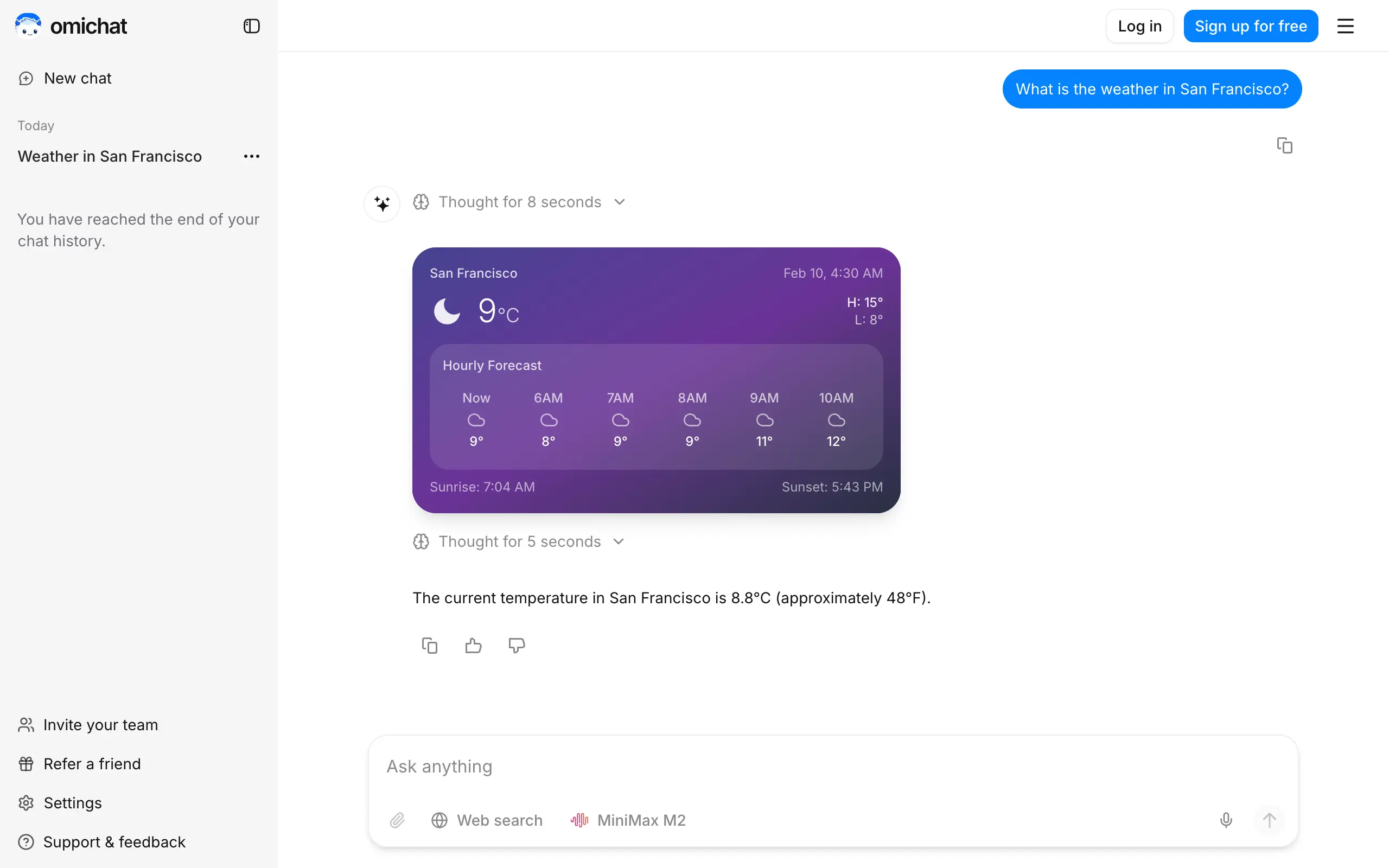
Omichat
Chat with 50+ AI models, including ChatGPT and Claude, in one place - switch models anytime without losing context 🤖
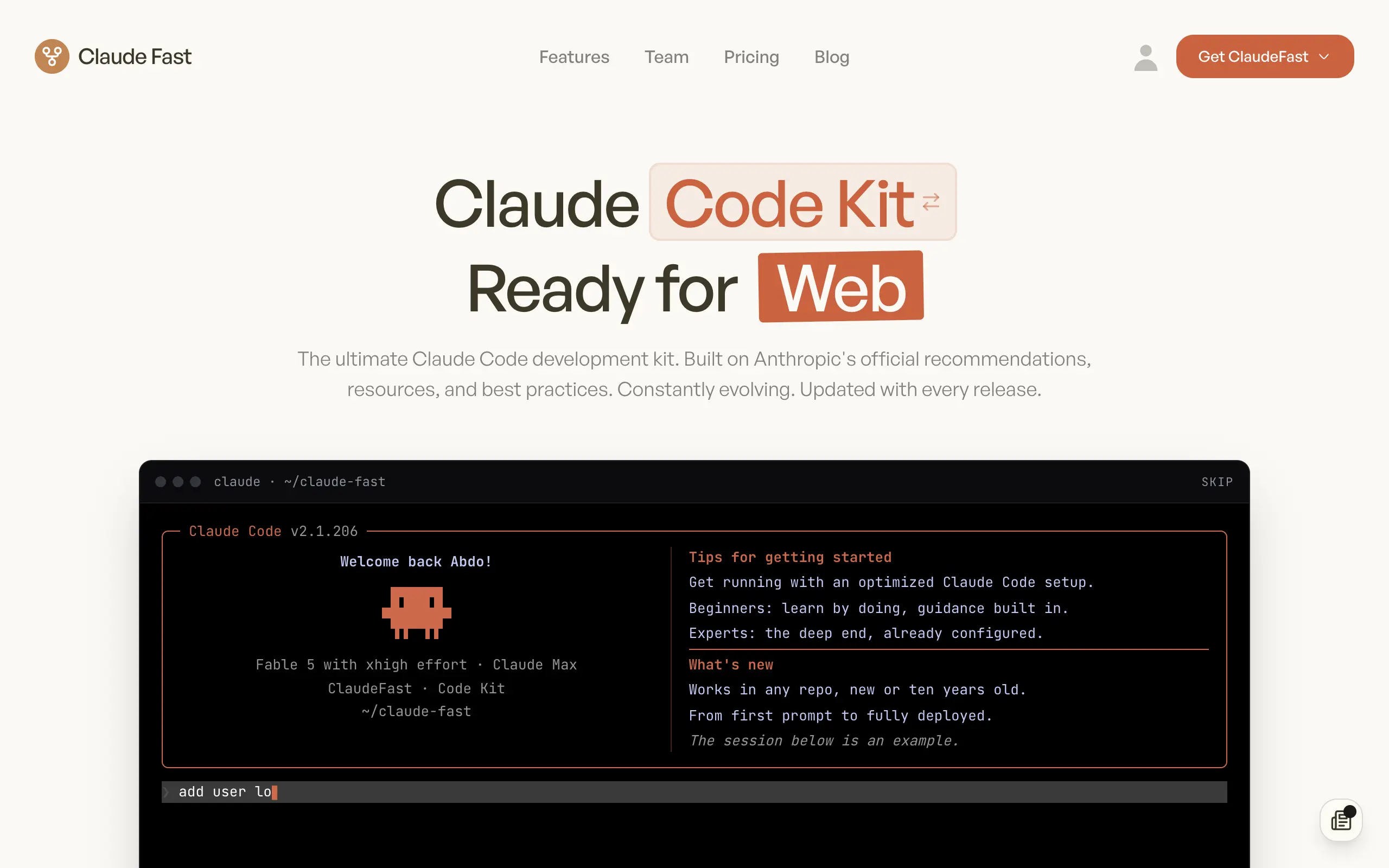
Claude Fast
Supercharge your Claude Code with 6x effective context window and specialized AI agents 🤖
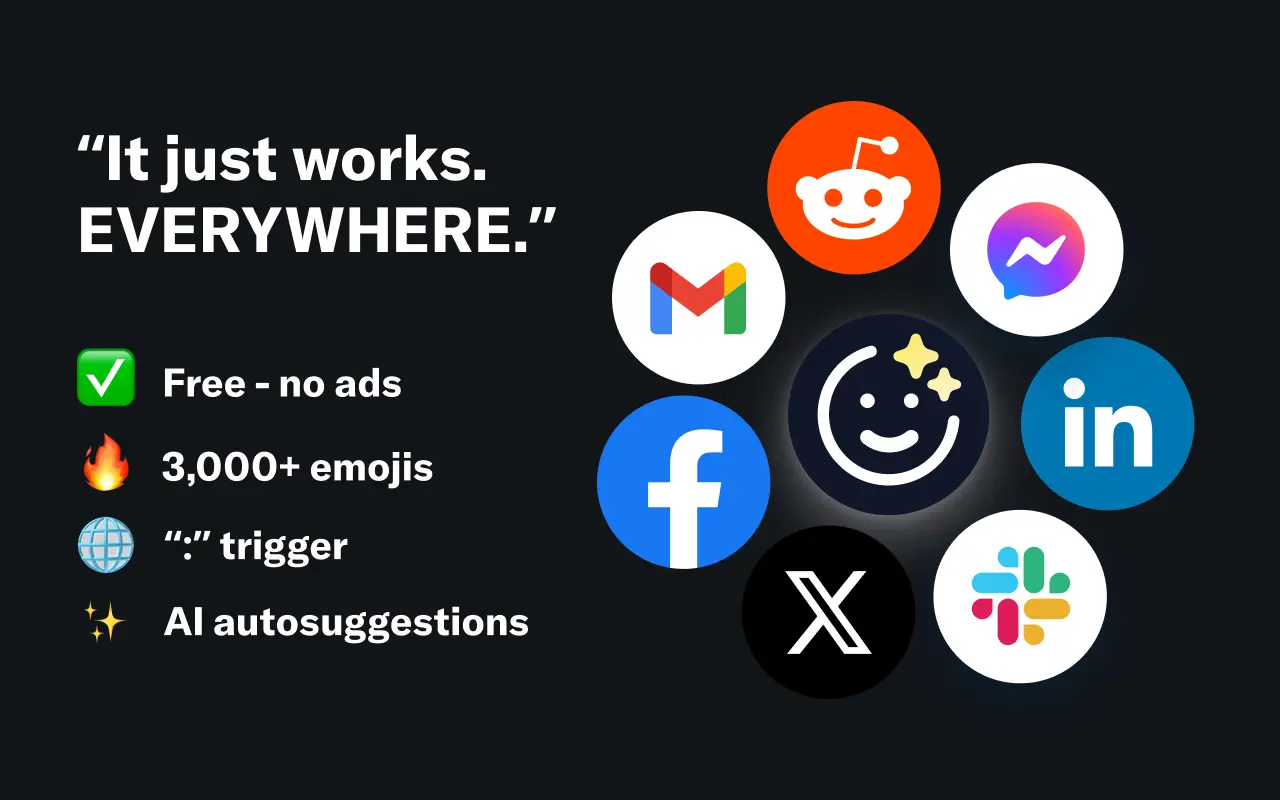
EmojAI
AI-powered emoji picker with smart, context-aware suggestions 🤖
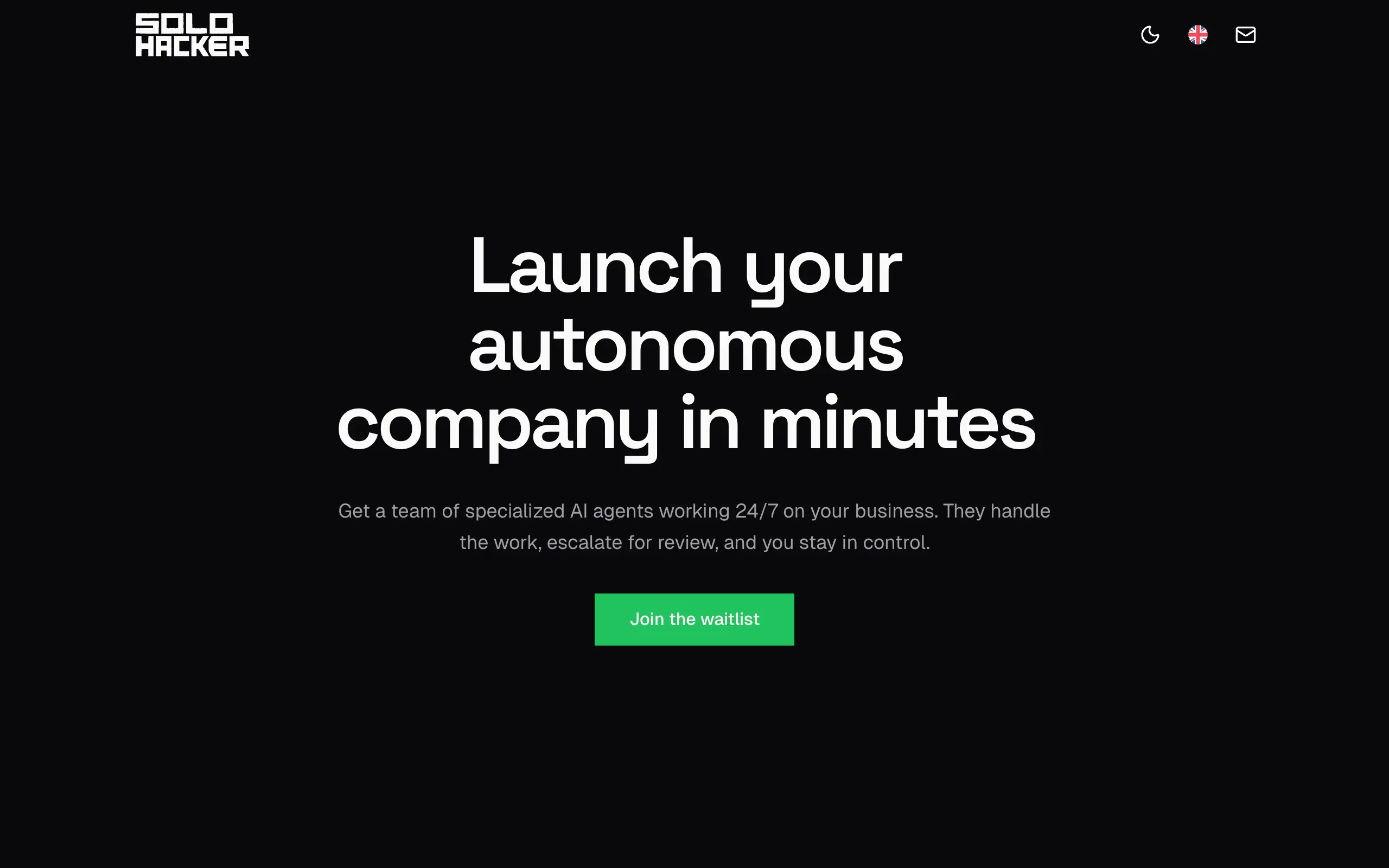
Solohacker
Autonomous company launcher - AI agents work 24/7, escalate what matters, and you stay in control 🤖
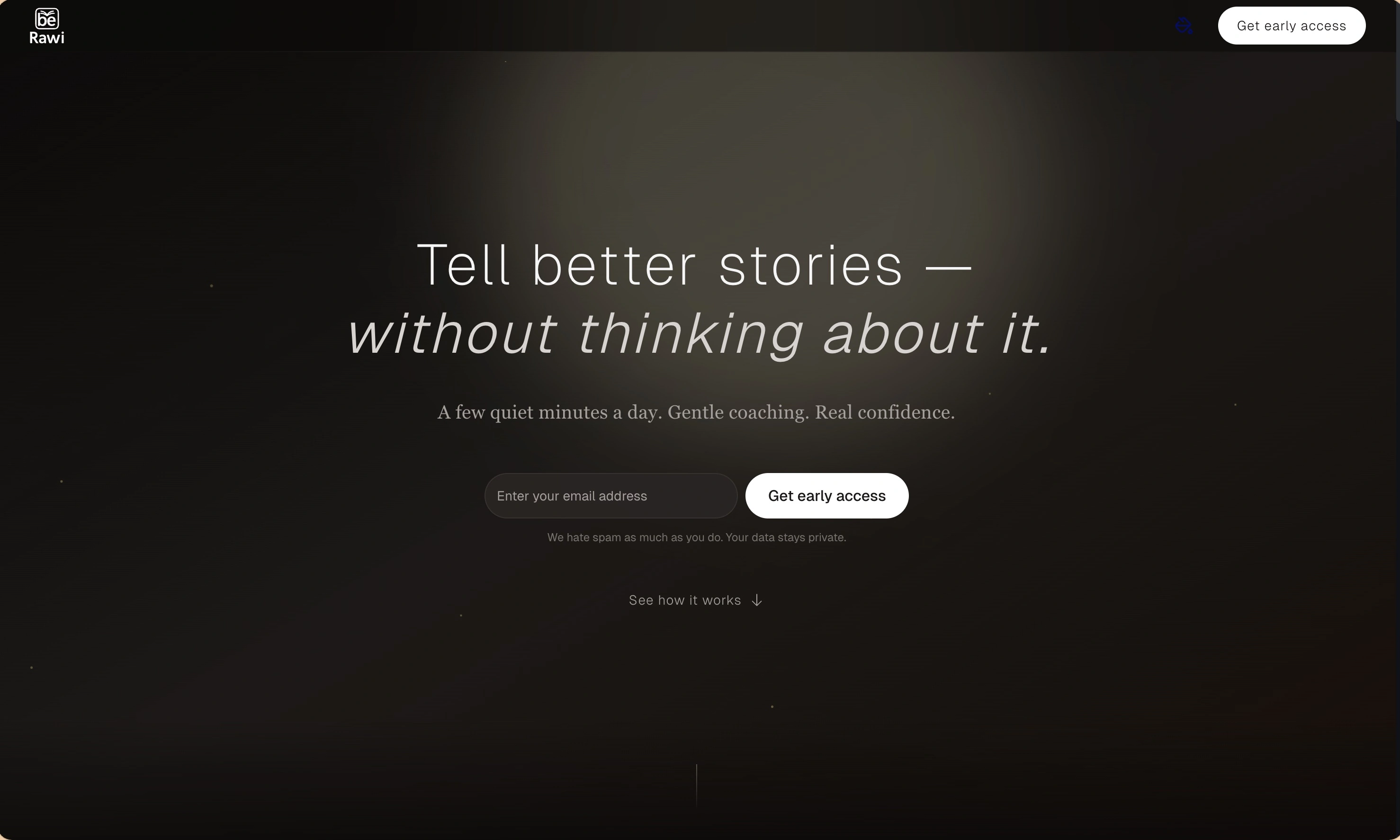
BeRawi: Storytelling Coach
Practice storytelling daily with instant feedback to sound clearer, more engaging, and confident 🎤
Omichat
Chat with 50+ AI models, including ChatGPT and Claude, in one place - switch models anytime without losing context 🤖
Claude Fast
Supercharge your Claude Code with 6x effective context window and specialized AI agents 🤖
EmojAI
AI-powered emoji picker with smart, context-aware suggestions 🤖
Solohacker
Autonomous company launcher - AI agents work 24/7, escalate what matters, and you stay in control 🤖
BeRawi: Storytelling Coach
Practice storytelling daily with instant feedback to sound clearer, more engaging, and confident 🎤
Omichat
Chat with 50+ AI models, including ChatGPT and Claude, in one place - switch models anytime without losing context 🤖
Claude Fast
Supercharge your Claude Code with 6x effective context window and specialized AI agents 🤖
EmojAI
AI-powered emoji picker with smart, context-aware suggestions 🤖
Solohacker
Autonomous company launcher - AI agents work 24/7, escalate what matters, and you stay in control 🤖
BeRawi: Storytelling Coach
Practice storytelling daily with instant feedback to sound clearer, more engaging, and confident 🎤
Omichat
Chat with 50+ AI models, including ChatGPT and Claude, in one place - switch models anytime without losing context 🤖
Claude Fast
Supercharge your Claude Code with 6x effective context window and specialized AI agents 🤖
EmojAI
AI-powered emoji picker with smart, context-aware suggestions 🤖
Solohacker
Autonomous company launcher - AI agents work 24/7, escalate what matters, and you stay in control 🤖
BeRawi: Storytelling Coach
Practice storytelling daily with instant feedback to sound clearer, more engaging, and confident 🎤

Connect with like-minded people
Join our community to get feedback, support, and grow together with 1,000+ builders on board, let's ship it!
Join usShip your startup everywhere. In minutes.
Don't burn tokens on setup and start building features on day one.