VaultRisk Monitor
Real-time risk and exposure management platform for crypto hedge funds and trading firms, aggregating exchange, DeFi, and wallet positions into one unified control center.
Why real-time crypto risk management is now mission-critical
Crypto hedge funds and trading firms operate in one of the most volatile, fragmented, and operationally complex financial environments in history. Unlike traditional asset managers who rely on mature clearing systems and centralized exchanges, digital asset funds must monitor:
- Centralized exchanges (CEXs) across jurisdictions
- Decentralized finance (DeFi) protocols
- On-chain wallets and custody providers
- Cross-chain bridges
- Perpetual futures and options platforms
- OTC counterparties
This complexity creates a fundamental problem: risk exposure is scattered across disconnected systems. Portfolio managers often rely on spreadsheets, manual exports, and delayed API pulls to understand their true exposure.
A real-time risk and exposure management platform for crypto hedge funds—like VaultRisk Monitor—directly addresses this gap by aggregating exchange, DeFi, and wallet positions into one unified control center.
In this comprehensive guide, we’ll explore:
- The market opportunity for crypto risk management software
- Target users and their pain points
- Core features of a real-time exposure management platform
- Recommended tech stack and architecture
- Monetization strategies
- Competitive positioning and differentiation
- Implementation roadmap
- Risks and mitigation strategies
This is written for founders, product leaders, and operators evaluating the opportunity in crypto risk management SaaS.
The growing market for crypto risk and exposure management platforms
Institutional capital is entering crypto—risk standards must follow
Despite volatility, institutional participation in crypto continues to grow. Large hedge funds, family offices, and proprietary trading firms now allocate capital to:
- Bitcoin and Ethereum spot positions
- Derivatives (perpetuals, options)
- Yield strategies in DeFi
- Market-neutral arbitrage
- Cross-exchange funding rate plays
As digital assets mature, expectations around risk governance, reporting, and compliance rise accordingly.
Traditional finance has robust risk systems (e.g., VaR models, stress testing engines, intraday exposure monitoring). Crypto-native firms often lack equivalent infrastructure.
This mismatch creates a strong opportunity for a B2B SaaS platform that offers:
- Real-time portfolio exposure aggregation
- Counterparty risk monitoring
- Smart contract risk visibility
- Liquidation risk alerts
- Cross-venue concentration analysis
The gap between crypto’s complexity and existing risk tooling is wide—and growing.
Target audience analysis
Understanding user intent is critical. Buyers of a crypto risk management platform are not retail traders—they are professional firms with capital, compliance obligations, and operational teams.
Primary users
Crypto hedge funds
Actively managed funds trading across CEX, DeFi, derivatives, and OTC markets requiring consolidated risk visibility.
Proprietary trading firms
High-frequency or algorithmic desks needing real-time exposure tracking and margin monitoring.
Crypto market makers
Firms operating across multiple exchanges needing cross-venue inventory and risk control.
Digital asset asset managers
Institutional managers who must produce investor-grade risk reporting.
Secondary users
- Risk managers and CROs
- Operations teams
- Compliance officers
- Portfolio managers
- CTOs evaluating infrastructure
Core pain points
-
Fragmented visibility
Positions are scattered across exchanges, DeFi protocols, and wallets. -
Delayed risk reporting
Manual reconciliation causes time lags. -
Hidden leverage exposure
Cross-margin and multi-venue leverage complicate net exposure. -
Counterparty risk opacity
Exchange insolvency risk is difficult to quantify in real time. -
Operational inefficiency
Manual spreadsheet processes increase error rates. -
Inconsistent valuation methods
Different platforms use varying price feeds and mark methodologies.
A platform like VaultRisk Monitor directly addresses these issues with real-time aggregation and standardized risk models.
The core problem: why existing tools fall short
Most crypto firms rely on:
- Exchange dashboards (isolated view)
- Portfolio tracking tools (retail-focused)
- Custodian reporting (not real-time)
- Internal spreadsheets
These solutions are not built for:
- Multi-venue net exposure
- Cross-asset delta aggregation
- Real-time margin utilization alerts
- Stress scenario modeling
- Institutional audit readiness
Traditional risk management platforms rarely integrate deeply with DeFi protocols or on-chain wallets.
This is the structural opportunity.
VaultRisk Monitor: unified crypto risk control center
The primary keyword here is real-time crypto risk management platform.
VaultRisk Monitor should position itself as:
The unified, real-time risk and exposure management system for crypto hedge funds and trading firms.
Core value proposition
- One dashboard for all exchange, DeFi, and wallet positions
- Real-time exposure metrics
- Institutional-grade risk analytics
- Proactive alerting
- Audit-ready reporting
Core features and solution architecture
1. Multi-venue position aggregation
VaultRisk Monitor should connect via APIs and blockchain nodes to:
- Binance, Coinbase, OKX, Kraken (CEX APIs)
- dYdX, Aave, Compound, GMX (DeFi protocols)
- Ethereum, Solana, BSC wallets
- Custody providers (e.g., Fireblocks, Copper)
Data ingestion must support:
- Spot balances
- Futures/perpetual positions
- Options Greeks
- Lending/borrowing exposure
- Liquidity pool positions
- Staked assets
Key output: Consolidated net asset value (NAV) and exposure dashboard.
2. Real-time exposure metrics
A professional crypto risk management platform must calculate:
- Net and gross exposure
- Delta-adjusted exposure
- Leverage ratio
- Margin utilization
- Liquidation distance
- Concentration risk (by exchange, asset, counterparty)
Example exposure formula (simplified):
// Net delta exposure example
const netExposure = positions.reduce((total, position) => {
  return total + (position.size * position.delta * position.markPrice);
}, 0);
Production systems would include funding rate projections, volatility adjustments, and scenario stress multipliers.
3. Risk alerting engine
Real-time alerts are essential for institutional desks.
Examples:
- Margin utilization > 80%
- Single-exchange exposure > 35% of NAV
- Stablecoin depeg risk trigger
- Smart contract risk downgrade
- Bridge exposure spike
Best practice
Alerts should integrate with Slack, Telegram, and email, with configurable thresholds per fund.
4. Stress testing and scenario modeling
Institutional funds require forward-looking risk.
Scenarios could include:
- 30% BTC drop in 24 hours
- Stablecoin depeg event
- Exchange outage
- Smart contract exploit
Stress testing engine calculates:
- Projected NAV impact
- Liquidation cascades
- Required collateral adjustments
5. Counterparty risk dashboard
Exchange insolvency risk has become a central concern.
Key metrics:
- Exchange concentration percentage
- Historical withdrawal delays
- Insurance fund size (where applicable)
- On-chain proof-of-reserves integration
6. Compliance and reporting
For LP reporting and audit support:
- Daily NAV reports
- Position snapshots
- Historical risk metrics
- Downloadable PDFs and CSV exports
This increases trust and reduces operational burden.
Technical architecture and stack recommendations
A scalable crypto exposure management system requires careful architectural planning.
Frontend
- React or Next.js
- TailwindCSS
- WebSocket integration for real-time updates
- Charting via lightweight charting libraries
Backend
- Node.js (event-driven, good for API integrations)
- Go (high-performance data pipelines)
- Python (quant and risk modeling layer)
Data ingestion
- Exchange REST + WebSocket APIs
- Blockchain node providers
- Indexing layer for DeFi positions
- Event-driven architecture (Kafka or similar)
Database
- PostgreSQL (structured financial data)
- Time-series DB for tick-level data
- Redis for caching real-time states
Trade-offs
| Approach | Pros | Cons |
|---|---|---|
| Polling APIs | Simple | Latency, missed events |
| WebSocket streams | Real-time | Higher infra complexity |
| Self-hosted nodes | Control | Expensive |
| Managed node providers | Fast setup | Vendor dependency |
A hybrid approach balances performance and cost.
Security and trust considerations (E-E-A-T focus)
Security is non-negotiable.
Must-have practices
- Read-only API keys
- IP whitelisting
- Encryption at rest and in transit
- SOC 2 roadmap
- Audit logs
- Role-based access control
Critical
Never require withdrawal permissions from exchange APIs. Risk monitoring platforms should operate strictly in read-only mode.
Trust is the product in institutional crypto.
Monetization strategy for a crypto risk management SaaS
1. Tiered subscription pricing
Based on:
- Assets under management (AUM)
- Number of connected venues
- Data refresh frequency
- Advanced analytics access
Example structure:
- Starter: $2,000/month
- Pro: $5,000/month
- Enterprise: Custom
2. AUM-based pricing
0.02%–0.05% of AUM annually (aligned with hedge fund economics).
3. Add-ons
- Advanced stress testing module
- Custom reporting
- API access
- White-label solutions
Competitive landscape analysis
Competitors may include:
- Portfolio tracking tools (retail-focused)
- Custodian dashboards
- In-house risk systems
- General fintech risk providers
Competitive differentiation
| Feature | Retail Tracker | Exchange Dashboard | Custodian Portal | VaultRisk Monitor |
|---|---|---|---|---|
| Multi-exchange aggregation | ✅ | ❌ | ❌ | ✅ |
| DeFi exposure tracking | ❌ | ❌ | ❌ | ✅ |
| Institutional risk analytics | ❌ | ❌ | ⚠️ Limited | ✅ |
| Stress testing engine | ❌ | ❌ | ❌ | ✅ |
The unique selling proposition (USP):
A unified, institutional-grade, real-time crypto risk management platform that integrates CEX, DeFi, and wallet exposure into a single control center.
Key risks and mitigation strategies
1. API instability
Mitigation:
- Redundant data providers
- Fallback polling systems
- Data validation pipelines
2. Regulatory shifts
Mitigation:
- Modular compliance reporting
- Jurisdiction-specific reporting templates
3. Security breach
Mitigation:
- External security audits
- Bug bounty programs
- SOC 2 certification path
4. Market contraction
Mitigation:
- Diversify into digital asset asset managers and token treasuries
Implementation roadmap
Go-to-market strategy
1. Direct founder-led sales
Crypto hedge funds are niche; direct outreach works best.
2. Thought leadership
Publish:
- Crypto risk frameworks
- DeFi exposure management guides
- Exchange concentration analysis reports
3. Partnerships
- Custodians
- Fund administrators
- Prime brokers
Building efficiently with modern SaaS foundations
Time-to-market is critical. Instead of building authentication, billing, and dashboard scaffolding from scratch, you can use a modern SaaS starter framework like TurboStarter to accelerate development and focus on core risk analytics.
This reduces:
- Development overhead
- Security misconfigurations
- Infrastructure boilerplate
Allowing your team to focus on data pipelines and analytics—the true competitive moat.
Long-term vision: from monitoring to predictive intelligence
VaultRisk Monitor can evolve beyond passive monitoring into:
- Predictive liquidation forecasting
- Smart contract exploit probability scoring
- Exchange health scoring index
- Automated collateral rebalancing suggestions
Eventually, the platform becomes:
The Bloomberg Terminal for crypto risk management.
Conclusion: why this opportunity is strategically strong
A real-time crypto risk and exposure management platform addresses a clear, urgent need in institutional digital asset markets.
Key reasons this idea is strong:
- Institutional adoption is increasing
- Risk infrastructure lags behind capital inflows
- Fragmented data creates operational inefficiencies
- Compliance expectations are rising
- Few platforms integrate CEX + DeFi + wallet exposure comprehensively
VaultRisk Monitor’s success depends on:
- Data reliability
- Security and trust
- Institutional-grade analytics
- Proactive alerting
If executed correctly, it becomes deeply embedded in fund operations—making churn low and lifetime value high.
The crypto industry has matured beyond experimentation. The next wave of infrastructure will be defined by risk discipline, transparency, and institutional-grade tooling.
A unified crypto risk management platform is not just a feature—it’s the foundation for sustainable digital asset finance.
More 🏢 B2B Application SaaS ideas
Discover more innovative b2b application SaaS ideas that are trending in 2026. Each idea is AI-generated with market validation and growth potential to help you find your next profitable venture faster than competitors.
Your competitors are building with TurboStarter
Below are some of the SaaS ideas that have been generated and built with our starter kit.
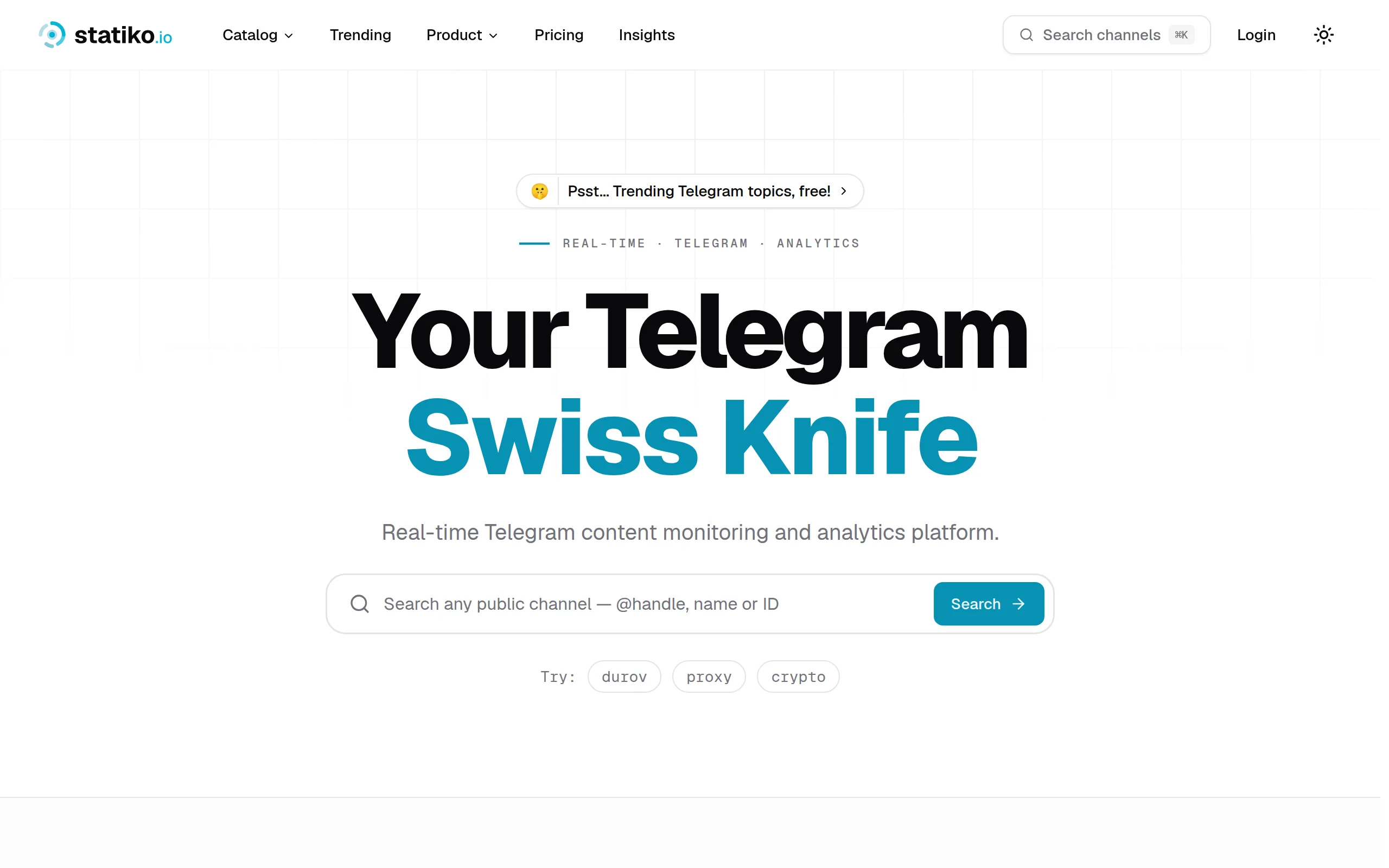
Statiko
Monitor any Telegram channel in real time - track posts, edits, deletions, and growth with AI recaps 📡

Shibui
AI website builder - describe your business, pick a niche template, edit by chatting, and publish instantly ✨

Pro Service
Find verified home service professionals, compare quotes, and pay securely through escrow - built for Brazilians across the US 🏠

RankGrow
Fix your SEO with AI agents - connect Search Console, get prioritized tasks, and grow organic traffic 📈
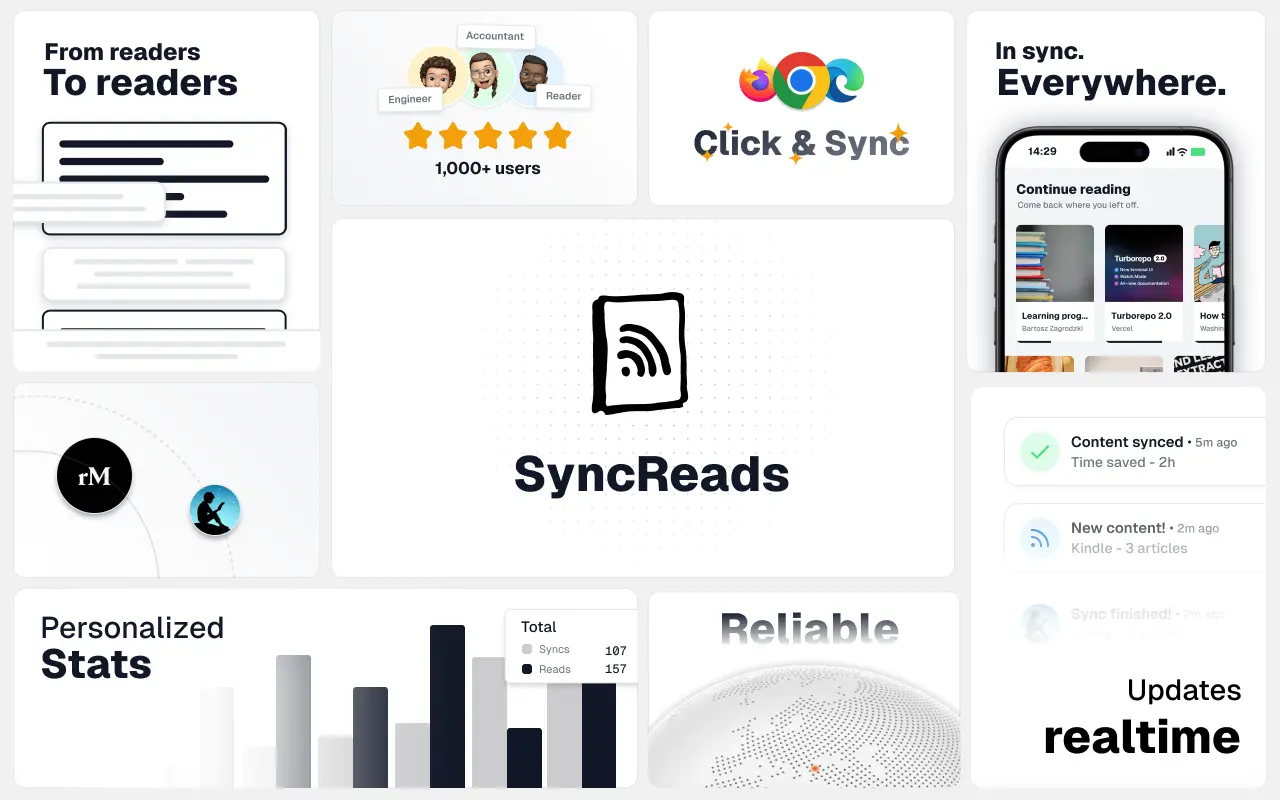
SyncReads
Sync your favorite content for distraction-free reading, save time and replace multiple apps. Anytime, anywhere 🔄
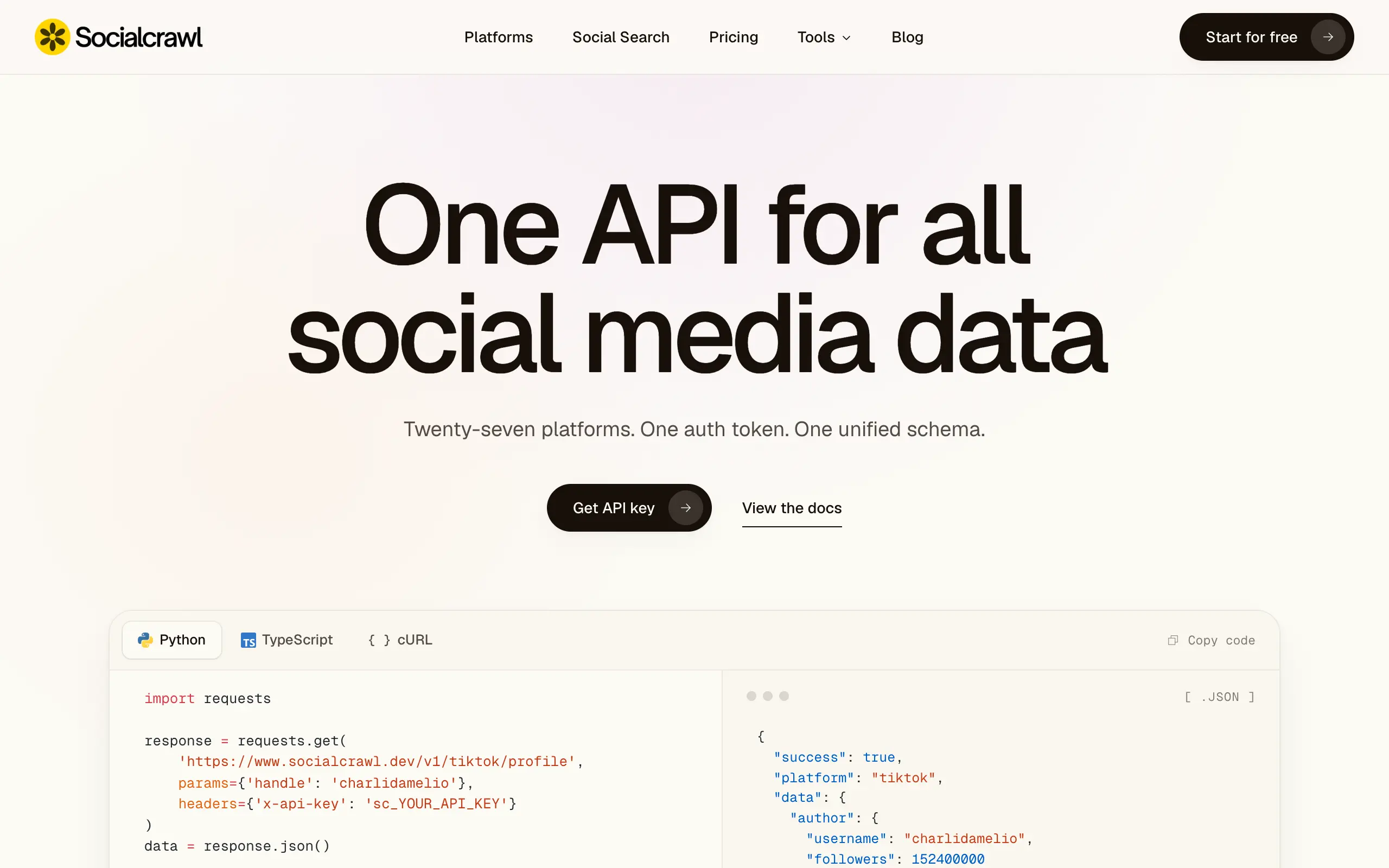
Socialcrawl
Get clean, structured data from 21 platforms like TikTok, Instagram, and YouTube with a single request 📊
Statiko
Monitor any Telegram channel in real time - track posts, edits, deletions, and growth with AI recaps 📡
Shibui
AI website builder - describe your business, pick a niche template, edit by chatting, and publish instantly ✨
Pro Service
Find verified home service professionals, compare quotes, and pay securely through escrow - built for Brazilians across the US 🏠
RankGrow
Fix your SEO with AI agents - connect Search Console, get prioritized tasks, and grow organic traffic 📈
SyncReads
Sync your favorite content for distraction-free reading, save time and replace multiple apps. Anytime, anywhere 🔄
Socialcrawl
Get clean, structured data from 21 platforms like TikTok, Instagram, and YouTube with a single request 📊
Statiko
Monitor any Telegram channel in real time - track posts, edits, deletions, and growth with AI recaps 📡
Shibui
AI website builder - describe your business, pick a niche template, edit by chatting, and publish instantly ✨
Pro Service
Find verified home service professionals, compare quotes, and pay securely through escrow - built for Brazilians across the US 🏠
RankGrow
Fix your SEO with AI agents - connect Search Console, get prioritized tasks, and grow organic traffic 📈
SyncReads
Sync your favorite content for distraction-free reading, save time and replace multiple apps. Anytime, anywhere 🔄
Socialcrawl
Get clean, structured data from 21 platforms like TikTok, Instagram, and YouTube with a single request 📊
Statiko
Monitor any Telegram channel in real time - track posts, edits, deletions, and growth with AI recaps 📡
Shibui
AI website builder - describe your business, pick a niche template, edit by chatting, and publish instantly ✨
Pro Service
Find verified home service professionals, compare quotes, and pay securely through escrow - built for Brazilians across the US 🏠
RankGrow
Fix your SEO with AI agents - connect Search Console, get prioritized tasks, and grow organic traffic 📈
SyncReads
Sync your favorite content for distraction-free reading, save time and replace multiple apps. Anytime, anywhere 🔄
Socialcrawl
Get clean, structured data from 21 platforms like TikTok, Instagram, and YouTube with a single request 📊
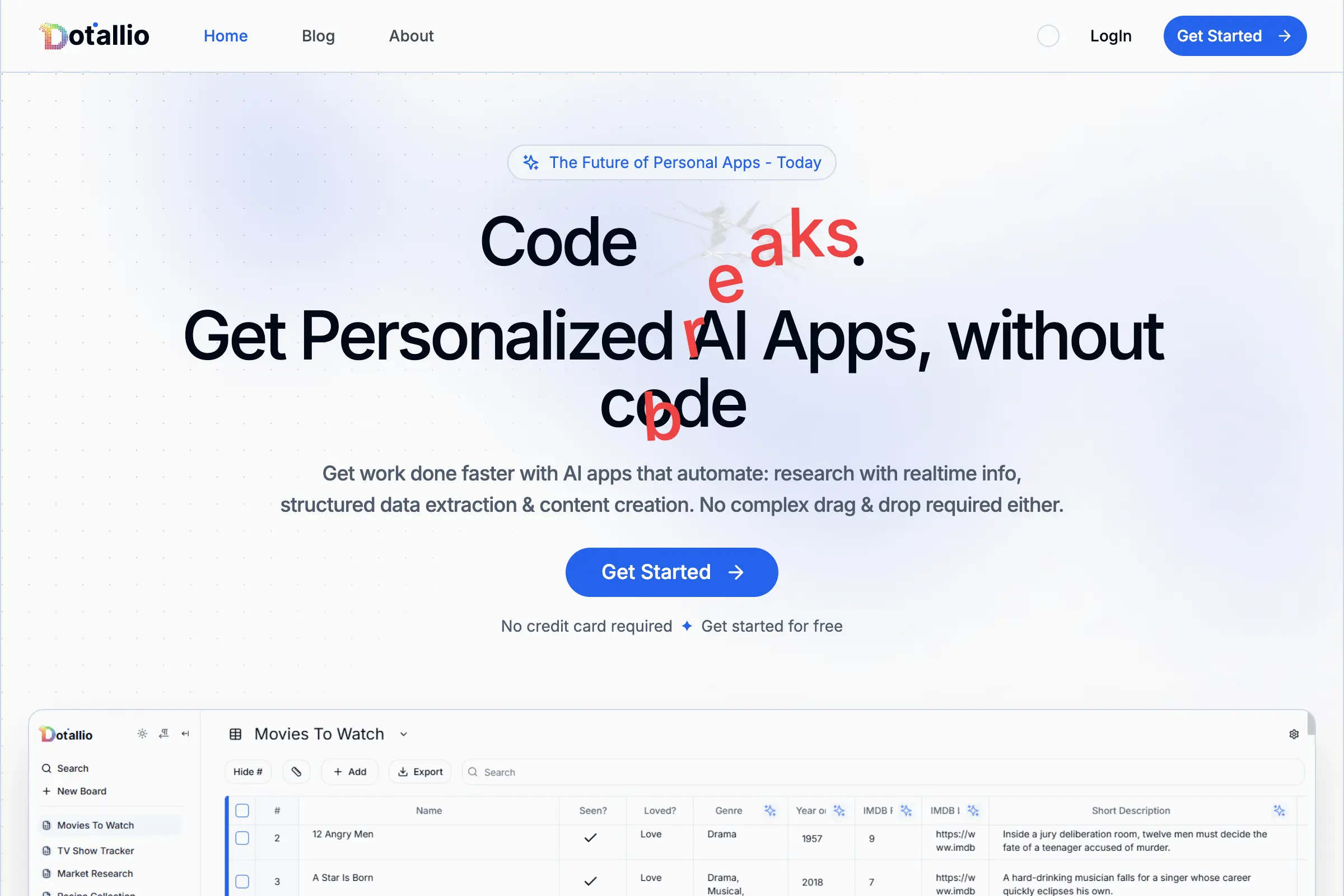
Dotallio
Personalized AI apps that automate research, data extraction, and content creation without code 🤖

Talk to Santa
Enjoy a magical live video chat or receive a unique AI-generated video greeting from Santa Claus 🎅

pozywka.pl
Scalable blog for food journalist, focused on performance and user experience 🌭
zagrodzki.me
Personal blog and portfolio of Bart Zagrodzki, where he shares his knowledge and work 💼
TurboStarter
Ship your startup everywhere. In minutes.
HTML to Markdown
Convert HTML to Markdown with ease, directly in your browser 📄
Dotallio
Personalized AI apps that automate research, data extraction, and content creation without code 🤖
Talk to Santa
Enjoy a magical live video chat or receive a unique AI-generated video greeting from Santa Claus 🎅
pozywka.pl
Scalable blog for food journalist, focused on performance and user experience 🌭
zagrodzki.me
Personal blog and portfolio of Bart Zagrodzki, where he shares his knowledge and work 💼
TurboStarter
Ship your startup everywhere. In minutes.
HTML to Markdown
Convert HTML to Markdown with ease, directly in your browser 📄
Dotallio
Personalized AI apps that automate research, data extraction, and content creation without code 🤖
Talk to Santa
Enjoy a magical live video chat or receive a unique AI-generated video greeting from Santa Claus 🎅
pozywka.pl
Scalable blog for food journalist, focused on performance and user experience 🌭
zagrodzki.me
Personal blog and portfolio of Bart Zagrodzki, where he shares his knowledge and work 💼
TurboStarter
Ship your startup everywhere. In minutes.
HTML to Markdown
Convert HTML to Markdown with ease, directly in your browser 📄
Dotallio
Personalized AI apps that automate research, data extraction, and content creation without code 🤖
Talk to Santa
Enjoy a magical live video chat or receive a unique AI-generated video greeting from Santa Claus 🎅
pozywka.pl
Scalable blog for food journalist, focused on performance and user experience 🌭
zagrodzki.me
Personal blog and portfolio of Bart Zagrodzki, where he shares his knowledge and work 💼
TurboStarter
Ship your startup everywhere. In minutes.
HTML to Markdown
Convert HTML to Markdown with ease, directly in your browser 📄
Omichat
Chat with 50+ AI models, including ChatGPT and Claude, in one place - switch models anytime without losing context 🤖
Claude Fast
Supercharge your Claude Code with 6x effective context window and specialized AI agents 🤖

EmojAI
AI-powered emoji picker with smart, context-aware suggestions 🤖

Solohacker
Autonomous company launcher - AI agents work 24/7, escalate what matters, and you stay in control 🤖

BeRawi: Storytelling Coach
Practice storytelling daily with instant feedback to sound clearer, more engaging, and confident 🎤
Omichat
Chat with 50+ AI models, including ChatGPT and Claude, in one place - switch models anytime without losing context 🤖
Claude Fast
Supercharge your Claude Code with 6x effective context window and specialized AI agents 🤖
EmojAI
AI-powered emoji picker with smart, context-aware suggestions 🤖
Solohacker
Autonomous company launcher - AI agents work 24/7, escalate what matters, and you stay in control 🤖
BeRawi: Storytelling Coach
Practice storytelling daily with instant feedback to sound clearer, more engaging, and confident 🎤
Omichat
Chat with 50+ AI models, including ChatGPT and Claude, in one place - switch models anytime without losing context 🤖
Claude Fast
Supercharge your Claude Code with 6x effective context window and specialized AI agents 🤖
EmojAI
AI-powered emoji picker with smart, context-aware suggestions 🤖
Solohacker
Autonomous company launcher - AI agents work 24/7, escalate what matters, and you stay in control 🤖
BeRawi: Storytelling Coach
Practice storytelling daily with instant feedback to sound clearer, more engaging, and confident 🎤
Omichat
Chat with 50+ AI models, including ChatGPT and Claude, in one place - switch models anytime without losing context 🤖
Claude Fast
Supercharge your Claude Code with 6x effective context window and specialized AI agents 🤖
EmojAI
AI-powered emoji picker with smart, context-aware suggestions 🤖
Solohacker
Autonomous company launcher - AI agents work 24/7, escalate what matters, and you stay in control 🤖
BeRawi: Storytelling Coach
Practice storytelling daily with instant feedback to sound clearer, more engaging, and confident 🎤

Connect with like-minded people
Join our community to get feedback, support, and grow together with 1,000+ builders on board, let's ship it!
Join usShip your startup everywhere. In minutes.
Don't burn tokens on setup and start building features on day one.