VendorGuard
Continuously monitors third-party vendors for security risks, scoring exposure and alerting teams before vulnerabilities impact operations.
What is VendorGuard and why it matters now
Third-party risk is no longer a niche concern reserved for large enterprises with dedicated security teams. In today’s interconnected SaaS ecosystem, even small and mid-sized companies rely on dozens—sometimes hundreds—of external vendors for infrastructure, analytics, payments, customer support, and more. Each integration introduces potential vulnerabilities.
VendorGuard is a B2B SaaS platform designed to continuously monitor third-party vendors for security risks, assign real-time exposure scores, and proactively alert teams before those risks escalate into operational or compliance failures.
The core value proposition is simple but powerful: instead of reacting to vendor breaches after they happen, organizations can predict, quantify, and mitigate vendor risk in real time.
This shift from reactive to proactive vendor risk management aligns directly with modern security frameworks like zero trust architecture and continuous compliance monitoring.
The growing problem: third-party risk is exploding
The attack surface of modern organizations is expanding rapidly, and third-party vendors are now one of the most exploited entry points.
Recent industry reports (such as those from IBM Security and Verizon DBIR—recommended references for supporting data) consistently highlight that:
- A significant percentage of breaches originate from third-party access
- Supply chain attacks are increasing in frequency and sophistication
- Organizations lack visibility into vendor security posture
- Compliance requirements (SOC 2, ISO 27001, GDPR) are tightening around vendor oversight
Despite this, many companies still rely on:
- Manual vendor assessments (spreadsheets, questionnaires)
- Annual or quarterly audits
- Static risk scoring models
- Reactive alerting after incidents occur
These approaches are outdated.
VendorGuard addresses this gap by offering continuous, automated vendor monitoring, turning a traditionally static process into a dynamic intelligence system.
Target audience and ideal customers
VendorGuard is a B2B SaaS product with a clearly defined set of high-value users.
Primary audience
- Security teams (CISOs, security engineers)
- Risk and compliance officers
- IT leaders managing vendor ecosystems
These users are responsible for ensuring that third-party vendors do not introduce unacceptable risk into the organization.
Secondary audience
- Procurement teams
- Legal/compliance teams
- Startup founders scaling infrastructure quickly
These stakeholders benefit from simplified vendor evaluation and continuous monitoring without deep technical expertise.
Key pain points VendorGuard solves
- Lack of real-time visibility into vendor security posture
- Time-consuming manual vendor risk assessments
- Difficulty tracking changes in vendor risk over time
- Inconsistent risk scoring across vendors
- Delayed response to emerging threats
- Compliance pressure without proper tooling
Ideal customer profile (ICP)
Companies that benefit most from VendorGuard typically:
- Use 10+ SaaS tools or vendors
- Operate in regulated industries (fintech, healthtech, SaaS)
- Require SOC 2, ISO 27001, or HIPAA compliance
- Have small-to-mid-sized security teams
- Are scaling quickly and adding vendors frequently
Market opportunity and gap analysis
The vendor risk management (VRM) market is already large and growing—but still fragmented and underserved in key areas.
Existing solutions
Current players include:
- Legacy GRC platforms (e.g., Archer, OneTrust)
- Security rating platforms (e.g., BitSight, SecurityScorecard)
- Manual internal processes
These solutions often fall into two extremes:
- Too complex and expensive (enterprise-only tools)
- Too shallow and static (basic risk scoring tools)
The gap VendorGuard fills
VendorGuard sits at the intersection of:
- Continuous monitoring
- Actionable insights
- Developer-friendly integrations
- SMB to mid-market accessibility
It differentiates itself by:
- Providing real-time vendor exposure scoring
- Integrating directly with modern SaaS stacks
- Offering predictive alerts instead of reactive reports
- Delivering clear, explainable risk metrics
Market trends supporting VendorGuard
- Rise of zero trust security frameworks
- Increased reliance on third-party SaaS tools
- Growing demand for automated compliance
- Expansion of AI-driven security analytics
- Regulatory pressure on vendor accountability
These trends make VendorGuard not just relevant—but essential.
Core features and product architecture
VendorGuard’s success depends on delivering actionable intelligence, not just raw data.
Key features
Continuous vendor monitoring
Automatically tracks vendor security posture across multiple signals, including vulnerabilities, breaches, and misconfigurations.
Dynamic risk scoring
Assigns real-time exposure scores based on evolving risk factors and threat intelligence.
Proactive alerting
Notifies teams immediately when a vendor's risk level crosses predefined thresholds.
Vendor inventory management
Centralized dashboard to track all third-party tools and their associated risk profiles.
Compliance alignment
Maps vendor risk to frameworks like SOC 2, ISO 27001, and GDPR.
Advanced capabilities
- External attack surface monitoring
- Dark web breach detection
- SSL/TLS and domain health tracking
- API-based vendor ingestion
- Integration with SIEM tools
Example risk scoring logic
type VendorRiskScore = {
  baseScore: number;
  vulnerabilityScore: number;
  breachHistoryScore: number;
  complianceScore: number;
  realTimeThreatScore: number;
};

function calculateRiskScore(vendor: VendorRiskScore): number {
  return (
    vendor.baseScore +
    vendor.vulnerabilityScore * 0.3 +
    vendor.breachHistoryScore * 0.25 +
    vendor.complianceScore * 0.2 +
    vendor.realTimeThreatScore * 0.25
  );
}
This kind of transparent scoring helps build trust with users.
Competitive landscape and positioning
VendorGuard must differentiate clearly to win in a competitive space.
| Feature | VendorGuard | BitSight | SecurityScorecard | Legacy GRC |
|---|---|---|---|---|
| Real-time monitoring | ✅ | ✅ | ✅ | ❌ |
| SMB accessibility | ✅ | ❌ | ❌ | ❌ |
| Explainable scoring | ✅ | ❌ | ❌ | ❌ |
| Modern integrations | ✅ | ✅ | ✅ | ❌ |
Unique selling proposition (USP)
VendorGuard stands out by combining:
- Real-time monitoring
- Transparent risk scoring
- Ease of use for mid-market teams
- Developer-friendly integrations
This makes it both powerful and approachable, which is rare in the security tooling space.
Recommended tech stack (with trade-offs)
Building VendorGuard requires a scalable, secure, and data-intensive architecture.
Frontend
Benefits:
- Fast UI development
- Strong ecosystem
- Easy component reuse
Trade-off:
- Requires performance optimization for large datasets
Backend
- Node.js (NestJS or Express)
- Python (for data processing and ML components)
Benefits:
- Flexibility in handling APIs and analytics
- Python excels in security data analysis
Trade-off:
- Dual-language complexity
Data infrastructure
- PostgreSQL (structured data)
- Elasticsearch (search + analytics)
- Redis (caching)
Benefits:
- High performance querying
- Scalable analytics
Security intelligence ingestion
- Public CVE databases
- Threat intelligence feeds
- Domain scanning tools
Hosting & infrastructure
- AWS or GCP
- Kubernetes for scaling
- Cloudflare for edge security
Fast-track development
Using a starter kit like TurboStarter can significantly reduce time-to-market by providing:
- Authentication
- Billing
- SaaS boilerplate
- Scalable architecture
Monetization strategy
VendorGuard fits naturally into a SaaS subscription model.
Pricing tiers
- Starter (SMBs)
- Limited vendors
- Basic monitoring
- Growth
- Full monitoring
- Alerts + integrations
- Enterprise
- Advanced analytics
- Custom compliance mapping
- Dedicated support
Additional revenue streams
- Add-on compliance modules
- API access pricing
- Vendor audit reports
- White-label solutions
Pricing model considerations
- Per vendor pricing
- Per monitored asset
- Tiered usage bands
Balancing simplicity and scalability is key.
Risks and mitigation strategies
No SaaS idea is without challenges.
Risk: data accuracy and trust
If risk scores are inaccurate, users lose trust.
Mitigation:
- Use multiple data sources
- Provide explainable scoring
- Allow user overrides
Risk: competition from established players
Large vendors have strong brand recognition.
Mitigation:
- Focus on underserved mid-market
- Emphasize UX and simplicity
- Offer transparent pricing
Risk: integration complexity
Customers may struggle to onboard vendors.
Mitigation:
- Provide plug-and-play integrations
- Offer CSV import + API ingestion
- Build onboarding automation
Risk: compliance liability
Incorrect insights could lead to compliance issues.
Mitigation:
- Position as decision-support tool
- Include disclaimers
- Align with industry frameworks
Implementation roadmap
Building VendorGuard should follow a phased approach.
MVP scope
Focus on:
- Vendor inventory
- Basic risk scoring
- Alerts
- Simple dashboard
Avoid overbuilding early.
Go-to-market strategy
Early traction channels
- LinkedIn content targeting CISOs
- Security communities (Reddit, Slack groups)
- Founder-led sales
- Partnerships with compliance consultants
Content marketing strategy
Create SEO-driven content around:
- Vendor risk management best practices
- Third-party security checklists
- Compliance guides (SOC 2, ISO 27001)
This builds authority and drives organic traffic.
Sales motion
- Start with product-led growth
- Layer in sales-assisted onboarding
- Move to enterprise sales later
Future expansion opportunities
VendorGuard can evolve beyond monitoring.
Potential product extensions
- Automated vendor remediation workflows
- AI-driven risk predictions
- Contract risk analysis
- Internal asset risk monitoring
Platform vision
Become the central nervous system for organizational risk, not just vendor risk.
Frequently asked questions
VendorGuard focuses on continuous monitoring and real-time insights, بينما traditional tools rely on periodic assessments and manual processes.
No. It enhances them by providing ongoing visibility, but audits are still required for formal certification.
Yes. Its design prioritizes usability and automation, making it ideal for teams without dedicated security departments.
Final thoughts and execution strategy
VendorGuard addresses a real, growing, and urgent problem. The shift toward SaaS ecosystems and distributed infrastructure means that vendor risk is no longer optional—it’s existential.
The winning approach is not to outbuild enterprise giants, but to:
- Build faster
- Focus on usability
- Deliver clearer insights
- Target underserved segments
Execution matters more than idea originality here.
Start narrow, validate quickly, and expand strategically.
Ready to build VendorGuard?
If you want to launch faster without reinventing core SaaS infrastructure, using a pre-built foundation can save months of work.
The opportunity is clear: companies need better visibility into vendor risk, and they need it now. VendorGuard can become the default tool for modern security teams—if executed with focus and precision.
More 🏢 B2B Application SaaS ideas
Discover more innovative b2b application SaaS ideas that are trending in 2026. Each idea is AI-generated with market validation and growth potential to help you find your next profitable venture faster than competitors.
Your competitors are building with TurboStarter
Below are some of the SaaS ideas that have been generated and built with our starter kit.

Statiko
Monitor any Telegram channel in real time - track posts, edits, deletions, and growth with AI recaps 📡

Shibui
AI website builder - describe your business, pick a niche template, edit by chatting, and publish instantly ✨

Pro Service
Find verified home service professionals, compare quotes, and pay securely through escrow - built for Brazilians across the US 🏠
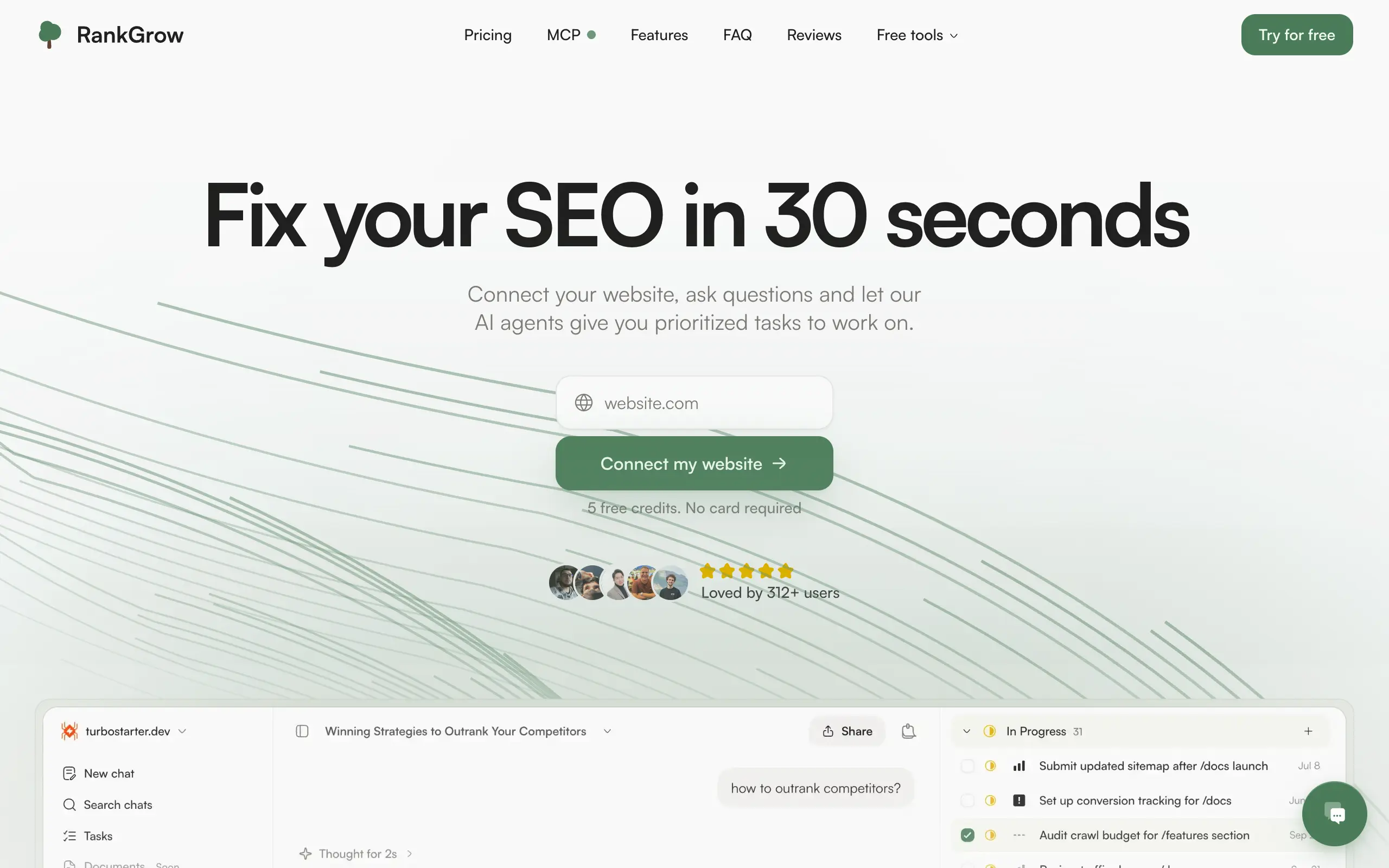
RankGrow
Fix your SEO with AI agents - connect Search Console, get prioritized tasks, and grow organic traffic 📈
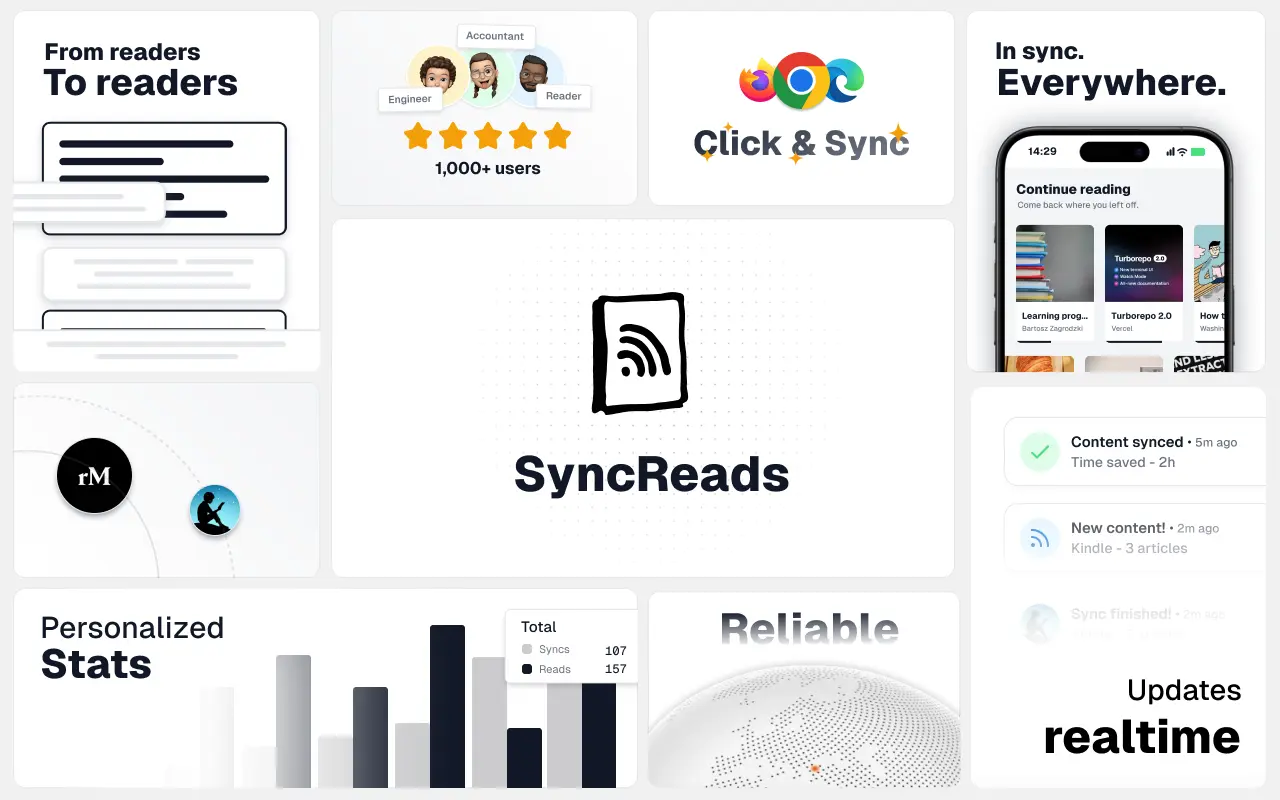
SyncReads
Sync your favorite content for distraction-free reading, save time and replace multiple apps. Anytime, anywhere 🔄
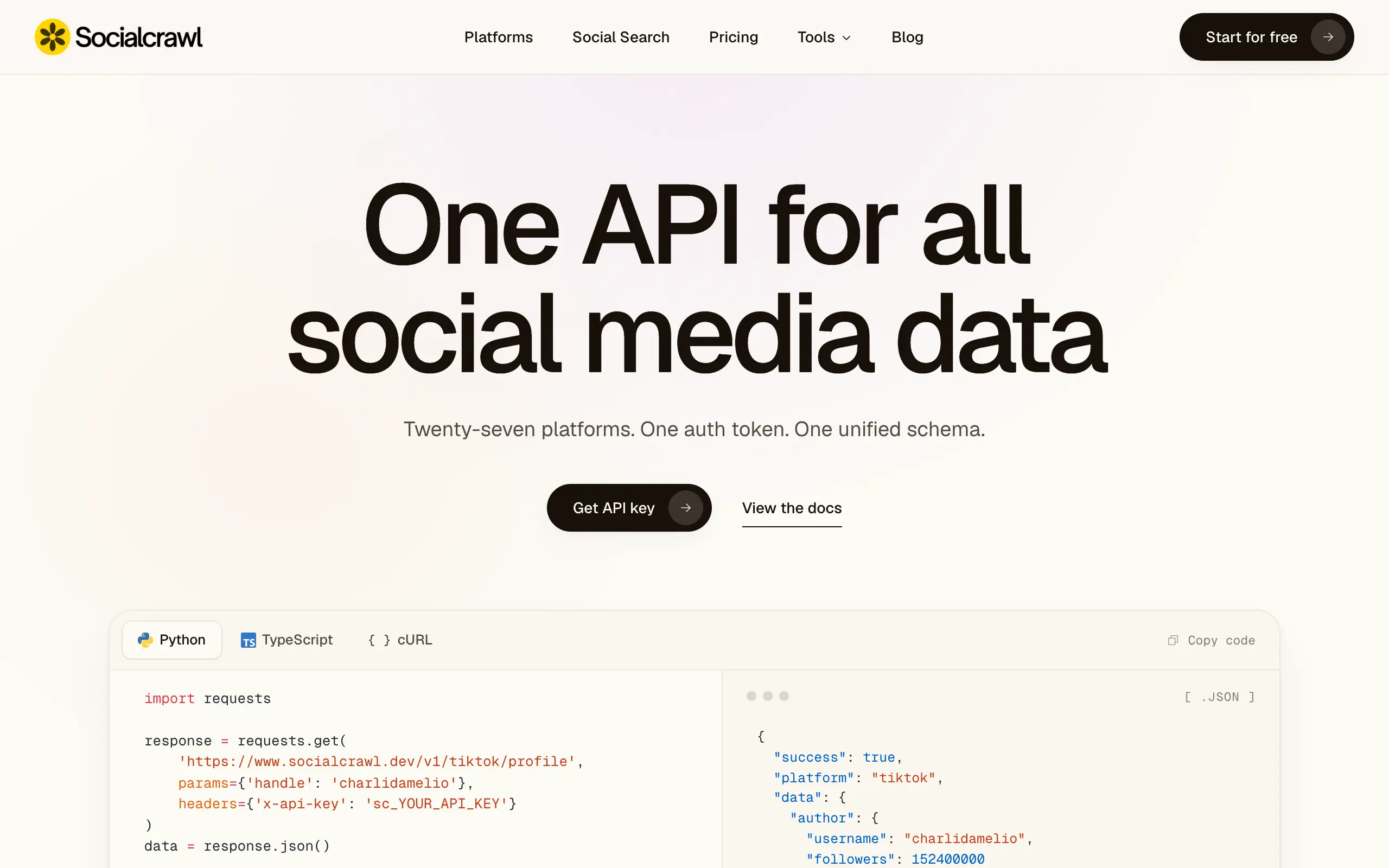
Socialcrawl
Get clean, structured data from 21 platforms like TikTok, Instagram, and YouTube with a single request 📊
Statiko
Monitor any Telegram channel in real time - track posts, edits, deletions, and growth with AI recaps 📡
Shibui
AI website builder - describe your business, pick a niche template, edit by chatting, and publish instantly ✨
Pro Service
Find verified home service professionals, compare quotes, and pay securely through escrow - built for Brazilians across the US 🏠
RankGrow
Fix your SEO with AI agents - connect Search Console, get prioritized tasks, and grow organic traffic 📈
SyncReads
Sync your favorite content for distraction-free reading, save time and replace multiple apps. Anytime, anywhere 🔄
Socialcrawl
Get clean, structured data from 21 platforms like TikTok, Instagram, and YouTube with a single request 📊
Statiko
Monitor any Telegram channel in real time - track posts, edits, deletions, and growth with AI recaps 📡
Shibui
AI website builder - describe your business, pick a niche template, edit by chatting, and publish instantly ✨
Pro Service
Find verified home service professionals, compare quotes, and pay securely through escrow - built for Brazilians across the US 🏠
RankGrow
Fix your SEO with AI agents - connect Search Console, get prioritized tasks, and grow organic traffic 📈
SyncReads
Sync your favorite content for distraction-free reading, save time and replace multiple apps. Anytime, anywhere 🔄
Socialcrawl
Get clean, structured data from 21 platforms like TikTok, Instagram, and YouTube with a single request 📊
Statiko
Monitor any Telegram channel in real time - track posts, edits, deletions, and growth with AI recaps 📡
Shibui
AI website builder - describe your business, pick a niche template, edit by chatting, and publish instantly ✨
Pro Service
Find verified home service professionals, compare quotes, and pay securely through escrow - built for Brazilians across the US 🏠
RankGrow
Fix your SEO with AI agents - connect Search Console, get prioritized tasks, and grow organic traffic 📈
SyncReads
Sync your favorite content for distraction-free reading, save time and replace multiple apps. Anytime, anywhere 🔄
Socialcrawl
Get clean, structured data from 21 platforms like TikTok, Instagram, and YouTube with a single request 📊
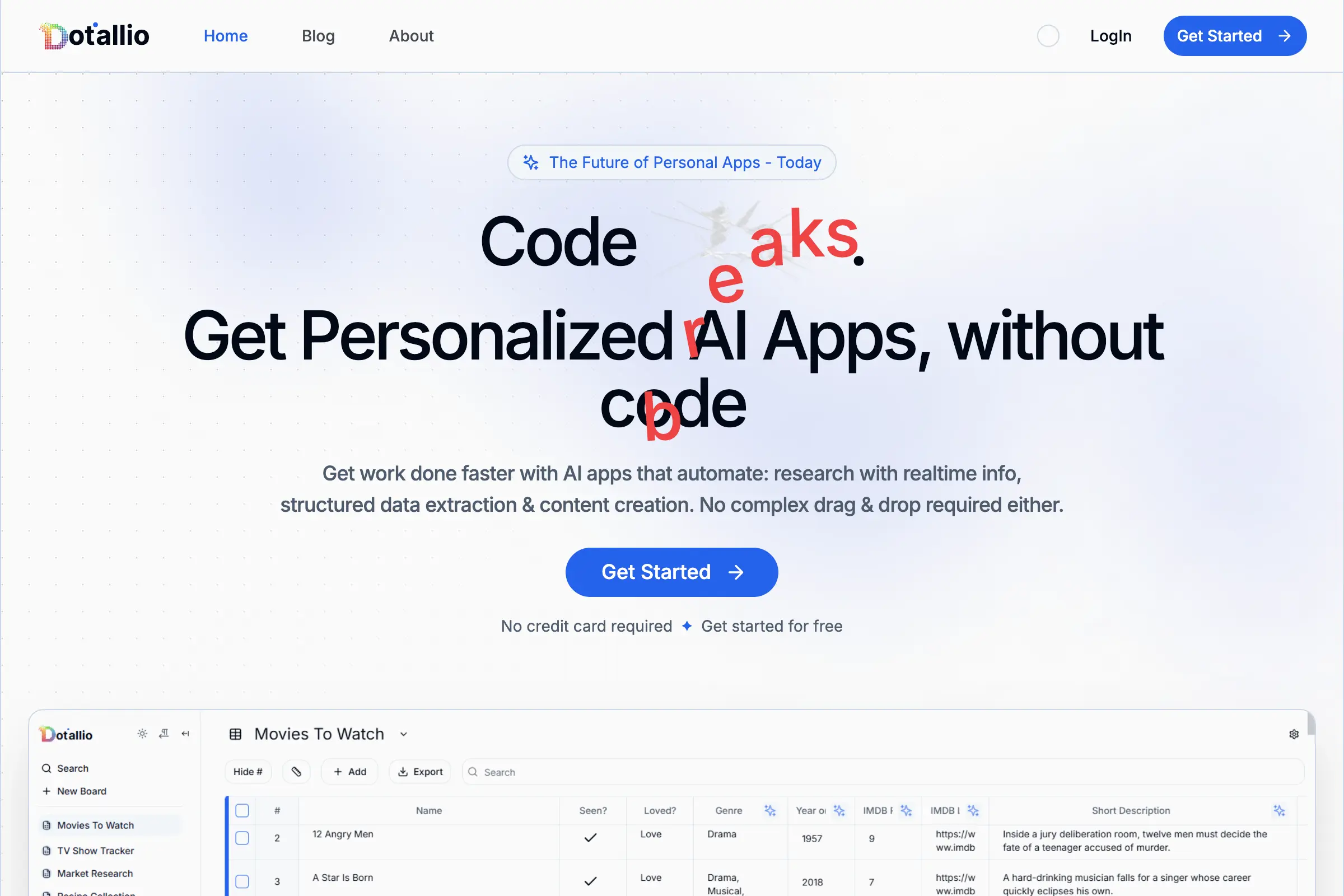
Dotallio
Personalized AI apps that automate research, data extraction, and content creation without code 🤖

Talk to Santa
Enjoy a magical live video chat or receive a unique AI-generated video greeting from Santa Claus 🎅

pozywka.pl
Scalable blog for food journalist, focused on performance and user experience 🌭
zagrodzki.me
Personal blog and portfolio of Bart Zagrodzki, where he shares his knowledge and work 💼
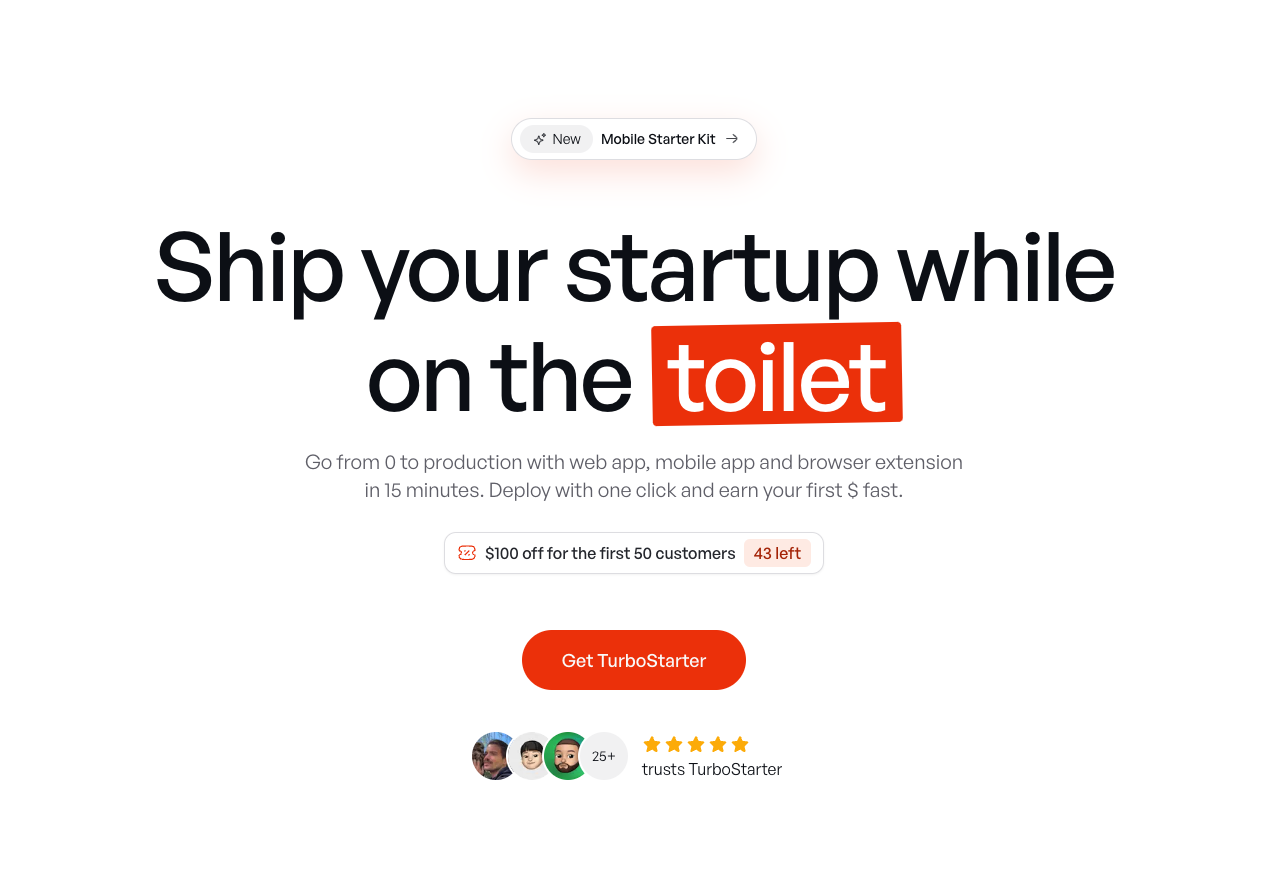
TurboStarter
Ship your startup everywhere. In minutes.
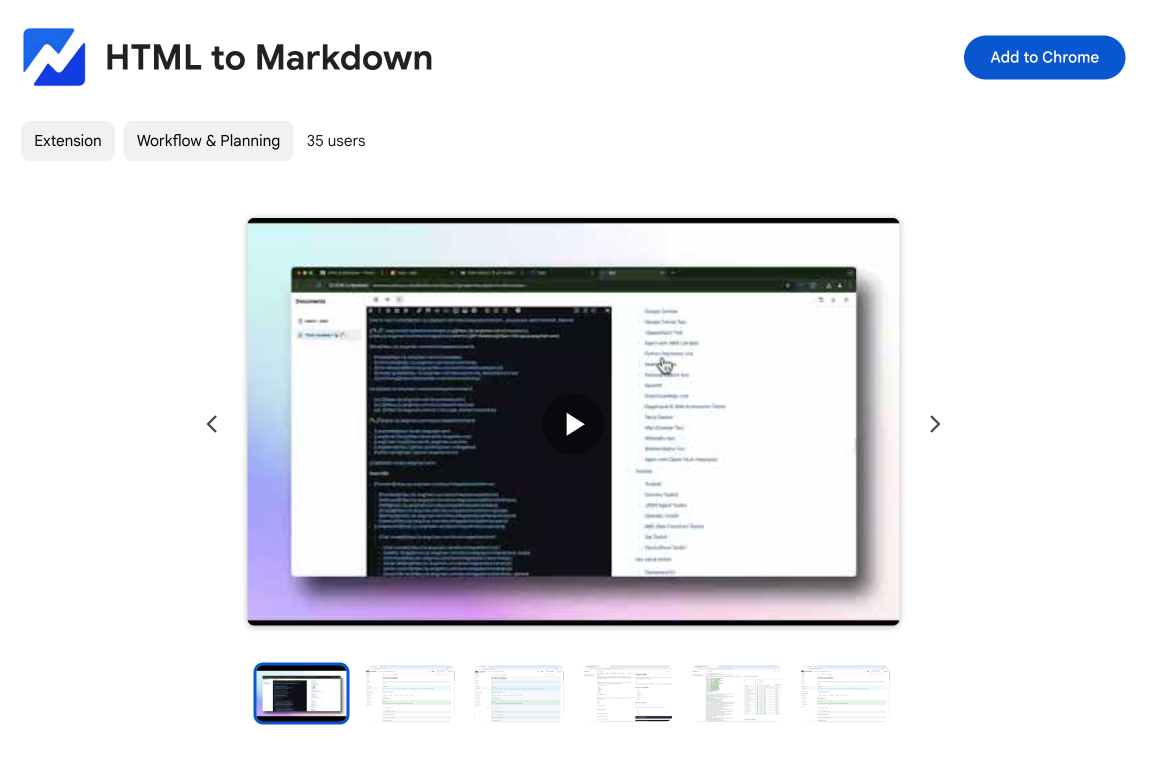
HTML to Markdown
Convert HTML to Markdown with ease, directly in your browser 📄
Dotallio
Personalized AI apps that automate research, data extraction, and content creation without code 🤖
Talk to Santa
Enjoy a magical live video chat or receive a unique AI-generated video greeting from Santa Claus 🎅
pozywka.pl
Scalable blog for food journalist, focused on performance and user experience 🌭
zagrodzki.me
Personal blog and portfolio of Bart Zagrodzki, where he shares his knowledge and work 💼
TurboStarter
Ship your startup everywhere. In minutes.
HTML to Markdown
Convert HTML to Markdown with ease, directly in your browser 📄
Dotallio
Personalized AI apps that automate research, data extraction, and content creation without code 🤖
Talk to Santa
Enjoy a magical live video chat or receive a unique AI-generated video greeting from Santa Claus 🎅
pozywka.pl
Scalable blog for food journalist, focused on performance and user experience 🌭
zagrodzki.me
Personal blog and portfolio of Bart Zagrodzki, where he shares his knowledge and work 💼
TurboStarter
Ship your startup everywhere. In minutes.
HTML to Markdown
Convert HTML to Markdown with ease, directly in your browser 📄
Dotallio
Personalized AI apps that automate research, data extraction, and content creation without code 🤖
Talk to Santa
Enjoy a magical live video chat or receive a unique AI-generated video greeting from Santa Claus 🎅
pozywka.pl
Scalable blog for food journalist, focused on performance and user experience 🌭
zagrodzki.me
Personal blog and portfolio of Bart Zagrodzki, where he shares his knowledge and work 💼
TurboStarter
Ship your startup everywhere. In minutes.
HTML to Markdown
Convert HTML to Markdown with ease, directly in your browser 📄
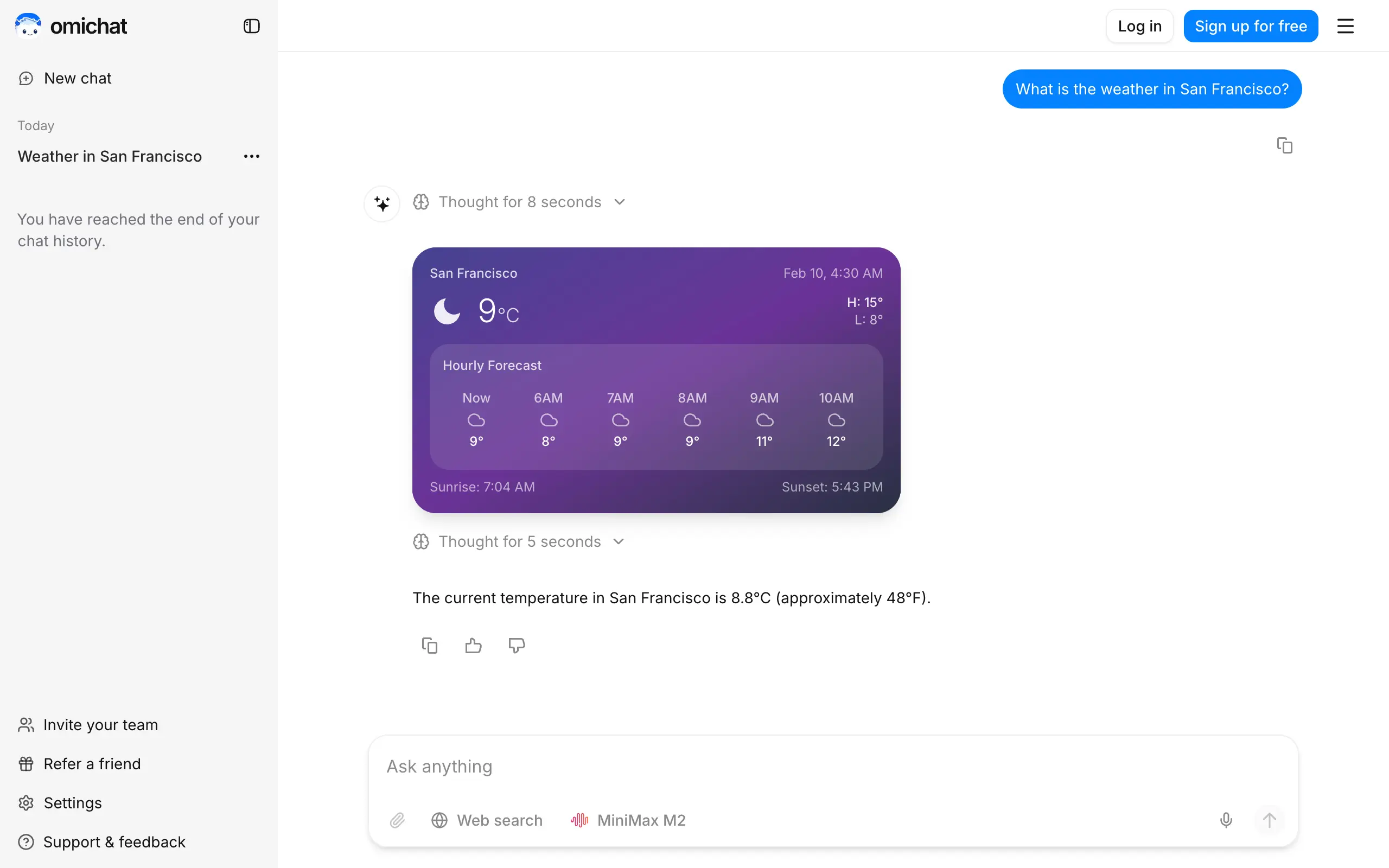
Omichat
Chat with 50+ AI models, including ChatGPT and Claude, in one place - switch models anytime without losing context 🤖
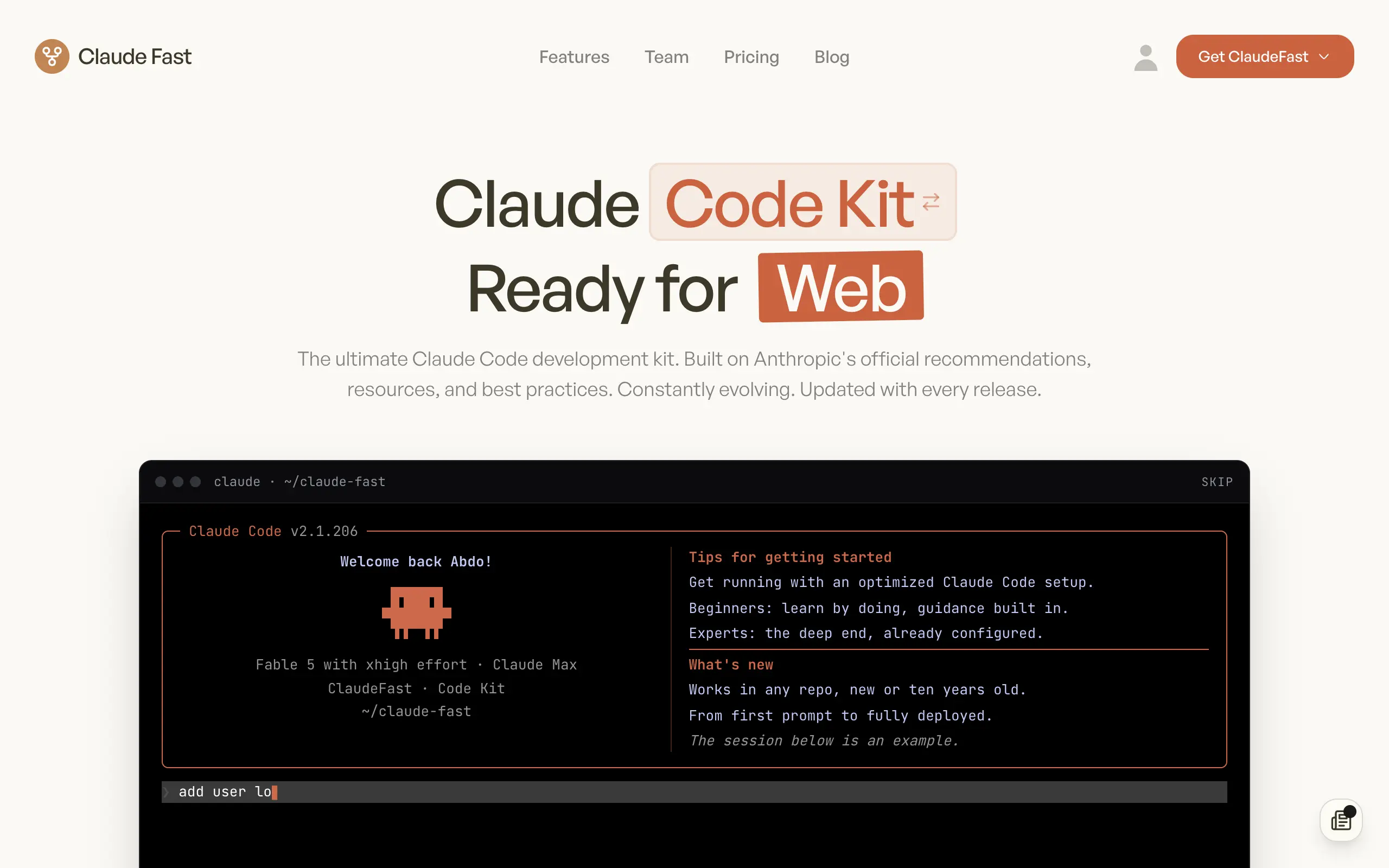
Claude Fast
Supercharge your Claude Code with 6x effective context window and specialized AI agents 🤖
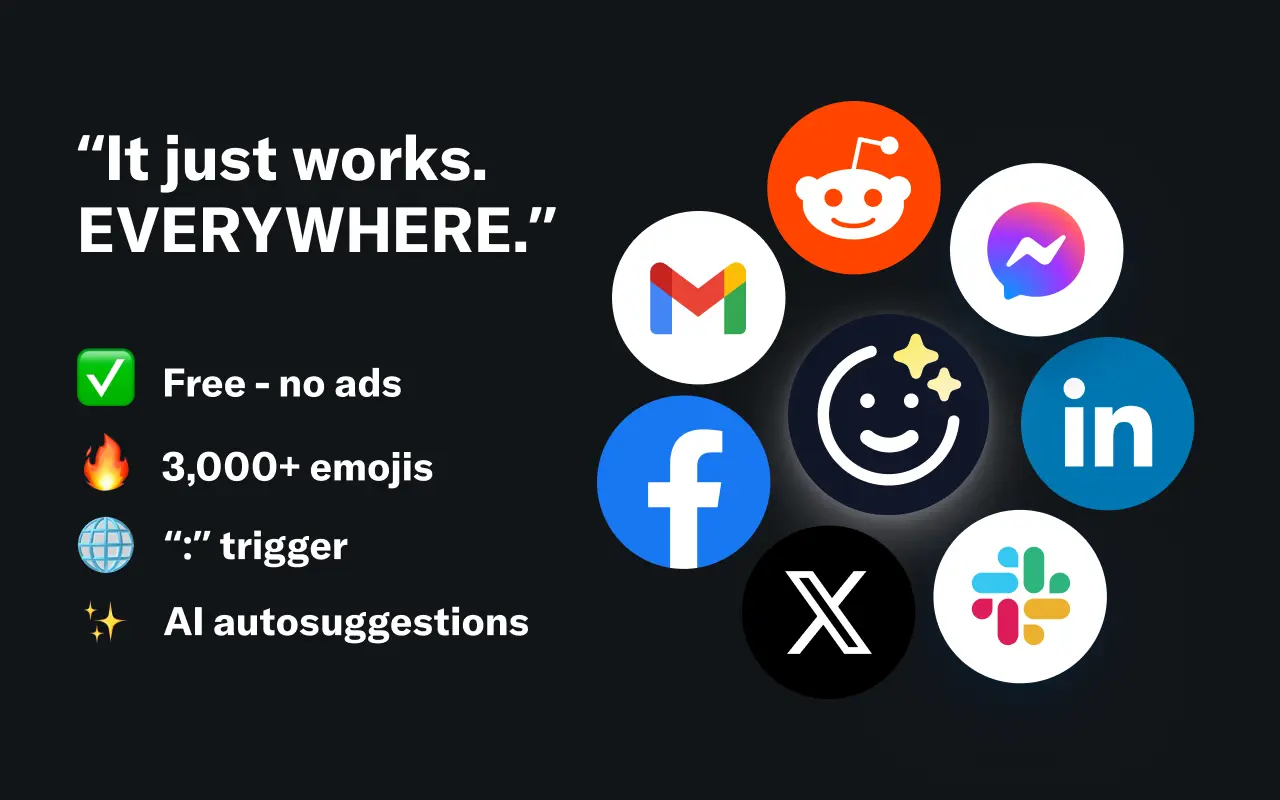
EmojAI
AI-powered emoji picker with smart, context-aware suggestions 🤖

Solohacker
Autonomous company launcher - AI agents work 24/7, escalate what matters, and you stay in control 🤖

BeRawi: Storytelling Coach
Practice storytelling daily with instant feedback to sound clearer, more engaging, and confident 🎤
Omichat
Chat with 50+ AI models, including ChatGPT and Claude, in one place - switch models anytime without losing context 🤖
Claude Fast
Supercharge your Claude Code with 6x effective context window and specialized AI agents 🤖
EmojAI
AI-powered emoji picker with smart, context-aware suggestions 🤖
Solohacker
Autonomous company launcher - AI agents work 24/7, escalate what matters, and you stay in control 🤖
BeRawi: Storytelling Coach
Practice storytelling daily with instant feedback to sound clearer, more engaging, and confident 🎤
Omichat
Chat with 50+ AI models, including ChatGPT and Claude, in one place - switch models anytime without losing context 🤖
Claude Fast
Supercharge your Claude Code with 6x effective context window and specialized AI agents 🤖
EmojAI
AI-powered emoji picker with smart, context-aware suggestions 🤖
Solohacker
Autonomous company launcher - AI agents work 24/7, escalate what matters, and you stay in control 🤖
BeRawi: Storytelling Coach
Practice storytelling daily with instant feedback to sound clearer, more engaging, and confident 🎤
Omichat
Chat with 50+ AI models, including ChatGPT and Claude, in one place - switch models anytime without losing context 🤖
Claude Fast
Supercharge your Claude Code with 6x effective context window and specialized AI agents 🤖
EmojAI
AI-powered emoji picker with smart, context-aware suggestions 🤖
Solohacker
Autonomous company launcher - AI agents work 24/7, escalate what matters, and you stay in control 🤖
BeRawi: Storytelling Coach
Practice storytelling daily with instant feedback to sound clearer, more engaging, and confident 🎤

Connect with like-minded people
Join our community to get feedback, support, and grow together with 1,000+ builders on board, let's ship it!
Join usShip your startup everywhere. In minutes.
Don't burn tokens on setup and start building features on day one.