VendorBridge
A B2B platform that intelligently matches companies with vetted suppliers and service providers using AI-driven fit scoring and procurement insights.
The rise of AI-powered vendor matching platforms in modern procurement
Procurement has evolved from a back-office function into a strategic growth driver. Yet, one persistent problem remains: finding the right vendors quickly and confidently. Traditional supplier discovery is fragmented, time-consuming, and often biased by outdated directories or personal networks.
This is where AI-powered vendor matching platforms like VendorBridge come into play.
VendorBridge represents a new category of B2B SaaS: intelligent procurement ecosystems that match companies with vetted suppliers using AI-driven fit scoring, predictive insights, and performance data. If you're exploring this idea, validating its potential, or planning to build a similar SaaS product, this guide breaks down everything you need to know—from market demand to implementation.
Understanding the target audience
A strong SaaS product begins with a precise understanding of its users. VendorBridge serves a multi-sided marketplace, with each group having distinct needs.
Primary buyers (demand side)
These are organizations actively seeking vendors:
- Procurement teams in mid-to-large enterprises
- Operations managers sourcing logistics, IT services, or manufacturing partners
- Startup founders needing reliable vendors without internal procurement expertise
- Supply chain leaders optimizing vendor portfolios
Their pain points:
- Vendor discovery is slow and manual
- Difficulty verifying supplier credibility
- Lack of standardized comparison metrics
- Poor visibility into vendor performance history
- Risk of choosing underperforming vendors
Vendors and service providers (supply side)
These include:
- Agencies (marketing, development, consulting)
- Manufacturers and wholesalers
- SaaS providers
- Logistics and supply chain partners
Their pain points:
- High customer acquisition cost (CAC)
- Difficulty standing out in crowded marketplaces
- Lack of qualified leads
- Limited visibility into buyer intent
Secondary stakeholders
- CFOs (cost optimization)
- Compliance officers (risk & regulatory concerns)
- Procurement consultants
Key insight
VendorBridge succeeds by aligning incentives: buyers get better matches faster, and vendors get higher-quality leads with better conversion potential.
Market opportunity and gap analysis
The global procurement software market is growing rapidly, driven by digital transformation and AI adoption. Analysts suggest the market could exceed $10B+ within the next few years (reference: Gartner or Statista for validation).
Existing solutions fall short
Current tools include:
- Supplier directories (e.g., ThomasNet, Alibaba)
- Procurement suites (e.g., SAP Ariba, Coupa)
- Freelance marketplaces (e.g., Upwork)
But none fully solve intelligent matching + trust + insights.
| Platform Type | AI Matching | Vendor Vetting | Procurement Insights | User Experience |
|---|---|---|---|---|
| Directories | ❌ | ❌ | ❌ | ✅ |
| Procurement Suites | ⚠️ | ✅ | ✅ | ❌ |
| Freelance Marketplaces | ⚠️ | ❌ | ❌ | ✅ |
| VendorBridge | ✅ | ✅ | ✅ | ✅ |
The gap VendorBridge fills
VendorBridge combines:
- AI-powered matching
- Verified vendor profiles
- Procurement intelligence
- Performance analytics
This creates a data-driven procurement layer, not just a marketplace.
Core features of VendorBridge
To succeed, VendorBridge must deliver a compelling feature set that differentiates it from generic marketplaces.
1. AI-driven vendor matching engine
At the heart of VendorBridge is a fit scoring algorithm.
It evaluates:
- Business requirements (budget, timeline, industry)
- Vendor capabilities
- Historical performance data
- Client reviews and outcomes
Output: a ranked list of best-fit vendors.
type VendorMatch = {
  vendorId: string;
  fitScore: number;
  strengths: string[];
  risks: string[];
};
2. Vendor vetting and verification
Trust is critical in B2B.
Verification layers:
- Identity and business registration checks
- Portfolio validation
- Client references
- Performance benchmarks
3. Smart RFQ (Request for Quote) system
Instead of generic forms, VendorBridge can:
- Auto-generate RFQs based on user input
- Suggest missing requirements
- Compare vendor responses side-by-side
4. Procurement insights dashboard
A major differentiator.
Provides:
- Average vendor pricing benchmarks
- Time-to-delivery estimates
- Risk scores
- Market trends
5. Vendor performance tracking
Post-engagement analytics:
- Delivery timelines
- Quality scores
- Budget adherence
- Repeat engagement likelihood
6. AI recommendations and alerts
- “Better vendor available”
- “Pricing above market average”
- “High-risk vendor detected”
Why this matters
Procurement decisions improve dramatically when backed by real performance data instead of guesswork.
Competitive edge
AI-driven insights create a defensible moat that traditional marketplaces lack.
Recommended tech stack (with trade-offs)
Building VendorBridge requires a scalable, data-intensive architecture.
Frontend
- React – flexible and widely supported
- TailwindCSS – rapid UI development
Pros:
- Fast development
- Large ecosystem
Cons:
- Requires performance optimization at scale
Backend
- Node.js (NestJS or Express)
- OR Python (FastAPI for AI-heavy workloads)
Trade-off:
- Node.js = better real-time systems
- Python = stronger ML ecosystem
Database
- PostgreSQL (relational data)
- Elasticsearch (search and filtering)
- Redis (caching)
AI/ML layer
- OpenAI or similar LLM APIs for matching logic
- Custom ranking algorithms
- Embedding-based similarity search
Infrastructure
- AWS / GCP
- Docker + Kubernetes (for scaling)
- CI/CD pipelines
Marketplace and SaaS boilerplate
To accelerate development, using a pre-built SaaS starter kit like TurboStarter can save months of work by providing:
- Authentication
- Billing integration
- Dashboard templates
- API scaffolding
Monetization strategies
VendorBridge can leverage multiple revenue streams.
1. Subscription plans (primary)
For buyers:
- Free tier (limited matches)
- Pro tier (advanced insights, unlimited searches)
- Enterprise (custom integrations)
2. Vendor-side pricing
- Featured listings
- Pay-per-lead
- Subscription for premium visibility
3. Transaction fees
Take a percentage of deals facilitated through the platform.
4. Data and insights
Sell anonymized market insights:
- Vendor performance benchmarks
- Industry pricing reports
5. API access
Allow enterprises to integrate VendorBridge into their procurement systems.
Competitive advantage and differentiation
VendorBridge must clearly stand apart.
Key differentiators
- AI-first architecture (not bolted-on AI)
- Verified vendor ecosystem
- Data-driven procurement insights
- End-to-end workflow (discovery → selection → evaluation)
Strategic moat
The strongest moat is data network effects:
- More vendors → better matching
- More buyers → richer performance data
- Better data → stronger AI → better outcomes
This creates a compounding advantage.
Potential risks and mitigation strategies
Every SaaS idea has challenges. VendorBridge is no exception.
Risk 1: Cold start problem
Marketplace needs both buyers and vendors.
Mitigation:
- Start with a niche (e.g., SaaS development agencies)
- Manually onboard high-quality vendors
- Offer incentives for early adopters
Risk 2: Trust and credibility
Users may hesitate to rely on AI recommendations.
Mitigation:
- Transparent scoring system
- Verified reviews
- Case studies and success metrics
Risk 3: Data quality issues
Bad data = poor recommendations.
Mitigation:
- Continuous data validation
- Feedback loops
- Machine learning refinement
Risk 4: Competition from incumbents
Large procurement platforms may add similar features.
Mitigation:
- Focus on UX simplicity
- Move faster with AI innovation
- Build strong brand positioning
Important
AI alone is not a moat. The real defensibility comes from proprietary data, user trust, and network effects.
Step-by-step implementation roadmap
Go-to-market strategy
Phase 1: niche domination
Focus on a specific vertical:
- Example: SaaS startups hiring development agencies
Why?
- Easier to build trust
- Faster feedback loops
- Stronger positioning
Phase 2: content-led growth
SEO is critical.
Target keywords:
- "best B2B vendor matching platform"
- "AI procurement software"
- "how to find reliable suppliers"
- "vendor selection tools"
Content types:
- Guides
- Case studies
- Vendor comparisons
Phase 3: partnerships
- Integrate with procurement tools
- Partner with industry associations
- Collaborate with SaaS ecosystems
SEO strategy for VendorBridge
To rank effectively, VendorBridge should focus on:
Primary keyword
- AI vendor matching platform
Secondary keywords
- B2B supplier discovery
- procurement software AI
- vendor management platform
- supplier matching SaaS
On-page SEO best practices
- Keyword-rich headings
- Internal linking
- Fast loading pages
- Structured data
Content clusters
Create topic clusters:
- Vendor selection guides
- Procurement best practices
- Industry-specific vendor lists
Future trends shaping this space
VendorBridge aligns with several macro trends:
AI in procurement
AI is increasingly used for:
- Spend analysis
- Risk detection
- Supplier recommendations
Data-driven decision making
Companies demand measurable ROI from vendors.
Decentralized sourcing
Traditional procurement is being replaced by flexible, digital-first solutions.
Vendor transparency
Buyers expect:
- Verified reviews
- Real performance metrics
- Pricing benchmarks
Why VendorBridge stands out
VendorBridge is not just another marketplace.
It is:
- A decision intelligence platform
- A data engine for procurement
- A trust layer for vendor relationships
This combination makes it significantly more valuable than traditional directories or freelance platforms.
Actionable next steps
If you're building VendorBridge or a similar SaaS:
- Choose a narrow niche to start
- Build an MVP focused on matching
- Prioritize vendor quality over quantity
- Invest early in data collection
- Use AI as a core feature, not a gimmick
- Focus heavily on user trust and transparency
Then scale strategically.
Final thoughts
The opportunity for AI-powered vendor matching platforms is massive. Procurement is overdue for disruption, and companies are actively seeking smarter, faster ways to find reliable partners.
VendorBridge sits at the intersection of:
- AI
- Marketplaces
- Procurement SaaS
That’s a powerful combination.
If executed well, it can become an essential tool for businesses worldwide.
More 🏢 B2B Application SaaS ideas
Discover more innovative b2b application SaaS ideas that are trending in 2026. Each idea is AI-generated with market validation and growth potential to help you find your next profitable venture faster than competitors.
Your competitors are building with TurboStarter
Below are some of the SaaS ideas that have been generated and built with our starter kit.
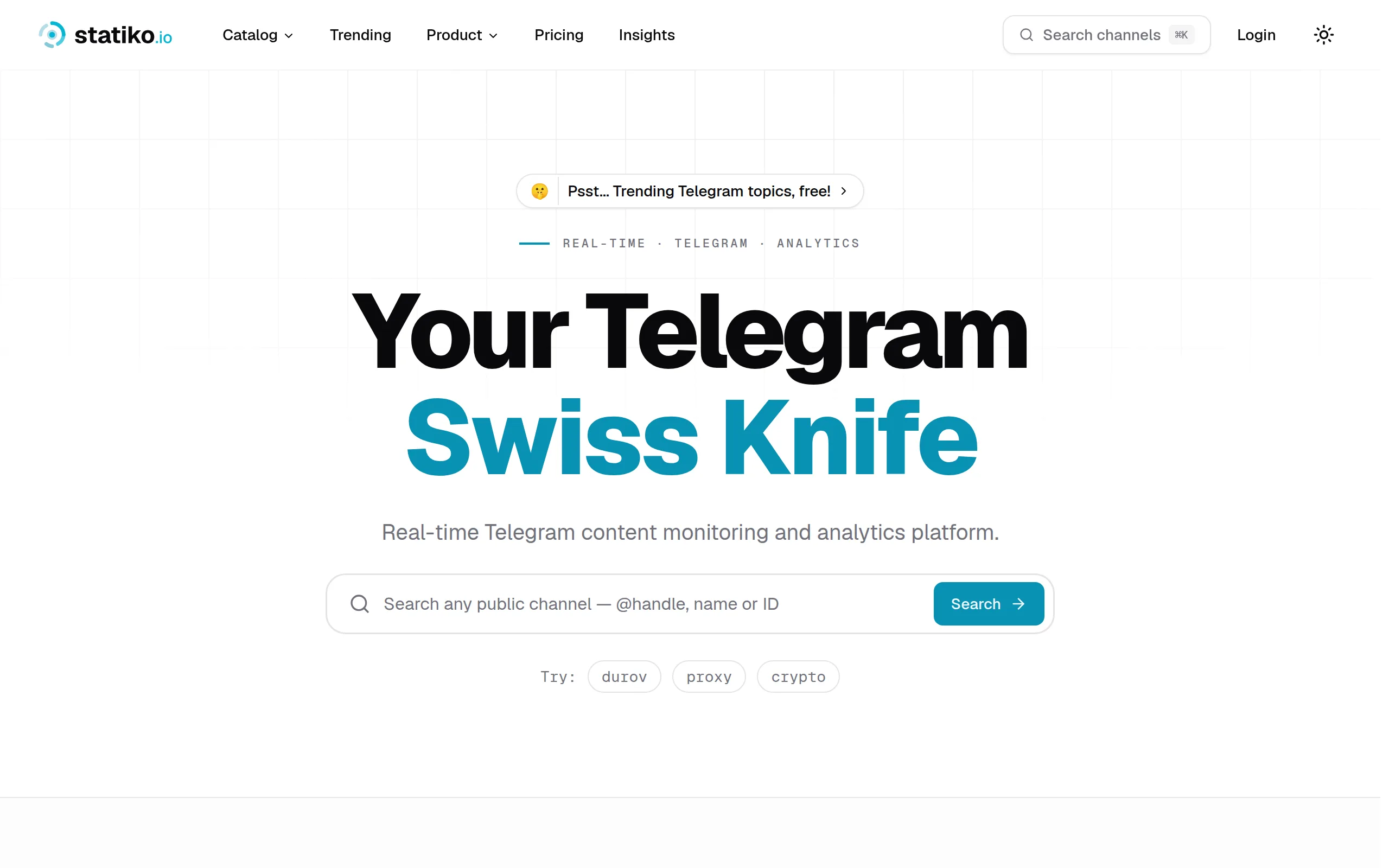
Statiko
Monitor any Telegram channel in real time - track posts, edits, deletions, and growth with AI recaps 📡

Shibui
AI website builder - describe your business, pick a niche template, edit by chatting, and publish instantly ✨

Pro Service
Find verified home service professionals, compare quotes, and pay securely through escrow - built for Brazilians across the US 🏠
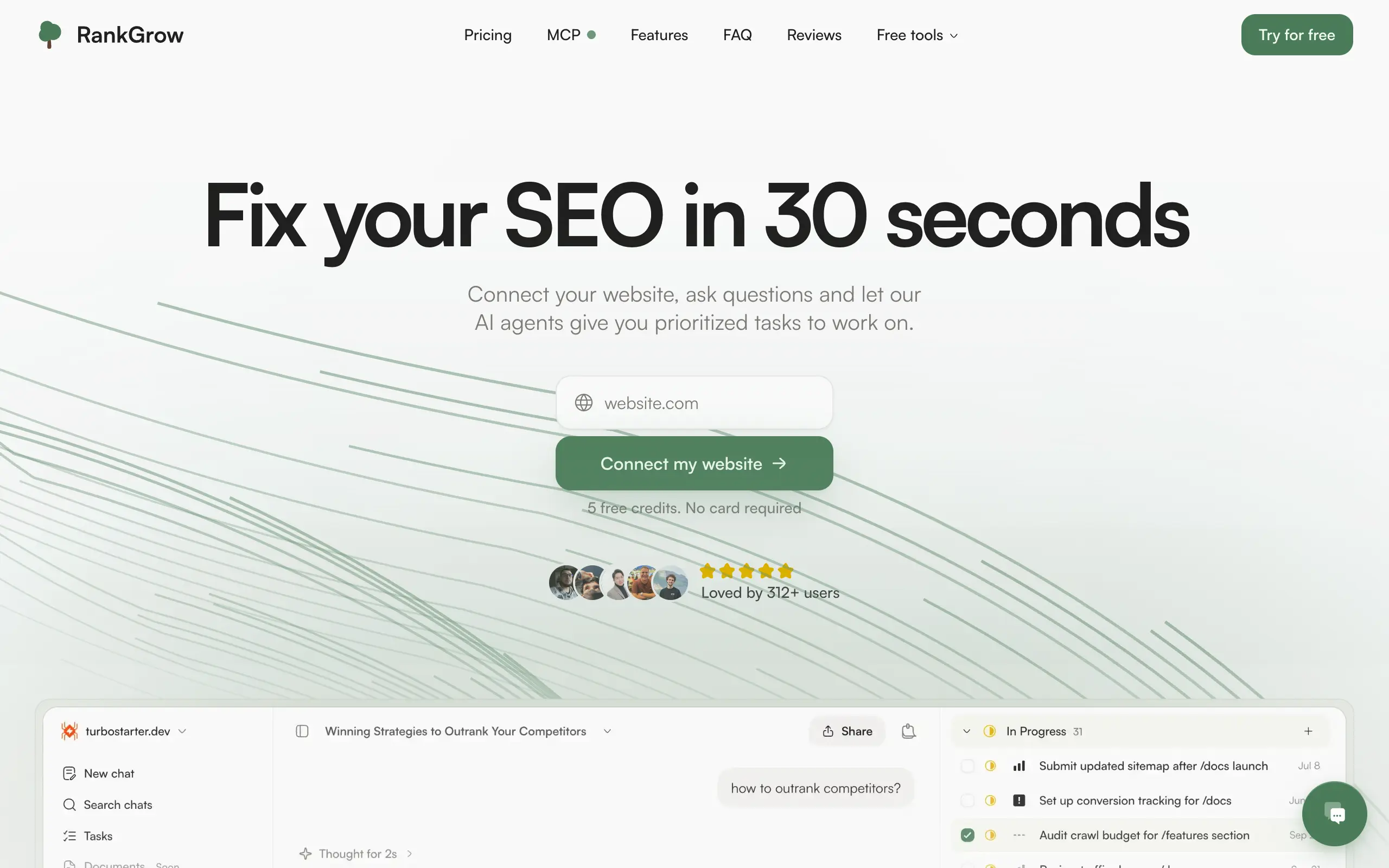
RankGrow
Fix your SEO with AI agents - connect Search Console, get prioritized tasks, and grow organic traffic 📈
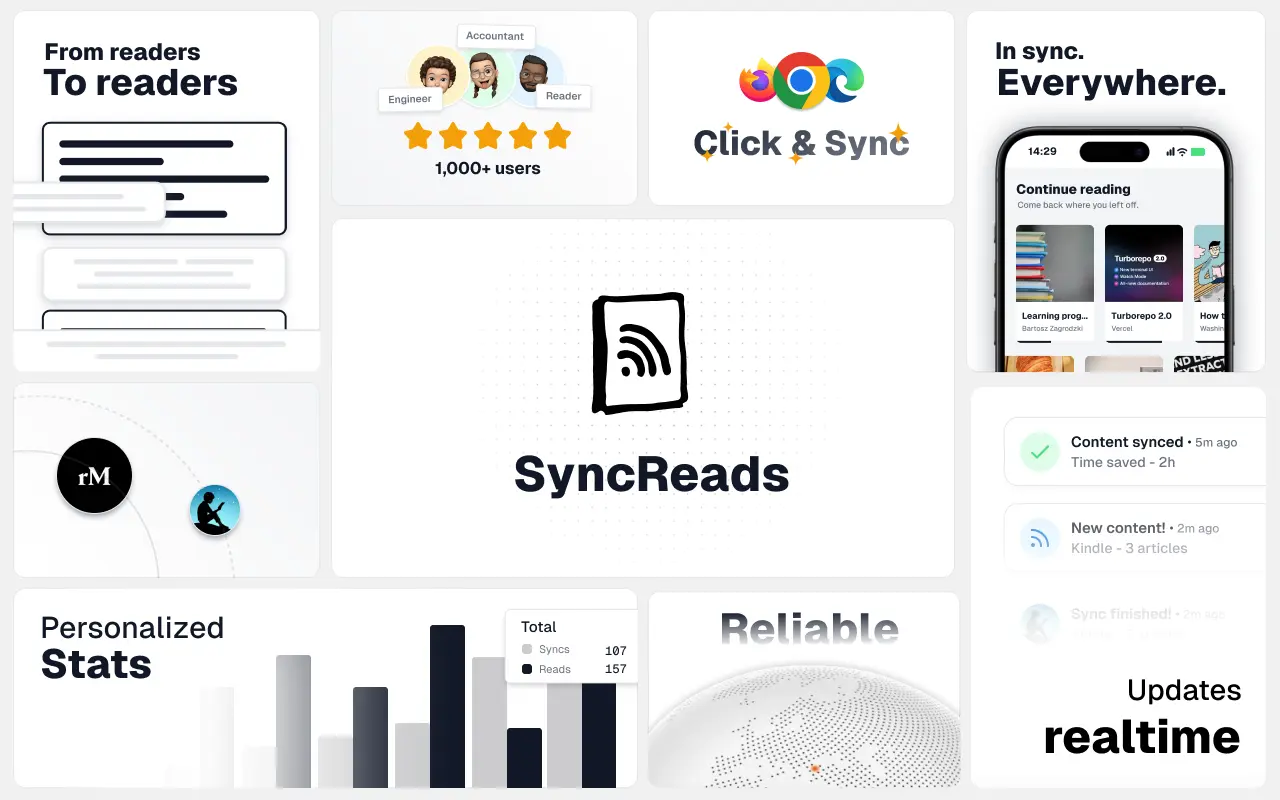
SyncReads
Sync your favorite content for distraction-free reading, save time and replace multiple apps. Anytime, anywhere 🔄
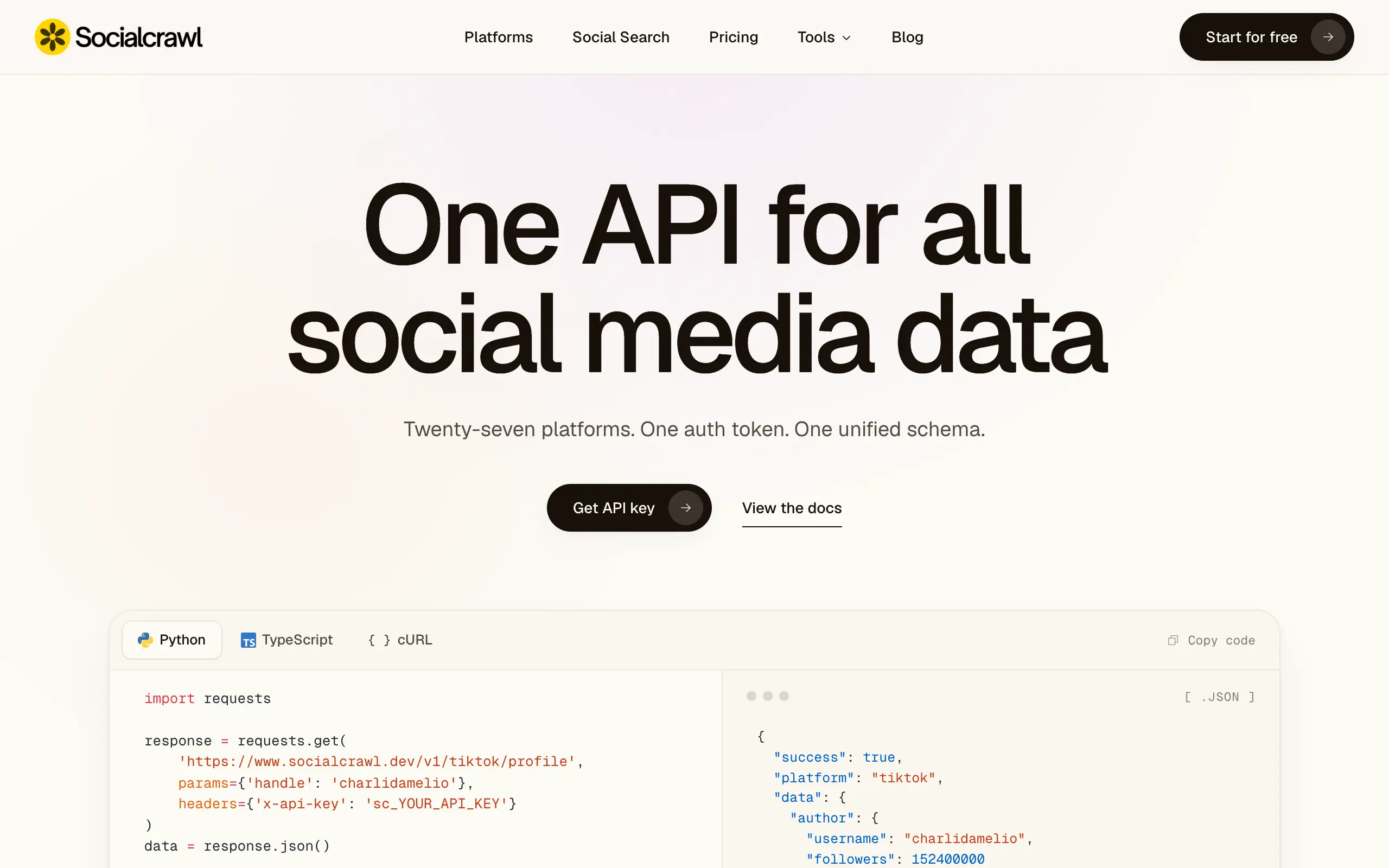
Socialcrawl
Get clean, structured data from 21 platforms like TikTok, Instagram, and YouTube with a single request 📊
Statiko
Monitor any Telegram channel in real time - track posts, edits, deletions, and growth with AI recaps 📡
Shibui
AI website builder - describe your business, pick a niche template, edit by chatting, and publish instantly ✨
Pro Service
Find verified home service professionals, compare quotes, and pay securely through escrow - built for Brazilians across the US 🏠
RankGrow
Fix your SEO with AI agents - connect Search Console, get prioritized tasks, and grow organic traffic 📈
SyncReads
Sync your favorite content for distraction-free reading, save time and replace multiple apps. Anytime, anywhere 🔄
Socialcrawl
Get clean, structured data from 21 platforms like TikTok, Instagram, and YouTube with a single request 📊
Statiko
Monitor any Telegram channel in real time - track posts, edits, deletions, and growth with AI recaps 📡
Shibui
AI website builder - describe your business, pick a niche template, edit by chatting, and publish instantly ✨
Pro Service
Find verified home service professionals, compare quotes, and pay securely through escrow - built for Brazilians across the US 🏠
RankGrow
Fix your SEO with AI agents - connect Search Console, get prioritized tasks, and grow organic traffic 📈
SyncReads
Sync your favorite content for distraction-free reading, save time and replace multiple apps. Anytime, anywhere 🔄
Socialcrawl
Get clean, structured data from 21 platforms like TikTok, Instagram, and YouTube with a single request 📊
Statiko
Monitor any Telegram channel in real time - track posts, edits, deletions, and growth with AI recaps 📡
Shibui
AI website builder - describe your business, pick a niche template, edit by chatting, and publish instantly ✨
Pro Service
Find verified home service professionals, compare quotes, and pay securely through escrow - built for Brazilians across the US 🏠
RankGrow
Fix your SEO with AI agents - connect Search Console, get prioritized tasks, and grow organic traffic 📈
SyncReads
Sync your favorite content for distraction-free reading, save time and replace multiple apps. Anytime, anywhere 🔄
Socialcrawl
Get clean, structured data from 21 platforms like TikTok, Instagram, and YouTube with a single request 📊
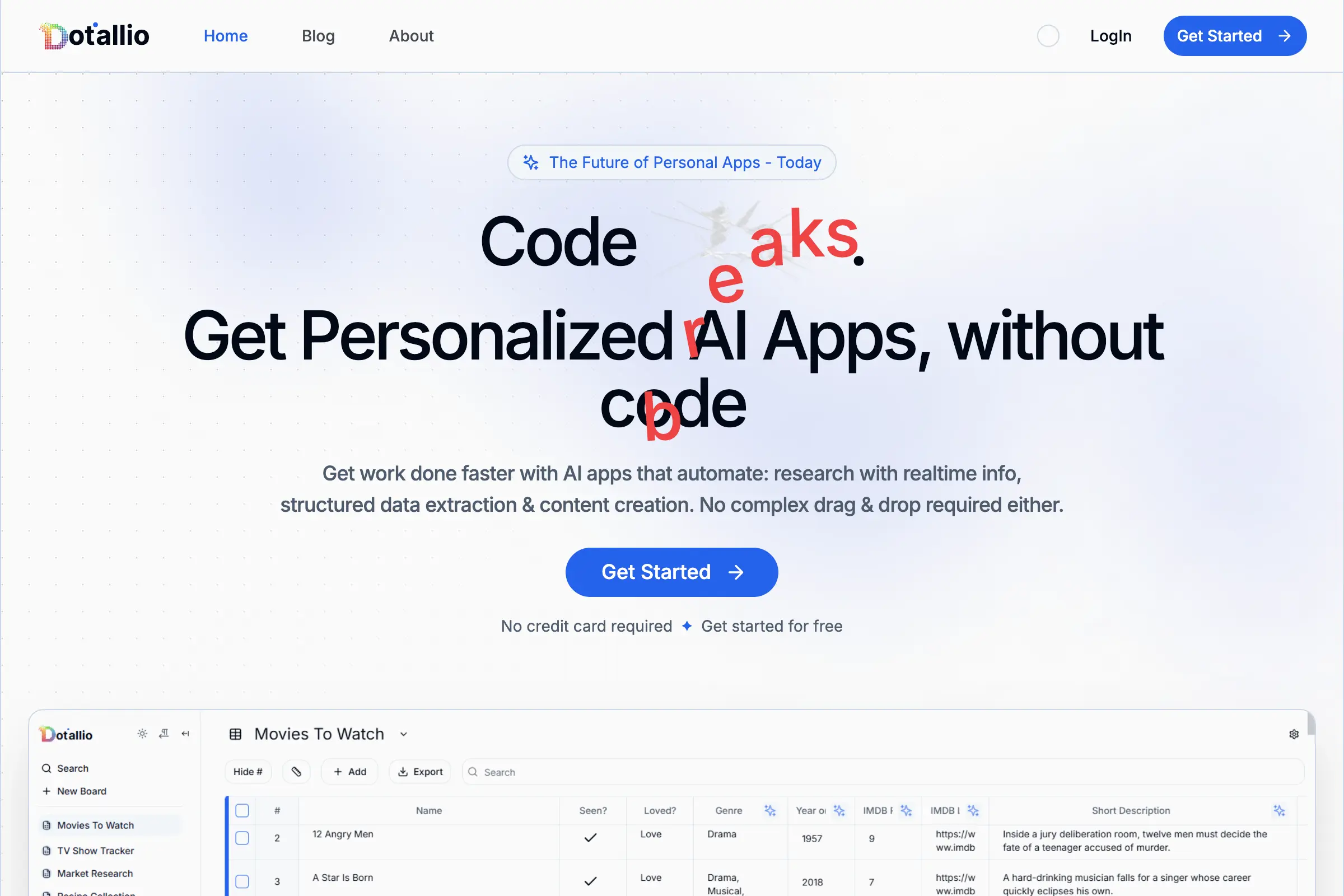
Dotallio
Personalized AI apps that automate research, data extraction, and content creation without code 🤖

Talk to Santa
Enjoy a magical live video chat or receive a unique AI-generated video greeting from Santa Claus 🎅
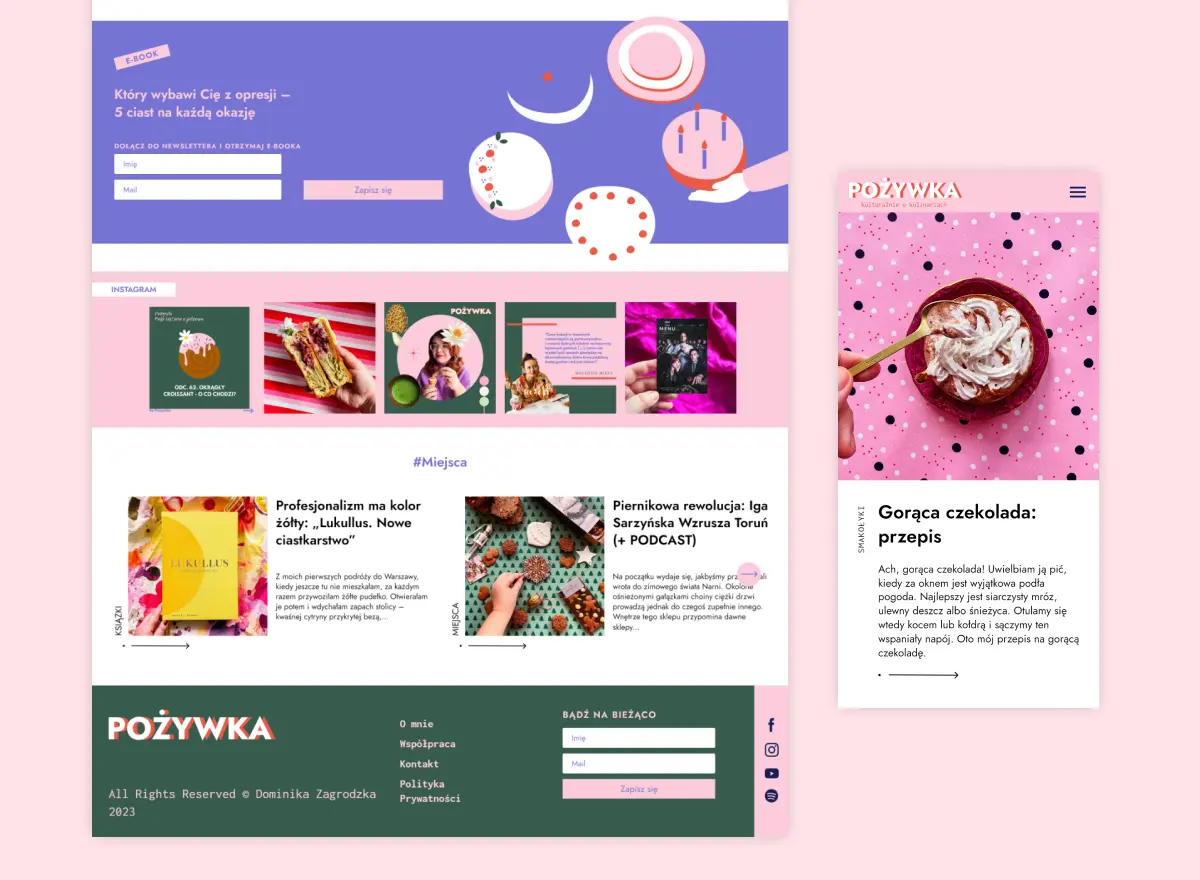
pozywka.pl
Scalable blog for food journalist, focused on performance and user experience 🌭
zagrodzki.me
Personal blog and portfolio of Bart Zagrodzki, where he shares his knowledge and work 💼
TurboStarter
Ship your startup everywhere. In minutes.
HTML to Markdown
Convert HTML to Markdown with ease, directly in your browser 📄
Dotallio
Personalized AI apps that automate research, data extraction, and content creation without code 🤖
Talk to Santa
Enjoy a magical live video chat or receive a unique AI-generated video greeting from Santa Claus 🎅
pozywka.pl
Scalable blog for food journalist, focused on performance and user experience 🌭
zagrodzki.me
Personal blog and portfolio of Bart Zagrodzki, where he shares his knowledge and work 💼
TurboStarter
Ship your startup everywhere. In minutes.
HTML to Markdown
Convert HTML to Markdown with ease, directly in your browser 📄
Dotallio
Personalized AI apps that automate research, data extraction, and content creation without code 🤖
Talk to Santa
Enjoy a magical live video chat or receive a unique AI-generated video greeting from Santa Claus 🎅
pozywka.pl
Scalable blog for food journalist, focused on performance and user experience 🌭
zagrodzki.me
Personal blog and portfolio of Bart Zagrodzki, where he shares his knowledge and work 💼
TurboStarter
Ship your startup everywhere. In minutes.
HTML to Markdown
Convert HTML to Markdown with ease, directly in your browser 📄
Dotallio
Personalized AI apps that automate research, data extraction, and content creation without code 🤖
Talk to Santa
Enjoy a magical live video chat or receive a unique AI-generated video greeting from Santa Claus 🎅
pozywka.pl
Scalable blog for food journalist, focused on performance and user experience 🌭
zagrodzki.me
Personal blog and portfolio of Bart Zagrodzki, where he shares his knowledge and work 💼
TurboStarter
Ship your startup everywhere. In minutes.
HTML to Markdown
Convert HTML to Markdown with ease, directly in your browser 📄
Omichat
Chat with 50+ AI models, including ChatGPT and Claude, in one place - switch models anytime without losing context 🤖
Claude Fast
Supercharge your Claude Code with 6x effective context window and specialized AI agents 🤖
EmojAI
AI-powered emoji picker with smart, context-aware suggestions 🤖
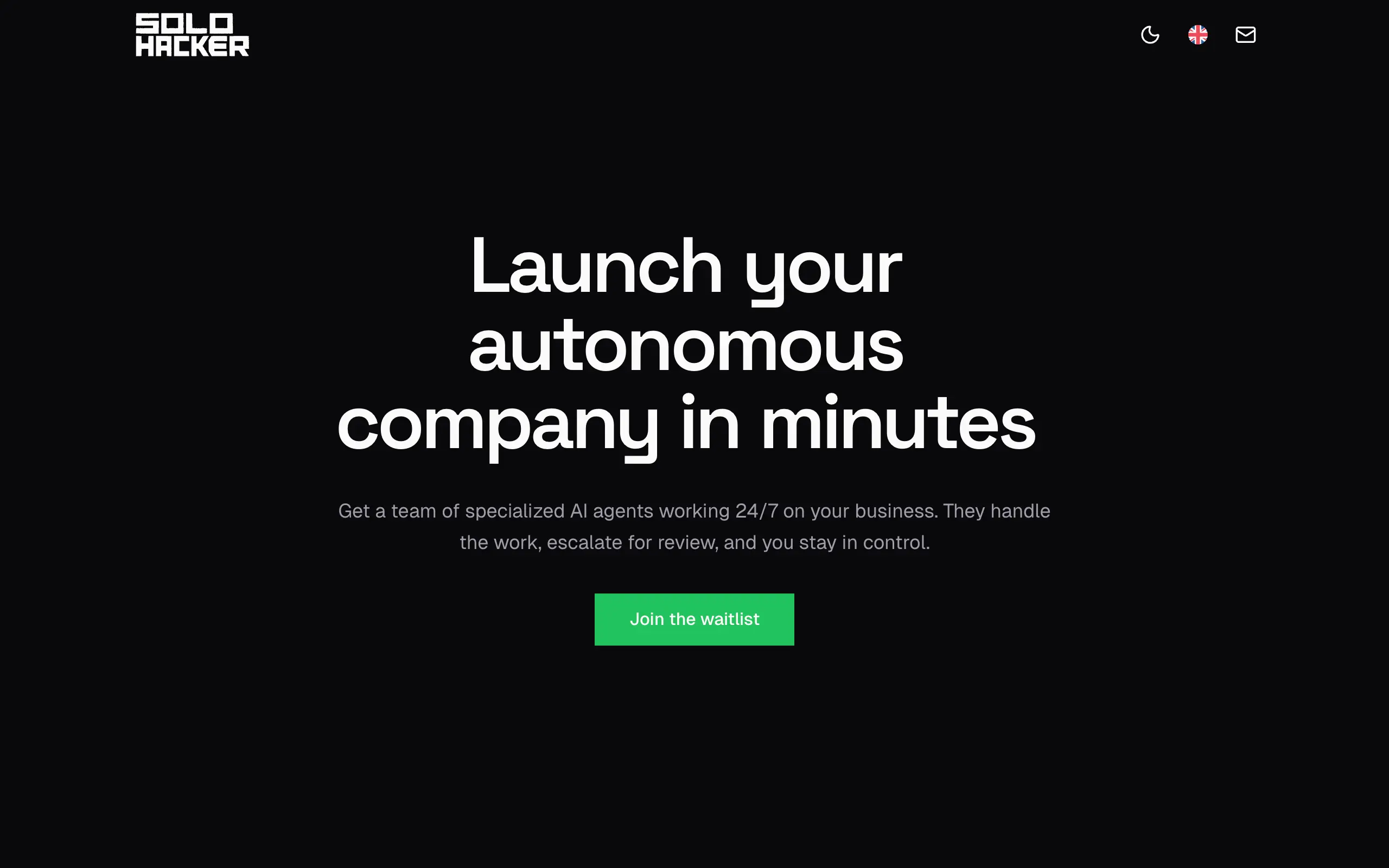
Solohacker
Autonomous company launcher - AI agents work 24/7, escalate what matters, and you stay in control 🤖
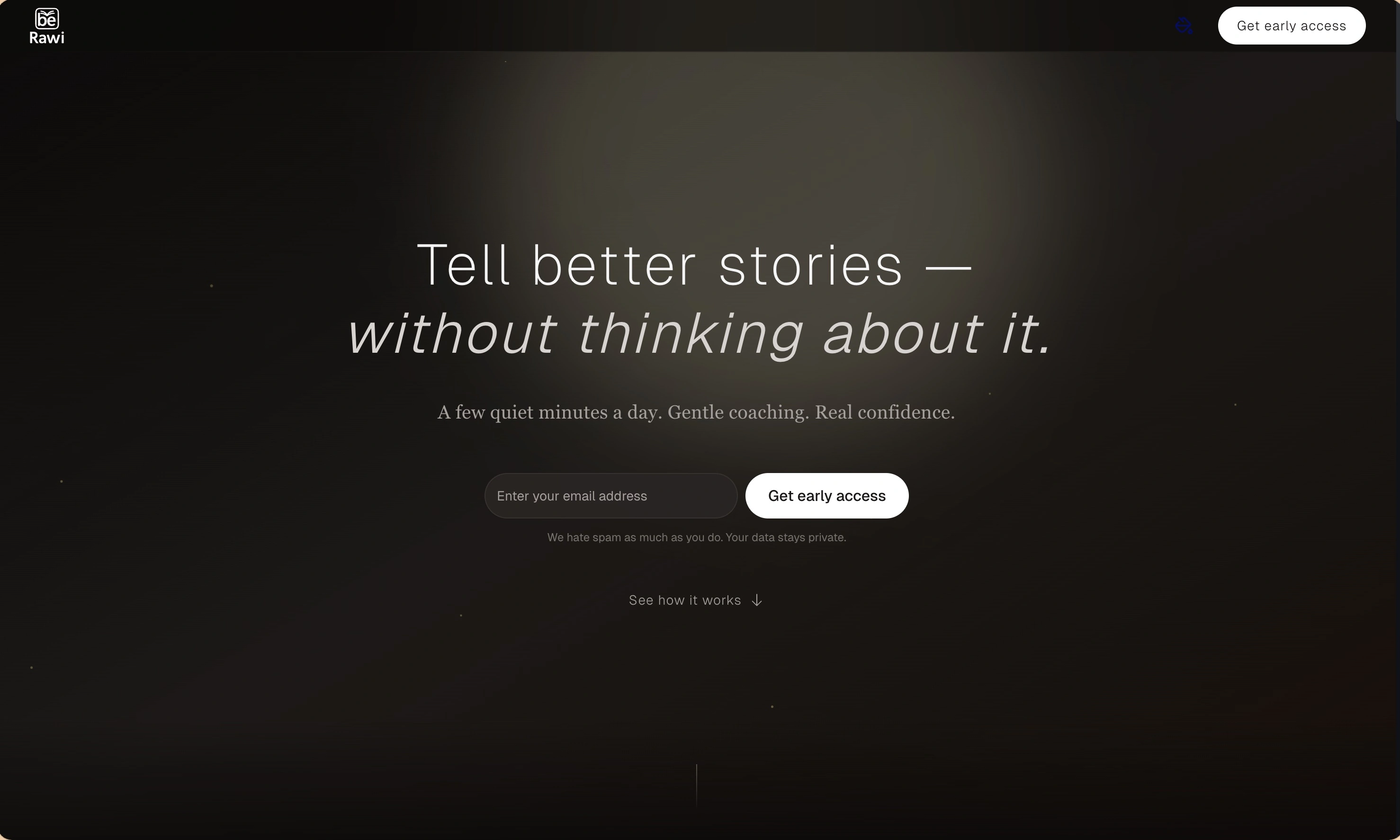
BeRawi: Storytelling Coach
Practice storytelling daily with instant feedback to sound clearer, more engaging, and confident 🎤
Omichat
Chat with 50+ AI models, including ChatGPT and Claude, in one place - switch models anytime without losing context 🤖
Claude Fast
Supercharge your Claude Code with 6x effective context window and specialized AI agents 🤖
EmojAI
AI-powered emoji picker with smart, context-aware suggestions 🤖
Solohacker
Autonomous company launcher - AI agents work 24/7, escalate what matters, and you stay in control 🤖
BeRawi: Storytelling Coach
Practice storytelling daily with instant feedback to sound clearer, more engaging, and confident 🎤
Omichat
Chat with 50+ AI models, including ChatGPT and Claude, in one place - switch models anytime without losing context 🤖
Claude Fast
Supercharge your Claude Code with 6x effective context window and specialized AI agents 🤖
EmojAI
AI-powered emoji picker with smart, context-aware suggestions 🤖
Solohacker
Autonomous company launcher - AI agents work 24/7, escalate what matters, and you stay in control 🤖
BeRawi: Storytelling Coach
Practice storytelling daily with instant feedback to sound clearer, more engaging, and confident 🎤
Omichat
Chat with 50+ AI models, including ChatGPT and Claude, in one place - switch models anytime without losing context 🤖
Claude Fast
Supercharge your Claude Code with 6x effective context window and specialized AI agents 🤖
EmojAI
AI-powered emoji picker with smart, context-aware suggestions 🤖
Solohacker
Autonomous company launcher - AI agents work 24/7, escalate what matters, and you stay in control 🤖
BeRawi: Storytelling Coach
Practice storytelling daily with instant feedback to sound clearer, more engaging, and confident 🎤

Connect with like-minded people
Join our community to get feedback, support, and grow together with 1,000+ builders on board, let's ship it!
Join usShip your startup everywhere. In minutes.
Don't burn tokens on setup and start building features on day one.