VendorNudge
A lightweight supplier follow-up hub that detects stalled requests, drafts nudges, and keeps procurement teams moving.
Procurement delays rarely begin with a dramatic failure. More often, they start with a quote request that receives no reply, an unanswered clarification buried in an inbox, or a vendor who promised an update “by Friday” and never followed through.
For procurement teams, these small gaps accumulate into missed project timelines, rushed buying decisions, lost negotiation leverage, and frustrated internal stakeholders. A dedicated supplier follow-up software solution such as VendorNudge addresses this operational problem directly. It detects stalled supplier requests, prepares context-aware follow-ups, and gives buyers a single view of what needs attention next.
VendorNudge is not another full procurement suite. Its opportunity lies in becoming the lightweight, focused follow-up layer that helps purchasing teams keep suppliers moving without forcing them to replace their ERP, sourcing platform, or email workflow.
Why supplier follow-up software is becoming essential
Supplier communication is still highly fragmented in many organizations. A buyer may receive a vendor response in email, capture a quote in a spreadsheet, log a task in a project management tool, and update a purchase request in an ERP. Each system contains part of the story, but none gives the team a reliable answer to a simple question:
Which supplier requests are stalled, and what should we do next?
This is the core problem VendorNudge can solve.
A procurement follow-up hub centralizes request status, due dates, communication history, assigned ownership, and recommended next actions. Rather than asking team members to remember every pending quote, certificate, sample, contract revision, or delivery confirmation, the software detects inactivity and surfaces it before it creates a delay.
The demand is particularly strong as procurement teams face several overlapping pressures:
- More suppliers are being evaluated to reduce supply chain risk.
- Internal teams expect faster purchasing cycle times.
- Procurement leaders are asked to demonstrate savings and operational impact.
- Supplier responsiveness varies widely across regions and categories.
- Lean procurement teams have less capacity for manual chasing.
- AI-assisted workflows are making task-specific automation more accessible.
A comprehensive procure-to-pay platform may include supplier management, invoices, approvals, contracts, and analytics. However, those systems are often expensive, complex to configure, and too broad for a team whose immediate pain point is unanswered supplier communication.
VendorNudge can occupy the space between a shared inbox and a heavyweight procurement platform.
The central product thesis
VendorNudge should not try to replace the procurement system of record. It should become the system of action for supplier follow-ups, escalation, and response momentum.
The target audience for VendorNudge
The strongest customer profile is not “every company that buys things.” The best early adopters are teams that already experience recurring supplier communication delays and can quantify the cost of inaction.
Primary audience: mid-market procurement teams
Mid-market organizations often have a meaningful supplier base but lack the operational resources of enterprise procurement departments. Their teams may use an ERP, email, spreadsheets, and shared folders, yet still manage follow-ups manually.
Typical characteristics include:
- Two to twenty procurement, sourcing, or purchasing professionals
- Dozens to thousands of active suppliers
- Recurring RFQs, quote comparisons, purchase orders, compliance requests, or delivery updates
- A mix of strategic and transactional buying
- Existing systems that do not actively manage vendor response deadlines
- Leadership pressure to improve purchasing velocity without increasing headcount
For this audience, a lightweight supplier follow-up tool has a clear value proposition. It removes repetitive coordination work without requiring a major transformation program.
Secondary audience: operations and supply chain teams
Operations teams frequently need suppliers to respond quickly about lead times, shipping changes, substitute materials, inventory availability, and order status. They may not own the purchasing system, but they feel the effect of supplier silence immediately.
VendorNudge can help these teams by creating shared accountability between operations and procurement. A delayed supplier confirmation is no longer trapped in one person’s inbox. It becomes a visible risk with a clear owner and escalation path.
High-value verticals to prioritize
The initial go-to-market strategy should concentrate on industries where late supplier responses can slow revenue-generating or mission-critical work.
Manufacturing and industrial purchasing
Buyers regularly chase RFQs, specifications, lead-time confirmations, quality documentation, and shipment updates across complex supplier networks.
Construction and facilities
Project schedules depend on material availability, subcontractor confirmations, and changing delivery windows.
Healthcare and life sciences
Teams often need timely responses related to approved vendors, certificates, controlled products, and supply continuity.
Retail and e-commerce operations
Merchandising and supply chain teams need quick supplier confirmation for inventory, product changes, and replenishment orders.
Buyer personas and their jobs to be done
A strong SaaS positioning strategy starts with the practical work each buyer is trying to accomplish.
| Persona | Primary frustration | Desired outcome | VendorNudge value | Buying influence |
|---|---|---|---|---|
| Procurement manager | No team-wide view of pending requests | Predictable purchasing cycle times | Follow-up dashboard and accountability | High |
| Buyer or sourcing specialist | Too much manual chasing | Less inbox work and fewer missed deadlines | Automated reminders and draft nudges | High |
| Operations leader | Supplier silence impacts delivery plans | Earlier warning of supply risks | Escalations and response-time visibility | Medium |
| Finance or procurement executive | Limited evidence of procurement productivity | Measurable process improvement | Cycle-time and workload analytics | High |
The market gap: why existing tools leave follow-ups unmanaged
Most procurement software is designed around transactions and governance. It records suppliers, approvals, purchase orders, invoices, contracts, and spend. Those capabilities matter, but they do not always solve the daily coordination burden of getting a supplier to answer.
At the other end of the market, email clients and shared inboxes support communication but do not understand procurement context. They cannot reliably distinguish an unanswered RFQ from a closed request, assess the importance of a delayed supplier response, or automatically apply escalation rules based on request type.
VendorNudge can bridge this gap with a narrow, valuable promise:
Never lose momentum on a supplier request.
The product should focus on requests that require a response, rather than trying to capture every supplier email. This distinction keeps the workflow useful and prevents the tool from becoming another noisy inbox.
Common alternatives and their limitations
Teams often solve supplier follow-up problems with improvised processes:
- Spreadsheets that list vendor names, due dates, and status
- Email folders or labels for “waiting on supplier”
- Calendar reminders for individual buyers
- Task boards that are disconnected from email threads
- ERP notes that are difficult to review in bulk
- Daily stand-ups where team members manually report blockers
These workarounds create hidden costs. A spreadsheet requires constant manual updates. Calendar reminders are personal rather than collaborative. Shared inboxes do not reliably establish ownership. Broad project tools lack procurement-specific urgency and supplier context.
VendorNudge should position itself as an operational control layer, not merely a reminder app.
Competitive advantage analysis
The competitive landscape will include procurement suites, supplier relationship management platforms, inbox tools, CRM task automation products, and generic AI assistants. VendorNudge wins when it stays purpose-built.
| Capability | Shared inbox | Procurement suite | Generic task app | VendorNudge | Strategic importance |
|---|---|---|---|---|---|
| Detects supplier silence | Limited | Variable | Manual | Yes | High |
| Understands request deadlines | No | Sometimes | Manual | Yes | High |
| Drafts procurement-aware nudges | No | Rarely | No | Yes | High |
| Fast standalone adoption | Yes | No | Yes | Yes | Medium |
| Team escalation workflows | Limited | Variable | Generic | Yes | High |
The defensible advantage is not simply “AI writes emails.” That feature can be copied. The durable advantage comes from a data model and workflow that understand supplier requests, deadlines, responsiveness, ownership, escalation, and eventual outcomes.
Over time, VendorNudge can build a proprietary operational dataset that reveals which supplier segments respond slowly, which request types stall, and which follow-up strategies work best.
Core features for a supplier follow-up hub
The first version must prove that VendorNudge saves time and prevents important requests from being forgotten. It should avoid trying to become a complete source-to-pay platform.
Request capture and a unified follow-up queue
Users need a fast way to create or import a supplier request. Every request should include enough context to make follow-up automation trustworthy.
Recommended fields include:
- Supplier name and supplier contact
- Request category such as RFQ, lead-time confirmation, compliance document, contract review, or order update
- Request subject and summary
- Original request date
- Expected response date
- Request value or business priority
- Assigned buyer
- Current workflow status
- Relevant email thread or reference number
- Internal stakeholder or project connection
The product’s main dashboard should prioritize action, not data entry. It should show requests grouped by urgency, such as overdue, due today, approaching deadline, awaiting internal review, and recently answered.
A buyer should be able to open the queue each morning and know exactly which suppliers require attention.
Intelligent stalled-request detection
Stalled-request detection is VendorNudge’s defining feature. The product should assess more than whether an email was sent several days ago.
A useful scoring model can combine:
- Time since the last outbound message
- Time remaining before the internal deadline
- Supplier service-level expectations
- Request value or strategic importance
- Whether a supplier replied without answering the actual question
- Number of prior reminders
- Category-specific response norms
- Whether the assigned owner is out of office
- Related project milestone risk
For example, an unanswered low-value catalog request may deserve a gentle reminder after five business days. A high-value manufacturing RFQ with a production deadline may need an alert after one business day and manager escalation after two.
This logic is more valuable than basic email reminders because it prioritizes follow-up work based on business impact.
AI-generated supplier nudges with human approval
AI can substantially reduce the friction of writing repetitive vendor follow-ups, but the product should retain human control. Procurement communication can involve commercial commitments, negotiation strategy, legal language, and sensitive relationships.
The best workflow is draft-first:
- VendorNudge identifies a request that needs a follow-up.
- It drafts a message using the request context and communication history.
- The buyer reviews, edits, approves, or schedules the message.
- The platform records the action and waits for a response.
- Escalation rules apply only if the request remains unresolved.
Drafts should be concise, polite, and specific. A useful nudge includes the original request reference, the required information, a clear response deadline, and an easy way for the vendor to respond.
const followUpPrompt = {
  supplierName: "Acme Components",
  requestType: "RFQ",
  requestReference: "RFQ-2048",
  outstandingQuestion: "Please confirm unit pricing and lead time for 5,000 units.",
  requestedBy: "Thursday, 3 PM",
  tone: "professional and concise",
};
The AI layer should be designed with retrieval from approved request data rather than broad, unconstrained generation. This reduces hallucinated details and helps preserve the accuracy of supplier communication.
Supplier response tracking and thread matching
The system must recognize when a supplier has responded. This is harder than it sounds because replies may arrive in a different email thread, be sent by a different contact, or answer only part of a request.
An early MVP can use deterministic matching through email metadata, conversation IDs, sender domains, and reference codes. Later versions can add AI-assisted classification to determine whether the response is:
- A complete answer
- A partial answer
- A refusal or inability to supply
- A request for clarification
- An out-of-office reply
- An acknowledgment without a commitment
- An unrelated message
The UI should let users override classifications quickly. Human correction is important for accuracy and provides training signals for future improvements.
Escalation workflows that protect supplier relationships
Persistent follow-up is necessary, but aggressive automation can damage supplier relationships. VendorNudge should help teams apply consistent escalation without becoming impersonal or hostile.
A configurable escalation sequence could include:
- A first polite reminder from the assigned buyer
- A second reminder that mentions the internal deadline
- An internal notification to the procurement manager
- A suggestion to contact an alternate supplier representative
- A stakeholder alert when the request risks a project milestone
- A final workflow that marks the supplier as non-responsive for sourcing review
The system should never automatically send repeated escalations without clear customer-defined controls. Users need options for business hours, local time zones, supplier-specific exclusions, and approval requirements.
Procurement analytics and supplier responsiveness insights
Analytics are a later-stage retention feature. Once a team has used VendorNudge for several months, leaders should be able to understand where purchasing momentum is lost.
Useful metrics include:
- Average supplier response time
- Percentage of requests answered by deadline
- Number of follow-ups needed per request
- Stalled requests by buyer, category, or business unit
- Supplier responsiveness trends over time
- Total hours saved through automated drafting and prioritization
- Cycle-time impact for key request types
- Escalations that resulted in a response
Avoid claiming savings without a transparent methodology. VendorNudge should explain how it calculates each metric and let customers export the underlying data.
Designing a practical MVP
A successful MVP should focus on one repeatable workflow: a buyer sends a request, VendorNudge tracks it, the system detects inactivity, and the buyer approves a helpful follow-up.
The initial product does not need full ERP synchronization, supplier onboarding portals, contract lifecycle management, or autonomous purchasing decisions.
Build email connection, manual request creation, request ownership, due dates, stalled-request rules, AI draft nudges, approval before sending, response tracking, and a team dashboard.
Add shared templates, supplier scorecards, Slack or Microsoft Teams alerts, ERP connectors, richer response classification, multi-language drafting, and manager reporting.
Do not start with invoice processing, full RFQ event management, supplier onboarding, contract authoring, complex spend analytics, or automatic vendor selection.
The key activation event should be measurable. For example, a workspace becomes activated when it connects an inbox, imports or creates five open supplier requests, and sends or approves its first follow-up through VendorNudge.
That sequence proves that the product is embedded in a real workflow rather than being explored as a novelty.
Recommended technology stack for VendorNudge
VendorNudge needs a stack that supports secure multi-tenant SaaS operations, background processing, email integrations, reliable audit trails, and AI-assisted content generation.
A modern TypeScript-based stack is a strong fit because it allows a small product team to move quickly while keeping shared types across the application.
Frontend and application framework
Use Next.js with React for the application layer. Next.js supports server-rendered pages, route handlers, authentication integrations, and a productive deployment model for SaaS products.
Use Tailwind CSS for UI development. Its utility-first approach helps maintain a consistent interface while shipping dashboards, queues, forms, and status indicators quickly.
Recommended frontend priorities include:
- A highly scannable urgency-first dashboard
- Keyboard-friendly bulk actions for busy buyers
- Clear status labels and activity timelines
- Strong empty states that guide onboarding
- Accessible color usage for overdue and at-risk requests
- Mobile-friendly review and approval flows
Database and background jobs
PostgreSQL is an excellent primary database for requests, suppliers, users, organizations, communication events, and audit records. Its relational model matches procurement workflows well, particularly where data integrity and reporting matter.
Use a reliable job queue for delayed follow-ups, inbox polling or webhook processing, escalation schedules, and analytics aggregation. A queue-based architecture is important because email events and scheduled rules should not depend on a user having the dashboard open.
The main trade-off is operational complexity. A simple cron job may work for a prototype, but it becomes risky when many tenants have time-zone-specific reminder rules and high event volume. A dedicated job system adds setup work but offers stronger retry behavior, observability, and idempotency.
Email integration architecture
Email is the critical integration surface. Start with one provider ecosystem rather than supporting every mailbox at launch.
A sensible early approach is:
- Support Microsoft 365 or Google Workspace first based on target customer research
- Use OAuth rather than collecting mailbox passwords
- Request the minimum viable permissions
- Store only the email metadata and message content needed for the product workflow
- Capture message IDs, thread IDs, participants, timestamps, and attachments carefully
- Build an event log that makes every automated action explainable
The trade-off is market coverage. Supporting both major providers early expands the addressable market, but each integration increases testing, support, security review, and edge-case handling. It is often better to deeply support the ecosystem most common among the first target segment.
AI and security design
Use an AI provider through a server-side abstraction layer so the model can be changed as requirements evolve. The product should pass only the minimum information needed to draft a follow-up or classify a response.
Important controls include:
- Clear customer consent for AI-assisted processing
- Data retention settings
- Tenant-level access isolation
- Encryption in transit and at rest
- Role-based permissions
- Immutable audit logs for sends, edits, approvals, and status changes
- Human review for outbound communications
- Prompt injection defenses for inbound email content
- Monitoring for inaccurate classifications
For security guidance, product teams should review the OWASP Top 10 and apply secure engineering practices from the beginning. Procurement data may contain pricing, product specifications, personal contact details, and commercially sensitive negotiation information.
Do not over-automate supplier communication
An AI-generated follow-up should be treated as a recommendation, not an autonomous decision-maker. Customers need controls that preserve their commercial judgment and supplier relationships.
Monetization strategy and pricing options
VendorNudge should use pricing that aligns with operational value while remaining easy for mid-market teams to understand.
A per-seat model is familiar, but it may discourage broader visibility across procurement, operations, and leadership. A workspace-based model with included users can better match the collaborative nature of supplier follow-up management.
Recommended pricing structure
Consider three plans structured around request volume, automation depth, integrations, and governance rather than just user count.
- Starter plan can serve small purchasing teams with a limited number of active supplier requests, basic reminders, and manual follow-up templates.
- Team plan can include AI drafting, shared inbox connections, team dashboards, configurable escalation rules, and more active requests.
- Business plan can include advanced integrations, SSO, audit exports, custom retention policies, supplier analytics, priority support, and implementation assistance.
Usage-based expansion can be tied to active tracked requests or processed supplier conversations. This aligns pricing with the value created but must remain predictable. Procurement teams often dislike surprise billing, especially for tools attached to critical processes.
Value-based pricing narrative
The sales case should not focus only on emails sent. It should quantify operational outcomes:
- Fewer missed supplier deadlines
- Faster RFQ and quote collection
- Reduced time spent searching inboxes
- Better coverage when a buyer is unavailable
- Earlier identification of non-responsive suppliers
- More consistent escalation behavior
- Better supplier performance discussions
During discovery, ask prospects what a delayed supplier confirmation costs them. The answer may involve production downtime, expedited freight, lost sales, project delays, or hours of manual coordination. That context makes pricing easier to justify.
Risks and mitigation strategies
Every SaaS idea has execution risks. VendorNudge’s largest risks center on trust, integration complexity, adoption behavior, and competitive positioning.
Risk: users do not trust automated nudges
Procurement professionals may worry that AI drafts are inaccurate, too generic, or inconsistent with supplier relationship norms.
Mitigation should include editable drafts, approval workflows, customizable templates, saved tone preferences, and a visible explanation of why the request was flagged. The product should show the source information used to generate each draft.
Risk: email integration permissions slow sales
Security-conscious buyers may be reluctant to grant mailbox access, especially in regulated industries.
Mitigation includes minimal permission scopes, transparent security documentation, clear data handling policies, a manual request-entry workflow, and support for shared procurement mailboxes before deeper integrations. Enterprise prospects will also expect security questionnaires and audit evidence.
Risk: the product feels like “another dashboard”
A new tool only succeeds when it changes daily behavior. If users must duplicate work across email, spreadsheets, and VendorNudge, adoption will drop.
Mitigate this by making VendorNudge action-oriented. Notifications should lead directly to a reviewable draft. Inbox synchronization should update statuses automatically where possible. Weekly summaries should answer leadership questions without requiring manual reporting.
Risk: generic AI tools appear sufficient
Teams may believe they can ask a general AI assistant to write supplier follow-up emails without paying for specialized software.
The response is workflow depth. General AI can write a message, but it does not reliably track open requests, understand deadlines, assign ownership, detect supplier silence, apply escalation rules, or create response-time analytics across the team.
Risk: scope expands into a full procurement platform
Customers may request purchase orders, approvals, contracts, sourcing events, supplier onboarding, and invoice workflows. These requests are understandable but can dilute the product.
The mitigation is a clear product boundary. VendorNudge should integrate with systems of record and make follow-up execution better than they do. Focus is a competitive advantage.
Go-to-market strategy for VendorNudge
The earliest marketing should target the language buyers already use when describing the problem. High-intent search topics may include:
- Supplier follow-up software
- Vendor follow-up tracker
- Procurement follow-up automation
- RFQ follow-up tool
- Supplier response tracking
- Vendor response time dashboard
- Procurement email automation
- How to follow up with suppliers professionally
Educational content can capture search intent while demonstrating expertise. For example, create practical guides on setting supplier response expectations, building an RFQ follow-up cadence, measuring vendor responsiveness, and reducing procurement cycle time.
Avoid unsupported market-size claims. When publishing statistics about procurement workload, supply chain delays, or AI adoption, cite the original research source directly. Strong candidates include reports from recognized analyst firms, industry associations, academic institutions, or audited company research.
A high-conversion founder-led sales motion
VendorNudge is well suited to founder-led sales in its first stage. A founder can conduct workflow interviews with procurement managers and offer a short pilot centered on a single request type, such as RFQs or lead-time confirmations.
A practical pilot structure includes:
- Connect one procurement mailbox or import a set of active requests.
- Define response deadlines and escalation rules.
- Track the team’s stalled requests for two to four weeks.
- Measure follow-ups sent, responses recovered, and time saved.
- Present the results in a simple before-and-after review.
This approach creates proof points for case studies and helps refine the product around real procurement behavior.
Actionable implementation steps
The most effective path is to validate the workflow before investing heavily in broad integrations or complex AI features.
A production-ready SaaS foundation can speed up this execution. TurboStarter can help teams avoid rebuilding common SaaS infrastructure such as authentication, billing, dashboards, and application scaffolding from scratch, leaving more development time for VendorNudge’s procurement-specific workflow.
Final perspective on the VendorNudge opportunity
VendorNudge has a compelling SaaS opportunity because it targets a costly but underserved operational gap: supplier communication is essential, repetitive, deadline-driven, and still managed manually in too many procurement teams.
Its unique selling proposition is straightforward:
VendorNudge turns unanswered supplier requests into an organized, prioritized, and measurable follow-up workflow.
The strongest version of the product will not compete head-on with enterprise procurement suites. Instead, it will complement them by making the last mile of supplier coordination faster, clearer, and more reliable.
Start narrow. Solve stalled RFQs or delayed order confirmations exceptionally well. Build trust through human-approved AI drafts, transparent activity histories, and careful security controls. Then expand from a supplier follow-up tracker into the operational intelligence layer that helps procurement teams understand where supplier responsiveness is helping or hurting the business.
More 🏢 B2B Application SaaS ideas
Discover more innovative b2b application SaaS ideas that are trending in 2026. Each idea is AI-generated with market validation and growth potential to help you find your next profitable venture faster than competitors.
Your competitors are building with TurboStarter
Below are some of the SaaS ideas that have been generated and built with our starter kit.
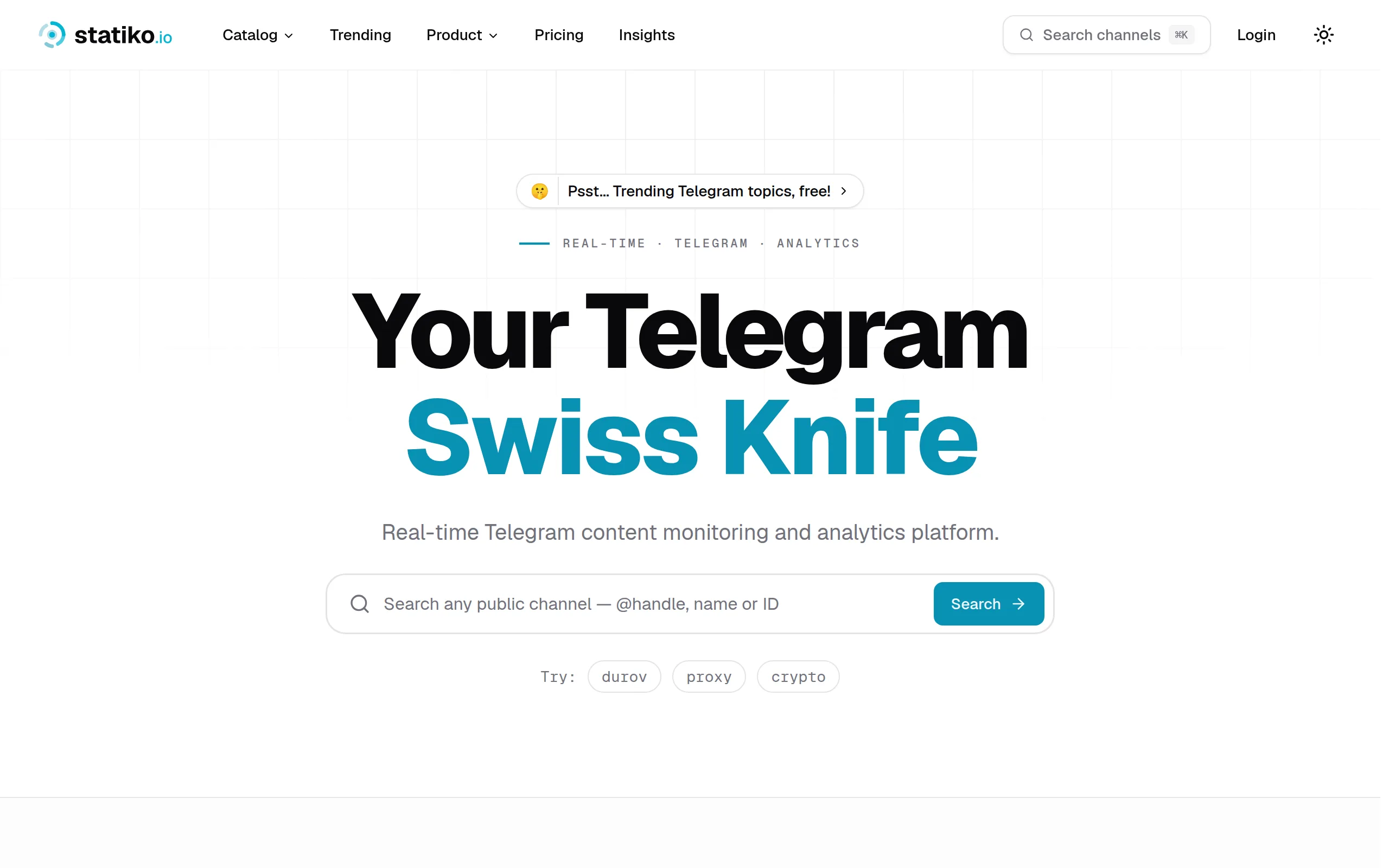
Statiko
Monitor any Telegram channel in real time - track posts, edits, deletions, and growth with AI recaps 📡

Shibui
AI website builder - describe your business, pick a niche template, edit by chatting, and publish instantly ✨
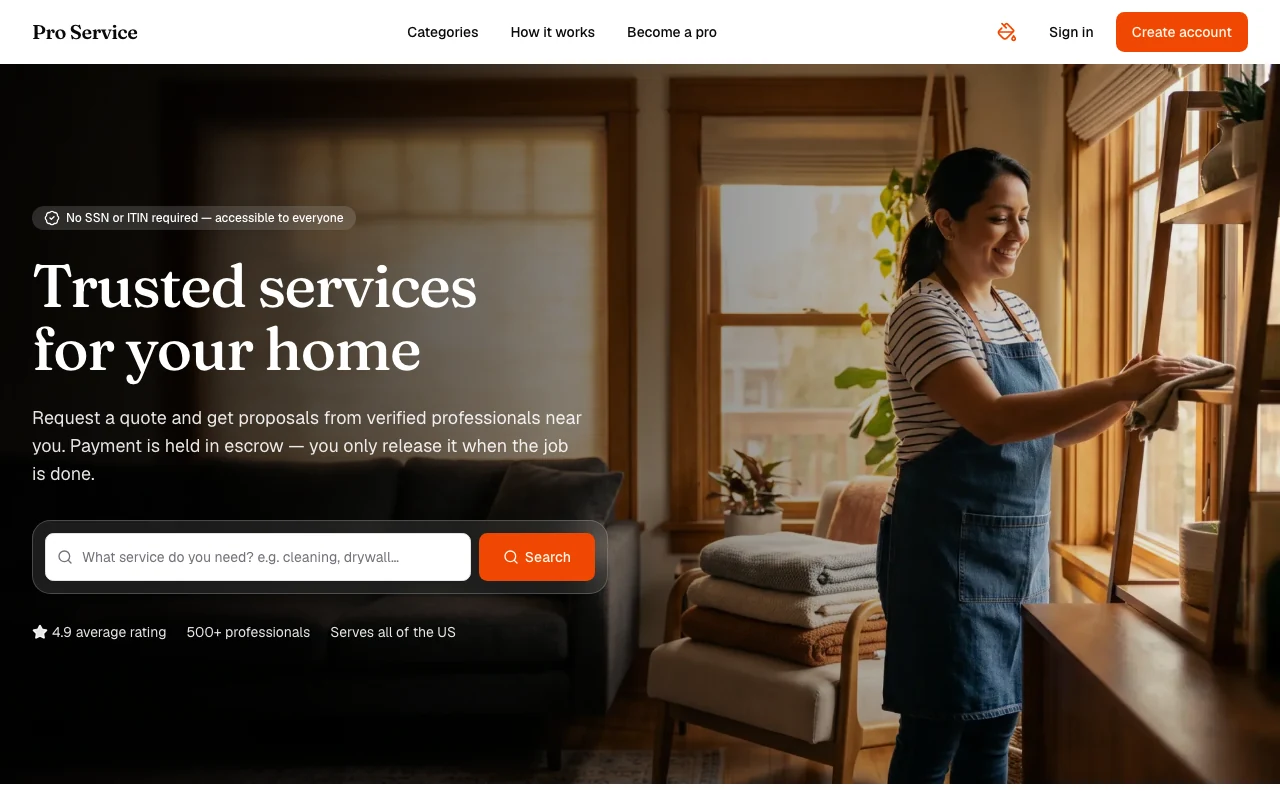
Pro Service
Find verified home service professionals, compare quotes, and pay securely through escrow - built for Brazilians across the US 🏠
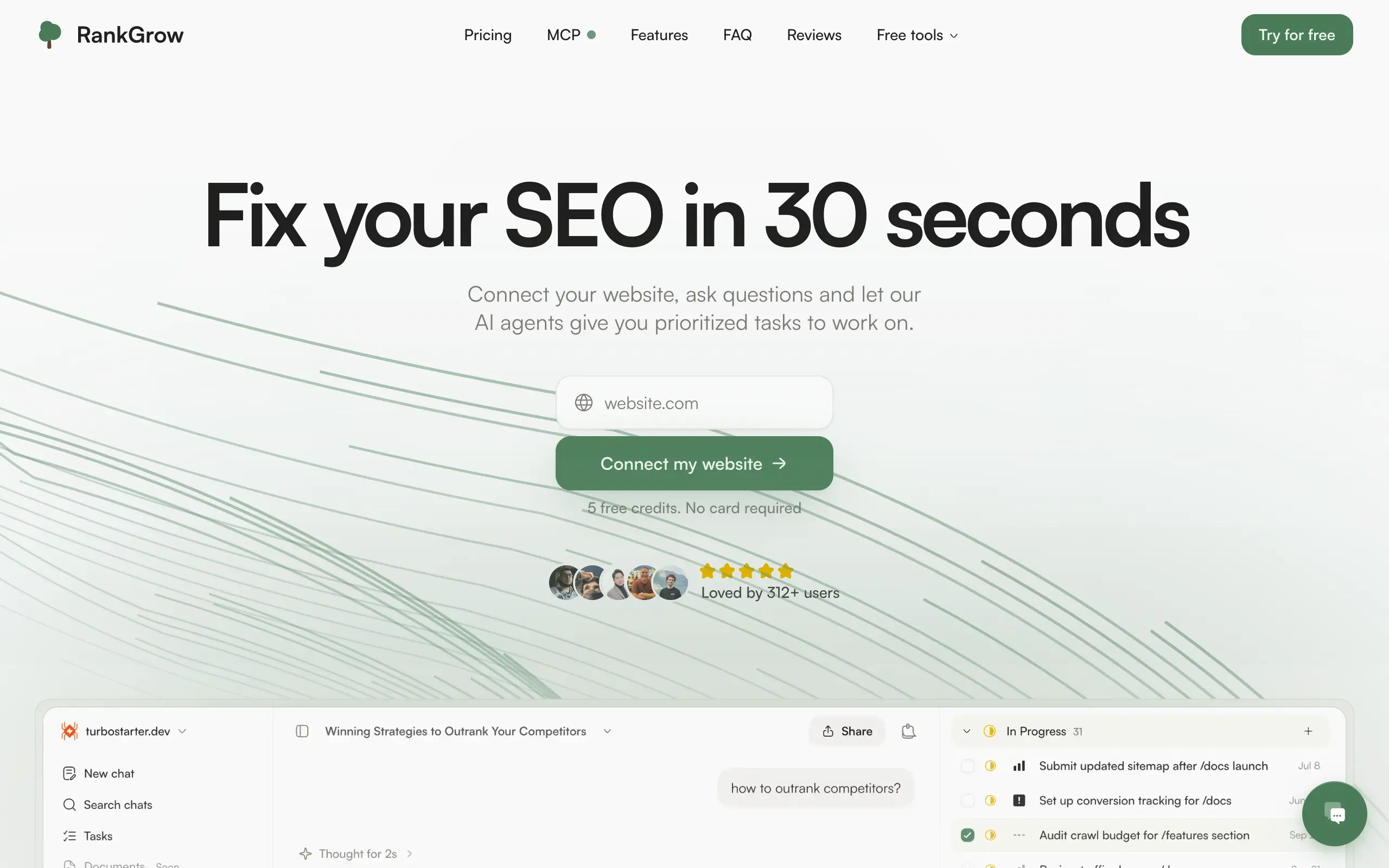
RankGrow
Fix your SEO with AI agents - connect Search Console, get prioritized tasks, and grow organic traffic 📈
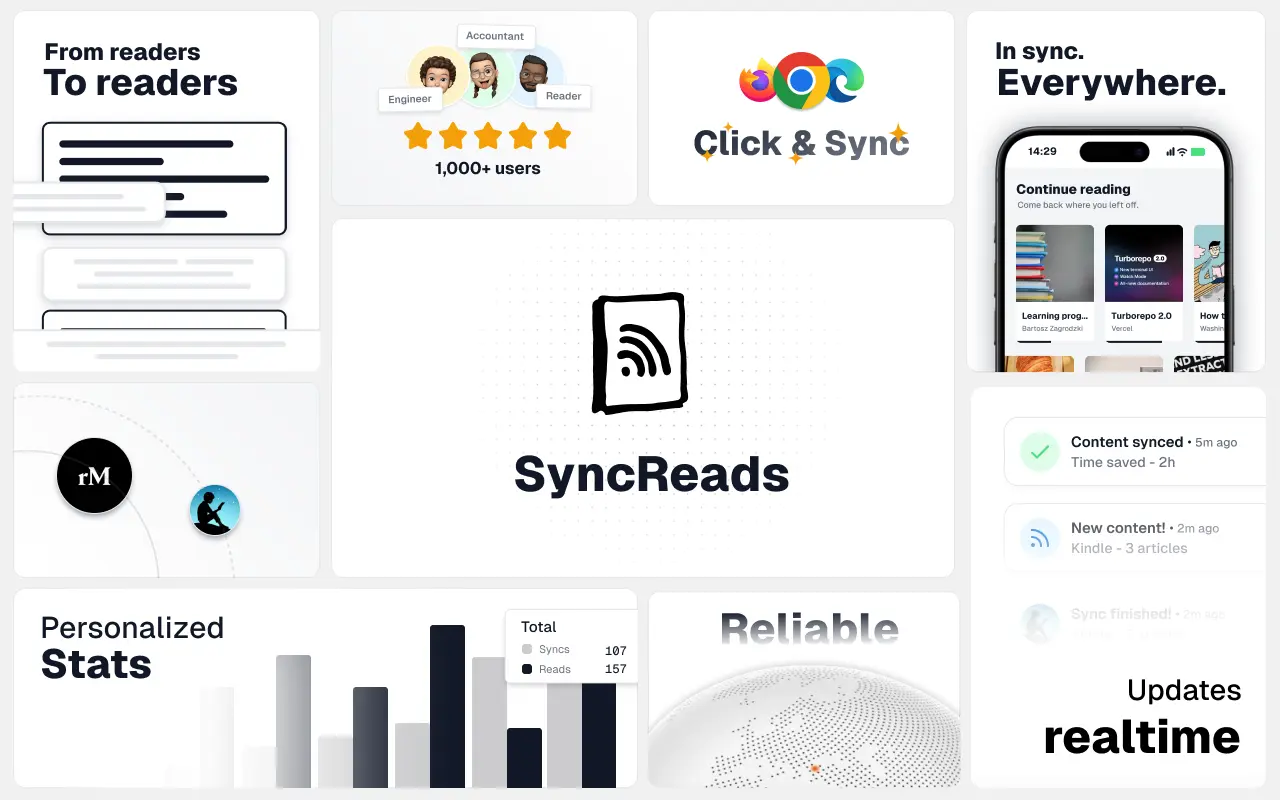
SyncReads
Sync your favorite content for distraction-free reading, save time and replace multiple apps. Anytime, anywhere 🔄
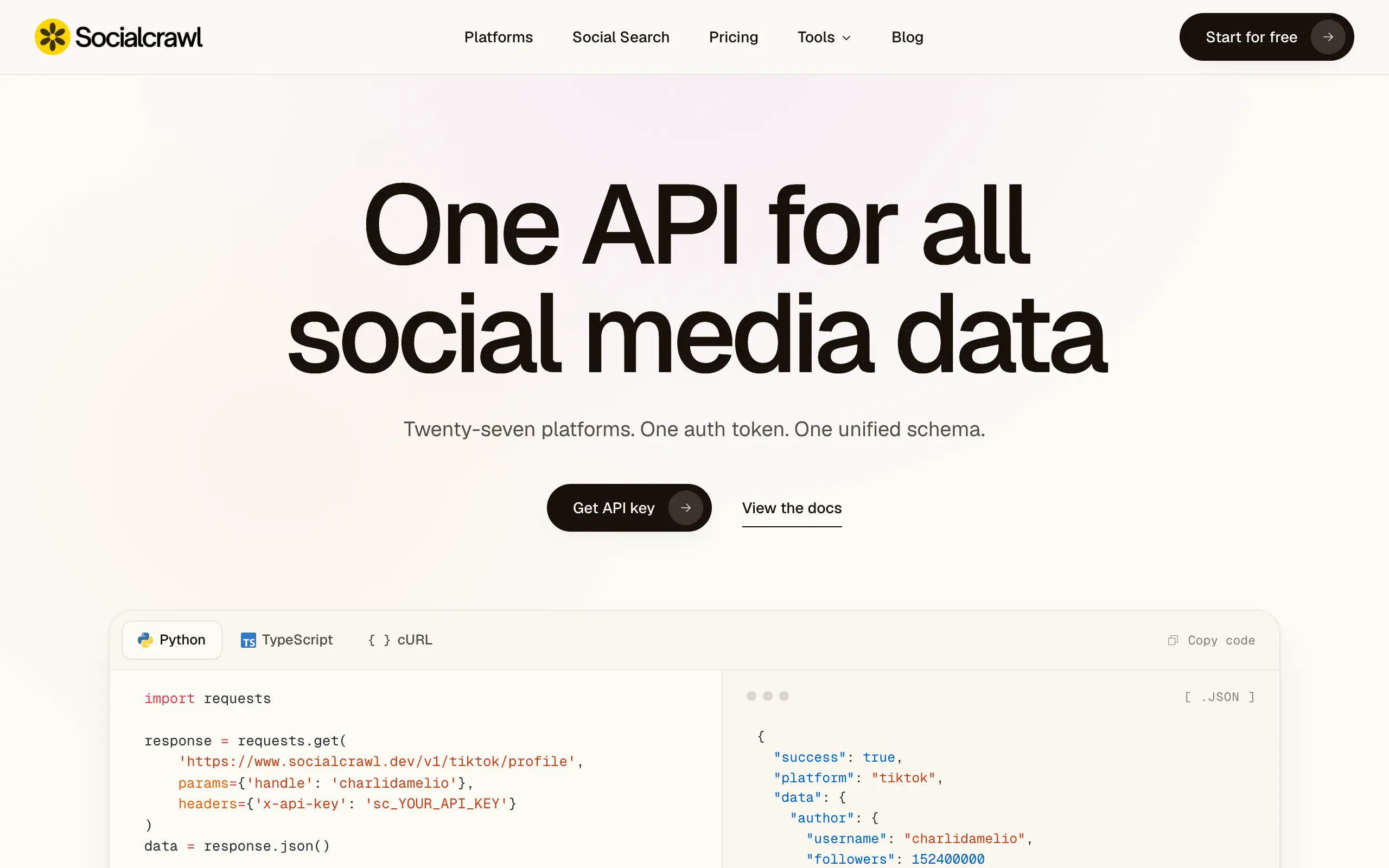
Socialcrawl
Get clean, structured data from 21 platforms like TikTok, Instagram, and YouTube with a single request 📊
Statiko
Monitor any Telegram channel in real time - track posts, edits, deletions, and growth with AI recaps 📡
Shibui
AI website builder - describe your business, pick a niche template, edit by chatting, and publish instantly ✨
Pro Service
Find verified home service professionals, compare quotes, and pay securely through escrow - built for Brazilians across the US 🏠
RankGrow
Fix your SEO with AI agents - connect Search Console, get prioritized tasks, and grow organic traffic 📈
SyncReads
Sync your favorite content for distraction-free reading, save time and replace multiple apps. Anytime, anywhere 🔄
Socialcrawl
Get clean, structured data from 21 platforms like TikTok, Instagram, and YouTube with a single request 📊
Statiko
Monitor any Telegram channel in real time - track posts, edits, deletions, and growth with AI recaps 📡
Shibui
AI website builder - describe your business, pick a niche template, edit by chatting, and publish instantly ✨
Pro Service
Find verified home service professionals, compare quotes, and pay securely through escrow - built for Brazilians across the US 🏠
RankGrow
Fix your SEO with AI agents - connect Search Console, get prioritized tasks, and grow organic traffic 📈
SyncReads
Sync your favorite content for distraction-free reading, save time and replace multiple apps. Anytime, anywhere 🔄
Socialcrawl
Get clean, structured data from 21 platforms like TikTok, Instagram, and YouTube with a single request 📊
Statiko
Monitor any Telegram channel in real time - track posts, edits, deletions, and growth with AI recaps 📡
Shibui
AI website builder - describe your business, pick a niche template, edit by chatting, and publish instantly ✨
Pro Service
Find verified home service professionals, compare quotes, and pay securely through escrow - built for Brazilians across the US 🏠
RankGrow
Fix your SEO with AI agents - connect Search Console, get prioritized tasks, and grow organic traffic 📈
SyncReads
Sync your favorite content for distraction-free reading, save time and replace multiple apps. Anytime, anywhere 🔄
Socialcrawl
Get clean, structured data from 21 platforms like TikTok, Instagram, and YouTube with a single request 📊
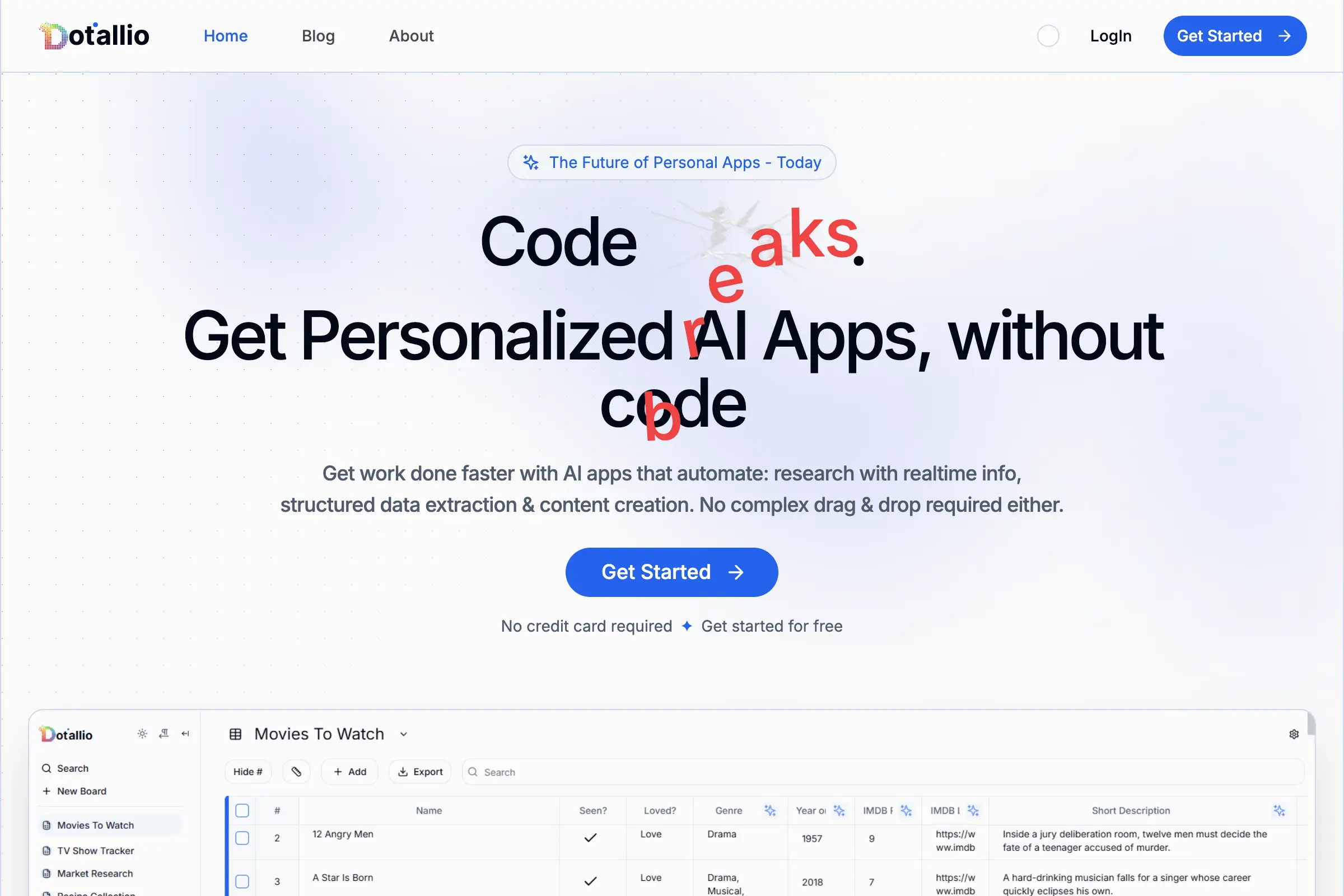
Dotallio
Personalized AI apps that automate research, data extraction, and content creation without code 🤖
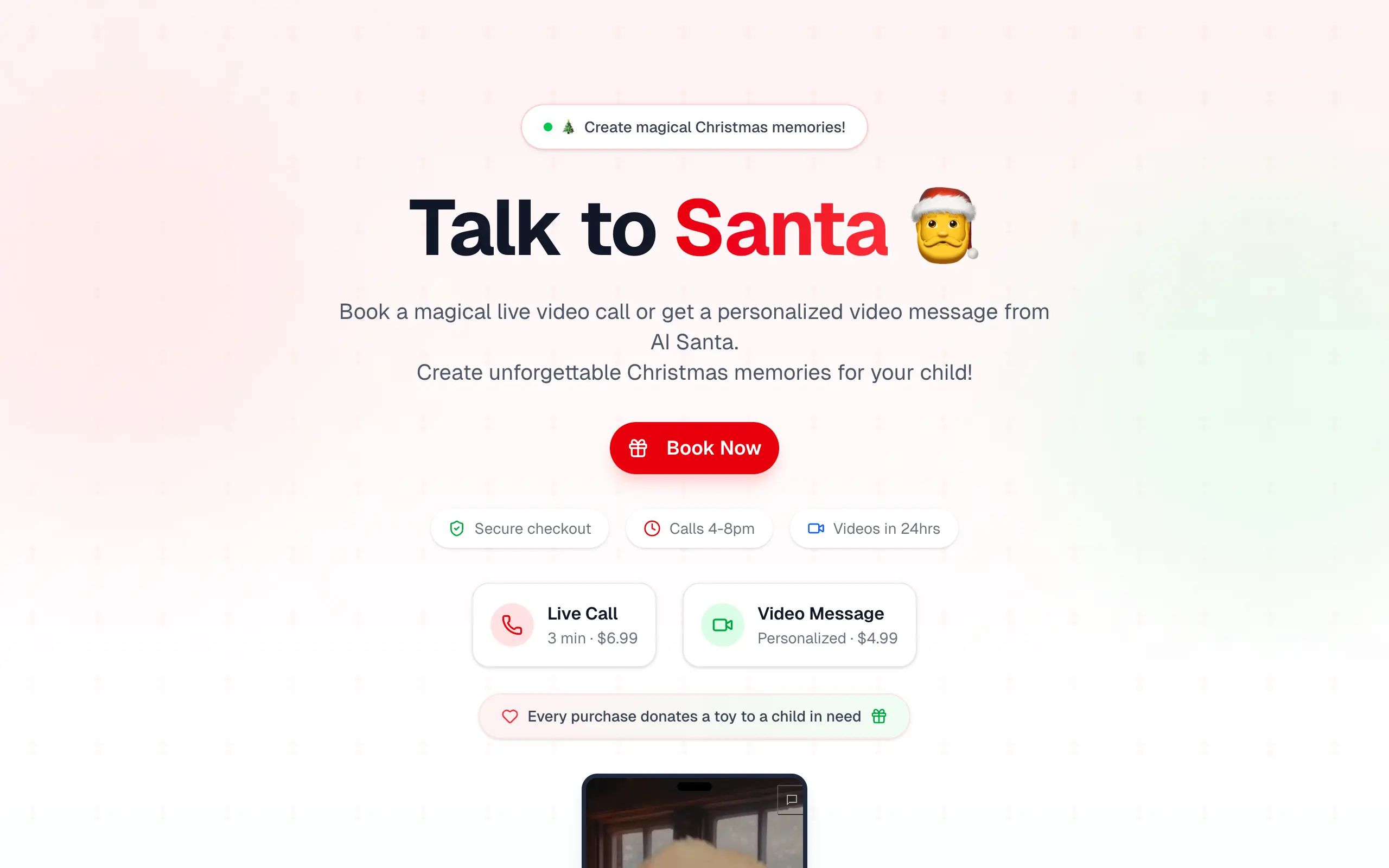
Talk to Santa
Enjoy a magical live video chat or receive a unique AI-generated video greeting from Santa Claus 🎅
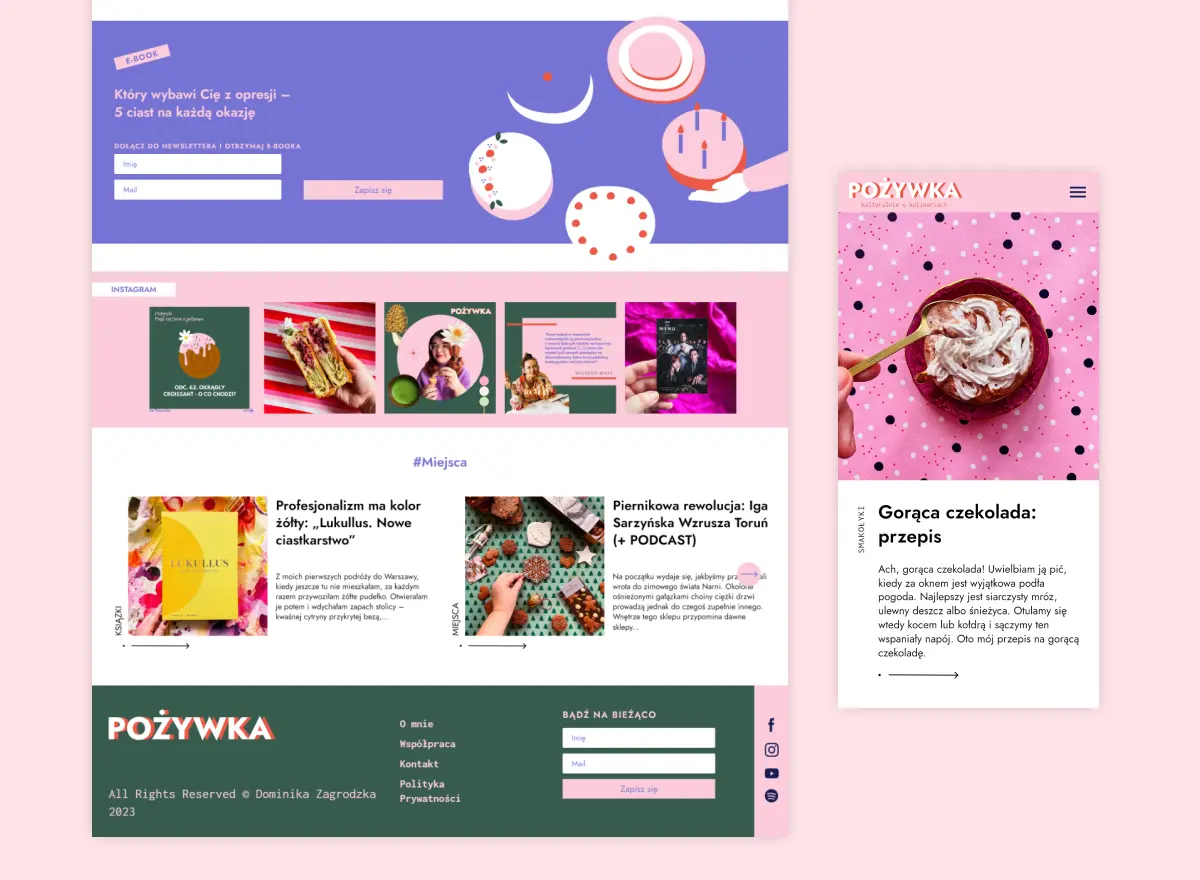
pozywka.pl
Scalable blog for food journalist, focused on performance and user experience 🌭
zagrodzki.me
Personal blog and portfolio of Bart Zagrodzki, where he shares his knowledge and work 💼
TurboStarter
Ship your startup everywhere. In minutes.
HTML to Markdown
Convert HTML to Markdown with ease, directly in your browser 📄
Dotallio
Personalized AI apps that automate research, data extraction, and content creation without code 🤖
Talk to Santa
Enjoy a magical live video chat or receive a unique AI-generated video greeting from Santa Claus 🎅
pozywka.pl
Scalable blog for food journalist, focused on performance and user experience 🌭
zagrodzki.me
Personal blog and portfolio of Bart Zagrodzki, where he shares his knowledge and work 💼
TurboStarter
Ship your startup everywhere. In minutes.
HTML to Markdown
Convert HTML to Markdown with ease, directly in your browser 📄
Dotallio
Personalized AI apps that automate research, data extraction, and content creation without code 🤖
Talk to Santa
Enjoy a magical live video chat or receive a unique AI-generated video greeting from Santa Claus 🎅
pozywka.pl
Scalable blog for food journalist, focused on performance and user experience 🌭
zagrodzki.me
Personal blog and portfolio of Bart Zagrodzki, where he shares his knowledge and work 💼
TurboStarter
Ship your startup everywhere. In minutes.
HTML to Markdown
Convert HTML to Markdown with ease, directly in your browser 📄
Dotallio
Personalized AI apps that automate research, data extraction, and content creation without code 🤖
Talk to Santa
Enjoy a magical live video chat or receive a unique AI-generated video greeting from Santa Claus 🎅
pozywka.pl
Scalable blog for food journalist, focused on performance and user experience 🌭
zagrodzki.me
Personal blog and portfolio of Bart Zagrodzki, where he shares his knowledge and work 💼
TurboStarter
Ship your startup everywhere. In minutes.
HTML to Markdown
Convert HTML to Markdown with ease, directly in your browser 📄
Omichat
Chat with 50+ AI models, including ChatGPT and Claude, in one place - switch models anytime without losing context 🤖
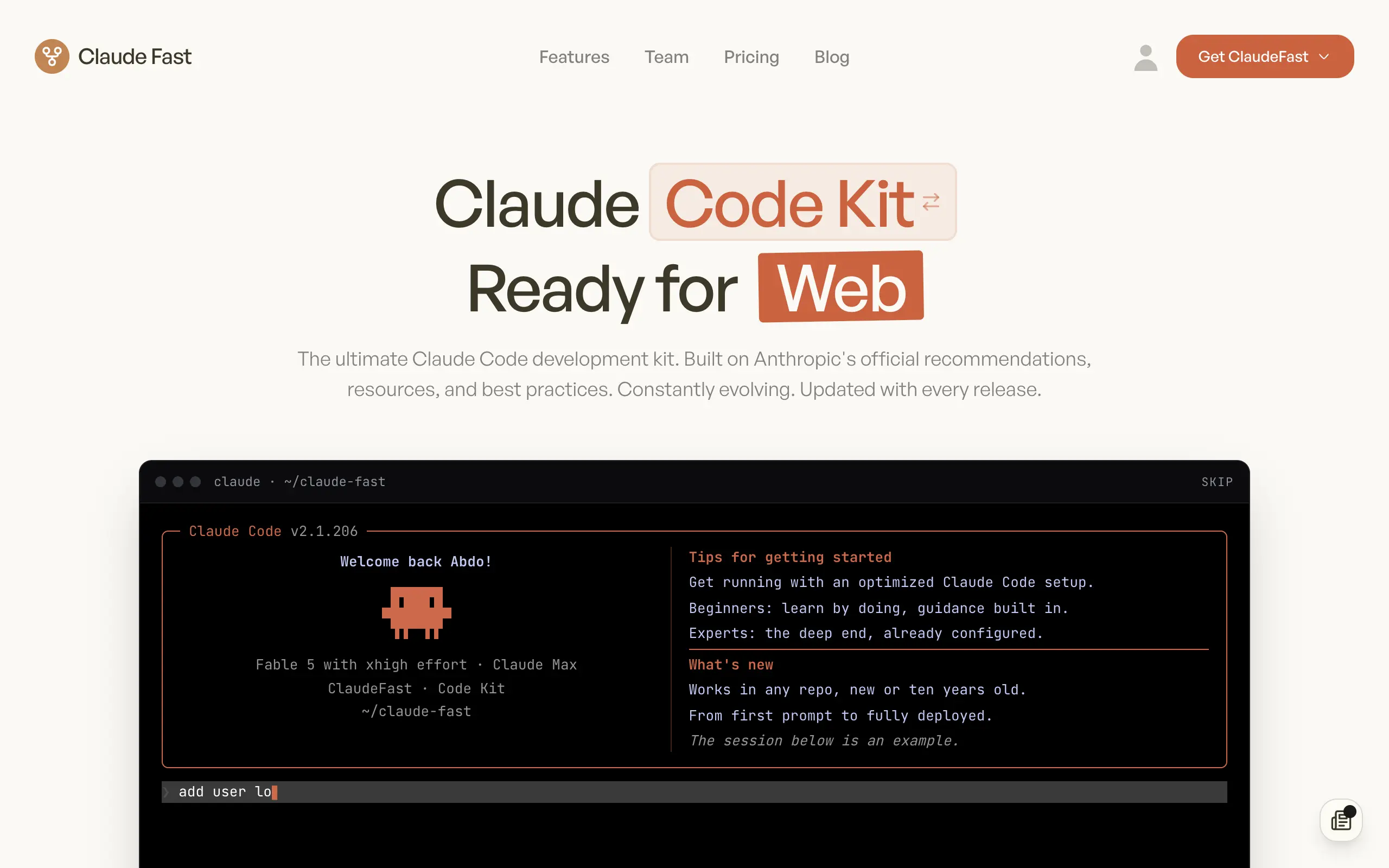
Claude Fast
Supercharge your Claude Code with 6x effective context window and specialized AI agents 🤖
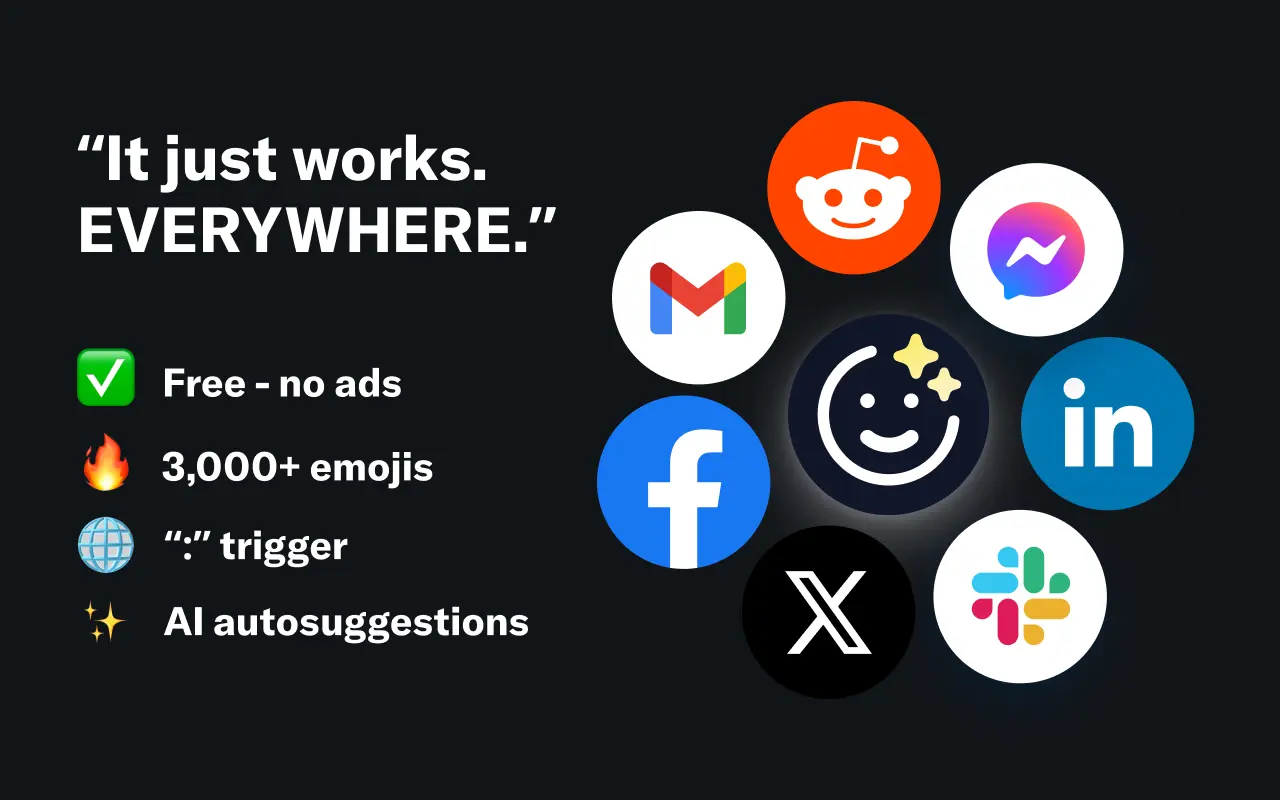
EmojAI
AI-powered emoji picker with smart, context-aware suggestions 🤖
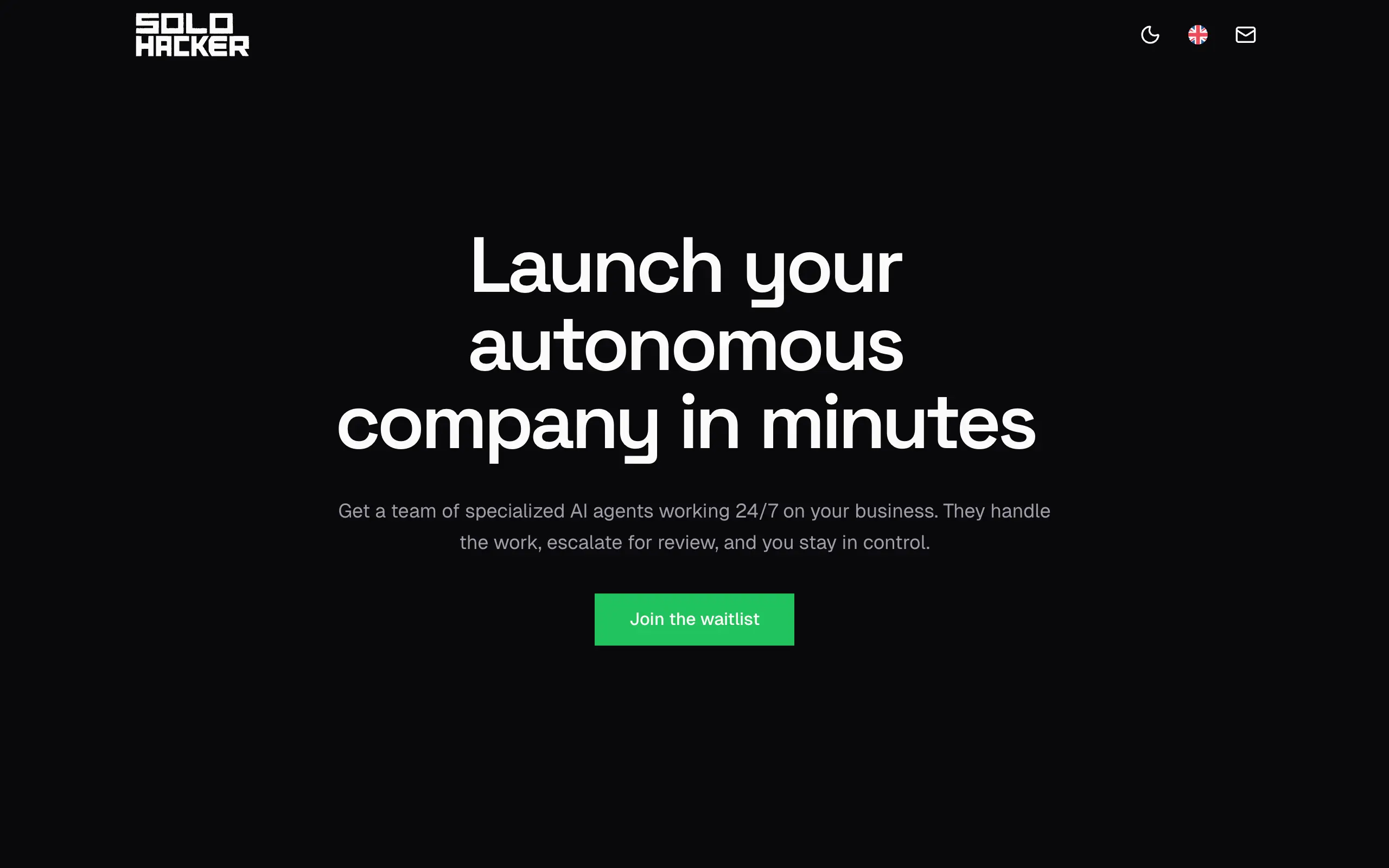
Solohacker
Autonomous company launcher - AI agents work 24/7, escalate what matters, and you stay in control 🤖
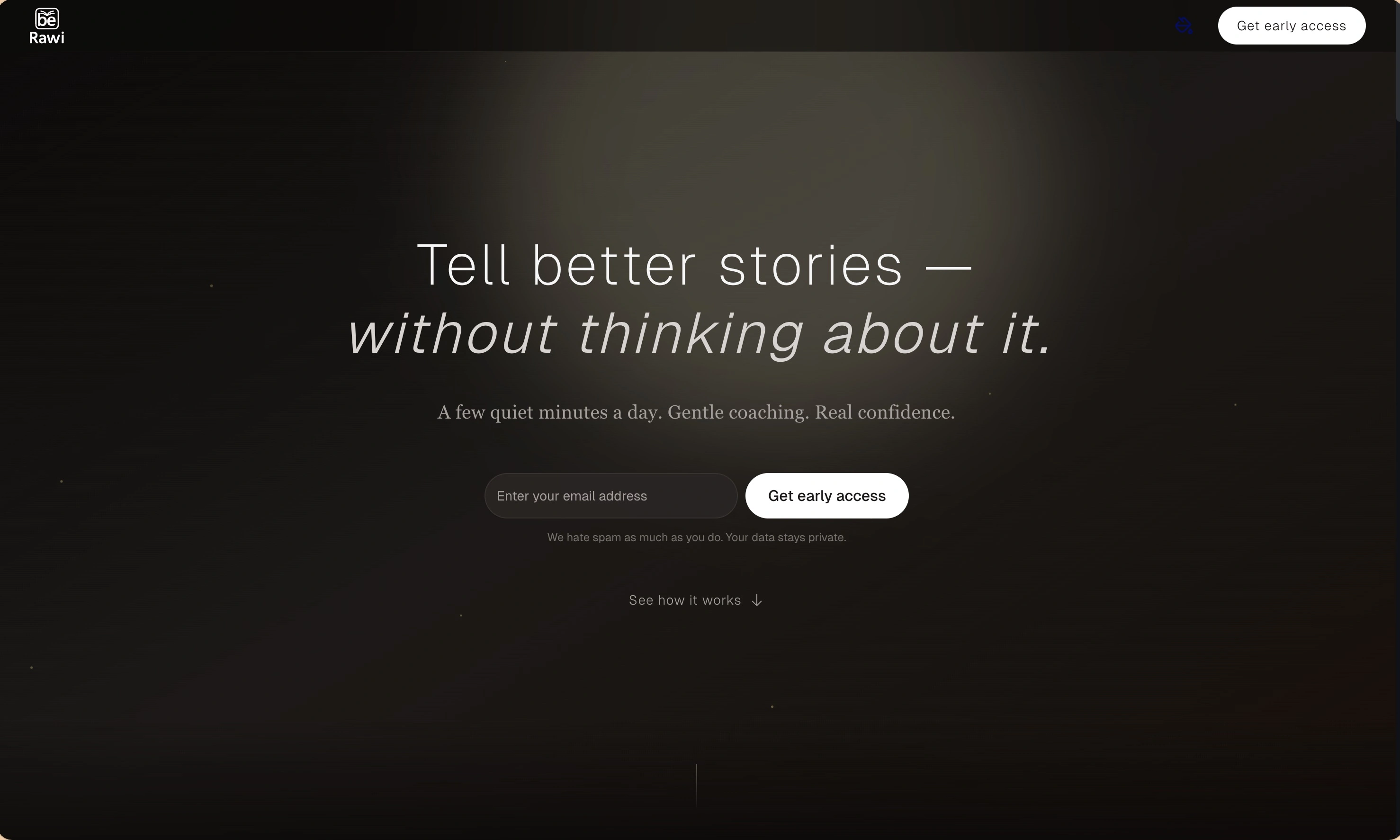
BeRawi: Storytelling Coach
Practice storytelling daily with instant feedback to sound clearer, more engaging, and confident 🎤
Omichat
Chat with 50+ AI models, including ChatGPT and Claude, in one place - switch models anytime without losing context 🤖
Claude Fast
Supercharge your Claude Code with 6x effective context window and specialized AI agents 🤖
EmojAI
AI-powered emoji picker with smart, context-aware suggestions 🤖
Solohacker
Autonomous company launcher - AI agents work 24/7, escalate what matters, and you stay in control 🤖
BeRawi: Storytelling Coach
Practice storytelling daily with instant feedback to sound clearer, more engaging, and confident 🎤
Omichat
Chat with 50+ AI models, including ChatGPT and Claude, in one place - switch models anytime without losing context 🤖
Claude Fast
Supercharge your Claude Code with 6x effective context window and specialized AI agents 🤖
EmojAI
AI-powered emoji picker with smart, context-aware suggestions 🤖
Solohacker
Autonomous company launcher - AI agents work 24/7, escalate what matters, and you stay in control 🤖
BeRawi: Storytelling Coach
Practice storytelling daily with instant feedback to sound clearer, more engaging, and confident 🎤
Omichat
Chat with 50+ AI models, including ChatGPT and Claude, in one place - switch models anytime without losing context 🤖
Claude Fast
Supercharge your Claude Code with 6x effective context window and specialized AI agents 🤖
EmojAI
AI-powered emoji picker with smart, context-aware suggestions 🤖
Solohacker
Autonomous company launcher - AI agents work 24/7, escalate what matters, and you stay in control 🤖
BeRawi: Storytelling Coach
Practice storytelling daily with instant feedback to sound clearer, more engaging, and confident 🎤

Connect with like-minded people
Join our community to get feedback, support, and grow together with 1,000+ builders on board, let's ship it!
Join usShip your startup everywhere. In minutes.
Don't burn tokens on setup and start building features on day one.