VendorSignal
Turns vendor tickets, invoices, SLA data, and stakeholder feedback into risk scores and actionable quarterly business reviews.
Vendor risk management is still too manual
Most organizations know which vendors are strategically important. Far fewer can confidently explain, in one place, whether those vendors are meeting contractual service levels, creating financial exposure, generating repeated ticket escalations, or losing stakeholder confidence.
That gap is where vendor risk management software becomes valuable.
VendorSignal is a B2B platform concept that converts disconnected operational evidence into a clear vendor health picture. It combines vendor tickets, invoices, SLA performance, contract-related data, and stakeholder feedback to generate risk scores and action-ready quarterly business reviews.
Instead of relying on spreadsheet updates, subjective account-owner opinions, and last-minute QBR preparation, procurement, IT, finance, and vendor management teams can use VendorSignal to answer critical questions:
- Which vendors are trending toward operational risk?
- Which suppliers are missing SLAs repeatedly?
- Are invoice disputes connected to poor service delivery?
- Which vendors need escalation before the next renewal?
- What actions should stakeholders take during the next business review?
- Is a vendor relationship improving, stable, or deteriorating?
The core opportunity is not simply to create another supplier database. It is to build a vendor performance management platform that turns scattered, time-sensitive signals into decision-grade intelligence.
The central product thesis
VendorSignal should focus on evidence-backed vendor health, not generic supplier recordkeeping. Its value comes from connecting operational data to specific actions, owners, and review conversations.
Who needs vendor performance management software
The ideal market for VendorSignal includes organizations that spend enough on third-party services to feel material risk, but do not yet have a mature, unified vendor intelligence system.
These companies often have supplier data in several tools, including ticketing systems, ERP platforms, contract repositories, shared spreadsheets, customer success tools, and employee survey applications. The problem is not necessarily a lack of data. The problem is that the data is difficult to interpret collectively.
Procurement and vendor management teams
Procurement leaders need a consistent way to assess supplier performance beyond purchase price and renewal dates. They are responsible for negotiations, supplier rationalization, commercial terms, and strategic vendor relationships.
VendorSignal can help procurement teams identify patterns such as:
- Vendors with chronic SLA misses that justify commercial concessions
- Suppliers receiving poor stakeholder feedback despite low costs
- Vendors with repeated billing inaccuracies or invoice disputes
- Contracts approaching renewal while performance trends are weakening
- High-spend vendors that lack documented governance reviews
For this audience, the product should make vendor performance measurable, auditable, and easy to present to executive stakeholders.
IT service management and security teams
IT organizations often manage dozens or hundreds of software, cloud, managed service, and infrastructure vendors. These relationships create operational dependencies that can affect uptime, security, compliance, and employee productivity.
An IT leader may already use tools such as Jira Service Management, ServiceNow, Zendesk, or PagerDuty. However, these systems are designed to manage incidents and work queues, not to answer whether a vendor is becoming a strategic operational liability.
VendorSignal can summarize ticket trends by vendor, including:
- Incident volume over time
- Severity-weighted ticket impact
- Average response and resolution times
- Reopened or recurring issues
- SLA adherence trends
- Escalation frequency
- Business-unit sentiment after incidents
This creates a more complete picture than a simple monthly ticket count.
Finance and accounts payable teams
Finance teams care about invoice accuracy, cost predictability, payment disputes, budget variance, and supplier concentration. Invoices can reveal operational problems that procurement dashboards frequently overlook.
For example, repeated invoice disputes can indicate unclear scope, weak contract controls, delivery failures, or billing governance issues. VendorSignal can connect financial friction to performance signals, helping finance teams distinguish a one-off exception from a persistent vendor relationship issue.
Operations leaders and business stakeholders
Business owners often feel the effects of vendor underperformance first. A marketing team may struggle with an agency, a sales team may lose productivity because of a SaaS outage, or a customer support group may be affected by a BPO provider's declining quality.
These stakeholders need a low-friction way to provide feedback without becoming procurement experts. VendorSignal should support structured, brief feedback requests that capture sentiment, business impact, and confidence in the vendor relationship.
Mid-market organizations with growing vendor complexity
The strongest initial customer segment may be mid-market businesses with approximately 200 to 5,000 employees. They usually have meaningful vendor spend and compliance responsibilities but may lack the budget, implementation capacity, or organizational maturity for enterprise-heavy governance, risk, and compliance platforms.
Primary buyer
Head of procurement, vendor management office leader, CIO, or CFO seeking a unified way to govern strategic supplier performance.
Daily user
Procurement manager, IT service delivery manager, finance analyst, or vendor relationship owner preparing reviews and escalations.
Executive stakeholder
COO, CFO, CIO, or business-unit leader who needs concise evidence before renewals, escalations, and strategic decisions.
The market gap for vendor risk management software
The vendor management market includes several established categories, but they often solve only one portion of the real-world problem.
Traditional vendor management systems may focus on supplier onboarding, compliance questionnaires, procurement workflows, or contract storage. IT service management tools focus on ticket operations. Accounts payable platforms focus on invoices and payments. Survey tools capture sentiment. Business intelligence products can visualize metrics but require internal teams to model the underlying relationships.
VendorSignal occupies the layer between these systems: continuous vendor performance intelligence.
The product should not try to replace every source system. Instead, it should ingest the most meaningful operational and commercial signals, normalize them by vendor, score exposure transparently, and guide stakeholders toward the next best action.
Why existing vendor reviews fail
Quarterly business reviews are valuable when they are evidence-based and tied to commitments. In practice, many QBRs fail for predictable reasons:
- Data collection starts too late.
- Different teams bring conflicting metrics.
- Vendor scorecards rely on subjective red, amber, and green labels.
- Meeting notes do not translate into owned action items.
- Performance trends are not visible across quarters.
- Renewal decisions are made without a consolidated record of relationship health.
A strong vendor QBR software product solves these process failures before the meeting begins.
The strategic opportunity
VendorSignal can position itself around a simple, differentiated promise:
Turn every vendor interaction into a clear, explainable view of risk and a better quarterly business review.
This message is compelling because it connects daily operational reality with executive decision-making. It also addresses a high-cost problem. Vendor underperformance can lead to downtime, wasted spend, missed project deadlines, dissatisfied employees, compliance failures, and difficult renewals.
When researching market sizing or publishing sales materials, validate external claims with authoritative sources such as analyst research, annual reports, and regulatory guidance. Avoid unsupported statements about average vendor failure costs or industry-wide savings. The product story is already strong when grounded in a customer's own ticket, invoice, and SLA data.
VendorSignal’s unique value proposition
VendorSignal should differentiate itself through three product principles.
It unifies operational and commercial vendor signals
Most tools can report a single category of information. VendorSignal should connect the categories that influence real supplier decisions:
- Ticket volume and severity
- SLA compliance and missed commitments
- Invoice accuracy and disputes
- Stakeholder sentiment
- Contract and renewal milestones
- QBR actions and follow-up completion
A vendor that meets response-time SLAs but generates unresolved invoice disputes and declining stakeholder confidence may still represent meaningful risk. A holistic score should surface that reality.
It makes vendor risk explainable
Risk scores are useful only when users understand what changed and what they should do next. A black-box score can create distrust, particularly in procurement, finance, and compliance workflows.
Each VendorSignal risk score should show its drivers in plain language. For example:
- SLA compliance dropped from 96% to 82% during the last 90 days
- Priority-one incident resolution time exceeded target by 28%
- Invoice dispute frequency increased for two consecutive months
- Stakeholder satisfaction decreased from 4.2 to 3.1 out of 5
- Two previous QBR commitments remain overdue
That explanation turns a dashboard indicator into an informed conversation.
It converts insight into governance actions
The end goal is not a prettier dashboard. The goal is improved vendor outcomes.
VendorSignal should turn a risk signal into a structured workflow, such as creating an escalation, assigning a relationship owner, preparing an agenda item for a QBR, requesting vendor remediation, or flagging a renewal for commercial review.
| Capability | Spreadsheets | Ticketing tool | Contract repository | VendorSignal | Business impact |
|---|---|---|---|---|---|
| Cross-source vendor health view | Manual | Limited | Limited | Automated | Faster decisions |
| Explainable risk scoring | Inconsistent | Ticket-only | Contract-only | Multi-signal | Defensible escalations |
| QBR action tracking | Manual | No | Limited | Built in | Better accountability |
Core features for a vendor risk management platform
The MVP should deliver a narrow but complete workflow. The first version does not need every possible third-party risk capability. It needs to prove that connected operational data produces better vendor reviews and earlier interventions.
Vendor intelligence profiles
Each vendor should have a unified profile that becomes the system of record for ongoing performance management.
The profile can include:
- Vendor name, category, internal owner, and business units served
- Contract start date, renewal date, spend tier, and criticality level
- Linked systems and active data sources
- Current risk score and trend direction
- SLA summary and recent exceptions
- Ticket performance and recurring issue indicators
- Invoice and dispute history
- Stakeholder feedback trend
- Open QBR actions, escalations, and remediation commitments
This profile should answer the question, “What is happening with this vendor right now?” without requiring users to open five different tools.
Configurable vendor risk scoring
Risk scoring is the heart of VendorSignal. The scoring model should be transparent, configurable, and designed to evolve with customer maturity.
A practical starting model could use weighted dimensions:
- Operational reliability based on incidents, severity, ticket recurrence, and resolution performance
- SLA performance based on service targets, breach frequency, and breach severity
- Financial friction based on disputed invoices, credit requests, and billing variance
- Stakeholder confidence based on structured feedback and business impact
- Governance execution based on overdue QBR actions, missing reviews, and unfulfilled commitments
- Strategic exposure based on vendor criticality, spend, data access, or dependency level
A simple risk calculation could begin with a weighted score from 0 to 100, where higher values represent higher risk.
type VendorRiskInputs = {
  operationalReliability: number;
  slaPerformance: number;
  financialFriction: number;
  stakeholderConfidence: number;
  governanceExecution: number;
  strategicExposure: number;
};

export function calculateVendorRisk(input: VendorRiskInputs) {
  const score =
    input.operationalReliability * 0.25 +
    input.slaPerformance * 0.2 +
    input.financialFriction * 0.15 +
    input.stakeholderConfidence * 0.15 +
    input.governanceExecution * 0.1 +
    input.strategicExposure * 0.15;

  return Math.round(Math.min(100, Math.max(0, score)));
}
The model should never imply false precision. Display confidence indicators when data is sparse, stale, or incomplete. For example, a vendor with only one ticket and no stakeholder feedback should not receive the same level of confidence as a vendor with twelve months of integrated data.
SLA monitoring and exception management
SLA tracking should be more than a percentage displayed on a chart. Users should be able to see:
- SLA targets by vendor and service category
- Breach counts by severity
- Trends by month, quarter, and contract period
- Services affected by repeated breaches
- Exception reasons and vendor explanations
- Breaches that were formally waived or accepted
- Linked tickets and QBR action items
This feature is particularly valuable for managed service providers, cloud vendors, business process outsourcing firms, logistics providers, and other suppliers with contractually defined performance requirements.
Stakeholder feedback collection
Stakeholder feedback should be structured enough to compare over time but short enough to collect consistently.
A good feedback prompt can ask users to rate:
- Reliability of the service
- Responsiveness of the vendor
- Quality of deliverables
- Ease of doing business
- Impact on the stakeholder’s team
- Confidence in renewing or expanding the relationship
An optional comment field adds qualitative context. Natural language processing can later summarize themes, but the first release should prioritize clear collection, secure storage, and human review.
Automated quarterly business reviews
The QBR workspace is one of VendorSignal’s strongest product wedges. It should help teams prepare, run, and follow up on vendor reviews with less manual effort.
A QBR package can automatically include:
- Executive summary of vendor health
- Quarter-over-quarter risk changes
- SLA scorecard and notable incidents
- Ticket trends and recurring problems
- Invoice dispute summary
- Stakeholder feedback themes
- Previous commitments and completion status
- Recommended discussion points
- New action items with owners and due dates
The objective is not to replace relationship management. It is to give vendor managers credible evidence and a repeatable review structure.
Alerts, escalation workflows, and action ownership
VendorSignal should alert users only when a change is meaningful. Too many generic notifications will reduce trust and engagement.
Useful alert conditions include:
- Risk score increases beyond a configured threshold
- A critical SLA breach occurs
- A high-priority ticket remains unresolved past target
- Invoice disputes exceed a monthly baseline
- Stakeholder sentiment drops sharply
- A strategic vendor has no scheduled review before renewal
- A remediation commitment becomes overdue
Each alert should offer action options, such as assign an owner, request a vendor response, add to the next QBR, create a remediation plan, or acknowledge the risk.
How to build a defensible vendor risk score
An effective vendor risk score must balance automation with governance. If it is too manual, teams return to spreadsheets. If it is too opaque, decision-makers will not trust it.
Use risk tiers instead of only numbers
A numerical score is helpful for sorting and trend analysis, but users also need practical categories.
A simple model might include:
- Low risk for vendors performing within expected thresholds
- Moderate risk for vendors with emerging issues or incomplete evidence
- High risk for vendors with sustained performance deterioration
- Critical risk for vendors with severe incidents, repeated SLA failures, or urgent governance gaps
The platform should allow each organization to define thresholds based on vendor category and business criticality. A missed response target from a non-critical design contractor does not carry the same risk as an outage involving a core payments platform.
Separate inherent risk from performance risk
This distinction is essential.
Inherent risk reflects the potential impact if the vendor fails. It may depend on spend, access to sensitive data, operational dependency, regulatory relevance, or replacement difficulty.
Performance risk reflects what is currently happening. It may depend on tickets, SLAs, invoices, feedback, and open commitments.
A highly critical vendor can have strong performance today but still require close governance. A low-criticality vendor can perform poorly but may not need executive escalation. Combining both dimensions gives users a more realistic decision framework.
Preserve the audit trail
Every score change should be traceable. VendorSignal should record:
- The data source that contributed to the score
- The date and time of the event
- The relevant metric and threshold
- Any manual override
- The person who approved or changed an override
- A note explaining the rationale
This is important for trust, internal governance, and audit readiness. It also helps teams refine the model over time.
Avoid the black-box scoring trap
Do not launch with an AI-generated risk score that cannot be explained. Start with transparent rules and weights. Add machine learning only when customers have enough reliable historical data to validate its recommendations.
Recommended technology stack for VendorSignal
VendorSignal requires secure integrations, reliable data processing, role-based access, and flexible analytics. A modern TypeScript-based SaaS stack can deliver a strong MVP without premature infrastructure complexity.
Application and frontend layer
Use React with Next.js for the web application. Next.js supports server-rendered application experiences, authenticated dashboards, API routes, and strong deployment options.
Use Tailwind CSS for a consistent design system and efficient dashboard development. Vendor risk products benefit from clear information hierarchy, status colors, dense but readable tables, and responsive data visualizations.
Recommended frontend capabilities include:
- Vendor portfolio dashboard
- Vendor profile pages
- Risk trend charts
- Filterable ticket and SLA tables
- QBR report builder
- Feedback forms
- Alert center
- Role-aware navigation
Backend and data layer
A robust baseline architecture may include:
- PostgreSQL for relational vendor, contract, metric, and workflow data
- Prisma for type-safe database access in TypeScript
- Redis for caching, rate limiting, and job coordination
- A job queue for scheduled integrations, score recalculation, and report generation
- Object storage for invoice files, exported QBR documents, and evidence attachments
PostgreSQL is a strong choice because VendorSignal’s core data is highly relational. Vendors connect to contracts, business units, SLAs, tickets, invoices, feedback records, and actions. A relational model also supports audit trails and permission checks more naturally than a document-only database.
Integration architecture
The integration layer is strategically important. Early integrations should target systems that are common among the initial customer profile.
Consider beginning with:
- Service desk platforms for ticket and incident data
- Accounting or ERP platforms for invoices and disputes
- Spreadsheet imports for customers without mature system integrations
- CSV export and import workflows
- Email ingestion for structured vendor feedback requests
- Calendar integration for QBR scheduling
Build integrations using a connector pattern. Each connector should normalize external records into a consistent internal event model. That prevents the vendor risk engine from becoming tightly coupled to one external platform’s field names or API behavior.
AI capabilities and trade-offs
Artificial intelligence can improve the product, but it should be introduced carefully.
Strong early AI use cases include:
- Summarizing ticket themes for a QBR
- Drafting risk explanations from known metrics
- Extracting action items from meeting notes
- Classifying feedback comments into themes
- Suggesting review agenda topics
Avoid using generative AI as the sole source of a risk decision. Vendor managers need verifiable evidence. AI-generated summaries should link back to the contributing source records and clearly indicate that they are summaries.
For data-sensitive customers, offer controls around model usage, retention, and redaction. Enterprise buyers may require that sensitive ticket content, invoice details, and contractual information are not used to train external models.
Monetization options for VendorSignal
The pricing model should reflect the value of governed vendor relationships while keeping adoption straightforward.
Subscription pricing by monitored vendor
A vendor-based pricing model aligns well with the product’s core unit of value.
Possible tiers could include:
- Starter for a limited number of active vendors and CSV imports
- Growth for more vendors, automated integrations, QBR workflows, and stakeholder feedback
- Enterprise for advanced permissions, SSO, audit exports, custom scoring, API access, and implementation support
This model is intuitive for procurement and vendor management teams because they can connect cost to the breadth of their supplier portfolio.
Pricing by business unit or workspace
For larger organizations, pricing can also reflect the number of business units, regions, or independent procurement teams. This works well when a parent organization needs centralized reporting while departments manage their own vendor portfolios.
Premium implementation services
Implementation can become a meaningful revenue stream, especially during the early enterprise phase.
Services may include:
- Vendor data migration
- SLA schema configuration
- Risk model workshops
- Integration setup
- QBR template design
- Governance process consulting
- Executive reporting configuration
The long-term product strategy should avoid making services mandatory for success. However, high-touch onboarding can accelerate time to value and produce insight for product development.
Competitive advantage and market positioning
VendorSignal should not market itself as a broad replacement for procurement suites, ITSM tools, or GRC platforms. Those categories are crowded and often involve long sales cycles.
Instead, position VendorSignal as the vendor performance intelligence layer.
The competitive wedge
The strongest competitive advantage is the combination of:
- Multi-source operational evidence
- Explainable risk scoring
- Automated QBR preparation
- Action tracking after the review
- A user experience designed for non-technical vendor stakeholders
Many organizations have the data needed to manage vendors better. They lack the operational system that turns that data into recurring governance.
Why this position is defensible
VendorSignal becomes more valuable as it accumulates vendor-specific history. Over time, the product can understand baseline performance, track whether remediation worked, reveal recurring issues, and preserve institutional knowledge when vendor owners change roles.
This creates practical switching costs. A customer that has several quarters of risk trends, SLA history, stakeholder sentiment, and action records in VendorSignal gains a durable governance asset.
Expansion opportunities
After proving the core workflow, VendorSignal can expand into adjacent capabilities:
- Vendor onboarding risk assessments
- Contract obligation extraction
- Renewal and negotiation recommendations
- Third-party security questionnaire tracking
- Vendor concentration reporting
- Benchmarking by vendor category
- Predictive risk alerts
- Executive portfolio reporting
- Supplier remediation plans
- Multi-entity and multi-region governance
The key is sequencing. Build depth in performance intelligence before broadening into every procurement or compliance feature.
Key risks and practical mitigation strategies
A vendor intelligence SaaS business has meaningful product, data, and go-to-market risks. Addressing them directly improves credibility with both customers and investors.
Start with flexible CSV imports, data mapping tools, and a clear data-quality score. Let customers begin with tickets and stakeholder feedback if invoice or contract data is not ready. Product value should increase as data maturity improves, not depend on perfect integration from day one.
Make every score explainable. Show inputs, weights, trends, source records, and manual overrides. Allow organizations to configure thresholds based on vendor criticality and category.
Lead with a focused QBR and vendor performance use case. A pilot involving a limited number of strategic vendors is easier to approve than a broad procurement transformation program.
Implement encryption in transit and at rest, granular roles, audit logs, tenant isolation, data retention controls, and enterprise identity options. Build a security roadmap early, even before formal certification efforts.
Prioritize the systems used by the initial customer segment. Use standardized connectors and normalized event schemas. Do not build a custom integration for every prospect before validating repeatable demand.
A practical MVP roadmap for VendorSignal
The best first release is not a full third-party risk management suite. It is a focused workflow that helps one customer group run better vendor reviews with evidence they already have.
Phase one: establish the vendor performance baseline
The MVP should include:
- Vendor directory and ownership fields
- CSV import for tickets, SLAs, invoices, and feedback
- Configurable vendor criticality
- Basic risk scoring
- Vendor profile dashboard
- Risk trend visualization
- Manual notes and remediation actions
- QBR summary export
At this stage, prove that users can identify a deteriorating vendor faster than they could with spreadsheets.
Phase two: automate recurring governance
The next release can add:
- Service desk integrations
- Scheduled score recalculation
- Stakeholder feedback campaigns
- SLA breach alerts
- QBR templates
- Action assignment and due-date reminders
- Historical quarter comparison
- Role-based access controls
This phase turns VendorSignal from a reporting tool into a recurring operating system for vendor governance.
Phase three: deepen enterprise readiness
Once usage and retention validate the workflow, invest in:
- SSO and SCIM provisioning
- Advanced audit trails
- API access and webhooks
- Custom risk models
- ERP and contract management integrations
- Multi-entity reporting
- Data retention configuration
- Advanced security and compliance controls
How to validate demand before building deeply
A high-quality validation process should focus on behavior, not compliments. Asking prospective users whether they like the idea is less useful than learning how they currently prepare vendor reviews, resolve disputes, and make renewal decisions.
Ask discovery questions such as:
- How do you currently measure vendor performance?
- Where do ticket, SLA, invoice, and stakeholder data live?
- How long does it take to prepare a QBR?
- What caused the last vendor escalation?
- Which vendor decisions feel least evidence-based?
- What happens when a vendor owner leaves the company?
- Which vendors would you include in a pilot?
- What would make this product valuable enough to replace a spreadsheet process?
A promising early signal is when a prospect offers to provide anonymized exports or introduces the team to colleagues in procurement, IT, and finance. That demonstrates the problem crosses functions and has operational urgency.
Measure pilot success with concrete outcomes:
- Reduction in QBR preparation time
- Number of previously hidden risk patterns surfaced
- Percentage of QBR actions completed on time
- Reduction in unresolved vendor escalations
- Increase in stakeholder feedback participation
- Number of renewal decisions supported by VendorSignal evidence
Building VendorSignal efficiently
A SaaS product like VendorSignal needs secure authentication, billing foundations, organization management, dashboards, role-based permissions, and a maintainable TypeScript architecture before it can handle sensitive vendor data at scale.
Rather than spending early months rebuilding standard SaaS infrastructure, teams can accelerate the foundation with TurboStarter. That allows more engineering attention to remain focused on the differentiated parts of the product: vendor data normalization, risk scoring, integrations, QBR automation, and governance workflows.
Final perspective
VendorSignal has a strong opportunity because vendor performance is a persistent operational problem that existing systems frequently address in isolation.
The winning product will not be the one with the most dashboards or the largest list of generic risk controls. It will be the product that helps teams recognize a deteriorating vendor relationship early, understand the evidence behind the risk, prepare a credible QBR quickly, and ensure agreed actions actually happen.
By starting with explainable vendor risk scores, connected ticket and SLA intelligence, invoice friction signals, stakeholder feedback, and automated QBR workflows, VendorSignal can become a trusted decision layer for procurement, IT, finance, and business leaders.
The clearest path forward is to begin with a narrow pilot, validate the data model with real vendor portfolios, and build outward from the recurring governance workflow that customers already struggle to manage.
More 🏢 B2B Application SaaS ideas
Discover more innovative b2b application SaaS ideas that are trending in 2026. Each idea is AI-generated with market validation and growth potential to help you find your next profitable venture faster than competitors.
Your competitors are building with TurboStarter
Below are some of the SaaS ideas that have been generated and built with our starter kit.
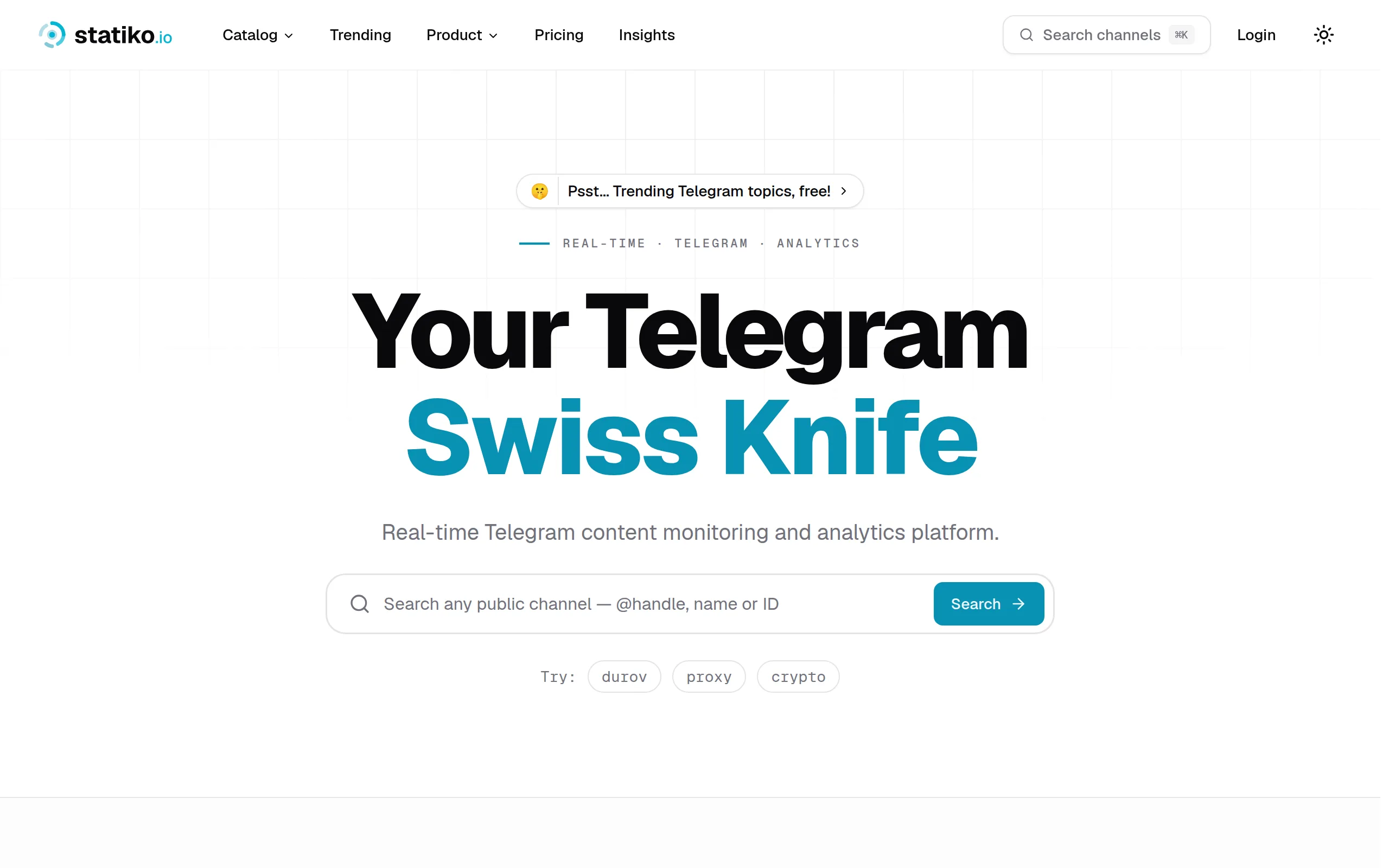
Statiko
Monitor any Telegram channel in real time - track posts, edits, deletions, and growth with AI recaps 📡

Shibui
AI website builder - describe your business, pick a niche template, edit by chatting, and publish instantly ✨

Pro Service
Find verified home service professionals, compare quotes, and pay securely through escrow - built for Brazilians across the US 🏠
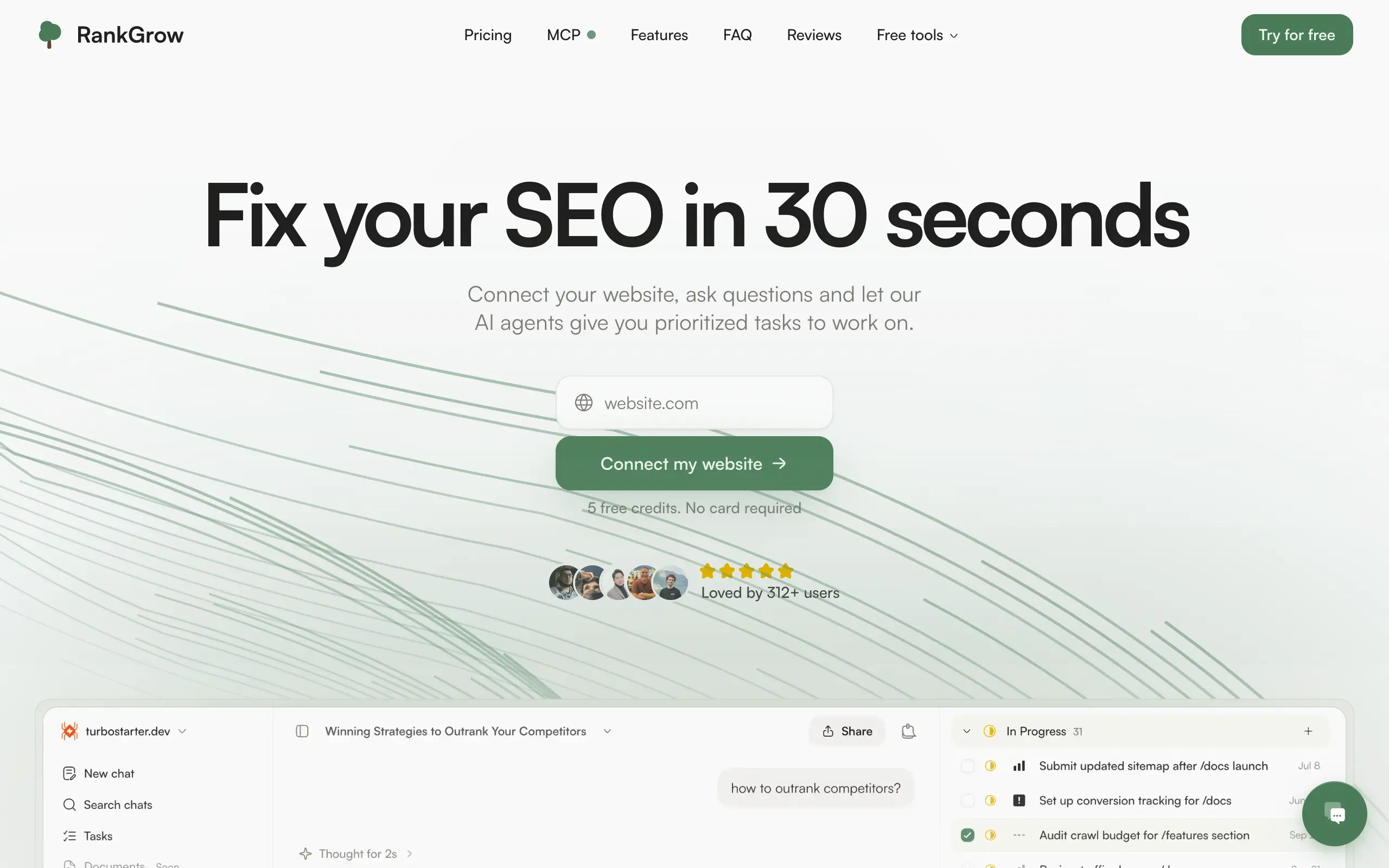
RankGrow
Fix your SEO with AI agents - connect Search Console, get prioritized tasks, and grow organic traffic 📈
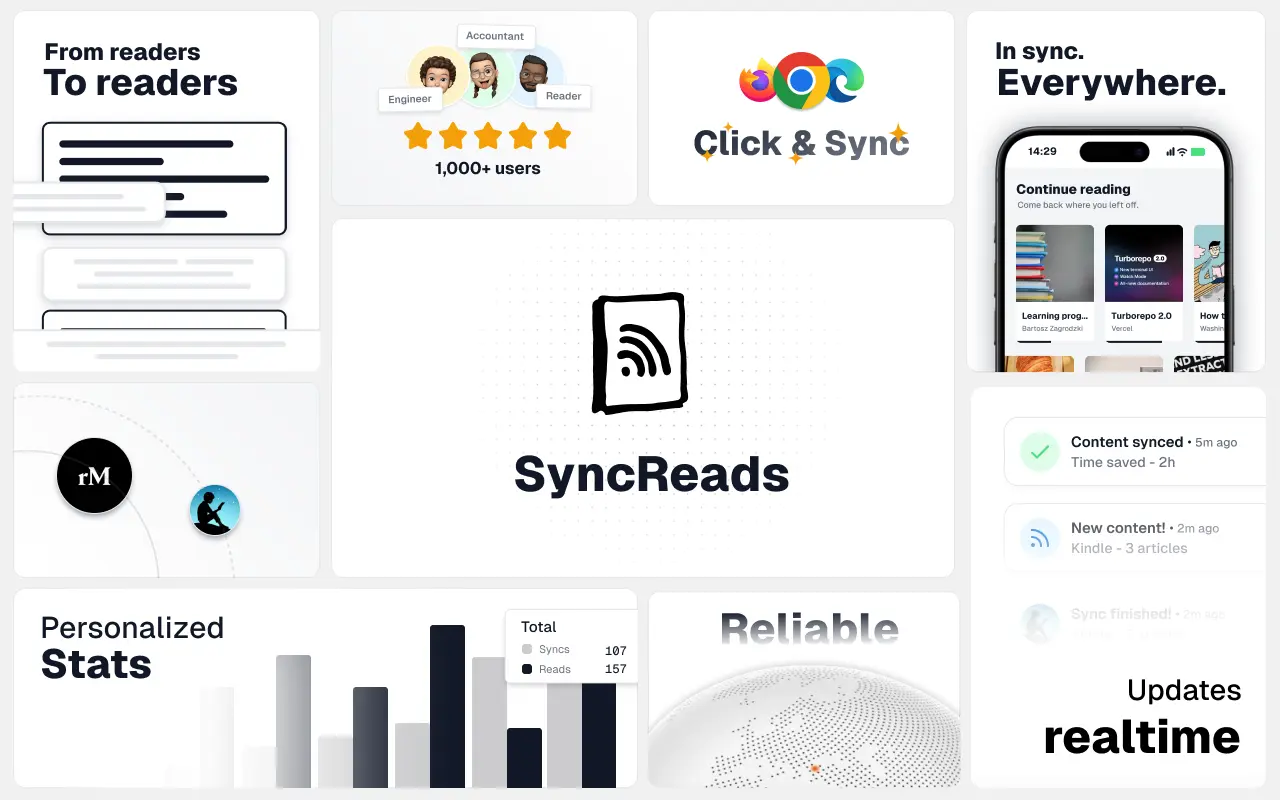
SyncReads
Sync your favorite content for distraction-free reading, save time and replace multiple apps. Anytime, anywhere 🔄
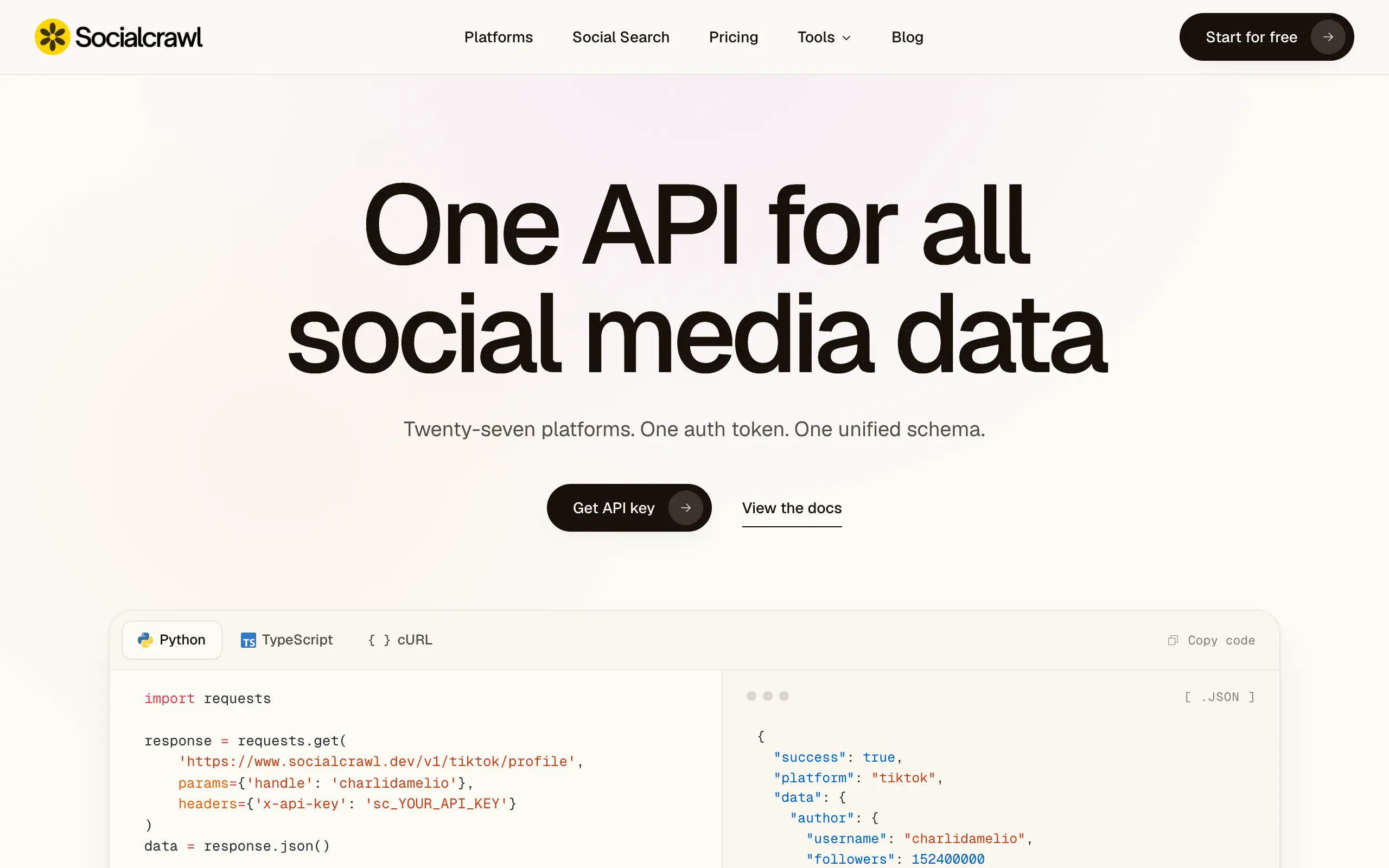
Socialcrawl
Get clean, structured data from 21 platforms like TikTok, Instagram, and YouTube with a single request 📊
Statiko
Monitor any Telegram channel in real time - track posts, edits, deletions, and growth with AI recaps 📡
Shibui
AI website builder - describe your business, pick a niche template, edit by chatting, and publish instantly ✨
Pro Service
Find verified home service professionals, compare quotes, and pay securely through escrow - built for Brazilians across the US 🏠
RankGrow
Fix your SEO with AI agents - connect Search Console, get prioritized tasks, and grow organic traffic 📈
SyncReads
Sync your favorite content for distraction-free reading, save time and replace multiple apps. Anytime, anywhere 🔄
Socialcrawl
Get clean, structured data from 21 platforms like TikTok, Instagram, and YouTube with a single request 📊
Statiko
Monitor any Telegram channel in real time - track posts, edits, deletions, and growth with AI recaps 📡
Shibui
AI website builder - describe your business, pick a niche template, edit by chatting, and publish instantly ✨
Pro Service
Find verified home service professionals, compare quotes, and pay securely through escrow - built for Brazilians across the US 🏠
RankGrow
Fix your SEO with AI agents - connect Search Console, get prioritized tasks, and grow organic traffic 📈
SyncReads
Sync your favorite content for distraction-free reading, save time and replace multiple apps. Anytime, anywhere 🔄
Socialcrawl
Get clean, structured data from 21 platforms like TikTok, Instagram, and YouTube with a single request 📊
Statiko
Monitor any Telegram channel in real time - track posts, edits, deletions, and growth with AI recaps 📡
Shibui
AI website builder - describe your business, pick a niche template, edit by chatting, and publish instantly ✨
Pro Service
Find verified home service professionals, compare quotes, and pay securely through escrow - built for Brazilians across the US 🏠
RankGrow
Fix your SEO with AI agents - connect Search Console, get prioritized tasks, and grow organic traffic 📈
SyncReads
Sync your favorite content for distraction-free reading, save time and replace multiple apps. Anytime, anywhere 🔄
Socialcrawl
Get clean, structured data from 21 platforms like TikTok, Instagram, and YouTube with a single request 📊
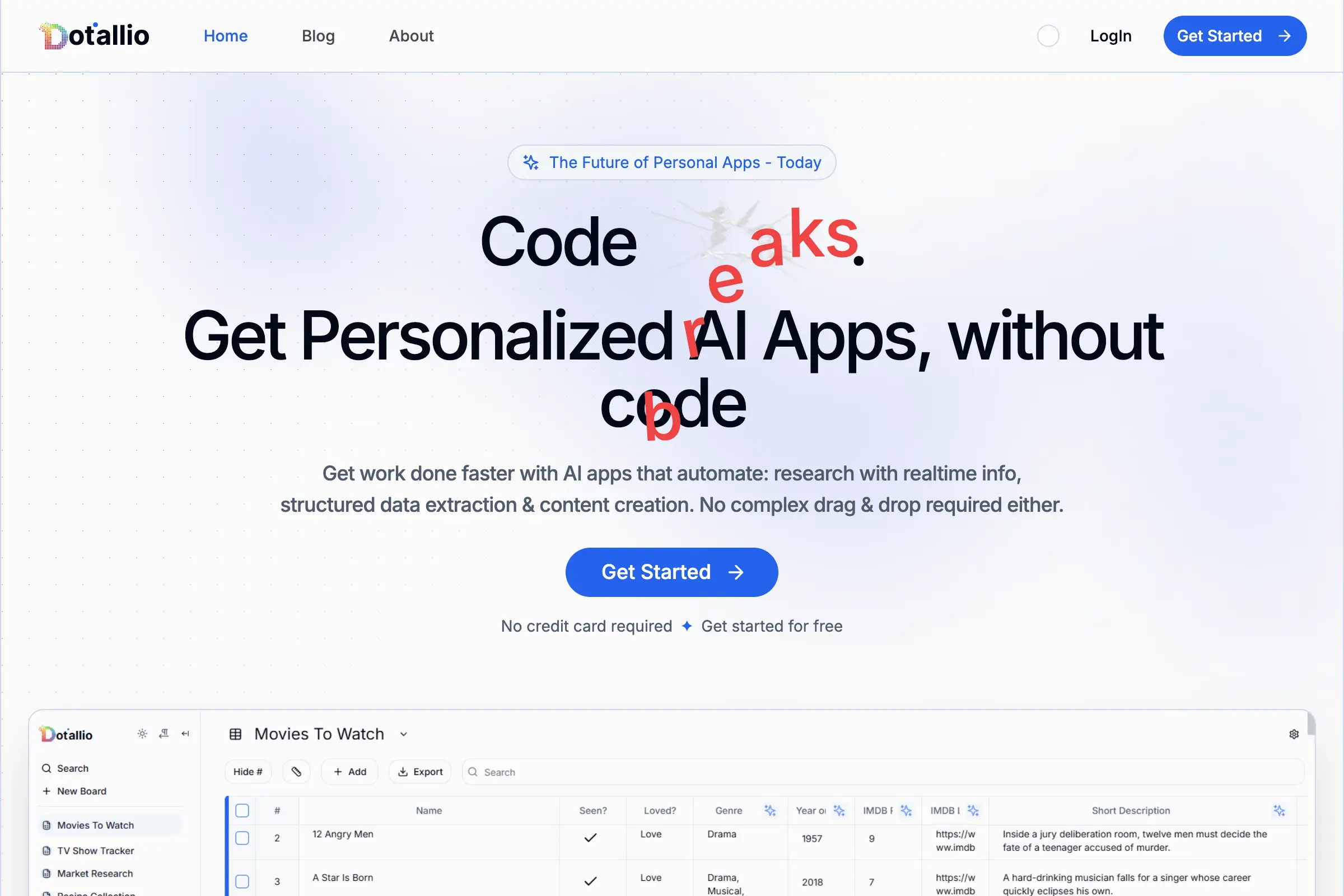
Dotallio
Personalized AI apps that automate research, data extraction, and content creation without code 🤖
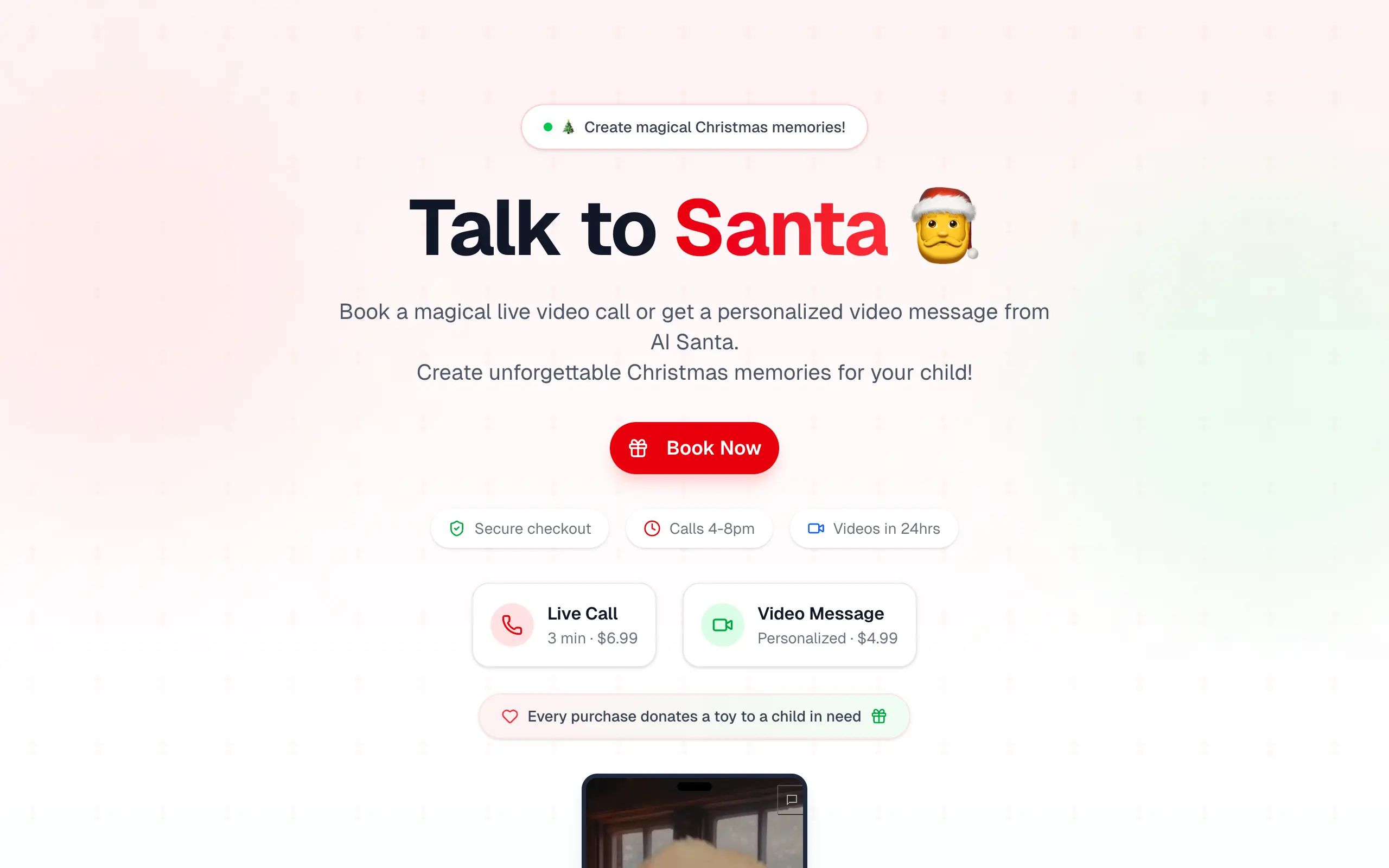
Talk to Santa
Enjoy a magical live video chat or receive a unique AI-generated video greeting from Santa Claus 🎅

pozywka.pl
Scalable blog for food journalist, focused on performance and user experience 🌭
zagrodzki.me
Personal blog and portfolio of Bart Zagrodzki, where he shares his knowledge and work 💼
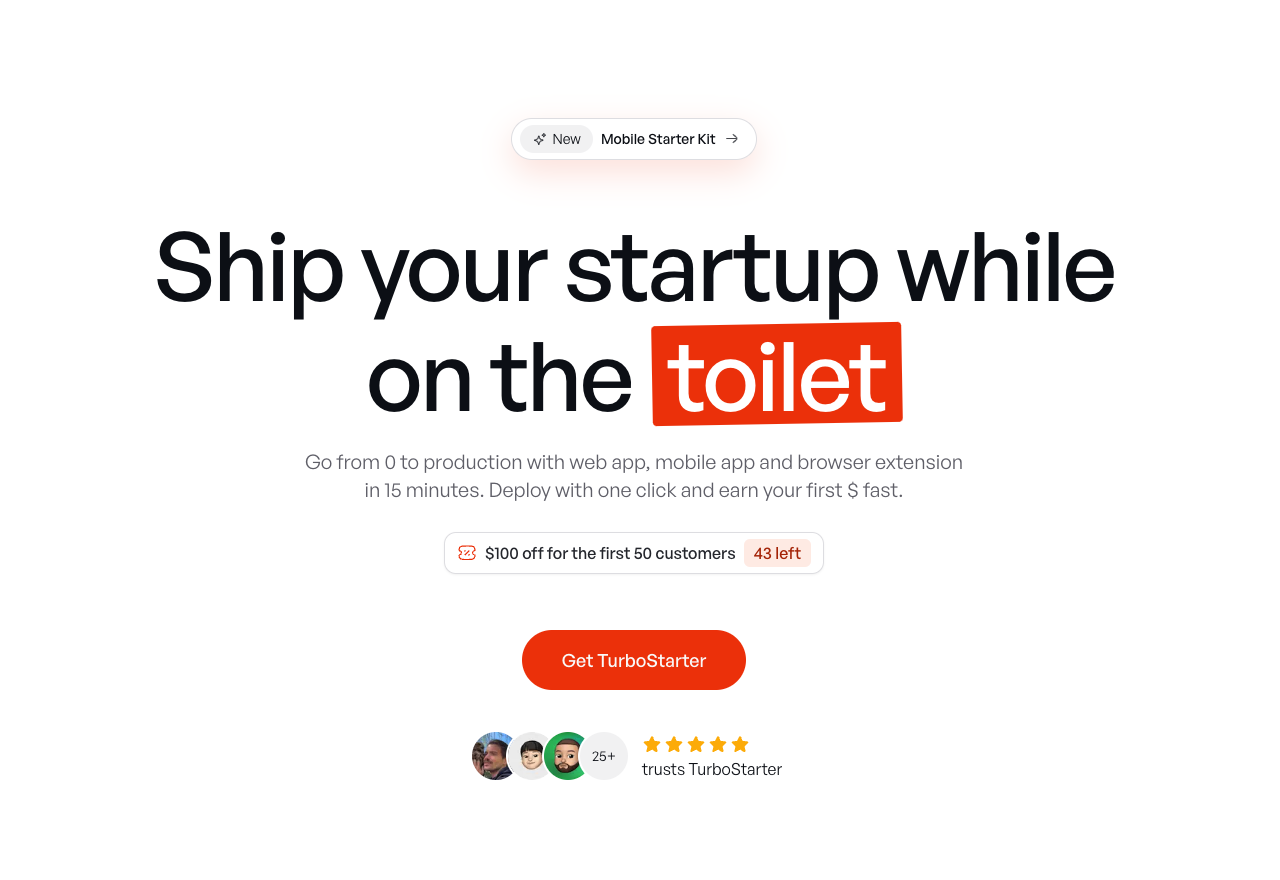
TurboStarter
Ship your startup everywhere. In minutes.
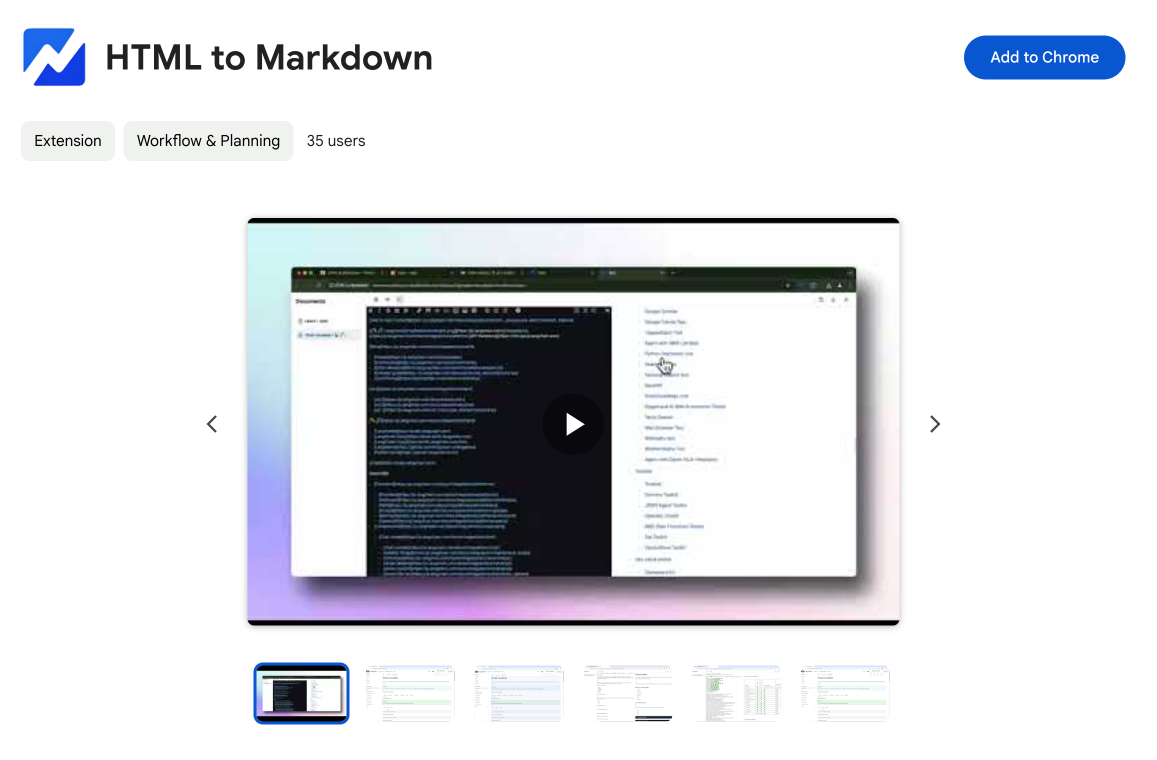
HTML to Markdown
Convert HTML to Markdown with ease, directly in your browser 📄
Dotallio
Personalized AI apps that automate research, data extraction, and content creation without code 🤖
Talk to Santa
Enjoy a magical live video chat or receive a unique AI-generated video greeting from Santa Claus 🎅
pozywka.pl
Scalable blog for food journalist, focused on performance and user experience 🌭
zagrodzki.me
Personal blog and portfolio of Bart Zagrodzki, where he shares his knowledge and work 💼
TurboStarter
Ship your startup everywhere. In minutes.
HTML to Markdown
Convert HTML to Markdown with ease, directly in your browser 📄
Dotallio
Personalized AI apps that automate research, data extraction, and content creation without code 🤖
Talk to Santa
Enjoy a magical live video chat or receive a unique AI-generated video greeting from Santa Claus 🎅
pozywka.pl
Scalable blog for food journalist, focused on performance and user experience 🌭
zagrodzki.me
Personal blog and portfolio of Bart Zagrodzki, where he shares his knowledge and work 💼
TurboStarter
Ship your startup everywhere. In minutes.
HTML to Markdown
Convert HTML to Markdown with ease, directly in your browser 📄
Dotallio
Personalized AI apps that automate research, data extraction, and content creation without code 🤖
Talk to Santa
Enjoy a magical live video chat or receive a unique AI-generated video greeting from Santa Claus 🎅
pozywka.pl
Scalable blog for food journalist, focused on performance and user experience 🌭
zagrodzki.me
Personal blog and portfolio of Bart Zagrodzki, where he shares his knowledge and work 💼
TurboStarter
Ship your startup everywhere. In minutes.
HTML to Markdown
Convert HTML to Markdown with ease, directly in your browser 📄
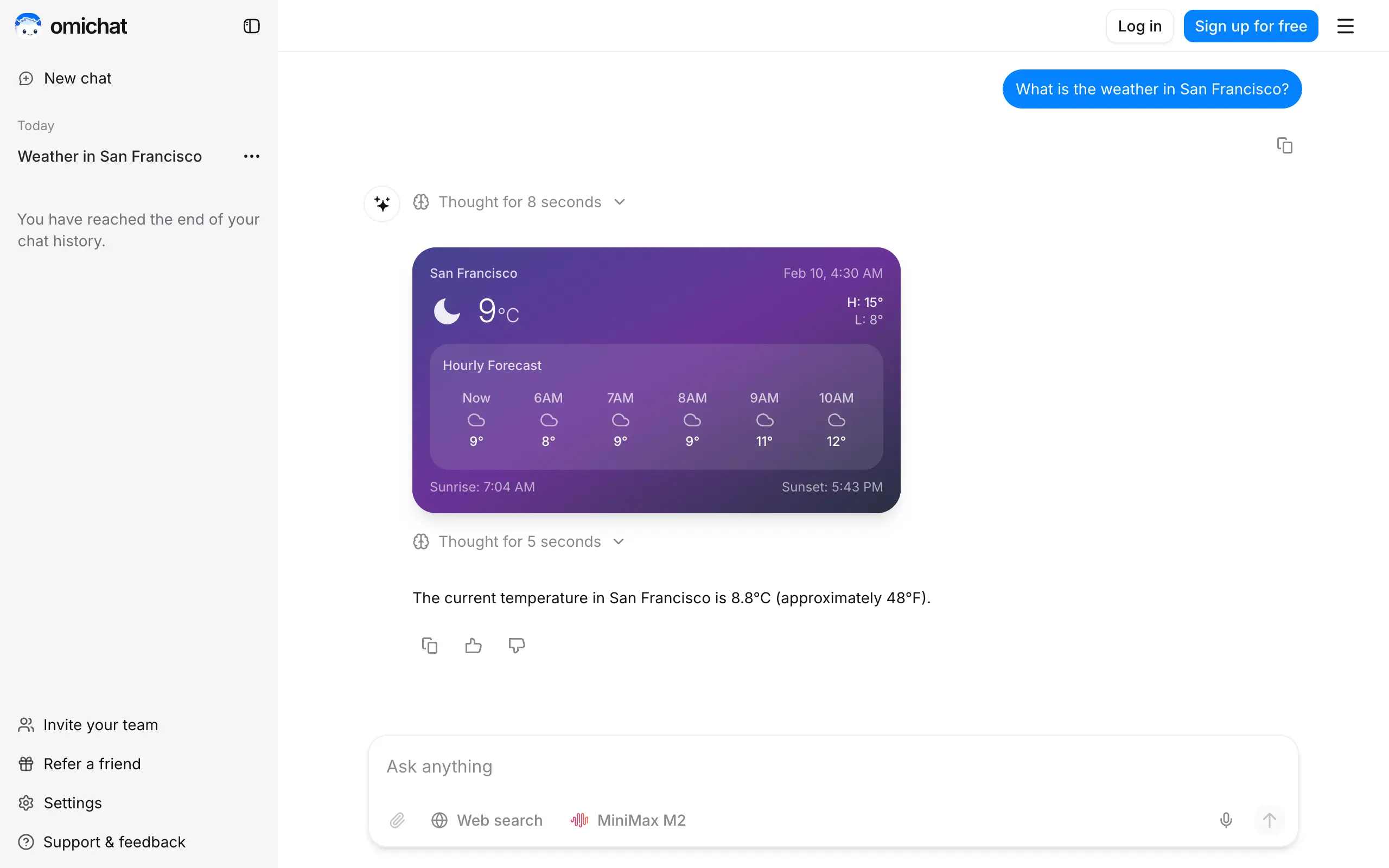
Omichat
Chat with 50+ AI models, including ChatGPT and Claude, in one place - switch models anytime without losing context 🤖
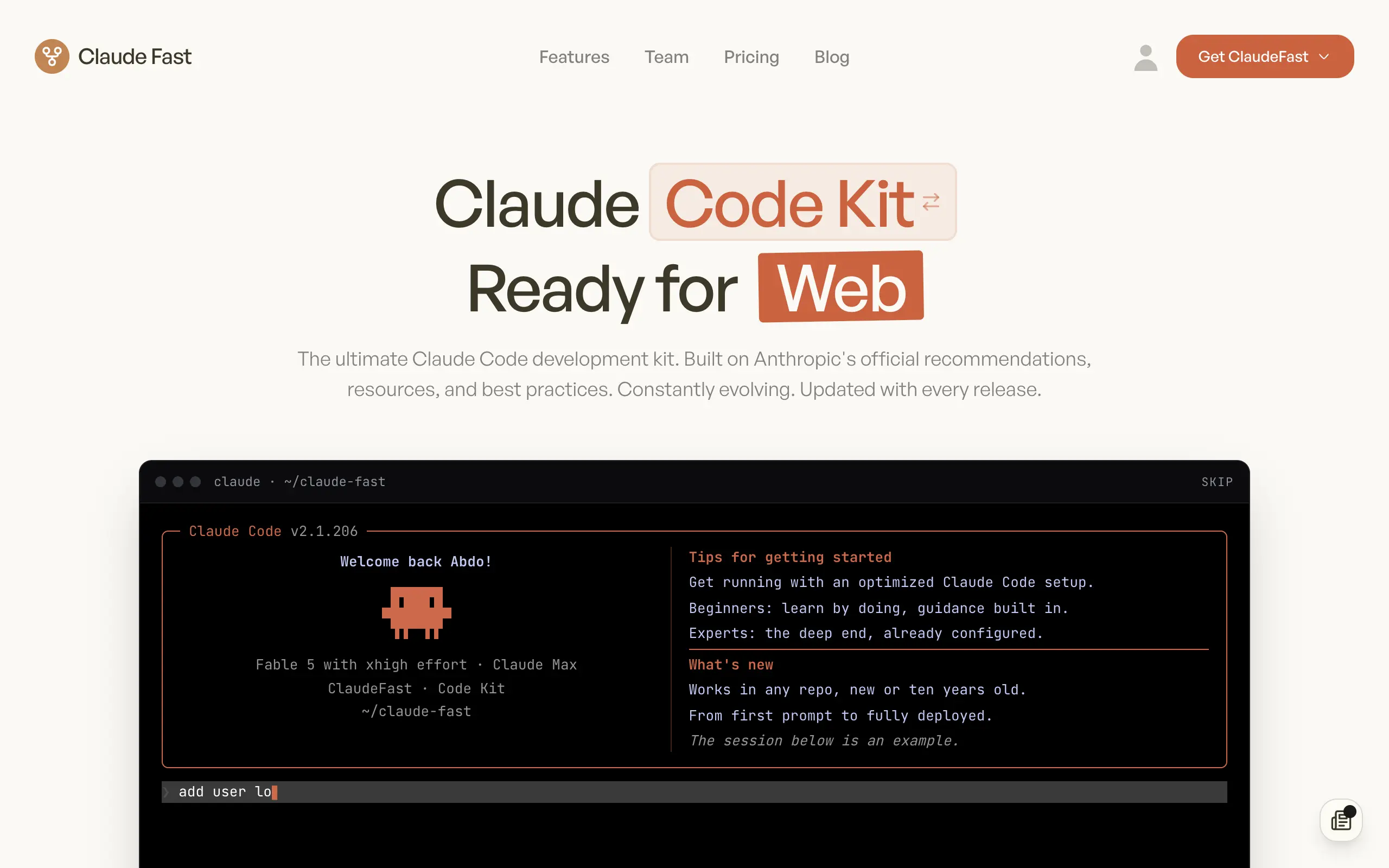
Claude Fast
Supercharge your Claude Code with 6x effective context window and specialized AI agents 🤖
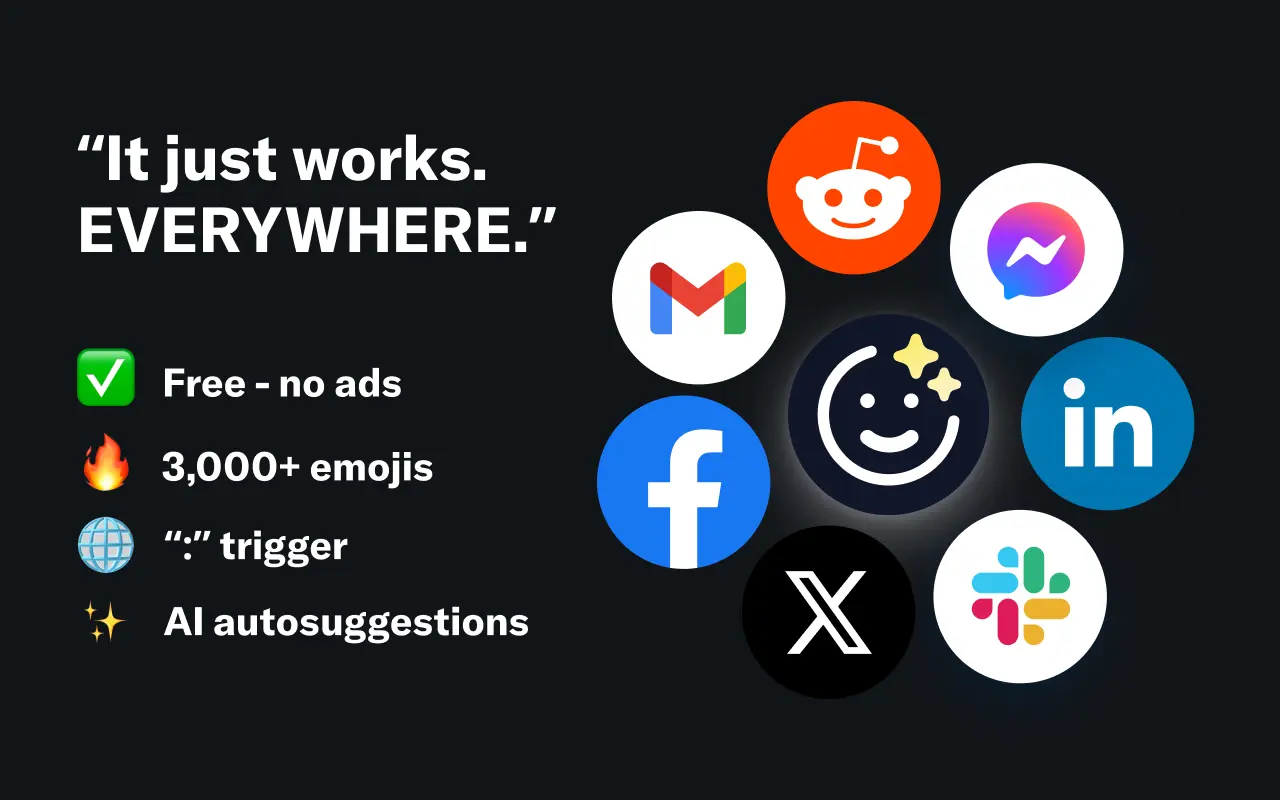
EmojAI
AI-powered emoji picker with smart, context-aware suggestions 🤖
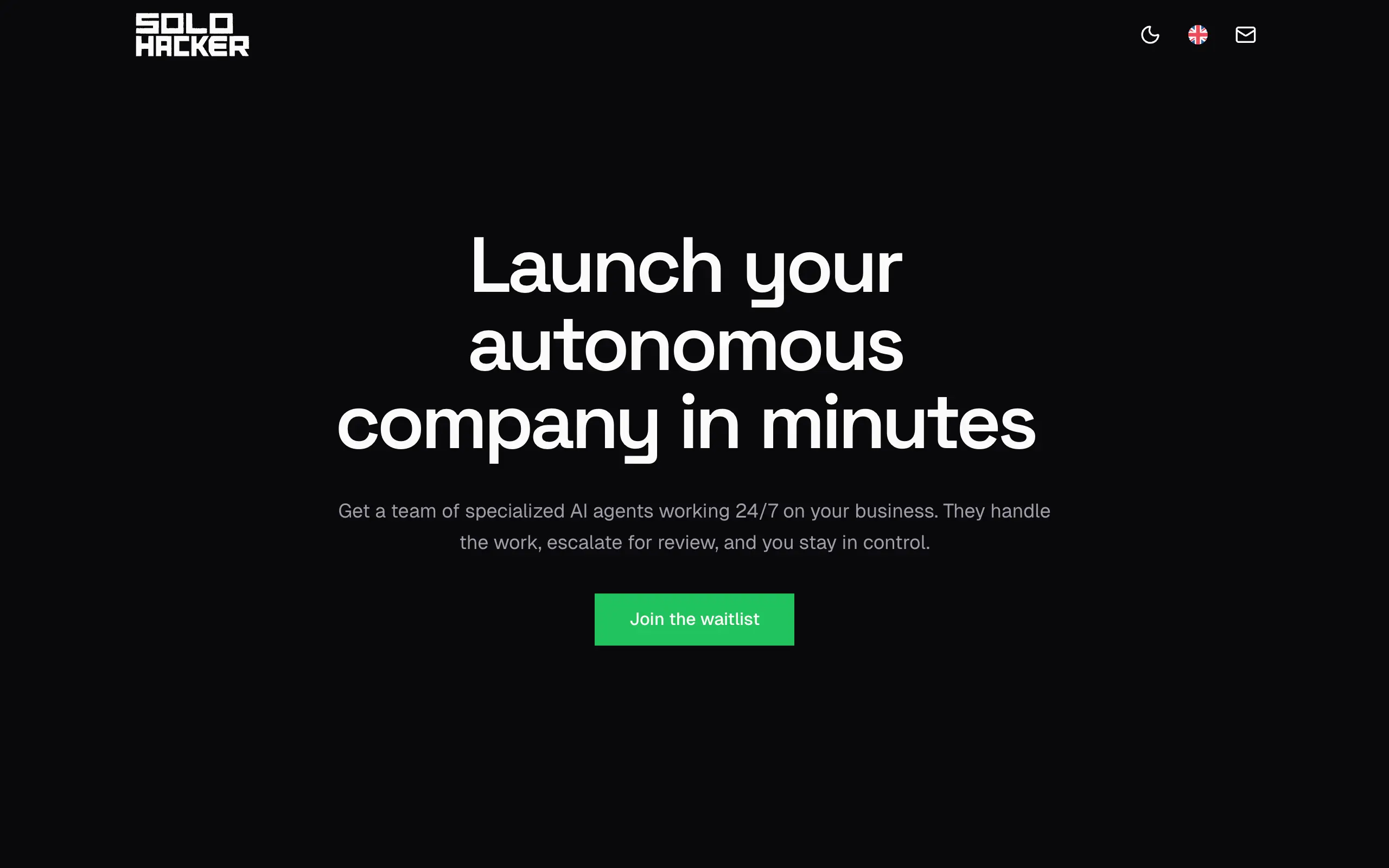
Solohacker
Autonomous company launcher - AI agents work 24/7, escalate what matters, and you stay in control 🤖

BeRawi: Storytelling Coach
Practice storytelling daily with instant feedback to sound clearer, more engaging, and confident 🎤
Omichat
Chat with 50+ AI models, including ChatGPT and Claude, in one place - switch models anytime without losing context 🤖
Claude Fast
Supercharge your Claude Code with 6x effective context window and specialized AI agents 🤖
EmojAI
AI-powered emoji picker with smart, context-aware suggestions 🤖
Solohacker
Autonomous company launcher - AI agents work 24/7, escalate what matters, and you stay in control 🤖
BeRawi: Storytelling Coach
Practice storytelling daily with instant feedback to sound clearer, more engaging, and confident 🎤
Omichat
Chat with 50+ AI models, including ChatGPT and Claude, in one place - switch models anytime without losing context 🤖
Claude Fast
Supercharge your Claude Code with 6x effective context window and specialized AI agents 🤖
EmojAI
AI-powered emoji picker with smart, context-aware suggestions 🤖
Solohacker
Autonomous company launcher - AI agents work 24/7, escalate what matters, and you stay in control 🤖
BeRawi: Storytelling Coach
Practice storytelling daily with instant feedback to sound clearer, more engaging, and confident 🎤
Omichat
Chat with 50+ AI models, including ChatGPT and Claude, in one place - switch models anytime without losing context 🤖
Claude Fast
Supercharge your Claude Code with 6x effective context window and specialized AI agents 🤖
EmojAI
AI-powered emoji picker with smart, context-aware suggestions 🤖
Solohacker
Autonomous company launcher - AI agents work 24/7, escalate what matters, and you stay in control 🤖
BeRawi: Storytelling Coach
Practice storytelling daily with instant feedback to sound clearer, more engaging, and confident 🎤

Connect with like-minded people
Join our community to get feedback, support, and grow together with 1,000+ builders on board, let's ship it!
Join usShip your startup everywhere. In minutes.
Don't burn tokens on setup and start building features on day one.