VisitSync
Centralized scheduling and virtual tour coordination tool for real estate teams, improving client engagement and reducing no-shows.
Understanding the need for centralized scheduling in real estate
The real estate industry is undergoing rapid digital transformation, with client expectations for seamless, tech-enabled experiences at an all-time high. One persistent challenge for real estate teams is efficiently managing property showings, virtual tours, and client appointments—especially as teams grow and listings multiply. Missed appointments, double bookings, and inefficient communication can lead to lost deals and frustrated clients.
VisitSync addresses this pain point by offering a centralized scheduling and virtual tour coordination tool tailored for real estate teams. By streamlining the entire process, VisitSync aims to improve client engagement, reduce no-shows, and empower agents to deliver a modern, professional experience.
Who benefits from VisitSync? Target audience analysis
Understanding the core users is essential for building a solution that truly resonates. VisitSync is designed for:
- Real estate agencies and brokerages: Both small teams and large multi-office organizations seeking to standardize and optimize their scheduling workflows.
- Individual real estate agents: Professionals who juggle multiple listings and clients, needing a reliable way to manage appointments and virtual tours.
- Property managers: Those overseeing rental properties, short-term rentals, or commercial spaces, who require efficient coordination for showings and inspections.
- Real estate marketing teams: Coordinating open houses, virtual events, and client walkthroughs.
- Clients and prospective buyers/renters: Indirect beneficiaries who experience smoother, more transparent scheduling and communication.
User pain points addressed:
- Missed or double-booked appointments
- High no-show rates for property tours
- Inefficient manual coordination (calls, emails, texts)
- Lack of integration with virtual tour platforms
- Poor visibility into team schedules and client engagement
Market opportunity and gap analysis
Why the real estate sector needs VisitSync now
The global real estate software market is projected to reach over $18 billion by 2028 (source: suggest referencing a recent Statista or Grand View Research report). Yet, many agencies still rely on fragmented tools—calendars, spreadsheets, and basic CRMs—that don't address the unique scheduling and virtual tour needs of real estate.
Key market trends:
- Rise of virtual tours: Accelerated by the pandemic, virtual property tours are now a standard expectation, not a luxury.
- Remote and hybrid work: Agents and clients are often in different locations, making centralized, cloud-based coordination essential.
- Client experience as a differentiator: Agencies that offer seamless, tech-driven experiences win more business and referrals.
- Increasing team complexity: Larger teams and cross-office collaboration require robust scheduling solutions.
Current gaps:
- Most generic scheduling tools (e.g., Calendly, Google Calendar) lack real estate-specific features like property linking, team assignment, and virtual tour integration.
- Existing real estate CRMs often treat scheduling as an afterthought, leading to clunky workflows.
- No-shows and miscommunication remain costly, with industry estimates suggesting up to 30% of showings result in no-shows (source: suggest referencing NAR data).
Core features and solution details
VisitSync is purpose-built for real estate, combining advanced scheduling with virtual tour coordination. Here’s how it stands out:
Centralized scheduling dashboard
- Unified calendar view for all team members, properties, and appointments.
- Drag-and-drop rescheduling with real-time conflict detection.
- Role-based access: Agents, admins, and managers see only what’s relevant.
Virtual tour integration
- Seamless integration with leading virtual tour platforms (e.g., Matterport, Zillow 3D Home).
- Automated tour links sent to clients upon booking.
- Support for live video tours (Zoom, Google Meet, Microsoft Teams).
Smart notifications and reminders
- Automated SMS/email reminders to clients and agents, reducing no-shows.
- Customizable notification templates for branding and personalization.
- Follow-up prompts post-tour to capture feedback and next steps.
Team collaboration tools
- Assign agents to showings based on availability, expertise, or territory.
- Internal chat and notes for each appointment.
- Audit trails for accountability and compliance.
Client self-scheduling
- Branded booking pages for each property or agent.
- Real-time availability synced with team calendars.
- Mobile-friendly interface for on-the-go clients.
Analytics and reporting
- No-show tracking and appointment conversion rates.
- Agent performance dashboards.
- Exportable reports for management and compliance.
Centralized calendar
All appointments, team schedules, and property tours in one place.
Virtual tour integration
Connects with top virtual tour platforms for seamless client experiences.
Automated reminders
Reduces no-shows with smart, branded notifications.
Team collaboration
Assign, chat, and coordinate with ease.
Actionable analytics
Track engagement, no-shows, and agent performance.
Recommended tech stack for VisitSync
Choosing the right technology stack is crucial for scalability, security, and user experience. Here’s a recommended stack for VisitSync, with trade-offs considered:
Frontend
- React: Modern, component-based UI, excellent for building interactive dashboards.
- TailwindCSS: Utility-first CSS framework for rapid, consistent styling.
- Next.js: Server-side rendering, SEO benefits, and API routes for a robust SaaS frontend.
Backend
- Node.js with Express: Fast, scalable, and widely supported for RESTful APIs.
- PostgreSQL: Reliable, relational database with strong support for complex queries and data integrity.
- Redis: For caching and real-time notification queues.
Integrations
- Twilio: SMS and voice notifications.
- SendGrid: Transactional email delivery.
- OAuth 2.0: Secure authentication with Google, Microsoft, etc.
- Virtual tour APIs: Integration with Matterport, Zillow, and video conferencing platforms.
DevOps & Hosting
- Vercel or AWS: Scalable, secure cloud hosting.
- Docker: Containerization for consistent deployments.
- CI/CD pipelines: Automated testing and deployment.
Tech stack trade-offs
While React and Next.js offer rapid development and SEO benefits, teams should consider the learning curve for advanced SSR features. PostgreSQL is robust but may require tuning for very large datasets. For smaller teams, managed services (e.g., Firebase) could reduce operational overhead but may limit customization.
Monetization strategy options
A successful SaaS like VisitSync needs a clear, scalable revenue model. Here are proven strategies for B2B SaaS in real estate:
1. Subscription-based pricing
- Tiered plans: Basic (solo agents), Pro (small teams), Enterprise (large brokerages).
- Feature gating: Advanced analytics, integrations, and white-labeling for higher tiers.
- Monthly/annual billing: Discounts for annual commitments.
2. Per-user or per-property pricing
- Scales with agency/team size or number of active listings.
- Encourages adoption by small teams and solo agents.
3. Add-on services
- Premium integrations: Additional fee for advanced virtual tour or CRM integrations.
- SMS/voice credits: Usage-based billing for notifications.
4. White-label solutions
- Custom branding and domain for large brokerages, at a premium.
5. Free trial or freemium
- Limited free tier to drive adoption and upsell to paid plans.
| Subscription | Per-user | Add-ons | White-label | Freemium |
|---|---|---|---|---|
| ✅ | ❌ | ❌ | ✅ | ❌ |
| ✅ | ❌ | ✅ | ✅ | ❌ |
Potential risks and mitigation strategies
Launching a SaaS in the real estate sector comes with unique challenges. Here’s how VisitSync can address them:
Real estate data is sensitive. Ensure end-to-end encryption, regular security audits, and compliance with regulations like GDPR and CCPA. Use secure authentication and role-based access controls.
Virtual tour and calendar integrations can be technically challenging. Prioritize robust API documentation and offer fallback options (e.g., manual link entry) for unsupported platforms.
Agents may resist new tools. Offer in-app onboarding, video tutorials, and responsive support. Highlight time savings and improved client satisfaction.
Stand out with real estate-specific features, superior UX, and integrations. Continuously gather user feedback to iterate quickly.
Downtime can disrupt business. Invest in cloud infrastructure with redundancy, monitoring, and rapid incident response.
Competitive advantage: What makes VisitSync unique?
While there are many scheduling tools and a handful of real estate CRMs, VisitSync’s unique selling proposition (USP) is its laser focus on real estate scheduling and virtual tour coordination. Here’s how it stands out:
- Purpose-built for real estate: Not a generic calendar tool, but designed around the workflows and needs of agents, teams, and clients.
- Deep virtual tour integration: Direct connections to leading platforms, automating the entire tour process.
- Team-centric features: Collaboration, assignment, and analytics tailored for agencies of all sizes.
- Client engagement focus: Automated reminders, branded booking, and feedback capture drive higher conversion and satisfaction.
- Scalable and customizable: From solo agents to national brokerages, VisitSync adapts to any team size.
Implementation steps: Bringing VisitSync to market
Launching a successful SaaS like VisitSync requires a structured, iterative approach. Here’s a recommended roadmap:
Actionable next steps and resources
- Validate demand: Reach out to local agencies and property managers to demo the concept.
- Leverage TurboStarter: Accelerate your SaaS development with boilerplate code, authentication, and integrations.
- Stay current: Monitor real estate tech trends and competitor updates to keep VisitSync ahead.
- Prioritize user experience: Invest in onboarding, support, and feedback loops from day one.
Conclusion: Why VisitSync is the future of real estate scheduling
In a competitive, fast-moving real estate market, agencies and agents need more than just a calendar—they need a centralized, intelligent platform that streamlines scheduling, integrates virtual tours, and delights clients. VisitSync fills this gap with a solution built for the unique demands of real estate teams, offering a clear path to improved engagement, fewer no-shows, and a modern, professional brand image.
By focusing on real estate-specific workflows, deep integrations, and actionable analytics, VisitSync is poised to become an indispensable tool for agencies looking to stand out and scale in the digital age. Now is the time to bring this vision to life and transform the way real estate teams coordinate, communicate, and close deals.
More 🏢 B2B Application SaaS ideas
Discover more innovative b2b application SaaS ideas that are trending in 2026. Each idea is AI-generated with market validation and growth potential to help you find your next profitable venture faster than competitors.
Your competitors are building with TurboStarter
Below are some of the SaaS ideas that have been generated and built with our starter kit.
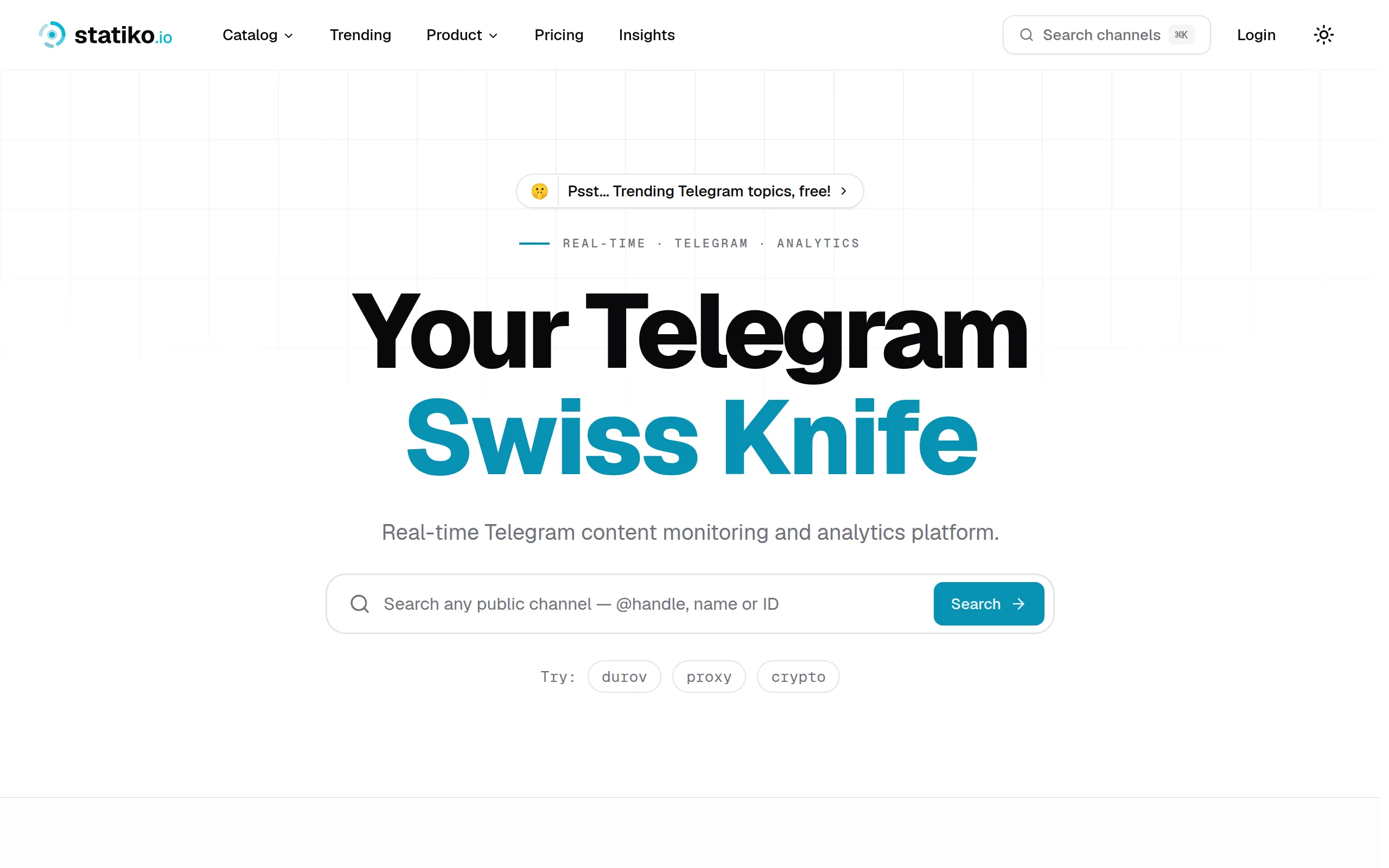
Statiko
Monitor any Telegram channel in real time - track posts, edits, deletions, and growth with AI recaps 📡

Shibui
AI website builder - describe your business, pick a niche template, edit by chatting, and publish instantly ✨

Pro Service
Find verified home service professionals, compare quotes, and pay securely through escrow - built for Brazilians across the US 🏠
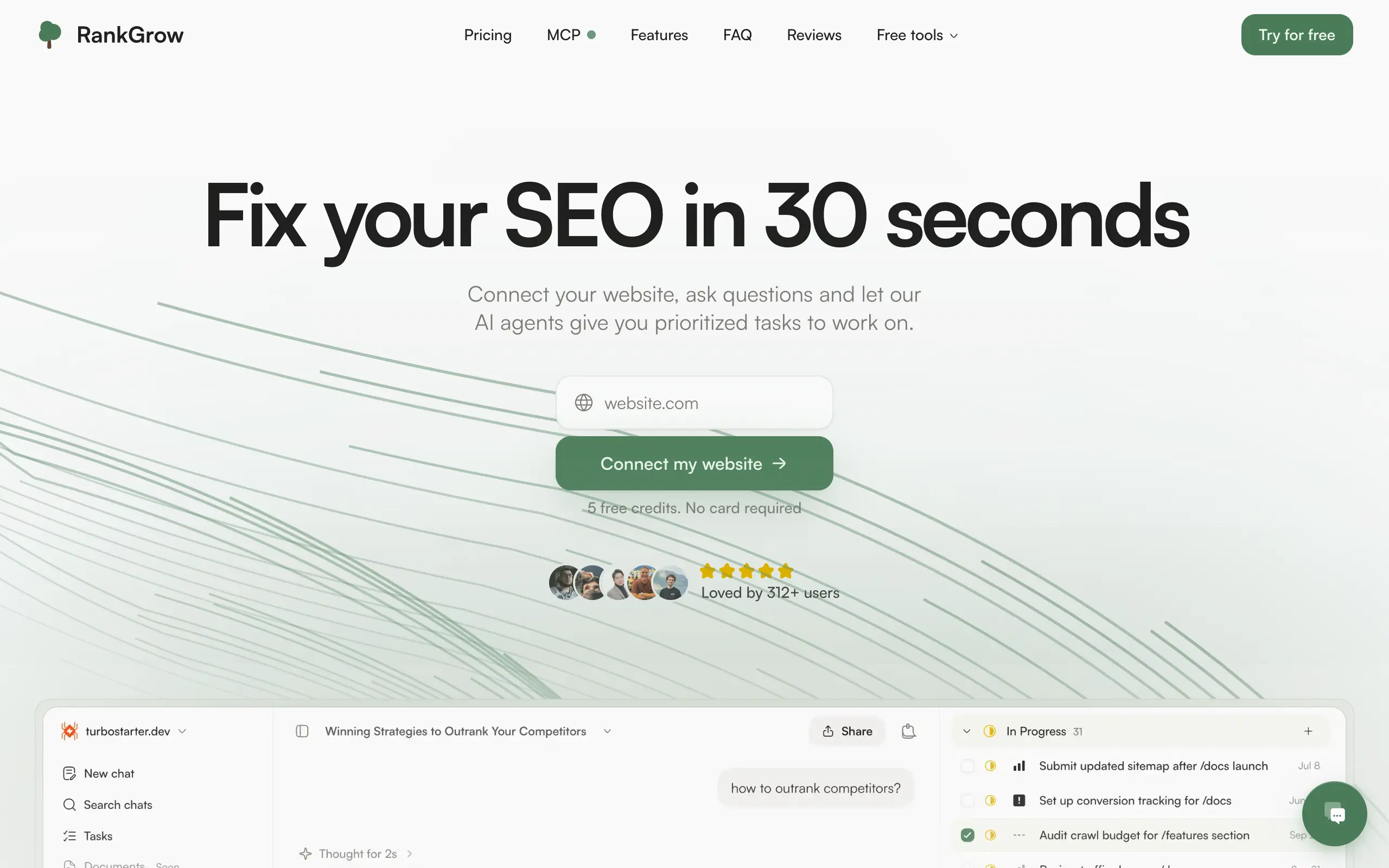
RankGrow
Fix your SEO with AI agents - connect Search Console, get prioritized tasks, and grow organic traffic 📈
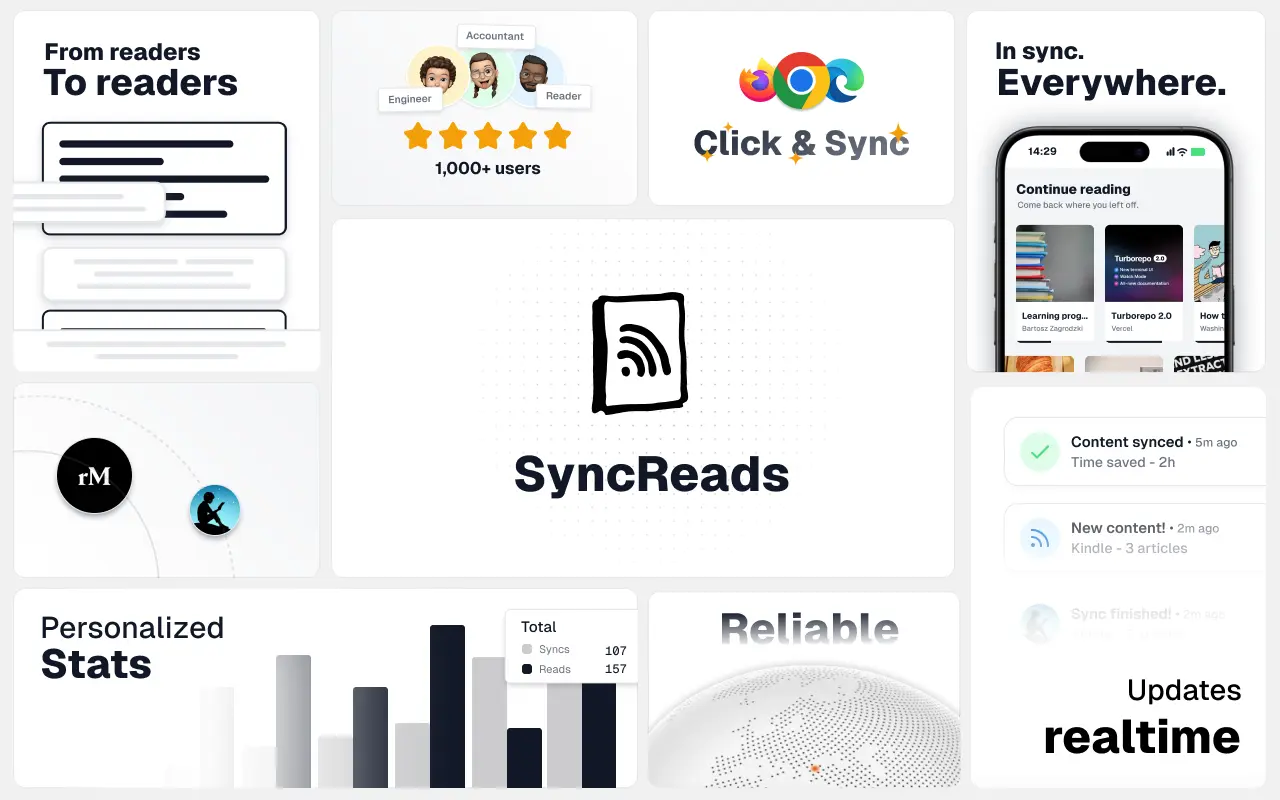
SyncReads
Sync your favorite content for distraction-free reading, save time and replace multiple apps. Anytime, anywhere 🔄
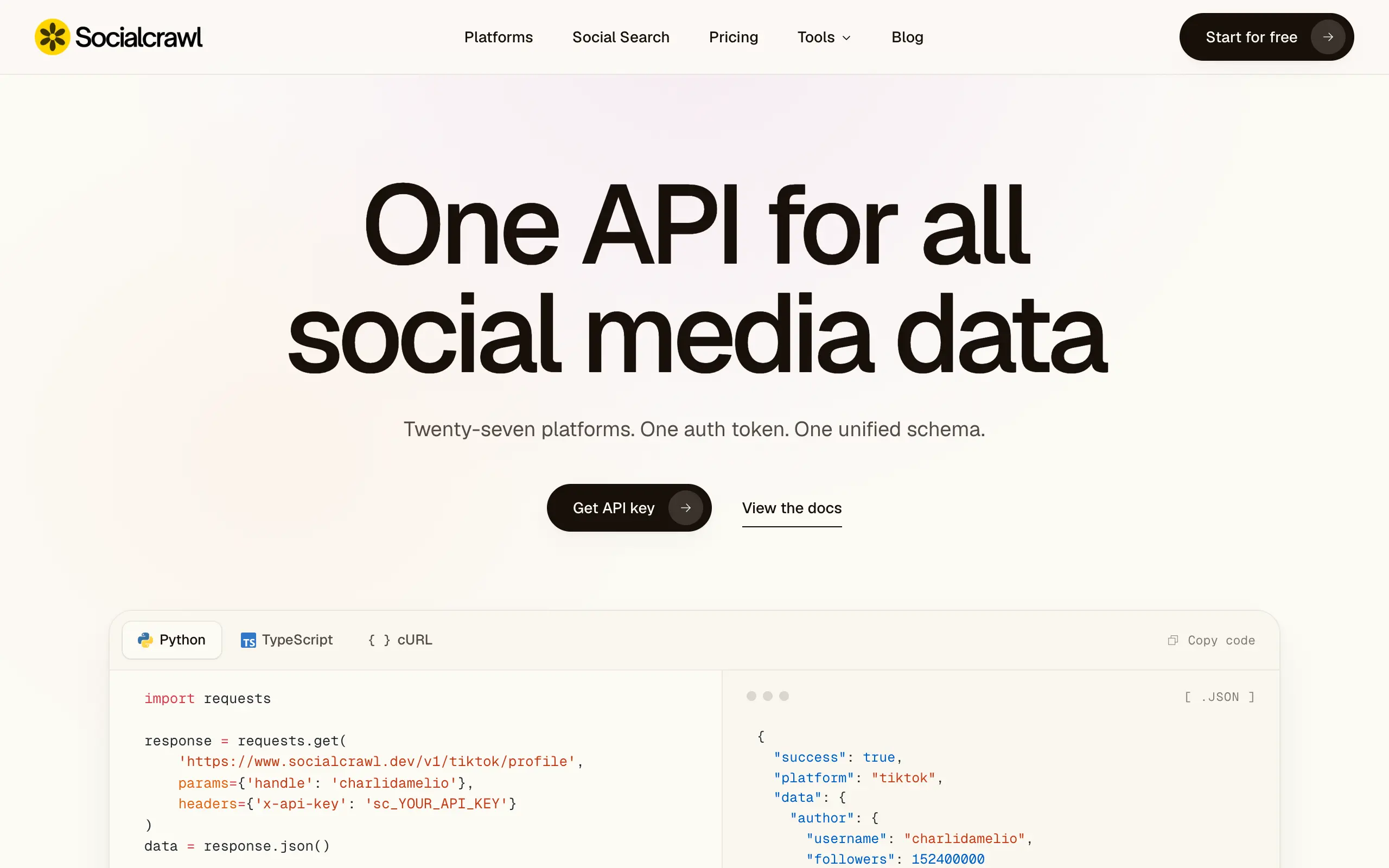
Socialcrawl
Get clean, structured data from 21 platforms like TikTok, Instagram, and YouTube with a single request 📊
Statiko
Monitor any Telegram channel in real time - track posts, edits, deletions, and growth with AI recaps 📡
Shibui
AI website builder - describe your business, pick a niche template, edit by chatting, and publish instantly ✨
Pro Service
Find verified home service professionals, compare quotes, and pay securely through escrow - built for Brazilians across the US 🏠
RankGrow
Fix your SEO with AI agents - connect Search Console, get prioritized tasks, and grow organic traffic 📈
SyncReads
Sync your favorite content for distraction-free reading, save time and replace multiple apps. Anytime, anywhere 🔄
Socialcrawl
Get clean, structured data from 21 platforms like TikTok, Instagram, and YouTube with a single request 📊
Statiko
Monitor any Telegram channel in real time - track posts, edits, deletions, and growth with AI recaps 📡
Shibui
AI website builder - describe your business, pick a niche template, edit by chatting, and publish instantly ✨
Pro Service
Find verified home service professionals, compare quotes, and pay securely through escrow - built for Brazilians across the US 🏠
RankGrow
Fix your SEO with AI agents - connect Search Console, get prioritized tasks, and grow organic traffic 📈
SyncReads
Sync your favorite content for distraction-free reading, save time and replace multiple apps. Anytime, anywhere 🔄
Socialcrawl
Get clean, structured data from 21 platforms like TikTok, Instagram, and YouTube with a single request 📊
Statiko
Monitor any Telegram channel in real time - track posts, edits, deletions, and growth with AI recaps 📡
Shibui
AI website builder - describe your business, pick a niche template, edit by chatting, and publish instantly ✨
Pro Service
Find verified home service professionals, compare quotes, and pay securely through escrow - built for Brazilians across the US 🏠
RankGrow
Fix your SEO with AI agents - connect Search Console, get prioritized tasks, and grow organic traffic 📈
SyncReads
Sync your favorite content for distraction-free reading, save time and replace multiple apps. Anytime, anywhere 🔄
Socialcrawl
Get clean, structured data from 21 platforms like TikTok, Instagram, and YouTube with a single request 📊
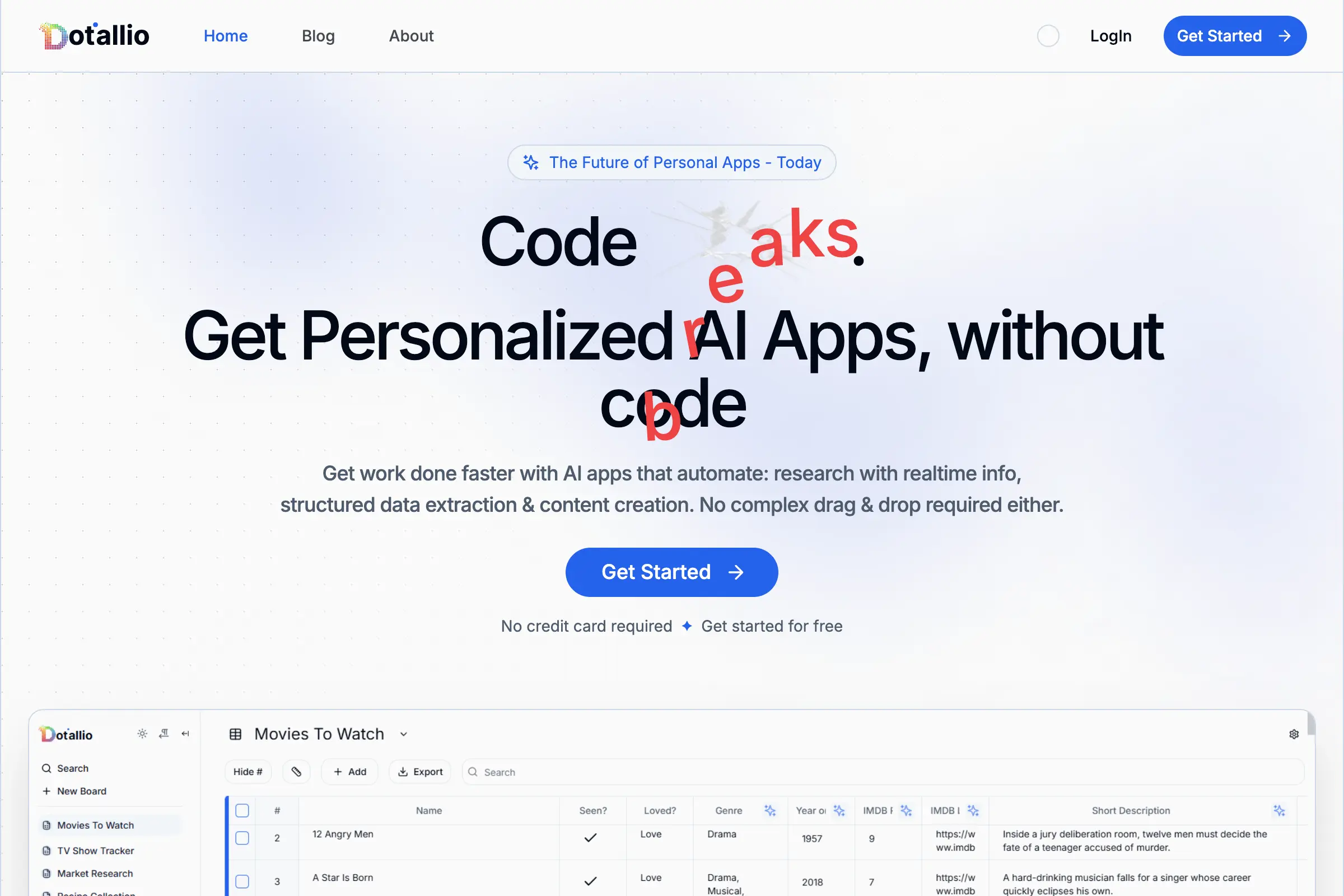
Dotallio
Personalized AI apps that automate research, data extraction, and content creation without code 🤖
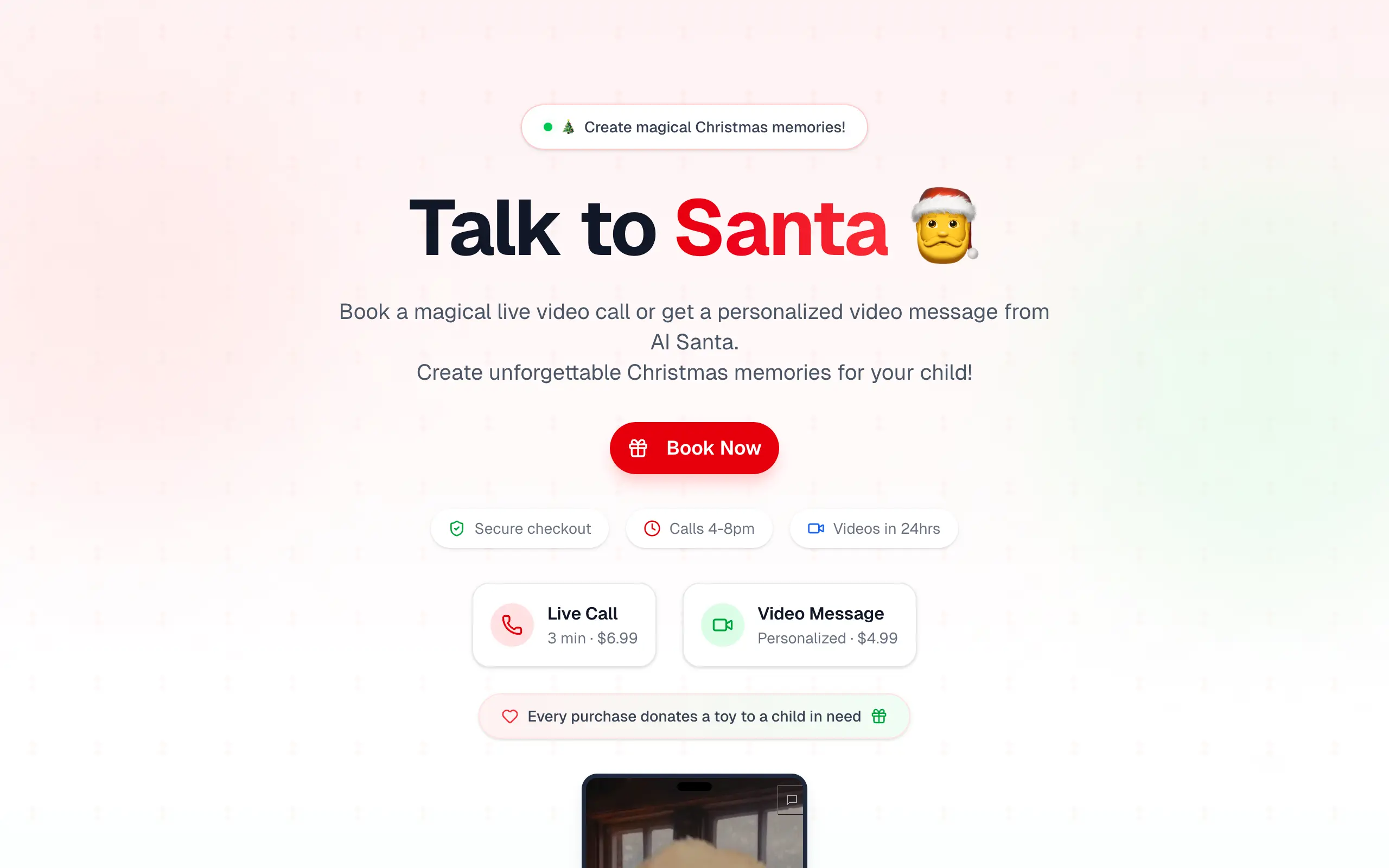
Talk to Santa
Enjoy a magical live video chat or receive a unique AI-generated video greeting from Santa Claus 🎅
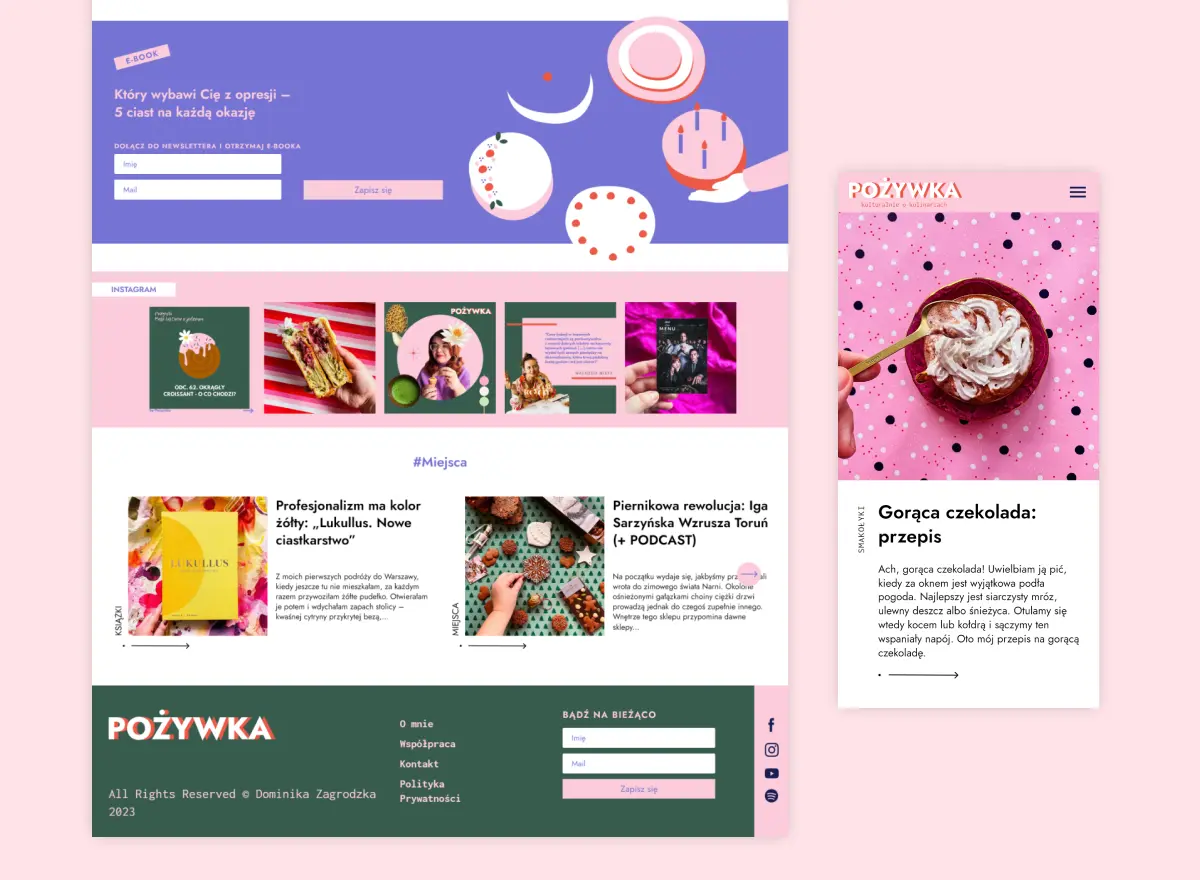
pozywka.pl
Scalable blog for food journalist, focused on performance and user experience 🌭
zagrodzki.me
Personal blog and portfolio of Bart Zagrodzki, where he shares his knowledge and work 💼
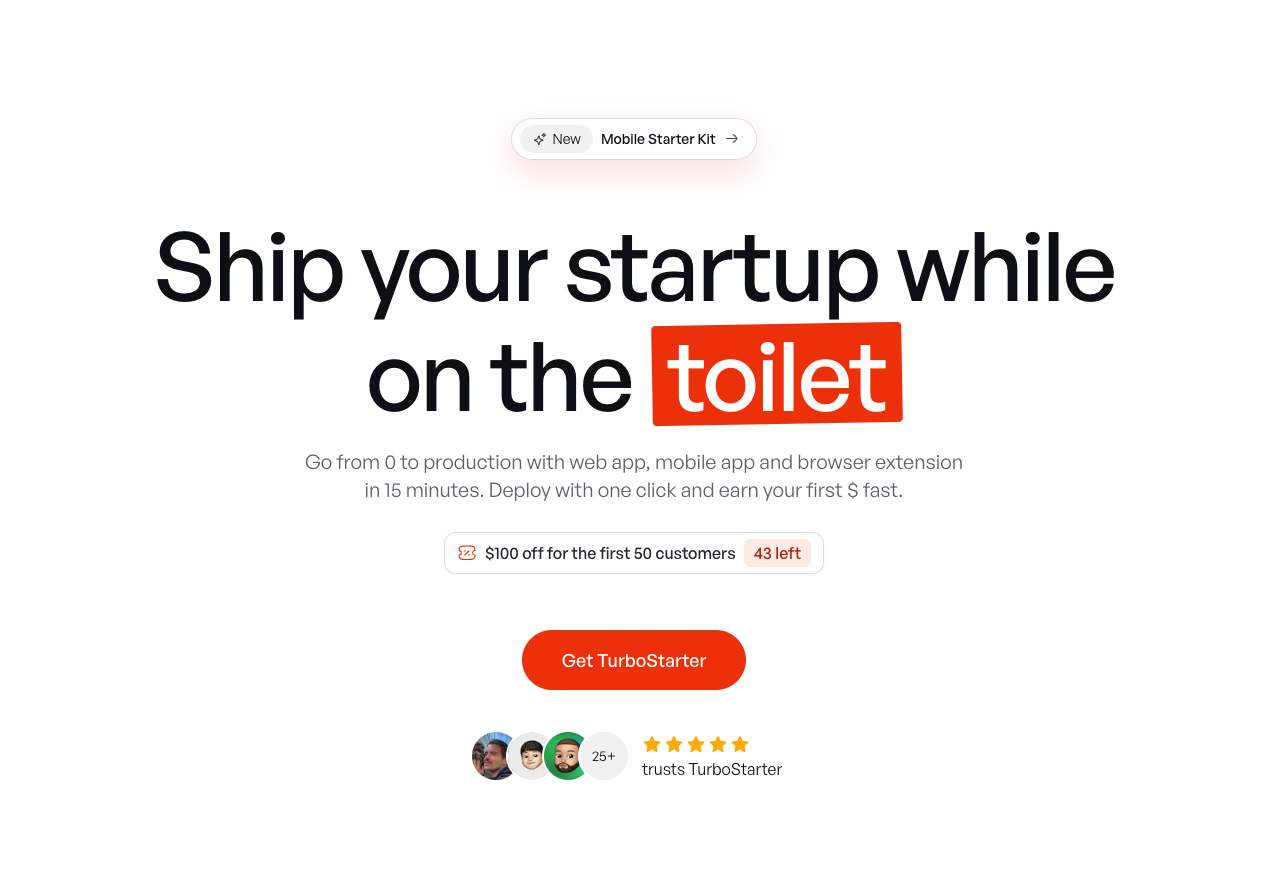
TurboStarter
Ship your startup everywhere. In minutes.
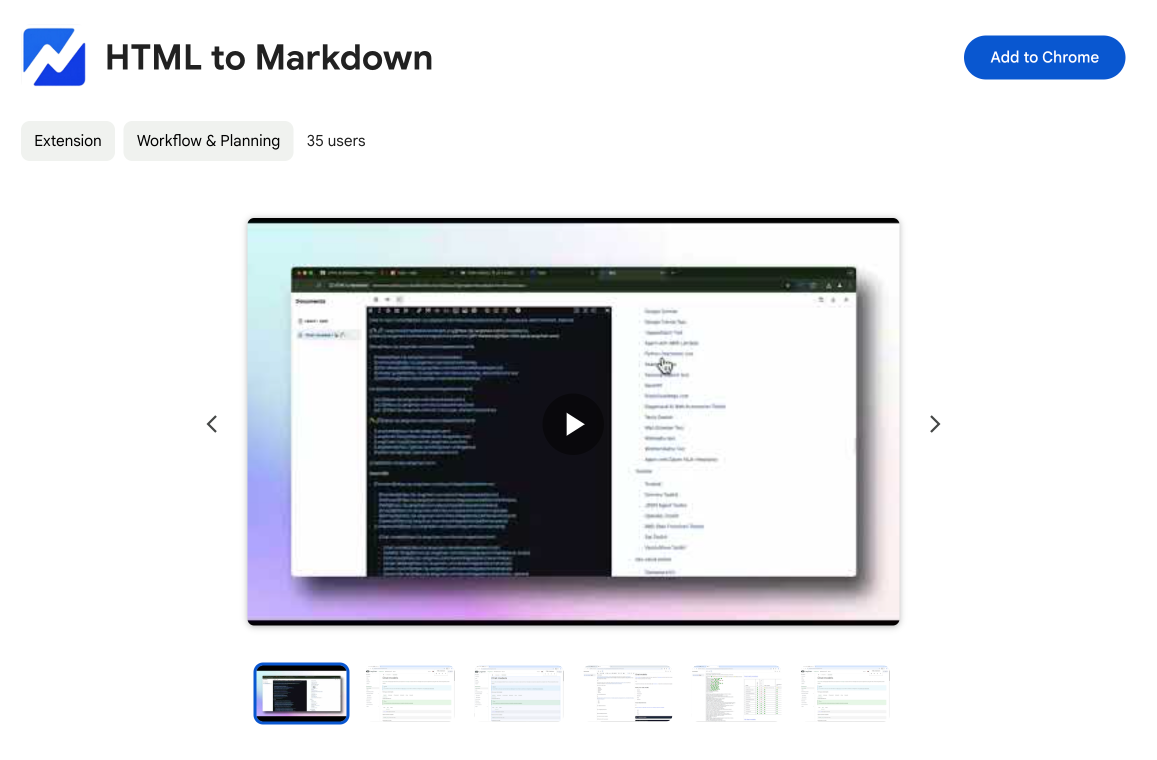
HTML to Markdown
Convert HTML to Markdown with ease, directly in your browser 📄
Dotallio
Personalized AI apps that automate research, data extraction, and content creation without code 🤖
Talk to Santa
Enjoy a magical live video chat or receive a unique AI-generated video greeting from Santa Claus 🎅
pozywka.pl
Scalable blog for food journalist, focused on performance and user experience 🌭
zagrodzki.me
Personal blog and portfolio of Bart Zagrodzki, where he shares his knowledge and work 💼
TurboStarter
Ship your startup everywhere. In minutes.
HTML to Markdown
Convert HTML to Markdown with ease, directly in your browser 📄
Dotallio
Personalized AI apps that automate research, data extraction, and content creation without code 🤖
Talk to Santa
Enjoy a magical live video chat or receive a unique AI-generated video greeting from Santa Claus 🎅
pozywka.pl
Scalable blog for food journalist, focused on performance and user experience 🌭
zagrodzki.me
Personal blog and portfolio of Bart Zagrodzki, where he shares his knowledge and work 💼
TurboStarter
Ship your startup everywhere. In minutes.
HTML to Markdown
Convert HTML to Markdown with ease, directly in your browser 📄
Dotallio
Personalized AI apps that automate research, data extraction, and content creation without code 🤖
Talk to Santa
Enjoy a magical live video chat or receive a unique AI-generated video greeting from Santa Claus 🎅
pozywka.pl
Scalable blog for food journalist, focused on performance and user experience 🌭
zagrodzki.me
Personal blog and portfolio of Bart Zagrodzki, where he shares his knowledge and work 💼
TurboStarter
Ship your startup everywhere. In minutes.
HTML to Markdown
Convert HTML to Markdown with ease, directly in your browser 📄
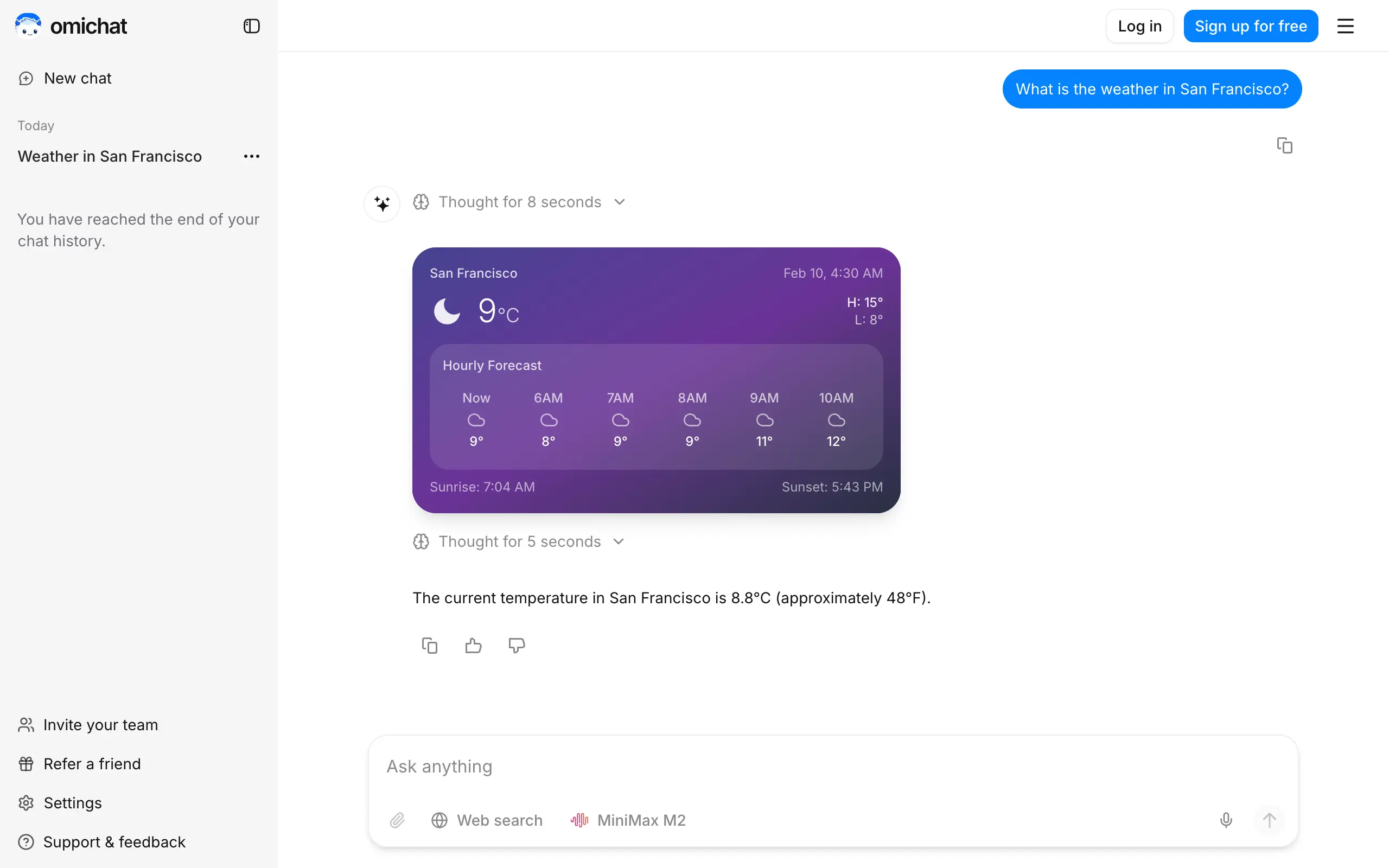
Omichat
Chat with 50+ AI models, including ChatGPT and Claude, in one place - switch models anytime without losing context 🤖
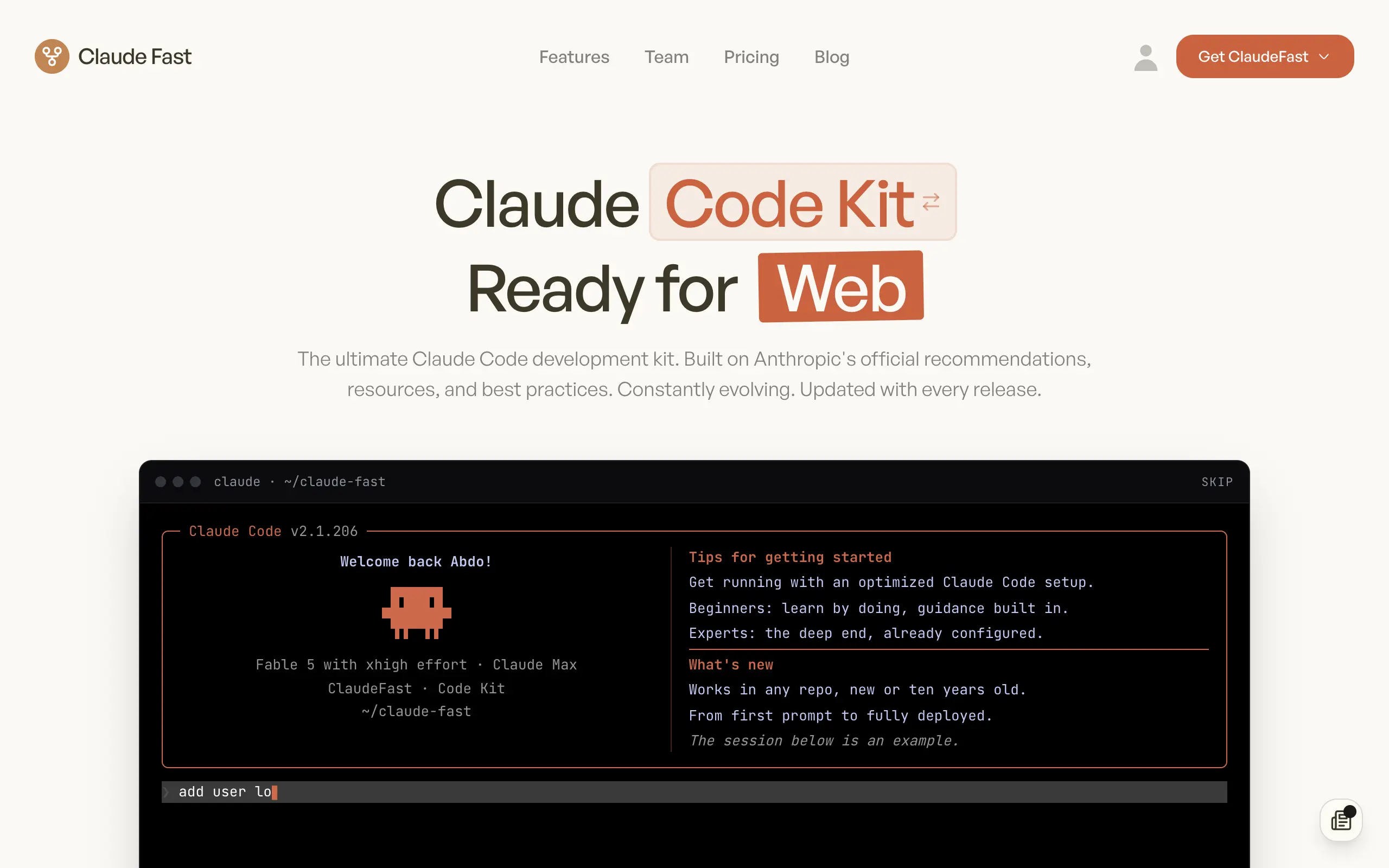
Claude Fast
Supercharge your Claude Code with 6x effective context window and specialized AI agents 🤖
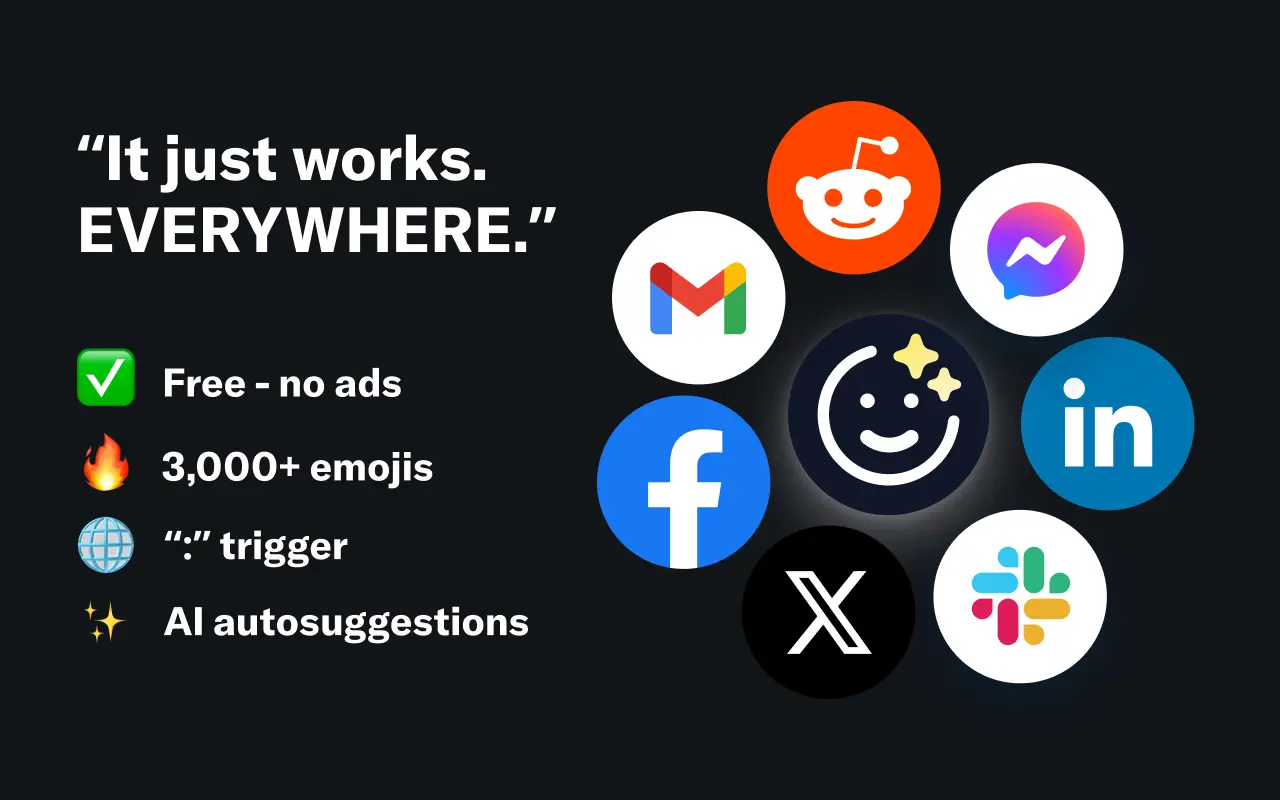
EmojAI
AI-powered emoji picker with smart, context-aware suggestions 🤖
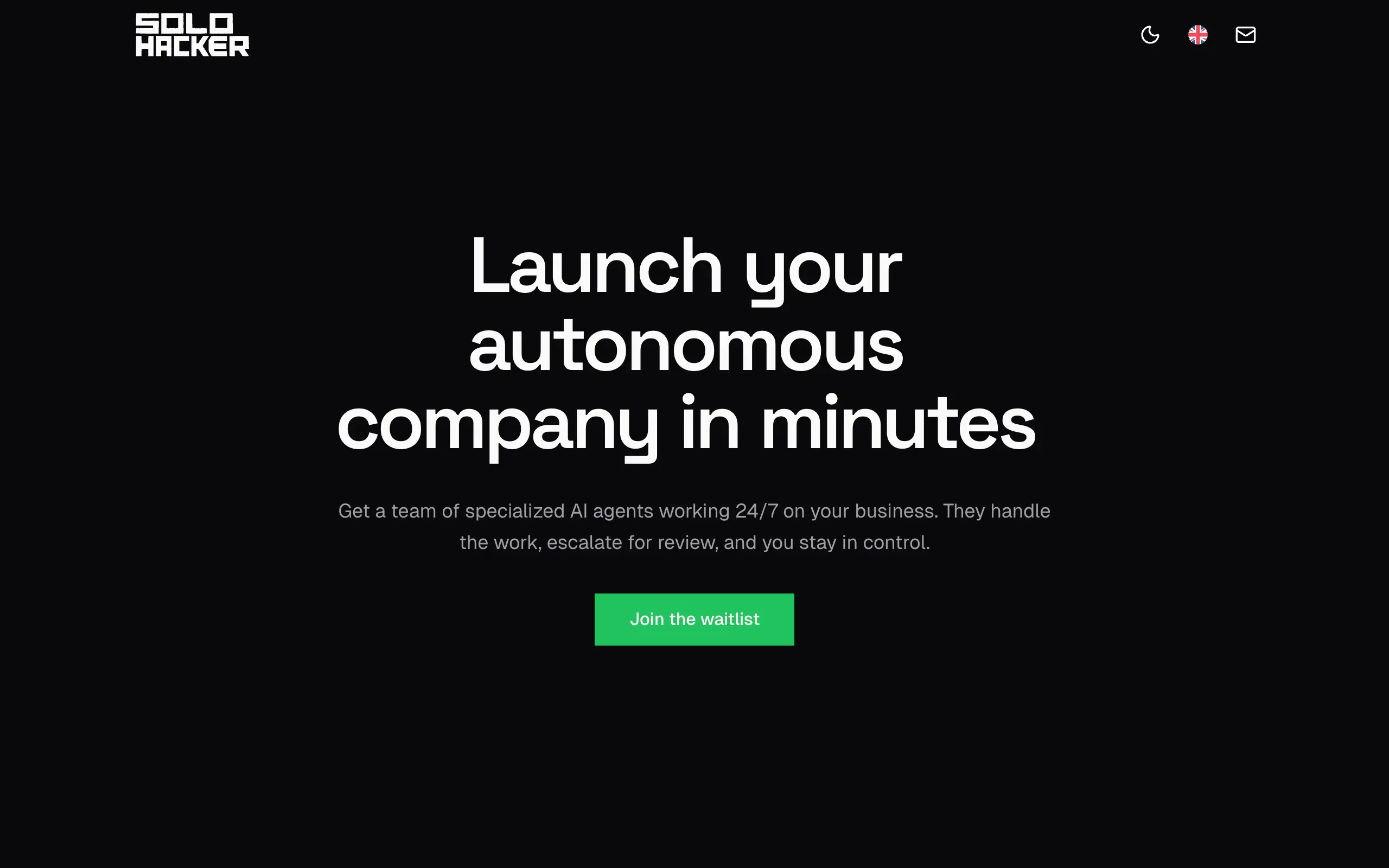
Solohacker
Autonomous company launcher - AI agents work 24/7, escalate what matters, and you stay in control 🤖
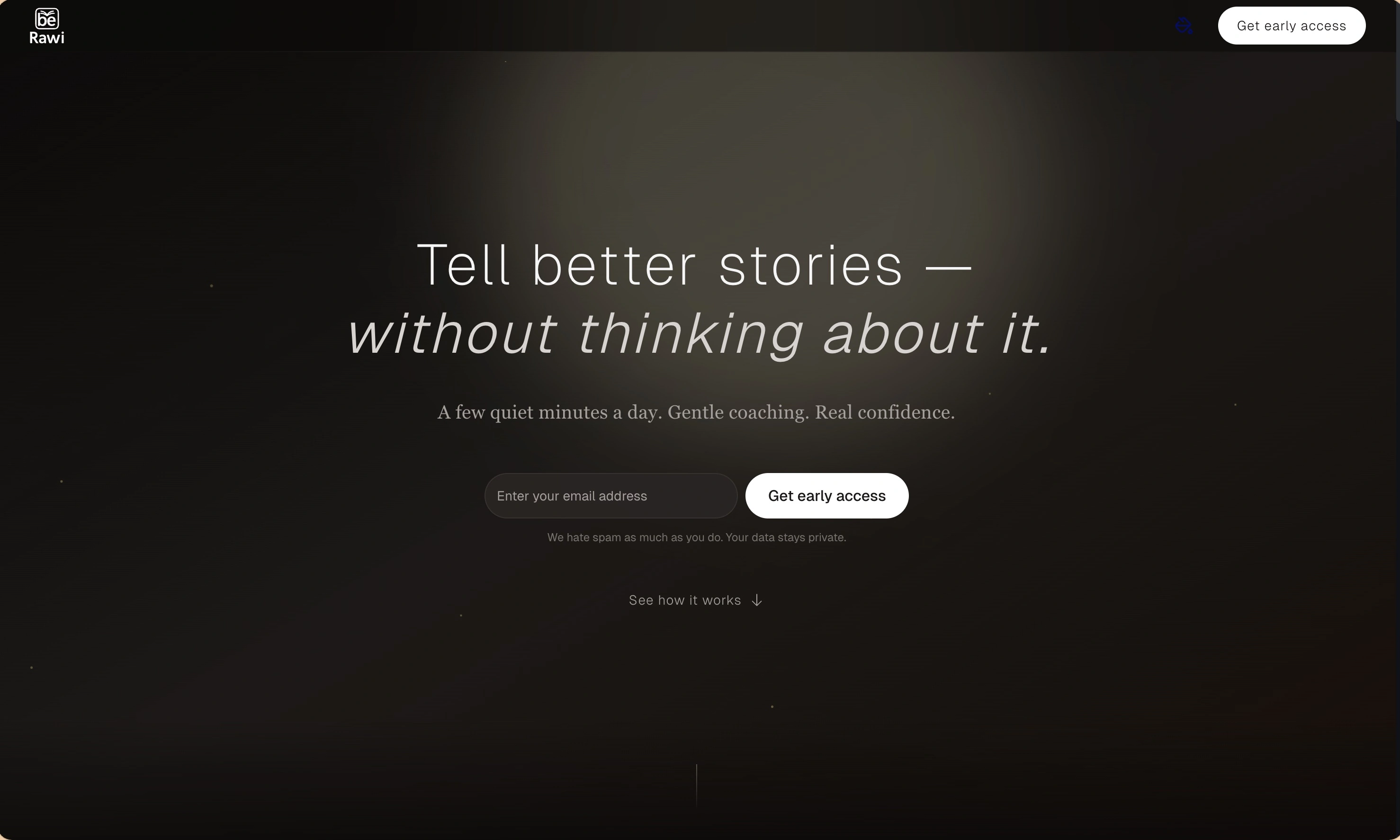
BeRawi: Storytelling Coach
Practice storytelling daily with instant feedback to sound clearer, more engaging, and confident 🎤
Omichat
Chat with 50+ AI models, including ChatGPT and Claude, in one place - switch models anytime without losing context 🤖
Claude Fast
Supercharge your Claude Code with 6x effective context window and specialized AI agents 🤖
EmojAI
AI-powered emoji picker with smart, context-aware suggestions 🤖
Solohacker
Autonomous company launcher - AI agents work 24/7, escalate what matters, and you stay in control 🤖
BeRawi: Storytelling Coach
Practice storytelling daily with instant feedback to sound clearer, more engaging, and confident 🎤
Omichat
Chat with 50+ AI models, including ChatGPT and Claude, in one place - switch models anytime without losing context 🤖
Claude Fast
Supercharge your Claude Code with 6x effective context window and specialized AI agents 🤖
EmojAI
AI-powered emoji picker with smart, context-aware suggestions 🤖
Solohacker
Autonomous company launcher - AI agents work 24/7, escalate what matters, and you stay in control 🤖
BeRawi: Storytelling Coach
Practice storytelling daily with instant feedback to sound clearer, more engaging, and confident 🎤
Omichat
Chat with 50+ AI models, including ChatGPT and Claude, in one place - switch models anytime without losing context 🤖
Claude Fast
Supercharge your Claude Code with 6x effective context window and specialized AI agents 🤖
EmojAI
AI-powered emoji picker with smart, context-aware suggestions 🤖
Solohacker
Autonomous company launcher - AI agents work 24/7, escalate what matters, and you stay in control 🤖
BeRawi: Storytelling Coach
Practice storytelling daily with instant feedback to sound clearer, more engaging, and confident 🎤

Connect with like-minded people
Join our community to get feedback, support, and grow together with 1,000+ builders on board, let's ship it!
Join usShip your startup everywhere. In minutes.
Don't burn tokens on setup and start building features on day one.