VoiceFlow Ops
A plug-and-play AI voice agent platform for small businesses that automates appointment booking, FAQs, and lead qualification using n8n and custom workflows.
The opportunity behind an AI voice agent platform for small businesses
AI voice agents are no longer futuristic experiments. They are quickly becoming essential operational tools for small and medium-sized businesses (SMBs). From appointment booking to lead qualification and FAQ handling, automated voice systems powered by modern LLMs and workflow automation tools like n8n are unlocking a new category of SaaS: plug-and-play AI voice operations platforms.
This article explores how a solution like VoiceFlow Ops — a plug-and-play AI voice agent platform for SMBs — can capture a high-growth B2B market. We’ll cover:
- Target audience and user intent
- Market gap and opportunity
- Core features and workflows
- Technical architecture and trade-offs
- Monetization strategies
- Competitive landscape
- Risks and mitigation
- Actionable implementation steps
If you’re a founder validating this SaaS idea, an operator exploring AI automation, or an investor evaluating voice AI infrastructure, this guide is designed to give you a strategic, expert-level understanding.
Why AI voice agents are exploding in 2026
Several industry shifts make this the perfect moment to launch a voice automation platform:
- LLM quality leap: Modern models can maintain context, handle interruptions, and adapt tone dynamically.
- Telephony API maturity: Providers like Twilio offer reliable programmable voice infrastructure.
- Workflow automation tools: Platforms like n8n allow visual, extensible backend orchestration.
- SMB labor pressure: Rising staffing costs and labor shortages push businesses toward automation.
- Consumer acceptance: Customers are increasingly comfortable speaking with AI assistants.
Voice used to be rigid (IVR trees). Now, it’s dynamic and conversational.
The real opportunity is not building “another AI assistant.” It’s building operations-grade voice automation for small businesses, where ROI is obvious and measurable.
Understanding the target audience for a B2B AI voice agent platform
Primary customer segments
VoiceFlow Ops should focus on high-call-volume SMB verticals where:
- Calls are repetitive
- Missed calls = lost revenue
- Staff is overloaded
- Response time matters
Healthcare clinics
Appointment booking, rescheduling, insurance FAQs, patient triage.
Home services
Plumbing, HVAC, cleaning, and electrical lead capture and job scheduling.
Legal & consulting firms
Lead qualification and consultation booking.
Real estate agencies
Property inquiries and showing scheduling.
Ideal customer profile (ICP)
- 5–50 employees
- 30+ inbound calls per day
- Uses a CRM or booking software
- Loses leads after-hours
- Has no dedicated IT team
User intent analysis
When searching for solutions, SMB owners typically look for:
- “AI receptionist for small business”
- “Automated appointment booking phone system”
- “AI call answering service”
- “How to automate customer calls”
- “n8n voice workflow automation”
They are not searching for “LLM orchestration platform.” They are searching for outcomes:
- Fewer missed calls
- Lower payroll costs
- Higher booking rates
- Better customer experience
Your content and product positioning must speak to these outcomes directly.
The market gap: where existing solutions fall short
Current alternatives
- Traditional IVR systems
- Human answering services
- Generic AI chatbot tools
- Enterprise contact center solutions
Most SMBs face these issues:
- IVR is rigid and frustrating.
- Human answering services are expensive and inconsistent.
- Chatbots don’t handle voice.
- Enterprise solutions are overkill and overpriced.
The core gap
There is no affordable, plug-and-play, workflow-driven AI voice operations platform built specifically for SMBs.
VoiceFlow Ops fills this gap by combining:
- Conversational AI
- Real-time telephony
- Visual workflow automation (n8n)
- CRM and booking integrations
- SMB-friendly onboarding
The core solution: what VoiceFlow Ops actually delivers
VoiceFlow Ops is not just an AI that answers calls. It’s a workflow automation layer for voice interactions.
Core capabilities
1. AI appointment booking
- Syncs with Google Calendar, Calendly, or industry booking tools
- Checks availability in real time
- Handles rescheduling and cancellations
- Sends SMS/email confirmations
2. FAQ automation
- Answers pricing, hours, location, and policy questions
- Pulls from knowledge base or internal documents
- Escalates complex cases to humans
3. Lead qualification
- Asks structured questions
- Scores leads
- Routes high-value prospects instantly
- Pushes data into CRM
4. After-hours capture
- 24/7 voice answering
- Records and transcribes urgent messages
- Automatically creates follow-up tasks
High-level system architecture
Here’s how a modern AI voice agent platform can be structured:
Core components
- Telephony API (e.g., Twilio)
- LLM provider (OpenAI or equivalent)
- Workflow engine (n8n)
- Database (PostgreSQL)
- Backend (Node.js or similar)
- Frontend dashboard (React)
// Example: Triggering a workflow in n8n after call transcription
import axios from "axios";

async function triggerWorkflow(callData) {
  await axios.post("https://your-n8n-instance/webhook/voiceflow-ops", {
    caller: callData.phone,
    transcript: callData.transcript,
    intent: callData.intent,
  });
}
This webhook-based model allows dynamic branching logic:
- If intent = booking → check calendar
- If intent = support → send knowledge base answer
- If intent = high-value lead → notify owner
Why n8n is a strategic choice
Using n8n gives VoiceFlow Ops a major advantage:
- Visual workflow builder
- Self-hosted flexibility
- Extensible nodes
- Lower cost than enterprise automation tools
Trade-offs
Pros
- Customizable logic
- Strong integrations
- Open-source core
Cons
- Requires infrastructure setup
- Workflow complexity can grow
- Debugging requires technical depth
VoiceFlow Ops can abstract this complexity behind a simplified UI while using n8n under the hood.
Recommended tech stack (with trade-offs)
| Layer | Option | Why | Trade-off | Risk |
|---|---|---|---|---|
| Telephony | Twilio | Reliable global voice infra | Usage costs scale | Cost volatility |
| Frontend | React | Rich dashboard UI | Requires dev resources | Maintenance overhead |
| Automation | n8n | Visual workflows | Complex logic management | Workflow sprawl |
| Backend | Node.js | Event-driven, scalable | Concurrency handling | Scaling issues |
Competitive advantage analysis
Direct competitors
- AI receptionist startups
- Virtual answering services
- Contact center automation tools
Unique selling proposition (USP)
VoiceFlow Ops stands out by:
- Being workflow-first (not just conversational)
- Deep n8n integration
- SMB-specific templates
- Transparent automation logic
- Affordable tiered pricing
Most competitors treat voice AI as a black box. VoiceFlow Ops treats it as automated operations infrastructure.
Monetization strategy options
Tiered subscription model
- Starter: $49/month (limited calls)
- Growth: $149/month
- Pro: $399/month
Usage-based pricing
- Per minute of voice
- Per workflow execution
- Per AI token usage
Hybrid model (recommended)
Base subscription + usage fees.
This ensures:
- Predictable revenue
- Margins protected from heavy users
- Scalability
Risks and mitigation strategies
1. AI hallucination risk
Accuracy risk
Voice AI must not provide incorrect medical, legal, or financial advice.
Mitigation:
- Retrieval-augmented generation (RAG)
- Strict intent bounding
- Escalation to human
2. Regulatory compliance
- HIPAA for healthcare
- GDPR for EU customers
Mitigation:
- Encrypted storage
- Audit logs
- Data retention controls
3. Customer distrust
Solution:
- Clear disclosure: “This is an AI assistant.”
- Human fallback option
- Real-time transcript visibility
Go-to-market strategy
Phase 1: Vertical focus
Start with one niche (e.g., dental clinics).
Why?
- Easier template building
- Clear ROI case
- Targeted messaging
Phase 2: Template marketplace
Offer prebuilt workflows:
- “Dental booking automation”
- “HVAC lead qualification”
- “Legal consultation intake”
Phase 3: Agency partnerships
Allow marketing agencies to resell VoiceFlow Ops to their SMB clients.
Implementation roadmap
MVP feature checklist
- ✅ AI call answering
- ✅ Booking sync
- ✅ CRM push
- ✅ Dashboard analytics
- ✅ Call transcript storage
- ✅ Escalation logic
Keep version 1 tightly focused on measurable ROI.
Why this SaaS can scale
AI voice automation has strong expansion characteristics:
- More calls → more usage revenue
- More workflows → stickier product
- CRM integration → higher switching cost
- Data insights → upsell analytics
Retention increases when the platform becomes operationally embedded.
Long-term vision: voice as business infrastructure
VoiceFlow Ops can evolve into:
- Multilingual voice agents
- Outbound call automation
- Payment collection over voice
- Voice-based upselling
- Predictive lead scoring
Eventually, it becomes:
The operating system for voice-driven small business operations.
Actionable next steps for founders
If you're building this platform:
- Choose a narrow vertical.
- Design one perfect workflow.
- Validate ROI in real numbers.
- Price based on value delivered.
- Build operational reliability before scaling.
Use tools like React, n8n, and structured backend frameworks to accelerate development. For faster SaaS scaffolding and production-ready foundations, you can also leverage TurboStarter to reduce engineering overhead and focus on core differentiation.
Final thoughts
Voice AI is not just about automation. It’s about operational leverage.
Small businesses lose revenue every day due to missed calls, slow responses, and manual workflows. A plug-and-play AI voice agent platform like VoiceFlow Ops solves a direct, painful problem with measurable ROI.
The key to success is not building the most advanced AI model. It’s building the most reliable, workflow-driven, ROI-focused voice automation platform for SMBs.
If executed correctly, VoiceFlow Ops can become a category-defining B2B SaaS in the rapidly expanding AI voice automation market.
More 🏢 B2B Application SaaS ideas
Discover more innovative b2b application SaaS ideas that are trending in 2026. Each idea is AI-generated with market validation and growth potential to help you find your next profitable venture faster than competitors.
Your competitors are building with TurboStarter
Below are some of the SaaS ideas that have been generated and built with our starter kit.
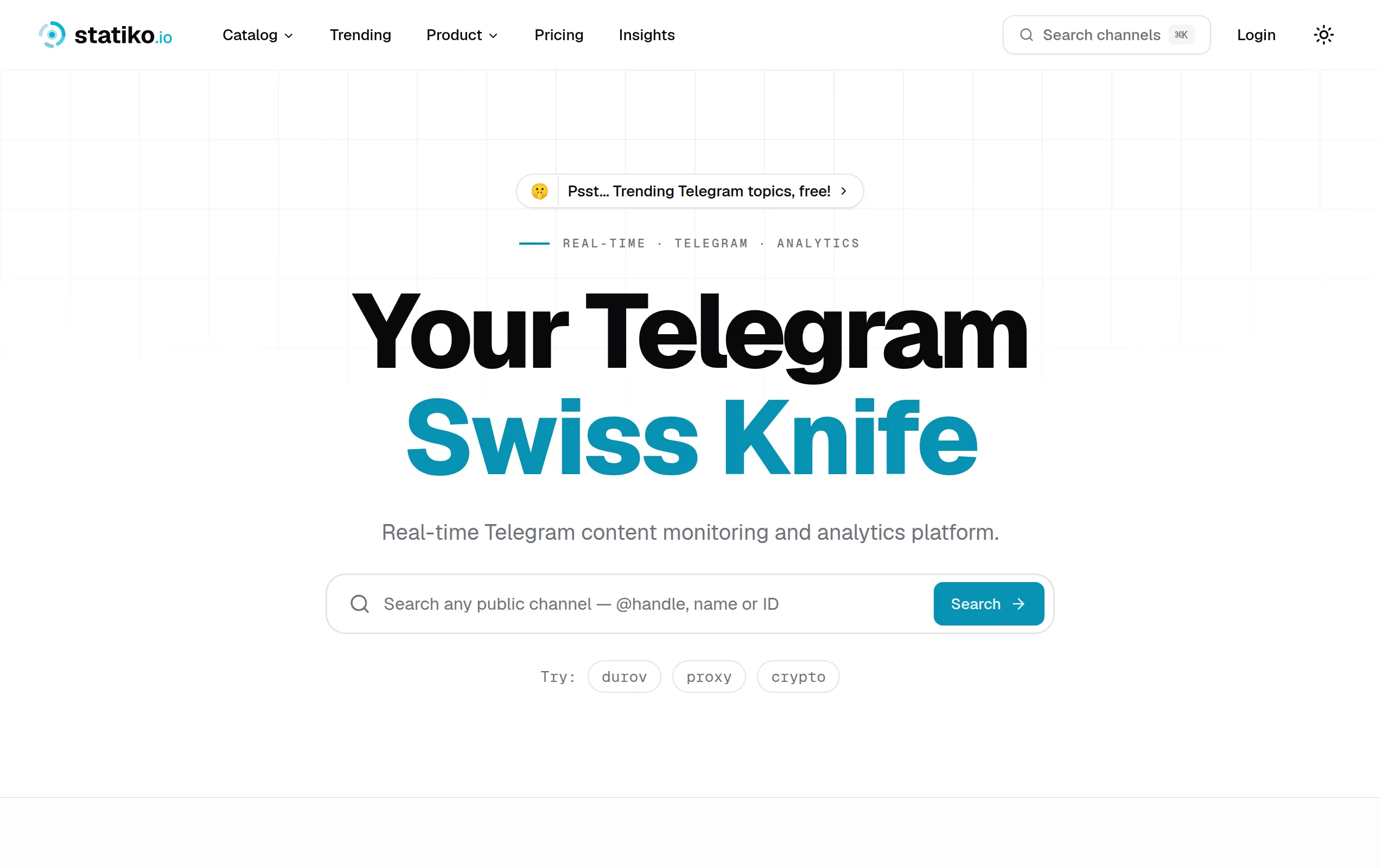
Statiko
Monitor any Telegram channel in real time - track posts, edits, deletions, and growth with AI recaps 📡

Shibui
AI website builder - describe your business, pick a niche template, edit by chatting, and publish instantly ✨
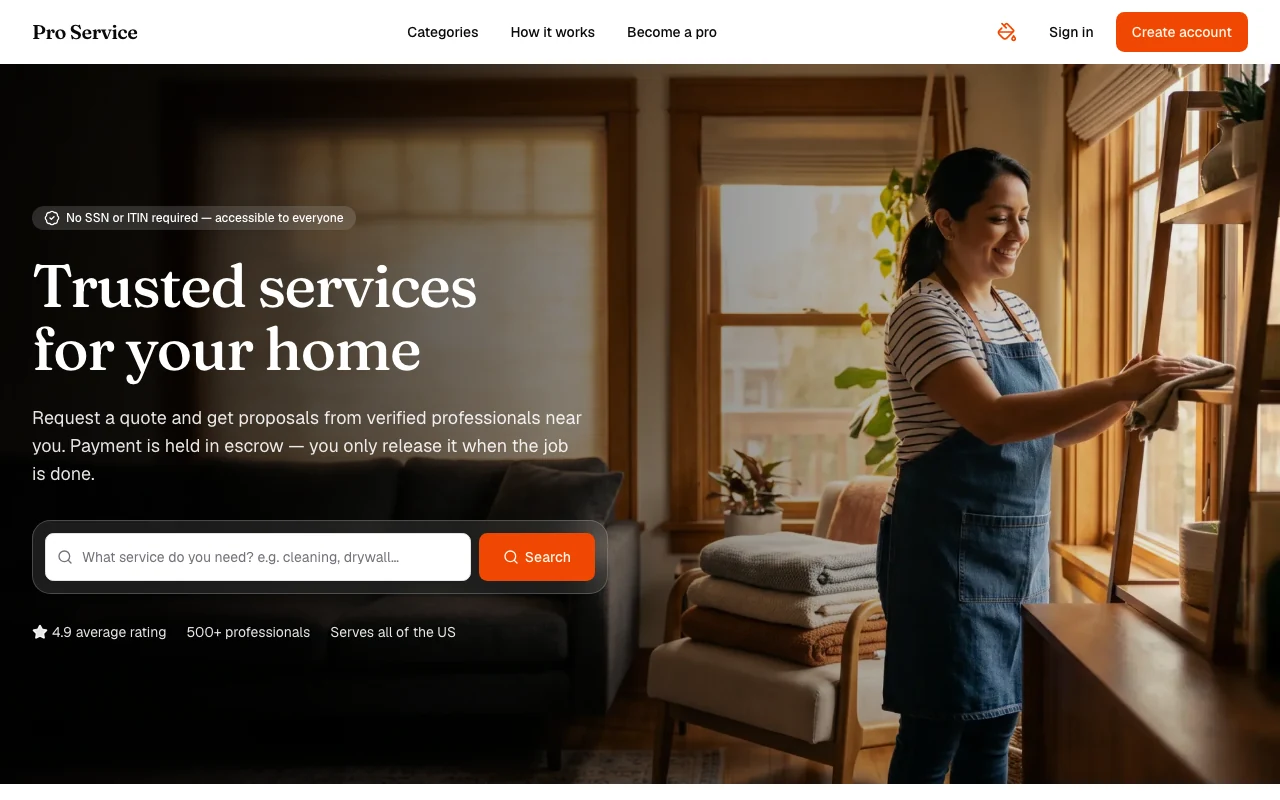
Pro Service
Find verified home service professionals, compare quotes, and pay securely through escrow - built for Brazilians across the US 🏠
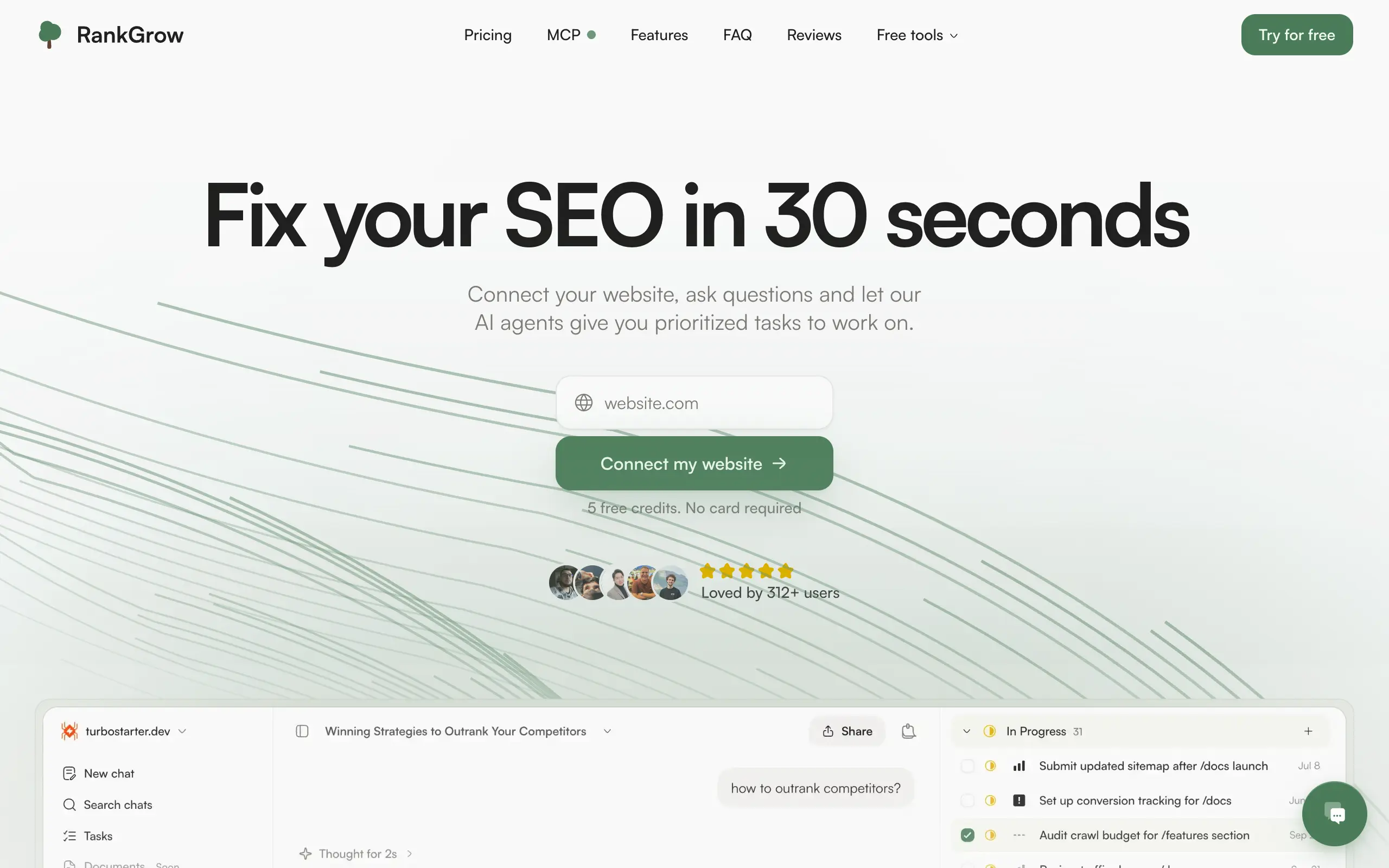
RankGrow
Fix your SEO with AI agents - connect Search Console, get prioritized tasks, and grow organic traffic 📈
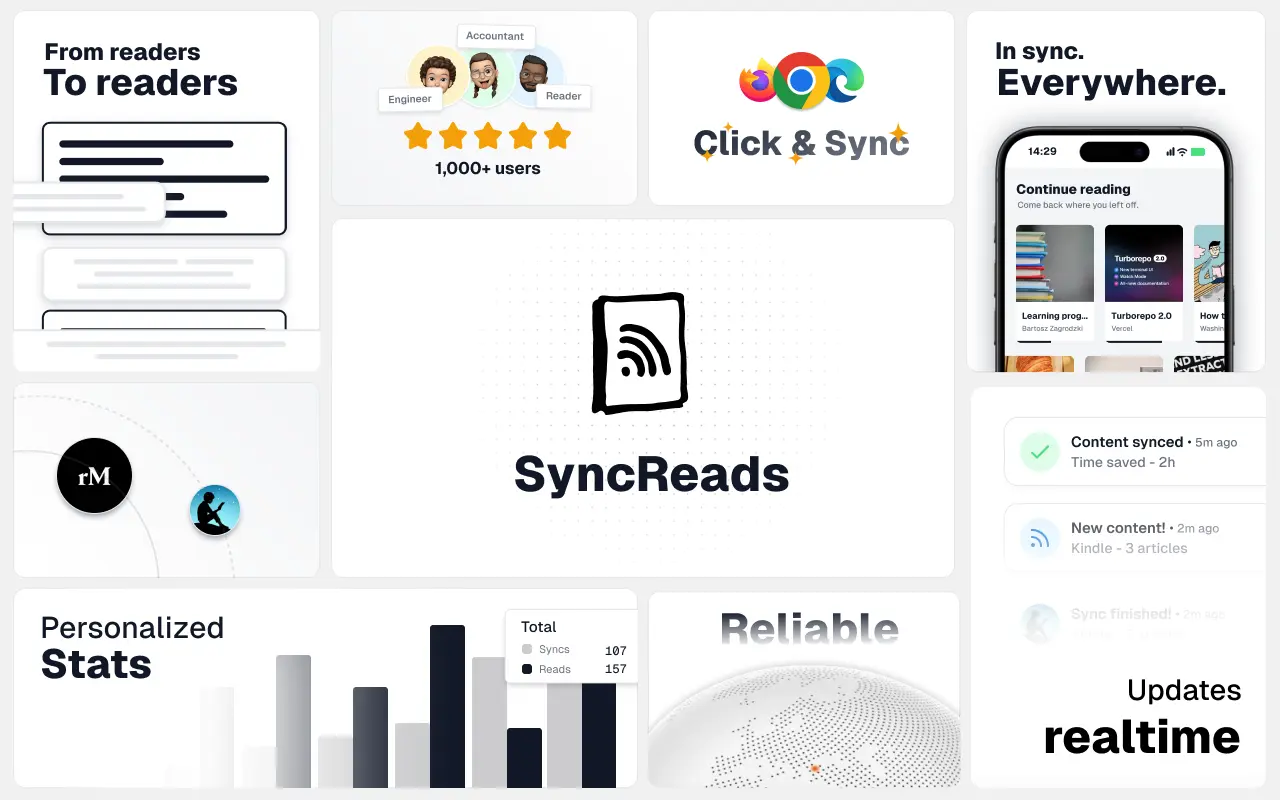
SyncReads
Sync your favorite content for distraction-free reading, save time and replace multiple apps. Anytime, anywhere 🔄
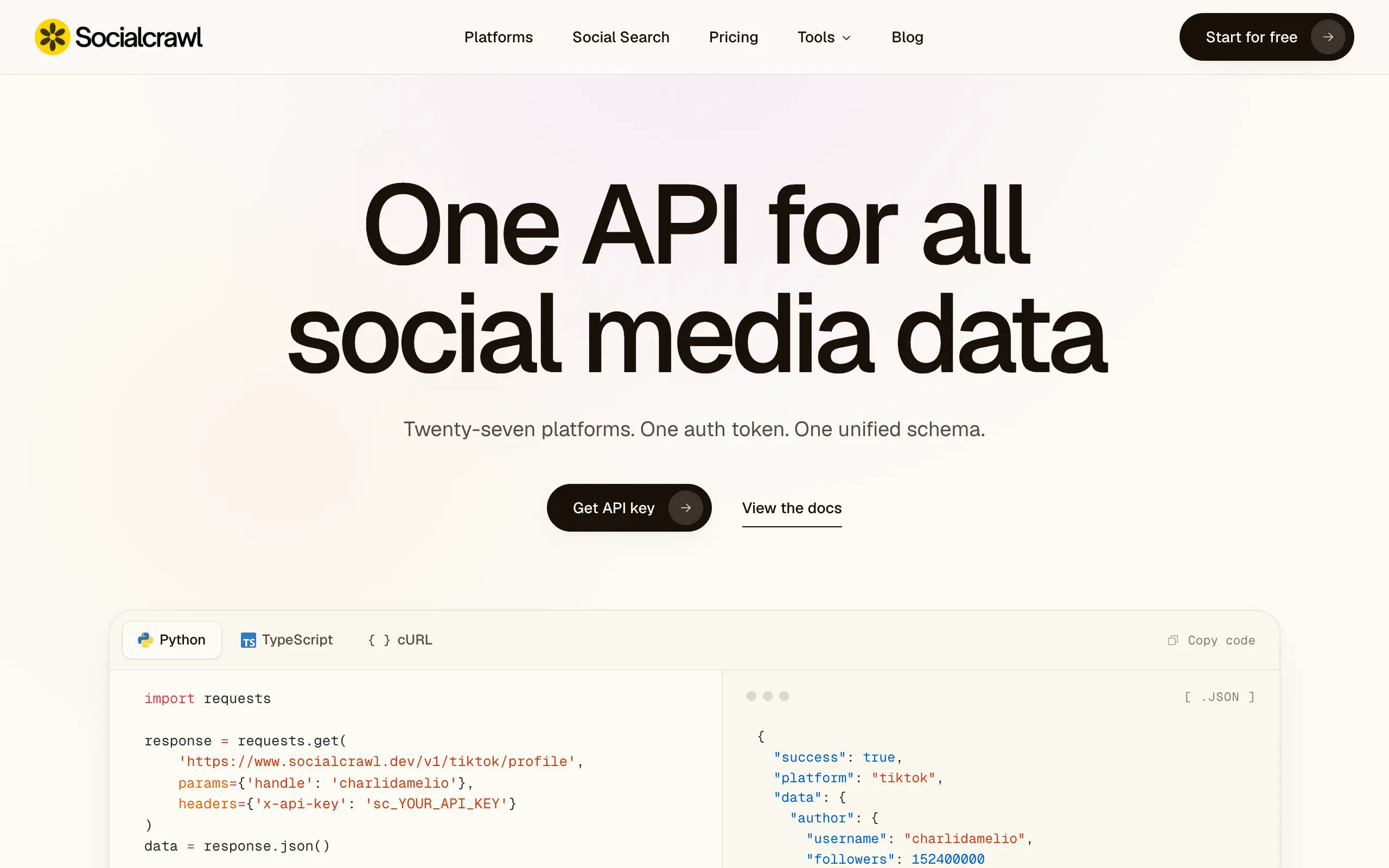
Socialcrawl
Get clean, structured data from 21 platforms like TikTok, Instagram, and YouTube with a single request 📊
Statiko
Monitor any Telegram channel in real time - track posts, edits, deletions, and growth with AI recaps 📡
Shibui
AI website builder - describe your business, pick a niche template, edit by chatting, and publish instantly ✨
Pro Service
Find verified home service professionals, compare quotes, and pay securely through escrow - built for Brazilians across the US 🏠
RankGrow
Fix your SEO with AI agents - connect Search Console, get prioritized tasks, and grow organic traffic 📈
SyncReads
Sync your favorite content for distraction-free reading, save time and replace multiple apps. Anytime, anywhere 🔄
Socialcrawl
Get clean, structured data from 21 platforms like TikTok, Instagram, and YouTube with a single request 📊
Statiko
Monitor any Telegram channel in real time - track posts, edits, deletions, and growth with AI recaps 📡
Shibui
AI website builder - describe your business, pick a niche template, edit by chatting, and publish instantly ✨
Pro Service
Find verified home service professionals, compare quotes, and pay securely through escrow - built for Brazilians across the US 🏠
RankGrow
Fix your SEO with AI agents - connect Search Console, get prioritized tasks, and grow organic traffic 📈
SyncReads
Sync your favorite content for distraction-free reading, save time and replace multiple apps. Anytime, anywhere 🔄
Socialcrawl
Get clean, structured data from 21 platforms like TikTok, Instagram, and YouTube with a single request 📊
Statiko
Monitor any Telegram channel in real time - track posts, edits, deletions, and growth with AI recaps 📡
Shibui
AI website builder - describe your business, pick a niche template, edit by chatting, and publish instantly ✨
Pro Service
Find verified home service professionals, compare quotes, and pay securely through escrow - built for Brazilians across the US 🏠
RankGrow
Fix your SEO with AI agents - connect Search Console, get prioritized tasks, and grow organic traffic 📈
SyncReads
Sync your favorite content for distraction-free reading, save time and replace multiple apps. Anytime, anywhere 🔄
Socialcrawl
Get clean, structured data from 21 platforms like TikTok, Instagram, and YouTube with a single request 📊
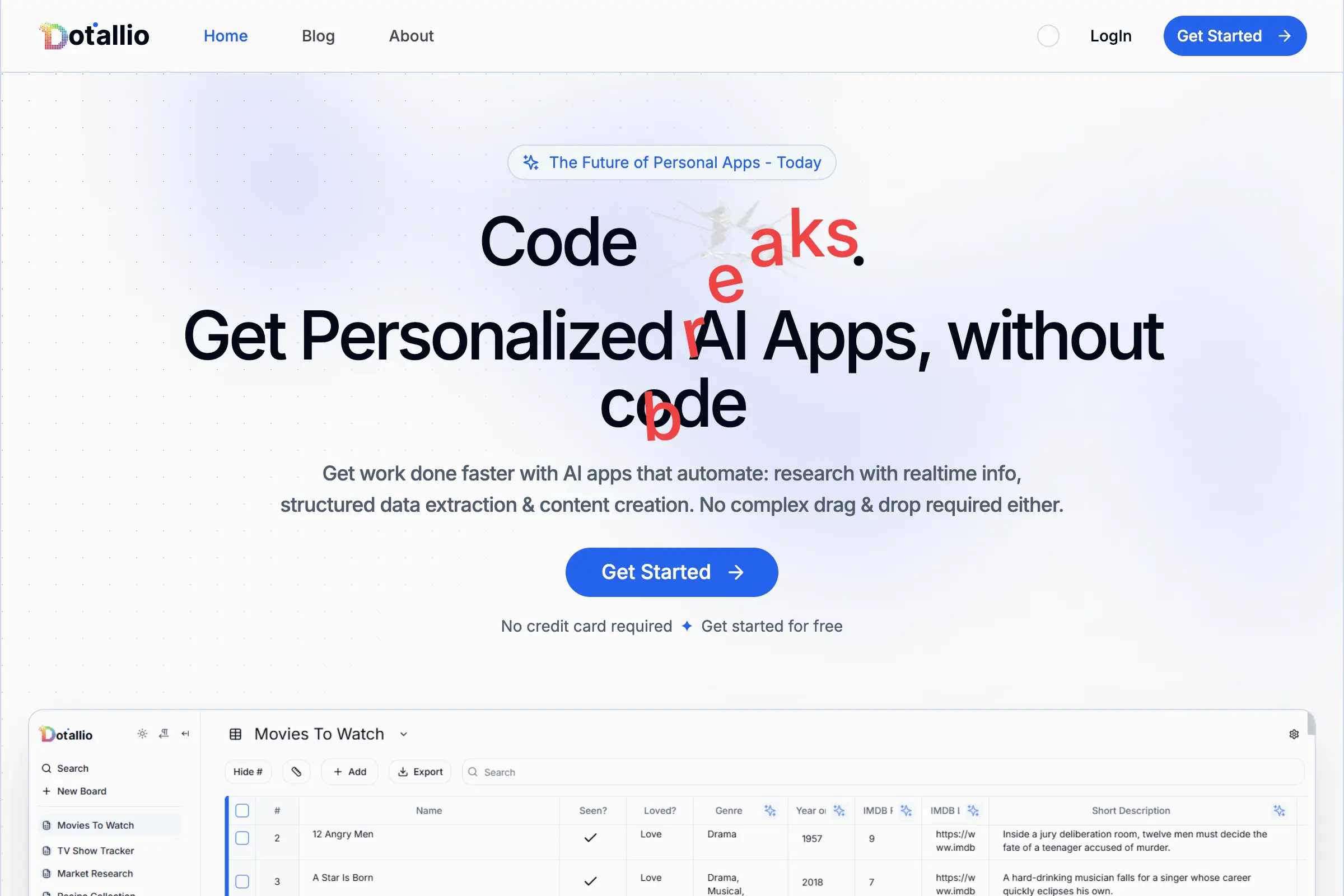
Dotallio
Personalized AI apps that automate research, data extraction, and content creation without code 🤖
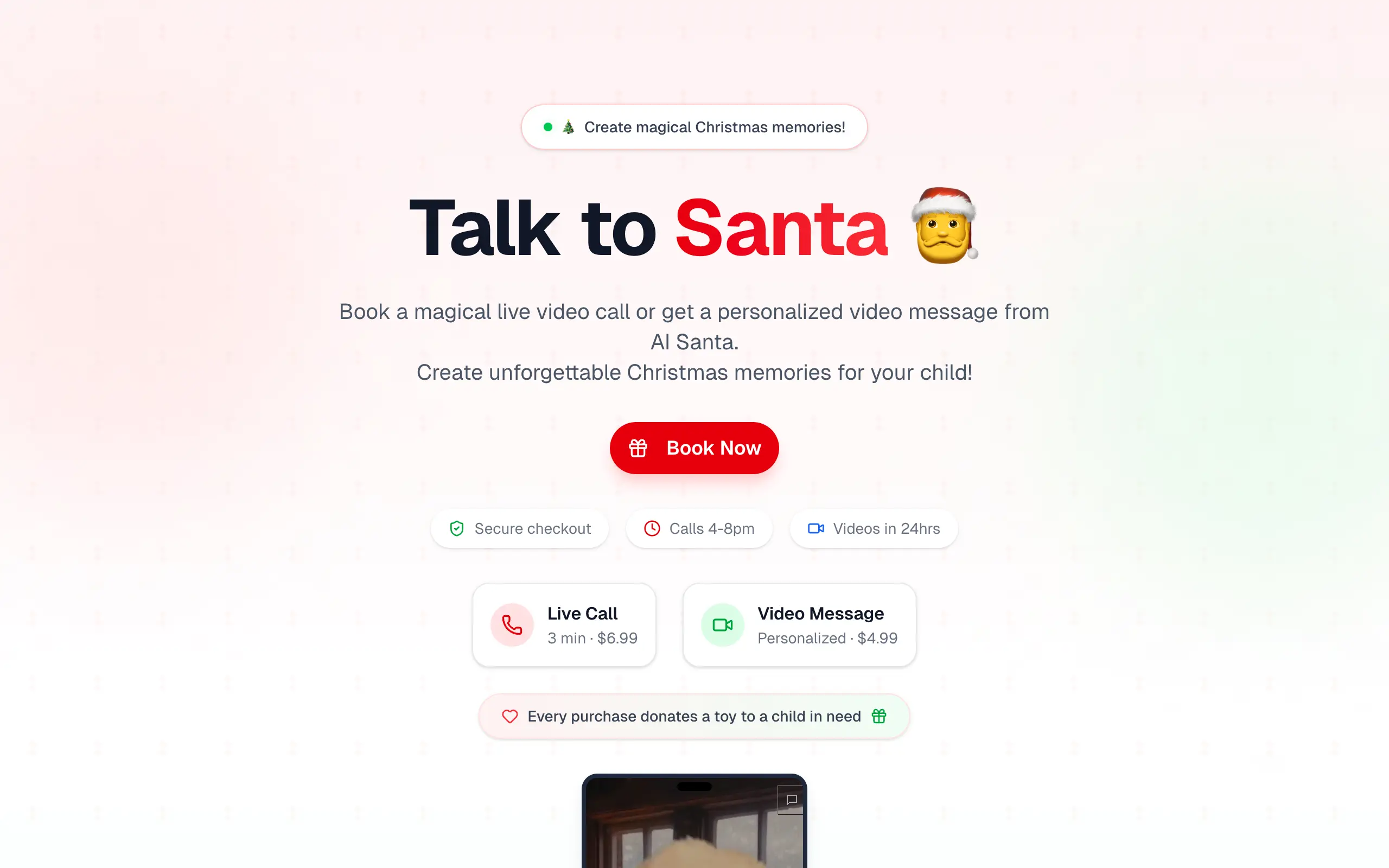
Talk to Santa
Enjoy a magical live video chat or receive a unique AI-generated video greeting from Santa Claus 🎅
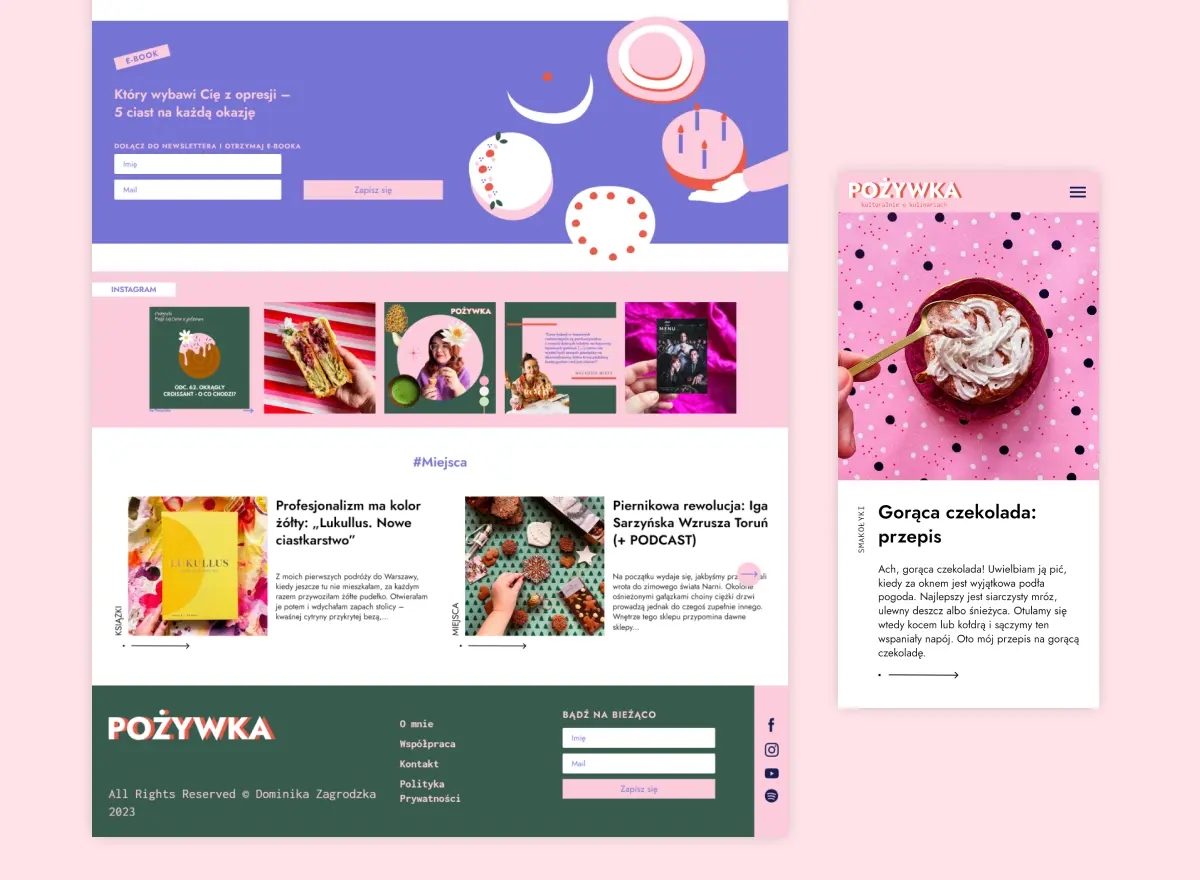
pozywka.pl
Scalable blog for food journalist, focused on performance and user experience 🌭
zagrodzki.me
Personal blog and portfolio of Bart Zagrodzki, where he shares his knowledge and work 💼
TurboStarter
Ship your startup everywhere. In minutes.
HTML to Markdown
Convert HTML to Markdown with ease, directly in your browser 📄
Dotallio
Personalized AI apps that automate research, data extraction, and content creation without code 🤖
Talk to Santa
Enjoy a magical live video chat or receive a unique AI-generated video greeting from Santa Claus 🎅
pozywka.pl
Scalable blog for food journalist, focused on performance and user experience 🌭
zagrodzki.me
Personal blog and portfolio of Bart Zagrodzki, where he shares his knowledge and work 💼
TurboStarter
Ship your startup everywhere. In minutes.
HTML to Markdown
Convert HTML to Markdown with ease, directly in your browser 📄
Dotallio
Personalized AI apps that automate research, data extraction, and content creation without code 🤖
Talk to Santa
Enjoy a magical live video chat or receive a unique AI-generated video greeting from Santa Claus 🎅
pozywka.pl
Scalable blog for food journalist, focused on performance and user experience 🌭
zagrodzki.me
Personal blog and portfolio of Bart Zagrodzki, where he shares his knowledge and work 💼
TurboStarter
Ship your startup everywhere. In minutes.
HTML to Markdown
Convert HTML to Markdown with ease, directly in your browser 📄
Dotallio
Personalized AI apps that automate research, data extraction, and content creation without code 🤖
Talk to Santa
Enjoy a magical live video chat or receive a unique AI-generated video greeting from Santa Claus 🎅
pozywka.pl
Scalable blog for food journalist, focused on performance and user experience 🌭
zagrodzki.me
Personal blog and portfolio of Bart Zagrodzki, where he shares his knowledge and work 💼
TurboStarter
Ship your startup everywhere. In minutes.
HTML to Markdown
Convert HTML to Markdown with ease, directly in your browser 📄
Omichat
Chat with 50+ AI models, including ChatGPT and Claude, in one place - switch models anytime without losing context 🤖
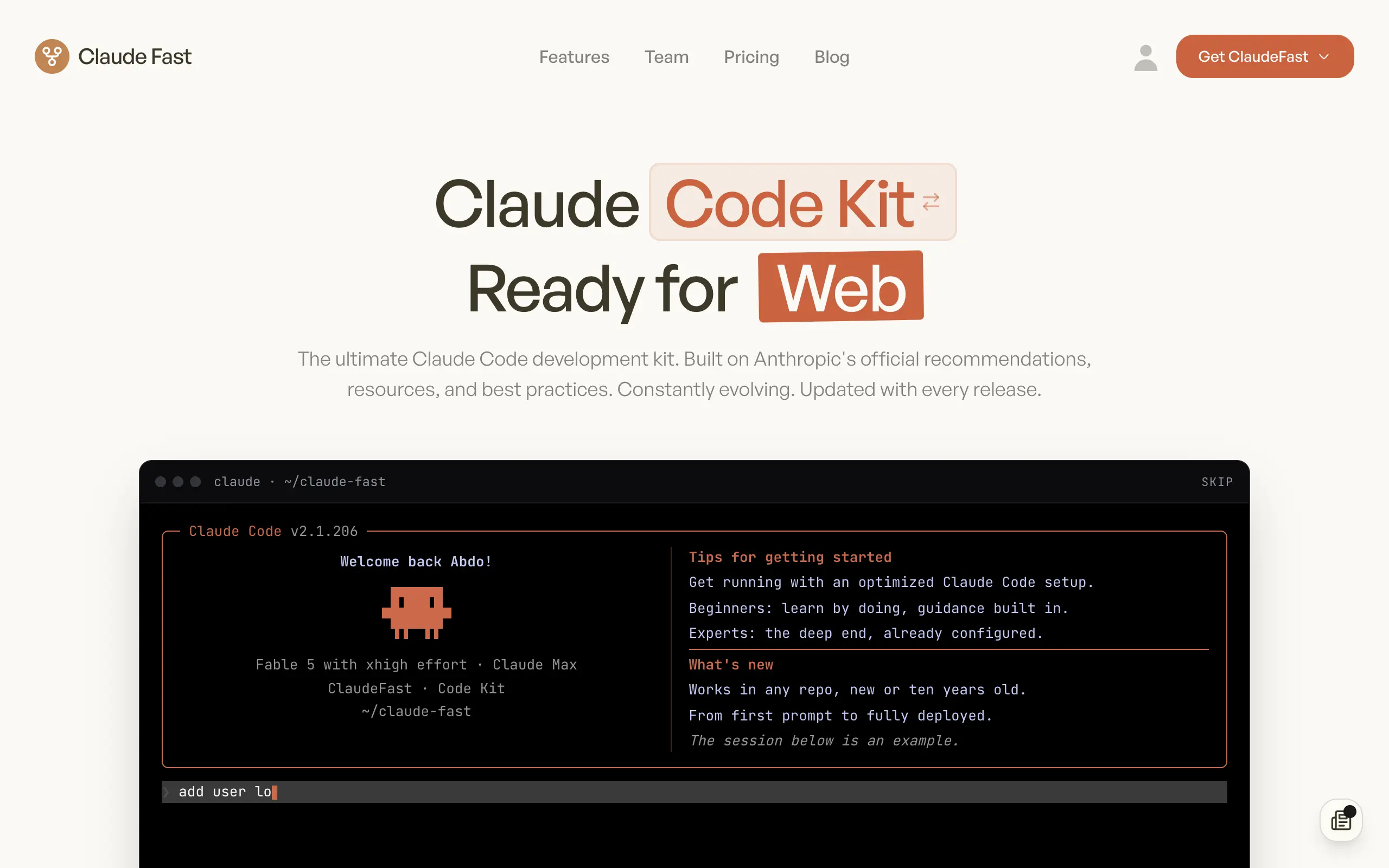
Claude Fast
Supercharge your Claude Code with 6x effective context window and specialized AI agents 🤖
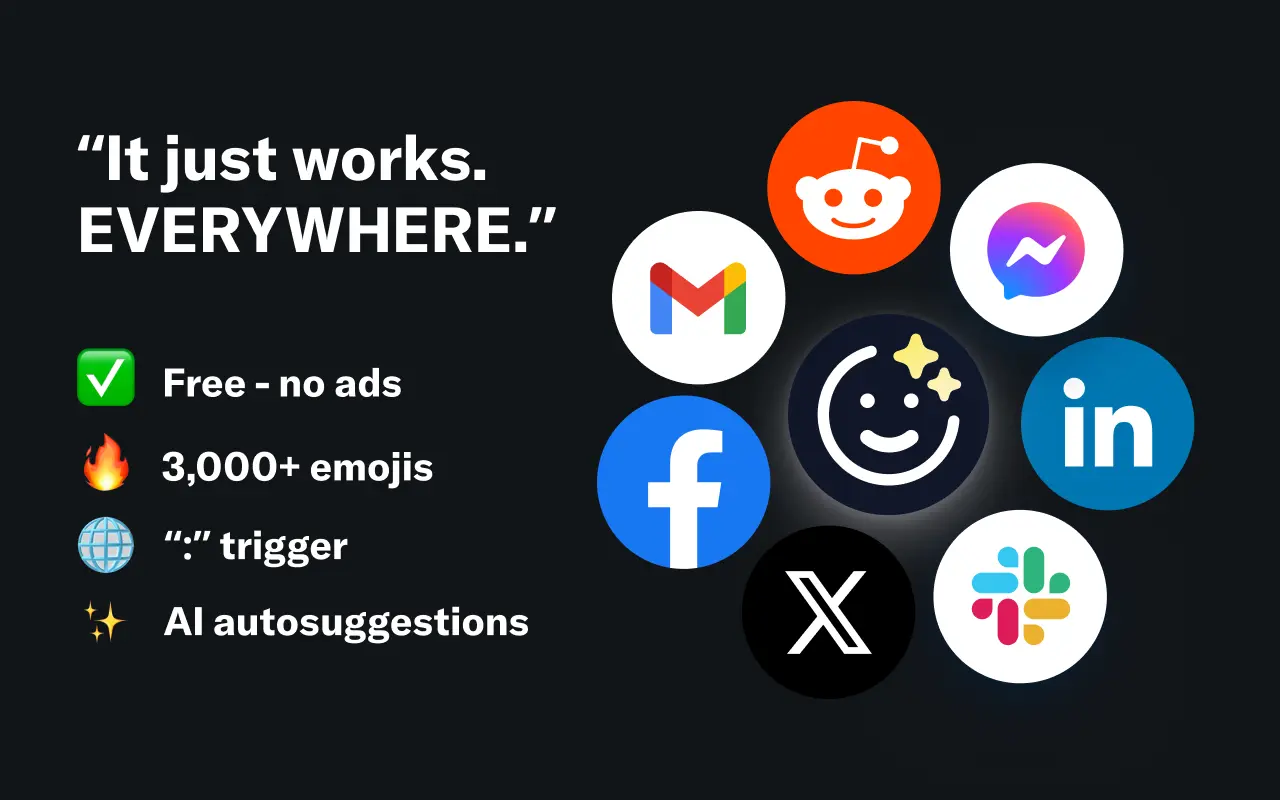
EmojAI
AI-powered emoji picker with smart, context-aware suggestions 🤖
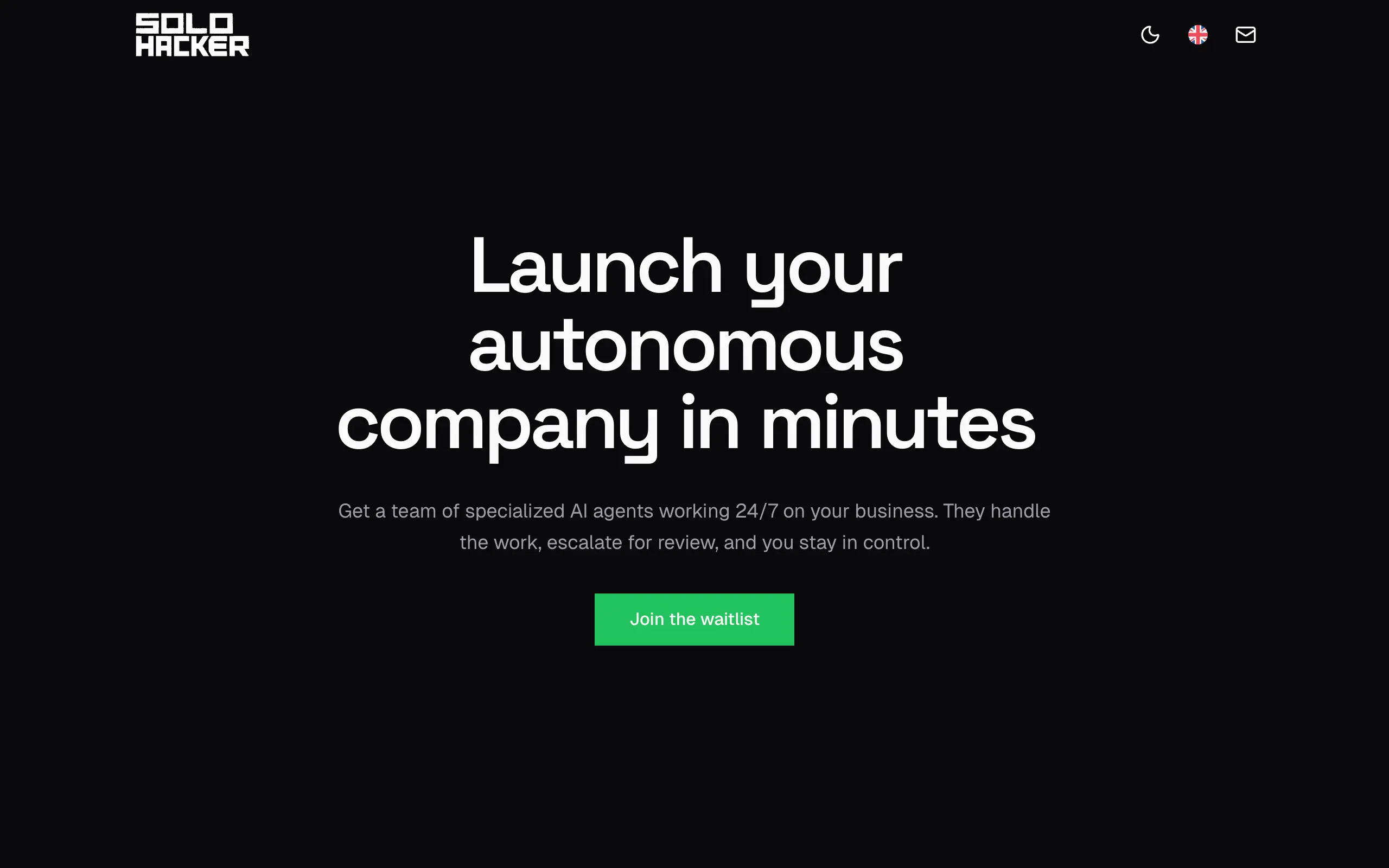
Solohacker
Autonomous company launcher - AI agents work 24/7, escalate what matters, and you stay in control 🤖
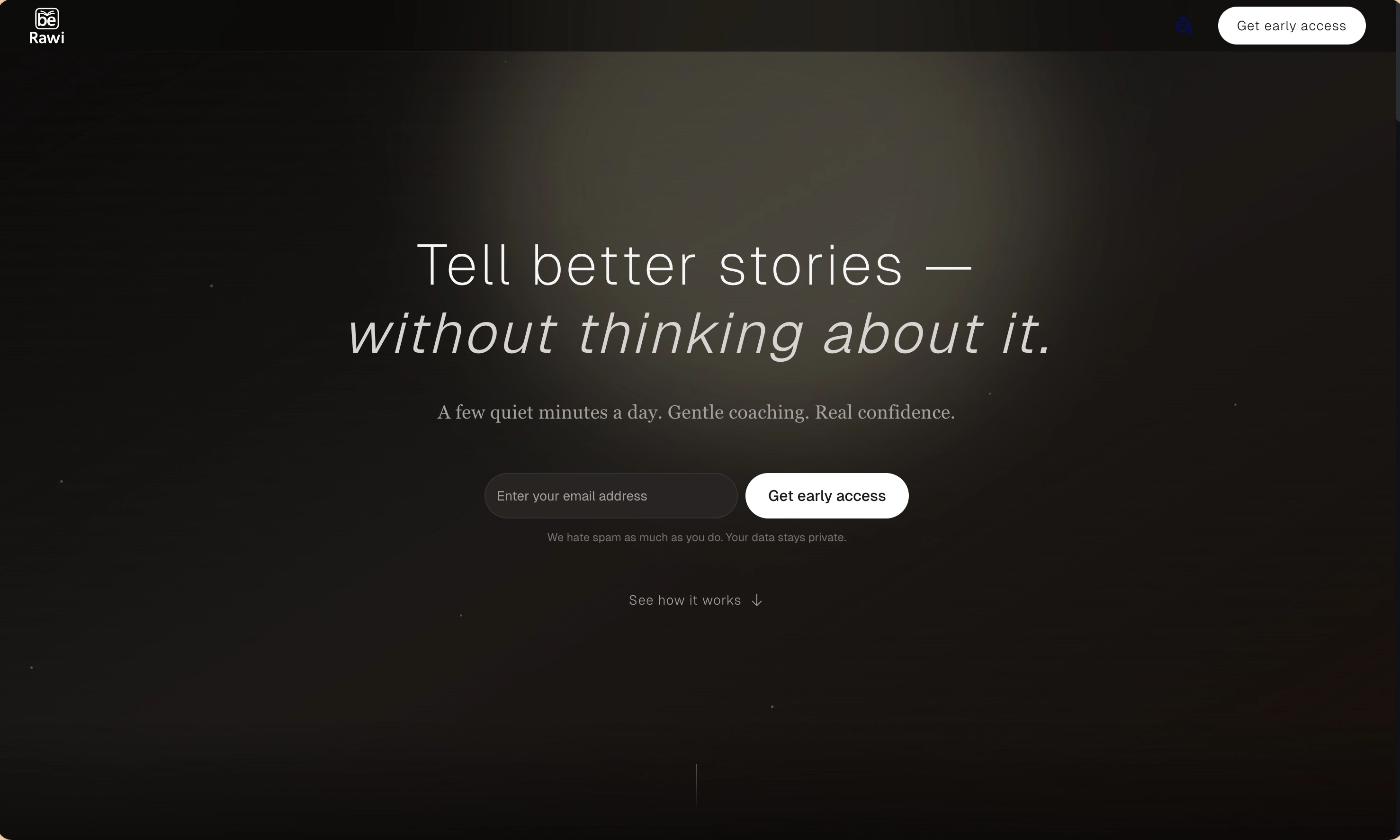
BeRawi: Storytelling Coach
Practice storytelling daily with instant feedback to sound clearer, more engaging, and confident 🎤
Omichat
Chat with 50+ AI models, including ChatGPT and Claude, in one place - switch models anytime without losing context 🤖
Claude Fast
Supercharge your Claude Code with 6x effective context window and specialized AI agents 🤖
EmojAI
AI-powered emoji picker with smart, context-aware suggestions 🤖
Solohacker
Autonomous company launcher - AI agents work 24/7, escalate what matters, and you stay in control 🤖
BeRawi: Storytelling Coach
Practice storytelling daily with instant feedback to sound clearer, more engaging, and confident 🎤
Omichat
Chat with 50+ AI models, including ChatGPT and Claude, in one place - switch models anytime without losing context 🤖
Claude Fast
Supercharge your Claude Code with 6x effective context window and specialized AI agents 🤖
EmojAI
AI-powered emoji picker with smart, context-aware suggestions 🤖
Solohacker
Autonomous company launcher - AI agents work 24/7, escalate what matters, and you stay in control 🤖
BeRawi: Storytelling Coach
Practice storytelling daily with instant feedback to sound clearer, more engaging, and confident 🎤
Omichat
Chat with 50+ AI models, including ChatGPT and Claude, in one place - switch models anytime without losing context 🤖
Claude Fast
Supercharge your Claude Code with 6x effective context window and specialized AI agents 🤖
EmojAI
AI-powered emoji picker with smart, context-aware suggestions 🤖
Solohacker
Autonomous company launcher - AI agents work 24/7, escalate what matters, and you stay in control 🤖
BeRawi: Storytelling Coach
Practice storytelling daily with instant feedback to sound clearer, more engaging, and confident 🎤

Connect with like-minded people
Join our community to get feedback, support, and grow together with 1,000+ builders on board, let's ship it!
Join usShip your startup everywhere. In minutes.
Don't burn tokens on setup and start building features on day one.