WarungMind AI
AI assistant for small warungs to manage stock, predict demand, and suggest pricing using local buying patterns and seasonal trends.
what is an ai assistant for warungs and why it matters
Small neighborhood shops—commonly known as warungs—are the backbone of Southeast Asian retail, especially in Indonesia. Despite their massive economic footprint, most warungs still operate with manual bookkeeping, intuition-based pricing, and reactive inventory management. This creates inefficiencies, lost revenue, and unnecessary waste.
An AI-powered solution like WarungMind AI directly addresses these challenges by bringing data-driven decision-making to micro-retail businesses. It combines stock management, demand prediction, and pricing optimization using localized insights such as buying habits, cultural trends, and seasonal demand patterns.
This isn’t just another SaaS dashboard. It’s a contextual AI assistant designed specifically for warungs, where margins are thin, and every stocking decision matters.
understanding the target audience
primary users: warung owners
Warung owners typically:
- Operate with minimal digital tools
- Have limited time and technical expertise
- Rely heavily on intuition and experience
- Face inconsistent demand patterns
- Struggle with overstocking or stockouts
These users don’t want complexity—they want clarity and actionable insights.
secondary users: distributors and suppliers
Suppliers can also benefit from aggregated insights:
- Demand forecasting across regions
- Better inventory planning
- Optimized delivery routes
behavioral insights
Warung owners:
- Prefer mobile-first solutions
- Value recommendations over raw data
- Trust localized insights more than generic analytics
Key insight
The success of WarungMind AI depends less on advanced AI models and more on how effectively insights are simplified and localized for non-technical users.
market opportunity and gap analysis
the scale of the opportunity
Indonesia alone has millions of warungs contributing significantly to GDP. Yet, digital adoption remains low compared to modern retail chains.
This creates a massive gap:
- High economic activity
- Low digital penetration
- Minimal competition in AI-driven tools for micro-retail
existing solutions and their limitations
Current tools fall into three categories:
- Generic POS systems
- Inventory tracking apps
- Basic accounting software
None of them:
- Predict demand using local context
- Recommend pricing dynamically
- Integrate cultural or seasonal trends
| Feature | POS systems | Inventory apps | WarungMind AI | Accounting tools |
|---|---|---|---|---|
| Stock tracking | ✅ | ✅ | ✅ | ❌ |
| Demand prediction | ❌ | ❌ | ✅ | ❌ |
| Dynamic pricing | ❌ | ❌ | ✅ | ❌ |
| Localized insights | ❌ | ❌ | ✅ | ❌ |
emerging trends supporting this idea
- Increased smartphone penetration in rural areas
- Growth of digital payments (e.g., QRIS in Indonesia)
- Rising adoption of AI-driven SaaS tools
- Government initiatives supporting MSMEs
core features of warungmind ai
1. intelligent inventory management
WarungMind AI automatically tracks stock levels and suggests restocking quantities based on:
- Historical sales
- Supplier lead times
- Seasonal demand spikes
2. demand forecasting engine
Using machine learning, the platform predicts:
- Daily and weekly sales trends
- Festival-driven demand (e.g., Ramadan spikes)
- Weather-based demand changes
3. smart pricing recommendations
Dynamic pricing suggestions based on:
- Competitor pricing in the area
- Product demand elasticity
- Expiry timelines
4. localized ai assistant (chat-based)
A conversational AI assistant allows users to:
- Ask questions like “What should I restock today?”
- Get simple recommendations in Bahasa Indonesia
- Receive alerts about slow-moving items
5. supplier integration
- Automated order suggestions
- Bulk discounts based on predicted demand
- Streamlined restocking workflows
6. offline-first functionality
Since many warungs operate in areas with unstable internet:
- Data syncs when online
- Core features work offline
how the ai actually works
data layer
- Sales transactions
- Inventory logs
- External data (weather, holidays)
- Local economic patterns
ai models
- Time-series forecasting models
- Recommendation systems
- Price optimization algorithms
user interface
- Mobile-first dashboard
- Chat-based assistant
- Visual alerts and notifications
recommended tech stack
Building a scalable and cost-efficient AI SaaS like WarungMind AI requires careful stack selection.
frontend
- React for UI flexibility
- TailwindCSS for fast styling
- Progressive Web App (PWA) support for offline access
backend
- Node.js or Python (FastAPI)
- REST or GraphQL APIs
- Firebase or Supabase for real-time sync
ai and data
- Python-based ML stack (TensorFlow or PyTorch)
- Time-series forecasting libraries like Prophet
- Data pipelines using Apache Airflow
infrastructure
- AWS or GCP for scalability
- Edge computing for faster local predictions
rapid development option
You can significantly speed up development using a starter framework like TurboStarter, which provides pre-built SaaS infrastructure, authentication, and scalable architecture.
monetization strategy
subscription model
- Freemium tier (basic stock tracking)
- Paid tiers for AI insights and automation
transaction-based revenue
- Commission from supplier integrations
- Bulk purchasing partnerships
data insights for suppliers
Aggregated anonymized data can be sold to:
- FMCG brands
- Distributors
- Market research firms
pricing tiers example
- Free: manual tracking
- $5/month: AI recommendations
- $10/month: full automation + supplier integration
competitive advantage and usp
WarungMind AI stands out because it is:
hyper-localized
Unlike generic SaaS tools, it understands:
- Local buying habits
- Cultural events
- Regional demand patterns
ai-first, not feature-first
Most tools add AI as a feature. WarungMind is built around it.
simplicity-driven
Designed for non-technical users:
- Minimal dashboards
- Conversational interface
- Actionable insights only
Localized intelligence
Understands regional buying behavior and cultural trends
AI-first approach
Built around predictive insights, not just tracking
Warung-friendly UX
Simple, mobile-first, and conversational
risks and challenges (and how to mitigate them)
1. low digital literacy
Mitigation:
- Use voice-based interactions
- Provide onboarding tutorials
- Keep UI extremely simple
2. data scarcity in early stages
Mitigation:
- Use aggregated regional data
- Partner with suppliers for initial datasets
3. trust barrier with ai recommendations
Mitigation:
- Show reasoning behind suggestions
- Provide gradual automation (manual override always available)
4. connectivity issues
Mitigation:
- Offline-first architecture
- Lightweight data syncing
step-by-step implementation roadmap
go-to-market strategy
grassroots approach
- Partner with local communities
- Collaborate with cooperatives
- Offer free trials through distributors
influencer and community marketing
- Local business influencers
- WhatsApp group campaigns
- Educational content on TikTok/YouTube
partnerships
- FMCG brands
- Payment providers
- Logistics companies
future expansion opportunities
- Micro-loans based on sales data
- Integration with digital payments
- Expansion to other Southeast Asian markets
- AI-powered recommendation for new products
frequently asked questions
Yes, but they don’t need to understand AI itself. They need better decisions. WarungMind translates complex data into simple actions.
Accuracy improves over time as more data is collected. Early models can still provide useful directional insights.
Absolutely. The model can adapt to other regions with similar retail structures, such as Vietnam or the Philippines.
actionable next steps
If you’re considering building WarungMind AI or a similar AI-powered retail SaaS:
- Start with user interviews, not code
- Focus on one core feature (inventory or demand prediction)
- Build a lightweight MVP
- Test in a small geographic area
- Iterate based on real usage data
Then scale gradually while maintaining simplicity.
final thoughts
WarungMind AI represents a powerful intersection of AI, micro-retail, and emerging markets. While many startups chase enterprise clients, the real untapped opportunity lies in empowering millions of small businesses with tools that were previously out of reach.
This is not just a SaaS product—it’s an infrastructure layer for the future of informal retail.
The key to success is not building the most advanced AI system, but the most usable one.
More 🏢 B2B Application SaaS ideas
Discover more innovative b2b application SaaS ideas that are trending in 2026. Each idea is AI-generated with market validation and growth potential to help you find your next profitable venture faster than competitors.
Your competitors are building with TurboStarter
Below are some of the SaaS ideas that have been generated and built with our starter kit.
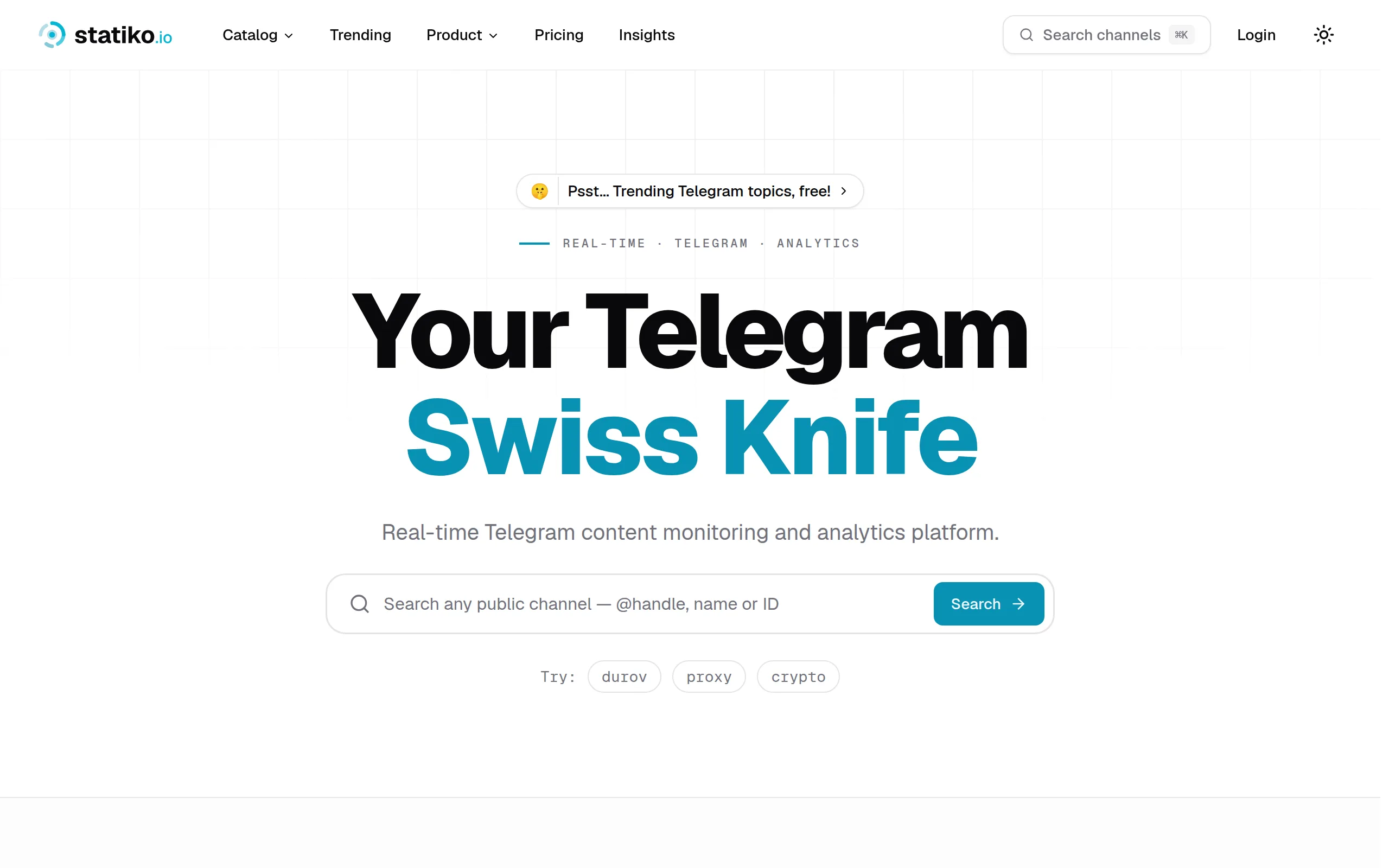
Statiko
Monitor any Telegram channel in real time - track posts, edits, deletions, and growth with AI recaps 📡

Shibui
AI website builder - describe your business, pick a niche template, edit by chatting, and publish instantly ✨

Pro Service
Find verified home service professionals, compare quotes, and pay securely through escrow - built for Brazilians across the US 🏠
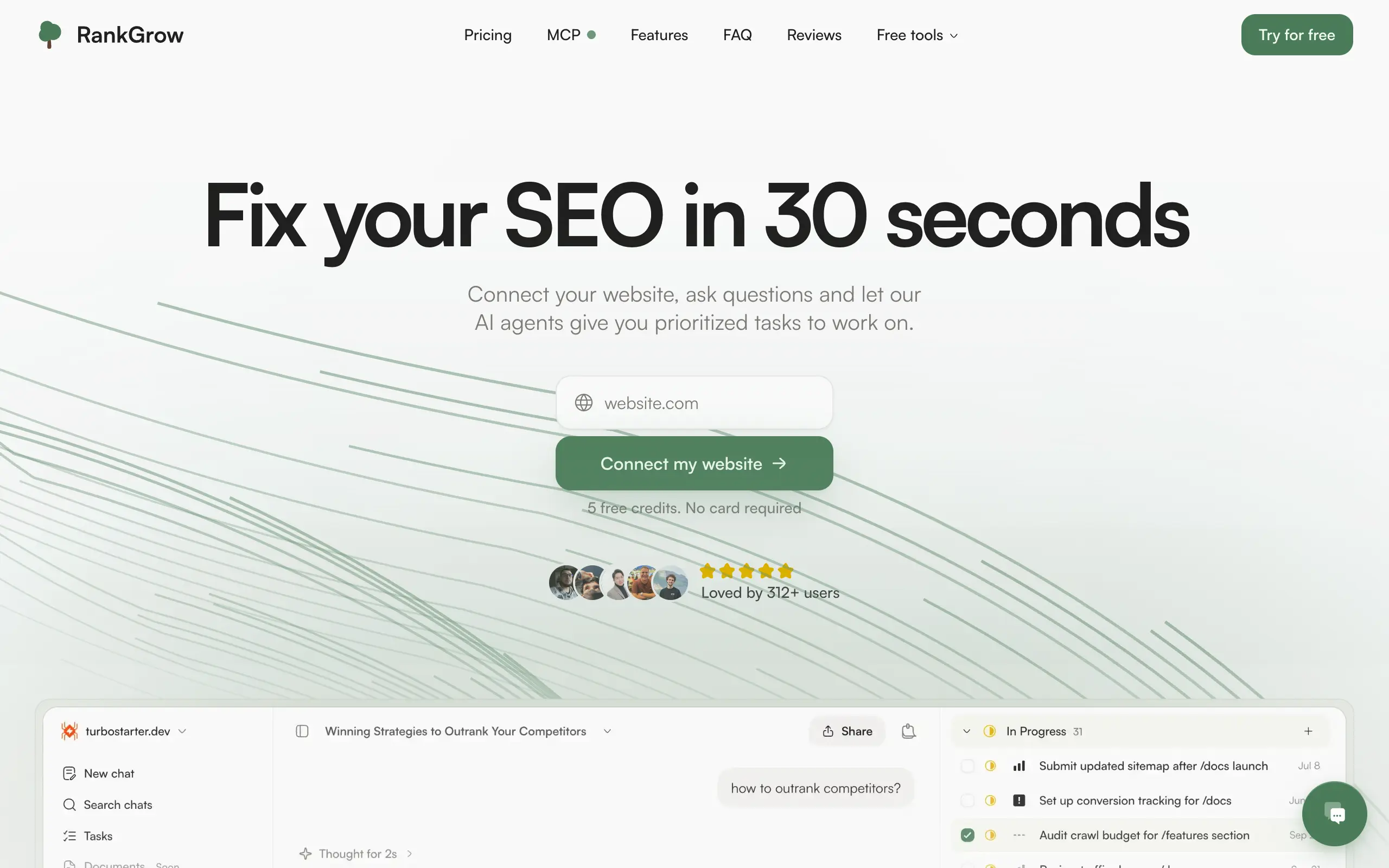
RankGrow
Fix your SEO with AI agents - connect Search Console, get prioritized tasks, and grow organic traffic 📈
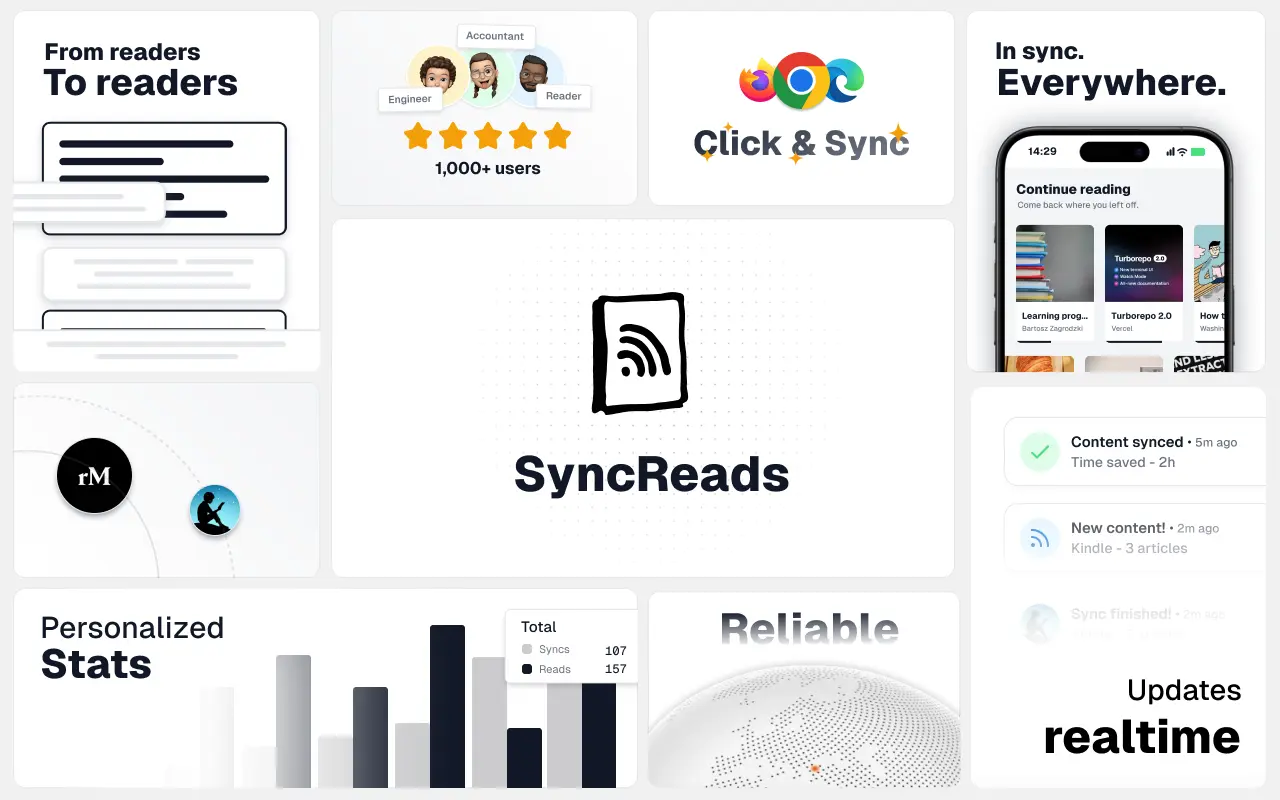
SyncReads
Sync your favorite content for distraction-free reading, save time and replace multiple apps. Anytime, anywhere 🔄
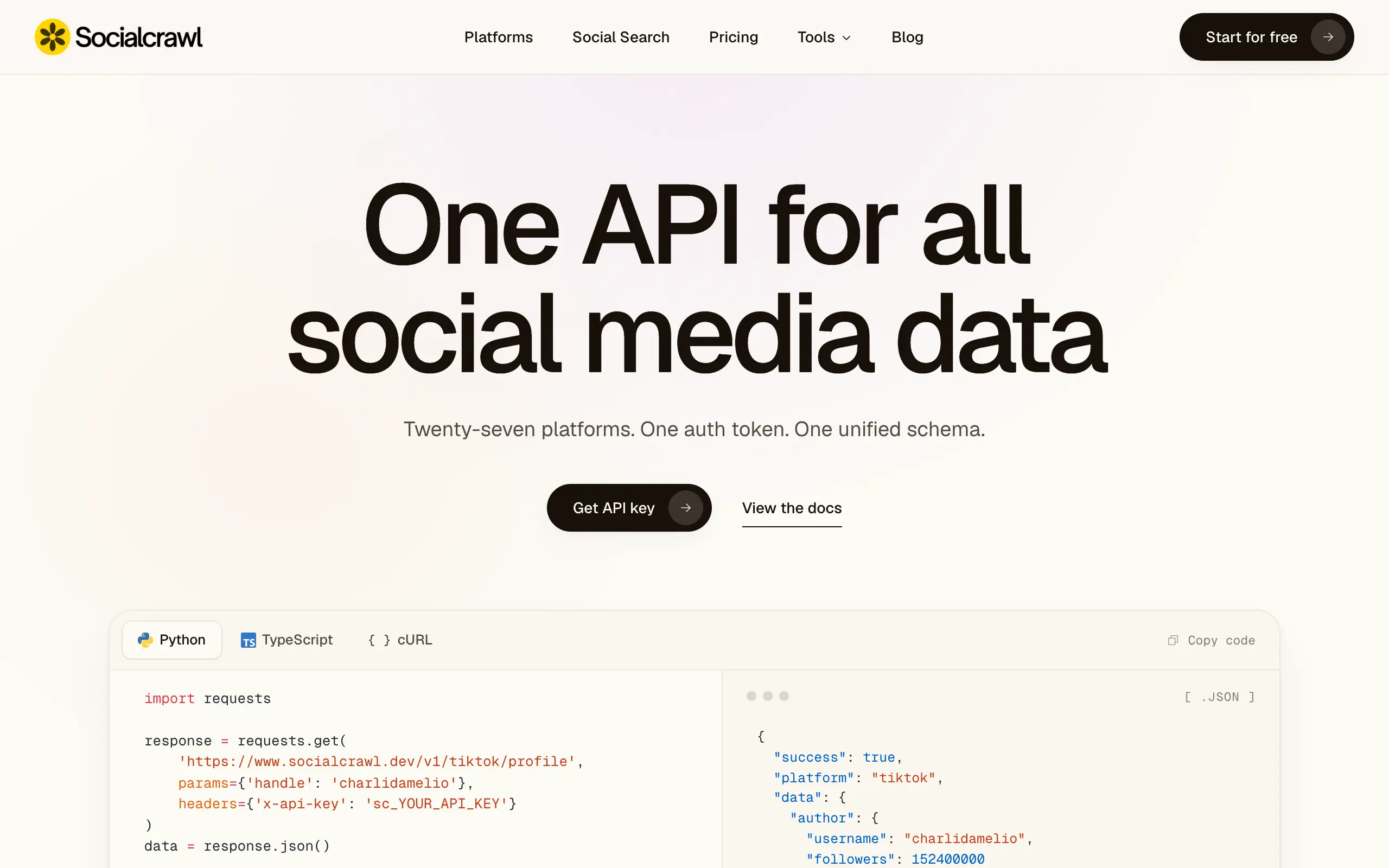
Socialcrawl
Get clean, structured data from 21 platforms like TikTok, Instagram, and YouTube with a single request 📊
Statiko
Monitor any Telegram channel in real time - track posts, edits, deletions, and growth with AI recaps 📡
Shibui
AI website builder - describe your business, pick a niche template, edit by chatting, and publish instantly ✨
Pro Service
Find verified home service professionals, compare quotes, and pay securely through escrow - built for Brazilians across the US 🏠
RankGrow
Fix your SEO with AI agents - connect Search Console, get prioritized tasks, and grow organic traffic 📈
SyncReads
Sync your favorite content for distraction-free reading, save time and replace multiple apps. Anytime, anywhere 🔄
Socialcrawl
Get clean, structured data from 21 platforms like TikTok, Instagram, and YouTube with a single request 📊
Statiko
Monitor any Telegram channel in real time - track posts, edits, deletions, and growth with AI recaps 📡
Shibui
AI website builder - describe your business, pick a niche template, edit by chatting, and publish instantly ✨
Pro Service
Find verified home service professionals, compare quotes, and pay securely through escrow - built for Brazilians across the US 🏠
RankGrow
Fix your SEO with AI agents - connect Search Console, get prioritized tasks, and grow organic traffic 📈
SyncReads
Sync your favorite content for distraction-free reading, save time and replace multiple apps. Anytime, anywhere 🔄
Socialcrawl
Get clean, structured data from 21 platforms like TikTok, Instagram, and YouTube with a single request 📊
Statiko
Monitor any Telegram channel in real time - track posts, edits, deletions, and growth with AI recaps 📡
Shibui
AI website builder - describe your business, pick a niche template, edit by chatting, and publish instantly ✨
Pro Service
Find verified home service professionals, compare quotes, and pay securely through escrow - built for Brazilians across the US 🏠
RankGrow
Fix your SEO with AI agents - connect Search Console, get prioritized tasks, and grow organic traffic 📈
SyncReads
Sync your favorite content for distraction-free reading, save time and replace multiple apps. Anytime, anywhere 🔄
Socialcrawl
Get clean, structured data from 21 platforms like TikTok, Instagram, and YouTube with a single request 📊
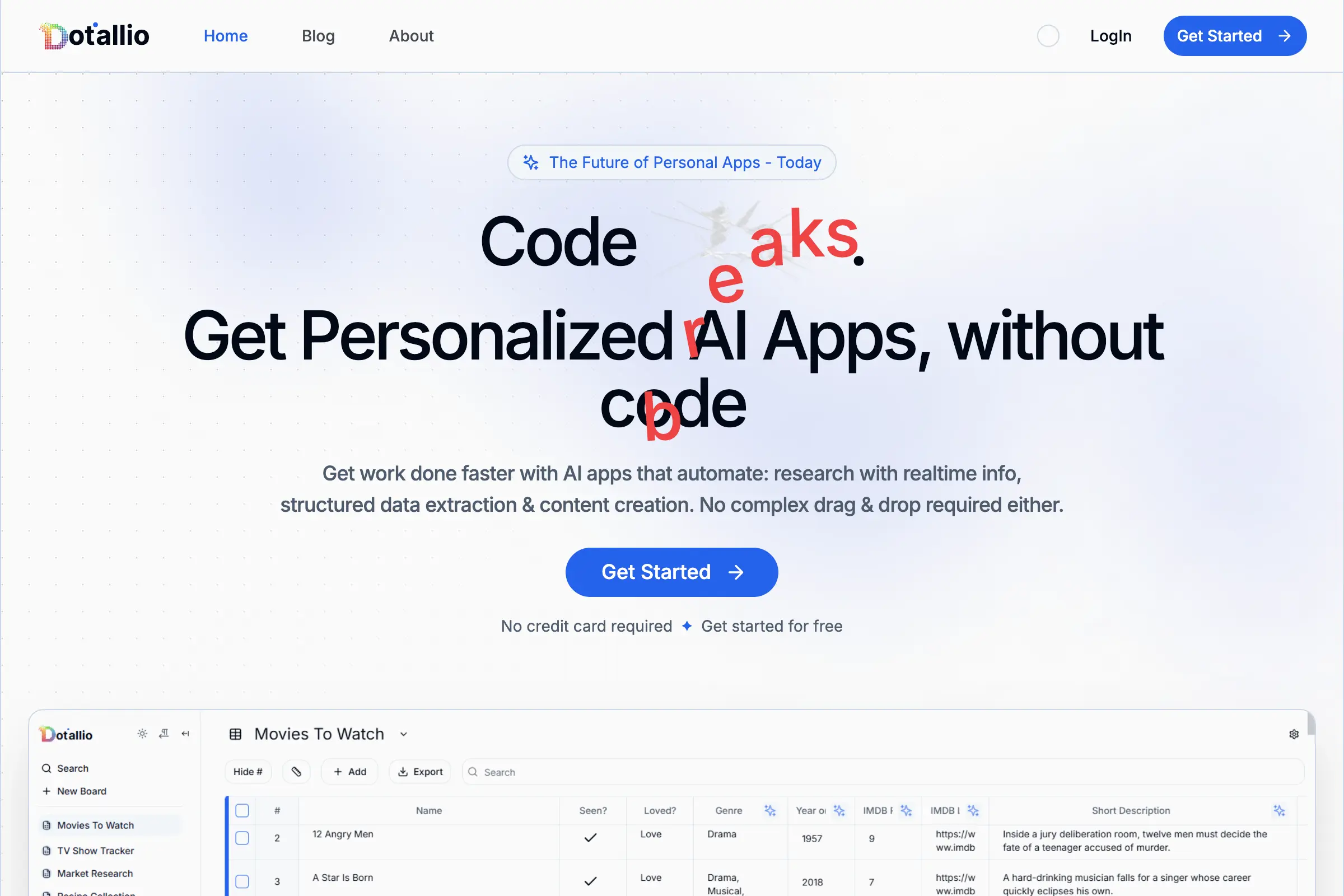
Dotallio
Personalized AI apps that automate research, data extraction, and content creation without code 🤖

Talk to Santa
Enjoy a magical live video chat or receive a unique AI-generated video greeting from Santa Claus 🎅
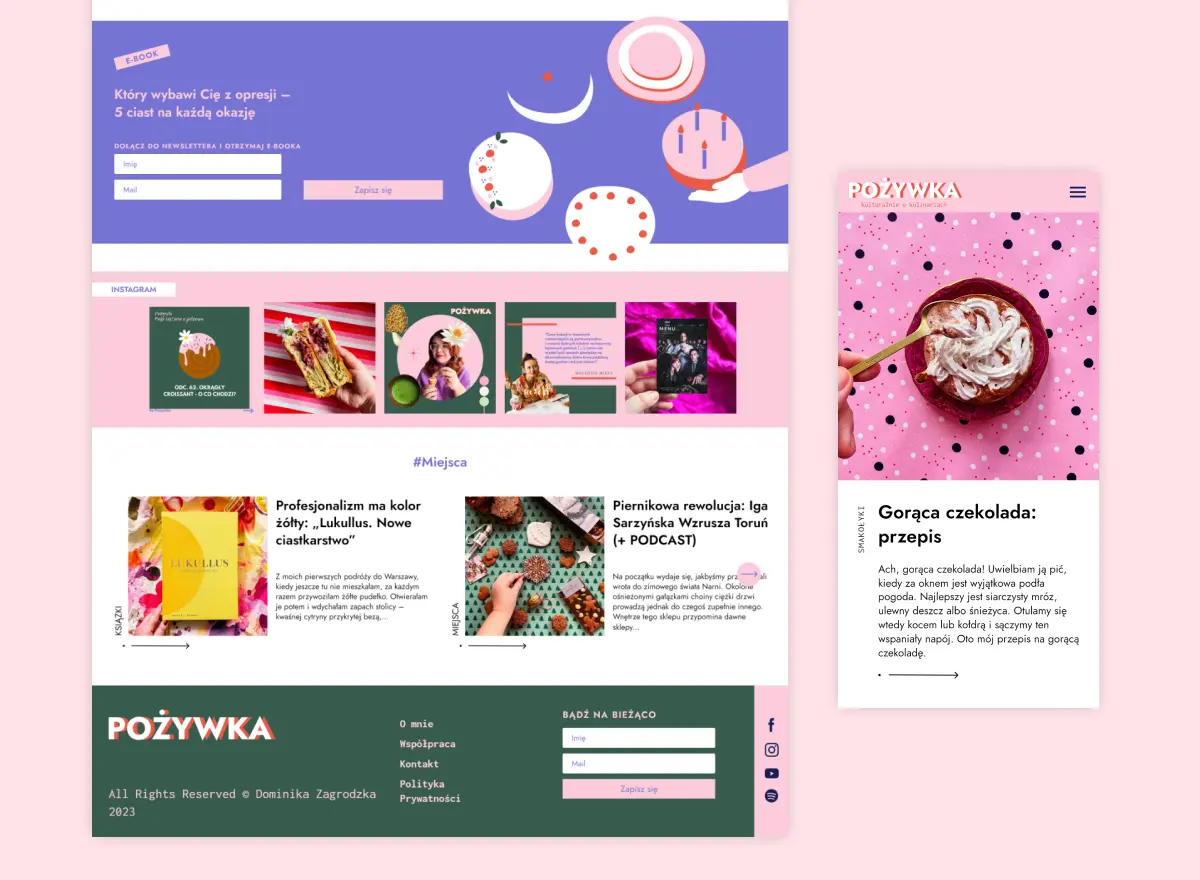
pozywka.pl
Scalable blog for food journalist, focused on performance and user experience 🌭
zagrodzki.me
Personal blog and portfolio of Bart Zagrodzki, where he shares his knowledge and work 💼
TurboStarter
Ship your startup everywhere. In minutes.
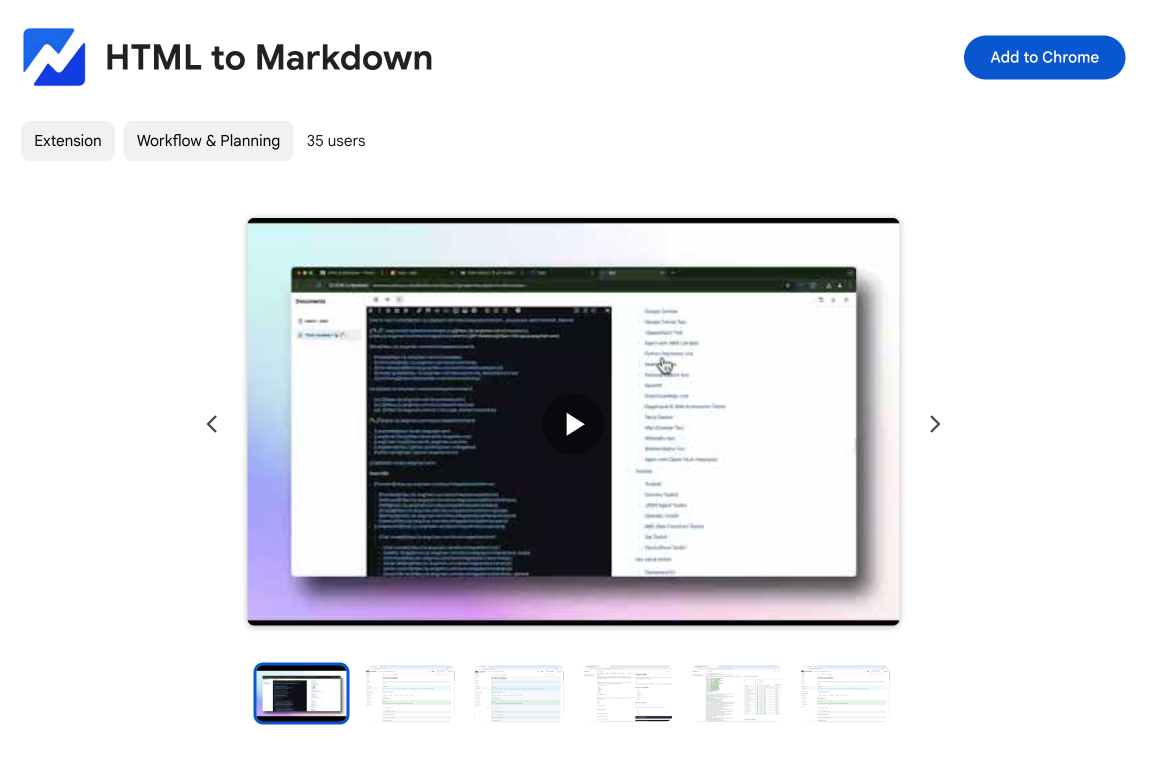
HTML to Markdown
Convert HTML to Markdown with ease, directly in your browser 📄
Dotallio
Personalized AI apps that automate research, data extraction, and content creation without code 🤖
Talk to Santa
Enjoy a magical live video chat or receive a unique AI-generated video greeting from Santa Claus 🎅
pozywka.pl
Scalable blog for food journalist, focused on performance and user experience 🌭
zagrodzki.me
Personal blog and portfolio of Bart Zagrodzki, where he shares his knowledge and work 💼
TurboStarter
Ship your startup everywhere. In minutes.
HTML to Markdown
Convert HTML to Markdown with ease, directly in your browser 📄
Dotallio
Personalized AI apps that automate research, data extraction, and content creation without code 🤖
Talk to Santa
Enjoy a magical live video chat or receive a unique AI-generated video greeting from Santa Claus 🎅
pozywka.pl
Scalable blog for food journalist, focused on performance and user experience 🌭
zagrodzki.me
Personal blog and portfolio of Bart Zagrodzki, where he shares his knowledge and work 💼
TurboStarter
Ship your startup everywhere. In minutes.
HTML to Markdown
Convert HTML to Markdown with ease, directly in your browser 📄
Dotallio
Personalized AI apps that automate research, data extraction, and content creation without code 🤖
Talk to Santa
Enjoy a magical live video chat or receive a unique AI-generated video greeting from Santa Claus 🎅
pozywka.pl
Scalable blog for food journalist, focused on performance and user experience 🌭
zagrodzki.me
Personal blog and portfolio of Bart Zagrodzki, where he shares his knowledge and work 💼
TurboStarter
Ship your startup everywhere. In minutes.
HTML to Markdown
Convert HTML to Markdown with ease, directly in your browser 📄
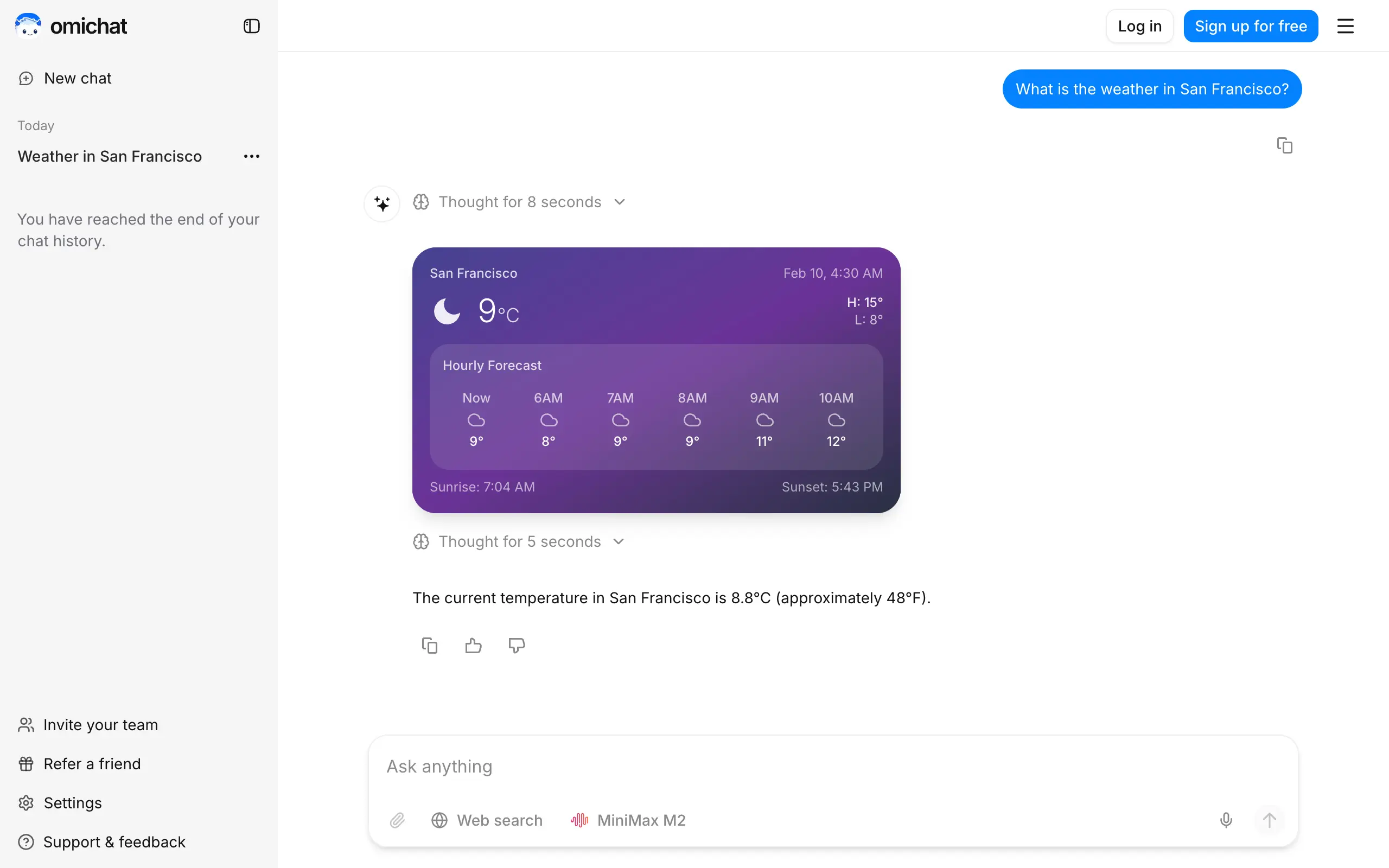
Omichat
Chat with 50+ AI models, including ChatGPT and Claude, in one place - switch models anytime without losing context 🤖
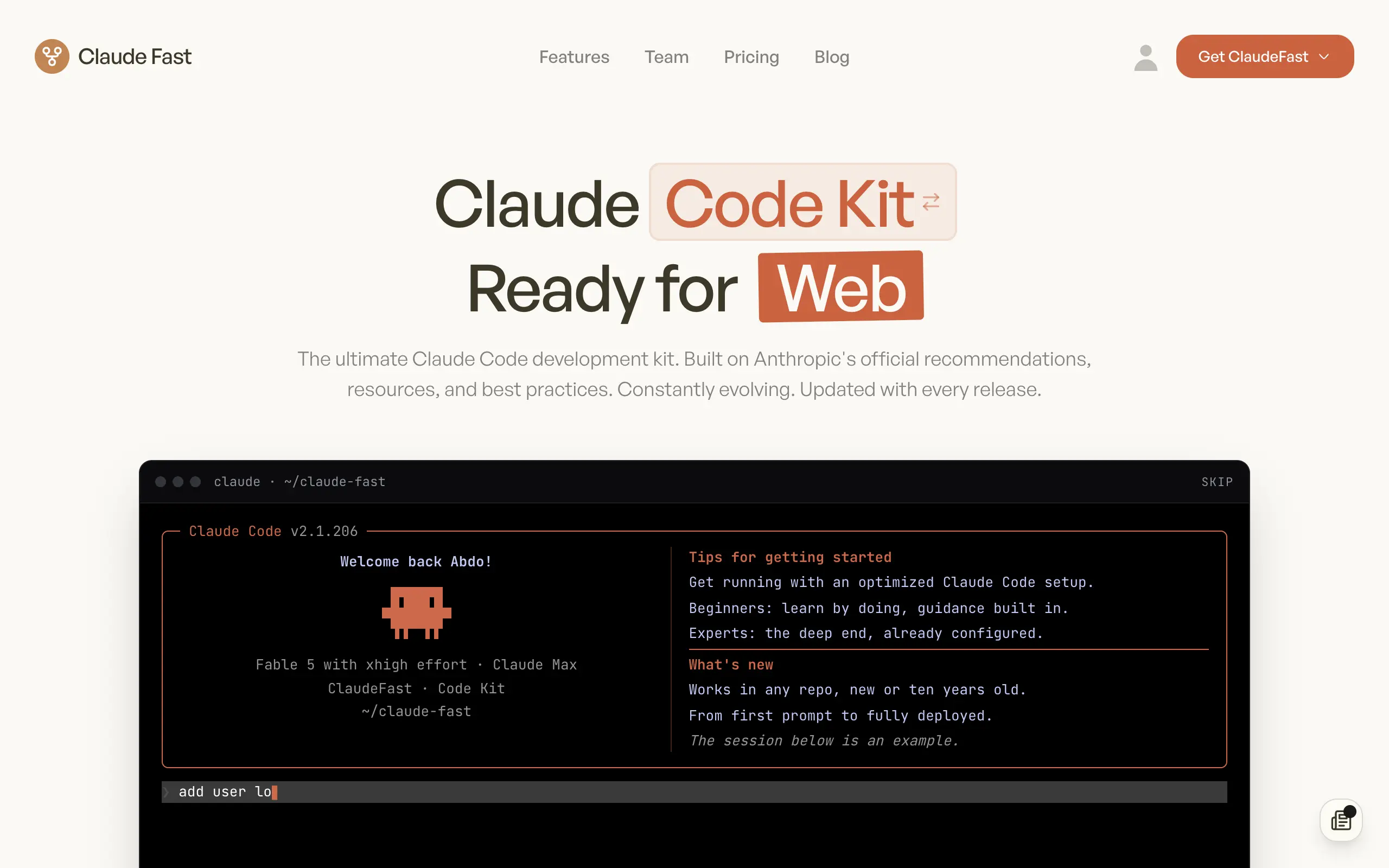
Claude Fast
Supercharge your Claude Code with 6x effective context window and specialized AI agents 🤖
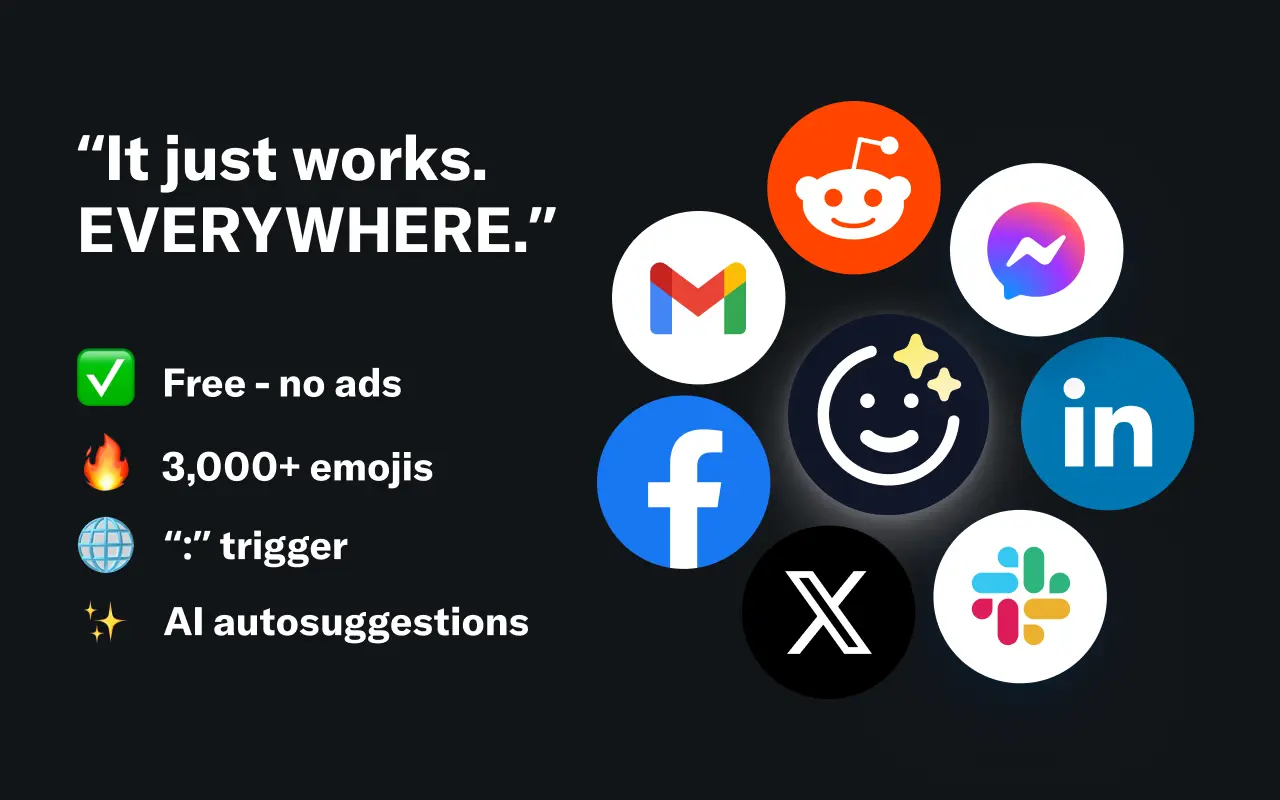
EmojAI
AI-powered emoji picker with smart, context-aware suggestions 🤖
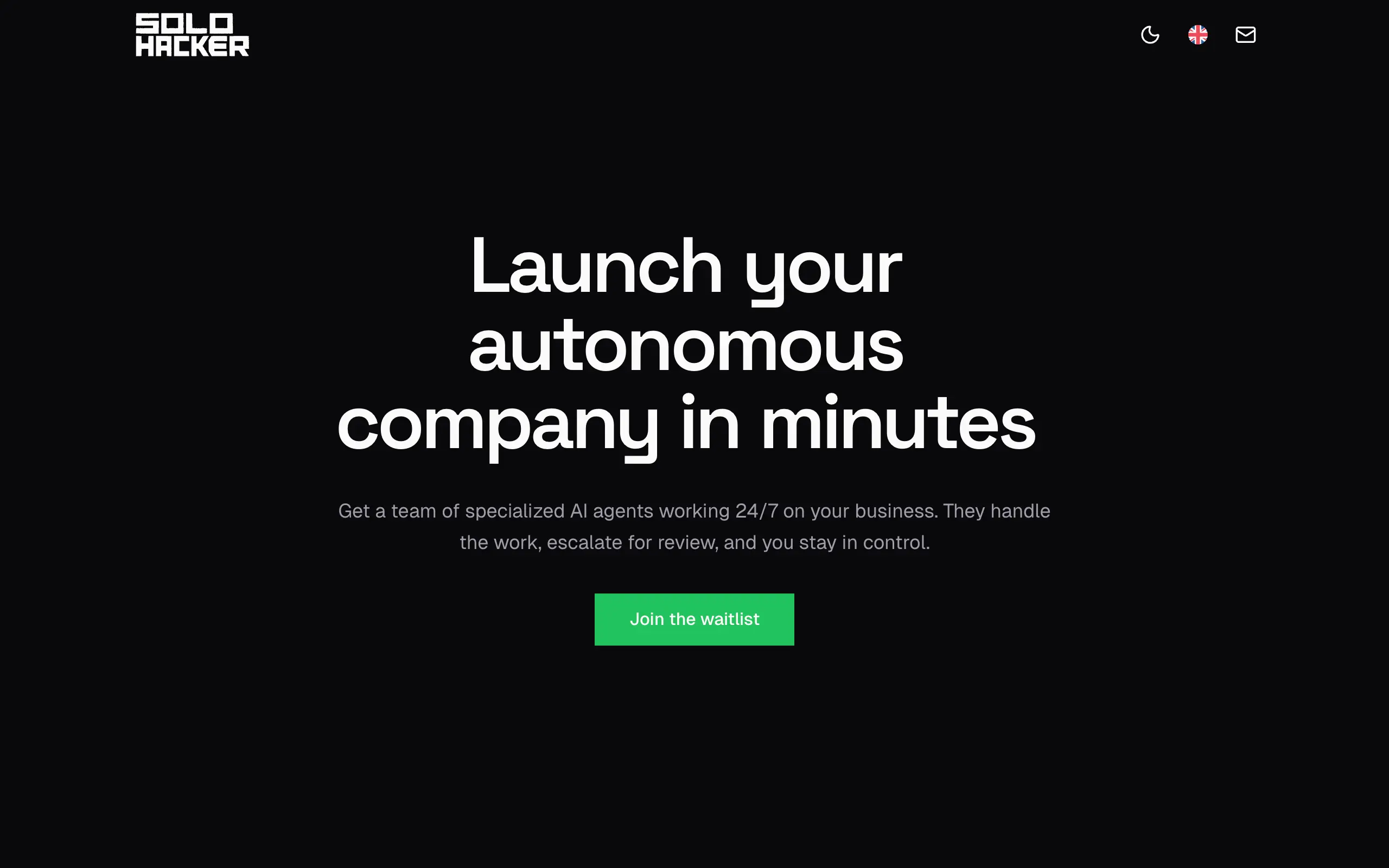
Solohacker
Autonomous company launcher - AI agents work 24/7, escalate what matters, and you stay in control 🤖
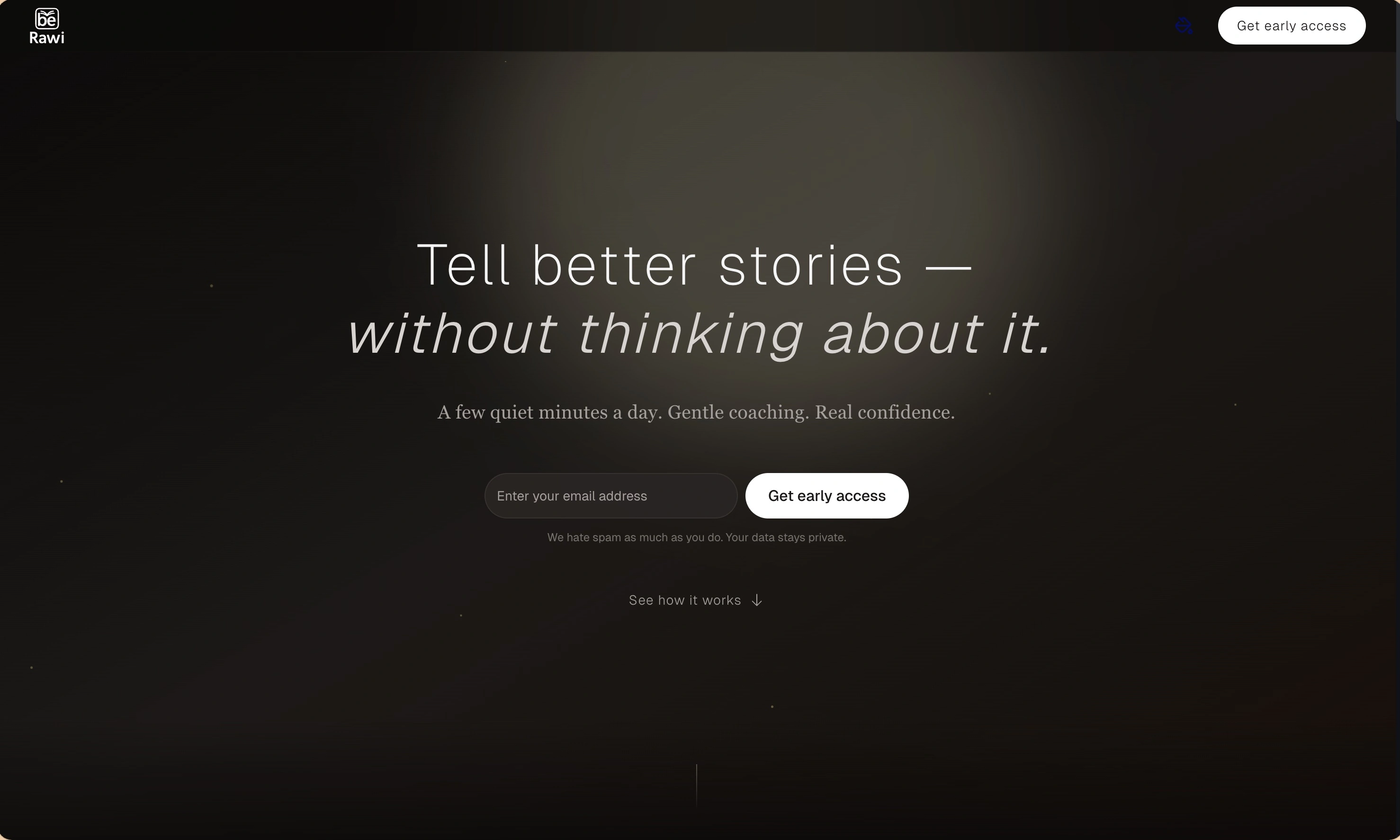
BeRawi: Storytelling Coach
Practice storytelling daily with instant feedback to sound clearer, more engaging, and confident 🎤
Omichat
Chat with 50+ AI models, including ChatGPT and Claude, in one place - switch models anytime without losing context 🤖
Claude Fast
Supercharge your Claude Code with 6x effective context window and specialized AI agents 🤖
EmojAI
AI-powered emoji picker with smart, context-aware suggestions 🤖
Solohacker
Autonomous company launcher - AI agents work 24/7, escalate what matters, and you stay in control 🤖
BeRawi: Storytelling Coach
Practice storytelling daily with instant feedback to sound clearer, more engaging, and confident 🎤
Omichat
Chat with 50+ AI models, including ChatGPT and Claude, in one place - switch models anytime without losing context 🤖
Claude Fast
Supercharge your Claude Code with 6x effective context window and specialized AI agents 🤖
EmojAI
AI-powered emoji picker with smart, context-aware suggestions 🤖
Solohacker
Autonomous company launcher - AI agents work 24/7, escalate what matters, and you stay in control 🤖
BeRawi: Storytelling Coach
Practice storytelling daily with instant feedback to sound clearer, more engaging, and confident 🎤
Omichat
Chat with 50+ AI models, including ChatGPT and Claude, in one place - switch models anytime without losing context 🤖
Claude Fast
Supercharge your Claude Code with 6x effective context window and specialized AI agents 🤖
EmojAI
AI-powered emoji picker with smart, context-aware suggestions 🤖
Solohacker
Autonomous company launcher - AI agents work 24/7, escalate what matters, and you stay in control 🤖
BeRawi: Storytelling Coach
Practice storytelling daily with instant feedback to sound clearer, more engaging, and confident 🎤

Connect with like-minded people
Join our community to get feedback, support, and grow together with 1,000+ builders on board, let's ship it!
Join usShip your startup everywhere. In minutes.
Don't burn tokens on setup and start building features on day one.