Zoniq
Instant zoning, code, and feasibility intelligence for developers and brokers, turning parcels into clear build and use scenarios in minutes.
Understanding the problem Zoniq is solving in modern real estate development
Real estate development has always been information-heavy, but in the last decade the complexity has increased dramatically. Zoning codes are more granular, overlays are more common, environmental and historical constraints are stricter, and municipalities publish data in fragmented, inconsistent ways. For developers, brokers, and land investors, the earliest stage of a deal is often the most uncertain and time-consuming.
Before a parcel can be valued accurately, teams must answer questions like:
- What is the allowed use by right?
- What are the maximum height, FAR, setbacks, and density limits?
- Are there overlays, historic districts, or environmental constraints?
- What approval path is required for alternative uses?
- Is the site economically feasible given zoning constraints?
Today, these answers are typically found by manually reviewing zoning ordinances, PDFs, GIS layers, and municipal code repositories, often across multiple systems. This process can take hours or days per parcel and requires specialized expertise.
Zoniq is designed to eliminate that friction.
Zoniq provides instant zoning, code, and feasibility intelligence, turning raw parcel data into clear build and use scenarios in minutes. For developers and brokers, it compresses weeks of early-stage diligence into a fast, repeatable workflow—unlocking speed, confidence, and competitive advantage.
Primary keyword and search intent alignment
The primary keyword for this product is:
zoning feasibility software
Closely related semantic and LSI keywords include:
- real estate zoning analysis software
- zoning intelligence platform
- land feasibility analysis tool
- real estate development due diligence software
- zoning and land use analysis SaaS
- parcel-level zoning insights
The dominant user search intent behind these keywords is commercial and informational with validation intent. Users are typically:
- Developers evaluating whether a site is worth pursuing
- Brokers trying to position land deals more effectively
- Proptech founders and analysts researching tooling
- Investors seeking faster underwriting and risk reduction
This article is structured to answer what Zoniq is, who it is for, why it matters, how it works, and how to implement it as a SaaS product—all while demonstrating strong E‑E‑A‑T signals.
Target audience analysis: who Zoniq is built for
Zoniq is a B2B SaaS product serving multiple stakeholders across the real estate ecosystem. Each segment shares a need for zoning clarity but uses the data differently.
Real estate developers
Developers are Zoniq’s core audience. They need fast, reliable answers during site selection and early underwriting.
Key pain points:
- Time-consuming zoning research during deal screening
- Reliance on consultants for basic feasibility checks
- Inconsistent interpretations across municipalities
- Missed deals due to slow diligence
How Zoniq helps:
- Instant parcel-level zoning summaries
- Clear build envelopes and use scenarios
- Early feasibility signals before heavy investment
Commercial and land brokers
Brokers use zoning intelligence to market parcels effectively and advise clients.
Key pain points:
- Difficulty explaining zoning constraints to buyers
- Lost credibility when zoning assumptions are wrong
- Manual research for every listing
How Zoniq helps:
- Shareable zoning and feasibility reports
- Faster responses to buyer questions
- Differentiation in competitive brokerage markets
Real estate investors and funds
Investors need standardized, comparable data across markets.
Key pain points:
- Inconsistent underwriting assumptions
- Limited visibility into zoning risk
- Slower deal pipelines
How Zoniq helps:
- Normalized zoning insights across jurisdictions
- Faster go/no-go decisions
- Reduced downside risk
Architects and planners (secondary audience)
While not the primary buyer, architects benefit from early zoning clarity.
Use cases:
- Pre-design feasibility
- Massing and envelope exploration
- Client education
Market opportunity and gap analysis
The current state of zoning analysis
Despite billions invested in proptech, zoning intelligence remains underserved. Existing solutions fall into three broad categories:
-
Manual research
PDFs, municipal code websites, and GIS portals. -
GIS mapping tools
Excellent spatial data, but limited interpretation. -
Consultants and zoning attorneys
High accuracy, high cost, and slow turnaround.
What’s missing is a productized, scalable zoning feasibility software that combines automation with interpretation.
Why now is the right time for Zoniq
Several macro trends make Zoniq especially timely:
- Increased density and zoning reform in urban markets
- Remote and distributed development teams needing shared intelligence
- AI-assisted document parsing and code interpretation
- Pressure to move faster in competitive land markets
Municipalities are also publishing more data digitally, creating an opportunity to standardize and interpret it at scale.
Market size and expansion potential
Zoniq starts in a niche but expandable market:
- Initial focus: US urban and suburban land development
- Expansion paths:
- Additional geographies
- Specialized asset classes (industrial, multifamily, mixed-use)
- Deeper feasibility modeling
- API access for enterprise clients
This creates a strong foundation for a defensible, data-driven SaaS business.
Core features of Zoniq: turning parcels into clear scenarios
At its core, Zoniq is not just a data aggregator. It is an interpretation engine for zoning and land use codes.
Parcel-based zoning lookup
Users start with an address or parcel ID.
Zoniq automatically:
- Identifies the governing jurisdiction
- Maps zoning districts and overlays
- Pulls relevant code sections
The result is a single source of truth for parcel-level zoning.
Human-readable zoning summaries
Zoning codes are written for lawyers, not builders. Zoniq translates them into clear language.
Examples:
- Allowed uses by right vs conditional
- Maximum height and density
- FAR and lot coverage limits
- Parking requirements
- Setbacks and buffers
This dramatically reduces cognitive load for users.
Build envelope and massing logic
One of Zoniq’s strongest differentiators is its ability to convert zoning rules into buildable outcomes.
Instead of just listing regulations, it answers:
- What can I realistically build here?
- How big can it be?
- Which uses maximize value under current zoning?
This bridges the gap between zoning law and financial feasibility.
Feasibility signals and scenarios
Zoniq can surface multiple scenarios per parcel, such as:
- By-right development
- Conditional use scenarios
- Rezoning or variance paths (where applicable)
Each scenario includes:
- Risk level
- Complexity
- Time implications
This is especially valuable for early-stage deal screening.
Exportable and shareable outputs
To support collaboration, Zoniq provides:
- PDF reports for clients and investors
- Shareable links for internal teams
- Structured data for downstream modeling
How Zoniq compares to existing solutions
To clarify Zoniq’s positioning, the table below compares common approaches to zoning analysis.
| Approach | Fast | Interpreted | Scalable | Cost-effective |
|---|---|---|---|---|
| Manual research | ❌ | ❌ | ❌ | ✅ |
| Consultants | ❌ | ✅ | ❌ | ❌ |
| GIS tools | ✅ | ❌ | ✅ | ✅ |
| Zoniq | ✅ | ✅ | ✅ | ✅ |
This positioning is key to Zoniq’s competitive advantage.
Recommended technology stack for Zoniq
Building zoning feasibility software requires a balance of performance, flexibility, and data integrity.
Frontend
-
React – for dynamic, data-driven UI
Official site: https://reactjs.org -
TypeScript – ensures correctness when handling complex zoning rules
-
Tailwind CSS – rapid iteration on dense, information-rich layouts
Official site: https://tailwindcss.com
Trade-off: Tailwind accelerates development but requires strong design discipline to avoid inconsistency.
Backend
- Node.js with a structured framework (e.g., NestJS-style architecture)
- PostgreSQL for relational zoning data
- PostGIS for spatial queries and parcel geometry
Trade-off: Spatial queries add complexity but are essential for parcel accuracy.
Data ingestion and processing
- ETL pipelines for municipal zoning codes
- Document parsing for PDFs and code text
- Rule engines for zoning logic
This layer becomes a long-term moat as coverage and accuracy improve.
Infrastructure
- Cloud hosting with regional scalability
- Background job processing for data updates
- Caching for high-frequency parcel lookups
Example: modeling zoning logic in code
Below is a simplified TypeScript-style example illustrating how zoning constraints might be represented.
type ZoningRules = {
  maxHeightFeet: number
  maxFAR: number
  allowedUses: string[]
}

function calculateMaxBuildableArea(
  lotSizeSqFt: number,
  rules: ZoningRules
) {
  return Math.min(
    lotSizeSqFt * rules.maxFAR,
    lotSizeSqFt * (rules.maxHeightFeet / 10)
  )
}
While real-world logic is more complex, this demonstrates how zoning can be translated into deterministic outcomes—one of Zoniq’s core innovations.
Monetization strategies for zoning feasibility software
Zoniq has multiple viable revenue models depending on target customers.
Subscription-based SaaS
The most straightforward approach.
Pricing tiers could include:
- Starter: limited parcels per month
- Pro: unlimited searches, exports
- Enterprise: API access, custom regions
This model aligns well with ongoing usage by developers and brokers.
Usage-based pricing
Charge based on:
- Number of parcels analyzed
- Number of reports generated
This works well for investors with variable deal flow.
Enterprise and data licensing
For large firms or platforms:
- White-labeled zoning intelligence
- Direct API integrations
This creates high-ARPU, low-churn contracts.
Risks, challenges, and mitigation strategies
No proptech product is without risk. Zoniq’s credibility depends on accuracy and trust.
Data accuracy and liability
Risk: Incorrect zoning interpretations could lead to bad decisions.
Mitigation:
- Clear disclaimers and confidence levels
- Source citations for each rule
- Human review for complex jurisdictions
Jurisdictional complexity
Risk: Zoning varies wildly by city and state.
Mitigation:
- Start with high-value markets
- Roll out jurisdiction-by-jurisdiction
- Build flexible rule engines
Competitive pressure
Risk: GIS platforms or incumbents may expand into interpretation.
Mitigation:
- Focus on clarity, not just data
- Build brand authority in zoning intelligence
- Move faster than larger competitors
Trust and transparency
Zoniq’s long-term success depends on being transparent about what is automated, what is inferred, and what requires professional judgment.
Zoniq’s unique selling proposition (USP)
Zoniq’s core advantage is not just speed—it is interpretation at scale.
Unlike tools that merely display zoning layers, Zoniq answers the question every developer actually asks:
“What can I build here, and is it worth it?”
This positions Zoniq as:
- A decision-support tool, not just a data viewer
- A bridge between zoning law and financial modeling
- A force multiplier for small and mid-sized teams
Competitive advantage and defensibility
Zoniq builds defensibility across multiple dimensions:
- Data moat: curated, normalized zoning rules
- Workflow lock-in: used early in every deal
- Brand authority: trusted zoning intelligence
- Switching costs: teams standardize on outputs
Over time, Zoniq can become infrastructure, not just software.
Implementation roadmap: from idea to scalable SaaS
For founders building Zoniq or a similar platform, execution matters as much as vision.
If you want to accelerate this process, platforms like TurboStarter can significantly reduce time-to-market by providing a production-ready SaaS foundation.
Final thoughts: why Zoniq matters
Zoning has always been a gatekeeper in real estate development, but it doesn’t have to be a bottleneck. By transforming opaque regulations into actionable intelligence, Zoniq empowers developers, brokers, and investors to move faster and with greater confidence.
As cities evolve and land use becomes more complex, the need for zoning feasibility software will only grow. Zoniq is well-positioned to become the system of record for early-stage real estate decisions—turning parcels into possibilities in minutes, not weeks.
More 🏢 B2B Application SaaS ideas
Discover more innovative b2b application SaaS ideas that are trending in 2026. Each idea is AI-generated with market validation and growth potential to help you find your next profitable venture faster than competitors.
Your competitors are building with TurboStarter
Below are some of the SaaS ideas that have been generated and built with our starter kit.

Statiko
Monitor any Telegram channel in real time - track posts, edits, deletions, and growth with AI recaps 📡

Shibui
AI website builder - describe your business, pick a niche template, edit by chatting, and publish instantly ✨

Pro Service
Find verified home service professionals, compare quotes, and pay securely through escrow - built for Brazilians across the US 🏠
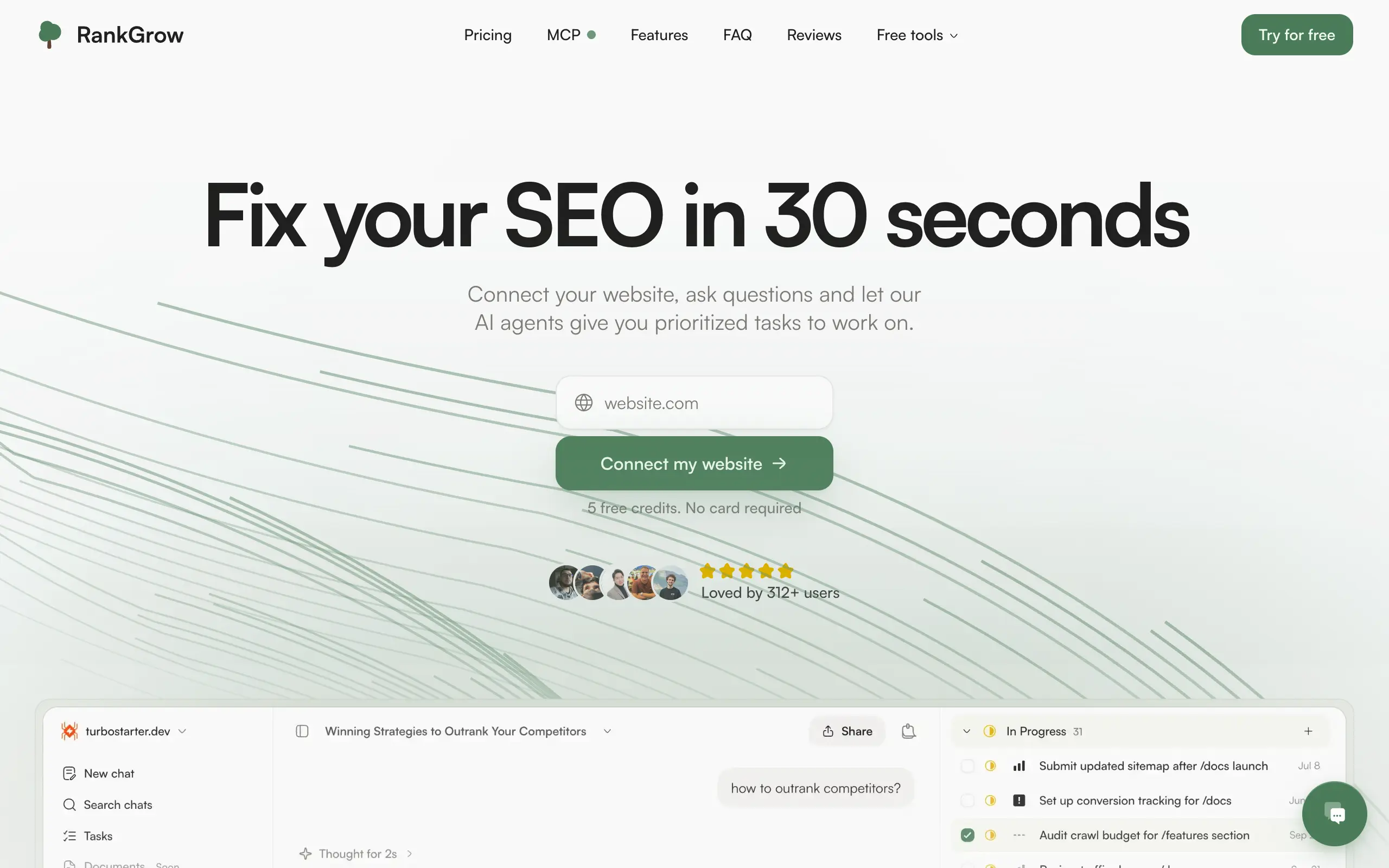
RankGrow
Fix your SEO with AI agents - connect Search Console, get prioritized tasks, and grow organic traffic 📈
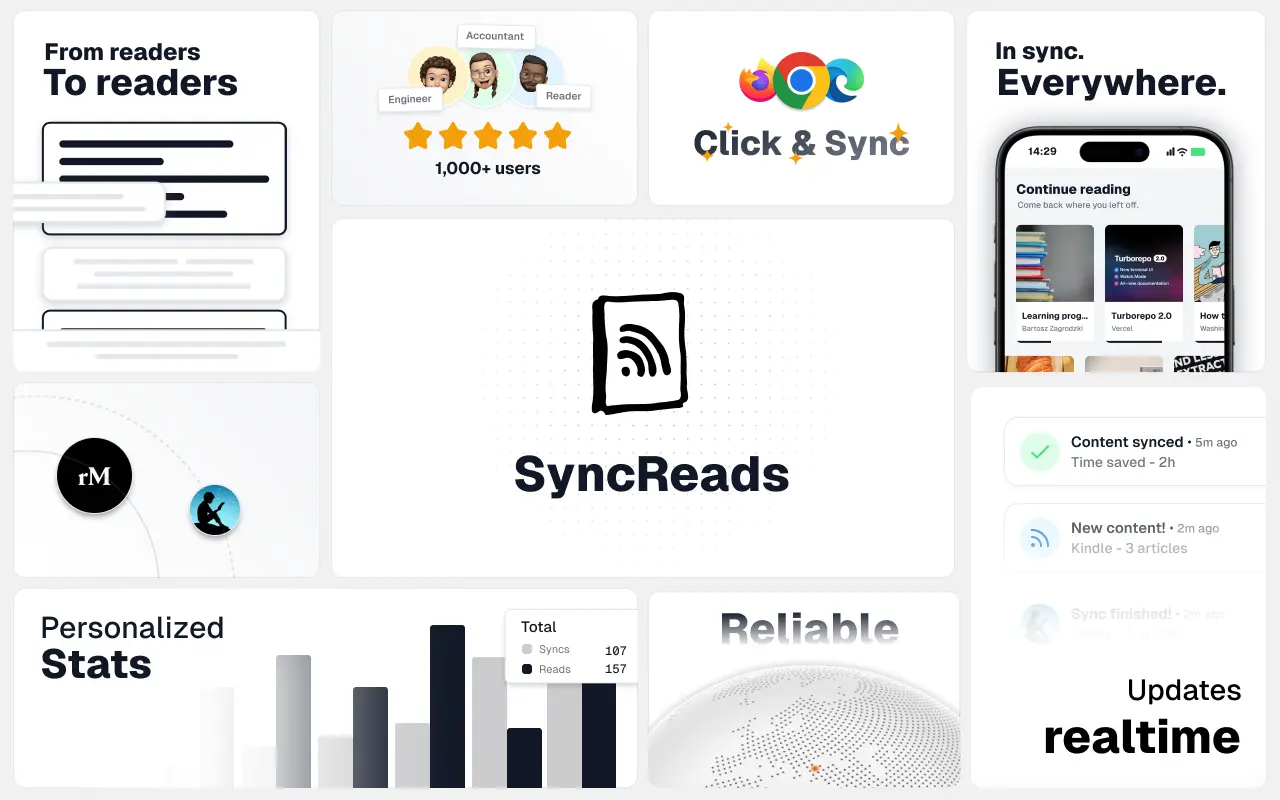
SyncReads
Sync your favorite content for distraction-free reading, save time and replace multiple apps. Anytime, anywhere 🔄
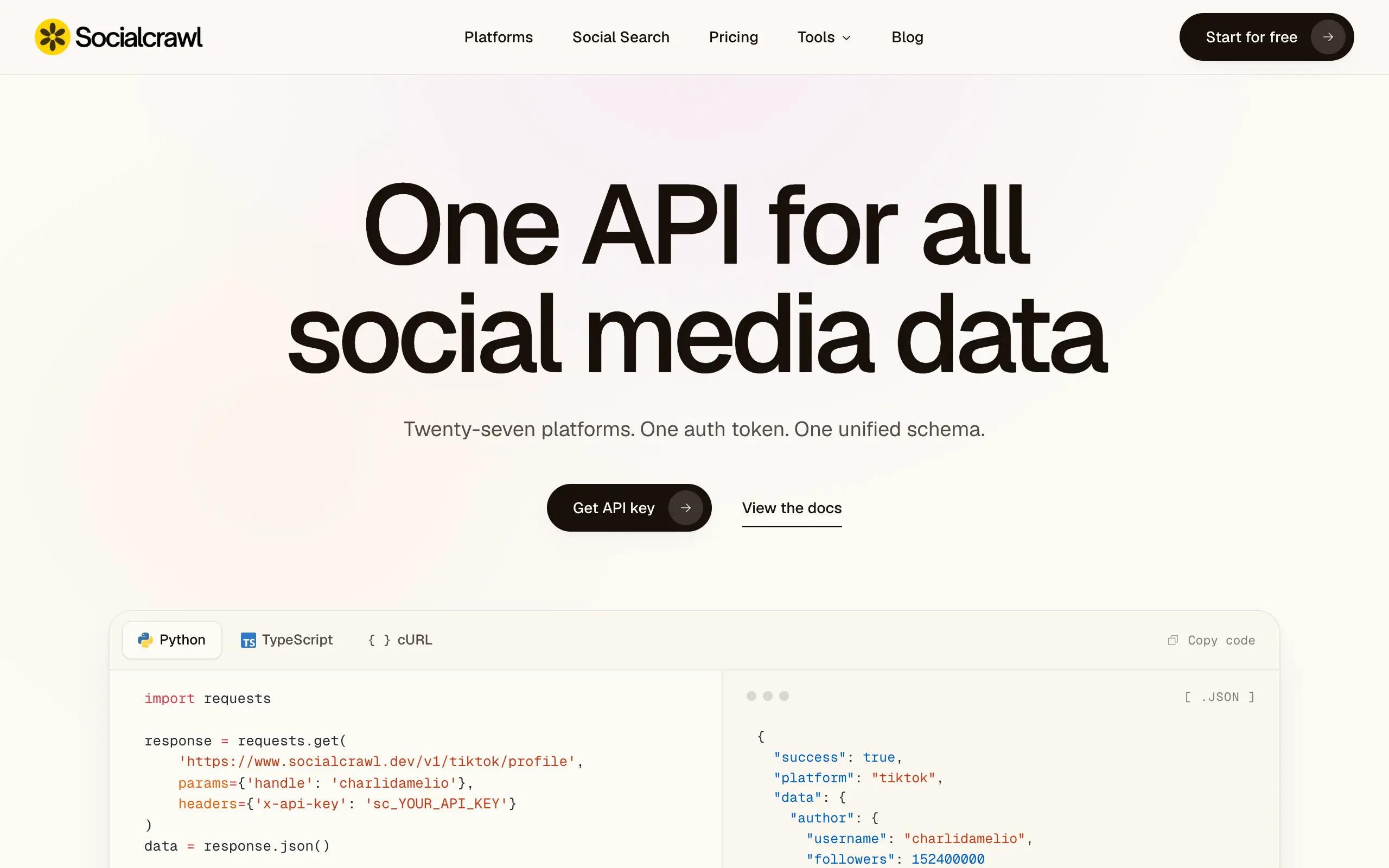
Socialcrawl
Get clean, structured data from 21 platforms like TikTok, Instagram, and YouTube with a single request 📊
Statiko
Monitor any Telegram channel in real time - track posts, edits, deletions, and growth with AI recaps 📡
Shibui
AI website builder - describe your business, pick a niche template, edit by chatting, and publish instantly ✨
Pro Service
Find verified home service professionals, compare quotes, and pay securely through escrow - built for Brazilians across the US 🏠
RankGrow
Fix your SEO with AI agents - connect Search Console, get prioritized tasks, and grow organic traffic 📈
SyncReads
Sync your favorite content for distraction-free reading, save time and replace multiple apps. Anytime, anywhere 🔄
Socialcrawl
Get clean, structured data from 21 platforms like TikTok, Instagram, and YouTube with a single request 📊
Statiko
Monitor any Telegram channel in real time - track posts, edits, deletions, and growth with AI recaps 📡
Shibui
AI website builder - describe your business, pick a niche template, edit by chatting, and publish instantly ✨
Pro Service
Find verified home service professionals, compare quotes, and pay securely through escrow - built for Brazilians across the US 🏠
RankGrow
Fix your SEO with AI agents - connect Search Console, get prioritized tasks, and grow organic traffic 📈
SyncReads
Sync your favorite content for distraction-free reading, save time and replace multiple apps. Anytime, anywhere 🔄
Socialcrawl
Get clean, structured data from 21 platforms like TikTok, Instagram, and YouTube with a single request 📊
Statiko
Monitor any Telegram channel in real time - track posts, edits, deletions, and growth with AI recaps 📡
Shibui
AI website builder - describe your business, pick a niche template, edit by chatting, and publish instantly ✨
Pro Service
Find verified home service professionals, compare quotes, and pay securely through escrow - built for Brazilians across the US 🏠
RankGrow
Fix your SEO with AI agents - connect Search Console, get prioritized tasks, and grow organic traffic 📈
SyncReads
Sync your favorite content for distraction-free reading, save time and replace multiple apps. Anytime, anywhere 🔄
Socialcrawl
Get clean, structured data from 21 platforms like TikTok, Instagram, and YouTube with a single request 📊
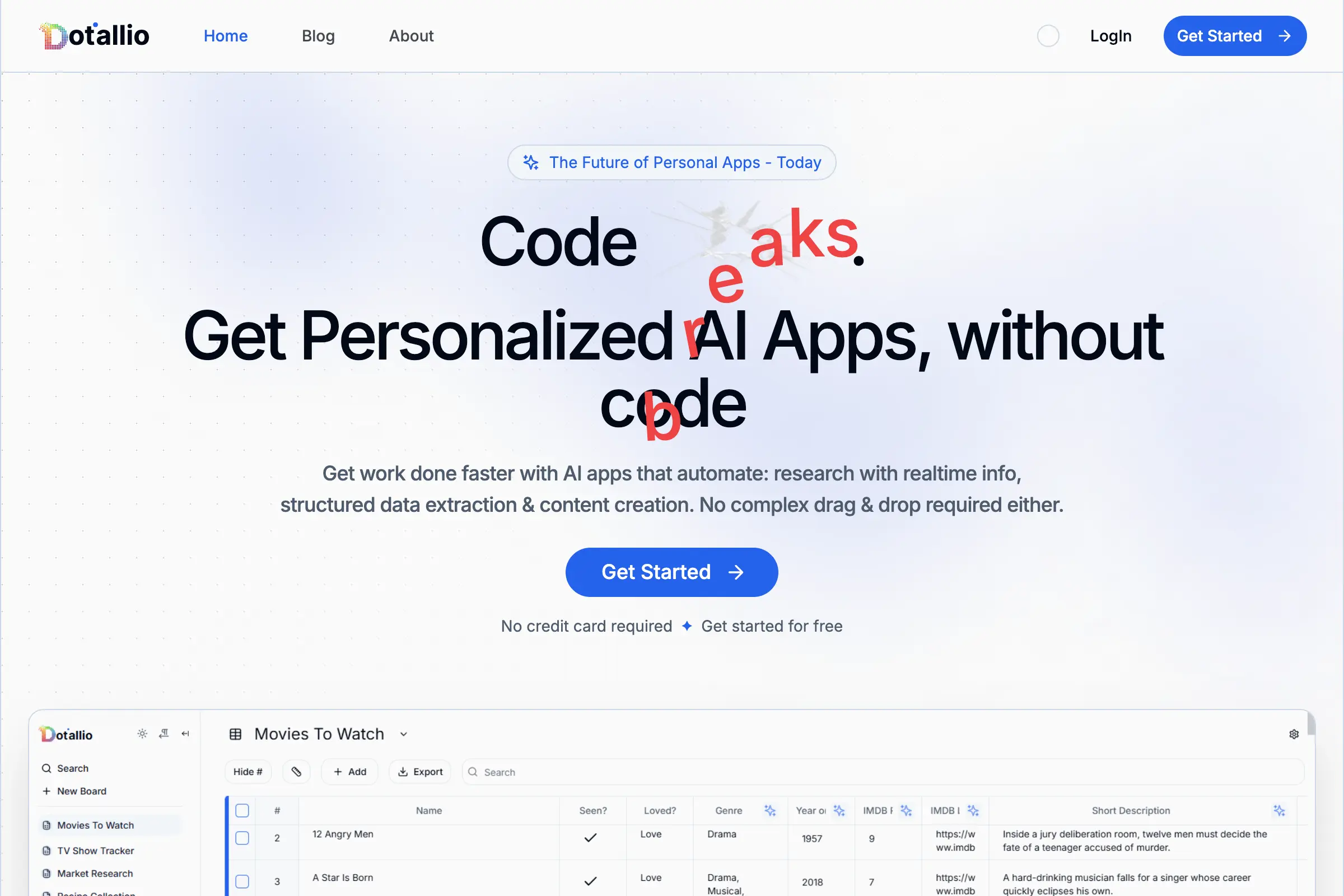
Dotallio
Personalized AI apps that automate research, data extraction, and content creation without code 🤖

Talk to Santa
Enjoy a magical live video chat or receive a unique AI-generated video greeting from Santa Claus 🎅
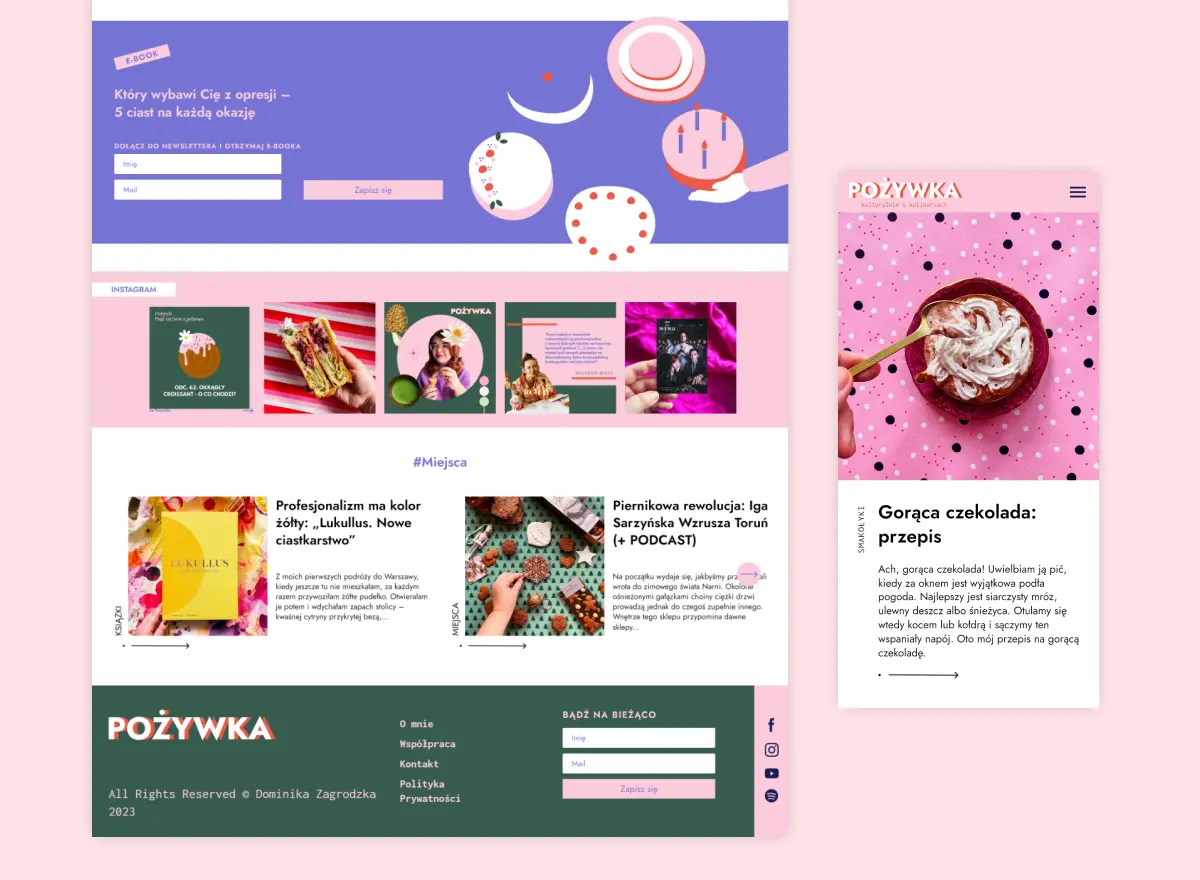
pozywka.pl
Scalable blog for food journalist, focused on performance and user experience 🌭
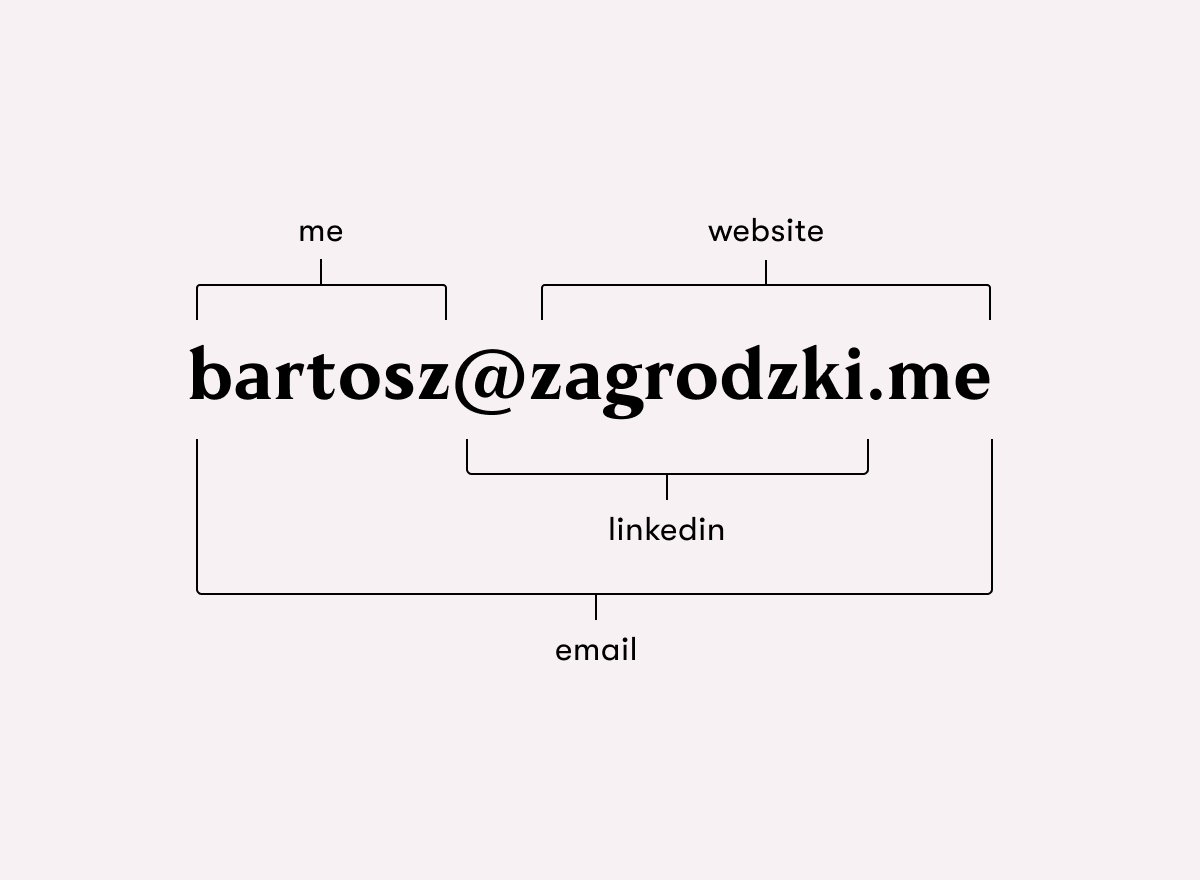
zagrodzki.me
Personal blog and portfolio of Bart Zagrodzki, where he shares his knowledge and work 💼
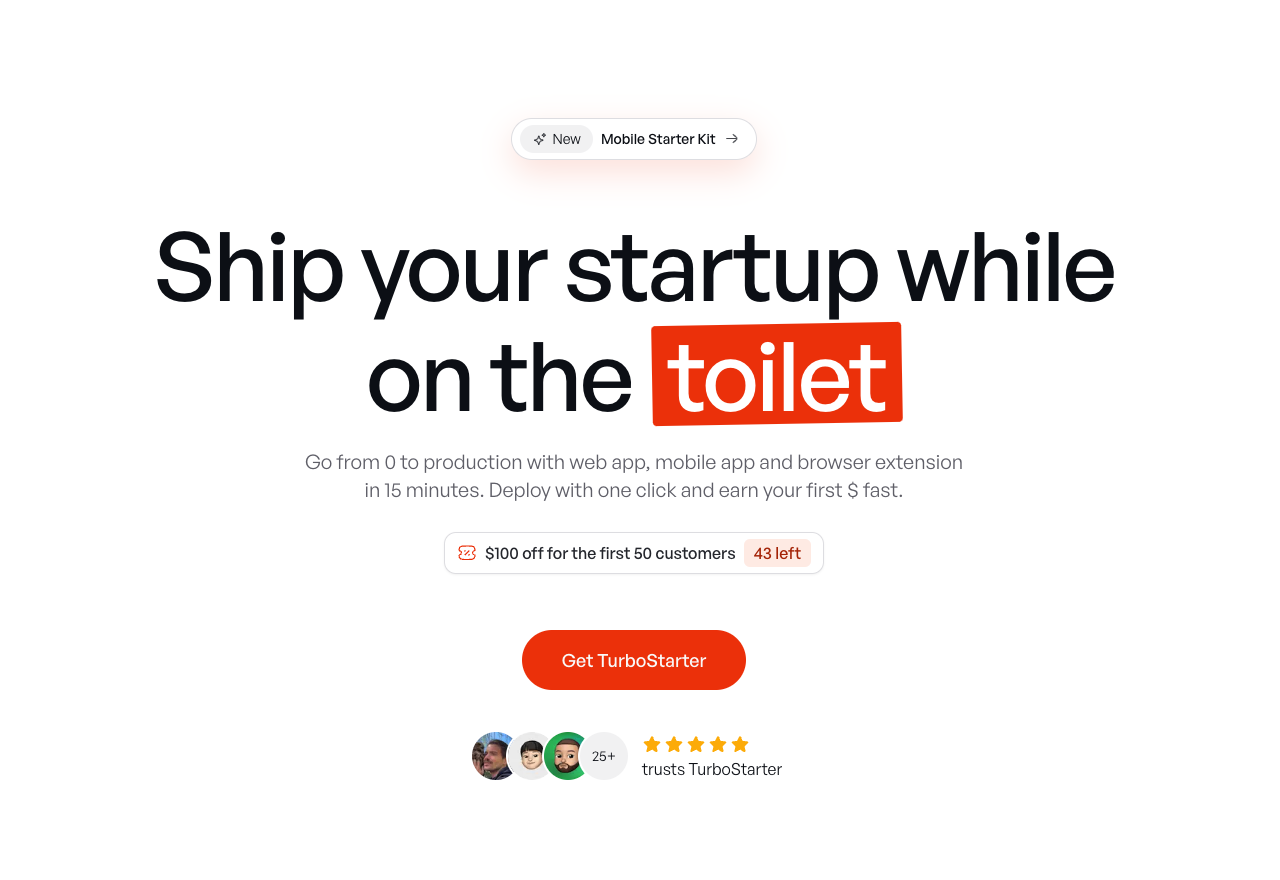
TurboStarter
Ship your startup everywhere. In minutes.
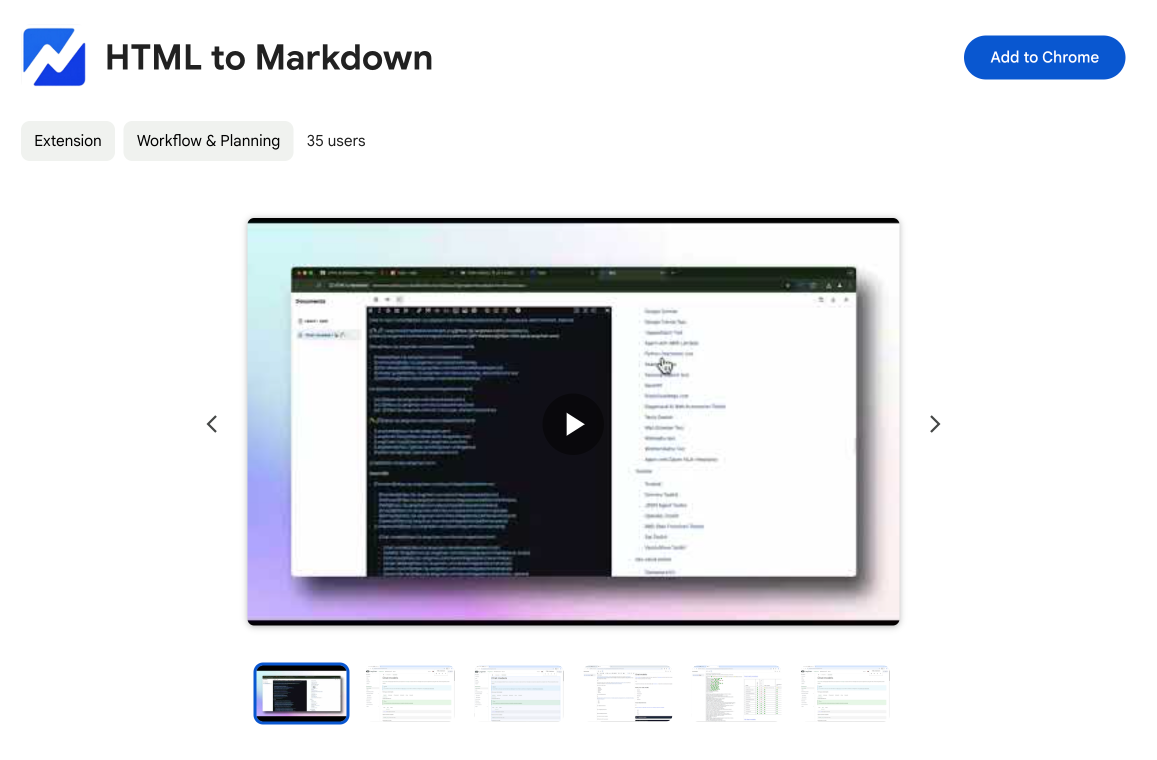
HTML to Markdown
Convert HTML to Markdown with ease, directly in your browser 📄
Dotallio
Personalized AI apps that automate research, data extraction, and content creation without code 🤖
Talk to Santa
Enjoy a magical live video chat or receive a unique AI-generated video greeting from Santa Claus 🎅
pozywka.pl
Scalable blog for food journalist, focused on performance and user experience 🌭
zagrodzki.me
Personal blog and portfolio of Bart Zagrodzki, where he shares his knowledge and work 💼
TurboStarter
Ship your startup everywhere. In minutes.
HTML to Markdown
Convert HTML to Markdown with ease, directly in your browser 📄
Dotallio
Personalized AI apps that automate research, data extraction, and content creation without code 🤖
Talk to Santa
Enjoy a magical live video chat or receive a unique AI-generated video greeting from Santa Claus 🎅
pozywka.pl
Scalable blog for food journalist, focused on performance and user experience 🌭
zagrodzki.me
Personal blog and portfolio of Bart Zagrodzki, where he shares his knowledge and work 💼
TurboStarter
Ship your startup everywhere. In minutes.
HTML to Markdown
Convert HTML to Markdown with ease, directly in your browser 📄
Dotallio
Personalized AI apps that automate research, data extraction, and content creation without code 🤖
Talk to Santa
Enjoy a magical live video chat or receive a unique AI-generated video greeting from Santa Claus 🎅
pozywka.pl
Scalable blog for food journalist, focused on performance and user experience 🌭
zagrodzki.me
Personal blog and portfolio of Bart Zagrodzki, where he shares his knowledge and work 💼
TurboStarter
Ship your startup everywhere. In minutes.
HTML to Markdown
Convert HTML to Markdown with ease, directly in your browser 📄
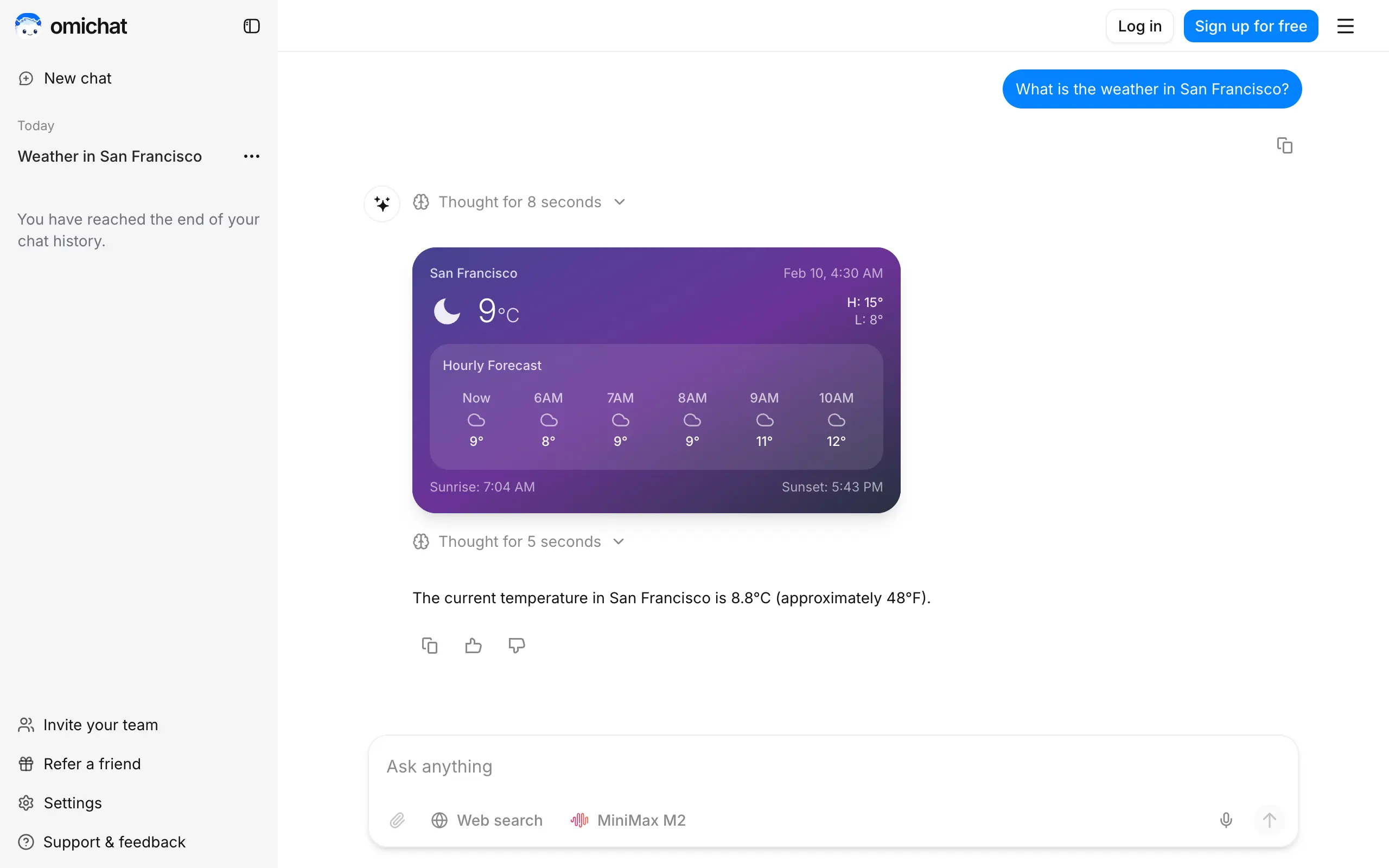
Omichat
Chat with 50+ AI models, including ChatGPT and Claude, in one place - switch models anytime without losing context 🤖
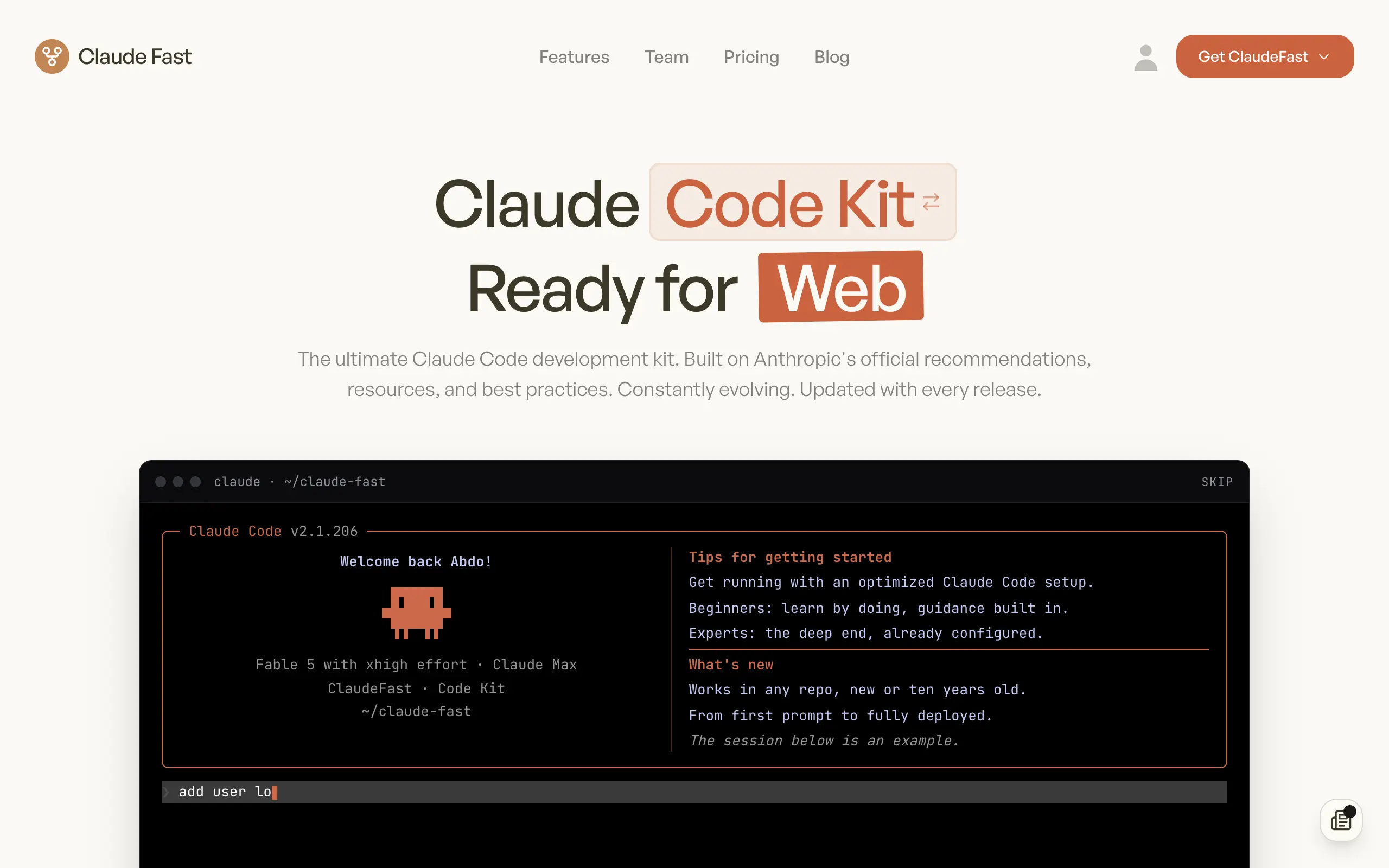
Claude Fast
Supercharge your Claude Code with 6x effective context window and specialized AI agents 🤖
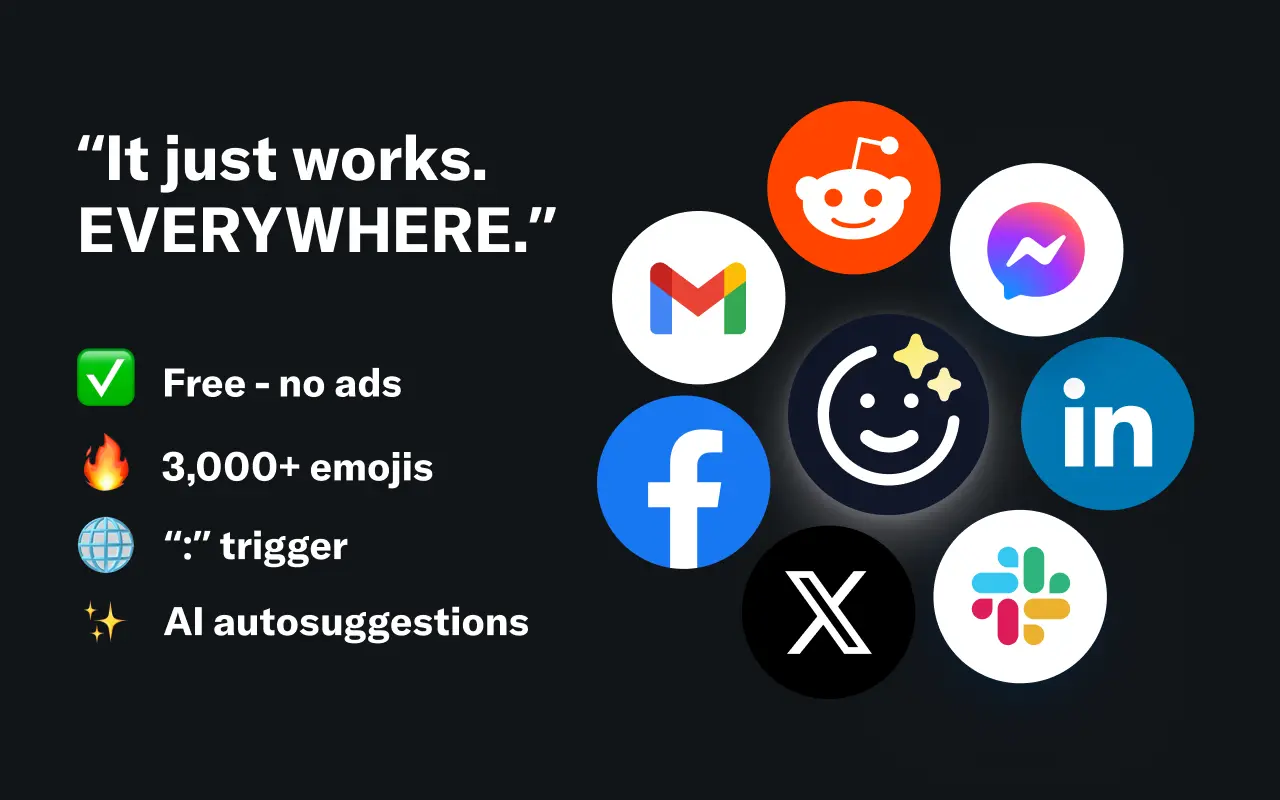
EmojAI
AI-powered emoji picker with smart, context-aware suggestions 🤖
Solohacker
Autonomous company launcher - AI agents work 24/7, escalate what matters, and you stay in control 🤖
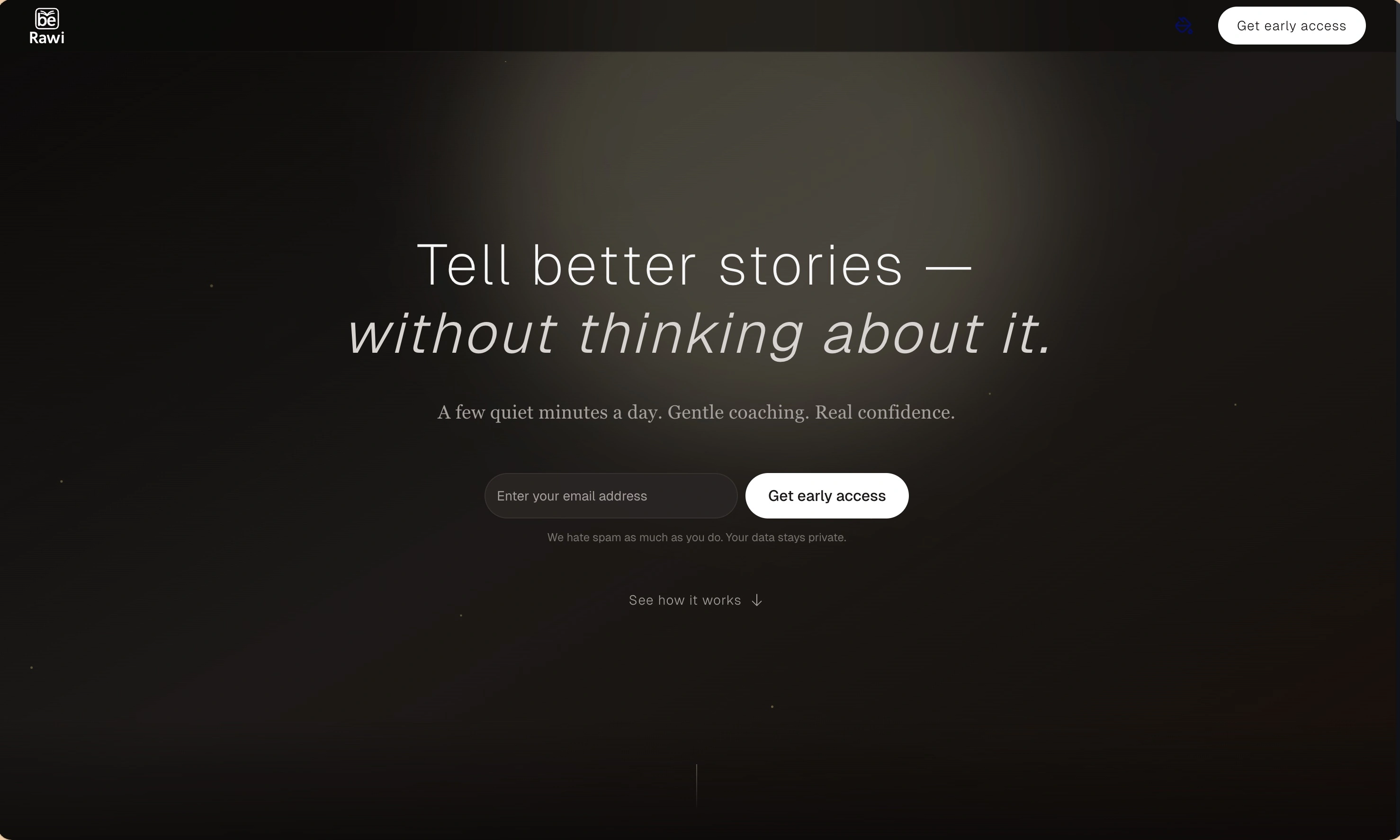
BeRawi: Storytelling Coach
Practice storytelling daily with instant feedback to sound clearer, more engaging, and confident 🎤
Omichat
Chat with 50+ AI models, including ChatGPT and Claude, in one place - switch models anytime without losing context 🤖
Claude Fast
Supercharge your Claude Code with 6x effective context window and specialized AI agents 🤖
EmojAI
AI-powered emoji picker with smart, context-aware suggestions 🤖
Solohacker
Autonomous company launcher - AI agents work 24/7, escalate what matters, and you stay in control 🤖
BeRawi: Storytelling Coach
Practice storytelling daily with instant feedback to sound clearer, more engaging, and confident 🎤
Omichat
Chat with 50+ AI models, including ChatGPT and Claude, in one place - switch models anytime without losing context 🤖
Claude Fast
Supercharge your Claude Code with 6x effective context window and specialized AI agents 🤖
EmojAI
AI-powered emoji picker with smart, context-aware suggestions 🤖
Solohacker
Autonomous company launcher - AI agents work 24/7, escalate what matters, and you stay in control 🤖
BeRawi: Storytelling Coach
Practice storytelling daily with instant feedback to sound clearer, more engaging, and confident 🎤
Omichat
Chat with 50+ AI models, including ChatGPT and Claude, in one place - switch models anytime without losing context 🤖
Claude Fast
Supercharge your Claude Code with 6x effective context window and specialized AI agents 🤖
EmojAI
AI-powered emoji picker with smart, context-aware suggestions 🤖
Solohacker
Autonomous company launcher - AI agents work 24/7, escalate what matters, and you stay in control 🤖
BeRawi: Storytelling Coach
Practice storytelling daily with instant feedback to sound clearer, more engaging, and confident 🎤

Connect with like-minded people
Join our community to get feedback, support, and grow together with 1,000+ builders on board, let's ship it!
Join usShip your startup everywhere. In minutes.
Don't burn tokens on setup and start building features on day one.