AgriConnect
Mobile marketplace app linking consumers with local produce, enabling direct purchases from small farmers and transparent farm-to-table tracking.
AgriConnect is poised to revolutionize how consumers access fresh, local produce by creating a mobile-first marketplace that directly links buyers with small farmers. This approach addresses consumer demand for transparency, supports local economies, and simplifies farm-to-table logistics. In this comprehensive guide, we will analyze the AgriConnect SaaS concept through market opportunity identification, target user personas, core features, recommended technology, monetization, competitive differentiation, and actionable launch steps. If you're exploring sustainable food system SaaS or seeking validation for a B2C agri-marketplace, this is your definitive resource.
Understanding the shift: Why a mobile marketplace for local produce matters
Food sourcing patterns have shifted dramatically over recent years. Consumers are demanding fresher, traceable food and want to support local farmers. Yet, traditional supply chains introduce intermediaries, reduce farm profitability, and create a disconnect between growers and consumers.
AgriConnect—a mobile marketplace app—addresses these issues by:
- Empowering small-scale farmers to directly connect with nearby buyers through a transparent, accessible platform.
- Equipping consumers with authentic, local farm-to-table options, complete with traceability and real-time availability.
Did you know?
Recent surveys (see sources like the USDA or Statista) show that over 80% of consumers place high value on supporting local food, with the U.S. local food market surpassing $20 billion annually.
Target audience analysis: Who will use AgriConnect?
Understanding your users is crucial for building a marketplace that truly resonates. AgriConnect's B2C model focuses on two primary user bases:
1. Consumers (buyers)
Key demographics & psychographics:
- Urban/suburban residents aged 24–55
- Environmentally conscious, value transparency, care about food origin
- Millennial and Gen Z buyers, especially
- Health-oriented families, meal-prep enthusiasts, conscious consumers
Main pain points addressed:
- Difficulty sourcing local, organic, or specialty produce
- Lack of visibility into food production and handling (concern for food safety/allergens)
- Distrust in “local” claims at supermarkets
2. Small-scale farmers and producers
Profile:
- Individual farmers, community gardens, artisanal producers, cottage food makers
- Tech-savvy or digitally curious; open to using apps for sales
- Struggling for visibility, fair pricing, and direct customer access
Main pain points addressed:
- Thin margins due to wholesaler markup
- Marketing and logistics challenges
- Administrative burden (inventory, order management, compliance)
Market opportunity: Why now is the time for AgriConnect
Key market drivers
- Booming demand for local food: According to USDA estimates, local food sales in the U.S. alone have tripled over the past decade.
- Consumer trust issues: Scandals and supply chain breakdowns have made transparency a non-negotiable.
- Smartphone penetration: With over 85% mobile adoption in target markets, a mobile-first solution is critical.
Market gap analysis
While giants like Instacart or Amazon Fresh exist, their focus is on scale rather than direct support for local farmers. Current “farm-to-table” apps rarely offer:
- Robust, easy-to-use mobile experiences
- Real supply chain traceability for small producers
- Secure, transparent, two-sided marketplaces dedicated to hyperlocal food systems
AgriConnect’s opportunity: Become the go-to digital hub for local food by combining marketplace efficiency, transparency, and convenience—optimized for mobile.
Core features & solution blueprint
What will make AgriConnect indispensable for buyers and farmers? Carefully selected features that streamline transactions and build trust.
Marketplace essentials
- User profiles for consumers and verified farmers
- Dynamic product catalogs (produce, quantity, organic status)
- Localized search (geo-fencing, filters for organic/non-GMO, farm practices)
- Direct messaging for questions, feedback, or special requests
Traceability & transparency
- QR code tracking: Each purchase links to farmer profiles, harvest dates, and journey summaries.
- Farm story pages: Photos, videos, and certifications for every participating farm or garden.
- Order history and tracking: End-to-end visibility for buyers.
Logistics & fulfilment
- In-app order management: Realtime notifications to both buyer and seller.
- Pickup coordination or delivery integration: Scheduling pickup windows, or integrating with last-mile logistics partners.
- Inventory management tools: Farmers can update item availability in real time.
Community and trust
- Reviews and ratings for every transaction
- Social sharing/integration: Let satisfied buyers promote farmers via Instagram, Facebook, etc.
- Education content: Sourcing tips, recipes, farm news (drives engagement and retention)
Security & accessibility
- Secure payments: PCI-compliant integrations (Stripe, PayPal)
- Multilingual support: Opening doors to multicultural communities
- Accessibility compliance: WCAG guidelines for inclusive usability
QR code traceability
Scan to view a product's farm, harvesting date, and route.
Localized search
Find produce grown within 10 miles, filter by organic status, and more.
In-app communication
Buyers and farmers message directly for transparency and custom orders.
Seamless order management
Notifications, pickup coordination, and payment all in one app.
Recommended tech stack: Building the AgriConnect experience
Foundational technologies
-
Frontend:
- React Native for truly cross-platform (iOS/Android) mobile development
- TailwindCSS (with React Native support or alternatives like NativeWind) for rapid, responsive UI
- TypeScript for stronger type safety
-
Backend/APIs:
- Node.js with Express or NestJS for scalable REST APIs
- PostgreSQL or MongoDB for robust data management
- Firebase Cloud Messaging for push notifications
-
Other essentials:
- Stripe for seamless, secure payments
- AWS S3 or Firebase Storage for farm images and video stories
- TurboStarter to accelerate SaaS scaffolding and deployment
Trade-offs & alternatives
- Flutter could be used instead of React Native for more consistent performance but may have less ecosystem maturity for some plugins.
- Serverless architectures (AWS Lambda, Vercel) offer scalability but might increase cold-start time and operational complexity for real-time features.
- NoSQL vs. SQL: MongoDB is schema-flexible for evolving product catalogs, while PostgreSQL adds relational integrity, especially useful for order and review systems.
Monetization strategy: Pricing models for a farm-to-table SaaS
Defining the right revenue streams is fundamental to supporting local producers and platform sustainability.
Transaction fees
- Charge a commission (e.g., 5–10%) on successful sales. Scales with volume, aligns incentives.
Subscription tiers
- Offer premium farmer accounts with enhanced analytics, promotional placements, or access to bulk buyer deals.
- Consumer subscription for perks: free delivery, exclusive early access, or loyalty points.
Advertising & featured listings
- Allow select promotion of farms or seasonal produce within the app.
- Stay transparent—flag all ads as sponsored.
Value-added services
- Integrate with third-party logistics for paid delivery solutions.
- Upsell insurance (e.g., crop failure, defective delivery) or regulatory compliance assistance.
Competitive landscape: How AgriConnect stands out
To earn market share, AgriConnect must differentiate from both established delivery platforms and niche local food apps.
| Feature | AgriConnect | Traditional Grocers | Other Marketplaces | CSA Subscriptions |
|---|---|---|---|---|
| Direct farmer connection | ✅ | ❌ | ❌ | ✅ |
| QR traceability | ✅ | ❌ | ✅ | ✅ |
| On-demand, mobile-first | ✅ | ❌ | ✅ | ❌ |
AgriConnect’s unique advantages
- Hyperlocal focus: Engineered for direct, zip-code level matching.
- Real transparency: Every item is traceable, surfacing the backstory of what you eat.
- Community-building: Combines ecommerce with social features, developing deeper consumer loyalty.
Industry trends & key regulatory considerations
Evolving trends
- Rise of “food provenance” apps: Growing user demand for platforms that go beyond basic delivery and show where food really comes from.
- Sustainability and food miles tracking: Carbon footprint features are increasingly attractive to eco-conscious buyers.
- Social shopping: Integrated sharing, group buying, or micro-funding for upcoming harvests.
Regulatory factors
- Must comply with food safety regulations (FDA, USDA for U.S. markets), which can vary by locale and producer size.
- GDPR or similar data privacy standards for user and producer information.
Regulatory risk
Launching in multiple regions may require tailored onboarding flows and compliance documentation for different food safety standards.
Potential risks and how to mitigate them
| Risk | Impact | Mitigation approach |
|---|---|---|
| Adoption resistance | Low small-farm tech literacy | In-person onboarding; simplified UX; local ambassadors |
| Inventory inaccuracy | Unreliable product availability | Real-time sync, reminders, penalties for no-shows |
| Logistics bottlenecks | Missed pickups, late deliveries | Partner with 3PL, offer buffer scheduling |
| Regulatory challenges | Shut-downs, legal issues | Build compliance into onboarding, legal consultation |
| Competition | Users default to big delivery apps | Focus on authenticity, community & local impact |
Actionable steps to launch AgriConnect
Here’s a clear, pragmatic path to implementation—whether you’re an entrepreneur, SaaS builder, or community leader looking to catalyze local food innovation.
Validate local demand: Conduct interviews with at least 20 small farmers and 50 potential buyers in your launch region. Map pain points and willingness to pay.
Build a minimum viable product (MVP): Use TurboStarter to scaffold your app—set up core flows: farmer onboarding, product listing, buyer discovery, and checkout.
Partner for logistics: Collaborate with local courier services or establish community pickup points.
Establish compliance framework: Consult food safety experts and add KYC/compliance to farmer onboarding.
Soft launch and iterate: Begin with a pilot group, gather user reviews, and iterate quickly based on real feedback.
Drive initial engagement: Use community events and digital marketing to attract early adopters. Leverage social features for viral growth.
Conclusion: Why AgriConnect could be the future of local food marketplaces
AgriConnect isn’t just another delivery app. It’s a transparent, community-oriented B2C mobility solution empowering both producers and buyers. By using technology to flatten supply chains, enforce traceability, and delight users with seamless convenience, AgriConnect fills a crucial gap left by generic, “one size fits all” platforms.
Key takeaways:
- Local food demand is stronger than ever, but traditional channels can’t keep up with consumer expectations for transparency and trust.
- Small farmers and conscious consumers will benefit from an app designed specifically for them—not rehashed grocery technology.
- With an agile SaaS stack and a clear value proposition, AgriConnect is ready to seize a unique, durable opportunity in food tech.
Frequently asked questions
Yes, the app is designed with geo-based scalability in mind. It is especially impactful in urban/suburban settings with high consumer density but can adapt to rural networks for local co-ops or CSAs.
Unlike static, subscription-based models, AgriConnect is dynamic and allows for real-time, on-demand purchases from multiple farms—offering flexibility and transparency unmatched by traditional CSA schemes.
Every farm undergoes verification and must provide compliance documents before being listed. Orders are tracked from harvest to delivery; all information is visible to buyers.
Features like guided onboarding, local “ambassadors,” and a simple mobile experience help bridge the digital gap for inexperienced users.
Yes, the platform can integrate subscriptions or repeat order features for those seeking convenience, while still supporting spontaneous shopping.
Ready to build the next evolution of farm-to-table commerce?
By using the step-by-step playbook, tech recommendations, and user-centric features laid out above, your AgriConnect journey can start strong and scale sustainably. For even faster development, leverage platforms like TurboStarter to bring your SaaS vision to life with less friction and more velocity.
Disclaimer: For regulatory compliance, always consult food safety professionals and legal counsel in your region. Cited statistics and trends should be verified via authoritative sources (e.g., USDA, Statista, local food councils) at the time of launch for the most accurate insights.
More 👥 B2C Application SaaS ideas
Discover more innovative b2c application SaaS ideas that are trending in 2026. Each idea is AI-generated with market validation and growth potential to help you find your next profitable venture faster than competitors.
Your competitors are building with TurboStarter
Below are some of the SaaS ideas that have been generated and built with our starter kit.
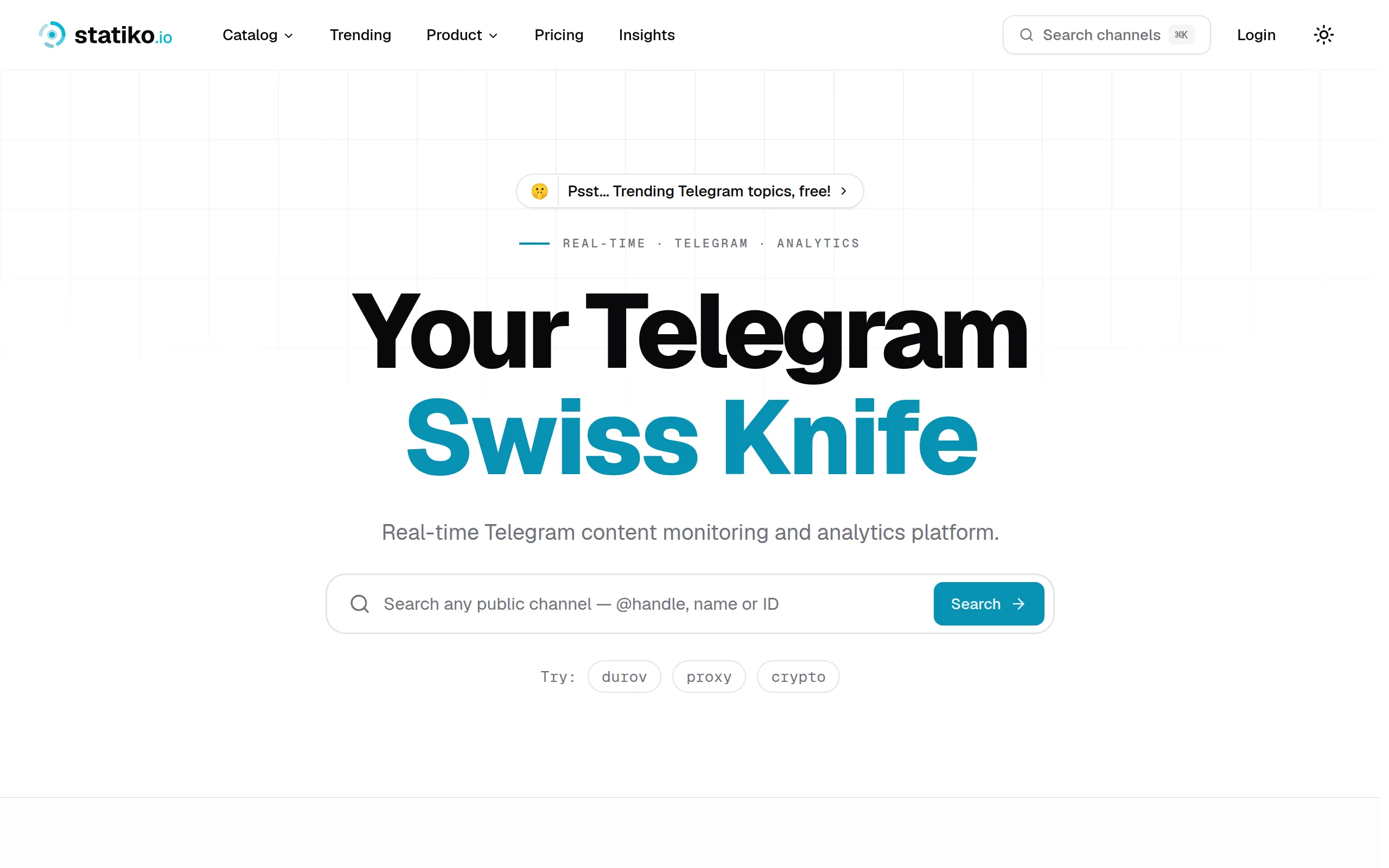
Statiko
Monitor any Telegram channel in real time - track posts, edits, deletions, and growth with AI recaps 📡

Shibui
AI website builder - describe your business, pick a niche template, edit by chatting, and publish instantly ✨

Pro Service
Find verified home service professionals, compare quotes, and pay securely through escrow - built for Brazilians across the US 🏠
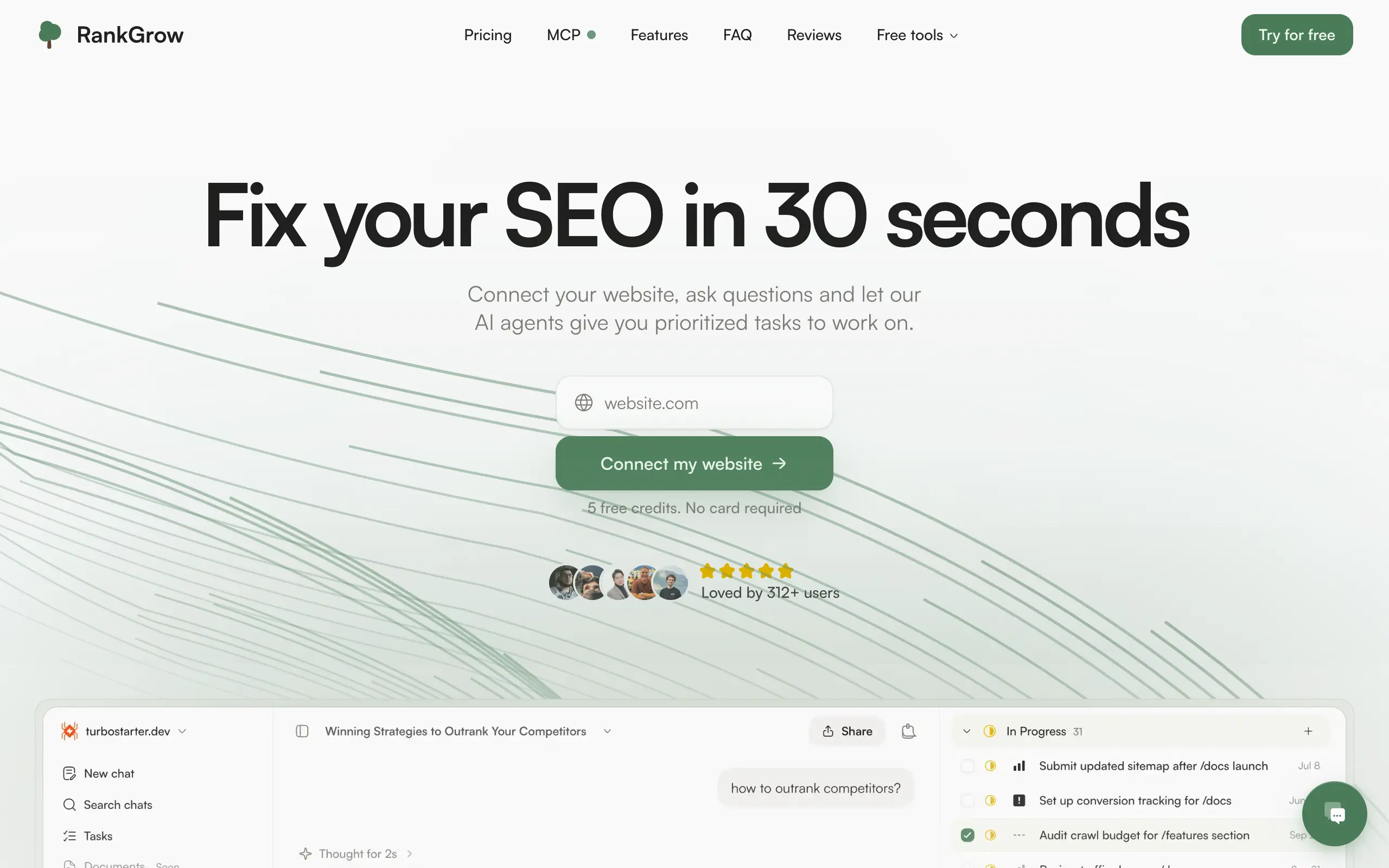
RankGrow
Fix your SEO with AI agents - connect Search Console, get prioritized tasks, and grow organic traffic 📈
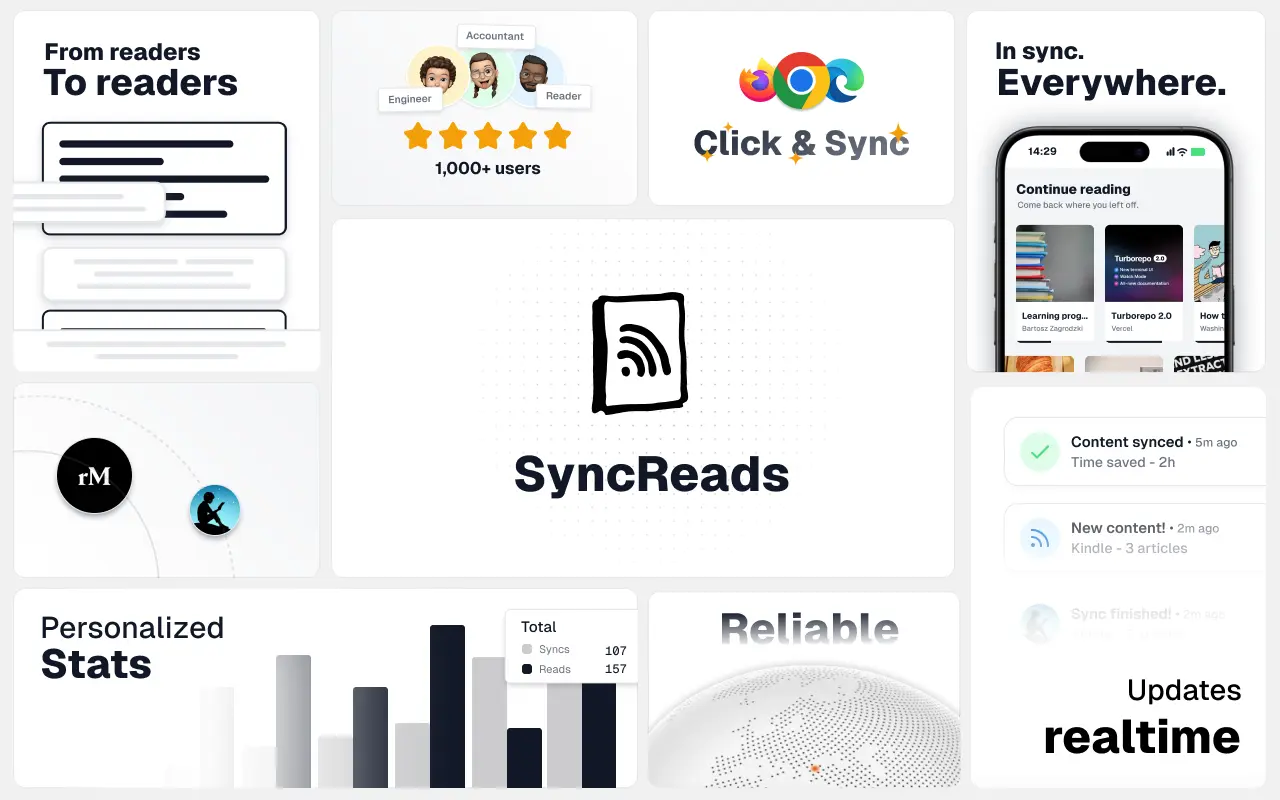
SyncReads
Sync your favorite content for distraction-free reading, save time and replace multiple apps. Anytime, anywhere 🔄
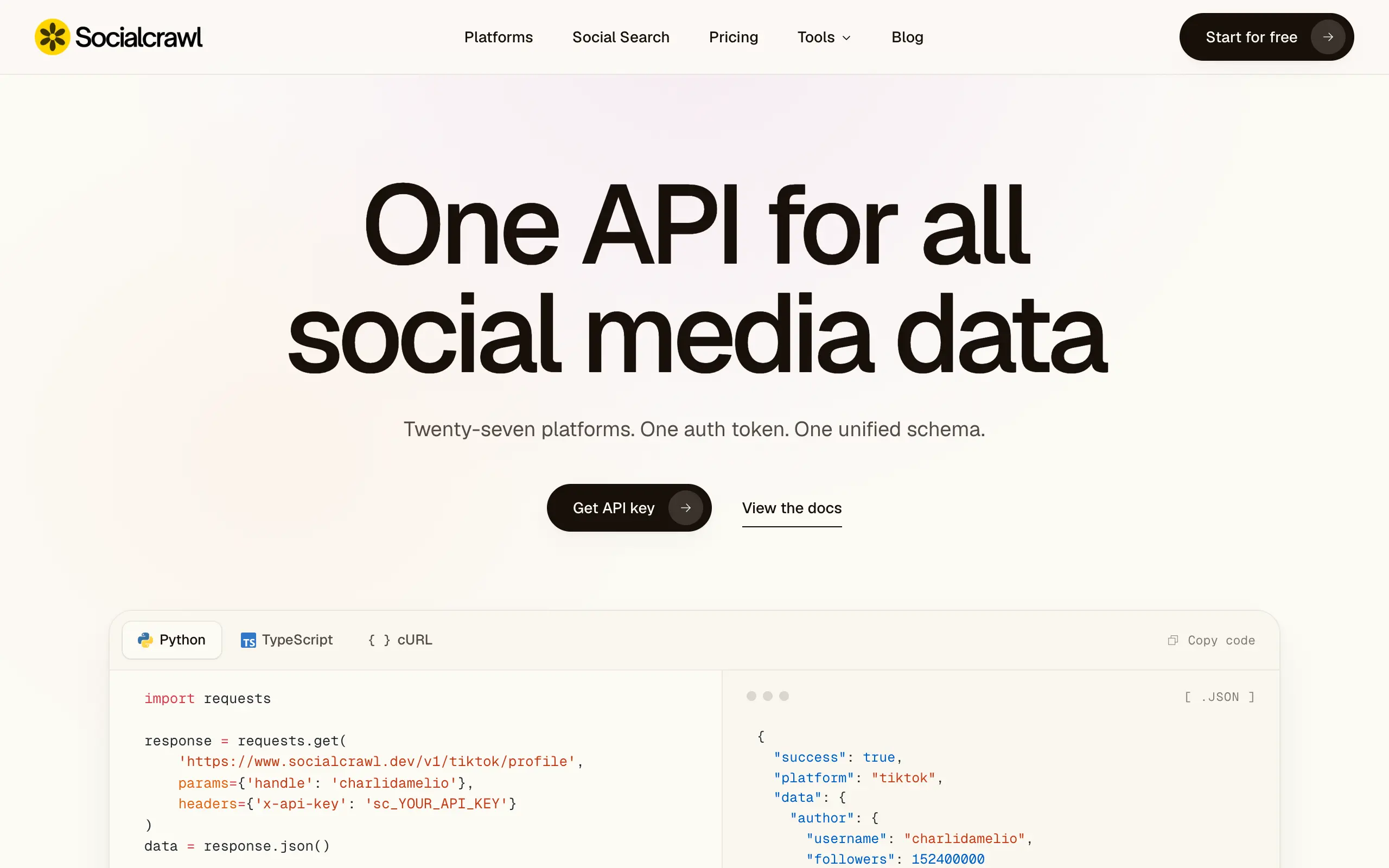
Socialcrawl
Get clean, structured data from 21 platforms like TikTok, Instagram, and YouTube with a single request 📊
Statiko
Monitor any Telegram channel in real time - track posts, edits, deletions, and growth with AI recaps 📡
Shibui
AI website builder - describe your business, pick a niche template, edit by chatting, and publish instantly ✨
Pro Service
Find verified home service professionals, compare quotes, and pay securely through escrow - built for Brazilians across the US 🏠
RankGrow
Fix your SEO with AI agents - connect Search Console, get prioritized tasks, and grow organic traffic 📈
SyncReads
Sync your favorite content for distraction-free reading, save time and replace multiple apps. Anytime, anywhere 🔄
Socialcrawl
Get clean, structured data from 21 platforms like TikTok, Instagram, and YouTube with a single request 📊
Statiko
Monitor any Telegram channel in real time - track posts, edits, deletions, and growth with AI recaps 📡
Shibui
AI website builder - describe your business, pick a niche template, edit by chatting, and publish instantly ✨
Pro Service
Find verified home service professionals, compare quotes, and pay securely through escrow - built for Brazilians across the US 🏠
RankGrow
Fix your SEO with AI agents - connect Search Console, get prioritized tasks, and grow organic traffic 📈
SyncReads
Sync your favorite content for distraction-free reading, save time and replace multiple apps. Anytime, anywhere 🔄
Socialcrawl
Get clean, structured data from 21 platforms like TikTok, Instagram, and YouTube with a single request 📊
Statiko
Monitor any Telegram channel in real time - track posts, edits, deletions, and growth with AI recaps 📡
Shibui
AI website builder - describe your business, pick a niche template, edit by chatting, and publish instantly ✨
Pro Service
Find verified home service professionals, compare quotes, and pay securely through escrow - built for Brazilians across the US 🏠
RankGrow
Fix your SEO with AI agents - connect Search Console, get prioritized tasks, and grow organic traffic 📈
SyncReads
Sync your favorite content for distraction-free reading, save time and replace multiple apps. Anytime, anywhere 🔄
Socialcrawl
Get clean, structured data from 21 platforms like TikTok, Instagram, and YouTube with a single request 📊
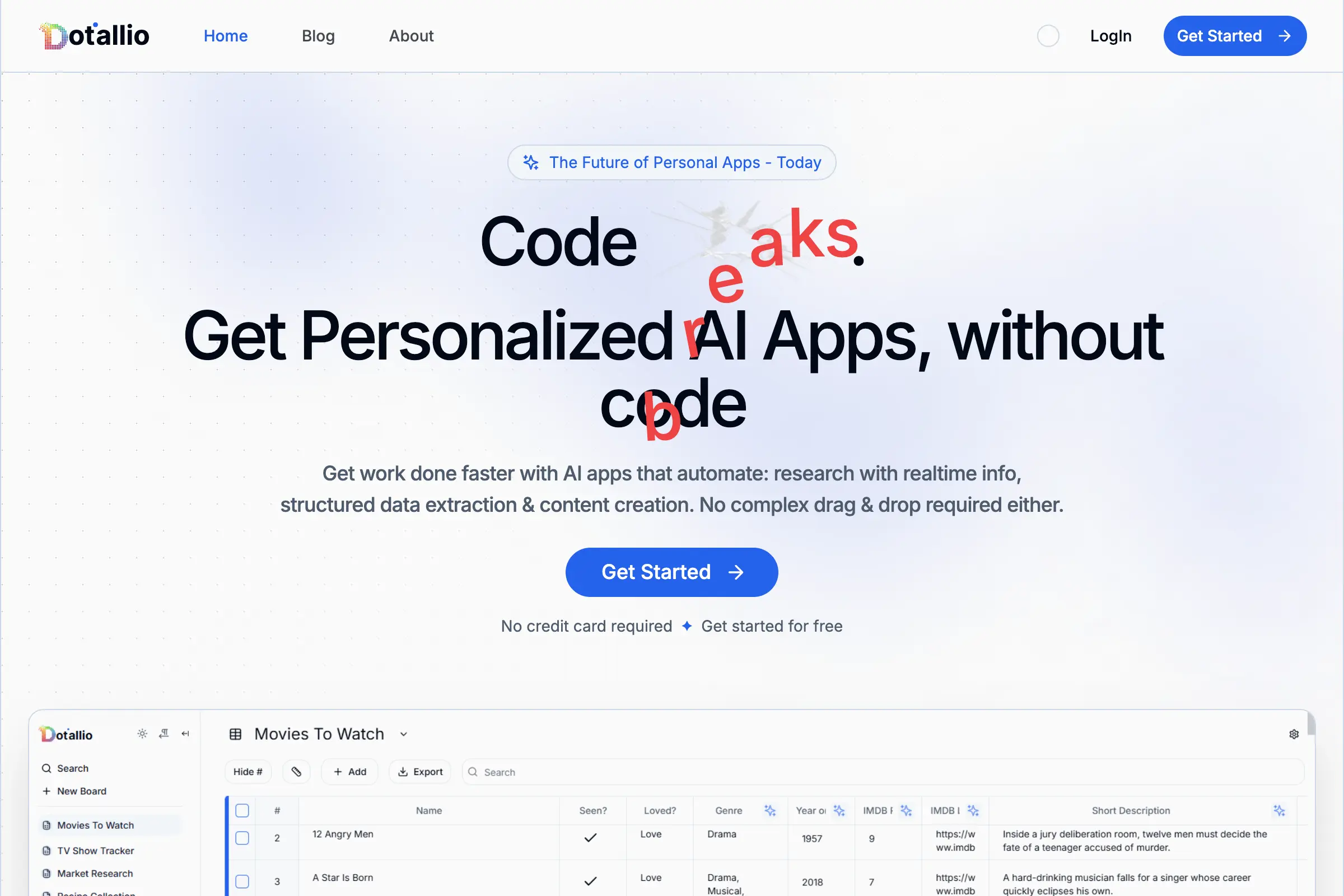
Dotallio
Personalized AI apps that automate research, data extraction, and content creation without code 🤖
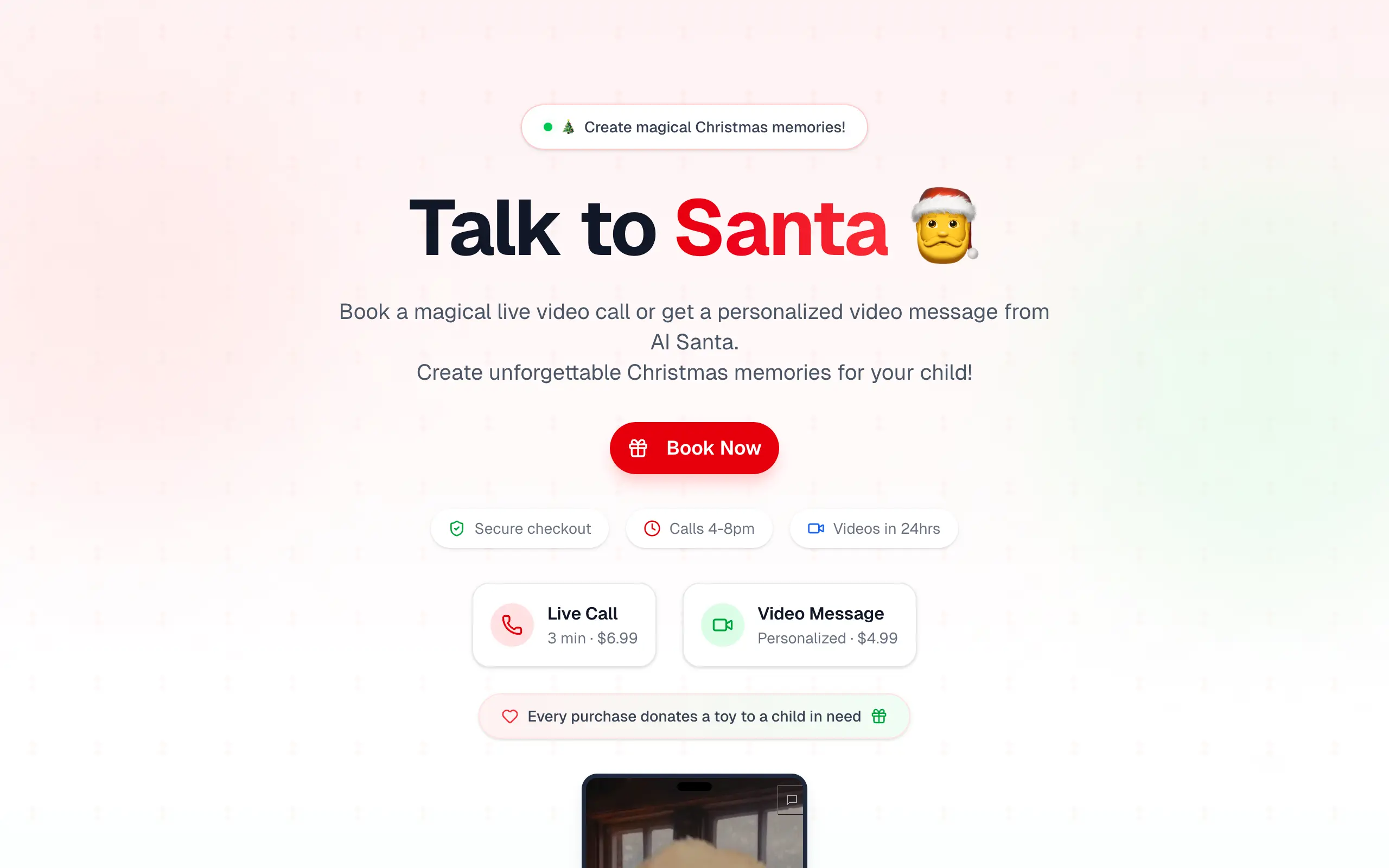
Talk to Santa
Enjoy a magical live video chat or receive a unique AI-generated video greeting from Santa Claus 🎅

pozywka.pl
Scalable blog for food journalist, focused on performance and user experience 🌭
zagrodzki.me
Personal blog and portfolio of Bart Zagrodzki, where he shares his knowledge and work 💼
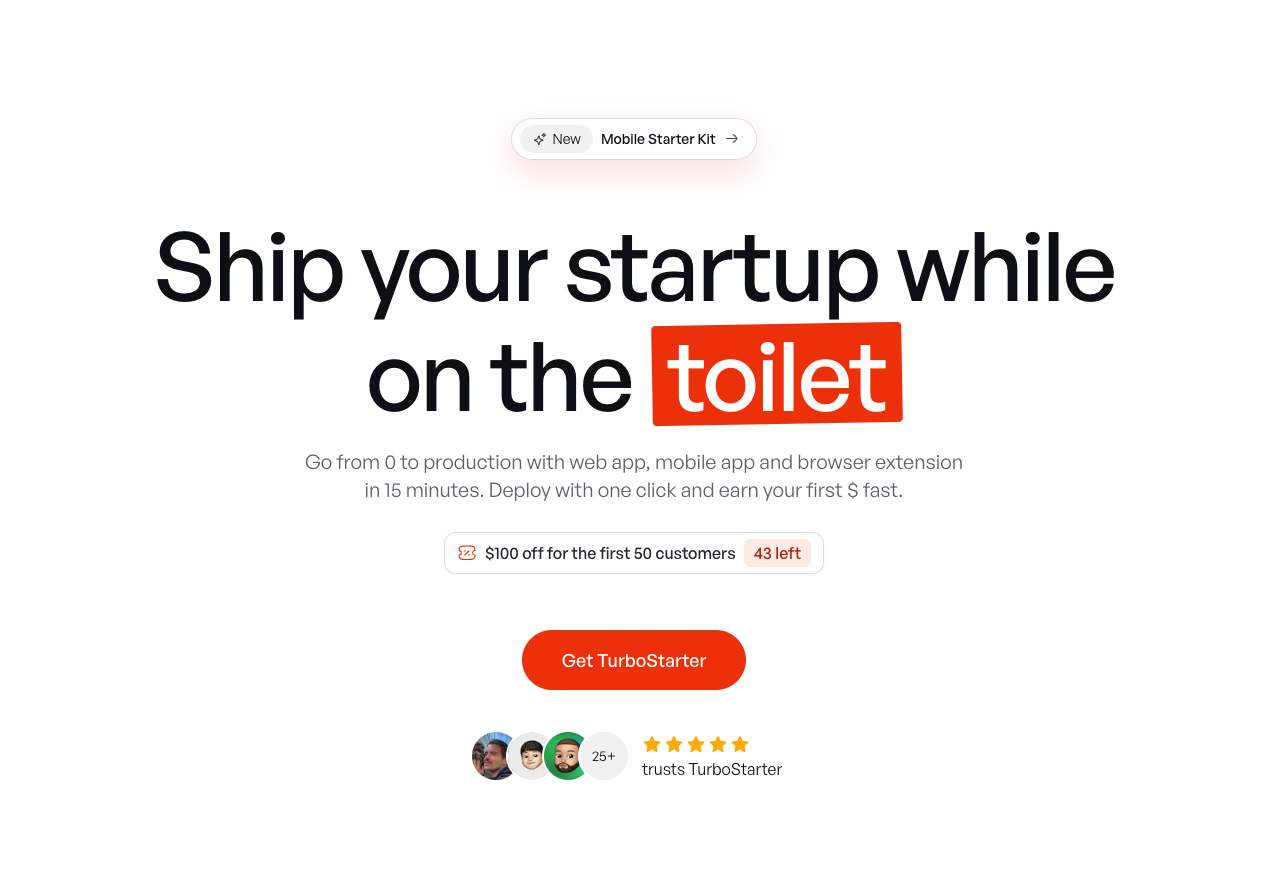
TurboStarter
Ship your startup everywhere. In minutes.
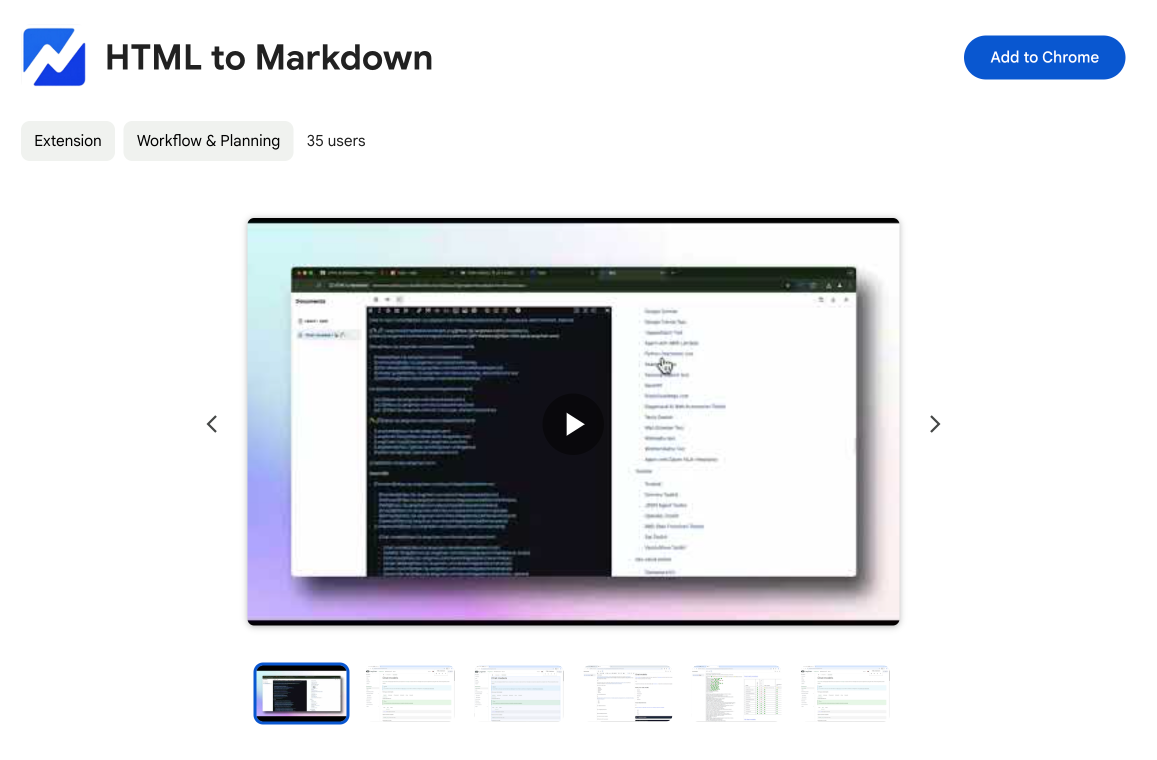
HTML to Markdown
Convert HTML to Markdown with ease, directly in your browser 📄
Dotallio
Personalized AI apps that automate research, data extraction, and content creation without code 🤖
Talk to Santa
Enjoy a magical live video chat or receive a unique AI-generated video greeting from Santa Claus 🎅
pozywka.pl
Scalable blog for food journalist, focused on performance and user experience 🌭
zagrodzki.me
Personal blog and portfolio of Bart Zagrodzki, where he shares his knowledge and work 💼
TurboStarter
Ship your startup everywhere. In minutes.
HTML to Markdown
Convert HTML to Markdown with ease, directly in your browser 📄
Dotallio
Personalized AI apps that automate research, data extraction, and content creation without code 🤖
Talk to Santa
Enjoy a magical live video chat or receive a unique AI-generated video greeting from Santa Claus 🎅
pozywka.pl
Scalable blog for food journalist, focused on performance and user experience 🌭
zagrodzki.me
Personal blog and portfolio of Bart Zagrodzki, where he shares his knowledge and work 💼
TurboStarter
Ship your startup everywhere. In minutes.
HTML to Markdown
Convert HTML to Markdown with ease, directly in your browser 📄
Dotallio
Personalized AI apps that automate research, data extraction, and content creation without code 🤖
Talk to Santa
Enjoy a magical live video chat or receive a unique AI-generated video greeting from Santa Claus 🎅
pozywka.pl
Scalable blog for food journalist, focused on performance and user experience 🌭
zagrodzki.me
Personal blog and portfolio of Bart Zagrodzki, where he shares his knowledge and work 💼
TurboStarter
Ship your startup everywhere. In minutes.
HTML to Markdown
Convert HTML to Markdown with ease, directly in your browser 📄
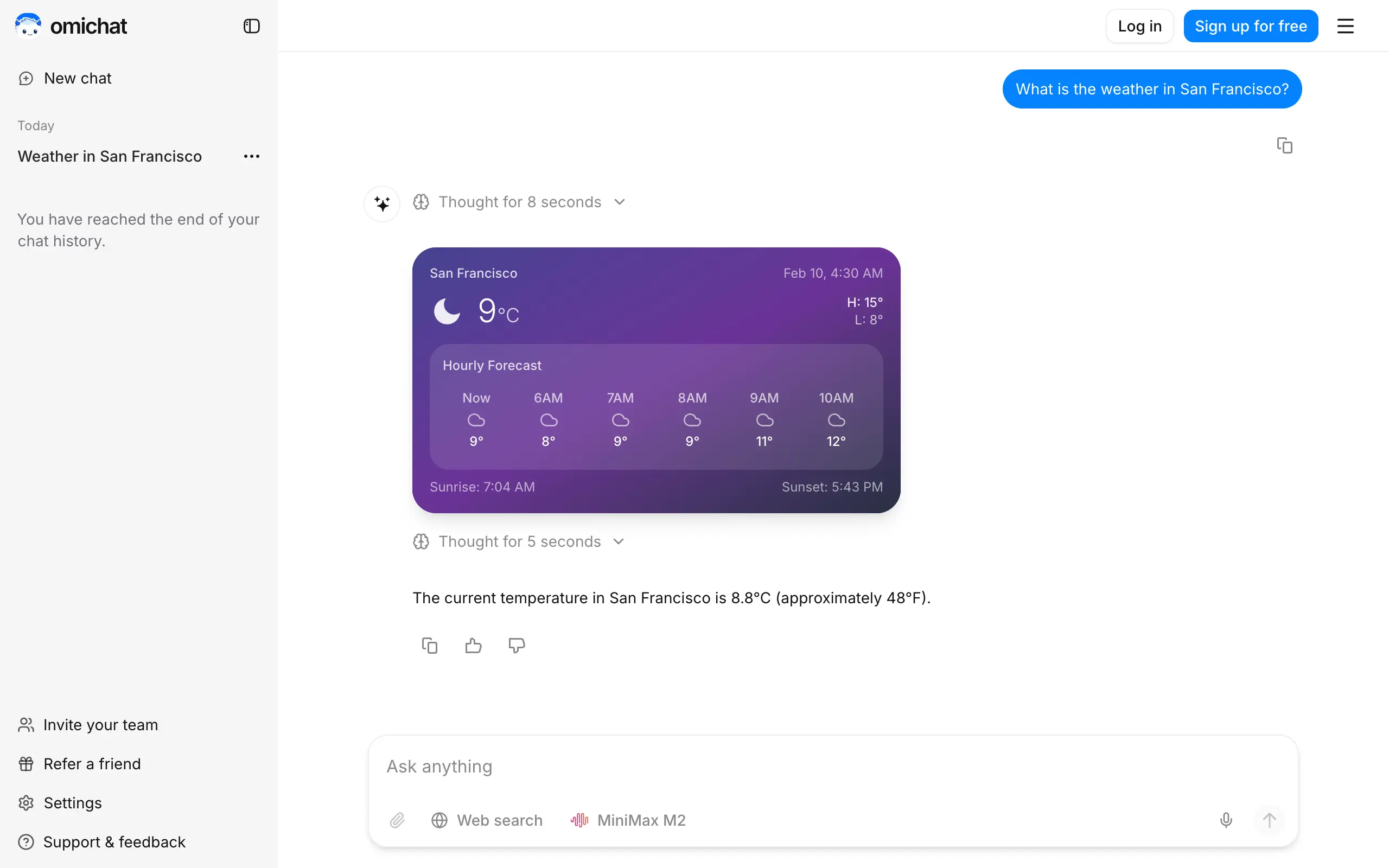
Omichat
Chat with 50+ AI models, including ChatGPT and Claude, in one place - switch models anytime without losing context 🤖
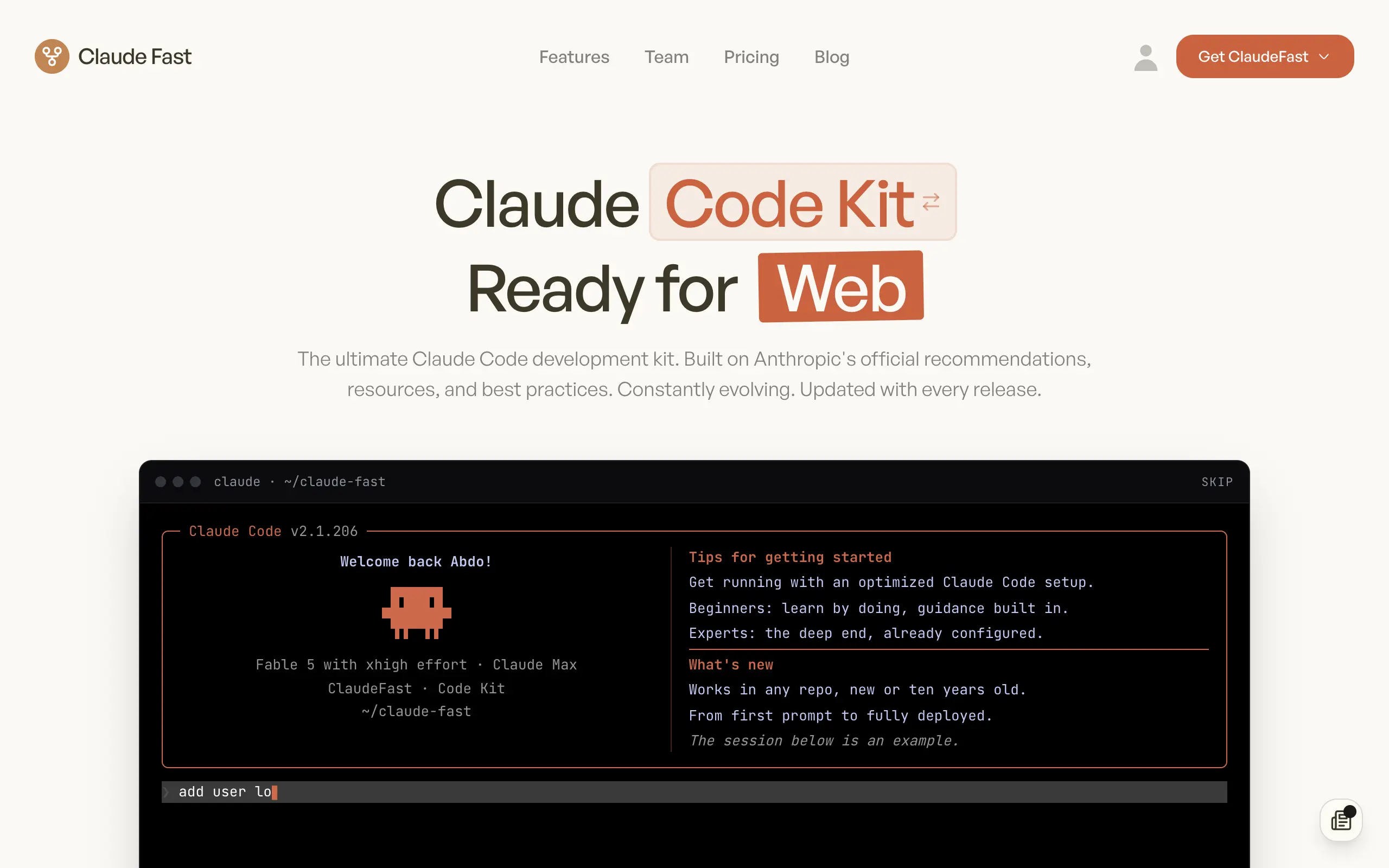
Claude Fast
Supercharge your Claude Code with 6x effective context window and specialized AI agents 🤖
EmojAI
AI-powered emoji picker with smart, context-aware suggestions 🤖
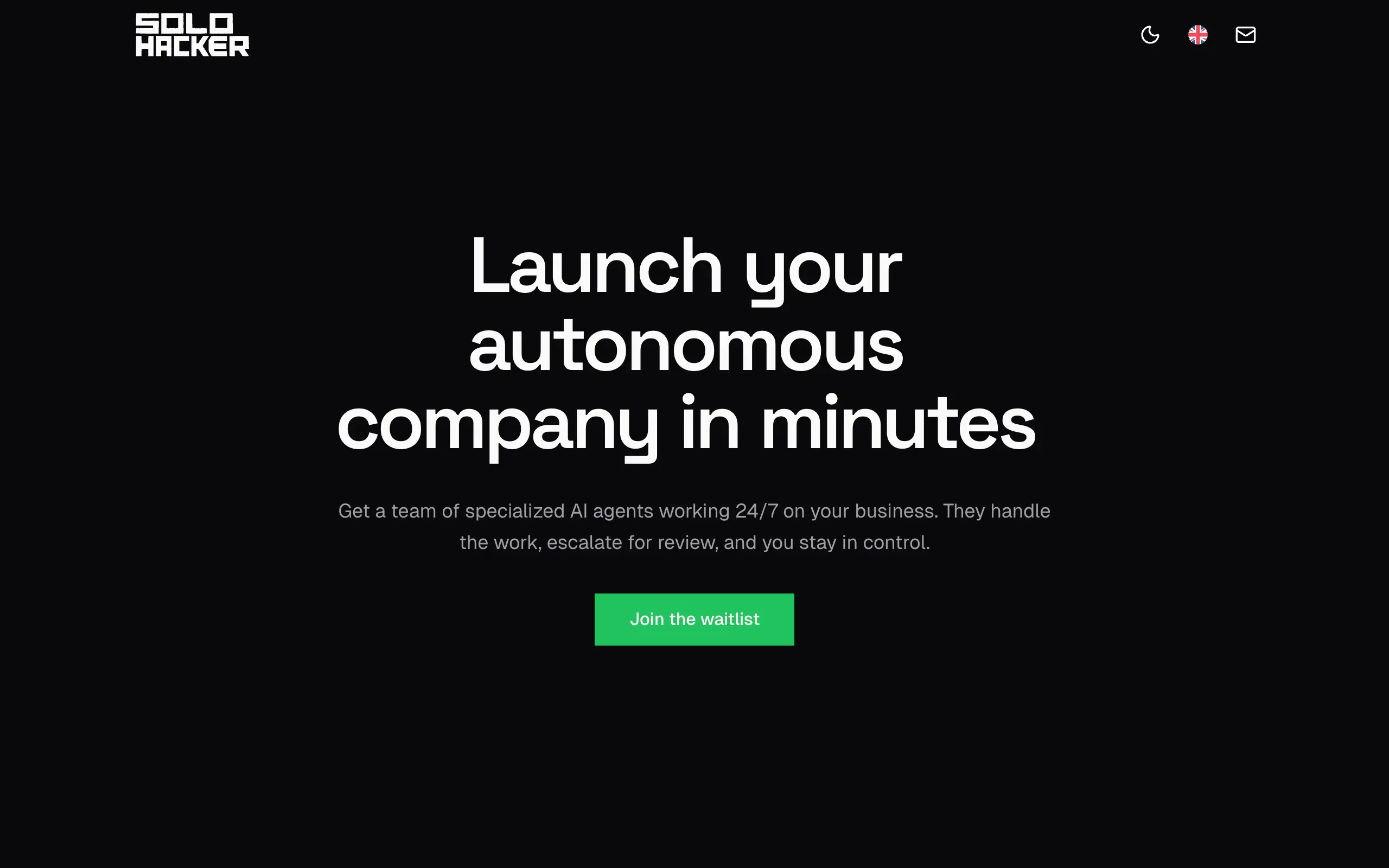
Solohacker
Autonomous company launcher - AI agents work 24/7, escalate what matters, and you stay in control 🤖
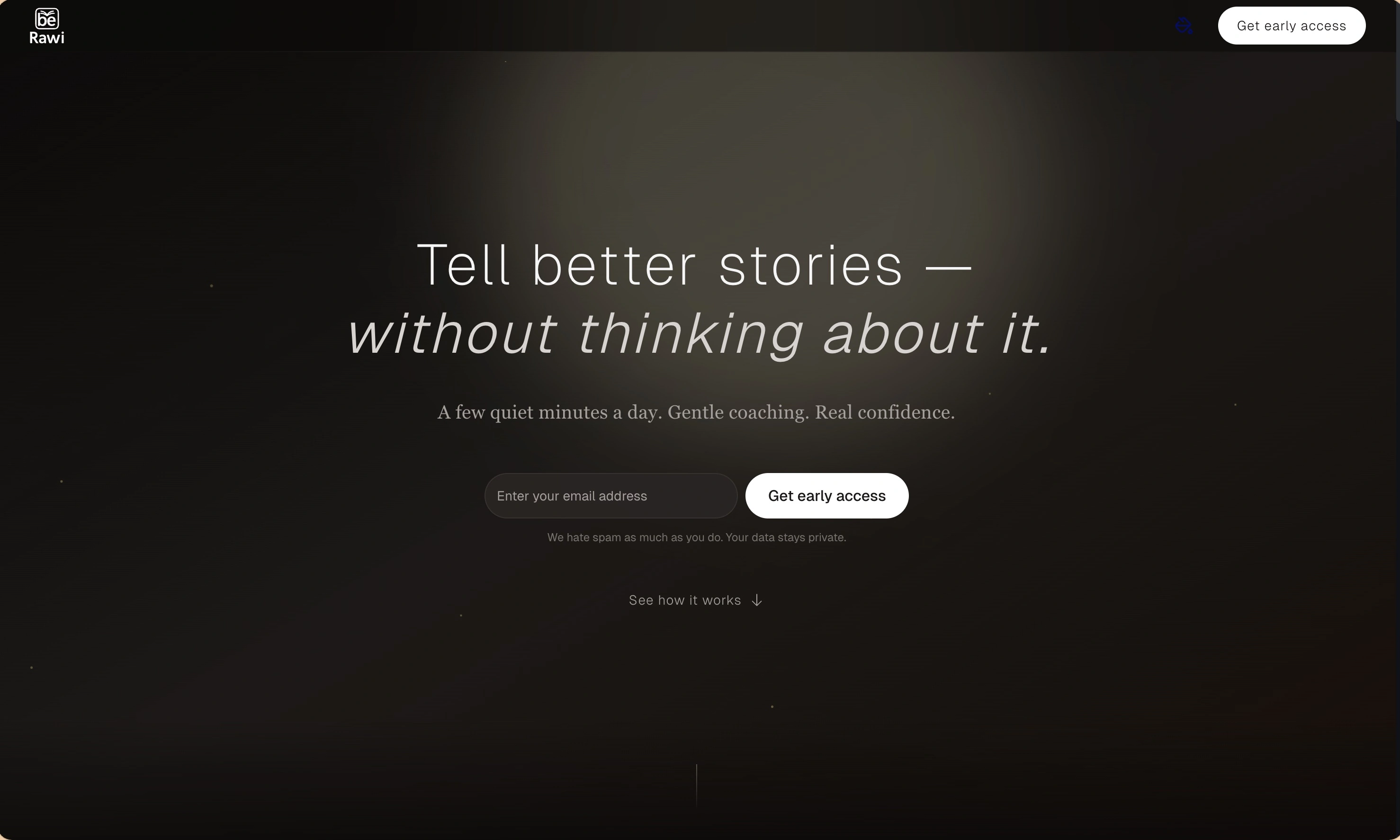
BeRawi: Storytelling Coach
Practice storytelling daily with instant feedback to sound clearer, more engaging, and confident 🎤
Omichat
Chat with 50+ AI models, including ChatGPT and Claude, in one place - switch models anytime without losing context 🤖
Claude Fast
Supercharge your Claude Code with 6x effective context window and specialized AI agents 🤖
EmojAI
AI-powered emoji picker with smart, context-aware suggestions 🤖
Solohacker
Autonomous company launcher - AI agents work 24/7, escalate what matters, and you stay in control 🤖
BeRawi: Storytelling Coach
Practice storytelling daily with instant feedback to sound clearer, more engaging, and confident 🎤
Omichat
Chat with 50+ AI models, including ChatGPT and Claude, in one place - switch models anytime without losing context 🤖
Claude Fast
Supercharge your Claude Code with 6x effective context window and specialized AI agents 🤖
EmojAI
AI-powered emoji picker with smart, context-aware suggestions 🤖
Solohacker
Autonomous company launcher - AI agents work 24/7, escalate what matters, and you stay in control 🤖
BeRawi: Storytelling Coach
Practice storytelling daily with instant feedback to sound clearer, more engaging, and confident 🎤
Omichat
Chat with 50+ AI models, including ChatGPT and Claude, in one place - switch models anytime without losing context 🤖
Claude Fast
Supercharge your Claude Code with 6x effective context window and specialized AI agents 🤖
EmojAI
AI-powered emoji picker with smart, context-aware suggestions 🤖
Solohacker
Autonomous company launcher - AI agents work 24/7, escalate what matters, and you stay in control 🤖
BeRawi: Storytelling Coach
Practice storytelling daily with instant feedback to sound clearer, more engaging, and confident 🎤

Connect with like-minded people
Join our community to get feedback, support, and grow together with 1,000+ builders on board, let's ship it!
Join usShip your startup everywhere. In minutes.
Don't burn tokens on setup and start building features on day one.