AI Menu Master
Revolutionize restaurant menus with AI-driven customization, offering personalized recommendations and dynamic pricing to enhance dining experiences.
Target Audience and Their Dynamic Needs
Restaurants, diners, and culinary experts are at the heart of this transformative platform. The target audience is diverse, encompassing:
- Restaurant Owners & Managers: Looking for innovative ways to differentiate their menus and engage their customers with highly personalized dining experiences.
- Chefs & Culinary Teams: Interested in incorporating AI-driven insights to optimize ingredient usage and design menus that cater to local preferences and dietary trends.
- Diners & Food Enthusiasts: Seeking a unique and custom-tailored experience where recommendations go beyond traditional offerings, ensuring every meal feels memorably personal.
- Marketing Teams & Data Analysts: Focused on leveraging data insights to adapt to shifting consumer trends and testing new pricing strategies in a competitive environment.
This solution transcends traditional static menus by offering a dynamic and interactive experience, transforming how customers discover and engage with culinary options.
Market Opportunity in the Restaurant Industry
Restaurants today are in a state of constant flux. They face high overhead expenses, slim margins, and ever-changing consumer tastes. By integrating AI technology into menu customization, the market opportunity unfolds across various dimensions:
- Personalization at Scale: As diners increasingly expect personalized experiences, restaurants can leverage AI to adapt their menus in real time.
- Increasing Revenue Through Dynamic Pricing: AI-driven dynamic pricing models allow for optimized pricing strategies that balance profitability with competitive customer offers.
- Competitive Differentiation: In a saturated market, having a dynamic, AI-powered menu offers a distinct edge that traditional static menus cannot match.
- Operational Efficiency: Back-office operations benefit from real-time data analytics, streamlining inventory management, reducing waste, and improving kitchen workflows.
- Data-Driven Decision Making: With robust analytics, restaurateurs can refine their menus based on consumer behavior, geographical trends, and even seasonal preferences.
Restaurants are constantly looking for ways to reinvent the dining experience. The integration of AI-driven, customizable menus not only meets current market needs but also anticipates future trends within the food and beverage sector. This approach addresses the immediate challenges of securing customer loyalty while paving the way for scalable growth.
Furthermore, as contactless services and digital interactions become the norm, a seamless digital-first experience is no longer optional but mandatory. Established food delivery apps and reservation systems can be integrated to provide a comprehensive solution for both dine-in and takeaway experiences.
Tech Stack for AI-Driven Menu Customization
Building such a dynamic solution requires a robust and flexible technology stack. The platform should support rapid development, ensure scalability, and integrate smoothly with modern third-party tools. Here is an overview of a recommended tech stack:
- Frontend:
- React.js or Vue.js: For creating a responsive and engaging user interface.
- Next.js: For server-side rendering, providing faster initial load times and improved SEO.
- Backend:
- Node.js or Python (FastAPI/Django): For handling real-time data processing and integrating AI algorithms.
- GraphQL or REST API: For efficient data querying and updates.
- AI & Machine Learning:
- TensorFlow or PyTorch: To build and train recommendation algorithms.
- Scikit-Learn: For simpler models and data processing.
- Database:
- MongoDB or PostgreSQL: Choosing between NoSQL and SQL depending on data structure requirements.
- Cloud Services:
- AWS, Google Cloud, or Azure: To host the microservices, provide AI computational power, and ensure data security.
- DevOps & CI/CD:
- Docker & Kubernetes: To manage containers and ensure smooth deployments.
- Jenkins or GitHub Actions: For continuous integration and deployment.
For those looking to accelerate development, leveraging a starter kit like TurboStarter can significantly reduce initial overhead. Its comprehensive framework covers web, mobile, and browser extensions, ensuring that your project gets off the ground rapidly while maintaining high quality.
Here’s a simple code snippet highlighting how the AI components could work in a simplified environment:
const getMenuRecommendation = (userPreferences) => {
  console.log("Customizing menu based on AI insights:", userPreferences);
  // Imagine an AI-driven algorithm here that returns personalized recommendations.
  return ["Dish A", "Dish B", "Dish C"];
};
Monetization Strategies to Drive Revenue and Growth
Creating value for restaurants and their customers also opens multiple revenue streams. A well-thought-out monetization strategy can include several models:
- Subscription Models:
- Tiered Subscription Plans: Offering basic, premium, and enterprise-level plans that provide an increasing set of features, analytics, and support.
- Usage-Based Fees: Charging restaurants based on the number of menu interactions, recommendations served, or active users.
- Commission-Based Earnings:
- Revenue Sharing: Partnering with restaurants on how much they earn per each transaction influenced by AI recommendations and taking a small commission.
- Freemium Model:
- Basic Version for Free: Allowing restaurants to adopt a free version with limited AI customization features. This gives potential customers a taste of the platform before committing to a paid plan.
- In-App Purchases: Charging for additional features such as advanced analytics, custom integrations, or seasonal holiday menus.
- Data-Driven Advertising:
- Sponsored Listings: Allowing ingredient suppliers or local businesses to sponsor specific sections of the menu.
- Targeted Promotions: Using consumer data to push in-app ads or promotions tailored to user preferences.
- Consulting and Customization:
- Professional Services: Offering bespoke integration and consulting services for larger brands to fine-tune their AI-driven menu systems.
The adoption of a multi-channel monetization strategy can help secure recurring revenue while also tapping into additional revenue where the platform's strengths lie.
Revenue Maximization Tip
Explore a blend of recurring subscriptions and performance-based commissions to stabilize income while incentivizing optimal user engagement.
Managing Risks and Overcoming Industry Challenges
While a dynamic and AI-powered solution presents immense opportunities, there are inherent risks and challenges that need to be managed effectively:
- Data Privacy and Security:
- Handling sensitive customer data requires adherence to strict security protocols and compliance with regulations such as GDPR and CCPA.
- Ensure that data encryption and secure transmission standards are in place to protect user information.
- Algorithmic Bias and Inaccuracies:
- AI models can sometimes produce biased recommendations. Continuous monitoring and iterative improvements are crucial to eliminate any discrepancies.
- User Adoption and Change Management:
- Traditional restaurants may resist technology-driven changes that challenge conventional practices. Providing an intuitive user interface and comprehensive training can mitigate resistance.
- Scalability Concerns:
- As the platform grows, scaling infrastructure without hampering performance becomes crucial. Investing in scalable cloud architectures and microservices can address this need.
- Competition and Market Saturation:
- The hospitality tech industry is fiercely competitive. Branded differentiation, seamless integrations, and a premium user experience can help surmount this challenge.
- Operational Downtime and Reliability:
- Ensuring minimal downtime with robust backup systems and proper load balancing is key to a smooth customer experience.
Below is an example of handling potential API errors gracefully in code:
const fetchMenuData = async () => {
  try {
    const response = await fetch("/api/menu");
    if (!response.ok) throw new Error("Network response was not ok");
    const data = await response.json();
    return data;
  } catch (error) {
    console.error("Failed to fetch menu data:", error);
    // Implement fallback logic or error reporting here.
  }
};
By directly addressing these risks and using appropriate mitigation strategies, the solution is designed to be robust, secure, and highly resilient to the challenges of a demanding industry.
Competitive Advantages in the Restaurant Tech Space
Standing out in a crowded market demands clear competitive advantages. This AI-integrated, menu-customization platform distinguishes itself through several key aspects:
- Personalized Dining Experience:
- Utilizing machine learning to tailor each dining experience, making every visit unique.
- Efficient recommendation algorithms that refine suggestions with every interaction.
- Dynamic Pricing Models:
- Implementing adjustable pricing strategies based on demand, time of day, and local trends ensures optimal revenue flow.
- Enhanced Operational Efficiency:
- The ability to monitor inventory in real time and adjust menus based on available ingredients minimizes waste and reduces costs.
- Real-Time Analytics:
- Comprehensive dashboards and reports offer actionable insights into customer preferences and operational trends.
- Seamless Integration:
- With APIs designed for easy integration, restaurants can quickly onboard the platform without extensive downtime.
- Scalable Architecture:
- The solution is built to grow with a restaurant chain, ensuring that larger franchises also benefit from localized AI insights.
- User-Friendly Interface:
- The platform’s intuitive design reduces the learning curve, facilitating quick adoption even among technophobes.
Feature Highlight
Benefit from AI-powered personalization that adapts seamlessly to customer preferences and changing market dynamics.
Additionally, the platform supports multiple languages and regional adaptations, ensuring that even restaurants in non-English speaking locales can reap the benefits of a technology-driven solution. This inclusivity is a significant competitive advantage in global markets where demographic diversity matters.
By supporting multiple regions and languages, the platform caters to a global audience, offering insights that are relevant regardless of location.
For local successes, the system can be tailored to account for regional tastes and dietary restrictions, ensuring each market feels uniquely served.
Strategic Partnership and Tech Innovation
The landscape of culinary technology is ripe for partnerships that enhance product capabilities and accelerate time to market. Adopting a flexible tech stack paired with agile development practices can lead to a sustainable balance between innovation and market demand. Utilizing solutions like TurboStarter enables teams to skip redundant setup tasks and concentrate on tailored innovation for the industry.
Collaboration with leading data analytics and cloud computing platforms further cements the platform's position as a cutting-edge solution in the restaurant tech space. It is essential to continuously pursue the latest in AI research, ensuring that the system keeps pace with evolving consumer behaviors and global technology trends.
Monetizing the Data Advantage
Data is a powerful asset when combined with real-time analytics and refined AI models. The platform leverages valuable insights to:
- Optimize Supply Chain Management:
- Use historical data to predict future ingredient demands and automatically adjust orders with suppliers.
- Tailor Marketing Campaigns:
- Offer precision-targeted marketing strategies backed by data analytics, enhancing customer acquisition and retention.
- Drive Operational Efficiencies:
- Integrate with procurement systems to save costs, minimize waste, and streamline operations.
- Enable Innovation Through Feedback:
- Analyze consumer feedback to identify emerging trends and tweak menu recommendations accordingly.
An example of integrating advanced analytics could look like this:
const analyzeConsumerBehavior = (data) => {
  const trends = data.reduce((acc, order) => {
    // accumulate trends based on order history
    acc[order.type] = (acc[order.type] || 0) + 1;
    return acc;
  }, {});
  console.log("Identified trends:", trends);
  return trends;
};
This data-driven approach not only enhances the dining experience but also creates a closed-loop system where continuous improvement fosters competitive resilience.
Conclusion and Implementation Roadmap
To realize the full potential of a dynamic AI-powered menu solution, a clear and structured implementation roadmap is vital. Below are the key steps for successful deployment and scaling:
Successful implementation relies on a mixture of agile development, user-testing, and market adaptation. By following these strategic steps, the platform can emerge as a leader in the technological reimagining of restaurant menus.
In summary, this innovative solution harnesses the power of AI to revolutionize dining experiences. With a scalable tech stack supported by platforms like TurboStarter and a multi-faceted monetization approach, it meets industry needs head-on while mitigating common risks. Emphasizing personalization, dynamic pricing, and data-driven insights, the system stands apart in a competitive landscape, ready to deliver not just technology, but a transformative culinary journey for stakeholders across the board.
Each of these deliberate steps—backed by rigorous market data, a flexible tech stack, and an eye on scalability—ensures the implementation not only meets current market demands but also adapts swiftly to future trends. This roadmap acts as a beacon, guiding teams through the nuances of development and deployment while positioning the solution for widespread industry adoption.
More 👥 B2C Application SaaS ideas
Discover more innovative b2c application SaaS ideas that are trending in 2026. Each idea is AI-generated with market validation and growth potential to help you find your next profitable venture faster than competitors.
Your competitors are building with TurboStarter
Below are some of the SaaS ideas that have been generated and built with our starter kit.
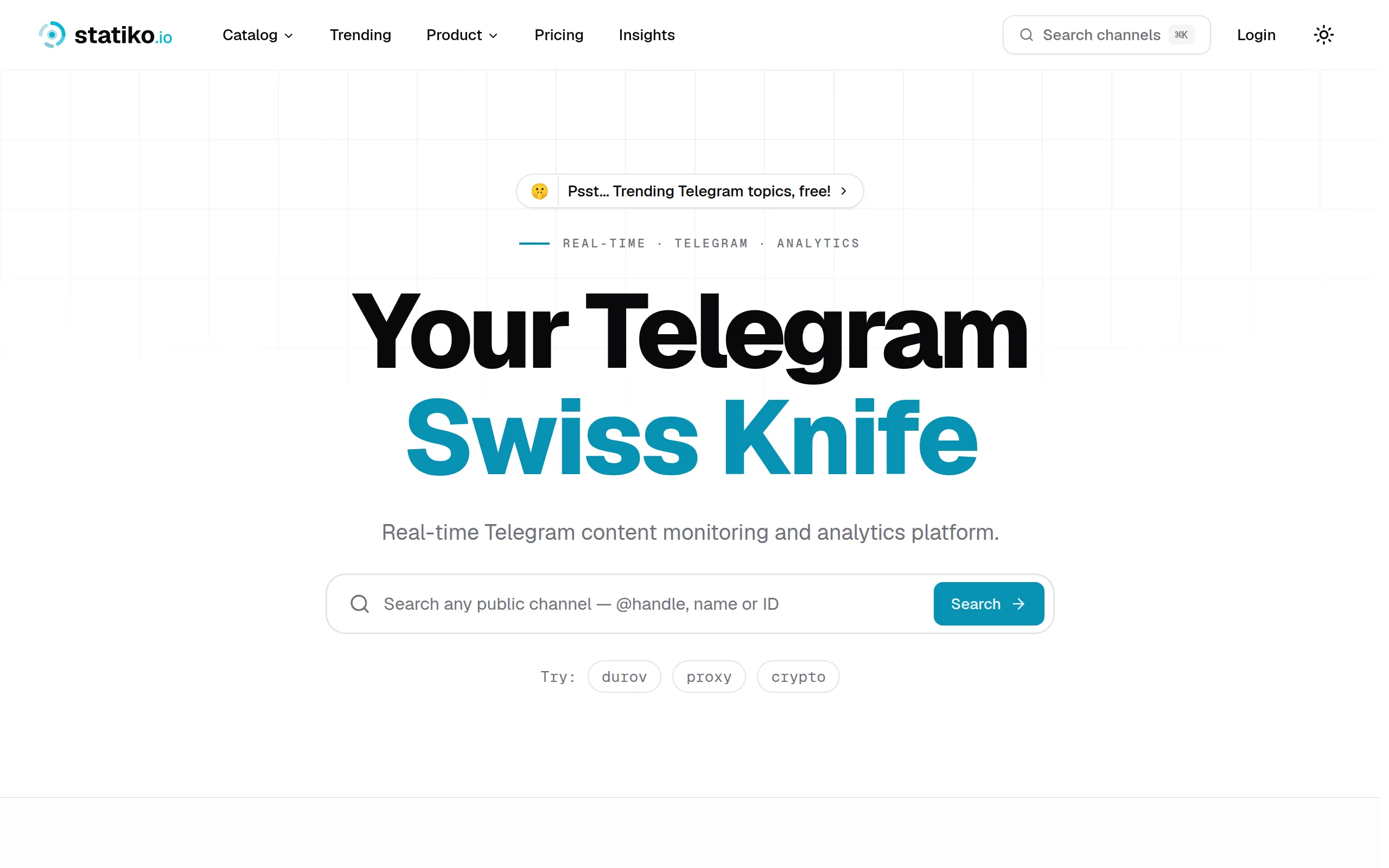
Statiko
Monitor any Telegram channel in real time - track posts, edits, deletions, and growth with AI recaps 📡

Shibui
AI website builder - describe your business, pick a niche template, edit by chatting, and publish instantly ✨

Pro Service
Find verified home service professionals, compare quotes, and pay securely through escrow - built for Brazilians across the US 🏠
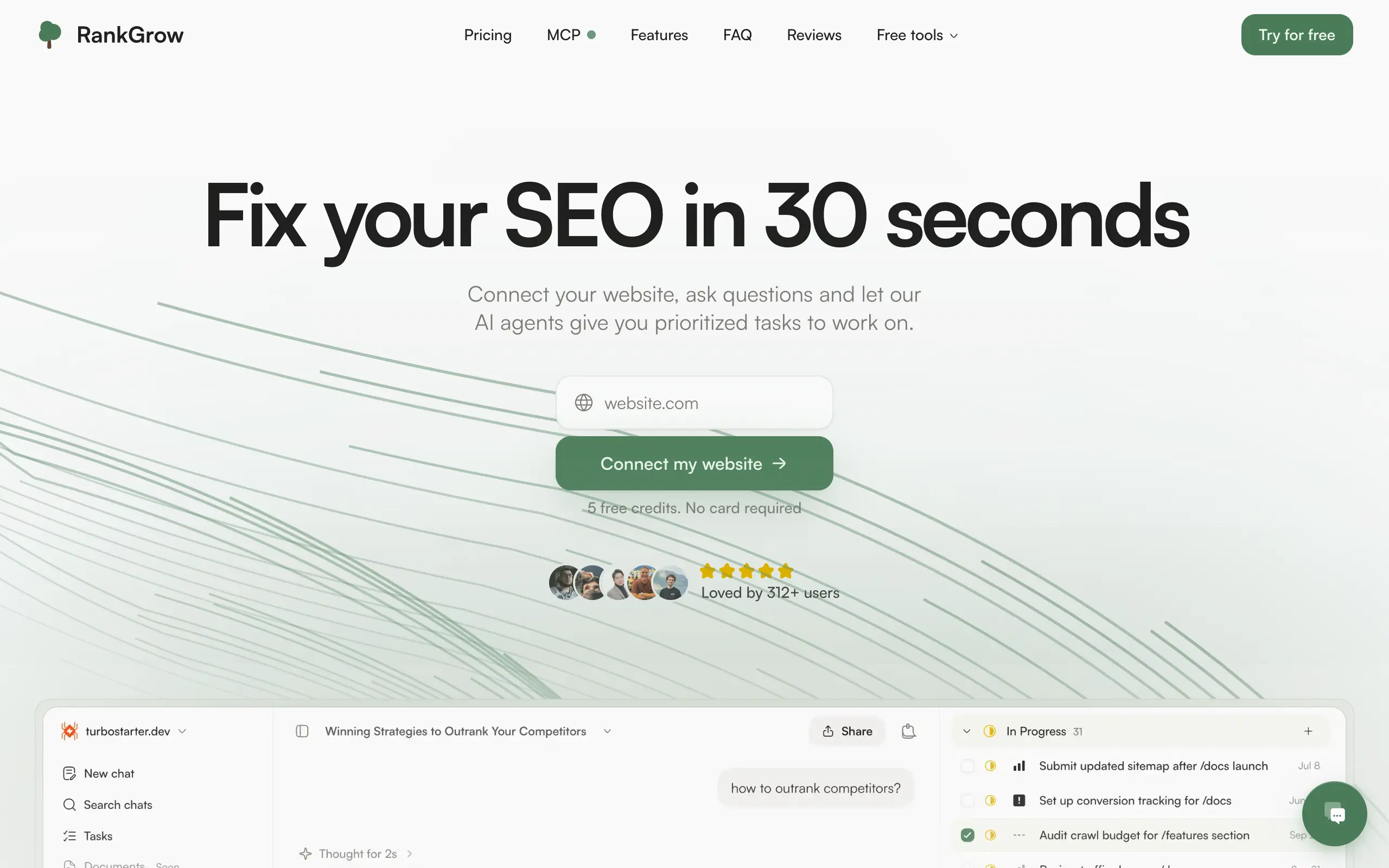
RankGrow
Fix your SEO with AI agents - connect Search Console, get prioritized tasks, and grow organic traffic 📈
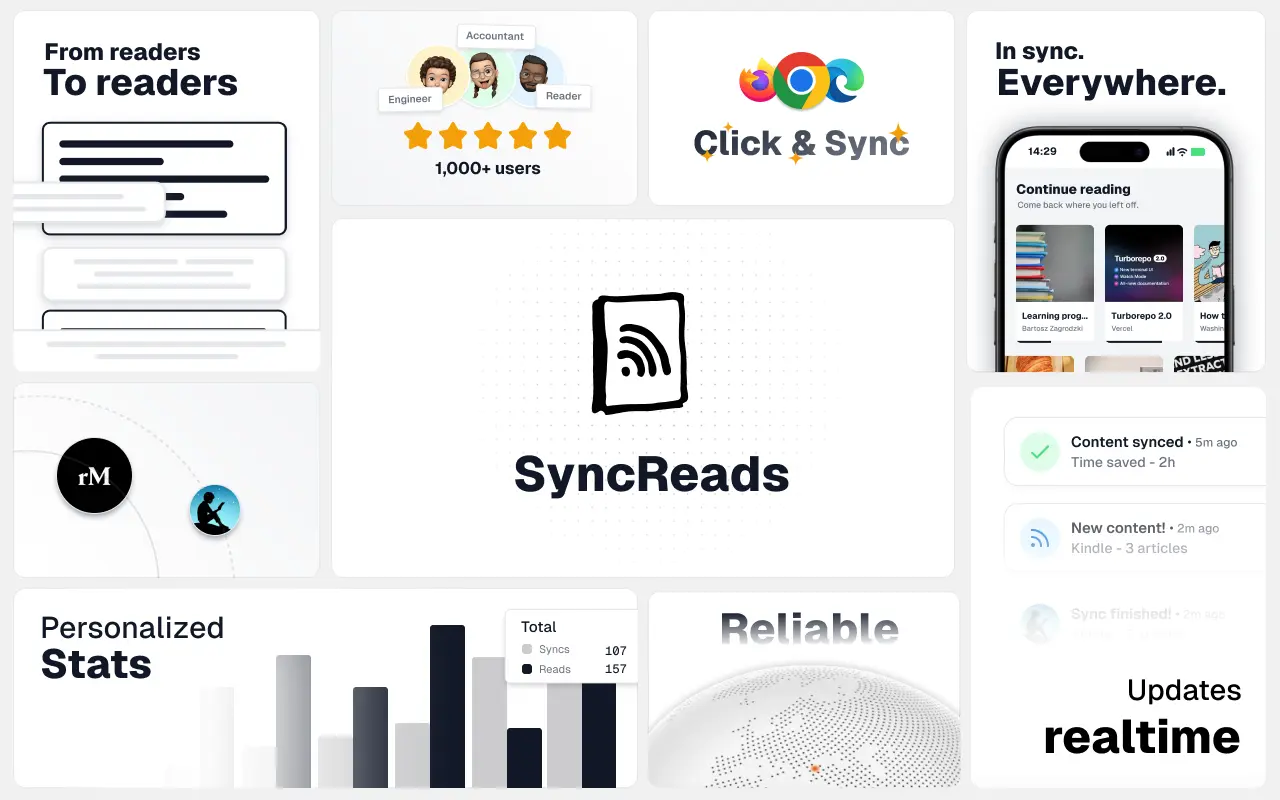
SyncReads
Sync your favorite content for distraction-free reading, save time and replace multiple apps. Anytime, anywhere 🔄
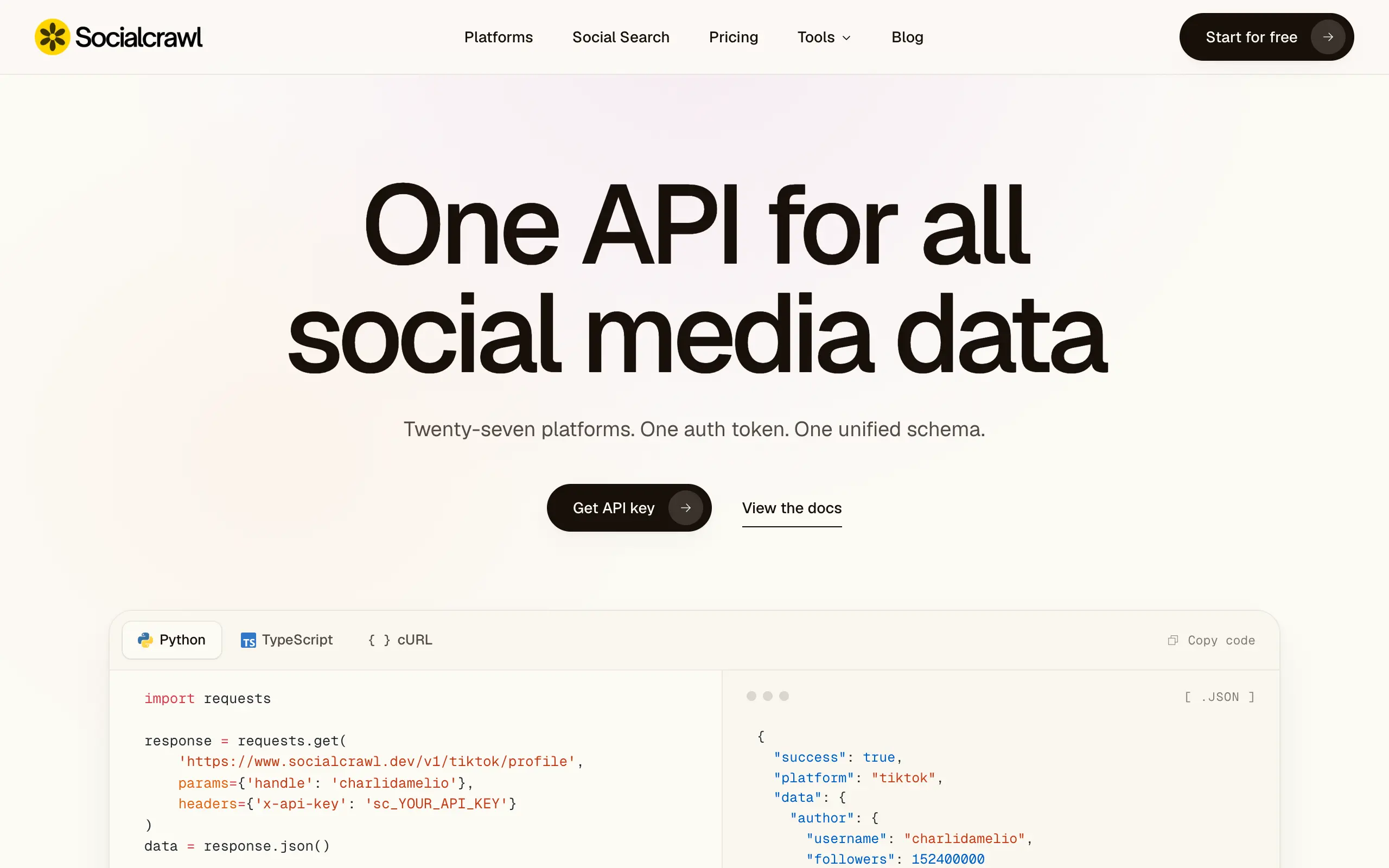
Socialcrawl
Get clean, structured data from 21 platforms like TikTok, Instagram, and YouTube with a single request 📊
Statiko
Monitor any Telegram channel in real time - track posts, edits, deletions, and growth with AI recaps 📡
Shibui
AI website builder - describe your business, pick a niche template, edit by chatting, and publish instantly ✨
Pro Service
Find verified home service professionals, compare quotes, and pay securely through escrow - built for Brazilians across the US 🏠
RankGrow
Fix your SEO with AI agents - connect Search Console, get prioritized tasks, and grow organic traffic 📈
SyncReads
Sync your favorite content for distraction-free reading, save time and replace multiple apps. Anytime, anywhere 🔄
Socialcrawl
Get clean, structured data from 21 platforms like TikTok, Instagram, and YouTube with a single request 📊
Statiko
Monitor any Telegram channel in real time - track posts, edits, deletions, and growth with AI recaps 📡
Shibui
AI website builder - describe your business, pick a niche template, edit by chatting, and publish instantly ✨
Pro Service
Find verified home service professionals, compare quotes, and pay securely through escrow - built for Brazilians across the US 🏠
RankGrow
Fix your SEO with AI agents - connect Search Console, get prioritized tasks, and grow organic traffic 📈
SyncReads
Sync your favorite content for distraction-free reading, save time and replace multiple apps. Anytime, anywhere 🔄
Socialcrawl
Get clean, structured data from 21 platforms like TikTok, Instagram, and YouTube with a single request 📊
Statiko
Monitor any Telegram channel in real time - track posts, edits, deletions, and growth with AI recaps 📡
Shibui
AI website builder - describe your business, pick a niche template, edit by chatting, and publish instantly ✨
Pro Service
Find verified home service professionals, compare quotes, and pay securely through escrow - built for Brazilians across the US 🏠
RankGrow
Fix your SEO with AI agents - connect Search Console, get prioritized tasks, and grow organic traffic 📈
SyncReads
Sync your favorite content for distraction-free reading, save time and replace multiple apps. Anytime, anywhere 🔄
Socialcrawl
Get clean, structured data from 21 platforms like TikTok, Instagram, and YouTube with a single request 📊
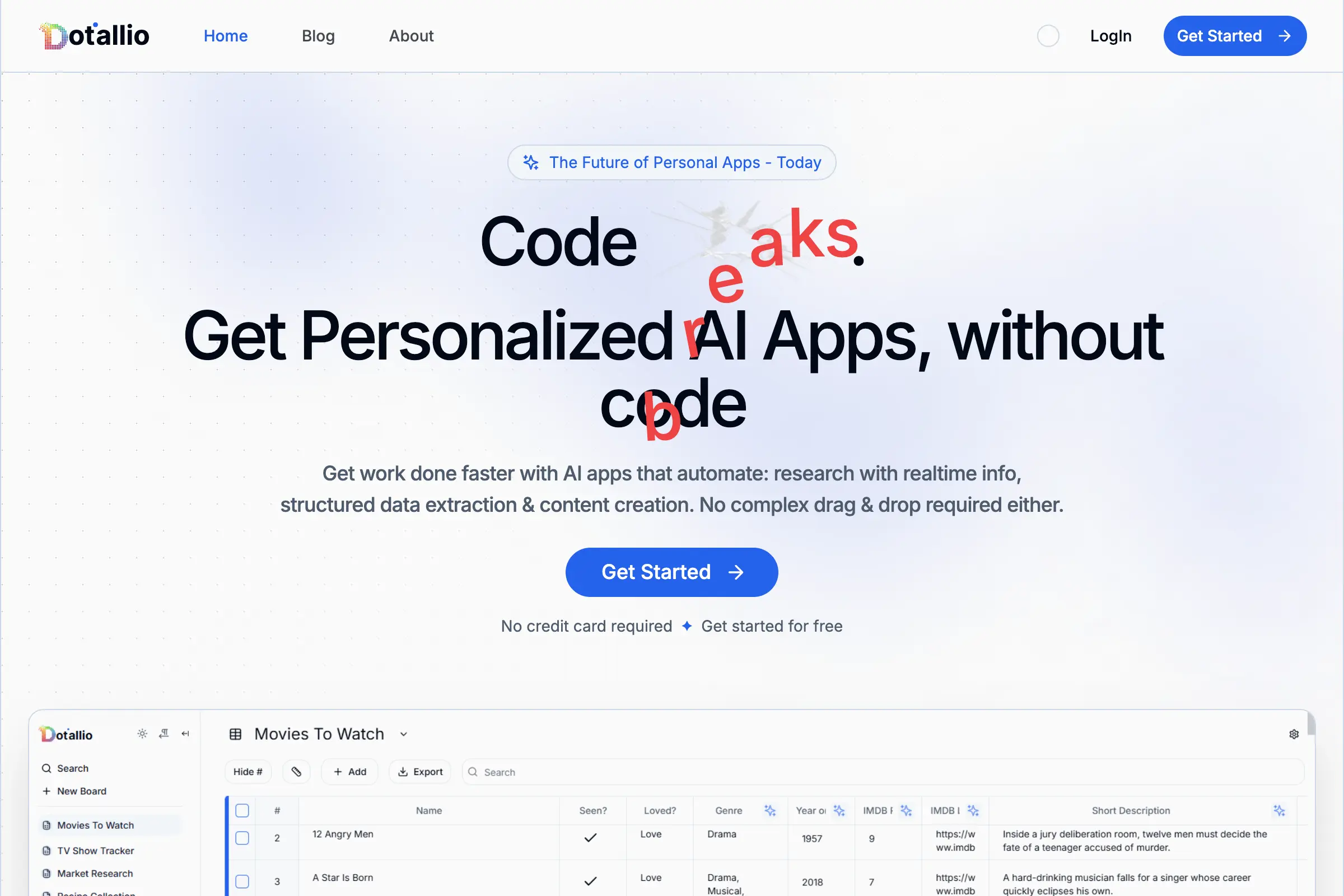
Dotallio
Personalized AI apps that automate research, data extraction, and content creation without code 🤖

Talk to Santa
Enjoy a magical live video chat or receive a unique AI-generated video greeting from Santa Claus 🎅
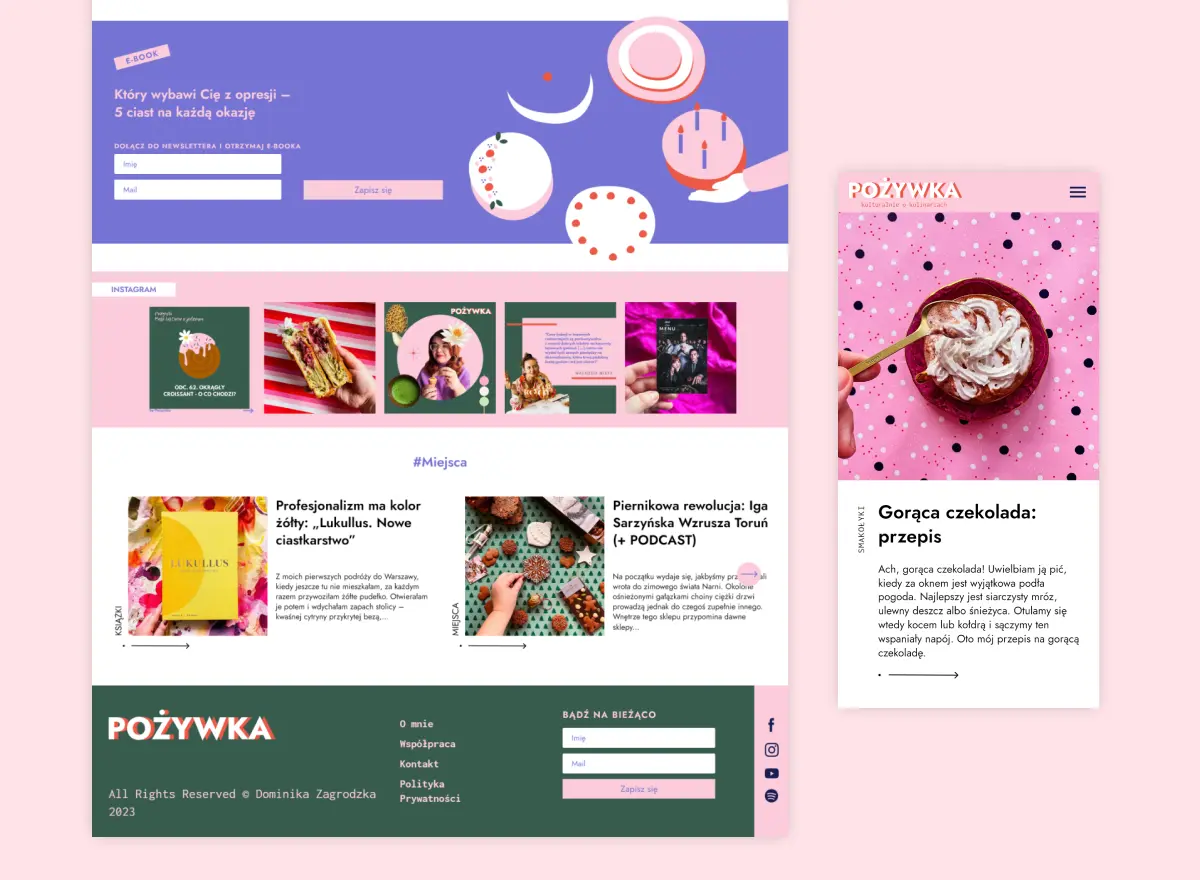
pozywka.pl
Scalable blog for food journalist, focused on performance and user experience 🌭
zagrodzki.me
Personal blog and portfolio of Bart Zagrodzki, where he shares his knowledge and work 💼
TurboStarter
Ship your startup everywhere. In minutes.
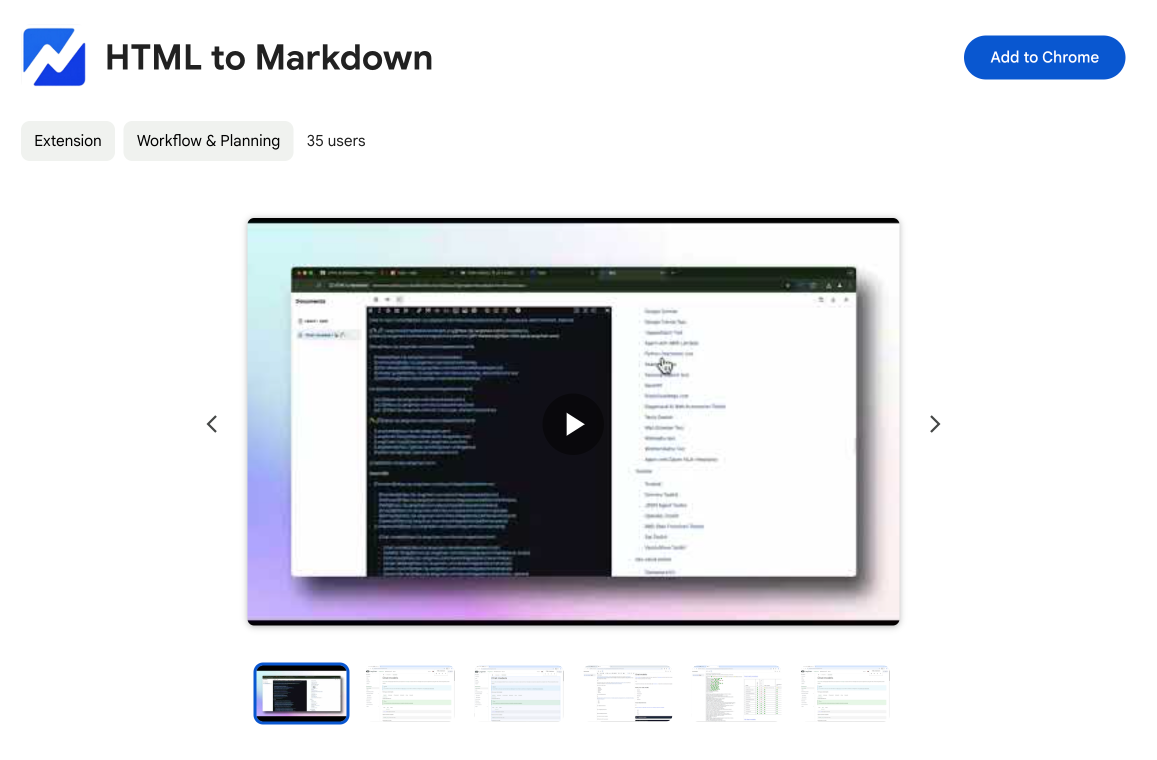
HTML to Markdown
Convert HTML to Markdown with ease, directly in your browser 📄
Dotallio
Personalized AI apps that automate research, data extraction, and content creation without code 🤖
Talk to Santa
Enjoy a magical live video chat or receive a unique AI-generated video greeting from Santa Claus 🎅
pozywka.pl
Scalable blog for food journalist, focused on performance and user experience 🌭
zagrodzki.me
Personal blog and portfolio of Bart Zagrodzki, where he shares his knowledge and work 💼
TurboStarter
Ship your startup everywhere. In minutes.
HTML to Markdown
Convert HTML to Markdown with ease, directly in your browser 📄
Dotallio
Personalized AI apps that automate research, data extraction, and content creation without code 🤖
Talk to Santa
Enjoy a magical live video chat or receive a unique AI-generated video greeting from Santa Claus 🎅
pozywka.pl
Scalable blog for food journalist, focused on performance and user experience 🌭
zagrodzki.me
Personal blog and portfolio of Bart Zagrodzki, where he shares his knowledge and work 💼
TurboStarter
Ship your startup everywhere. In minutes.
HTML to Markdown
Convert HTML to Markdown with ease, directly in your browser 📄
Dotallio
Personalized AI apps that automate research, data extraction, and content creation without code 🤖
Talk to Santa
Enjoy a magical live video chat or receive a unique AI-generated video greeting from Santa Claus 🎅
pozywka.pl
Scalable blog for food journalist, focused on performance and user experience 🌭
zagrodzki.me
Personal blog and portfolio of Bart Zagrodzki, where he shares his knowledge and work 💼
TurboStarter
Ship your startup everywhere. In minutes.
HTML to Markdown
Convert HTML to Markdown with ease, directly in your browser 📄
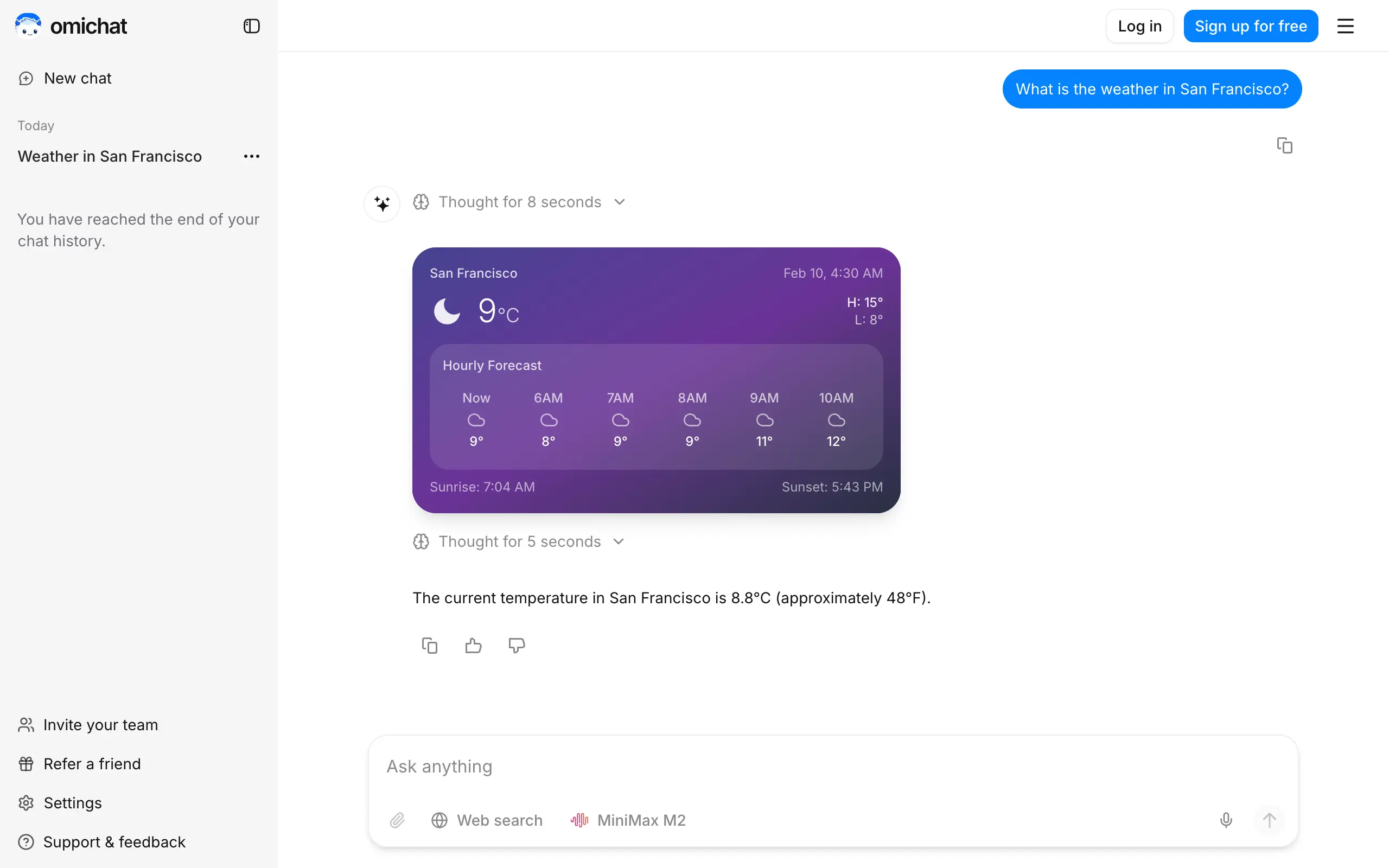
Omichat
Chat with 50+ AI models, including ChatGPT and Claude, in one place - switch models anytime without losing context 🤖
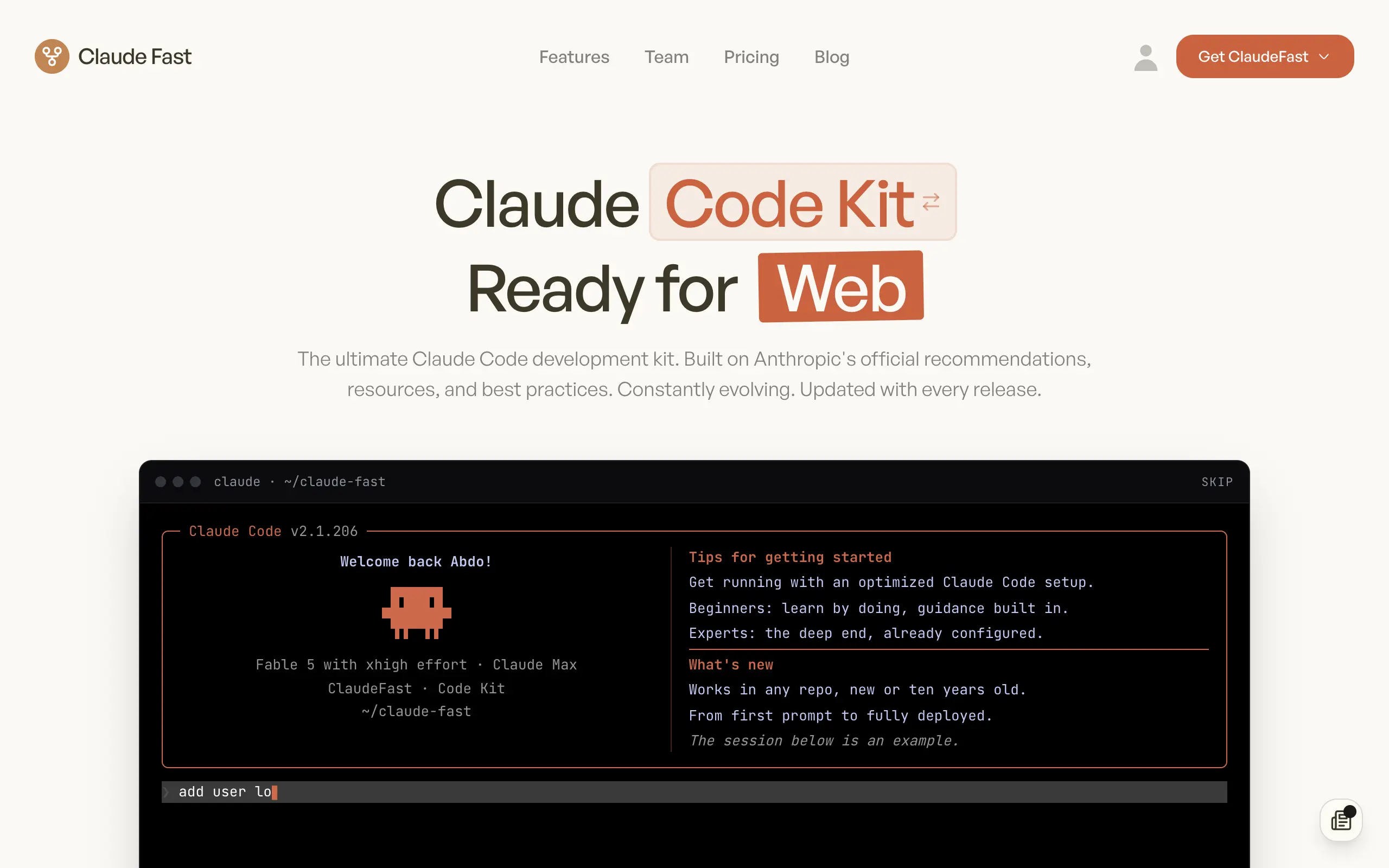
Claude Fast
Supercharge your Claude Code with 6x effective context window and specialized AI agents 🤖
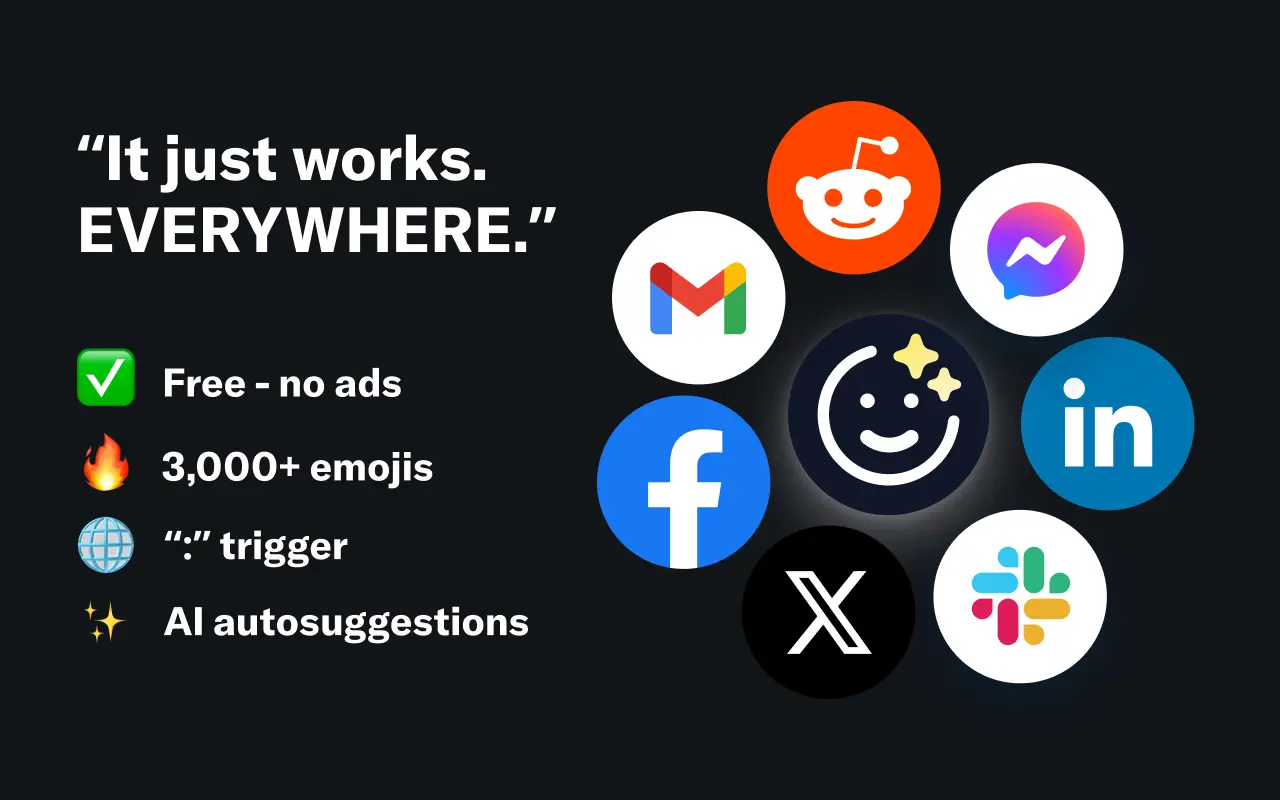
EmojAI
AI-powered emoji picker with smart, context-aware suggestions 🤖
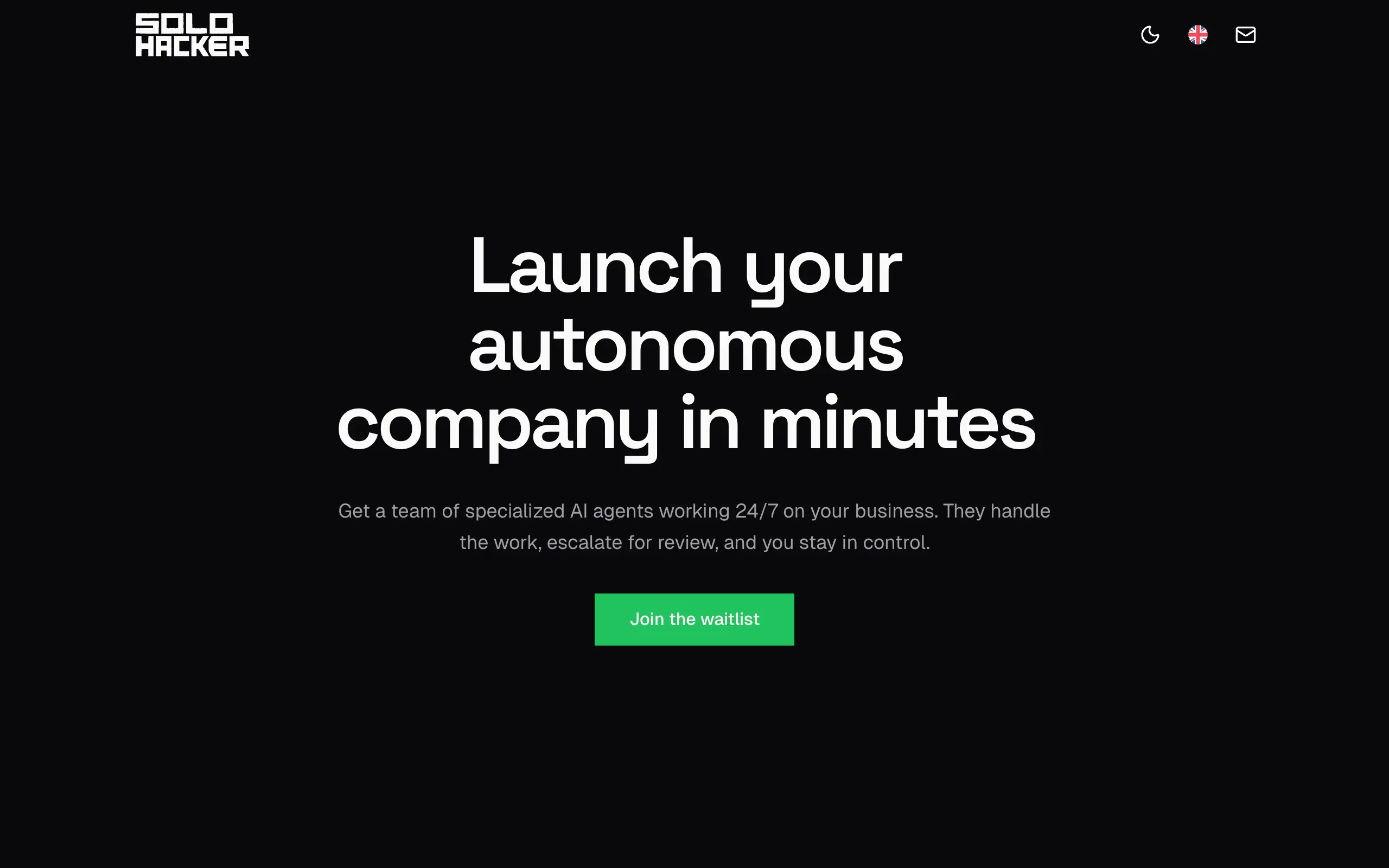
Solohacker
Autonomous company launcher - AI agents work 24/7, escalate what matters, and you stay in control 🤖
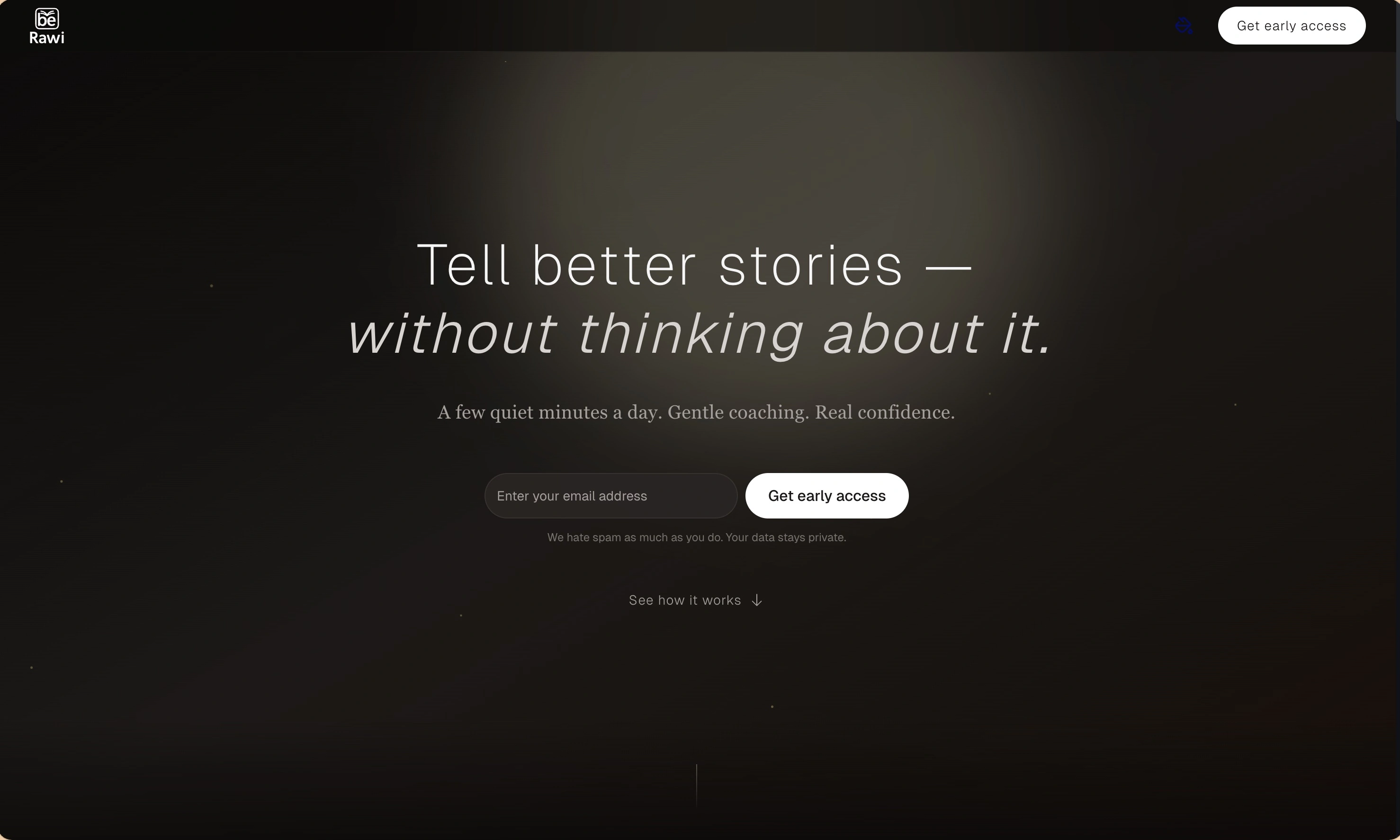
BeRawi: Storytelling Coach
Practice storytelling daily with instant feedback to sound clearer, more engaging, and confident 🎤
Omichat
Chat with 50+ AI models, including ChatGPT and Claude, in one place - switch models anytime without losing context 🤖
Claude Fast
Supercharge your Claude Code with 6x effective context window and specialized AI agents 🤖
EmojAI
AI-powered emoji picker with smart, context-aware suggestions 🤖
Solohacker
Autonomous company launcher - AI agents work 24/7, escalate what matters, and you stay in control 🤖
BeRawi: Storytelling Coach
Practice storytelling daily with instant feedback to sound clearer, more engaging, and confident 🎤
Omichat
Chat with 50+ AI models, including ChatGPT and Claude, in one place - switch models anytime without losing context 🤖
Claude Fast
Supercharge your Claude Code with 6x effective context window and specialized AI agents 🤖
EmojAI
AI-powered emoji picker with smart, context-aware suggestions 🤖
Solohacker
Autonomous company launcher - AI agents work 24/7, escalate what matters, and you stay in control 🤖
BeRawi: Storytelling Coach
Practice storytelling daily with instant feedback to sound clearer, more engaging, and confident 🎤
Omichat
Chat with 50+ AI models, including ChatGPT and Claude, in one place - switch models anytime without losing context 🤖
Claude Fast
Supercharge your Claude Code with 6x effective context window and specialized AI agents 🤖
EmojAI
AI-powered emoji picker with smart, context-aware suggestions 🤖
Solohacker
Autonomous company launcher - AI agents work 24/7, escalate what matters, and you stay in control 🤖
BeRawi: Storytelling Coach
Practice storytelling daily with instant feedback to sound clearer, more engaging, and confident 🎤

Connect with like-minded people
Join our community to get feedback, support, and grow together with 1,000+ builders on board, let's ship it!
Join usShip your startup everywhere. In minutes.
Don't burn tokens on setup and start building features on day one.