ArchiveFetch
Download and restore full Wayback Machine snapshots with one click, including assets and structure, for fast site recovery or offline access.
what is a wayback machine downloader and why it matters
The internet is far more fragile than it looks. Websites disappear, redesigns wipe out valuable content, and server failures can erase years of work in seconds. While tools like the Internet Archive Wayback Machine preserve snapshots of websites over time, extracting and restoring those snapshots into a usable, full website is surprisingly difficult.
That’s where a Wayback Machine downloader like ArchiveFetch becomes essential.
ArchiveFetch is designed to download and restore complete website snapshots—including HTML, CSS, JavaScript, images, and structure—with a single click. Instead of manually scraping archived pages or piecing together incomplete exports, users can recover entire sites quickly and reliably.
This article dives deep into:
- The real-world need for Wayback Machine download tools
- Target users and use cases
- Market gaps and opportunities
- Core product features and architecture
- Monetization strategies
- Competitive landscape
- Step-by-step implementation strategy
If you're evaluating this SaaS idea or planning to build something similar, this guide will give you a complete, expert-level breakdown.
understanding the real user intent behind website recovery tools
People searching for a “Wayback Machine downloader” or “restore archived website” typically fall into a few high-intent categories:
primary user motivations
-
Recover lost websites
- Domain expired or hosting failed
- Backup systems failed or were never implemented
-
Clone or migrate old versions
- Rebuilding a legacy website
- Migrating content to a new CMS
-
Legal or compliance needs
- Proof of previous content
- Historical audits
-
Research and analysis
- SEO benchmarking
- Competitor analysis
-
Offline access
- Archiving content for internal use or restricted environments
pain points with current solutions
- Wayback Machine UI is manual and slow
- Downloading assets is incomplete or broken
- No reliable way to restore full site structure
- Tools are often technical or require scripting
- Missing support for modern frontend frameworks
ArchiveFetch directly addresses these frustrations by offering a one-click, structured, complete extraction workflow.
target audience analysis
ArchiveFetch operates in a B2C space but serves a hybrid audience that includes professionals and hobbyists.
primary segments
Website owners & bloggers
Recover lost or outdated sites without needing backups or technical expertise.
SEO professionals
Analyze historical site structures, recover content, and benchmark competitors.
Developers & agencies
Rebuild legacy websites or migrate archived content into modern stacks.
Researchers & journalists
Access historical versions of websites for investigation or reporting.
secondary segments
- Digital archivists
- Legal professionals
- Startup founders validating old ideas
- Content marketers
behavioral insights
- High urgency when data is lost
- Willing to pay for convenience and completeness
- Low tolerance for broken downloads
- Preference for simple UX over technical tools
market opportunity and gap analysis
existing solutions
There are tools that attempt to solve parts of this problem:
- HTTrack (offline browser tool)
- SiteSucker
- Wayback Machine UI
- Custom Python scraping scripts
why they fall short
| Feature | Wayback UI | HTTrack | Scripts | ArchiveFetch | Ease of Use |
|---|---|---|---|---|---|
| Full snapshot download | ❌ | ✅ | ✅ | ✅ | ✅ |
| Asset recovery | ❌ | ✅ | ✅ | ✅ | ✅ |
key market gap
There is no simple, reliable, and user-friendly SaaS that:
- Works directly with Wayback Machine data
- Reconstructs complete websites
- Requires zero technical setup
- Handles modern web complexities
This creates a strong opportunity for ArchiveFetch to become the default tool for website recovery from archives.
core features that make archivefetch stand out
1. one-click full site reconstruction
- Input a URL
- Select a snapshot date
- Download a complete, structured website
This eliminates manual scraping and stitching.
2. asset completeness engine
ArchiveFetch ensures:
- Images load correctly
- CSS and JS are properly linked
- Internal links are rewritten
3. snapshot selection intelligence
Instead of forcing users to pick blindly:
- Suggest best snapshots based on completeness
- Highlight missing assets or broken captures
4. export formats
- Static HTML bundle
- CMS-ready format (WordPress, headless CMS)
- ZIP download
5. preview mode
Users can:
- Preview reconstructed site
- Validate structure before download
6. domain remapping
- Replace old URLs with new domain
- Fix internal linking automatically
technical architecture and stack recommendations
Building a Wayback Machine downloader SaaS requires careful engineering decisions.
frontend
- React for UI
- TailwindCSS for styling
- Optional: Next.js for SSR and SEO
backend
- Node.js (fast I/O for scraping tasks)
- Queue system (BullMQ or RabbitMQ) for processing jobs
- API layer for user requests
data processing layer
Core responsibilities:
- Fetch archived HTML
- Parse DOM
- Extract assets
- Rewrite links
Example snippet:
async function fetchSnapshot(url: string, timestamp: string) {
  const archiveUrl = `https://web.archive.org/web/${timestamp}/${url}`;
  const response = await fetch(archiveUrl);
  const html = await response.text();

  return processHtml(html);
}
storage
- Object storage (AWS S3 or Cloudflare R2)
- Temporary caching for downloads
scaling considerations
- Use queue workers for parallel processing
- Cache frequently requested snapshots
- Rate-limit archive requests
trade-offs
- Heavy processing vs speed
- Completeness vs performance
- Cost of storage vs user convenience
monetization strategies for archivefetch
freemium model
-
Free tier:
- Limited downloads per month
- Watermarked or partial exports
-
Paid tiers:
- Unlimited downloads
- Full asset recovery
- Priority processing
pricing ideas
- $9/month for casual users
- $29/month for professionals
- Pay-per-download option
additional revenue streams
- API access for developers
- White-label solution for agencies
- Bulk recovery packages
competitive advantage and unique positioning
ArchiveFetch’s differentiation comes from:
simplicity
Most tools require technical knowledge. ArchiveFetch is:
- No-code
- Fast
- Intuitive
completeness
Unlike competitors, it focuses on:
- Full asset recovery
- Structural accuracy
speed
- Optimized pipelines
- Parallel processing
positioning statement
ArchiveFetch is not just a downloader—it’s a website resurrection engine.
potential risks and mitigation strategies
risk 1: legal and copyright concerns
Downloading archived content may raise issues.
Mitigation:
- Clear terms of use
- User responsibility clauses
- Optional domain ownership verification
risk 2: dependency on Wayback Machine
If API access changes, product could break.
Mitigation:
- Build flexible scraping layer
- Cache frequently accessed data
risk 3: incomplete snapshots
Not all archived pages are perfect.
Mitigation:
- Quality scoring system
- Multiple snapshot merging
risk 4: high infrastructure costs
Processing large sites can be expensive.
Mitigation:
- Limit free usage
- Optimize processing pipelines
step-by-step implementation roadmap
product expansion opportunities
Once core functionality is stable:
advanced features
- AI-powered content reconstruction
- Missing asset generation
- SEO audit of archived sites
integrations
- CMS platforms (WordPress, Webflow)
- Cloud storage providers
- Developer APIs
industry trends supporting this idea
growing importance of data resilience
Businesses are increasingly aware that:
- Data loss is inevitable
- Backup systems fail
- Redundancy is critical
rise of digital preservation
- Governments and institutions rely on archives
- Historical web data is gaining value
no-code movement
Users expect:
- Simple tools
- Instant results
- Minimal technical barriers
ArchiveFetch aligns perfectly with these trends.
when this idea works best (and when it doesn’t)
- High demand for lost website recovery
- SEO professionals needing historical data
- Agencies rebuilding legacy sites
- Users expecting real-time backups
- Sites never archived properly
- Highly dynamic or JS-heavy apps
frequently asked questions
Only if the website has been archived by the Wayback Machine. If no snapshots exist, recovery is not possible.
Static content will work well, but dynamic features (logins, databases) cannot be restored.
It depends on usage. Users should ensure compliance with copyright and terms of service.
actionable steps to build and launch archivefetch
If you're serious about launching this SaaS:
-
Start with a simple MVP
- URL input + snapshot download
- Focus on reliability
-
Validate with real users
- Indie hackers
- SEO communities
- Developers
-
Build a strong UX layer
- One-click experience
- Clear progress indicators
-
Focus on performance early
- Queue systems
- Parallel processing
-
Launch publicly
- Product Hunt
- Reddit (r/webdev, r/SEO)
- Indie Hacker forums
-
Iterate fast
- Add features based on feedback
- Improve edge case handling
final thoughts
ArchiveFetch taps into a surprisingly underserved but high-value niche: recovering and restoring websites from the past.
It combines:
- Strong user pain
- Clear technical solution
- Scalable SaaS model
With the right execution, it can become the go-to platform for anyone needing to bring archived websites back to life.
If you’re looking to accelerate development and skip boilerplate setup, tools like TurboStarter can help you launch faster with a production-ready foundation.
The opportunity here isn’t just about downloading old websites—it’s about making the internet permanent, accessible, and recoverable in a way that’s never been easy before.
More 👥 B2C Application SaaS ideas
Discover more innovative b2c application SaaS ideas that are trending in 2026. Each idea is AI-generated with market validation and growth potential to help you find your next profitable venture faster than competitors.
Your competitors are building with TurboStarter
Below are some of the SaaS ideas that have been generated and built with our starter kit.
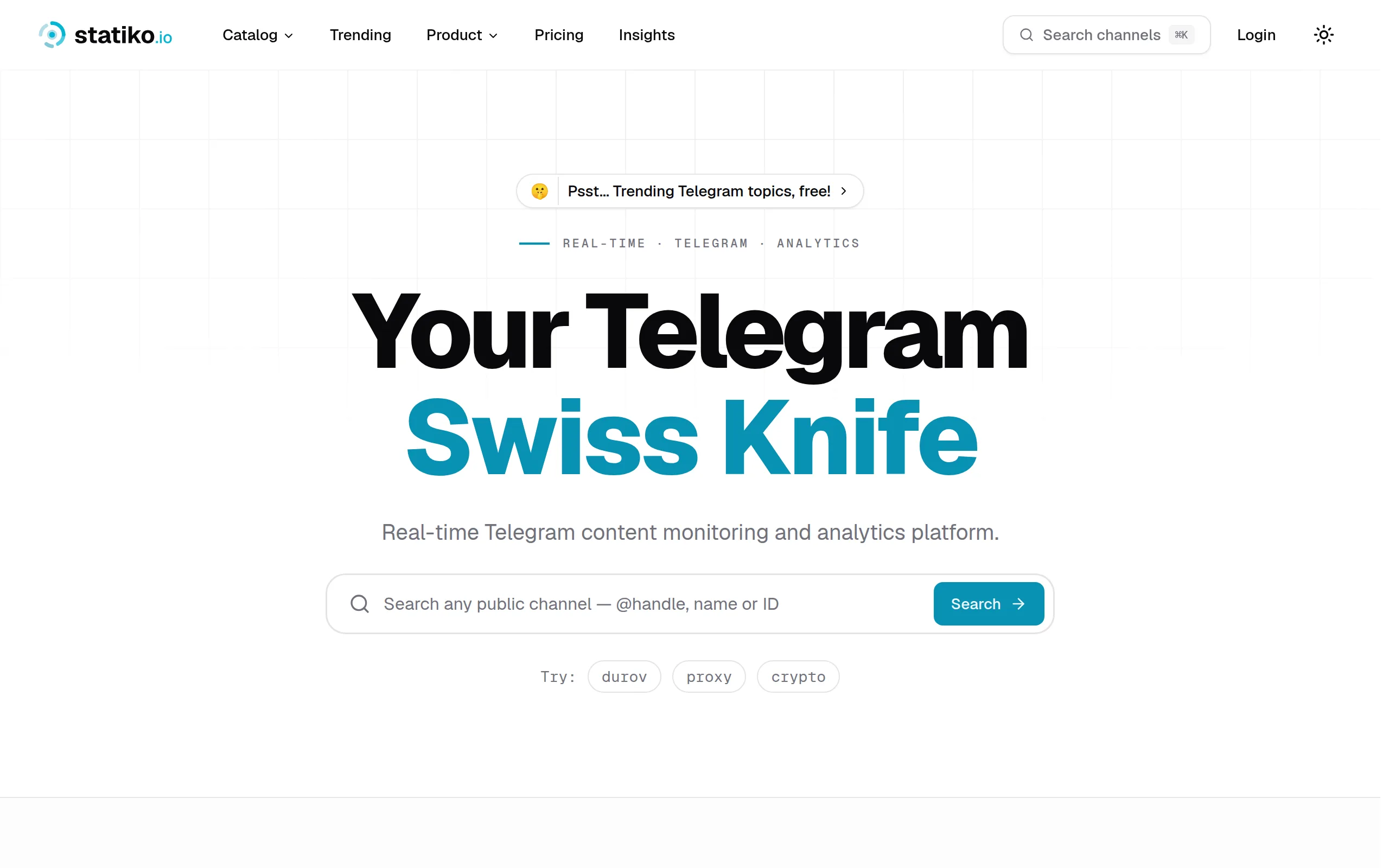
Statiko
Monitor any Telegram channel in real time - track posts, edits, deletions, and growth with AI recaps 📡

Shibui
AI website builder - describe your business, pick a niche template, edit by chatting, and publish instantly ✨

Pro Service
Find verified home service professionals, compare quotes, and pay securely through escrow - built for Brazilians across the US 🏠
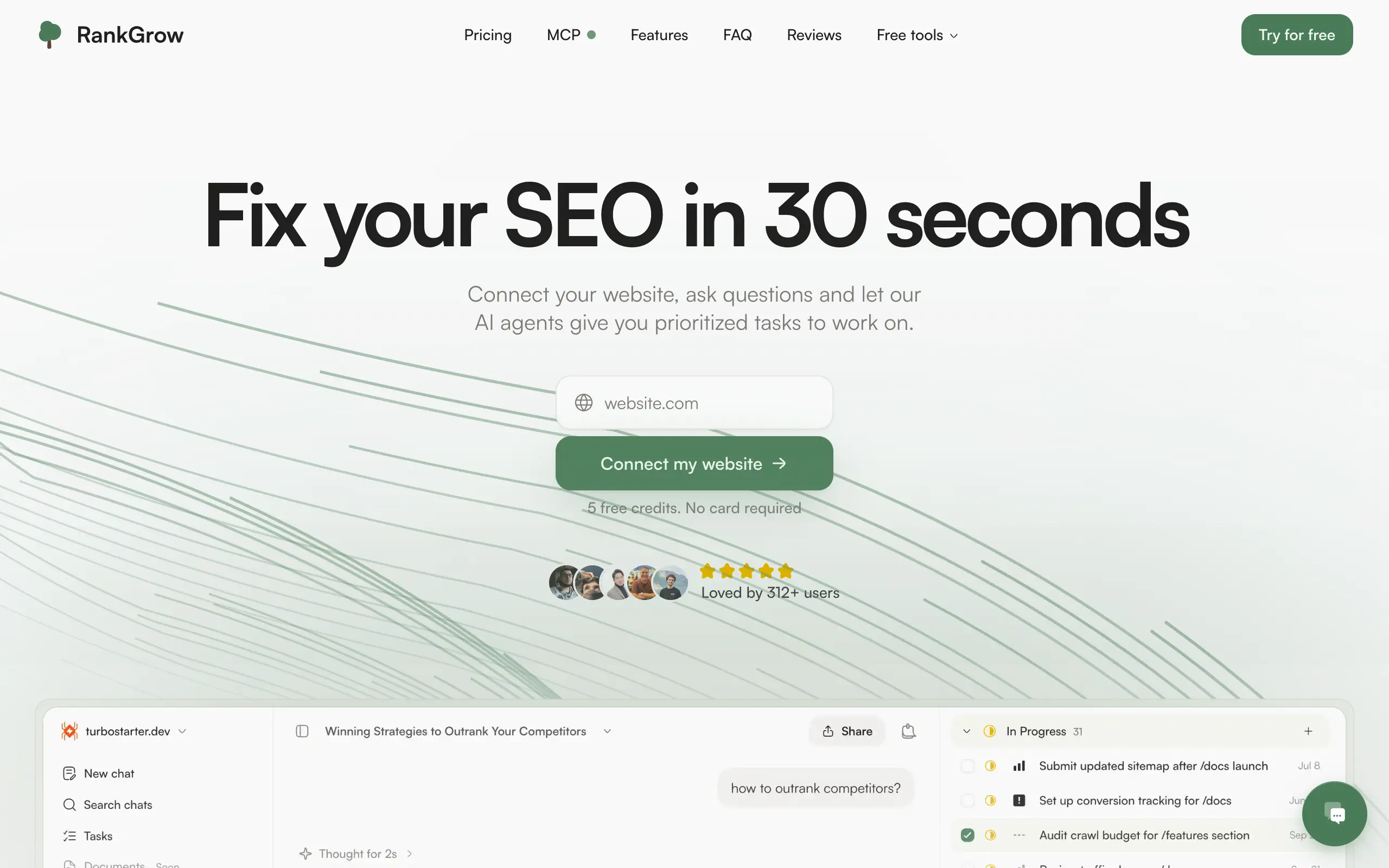
RankGrow
Fix your SEO with AI agents - connect Search Console, get prioritized tasks, and grow organic traffic 📈
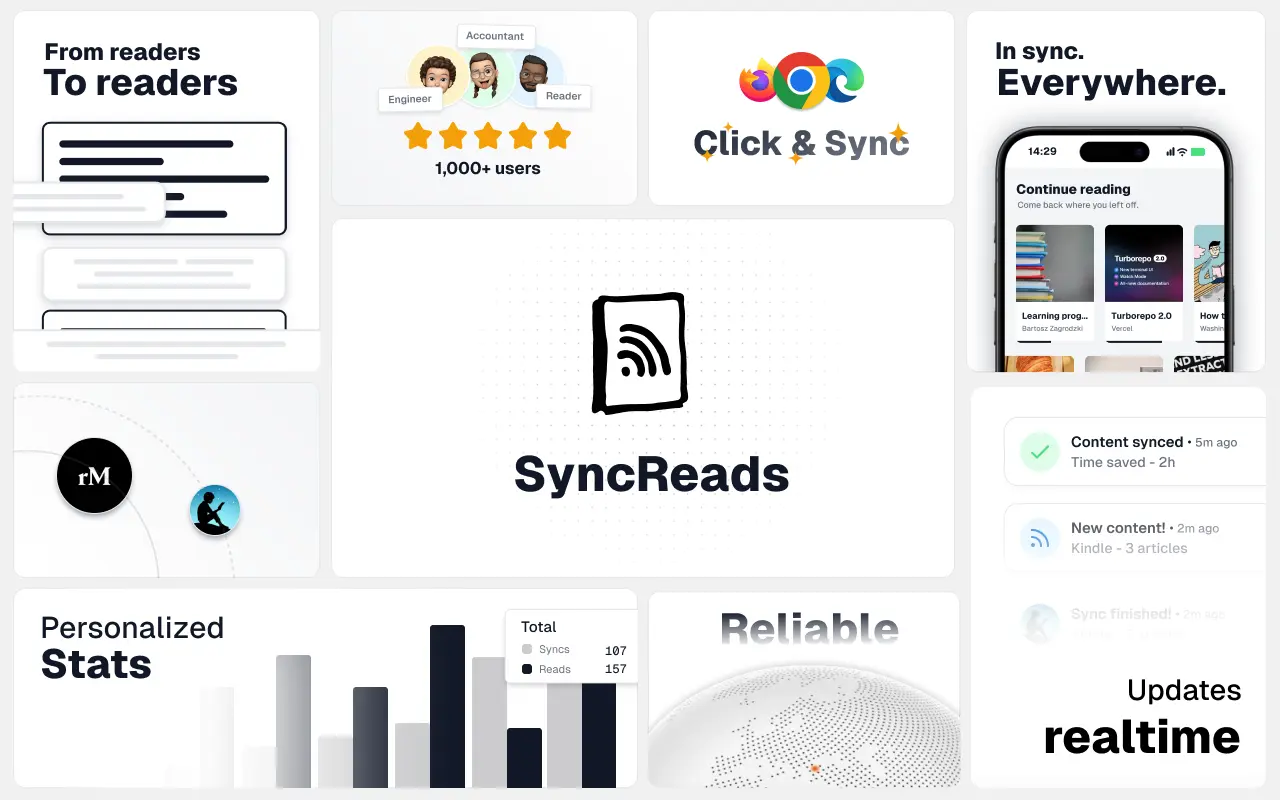
SyncReads
Sync your favorite content for distraction-free reading, save time and replace multiple apps. Anytime, anywhere 🔄
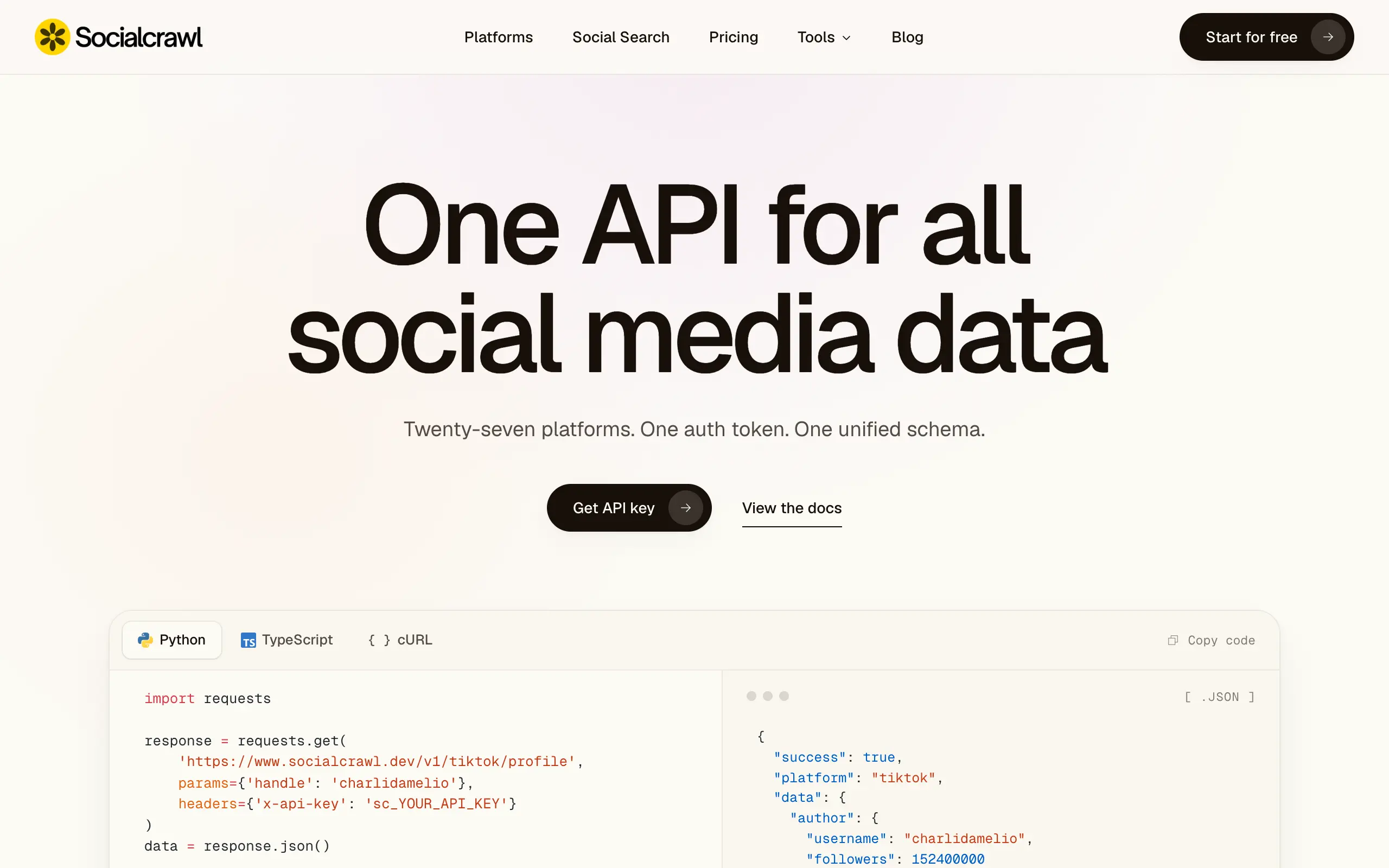
Socialcrawl
Get clean, structured data from 21 platforms like TikTok, Instagram, and YouTube with a single request 📊
Statiko
Monitor any Telegram channel in real time - track posts, edits, deletions, and growth with AI recaps 📡
Shibui
AI website builder - describe your business, pick a niche template, edit by chatting, and publish instantly ✨
Pro Service
Find verified home service professionals, compare quotes, and pay securely through escrow - built for Brazilians across the US 🏠
RankGrow
Fix your SEO with AI agents - connect Search Console, get prioritized tasks, and grow organic traffic 📈
SyncReads
Sync your favorite content for distraction-free reading, save time and replace multiple apps. Anytime, anywhere 🔄
Socialcrawl
Get clean, structured data from 21 platforms like TikTok, Instagram, and YouTube with a single request 📊
Statiko
Monitor any Telegram channel in real time - track posts, edits, deletions, and growth with AI recaps 📡
Shibui
AI website builder - describe your business, pick a niche template, edit by chatting, and publish instantly ✨
Pro Service
Find verified home service professionals, compare quotes, and pay securely through escrow - built for Brazilians across the US 🏠
RankGrow
Fix your SEO with AI agents - connect Search Console, get prioritized tasks, and grow organic traffic 📈
SyncReads
Sync your favorite content for distraction-free reading, save time and replace multiple apps. Anytime, anywhere 🔄
Socialcrawl
Get clean, structured data from 21 platforms like TikTok, Instagram, and YouTube with a single request 📊
Statiko
Monitor any Telegram channel in real time - track posts, edits, deletions, and growth with AI recaps 📡
Shibui
AI website builder - describe your business, pick a niche template, edit by chatting, and publish instantly ✨
Pro Service
Find verified home service professionals, compare quotes, and pay securely through escrow - built for Brazilians across the US 🏠
RankGrow
Fix your SEO with AI agents - connect Search Console, get prioritized tasks, and grow organic traffic 📈
SyncReads
Sync your favorite content for distraction-free reading, save time and replace multiple apps. Anytime, anywhere 🔄
Socialcrawl
Get clean, structured data from 21 platforms like TikTok, Instagram, and YouTube with a single request 📊
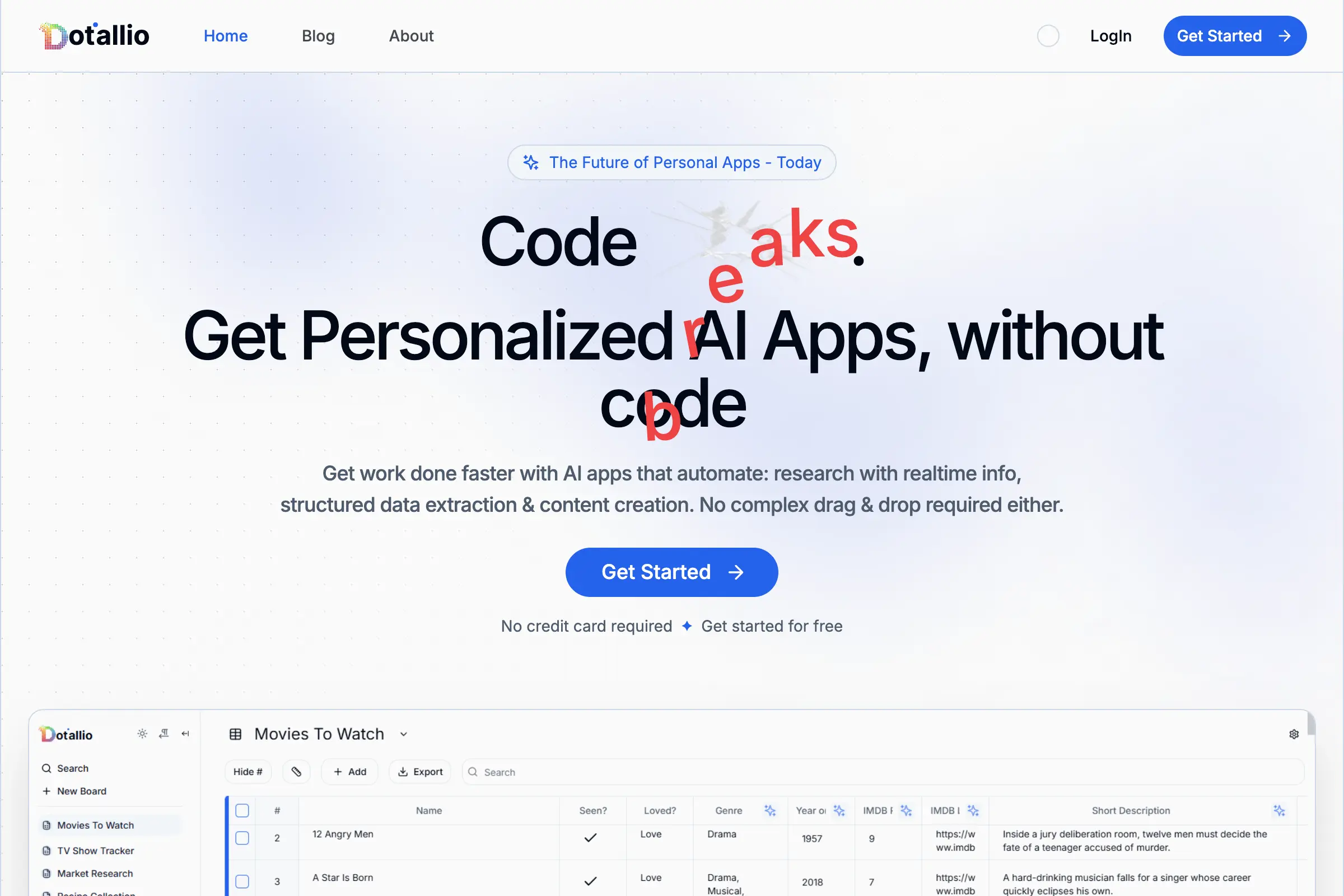
Dotallio
Personalized AI apps that automate research, data extraction, and content creation without code 🤖

Talk to Santa
Enjoy a magical live video chat or receive a unique AI-generated video greeting from Santa Claus 🎅

pozywka.pl
Scalable blog for food journalist, focused on performance and user experience 🌭
zagrodzki.me
Personal blog and portfolio of Bart Zagrodzki, where he shares his knowledge and work 💼
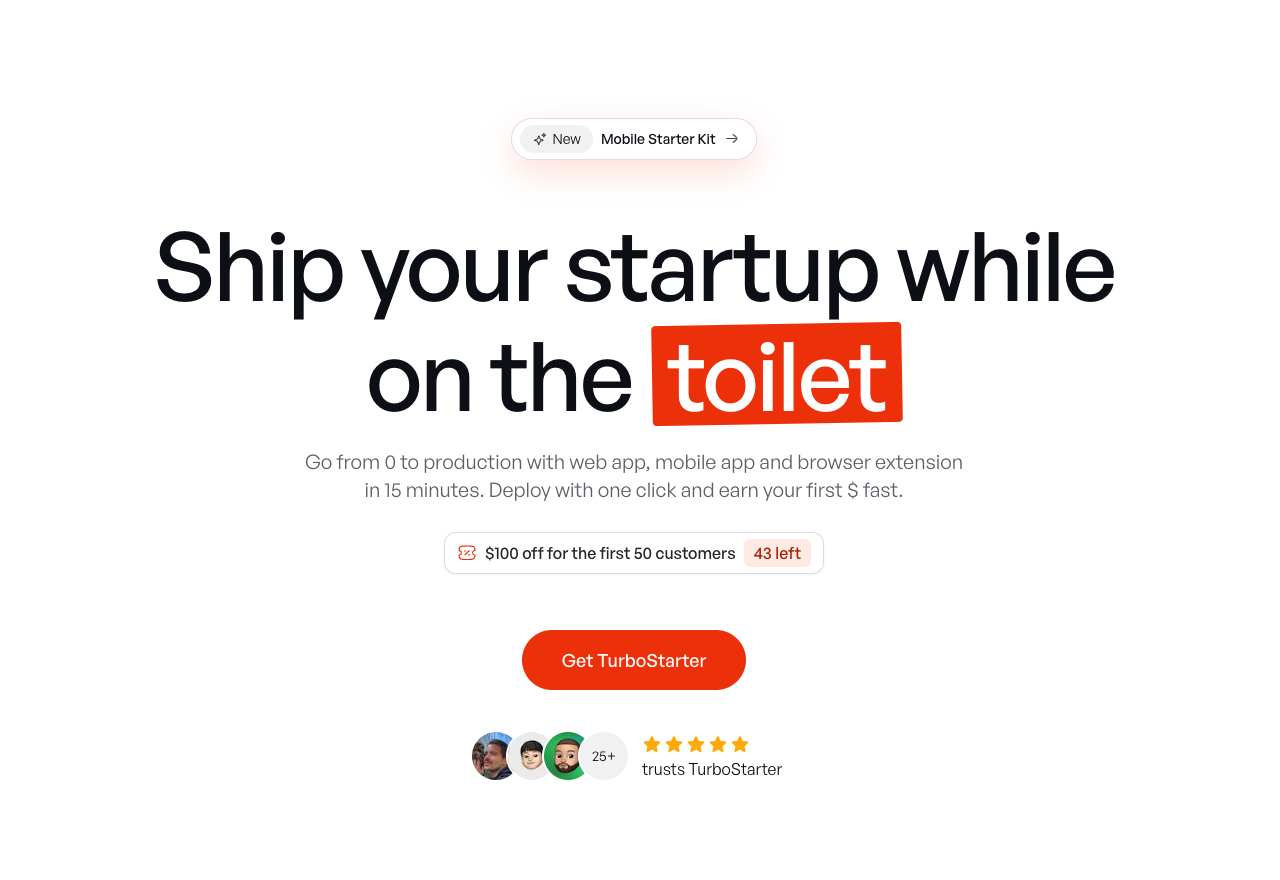
TurboStarter
Ship your startup everywhere. In minutes.
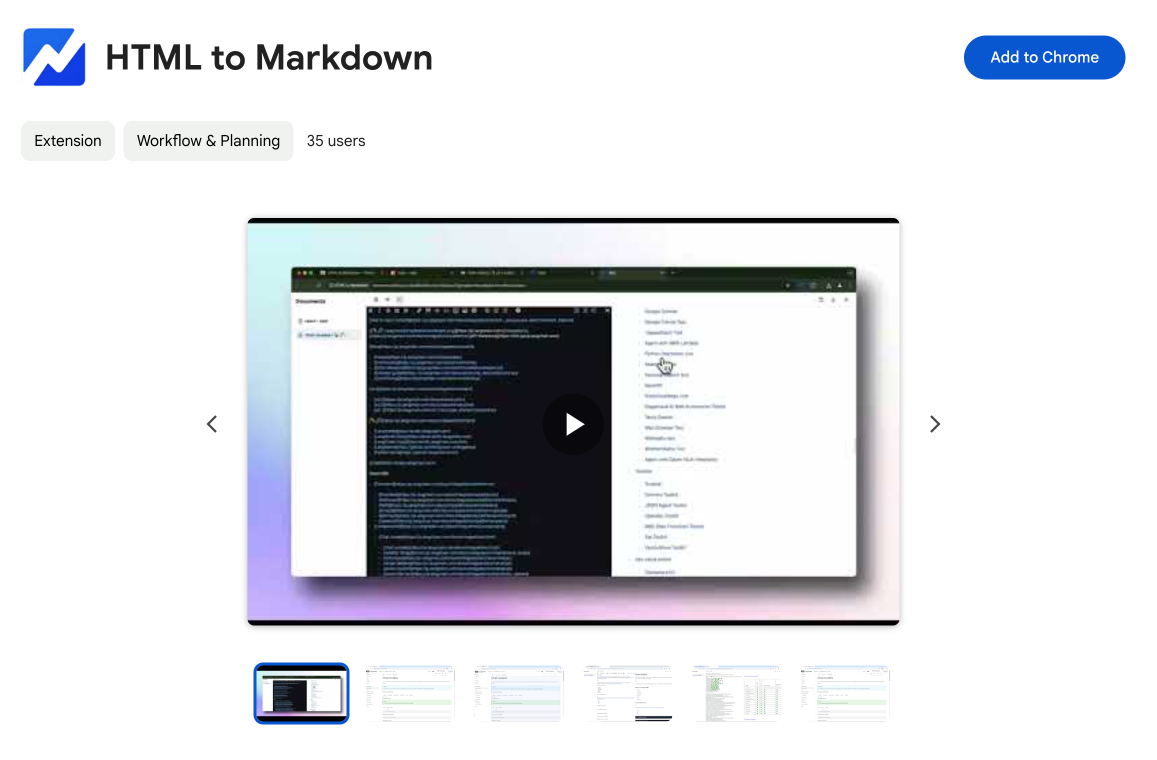
HTML to Markdown
Convert HTML to Markdown with ease, directly in your browser 📄
Dotallio
Personalized AI apps that automate research, data extraction, and content creation without code 🤖
Talk to Santa
Enjoy a magical live video chat or receive a unique AI-generated video greeting from Santa Claus 🎅
pozywka.pl
Scalable blog for food journalist, focused on performance and user experience 🌭
zagrodzki.me
Personal blog and portfolio of Bart Zagrodzki, where he shares his knowledge and work 💼
TurboStarter
Ship your startup everywhere. In minutes.
HTML to Markdown
Convert HTML to Markdown with ease, directly in your browser 📄
Dotallio
Personalized AI apps that automate research, data extraction, and content creation without code 🤖
Talk to Santa
Enjoy a magical live video chat or receive a unique AI-generated video greeting from Santa Claus 🎅
pozywka.pl
Scalable blog for food journalist, focused on performance and user experience 🌭
zagrodzki.me
Personal blog and portfolio of Bart Zagrodzki, where he shares his knowledge and work 💼
TurboStarter
Ship your startup everywhere. In minutes.
HTML to Markdown
Convert HTML to Markdown with ease, directly in your browser 📄
Dotallio
Personalized AI apps that automate research, data extraction, and content creation without code 🤖
Talk to Santa
Enjoy a magical live video chat or receive a unique AI-generated video greeting from Santa Claus 🎅
pozywka.pl
Scalable blog for food journalist, focused on performance and user experience 🌭
zagrodzki.me
Personal blog and portfolio of Bart Zagrodzki, where he shares his knowledge and work 💼
TurboStarter
Ship your startup everywhere. In minutes.
HTML to Markdown
Convert HTML to Markdown with ease, directly in your browser 📄
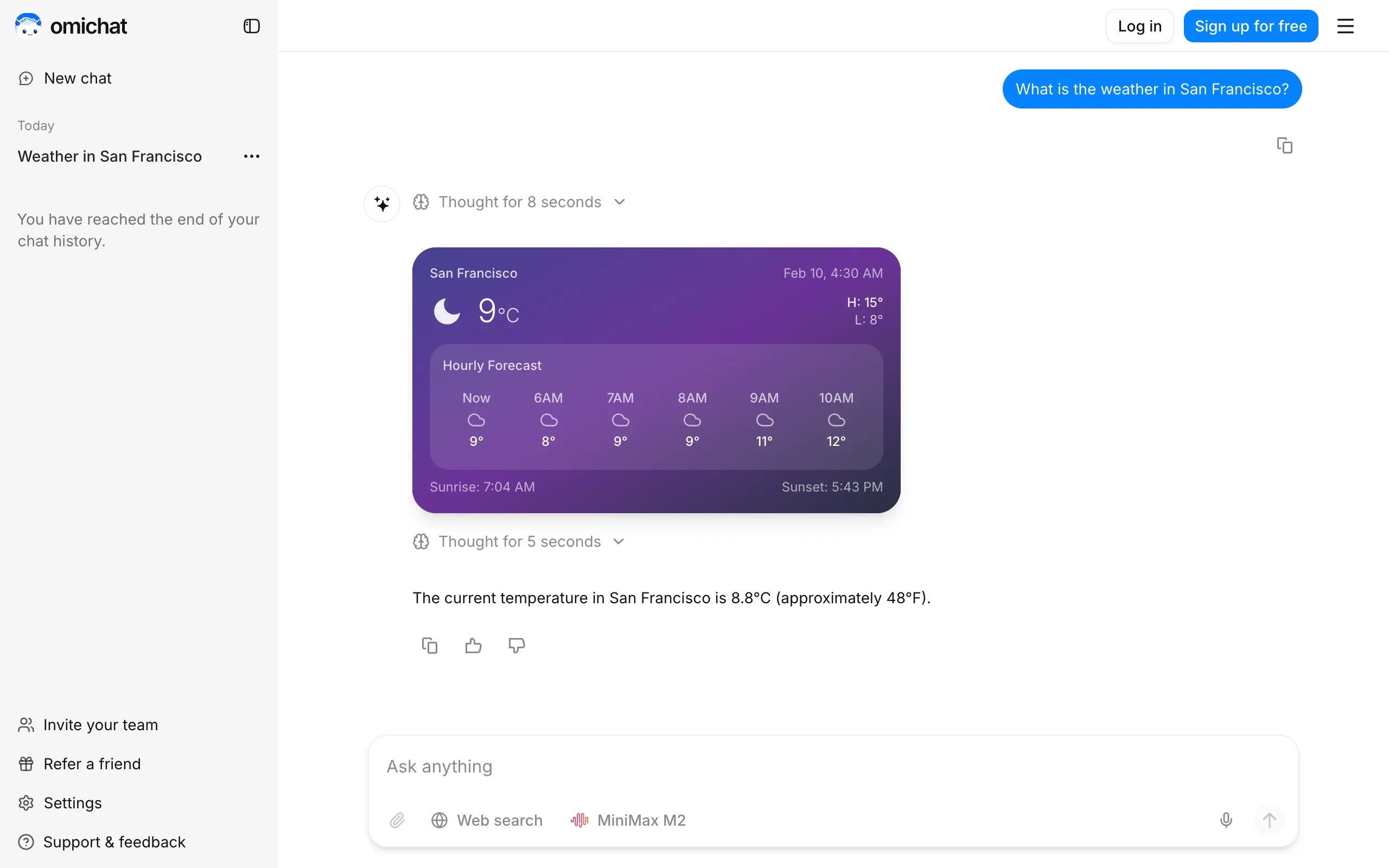
Omichat
Chat with 50+ AI models, including ChatGPT and Claude, in one place - switch models anytime without losing context 🤖
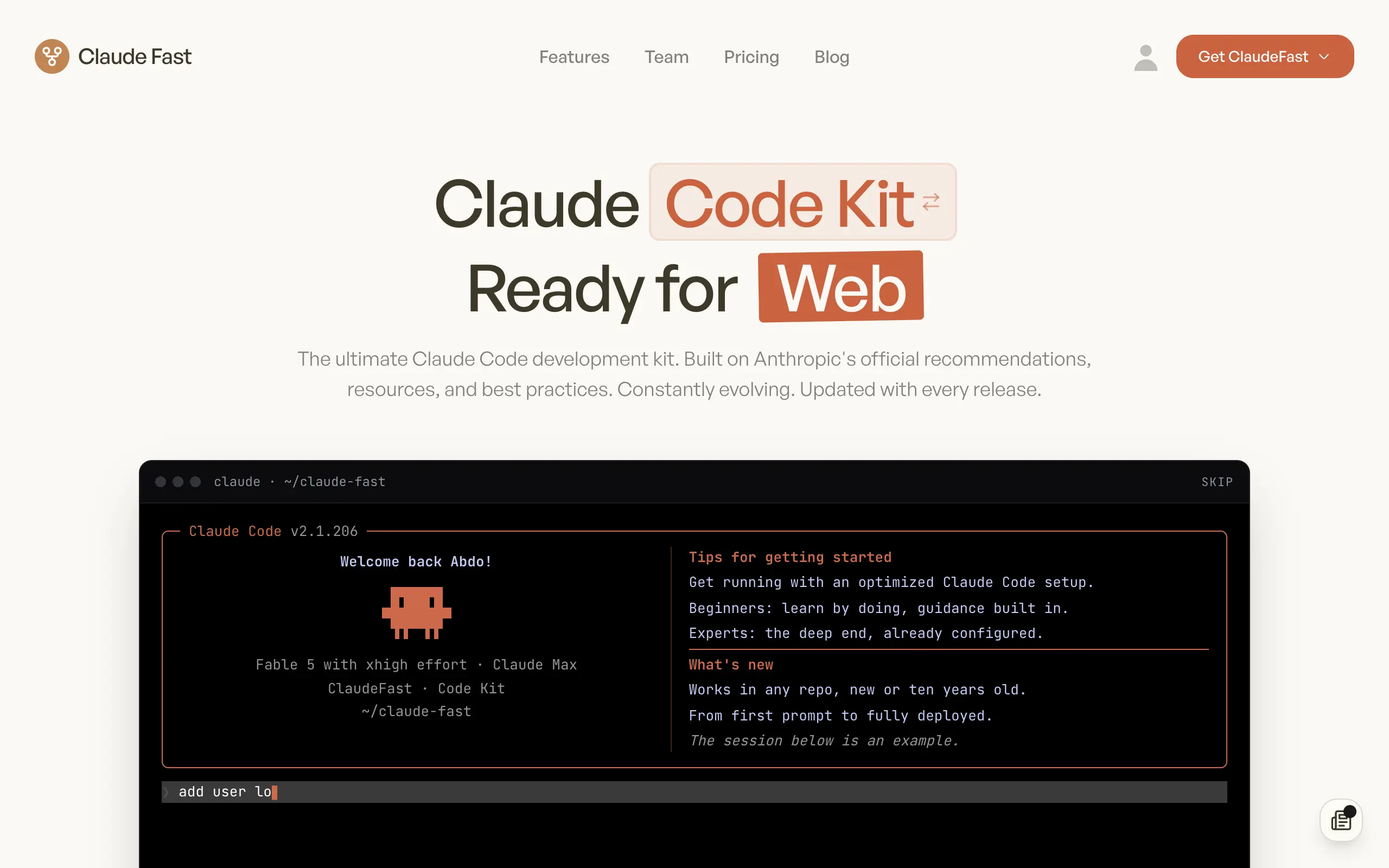
Claude Fast
Supercharge your Claude Code with 6x effective context window and specialized AI agents 🤖
EmojAI
AI-powered emoji picker with smart, context-aware suggestions 🤖
Solohacker
Autonomous company launcher - AI agents work 24/7, escalate what matters, and you stay in control 🤖
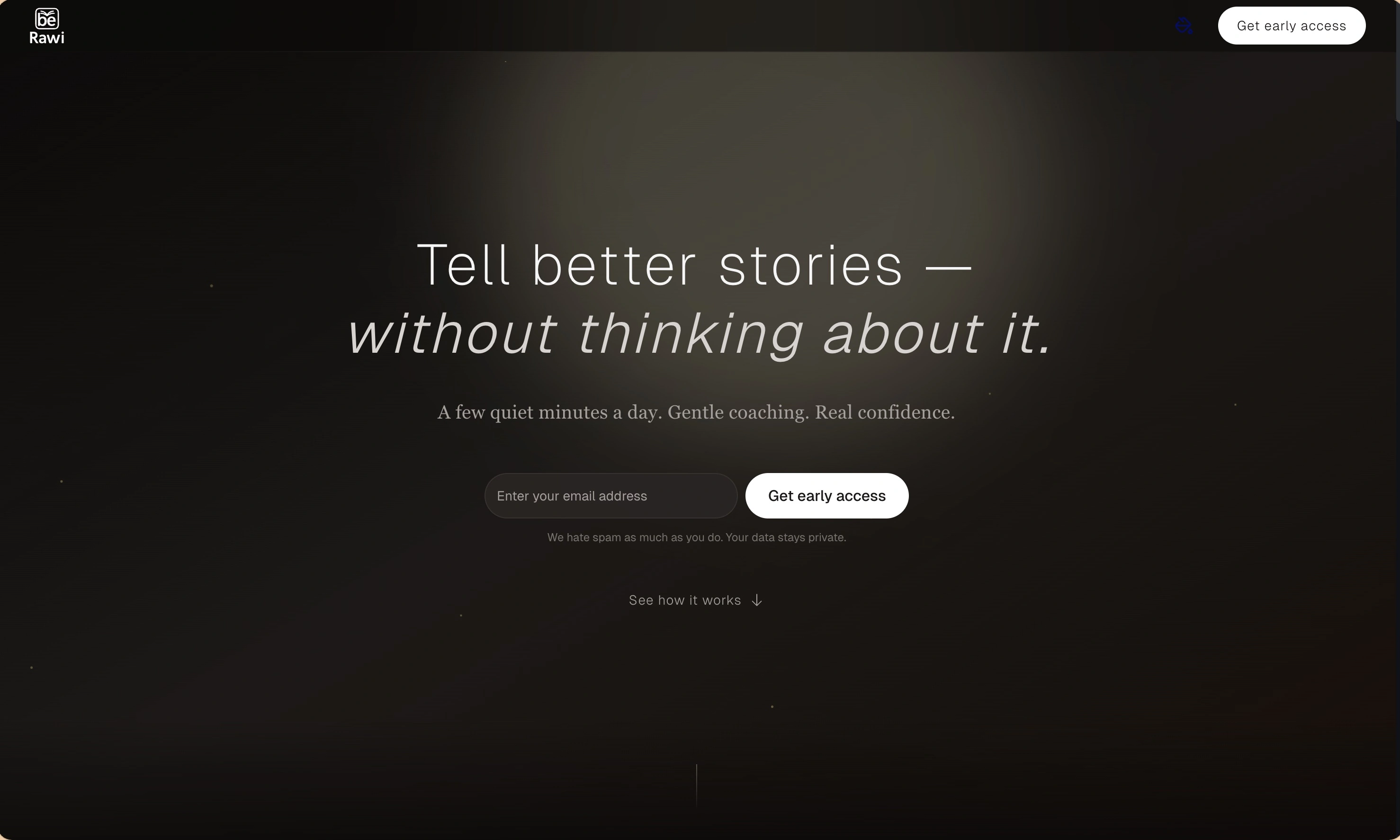
BeRawi: Storytelling Coach
Practice storytelling daily with instant feedback to sound clearer, more engaging, and confident 🎤
Omichat
Chat with 50+ AI models, including ChatGPT and Claude, in one place - switch models anytime without losing context 🤖
Claude Fast
Supercharge your Claude Code with 6x effective context window and specialized AI agents 🤖
EmojAI
AI-powered emoji picker with smart, context-aware suggestions 🤖
Solohacker
Autonomous company launcher - AI agents work 24/7, escalate what matters, and you stay in control 🤖
BeRawi: Storytelling Coach
Practice storytelling daily with instant feedback to sound clearer, more engaging, and confident 🎤
Omichat
Chat with 50+ AI models, including ChatGPT and Claude, in one place - switch models anytime without losing context 🤖
Claude Fast
Supercharge your Claude Code with 6x effective context window and specialized AI agents 🤖
EmojAI
AI-powered emoji picker with smart, context-aware suggestions 🤖
Solohacker
Autonomous company launcher - AI agents work 24/7, escalate what matters, and you stay in control 🤖
BeRawi: Storytelling Coach
Practice storytelling daily with instant feedback to sound clearer, more engaging, and confident 🎤
Omichat
Chat with 50+ AI models, including ChatGPT and Claude, in one place - switch models anytime without losing context 🤖
Claude Fast
Supercharge your Claude Code with 6x effective context window and specialized AI agents 🤖
EmojAI
AI-powered emoji picker with smart, context-aware suggestions 🤖
Solohacker
Autonomous company launcher - AI agents work 24/7, escalate what matters, and you stay in control 🤖
BeRawi: Storytelling Coach
Practice storytelling daily with instant feedback to sound clearer, more engaging, and confident 🎤

Connect with like-minded people
Join our community to get feedback, support, and grow together with 1,000+ builders on board, let's ship it!
Join usShip your startup everywhere. In minutes.
Don't burn tokens on setup and start building features on day one.