ArchiveLinker
Combines ISP-aware link failover with one-click Wayback downloads, ensuring uninterrupted access and easy recovery of blocked or lost content.
what is ISP-aware link failover and why it matters
In today’s fragmented internet landscape, access to information is no longer guaranteed. Governments impose restrictions, ISPs throttle or block domains, and content disappears due to takedowns, expired hosting, or platform policy changes. For everyday users, researchers, journalists, and digital archivists, this creates a frustrating and often critical gap: links break, content vanishes, and access becomes unreliable.
This is where ISP-aware link failover with integrated archival recovery—the core concept behind ArchiveLinker—becomes incredibly valuable.
ArchiveLinker is a consumer-focused SaaS platform designed to ensure uninterrupted access to online content by:
- Detecting ISP-level restrictions or outages
- Automatically switching to alternative mirrors or routes
- Providing one-click access to archived versions via services like the Wayback Machine
- Enabling local downloads of content for long-term access
This isn’t just a convenience tool—it addresses a growing need in a world where content permanence is no longer guaranteed.
understanding the core user intent
People searching for solutions like ArchiveLinker typically fall into a few intent categories:
- Problem-solving: “Why is this website blocked?” or “How do I access blocked content?”
- Recovery: “How do I retrieve a deleted webpage?”
- Continuity: “How can I ensure my links always work?”
- Research: “Best tools for accessing archived internet content”
ArchiveLinker satisfies all these intents by combining access resilience + archival intelligence in a single workflow.
target audience analysis
ArchiveLinker is a B2C product, but its audience spans several high-value user groups.
primary audiences
- Journalists and researchers
- Need reliable access to sources across regions
- Frequently encounter geo-blocks or removed content
- Students and academics
- Require citations that don’t break over time
- Need access to historical versions of web pages
- Digital activists and open internet advocates
- Work around censorship and content suppression
- Developers and technical users
- Want programmable, reliable link resolution
- General users
- Just want to open a link that “should work”
behavioral traits
- Frustrated by broken links
- Value reliability over novelty
- Likely to adopt tools that “just work”
- Increasingly privacy-conscious
the growing market opportunity
The opportunity for ArchiveLinker sits at the intersection of several macro trends:
1. increasing internet censorship
According to organizations like Freedom House (reference recommended), global internet freedom has declined for over a decade. This leads to:
- Blocked domains
- Regional content restrictions
- Platform-level removals
2. link rot and content decay
Studies suggest that a significant percentage of web content disappears within a few years. This is especially problematic for:
- Academic citations
- News references
- Legal documentation
3. reliance on centralized platforms
When platforms like Medium, YouTube, or Twitter remove content, users lose access instantly.
4. rising demand for digital preservation
Tools like the Internet Archive are widely used, but not seamlessly integrated into daily browsing workflows.
the gap ArchiveLinker fills
Current solutions exist, but they are fragmented:
| Feature | VPN | Wayback Machine | Proxy Sites | ArchiveLinker |
|---|---|---|---|---|
| Access blocked content | ✅ | ❌ | ✅ | ✅ |
| Automatic failover | ❌ | ❌ | ❌ | ✅ |
| One-click archive recovery | ❌ | ✅ | ❌ | ✅ |
| Download content locally | ❌ | Limited | ❌ | ✅ |
The key differentiator: automation + intelligence + simplicity.
core features of ArchiveLinker
1. ISP-aware link failover
ArchiveLinker detects whether a link is:
- Blocked by ISP
- Timing out
- Region-restricted
It then automatically:
- Routes through alternative endpoints
- Switches to mirror domains
- Suggests proxy alternatives
2. one-click Wayback recovery
Instead of manually searching archive.org, users can:
- Instantly load the latest archived version
- View historical snapshots
- Download page content
3. smart fallback hierarchy
ArchiveLinker doesn’t just try one fallback—it uses a layered system:
- Direct access
- Mirror sites
- Proxy routing
- Archived versions
4. local content downloads
Users can:
- Save HTML snapshots
- Export readable versions
- Store offline backups
5. browser extension integration
A seamless experience:
- Auto-detect broken links
- Replace them in real time
- Offer recovery options inline
how the system works (technical overview)
ArchiveLinker relies on a combination of network intelligence and archival APIs.
simplified workflow
async function resolveLink(url) {
  const isAccessible = await checkISPAccess(url);

  if (isAccessible) return url;

  const mirror = await findMirror(url);
  if (mirror) return mirror;

  const archive = await fetchWaybackSnapshot(url);
  if (archive) return archive;

  return "Content unavailable";
}
key components
- Network diagnostics engine
- Detects DNS blocking, timeouts, HTTP errors
- Mirror database
- Curated and crowd-sourced alternatives
- Archive integration
- Internet Archive APIs
- Edge routing layer
- Optional proxy handling
recommended tech stack
Building ArchiveLinker requires a balance of performance, reliability, and scalability.
frontend
backend
- Node.js (fast I/O for network checks)
- Edge functions (for low-latency routing)
infrastructure
- CDN (Cloudflare or similar)
- Distributed DNS checks
- Queue system for link validation
data layer
- Redis (fast caching of link status)
- PostgreSQL (metadata and user data)
integrations
- Internet Archive
- Public mirror APIs (where available)
trade-offs and considerations
- Latency vs accuracy: More checks increase reliability but slow response time
- Privacy concerns: Routing traffic requires transparency and safeguards
- Legal compliance: Proxying and bypassing restrictions can raise legal questions
monetization strategy
ArchiveLinker can adopt multiple revenue streams.
freemium model
- Free:
- Basic failover
- Limited archive access
- Paid:
- Faster routing
- Unlimited downloads
- Advanced diagnostics
subscription tiers
- Personal plan ($5–$10/month)
- Power user plan ($15–$25/month)
add-ons
- API access for developers
- Team collaboration tools
affiliate opportunities
- VPN integrations
- Privacy tools
competitive advantage
ArchiveLinker stands out through:
Automation-first approach
Users don’t need to manually try multiple tools—everything happens instantly.
Unified experience
Combines failover, archives, and downloads in one interface.
Consumer-friendly design
Simplifies complex networking into a one-click experience.
Most competitors solve one piece of the problem. ArchiveLinker solves the entire workflow.
risks and mitigation strategies
legal and regulatory risk
- Some regions restrict bypassing censorship
- Mitigation:
- Clear terms of service
- Region-specific feature controls
dependency on third-party services
- Archive.org outages or API limits
- Mitigation:
- Cache snapshots
- Support multiple archive providers
abuse potential
- Could be used for accessing restricted content unlawfully
- Mitigation:
- Rate limiting
- Monitoring misuse patterns
UX strategy: simplicity wins
The success of ArchiveLinker depends heavily on UX.
ideal user flow
key UX principles
- Zero configuration
- Instant feedback
- Transparent fallback logic
- Minimal technical jargon
SEO strategy for ArchiveLinker
To rank effectively, content should target:
primary keywords
- ISP-aware link failover
- access blocked websites
- recover deleted web pages
- Wayback Machine downloader
secondary keywords
- link recovery tools
- bypass ISP restrictions
- archive website content
- fix broken links automatically
content opportunities
- “How to access blocked websites safely”
- “Best tools for recovering deleted content”
- “Why links break and how to fix them”
future opportunities and expansion
ArchiveLinker can evolve into a broader platform.
potential features
- AI-based content reconstruction
- Automatic citation fixing for researchers
- Decentralized archive storage
- Mobile app with offline sync
enterprise pivot
- Compliance archiving
- Legal evidence preservation
- Media monitoring tools
implementation roadmap
phase 1: MVP
- Basic failover detection
- Wayback integration
- Browser extension
phase 2: enhancement
- Mirror database
- Download functionality
- Performance optimization
phase 3: scale
- API platform
- Team features
- Global infrastructure
building faster with modern SaaS tooling
To accelerate development, using a pre-built SaaS foundation can save months of work.
TurboStarter provides:
- Authentication systems
- Billing integration
- Scalable architecture
- Prebuilt UI components
This allows founders to focus on the core innovation: link intelligence and recovery, rather than rebuilding standard SaaS infrastructure.
common questions about link failover and archiving
It depends on the region and how it’s implemented. Simply detecting failures and offering alternatives is generally safe, but routing traffic through proxies may have legal implications in certain jurisdictions.
Archive accuracy depends on snapshot frequency. Services like the Internet Archive may not have the latest version, but they often provide sufficient historical data.
A well-optimized system uses caching and parallel checks to minimize delays, often resolving links in milliseconds.
actionable steps to build ArchiveLinker
If you're serious about launching this SaaS, here’s a practical path:
- Validate demand
- Launch a landing page
- Collect emails from target users
- Build a browser extension MVP
- Focus on link detection + Wayback fallback
- Integrate network diagnostics
- Detect ISP-level failures
- Add monetization early
- Even a simple paywall helps validate willingness to pay
- Iterate based on usage
- Track which fallback methods users rely on most
final thoughts
The internet was built on the assumption that links are permanent—but reality has proven otherwise. Content disappears, access gets restricted, and users are left searching for workarounds.
ArchiveLinker turns that frustration into a seamless experience by combining:
- Intelligent failover
- Instant archive access
- Reliable content recovery
As the web continues to fragment, tools that restore continuity and trust will only become more essential.
The opportunity here isn’t just technical—it’s foundational to how people experience the internet.
More 👥 B2C Application SaaS ideas
Discover more innovative b2c application SaaS ideas that are trending in 2026. Each idea is AI-generated with market validation and growth potential to help you find your next profitable venture faster than competitors.
Your competitors are building with TurboStarter
Below are some of the SaaS ideas that have been generated and built with our starter kit.
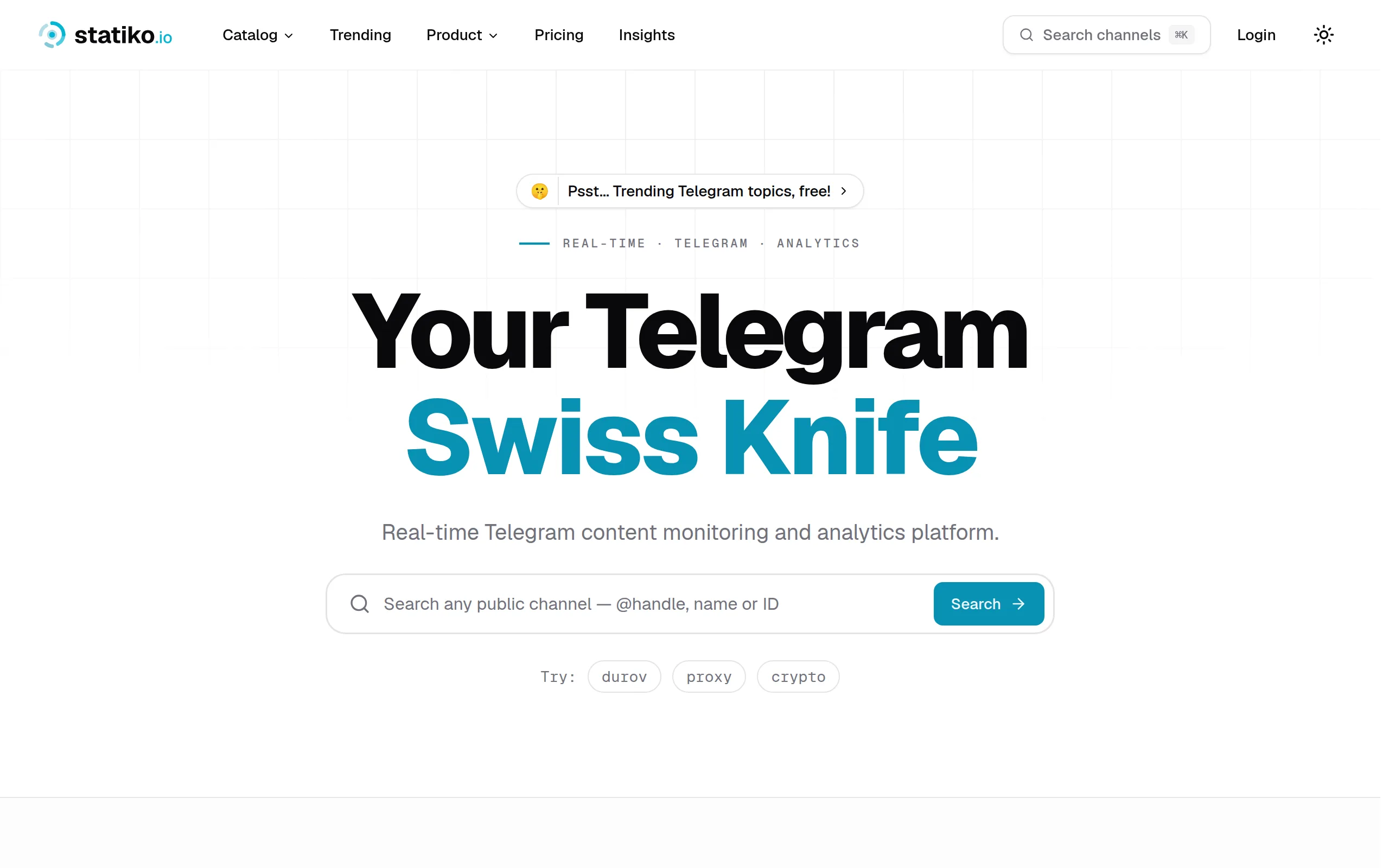
Statiko
Monitor any Telegram channel in real time - track posts, edits, deletions, and growth with AI recaps 📡

Shibui
AI website builder - describe your business, pick a niche template, edit by chatting, and publish instantly ✨

Pro Service
Find verified home service professionals, compare quotes, and pay securely through escrow - built for Brazilians across the US 🏠
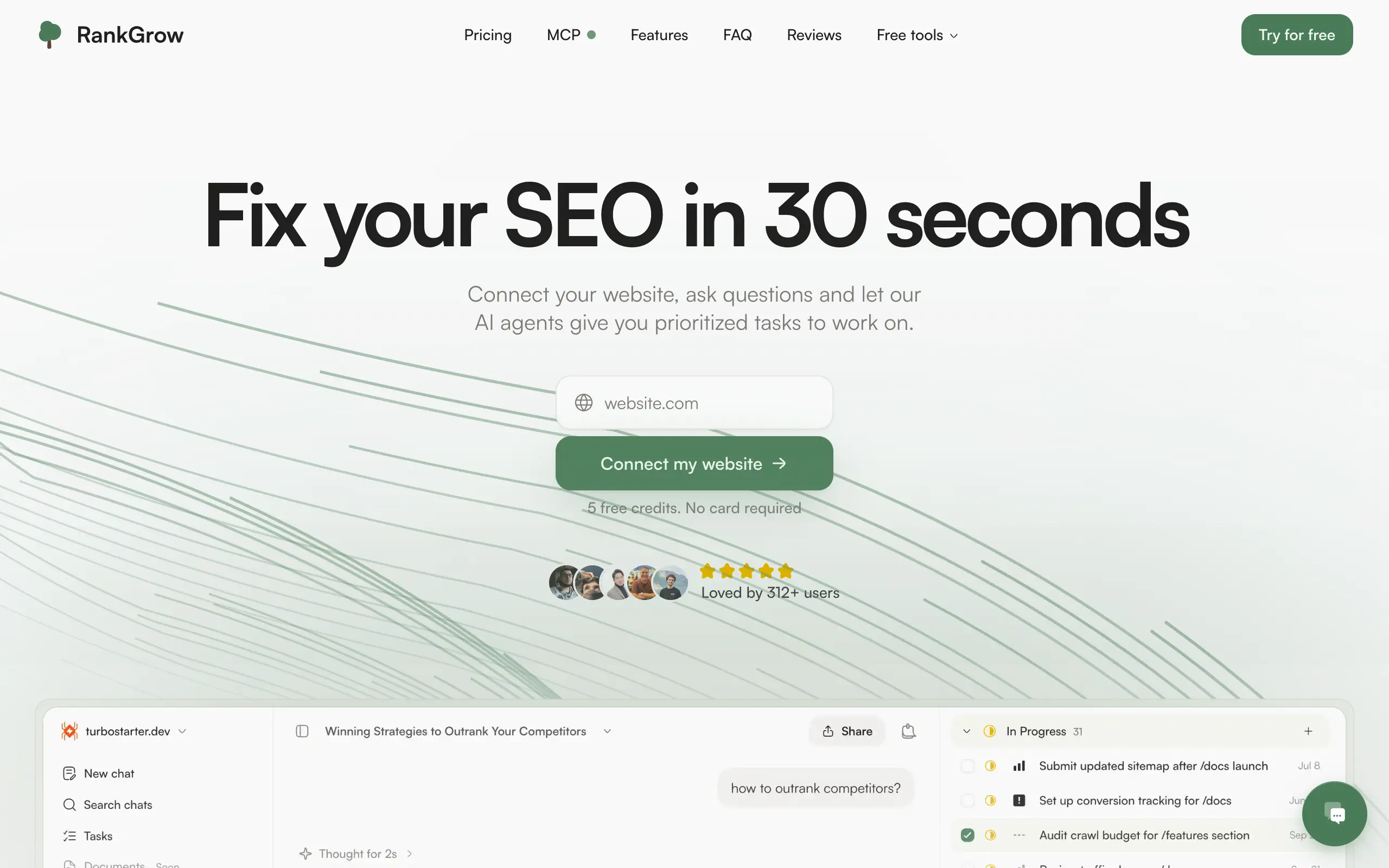
RankGrow
Fix your SEO with AI agents - connect Search Console, get prioritized tasks, and grow organic traffic 📈
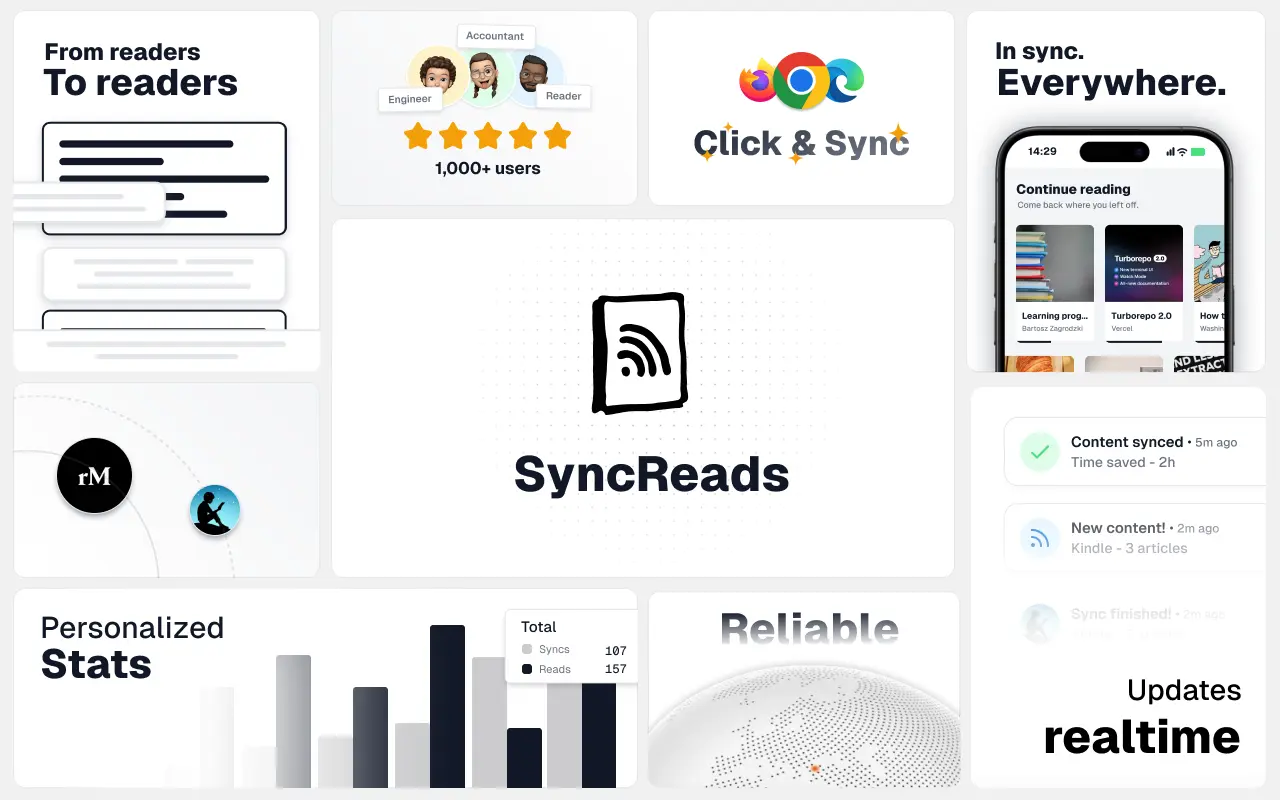
SyncReads
Sync your favorite content for distraction-free reading, save time and replace multiple apps. Anytime, anywhere 🔄
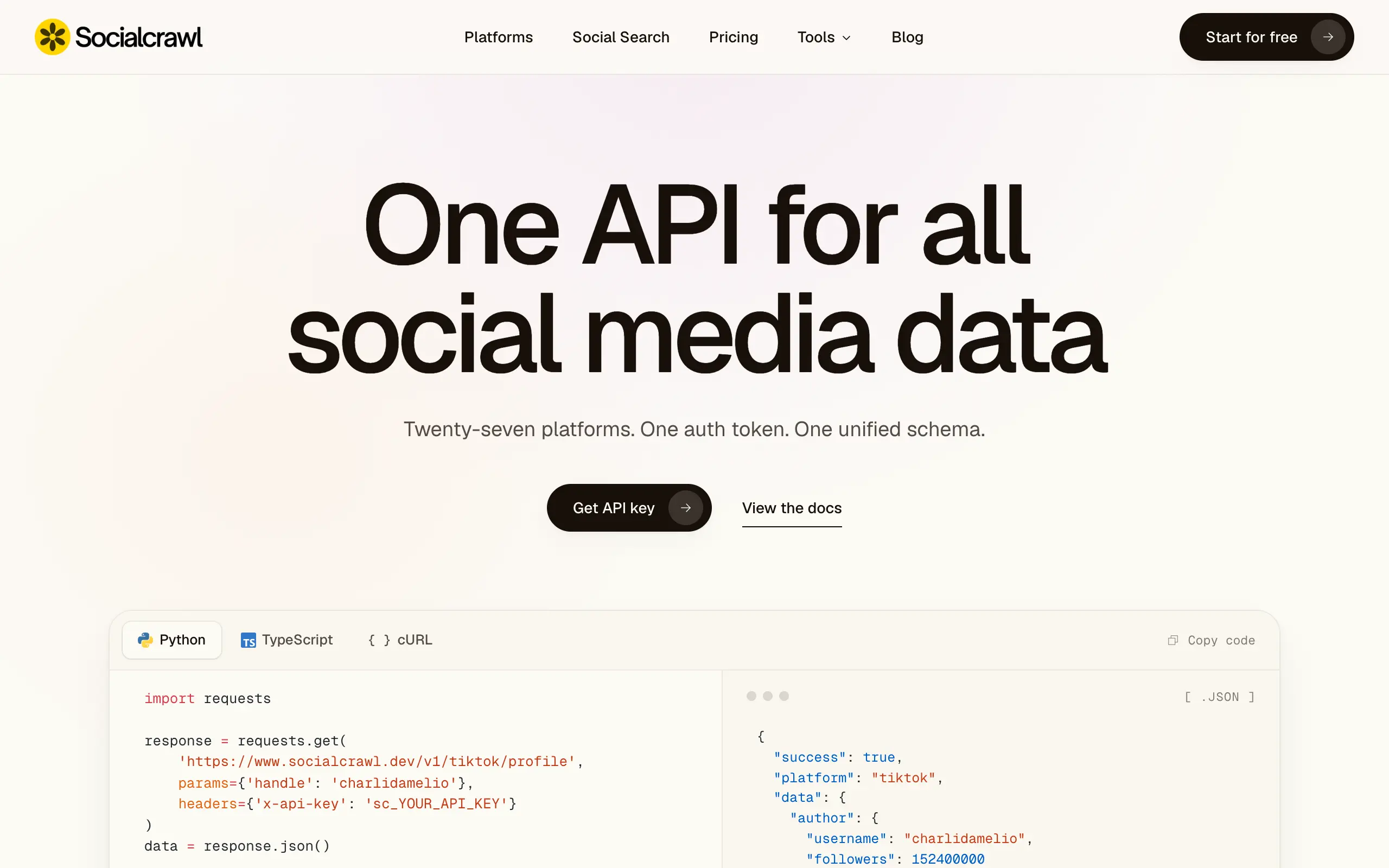
Socialcrawl
Get clean, structured data from 21 platforms like TikTok, Instagram, and YouTube with a single request 📊
Statiko
Monitor any Telegram channel in real time - track posts, edits, deletions, and growth with AI recaps 📡
Shibui
AI website builder - describe your business, pick a niche template, edit by chatting, and publish instantly ✨
Pro Service
Find verified home service professionals, compare quotes, and pay securely through escrow - built for Brazilians across the US 🏠
RankGrow
Fix your SEO with AI agents - connect Search Console, get prioritized tasks, and grow organic traffic 📈
SyncReads
Sync your favorite content for distraction-free reading, save time and replace multiple apps. Anytime, anywhere 🔄
Socialcrawl
Get clean, structured data from 21 platforms like TikTok, Instagram, and YouTube with a single request 📊
Statiko
Monitor any Telegram channel in real time - track posts, edits, deletions, and growth with AI recaps 📡
Shibui
AI website builder - describe your business, pick a niche template, edit by chatting, and publish instantly ✨
Pro Service
Find verified home service professionals, compare quotes, and pay securely through escrow - built for Brazilians across the US 🏠
RankGrow
Fix your SEO with AI agents - connect Search Console, get prioritized tasks, and grow organic traffic 📈
SyncReads
Sync your favorite content for distraction-free reading, save time and replace multiple apps. Anytime, anywhere 🔄
Socialcrawl
Get clean, structured data from 21 platforms like TikTok, Instagram, and YouTube with a single request 📊
Statiko
Monitor any Telegram channel in real time - track posts, edits, deletions, and growth with AI recaps 📡
Shibui
AI website builder - describe your business, pick a niche template, edit by chatting, and publish instantly ✨
Pro Service
Find verified home service professionals, compare quotes, and pay securely through escrow - built for Brazilians across the US 🏠
RankGrow
Fix your SEO with AI agents - connect Search Console, get prioritized tasks, and grow organic traffic 📈
SyncReads
Sync your favorite content for distraction-free reading, save time and replace multiple apps. Anytime, anywhere 🔄
Socialcrawl
Get clean, structured data from 21 platforms like TikTok, Instagram, and YouTube with a single request 📊
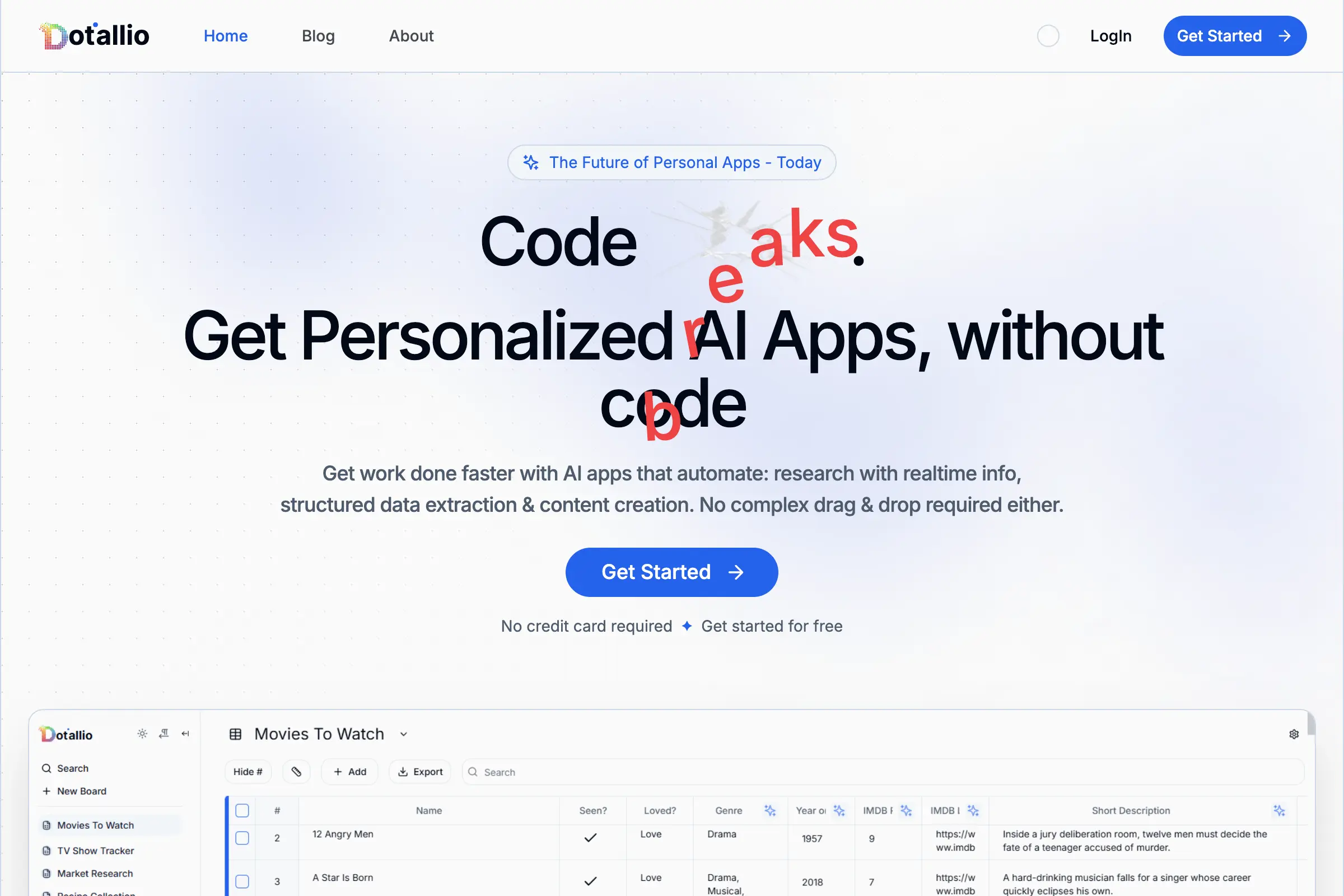
Dotallio
Personalized AI apps that automate research, data extraction, and content creation without code 🤖

Talk to Santa
Enjoy a magical live video chat or receive a unique AI-generated video greeting from Santa Claus 🎅

pozywka.pl
Scalable blog for food journalist, focused on performance and user experience 🌭
zagrodzki.me
Personal blog and portfolio of Bart Zagrodzki, where he shares his knowledge and work 💼
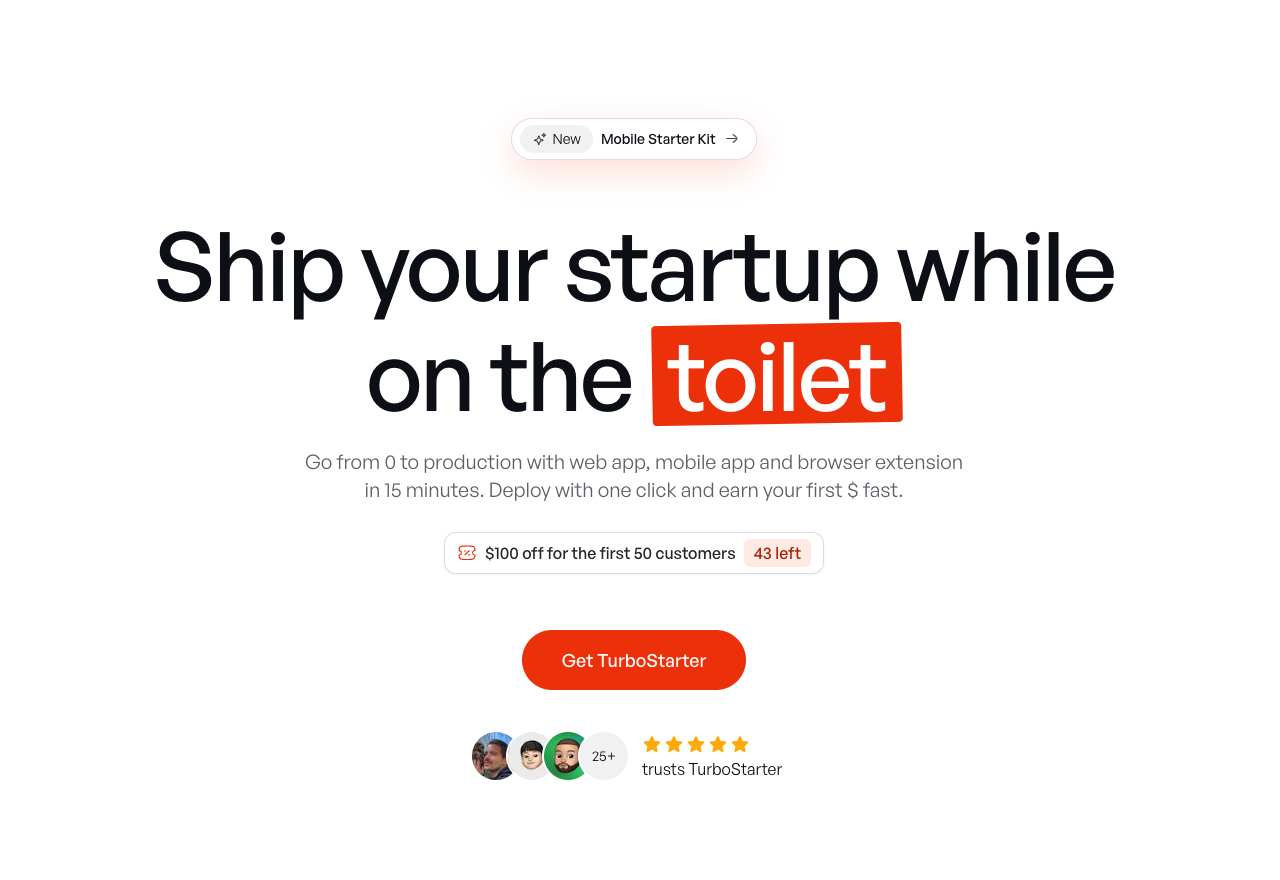
TurboStarter
Ship your startup everywhere. In minutes.
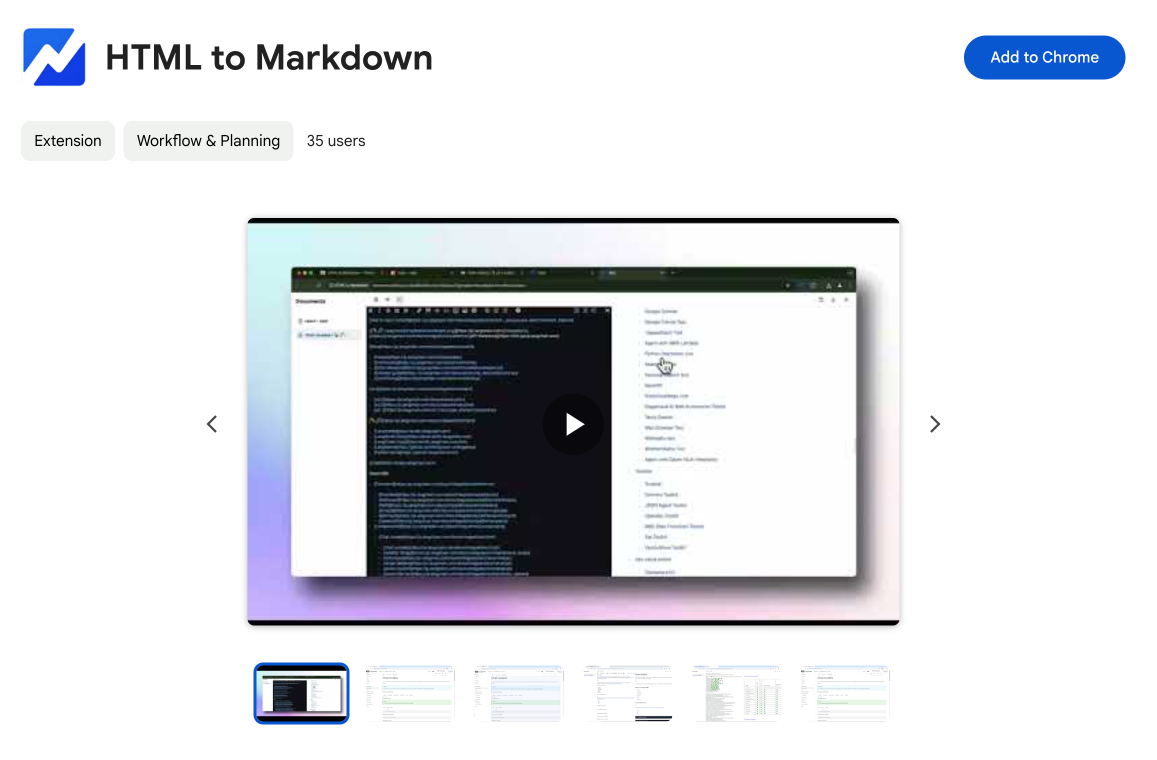
HTML to Markdown
Convert HTML to Markdown with ease, directly in your browser 📄
Dotallio
Personalized AI apps that automate research, data extraction, and content creation without code 🤖
Talk to Santa
Enjoy a magical live video chat or receive a unique AI-generated video greeting from Santa Claus 🎅
pozywka.pl
Scalable blog for food journalist, focused on performance and user experience 🌭
zagrodzki.me
Personal blog and portfolio of Bart Zagrodzki, where he shares his knowledge and work 💼
TurboStarter
Ship your startup everywhere. In minutes.
HTML to Markdown
Convert HTML to Markdown with ease, directly in your browser 📄
Dotallio
Personalized AI apps that automate research, data extraction, and content creation without code 🤖
Talk to Santa
Enjoy a magical live video chat or receive a unique AI-generated video greeting from Santa Claus 🎅
pozywka.pl
Scalable blog for food journalist, focused on performance and user experience 🌭
zagrodzki.me
Personal blog and portfolio of Bart Zagrodzki, where he shares his knowledge and work 💼
TurboStarter
Ship your startup everywhere. In minutes.
HTML to Markdown
Convert HTML to Markdown with ease, directly in your browser 📄
Dotallio
Personalized AI apps that automate research, data extraction, and content creation without code 🤖
Talk to Santa
Enjoy a magical live video chat or receive a unique AI-generated video greeting from Santa Claus 🎅
pozywka.pl
Scalable blog for food journalist, focused on performance and user experience 🌭
zagrodzki.me
Personal blog and portfolio of Bart Zagrodzki, where he shares his knowledge and work 💼
TurboStarter
Ship your startup everywhere. In minutes.
HTML to Markdown
Convert HTML to Markdown with ease, directly in your browser 📄
Omichat
Chat with 50+ AI models, including ChatGPT and Claude, in one place - switch models anytime without losing context 🤖
Claude Fast
Supercharge your Claude Code with 6x effective context window and specialized AI agents 🤖

EmojAI
AI-powered emoji picker with smart, context-aware suggestions 🤖
Solohacker
Autonomous company launcher - AI agents work 24/7, escalate what matters, and you stay in control 🤖

BeRawi: Storytelling Coach
Practice storytelling daily with instant feedback to sound clearer, more engaging, and confident 🎤
Omichat
Chat with 50+ AI models, including ChatGPT and Claude, in one place - switch models anytime without losing context 🤖
Claude Fast
Supercharge your Claude Code with 6x effective context window and specialized AI agents 🤖
EmojAI
AI-powered emoji picker with smart, context-aware suggestions 🤖
Solohacker
Autonomous company launcher - AI agents work 24/7, escalate what matters, and you stay in control 🤖
BeRawi: Storytelling Coach
Practice storytelling daily with instant feedback to sound clearer, more engaging, and confident 🎤
Omichat
Chat with 50+ AI models, including ChatGPT and Claude, in one place - switch models anytime without losing context 🤖
Claude Fast
Supercharge your Claude Code with 6x effective context window and specialized AI agents 🤖
EmojAI
AI-powered emoji picker with smart, context-aware suggestions 🤖
Solohacker
Autonomous company launcher - AI agents work 24/7, escalate what matters, and you stay in control 🤖
BeRawi: Storytelling Coach
Practice storytelling daily with instant feedback to sound clearer, more engaging, and confident 🎤
Omichat
Chat with 50+ AI models, including ChatGPT and Claude, in one place - switch models anytime without losing context 🤖
Claude Fast
Supercharge your Claude Code with 6x effective context window and specialized AI agents 🤖
EmojAI
AI-powered emoji picker with smart, context-aware suggestions 🤖
Solohacker
Autonomous company launcher - AI agents work 24/7, escalate what matters, and you stay in control 🤖
BeRawi: Storytelling Coach
Practice storytelling daily with instant feedback to sound clearer, more engaging, and confident 🎤

Connect with like-minded people
Join our community to get feedback, support, and grow together with 1,000+ builders on board, let's ship it!
Join usShip your startup everywhere. In minutes.
Don't burn tokens on setup and start building features on day one.