ArchiveSnap
Download and restore archived websites from Wayback Machine in one click. Perfect for recovering lost content or cloning snapshots instantly.
what is an archive downloader like ArchiveSnap and why it matters
The ability to download archived websites from the Wayback Machine has quietly become one of the most valuable capabilities for developers, marketers, journalists, and digital archivists. Tools like ArchiveSnap bring this functionality into a simple, one-click workflow—making it possible to recover lost content, restore entire websites, or clone snapshots for analysis without technical friction.
At its core, ArchiveSnap is a B2C SaaS platform that allows users to:
- Instantly download full website snapshots from the Wayback Machine
- Reconstruct archived sites into usable formats
- Restore lost or deleted content
- Clone past versions of websites for research, SEO, or redevelopment
This taps into a growing demand: as the internet evolves, content disappears. Entire websites go offline. Businesses shut down. Domains expire. Yet, the Wayback Machine (from the Internet Archive) stores billions of historical snapshots.
The gap? Accessing and rebuilding those snapshots is still messy, technical, and incomplete.
ArchiveSnap solves that.
understanding user intent behind archive website download tools
People searching for terms like:
- “download website from Wayback Machine”
- “restore deleted website content”
- “recover old website files”
- “clone archived website”
…are typically trying to solve a real, urgent problem.
primary use cases driving demand
1. Website recovery
- A business loses hosting or deletes content accidentally
- Developers need to recover legacy projects
- Agencies restore client sites after catastrophic failures
2. SEO and competitive analysis
- Marketers analyze historical site structures
- SEOs study competitors’ past strategies
- Affiliate marketers revive expired domains
3. Content repurposing
- Bloggers recover old posts
- Media teams restore defunct publications
- Researchers access historical web data
4. Digital preservation
- Archivists preserve cultural artifacts
- Journalists verify historical claims
- Academics analyze internet evolution
ArchiveSnap aligns directly with these intents by removing technical barriers.
target audience breakdown
primary audience segments
Developers & agencies
Need fast recovery of websites, client projects, or legacy systems without manual scraping.
SEO professionals
Analyze historical rankings, backlinks, and content structures from archived sites.
Entrepreneurs & indie hackers
Revive expired domains or reuse past content for new ventures.
Researchers & journalists
Access historical web snapshots quickly for verification and analysis.
secondary audience
- Students studying web evolution
- Digital historians
- Content creators rebuilding lost blogs
- Legal teams retrieving archived evidence
Each segment values speed, completeness, and ease of use.
market opportunity and gap analysis
The Wayback Machine itself is powerful—but not user-friendly for reconstruction.
current limitations of existing solutions
- No one-click full-site download
- Broken assets (CSS, JS, images)
- Manual scraping required
- Missing internal link reconstruction
- No export-ready formats
existing tools in the space
- HTTrack (open-source, but outdated UX)
- wget (powerful but technical)
- Wayback Machine interface (limited usability)
the gap ArchiveSnap fills
| Feature | Wayback UI | wget | HTTrack | ArchiveSnap |
|---|---|---|---|---|
| Full site download | ❌ | ✅ | ✅ | ✅ |
| Ease of use | ✅ | ❌ | ❌ | ✅ |
| Asset reconstruction | ❌ | ⚠️ | ⚠️ | ✅ |
| Export-ready output | ❌ | ❌ | ⚠️ | ✅ |
market trend insight
The rise of:
- No-code tools
- Indie hacking
- Digital asset recovery
- SEO-driven content strategies
…has created a surge in demand for tools that extract, reuse, and rebuild web content quickly.
ArchiveSnap sits right at this intersection.
core features that define ArchiveSnap
1. one-click archive download
Users simply input a URL and select a timestamp. ArchiveSnap handles:
- Fetching all pages
- Downloading assets
- Rebuilding structure
2. full asset reconstruction
A major pain point solved:
- Fix broken image links
- Restore CSS and JavaScript
- Normalize internal linking
3. export-ready formats
Outputs could include:
- Static HTML site
- ZIP download
- CMS-ready structure (WordPress, etc.)
4. intelligent snapshot selection
Not all snapshots are equal. ArchiveSnap can:
- Recommend best snapshot based on completeness
- Highlight missing assets
- Offer multiple restore options
5. bulk domain processing
For power users:
- Download multiple domains
- Batch processing
- Queue system
6. SEO metadata recovery
Critical for marketers:
- Meta titles/descriptions
- Heading structures
- Internal linking maps
how ArchiveSnap works under the hood
At a high level, ArchiveSnap acts as a smart orchestration layer over the Internet Archive’s data.
simplified workflow
example logic snippet
async function fetchArchivedSite(url: string, timestamp: string) {
  const snapshotUrls = await getWaybackUrls(url, timestamp);

  const assets = await Promise.all(
    snapshotUrls.map(async (page) => {
      const html = await fetch(page);
      return processAssets(html);
    })
  );

  return rebuildSiteStructure(assets);
}
recommended tech stack for building ArchiveSnap
frontend
- React – dynamic UI and state handling
- Next.js – SSR and API routes
- TailwindCSS – fast UI styling
backend
- Node.js (scalable async processing)
- Python (optional for scraping logic)
- Queue system (BullMQ or RabbitMQ)
infrastructure
- AWS S3 (file storage)
- AWS Lambda or containers (processing jobs)
- Redis (job queue + caching)
APIs and integrations
- Wayback Machine CDX API
- Internet Archive endpoints
trade-offs
- Node.js offers speed and scalability, but Python may simplify scraping logic
- Serverless reduces cost early, but long jobs may require containers
- Storage costs can scale quickly with large downloads
monetization strategies for ArchiveSnap
ArchiveSnap is well-positioned for a freemium SaaS model.
pricing tiers
Free tier
- Limited downloads per month
- Watermarked or partial exports
Pro plan
- Unlimited downloads
- Full asset reconstruction
- Priority processing
Agency plan
- Bulk downloads
- API access
- Team collaboration
additional revenue streams
- Pay-per-download credits
- API usage pricing
- White-label solutions
- Enterprise licensing
competitive advantage and unique selling proposition
ArchiveSnap’s core differentiation lies in simplicity + completeness.
USP breakdown
- True one-click experience
- Clean, usable outputs
- No technical expertise required
- SEO-friendly reconstruction
defensibility
- UX simplicity (harder than it looks)
- Data processing optimization
- Brand positioning in niche
Strategic insight
Most competitors focus on scraping. ArchiveSnap focuses on usability and outcomes—this is a critical positioning advantage.
potential risks and mitigation strategies
legal considerations
- Archived content may still be copyrighted
- Users could misuse restored content
Mitigation:
- Clear terms of service
- Usage disclaimers
- Optional content filters
technical challenges
- Missing assets in archives
- Incomplete snapshots
- Large-scale processing loads
Mitigation:
- Snapshot scoring system
- Fallback asset retrieval
- Distributed processing
dependency risk
- Heavy reliance on Internet Archive
Mitigation:
- Cache frequently used data
- Support multiple archive sources in future
SEO strategy for scaling ArchiveSnap
To rank for keywords like:
- “download Wayback Machine website”
- “restore archived website”
- “Wayback Machine downloader”
content strategy
- Tutorials (how to recover websites)
- Case studies (real recoveries)
- Comparison articles
programmatic SEO
- Pages for each domain query type
- Snapshot-based landing pages
backlink strategy
- Outreach to SEO blogs
- Developer communities
- Digital preservation forums
implementation roadmap
phase 1: MVP
- URL input + snapshot selection
- Basic download functionality
- Static export
phase 2: enhancement
- Asset reconstruction
- UI improvements
- Download history
phase 3: scale
- Bulk processing
- API access
- Advanced SEO features
phase 4: growth
- Integrations (CMS, hosting platforms)
- Team collaboration
- Enterprise features
practical steps to build ArchiveSnap
future opportunities and expansion
ArchiveSnap could evolve into a broader platform:
- Website version comparison tools
- Historical SEO analytics
- Domain revival marketplace
- AI-powered content reconstruction
AI integration potential
- Fill missing content gaps
- Reconstruct incomplete pages
- Suggest modern redesigns
when ArchiveSnap makes the most sense
ArchiveSnap is especially valuable if:
- You frequently work with expired domains
- You need quick website recovery solutions
- You want to analyze historical web data
- You prefer no-code tools over technical setups
final thoughts and next steps
ArchiveSnap isn’t just a utility—it’s a gateway to reclaiming the internet’s lost content. As more businesses rely on digital assets, the need for recovery, cloning, and historical analysis will only grow.
This SaaS idea stands out because it transforms a complex, technical process into a simple, accessible experience. That combination—power plus usability—is exactly what drives successful modern SaaS products.
If you’re considering building ArchiveSnap or a similar tool, focus relentlessly on user experience. The technology already exists. The opportunity lies in packaging it better than anyone else.
If executed well, ArchiveSnap could become the default tool for anyone who wants to bring the past web back to life—instantly.
More 👥 B2C Application SaaS ideas
Discover more innovative b2c application SaaS ideas that are trending in 2026. Each idea is AI-generated with market validation and growth potential to help you find your next profitable venture faster than competitors.
Your competitors are building with TurboStarter
Below are some of the SaaS ideas that have been generated and built with our starter kit.
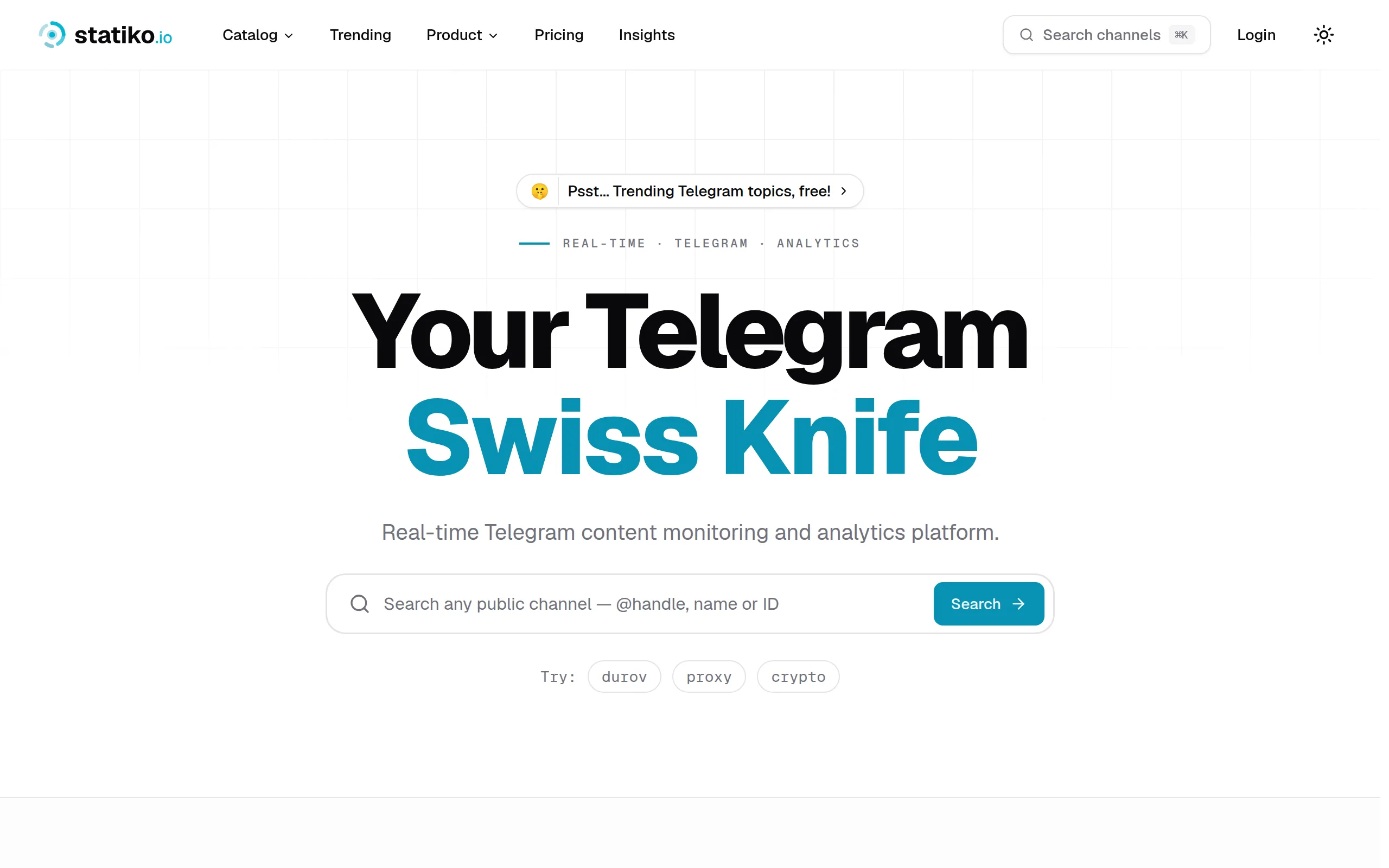
Statiko
Monitor any Telegram channel in real time - track posts, edits, deletions, and growth with AI recaps 📡

Shibui
AI website builder - describe your business, pick a niche template, edit by chatting, and publish instantly ✨

Pro Service
Find verified home service professionals, compare quotes, and pay securely through escrow - built for Brazilians across the US 🏠
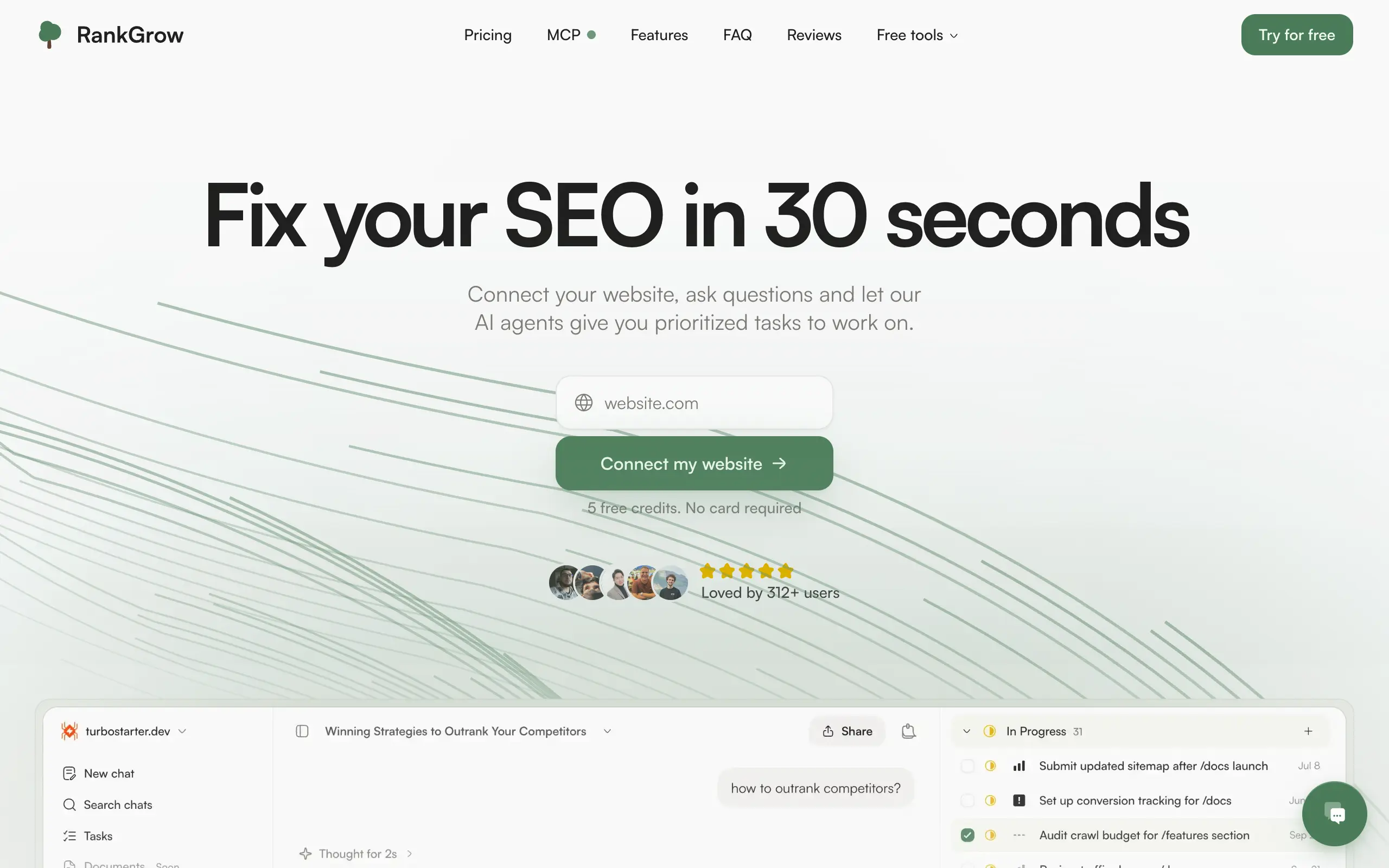
RankGrow
Fix your SEO with AI agents - connect Search Console, get prioritized tasks, and grow organic traffic 📈
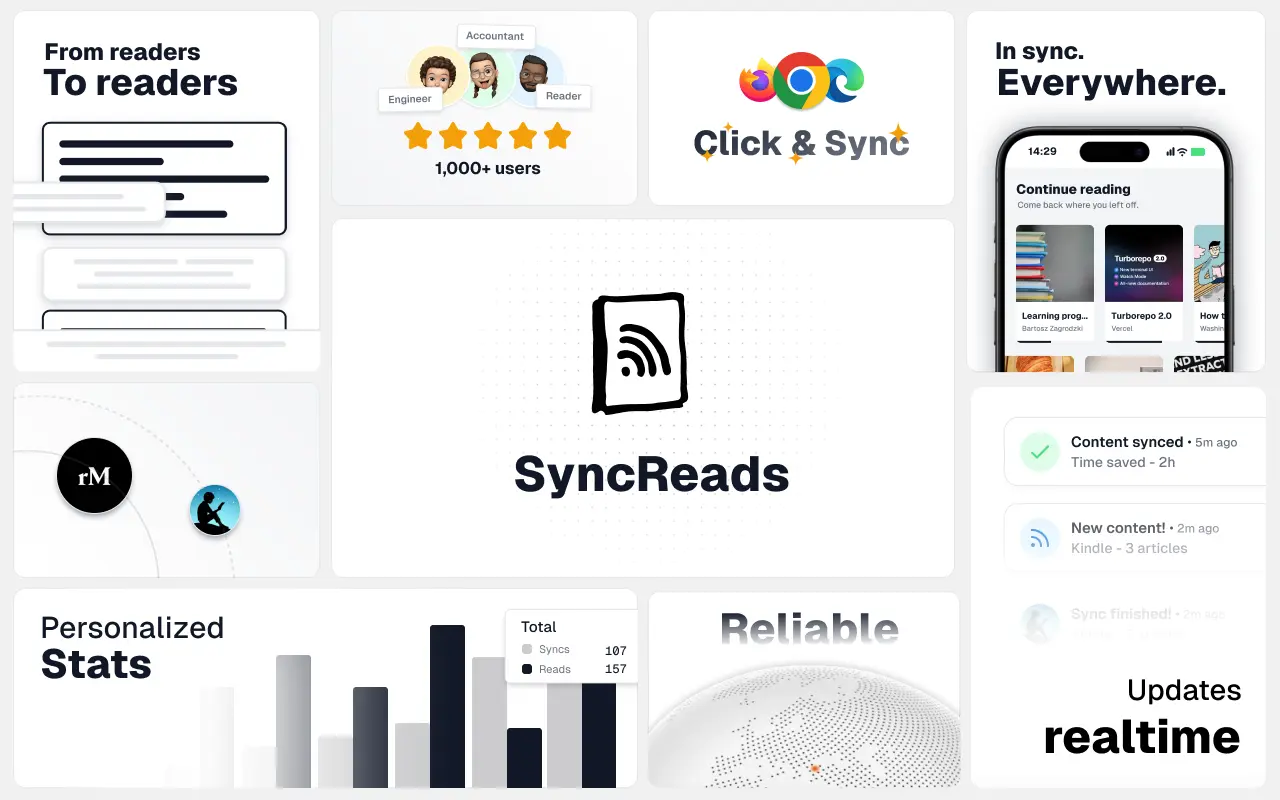
SyncReads
Sync your favorite content for distraction-free reading, save time and replace multiple apps. Anytime, anywhere 🔄
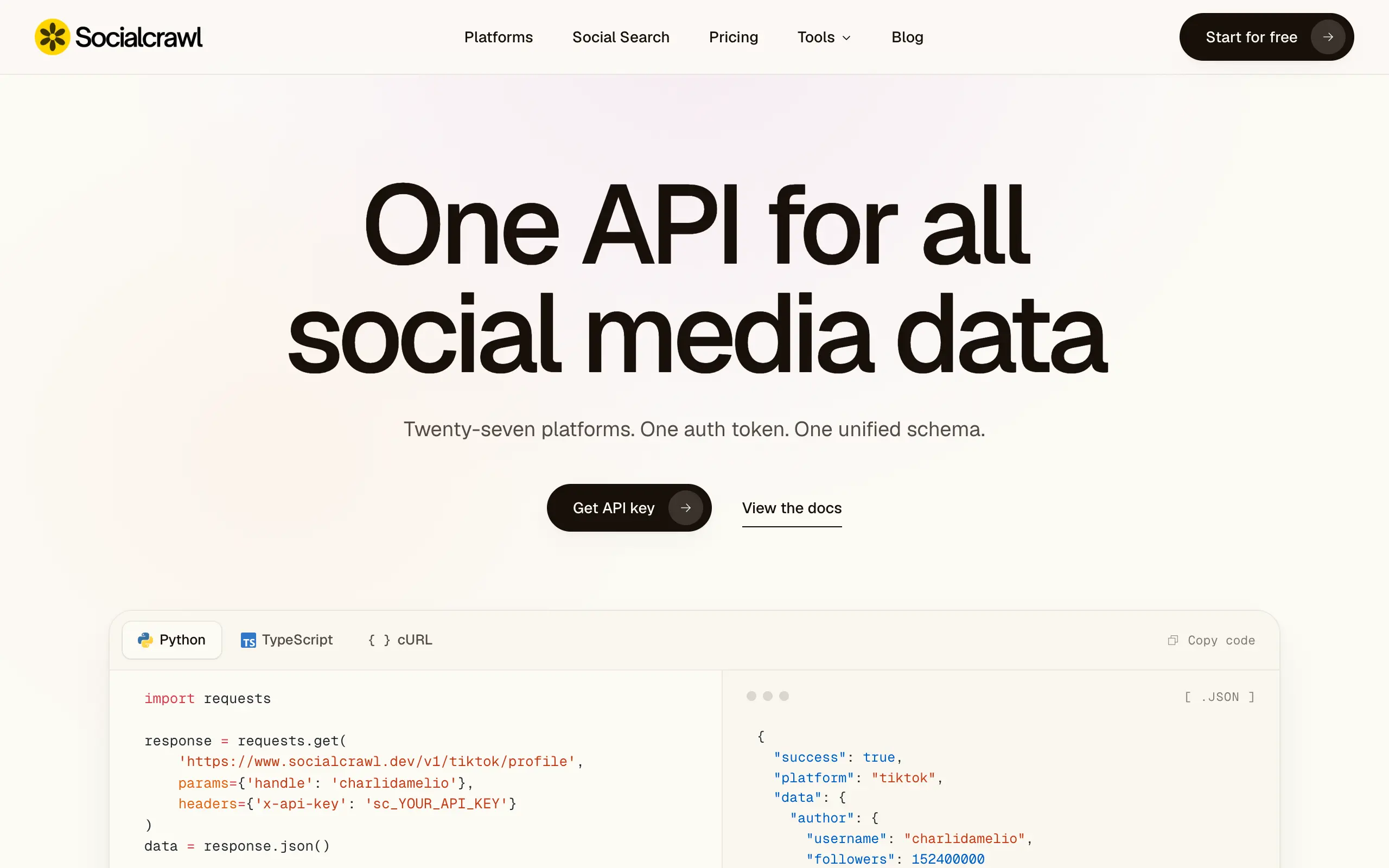
Socialcrawl
Get clean, structured data from 21 platforms like TikTok, Instagram, and YouTube with a single request 📊
Statiko
Monitor any Telegram channel in real time - track posts, edits, deletions, and growth with AI recaps 📡
Shibui
AI website builder - describe your business, pick a niche template, edit by chatting, and publish instantly ✨
Pro Service
Find verified home service professionals, compare quotes, and pay securely through escrow - built for Brazilians across the US 🏠
RankGrow
Fix your SEO with AI agents - connect Search Console, get prioritized tasks, and grow organic traffic 📈
SyncReads
Sync your favorite content for distraction-free reading, save time and replace multiple apps. Anytime, anywhere 🔄
Socialcrawl
Get clean, structured data from 21 platforms like TikTok, Instagram, and YouTube with a single request 📊
Statiko
Monitor any Telegram channel in real time - track posts, edits, deletions, and growth with AI recaps 📡
Shibui
AI website builder - describe your business, pick a niche template, edit by chatting, and publish instantly ✨
Pro Service
Find verified home service professionals, compare quotes, and pay securely through escrow - built for Brazilians across the US 🏠
RankGrow
Fix your SEO with AI agents - connect Search Console, get prioritized tasks, and grow organic traffic 📈
SyncReads
Sync your favorite content for distraction-free reading, save time and replace multiple apps. Anytime, anywhere 🔄
Socialcrawl
Get clean, structured data from 21 platforms like TikTok, Instagram, and YouTube with a single request 📊
Statiko
Monitor any Telegram channel in real time - track posts, edits, deletions, and growth with AI recaps 📡
Shibui
AI website builder - describe your business, pick a niche template, edit by chatting, and publish instantly ✨
Pro Service
Find verified home service professionals, compare quotes, and pay securely through escrow - built for Brazilians across the US 🏠
RankGrow
Fix your SEO with AI agents - connect Search Console, get prioritized tasks, and grow organic traffic 📈
SyncReads
Sync your favorite content for distraction-free reading, save time and replace multiple apps. Anytime, anywhere 🔄
Socialcrawl
Get clean, structured data from 21 platforms like TikTok, Instagram, and YouTube with a single request 📊
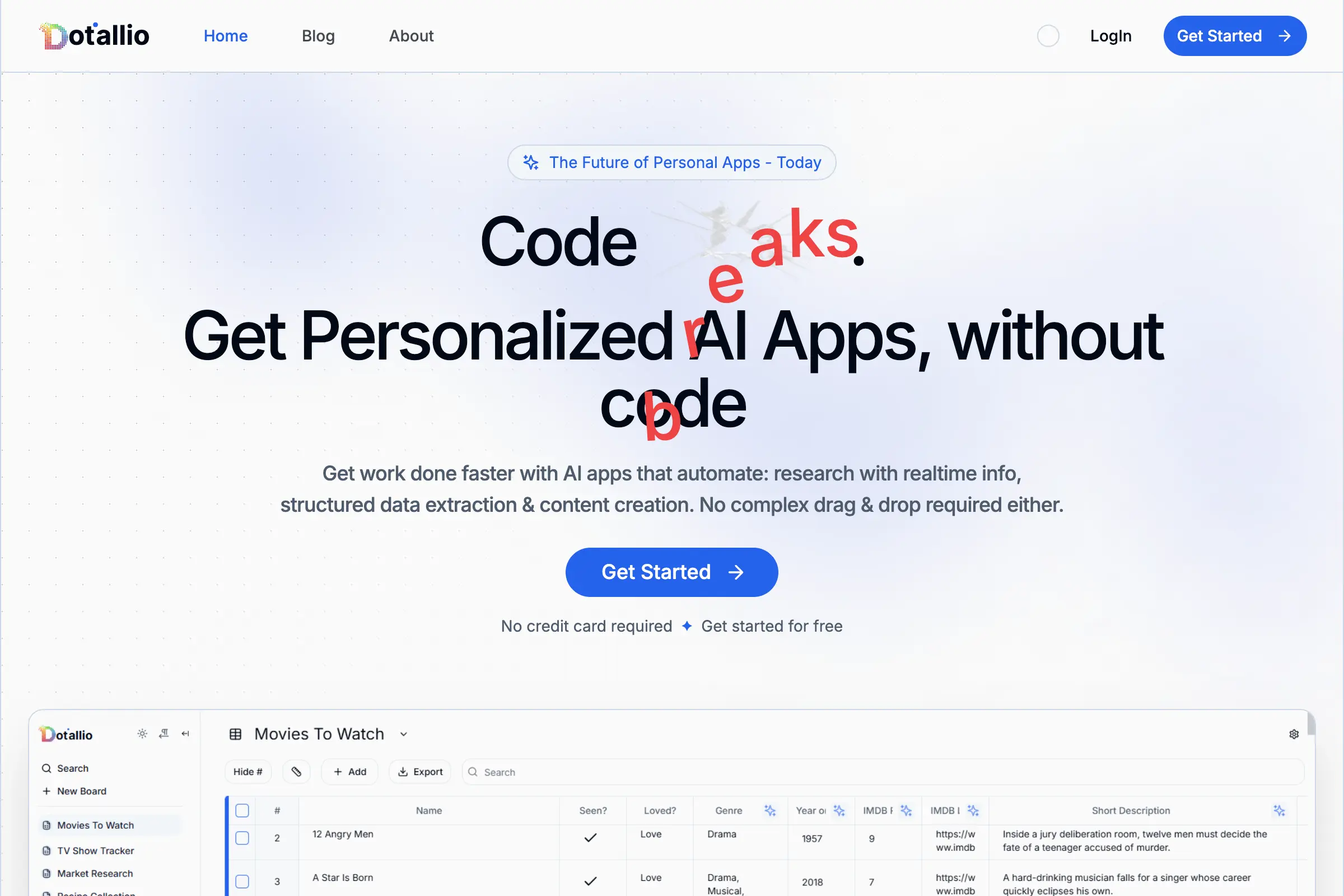
Dotallio
Personalized AI apps that automate research, data extraction, and content creation without code 🤖

Talk to Santa
Enjoy a magical live video chat or receive a unique AI-generated video greeting from Santa Claus 🎅

pozywka.pl
Scalable blog for food journalist, focused on performance and user experience 🌭
zagrodzki.me
Personal blog and portfolio of Bart Zagrodzki, where he shares his knowledge and work 💼
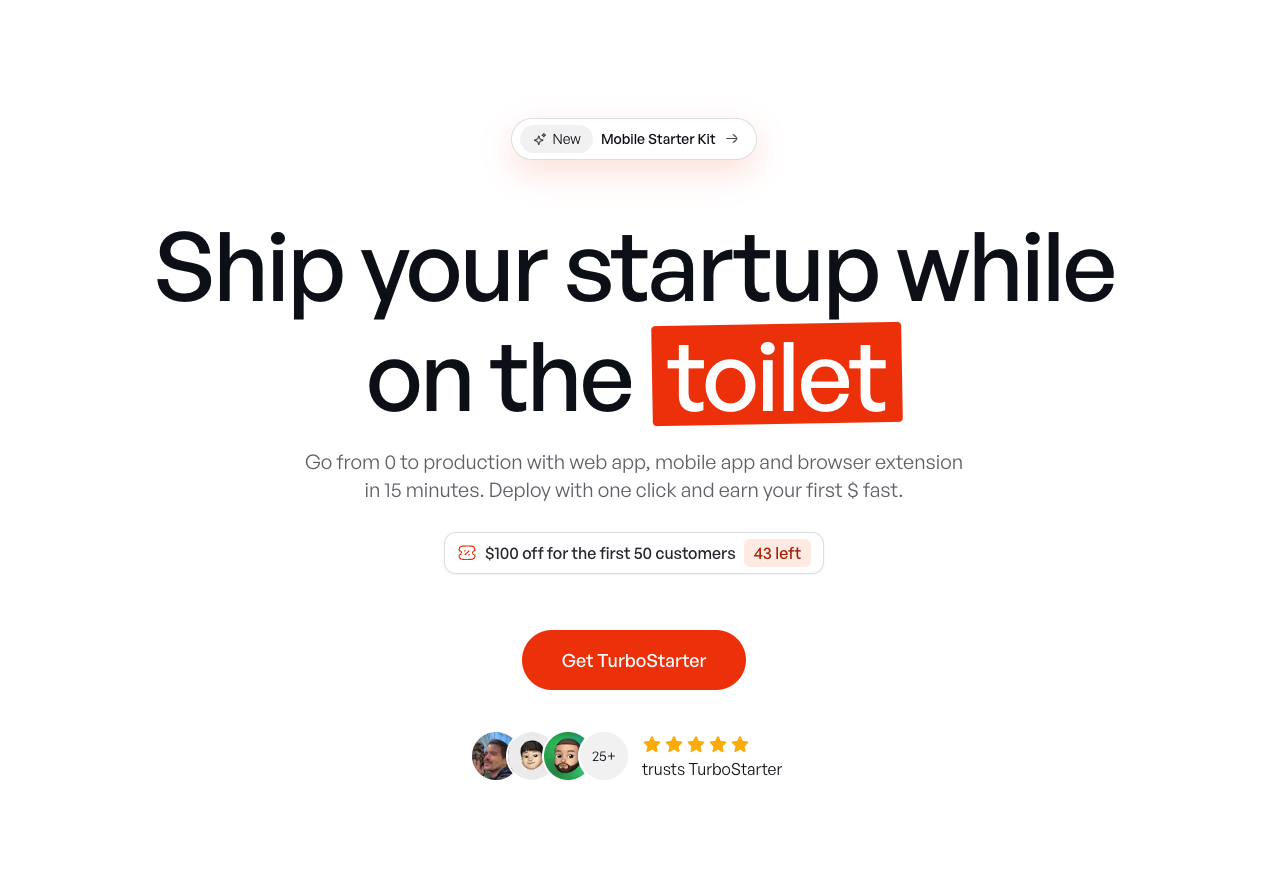
TurboStarter
Ship your startup everywhere. In minutes.
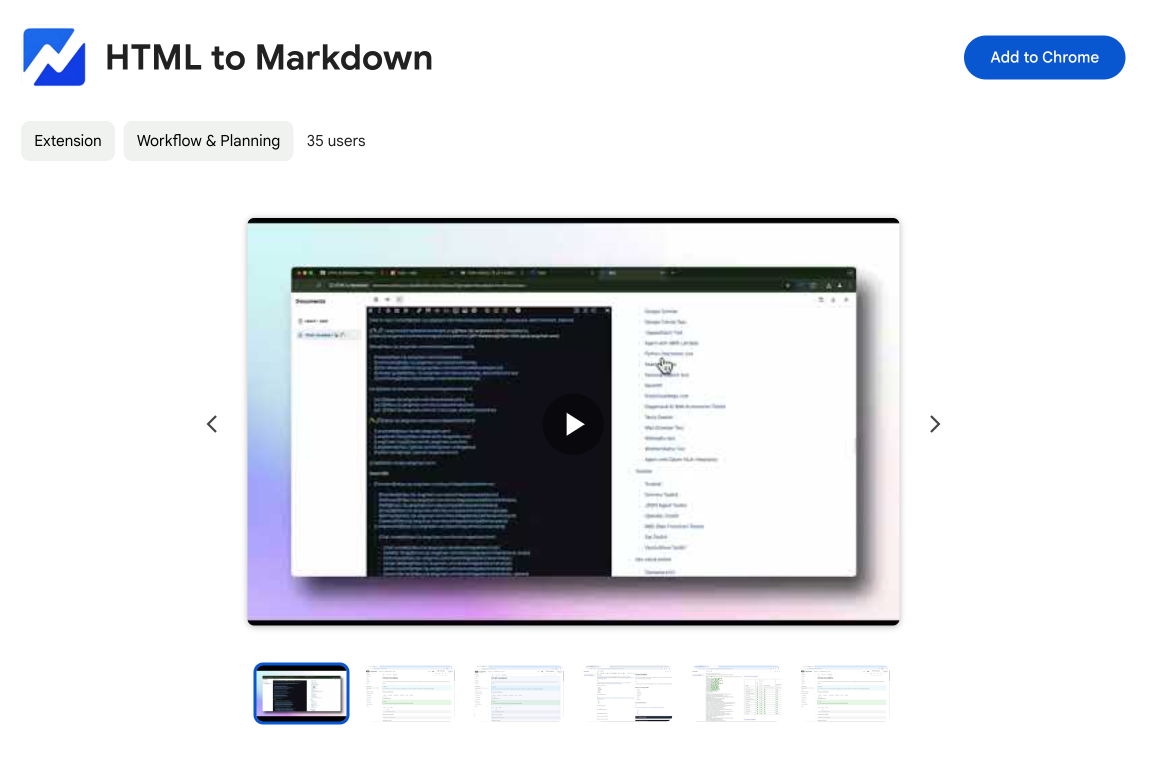
HTML to Markdown
Convert HTML to Markdown with ease, directly in your browser 📄
Dotallio
Personalized AI apps that automate research, data extraction, and content creation without code 🤖
Talk to Santa
Enjoy a magical live video chat or receive a unique AI-generated video greeting from Santa Claus 🎅
pozywka.pl
Scalable blog for food journalist, focused on performance and user experience 🌭
zagrodzki.me
Personal blog and portfolio of Bart Zagrodzki, where he shares his knowledge and work 💼
TurboStarter
Ship your startup everywhere. In minutes.
HTML to Markdown
Convert HTML to Markdown with ease, directly in your browser 📄
Dotallio
Personalized AI apps that automate research, data extraction, and content creation without code 🤖
Talk to Santa
Enjoy a magical live video chat or receive a unique AI-generated video greeting from Santa Claus 🎅
pozywka.pl
Scalable blog for food journalist, focused on performance and user experience 🌭
zagrodzki.me
Personal blog and portfolio of Bart Zagrodzki, where he shares his knowledge and work 💼
TurboStarter
Ship your startup everywhere. In minutes.
HTML to Markdown
Convert HTML to Markdown with ease, directly in your browser 📄
Dotallio
Personalized AI apps that automate research, data extraction, and content creation without code 🤖
Talk to Santa
Enjoy a magical live video chat or receive a unique AI-generated video greeting from Santa Claus 🎅
pozywka.pl
Scalable blog for food journalist, focused on performance and user experience 🌭
zagrodzki.me
Personal blog and portfolio of Bart Zagrodzki, where he shares his knowledge and work 💼
TurboStarter
Ship your startup everywhere. In minutes.
HTML to Markdown
Convert HTML to Markdown with ease, directly in your browser 📄
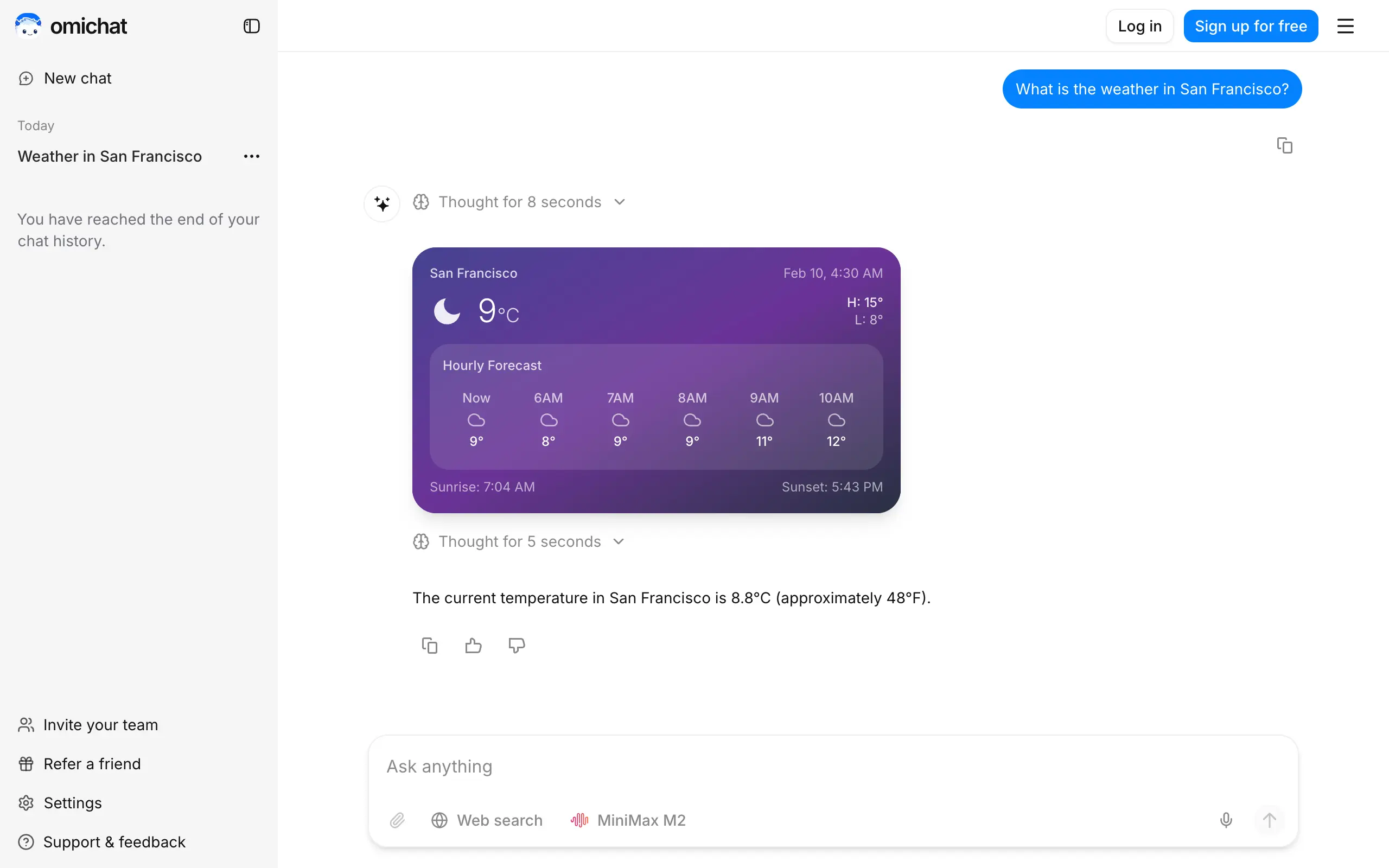
Omichat
Chat with 50+ AI models, including ChatGPT and Claude, in one place - switch models anytime without losing context 🤖
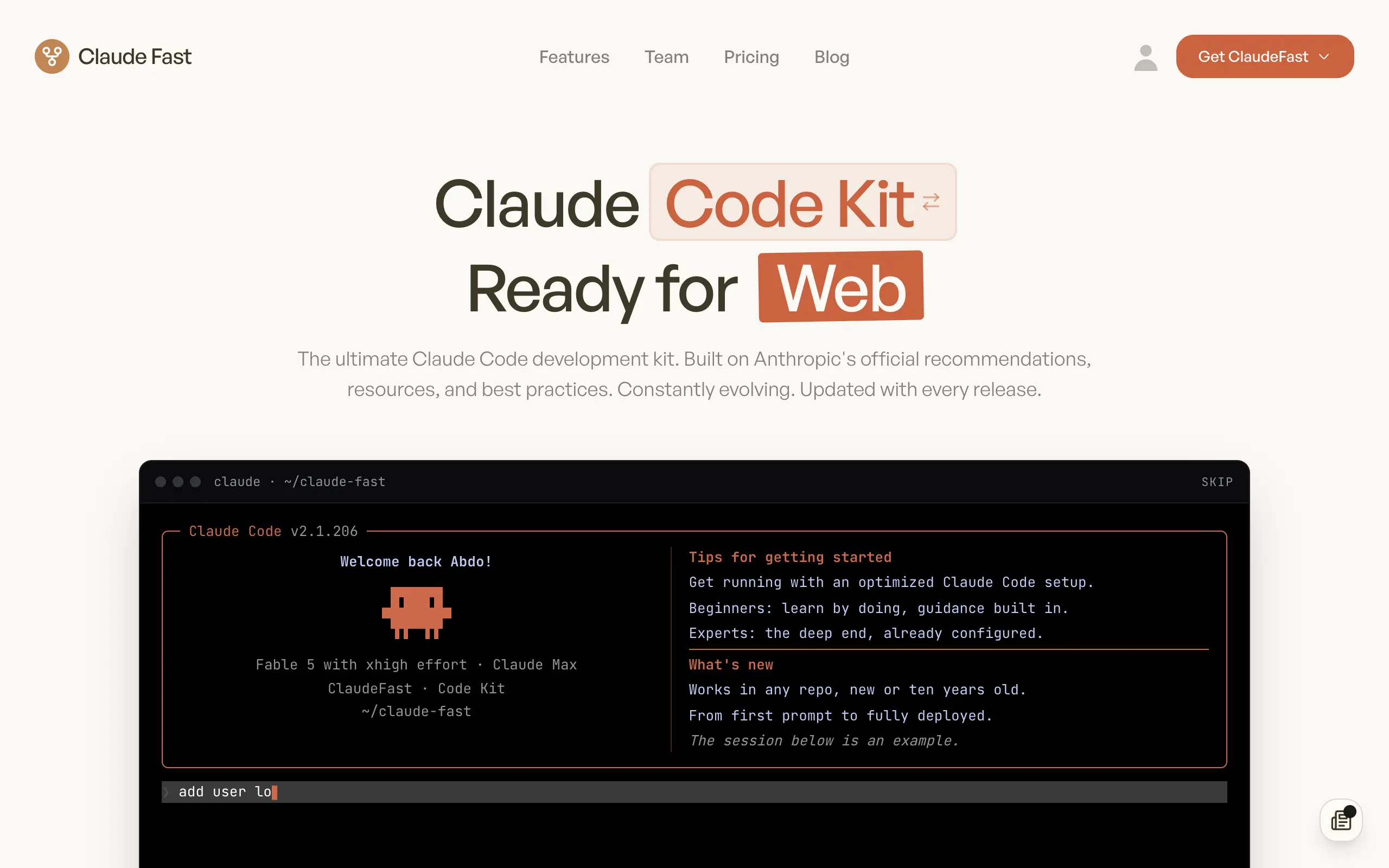
Claude Fast
Supercharge your Claude Code with 6x effective context window and specialized AI agents 🤖
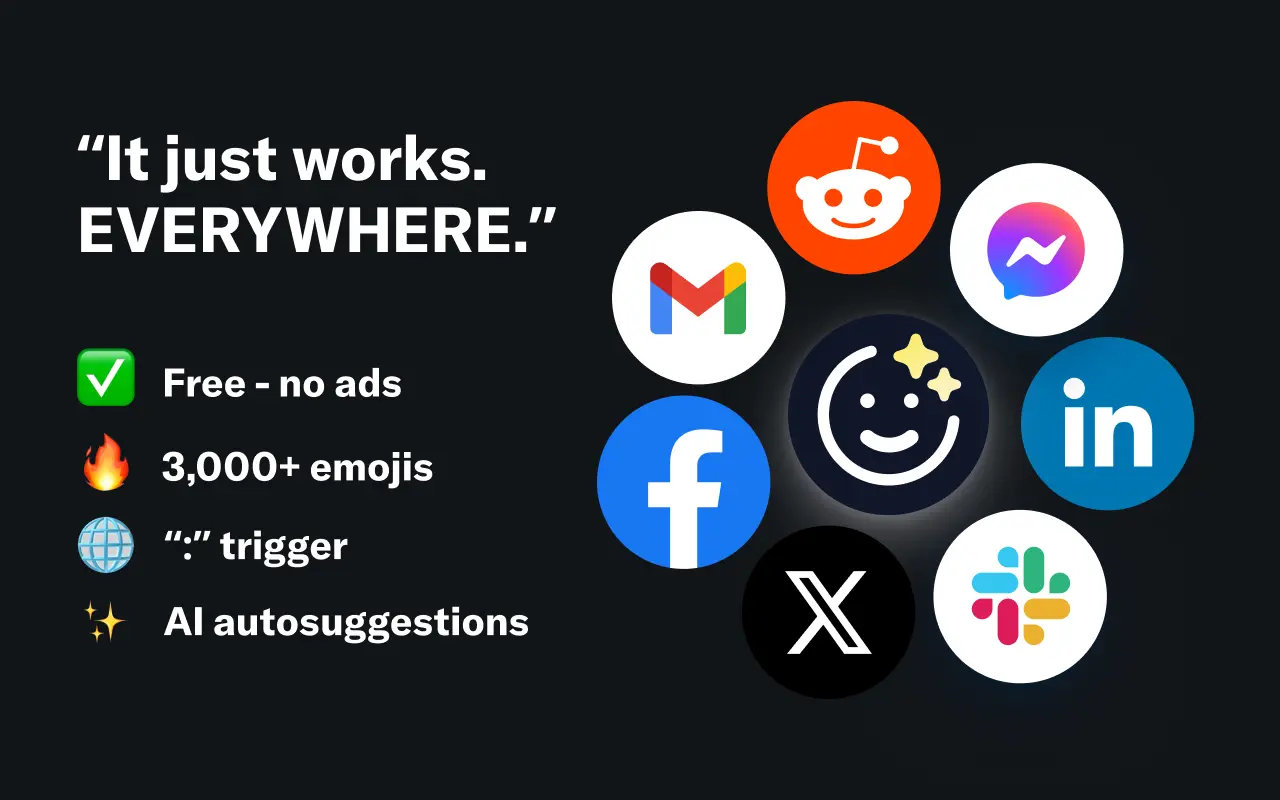
EmojAI
AI-powered emoji picker with smart, context-aware suggestions 🤖
Solohacker
Autonomous company launcher - AI agents work 24/7, escalate what matters, and you stay in control 🤖
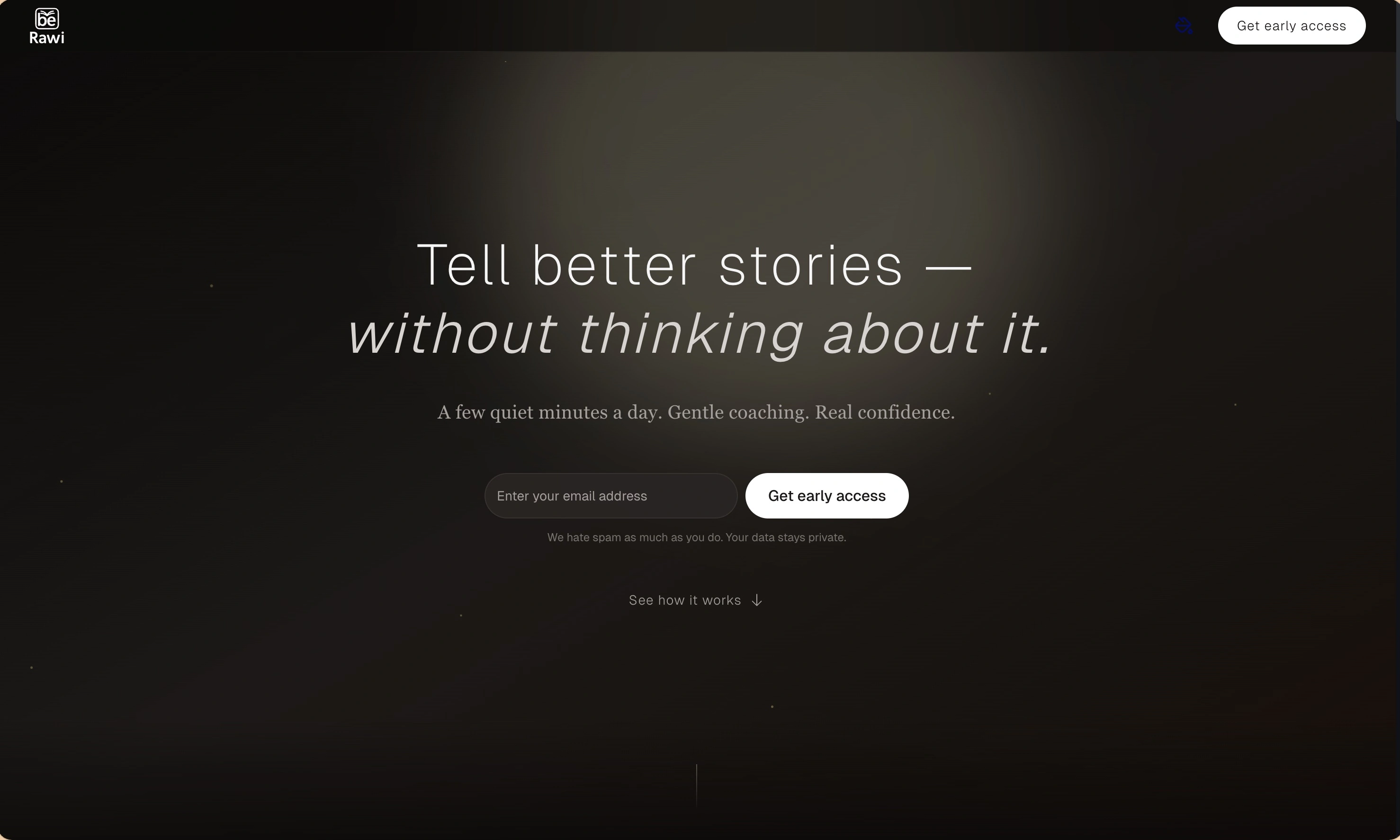
BeRawi: Storytelling Coach
Practice storytelling daily with instant feedback to sound clearer, more engaging, and confident 🎤
Omichat
Chat with 50+ AI models, including ChatGPT and Claude, in one place - switch models anytime without losing context 🤖
Claude Fast
Supercharge your Claude Code with 6x effective context window and specialized AI agents 🤖
EmojAI
AI-powered emoji picker with smart, context-aware suggestions 🤖
Solohacker
Autonomous company launcher - AI agents work 24/7, escalate what matters, and you stay in control 🤖
BeRawi: Storytelling Coach
Practice storytelling daily with instant feedback to sound clearer, more engaging, and confident 🎤
Omichat
Chat with 50+ AI models, including ChatGPT and Claude, in one place - switch models anytime without losing context 🤖
Claude Fast
Supercharge your Claude Code with 6x effective context window and specialized AI agents 🤖
EmojAI
AI-powered emoji picker with smart, context-aware suggestions 🤖
Solohacker
Autonomous company launcher - AI agents work 24/7, escalate what matters, and you stay in control 🤖
BeRawi: Storytelling Coach
Practice storytelling daily with instant feedback to sound clearer, more engaging, and confident 🎤
Omichat
Chat with 50+ AI models, including ChatGPT and Claude, in one place - switch models anytime without losing context 🤖
Claude Fast
Supercharge your Claude Code with 6x effective context window and specialized AI agents 🤖
EmojAI
AI-powered emoji picker with smart, context-aware suggestions 🤖
Solohacker
Autonomous company launcher - AI agents work 24/7, escalate what matters, and you stay in control 🤖
BeRawi: Storytelling Coach
Practice storytelling daily with instant feedback to sound clearer, more engaging, and confident 🎤

Connect with like-minded people
Join our community to get feedback, support, and grow together with 1,000+ builders on board, let's ship it!
Join usShip your startup everywhere. In minutes.
Don't burn tokens on setup and start building features on day one.