BudgetBuddy
A personal finance app that helps users implement zero-based budgeting by tracking every dollar spent and earned. It offers real-time insights and personalized tips to optimize spending habits.
Target Audience and User Benefits
Personal finance tools have become a hot topic for those who want an active role in their financial health. This solution is designed specifically for individuals who are looking to gain complete control over their money and optimize their daily spending decisions. The core audience includes:
- Budget-Conscious Consumers: Users who need help managing their day-to-day transactions.
- Millennials and Gen Z: Tech-savvy individuals who prefer digital solutions over traditional bookkeeping.
- Financial Enthusiasts: People interested in personal finance who want to experiment with zero-based budgeting.
- Early-stage Investors and Fintech Adopters: Those on the lookout for innovative methods to track and optimize spending habits.
By addressing the growing need for transparency in personal finance, this tool provides real-time insights and personalized budgeting tips—features that set it higher on the list for anyone serious about financial wellness. The app organizes spending into clear categories, making every change, income, or expense a trackable step towards better financial planning.
Key Insight
When individuals adopt a structured budgeting approach like zero-based budgeting, they can quickly identify overspending trends and reallocate funds more effectively.
Market Opportunity
The personal finance industry has experienced rapid growth, particularly in the digital space. A significant number of consumers fear financial instability in turbulent economic times, making them more receptive to tools that offer real-time management and detailed tracking. Let's explore some of the market opportunities:
- Booming FinTech Industry: Increased mobile and online banking penetration has contributed to the demand for efficient budgeting apps.
- Rise of Zero-Based Budgeting: This method is gaining traction because it forces every dollar to have a purpose, ultimately enhancing spending discipline.
- Consumer Data Demand: With more sophisticated data analytics, users are looking for apps that not only track their expenses but also offer actionable insights.
- Pandemic-Driven Financial Constraints: A significant shift towards remote financial management has bolstered the need for robust personal finance applications.
The increasing awareness about financial literacy and independence presents a prime opportunity for launching a tool that not only tracks dollars but helps in forming healthy spending habits. With strategic marketing and community support, scaling such a product can target millions of potential users globally.
Market Growth
The digital personal finance sector is booming with a projected growth rate of over 10% annually.
Tech Stack for a Robust Personal Finance App
Choosing the right tech stack is critical to ensuring the app's performance, scalability, and security. Below is a curated list of modern technologies that could power this personal finance platform:
- Frontend:
- React or Vue.js for building responsive user interfaces.
- Next.js for server-side rendering and SEO benefits.
- Backend:
- Node.js with Express/Koa for RESTful APIs.
- Python (Django/Flask) for data processing and machine learning insights.
- Database:
- PostgreSQL or MongoDB, depending on the need for relational or document-oriented storage.
- Real-Time Capabilities:
- WebSockets or Firebase for real-time budget updates.
- Security:
- OAuth for authentication.
- End-to-end encryption for sensitive financial data.
- DevOps and Cloud:
- Docker and Kubernetes for container orchestration.
- AWS, Google Cloud, or Azure for scalable hosting.
During the rapid development phase, leveraging a starter kit like TurboStarter can significantly accelerate the development process when building both mobile and web clients. This approach not only helps maintain uniformity across different platforms but also speeds up the initial setup of the project.
const logBudgetStatus = () => {
  console.log("Budget status updated!");
}
The above code snippet highlights a simple logging function for development purposes, showcasing how quick responses to user interactions can be implemented.
Monetization Strategy: Generating Sustainable Revenue
A well-defined monetization strategy is key to the success of any SaaS or digital product. There are multiple revenue models that can be considered for this personal finance solution:
- Freemium Model: Offer basic budgeting tools for free, while advanced features such as detailed analytics, customizable reports, and financial forecasting are reserved for premium users.
- Subscription Model: A monthly or annual subscription can be introduced, providing continuous access to premium content, expert financial advice, and priority customer support.
- Affiliate Marketing: Partner with financial institutions and services, offering users recommendations for savings accounts, loans, or investments and earning a commission on referrals.
- In-App Purchases: Charge for added functionalities like enhanced data visualizations, real-time alerts, or specialized budgeting workshops.
- Data Insights: With user permission, aggregate anonymized data to provide insights to market research firms, helping them to understand consumer spending trends.
This diversified monetization strategy ensures that the app remains accessible to a broad user base while generating ongoing revenue streams that support further feature development and marketing initiatives.
Potential Risks and Mitigation Strategies
Even the most carefully planned personal finance app faces risks, and understanding these risks is vital for proactive planning. Here are some common concerns:
- Data Security and Privacy:
- Risk: Financial data is sensitive. Breaches can damage reputation and user trust.
- Mitigation: Implement multi-layered security protocols, regular audits, and encryption.
- User Adoption Rates:
- Risk: With a crowded market, convincing users to switch from established competitors can be challenging.
- Mitigation: Focus on a unique user experience with personalization and ease-of-use.
- Scalability Concerns:
- Risk: Without scalable infrastructure, high success might result in performance issues.
- Mitigation: Utilize cloud solutions that auto-scale and maintain consistent performance.
- Regulatory Landscape:
- Risk: Financial apps must comply with evolving regulations, especially in data handling.
- Mitigation: Stay updated with legal guidance and build a compliance branch into your operations.
Ensure that every step in development from coding to deployment passes through security reviews and compliance checks.
Regularly revisiting these risk areas and adapting strategies will enhance the likelihood of both user trust and market longevity.
Competitive Advantages in a Crowded Marketplace
Differentiating a personal finance tool from a sea of competitors is essential. Here are a few unique selling points that can provide a competitive edge:
- Real-Time Insights:
- Unlike flat-budgeting apps, offering real-time analysis of spending habits allows users to take immediate action.
- Personalized Budgeting Tips:
- Using machine learning and data analytics, the app can deliver personalized recommendations based on user behavior.
- User-Friendly Interface:
- A design that breaks down complex financial data into digestible pieces makes budgeting accessible to all.
- Community and Support:
- Integrating peer-to-peer discussion frameworks and expert advice sections fosters a sense of community and lifelong learning.
- Customizable Interface:
- Let users adjust categories, alerts, and budgeting rules. This customization caters to a diverse audience ranging from novices to financial experts.
- Integration Capabilities:
- Sync with bank accounts, debit/credit cards, and even digital wallets to offer a comprehensive overview of personal finance.
These factors are not only valuable from a user perspective; they also serve as strong market differentiators when pitching the product to investors or potential partners.
The flexibility of the budgeting system, along with a modern UI, puts real power in users' hands. It’s designed with simplicity as a priority but possesses hidden depths in customizability for advanced users.
The focus remains on an intuitive user experience, reducing cognitive load through engaging visuals and easy navigation. Incorporating tooltips and tutorial walkthroughs ensures that even non-tech savvy users can benefit from the app.
Detailed Implementation Steps
Building a robust personal finance app that empowers users to practice zero-based budgeting involves a series of clear, actionable steps. These steps ensure systematic development and continuous improvement.
Ideation and Planning:
Define the product features, user flow, and competitive advantages. Start with a clear requirement document outlining your key goals such as real-time insights and personalized budgeting.
Design Mockups:
Collaborate with UI/UX designers to create wireframes and prototypes. Tools like Figma or Sketch are great for rapid visual iterations.
Development Kickoff:
Set up your project repository and choose your tech stack. Consider using TurboStarter for a quick start with multiple platforms integrated. This helps to minimize the initial groundwork, allowing you to focus on unique features.
Frontend Development:
Build the user interface using modern frameworks such as React/Next.js. Ensure the design prioritizes accessibility, speed, and responsiveness.
Backend Setup:
Implement secure APIs for data handling and real-time updates. Use frameworks like Node.js or Python for processing and analytics.
Data Security Integrations:
Ensure all user data is encrypted. Enforce OAuth and multi-factor authentication for enhanced security.
Beta Testing:
Release a beta version to gather user feedback. This helps in refining features and identifying any design or security issues.
Launch Strategy:
Deploy the app on scalable cloud platforms such as AWS or Azure. Plan your marketing strategy through social media, influencers, and targeted ad campaigns.
Post-Launch Iterations:
Monitor user behavior and feedback. Regularly implement updates and security patches to ensure continued reliability.
Final Thoughts and Next Steps
The need for a comprehensive, intuitive personal finance tool is clear in today's digital-driven economy. With real-time insights, personalized budgeting tips, and a user-friendly design, this product can help individuals transition from passive spending to engaged financial management. Here are some key takeaways:
- Robust Target Audience: The solution appeals strongly to millennials, financial enthusiasts, and anyone serious about budgeting better.
- Wide Market Opportunity: With growth in fintech and consumer data-driven decisions, there's a promising market for an app that provides real-time and actionable insights.
- Modern Tech Stack: A stack built around React, Node.js, and machine learning technologies can deliver performance and ease-of-use. Utilizing starter kits like TurboStarter can lead to rapid implementation.
- Diverse Monetization Strategy: With options like freemium models, subscriptions, affiliate marketing, and in-app purchases, the revenue model can be both flexible and sustainable.
- Risk Reduction: Data security, user adoption, and regulatory compliance are challenges that can be managed through best practices and technology.
- Competitive Edge: Differentiating by offering real-time analytics, customized recommendations, integration capabilities, and a robust user community sets the app apart from general budgeting tools.
By following the detailed implementation steps and continuously refining the concept based on user feedback, this personal finance app can truly become a leader in the space of zero-based budgeting tools.
Ready to take the next step? Begin by outlining your strategy, gathering the right tools, and setting up your project using the guidance above. Revisit your feature list frequently, iterate based on user insights, and embrace continuous improvement to ensure a successful launch and a sustainable future in the personal finance industry.
More 👥 B2C Application SaaS ideas
Discover more innovative b2c application SaaS ideas that are trending in 2026. Each idea is AI-generated with market validation and growth potential to help you find your next profitable venture faster than competitors.
Your competitors are building with TurboStarter
Below are some of the SaaS ideas that have been generated and built with our starter kit.
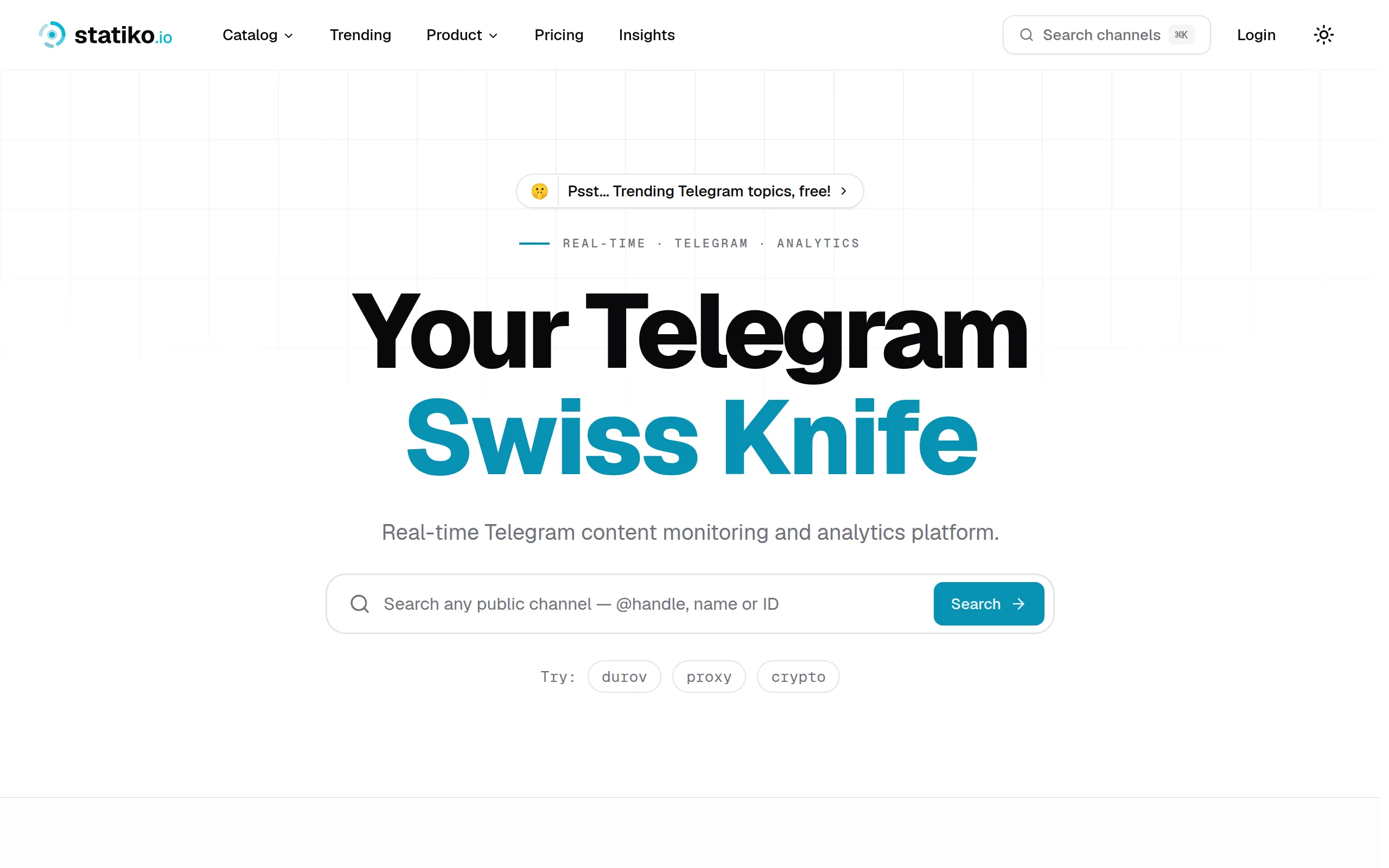
Statiko
Monitor any Telegram channel in real time - track posts, edits, deletions, and growth with AI recaps 📡

Shibui
AI website builder - describe your business, pick a niche template, edit by chatting, and publish instantly ✨

Pro Service
Find verified home service professionals, compare quotes, and pay securely through escrow - built for Brazilians across the US 🏠
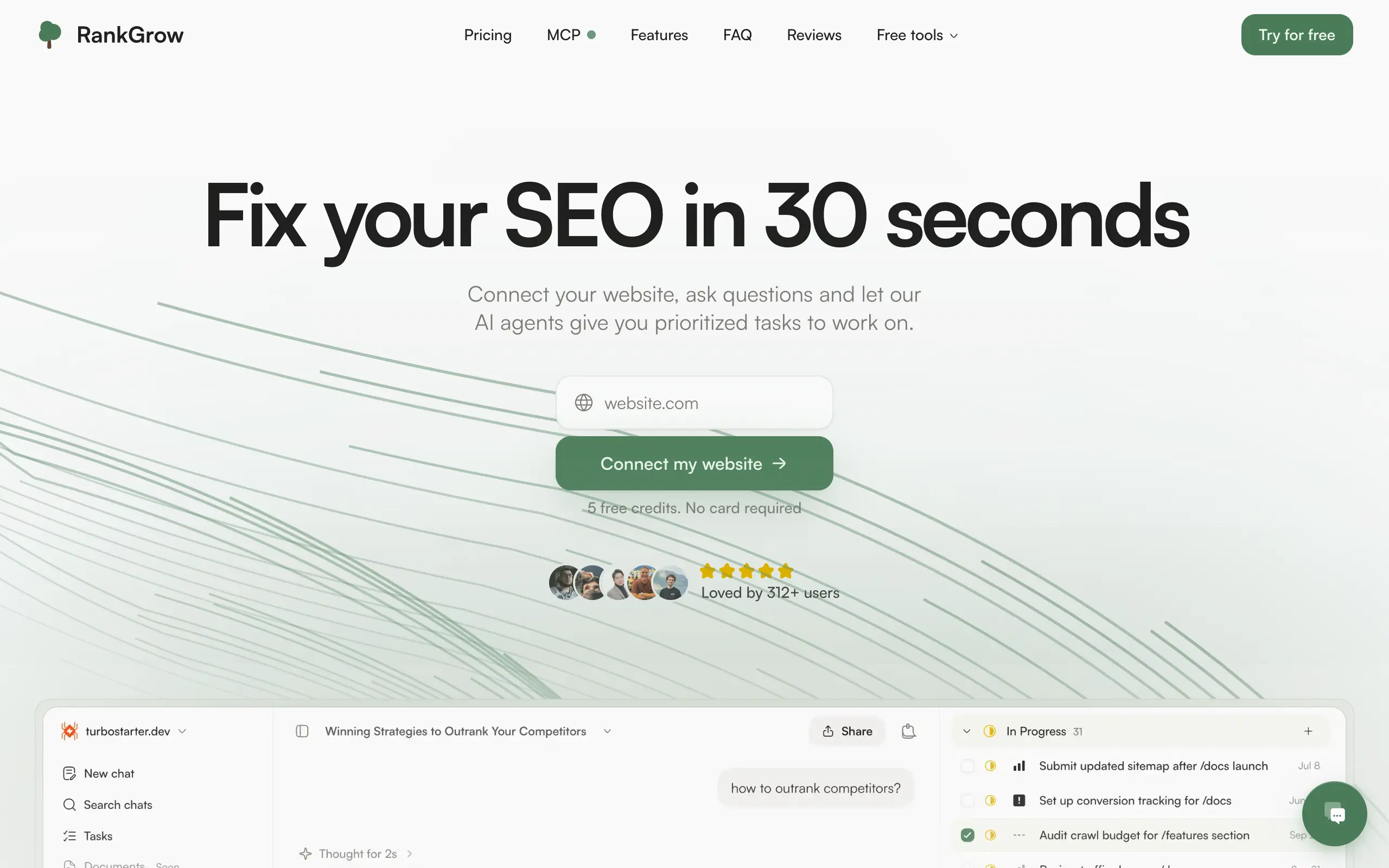
RankGrow
Fix your SEO with AI agents - connect Search Console, get prioritized tasks, and grow organic traffic 📈
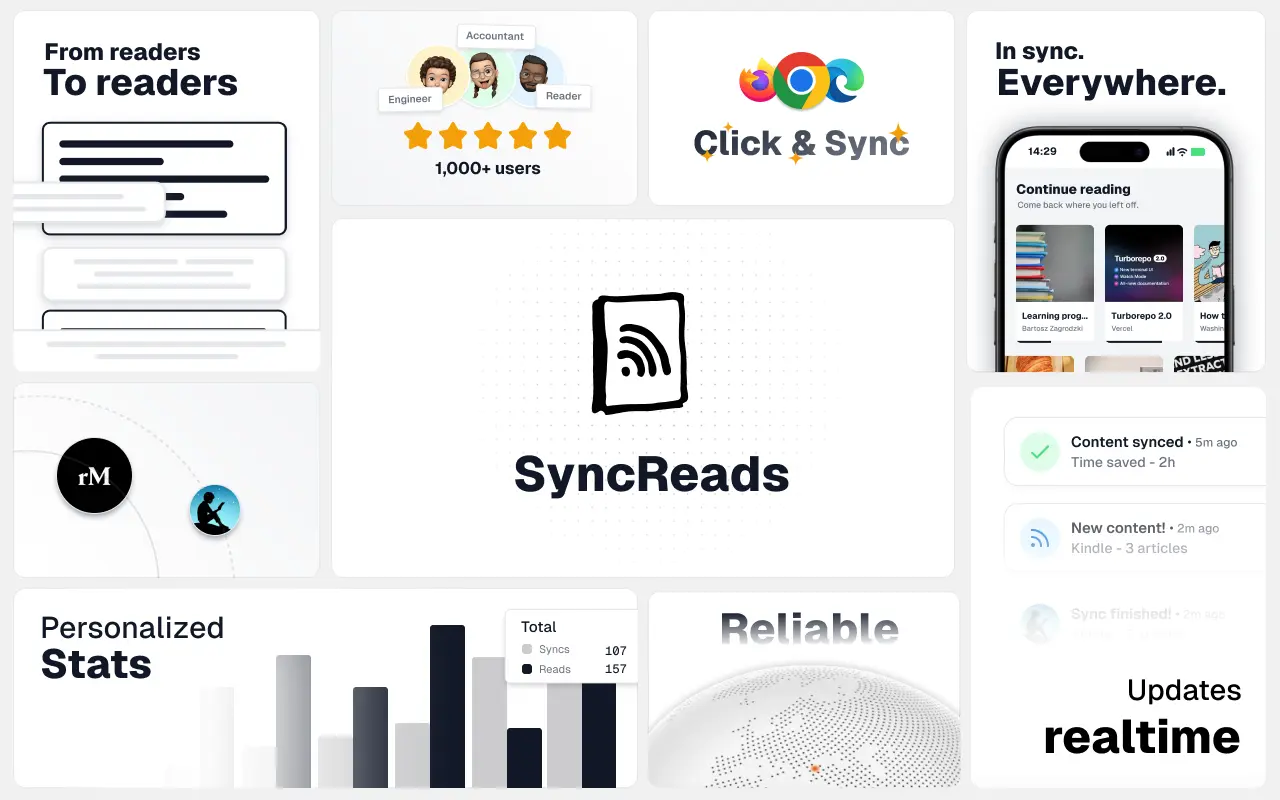
SyncReads
Sync your favorite content for distraction-free reading, save time and replace multiple apps. Anytime, anywhere 🔄
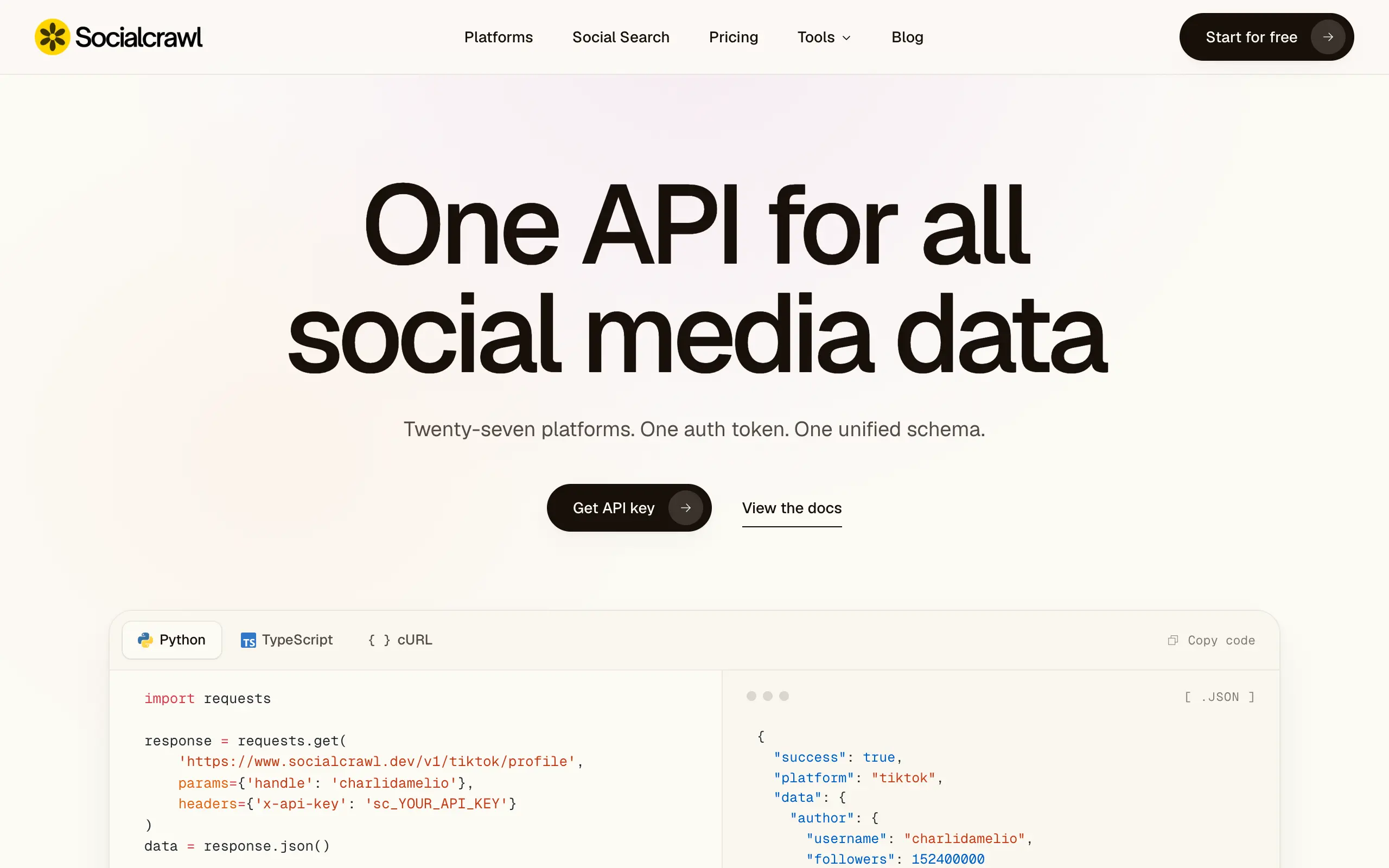
Socialcrawl
Get clean, structured data from 21 platforms like TikTok, Instagram, and YouTube with a single request 📊
Statiko
Monitor any Telegram channel in real time - track posts, edits, deletions, and growth with AI recaps 📡
Shibui
AI website builder - describe your business, pick a niche template, edit by chatting, and publish instantly ✨
Pro Service
Find verified home service professionals, compare quotes, and pay securely through escrow - built for Brazilians across the US 🏠
RankGrow
Fix your SEO with AI agents - connect Search Console, get prioritized tasks, and grow organic traffic 📈
SyncReads
Sync your favorite content for distraction-free reading, save time and replace multiple apps. Anytime, anywhere 🔄
Socialcrawl
Get clean, structured data from 21 platforms like TikTok, Instagram, and YouTube with a single request 📊
Statiko
Monitor any Telegram channel in real time - track posts, edits, deletions, and growth with AI recaps 📡
Shibui
AI website builder - describe your business, pick a niche template, edit by chatting, and publish instantly ✨
Pro Service
Find verified home service professionals, compare quotes, and pay securely through escrow - built for Brazilians across the US 🏠
RankGrow
Fix your SEO with AI agents - connect Search Console, get prioritized tasks, and grow organic traffic 📈
SyncReads
Sync your favorite content for distraction-free reading, save time and replace multiple apps. Anytime, anywhere 🔄
Socialcrawl
Get clean, structured data from 21 platforms like TikTok, Instagram, and YouTube with a single request 📊
Statiko
Monitor any Telegram channel in real time - track posts, edits, deletions, and growth with AI recaps 📡
Shibui
AI website builder - describe your business, pick a niche template, edit by chatting, and publish instantly ✨
Pro Service
Find verified home service professionals, compare quotes, and pay securely through escrow - built for Brazilians across the US 🏠
RankGrow
Fix your SEO with AI agents - connect Search Console, get prioritized tasks, and grow organic traffic 📈
SyncReads
Sync your favorite content for distraction-free reading, save time and replace multiple apps. Anytime, anywhere 🔄
Socialcrawl
Get clean, structured data from 21 platforms like TikTok, Instagram, and YouTube with a single request 📊
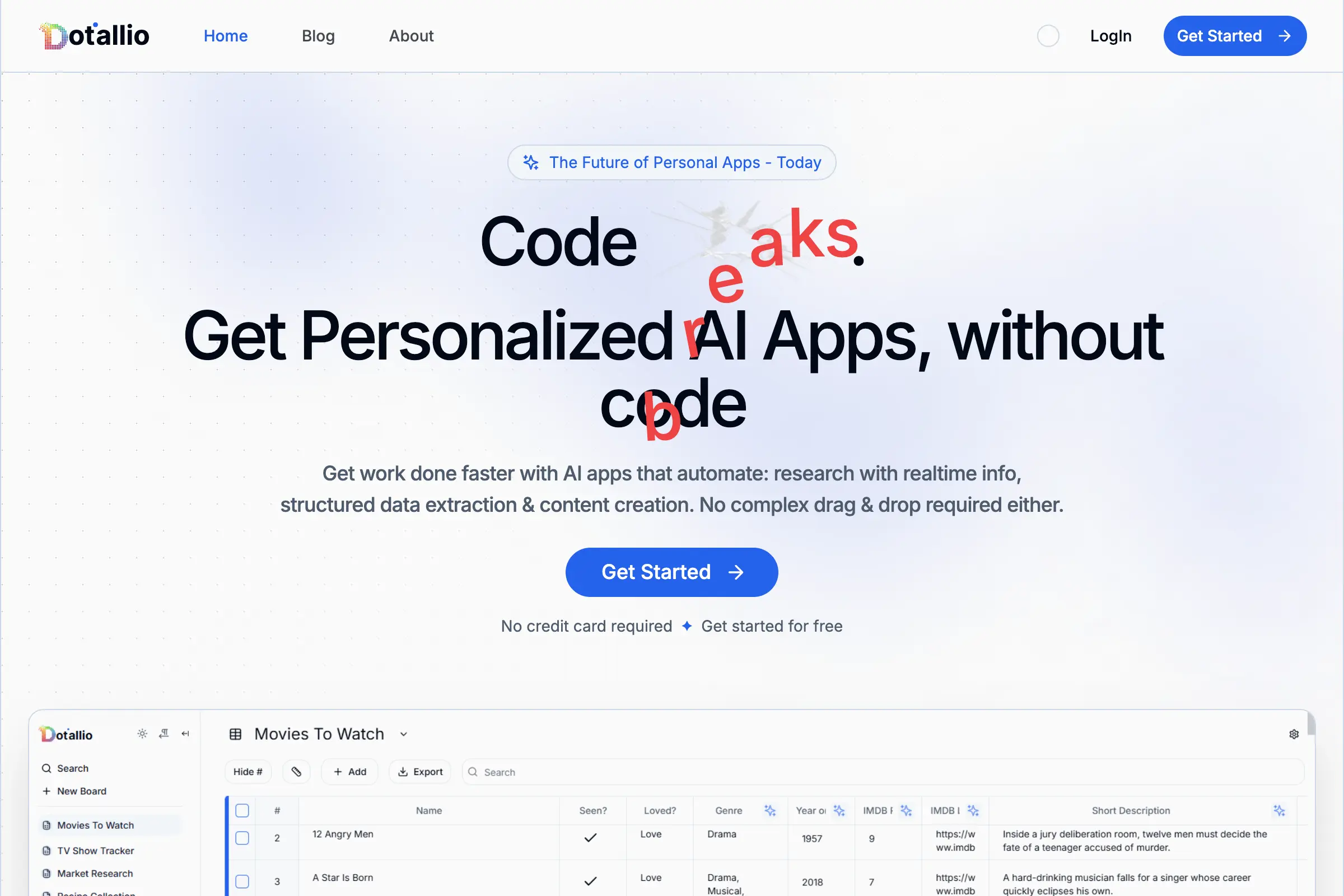
Dotallio
Personalized AI apps that automate research, data extraction, and content creation without code 🤖
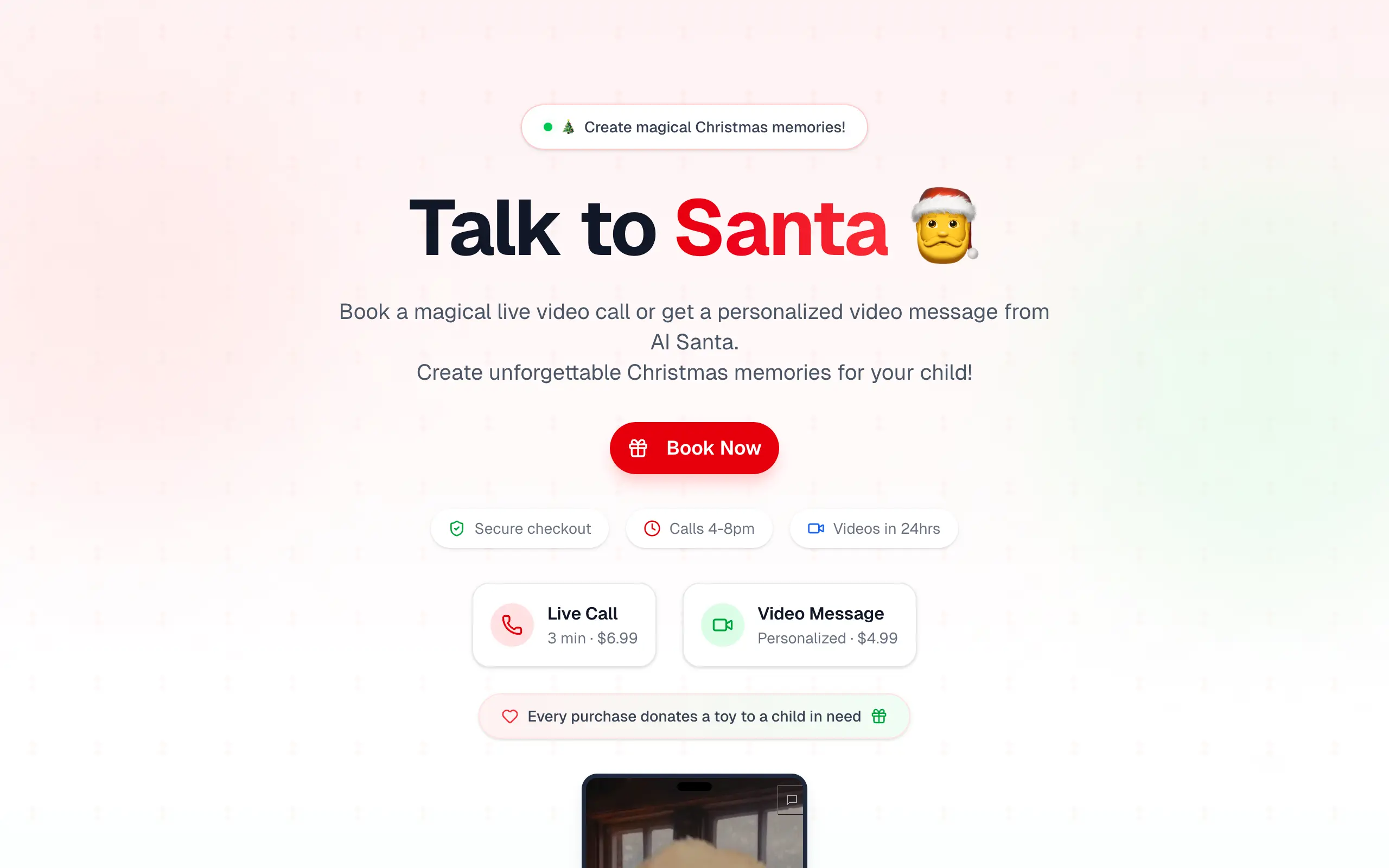
Talk to Santa
Enjoy a magical live video chat or receive a unique AI-generated video greeting from Santa Claus 🎅
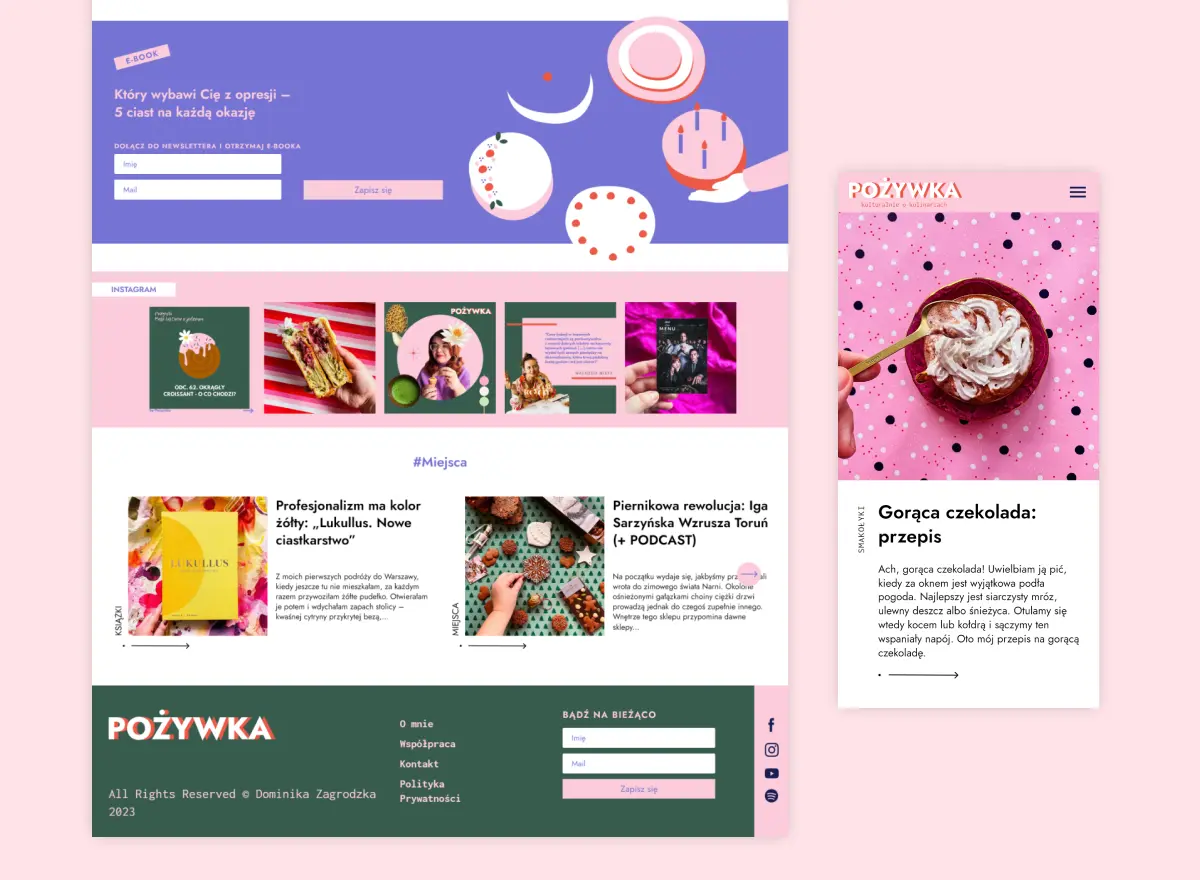
pozywka.pl
Scalable blog for food journalist, focused on performance and user experience 🌭
zagrodzki.me
Personal blog and portfolio of Bart Zagrodzki, where he shares his knowledge and work 💼
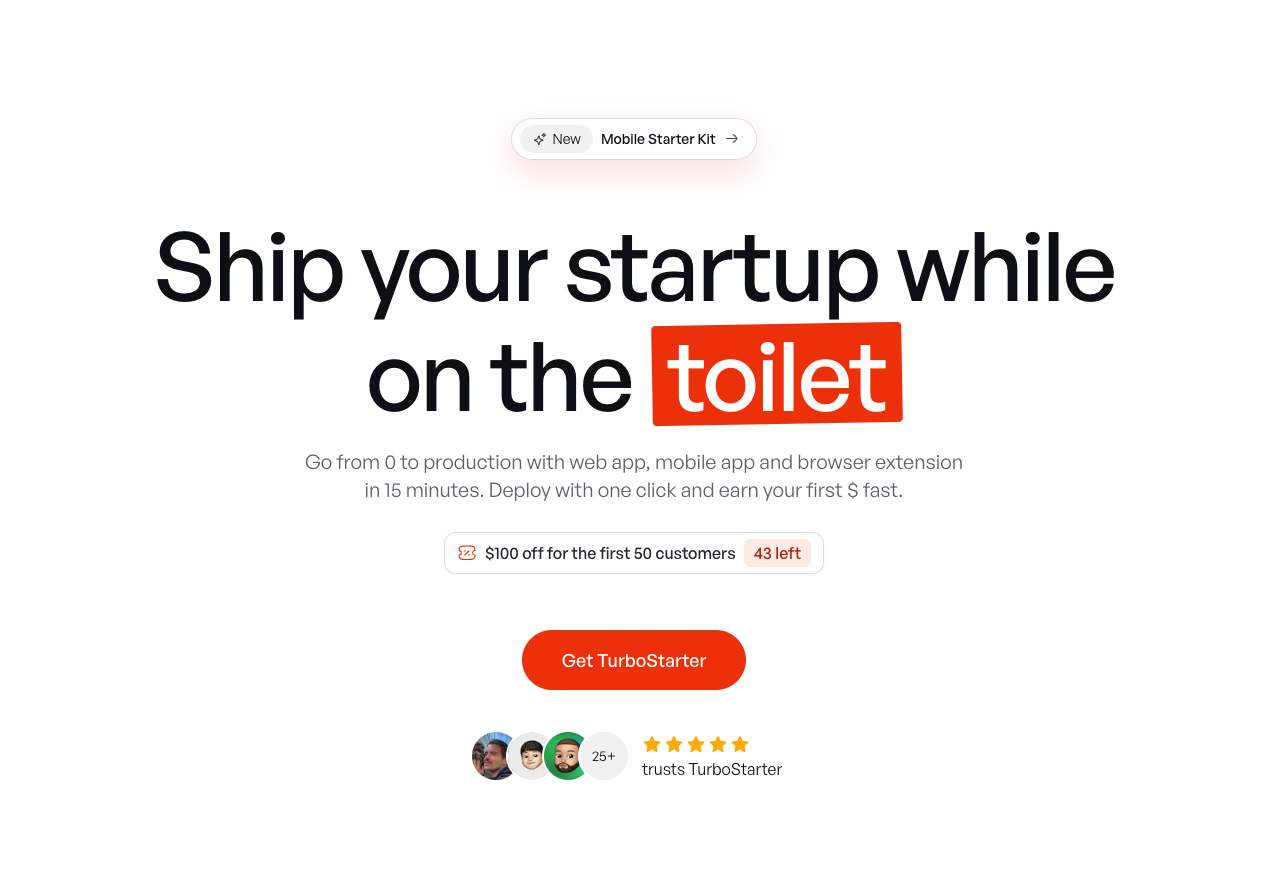
TurboStarter
Ship your startup everywhere. In minutes.
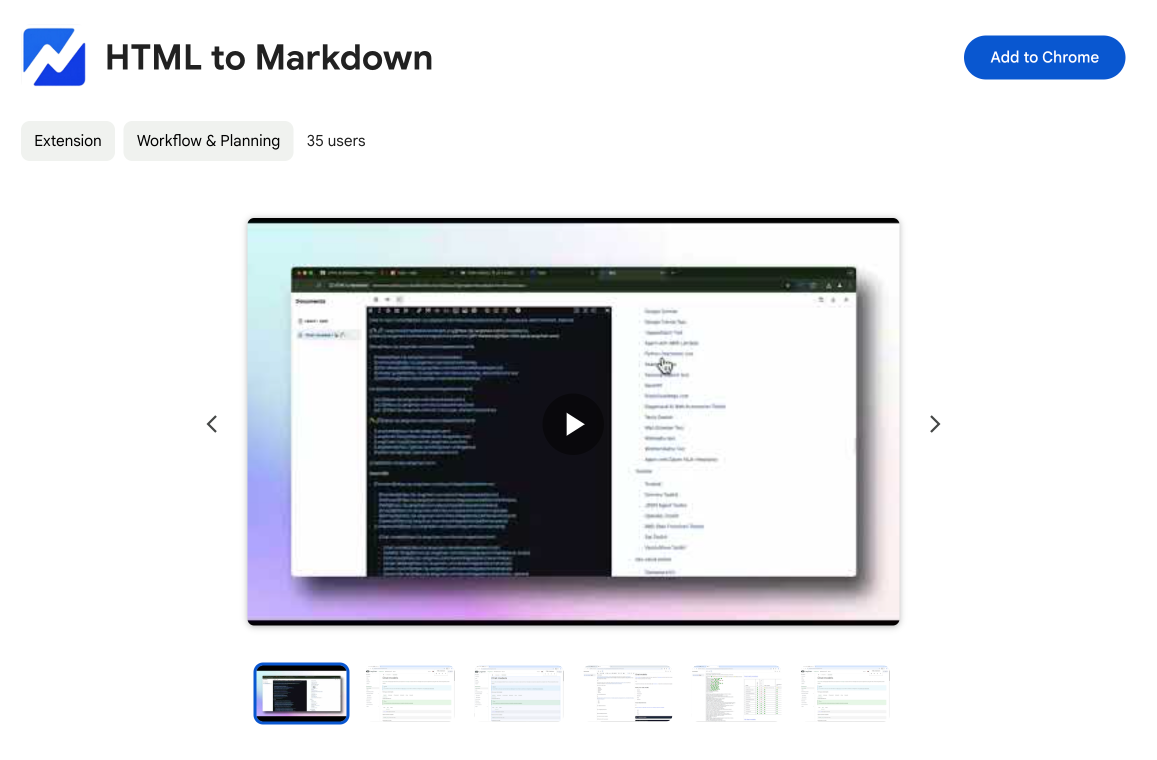
HTML to Markdown
Convert HTML to Markdown with ease, directly in your browser 📄
Dotallio
Personalized AI apps that automate research, data extraction, and content creation without code 🤖
Talk to Santa
Enjoy a magical live video chat or receive a unique AI-generated video greeting from Santa Claus 🎅
pozywka.pl
Scalable blog for food journalist, focused on performance and user experience 🌭
zagrodzki.me
Personal blog and portfolio of Bart Zagrodzki, where he shares his knowledge and work 💼
TurboStarter
Ship your startup everywhere. In minutes.
HTML to Markdown
Convert HTML to Markdown with ease, directly in your browser 📄
Dotallio
Personalized AI apps that automate research, data extraction, and content creation without code 🤖
Talk to Santa
Enjoy a magical live video chat or receive a unique AI-generated video greeting from Santa Claus 🎅
pozywka.pl
Scalable blog for food journalist, focused on performance and user experience 🌭
zagrodzki.me
Personal blog and portfolio of Bart Zagrodzki, where he shares his knowledge and work 💼
TurboStarter
Ship your startup everywhere. In minutes.
HTML to Markdown
Convert HTML to Markdown with ease, directly in your browser 📄
Dotallio
Personalized AI apps that automate research, data extraction, and content creation without code 🤖
Talk to Santa
Enjoy a magical live video chat or receive a unique AI-generated video greeting from Santa Claus 🎅
pozywka.pl
Scalable blog for food journalist, focused on performance and user experience 🌭
zagrodzki.me
Personal blog and portfolio of Bart Zagrodzki, where he shares his knowledge and work 💼
TurboStarter
Ship your startup everywhere. In minutes.
HTML to Markdown
Convert HTML to Markdown with ease, directly in your browser 📄
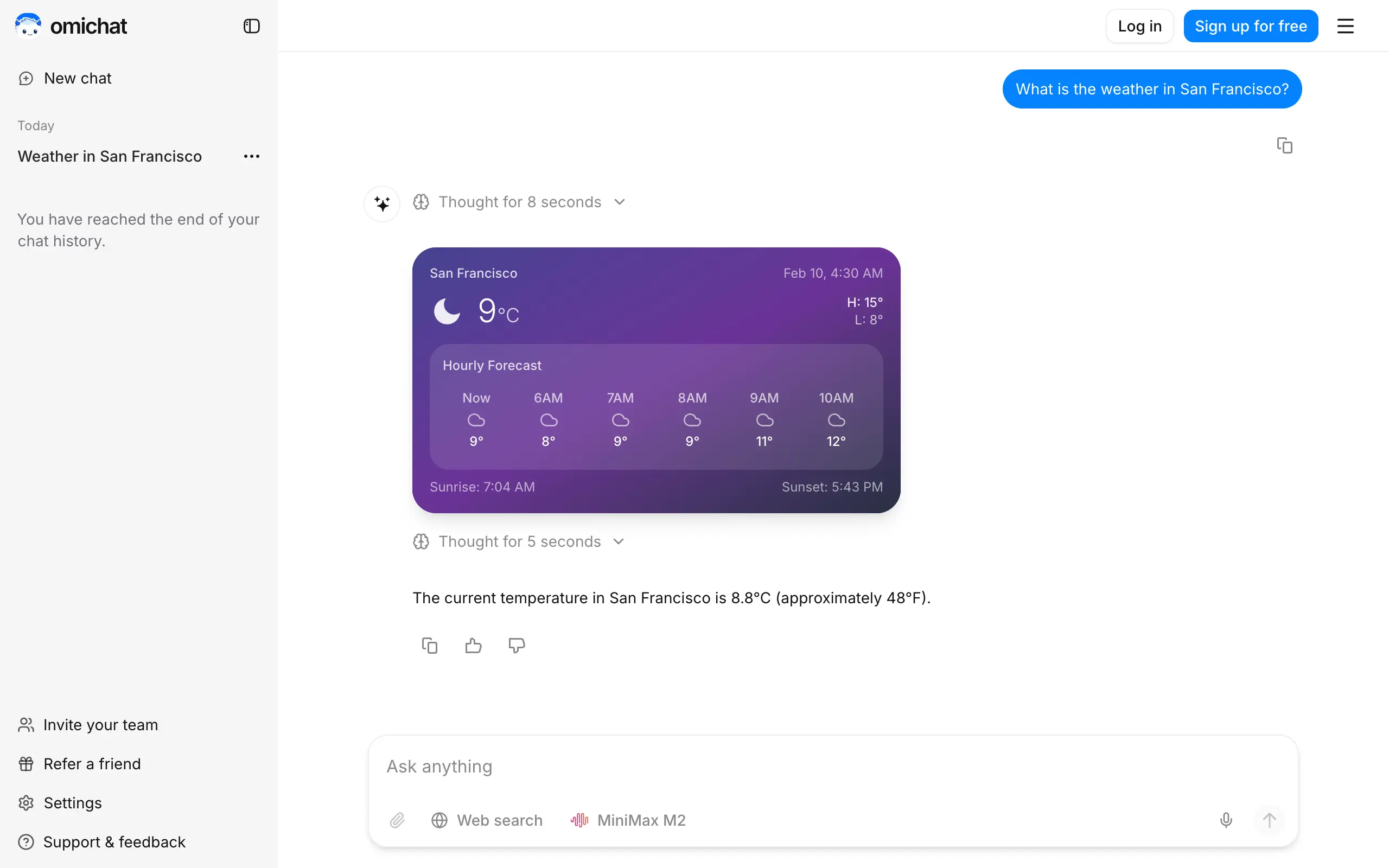
Omichat
Chat with 50+ AI models, including ChatGPT and Claude, in one place - switch models anytime without losing context 🤖
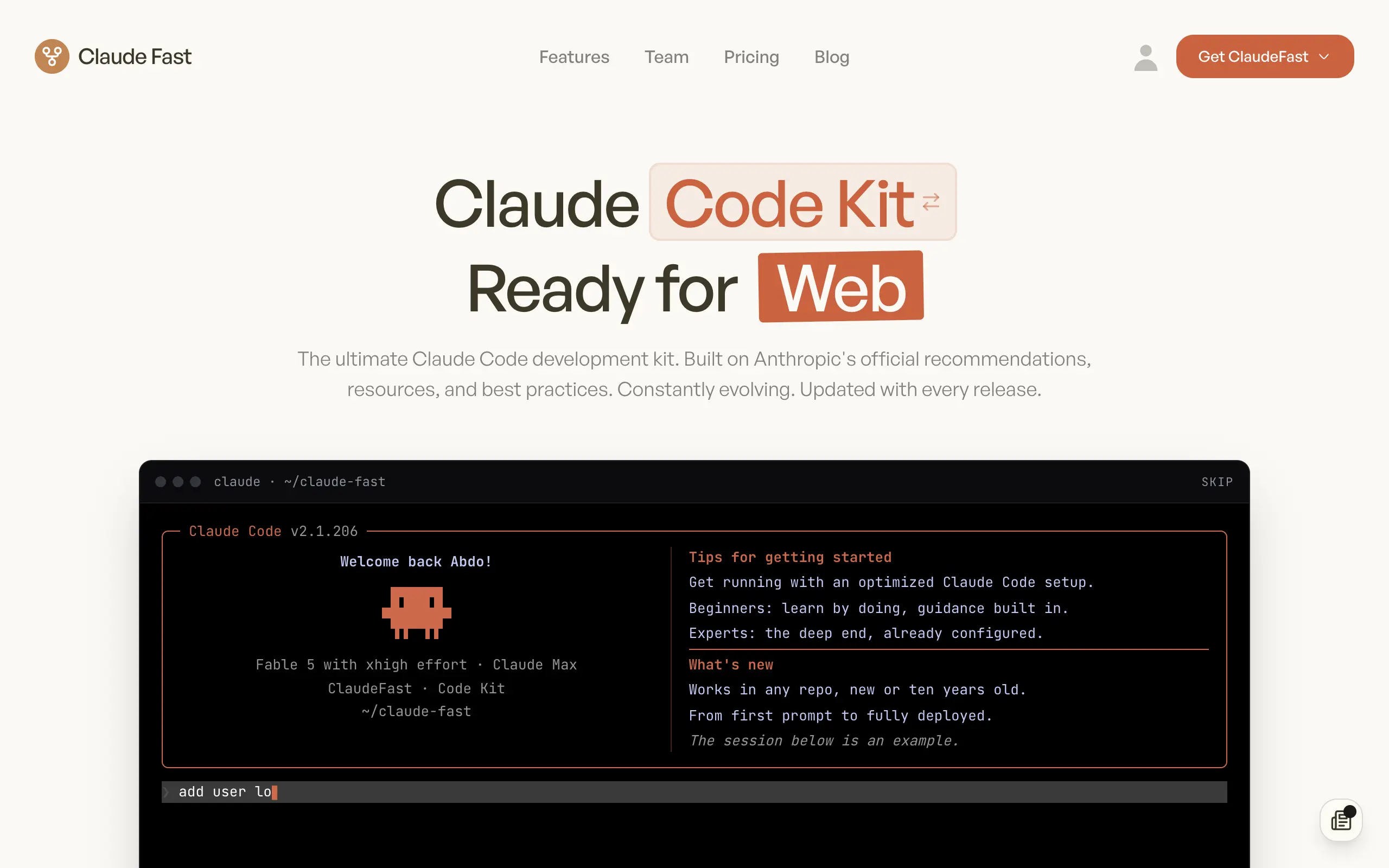
Claude Fast
Supercharge your Claude Code with 6x effective context window and specialized AI agents 🤖
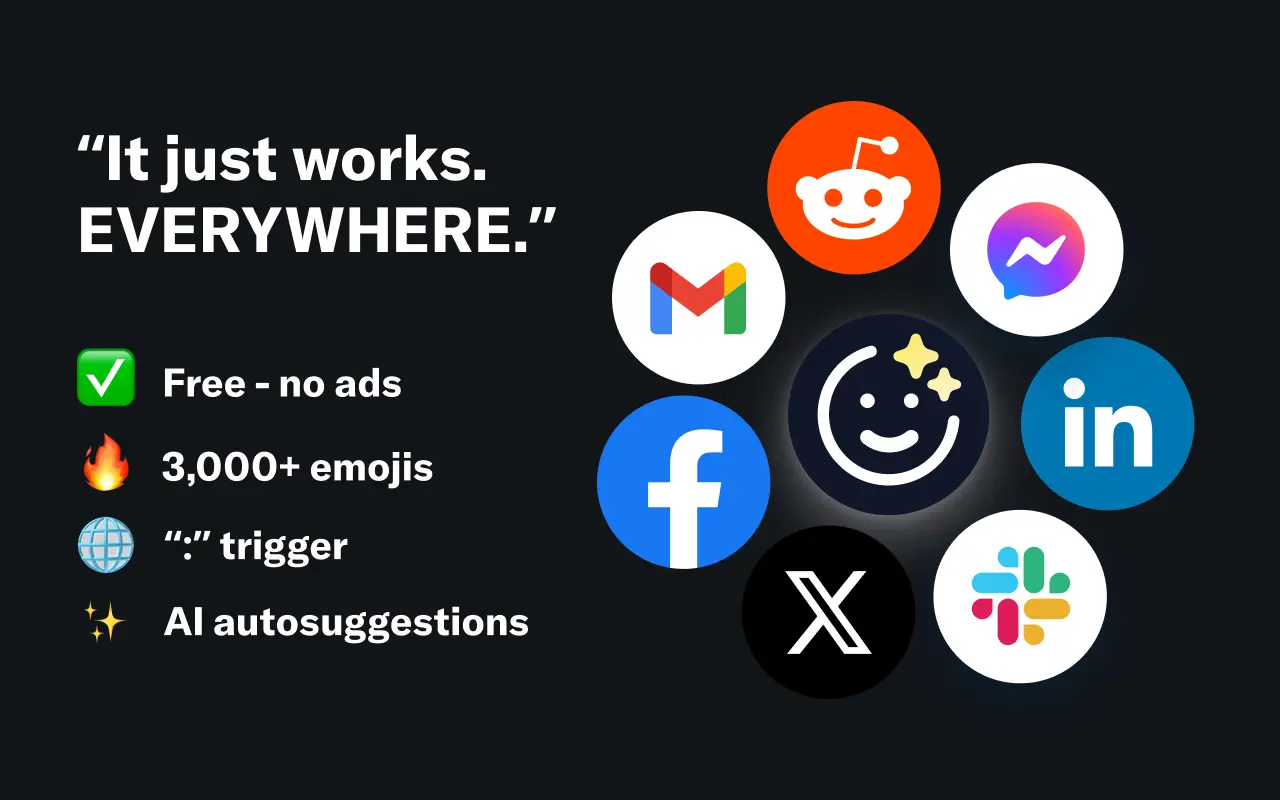
EmojAI
AI-powered emoji picker with smart, context-aware suggestions 🤖

Solohacker
Autonomous company launcher - AI agents work 24/7, escalate what matters, and you stay in control 🤖
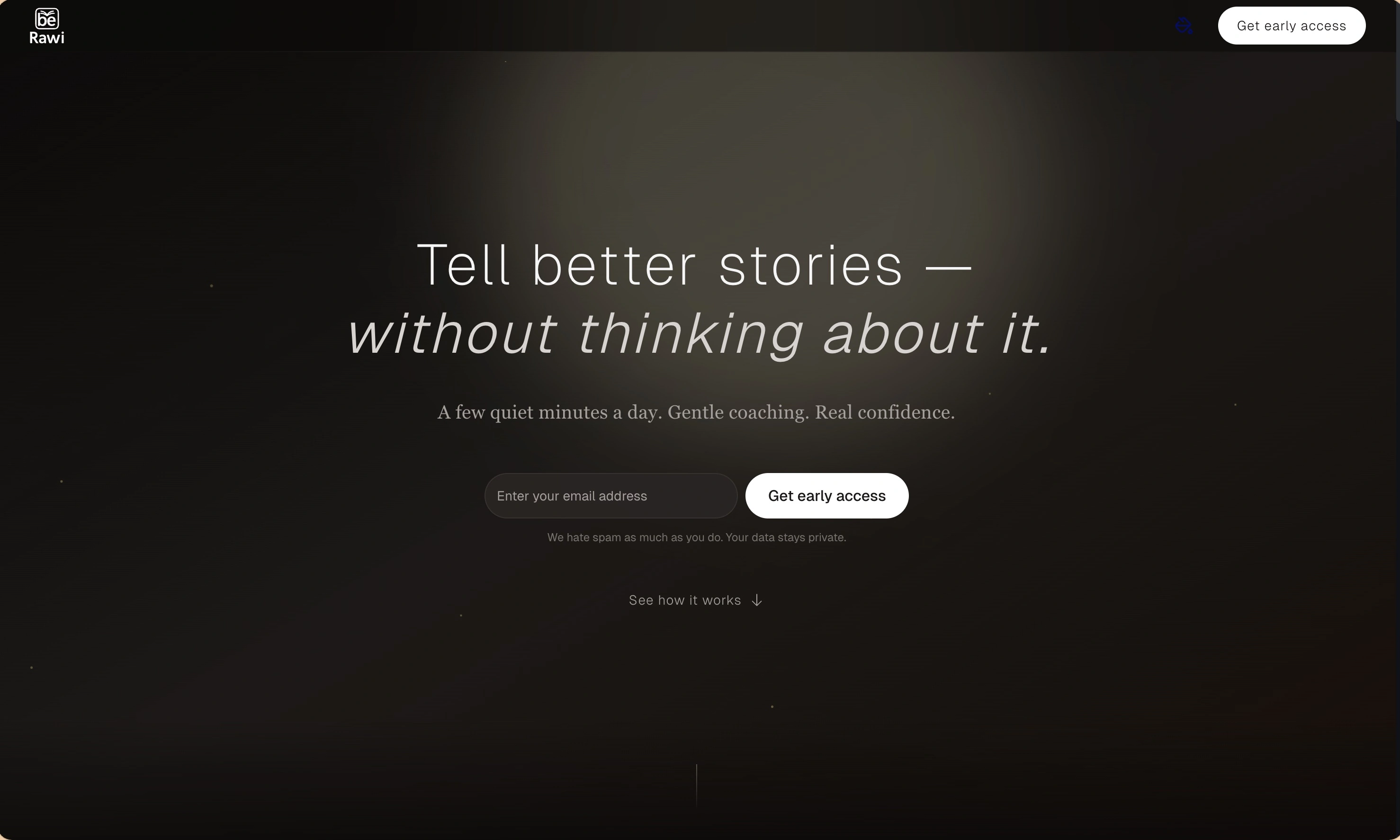
BeRawi: Storytelling Coach
Practice storytelling daily with instant feedback to sound clearer, more engaging, and confident 🎤
Omichat
Chat with 50+ AI models, including ChatGPT and Claude, in one place - switch models anytime without losing context 🤖
Claude Fast
Supercharge your Claude Code with 6x effective context window and specialized AI agents 🤖
EmojAI
AI-powered emoji picker with smart, context-aware suggestions 🤖
Solohacker
Autonomous company launcher - AI agents work 24/7, escalate what matters, and you stay in control 🤖
BeRawi: Storytelling Coach
Practice storytelling daily with instant feedback to sound clearer, more engaging, and confident 🎤
Omichat
Chat with 50+ AI models, including ChatGPT and Claude, in one place - switch models anytime without losing context 🤖
Claude Fast
Supercharge your Claude Code with 6x effective context window and specialized AI agents 🤖
EmojAI
AI-powered emoji picker with smart, context-aware suggestions 🤖
Solohacker
Autonomous company launcher - AI agents work 24/7, escalate what matters, and you stay in control 🤖
BeRawi: Storytelling Coach
Practice storytelling daily with instant feedback to sound clearer, more engaging, and confident 🎤
Omichat
Chat with 50+ AI models, including ChatGPT and Claude, in one place - switch models anytime without losing context 🤖
Claude Fast
Supercharge your Claude Code with 6x effective context window and specialized AI agents 🤖
EmojAI
AI-powered emoji picker with smart, context-aware suggestions 🤖
Solohacker
Autonomous company launcher - AI agents work 24/7, escalate what matters, and you stay in control 🤖
BeRawi: Storytelling Coach
Practice storytelling daily with instant feedback to sound clearer, more engaging, and confident 🎤

Connect with like-minded people
Join our community to get feedback, support, and grow together with 1,000+ builders on board, let's ship it!
Join usShip your startup everywhere. In minutes.
Don't burn tokens on setup and start building features on day one.