Canon Compass
Track anime and games in one spoiler-safe library, with recommendations that respect your exact progress. Premium adds smart lists and release alerts.
What is Canon Compass?
Canon Compass is a concept for a spoiler-safe anime and game tracker: one library where people can track what they watch and play, record exactly how far they have progressed, and receive recommendations that do not reveal events they have not reached. A premium plan could add smart lists and release alerts.
The product addresses a familiar problem for people whose entertainment habits span multiple formats. Anime may be tracked in one service, games in another, and upcoming releases in a calendar or notes app. Even when someone has a reliable tracker, recommendations and community features can expose details about a story they have not finished.
The opportunity is not simply to combine two lists. Canon Compass would need to connect a person’s progress to the rest of the experience: recommendations, updates, shared activity, and notifications. The defining product promise should be:
Know what to watch or play next without losing track of where you are or seeing what happens later.
That positioning makes Canon Compass a spoiler-free anime and game tracker, rather than a generic entertainment catalog.
Who is the target audience for Canon Compass?
The strongest early audience is not every person who watches anime or plays games. It is people who already manage a substantial backlog, care about stories, and have experienced the friction of tracking progress across separate tools.
Primary audience segments
Anime and gaming enthusiasts are the natural first segment. They move between seasonal shows, long-running series, and games that may take weeks or months to finish. A single, dependable profile could help them understand what is active, paused, completed, or waiting for a release.
People with large backlogs need more than a basic “watched” or “played” checkbox. They want to sort a queue, remember why a title interested them, distinguish a game they own from one they want, and resume a series without searching through old notes.
Spoiler-sensitive fans may avoid comment sections, recommendation feeds, or social posts because they cannot tell whether a detail is safe. For this group, progress-aware controls are not a cosmetic feature. They are part of the product’s core trust promise.
Social organizers and friend groups want to share recommendations or compare progress without accidentally revealing plot details. They may use the service to plan what to watch together or to see whether a friend has finished a game before discussing it.
Collectors and completionists care about structure: platform, edition, play status, episode count, season, release date, or personal rating. They may also want to find unfinished games or anime they dropped and decide whether to return.
Secondary audiences to consider later
Once the core experience works, Canon Compass could serve content creators, fan communities, and households that share entertainment recommendations. These groups may value curated lists, collaborative queues, or public profiles.
They should not dictate the first version, however. Building community publishing or advanced creator analytics before progress tracking is reliable would increase complexity without proving the central value proposition.
Jobs the product should help users complete
A practical way to define the audience is to focus on the jobs users need to do:
- Remember what they have watched or played and where they stopped.
- Decide what to start next based on mood, time, genre, and current progress.
- Avoid unwanted spoilers in recommendations and social activity.
- Organize a mixed backlog without maintaining several separate systems.
- Share opinions and suggestions with friends at a safe level of detail.
These jobs offer a more useful product foundation than a feature checklist. Each proposed feature should make one of them easier.
The market opportunity and product gap
Anime and games are both media with extensive catalogs, ongoing releases, and strong fan communities. That creates a clear need for discovery and tracking. It does not automatically prove that users want another tracker, though. The product must demonstrate why a combined, progress-aware experience is meaningfully better than the tools people already use.
Fragmented tracking creates avoidable effort
People often track media in separate services, spreadsheets, notes, platform libraries, or memory. Separate tools can be excellent at their individual jobs, but switching between them makes it harder to maintain one view of a personal backlog.
The gap Canon Compass can test is whether users value the combination of:
- Anime and game tracking in one account.
- Progress detail that goes beyond a simple completed or incomplete status.
- Recommendations filtered according to that progress.
- Notifications designed to avoid revealing unconsumed story information.
The combination matters. A unified catalog without meaningful spoiler controls is not enough. A spoiler-safe feed with incomplete progress data may also fail. Canon Compass must make the connection between status and content visible, understandable, and dependable.
Spoiler safety can be a differentiator
Many entertainment products treat a spoiler warning as a label attached to a post. Canon Compass can take a more proactive approach by using a user’s progress to decide what information appears.
For example, a recommendation might show a title, broad genre, and spoiler-safe premise while withholding later plot details. A discussion post could be hidden until the user reaches a chosen episode or chapter. A notification could name a series without including a revealing event in its preview.
This approach creates a stronger promise than “use the spoiler tag.” It also introduces a high bar: one careless notification or feed item can undermine trust. Spoiler safety should therefore be implemented as a product system, not just a content label.
The combined catalog needs a focused start
A catalog covering every anime, game, edition, season, and regional release can become costly and confusing. Start with a useful subset and expand based on actual user demand.
For a first release, the team could prioritize:
- Popular and currently airing anime.
- Widely played console and PC games.
- Essential metadata for title pages and user lists.
- Search that works even when users do not know exact titles.
- A clear way to report incorrect or missing catalog entries.
A narrow but dependable catalog can create a better first impression than a broad catalog with mismatched titles, duplicate entries, or stale release information.
Validate demand instead of assuming it
Before investing in a large content database or complex recommendation engine, test the problem directly. Interview people who already track anime or games and ask them to show how they manage their lists. Ask what they do when they pause a series, return to a game, or want to recommend something without spoiling it.
Useful validation questions include:
- Which tools do you use today, and what information do you keep outside them?
- When was the last time you lost track of your progress?
- Have you avoided a recommendation or discussion because of spoiler risk?
- Would one combined library change your routine, or would you prefer separate trackers?
- Which data would you need before trusting a recommendation?
- What would make you pay for smart lists or release alerts?
Look for repeated behavior, not just positive reactions. A user who already maintains multiple lists or actively avoids spoiler-heavy feeds is more informative than someone who says the idea sounds interesting but has no current tracking habit.
For market-size claims, use a documented method and cite the source, date, geography, and definition of the audience. Avoid combining unrelated estimates for anime viewership and game revenue into a single total addressable market. A bottom-up estimate based on reachable communities, conversion assumptions, and an explicitly defined subscription price is more useful for an early product plan.
Core features for an anime and game tracker
The MVP should prove that a person can build a library, track exact progress, and safely discover what to do next. Features that do not support that journey can wait.
1. One library for anime and games
Users should be able to find, save, and categorize titles across both media types. The product can present a unified library while preserving the fields that are specific to each format.
For anime, useful fields may include season, episode, watch status, and release state. For games, useful fields may include platform, play status, ownership, and completion status. The interface should not force games into an episode-shaped model or anime into a generic task list.
Recommended status options include:
- Want to watch or play.
- Currently watching or playing.
- Paused.
- Completed.
- Dropped.
- On hold for a future release.
Users should be able to customize or hide statuses they do not use. Clear defaults make onboarding easier, while lightweight customization helps the library fit different habits.
2. Granular, easy-to-update progress
The central data point is not only whether a user has watched or played a title. It is how far they have progressed.
For anime, progress may be tracked by episode or season. For games, the MVP can start with broad statuses, with optional milestones or chapters added only where reliable data is available. Game progress is especially difficult to standardize because playthroughs differ, optional content is common, and some titles do not have a meaningful linear endpoint.
Progress updates should be fast. If a user has to open a title page, navigate several screens, and select a number every time they finish an episode, they are less likely to keep their library current. Quick controls, keyboard shortcuts on desktop, and clear mobile interactions can reduce this friction.
3. Spoiler controls tied to progress
Canon Compass should define exactly what its spoiler-safe experience covers. Possible controls include:
- Hiding discussion posts beyond a user’s recorded episode.
- Filtering recommendation summaries to a safe level.
- Suppressing story-related activity in notifications.
- Letting users choose a spoiler threshold for each title.
- Providing a clear action to reveal hidden content when the user wants it.
The product must distinguish plot information from general metadata. A release date or genre is usually low risk, while character outcomes, late-game locations, and episode-specific events may be highly revealing. The system may need different spoiler categories and user controls rather than one universal “spoilers on or off” setting.
4. Recommendations users can understand
An early recommendation feature should be explainable. Instead of presenting a mysterious score, show why an item is suggested: similar genres, a shared theme, a preferred platform, or a fit with the user’s current backlog.
Useful filters may include:
- Mood or tone.
- Genre and theme.
- Estimated time commitment, where trustworthy data is available.
- Platform or viewing availability, if the information can be maintained.
- Whether a title is complete, ongoing, or awaiting a release.
- Spoiler-safe similarity to titles the user has finished.
Do not imply that an algorithm understands a user’s taste better than it does. An honest recommendation with a clear reason can build more trust than a confident but poorly matched “perfect pick.”
5. Smart lists for premium users
Smart lists are a natural premium feature if they save real organizational effort. Users might create a list such as “short anime I can finish this week,” “games I own but have not started,” or “ongoing shows with a new episode available.”
A smart list should have understandable rules and update automatically. Users need to see why each title qualifies and edit the criteria without learning a complex query language.
6. Release alerts with careful controls
Release alerts can help users remember a new episode, game launch, or relevant update. They also create operational and trust risks if dates change or the service sends too many messages.
A good release-alert experience should offer:
- Per-title notification preferences.
- Email or in-app delivery choices.
- Quiet hours and digest settings.
- Clear source or confidence information for release dates.
- A quick unsubscribe or snooze action.
- No revealing plot details in message previews.
Treat notification reliability as part of the paid value proposition. An alert that is wrong or intrusive can make users disable all notifications.
7. Import, export, and account control
A tracker becomes more useful when people can bring in existing lists. Importing can be challenging because different services use different identifiers and status labels, but even a basic CSV import can reduce the effort of trying a new product.
Users should also be able to export their library in a readable format. Export access is good user practice and reduces the sense that their tracking history is trapped in a proprietary service.
Prioritizing the MVP
| Capability | MVP priority | Reason |
|---|---|---|
| Searchable anime and game catalog | High | Users need a dependable foundation for their library. |
| Separate media-aware progress fields | High | Progress tracking is central to the product promise. |
| Basic spoiler preferences | High | Safety is a core differentiator, not a later decoration. |
| Explanatory recommendations | Medium | Valuable after the library contains enough useful data. |
| Smart lists | Medium | A strong premium candidate once list behaviors are understood. |
| Release alerts | Medium | Useful, but depends on accurate and maintained release data. |
| Public social feed | Low | Adds moderation and spoiler risk before core value is proven. |
| Advanced analytics | Low | Can wait until users demonstrate a need for deeper insights. |
Recommended technology stack
The best stack depends on the team’s strengths, expected scale, and data requirements. For an early SaaS product, prioritize fast iteration, reliable account and library data, and a clear path to adding mobile clients.
Web application
A practical web stack could use React with a framework the team already knows well. React’s component model suits interactive library views, filters, progress controls, and responsive title pages.
For styling, Tailwind CSS can help a small team establish consistent layouts and iterate quickly. The trade-off is that utility-heavy markup can become difficult to maintain without shared design tokens and reusable components. A small design system should define spacing, typography, color, and interaction states early.
If the team wants an accelerated starting point for a SaaS product, TurboStarter can help provide a foundation rather than requiring every common application layer to be assembled from scratch. Evaluate any starter against the product’s authentication, billing, deployment, and customization requirements before committing.
Backend and data model
A relational database such as PostgreSQL is a strong fit for users, titles, status records, progress, lists, notification preferences, and subscriptions. These relationships are structured and need dependable querying.
A simplified model might include:
Userfor account and preference data.CatalogItemfor shared metadata.AnimeMetadataandGameMetadatafor media-specific fields.UserLibraryItemfor a user’s status and progress.ListandListItemfor manual and smart lists.NotificationPreferencefor alert settings.CatalogSourcefor provenance and update timestamps.
Keeping catalog metadata separate from personal progress prevents one person’s status from affecting another person’s library. It also makes it easier to update shared title information without overwriting user-specific notes.
Catalog ingestion and data provenance
Catalog data is a strategic dependency. Before integrating a data source, verify its licensing, permitted use, rate limits, attribution requirements, update schedule, and rules for caching or redistribution. Do not assume that public availability means commercial reuse is allowed.
Store where important catalog fields came from and when they were last checked. Release dates, title names, and episode counts may vary by region or change over time. A provenance-aware system makes errors easier to investigate and helps users understand uncertainty.
Where no approved source provides reliable information, consider a controlled correction flow rather than silently accepting unverified user edits. Keep moderation and data-quality work proportional to the size of the catalog.
Search and recommendations
Start with database search and carefully designed filters. Add a dedicated search service only when measured performance, typo tolerance, or catalog scale justifies the operational cost.
For recommendations, a transparent rules-based system can be enough for an MVP. It might combine user-selected genres, completed titles, ratings, and content preferences. Later, the team can evaluate collaborative signals or machine-learning approaches if there is sufficient consented data and a clear improvement to measure.
Avoid treating a recommendation model as a substitute for good metadata. Incomplete or inconsistent catalog records will weaken even sophisticated models.
Notifications and billing
Use a queue or scheduled job system for release alerts and email delivery. This helps prevent slow external services from blocking user-facing requests and makes retries easier to manage.
Subscription billing should be handled by an established payment provider rather than custom card storage. The product team should design plan changes, cancellations, failed-payment handling, and entitlement checks before launch. Payment processing does not remove the need to communicate renewal terms clearly or follow applicable tax and consumer-protection rules.
Monetization strategy for Canon Compass
Canon Compass has a plausible freemium model because its basic value—tracking a personal library—should be easy to try, while advanced organization and convenience can support paid plans.
Free plan
The free tier should be genuinely useful. It can include:
- A personal anime and game library.
- Basic progress tracking.
- A limited number of manual lists, if limits are needed.
- Essential spoiler controls.
- Basic recommendations.
- Account export or a clear path to request data portability.
Do not put basic spoiler safety behind a paywall if spoiler prevention is the product’s defining trust promise. A free user should still receive the core protection described in the product’s positioning.
Premium plan
Premium can add features that save time or support more advanced organization:
- Smart lists with automatic rules.
- Custom release alerts and delivery schedules.
- Additional list customization.
- Advanced search and filters.
- Optional library insights.
- More notification controls.
The test for each premium feature is whether it improves a repeated user workflow. Avoid charging for decorative features that do not provide a clear benefit.
Pricing and packaging
Test pricing with real offers rather than relying only on survey answers. A landing-page experiment, a small paid beta, or interviews that include an actual purchase decision can reveal whether users will pay for convenience.
Keep the plan simple at first. One free tier and one premium tier are easier to explain than a complicated ladder with overlapping limits. Decide whether billing should be monthly, annual, or both after learning how often the product delivers ongoing value.
Additional revenue options
Affiliate links or sponsorships may be possible for relevant products or services, but they can affect user trust. Clearly label commercial placements, keep them separate from organic recommendations, and do not let payment influence a recommendation presented as personalized editorial guidance.
Advertising is another possible revenue source, but it may conflict with a calm, spoiler-safe experience. It can also create pressure to maximize engagement rather than help users make confident choices. A subscription-first model may better align incentives if users show willingness to pay.
Competitive advantage and positioning
Canon Compass would enter a space where users can already find anime databases, game libraries, social services, platform-native tracking, and general list-making tools. Its advantage cannot be “we track media too.” It needs to deliver a distinct experience across a combination of needs.
The strongest potential differentiators
Cross-media continuity gives users one place to manage anime and games without pretending the two formats have identical progress models.
Progress-aware discovery makes recommendations safer by considering what someone has already watched or played.
Spoiler-conscious communication can extend beyond title pages to feeds, alerts, and shared activity.
A practical backlog workflow helps users act on their library, not just store it.
Together, these ideas create a credible USP: a shared anime and game library where progress shapes what users see next.
A competitive positioning comparison
| Product approach | Unified anime and game library | Granular progress | Progress-aware spoiler controls | Smart list potential | Main trade-off |
|---|---|---|---|---|---|
| Single-media tracker | ❌ | ✅ | Varies | ✅ | Strong within one medium but fragmented across formats. |
| Game platform library | ❌ | Varies | ❌ | Varies | Convenient for owned games, but may not cover a user’s full entertainment life. |
| General spreadsheet or notes | ✅ | ✅ | Manual | Manual | Flexible, but requires maintenance and offers little automation. |
| Social recommendation feed | Varies | Varies | Varies | Varies | Good for discovery, but may expose users to unfiltered discussion. |
| Canon Compass concept | ✅ | ✅ | ✅ | ✅ | Must earn trust through catalog quality and reliable safety controls. |
This comparison is directional, not a claim that every product in a category behaves the same way. A proper competitive review should test current products directly, document their features, and revisit the analysis regularly.
Defensibility comes from execution and trust
A combined catalog alone is easy to imitate. The harder-to-copy advantage could come from the quality of the progress model, the reliability of spoiler controls, and the habits users build around their library.
That advantage grows only if Canon Compass handles data carefully, supports corrections, and remains useful when users have inconsistent or incomplete tracking histories. User trust is not a marketing slogan; it is the outcome of many small, dependable product decisions.
Risks and how to mitigate them
Spoiler leakage
A single leak can damage the central promise. Spoilers may appear in recommendation summaries, search snippets, user-generated lists, notification previews, or imported text.
Mitigation: Define spoiler policies by content type and location. Use safe defaults, test notifications and previews, and let users report a leak quickly. For user-generated content, provide clear spoiler controls and avoid displaying hidden text in previews.
Catalog errors and missing titles
Incorrect release dates, duplicate titles, missing episodes, or inconsistent platform information can reduce confidence in recommendations and alerts.
Mitigation: Track data sources and update dates, provide a correction process, and distinguish confirmed details from uncertain ones. Build data-quality checks before expanding to additional regions or obscure catalog entries.
Difficult progress modeling
Anime progress can often map to episodes, but game progress varies widely. Some games are open-ended, episodic, multiplayer, or replayed with different goals.
Mitigation: Use media-specific fields and flexible statuses. Do not claim to know a user’s exact game completion percentage unless a reliable source supports it. Let users track progress at the level that makes sense to them.
Licensing and dependency risk
External catalog services can change terms, impose limits, or discontinue access. Relying on one source without a contingency plan can threaten core functionality.
Mitigation: Review terms before integrating data, keep a provider abstraction in the system design, and maintain provenance for imported information. Plan how the service will respond if a source becomes unavailable.
Moderation and community safety
A social layer can increase engagement but also creates work involving harassment, unsafe links, spam, and spoiler violations.
Mitigation: Delay public community features until the team can support reporting, moderation policies, and appropriate account actions. Start with private sharing or controlled lists if they can be supported with lower risk.
Notification fatigue
Release alerts may become intrusive, especially when users follow many ongoing series or receive inaccurate date changes.
Mitigation: Make alerts opt-in and configurable. Offer digests, quiet hours, per-title settings, and quick snoozing. Measure opt-outs and complaint rates, not just the number of notifications sent.
Low willingness to pay
Users may like the concept but expect basic tracking to be free. Premium adoption is not guaranteed.
Mitigation: Keep core tracking useful, then test paid features with a small cohort. Measure conversion, retention, cancellations, and feature usage. Do not interpret sign-ups alone as proof of product-market fit.
Metrics to measure before and after launch
Choose metrics that reflect successful user outcomes, not just activity volume.
Useful early measures include:
- Activation: the share of new users who add a first title and record progress.
- Time to value: how long it takes a new user to build a useful library.
- Tracking retention: whether people continue updating progress after the first week or month.
- Recommendation usefulness: saves, starts, or positive feedback on suggested titles.
- Spoiler-safety incidents: reports, confirmed leaks, and notification-related complaints.
- Alert quality: opt-in rate, open rate, snooze behavior, and unsubscribe rate.
- Premium conversion: paid adoption alongside cancellation and renewal behavior.
- Catalog quality: missing-title reports, correction time, and stale-data rates.
Define each metric precisely. For example, “active user” should mean more than opening the app if the product’s value depends on updating or using a library.
Actionable implementation steps
Interview users and map current workflows
Recruit anime and game fans who already track their progress. Ask them to demonstrate their current tools and describe recent cases of lost progress, backlog overload, or spoiler avoidance. Record recurring problems and separate observed behavior from hypothetical interest.
Test the product promise with a focused prototype
Create a clickable prototype showing a combined library, progress update, safe recommendation, and release-alert setting. Test whether users understand what is hidden and why. Validate that the product feels unified without flattening the differences between anime and games.
Define the data model and catalog boundaries
Choose the fields required for the MVP and document where catalog data will come from. Review usage terms before integrating any third-party source. Decide how users can report errors and how the team will handle missing or uncertain information.
Build the smallest trustworthy product
Implement sign-up, search, a personal library, media-specific progress, spoiler preferences, and a responsive experience. Add export capability early enough that data portability is part of the product architecture rather than an afterthought.
Run a closed beta and measure behavior
Invite a small group of users who match the target audience. Observe whether they add titles, return to update progress, trust recommendations, and enable alerts. Ask for reports of spoiler concerns and catalog errors, then fix reliability issues before adding more features.
Introduce premium features gradually
Test smart lists and release alerts with users who have demonstrated ongoing use. Compare paid conversion and retention with the operational cost of maintaining accurate data and notifications. Keep the free experience aligned with the core spoiler-safe promise.
Expand only where user evidence supports it
Use beta feedback and retention data to decide whether to add social sharing, more platforms, deeper game milestones, or advanced recommendation systems. Expand the catalog and feature set in response to demonstrated demand, not because a competitor has a long checklist.
Final assessment
Canon Compass has a clear product opportunity: bring anime and game tracking together while making progress useful for safer discovery. Its strongest differentiation is not the number of titles in its catalog or the complexity of its algorithm. It is the connection between what a person has consumed, what they want to consume next, and what information they are ready to see.
The concept is promising if users currently manage separate trackers and actively avoid spoiler-heavy recommendations. The main challenges are catalog quality, licensing, flexible game-progress tracking, and the need to make spoiler protection dependable across every part of the product.
The best next step is a focused validation cycle: interview existing trackers, prototype progress-aware recommendations, and test a small MVP with a carefully selected catalog. Build trust before breadth. If the first users return because Canon Compass reliably remembers their progress and helps them choose what comes next, the product will have a stronger foundation for premium smart lists and release alerts.
More 👥 B2C Application SaaS ideas
Discover more innovative b2c application SaaS ideas that are trending in 2026. Each idea is AI-generated with market validation and growth potential to help you find your next profitable venture faster than competitors.
Your competitors are building with TurboStarter
Below are some of the SaaS ideas that have been generated and built with our starter kit.
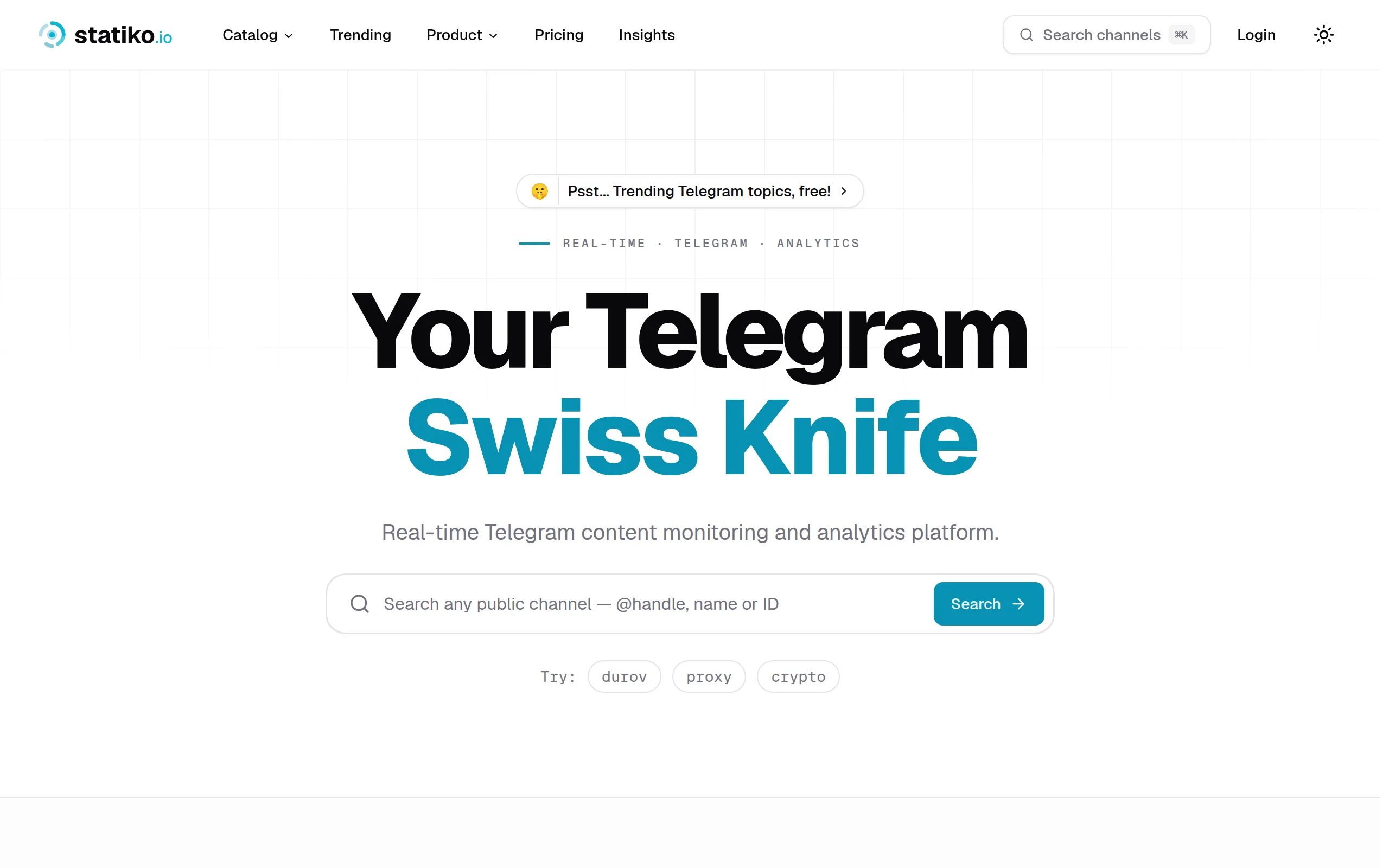
Statiko
Monitor any Telegram channel in real time - track posts, edits, deletions, and growth with AI recaps 📡

Shibui
AI website builder - describe your business, pick a niche template, edit by chatting, and publish instantly ✨

Pro Service
Find verified home service professionals, compare quotes, and pay securely through escrow - built for Brazilians across the US 🏠
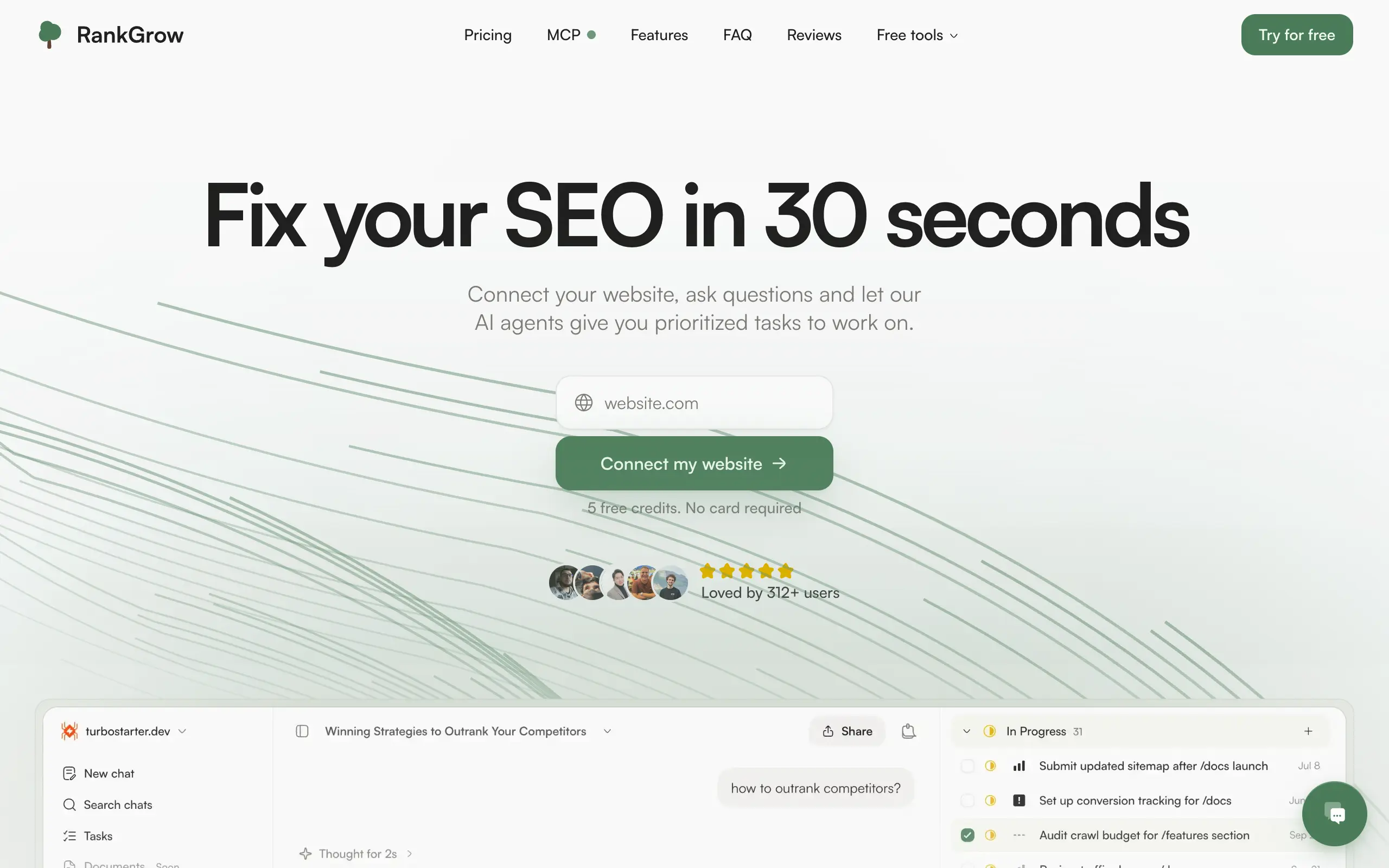
RankGrow
Fix your SEO with AI agents - connect Search Console, get prioritized tasks, and grow organic traffic 📈
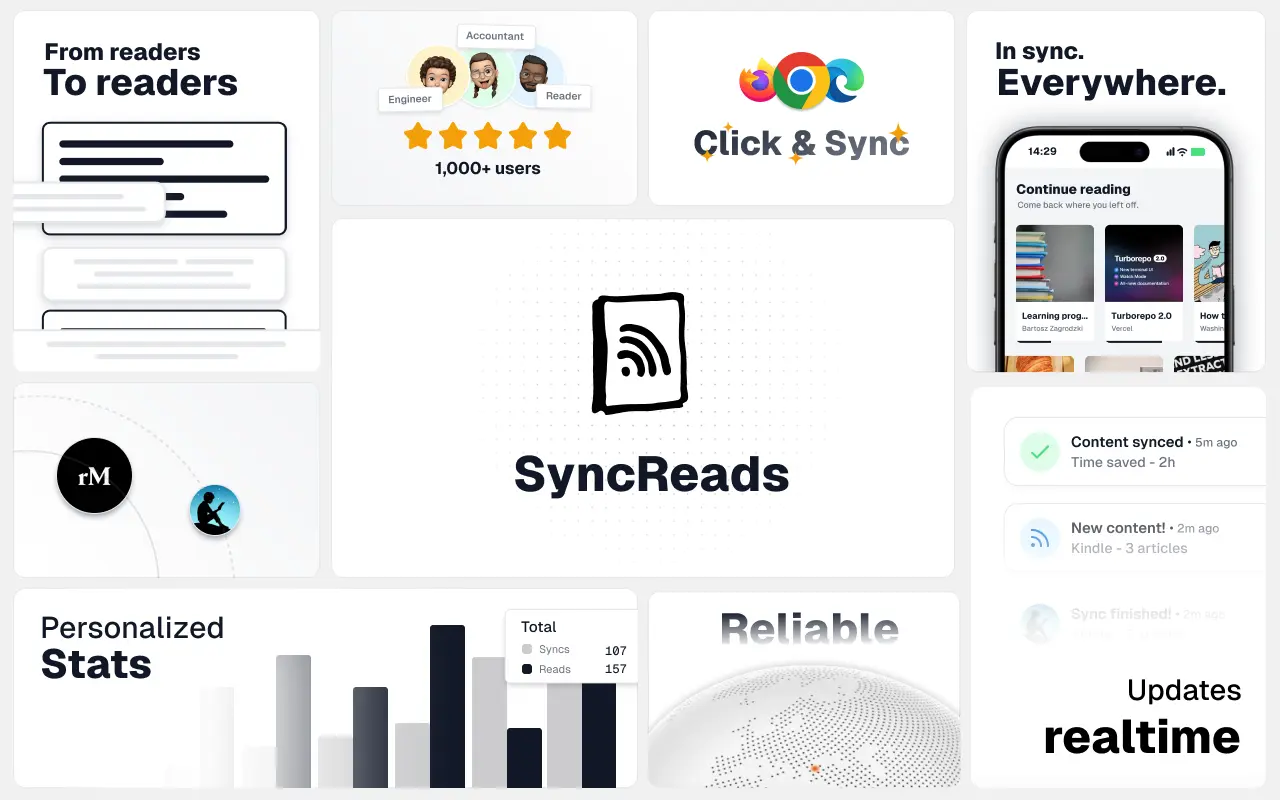
SyncReads
Sync your favorite content for distraction-free reading, save time and replace multiple apps. Anytime, anywhere 🔄
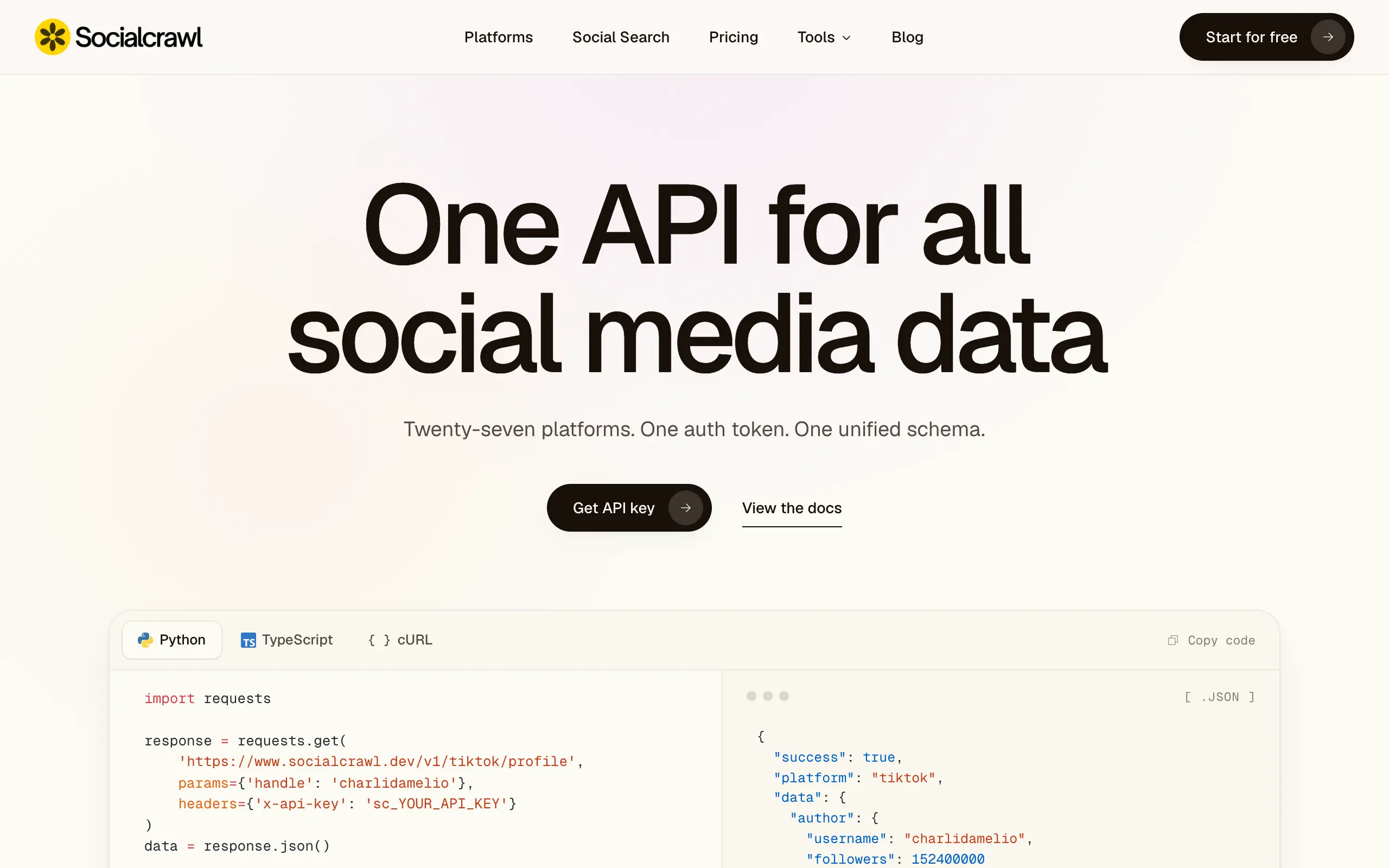
Socialcrawl
Get clean, structured data from 21 platforms like TikTok, Instagram, and YouTube with a single request 📊
Statiko
Monitor any Telegram channel in real time - track posts, edits, deletions, and growth with AI recaps 📡
Shibui
AI website builder - describe your business, pick a niche template, edit by chatting, and publish instantly ✨
Pro Service
Find verified home service professionals, compare quotes, and pay securely through escrow - built for Brazilians across the US 🏠
RankGrow
Fix your SEO with AI agents - connect Search Console, get prioritized tasks, and grow organic traffic 📈
SyncReads
Sync your favorite content for distraction-free reading, save time and replace multiple apps. Anytime, anywhere 🔄
Socialcrawl
Get clean, structured data from 21 platforms like TikTok, Instagram, and YouTube with a single request 📊
Statiko
Monitor any Telegram channel in real time - track posts, edits, deletions, and growth with AI recaps 📡
Shibui
AI website builder - describe your business, pick a niche template, edit by chatting, and publish instantly ✨
Pro Service
Find verified home service professionals, compare quotes, and pay securely through escrow - built for Brazilians across the US 🏠
RankGrow
Fix your SEO with AI agents - connect Search Console, get prioritized tasks, and grow organic traffic 📈
SyncReads
Sync your favorite content for distraction-free reading, save time and replace multiple apps. Anytime, anywhere 🔄
Socialcrawl
Get clean, structured data from 21 platforms like TikTok, Instagram, and YouTube with a single request 📊
Statiko
Monitor any Telegram channel in real time - track posts, edits, deletions, and growth with AI recaps 📡
Shibui
AI website builder - describe your business, pick a niche template, edit by chatting, and publish instantly ✨
Pro Service
Find verified home service professionals, compare quotes, and pay securely through escrow - built for Brazilians across the US 🏠
RankGrow
Fix your SEO with AI agents - connect Search Console, get prioritized tasks, and grow organic traffic 📈
SyncReads
Sync your favorite content for distraction-free reading, save time and replace multiple apps. Anytime, anywhere 🔄
Socialcrawl
Get clean, structured data from 21 platforms like TikTok, Instagram, and YouTube with a single request 📊
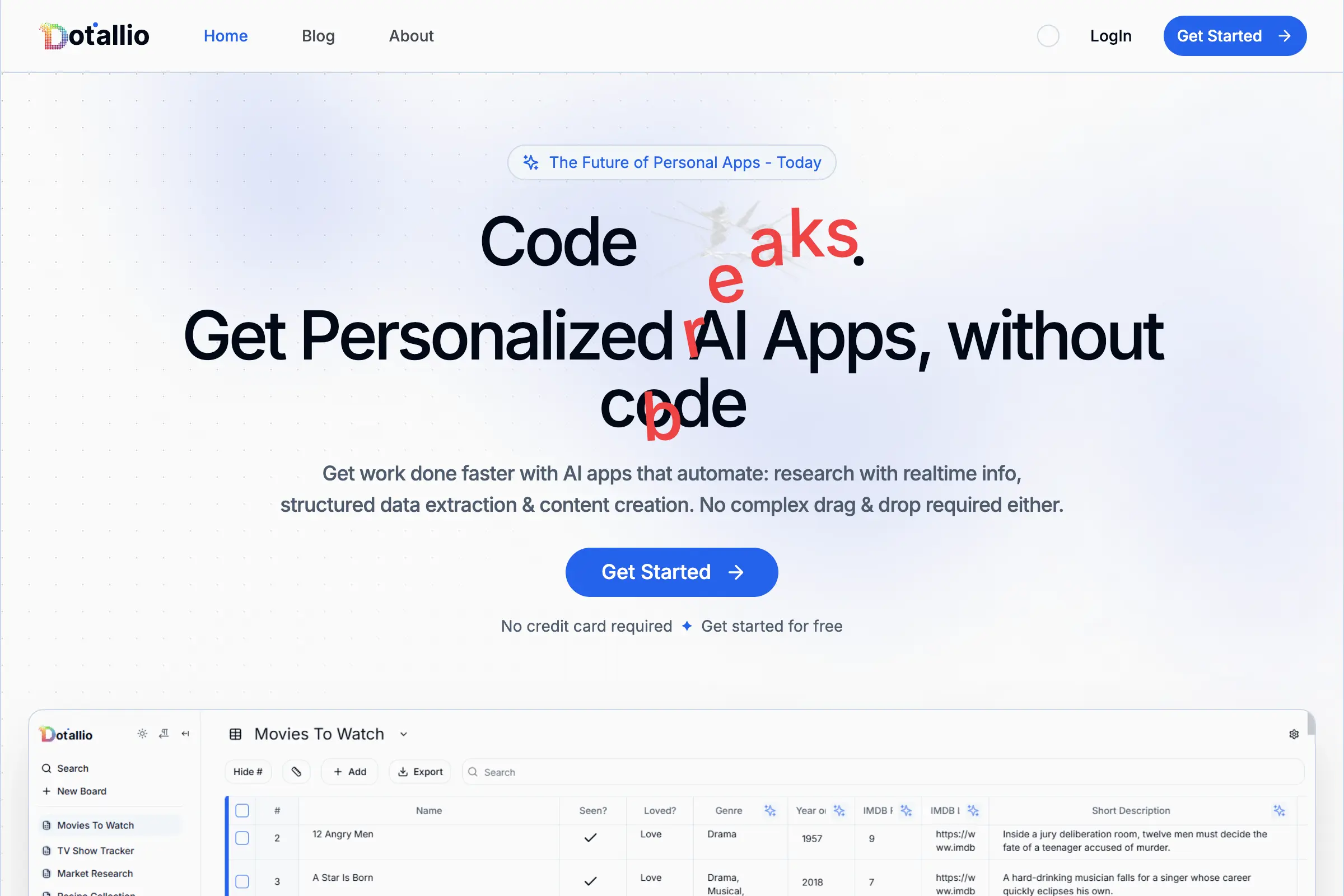
Dotallio
Personalized AI apps that automate research, data extraction, and content creation without code 🤖
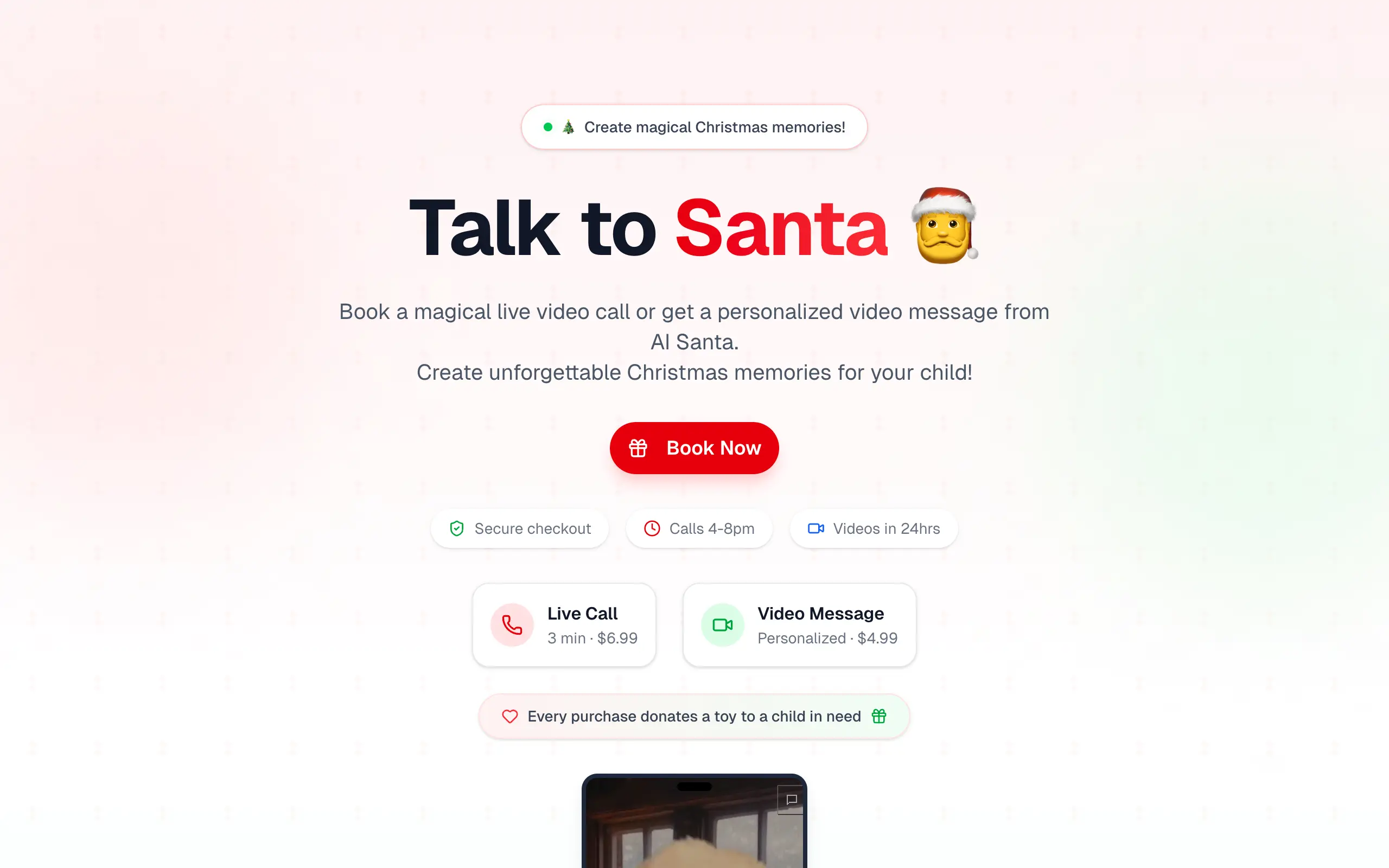
Talk to Santa
Enjoy a magical live video chat or receive a unique AI-generated video greeting from Santa Claus 🎅

pozywka.pl
Scalable blog for food journalist, focused on performance and user experience 🌭
zagrodzki.me
Personal blog and portfolio of Bart Zagrodzki, where he shares his knowledge and work 💼
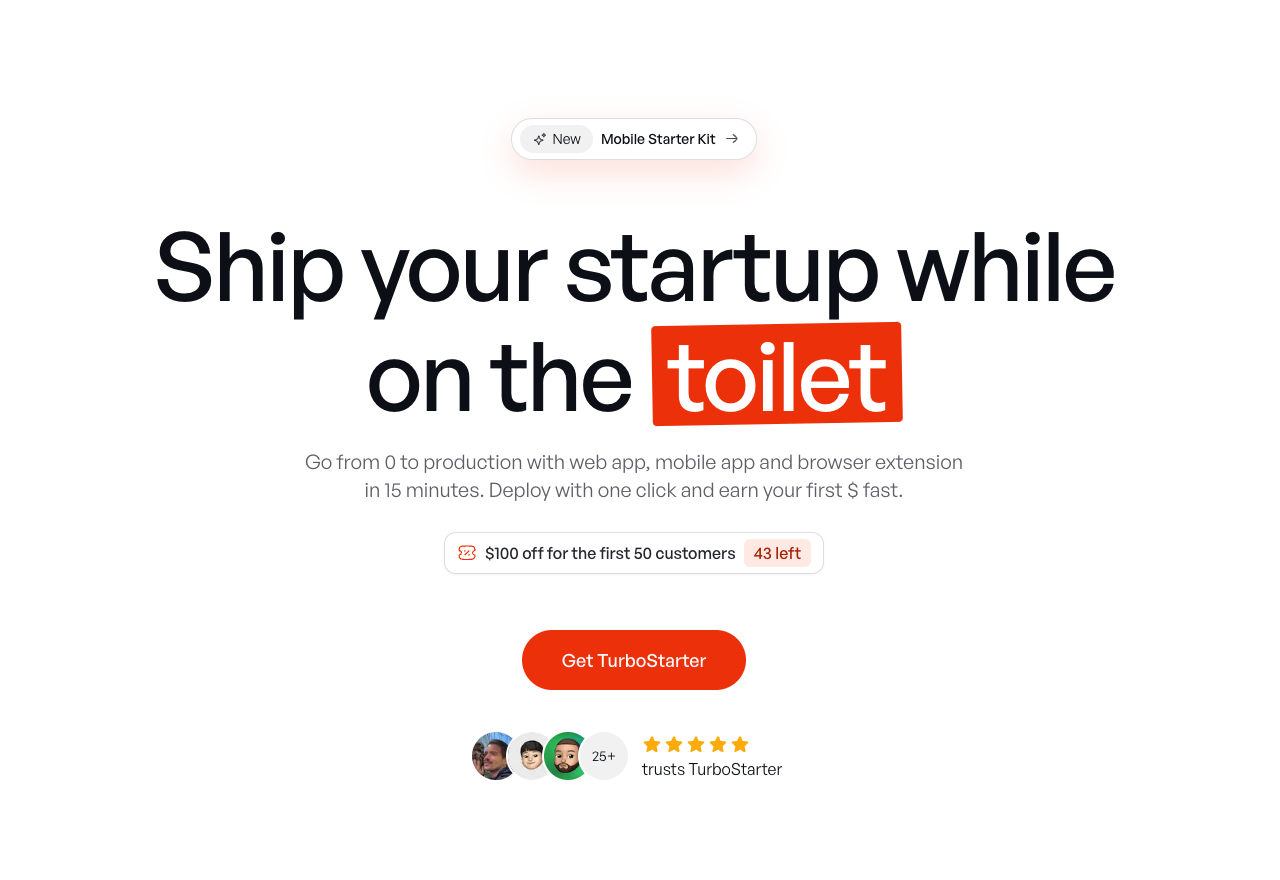
TurboStarter
Ship your startup everywhere. In minutes.
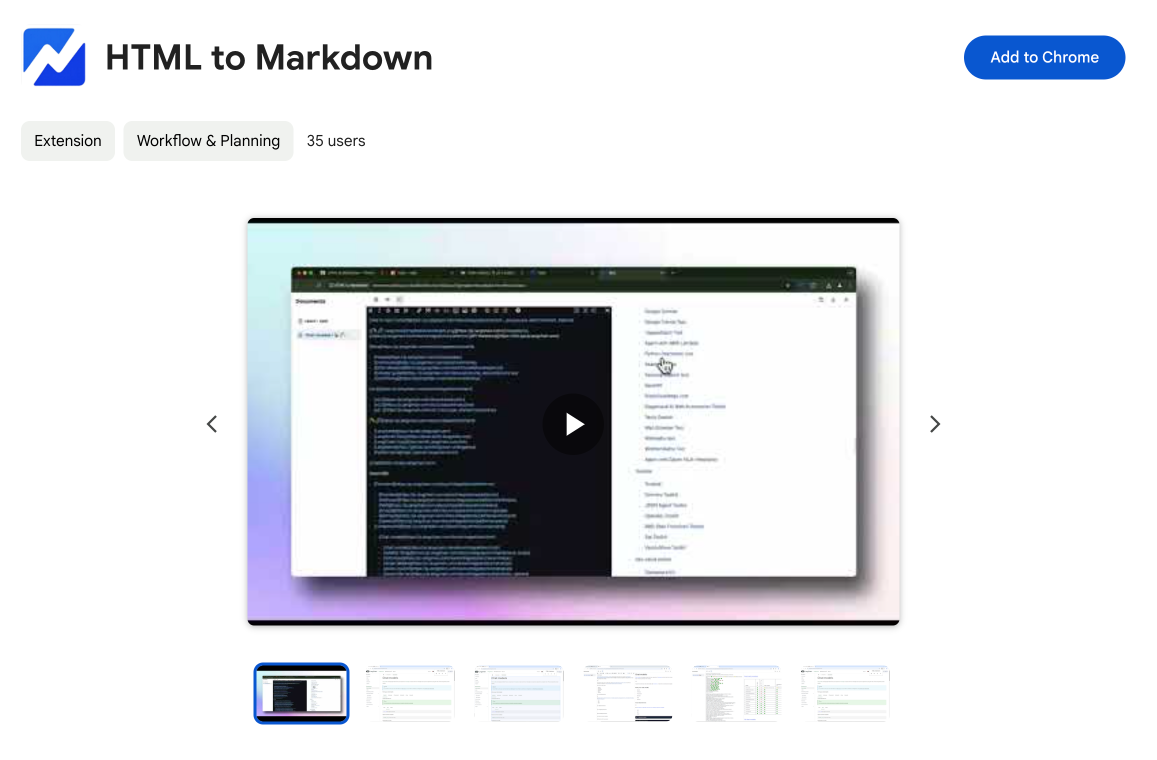
HTML to Markdown
Convert HTML to Markdown with ease, directly in your browser 📄
Dotallio
Personalized AI apps that automate research, data extraction, and content creation without code 🤖
Talk to Santa
Enjoy a magical live video chat or receive a unique AI-generated video greeting from Santa Claus 🎅
pozywka.pl
Scalable blog for food journalist, focused on performance and user experience 🌭
zagrodzki.me
Personal blog and portfolio of Bart Zagrodzki, where he shares his knowledge and work 💼
TurboStarter
Ship your startup everywhere. In minutes.
HTML to Markdown
Convert HTML to Markdown with ease, directly in your browser 📄
Dotallio
Personalized AI apps that automate research, data extraction, and content creation without code 🤖
Talk to Santa
Enjoy a magical live video chat or receive a unique AI-generated video greeting from Santa Claus 🎅
pozywka.pl
Scalable blog for food journalist, focused on performance and user experience 🌭
zagrodzki.me
Personal blog and portfolio of Bart Zagrodzki, where he shares his knowledge and work 💼
TurboStarter
Ship your startup everywhere. In minutes.
HTML to Markdown
Convert HTML to Markdown with ease, directly in your browser 📄
Dotallio
Personalized AI apps that automate research, data extraction, and content creation without code 🤖
Talk to Santa
Enjoy a magical live video chat or receive a unique AI-generated video greeting from Santa Claus 🎅
pozywka.pl
Scalable blog for food journalist, focused on performance and user experience 🌭
zagrodzki.me
Personal blog and portfolio of Bart Zagrodzki, where he shares his knowledge and work 💼
TurboStarter
Ship your startup everywhere. In minutes.
HTML to Markdown
Convert HTML to Markdown with ease, directly in your browser 📄
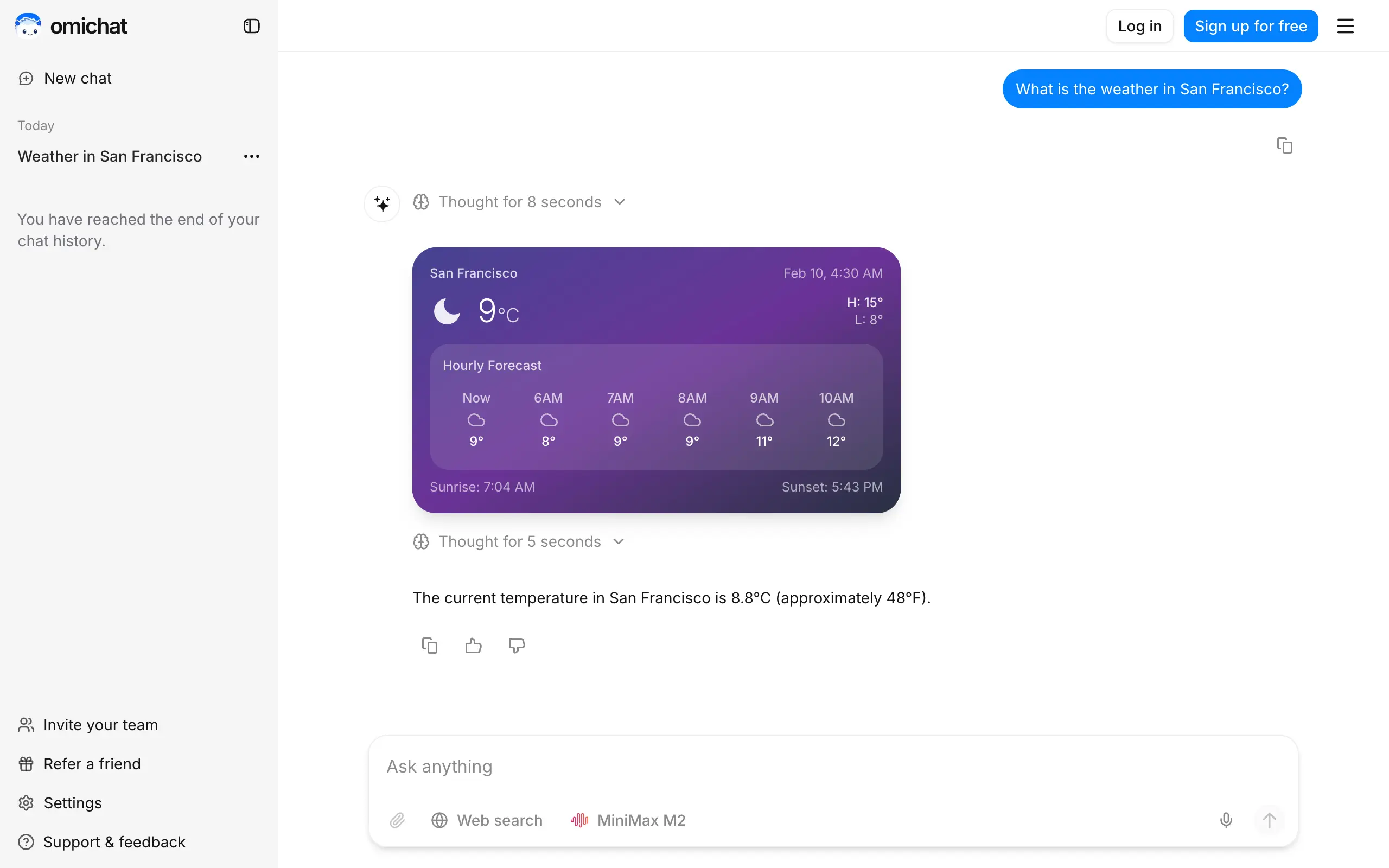
Omichat
Chat with 50+ AI models, including ChatGPT and Claude, in one place - switch models anytime without losing context 🤖
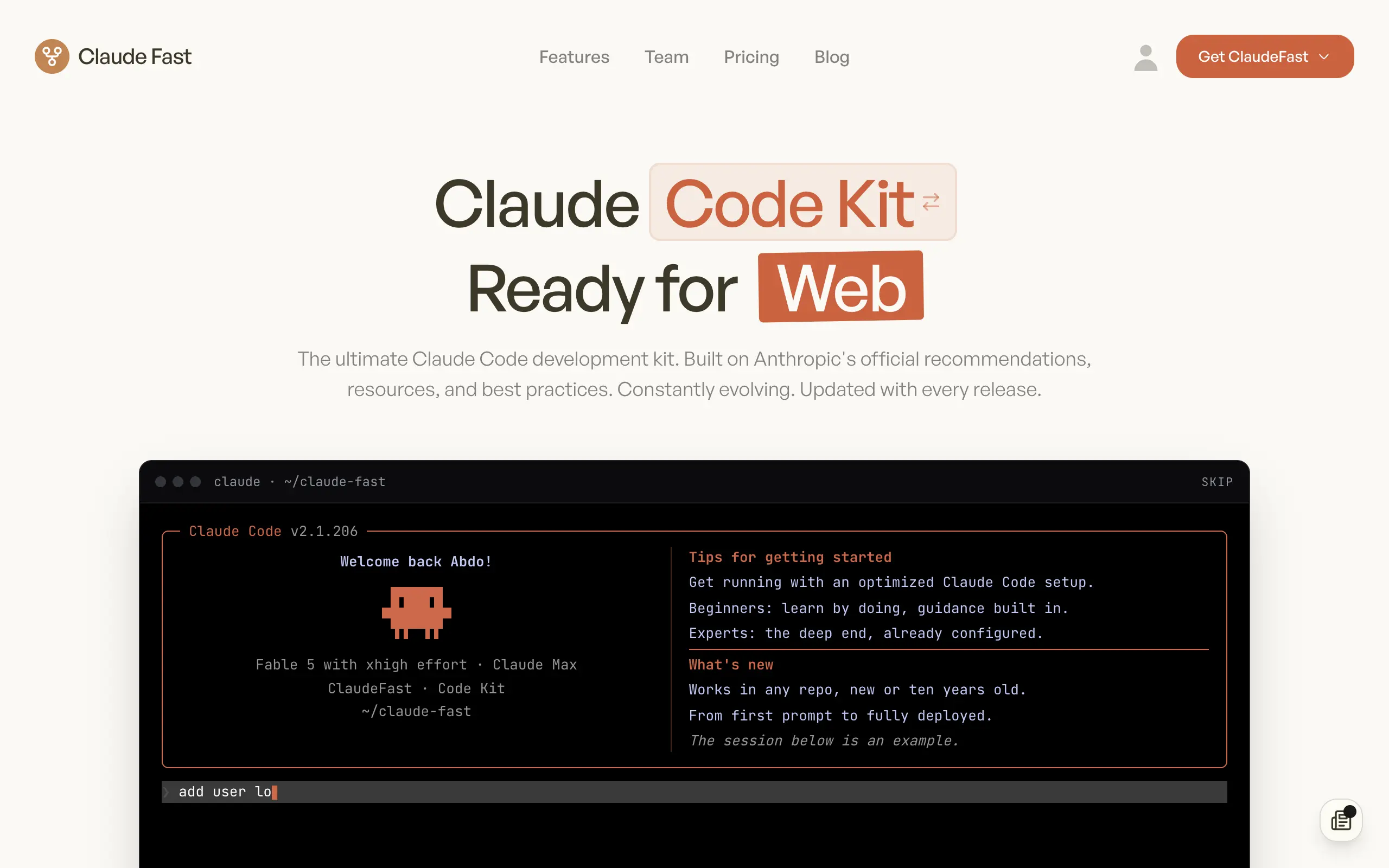
Claude Fast
Supercharge your Claude Code with 6x effective context window and specialized AI agents 🤖
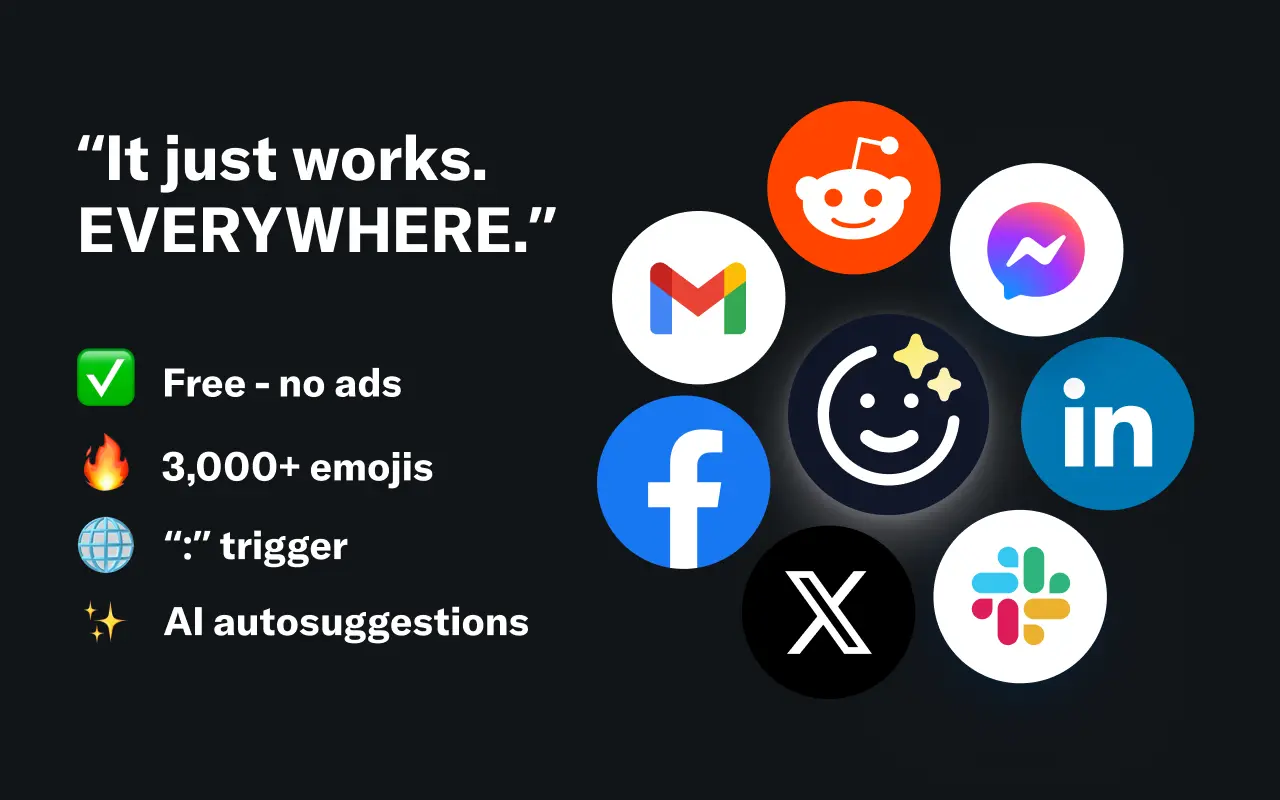
EmojAI
AI-powered emoji picker with smart, context-aware suggestions 🤖
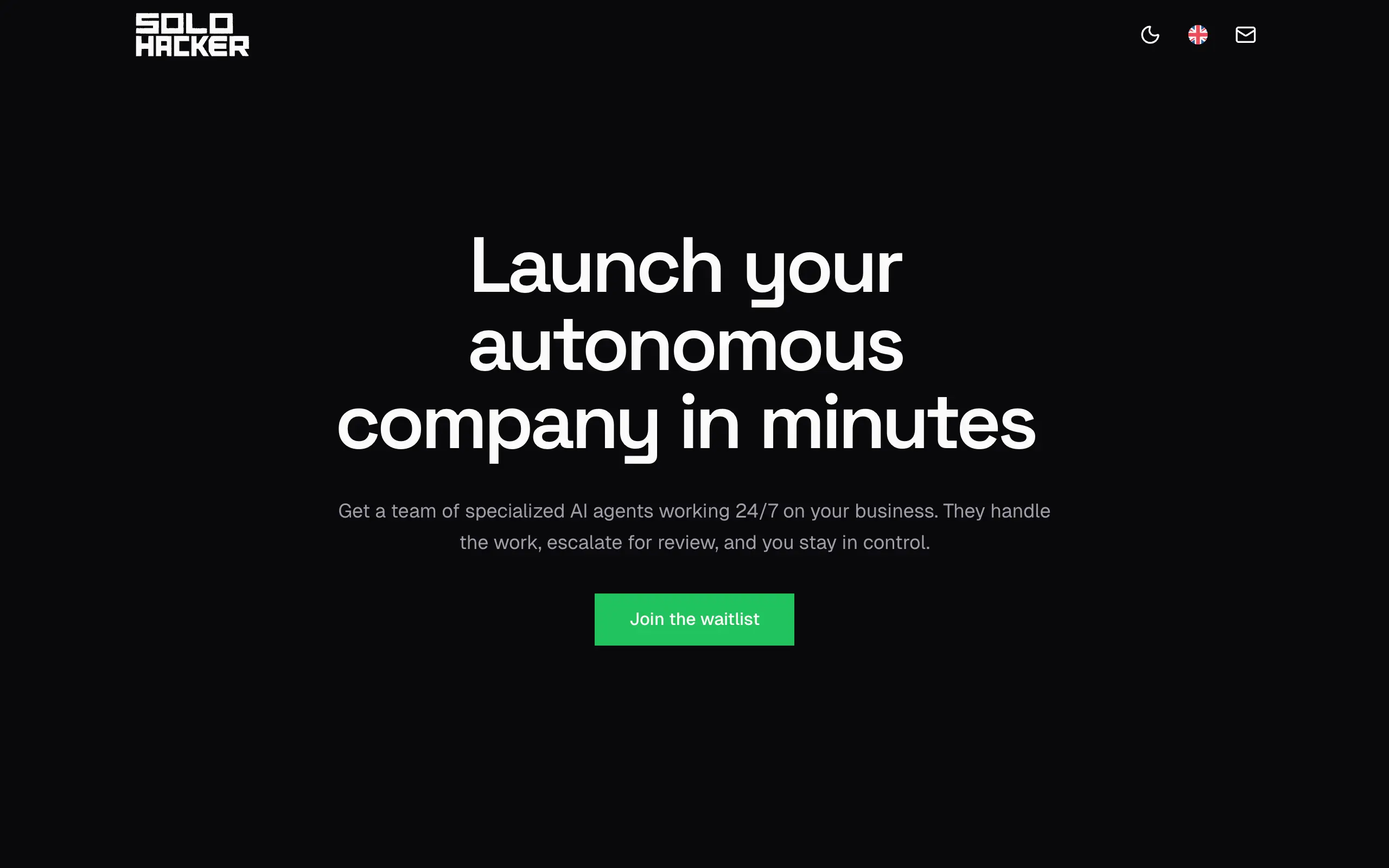
Solohacker
Autonomous company launcher - AI agents work 24/7, escalate what matters, and you stay in control 🤖
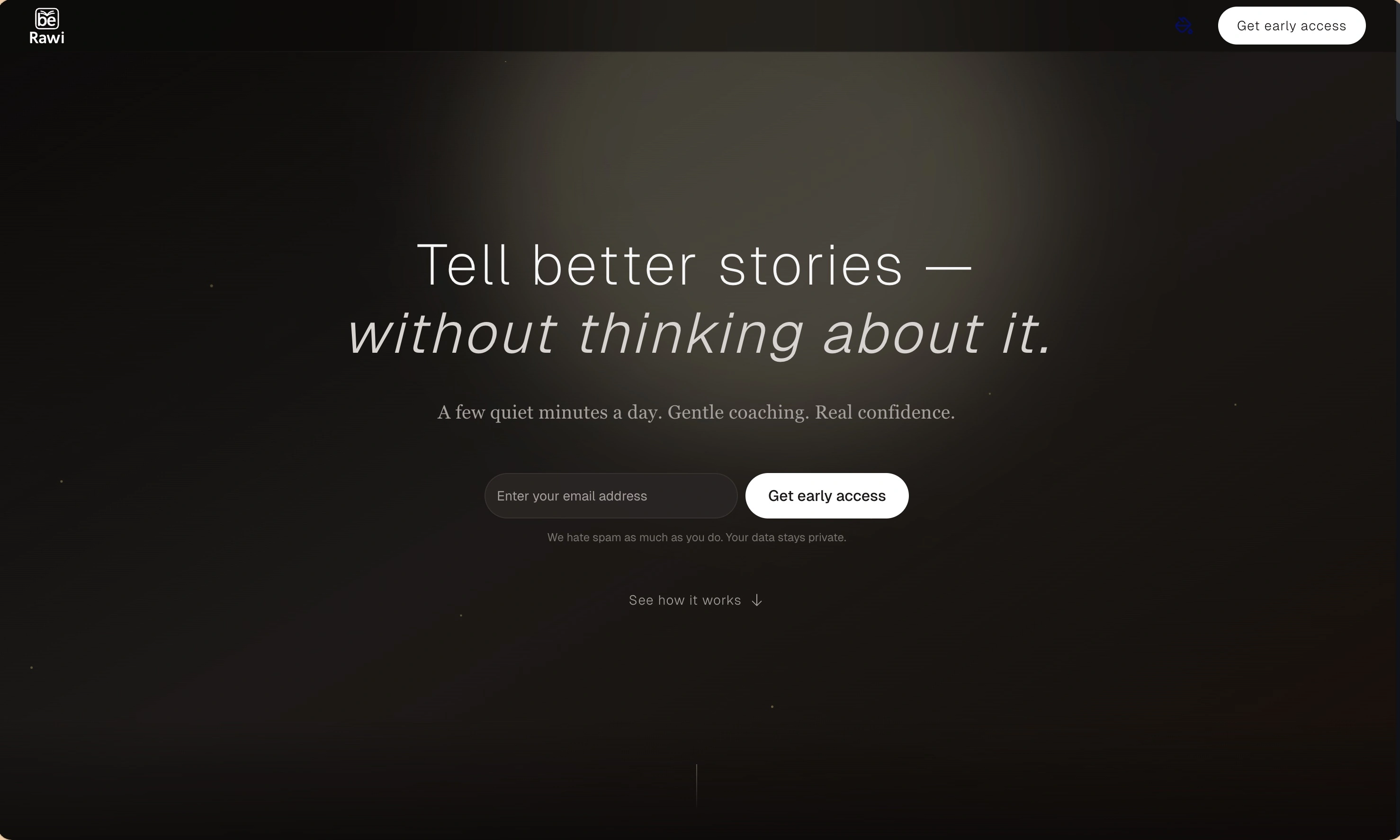
BeRawi: Storytelling Coach
Practice storytelling daily with instant feedback to sound clearer, more engaging, and confident 🎤
Omichat
Chat with 50+ AI models, including ChatGPT and Claude, in one place - switch models anytime without losing context 🤖
Claude Fast
Supercharge your Claude Code with 6x effective context window and specialized AI agents 🤖
EmojAI
AI-powered emoji picker with smart, context-aware suggestions 🤖
Solohacker
Autonomous company launcher - AI agents work 24/7, escalate what matters, and you stay in control 🤖
BeRawi: Storytelling Coach
Practice storytelling daily with instant feedback to sound clearer, more engaging, and confident 🎤
Omichat
Chat with 50+ AI models, including ChatGPT and Claude, in one place - switch models anytime without losing context 🤖
Claude Fast
Supercharge your Claude Code with 6x effective context window and specialized AI agents 🤖
EmojAI
AI-powered emoji picker with smart, context-aware suggestions 🤖
Solohacker
Autonomous company launcher - AI agents work 24/7, escalate what matters, and you stay in control 🤖
BeRawi: Storytelling Coach
Practice storytelling daily with instant feedback to sound clearer, more engaging, and confident 🎤
Omichat
Chat with 50+ AI models, including ChatGPT and Claude, in one place - switch models anytime without losing context 🤖
Claude Fast
Supercharge your Claude Code with 6x effective context window and specialized AI agents 🤖
EmojAI
AI-powered emoji picker with smart, context-aware suggestions 🤖
Solohacker
Autonomous company launcher - AI agents work 24/7, escalate what matters, and you stay in control 🤖
BeRawi: Storytelling Coach
Practice storytelling daily with instant feedback to sound clearer, more engaging, and confident 🎤

Connect with like-minded people
Join our community to get feedback, support, and grow together with 1,000+ builders on board, let's ship it!
Join usShip your startup everywhere. In minutes.
Don't burn tokens on setup and start building features on day one.