ClosetCue
ClosetCue suggests weather-aware outfits from clothes you own and tracks laundry and repeat wear. Spend less time deciding and buying duplicates.
ClosetCue is a weather-aware outfit app that helps people choose what to wear from clothes they already own. It combines a digital wardrobe, local weather data, outfit recommendations, and laundry and repeat-wear tracking to make getting dressed easier—and reduce unnecessary clothing purchases.
The idea addresses a familiar daily problem: people can own plenty of clothes and still feel they have nothing to wear. A useful wardrobe app should do more than catalog garments. It should help users make practical decisions based on the day ahead, remember what they have worn, and account for what is clean and available.
This article explores ClosetCue’s target audience, product opportunity, feature set, technical choices, monetization options, competitive positioning, and a practical path to launch. It also explains what the product should validate before investing in a large wardrobe catalog or complex AI features.
What is ClosetCue?
ClosetCue is a consumer subscription product for digital wardrobe planning. Users add clothes they own, and the app suggests suitable outfits based on factors such as:
- Local temperature and weather conditions
- The user’s preferred style and comfort
- Garments marked clean, worn, or in the laundry
- Recent outfit history and repeat-wear preferences
- Activities or occasions the user selects
The central promise is simple: spend less time deciding what to wear and make better use of the clothes you already own.
That promise connects several needs that are often addressed separately. Digital closet apps help people catalog clothing. Weather apps forecast conditions. Outfit planners help coordinate garments. Laundry trackers record what is clean. ClosetCue’s opportunity is to combine these jobs into a routine that gives users one relevant answer: What can I wear today?
The primary keyword and search intent
The most useful primary keyword for the concept is weather-aware outfit app. Closely related search terms include:
- Digital wardrobe app
- Outfit planner app
- Virtual closet app
- What to wear based on weather
- Clothing and laundry tracker
- Wardrobe organizer app
- Outfit repeat tracker
People searching for these terms may be looking for an app to solve a practical problem, comparing wardrobe tools, or researching a product idea. ClosetCue should therefore demonstrate immediate value, explain how recommendations work, and make it easy to build a useful wardrobe without demanding a long setup session.
The problem ClosetCue solves
Choosing an outfit is a small but repeated decision. The friction increases when a person has to consider weather, comfort, laundry, dress codes, personal style, and whether an item was worn recently.
A closet inventory alone does not solve that problem. Knowing that a user owns a jacket is less useful if the jacket is at the dry cleaner, unsuitable for rain, or too warm for the afternoon. Recommendations become more valuable when they reflect the user’s real circumstances.
Why existing wardrobes can feel hard to use
Closets are not always organized around decisions. Clothing may be grouped by type or season, while the user’s actual question is time-sensitive: what works today, with the forecast and the clothes that are available?
Several factors contribute to decision fatigue:
- Weather changes what is practical. A sunny morning may turn into a rainy commute, or a warm day may have a chilly evening.
- Availability is easy to forget. A favorite shirt may be in the laundry, packed away, or waiting to be repaired.
- Recent wear matters. Some users want to avoid repeating an outfit too soon; others would rather see reliable favorites.
- The wardrobe is larger than the user’s mental inventory. Less-visible pieces can be forgotten, leading people to wear the same few items.
- Shopping can fill an information gap. If users cannot recall what they own, they may buy another similar item.
ClosetCue can reduce these frictions by turning closet information into timely recommendations rather than asking users to search a static catalog.
The product should save time, not create more work
A wardrobe app can fail if adding clothes feels like a chore. Photographing, cropping, categorizing, and tagging every item may take longer than choosing an outfit manually.
That makes onboarding a core product challenge, not a minor design detail. ClosetCue should provide value after a small number of items are added and let the user enrich their wardrobe gradually. A useful first experience might require only a few common garments, a location, and basic preferences.
The product should make manual entry optional where possible, but it should not promise perfect automatic recognition. Photo-based categorization can make setup faster, yet users need a straightforward way to correct mistakes.
Target audience for a weather-aware outfit app
ClosetCue is a B2C product, but “people who wear clothes” is too broad a target for an effective launch. The first audience should have a recurring reason to plan outfits and a willingness to use a phone-based tool for that task.
Primary audience segments
Busy professionals and commuters may value recommendations that account for temperature, rain, and the transition between home, transit, and work. Their needs may include office-appropriate combinations, layering suggestions, and quick weekday planning.
People who enjoy personal style but dislike daily decision-making may want a digital closet that helps them create new combinations without buying more. Outfit history can offer novelty while still respecting their style preferences.
Minimalist and budget-conscious shoppers may be interested in making existing garments more useful, noticing underused pieces, and avoiding duplicate purchases. ClosetCue should frame this as practical wardrobe support rather than as a promise that an app alone will change consumption habits.
Students and early-career adults may have limited budgets, variable schedules, and a mixture of casual and formal clothing. A lightweight free tier could make the product accessible to this group, though willingness to pay should be tested rather than assumed.
Frequent travelers may benefit from packing suggestions built from their existing wardrobe and the forecast at their destination. This is a promising later use case, but it should not distract from the daily outfit recommendation loop in the first release.
Start with one clear use case
A strong launch audience could be adults who commute several days a week and want a quick, weather-appropriate work outfit. This segment has a repeated problem and an obvious moment of use: checking the forecast and getting dressed.
That does not mean ClosetCue must remain a workwear app. It means the initial experience can be designed around a coherent job to be done:
“Help me choose an outfit for today using clothes I own, considering the weather and what is clean.”
A focused initial audience makes it easier to decide which weather signals, garment categories, and preferences belong in the MVP. It also gives the product a more specific message than “organize your whole closet.”
Market opportunity and product gap
ClosetCue sits at the intersection of wardrobe organization, outfit planning, weather utility, and clothing-use tracking. The market opportunity is not simply that these categories exist. It is that users may still have to combine separate tools—or rely on memory—to make a daily decision.
A product that combines these needs can earn a place in a routine if it is more convenient than checking multiple apps and more useful than a static closet inventory.
The gap between cataloging and action
Many wardrobe tools are designed around the inventory: add items, tag them, and browse them. But a user does not necessarily want to browse a catalog every morning. They want a short list of outfits that are appropriate and available.
ClosetCue can differentiate by prioritizing the decision workflow:
- Read or confirm the day’s weather.
- Exclude unavailable garments.
- Suggest a small set of suitable outfits.
- Explain why each suggestion fits.
- Learn from the user’s selection and feedback.
This gives the app a practical reason to be opened regularly. It also creates a better foundation for retention than a one-time closet digitization project.
A useful product comparison
The following comparison describes product categories, not specific competitors. Feature availability changes over time, so a real competitive review should verify each product’s current app-store listing, pricing, and documentation before making public claims.
| Product category | Typical user job | Potential limitation | ClosetCue opportunity | MVP priority |
|---|---|---|---|---|
| Weather app | Understand upcoming conditions | Usually does not know the user’s wardrobe | Translate conditions into clothing choices | High |
| Digital closet app | Catalog and browse clothing | May not account for current weather or laundry | Recommend available outfits for the day | High |
| Outfit inspiration platform | Discover style ideas | Inspiration may feature clothes the user does not own | Generate combinations from owned garments | Medium |
| Laundry tracker | Track washing and garment availability | May not help with outfit selection | Use laundry state to filter recommendations | Medium |
Validate the opportunity before building broadly
A market-size estimate is not a substitute for evidence that users will complete wardrobe setup and return for recommendations. Before building advanced personalization, test the most important assumptions:
- Will users add enough clothing for the suggestions to feel useful?
- Will they accept manual corrections when image categorization is imperfect?
- Do they want to mark laundry status, or will that feel like another chore?
- Does weather meaningfully change their outfit decisions?
- Which matters more: avoiding repeats, discovering new combinations, or getting dressed faster?
- Will users pay for additional recommendations, planning, or analytics?
For market sizing or category statistics, use a documented methodology and cite a credible source such as a recognized market research firm, government dataset, or established industry report. Avoid treating an industry-wide figure as proof of demand for ClosetCue specifically.
Core features for ClosetCue
The first version should connect wardrobe data to a useful daily recommendation. It does not need to automate every part of dressing or laundry.
1. A low-friction digital wardrobe
Users should be able to create a garment entry with a photo, category, color, and a small number of optional attributes. Useful initial categories include tops, bottoms, dresses, outerwear, shoes, and accessories.
For each item, ClosetCue may store:
- Garment type and color
- Season or temperature range
- Formality or occasion suitability
- Weather suitability, such as rain resistance
- Laundry status
- Favorite or frequently worn status
- Optional notes, brand, and purchase details
Keep required fields to a minimum. Users should not need to provide a full fashion taxonomy before receiving value. The interface can suggest likely categories and colors, then invite corrections.
A useful onboarding approach is to let users add a small starter wardrobe first. After they see recommendations, the app can prompt them to add more items when doing so would improve results.
2. Weather-aware outfit recommendations
Weather input should be translated into understandable clothing guidance. Temperature is important, but it is not the only signal. Depending on the forecast provider and user permissions, recommendations may consider:
- Current and forecast temperature
- Feels-like temperature
- Precipitation probability or forecast rainfall
- Wind conditions
- Temperature changes during the day
- Location and forecast time window
ClosetCue should avoid presenting weather data as certainty. Forecasts can change, and the app should make it easy to adjust the planned outfit. For example, a recommendation could explain that it includes a light layer because the evening forecast is cooler, or waterproof footwear because rain is expected.
The recommendation should also account for user-specific comfort. Two people can interpret the same temperature differently. Preferences such as “I run cold,” “I avoid wool,” or “I prefer layers” can improve relevance without requiring a complex style profile.
3. Laundry and availability tracking
Laundry tracking is useful only if it is easy to maintain. An item might move through simple states such as:
- Clean and available
- Worn
- In the laundry
- Unavailable or set aside
Users should be able to update an item’s status from an outfit view rather than navigating through a separate inventory screen. If a user marks an outfit as worn, the app could ask whether the garments should be marked as worn too.
ClosetCue should not assume that every garment needs washing after one use. The status model should represent availability, not dictate hygiene. Users can decide when an item is ready to wear again.
4. Repeat-wear history
Outfit history can help users avoid accidental repetition, rediscover combinations they liked, or deliberately repeat a favorite look. These are different preferences and should not be collapsed into one “repeat” rule.
Useful controls could include:
- Avoid outfits worn in the last few days
- Show reliable favorites more often
- Suggest an item that has not been worn recently
- Let me repeat an outfit whenever I want
ClosetCue should make the history visible and editable. A recommendation system that silently suppresses favorites may feel less helpful than one that explains why an outfit appeared.
5. Feedback that improves recommendations
After showing a suggestion, ClosetCue can ask for lightweight feedback: wore it, liked it, not today, or one item is unavailable. This feedback can support personalization without making the user complete a survey.
A simple preference model can learn from repeated choices:
- Which colors or garment types a user selects
- Which combinations they dismiss
- Whether they prefer more or fewer layers
- Whether they favor variety or repeatability
- Which items are frequently unavailable
The app should avoid treating a single dismissal as a permanent preference. People may reject a suggestion because they are attending an unexpected event, not because they dislike the garment.
6. Planning for upcoming days
A short weekly planning view can help users prepare for work, school, or travel. It is a natural extension once daily recommendations work well.
Planning should start with a limited horizon, such as the next few days, because weather forecasts farther out are less reliable. The app can distinguish between a planned outfit and a confirmed outfit, then offer adjustments if the forecast changes.
7. Duplicate-purchase awareness
ClosetCue’s “buy fewer duplicates” value proposition should be handled carefully. A wardrobe inventory can help users notice that they own several similar pieces, but it cannot know whether a new purchase is unnecessary or unwanted.
A practical feature might show an optional overview of similar garment categories or colors before a user adds a shopping wish list item. It should support informed choices rather than shame users for buying clothes.
How ClosetCue should generate recommendations
A useful first recommendation engine does not need a large language model. It needs reliable data, understandable rules, and a feedback loop.
Start with transparent rules
A baseline ranking system could score each possible outfit using factors such as:
- Weather compatibility
- Garment availability
- Occasion fit
- User comfort preferences
- Outfit history
- User feedback and favorites
- Combination completeness
For example, an outfit that matches the forecast, uses clean items, and fits the selected occasion could rank above one with a missing layer or an item marked in the laundry.
A simplified scoring model might look like this:
type Garment = {
  id: string;
  category: "top" | "bottom" | "outerwear" | "shoes";
  available: boolean;
  minTemperature?: number;
  maxTemperature?: number;
  rainSuitable?: boolean;
};

type OutfitContext = {
  temperature: number;
  rainExpected: boolean;
  preferredOutfitIds: string[];
};

function scoreGarment(
  garment: Garment,
  context: OutfitContext
): number {
  if (!garment.available) return -100;

  let score = 0;

  if (
    garment.minTemperature !== undefined &&
    context.temperature < garment.minTemperature
  ) {
    score -= 2;
  }

  if (
    garment.maxTemperature !== undefined &&
    context.temperature > garment.maxTemperature
  ) {
    score -= 2;
  }

  if (context.rainExpected && garment.rainSuitable) {
    score += 2;
  }

  return score;
}
This is only an illustrative starting point. A production system needs more complete garment and forecast models, validation, and tests. The important product principle is that early recommendations should be explainable and easy to correct.
Add machine learning only when it solves a proven problem
Machine learning may eventually help classify garment photos, identify colors, or personalize ranking. It also introduces costs and risks: incorrect labels, variable image quality, inference expenses, and harder-to-explain decisions.
A sensible progression is:
- Let users confirm or correct simple categories.
- Measure where manual entry causes drop-off.
- Test whether automated classification improves completion.
- Monitor correction rates by category and image quality.
- Add more advanced personalization only if it improves recommendation acceptance or retention.
For weather data, use a dependable provider and define a fallback experience for outages or missing location permission. The app should still let users select a location or use a saved forecast when available.
Recommended tech stack
ClosetCue is a mobile-first consumer product. The technology should support fast iteration, dependable data handling, notifications where appropriate, and a camera-friendly wardrobe workflow.
Client application
A cross-platform application can help a small team reach iOS and Android without maintaining two fully separate codebases. React Native is one option for building native mobile experiences with JavaScript or TypeScript. If the product team is already experienced with native development, separate native applications may offer more direct control, but they usually require more engineering capacity.
For a web experience, React is a common interface library, and Next.js can provide routing and server-rendering capabilities. A responsive web application may help with early validation, but features such as camera access, push notifications, and location permissions should be tested carefully on target devices.
Backend and data storage
A relational database such as PostgreSQL fits ClosetCue’s structured relationships: users own garments, garments participate in outfits, and outfits have history and status. A typical model may include:
- Users and preference settings
- Garments and image references
- Outfits and outfit-garment relationships
- Wear events and availability changes
- Location and weather cache metadata
- Subscription and entitlement records
Store images in object storage rather than in the relational database itself. Apply access controls so a user’s wardrobe images are private by default.
Weather integration
ClosetCue can use a weather API to retrieve forecasts for a user-selected location. Compare providers based on geographic coverage, forecast fields, rate limits, reliability, licensing, and price. Review the provider’s terms before displaying or caching forecast data.
Use a small server-side caching layer where permitted. This can reduce repeated requests and improve resilience, but the cache duration should reflect the provider’s terms and the freshness needed for the use case. Build a clear fallback for API errors, unavailable location access, and stale data.
Authentication, payments, and analytics
Authentication should be secure without becoming a barrier to trying the product. Consider allowing users to explore a limited demo or begin wardrobe setup before requiring a full account, while ensuring that saved wardrobe data is attached to a protected identity.
For subscriptions, use platform-compliant purchase flows for mobile apps and a billing setup suited to web subscriptions. Track product events that answer specific questions, such as wardrobe completion, recommendation acceptance, and repeat use. Avoid collecting analytics that are not necessary to improve the service.
Technology trade-offs
| Decision | Benefit | Trade-off | Practical starting point |
|---|---|---|---|
| Cross-platform mobile | Shared product work across platforms | Some native behaviors may need extra testing | Choose if the team has mobile JavaScript experience |
| Web-first MVP | Fast iteration and link-based testing | Camera and notification experience may be less polished | Use for concept validation if mobile features are not essential |
| Rule-based ranking | Transparent and inexpensive to operate | Less adaptive than a trained model | Start here and measure recommendation quality |
| Image classification | Can reduce manual tagging | Errors need correction and can increase cost | Test on a narrow set of garment types |
| Cloud image storage | Scales independently from application data | Requires careful access and retention policies | Keep images private and minimize unnecessary retention |
Privacy and security from the start
A wardrobe may reveal personal habits, location patterns, body-related preferences, or household routines. ClosetCue should treat this information with care, even if the product does not collect sensitive data intentionally.
Recommended safeguards include:
- Ask for location access only when it improves the forecast experience.
- Offer manual location selection when users decline precise location sharing.
- Explain what garment photos are used for and how users can delete them.
- Use private storage and access controls for images.
- Collect only the data needed for recommendations and product operation.
- Provide clear account deletion and data export options where applicable.
- Review relevant privacy laws and platform policies before launch.
For legal requirements, consult qualified privacy counsel in the regions where the app will operate. Product copy should describe actual data practices, not aspirational ones.
Monetization strategy options
ClosetCue should first prove that users return for recommendations. Monetization should reinforce the core experience rather than block the basic job of getting dressed.
Freemium subscription
A free tier can include a limited wardrobe, basic weather-aware suggestions, and simple wear history. A paid tier could offer a larger wardrobe, multi-day planning, advanced filters, additional profiles, or richer wardrobe analytics.
Potential advantages include recurring revenue and a clear connection between payment and ongoing utility. The main risk is putting too much of the daily value behind a paywall before the app has earned trust.
Annual and monthly plans
A monthly plan offers flexibility for users who want to try the product. An annual plan can improve revenue predictability, but it should be offered only after the value proposition is clear. Pricing should be tested with real users and considered in the context of similar consumer utility apps, platform fees, and ongoing weather or image-processing costs.
Do not assume a particular price based on competitor pricing alone. Test willingness to pay through interviews, landing-page experiments, or a carefully designed paid pilot.
One-time purchase
A one-time purchase can appeal to users who dislike subscriptions. It is simpler to explain but may be difficult to sustain if the product has ongoing infrastructure, support, and data-provider costs. A hybrid approach—one-time payment for a basic app with optional paid services—may be worth testing, but it adds pricing complexity.
Partnerships and affiliate revenue
ClosetCue could eventually link to repair, resale, or clothing-care services. Affiliate links to retail products are a less natural fit with the product’s promise to help users use what they own. If the business includes shopping recommendations, disclose commercial relationships clearly and ensure that recommendations do not undermine user trust.
Monetize outcomes, not clutter
A strong paid feature should improve a job users already value. Examples include planning several days of outfits, managing multiple wardrobes, or creating travel packing lists. Avoid monetization based on selling personal wardrobe or location data. That may damage trust and conflict with the product’s practical, personal nature.
Competitive advantage and unique selling proposition
ClosetCue’s unique selling proposition is not simply “a digital closet.” It is a daily outfit recommendation that connects owned clothing with weather, availability, and wear history.
That position can be summarized as:
ClosetCue helps you decide what to wear from clothes you own, using the forecast and your real wardrobe availability.
The idea stands out when it combines four capabilities into one decision loop:
- A wardrobe that reflects real possessions, not an inspiration catalog.
- Weather-aware recommendations, rather than generic outfit combinations.
- Availability and laundry state, so suggestions can be worn now.
- Repeat-wear context, so the app can support either variety or reliable favorites.
Competitors can add similar features, so the durable advantage will not come from a feature checklist alone. It is more likely to come from a superior onboarding experience, trusted recommendations, habit formation, and a dataset of user-approved wardrobe combinations.
Build a defensible product experience
ClosetCue can strengthen its position by:
- Making the first recommendation useful before the entire wardrobe is cataloged.
- Explaining why each outfit fits the day.
- Allowing corrections in context instead of forcing users into settings.
- Supporting different comfort and repeat-wear preferences.
- Keeping wardrobe data private and giving users control over it.
- Learning from explicit user feedback rather than opaque assumptions.
The product should not claim that recommendation quality improves automatically simply because users add more data. It should demonstrate that improvement through measurable outcomes, such as higher recommendation acceptance or fewer unavailable-item suggestions.
Key metrics to track
ClosetCue needs metrics that show whether the product helps users, not just whether people install it.
Activation metrics
Track whether new users:
- Complete the first wardrobe setup
- Add enough garments to receive a complete outfit
- View and act on a first recommendation
- Set a location or select a forecast area
- Return after the first useful recommendation
Define activation around reaching value, not merely creating an account.
Engagement and retention metrics
Useful measures include:
- Recommendations viewed per active user
- Recommendation acceptance rate
- Outfits marked as worn
- Percentage of recommendations containing unavailable items
- Repeat use across weekdays or weather changes
- Retention by cohort and onboarding path
Interpret these metrics in context. A low recommendation count could mean poor engagement, or it could mean the user only needs the app on certain days. Qualitative feedback helps explain the numbers.
Trust and quality metrics
Measure:
- Frequency of incorrect garment labels
- How often users correct weather or availability assumptions
- Weather-data failures and stale forecasts
- Image-processing error rates, if classification is used
- Account deletion and data-export requests
- Customer support themes
These signals can reveal whether the app is saving effort or quietly creating new work.
Risks and how to mitigate them
Onboarding takes too long
Risk: Users abandon the app before adding enough clothing to receive a useful recommendation.
Mitigation: Use progressive setup, quick photo capture, optional fields, and a starter wardrobe flow. Test onboarding completion with people who have not seen the product before. Measure how many items are needed before recommendations feel useful, rather than assuming the entire closet must be entered.
Recommendations feel generic or wrong
Risk: Users stop trusting the app if suggestions ignore personal comfort, occasions, or local weather.
Mitigation: Begin with explainable rules, expose simple preferences, and let users dismiss or correct suggestions. Track the reasons for rejection. Do not overstate recommendation intelligence in marketing.
Laundry tracking becomes another chore
Risk: Users do not keep garment status up to date, making recommendations unreliable.
Mitigation: Make status changes available from the outfit screen, support simple bulk updates, and avoid requiring users to track every wash. Treat laundry state as an optional aid, not a mandatory habit.
Weather data is inaccurate or unavailable
Risk: Forecast errors can lead to inappropriate suggestions and weaken trust.
Mitigation: Choose a provider based on coverage and terms, show when forecast information was last updated, and offer manual adjustments. Avoid presenting a suggestion as a guarantee.
Image processing is imperfect
Risk: Photo classification may confuse garment type, color, or pattern.
Mitigation: Keep user confirmation in the flow, measure correction rates, and provide manual entry. Use image recognition to reduce effort, not to remove user control.
The product overpromises sustainability impact
Risk: Claims such as “ClosetCue makes fashion sustainable” are too broad to support without evidence.
Mitigation: Use specific, modest language. The app can help users see and use their existing clothing, but its effect on purchasing behavior should be measured before making environmental claims. For external impact claims, use a transparent methodology and credible lifecycle or consumer-behavior research.
Privacy concerns reduce adoption
Risk: Users may hesitate to upload personal wardrobe photos or share location.
Mitigation: Explain why each permission is requested, offer alternatives where possible, secure data, and provide clear deletion controls. Treat privacy as part of the product experience, not only a compliance task.
Actionable implementation plan
A focused build can validate the core proposition without attempting to automate an entire wardrobe.
Interview target users. Speak with commuters or another clearly defined segment about how they choose outfits, what makes the decision difficult, and how they currently use weather and wardrobe tools. Ask about recent behavior rather than hypothetical interest.
Test the promise before the full product. Create a landing page or clickable prototype that explains weather-aware outfit suggestions, laundry availability, and repeat-wear history. Test which benefit users understand and value most.
Design a low-friction wardrobe flow. Prototype garment capture, editing, availability changes, and the first recommendation. Observe whether users can complete the flow without instruction and identify where they hesitate.
Build the MVP around one daily job. Include account handling, a small digital wardrobe, location or manual forecast selection, rule-based outfit ranking, basic availability, and wear history. Defer advanced social, shopping, and AI features.
Run a small private beta. Recruit users who match the launch audience. Monitor setup completion, recommendation acceptance, unavailable-item errors, and return use. Ask users to explain both accepted and rejected suggestions.
Improve the recommendation loop. Use observed feedback to refine garment attributes, weather rules, and preference controls. Add automation only where evidence shows that it reduces meaningful friction.
Test pricing and retention. Once users return consistently, test a free tier and a paid feature set. Evaluate conversion alongside retention and support burden; a paid feature that harms the daily experience may not be a good trade.
Prepare for a broader launch. Review app-store requirements, privacy disclosures, weather-provider terms, support processes, accessibility, and data deletion workflows. Expand to additional audience segments only after the initial use case is working reliably.
A practical MVP checklist
The first release should make it possible to:
- Add and edit a small set of clothing items
- Set a location or choose one manually
- View a weather-informed outfit suggestion
- Exclude garments marked unavailable
- Mark an outfit as worn or dismiss it
- See recent wear history
- Adjust basic comfort and repeat-wear preferences
- Delete wardrobe photos and account data
- Report a problem or send product feedback
Features such as automatic closet scanning, social sharing, shopping recommendations, and advanced AI styling can wait until user research supports them.
Frequently asked questions
A digital closet app may focus on storing and browsing clothing. ClosetCue’s intended focus is the daily decision: recommend outfits from the user’s own wardrobe while considering weather, availability, and recent wear.
No. A useful first version can use clear rules based on garment attributes, forecast conditions, availability, and user preferences. Image recognition or machine learning may reduce manual work later, but it should be added only if testing shows that it improves setup or recommendation quality.
The app can provide value from a small starter wardrobe, keep required item details minimal, and let users add garments gradually. Photo-based entry may help, but users should always be able to correct categories and attributes.
It can make existing items easier to remember and may show when a wardrobe already contains similar pieces. Whether that changes purchasing behavior is an outcome to validate, not a benefit the product should guarantee without evidence.
A subscription could suit ongoing features such as multi-day planning, larger wardrobes, or advanced preferences. The team should first demonstrate recurring value, then test willingness to pay and ensure a useful basic experience remains available.
Conclusion
ClosetCue has a clear, practical product opportunity: help people choose weather-appropriate outfits from clothing they already own, while accounting for what is clean and what they have worn recently. Its strongest differentiator is the connection between a digital wardrobe and a timely daily recommendation—not the catalog alone.
The best path is to start narrow. Focus on one audience, make wardrobe setup manageable, use transparent recommendation rules, and measure whether users accept suggestions and return. Treat weather accuracy, privacy, and laundry-state friction as core product concerns. Build advanced automation only when it solves a problem demonstrated by real users.
For founders planning the product, TurboStarter can help accelerate SaaS development so more time can go toward validating the user experience and recommendation loop.
More 👥 B2C Application SaaS ideas
Discover more innovative b2c application SaaS ideas that are trending in 2026. Each idea is AI-generated with market validation and growth potential to help you find your next profitable venture faster than competitors.
Your competitors are building with TurboStarter
Below are some of the SaaS ideas that have been generated and built with our starter kit.
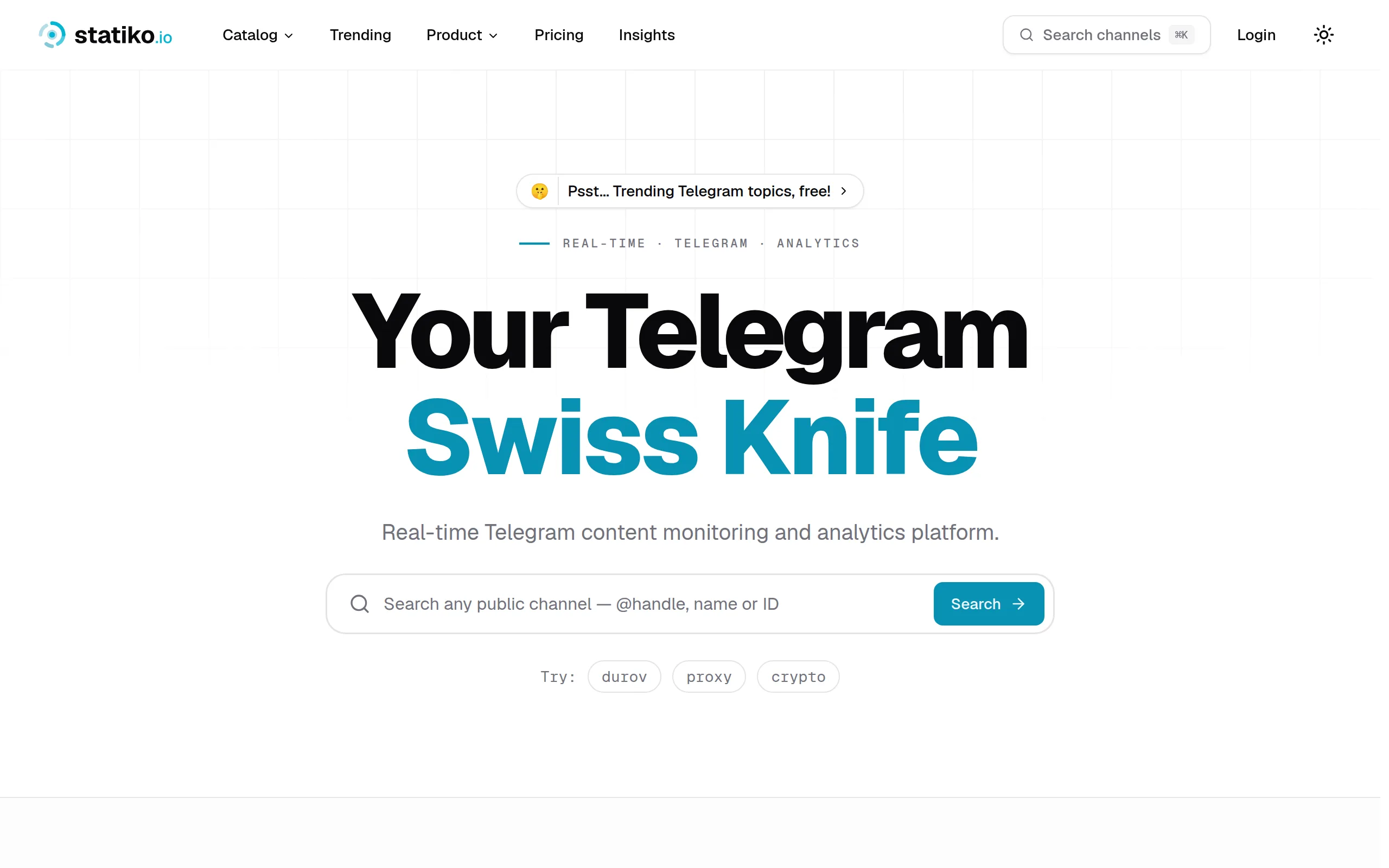
Statiko
Monitor any Telegram channel in real time - track posts, edits, deletions, and growth with AI recaps 📡

Shibui
AI website builder - describe your business, pick a niche template, edit by chatting, and publish instantly ✨

Pro Service
Find verified home service professionals, compare quotes, and pay securely through escrow - built for Brazilians across the US 🏠
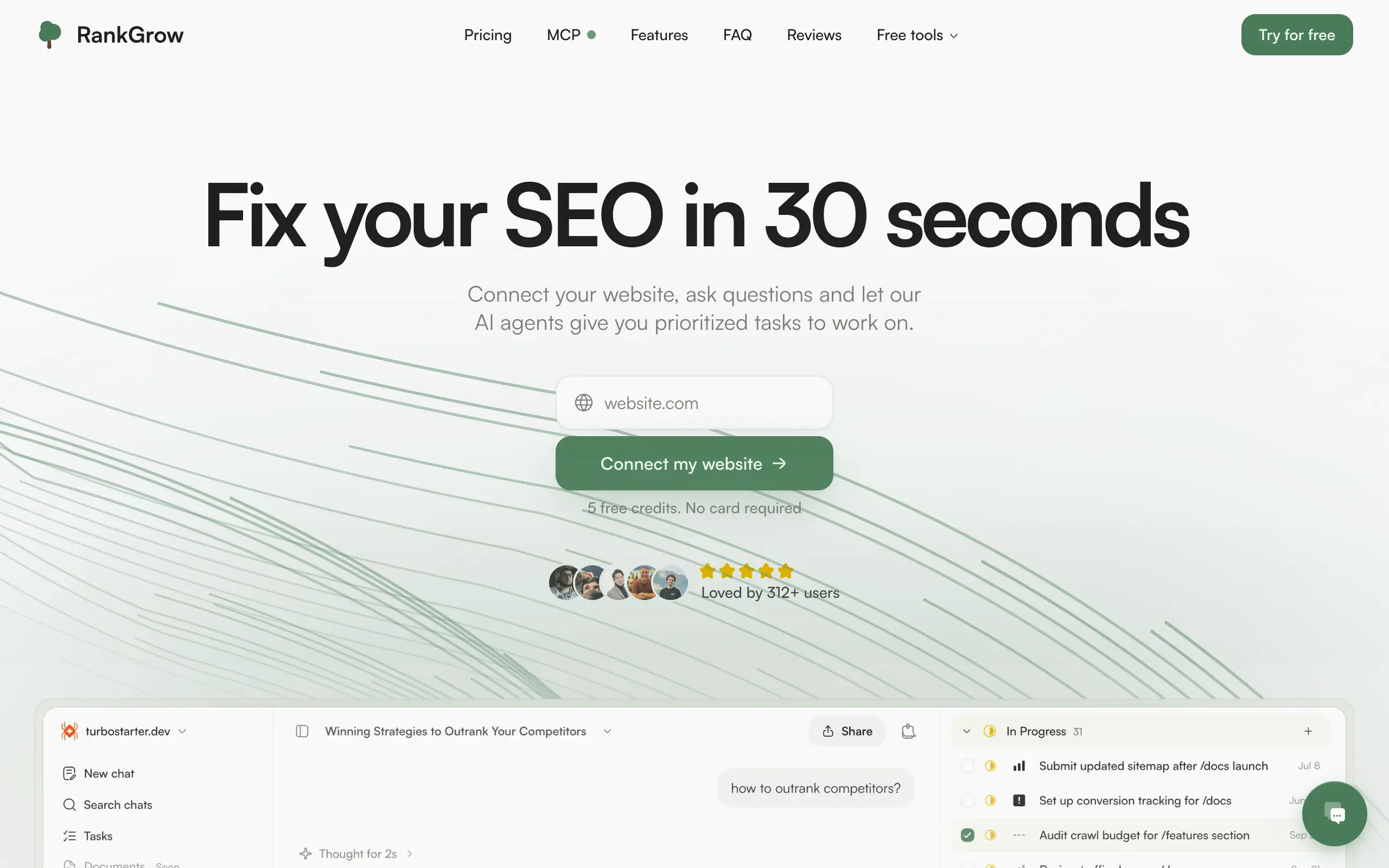
RankGrow
Fix your SEO with AI agents - connect Search Console, get prioritized tasks, and grow organic traffic 📈
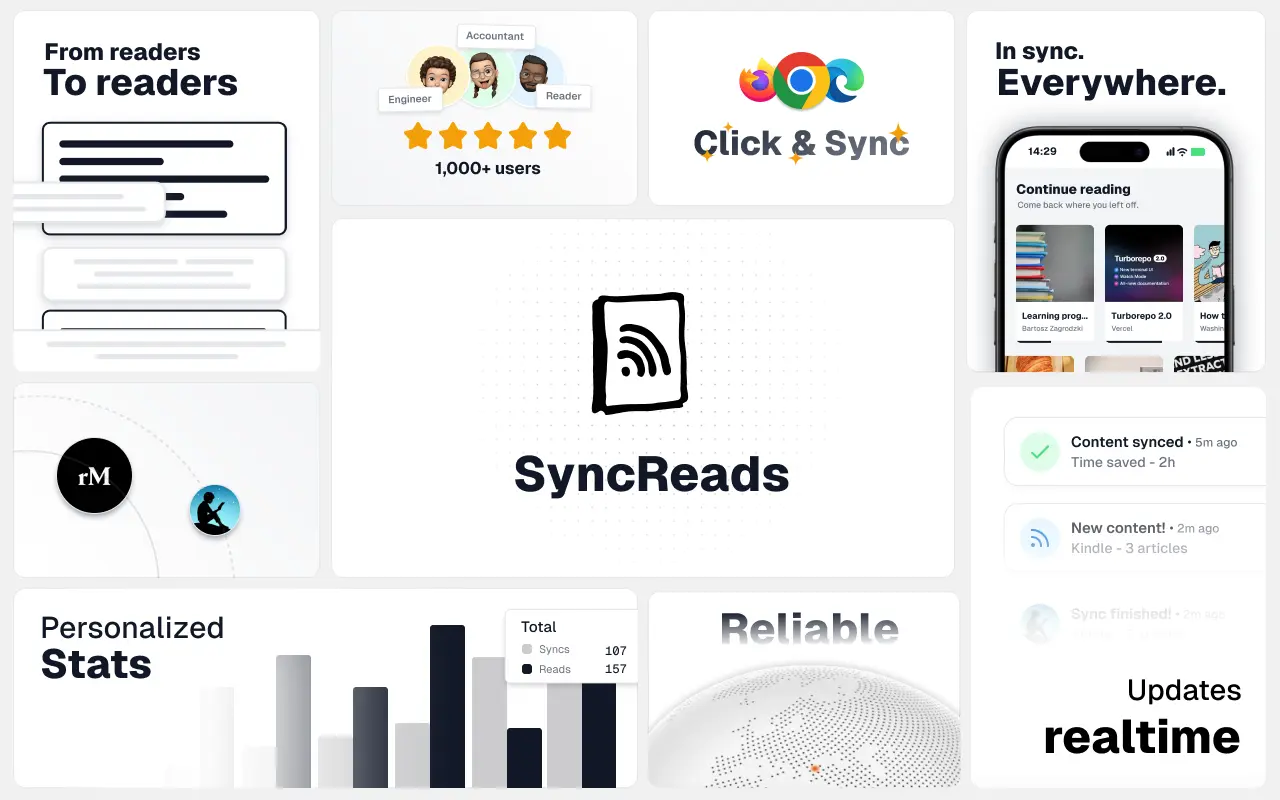
SyncReads
Sync your favorite content for distraction-free reading, save time and replace multiple apps. Anytime, anywhere 🔄
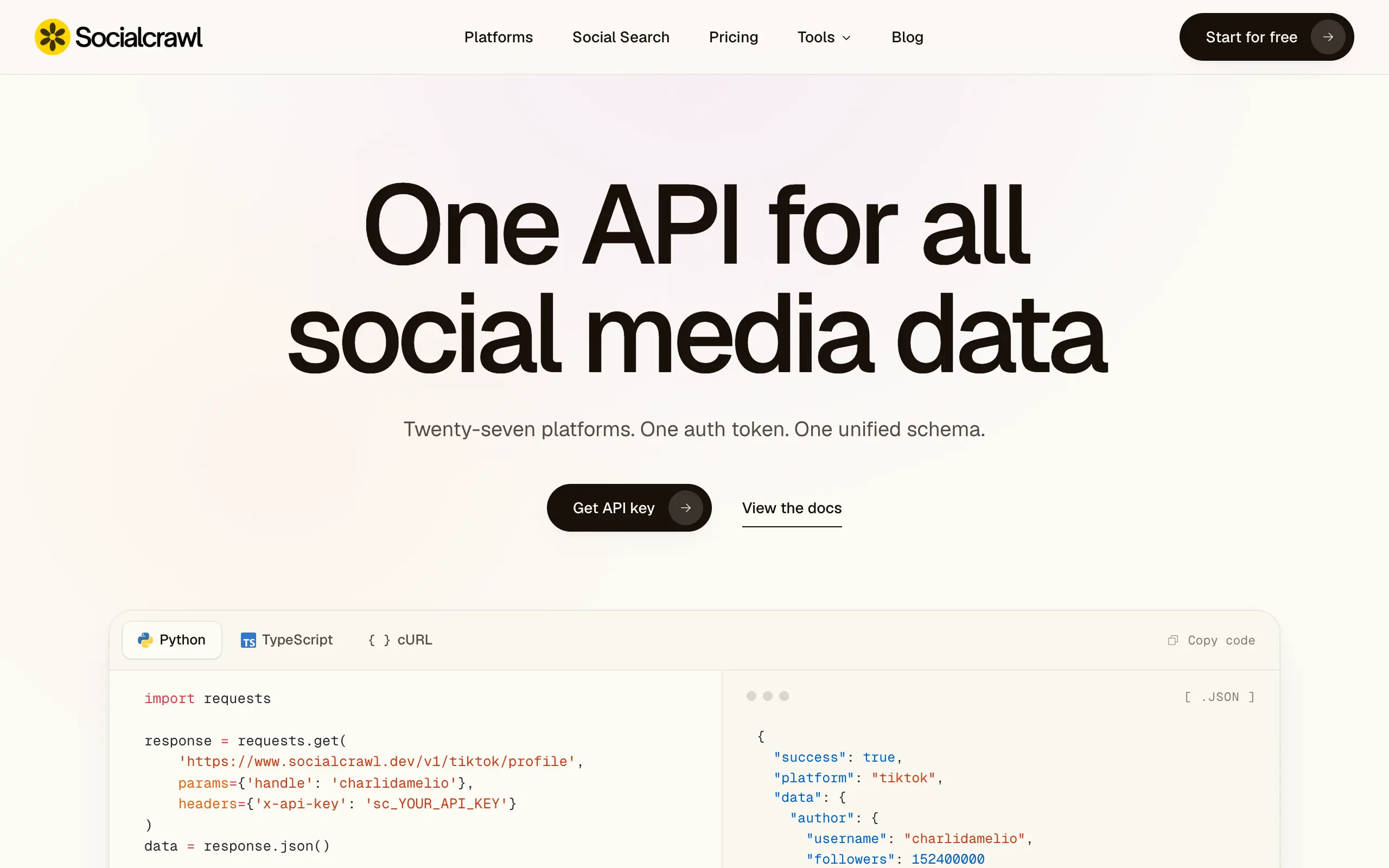
Socialcrawl
Get clean, structured data from 21 platforms like TikTok, Instagram, and YouTube with a single request 📊
Statiko
Monitor any Telegram channel in real time - track posts, edits, deletions, and growth with AI recaps 📡
Shibui
AI website builder - describe your business, pick a niche template, edit by chatting, and publish instantly ✨
Pro Service
Find verified home service professionals, compare quotes, and pay securely through escrow - built for Brazilians across the US 🏠
RankGrow
Fix your SEO with AI agents - connect Search Console, get prioritized tasks, and grow organic traffic 📈
SyncReads
Sync your favorite content for distraction-free reading, save time and replace multiple apps. Anytime, anywhere 🔄
Socialcrawl
Get clean, structured data from 21 platforms like TikTok, Instagram, and YouTube with a single request 📊
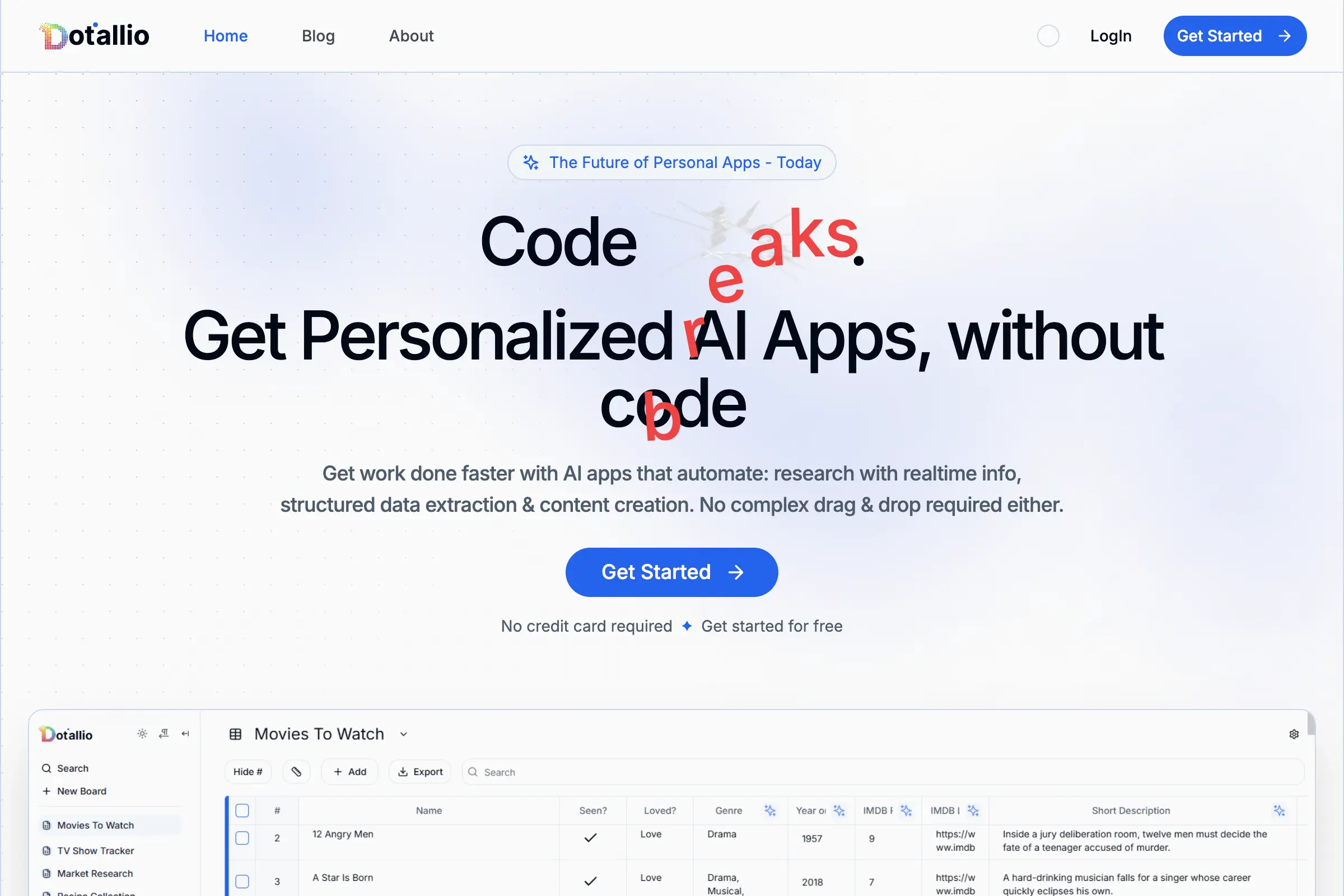
Dotallio
Personalized AI apps that automate research, data extraction, and content creation without code 🤖
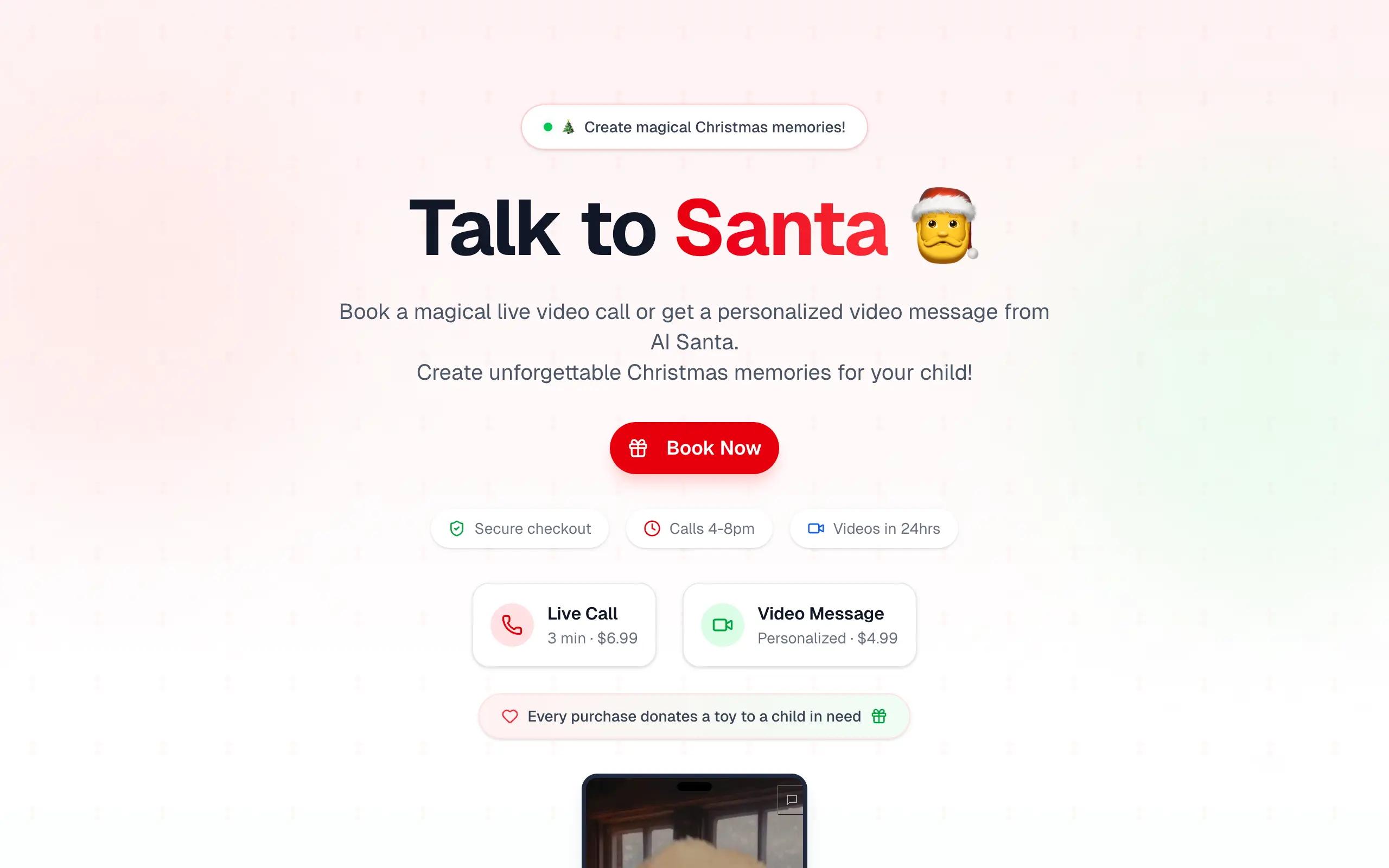
Talk to Santa
Enjoy a magical live video chat or receive a unique AI-generated video greeting from Santa Claus 🎅
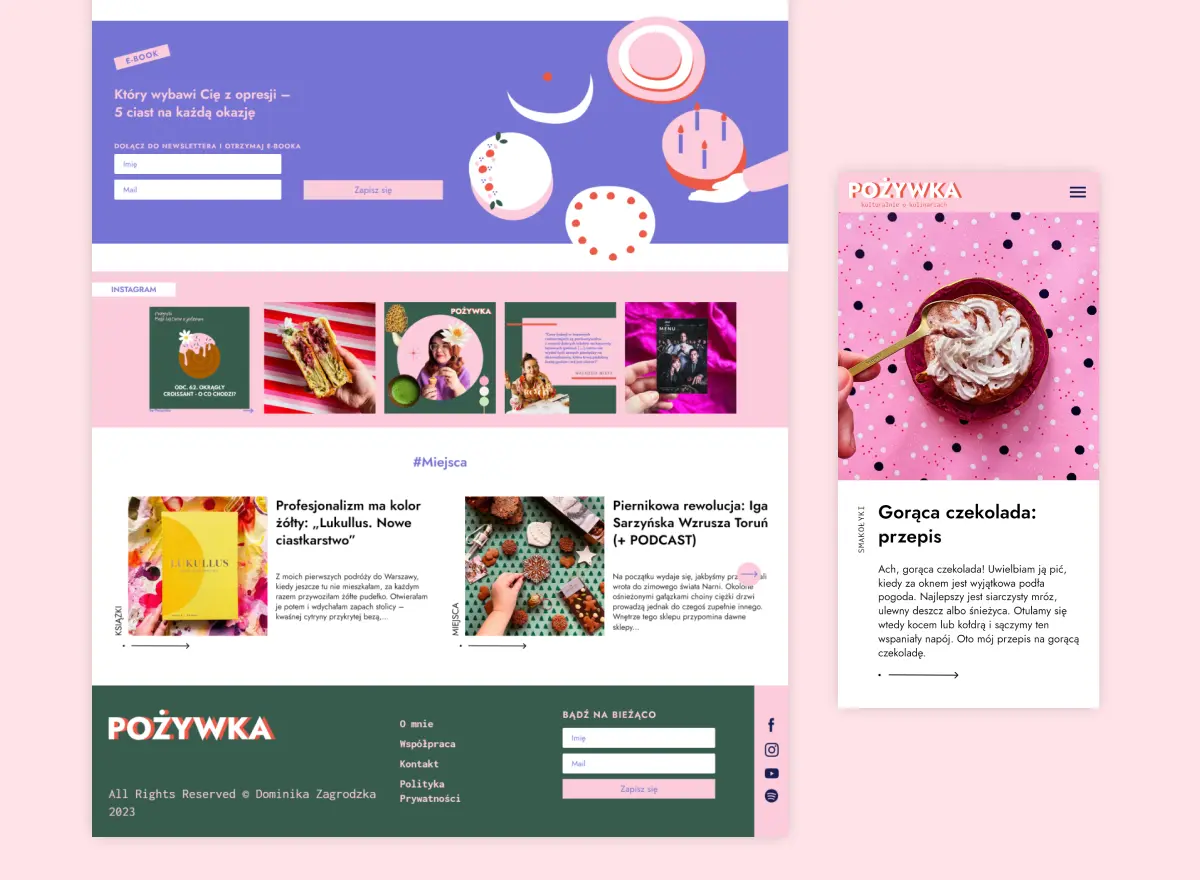
pozywka.pl
Scalable blog for food journalist, focused on performance and user experience 🌭
zagrodzki.me
Personal blog and portfolio of Bart Zagrodzki, where he shares his knowledge and work 💼
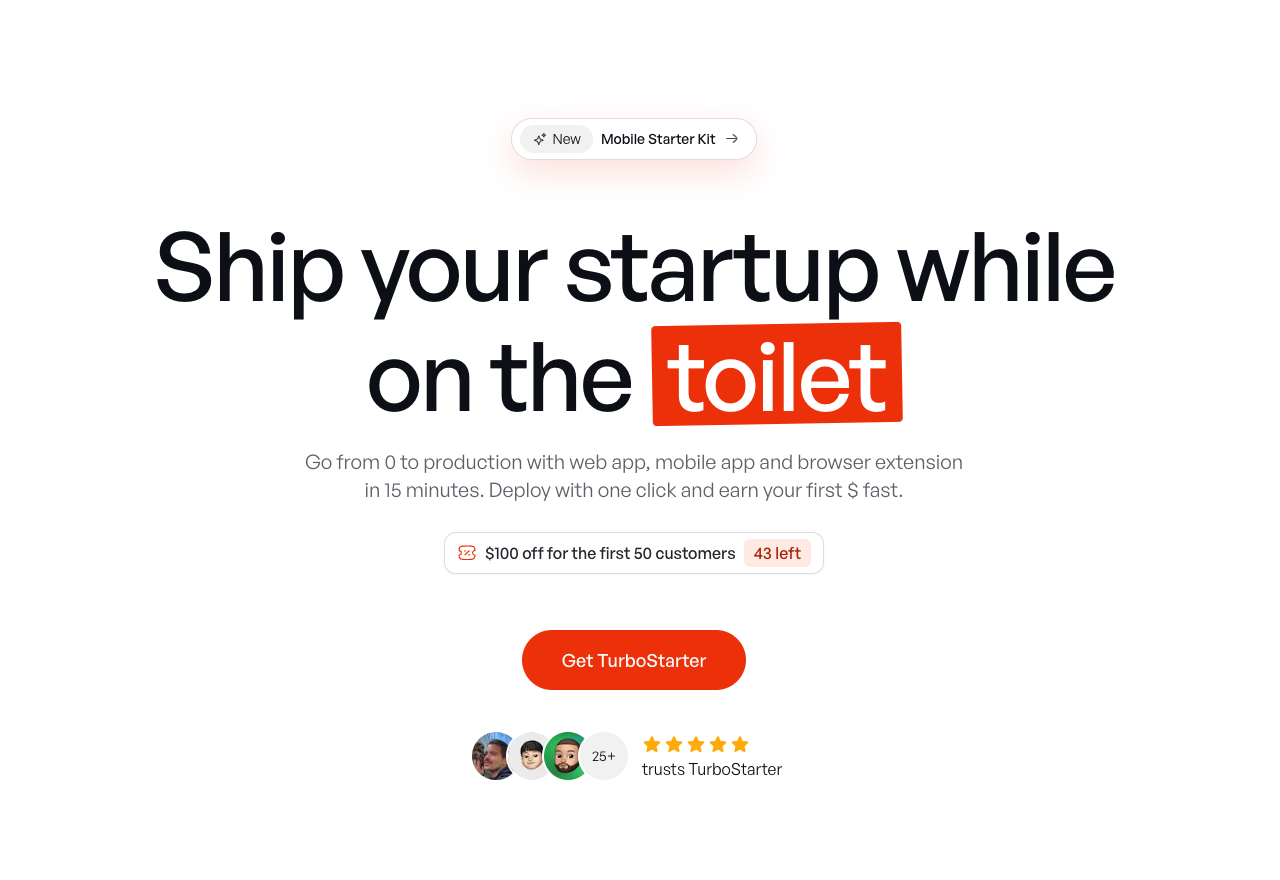
TurboStarter
Ship your startup everywhere. In minutes.
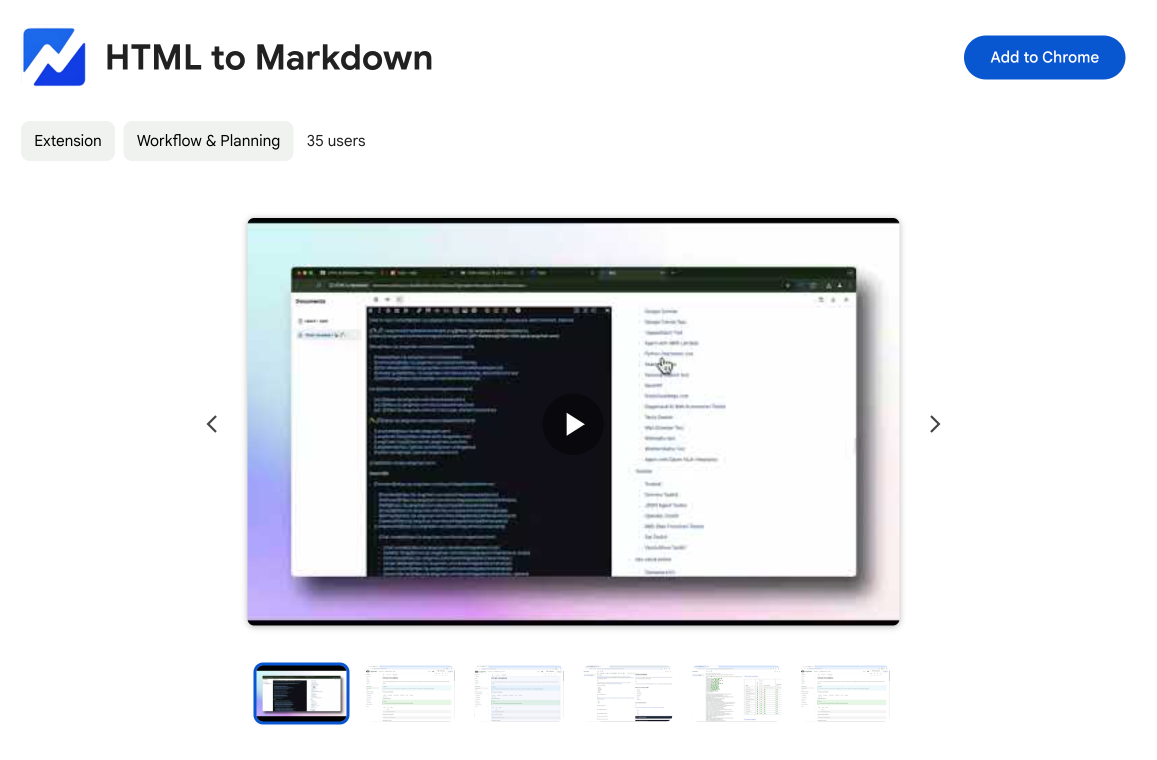
HTML to Markdown
Convert HTML to Markdown with ease, directly in your browser 📄
Dotallio
Personalized AI apps that automate research, data extraction, and content creation without code 🤖
Talk to Santa
Enjoy a magical live video chat or receive a unique AI-generated video greeting from Santa Claus 🎅
pozywka.pl
Scalable blog for food journalist, focused on performance and user experience 🌭
zagrodzki.me
Personal blog and portfolio of Bart Zagrodzki, where he shares his knowledge and work 💼
TurboStarter
Ship your startup everywhere. In minutes.
HTML to Markdown
Convert HTML to Markdown with ease, directly in your browser 📄
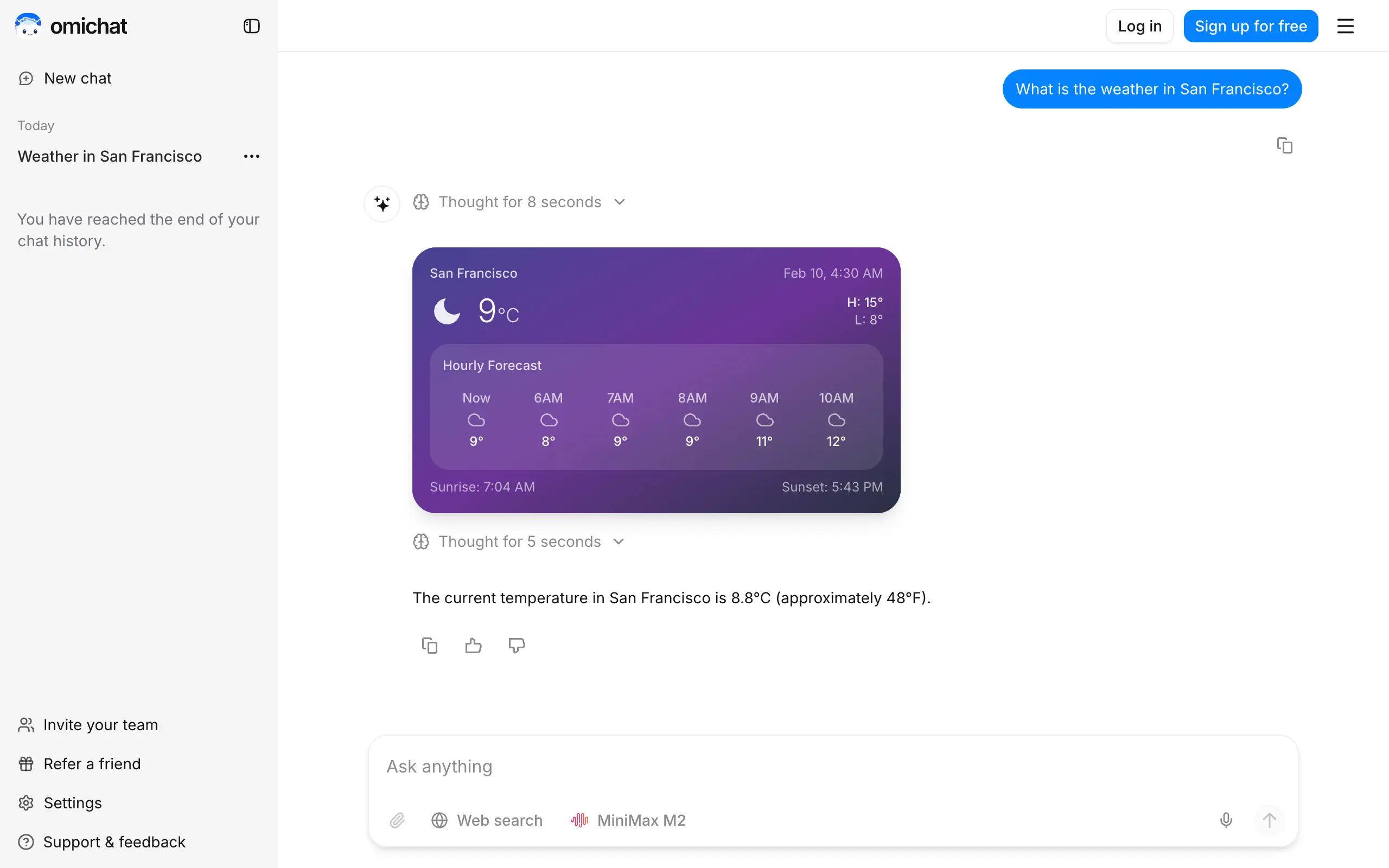
Omichat
Chat with 50+ AI models, including ChatGPT and Claude, in one place - switch models anytime without losing context 🤖
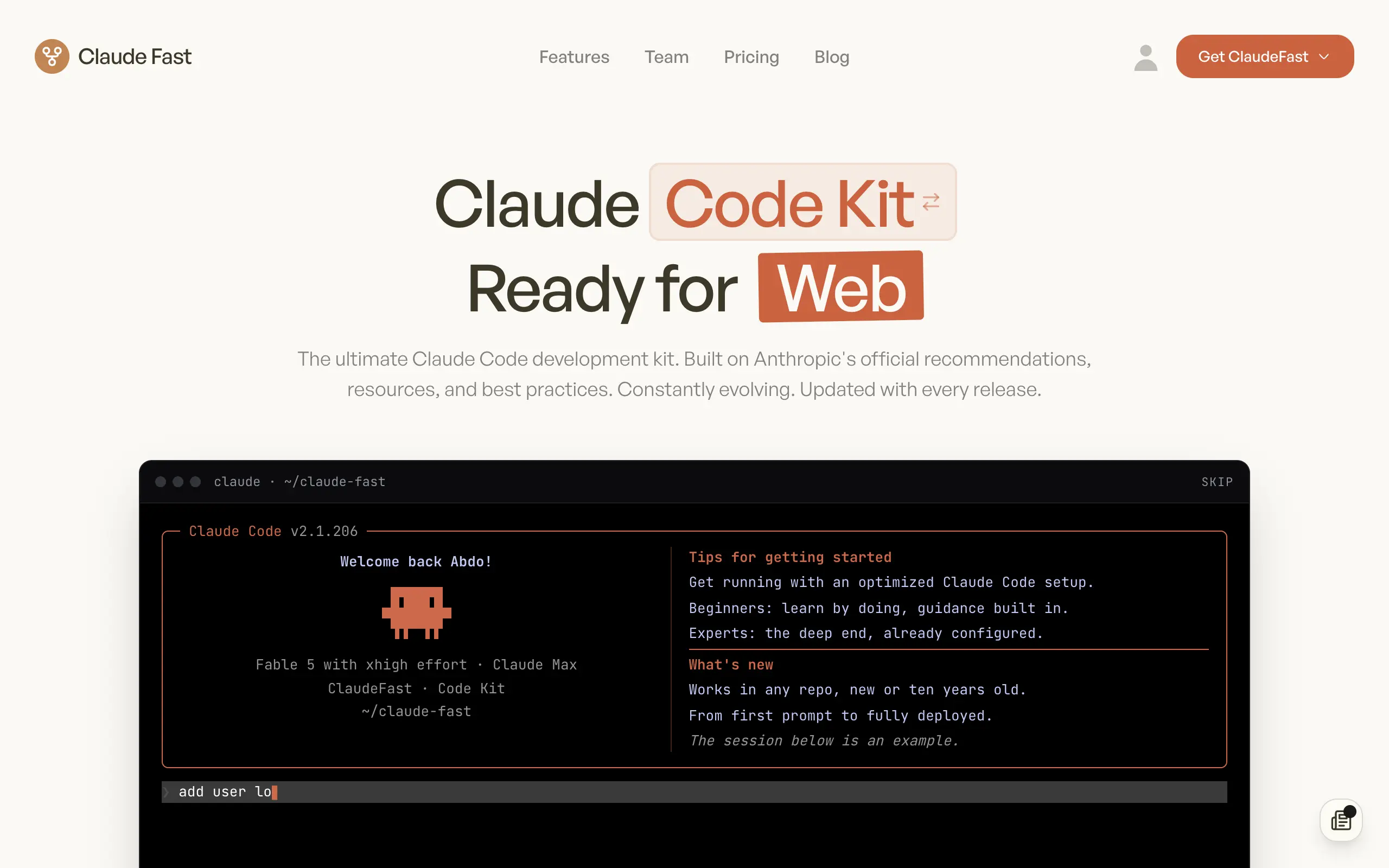
Claude Fast
Supercharge your Claude Code with 6x effective context window and specialized AI agents 🤖
EmojAI
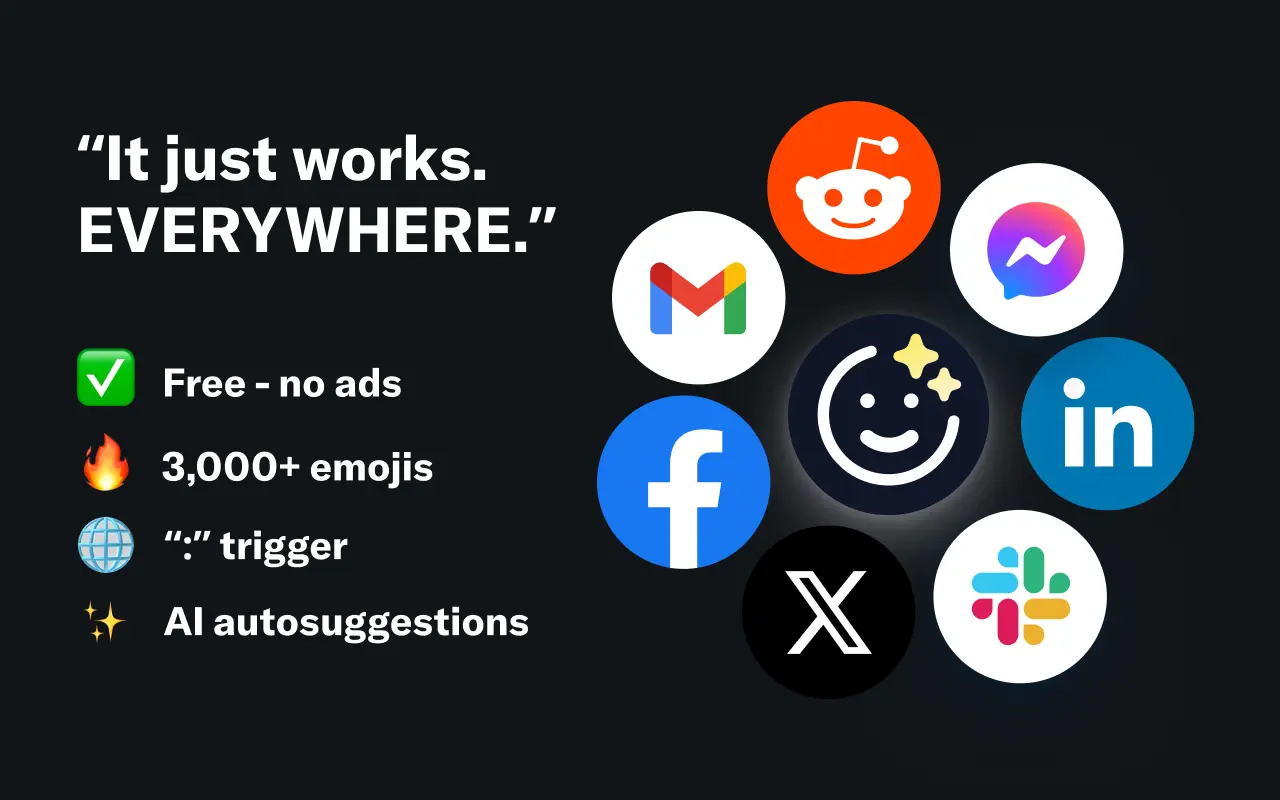
AI-powered emoji picker with smart, context-aware suggestions 🤖

Solohacker
Autonomous company launcher - AI agents work 24/7, escalate what matters, and you stay in control 🤖
BeRawi: Storytelling Coach
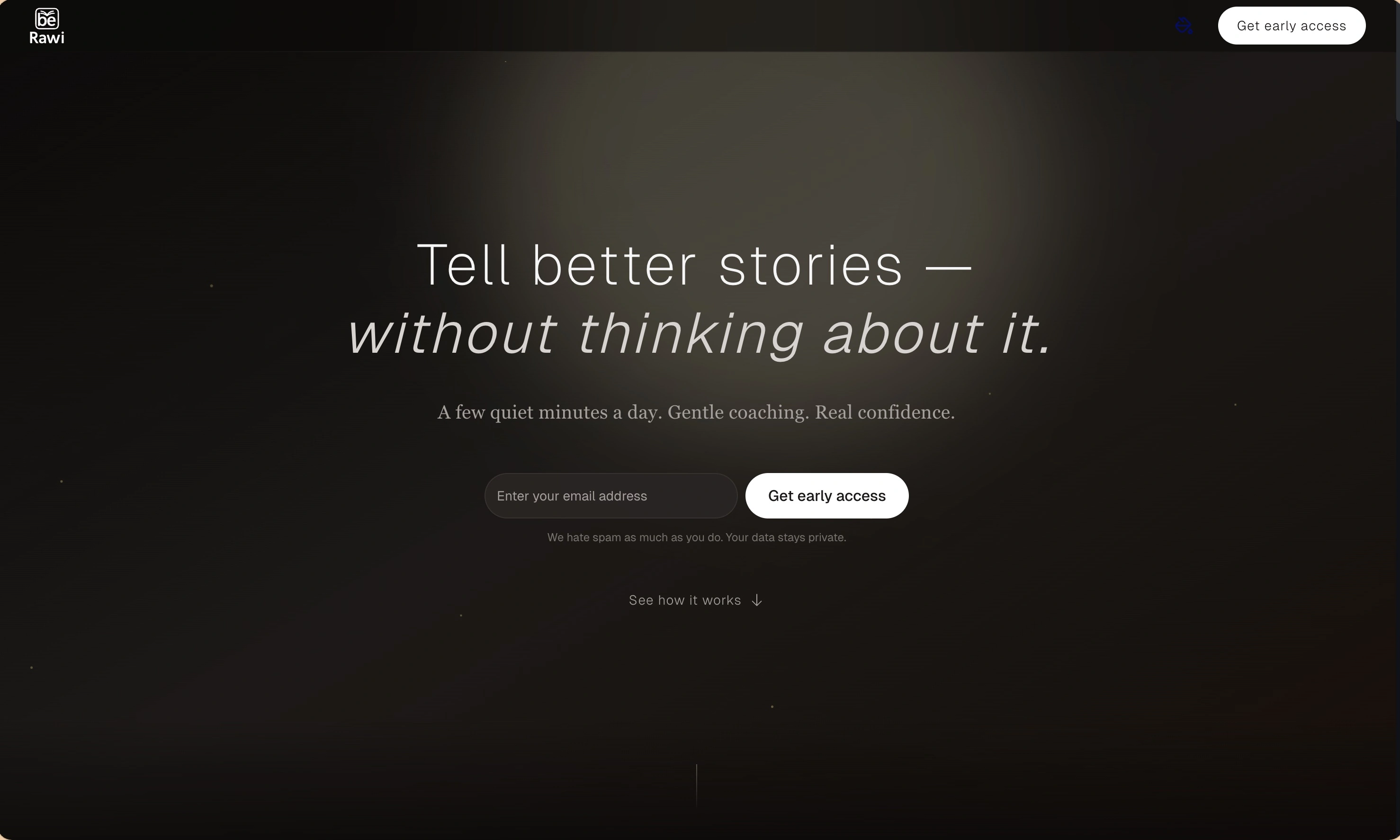
Practice storytelling daily with instant feedback to sound clearer, more engaging, and confident 🎤
Omichat
Chat with 50+ AI models, including ChatGPT and Claude, in one place - switch models anytime without losing context 🤖
Claude Fast
Supercharge your Claude Code with 6x effective context window and specialized AI agents 🤖
EmojAI
AI-powered emoji picker with smart, context-aware suggestions 🤖
Solohacker
Autonomous company launcher - AI agents work 24/7, escalate what matters, and you stay in control 🤖
BeRawi: Storytelling Coach
Practice storytelling daily with instant feedback to sound clearer, more engaging, and confident 🎤

Connect with like-minded people
Join our community to get feedback, support, and grow together with 1,000+ builders on board, let's ship it!
Join usShip your startup everywhere. In minutes.
Don't burn tokens on setup and start building features on day one.