CoFounders Club
Meet ambitious startup-minded people for collaboration, mentorship, or your next role. Find compatible builders through goals and working styles.
CoFounders Club is a concept for a cofounder matching platform that helps startup-minded people find collaborators, mentors, and startup roles based on what they want to build and how they work. Its central promise is more thoughtful than a directory of profiles: help people find a working relationship with the potential to last beyond an introductory call.
That promise addresses a real challenge for early-stage founders. A promising idea does not automatically come with the right partner, and a long list of potential collaborators does not make it easier to identify someone with compatible goals, availability, skills, and expectations. A useful platform needs to make those qualities easier to express, compare, and discuss.
What is CoFounders Club?
CoFounders Club is a B2C startup networking and cofounder matching platform. It would help ambitious people discover and connect with others who are exploring a startup, seeking a cofounder, offering mentorship, or looking for their next startup role.
The product’s distinguishing focus is compatibility. Instead of treating a match as a shared industry interest or complementary job title, CoFounders Club can help members assess a wider set of practical considerations:
- What each person hopes to build
- The stage of their startup journey
- Their preferred role and contribution
- Their relevant skills and experience
- How much time they can commit
- Whether they are exploring, validating, or ready to launch
- Their communication preferences and working style
- Their expectations around equity, compensation, and decision-making
This matters because a cofounder relationship is not just a professional introduction. It can involve sustained collaboration, financial uncertainty, disagreements about product direction, and shared responsibility for a young business. The product should help users start better conversations while being clear that no matching score can guarantee a successful partnership.
The problem with finding a cofounder
People seeking a cofounder often begin with their existing network. They ask former colleagues, friends, online communities, or local startup groups. These channels can work well, but they can also be limited by geography, industry, social circles, and timing.
When someone turns to a broad networking platform, they may encounter a different problem. Profiles often explain what a person does, but not what they want to do next or what kind of collaboration they are open to. A software engineer who is interested in building a climate startup might look nearly identical to another engineer who has no interest in entrepreneurship.
A generic startup directory has its own limitations. A user may find people with relevant skills but still not know whether they:
- Want to build the same kind of company
- Are available to contribute consistently
- Are looking for a cofounder or merely networking
- Share expectations about risk, pace, and ownership
- Have compatible approaches to communication and decision-making
For users, this can lead to a frustrating cycle of vague introductions and low-context conversations. For the platform, it creates a product challenge: the value is not simply helping people meet. It is helping them understand why a conversation might be worthwhile.
The market opportunity for a cofounder matching platform
The opportunity for CoFounders Club lies in a focused layer between general social networking and formal startup formation. It can serve people who are not yet ready to hire, incorporate, or raise money but are ready to explore a serious collaboration.
A specific job to be done
A user may arrive with one of several goals:
- Find a technical or commercial cofounder
- Meet someone to test a startup idea
- Find a mentor with relevant experience
- Join an early-stage startup
- Explore entrepreneurship without committing immediately
- Meet a collaborator with complementary skills
These are related needs, but they should not be collapsed into one generic profile or one universal match feed. Someone seeking a cofounder needs different information from someone looking for a mentor or a first startup role. CoFounders Club can capture the user’s primary intent and tailor discovery, profile prompts, and calls to action accordingly.
A trust and context gap
Many networking products make discovery easy but provide little help with the context needed for a meaningful first conversation. A person can browse profiles, but still be left to determine whether the other member has the right intentions, availability, and expectations.
A purpose-built platform can address this gap by showing relevant signals before a connection is made. For example, it could highlight that two people are both interested in building a B2B product, are available part-time, and want to validate an idea before raising capital. That does not prove they are compatible, but it gives them a more useful starting point than a shared job title alone.
An opportunity to support exploration
Not every user is ready to choose a cofounder. Some are still developing an idea, learning about startup roles, or testing whether they want to become a founder. A product that recognizes these stages can welcome people earlier without suggesting that every member should immediately form a company.
This creates a broader top of funnel while preserving a serious purpose. Members can begin by exploring, then update their profiles as their goals become clearer. The platform can support that progression with relevant recommendations rather than forcing a premature commitment.
Who CoFounders Club should serve
The initial audience should be ambitious people with a clear interest in startups, but the product should distinguish between their different needs and levels of readiness.
First-time founders
First-time founders may have a promising problem area, an early concept, or initial customer insight but lack a partner with the skills or experience they need. They benefit from a structured way to describe their idea, their strengths, and the role they hope a cofounder will fill.
The platform should help these users communicate honestly. A profile that says “exploring a problem in healthcare” is more useful than one that presents an unvalidated idea as a fully formed business.
Experienced operators and specialists
People with experience in engineering, product, design, sales, finance, marketing, or operations may be interested in joining an early-stage company. Some may want to become a founder; others may prefer a founding-team role or a lower-risk way to explore startup work.
CoFounders Club can help these users make their preferences explicit. That reduces mismatched introductions between someone seeking a committed cofounder and someone who is only available for occasional advice.
Aspiring founders
Aspiring founders may have skills and motivation but no specific idea or partner. They need a product experience that makes it easy to express interests, evaluate opportunities, and connect without implying that they must already have a startup concept.
Mentors and startup professionals
Mentors can contribute valuable experience, but their availability and desired involvement vary. A product should distinguish formal mentorship from casual advice, cofounder interest, and hiring. Clear intent labels can make expectations easier to establish before a conversation begins.
Founding teams and early-stage startups
A small team may already exist but need another founder, an early employee, or a specialist collaborator. Supporting these teams expands the platform’s value beyond individual discovery, though team profiles introduce additional moderation and verification needs.
Core features for CoFounders Club
A successful first version should prioritize features that improve the quality of discovery and help users move from a relevant match to a useful conversation.
Intent-based onboarding
The onboarding flow should ask what the user wants to do, rather than assuming every signup is searching for a cofounder. Possible intents include:
- Find a cofounder
- Join an early-stage startup
- Explore startup ideas
- Find a mentor
- Offer mentorship
- Meet collaborators
Users should be able to select more than one intent, while identifying their current priority. The product can then shape profile questions and recommendations around that choice.
Structured founder profiles
A structured profile gives the matching system useful information without turning onboarding into an exhausting questionnaire. The profile should cover:
- Skills and areas of experience
- Industry interests
- Startup stage and preferred stage
- Location and willingness to work remotely
- Availability and preferred level of commitment
- Current role or professional background
- What the user hopes to contribute
- What they are looking for in another person
- Working-style preferences
- Topics they are not ready to compromise on
Prompts should encourage specific answers. “I’m interested in startups” gives little context; “I’m exploring workflow tools for independent clinics and can contribute ten hours a week” gives another member something concrete to respond to.
Idea and opportunity profiles
A user looking for a cofounder may want to present an idea, customer problem, or opportunity. The platform should let them explain the problem and the stage of exploration without requiring a polished pitch deck.
To protect members’ trust, the product should make sharing settings clear. Users should decide whether an idea is visible to everyone, only to accepted connections, or summarized without sensitive details. The platform should avoid implying that posting an idea grants legal protection or guarantees confidentiality.
Compatibility-based discovery
Matching should combine user preferences with practical compatibility signals. A useful first version can favor transparent, understandable filters over an opaque score that appears more scientific than it is.
Possible factors include:
- Shared industry or customer interests
- Complementary skills
- Compatible startup stage
- Aligned availability
- Similar appetite for uncertainty
- Overlapping goals and preferred roles
- Compatible location or remote-work preferences
The product can explain why a person appears in a recommendation. “You both want to validate a B2B idea, and your skills are complementary” is more actionable than a score with no explanation.
Intentional introductions
A connection request should include context. Instead of a generic “connect” button, members might choose a prompt such as:
- “I’d like to compare approaches to this problem.”
- “I’m looking for a technical cofounder and would like to discuss fit.”
- “I’m interested in your experience in this industry.”
- “I’m exploring a role at an early-stage startup.”
This gives the recipient a better basis for deciding whether to respond and gives both people a more focused first conversation.
Collaboration and conversation tools
The platform does not need to build a complete workplace suite at launch. It can make the first stages of collaboration easier with lightweight tools:
- In-platform messaging
- Suggested conversation prompts
- A way to bookmark or revisit profiles
- Shared notes after an introductory conversation
- A structured follow-up such as “continue exploring,” “not a fit,” or “stay in touch”
The objective is not to replace email, video calls, or project management software. It is to support the transition from discovery to a thoughtful next step.
Safety and profile quality
Trust should be treated as a core feature, not a later add-on. CoFounders Club should provide reporting and blocking, clear community expectations, moderation workflows, and controls for managing profile visibility.
Verification can be introduced carefully. For example, users might verify an email address or optionally link a professional profile. Verification should clarify what has actually been checked; it should not imply that a member’s claims, business idea, or intentions have been independently validated.
How to design matching without overpromising
A cofounder matching platform should frame recommendations as useful leads, not predictions of relationship success. Compatibility depends on how people behave together over time, and a profile cannot capture every important quality.
A practical matching approach can use three layers:
- Eligibility filters determine whether two people are broadly available for the same kind of connection. For instance, a mentor-only profile should not automatically appear as a cofounder prospect.
- Preference alignment compares selected goals, industries, stages, and working arrangements.
- Complementarity signals identify ways people may bring different but relevant skills or experience.
A simple initial score might look like this:
type FounderProfile = {
  goals: string[];
  industries: string[];
  skills: string[];
  availabilityHours: number;
  preferredStage: string[];
  workPreferences: string[];
};

function compatibilityScore(
  a: FounderProfile,
  b: FounderProfile
): number {
  const sharedGoals = overlapRatio(a.goals, b.goals);
  const sharedIndustries = overlapRatio(a.industries, b.industries);
  const complementarySkills = complementarity(a.skills, b.skills);
  const availabilityFit = availabilityCompatibility(
    a.availabilityHours,
    b.availabilityHours
  );
  const stageFit = overlapRatio(a.preferredStage, b.preferredStage);
  const workStyleFit = overlapRatio(
    a.workPreferences,
    b.workPreferences
  );

  return (
    sharedGoals * 0.25 +
    sharedIndustries * 0.15 +
    complementarySkills * 0.20 +
    availabilityFit * 0.15 +
    stageFit * 0.15 +
    workStyleFit * 0.10
  );
}
This code is illustrative, not a validated model. Before using a score in production, the team should define how each factor is measured, test whether recommendations help users make better connections, and check whether the system unintentionally disadvantages certain groups. Users should also have controls to correct their preferences and explain when a recommendation is irrelevant.
Competitive advantage and positioning
CoFounders Club would compete for attention with several kinds of alternatives: professional networks, founder communities, startup job boards, general social platforms, and offline events. Its advantage should not depend on claiming that these alternatives are ineffective. Each can be useful. The strategic question is what CoFounders Club can do especially well.
| Alternative | What it does well | Potential gap CoFounders Club can address |
|---|---|---|
| Professional networks | Broad reach and career context | Startup intent and collaboration preferences may be difficult to interpret |
| General social communities | Open discussion and peer interaction | Discovery can be noisy and member goals may be unclear |
| Startup job boards | Hiring for defined roles | A founding relationship may be less structured than a conventional job listing |
| Offline events | Rich, in-person conversations | Discovery is limited by timing, location, and who attends |
| CoFounders Club | Purpose-built profiles and intent-based discovery | Must earn trust and demonstrate match quality over time |
The USP
The strongest unique selling proposition is finding startup collaborators through a richer picture of goals and working styles, not just professional credentials.
That positioning should be visible throughout the product. Profiles, recommendations, and onboarding should all help members understand:
- What another person wants
- What they can contribute
- How ready they are to collaborate
- Why the platform thinks a conversation may be relevant
A focused experience can also create a useful feedback loop. If members share whether a recommendation led to a conversation, an ongoing collaboration, or a mismatch, the product can improve its discovery logic. Any use of this feedback should be transparent and privacy-conscious.
Defensibility over time
A matching interface alone is easy to copy. A more durable advantage would come from combining:
- High-quality, current member profiles
- Clear and distinctive startup-intent data
- Trustworthy community practices
- A track record of relevant introductions
- Learning from member feedback
- Strong participation within particular regions, industries, or founder communities
This is why an initial launch should focus on a specific community rather than trying to serve every founder everywhere. A concentrated group is more likely to produce relevant matches than a large but inactive directory.
Recommended tech stack
The initial architecture should make it possible to test onboarding, discovery, messaging, and user trust without building unnecessary infrastructure.
Web application
A web-first product can make onboarding and profile sharing easy across devices. React is a common option for building interactive interfaces. A team may choose a framework built around React if it needs integrated routing and server-side rendering; the trade-off is adopting framework conventions and more architectural complexity than a small standalone interface may need.
For styling, Tailwind CSS can help a small team build and iterate on a consistent interface quickly. The trade-off is that utility-heavy markup requires shared conventions and design-system discipline as the application grows.
Database and backend
A relational database is a strong fit because the product connects structured entities: users, goals, skills, interests, matches, conversations, and reports. PostgreSQL supports relational queries and constraints that can help maintain data integrity.
A managed backend service can speed up authentication, database setup, and early product development. This can be a practical choice for a small team, but it does not remove the need to design authorization carefully. Profile visibility, private messages, idea access, and moderation records require deliberate permissions.
Matching and search
The first version should begin with transparent filtering and weighted rules. This keeps recommendations understandable and makes it easier to learn which signals matter. A dedicated search service or more advanced ranking system may become worthwhile when the member base grows or users need faster, more flexible discovery.
Do not introduce machine learning simply because a matching product sounds like an AI use case. The team first needs enough reliable data to evaluate recommendations, a clear outcome to optimize, and a way to monitor whether the system is producing unfair or low-quality results.
Payments and product analytics
If the business introduces subscriptions, payment processing should be handled through a reputable provider rather than custom-built payment infrastructure. Stripe is one option for online payments; the right choice depends on the product’s markets, pricing model, and operational needs.
Product analytics can help the team understand where users drop off, which profile prompts they complete, and whether members return to the platform. Analytics should collect only what is needed to answer product questions, with appropriate notice and privacy controls. Sensitive profile data should not be casually copied into analytics events.
Use an accelerator when it fits
A SaaS starter can help reduce the time spent on common product foundations, but it should be evaluated against the team’s architecture and product requirements. TurboStarter is worth considering if its supported stack and included functionality fit the project. The team should still review its authentication, billing, deployment, and access-control approach before committing to a foundation.
Monetization strategy options
Monetization should reinforce the quality of the network rather than encourage indiscriminate outreach. Early in the product’s life, learning whether users can find relevant connections is usually more important than maximizing revenue per member.
Freemium memberships
A free tier can reduce barriers to joining and help build a community. A paid membership could later provide more discovery controls, expanded search, additional introductions, or tools for organizing conversations.
The risk is putting essential functionality behind a paywall before the product proves its value. If free users cannot find enough relevant people to experience the benefit, they may leave before considering an upgrade.
Subscription for active search
Some users have a time-sensitive goal, such as finding a cofounder or exploring a founding-team opportunity. A subscription aimed at active members could provide enhanced discovery and workflow tools.
Pricing should be tested with real user interviews and behavior, not based solely on what other networking products charge. The product should make it clear which features are paid and avoid implying that payment guarantees a successful match.
Paid events and programs
CoFounders Club could offer small-group events, workshops, or structured founder-matching sessions. These can create value while helping members build trust beyond profile browsing. Events also allow the team to learn which conversations and matching formats work best.
The challenge is operational effort. Events require planning and facilitation, and they may not scale as easily as software subscriptions.
Mentorship offerings
If mentors want to offer structured sessions, the platform could support paid bookings or packages. This model requires clear expectations about mentor qualifications, session scope, cancellations, and dispute handling. Mentorship should remain distinct from cofounder matching so members understand what they are paying for.
Avoid advertising as the first business model
Advertising may seem attractive because the platform has a professional audience, but it can introduce incentives that conflict with user trust. Targeting based on sensitive career ambitions or startup ideas would be particularly risky. A membership or service model is more directly aligned with helping members achieve a specific outcome.
Risks and how to mitigate them
Low liquidity
A matching platform needs enough active members with compatible goals. A user may join, find few relevant profiles, and leave before the community grows.
Mitigation: Launch with a narrow audience, such as one city, industry, founder stage, or community. Recruit members before opening broadly and measure whether people receive relevant recommendations, not just whether they register.
Weak or outdated profiles
Matching quality depends on accurate information. Users may create vague profiles or fail to update them as their plans change.
Mitigation: Use concise prompts, show examples of useful answers, and provide gentle reminders to refresh key information. Let members pause discovery when they are no longer available.
Trust and safety problems
A professional networking product can attract spam, misrepresentation, harassment, or inappropriate requests.
Mitigation: Establish community standards, make blocking and reporting easy, review reports consistently, and apply proportionate account restrictions. Protect private information and avoid exposing contact details without permission.
False confidence in compatibility scores
A numerical score can imply scientific certainty when the underlying model is only a set of product assumptions.
Mitigation: Describe scores as directional signals, explain the reasons behind a recommendation, and let users control their preferences. Evaluate outcomes using member feedback rather than treating clicks as proof of compatibility.
Sensitive idea disclosure
Members may worry that sharing an idea exposes it to others. The platform must not promise legal protection it cannot provide.
Mitigation: Give users clear visibility settings, encourage problem-level descriptions where appropriate, and explain what information is public to each audience. Seek qualified legal advice on privacy terms and intellectual-property language for the markets served.
Monetization that harms the network
Charging for essential visibility or allowing paid members to send unlimited messages could increase spam and weaken trust.
Mitigation: Tie paid features to genuine workflow value, maintain strong communication limits, and monitor whether monetization changes the quality of interactions.
Diversity and bias in matching
A system based on user preferences or historical engagement can reproduce existing imbalances. A ranking model may also favor profiles that are more polished or have conventional credentials.
Mitigation: Offer multiple routes to discovery, keep profile criteria relevant to the task, audit recommendation outcomes, and avoid presenting a single ranking as the definitive best match. Provide controls for members to report missing or inappropriate recommendations.
Metrics to measure product-market fit
Downloads and registrations are not enough to show that CoFounders Club is solving the problem. The product should track whether members reach meaningful outcomes.
Useful early measures include:
- Profile completion for information that supports matching
- Percentage of new members receiving relevant recommendations
- Connection request acceptance rate
- Time from signup to first useful conversation
- Member-reported quality of introductions
- Repeat engagement after an initial connection
- Percentage of members who return to update or use their profile
- Reports, blocks, and spam rates
- Conversion to paid features, once introduced
A “useful conversation” should be defined carefully. It does not have to produce a cofounder agreement. A member may consider the experience valuable if it helps them clarify their goals, find a mentor, or rule out a mismatch early.
The team should pair quantitative analytics with interviews. A high connection rate could mask low-quality interactions, while a lower rate might reflect users being more selective and making better choices. Ask members what happened after introductions and what information would have helped them decide.
Actionable implementation steps
Choose a narrow launch audience
Select a group with a clear shared context, such as first-time founders in a particular region or people building in one industry. Define why this group is likely to benefit from structured discovery and how the team can reach its members.
Interview potential members
Speak with people seeking cofounders, potential cofounders, mentors, and early startup hires. Ask how they currently find collaborators, what made past introductions useful or frustrating, and what information they need before agreeing to a conversation.
Validate the profile and matching inputs
Test profile prompts with real users. Remove questions that are difficult to answer or do not change a recommendation. Make the most important signals easy to update, particularly goals, availability, and current intent.
Run a concierge matching pilot
Before building a complex recommendation engine, manually review a small group of profiles and suggest relevant introductions. This can reveal which compatibility signals matter and where users’ expectations differ from the product’s assumptions.
Build a focused MVP
Start with onboarding, structured profiles, filters, recommendations with clear explanations, connection requests, messaging, and reporting. Avoid building a large event platform, extensive automation, or advanced AI before the core discovery experience works.
Measure outcomes and iterate
Track the path from signup to first conversation and ask members whether the introduction was useful. Use this feedback to improve onboarding and recommendation rules. Expand to a broader audience only when the initial community can consistently produce relevant connections.
Start with trust, not ranking
A strong early product does not need a sophisticated algorithm. It needs useful profile context, a focused community, clear expectations, and a safe way for members to decide whether to connect.
The long-term opportunity
CoFounders Club has the potential to become more than a place to browse founder profiles. If it earns member trust, it can support a broader journey from early curiosity to a working relationship: discovering people, testing shared interests, finding mentors, and exploring startup roles.
The idea’s strongest advantage is its focus on the qualities that make collaboration possible. Skills and credentials matter, but startup goals, availability, expectations, and working style can be just as consequential. A product that makes those factors visible can help people begin more informed conversations.
The key is to make the promise carefully. CoFounders Club cannot guarantee that two people will become successful cofounders. It can make the search more intentional, give members better context, and help them spend more time on connections that are genuinely worth exploring. That is a focused, testable product proposition—and a practical foundation for building a trusted cofounder matching platform.
More 👥 B2C Application SaaS ideas
Discover more innovative b2c application SaaS ideas that are trending in 2026. Each idea is AI-generated with market validation and growth potential to help you find your next profitable venture faster than competitors.
Your competitors are building with TurboStarter
Below are some of the SaaS ideas that have been generated and built with our starter kit.
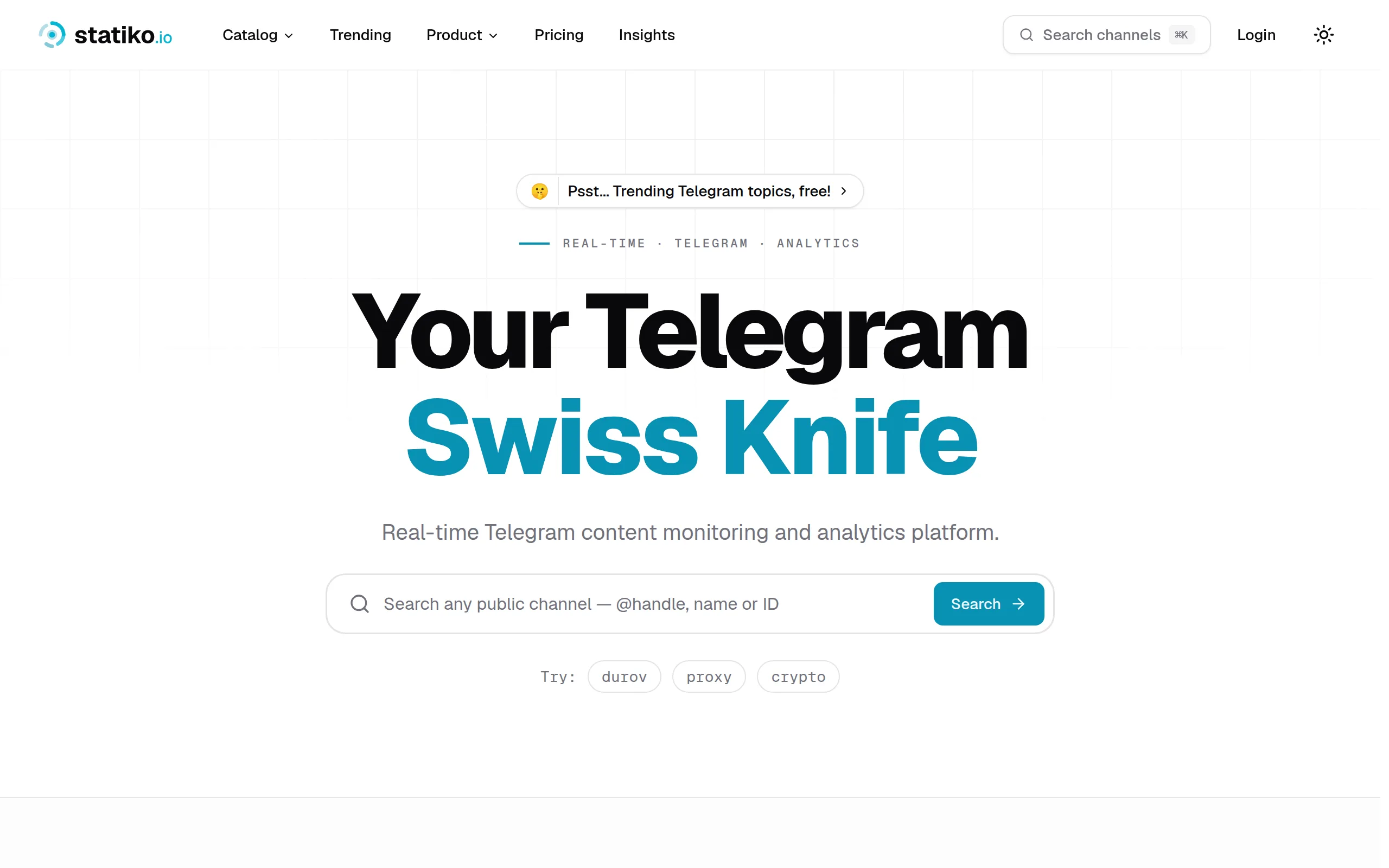
Statiko
Monitor any Telegram channel in real time - track posts, edits, deletions, and growth with AI recaps 📡
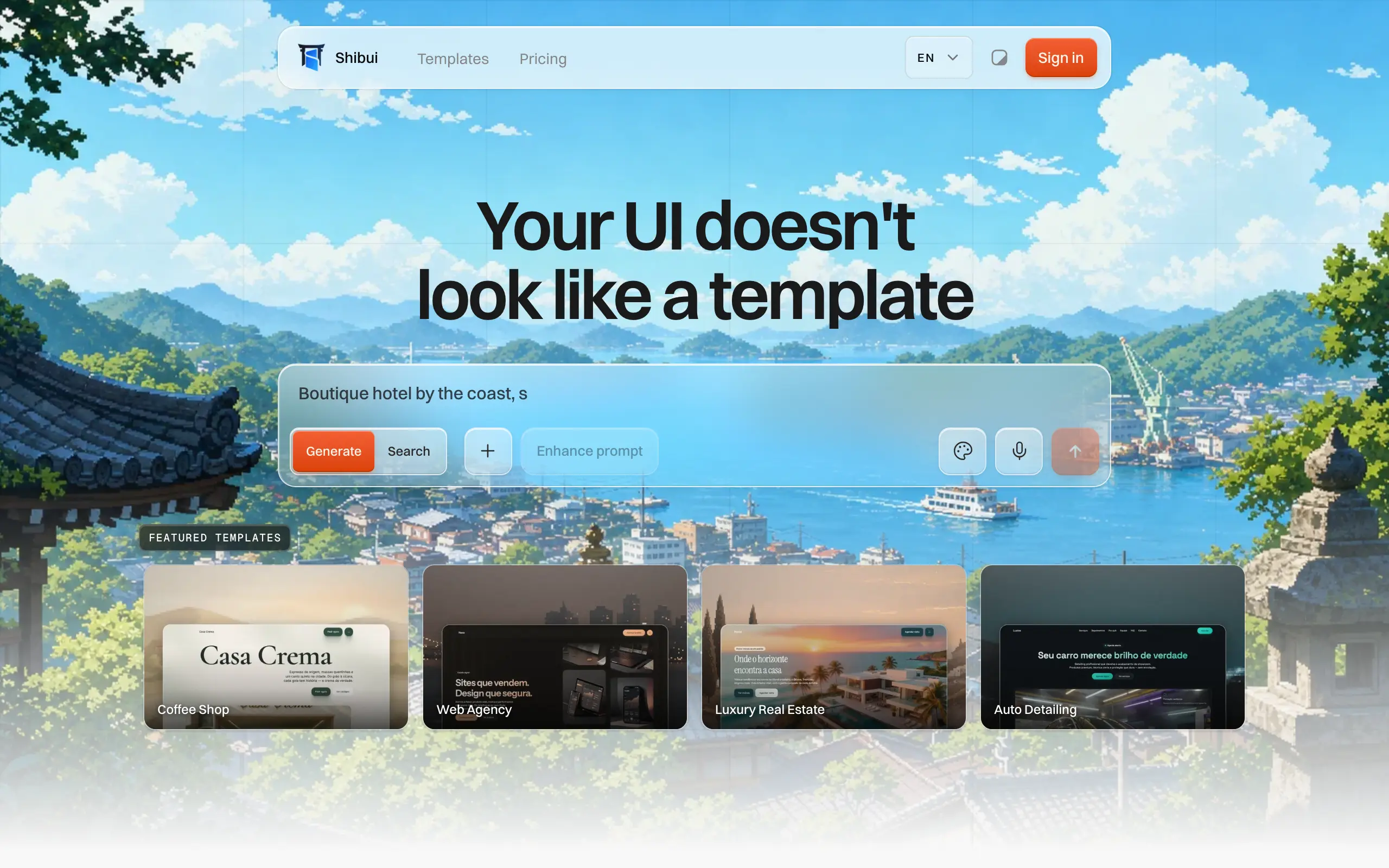
Shibui
AI website builder - describe your business, pick a niche template, edit by chatting, and publish instantly ✨
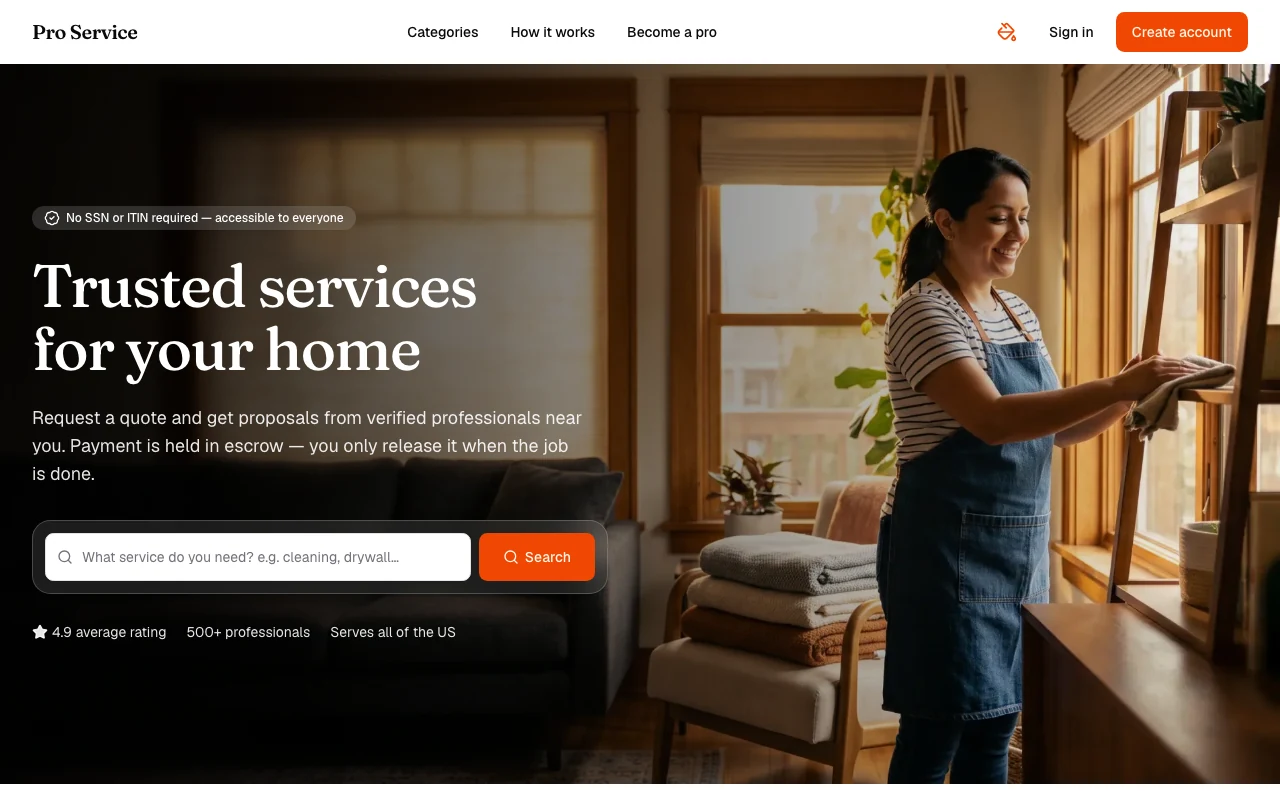
Pro Service
Find verified home service professionals, compare quotes, and pay securely through escrow - built for Brazilians across the US 🏠
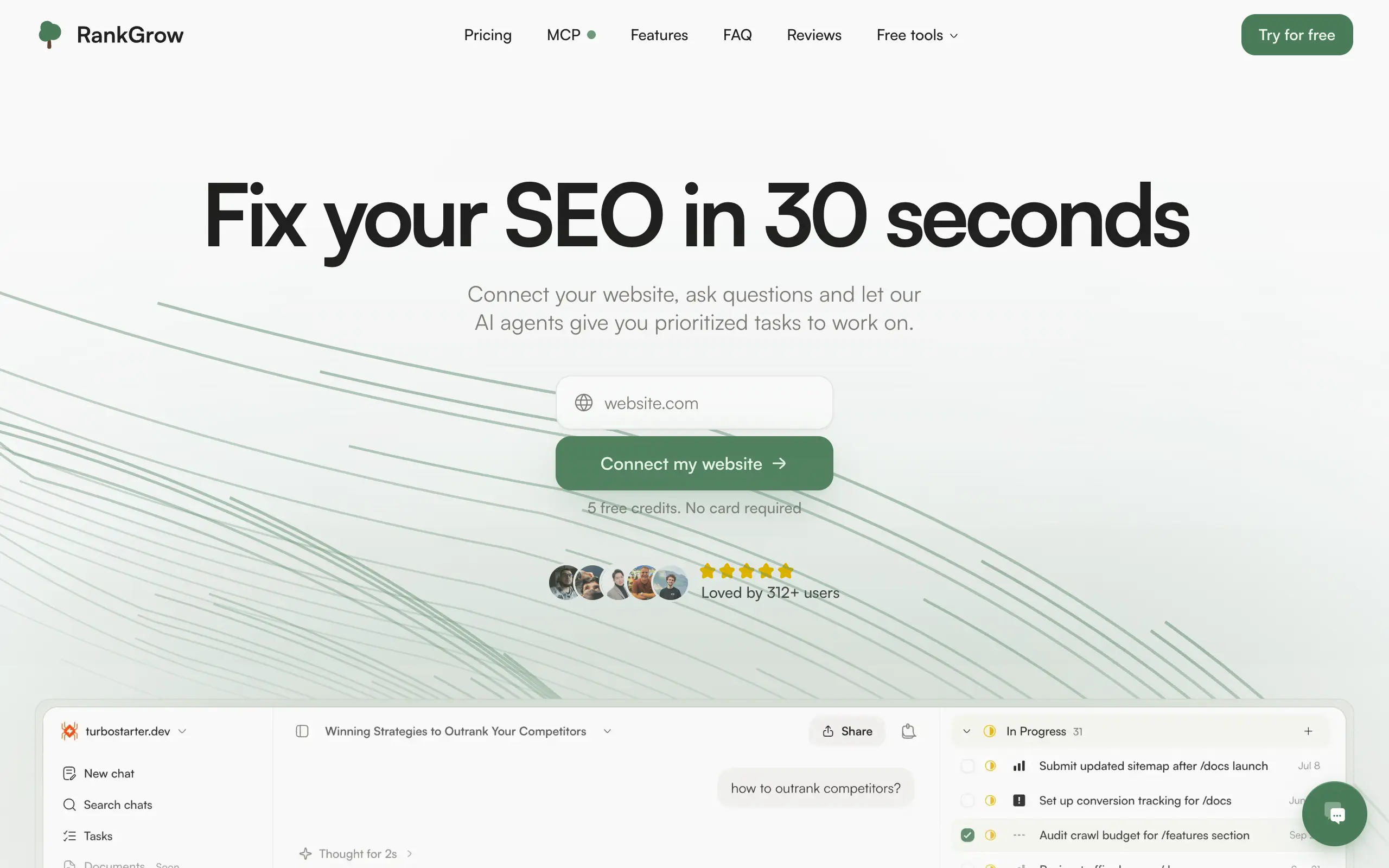
RankGrow
Fix your SEO with AI agents - connect Search Console, get prioritized tasks, and grow organic traffic 📈
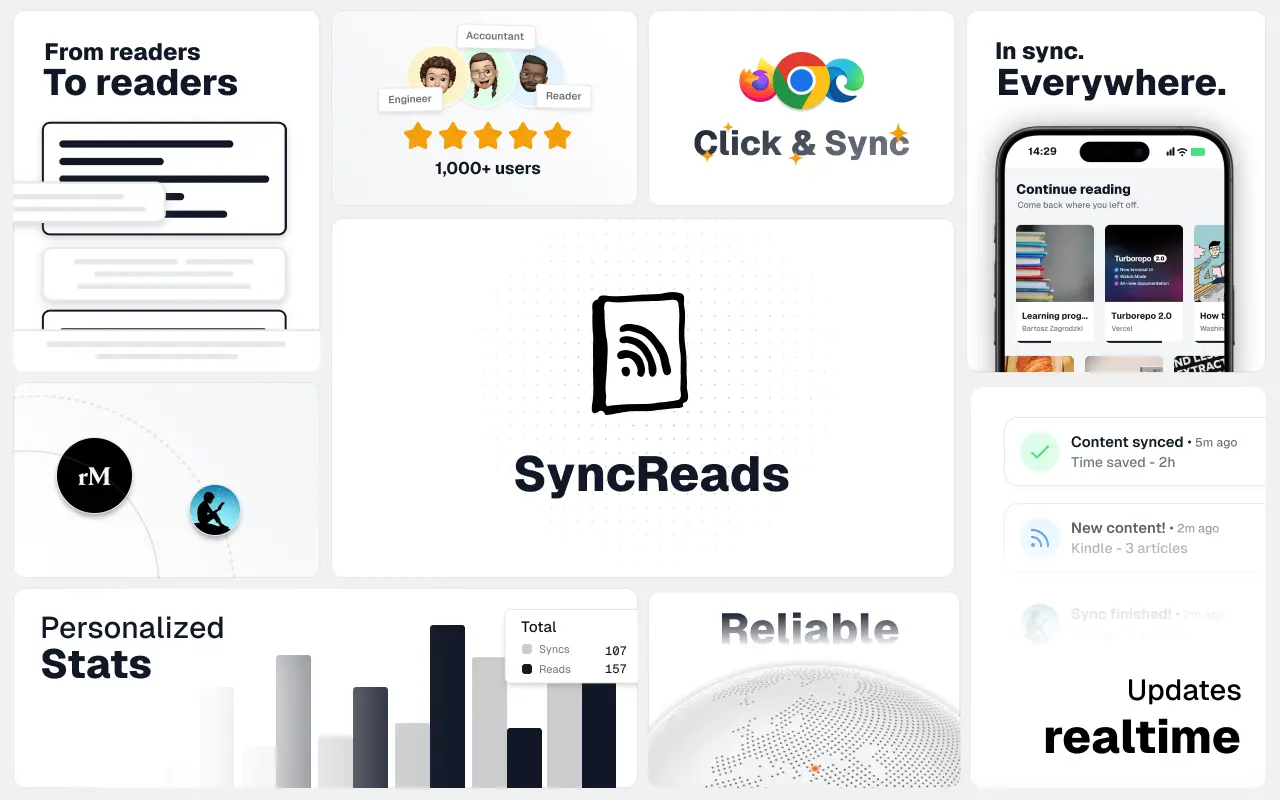
SyncReads
Sync your favorite content for distraction-free reading, save time and replace multiple apps. Anytime, anywhere 🔄
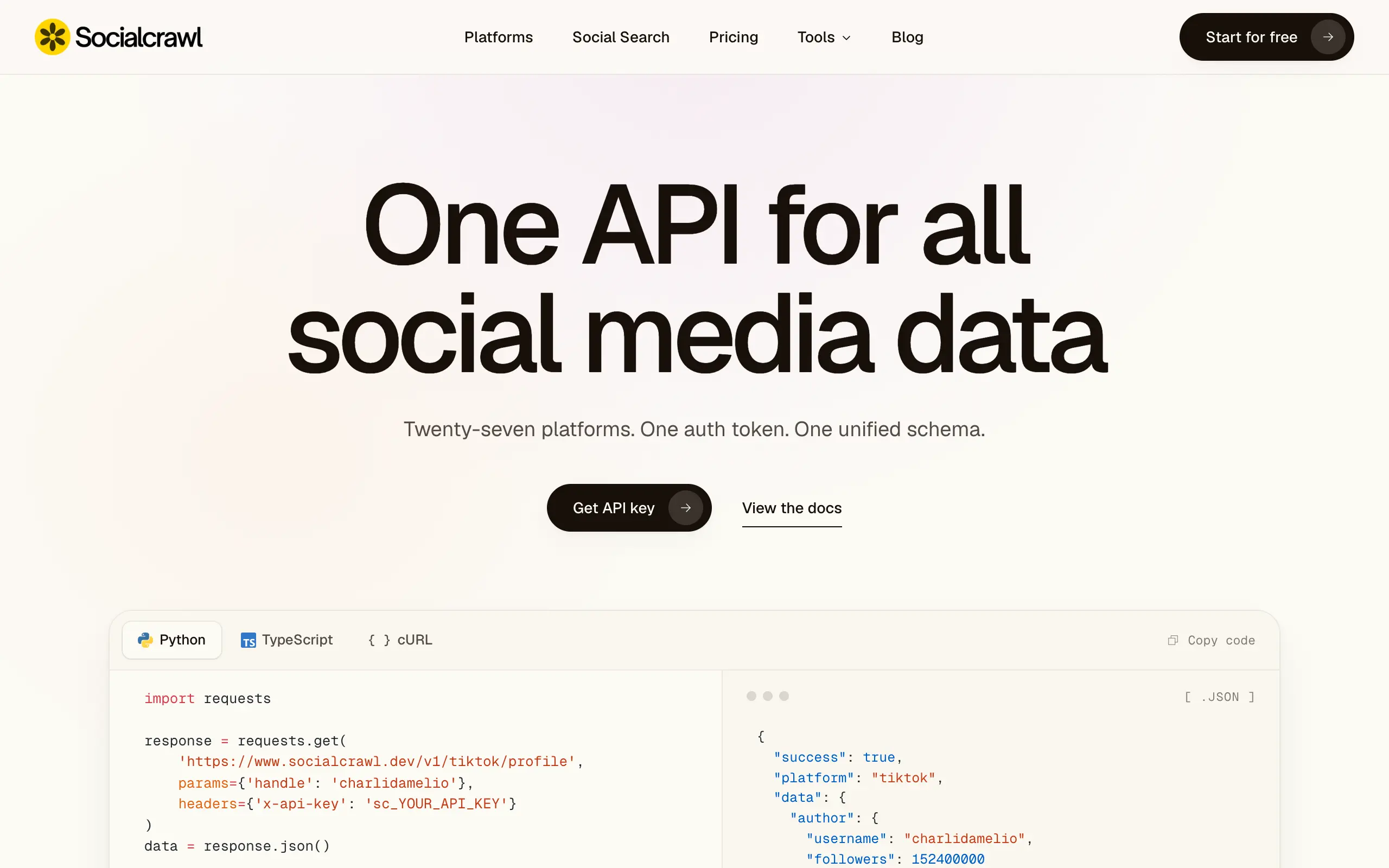
Socialcrawl
Get clean, structured data from 21 platforms like TikTok, Instagram, and YouTube with a single request 📊
Statiko
Monitor any Telegram channel in real time - track posts, edits, deletions, and growth with AI recaps 📡
Shibui
AI website builder - describe your business, pick a niche template, edit by chatting, and publish instantly ✨
Pro Service
Find verified home service professionals, compare quotes, and pay securely through escrow - built for Brazilians across the US 🏠
RankGrow
Fix your SEO with AI agents - connect Search Console, get prioritized tasks, and grow organic traffic 📈
SyncReads
Sync your favorite content for distraction-free reading, save time and replace multiple apps. Anytime, anywhere 🔄
Socialcrawl
Get clean, structured data from 21 platforms like TikTok, Instagram, and YouTube with a single request 📊
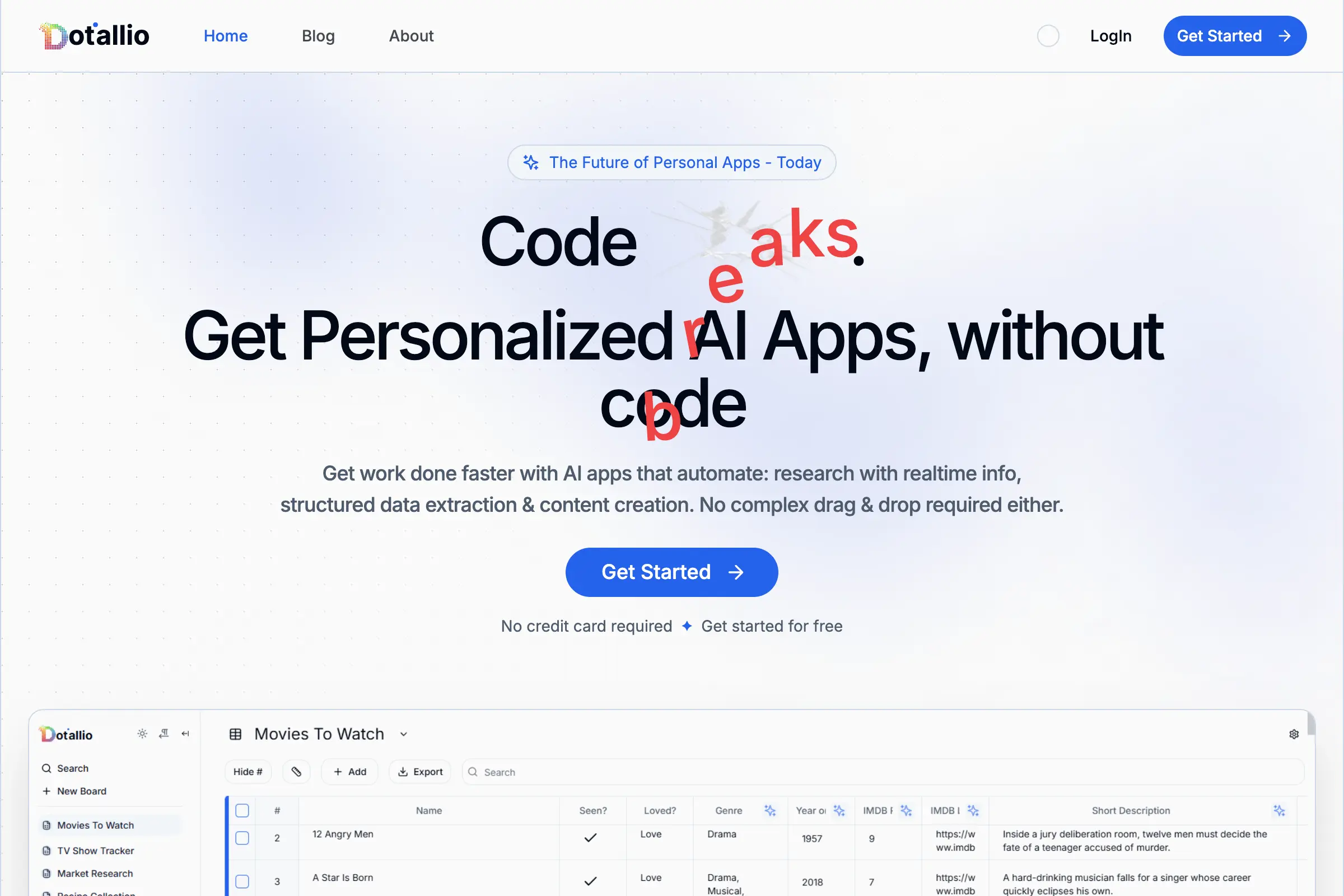
Dotallio
Personalized AI apps that automate research, data extraction, and content creation without code 🤖
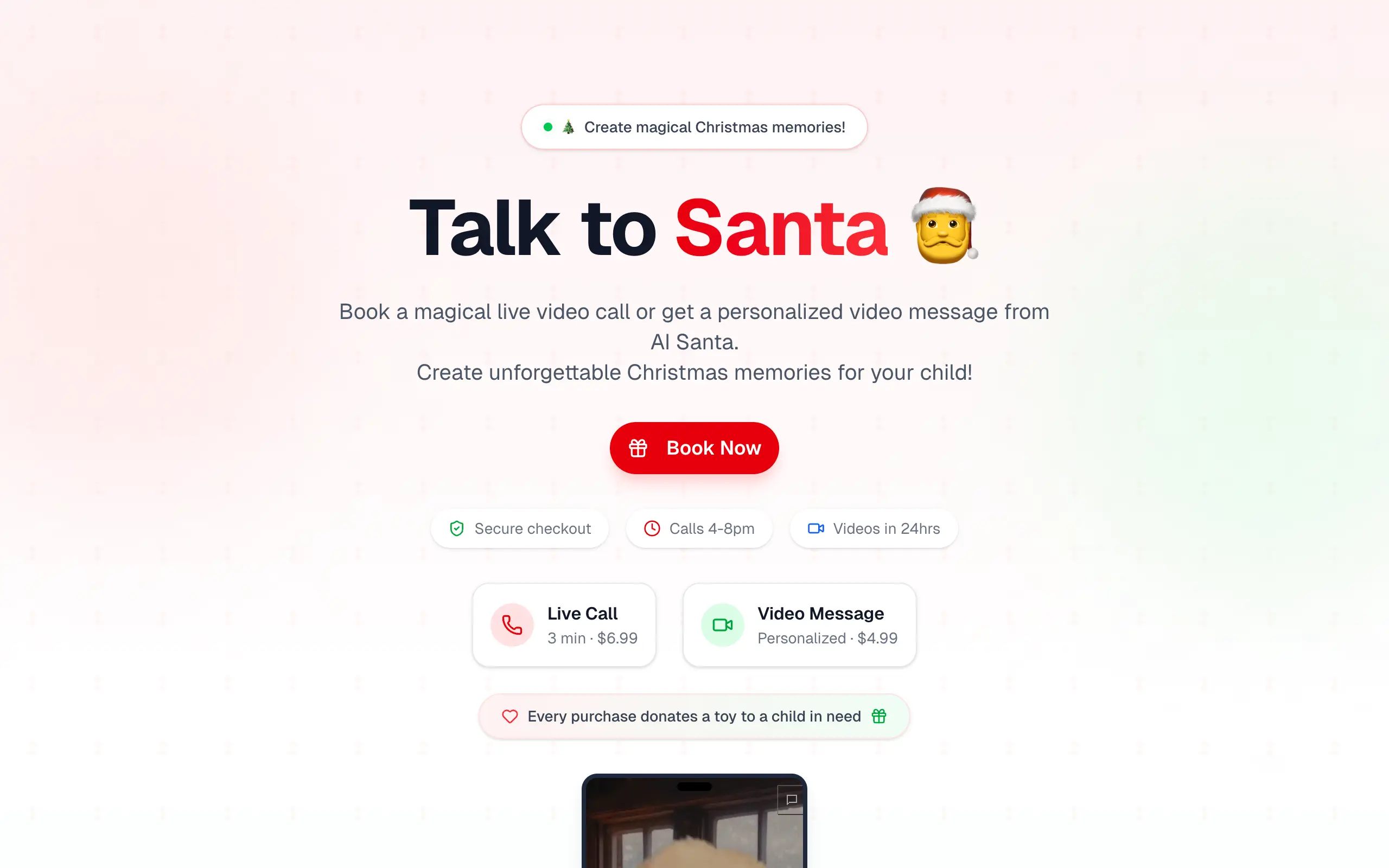
Talk to Santa
Enjoy a magical live video chat or receive a unique AI-generated video greeting from Santa Claus 🎅
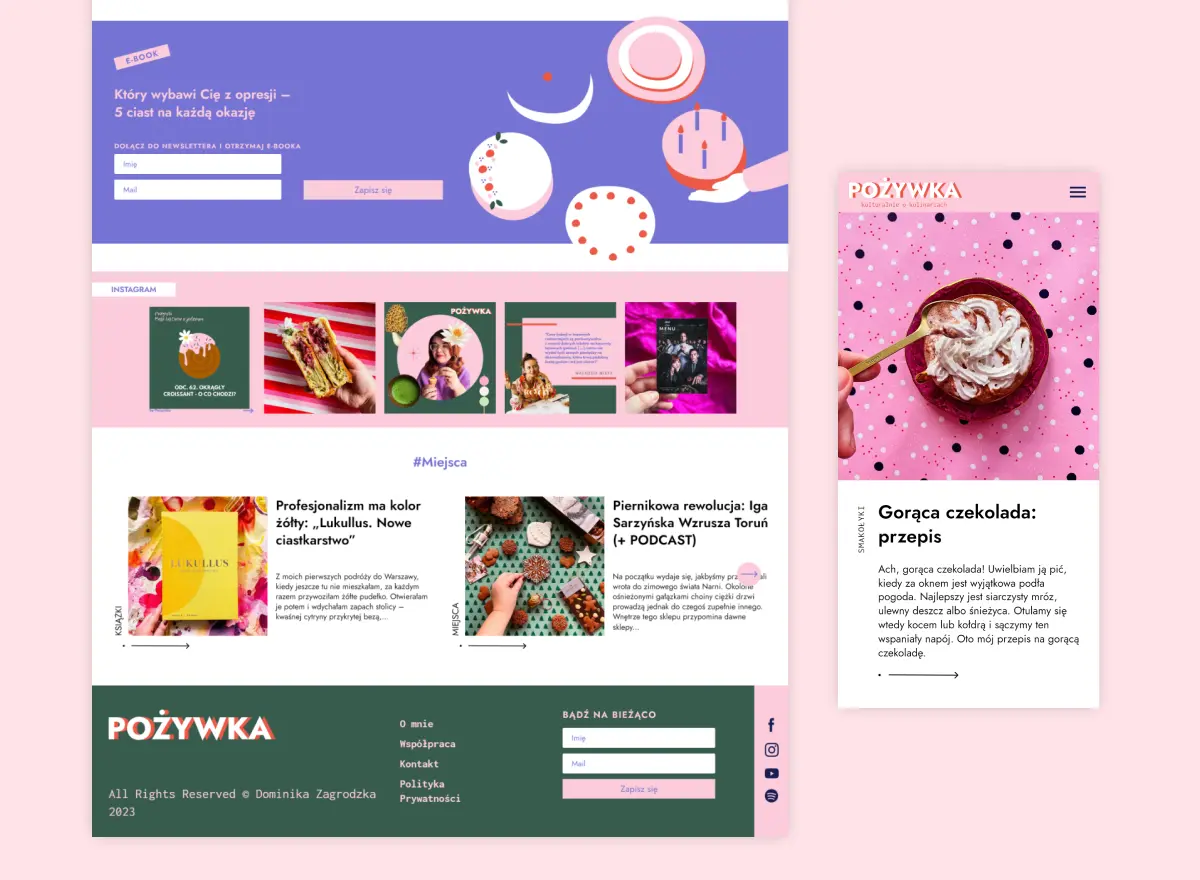
pozywka.pl
Scalable blog for food journalist, focused on performance and user experience 🌭
zagrodzki.me
Personal blog and portfolio of Bart Zagrodzki, where he shares his knowledge and work 💼
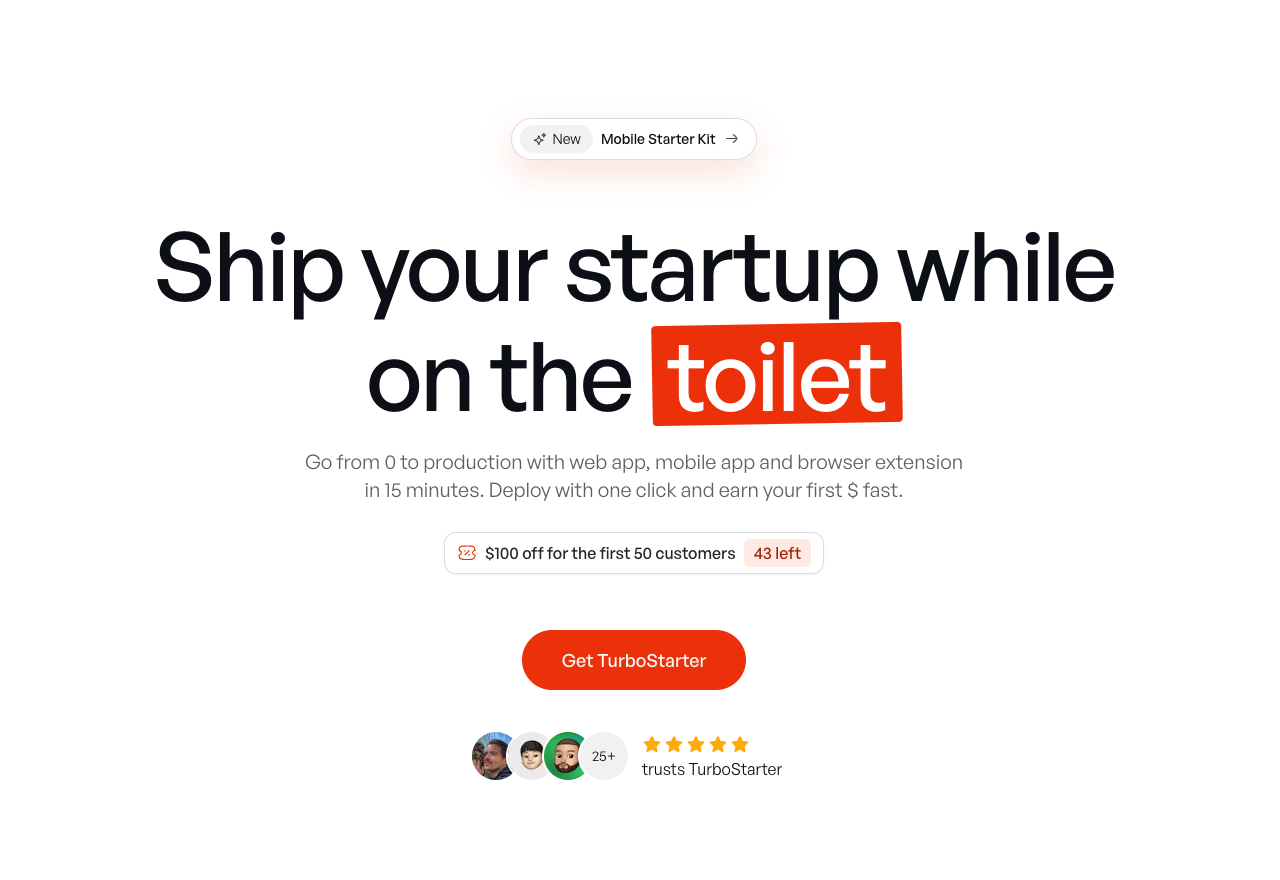
TurboStarter
Ship your startup everywhere. In minutes.
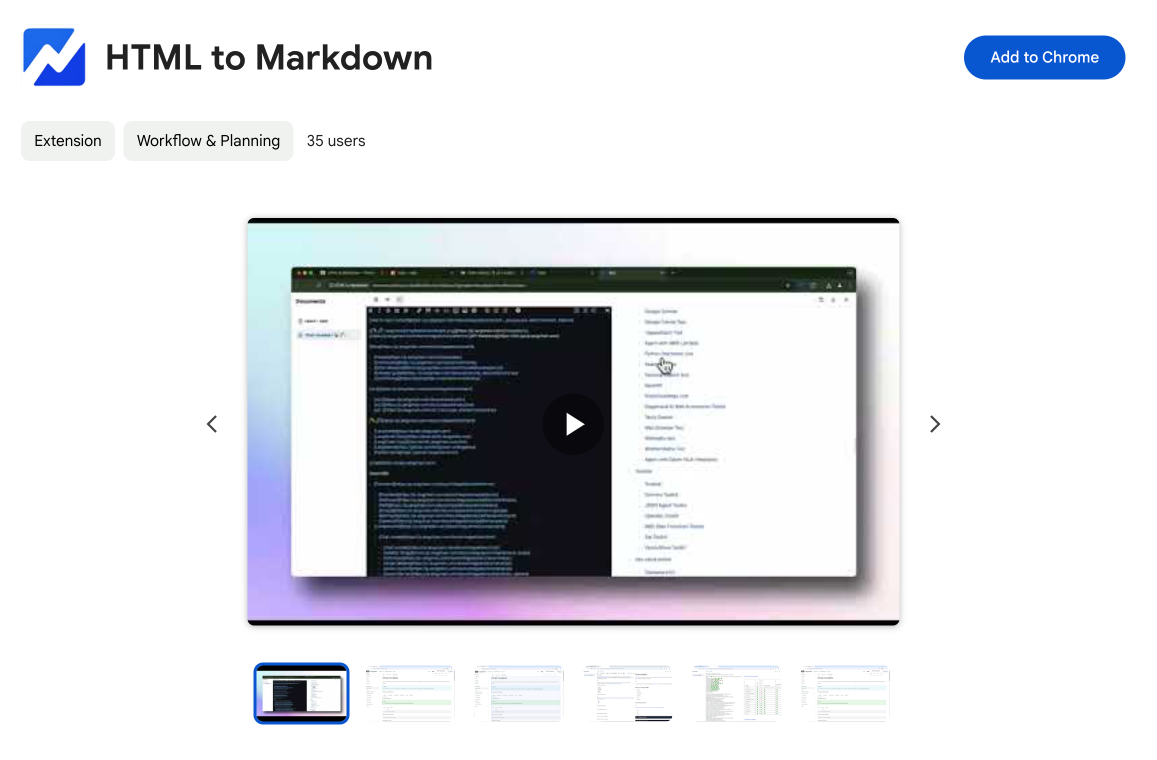
HTML to Markdown
Convert HTML to Markdown with ease, directly in your browser 📄
Dotallio
Personalized AI apps that automate research, data extraction, and content creation without code 🤖
Talk to Santa
Enjoy a magical live video chat or receive a unique AI-generated video greeting from Santa Claus 🎅
pozywka.pl
Scalable blog for food journalist, focused on performance and user experience 🌭
zagrodzki.me
Personal blog and portfolio of Bart Zagrodzki, where he shares his knowledge and work 💼
TurboStarter
Ship your startup everywhere. In minutes.
HTML to Markdown
Convert HTML to Markdown with ease, directly in your browser 📄
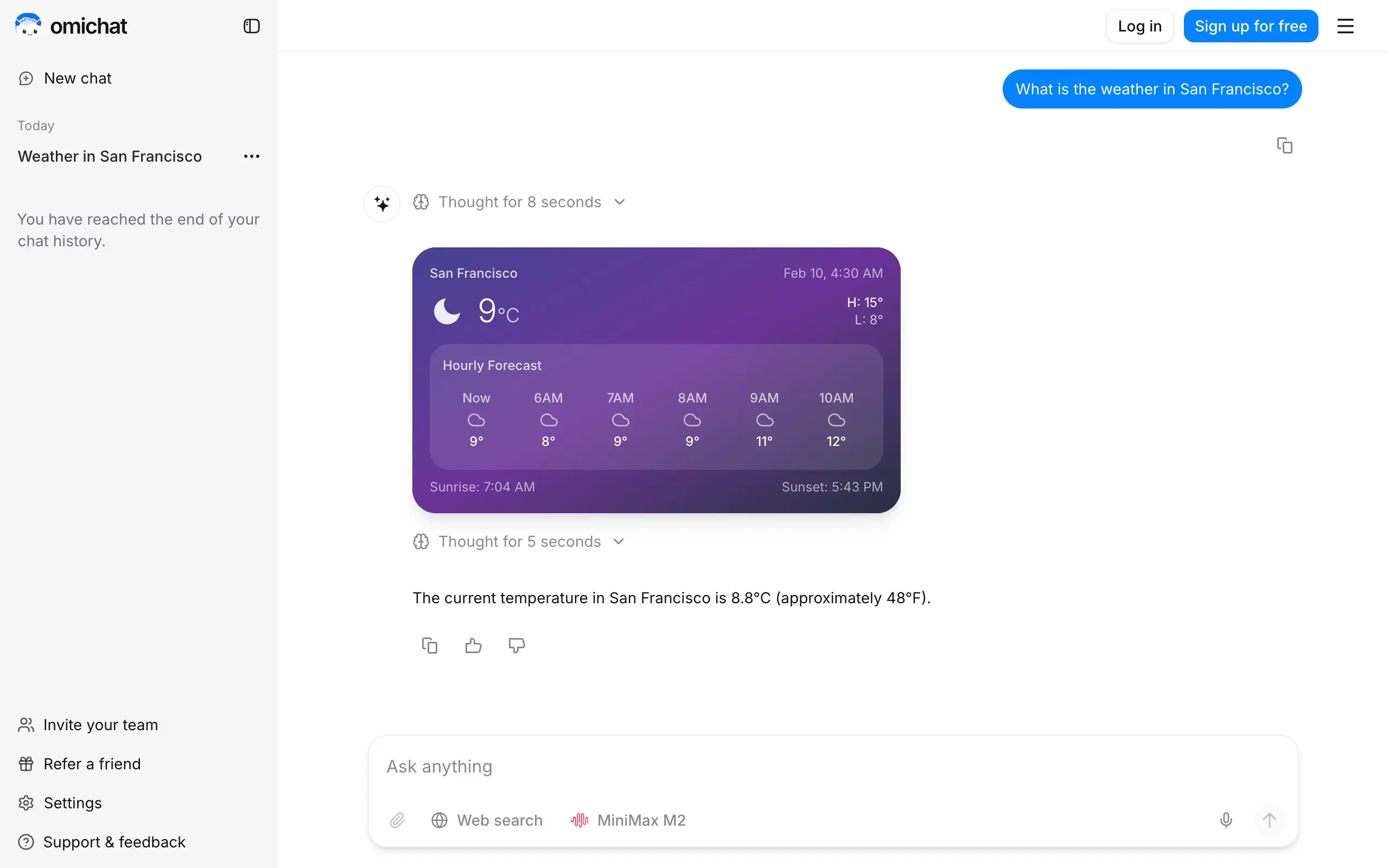
Omichat
Chat with 50+ AI models, including ChatGPT and Claude, in one place - switch models anytime without losing context 🤖
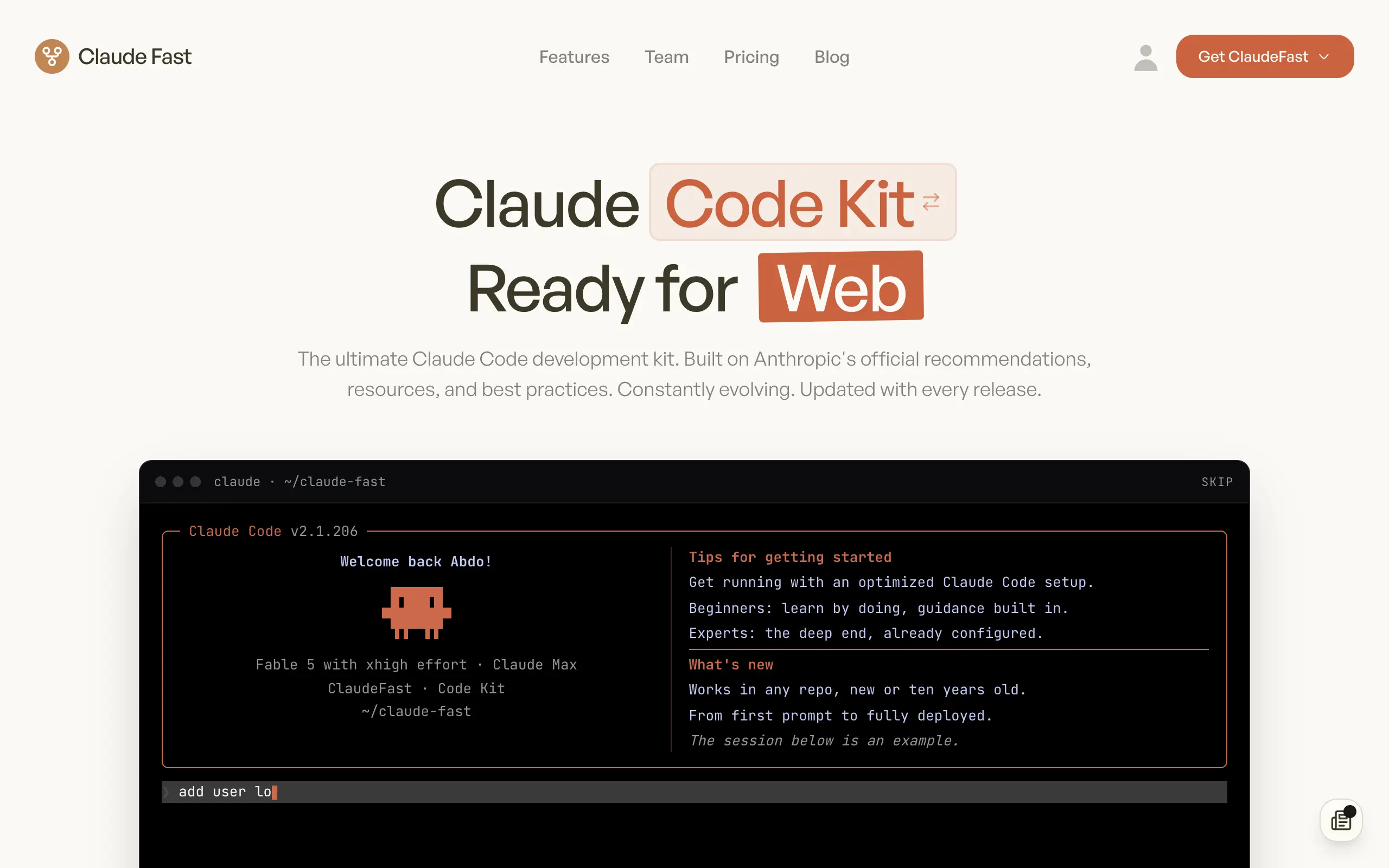
Claude Fast
Supercharge your Claude Code with 6x effective context window and specialized AI agents 🤖
EmojAI
AI-powered emoji picker with smart, context-aware suggestions 🤖
Solohacker
Autonomous company launcher - AI agents work 24/7, escalate what matters, and you stay in control 🤖
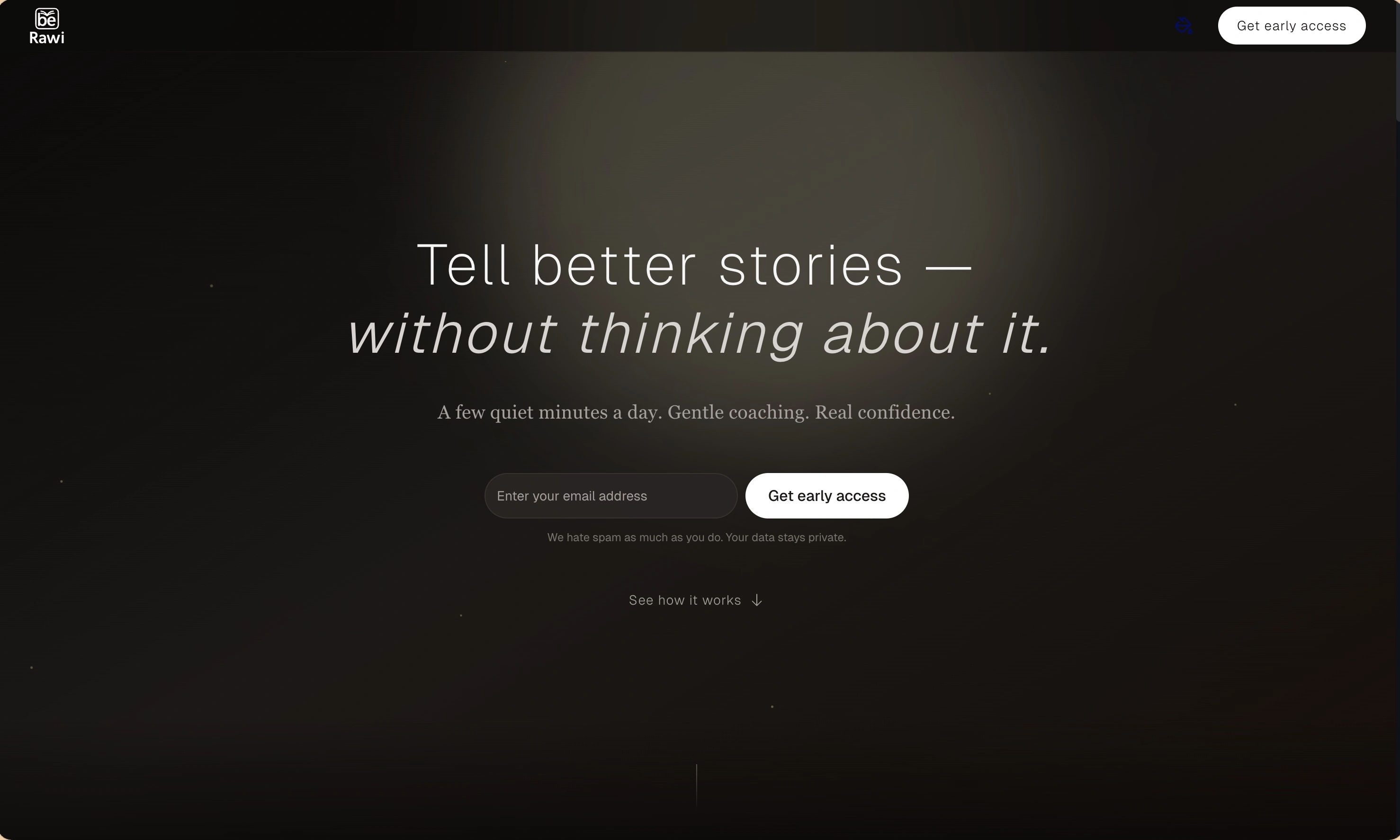
BeRawi: Storytelling Coach
Practice storytelling daily with instant feedback to sound clearer, more engaging, and confident 🎤
Omichat
Chat with 50+ AI models, including ChatGPT and Claude, in one place - switch models anytime without losing context 🤖
Claude Fast
Supercharge your Claude Code with 6x effective context window and specialized AI agents 🤖
EmojAI
AI-powered emoji picker with smart, context-aware suggestions 🤖
Solohacker
Autonomous company launcher - AI agents work 24/7, escalate what matters, and you stay in control 🤖
BeRawi: Storytelling Coach
Practice storytelling daily with instant feedback to sound clearer, more engaging, and confident 🎤

Connect with like-minded people
Join our community to get feedback, support, and grow together with 1,000+ builders on board, let's ship it!
Join usShip your startup everywhere. In minutes.
Don't burn tokens on setup and start building features on day one.