CreditLift Coach
A personalized credit-building app that creates smart micro-actions, rent reporting, and utilization alerts to boost scores faster and safer.
Why a personalized credit-building app like CreditLift Coach matters in 2026
A strong credit score is no longer just about qualifying for a credit card. It directly affects:
- Mortgage and auto loan approval
- Interest rates on personal loans
- Apartment applications
- Insurance premiums (in many U.S. states)
- Even certain job screenings
Yet millions of consumers still struggle with poor or thin credit files. According to widely cited industry reports from Experian and the Consumer Financial Protection Bureau (CFPB), a significant portion of Americans are either “credit invisible” or have subprime credit scores. The traditional advice—“pay on time and keep balances low”—is technically correct but practically vague.
This is where a personalized credit-building app like CreditLift Coach fills a critical gap.
Instead of generic advice, CreditLift Coach provides:
- Smart micro-actions tailored to each user
- Automated rent reporting support
- Real-time utilization alerts
- Behavioral nudges to prevent score damage
- Safer, compliance-aware score optimization
This article explores the full SaaS opportunity behind CreditLift Coach, including market demand, product architecture, monetization strategy, competitive positioning, risks, and actionable implementation steps.
Understanding user intent: what people actually want from a credit-building app
When users search for:
- “How to improve my credit score fast”
- “Best credit building app”
- “How to report rent to credit bureaus”
- “How to lower credit utilization”
They are typically looking for:
- Clear, safe actions (not hacks that risk score damage)
- Step-by-step guidance
- Personalization
- Transparency
- Progress tracking
- Trustworthy financial advice
Most existing platforms either:
- Overwhelm users with financial dashboards, or
- Focus narrowly on credit monitoring rather than score improvement.
CreditLift Coach’s core opportunity lies in bridging the gap between awareness and execution.
Target audience analysis
Primary segment: young adults (18–34)
Pain points:
- Thin credit files
- High utilization due to low limits
- Lack of financial education
- Renting but not receiving credit benefits
- Fear of doing something “wrong”
Behavioral traits:
- Mobile-first
- Comfortable with fintech apps
- Motivated by gamification and progress tracking
- Respond well to micro-goals
Secondary segment: subprime borrowers (score 580–669)
Pain points:
- Past delinquencies
- High credit utilization
- Collection accounts
- Emotional stress around finances
Needs:
- Clear recovery roadmap
- Score impact simulation
- Alerts before damage occurs
- Educational guardrails
Tertiary segment: immigrants & credit invisible users
Pain points:
- No U.S. credit history
- Confusion around reporting systems
- Limited access to traditional credit
Opportunity:
- Education-first onboarding
- Rent and alternative data reporting
- Starter credit optimization plan
Market opportunity and gap analysis
The credit improvement SaaS market
The credit monitoring and repair industry is a multi-billion-dollar market in the U.S. alone. Major players include:
- Credit Karma
- Experian Boost
- Self
- Kikoff
- Lexington Law (credit repair)
However, there are major gaps:
1. Over-focus on monitoring, not coaching
Most apps show your score and changes. Few explain:
- Exactly what to do this week.
- How much improvement to expect.
- What order actions should be taken.
2. Lack of personalized micro-actions
Generic advice like “keep utilization below 30%” is unhelpful without:
- A target payment amount
- A timeline
- A reminder before statement closing date
3. Rent reporting fragmentation
Rent reporting is often:
- Separate from coaching tools
- Complicated
- Poorly explained
4. Risky “quick fix” narratives
Some services promote dispute-heavy strategies or aggressive tactics that:
- Trigger investigations
- Damage lender relationships
- Create compliance risk
Core product concept: what makes CreditLift Coach different
CreditLift Coach is not a credit repair service. It is a behavioral credit optimization engine.
The core promise
“Get personalized, safe micro-actions that improve your credit score faster and with less risk.”
Core features and solution architecture
1. Smart micro-actions engine
At the heart of CreditLift Coach is a rule-based + ML-driven recommendation system that generates weekly actions.
Examples:
- “Pay $124 toward Card A before March 25 to reduce utilization to 28%.”
- “Request a credit limit increase on Card B after 6 on-time payments.”
- “Avoid opening new accounts for 90 days to protect average age.”
Each action includes:
- Why it matters
- Estimated score impact range
- Risk level
- Timeline
2. Utilization alerts based on statement dates
Many users misunderstand the difference between:
- Due date
- Statement closing date
CreditLift Coach tracks:
- Per-card utilization
- Statement date windows
- 10%, 30%, and 50% utilization thresholds
When users approach a risk zone, they receive:
- Push notifications
- SMS (premium tier)
- In-app guidance
3. Integrated rent reporting pathway
Instead of simply saying “report rent,” the app:
- Verifies landlord eligibility
- Explains bureau impact differences
- Tracks reporting status
- Simulates impact scenarios
Users can connect:
- Direct landlord verification
- Property management integrations
- Third-party reporting APIs
4. Credit score impact simulator
Using scoring model logic (without violating proprietary rules), the app provides:
- Scenario modeling
- Risk heatmaps
- Time-to-impact estimates
Example scenarios:
- Pay down 20% balance
- Open secured card
- Close oldest card (with warning)
5. Behavioral nudges & gamification
Users earn:
- “On-time streaks”
- Utilization mastery badges
- Milestone boosts (e.g., crossing 650, 700)
Gamification improves retention and financial discipline.
6. Educational micro-lessons
Instead of long financial blogs, CreditLift Coach provides:
- 2-minute explainers
- Contextual education triggered by user behavior
- Just-in-time learning
Feature comparison snapshot
| Feature | CreditLift Coach | Credit Monitoring Apps | Credit Repair Firms | DIY Advice Blogs | Rent Reporting Services |
|---|---|---|---|---|---|
| Personalized Micro-Actions | ✅ | ❌ | ⚠️ Limited | ❌ | ❌ |
| Utilization Timing Alerts | ✅ | ⚠️ Basic | ❌ | ❌ | |
| Integrated Rent Reporting | ✅ | ❌ | ❌ | ❌ | ✅ |
| Score Simulation | ✅ | ❌ | ❌ | ❌ | ❌ |
Recommended tech stack for building CreditLift Coach
Frontend
- React or Next.js
- TailwindCSS for rapid UI development
- React Native (for mobile app)
Why:
- Fast iteration
- Large developer ecosystem
- Strong fintech UI patterns
Backend
- Node.js with TypeScript
- PostgreSQL
- Redis for caching
- Event-driven architecture for notifications
Credit data integration
Possible integrations:
- Plaid (bank data access)
- Bureau data providers (must comply with FCRA)
- Rent reporting APIs
Compliance considerations:
- FCRA compliance
- Data encryption at rest and in transit
- SOC 2 roadmap
Micro-action engine example (conceptual)
type CreditProfile = {
  utilization: number
  onTimePayments: number
  avgAge: number
  recentInquiries: number
}

function generateMicroAction(profile: CreditProfile) {
  if (profile.utilization > 0.3) {
    return {
      action: "Pay down balances below 30% utilization",
      priority: "High",
      impact: "Medium to High"
    }
  }

  if (profile.recentInquiries > 2) {
    return {
      action: "Avoid new credit applications for 90 days",
      priority: "Medium",
      impact: "Medium"
    }
  }

  return {
    action: "Maintain on-time payments and low utilization",
    priority: "Low",
    impact: "Long-term"
  }
}
Monetization strategy options
1. Freemium model (recommended)
Free tier:
- Basic credit tracking
- Limited micro-actions
- Educational content
Pro tier ($15–$29/month):
- Advanced simulations
- Real-time utilization alerts
- Rent reporting integration
- SMS reminders
- Score improvement projections
2. Rent reporting revenue share
Revenue from:
- Monthly rent reporting fees
- Setup fees
3. Affiliate partnerships (carefully selected)
- Secured credit cards
- Credit-builder loans
- Personal finance tools
Must prioritize:
- Ethical recommendations
- No predatory lending
4. Employer-sponsored model
Offer CreditLift Coach as:
- Financial wellness benefit
- HR perk
- Embedded fintech solution
Competitive advantage and unique selling proposition
USP: Safe, personalized, micro-action-based credit coaching
CreditLift Coach differentiates itself through:
- Action over analytics
- Behavioral-first design
- Integrated rent optimization
- Risk-aware recommendations
- Predictive score modeling
Unlike credit repair services, it:
- Does not dispute aggressively
- Does not promise unrealistic jumps
- Operates within scoring logic
Key risks and mitigation strategies
1. Regulatory risk
Mitigation:
- Legal consultation for FCRA compliance
- Clear disclaimers
- Avoid “guarantee” language
2. Data security concerns
Mitigation:
- SOC 2 roadmap
- End-to-end encryption
- Transparent privacy policy
3. User distrust
Mitigation:
- Clear educational content
- Transparent methodology
- Visible security certifications
4. Overpromising results
Mitigation:
- Provide score ranges, not guarantees
- Use conservative projections
Go-to-market strategy
Phase 1: niche focus
Target:
- Renters aged 22–35
- First-time homebuyer aspirants
Channels:
- TikTok finance creators
- Reddit personal finance threads
- YouTube credit education content
Phase 2: content-driven SEO
Create authority around:
- “How to improve credit utilization”
- “Best way to report rent”
- “How long does it take to raise credit score”
Use:
- Data-backed articles
- Case studies
- Interactive tools
Phase 3: partnerships
- Property management platforms
- Fintech lenders
- HR benefits providers
Actionable implementation roadmap
MVP scope definition
Must-have:
- Credit profile ingestion
- Utilization tracking
- Weekly micro-actions
- Push notifications
Nice-to-have:
- Full simulation engine
- Gamification
- Employer dashboards
Example user journey
Week 1
User connects accounts and receives first 3 micro-actions.
Week 2
Receives utilization alert before statement date.
Month 2
Rent reporting activated and score trend begins upward.
Month 3+
Score crosses key milestone and new financial products unlock.
Why now is the right time
Several macro trends support this SaaS idea:
- Rising rent prices (making rent reporting more impactful)
- Increased fintech adoption
- Consumer demand for financial literacy tools
- AI-driven personalization becoming standard
Credit optimization is shifting from reactive repair to proactive management.
CreditLift Coach fits perfectly into that shift.
Final thoughts: building a trust-first credit optimization brand
Credit is emotional. It impacts:
- Housing
- Relationships
- Stress levels
- Long-term wealth
The brands that win in this space will:
- Prioritize transparency
- Avoid predatory tactics
- Deliver measurable improvement
- Educate rather than exploit
CreditLift Coach has the potential to become the “Duolingo of credit building”—clear, motivating, structured, and personalized.
If executed correctly, it can dominate the personalized credit-building app niche by focusing on micro-actions, risk mitigation, and ethical growth strategies.
Build faster with the right SaaS foundation
Launching a fintech SaaS requires speed, security, and scalability from day one. Instead of building everything from scratch, you can accelerate development with a production-ready SaaS foundation like TurboStarter.
It provides:
- Authentication
- Payments
- Scalable architecture
- Modern tech stack
- SaaS boilerplate best practices
This allows you to focus on:
- Credit logic
- Personalization algorithms
- UX differentiation
Not infrastructure.
If you’re serious about building a high-impact, ethical, and scalable personalized credit-building app, now is the time to validate, prototype, and launch.
CreditLift Coach isn’t just another fintech app.
It’s a behavior-driven credit transformation platform designed for the next generation of financially empowered consumers.
More 👥 B2C Application SaaS ideas
Discover more innovative b2c application SaaS ideas that are trending in 2026. Each idea is AI-generated with market validation and growth potential to help you find your next profitable venture faster than competitors.
Your competitors are building with TurboStarter
Below are some of the SaaS ideas that have been generated and built with our starter kit.

Statiko
Monitor any Telegram channel in real time - track posts, edits, deletions, and growth with AI recaps 📡

Shibui
AI website builder - describe your business, pick a niche template, edit by chatting, and publish instantly ✨

Pro Service
Find verified home service professionals, compare quotes, and pay securely through escrow - built for Brazilians across the US 🏠
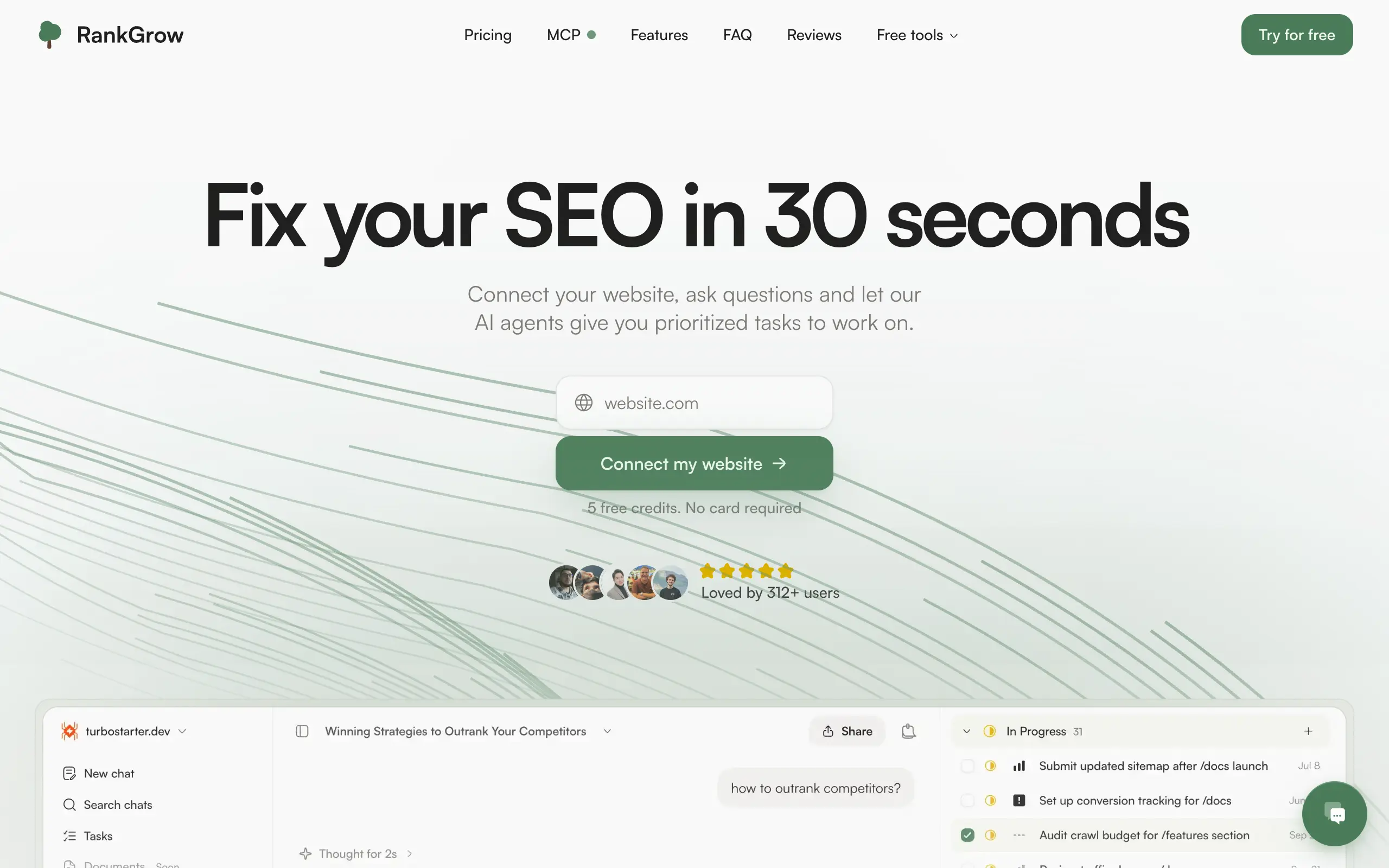
RankGrow
Fix your SEO with AI agents - connect Search Console, get prioritized tasks, and grow organic traffic 📈
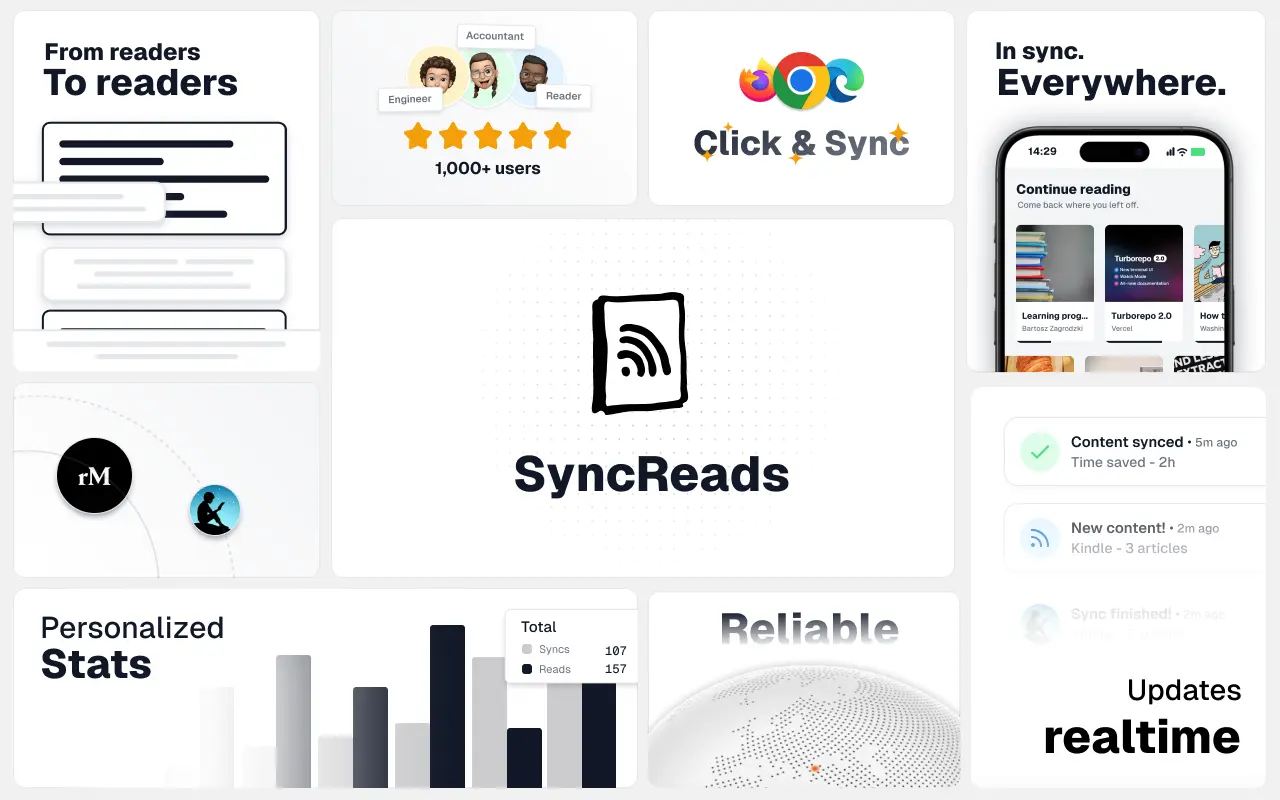
SyncReads
Sync your favorite content for distraction-free reading, save time and replace multiple apps. Anytime, anywhere 🔄
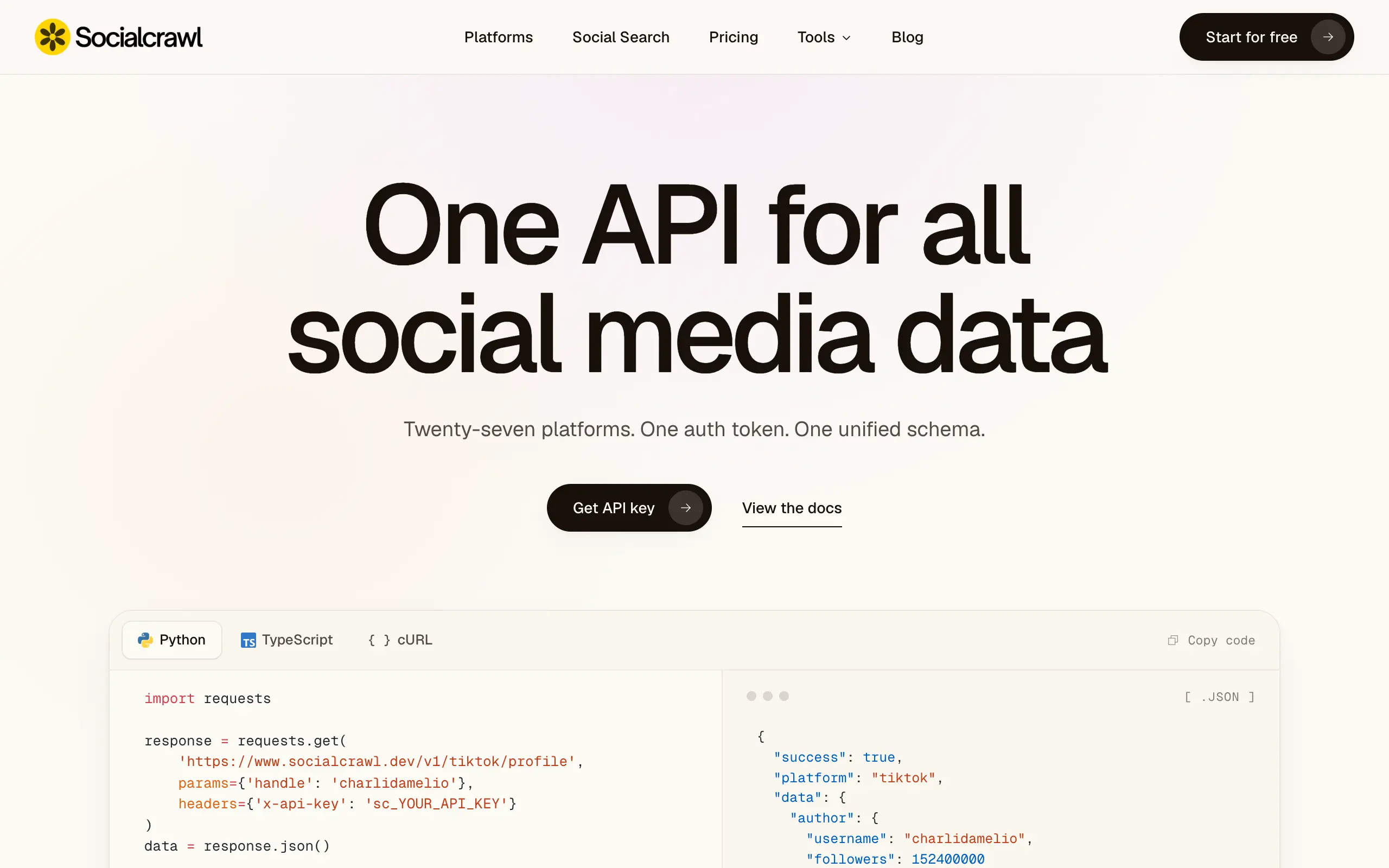
Socialcrawl
Get clean, structured data from 21 platforms like TikTok, Instagram, and YouTube with a single request 📊
Statiko
Monitor any Telegram channel in real time - track posts, edits, deletions, and growth with AI recaps 📡
Shibui
AI website builder - describe your business, pick a niche template, edit by chatting, and publish instantly ✨
Pro Service
Find verified home service professionals, compare quotes, and pay securely through escrow - built for Brazilians across the US 🏠
RankGrow
Fix your SEO with AI agents - connect Search Console, get prioritized tasks, and grow organic traffic 📈
SyncReads
Sync your favorite content for distraction-free reading, save time and replace multiple apps. Anytime, anywhere 🔄
Socialcrawl
Get clean, structured data from 21 platforms like TikTok, Instagram, and YouTube with a single request 📊
Statiko
Monitor any Telegram channel in real time - track posts, edits, deletions, and growth with AI recaps 📡
Shibui
AI website builder - describe your business, pick a niche template, edit by chatting, and publish instantly ✨
Pro Service
Find verified home service professionals, compare quotes, and pay securely through escrow - built for Brazilians across the US 🏠
RankGrow
Fix your SEO with AI agents - connect Search Console, get prioritized tasks, and grow organic traffic 📈
SyncReads
Sync your favorite content for distraction-free reading, save time and replace multiple apps. Anytime, anywhere 🔄
Socialcrawl
Get clean, structured data from 21 platforms like TikTok, Instagram, and YouTube with a single request 📊
Statiko
Monitor any Telegram channel in real time - track posts, edits, deletions, and growth with AI recaps 📡
Shibui
AI website builder - describe your business, pick a niche template, edit by chatting, and publish instantly ✨
Pro Service
Find verified home service professionals, compare quotes, and pay securely through escrow - built for Brazilians across the US 🏠
RankGrow
Fix your SEO with AI agents - connect Search Console, get prioritized tasks, and grow organic traffic 📈
SyncReads
Sync your favorite content for distraction-free reading, save time and replace multiple apps. Anytime, anywhere 🔄
Socialcrawl
Get clean, structured data from 21 platforms like TikTok, Instagram, and YouTube with a single request 📊
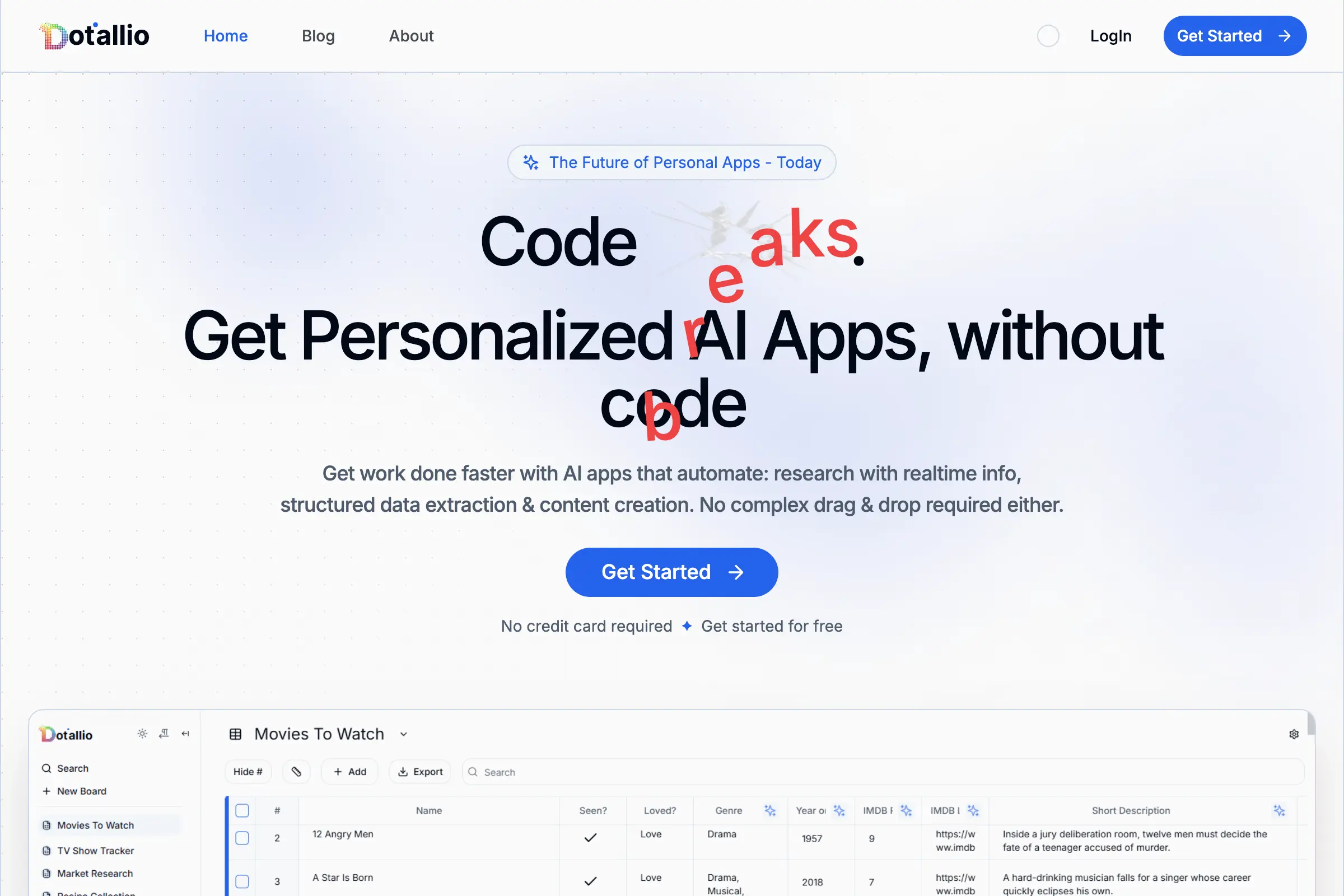
Dotallio
Personalized AI apps that automate research, data extraction, and content creation without code 🤖

Talk to Santa
Enjoy a magical live video chat or receive a unique AI-generated video greeting from Santa Claus 🎅

pozywka.pl
Scalable blog for food journalist, focused on performance and user experience 🌭
zagrodzki.me
Personal blog and portfolio of Bart Zagrodzki, where he shares his knowledge and work 💼
TurboStarter
Ship your startup everywhere. In minutes.
HTML to Markdown
Convert HTML to Markdown with ease, directly in your browser 📄
Dotallio
Personalized AI apps that automate research, data extraction, and content creation without code 🤖
Talk to Santa
Enjoy a magical live video chat or receive a unique AI-generated video greeting from Santa Claus 🎅
pozywka.pl
Scalable blog for food journalist, focused on performance and user experience 🌭
zagrodzki.me
Personal blog and portfolio of Bart Zagrodzki, where he shares his knowledge and work 💼
TurboStarter
Ship your startup everywhere. In minutes.
HTML to Markdown
Convert HTML to Markdown with ease, directly in your browser 📄
Dotallio
Personalized AI apps that automate research, data extraction, and content creation without code 🤖
Talk to Santa
Enjoy a magical live video chat or receive a unique AI-generated video greeting from Santa Claus 🎅
pozywka.pl
Scalable blog for food journalist, focused on performance and user experience 🌭
zagrodzki.me
Personal blog and portfolio of Bart Zagrodzki, where he shares his knowledge and work 💼
TurboStarter
Ship your startup everywhere. In minutes.
HTML to Markdown
Convert HTML to Markdown with ease, directly in your browser 📄
Dotallio
Personalized AI apps that automate research, data extraction, and content creation without code 🤖
Talk to Santa
Enjoy a magical live video chat or receive a unique AI-generated video greeting from Santa Claus 🎅
pozywka.pl
Scalable blog for food journalist, focused on performance and user experience 🌭
zagrodzki.me
Personal blog and portfolio of Bart Zagrodzki, where he shares his knowledge and work 💼
TurboStarter
Ship your startup everywhere. In minutes.
HTML to Markdown
Convert HTML to Markdown with ease, directly in your browser 📄
Omichat
Chat with 50+ AI models, including ChatGPT and Claude, in one place - switch models anytime without losing context 🤖
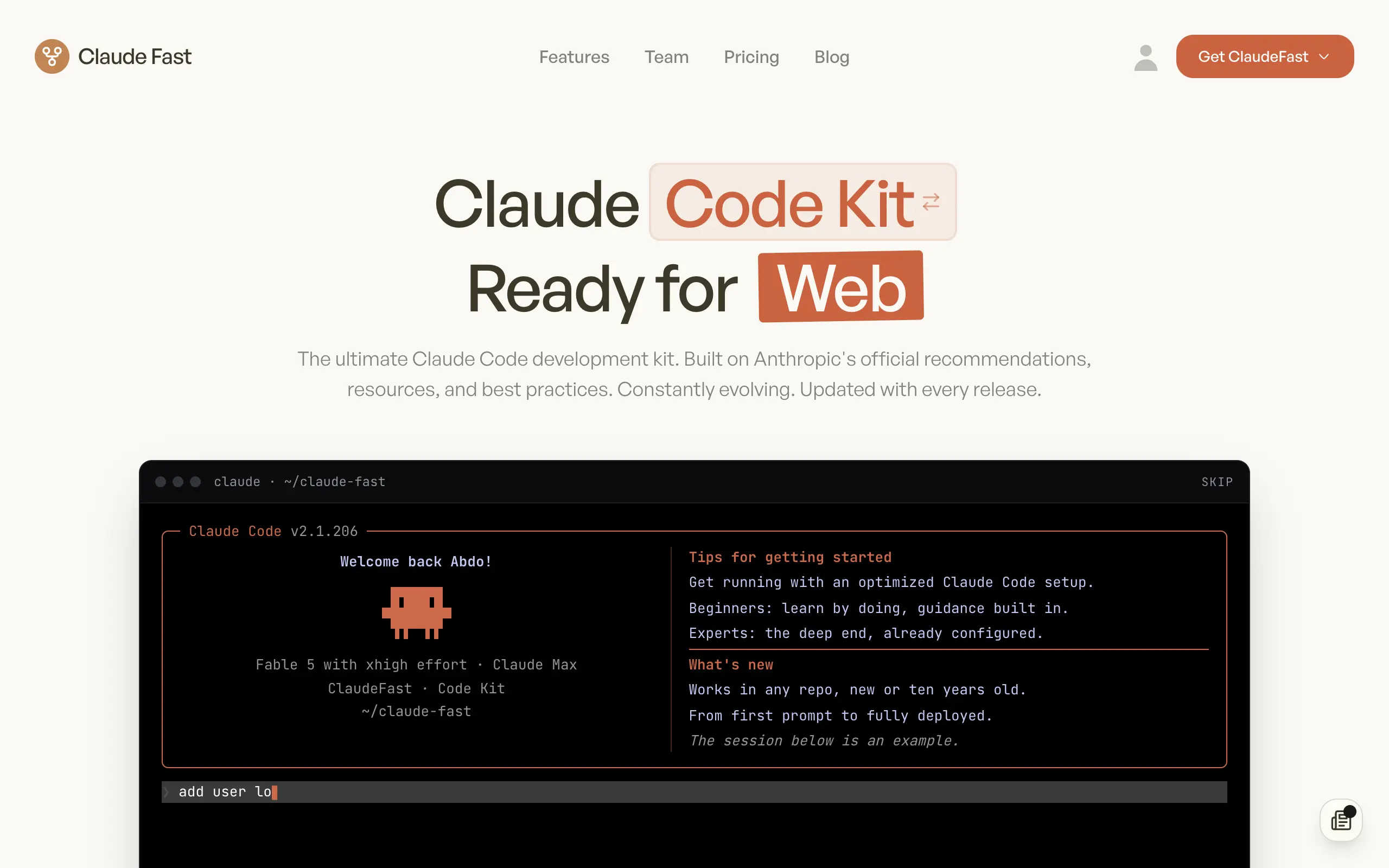
Claude Fast
Supercharge your Claude Code with 6x effective context window and specialized AI agents 🤖
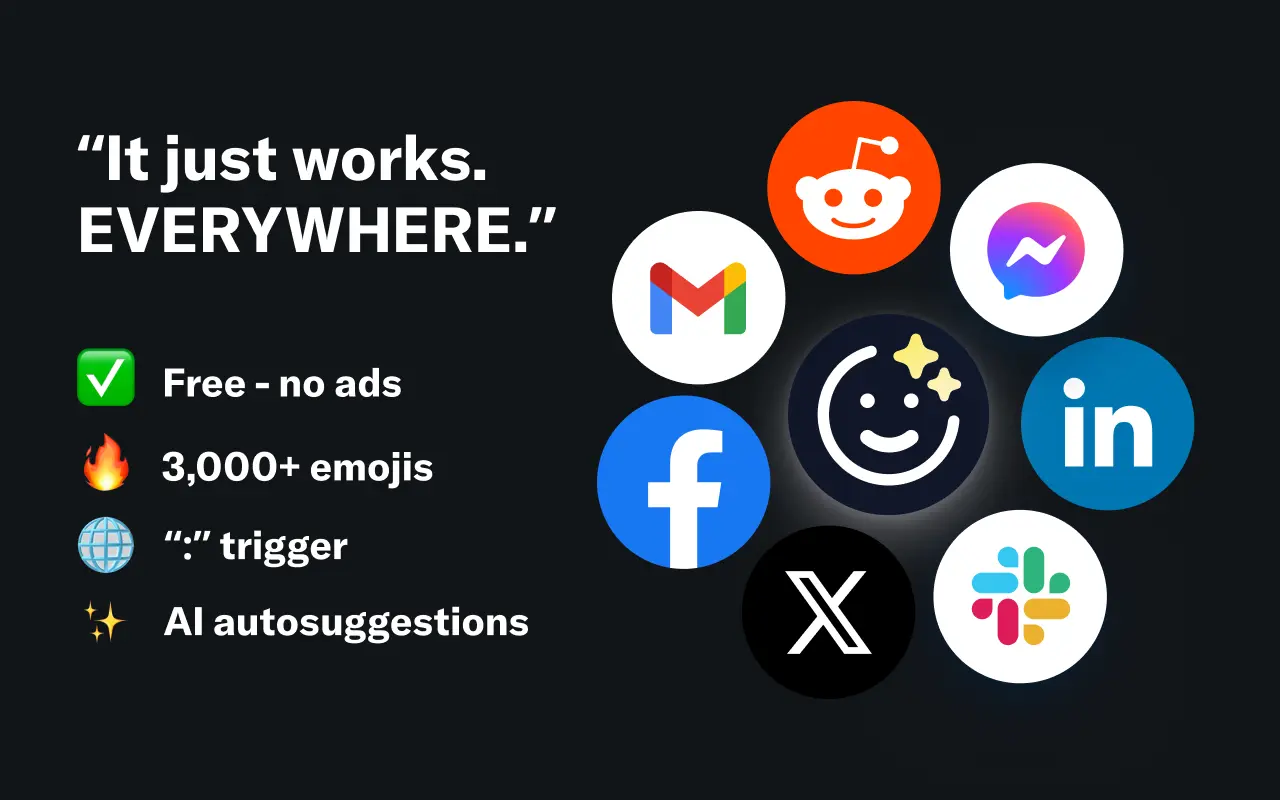
EmojAI
AI-powered emoji picker with smart, context-aware suggestions 🤖
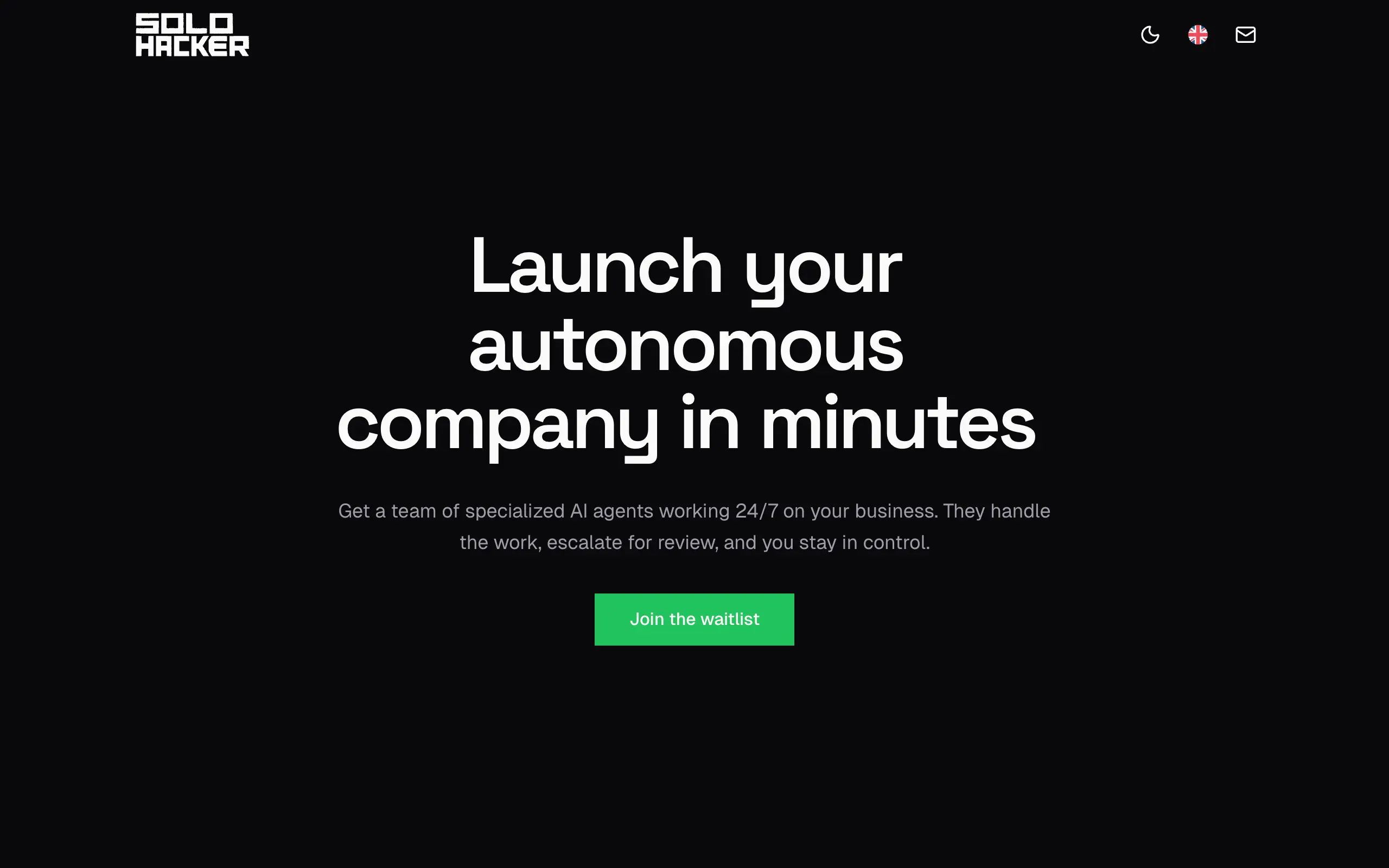
Solohacker
Autonomous company launcher - AI agents work 24/7, escalate what matters, and you stay in control 🤖
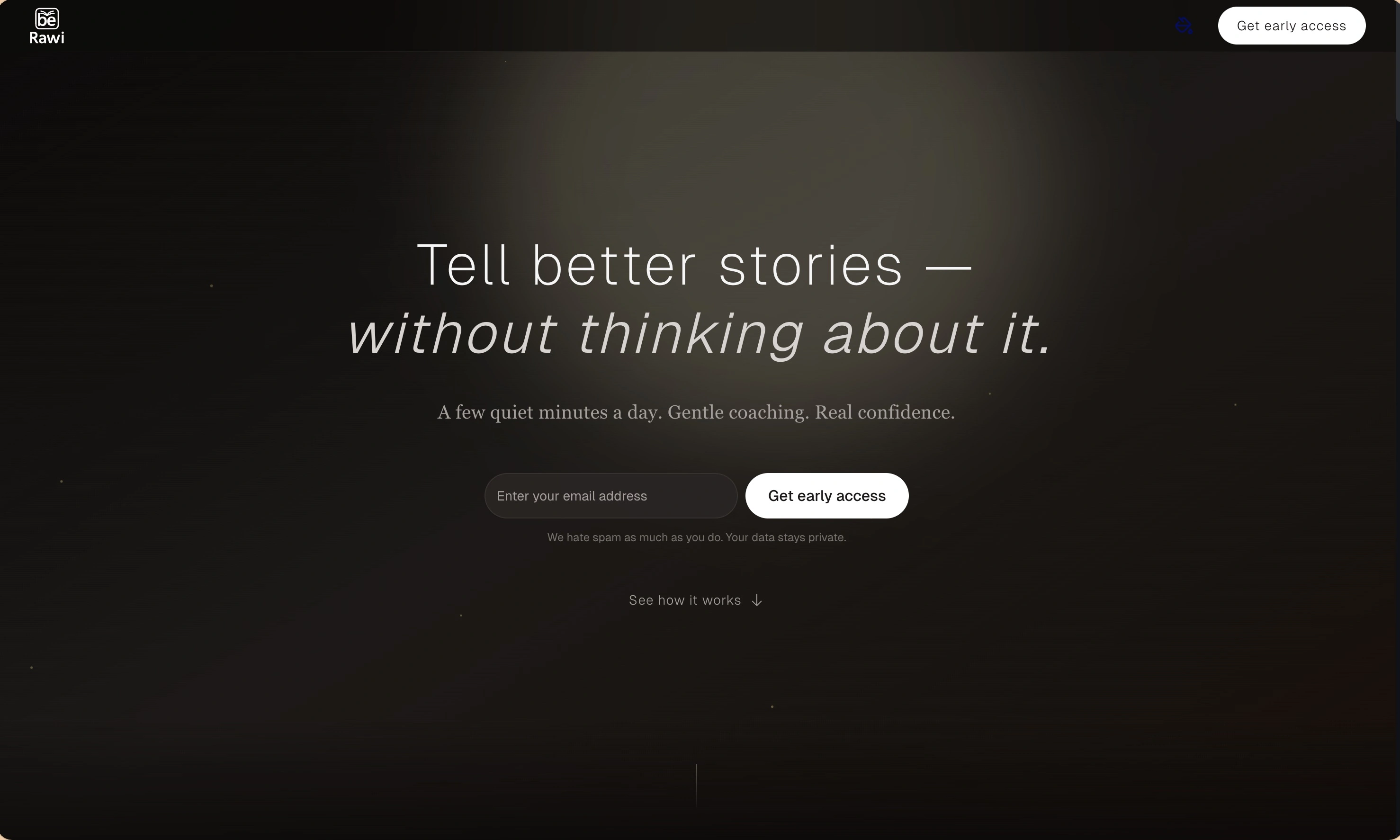
BeRawi: Storytelling Coach
Practice storytelling daily with instant feedback to sound clearer, more engaging, and confident 🎤
Omichat
Chat with 50+ AI models, including ChatGPT and Claude, in one place - switch models anytime without losing context 🤖
Claude Fast
Supercharge your Claude Code with 6x effective context window and specialized AI agents 🤖
EmojAI
AI-powered emoji picker with smart, context-aware suggestions 🤖
Solohacker
Autonomous company launcher - AI agents work 24/7, escalate what matters, and you stay in control 🤖
BeRawi: Storytelling Coach
Practice storytelling daily with instant feedback to sound clearer, more engaging, and confident 🎤
Omichat
Chat with 50+ AI models, including ChatGPT and Claude, in one place - switch models anytime without losing context 🤖
Claude Fast
Supercharge your Claude Code with 6x effective context window and specialized AI agents 🤖
EmojAI
AI-powered emoji picker with smart, context-aware suggestions 🤖
Solohacker
Autonomous company launcher - AI agents work 24/7, escalate what matters, and you stay in control 🤖
BeRawi: Storytelling Coach
Practice storytelling daily with instant feedback to sound clearer, more engaging, and confident 🎤
Omichat
Chat with 50+ AI models, including ChatGPT and Claude, in one place - switch models anytime without losing context 🤖
Claude Fast
Supercharge your Claude Code with 6x effective context window and specialized AI agents 🤖
EmojAI
AI-powered emoji picker with smart, context-aware suggestions 🤖
Solohacker
Autonomous company launcher - AI agents work 24/7, escalate what matters, and you stay in control 🤖
BeRawi: Storytelling Coach
Practice storytelling daily with instant feedback to sound clearer, more engaging, and confident 🎤

Connect with like-minded people
Join our community to get feedback, support, and grow together with 1,000+ builders on board, let's ship it!
Join usShip your startup everywhere. In minutes.
Don't burn tokens on setup and start building features on day one.