DeviceDocket
A smart ownership vault for electronics that tracks receipts, warranties, recalls and repair options from a photo of a serial number or invoice.
Why an electronics ownership vault solves a costly everyday problem
Most households own far more electronics than they can confidently manage. Phones, laptops, tablets, headphones, smart watches, TVs, routers, gaming consoles, cameras, kitchen appliances, and smart-home devices all come with a mix of receipts, warranty terms, serial numbers, repair histories, trade-in values, and safety notices.
Yet ownership evidence is usually fragmented across email inboxes, paper files, retailer accounts, bank transactions, manufacturer portals, and photos that are difficult to find when they matter. When a device fails, is recalled, stolen, insured, sold, or repaired, the owner often has to reconstruct the record under pressure.
DeviceDocket is an electronics ownership vault that turns a photo of a serial number, product label, or invoice into an organized device record. It can help consumers centralize proof of ownership, monitor warranty coverage, discover recalls, compare repair options, and keep a practical lifecycle history for every important electronic item.
The core opportunity is not simply building another receipt scanner or warranty reminder app. It is creating a trusted, privacy-first ownership system for physical technology products.
A strong DeviceDocket product would answer questions users already ask:
- Is this laptop still under warranty?
- Where is the receipt for my television?
- Has this model been recalled?
- Is repair worth the price, or should I replace it?
- What is the serial number for an insurance claim?
- When did I replace this phone battery?
- Can I transfer ownership when I sell this device?
- Which household electronics are nearing the end of their coverage?
This is a high-intent consumer pain point because users usually search for help after a costly event. Their need is urgent, emotionally charged, and frequently time-sensitive.
The core product insight
DeviceDocket should treat each device as a living ownership record, not a static receipt upload. The value grows over time as the product adds warranty events, recall alerts, repair records, documents, and ownership milestones.
The target audience for DeviceDocket
The most effective launch strategy is not targeting “everyone who owns electronics.” That audience is broad, but its needs and willingness to pay vary considerably. DeviceDocket should begin with consumers who own several high-value devices and already feel the administrative burden of managing them.
Primary audience: digitally organized households
The most promising initial segment is households with multiple devices, multiple adults, children, and recurring electronics purchases. These customers may own dozens of eligible items between work hardware, personal technology, entertainment products, smart-home equipment, and appliances.
Their challenges include:
- Receipts stored across multiple retailer accounts
- Purchases made by different household members
- Missing serial numbers during insurance claims
- Confusing extended warranty coverage
- Difficulty determining whether repairs remain economical
- Forgotten warranty expiration dates
- Product recall notices that never reach the right person
- Incomplete records when selling or gifting used electronics
For this segment, an electronics warranty tracker is valuable because the product creates order without requiring a complicated spreadsheet or manual filing system.
Secondary audience: frequent technology buyers
Early adopters may include people who upgrade devices often, buy premium consumer electronics, or actively resell technology. These users tend to care about serial numbers, receipts, condition records, repair history, and resale value.
Examples include:
- Apple, Samsung, Google, and premium Android device owners
- PC gamers and console enthusiasts
- Home-office professionals
- Content creators with cameras, lighting, storage, and audio gear
- Smart-home enthusiasts
- Parents managing school and family devices
- Collectors of retro electronics and gaming hardware
For resale-focused customers, DeviceDocket can become a documentation tool. A verified device timeline may help sellers present cleaner listings, show repair history, and reduce buyer uncertainty.
Tertiary audience: renters, homeowners, and insurance-conscious consumers
Home and renters insurance claims often require supporting documentation. Owners may need proof of purchase, photos, serial numbers, replacement costs, or evidence of prior ownership. A device inventory app becomes materially more useful when it can export an insurance-ready report.
This segment may not open the app weekly, but its retention can be driven by meaningful lifecycle moments:
- Moving home
- Purchasing insurance
- Replacing a broken device
- Filing a claim
- Receiving a recall alert
- Selling a device
- Preparing for tax documentation for home-office equipment
Users DeviceDocket should avoid targeting first
A broad launch aimed at every physical product category can dilute the experience. Furniture, clothing, jewelry, vehicles, and household consumables create very different data requirements and verification problems.
The initial product should focus on electronics and connected home devices, where serial numbers, models, warranties, and recalls are common enough to make automation compelling. Once the matching and document extraction engine is accurate, adjacent categories can be evaluated.
The market gap in receipt management and warranty tracking
Receipt storage tools exist. Manufacturer portals exist. Retailer purchase histories exist. Repair marketplaces exist. Insurance inventories exist. However, these tools generally solve only one part of the ownership journey.
The market gap is the missing layer that connects all of them.
A typical consumer experience looks like this:
- They buy a device from a retailer.
- A receipt lands in email, an app, or a paper bag.
- The device box contains a serial number and warranty material.
- Months or years later, the device develops a fault.
- The customer tries to locate proof of purchase.
- They search manufacturer websites, repair stores, and forums.
- They may miss a recall, warranty extension, repair program, or insurance option.
This fragmented process creates friction precisely when the user needs reliable answers.
Existing alternatives and their limitations
| Alternative | What it does well | What it misses | DeviceDocket opportunity | User value |
|---|---|---|---|---|
| Email search | Finds some digital receipts | Poor organization and no lifecycle tracking | Turn receipt data into a device profile | Faster recovery |
| Manufacturer portals | Shows brand-specific coverage | Requires separate accounts and excludes mixed brands | Offer one cross-brand ownership vault | Single source of truth |
| Spreadsheets | Highly customizable | Manual entry and low long-term adoption | Automate capture with photos and OCR | Less administrative work |
| Insurance inventories | Supports claims documentation | Often inactive until after a loss | Keep records useful before a claim happens | Better preparedness |
| Repair marketplaces | Connects users with repair providers | Does not preserve ownership documents | Provide context-aware repair decisions | Lower repair uncertainty |
The competitive opening is to provide a complete ownership record that starts with effortless capture and becomes more valuable at each device event.
Why this market is relevant now
Several trends make an electronics ownership vault timely:
- Consumers own more connected devices per household than in prior decades.
- Repairability and right-to-repair policy discussions have increased consumer awareness of device lifespan.
- Many users are more comfortable scanning documents and managing sensitive records through mobile apps.
- Product recalls and safety notices remain difficult for consumers to monitor across brands.
- The resale market for used phones, gaming hardware, laptops, cameras, and smart-home products continues to normalize repair history and condition documentation.
- Rising electronics prices make warranty coverage and repair-versus-replace decisions more important.
When preparing investor material or a detailed market analysis, cite current household device ownership, e-waste, consumer repair behavior, and warranty claim data from authoritative sources such as government agencies, recognized research firms, insurer reports, and manufacturer filings. Avoid relying on unverified blog statistics.
DeviceDocket’s unique selling proposition
The strongest positioning is:
DeviceDocket is a smart ownership vault for electronics that transforms photos of receipts or serial numbers into searchable device records with warranty, recall, repair, and ownership insights.
This positioning is specific enough to explain the product quickly while remaining broad enough to support future expansion.
Its differentiator is the connection between capture, verification, monitoring, and action.
A basic document storage application lets users upload a receipt. DeviceDocket should recognize that receipt as evidence connected to a particular device. A simple warranty reminder sends an expiration notification. DeviceDocket should show the receipt, serial number, coverage assumptions, possible recall status, repair history, and next best action in the same record.
The DeviceDocket ownership timeline
Every registered item should have a clear timeline, such as:
- Purchase recorded
- Receipt verified
- Serial number captured
- Manufacturer warranty estimated or confirmed
- Extended coverage added
- Recall notice detected
- Repair quote saved
- Repair completed
- Insurance export generated
- Device sold, transferred, recycled, or retired
This timeline is the product’s compounding asset. It increases customer switching costs ethically because users gain an organized historical record they would not want to recreate elsewhere.
Trust is part of the product, not a marketing claim
Ownership data is sensitive. Receipts may reveal home addresses, purchase habits, payment fragments, family names, and device identifiers. Serial numbers can also be sensitive when combined with user account information.
DeviceDocket should therefore compete on privacy and clarity:
- Explain exactly what data is extracted from uploads.
- Let users edit or remove extracted fields.
- Keep document sharing opt-in and time-limited.
- Encrypt sensitive records at rest and in transit.
- Support data export and account deletion.
- Avoid selling identifiable ownership data.
- Clearly distinguish verified data from AI-generated estimates.
- Ask for explicit consent before connecting email inboxes or retailer accounts.
A trustworthy product experience will outperform a feature-heavy but opaque one in this category.
Core features for an electronics ownership vault
A successful MVP needs to feel immediately useful after the first upload. The best first-run experience is not a dashboard full of empty categories. It is a fast path from “I have a receipt photo” to “I now have a useful device record.”
Smart device capture from photos
The primary workflow should support:
- A photo of a receipt
- A photo of a serial number label
- A photo of a product box
- A PDF invoice upload
- An emailed invoice forwarded to a dedicated address
- Manual entry when image recognition cannot confidently extract details
Optical character recognition can identify common receipt fields, including merchant, date, product description, subtotal, taxes, total, and partial order number. Serial-number recognition needs its own validation layer because labels commonly contain multiple codes, barcodes, model numbers, regulatory identifiers, and manufacturing dates.
The interface should show extracted data before creating the record. Users must be able to correct values easily.
type DeviceRecord = {
  id: string;
  category: "phone" | "laptop" | "tablet" | "tv" | "appliance" | "other";
  brand?: string;
  model?: string;
  serialNumber?: string;
  purchaseDate?: string;
  purchasePrice?: number;
  warrantyEndsOn?: string;
  receiptStatus: "missing" | "uploaded" | "verified";
  recallStatus: "unknown" | "clear" | "review_required" | "active";
};
This data model is intentionally modest. Avoid forcing every user to complete a long form before they receive value.
Warranty tracking with confidence levels
Warranty tracking is central to the product, but it must be implemented carefully. Warranty terms differ based on region, retailer, product category, purchase method, promotional coverage, and optional protection plans.
Instead of showing a false certainty, DeviceDocket should use transparent states:
- Confirmed coverage when connected to an official manufacturer or warranty provider source
- Documented coverage when warranty terms appear clearly in an uploaded document
- Estimated coverage when calculated from a known default warranty duration
- Needs review when a model, region, or purchase date cannot be confidently matched
This distinction protects user trust. It also reduces support issues caused by users assuming an estimated date is legally definitive.
Recall and safety alert monitoring
A recall-monitoring feature can become a major reason to retain the app. However, recall matching is technically and legally sensitive. Product names and model families may not uniquely identify a recalled unit.
A responsible implementation should:
- Match brand, model, serial range, region, and category when available.
- Present alerts as possible matches unless the record is precisely verified.
- Link users to the official recall notice or manufacturer guidance.
- Explain the next step in plain language.
- Preserve the alert in the device timeline.
- Allow users to mark the case as reviewed, resolved, or not applicable.
In the United States, sources may include official agencies such as the Consumer Product Safety Commission and manufacturer recall pages. International expansion requires region-aware data sources because recall processes and product identifiers differ substantially by country.
Repair recommendations and repair-versus-replace guidance
Repair is where DeviceDocket can move from passive organization to active decision support.
The product does not need to claim it can diagnose every fault. Instead, it can guide users through a structured decision:
- Is the device still under manufacturer or extended coverage?
- Is there a known service program or recall?
- What is the device age?
- What repair category is involved?
- Is the repair cost known, estimated, or unavailable?
- What comparable refurbished or replacement options cost?
- Does the user have important data on the device?
- Is the device likely to retain resale value after repair?
A repair comparison view should disclose that pricing is an estimate until a qualified provider examines the product. It can still reduce uncertainty by helping users compare next steps.
Insurance and ownership exports
An insurance-ready export is a powerful practical feature. Users should be able to create a downloadable document containing selected devices, purchase dates, receipts, serial numbers, images, and replacement values where available.
The export needs clear disclaimers:
- It is an ownership record prepared from user-provided information.
- It does not guarantee insurance coverage or claim approval.
- Replacement values may be estimates.
- Users should confirm documentation requirements with their insurer.
This is a useful example of trust-building product design. The feature offers meaningful preparation without making promises DeviceDocket cannot control.
Household sharing and ownership roles
Consumer electronics are often shared. One person may buy the device, another may use it, and a third may manage household documents. Household sharing should support roles such as owner, editor, and viewer.
Useful scenarios include:
- Partners managing shared appliances and entertainment hardware
- Parents tracking family devices
- Adult children helping older relatives organize warranties
- Roommates documenting shared purchases
- A household member exporting records after a theft or disaster
Every shared record should have clear permissions. High-risk actions, such as deleting a device or exposing a receipt, should be auditable.
Capture quickly
Create a useful record from a receipt, invoice, serial-number label, or manual entry.
Know coverage
Track confirmed, documented, and estimated warranty dates without overstating certainty.
Act at the right time
Surface recalls, repair paths, insurance exports, and resale-ready documentation.
Recommended tech stack for DeviceDocket
DeviceDocket needs a stack that supports mobile-friendly capture, secure document storage, asynchronous processing, search, and reliable notifications. The ideal technical choice depends on team skills and launch scope, but a modern TypeScript-centered architecture is a strong fit.
Product application layer
For a web-first SaaS with an excellent mobile browser experience, Next.js is a practical choice. It supports server rendering, API endpoints, route handling, and a mature ecosystem. Pair it with React for component architecture and Tailwind CSS for a fast, consistent design system.
For a native mobile application, React Native can be attractive because it allows TypeScript teams to share product logic and some UI patterns across web and mobile. Native camera access, push notifications, and offline photo queues can make mobile capture significantly smoother.
The trade-off is straightforward:
- Responsive web app offers lower initial complexity and faster iteration.
- Native mobile app offers stronger camera, scan, notification, and offline experiences.
- Hybrid approach can start with a responsive web product and add native apps after validating retention.
Backend, authentication, and data
A TypeScript backend using Node.js works well for a team already building in React and Next.js. For relational data, PostgreSQL is a strong default because device records, household permissions, warranties, documents, alerts, and audit events all benefit from relational integrity.
Use an ORM carefully. Prisma can accelerate development with type-safe database access, but teams should understand generated queries and avoid abstracting away important indexing and transaction decisions.
For authentication, Auth.js is useful for teams building with the JavaScript ecosystem. The product should support email-based login and secure account recovery. Social login can reduce sign-up friction, but it should not be the only option for a product that may need to remain accessible for years.
Document storage and processing
Receipt and label photos should be stored in object storage rather than directly in the database. Amazon S3 is a common, mature choice with access controls, lifecycle policies, and broad platform support.
The document-processing pipeline should be asynchronous:
- User uploads a photo or PDF.
- The application stores the original file securely.
- A background job creates normalized image versions.
- OCR extracts text and layout information.
- Parsers identify likely merchant, date, model, and serial-number candidates.
- A confidence score determines whether the user must review fields.
- The system creates or updates the device record.
- The user receives a notification when processing completes.
Use a queue for this work. BullMQ is a practical option for Node.js teams using Redis. The queue is important because OCR, image transformations, model matching, and recall checks should not slow down the customer-facing upload request.
OCR and AI trade-offs
OCR can be handled by a cloud document AI provider, a specialist receipt-recognition service, or self-hosted tooling. Cloud services often deliver faster accuracy and easier scaling, but they introduce recurring cost, vendor dependency, and sensitive-data considerations.
A prudent approach is to begin with a provider that supports strong data controls, then design an abstraction layer so OCR vendors can be switched later.
Generative AI can help normalize messy receipt descriptions, propose device categories, explain warranty language, and summarize recall notices. It should not be treated as the final authority for serial numbers, warranty eligibility, or safety decisions.
Use AI for:
- Categorization
- Text cleanup
- Suggested field mapping
- Natural-language explanations
- Support-draft assistance
Do not use AI alone for:
- Legal warranty determinations
- Definitive recall eligibility
- Authentication of ownership
- Repair safety instructions
- Unreviewed deletion or modification of user records
Search, analytics, and observability
Device search must feel instant. A database-backed search can work for an MVP. As records grow, a dedicated search index may improve results across model names, brands, retailers, and documents.
For product analytics, measure activation and retention without collecting unnecessary sensitive content. Track events such as:
- First device added
- First receipt successfully processed
- Warranty reminder enabled
- Recall alert opened
- Insurance export generated
- Repair option viewed
- Household member invited
Operational monitoring should capture upload failures, OCR error rates, notification delivery, queue delays, integration health, and suspicious account behavior.
Monetization options for a consumer warranty tracker
DeviceDocket has several viable revenue paths, but the business model must preserve trust. A product that stores sensitive ownership data should not feel like an opaque lead-generation engine.
Freemium subscription model
A freemium model is likely the best starting point.
A free plan can include:
- A limited number of device records
- Receipt and serial-number uploads
- Basic warranty reminders
- Manual device search
- One household member
- Standard export options
A paid plan can include:
- Unlimited devices
- Shared household vaults
- Advanced recall monitoring
- Full insurance inventory exports
- Priority document processing
- Repair history and cost tracking
- Extended file storage
- Multiple reminder types
- Premium support
This model aligns revenue with durable customer value. Users who own enough electronics to require ongoing organization are the users most likely to pay.
Household and family plans
The most natural upgrade is a household plan. A family does not want separate silos for shared devices, appliances, routers, and entertainment equipment.
Pricing should be tested based on perceived loss prevention and convenience, not merely storage limits. A low monthly or annual price can be justified if the app helps recover even one receipt, avoid one out-of-pocket repair, or prepare one insurance claim.
Carefully designed affiliate revenue
DeviceDocket could earn referral revenue from authorized repair providers, replacement products, protection plans, recycling programs, or trade-in services. However, this is a high-trust area.
Recommendations must remain user-centered:
- Label sponsored or affiliate results clearly.
- Never hide an official warranty path behind paid providers.
- Let users filter or sort repair options objectively.
- Explain the ranking logic.
- Do not sell customer contact details without explicit consent.
A repair recommendation system that looks biased will damage the core ownership-vault promise.
B2B2C partnerships as a later expansion
Potential partners could include insurers, retailers, employee benefits platforms, property managers, telecom providers, and device-protection companies. These partnerships can reduce consumer acquisition costs, but they introduce longer sales cycles and potential conflicts around data access.
The safest partnership posture is simple: users own their data, and partners only access records through explicit, revocable consent.
Competitive advantage and defensibility
DeviceDocket’s durable advantage will not come from OCR alone. Receipt scanning is increasingly commoditized. The defensible layer is the structured ownership graph built over time.
Each device can connect to:
- A person or household
- Purchase evidence
- Product identifiers
- Warranty terms
- Recall data
- Repair events
- Insurance documentation
- Resale and retirement status
- Notifications and decisions
As the record grows, DeviceDocket becomes more useful. This creates a meaningful retention loop.
The DeviceDocket flywheel
The final step requires discipline. Product intelligence should improve the service without compromising individual privacy. For example, DeviceDocket can learn that a certain receipt layout often contains the serial number in a specific location without exposing anyone’s receipt to another user.
Data quality as a strategic moat
The product must be better at handling imperfect data than generic document apps. This means investing in:
- Serial-number format validation by manufacturer and category
- Fuzzy matching for merchant and product names
- Duplicate-device detection
- Region-aware warranty rules
- Evidence provenance
- User corrections that improve parsing patterns
- Clear confidence scoring
A system that can say “we found three possible serial numbers, please confirm the correct one” is more valuable than one that silently stores the wrong identifier.
Risks and mitigation strategies
Building an electronics ownership vault involves real operational, legal, and product risks. Addressing them early is a competitive advantage.
A wrong answer could cost a user time or money, particularly if they miss a safety action or assume they have coverage. Mitigate this with source attribution, region-aware data, confidence labels, user confirmation, regular source refreshes, and clear language stating that final eligibility is determined by the manufacturer, retailer, or relevant authority.
Receipts can reveal personal information, while serial numbers can be sensitive ownership identifiers. Minimize stored fields, encrypt files and metadata, isolate access permissions, log sensitive actions, provide deletion controls, and implement secure upload URLs. Conduct recurring security reviews before expanding integrations.
Poor extraction is especially damaging during the first-use experience. Design a review screen, show highlighted source text where possible, allow easy corrections, and provide manual entry without making it feel like failure. Track extraction confidence and measure correction rates by merchant and category.
Consumer productivity apps often face high acquisition costs. Focus on high-intent SEO around warranty lookup, lost receipt recovery, electronics inventory, recall tracking, and insurance documentation. Build shareable insurance reports and household invitations that create organic distribution.
If repair recommendations appear pay-to-play, users may abandon the product. Keep official warranty and recall actions prominent, disclose commercial relationships, show multiple options where available, and let users choose how recommendations are ranked.
Compliance and policy considerations
Before launch, obtain legal review for privacy notices, terms of service, warranty-related messaging, affiliate disclosures, and regional data protection obligations. If the product expands across jurisdictions, data residency and consumer rights requirements may differ.
The product should also avoid implying it is an insurer, warranty administrator, repair certifier, or recall authority unless it has the legal and operational basis to make those claims.
An actionable MVP roadmap for DeviceDocket
The right MVP is not “all electronics management.” It is a narrow, trustworthy workflow that proves users will repeatedly add devices and return for lifecycle events.
Phase one: prove the capture-to-record experience
Build the smallest useful ownership vault:
- Account creation and secure sign-in
- Add a device by receipt photo, serial-number photo, PDF, or manual entry
- OCR extraction with editable fields
- Device cards with brand, model, date, serial number, receipt, and warranty state
- Basic warranty expiration reminders
- Secure document storage
- Search and filtering
- Account export and deletion controls
The product goal is simple: users should be able to create a useful device record in under two minutes.
Phase two: validate retention triggers
Add reasons for users to return:
- Warranty-expiration notifications
- Coverage confidence labels
- Household sharing
- Device timeline
- Insurance-ready PDF or CSV export
- Repair notes and receipt attachment
- Better duplicate detection
- Model and category enrichment
At this stage, measure whether notifications generate meaningful return visits rather than merely being opened.
Phase three: build the differentiated intelligence layer
After the core records are reliable, introduce:
- Region-aware recall matching
- Official source links for alerts
- Repair-versus-replace guidance
- Optional repair-provider directory
- Retailer invoice forwarding
- Resale readiness checklist
- Device retirement and recycling workflow
- Partner integrations with explicit user consent
Do not prioritize a large marketplace before the ownership vault is trusted. The vault is the durable product; transactions are optional extensions.
Suggested success metrics
For an early launch, track metrics that reveal actual value:
- Activation rate for users who add at least three devices
- Time from registration to first complete device record
- OCR extraction acceptance rate
- Percentage of records with a receipt or serial number
- Notification-driven return rate
- Household invite acceptance rate
- Insurance export completion rate
- Free-to-paid conversion among users with multiple devices
- Churn rate by device count and household size
- Support tickets related to inaccurate information
A particularly useful north-star metric is active protected devices per retained household. It reflects whether DeviceDocket is becoming a trusted system of record rather than a one-time scanning tool.
How to launch and grow DeviceDocket
The best acquisition strategy is intent-led content combined with an immediately useful free tool. Users searching for ownership help often have a specific problem right now, so content should answer that problem while naturally introducing the vault.
High-value SEO topics include:
- How to find a lost electronics receipt
- How to check whether a device is under warranty
- What information is needed for an electronics insurance claim
- How to record serial numbers for home inventory
- How to check product recalls by model number
- How to decide whether to repair or replace a laptop
- How to organize household electronics records
- What to do before selling a used phone or laptop
Each article should offer practical answers first. Then it can explain how an electronics ownership vault reduces the need to repeat the same work in the future.
Partnership distribution can later target:
- Repair shops
- Independent insurance agents
- Consumer technology newsletters
- Home organization creators
- Moving and relocation services
- Device trade-in services
- Employer home-office benefit programs
The brand should be positioned around calm, preparedness, and ownership confidence rather than fear. People do not want another admin app. They want to know that if an expensive device fails tomorrow, they can quickly find the facts and take the right next step.
Final recommendation
DeviceDocket has a credible B2C SaaS opportunity because it solves a recurring but poorly organized consumer problem: managing the ownership lifecycle of electronics after purchase.
Its winning strategy is to begin with a simple promise: photograph a receipt or serial number, and get a useful, trustworthy device record. From there, DeviceDocket can build long-term value with warranty reminders, recall awareness, repair guidance, household sharing, insurance documentation, and resale preparation.
The product should not try to become an all-purpose home inventory platform on day one. It should become exceptionally good at electronics ownership records, evidence quality, and clear next actions.
For implementation, prioritize secure storage, transparent confidence levels, excellent mobile capture, editable OCR output, and lifecycle notifications. Build trust before monetization complexity, and make every recommendation explainable.
TurboStarter can help accelerate the foundation for a production-ready SaaS build, allowing the team to focus more of its effort on DeviceDocket’s differentiated document intelligence, ownership workflows, and trust-centered user experience.
More 👥 B2C Application SaaS ideas
Discover more innovative b2c application SaaS ideas that are trending in 2026. Each idea is AI-generated with market validation and growth potential to help you find your next profitable venture faster than competitors.
Your competitors are building with TurboStarter
Below are some of the SaaS ideas that have been generated and built with our starter kit.
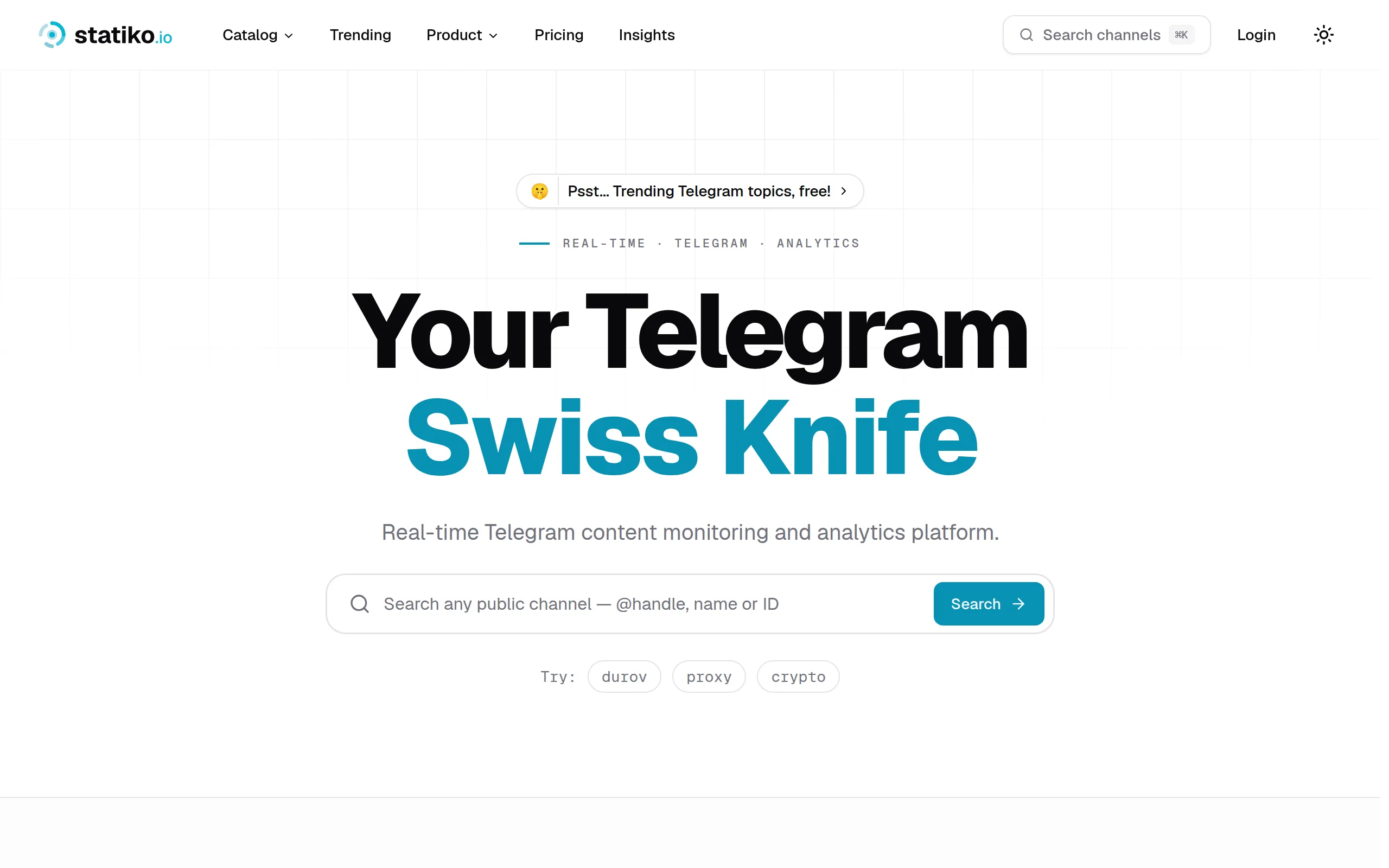
Statiko
Monitor any Telegram channel in real time - track posts, edits, deletions, and growth with AI recaps 📡
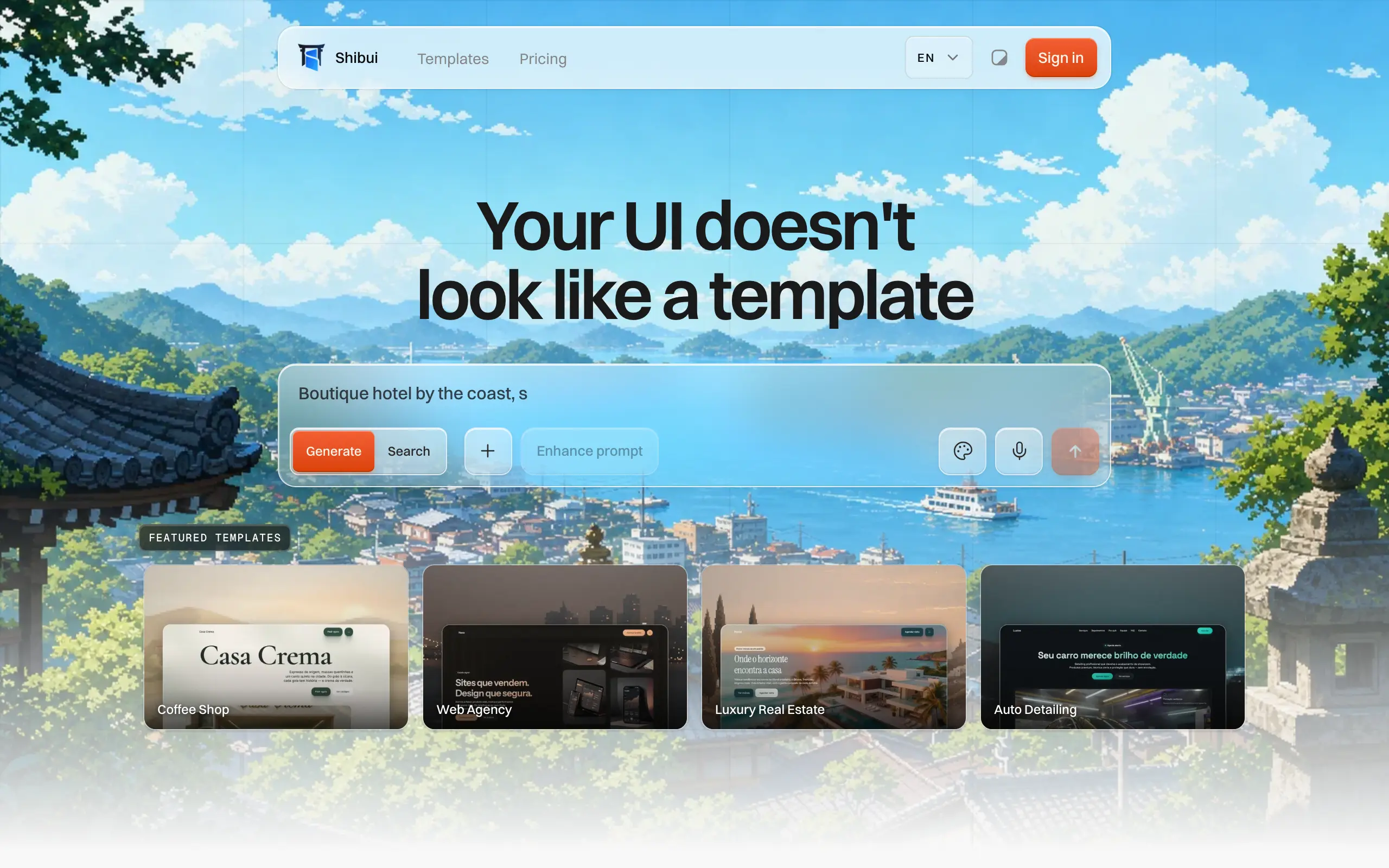
Shibui
AI website builder - describe your business, pick a niche template, edit by chatting, and publish instantly ✨
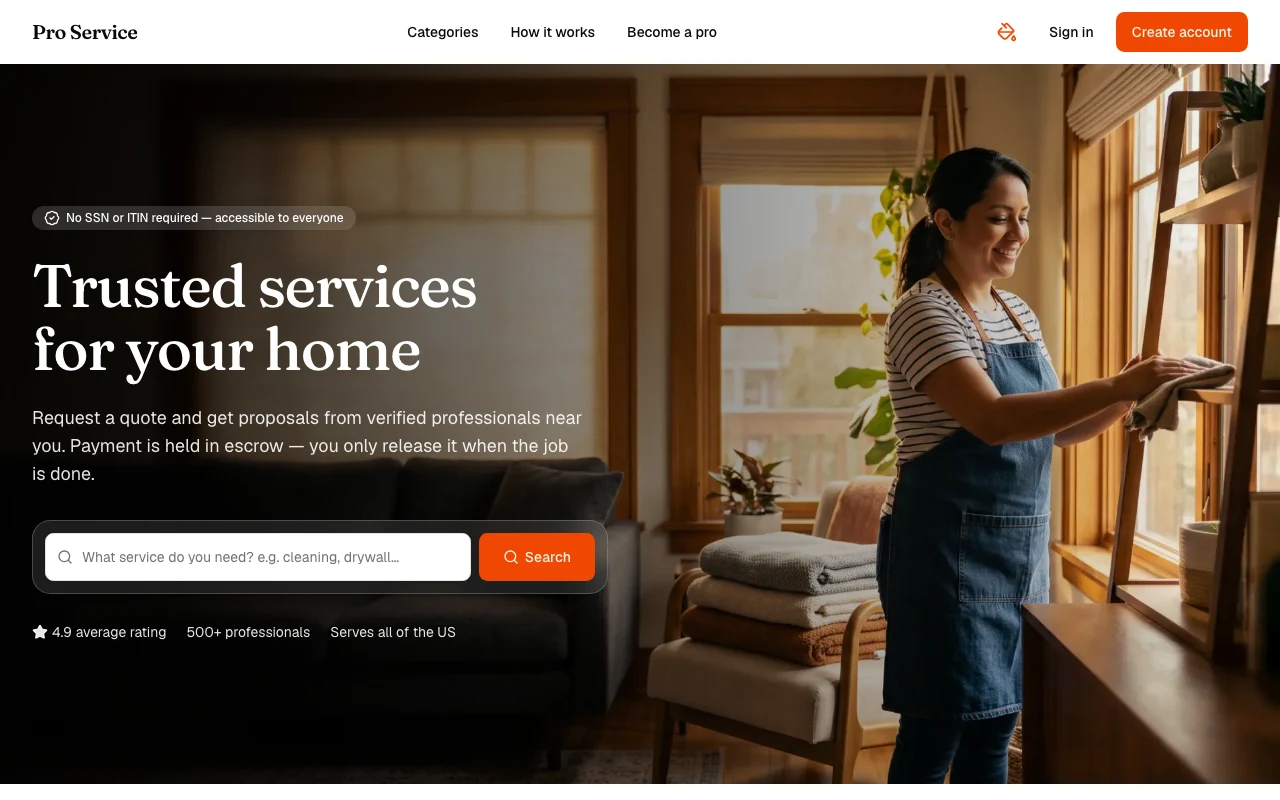
Pro Service
Find verified home service professionals, compare quotes, and pay securely through escrow - built for Brazilians across the US 🏠
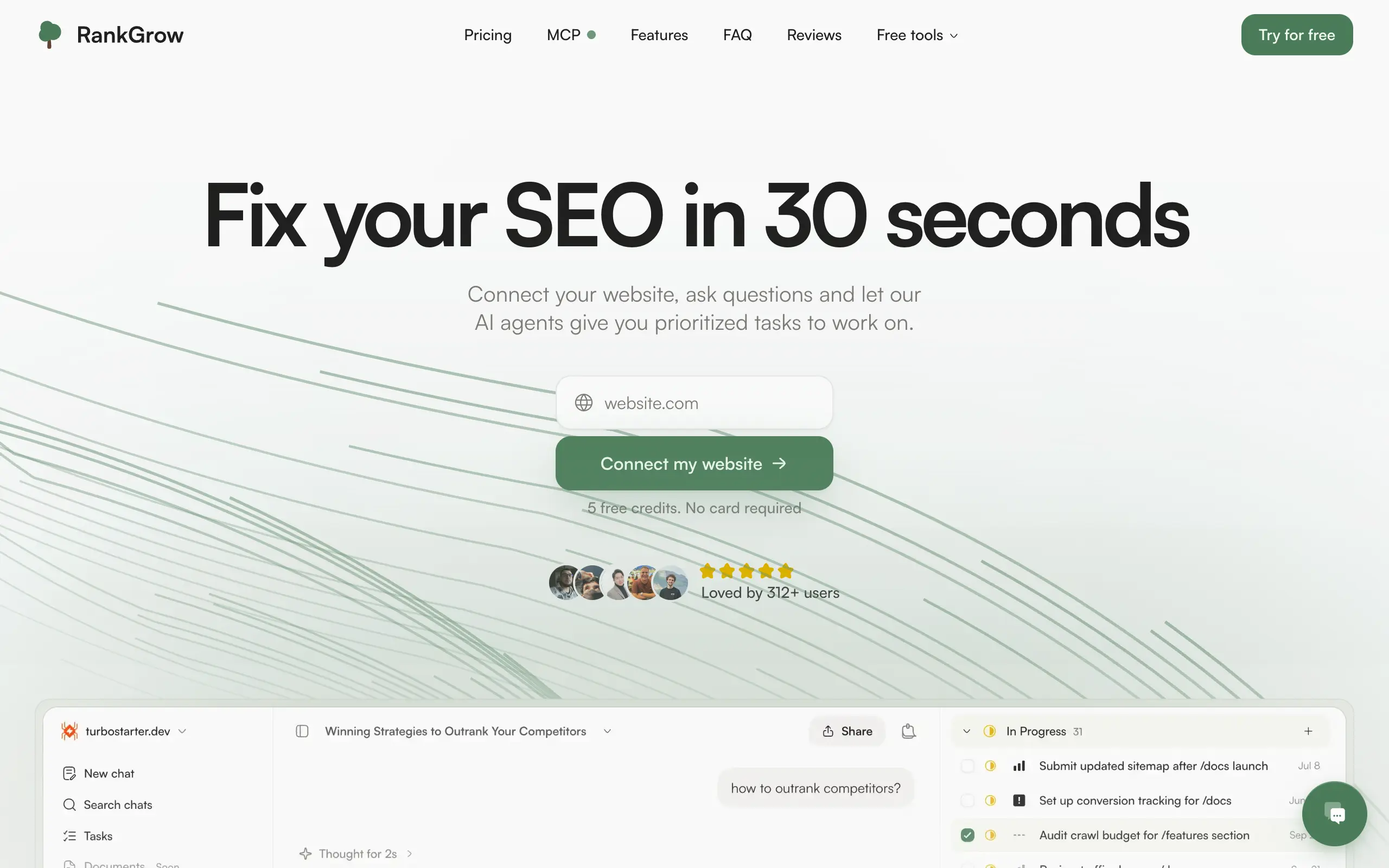
RankGrow
Fix your SEO with AI agents - connect Search Console, get prioritized tasks, and grow organic traffic 📈
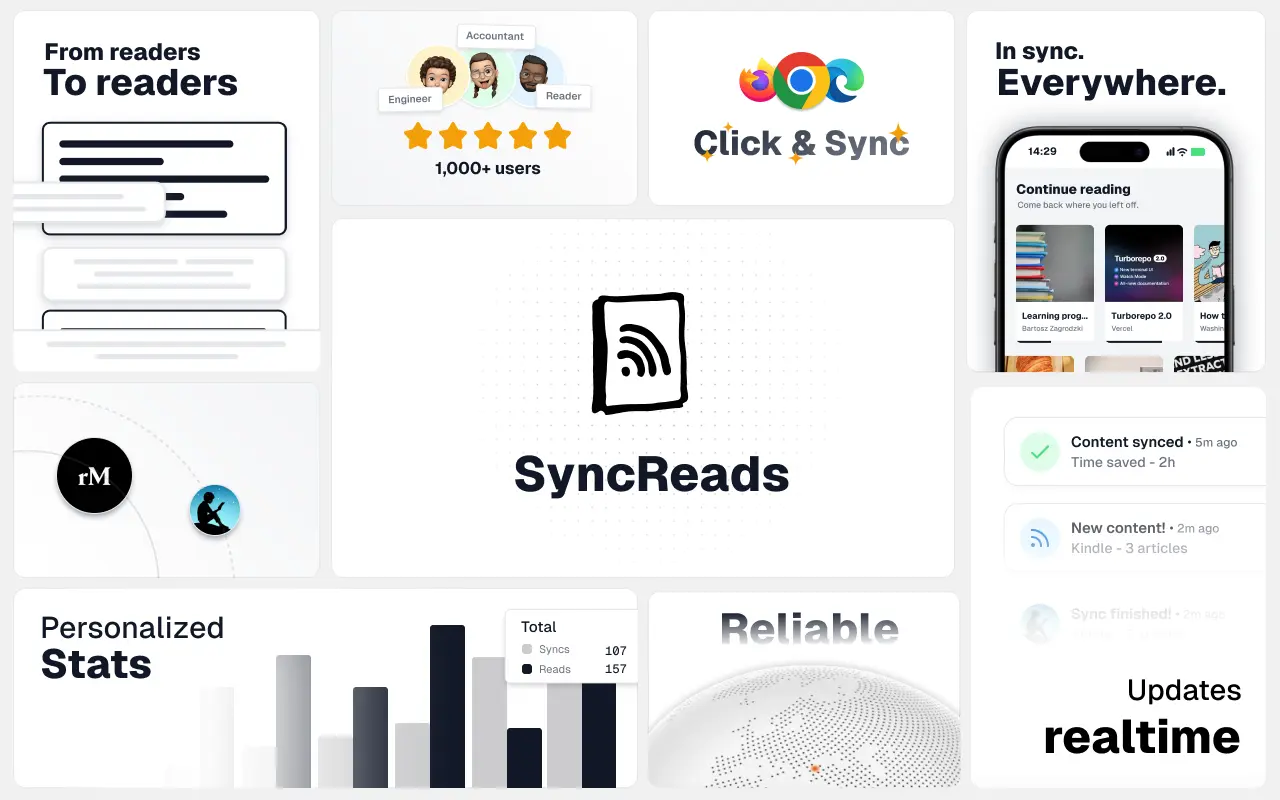
SyncReads
Sync your favorite content for distraction-free reading, save time and replace multiple apps. Anytime, anywhere 🔄
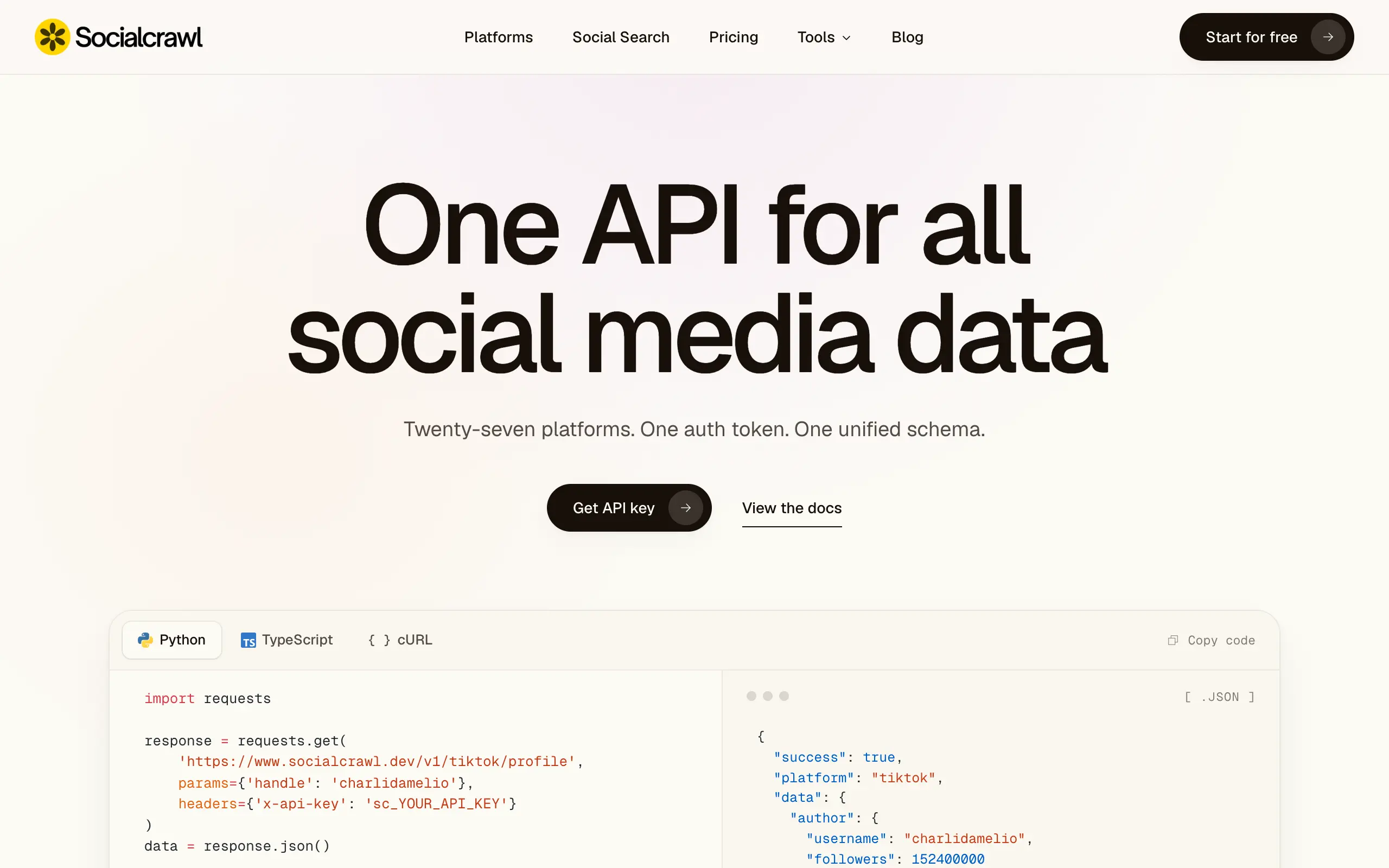
Socialcrawl
Get clean, structured data from 21 platforms like TikTok, Instagram, and YouTube with a single request 📊
Statiko
Monitor any Telegram channel in real time - track posts, edits, deletions, and growth with AI recaps 📡
Shibui
AI website builder - describe your business, pick a niche template, edit by chatting, and publish instantly ✨
Pro Service
Find verified home service professionals, compare quotes, and pay securely through escrow - built for Brazilians across the US 🏠
RankGrow
Fix your SEO with AI agents - connect Search Console, get prioritized tasks, and grow organic traffic 📈
SyncReads
Sync your favorite content for distraction-free reading, save time and replace multiple apps. Anytime, anywhere 🔄
Socialcrawl
Get clean, structured data from 21 platforms like TikTok, Instagram, and YouTube with a single request 📊
Statiko
Monitor any Telegram channel in real time - track posts, edits, deletions, and growth with AI recaps 📡
Shibui
AI website builder - describe your business, pick a niche template, edit by chatting, and publish instantly ✨
Pro Service
Find verified home service professionals, compare quotes, and pay securely through escrow - built for Brazilians across the US 🏠
RankGrow
Fix your SEO with AI agents - connect Search Console, get prioritized tasks, and grow organic traffic 📈
SyncReads
Sync your favorite content for distraction-free reading, save time and replace multiple apps. Anytime, anywhere 🔄
Socialcrawl
Get clean, structured data from 21 platforms like TikTok, Instagram, and YouTube with a single request 📊
Statiko
Monitor any Telegram channel in real time - track posts, edits, deletions, and growth with AI recaps 📡
Shibui
AI website builder - describe your business, pick a niche template, edit by chatting, and publish instantly ✨
Pro Service
Find verified home service professionals, compare quotes, and pay securely through escrow - built for Brazilians across the US 🏠
RankGrow
Fix your SEO with AI agents - connect Search Console, get prioritized tasks, and grow organic traffic 📈
SyncReads
Sync your favorite content for distraction-free reading, save time and replace multiple apps. Anytime, anywhere 🔄
Socialcrawl
Get clean, structured data from 21 platforms like TikTok, Instagram, and YouTube with a single request 📊
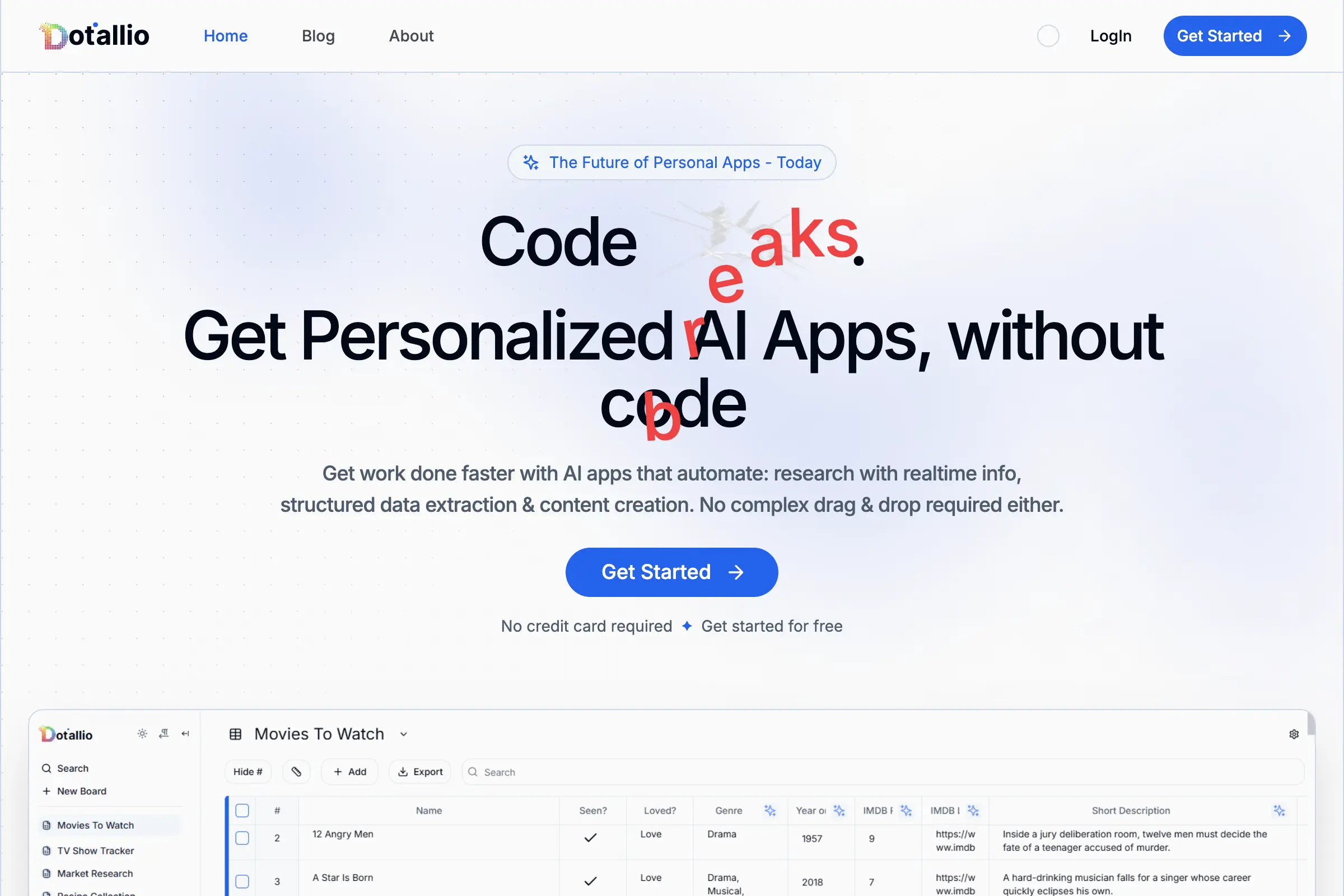
Dotallio
Personalized AI apps that automate research, data extraction, and content creation without code 🤖
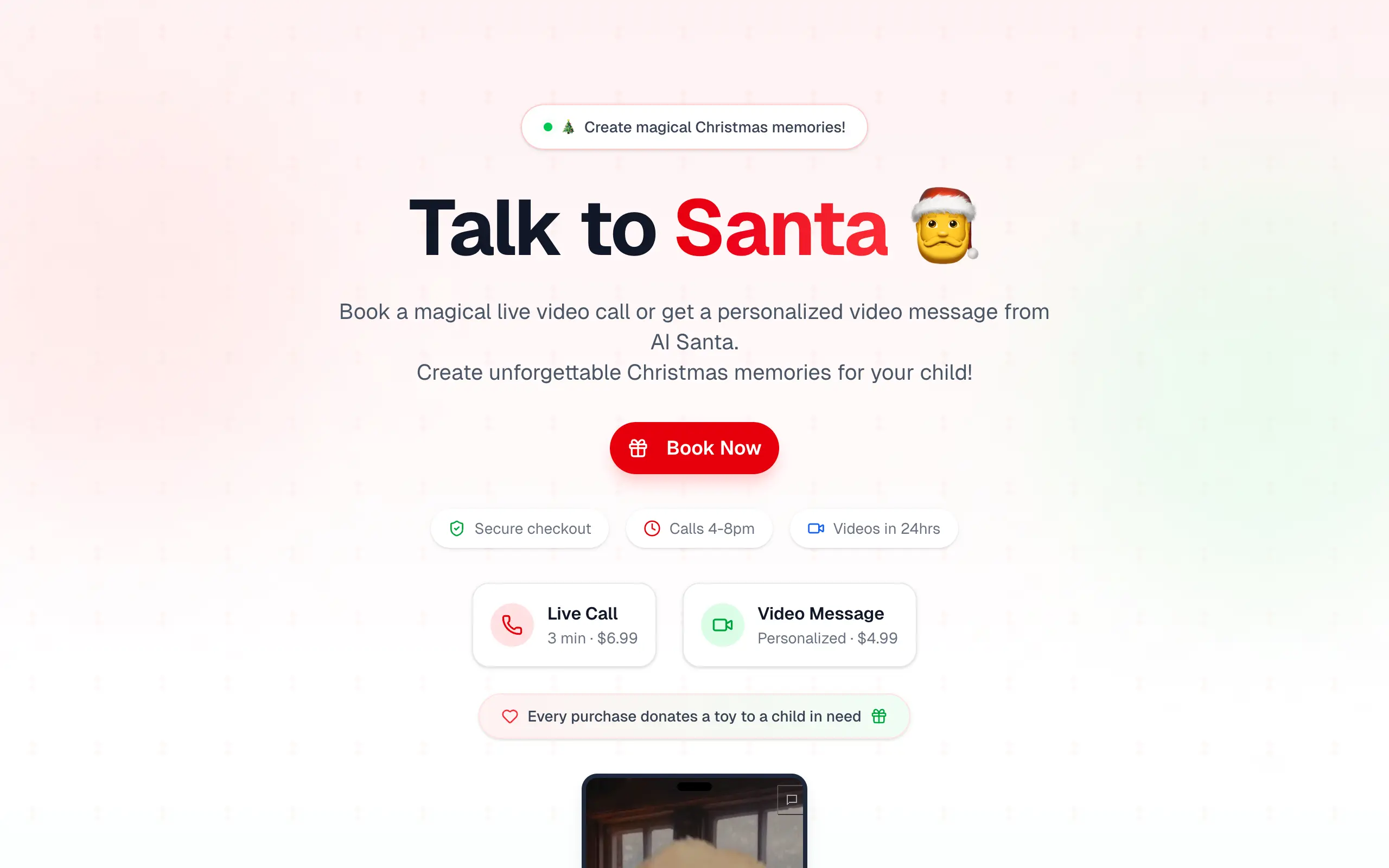
Talk to Santa
Enjoy a magical live video chat or receive a unique AI-generated video greeting from Santa Claus 🎅
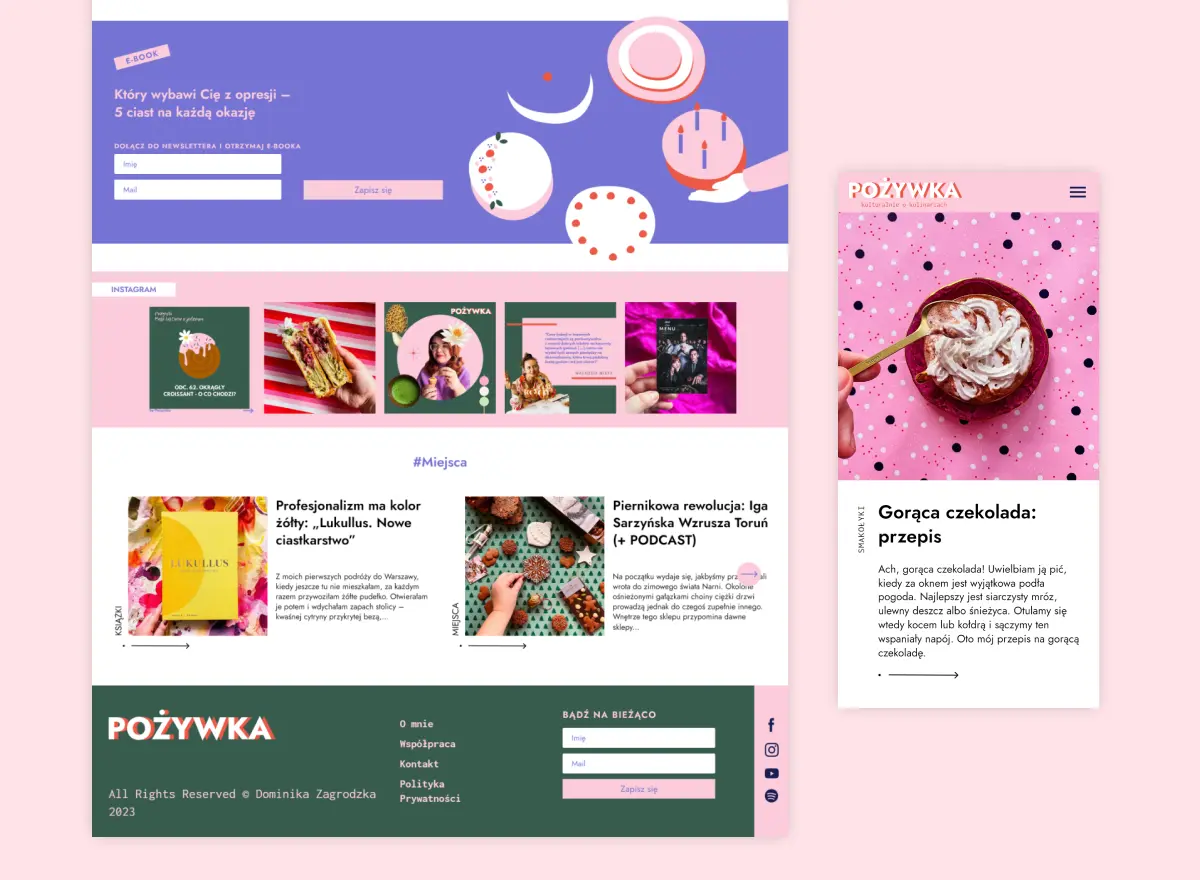
pozywka.pl
Scalable blog for food journalist, focused on performance and user experience 🌭
zagrodzki.me
Personal blog and portfolio of Bart Zagrodzki, where he shares his knowledge and work 💼
TurboStarter
Ship your startup everywhere. In minutes.
HTML to Markdown
Convert HTML to Markdown with ease, directly in your browser 📄
Dotallio
Personalized AI apps that automate research, data extraction, and content creation without code 🤖
Talk to Santa
Enjoy a magical live video chat or receive a unique AI-generated video greeting from Santa Claus 🎅
pozywka.pl
Scalable blog for food journalist, focused on performance and user experience 🌭
zagrodzki.me
Personal blog and portfolio of Bart Zagrodzki, where he shares his knowledge and work 💼
TurboStarter
Ship your startup everywhere. In minutes.
HTML to Markdown
Convert HTML to Markdown with ease, directly in your browser 📄
Dotallio
Personalized AI apps that automate research, data extraction, and content creation without code 🤖
Talk to Santa
Enjoy a magical live video chat or receive a unique AI-generated video greeting from Santa Claus 🎅
pozywka.pl
Scalable blog for food journalist, focused on performance and user experience 🌭
zagrodzki.me
Personal blog and portfolio of Bart Zagrodzki, where he shares his knowledge and work 💼
TurboStarter
Ship your startup everywhere. In minutes.
HTML to Markdown
Convert HTML to Markdown with ease, directly in your browser 📄
Dotallio
Personalized AI apps that automate research, data extraction, and content creation without code 🤖
Talk to Santa
Enjoy a magical live video chat or receive a unique AI-generated video greeting from Santa Claus 🎅
pozywka.pl
Scalable blog for food journalist, focused on performance and user experience 🌭
zagrodzki.me
Personal blog and portfolio of Bart Zagrodzki, where he shares his knowledge and work 💼
TurboStarter
Ship your startup everywhere. In minutes.
HTML to Markdown
Convert HTML to Markdown with ease, directly in your browser 📄
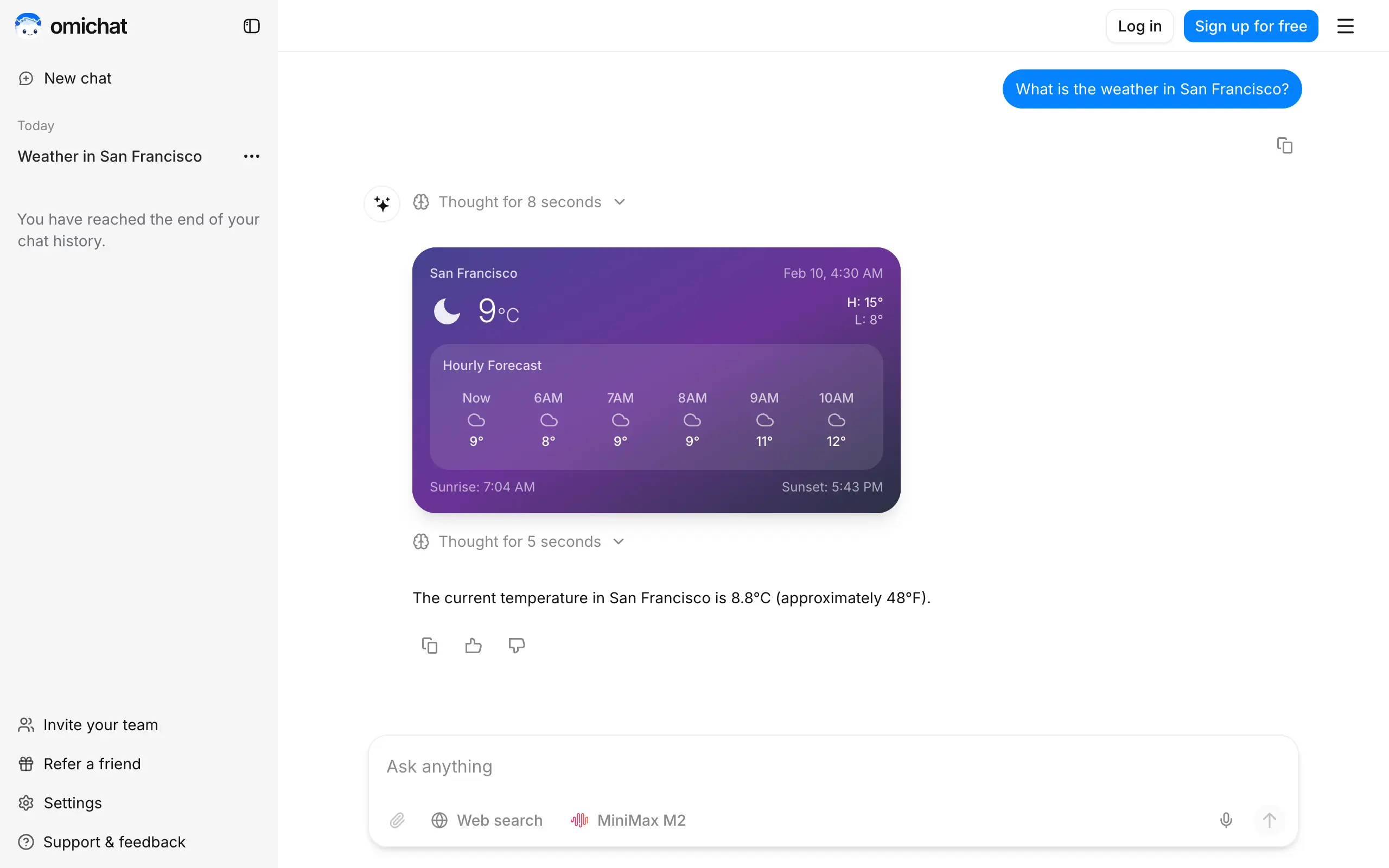
Omichat
Chat with 50+ AI models, including ChatGPT and Claude, in one place - switch models anytime without losing context 🤖
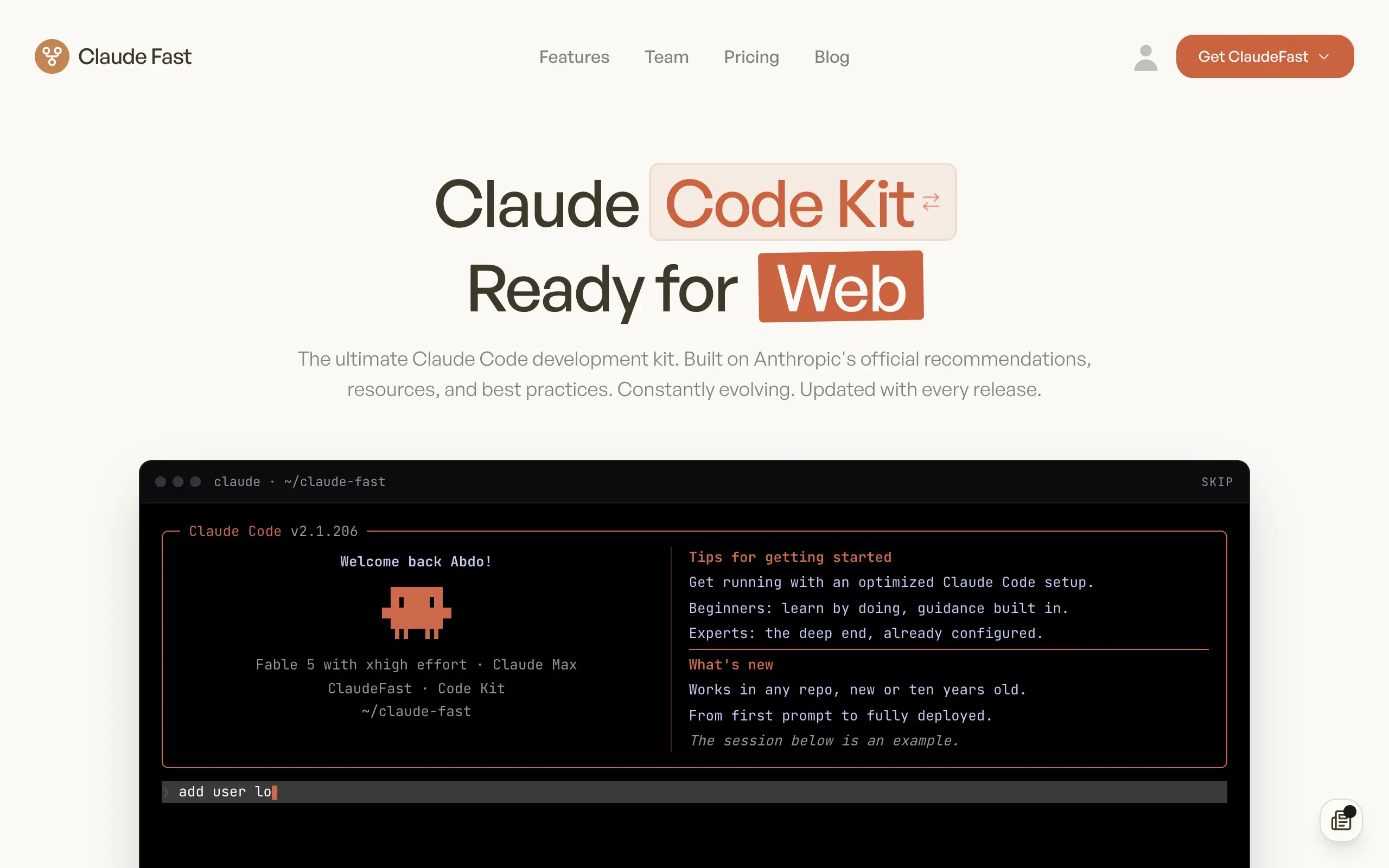
Claude Fast
Supercharge your Claude Code with 6x effective context window and specialized AI agents 🤖
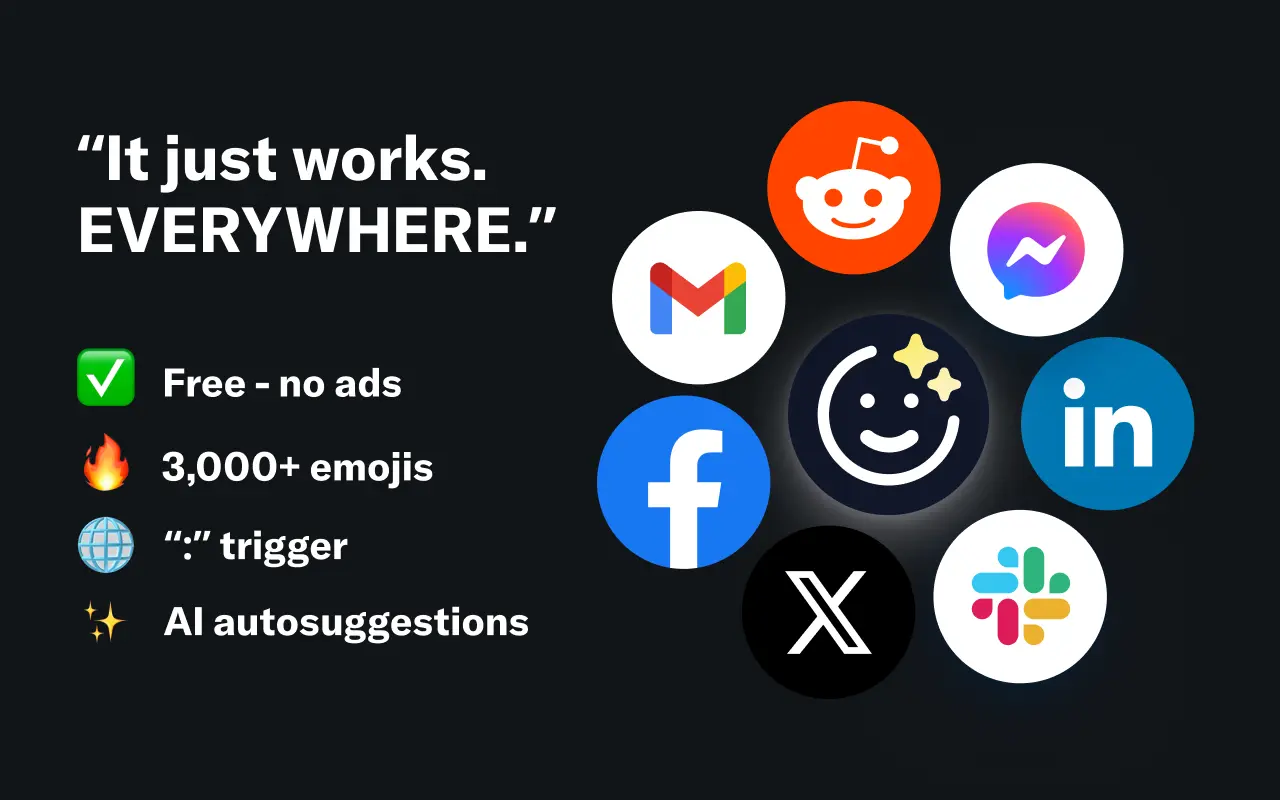
EmojAI
AI-powered emoji picker with smart, context-aware suggestions 🤖
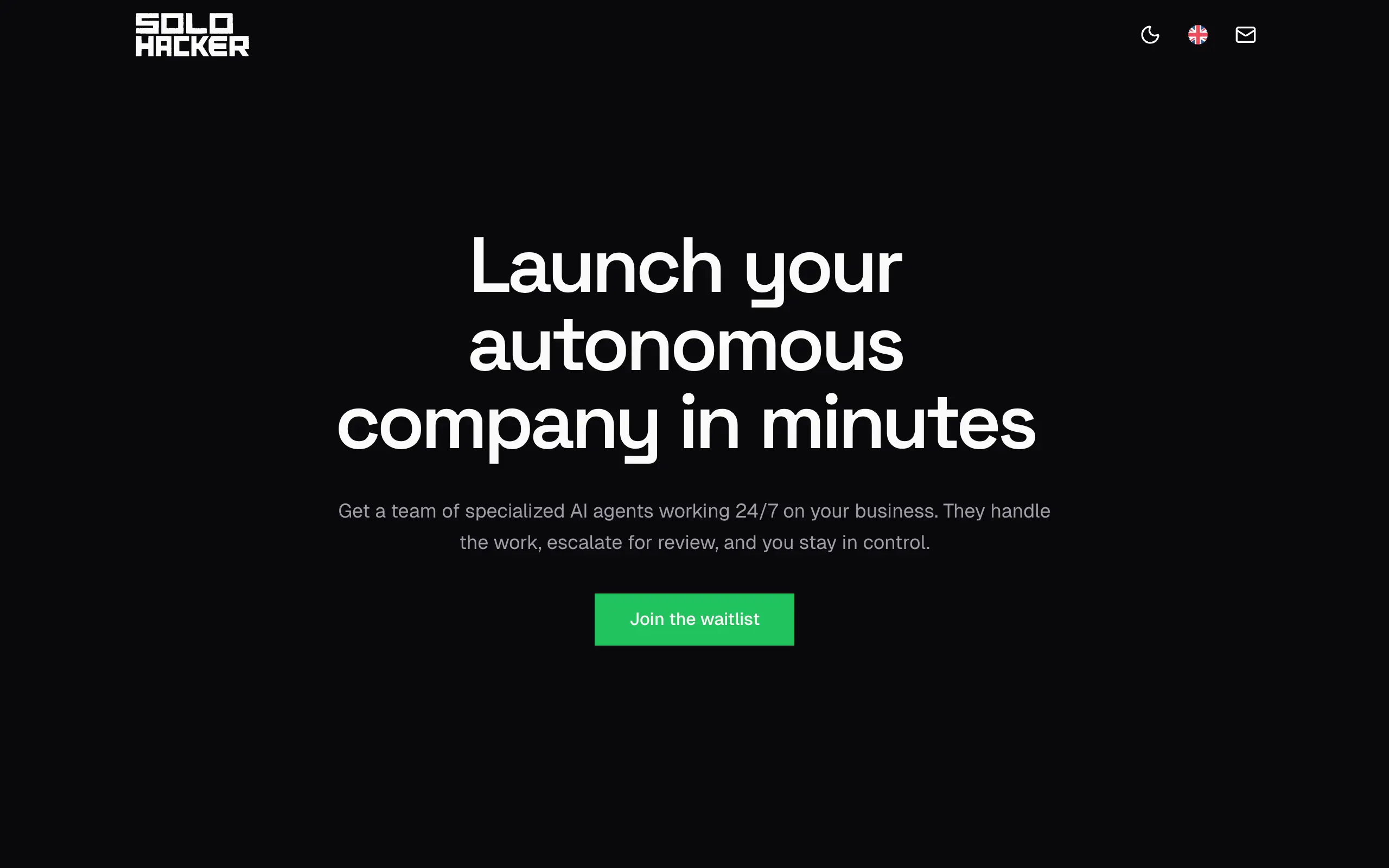
Solohacker
Autonomous company launcher - AI agents work 24/7, escalate what matters, and you stay in control 🤖
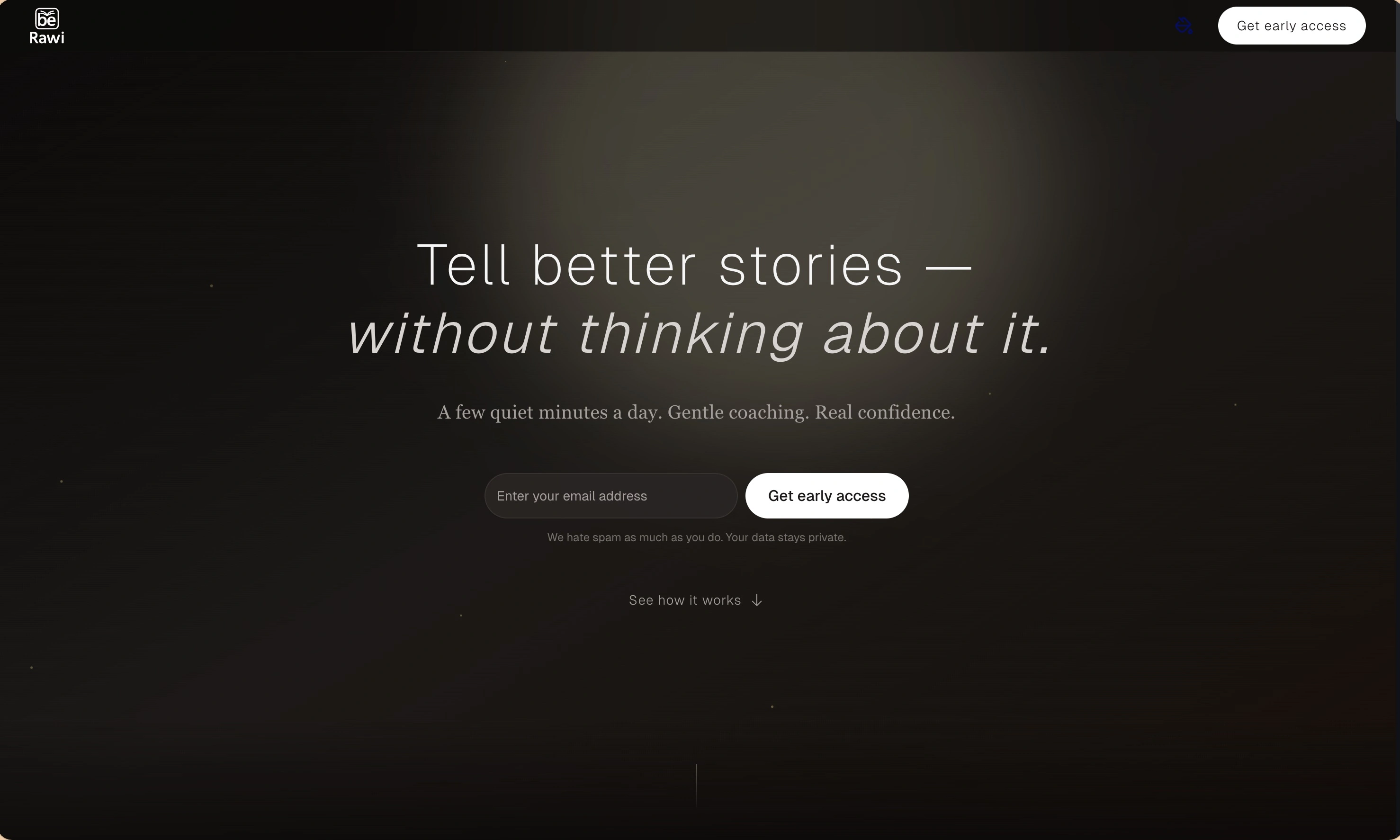
BeRawi: Storytelling Coach
Practice storytelling daily with instant feedback to sound clearer, more engaging, and confident 🎤
Omichat
Chat with 50+ AI models, including ChatGPT and Claude, in one place - switch models anytime without losing context 🤖
Claude Fast
Supercharge your Claude Code with 6x effective context window and specialized AI agents 🤖
EmojAI
AI-powered emoji picker with smart, context-aware suggestions 🤖
Solohacker
Autonomous company launcher - AI agents work 24/7, escalate what matters, and you stay in control 🤖
BeRawi: Storytelling Coach
Practice storytelling daily with instant feedback to sound clearer, more engaging, and confident 🎤
Omichat
Chat with 50+ AI models, including ChatGPT and Claude, in one place - switch models anytime without losing context 🤖
Claude Fast
Supercharge your Claude Code with 6x effective context window and specialized AI agents 🤖
EmojAI
AI-powered emoji picker with smart, context-aware suggestions 🤖
Solohacker
Autonomous company launcher - AI agents work 24/7, escalate what matters, and you stay in control 🤖
BeRawi: Storytelling Coach
Practice storytelling daily with instant feedback to sound clearer, more engaging, and confident 🎤
Omichat
Chat with 50+ AI models, including ChatGPT and Claude, in one place - switch models anytime without losing context 🤖
Claude Fast
Supercharge your Claude Code with 6x effective context window and specialized AI agents 🤖
EmojAI
AI-powered emoji picker with smart, context-aware suggestions 🤖
Solohacker
Autonomous company launcher - AI agents work 24/7, escalate what matters, and you stay in control 🤖
BeRawi: Storytelling Coach
Practice storytelling daily with instant feedback to sound clearer, more engaging, and confident 🎤

Connect with like-minded people
Join our community to get feedback, support, and grow together with 1,000+ builders on board, let's ship it!
Join usShip your startup everywhere. In minutes.
Don't burn tokens on setup and start building features on day one.