DevSync
A cloud-based platform that synchronizes development environments across multiple devices, ensuring that developers can pick up their work exactly where they left off, regardless of the device they're using.
Target Audience: Empowering the Modern Developer
In today’s fast-paced software development world, constantly switching between laptops, desktops, and even mobile devices is the norm. DevSync is designed with these very users in mind: developers who demand a seamless, consistent, and cloud-powered experience. Whether you're a freelance developer, part of a startup team, or employed at a large enterprise, you face challenges when trying to keep multiple workstation setups in sync. DevSync provides a solution that ensures you never lose context and can pick up your work exactly where you left off—no matter the device.
Here are some key aspects of the target audience:
- Remote Developers: Working from different locations? DevSync eliminates the friction between multiple environments.
- Freelancers & Contractors: When your projects span several client devices, consistency is critical.
- Enterprise Teams: Large development teams can benefit from unified setups, reducing onboarding time and support issues.
- Hobbyists / Students: Even those learning to code or working on personal projects can find immense value in a synchronized environment.
Developers looking for reliability, efficiency, and flexibility will find DevSync's offerings compelling as they navigate the intricate landscape of modern software development.
Market Opportunity: A Cloud-Based Boom in Developer Productivity
The current market is ripe with opportunities for solutions that address the fragmentation of development environments. With more companies adopting remote work and distributed teams, cloud-based synchronization tools are more than just a convenience—they're becoming a necessity.
Key factors driving this opportunity include:
- Remote Work Evolution: The shift to remote and hybrid work models has accelerated the need for cloud solutions.
- Device Proliferation: Developers often juggle more than one device simultaneously. A cloud platform that syncs across devices stands to attract a majority of tech-savvy professionals.
- Increased Collaboration: Modern development relies heavily on collaboration. Unified environments remove the barriers to seamless code sharing and revision tracking.
- Rising Security Concerns: With data breaches becoming more common, a solution that prioritizes secure development environments is highly appealing.
According to recent industry studies, demand for tools that streamline remote development is growing exponentially, marking a significant market opportunity in the SaaS landscape. Startups and established firms alike are seeking innovations that offer both speed and security without sacrificing usability.
Tech Stack: Leveraging Robust and Modern Technologies
Building a platform like DevSync requires a well-thought-out tech stack that not only supports cloud-based synchronization but also ensures high performance, security, and scalability. The chosen technologies need to work in harmony to create a seamless development experience.
Core Components of the Tech Stack
- Cloud Infrastructure: Utilizing services like AWS, Google Cloud, or Azure to host and manage the platform.
- Microservices Architecture: Decoupled services ensure efficient scaling and maintenance.
- Real-Time Data Sync: Leveraging WebSockets or similar technologies to provide immediate updates across devices.
- Containerization & Orchestration: Docker and Kubernetes can streamline deployments and enhance system reliability.
- Security Protocols: Implementing OAuth, 2FA, and robust encryption to aid secure data transmission and storage.
For a rapid implementation approach, consider using a starter kit like TurboStarter. TurboStarter is specifically engineered for web, mobile, and browser extension development, making it an excellent choice for kickstarting projects that require a highly modular and efficient framework.
Sample Code Snippet Demonstrating Synchronized Functionality
const syncEnvironment = () => {
  console.log("Synchronizing development environment across devices!");
  // Imagine this function calls an API that performs environment sync
  fetch("/sync-environment", {
    method: "POST",
    headers: {
      "Content-Type": "application/json",
    },
    body: JSON.stringify({ userId: "developer123", timestamp: Date.now() }),
  }).then((response) => response.json())
    .then((data) => console.log("Sync Successful", data))
    .catch((error) => console.error("Sync Failed", error));
}
This snippet is a simplified example of how real-time synchronization might work within the platform, showcasing the seamless integration of cloud APIs and front-end functionality.
Monetization Strategies: Flexible Pricing to Meet Diverse Needs
One of the most critical aspects of any SaaS solution is its monetization strategy. DevSync must balance affordability with robust features while scaling to meet growing developer demands. The monetization model for such a highly specialized tool could involve a mix of subscription-based plans, freemium options, and add-on modules.
Potential Revenue Streams
- Subscription Plans: Offer tiered pricing based on usage, such as Basic, Pro, and Enterprise packages. This allows flexibility for both individual developers and large teams.
- Freemium Model: Provide essential features for free with the option to upgrade for advanced functionalities like high-frequency sync, enhanced security protocols, and priority support.
- Add-On Services: Integrate value-added services such as extra storage, advanced analytics, or custom sync schedules as premium features.
- Partnerships & Integrations: Establish partnerships with existing development tools and platforms. Revenue-sharing models through API integrations can offer additional value and drive adoption.
Monetization Through User-Centric Pricing
Pricing models should be designed to attract developers at every stage of their career. Early-stage freelancers might appreciate a low entry barrier with the possibility to scale as they grow, while enterprise-level organizations look for robust, customizable solutions. By offering a comprehensive range of pricing options, DevSync can maximize its reach and generate a reliable revenue stream.
Risks: Mitigating Challenges in a Distributed Cloud Environment
No SaaS solution is without risks. When dealing with synchronized cloud-based development environments, potential pitfalls must be proactively addressed to ensure continuous, reliable service.
Key Risks to Consider
- Data Integrity: Ensuring that no code or configuration is lost during sync operations is paramount.
- Security Threats: A cloud-based platform is an attractive target for hackers. Robust security measures are necessary to protect intellectual property and sensitive data.
- Performance Bottlenecks: With potentially thousands of developers syncing data simultaneously, the system must be designed to handle high loads without slowing down.
- Compatibility Issues: Devices and operating systems vary widely; consistent performance across multiple platforms can be challenging.
- Vendor Lock-In: Relying heavily on third-party services can introduce risks if those services experience downtime or drastically change their pricing models.
Addressing these risks involves rigorous testing, continuous monitoring, and implementing industry best practices for cloud security and performance optimization.
Important
Prioritize security audits and performance benchmarks during development to ensure that risks are minimized and managed effectively.
Competitive Advantages: Distinguishing DevSync in a Crowded Market
What sets DevSync apart in the competitive SaaS landscape for developer tools? Its unique combination of features, user-centric design, and uncompromising performance gives it a distinctive edge.
Notable Competitive Strengths
- Seamless Cross-Device Synchronization: Unlike traditional solutions that require manual transfers or compromise functionality, DevSync offers true real-time synchronization.
- High Customizability: Allowing developers to tailor synchronization settings based on project needs and workflow preferences.
- Robust Security Protocols: With end-to-end encryption and multi-factor authentication, developers can trust that their work and data remain private.
- Integrative Ecosystem: Easily integrates with popular development tools (IDEs, version control systems, etc.), creating a unified development experience that saves time.
- Scalable Architecture: Designed to efficiently scale from single-user implementations to enterprise-wide deployments without losing performance.
Feature highlight
Real-time synchronization across devices without the hassle of manual updates.
Detailed Look: Benefits of a Unified Development Environment
When we break down the benefits of having a synchronized development environment, several key points emerge that elevate DevSync above its competitors:
- Consistency Across Devices:
- No more configuration mismatches.
- Immediate access to the latest code updates.
- Boosted Productivity:
- Seamless transitions reduce downtime.
- Developers can work more fluidly across devices.
- Reduced Onboarding Time:
- New team members can quickly set up an environment identical to that used by the rest of the team.
- Enhanced Collaboration:
- Facilitates real-time pairing and code reviews, leading to faster problem resolution.
- Automated Backup & Recovery:
- Continuous synchronization acts as an implicit backup, reducing risks of data loss during device failures.
Industry Comparisons: How DevSync Stands Out
The market does have several players offering aspects of synchronization and remote access. However, DevSync's holistic approach to recreating an identical development environment anywhere, anytime, gives it a significant advantage. Competitors may offer remote desktops or cloud storage solutions, but few address the granular needs and nuances experienced by developers.
Tabs: Feature Comparison
DevSync offers:
- True real-time synchronization without manual intervention.
- Tailored environment configurations.
- Integrated security and backup solutions.
Competitor X provides:
- Basic remote access with manual syncing.
- Limited customization options.
- Additional third-party integrations required for enhanced security.
This direct comparison makes it clear why DevSync is positioned to capture a significant market share by addressing the very specific needs of modern developers.
Advantages in a Dynamic Market
Staying ahead in the competitive SaaS world means continuously evolving and addressing user pain points faster than competitors. DevSync's modular design and cloud-first approach provide several key benefits:
- Quick Updates & Iterations: The agile development process enables feature rollouts based on user feedback.
- Strong Developer Community: By engaging in forums, bug bounties, and user groups, DevSync encourages a loyal and active user base.
- Customizable Integrations: The ability to integrate with third-party tools not only future-proofs the platform but also enhances its utility in various development pipelines.
Moreover, DevSync’s platform isn’t static; it evolves continuously based on data-driven insights and community contributions. Every new feature is evaluated through metrics that ensure it meets the productivity and usability benchmarks expected by today’s developers.
The platform's constant iteration process means that any emerging needs or potential gaps in workflow are quickly identified, analyzed, and addressed, making DevSync not only reactive but also proactive in its development strategy.
Monetizing and Sustaining Growth
Understanding and implementing an effective monetization strategy is essential for the long-term success of any SaaS product. For DevSync, revenue generation is carefully planned to match the product’s value proposition. The monetization approach focuses on user flexibility and scalability:
- Monthly and Yearly Subscriptions: Providing regular income and predictable annual revenue.
- Enterprise Licensing: Special packages for large organizations with dedicated support and extended functionalities.
- Usage-Based Billing: For high-frequency users requiring additional resources or specialized sync capabilities.
This flexible pricing structure ensures that DevSync not only attracts independent developers but seamlessly scales to support large development teams.
Addressing Key Risks and Challenges
With every innovative product, several risks must be weighed and managed:
- Latency in Synchronization: Even a slight delay can disrupt a developer’s workflow. Rigorous performance testing and network optimizations are essential.
- Scalability Issues: As more users rely on the platform, ensuring robust infrastructure that scales dynamically is a top priority.
- User Error and Data Loss: Automated backup features coupled with easy rollback options can help mitigate potential disruptions from user errors.
- Integration Fragility: Continually testing integrations with popular development tools reduces the possibility of deprecated features impacting the overall functionality of DevSync.
Developing robust protocols for regular security audits and performance reviews is the cornerstone of mitigating these issues.
Future-Proofing and Continuous Improvement
The technology landscape is ever-changing, making it essential for platforms like DevSync to remain adaptable. Future enhancements may include:
- Artificial Intelligence: Using machine learning to predict and optimize syncing patterns based on user habits.
- Enhanced Analytics: Providing detailed insights into a developer’s workflow and sync activities, allowing for personalized productivity improvements.
- Expanded Device Support: Not only syncing traditional devices but also enhancing support for IoT and emerging tech platforms.
- Improved Collaboration Tools: Integrating live coding, shared workspaces, and real-time code review directly within the synchronized environment.
By staying ahead of the tech trends and continuously receiving feedback from the user community, DevSync can maintain its competitive edge over time.
Implementation Steps and Conclusion
To wrap up our comprehensive overview, here are some clear action steps to turn the vision of DevSync into reality:
In the development and deployment phases, it is vital that each step is meticulously planned and executed. Establishing a dedicated team for continuous improvement post-launch will also ensure that DevSync evolves alongside the needs of its developer community.
Development Insight
Embrace an iterative development cycle where frequent releases and user feedback sculpt the feature set over time. This agile mindset is key to sustaining long-term success.
For teams looking to expedite the development process, integrating starter kits—such as TurboStarter—into your tech stack can streamline workflows and significantly reduce time-to-market. Utilizing these resources can shift the focus from reinventing the wheel to perfecting core functionalities that give DevSync its competitive edge.
In summary, DevSync is not just a synchronization tool—it is an innovative platform built to empower developers by providing a consistent, highly secure, and real-time cloud environment across all devices. This ensures that wherever you are, your development environment is ready to go, saving you time and boosting your productivity.
With a robust tech stack, customer-focused monetization strategies, and proactive risk management in place, DevSync is poised to capture the market's attention. Its competitive advantages and continuous improvement initiatives mean it can not only meet current demands but also adapt to future trends in the software development industry.
Following these carefully structured implementation steps will pave the way for a successful launch, ensuring that developers worldwide have access to an environment that truly enhances their workflow. By focusing on user experience, top-tier performance, and infinite scalability, DevSync is ready to revolutionize how developers synchronize and manage their environments across multiple devices.
As development projects progress, keep in mind that a well-rounded approach—combining innovative technology, market needs, and a flexible pricing model—ensures that every challenge becomes a step toward creating a truly indispensable tool for every developer on the go.
More 👥 B2C Application SaaS ideas
Discover more innovative b2c application SaaS ideas that are trending in 2026. Each idea is AI-generated with market validation and growth potential to help you find your next profitable venture faster than competitors.
Your competitors are building with TurboStarter
Below are some of the SaaS ideas that have been generated and built with our starter kit.
Statiko
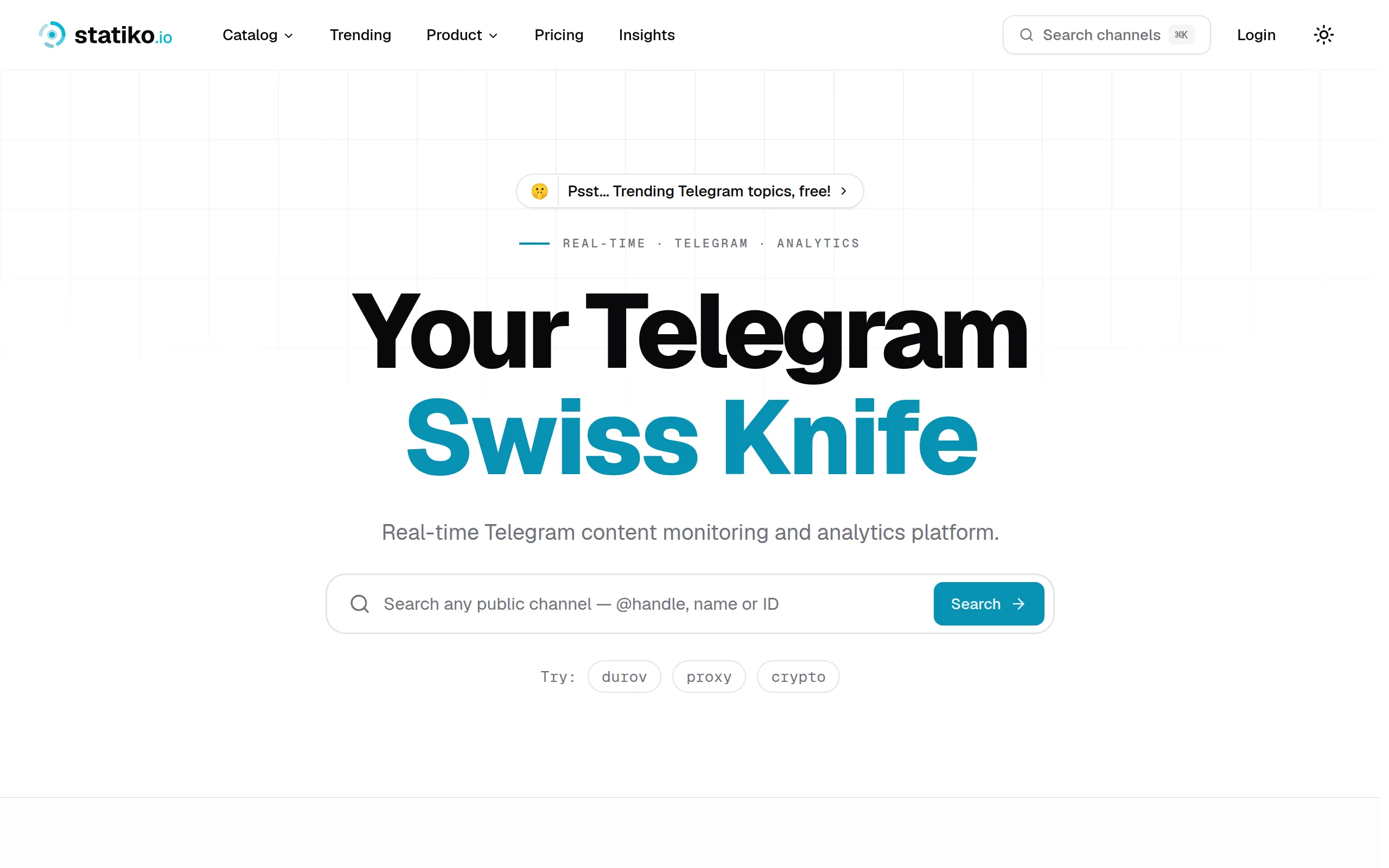
Monitor any Telegram channel in real time - track posts, edits, deletions, and growth with AI recaps 📡

Shibui
AI website builder - describe your business, pick a niche template, edit by chatting, and publish instantly ✨

Pro Service
Find verified home service professionals, compare quotes, and pay securely through escrow - built for Brazilians across the US 🏠
RankGrow
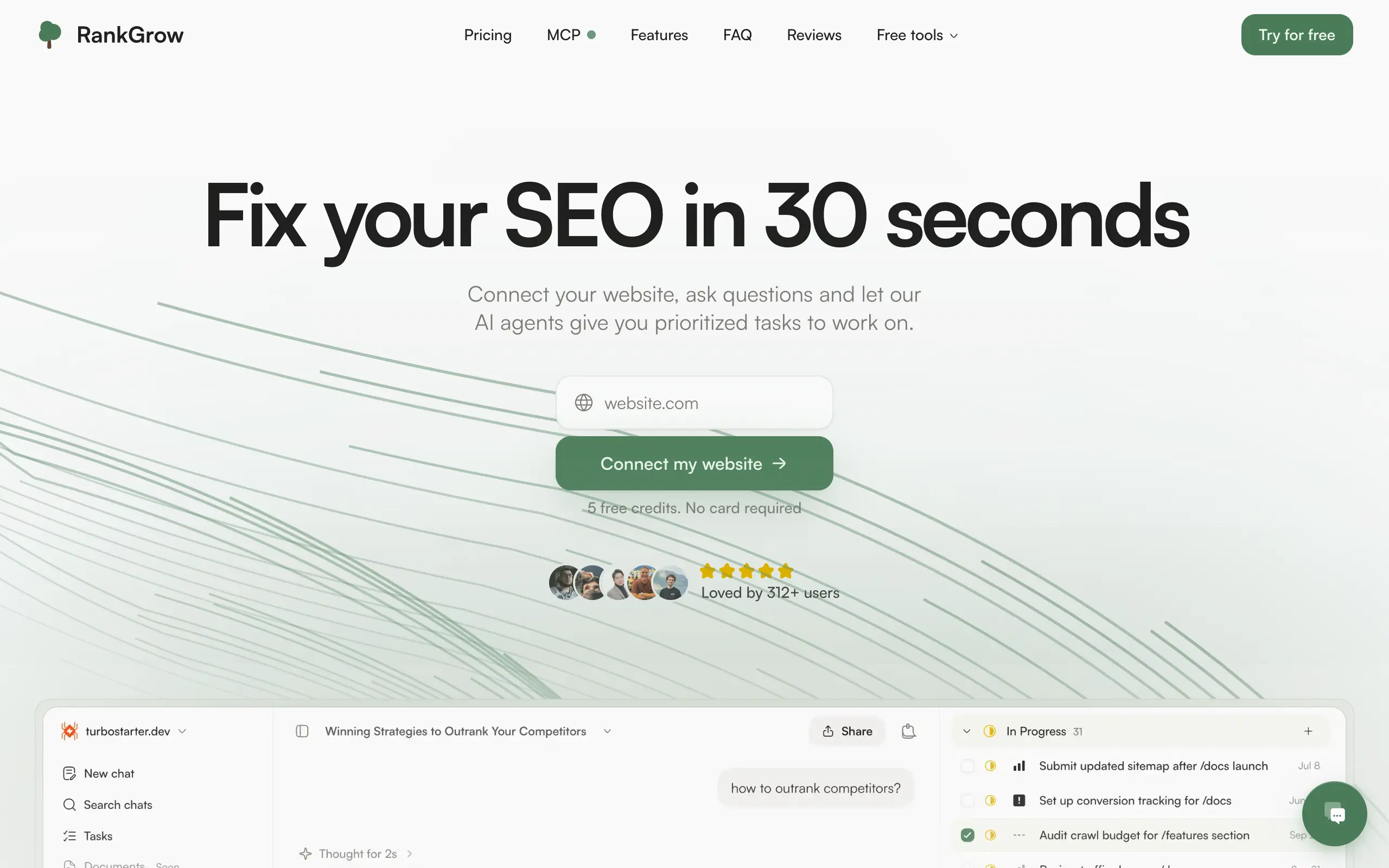
Fix your SEO with AI agents - connect Search Console, get prioritized tasks, and grow organic traffic 📈
SyncReads
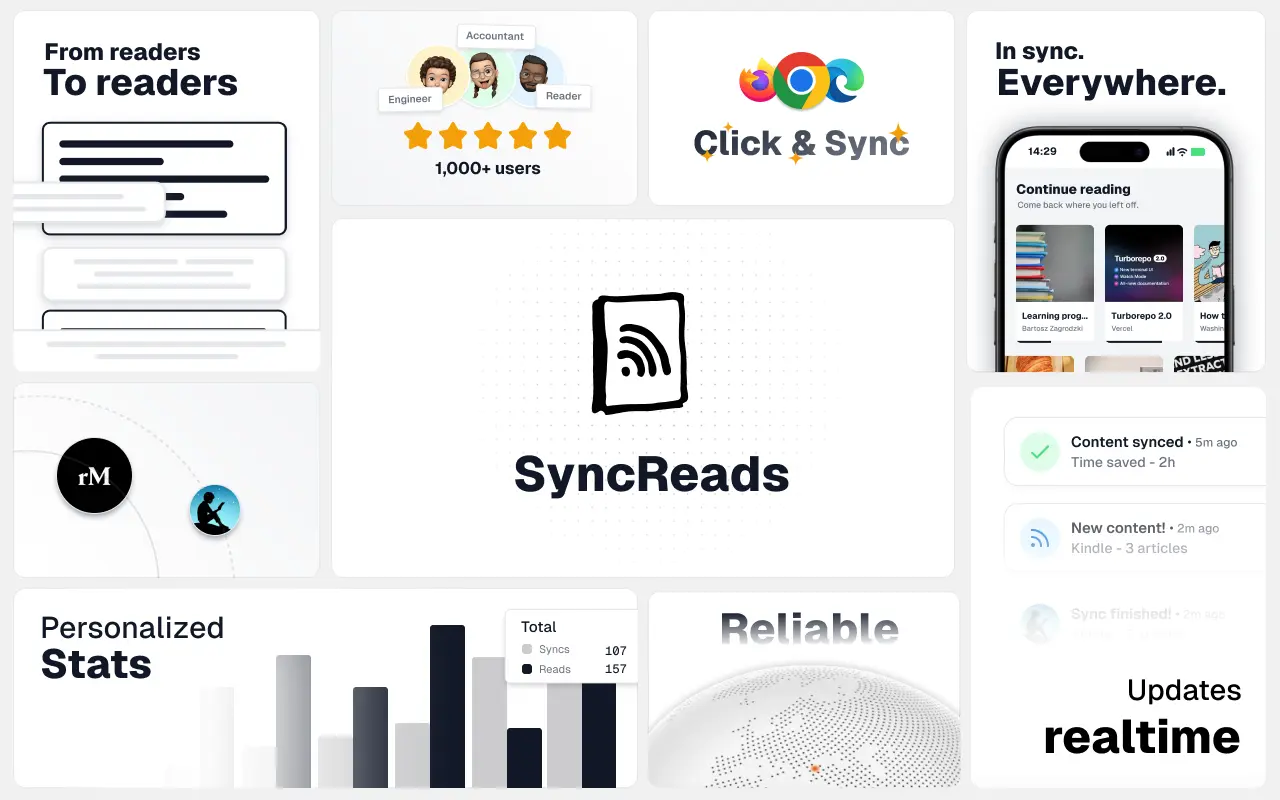
Sync your favorite content for distraction-free reading, save time and replace multiple apps. Anytime, anywhere 🔄
Socialcrawl
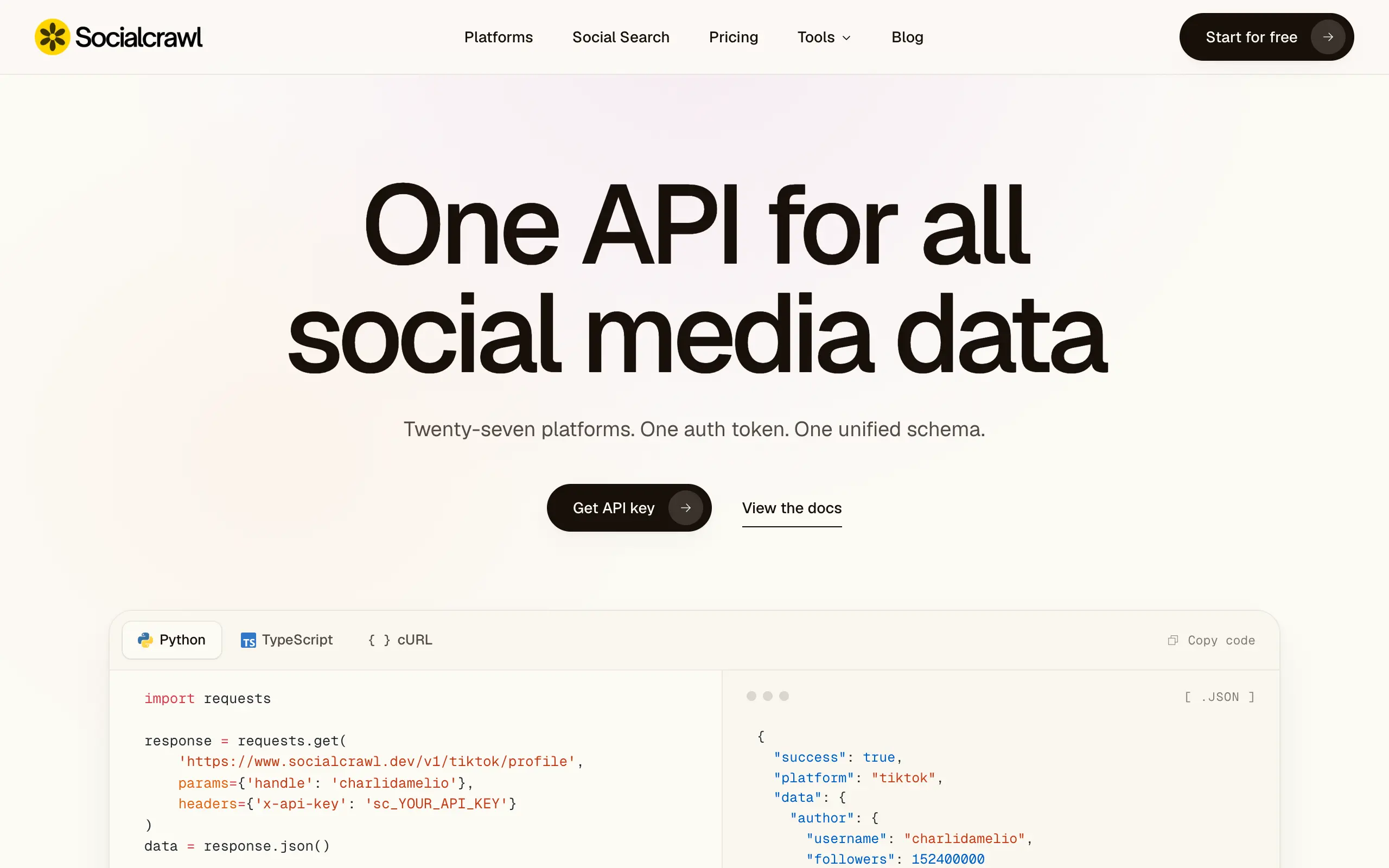
Get clean, structured data from 21 platforms like TikTok, Instagram, and YouTube with a single request 📊
Statiko
Monitor any Telegram channel in real time - track posts, edits, deletions, and growth with AI recaps 📡
Shibui
AI website builder - describe your business, pick a niche template, edit by chatting, and publish instantly ✨
Pro Service
Find verified home service professionals, compare quotes, and pay securely through escrow - built for Brazilians across the US 🏠
RankGrow
Fix your SEO with AI agents - connect Search Console, get prioritized tasks, and grow organic traffic 📈
SyncReads
Sync your favorite content for distraction-free reading, save time and replace multiple apps. Anytime, anywhere 🔄
Socialcrawl
Get clean, structured data from 21 platforms like TikTok, Instagram, and YouTube with a single request 📊
Statiko
Monitor any Telegram channel in real time - track posts, edits, deletions, and growth with AI recaps 📡
Shibui
AI website builder - describe your business, pick a niche template, edit by chatting, and publish instantly ✨
Pro Service
Find verified home service professionals, compare quotes, and pay securely through escrow - built for Brazilians across the US 🏠
RankGrow
Fix your SEO with AI agents - connect Search Console, get prioritized tasks, and grow organic traffic 📈
SyncReads
Sync your favorite content for distraction-free reading, save time and replace multiple apps. Anytime, anywhere 🔄
Socialcrawl
Get clean, structured data from 21 platforms like TikTok, Instagram, and YouTube with a single request 📊
Statiko
Monitor any Telegram channel in real time - track posts, edits, deletions, and growth with AI recaps 📡
Shibui
AI website builder - describe your business, pick a niche template, edit by chatting, and publish instantly ✨
Pro Service
Find verified home service professionals, compare quotes, and pay securely through escrow - built for Brazilians across the US 🏠
RankGrow
Fix your SEO with AI agents - connect Search Console, get prioritized tasks, and grow organic traffic 📈
SyncReads
Sync your favorite content for distraction-free reading, save time and replace multiple apps. Anytime, anywhere 🔄
Socialcrawl
Get clean, structured data from 21 platforms like TikTok, Instagram, and YouTube with a single request 📊
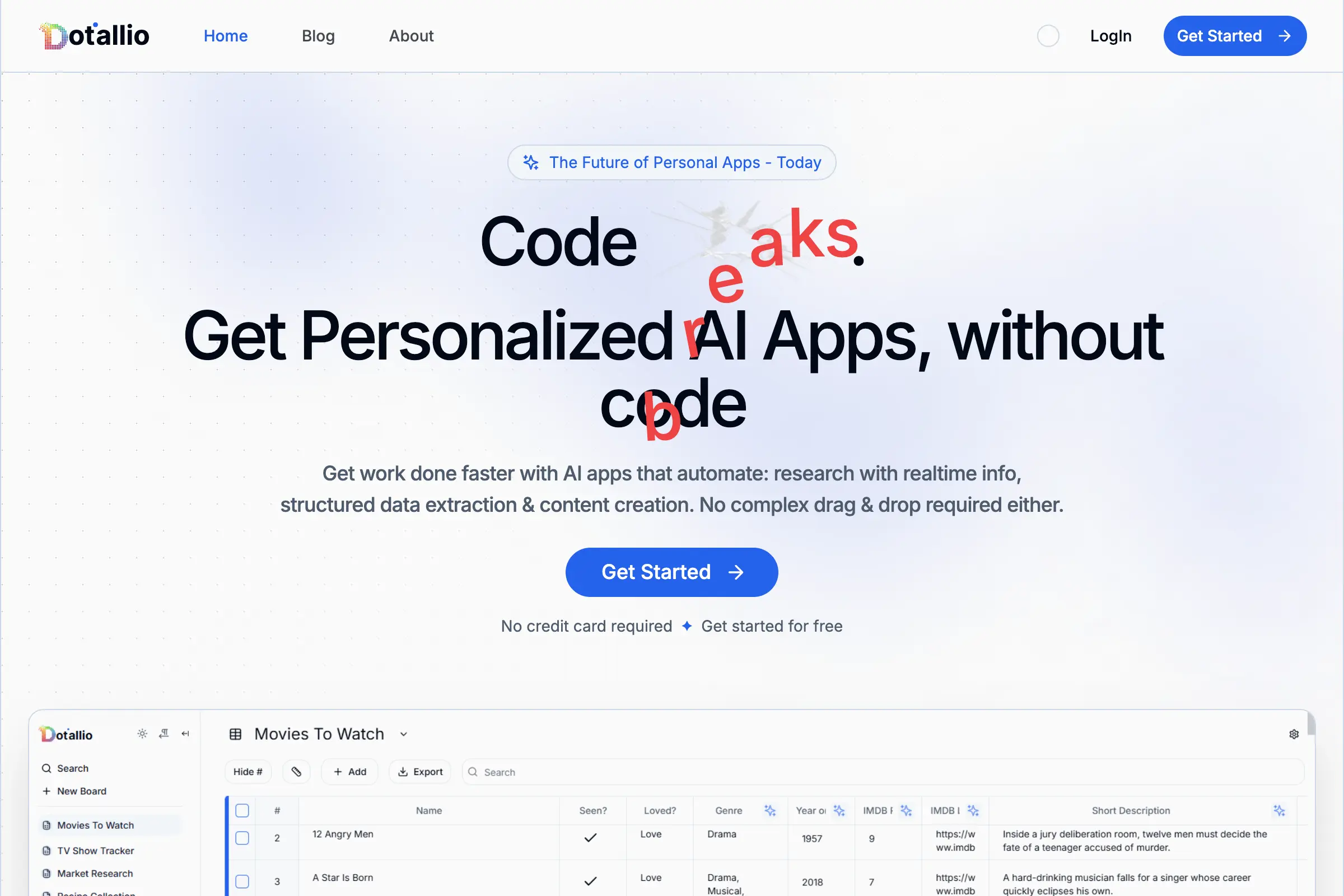
Dotallio
Personalized AI apps that automate research, data extraction, and content creation without code 🤖

Talk to Santa
Enjoy a magical live video chat or receive a unique AI-generated video greeting from Santa Claus 🎅

pozywka.pl
Scalable blog for food journalist, focused on performance and user experience 🌭
zagrodzki.me
Personal blog and portfolio of Bart Zagrodzki, where he shares his knowledge and work 💼
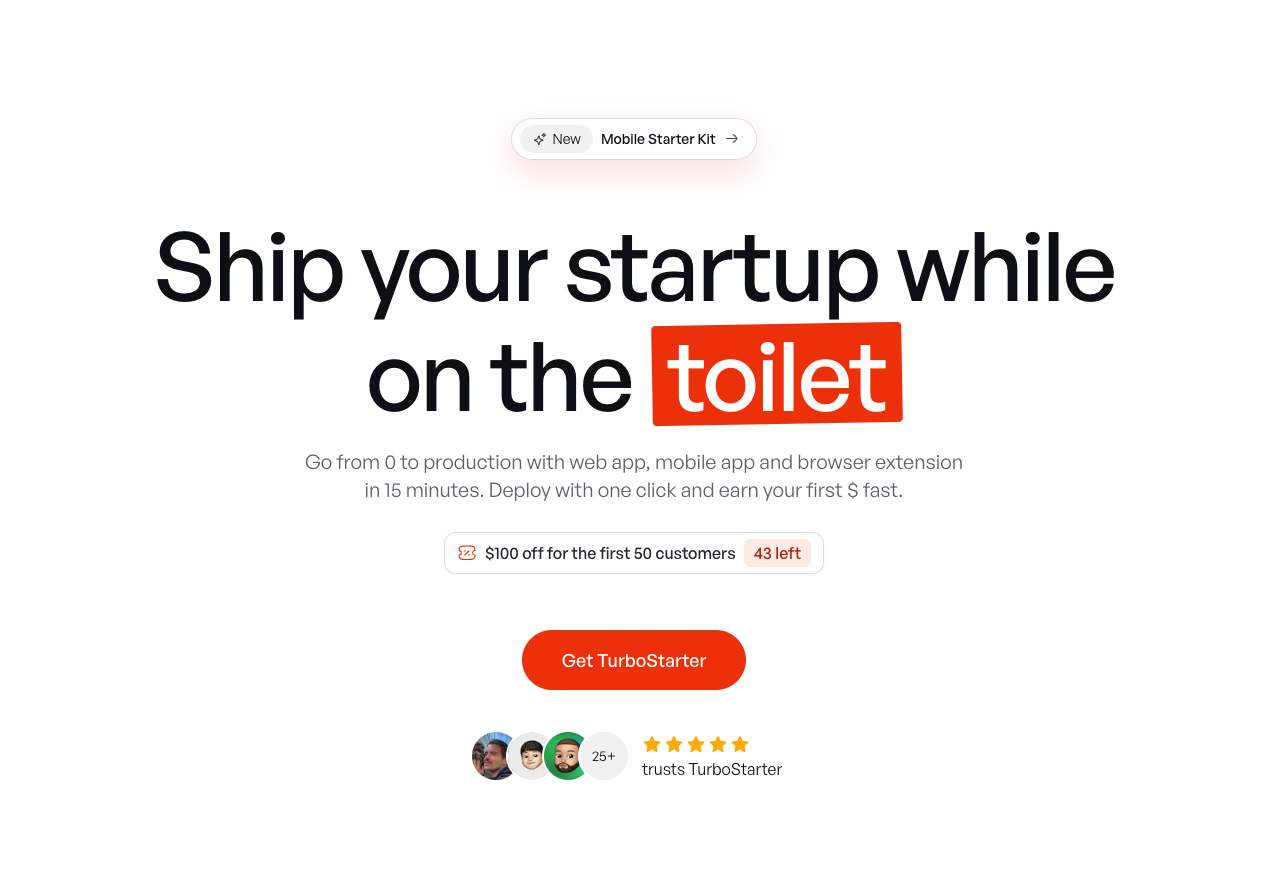
TurboStarter
Ship your startup everywhere. In minutes.
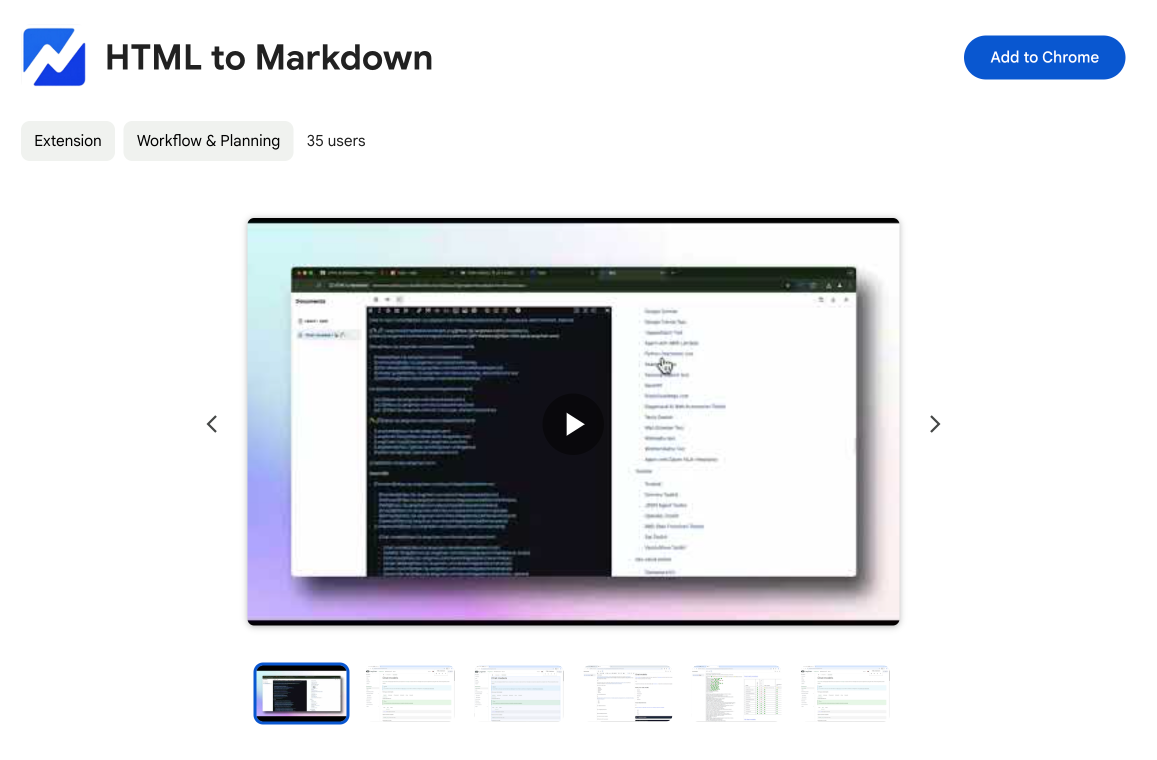
HTML to Markdown
Convert HTML to Markdown with ease, directly in your browser 📄
Dotallio
Personalized AI apps that automate research, data extraction, and content creation without code 🤖
Talk to Santa
Enjoy a magical live video chat or receive a unique AI-generated video greeting from Santa Claus 🎅
pozywka.pl
Scalable blog for food journalist, focused on performance and user experience 🌭
zagrodzki.me
Personal blog and portfolio of Bart Zagrodzki, where he shares his knowledge and work 💼
TurboStarter
Ship your startup everywhere. In minutes.
HTML to Markdown
Convert HTML to Markdown with ease, directly in your browser 📄
Dotallio
Personalized AI apps that automate research, data extraction, and content creation without code 🤖
Talk to Santa
Enjoy a magical live video chat or receive a unique AI-generated video greeting from Santa Claus 🎅
pozywka.pl
Scalable blog for food journalist, focused on performance and user experience 🌭
zagrodzki.me
Personal blog and portfolio of Bart Zagrodzki, where he shares his knowledge and work 💼
TurboStarter
Ship your startup everywhere. In minutes.
HTML to Markdown
Convert HTML to Markdown with ease, directly in your browser 📄
Dotallio
Personalized AI apps that automate research, data extraction, and content creation without code 🤖
Talk to Santa
Enjoy a magical live video chat or receive a unique AI-generated video greeting from Santa Claus 🎅
pozywka.pl
Scalable blog for food journalist, focused on performance and user experience 🌭
zagrodzki.me
Personal blog and portfolio of Bart Zagrodzki, where he shares his knowledge and work 💼
TurboStarter
Ship your startup everywhere. In minutes.
HTML to Markdown
Convert HTML to Markdown with ease, directly in your browser 📄
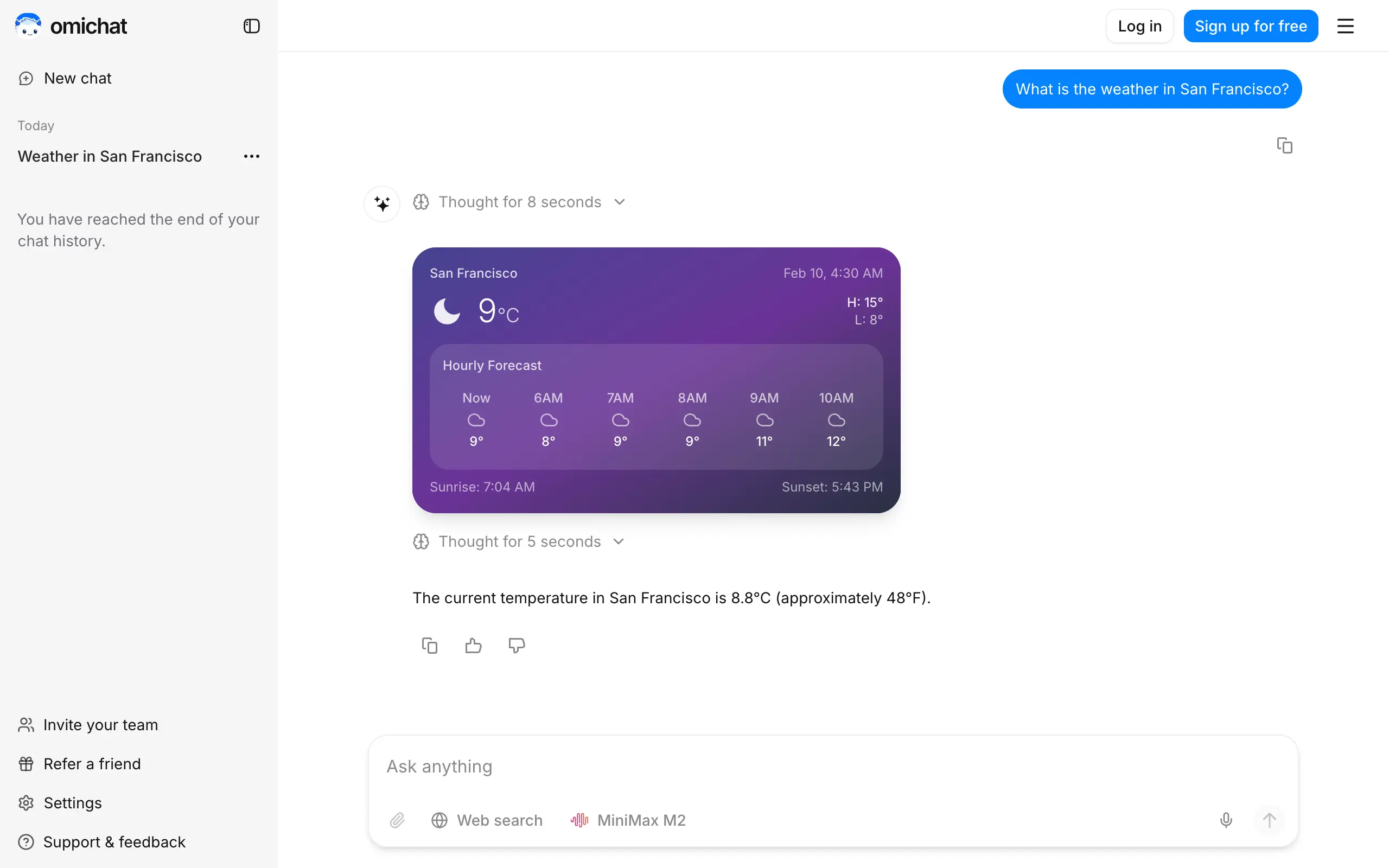
Omichat
Chat with 50+ AI models, including ChatGPT and Claude, in one place - switch models anytime without losing context 🤖
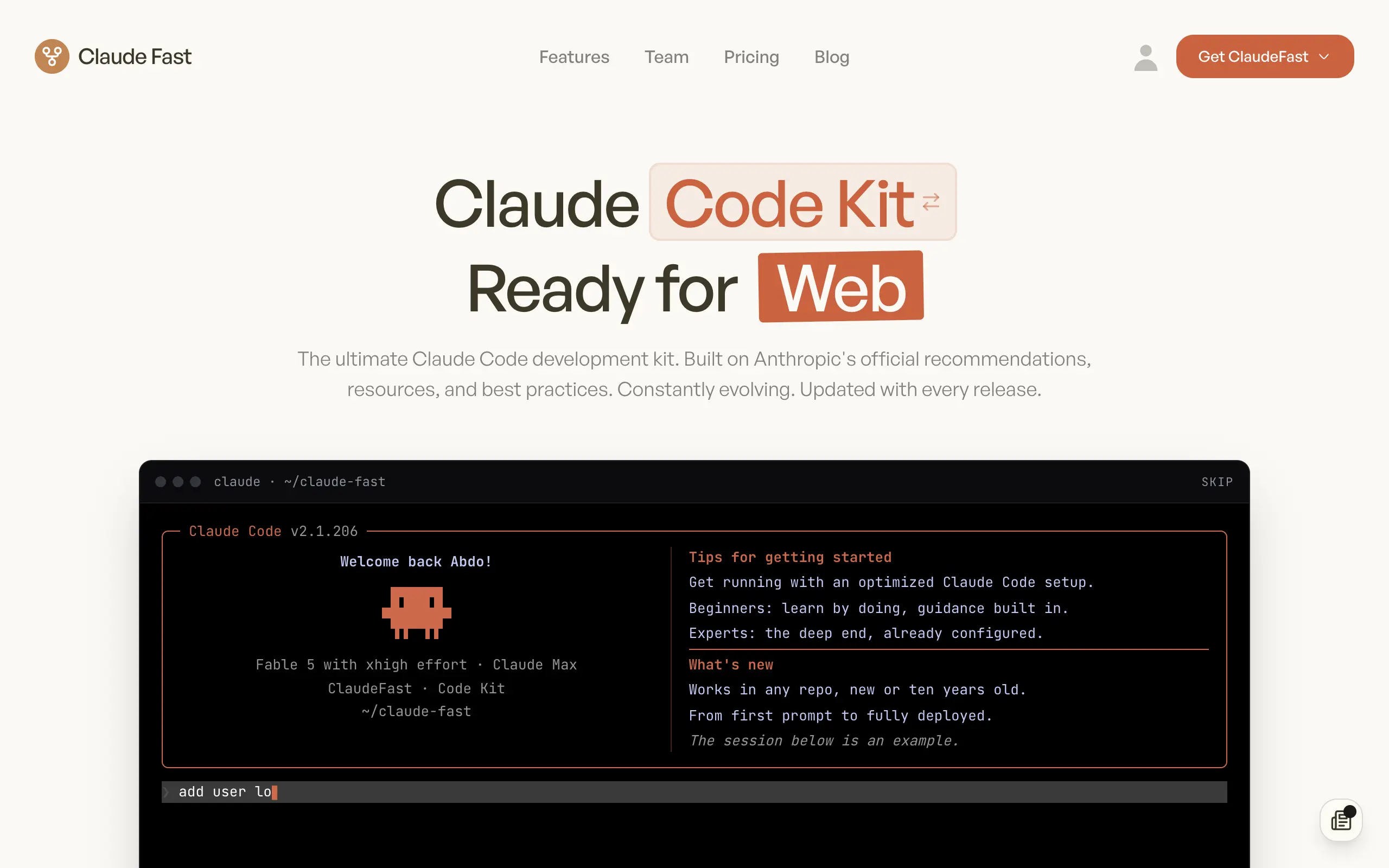
Claude Fast
Supercharge your Claude Code with 6x effective context window and specialized AI agents 🤖
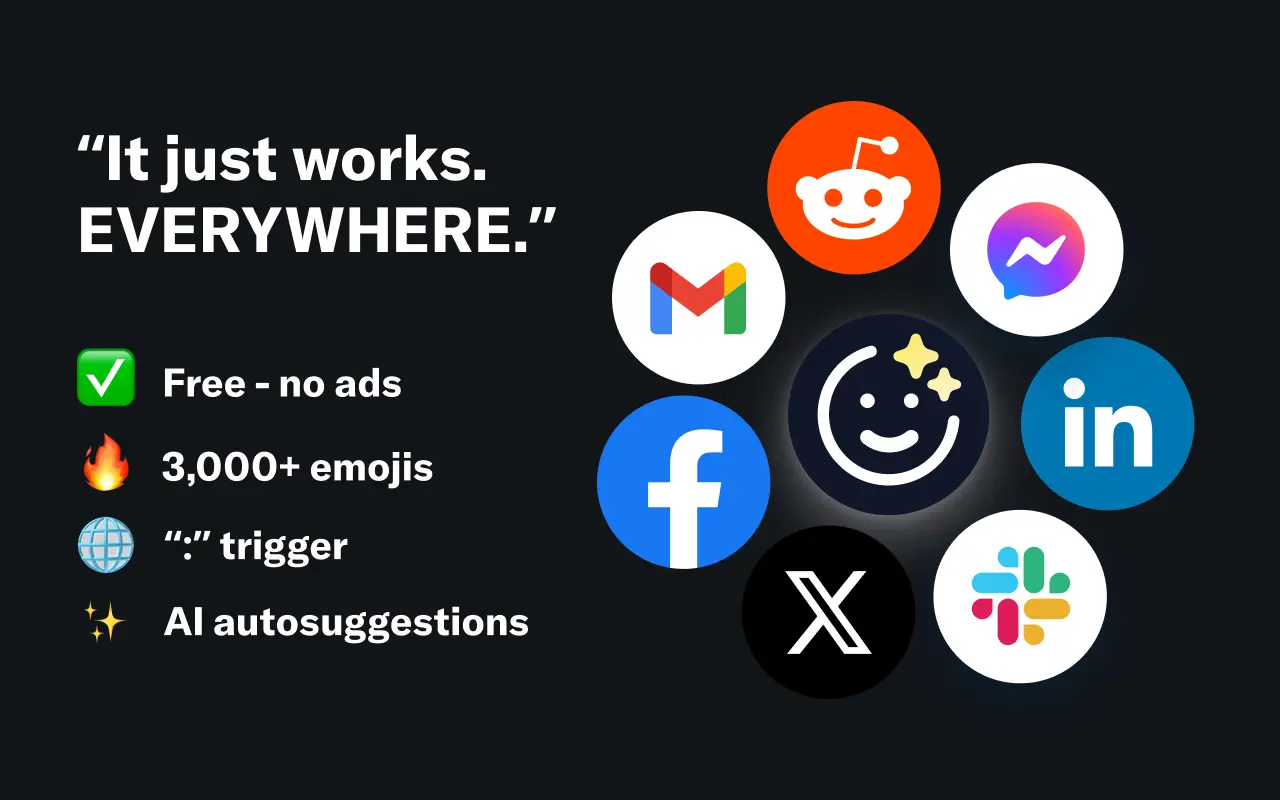
EmojAI
AI-powered emoji picker with smart, context-aware suggestions 🤖
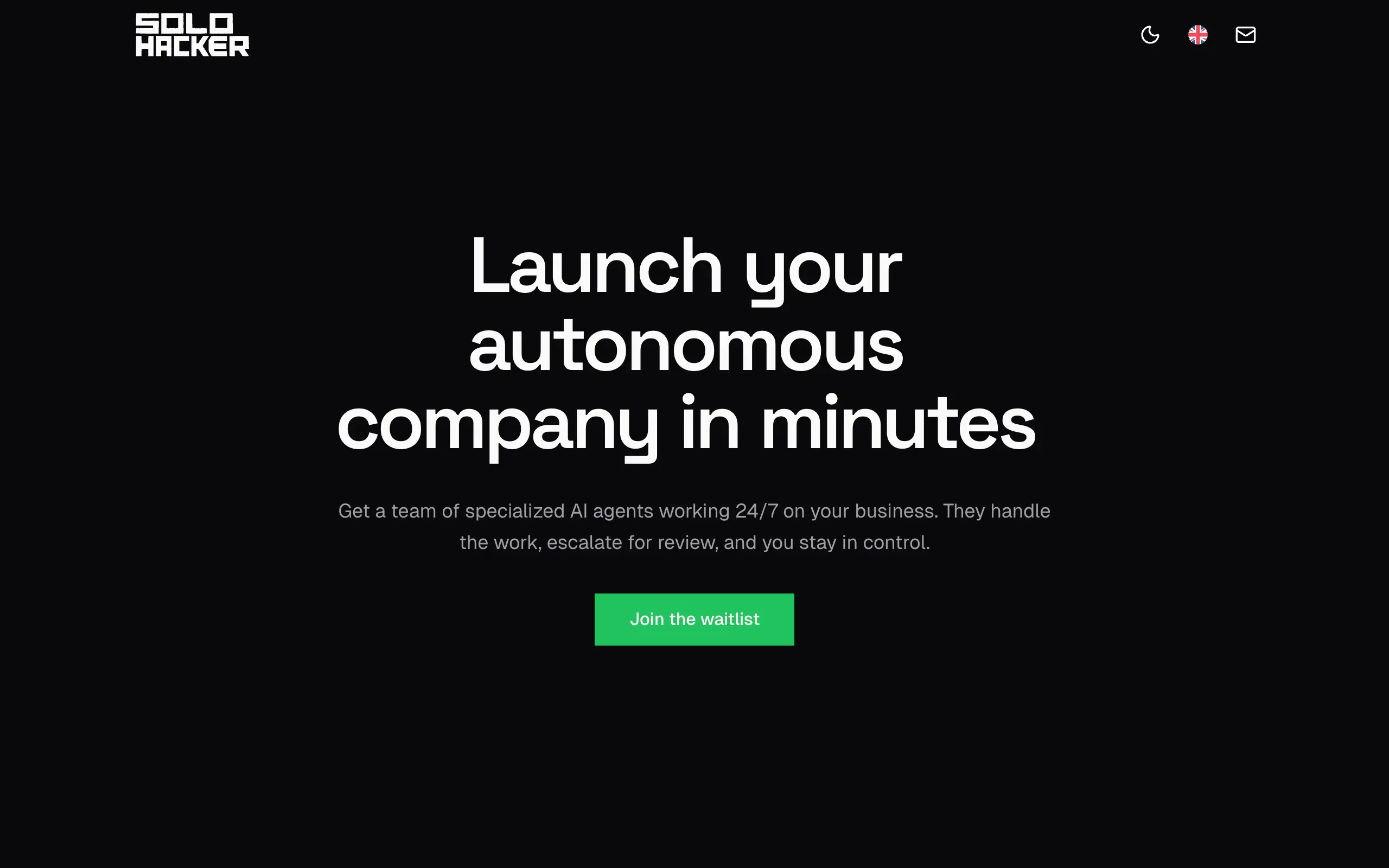
Solohacker
Autonomous company launcher - AI agents work 24/7, escalate what matters, and you stay in control 🤖

BeRawi: Storytelling Coach
Practice storytelling daily with instant feedback to sound clearer, more engaging, and confident 🎤
Omichat
Chat with 50+ AI models, including ChatGPT and Claude, in one place - switch models anytime without losing context 🤖
Claude Fast
Supercharge your Claude Code with 6x effective context window and specialized AI agents 🤖
EmojAI
AI-powered emoji picker with smart, context-aware suggestions 🤖
Solohacker
Autonomous company launcher - AI agents work 24/7, escalate what matters, and you stay in control 🤖
BeRawi: Storytelling Coach
Practice storytelling daily with instant feedback to sound clearer, more engaging, and confident 🎤
Omichat
Chat with 50+ AI models, including ChatGPT and Claude, in one place - switch models anytime without losing context 🤖
Claude Fast
Supercharge your Claude Code with 6x effective context window and specialized AI agents 🤖
EmojAI
AI-powered emoji picker with smart, context-aware suggestions 🤖
Solohacker
Autonomous company launcher - AI agents work 24/7, escalate what matters, and you stay in control 🤖
BeRawi: Storytelling Coach
Practice storytelling daily with instant feedback to sound clearer, more engaging, and confident 🎤
Omichat
Chat with 50+ AI models, including ChatGPT and Claude, in one place - switch models anytime without losing context 🤖
Claude Fast
Supercharge your Claude Code with 6x effective context window and specialized AI agents 🤖
EmojAI
AI-powered emoji picker with smart, context-aware suggestions 🤖
Solohacker
Autonomous company launcher - AI agents work 24/7, escalate what matters, and you stay in control 🤖
BeRawi: Storytelling Coach
Practice storytelling daily with instant feedback to sound clearer, more engaging, and confident 🎤

Connect with like-minded people
Join our community to get feedback, support, and grow together with 1,000+ builders on board, let's ship it!
Join usShip your startup everywhere. In minutes.
Don't burn tokens on setup and start building features on day one.