FitLedger
Create a private fit profile from clothes you own, then see which online sizes are most likely to fit. Compare shopper reviews by body measurements.
Why FitLedger addresses a real online shopping problem
Buying clothes online often means choosing a size with incomplete information. A shopper may know their usual size, but that label can vary substantially between brands, product categories, and individual garments. Size charts help, yet they often require shoppers to interpret measurements on their own. Reviews can add useful context, but a comment such as “runs small” may not explain whether the reviewer has a similar body shape or preferred fit.
FitLedger is a consumer app concept that helps shoppers make more informed clothing-size decisions. Users create a private fit profile from clothes they already own, then compare that profile with online product sizing information and reviews from shoppers who share relevant body measurements.
That approach gives FitLedger a specific job: help people answer, “Which size is most likely to fit me in this item?” It is not simply a digital closet or a generic size chart. Its proposed value comes from connecting three kinds of information:
- The shopper’s fit profile, based on measurements or garments they know fit them.
- The product’s sizing information, including size charts and, where available, garment measurements.
- Relevant shopper feedback, filtered by body measurements and fit preferences.
The opportunity is compelling, but the product’s success will depend on whether it can provide trustworthy recommendations without making unrealistic promises. A reliable first version should explain why it recommends a size, show uncertainty when the evidence is limited, and keep users in control of sensitive body data.
What FitLedger is and how it could work
FitLedger can be described as a clothing size recommendation app built around a private fit profile. Rather than asking a shopper to rely on one universal size, the app helps them build a more useful personal reference and apply it to products from different brands.
A typical user journey could look like this:
- A shopper adds a few garments they already own and know fit well.
- They record the size, brand, category, and how each item fits.
- FitLedger turns those inputs into a personal fit profile.
- The shopper views a product from an online retailer and provides its size chart or product information.
- FitLedger compares the product data with the profile and relevant reviews.
- The app explains which size appears most likely to match the shopper’s preferences, along with the strength of the evidence.
The first version does not need to automatically understand every store or product page. A simpler workflow—such as entering measurements manually or using a supported product link—can test whether shoppers value the recommendation before the team invests in broad retailer integrations.
The product should also distinguish between body measurements and garment measurements. Body measurements describe the person. Garment measurements describe the item, which may include extra room for movement or a deliberately close fit. Treating these as interchangeable would undermine recommendations. FitLedger should make the distinction clear in its onboarding and explain which inputs it uses.
Who FitLedger should serve first
A broad consumer audience sounds attractive, but clothing fit is highly personal. The product will be easier to validate if it begins with a specific group whose shopping behavior creates a clear need.
Online shoppers frustrated by inconsistent sizing
These users may wear different sizes across brands, shops, or clothing categories. Their challenge is not necessarily finding a single “true” size. It is understanding how to translate familiar fit into an unfamiliar product.
FitLedger can help by turning prior experience into reusable information. If a shopper consistently prefers a relaxed fit in shirts, for example, the app should preserve that preference instead of treating a close-fitting item as a successful match simply because its measurements are similar.
Shoppers who compare reviews before buying
Some customers already use reviews to assess fit, but they have to search manually for comments that seem relevant. FitLedger’s measurement-based review comparisons could make that process more focused.
The app should not imply that reviewers with similar measurements will have identical fit outcomes. Fabric stretch, garment cut, body proportions, and personal preferences all matter. Instead, the product can surface reviews as evidence that complements product measurements.
People shopping across multiple brands
Shoppers who regularly buy from different retailers may find value in a profile that travels with them. This could be especially useful for people who have learned that their usual size does not transfer consistently between labels.
The product should be careful not to position itself as a universal fit guarantee. It can be a decision-support tool that helps shoppers make better-informed choices, not a promise that every recommendation will be correct.
Shoppers with limited access to fitting rooms
People who shop online because of location, mobility, time constraints, or product availability may benefit from more detailed fit guidance. This audience should be approached with sensitivity. FitLedger should support a range of needs without suggesting that users must meet a particular body ideal or disclose more information than necessary.
Retailers and ecommerce teams as a later audience
Although FitLedger is a B2C idea, retailer partnerships could become a future distribution or revenue channel. Retailers may value tools that help customers understand sizing before checkout. However, launching as a retailer-focused platform too early could dilute the consumer proposition. First, FitLedger should demonstrate that shoppers will create profiles and use them when making actual purchase decisions.
The market opportunity and the gap FitLedger can test
Online size guidance is not a blank market. Shoppers already have access to brand size charts, product descriptions, customer reviews, fit notes, and retailer-specific recommendation tools. FitLedger’s opportunity is not to claim that these tools do not exist. It is to test whether a personal, reusable fit profile can make scattered information more useful across products and brands.
Existing information is often difficult to compare
A size chart may show body measurements, while a product page describes how an item fits. Customer reviews may report that a product is “tight,” “true to size,” or “oversized,” but reviewers may use those terms differently. Shoppers must combine the evidence themselves.
FitLedger could create value by organizing the comparison around the user’s own fit history. The product should tell users what evidence supports a recommendation and where the evidence is incomplete.
A shopper’s preferred fit is not just a number
Two people with similar measurements may prefer different levels of ease. One may want a fitted shirt; another may prefer room through the shoulders and torso. A size recommendation that ignores preference can be technically plausible but personally wrong.
This creates a meaningful product-design opportunity. FitLedger can ask about desired fit by category and use prior feedback to refine future recommendations. The goal is not to build a perfect body model. It is to learn enough about the individual to make a more relevant comparison.
Brand-specific tools may not create a portable profile
Some shoppers encounter sizing guidance within individual retailer experiences. A portable profile could offer a different benefit by letting users carry relevant information across participating stores or shopping workflows.
That advantage depends on execution. A cross-brand profile is only useful if FitLedger can access sufficiently accurate product data and make the comparison easy. The product must validate both sides of that equation rather than assuming shoppers will tolerate manual data entry indefinitely.
The key market question is repeat use
A successful first recommendation is not enough to establish a durable consumer product. FitLedger needs to determine whether people return to use their profile, update it after purchases, and trust it for different types of clothing.
Early research should answer questions such as:
- Do shoppers prefer entering body measurements, describing garments that fit, or both?
- How many items are users willing to add before they expect a useful result?
- Which product categories create the most uncertainty?
- Do users trust measurement-matched reviews more than general review summaries?
- What explanation makes a recommendation feel credible?
- Will shoppers use a browser-based tool, a mobile app, a retailer integration, or a combination?
These questions are more valuable than relying on broad market-size estimates alone. If you include market statistics in a pitch or business plan, verify them against current, authoritative research and cite the original source, publication date, geographic scope, and methodology.
Core FitLedger features and product design
A strong FitLedger MVP should concentrate on a few connected capabilities rather than attempting to become a complete shopping platform.
1. A private fit profile
The fit profile is the foundation of the product. It could include:
- Optional body measurements, such as chest, waist, hips, inseam, or shoulder measurements where relevant.
- Garments the user owns and considers a good fit.
- The brand, category, labeled size, and fit notes for each garment.
- Preferences such as fitted, regular, or relaxed.
- Category-specific feedback, since fit preferences can differ between jeans, dresses, shirts, and outerwear.
Users should be able to create a useful profile without being forced to enter every measurement. A profile can begin with known garments and become more detailed over time. This reduces onboarding friction and avoids presenting body measurement as a requirement for participation.
2. A garment-based fit ledger
The idea of a “ledger” suggests a structured record of what has worked. Each saved garment can become a reference point for future decisions.
For example, a user might record that a particular brand’s medium sweater fits well but that they prefer more room in the shoulders. FitLedger could use this feedback as contextual evidence for another sweater, while avoiding an unjustified direct comparison with a different garment category.
Useful garment records should include:
- Product category and brand.
- Labeled size.
- Optional garment measurements.
- The user’s fit rating.
- Notes on length, tightness, looseness, or comfort.
- Whether the garment was kept, exchanged, or returned.
This history can improve recommendations while giving users a transparent record they can correct.
3. Product and size-chart comparison
The app needs a practical way to compare a user’s profile with an online item. The MVP could support one or more of these approaches:
- Manual entry of the relevant size-chart values.
- A product URL workflow for a limited set of supported retailers.
- A browser extension that lets users open FitLedger while shopping.
- Retailer or product-data integrations added after the consumer workflow is validated.
Recommendations should not hide uncertainty. If a product page provides only a general chart and no garment-specific measurements, FitLedger should say that the result is based on limited information.
4. Review comparison by relevant measurements
FitLedger’s clearest differentiator is its idea of comparing reviews by body measurements. To do that responsibly, the app needs a consistent way to display what is known and unknown about each review.
A useful review comparison could include:
- Reviewer-provided measurements, when available and consented to.
- The size the reviewer purchased.
- The reviewer’s stated fit preference.
- A fit rating or structured assessment.
- The reviewer’s notes on specific areas, such as waist, length, or shoulders.
A review should not be treated as a precise measurement record when it is only a text comment. FitLedger can separate structured data from unstructured feedback and make the distinction visible.
5. Explainable size recommendations
A recommendation should answer both “What size?” and “Why?” A clear explanation might state that the suggested size aligns with the user’s saved garment measurements, while noting that there are few comparable reviews or that the product runs differently according to available feedback.
An explanation can include:
- The recommended size or a range of plausible sizes.
- Which user profile details influenced the result.
- Whether the comparison used body measurements, garment measurements, reviews, or a combination.
- The confidence level and reason for uncertainty.
- A reminder to check the retailer’s return policy when the evidence is limited.
Avoid false precision. A percentage such as “97% likely to fit” can appear authoritative without being justified. If FitLedger uses a confidence score, the team should define what the score means and validate it against real outcomes.
6. Post-purchase feedback
The recommendation system needs a feedback loop. After a purchase, users could report whether they kept the item, returned it, exchanged the size, or found the fit different from expected.
That feedback should be easy to provide. A short prompt—“How did it fit?”—with a few optional details may be more useful than a long survey. FitLedger can use the answer to update the user’s personal profile and improve aggregated product insights, subject to clear consent and privacy controls.
Make the first recommendation useful
The MVP should optimize for one trustworthy fit decision, not for collecting the largest possible profile. Let shoppers start with a familiar garment, explain the evidence, and add more details only when they see a clear benefit.
Competitive advantage and positioning
FitLedger will compete for attention with existing shopping habits and fit tools, not only with products that use similar technology. Shoppers may already consult size charts, read reviews, compare brand sizing, or order multiple sizes. The product must be easier or more useful than those alternatives for a specific decision.
| Approach | Personal profile | Cross-brand potential | Review context | Primary limitation |
|---|---|---|---|---|
| Brand size chart | Usually limited | Low | Usually separate | Requires shopper interpretation |
| General product reviews | Low | Varies | Text and ratings | Reviewer fit details may be inconsistent |
| Retailer fit recommendation | Potentially strong within one retailer | Often retailer-specific | Depends on the retailer | May not travel with the shopper |
| FitLedger concept | Designed to be reusable | Potentially high | Measurement-informed | Depends on reliable product and review data |
FitLedger’s potential unique selling proposition is a reusable, private fit profile that combines a shopper’s own clothing history with product details and relevant review context. The concept stands out most when it helps users make a decision across brands without forcing them to start from scratch each time.
That advantage is not guaranteed. Retailers may have richer product data within their own stores, and established services may have broader integrations. FitLedger’s defensible strengths could emerge from:
- A high-quality, user-controlled record of personal fit preferences.
- A useful dataset linking product characteristics to real shopper outcomes.
- Strong explanations that help users understand, not just accept, recommendations.
- A low-friction workflow that works while people shop.
- A reputation for treating body-related data carefully.
The product should position itself as a shopping confidence and fit guidance tool, not as a universal sizing authority.
Recommended technology stack
FitLedger’s technical architecture should support fast product learning, secure personal data, and flexible integrations. The right stack depends on team experience and whether the first experience is a web app, a mobile app, or a browser extension.
Front end and application framework
A responsive web application is a practical starting point because it is easy to share, test, and iterate without requiring app-store installation. A team comfortable with modern JavaScript could use React for interactive interface components. A full-stack framework can handle routing, server-rendered pages, and backend endpoints in one application, although the team should choose based on its existing expertise rather than framework popularity alone.
For styling, Tailwind CSS can help teams build and refine a consistent interface quickly. The trade-off is that utility-heavy styling requires agreed conventions and reusable components to keep the codebase maintainable.
A browser extension could be valuable once the core recommendation flow works. It can make it easier to use FitLedger while viewing retailer product pages, but it introduces additional browser permissions, maintenance, and compatibility work. It is better treated as a validated follow-on than as a launch requirement.
Backend and data storage
A relational database is a sensible fit because the product has structured relationships among users, garments, measurements, products, reviews, and recommendations. PostgreSQL is a mature option for this data model.
The initial architecture should keep personal profile data logically separated from public product information. Access controls, auditability, encryption, backup policies, and deletion workflows should be considered from the beginning. A managed database may reduce operational burden, but the team still owns its privacy practices and access design.
Recommendation logic
The first recommendation engine does not need to be a large machine-learning system. A transparent rules-based approach can compare relevant measurements, category, preferred fit, and available product details. This makes early results easier to inspect and debug.
A staged approach could be:
- Normalize measurement units and category definitions.
- Compare the user profile with the product’s available sizing data.
- Apply category-specific fit preferences.
- Incorporate structured review evidence when available.
- Track outcomes and analyze where recommendations succeed or fail.
- Consider more advanced models only when the data supports them.
This approach helps avoid building a model that appears sophisticated but has too little reliable feedback to learn from. Any future machine-learning system should be evaluated for performance across body types, product categories, and data availability—not only on an overall average.
Analytics and experimentation
Product analytics should focus on meaningful outcomes, such as profile completion, recommendation use, purchase intent, and post-purchase fit feedback. Avoid collecting extra personal data simply because analytics tools make it easy.
A small number of carefully designed experiments can answer important questions. For example, the team could test whether users understand a recommendation better when FitLedger shows a concise explanation alongside the suggested size. Experiments should be designed to improve comprehension and trust, not merely to increase clicks.
Payments and subscriptions
If FitLedger introduces paid plans, a payment provider such as Stripe may support billing, subject to regional availability and the company’s legal and operational requirements. Payment architecture should remain separate from the fit profile so users can manage billing without changing how their sensitive information is handled.
Monetization strategy options
FitLedger should first establish that users receive recurring value. Several revenue models are possible, but each creates different incentives and trust considerations.
Freemium consumer plan
A free plan can include a basic profile, a limited number of saved garments, and a defined amount of fit guidance. A paid plan might offer more saved items, advanced comparisons, expanded history, or additional profile tools.
The challenge is choosing a paid feature that feels valuable rather than artificially restricted. If the core value is making a confident size decision, paywalling every useful recommendation could prevent users from forming a habit.
Subscription for enhanced wardrobe insights
A subscription could support users who frequently shop online and want ongoing access to a richer fit history. Possible premium benefits include multiple profile configurations, detailed fit analytics, or more sophisticated organization of garments.
The team should validate willingness to pay through interviews, landing-page tests, or an early paid pilot. Do not assume that consumer interest translates into subscription demand.
Affiliate revenue
FitLedger could earn a commission when users purchase through tracked links. This model may align revenue with shopping activity, but it can create a conflict if recommendations appear to favor products that generate commissions.
To preserve trust:
- Clearly disclose commercial relationships.
- Keep recommendation logic independent from commission rates.
- Include products without affiliate links when appropriate.
- Avoid presenting sponsored results as objective fit recommendations.
Retailer partnerships
Retailers could pay for integrations, analytics, or a co-branded fit experience. This may become an attractive business-to-business channel if FitLedger can demonstrate value to both shoppers and merchants.
Partnerships should be evaluated carefully. A retailer’s desire for conversion data must not override a user’s expectations about private body information. Aggregate reporting should avoid exposing identifiable profile details.
Data licensing requires exceptional caution
Selling or sharing sensitive, identifiable fit-profile data would create serious trust, privacy, and regulatory concerns. FitLedger should not treat personal measurement data as a default monetization asset.
If the company ever considers aggregated insights, it should establish strict data minimization, consent, de-identification, retention, and contractual controls. Legal and privacy experts should review the plan before any such activity.
Privacy, trust, and product risks
FitLedger’s central data can be sensitive even when it is collected for a practical purpose. A strong privacy posture is part of the product’s value proposition, not merely a compliance task.
Body data requires clear user control
Users should understand what information is collected, why it is needed, how it is used, and how to delete it. FitLedger should request only the data required for the user’s chosen features.
Good product controls include:
- Optional measurements and clear explanations for each field.
- Separate consent for using data beyond personal recommendations.
- A way to edit or delete individual measurements and garments.
- A complete account deletion workflow.
- Secure authentication and restricted internal access.
- Plain-language privacy explanations that match actual system behavior.
Privacy regulations vary by region and may apply differently depending on the business model and data practices. The team should obtain qualified legal advice for the markets it serves rather than relying on generic assumptions.
Inaccurate or incomplete product data
Recommendations can fail if a size chart is wrong, a product listing changes, or garment measurements are missing. FitLedger should record data provenance where practical and indicate when a comparison is based on limited information.
A manual correction path is important. Users should be able to say that a chart value is incorrect or that an item’s actual fit did not match the listing.
Biased or sparse review data
Reviewers who provide measurements may not represent the broader customer population. Some sizes or categories may have little feedback. A system that hides this imbalance could present weak evidence as a confident result.
Mitigations include:
- Showing the number and relevance of comparison reviews.
- Avoiding strong recommendations when evidence is sparse.
- Monitoring recommendation quality across sizes and product categories.
- Designing feedback collection so it is optional and accessible.
- Clearly separating user-submitted measurements from retailer-supplied information.
Recommendations may be misunderstood as guarantees
Clothing fit is subjective. Even high-quality measurements cannot account for every factor, including fabric behavior, garment construction, posture, and individual comfort.
FitLedger should use careful language such as “best match based on the available information” rather than “guaranteed fit.” It should describe uncertainty where it exists and avoid inventing precision.
Data integration can become a bottleneck
Automating product data collection across many retailer websites may be technically and operationally difficult. Retailer sites change, and data-use rules vary. Before relying on broad scraping or integrations, the team should review applicable terms, permissions, and legal requirements.
A focused launch with a small set of product sources can test the user experience while limiting integration complexity.
User onboarding may feel like work
A detailed measurement form could discourage new users before they experience value. The product should let shoppers begin with a garment they own, save progress, and add optional details over time.
How to measure whether FitLedger is working
Early metrics should measure usefulness and trust, not vanity. A large number of sign-ups means little if users do not complete a profile or use recommendations.
Potential product metrics include:
- Profile activation: the proportion of new users who add at least one useful garment or measurement.
- Time to first recommendation: how quickly users reach a meaningful fit comparison.
- Recommendation engagement: whether users view the explanation and supporting evidence.
- Post-purchase feedback rate: whether users report the outcome of a recommendation.
- Fit outcome: whether users kept the item, exchanged it, or reported a mismatch.
- Repeat usage: whether users return for another product decision.
- Trust indicators: whether users understand the recommendation’s limits and feel in control of their information.
These metrics need careful interpretation. A return does not always mean a sizing failure, and a kept garment does not necessarily mean the user loved the fit. Pair behavioral data with interviews and structured feedback to learn what actually happened.
Actionable implementation steps
A focused launch plan can reduce the risk of spending months building integrations before confirming that shoppers value the core idea.
Interview shoppers before building
Speak with people who frequently buy clothing online and ask them to describe recent size decisions. Focus on actual behavior: which information they used, what they found confusing, and what happened after the purchase. Avoid leading questions that ask whether they “like” the idea.
Choose one initial category
Start with a category where users can provide meaningful fit feedback and product information is practical to compare. The right category should emerge from research, not assumption. Test whether users value the workflow before expanding to every type of clothing.
Prototype a garment-first profile
Let users add one garment they know fits well. Ask for only the information necessary to create a useful comparison, and provide a way to skip optional fields. Test the onboarding with real shoppers and observe where they hesitate.
Build a transparent recommendation flow
Start with a small, inspectable set of rules. Show the recommendation, the evidence used, and the uncertainty. Keep a record of inputs and outcomes so the team can investigate incorrect recommendations.
Run a limited pilot
Support a small number of product sources or a manual product-entry workflow. Recruit users who match the initial audience and observe whether they return to use FitLedger for a second decision. A narrow pilot can reveal whether the core value is strong enough to justify more integrations.
Improve from real outcomes
Collect optional post-purchase feedback and use it to identify systematic issues. Review performance by category, available evidence, and user profile completeness. Do not expand the recommendation system until the team can explain what is improving and why.
Add integrations and business models gradually
Once users demonstrate repeat value, explore a browser extension, retailer partnerships, or paid features. Keep privacy controls and recommendation independence central as the business model evolves.
Conclusion: build trust before scale
FitLedger has a clear consumer problem to investigate: shoppers often struggle to translate inconsistent sizing information into a decision that reflects their own preferences. Its strongest product idea is a reusable, private fit profile built from clothes people already own, combined with product sizing details and more relevant shopper reviews.
The concept’s success depends on disciplined execution. Start with one audience and one category. Make the first profile easy to create. Show how each recommendation was reached. Be candid about missing data, protect body-related information, and use real purchase outcomes to improve the experience.
The competitive advantage will not come from claiming perfect sizing accuracy. It will come from helping shoppers make a more informed choice with information that is personal, portable, understandable, and handled responsibly.
For teams looking to accelerate the initial SaaS build, TurboStarter can be a useful starting point for turning a validated product concept into an application.
Frequently asked questions
FitLedger is a proposed consumer app that helps shoppers create a private fit profile from clothing they already own, then compare that profile with online product sizing information and relevant shopper reviews.
A size chart presents measurements for a brand or product. FitLedger’s concept adds the shopper’s own fit history and preferences, then uses that context to help interpret product information. Its usefulness depends on the quality and availability of the data.
Not necessarily. A useful first experience could begin with garments the user already owns and knows fit well. Body measurements can be optional inputs that improve certain comparisons, but the app should explain what each measurement is used for and let users control their data.
No size recommendation can guarantee a preferred fit in every case. Product construction, fabric, sizing information, and personal preferences all affect the outcome. FitLedger should present recommendations as guidance, explain the evidence, and show uncertainty when information is limited.
A strong MVP would let users create a simple fit profile, add a known-good garment, compare it with selected product sizing information, and report whether a purchase matched expectations. Starting with one clothing category can make validation more manageable.
More 👥 B2C Application SaaS ideas
Discover more innovative b2c application SaaS ideas that are trending in 2026. Each idea is AI-generated with market validation and growth potential to help you find your next profitable venture faster than competitors.
Your competitors are building with TurboStarter
Below are some of the SaaS ideas that have been generated and built with our starter kit.
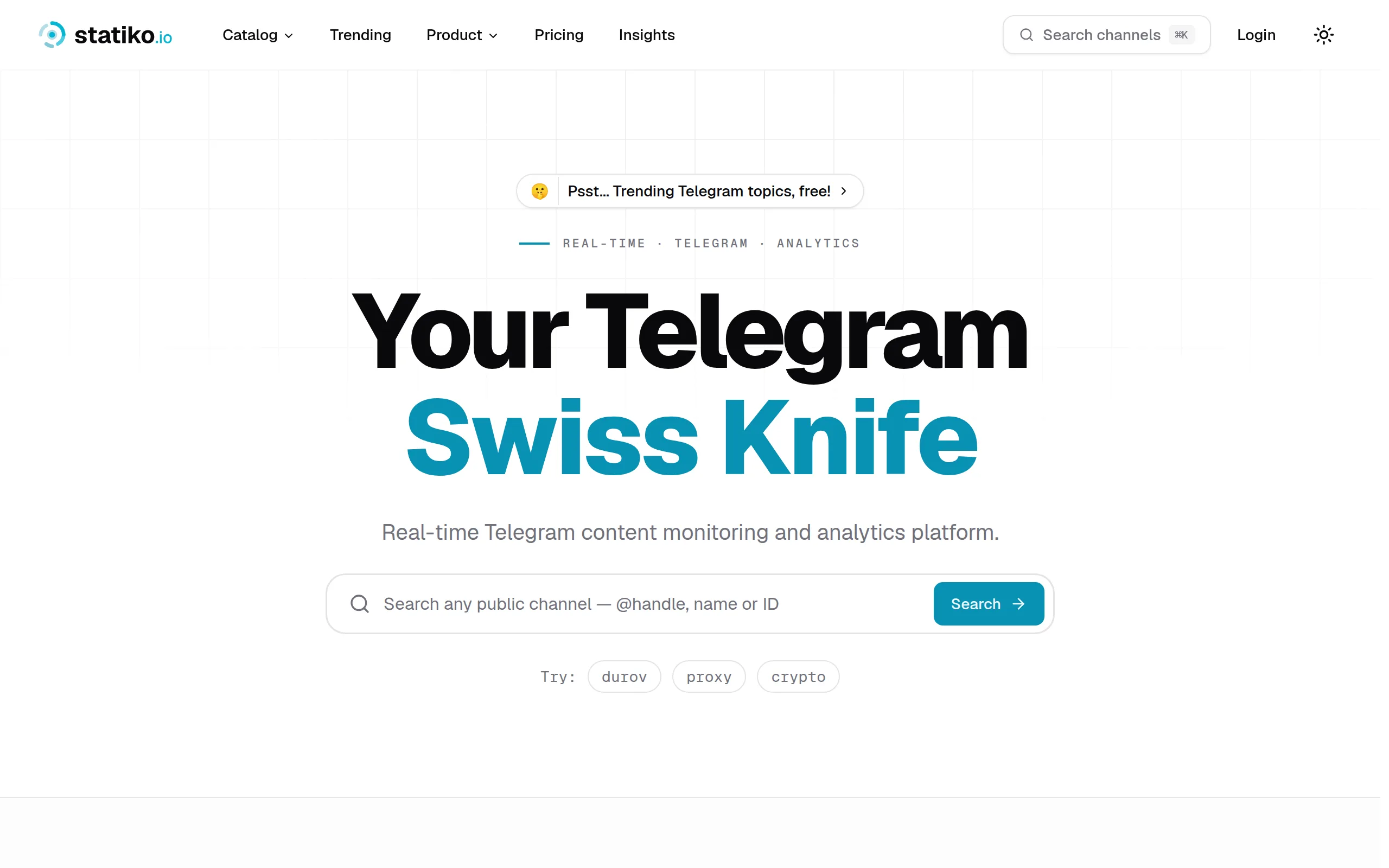
Statiko
Monitor any Telegram channel in real time - track posts, edits, deletions, and growth with AI recaps 📡
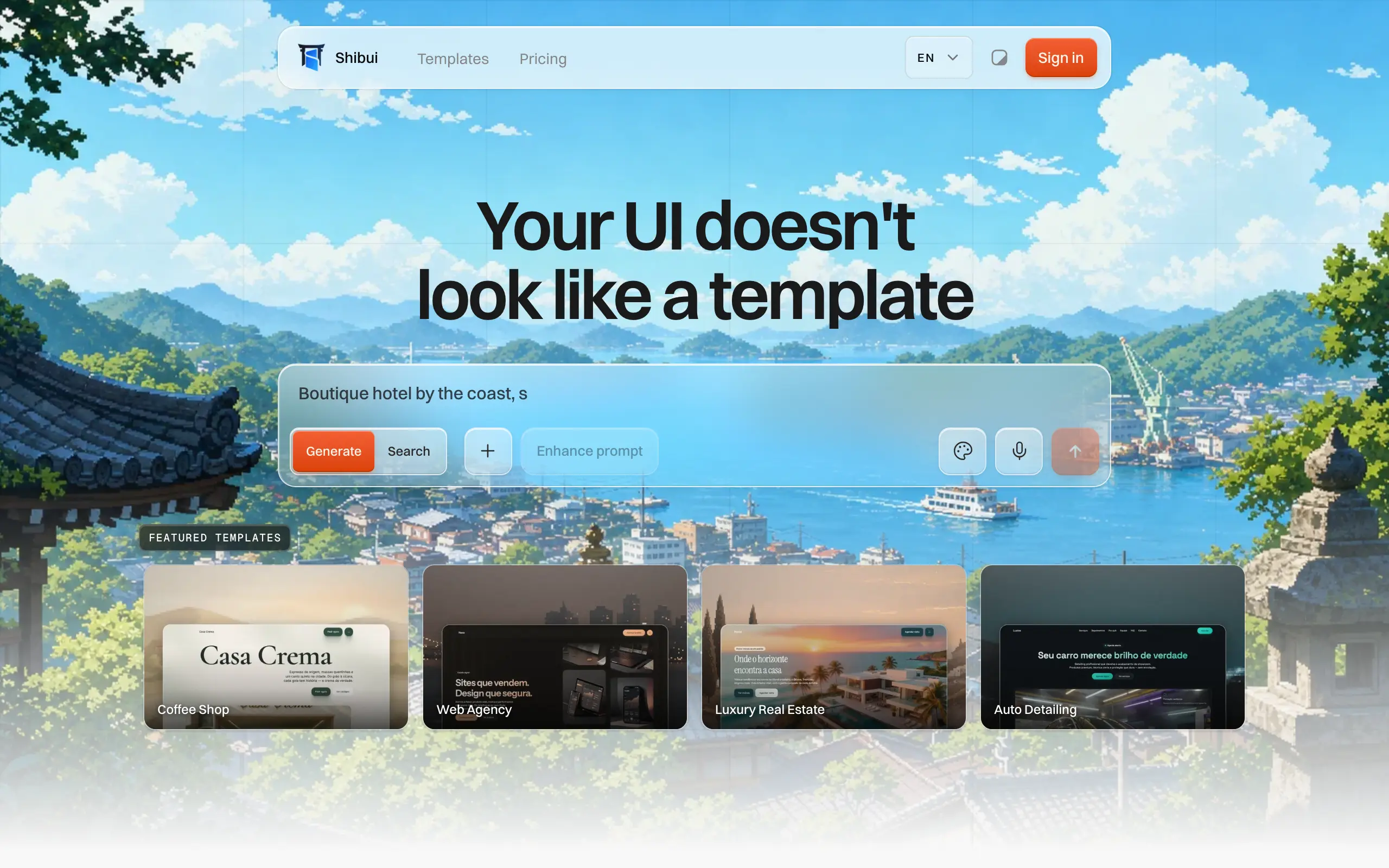
Shibui
AI website builder - describe your business, pick a niche template, edit by chatting, and publish instantly ✨
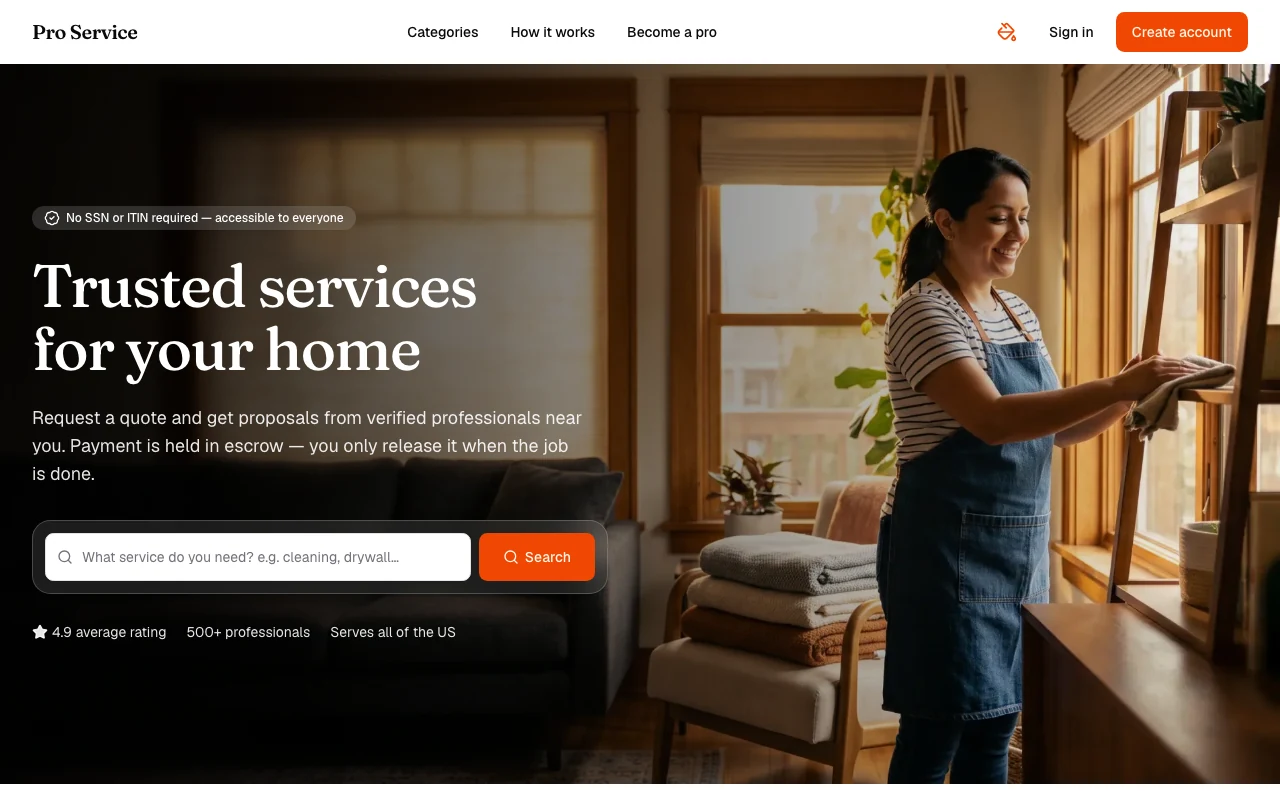
Pro Service
Find verified home service professionals, compare quotes, and pay securely through escrow - built for Brazilians across the US 🏠
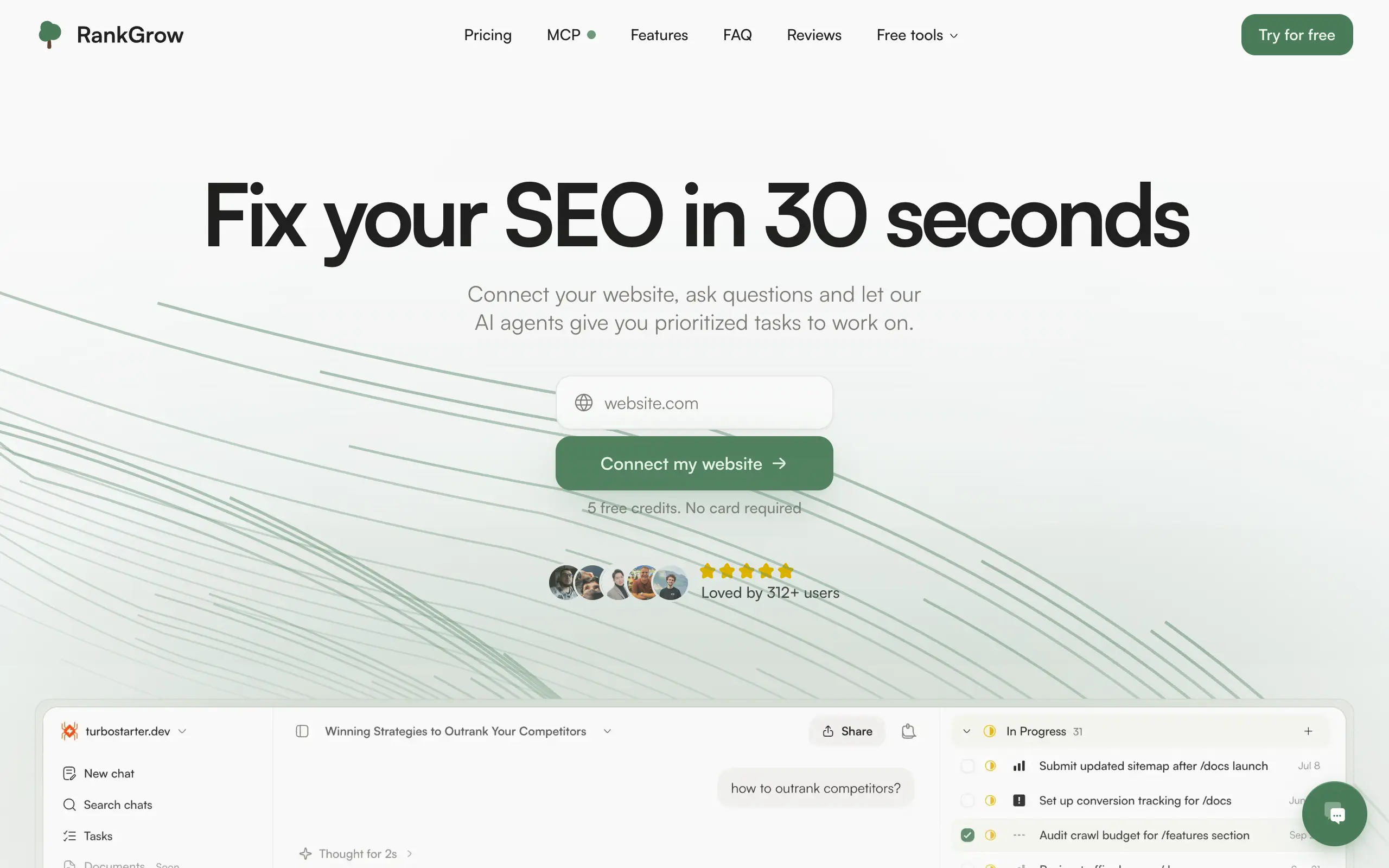
RankGrow
Fix your SEO with AI agents - connect Search Console, get prioritized tasks, and grow organic traffic 📈
SyncReads
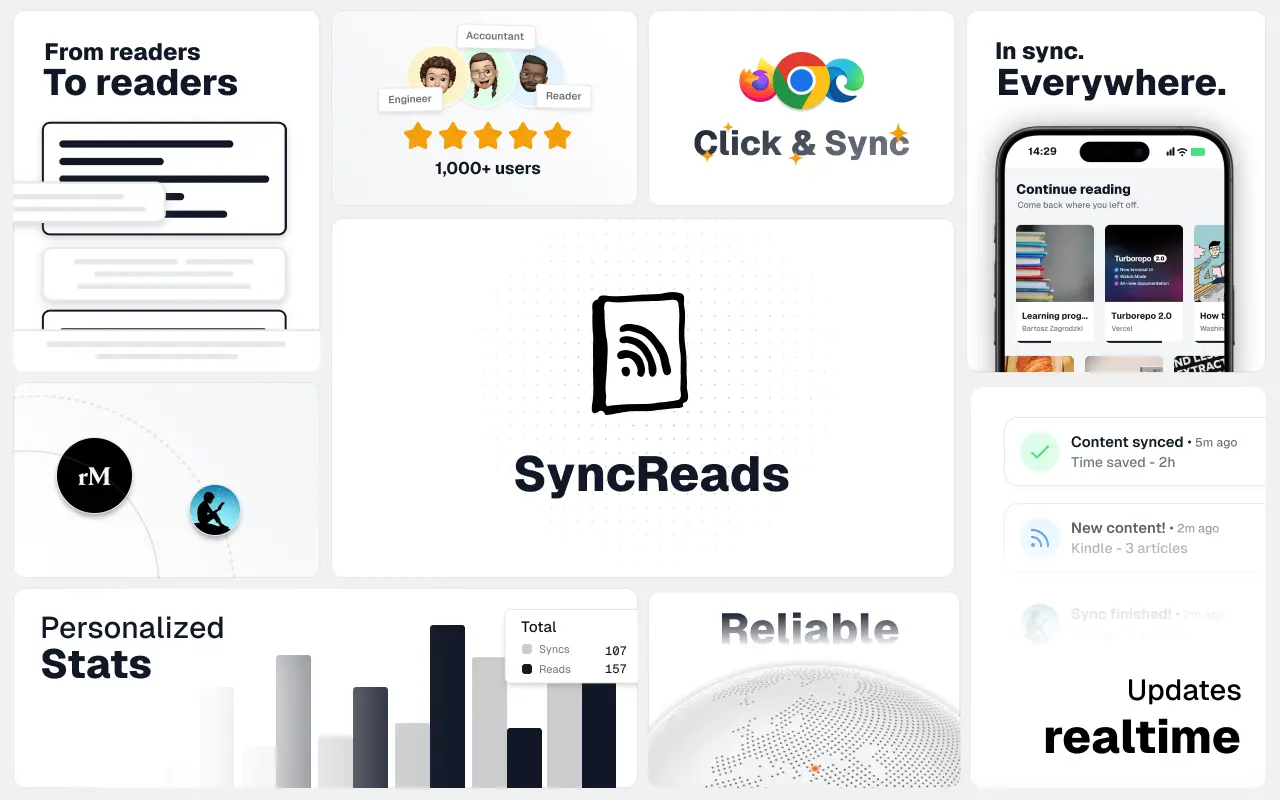
Sync your favorite content for distraction-free reading, save time and replace multiple apps. Anytime, anywhere 🔄
Socialcrawl
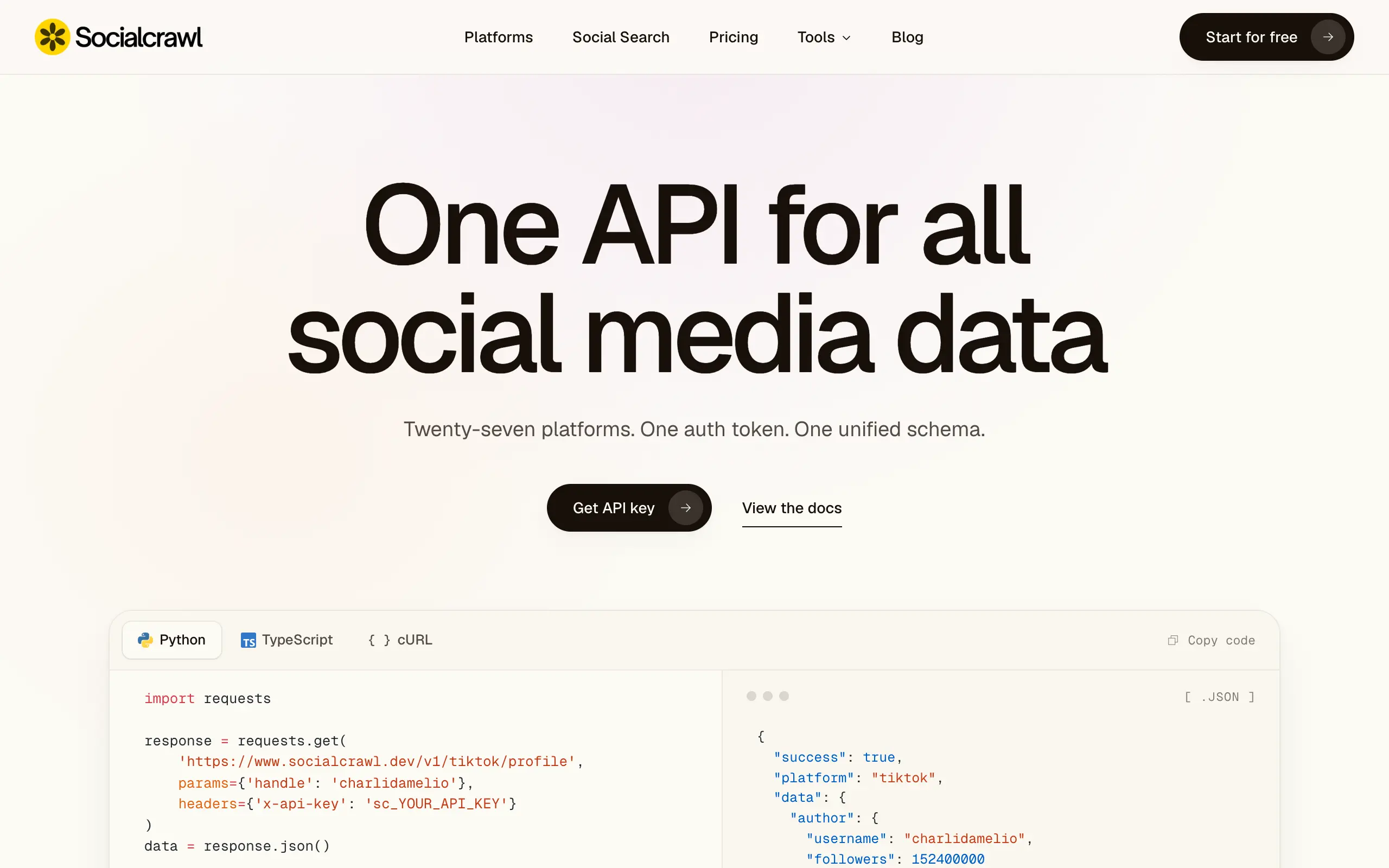
Get clean, structured data from 21 platforms like TikTok, Instagram, and YouTube with a single request 📊
Statiko
Monitor any Telegram channel in real time - track posts, edits, deletions, and growth with AI recaps 📡
Shibui
AI website builder - describe your business, pick a niche template, edit by chatting, and publish instantly ✨
Pro Service
Find verified home service professionals, compare quotes, and pay securely through escrow - built for Brazilians across the US 🏠
RankGrow
Fix your SEO with AI agents - connect Search Console, get prioritized tasks, and grow organic traffic 📈
SyncReads
Sync your favorite content for distraction-free reading, save time and replace multiple apps. Anytime, anywhere 🔄
Socialcrawl
Get clean, structured data from 21 platforms like TikTok, Instagram, and YouTube with a single request 📊
Dotallio
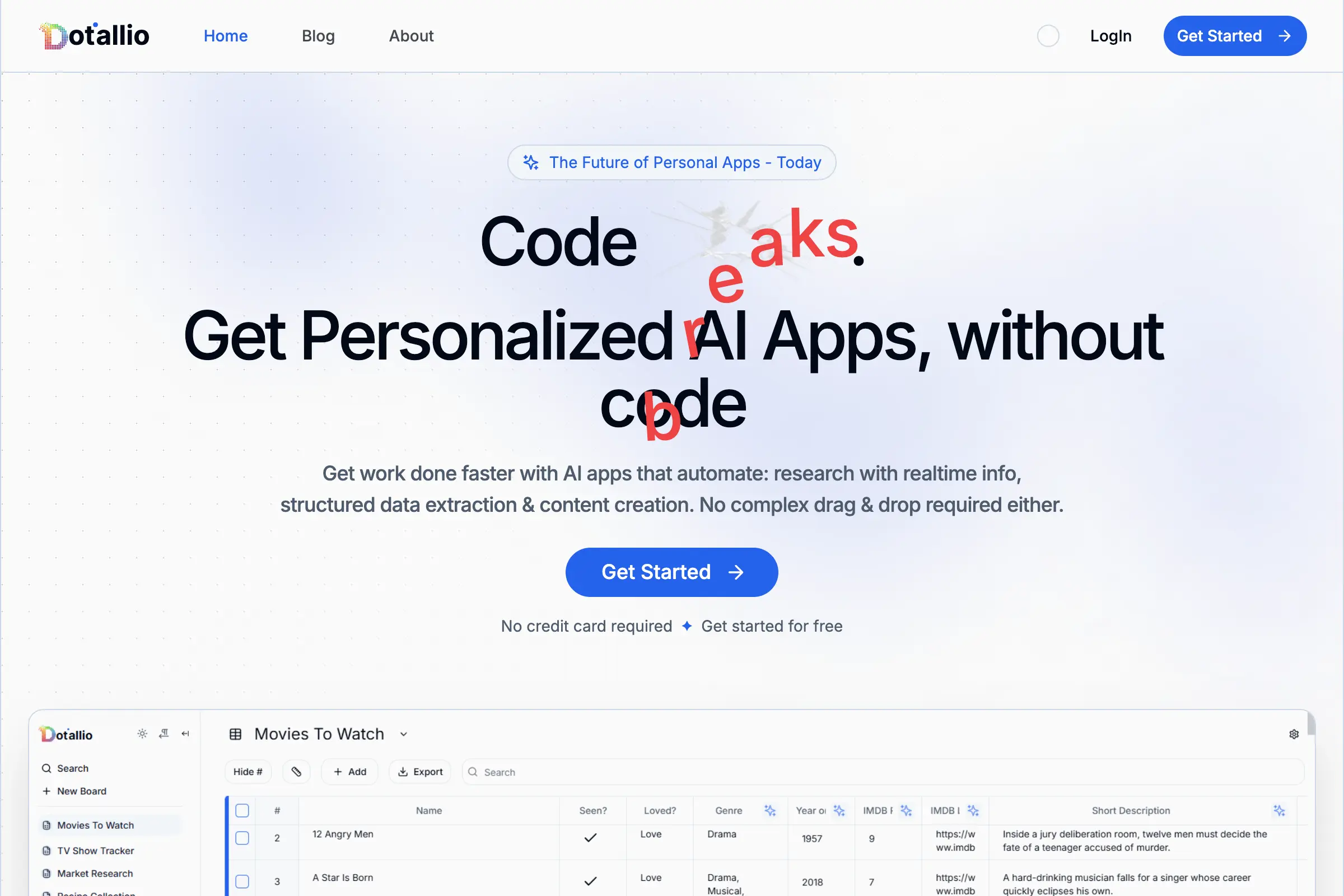
Personalized AI apps that automate research, data extraction, and content creation without code 🤖
Talk to Santa
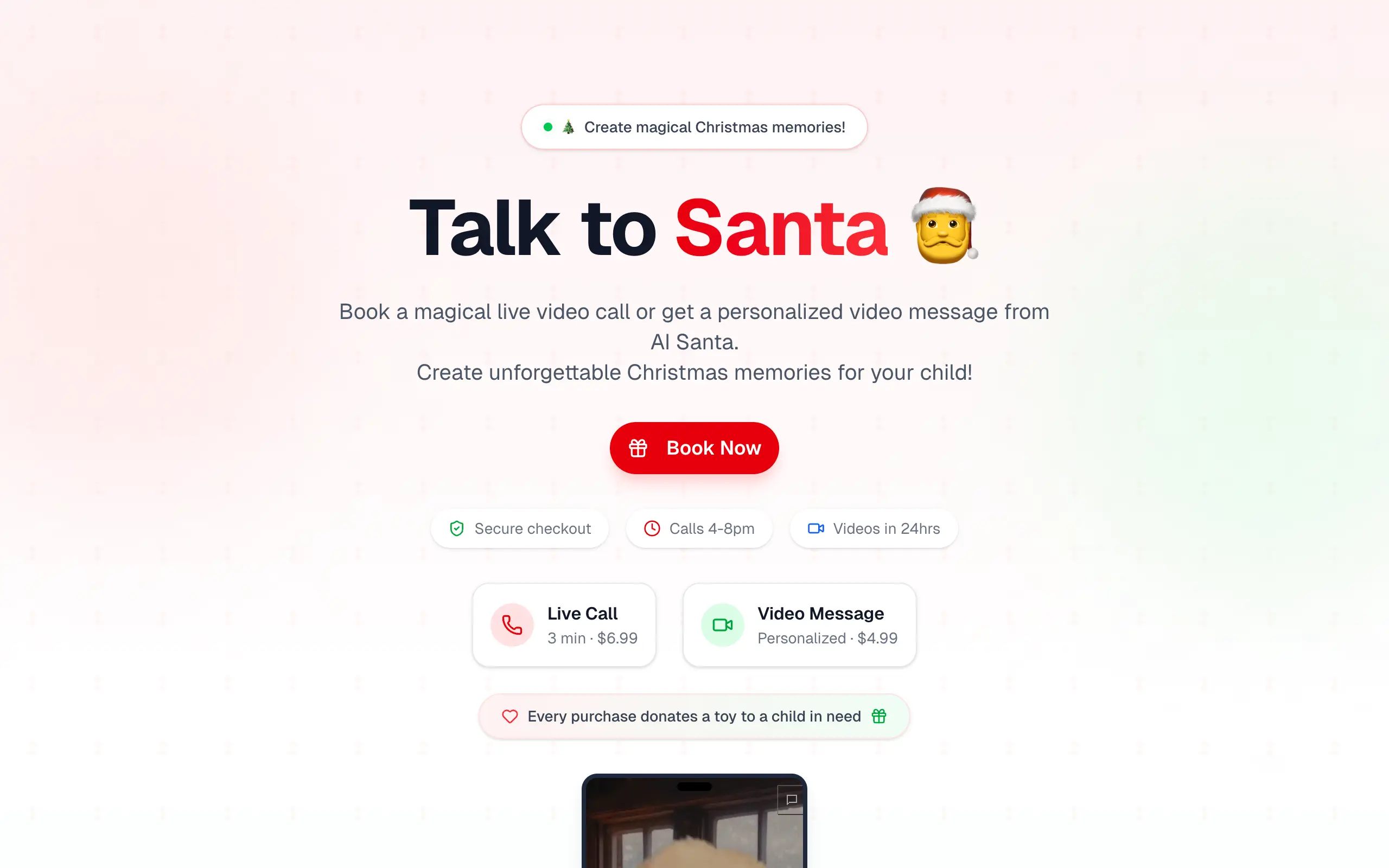
Enjoy a magical live video chat or receive a unique AI-generated video greeting from Santa Claus 🎅
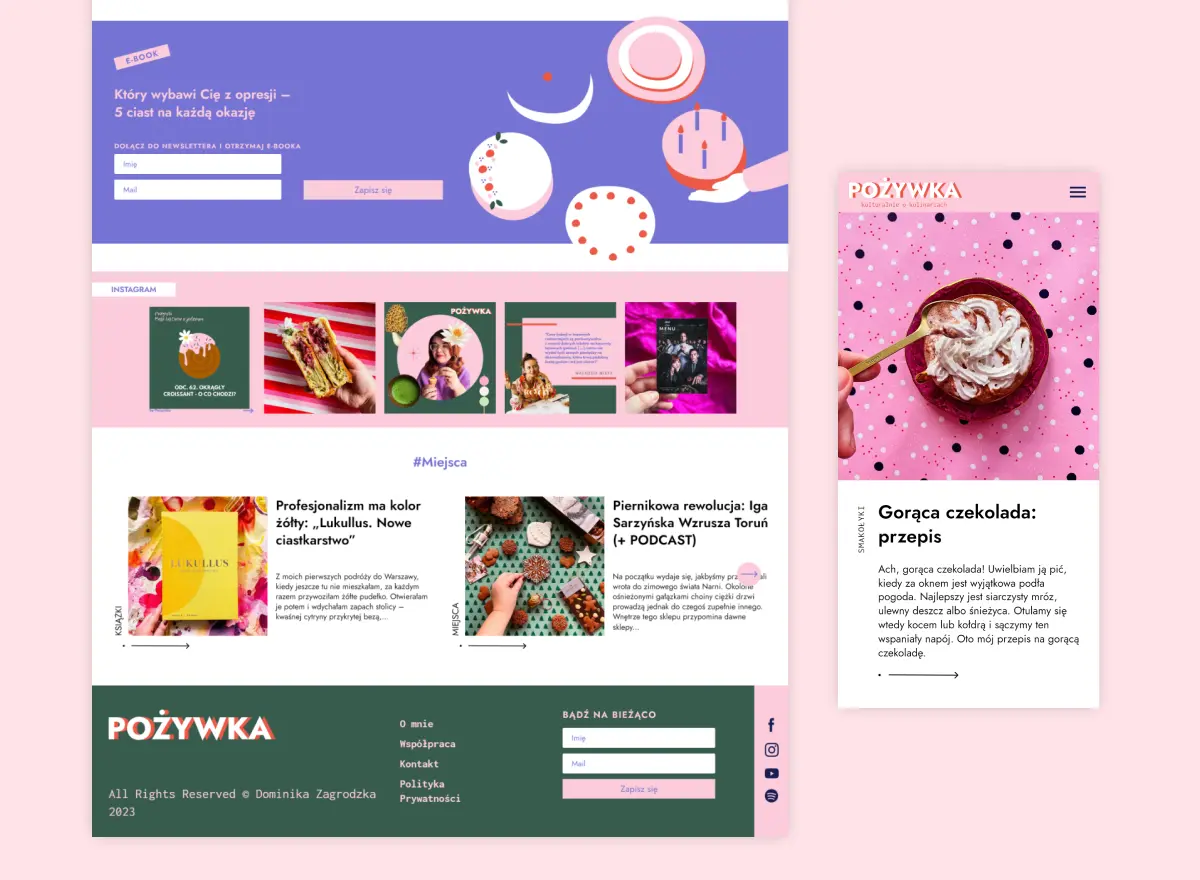
pozywka.pl
Scalable blog for food journalist, focused on performance and user experience 🌭
zagrodzki.me
Personal blog and portfolio of Bart Zagrodzki, where he shares his knowledge and work 💼
TurboStarter
Ship your startup everywhere. In minutes.
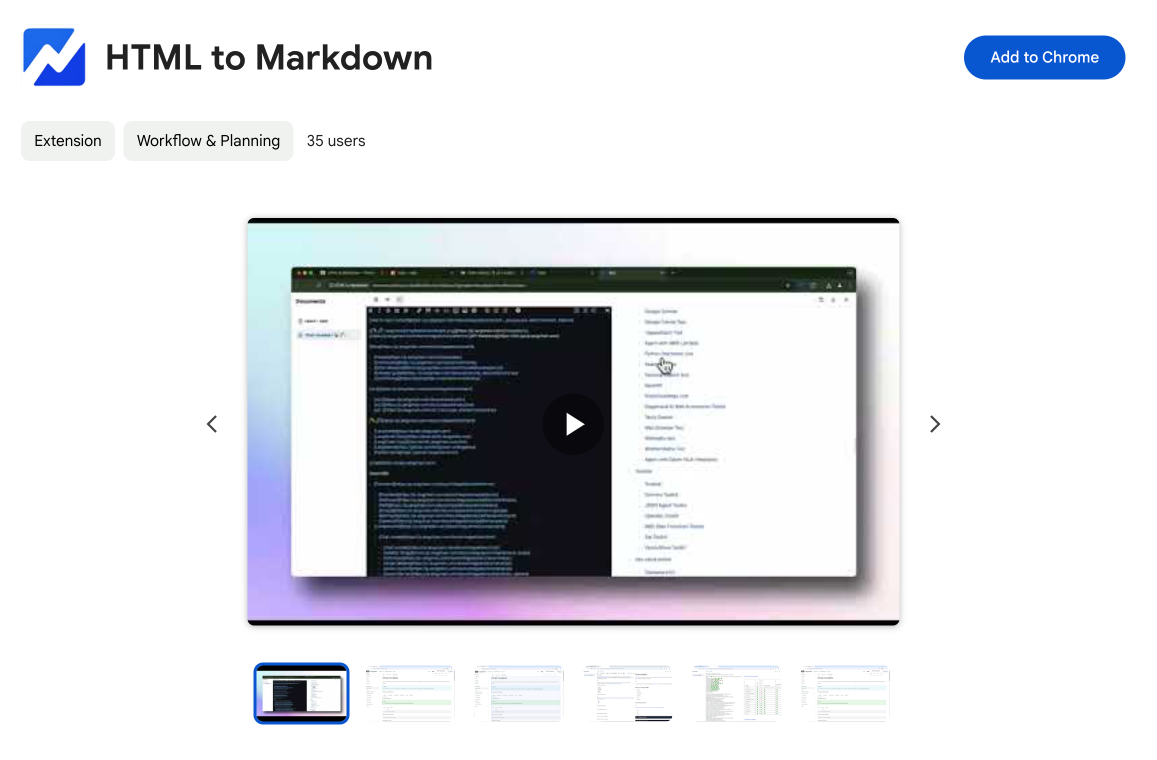
HTML to Markdown
Convert HTML to Markdown with ease, directly in your browser 📄
Dotallio
Personalized AI apps that automate research, data extraction, and content creation without code 🤖
Talk to Santa
Enjoy a magical live video chat or receive a unique AI-generated video greeting from Santa Claus 🎅
pozywka.pl
Scalable blog for food journalist, focused on performance and user experience 🌭
zagrodzki.me
Personal blog and portfolio of Bart Zagrodzki, where he shares his knowledge and work 💼
TurboStarter
Ship your startup everywhere. In minutes.
HTML to Markdown
Convert HTML to Markdown with ease, directly in your browser 📄
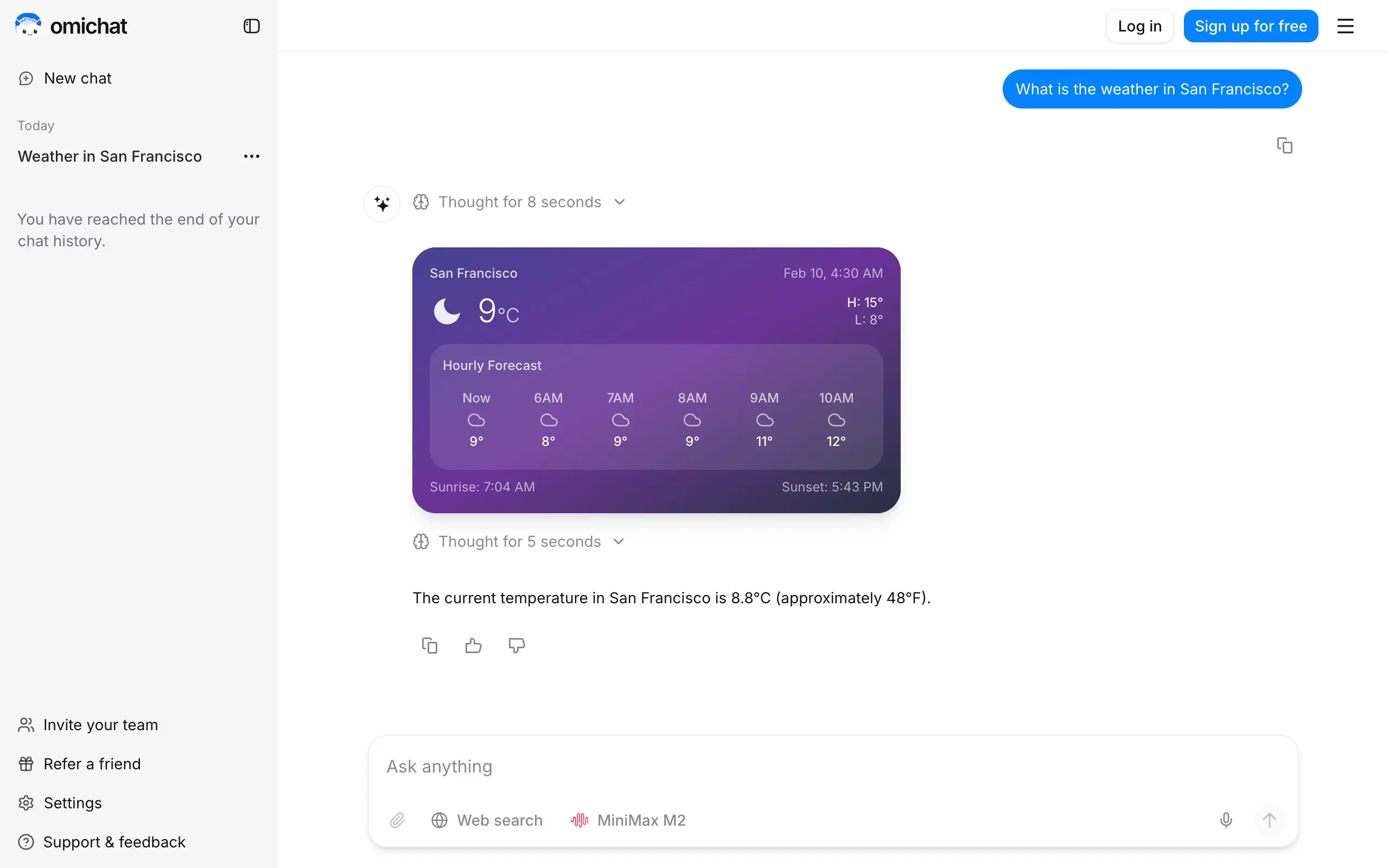
Omichat
Chat with 50+ AI models, including ChatGPT and Claude, in one place - switch models anytime without losing context 🤖
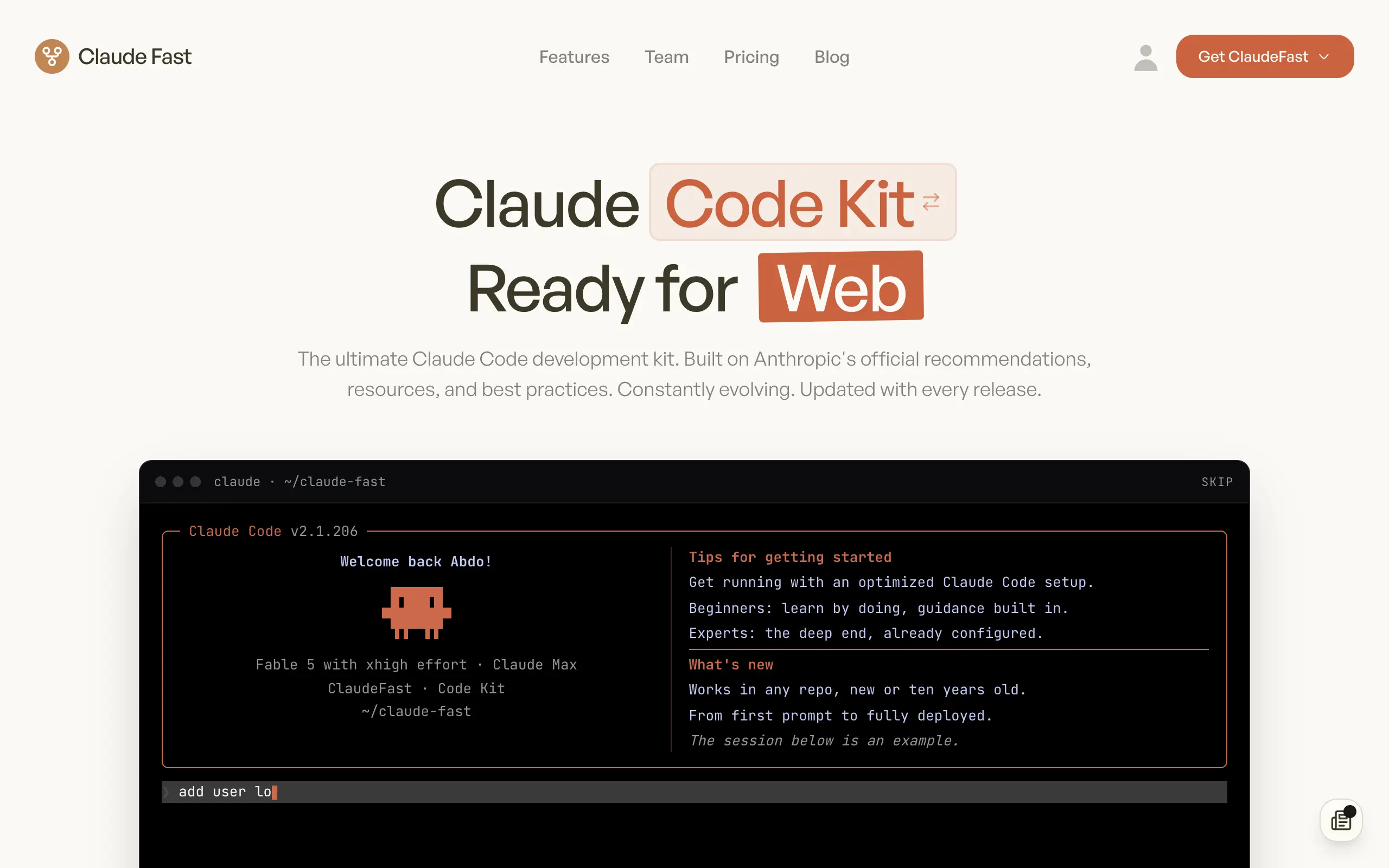
Claude Fast
Supercharge your Claude Code with 6x effective context window and specialized AI agents 🤖
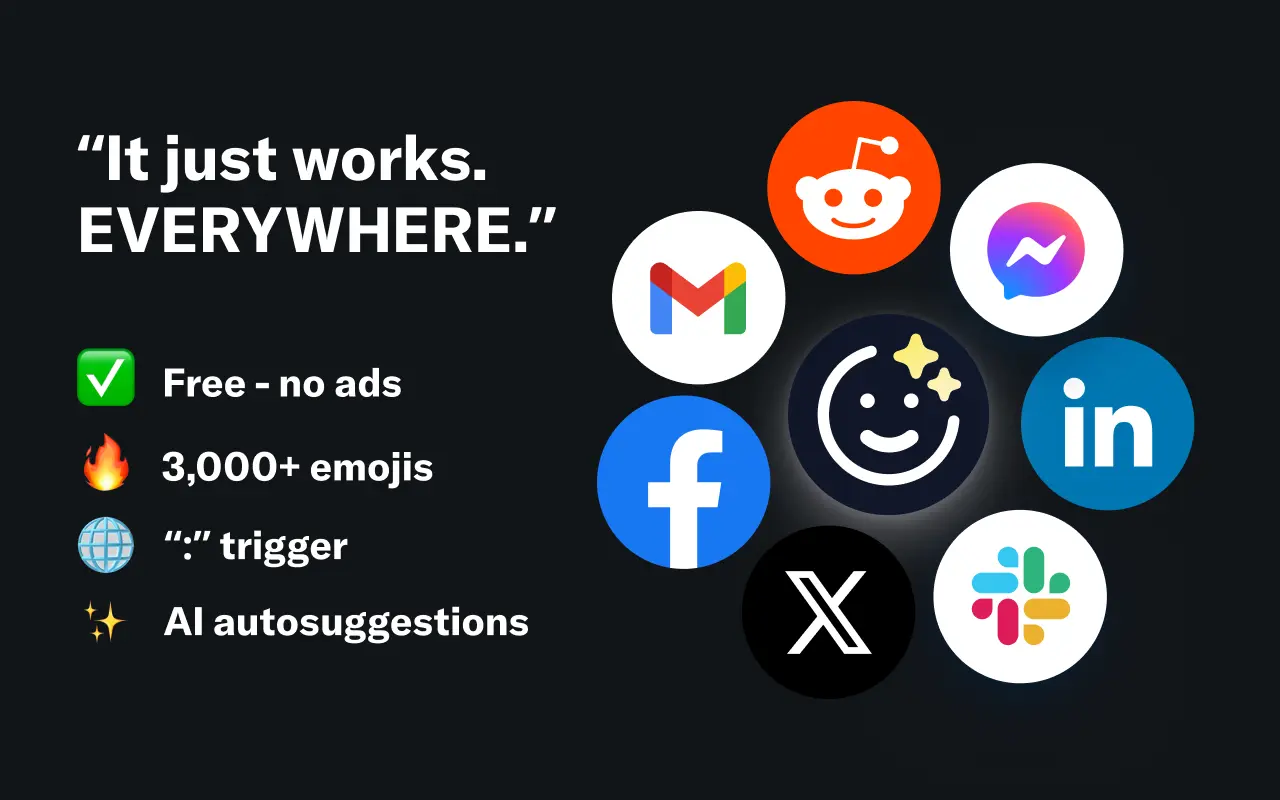
EmojAI
AI-powered emoji picker with smart, context-aware suggestions 🤖

Solohacker
Autonomous company launcher - AI agents work 24/7, escalate what matters, and you stay in control 🤖
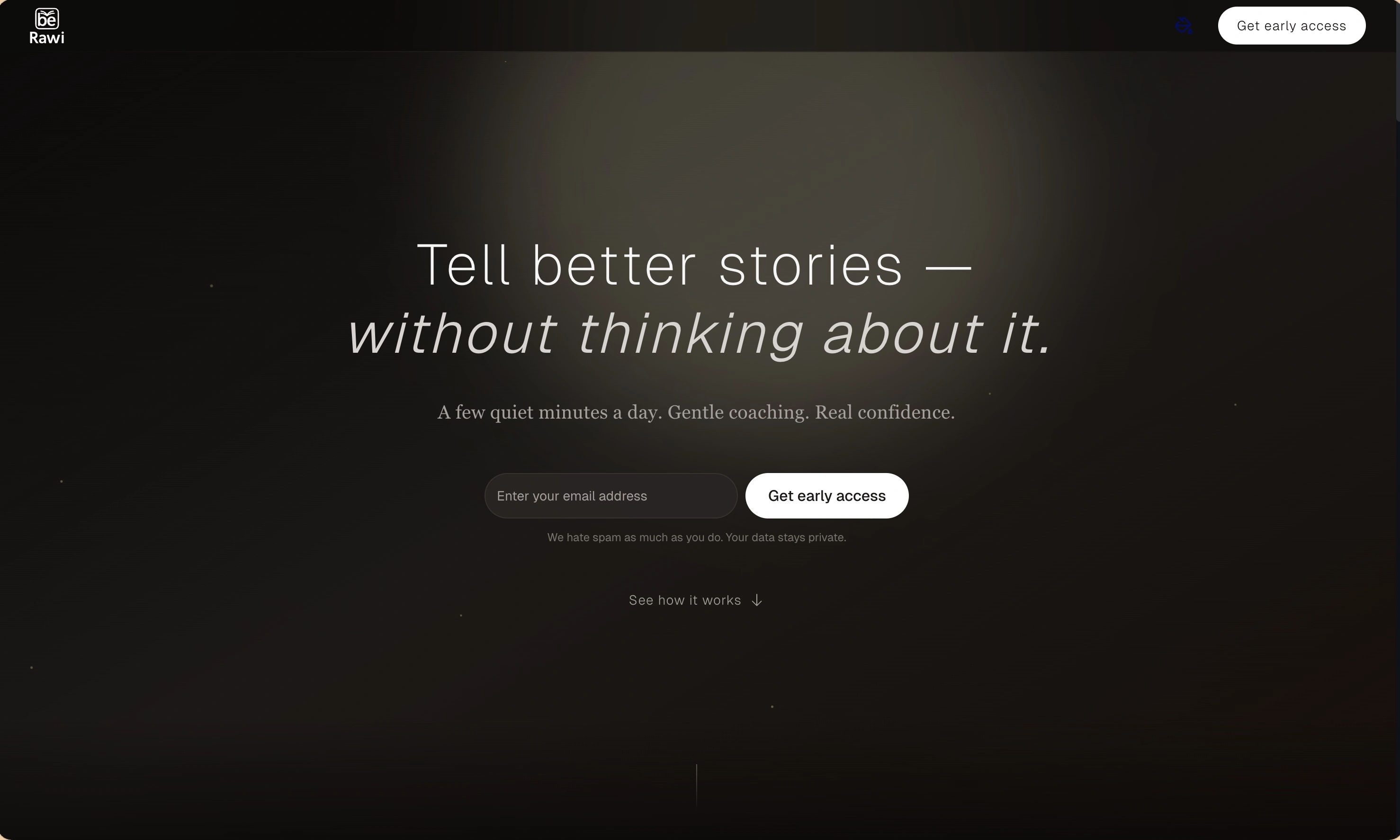
BeRawi: Storytelling Coach
Practice storytelling daily with instant feedback to sound clearer, more engaging, and confident 🎤
Omichat
Chat with 50+ AI models, including ChatGPT and Claude, in one place - switch models anytime without losing context 🤖
Claude Fast
Supercharge your Claude Code with 6x effective context window and specialized AI agents 🤖
EmojAI
AI-powered emoji picker with smart, context-aware suggestions 🤖
Solohacker
Autonomous company launcher - AI agents work 24/7, escalate what matters, and you stay in control 🤖
BeRawi: Storytelling Coach
Practice storytelling daily with instant feedback to sound clearer, more engaging, and confident 🎤

Connect with like-minded people
Join our community to get feedback, support, and grow together with 1,000+ builders on board, let's ship it!
Join usShip your startup everywhere. In minutes.
Don't burn tokens on setup and start building features on day one.