FrameWise
Free print and frame size calculator with pages for standard sizes, aspect ratios, and device photos. Monetize via print lab and frame-shop affiliates.
Why a print and frame size calculator is a strong B2C SaaS opportunity
A print and frame size calculator solves a deceptively common problem. Someone has a photo they love, a blank wall, and a vague idea of buying a frame. What they do not have is confidence about the right print dimensions, aspect ratio, mat size, frame size, crop risk, or whether their phone image is high enough resolution to look good when printed.
That uncertainty creates friction at the exact moment a person is ready to purchase. It also creates a valuable opportunity for FrameWise.
FrameWise is a free, search-friendly tool that helps users calculate print and frame sizes, compare common aspect ratios, understand device-photo dimensions, and move confidently toward a print lab or frame-shop purchase. The product can attract organic traffic through highly specific informational searches, then monetize that traffic through relevant affiliate relationships.
The core value proposition is simple:
FrameWise turns confusing print, frame, and photo-resolution decisions into a clear recommendation a user can act on immediately.
This is not just a calculator. It is a purchase-confidence engine for home decorators, photographers, gift buyers, artists, and anyone printing images from a phone.
The opportunity in one sentence
The best version of FrameWise does not merely calculate inches and pixels. It explains what will fit, what will crop, what will look sharp, and what a person should buy next.
The search intent behind print and frame size calculator queries
People searching for a print and frame size calculator are usually not looking for abstract mathematics. They are trying to avoid an expensive or frustrating mistake.
The main search intents generally fall into four groups.
Measurement intent
Users need to know which frame, print, or mat dimensions work together.
Quality intent
Users want to know whether an iPhone, Android, DSLR, or downloaded image is large enough to print.
Cropping intent
Users need to understand whether a photo will be cropped when converted to a standard print size.
Buying intent
Users are close to buying prints, frames, mats, or gallery-wall sets.
A strong SEO strategy should address all four intents without forcing visitors to navigate a complicated tool.
For example, someone searching for “what size frame for an 8x10 print” wants a direct answer. They may also need to know that an 11x14 frame can display an 8x10 print when paired with an appropriately sized mat. A user searching “how big can I print an iPhone photo” needs a resolution estimate, but they also benefit from a concise explanation of viewing distance, print quality, and image upscaling.
FrameWise can satisfy these needs through a combination of interactive calculators and indexable educational pages.
Who FrameWise should serve first
A broad consumer tool can eventually serve many audiences. However, FrameWise should begin with a narrow set of high-intent user segments whose problems overlap and whose purchasing paths are easy to monetize.
Home decorators and apartment renters
Home decorators frequently buy frames and prints, particularly when furnishing a new home, moving into an apartment, refreshing a gallery wall, or preparing a room for guests.
Their most common questions include:
- What frame size should I buy for this photo?
- What print size looks right over a sofa or bed?
- Can an 8x10 print fit into an 11x14 frame?
- What mat size do I need?
- Which gallery wall sizes work together?
- What does a 16x20 frame look like compared with 18x24?
This audience values visual confidence. A plain dimension converter is less helpful than a tool that also communicates proportion, room context, and likely framing options.
Smartphone photographers and gift buyers
Phone cameras have made high-quality photos available to nearly everyone, but consumers still struggle with the relationship between pixels, megapixels, resolution, and print dimensions.
A user may have a favorite photo from a wedding, vacation, pet portrait, or family event and want to turn it into a physical gift. They often do not know whether a 4x6, 8x10, 11x14, or 16x20 print is practical.
FrameWise can provide useful answers with inputs such as:
- Image pixel width and height
- Desired print size
- Preferred print quality level
- Whether cropping is acceptable
- Print orientation
- Available frame dimensions
The result should not simply say “yes” or “no.” It should explain the trade-off. For example, a large print may be acceptable for wall viewing but less ideal for close inspection.
Hobby photographers and artists
Photographers, illustrators, and artists often need quick references for standard print sizes, aspect ratios, mat openings, and framing conventions. They may also sell work online and need a practical way to communicate available sizes to customers.
This segment is particularly valuable because it can produce repeat usage. A photographer who prints client work may return repeatedly for sizing decisions, while an artist may share a useful calculator with buyers.
Print lab and frame-shop shoppers
This is the highest commercial-intent segment. These users are already researching physical products and are close to ordering.
FrameWise should serve them with helpful, non-manipulative recommendations such as:
- Recommended standard print size
- Compatible ready-made frame sizes
- Whether a mat is recommended
- Print lab category suggestions
- Frame style considerations
- A reminder to verify the retailer’s listed opening dimensions
The tool should clearly disclose affiliate relationships whenever a recommendation includes a commercial link. That disclosure is important for trust, legal compliance, and long-term brand credibility.
The market gap FrameWise can own
Existing framing and print-size resources often fail in one of three ways.
First, many are static charts with no personalization. A generic size chart can show that 8x10 is a standard print size, but it cannot assess whether a user’s 4032 by 3024 phone photo will crop to fit.
Second, some print providers offer calculators designed primarily to push their own products. Those tools can be useful, but they may not explain alternative frame sizes, matting options, or compatibility across retailers.
Third, many generic image resizers treat photo dimensions as a technical editing problem rather than a real-world print and framing decision.
FrameWise can stand out by connecting all the variables in one place.
| Capability | Static charts | Print lab tools | Image editors | FrameWise opportunity |
|---|---|---|---|---|
| Standard size guidance | ✅ | ✅ | ❌ | ✅ |
| Crop and aspect-ratio explanation | ❌ | Sometimes | ✅ | ✅ |
| Frame and mat compatibility | Sometimes | Limited | ❌ | ✅ |
| Neutral retailer comparison | ❌ | ❌ | ❌ | ✅ |
The unique selling proposition is therefore not “another print size chart.” It is a decision assistant for printing and framing photos, built around clear recommendations rather than disconnected calculations.
The core FrameWise product experience
The best first version of FrameWise should feel fast, visual, and reassuring. Users should be able to answer their core question in less than a minute, even if they have never learned about aspect ratios or print resolution.
The main print size calculator
The homepage calculator should ask a minimal number of questions and progressively reveal more advanced controls only when needed.
A practical core flow could include:
- The user enters image dimensions or uploads a photo for local analysis.
- The tool identifies the image orientation and aspect ratio.
- The user chooses a desired print size or selects from recommended sizes.
- FrameWise shows whether the image fits without cropping.
- The tool estimates print quality at common resolution thresholds.
- The user sees compatible frame and mat options.
- The user can save, share, print, or shop the recommendation.
The interface should lead with everyday language. Instead of opening with “PPI,” begin with “How large do you want to print this photo?” Then provide technical detail for users who want it.
Aspect ratio and crop calculator
Aspect-ratio mismatch is one of the most frequent causes of confusing print orders. A standard smartphone photo may not match the ratio of an 8x10 print. A square social image will not naturally fit a 4x6 frame. Panoramic images create another set of constraints.
The aspect-ratio calculator should show:
- Original image ratio
- Selected print ratio
- Whether the image fits exactly
- The estimated crop percentage
- Which edges may be cropped
- Alternative print sizes with a closer match
- Whether borders can avoid cropping
- The difference between cropping and adding white space
A visual crop preview will meaningfully improve the product. Even a simplified preview that overlays the print boundary on the uploaded image can prevent incorrect orders.
Print quality and resolution calculator
Print quality recommendations need nuance. The simplistic rule that every print must be 300 pixels per inch is useful for certain close-viewed photographic prints, but it is not the only relevant standard. Larger wall art is often viewed from farther away, where lower pixel density can still be visually acceptable.
FrameWise should explain quality using confidence bands rather than a binary pass or fail result.
For example:
- Excellent for close viewing when the image supports a high-detail print size
- Good for typical wall display when resolution is suitable at normal viewing distance
- Best for larger-format wall art when the print may look good from a few feet away
- May appear soft when the requested size exceeds a reasonable threshold
The calculator should avoid promising exact output quality. Image sharpness, noise, compression artifacts, camera processing, and print-provider equipment all matter.
Avoid overpromising print quality
FrameWise should present print-quality estimates as guidance, not guarantees. A technically large image can still print poorly if it is blurry, heavily compressed, or out of focus.
Frame and mat size calculator
The frame calculator is where FrameWise can create especially strong commercial relevance.
Users should be able to enter a print size and receive:
- A direct-fit frame size
- Larger frame sizes that work with a mat
- Suggested mat opening dimensions
- Estimated border width
- Landscape and portrait variants
- A note about frame rabbet depth for thicker media or canvas
- Standard ready-made size availability
For instance, an 8x10 photo can fit directly in an 8x10 frame. It can also be displayed inside an 11x14 frame with a mat cut for 8x10 artwork. The product should explain that the actual mat opening is often cut slightly smaller than the print to hold it in place.
This is an important detail that demonstrates expertise and prevents the common mistake of ordering a mat opening at exactly the same dimensions as the art.
Device photo reference pages
Device-specific pages are a scalable acquisition channel. Searchers often use queries such as “iPhone photo print size,” “how big can I print a phone photo,” or “Android camera image dimensions.”
Useful pages could include:
- iPhone photo print size guide
- Android photo print size guide
- DSLR print size calculator
- Mirrorless camera print size guide
- Screenshot print size calculator
- Social media image print size guide
- Digital download print size guide
These pages should not make universal assumptions about every device model. Camera resolution and image dimensions change by mode, crop, editing, and operating-system settings. Instead, explain how users can check their own photo dimensions and then send them into the calculator.
Building trustworthy print-size recommendations
A calculator in this category succeeds only if users believe its recommendations. Trust comes from transparent logic, clear caveats, and practical framing knowledge.
The underlying formula is straightforward:
const printWidthInches = imageWidthPixels / targetPpi
const printHeightInches = imageHeightPixels / targetPpi

const sourceRatio = imageWidthPixels / imageHeightPixels
const targetRatio = printWidthInches / printHeightInches

const needsCropping = Math.abs(sourceRatio - targetRatio) > 0.01
However, the product logic should go beyond the formula.
A useful recommendation engine needs to account for:
- Orientation differences between the source image and target print
- Standard frame inventory sizes
- Whether borders or a mat are acceptable
- Minimum and maximum preferred pixel density
- Expected viewing distance
- User preference for no cropping
- Whether the image is intended for fine-art inspection or room decor
- The possibility of professional enlargement or AI-assisted upscaling
Do not make AI upscaling a central promise in the MVP. It can improve certain files, but it can also create artifacts and false detail. If introduced later, FrameWise should clearly explain when upscaling may help and when users should use the original file instead.
SEO architecture for FrameWise
The SEO advantage of FrameWise comes from combining programmatic utility pages with genuinely useful editorial content. The objective is not to create thousands of thin pages. It is to build a structured library that answers distinct, recurring questions better than a generic chart can.
High-value calculator landing pages
The primary pages should target clear utility-driven searches.
Examples include:
- Print and frame size calculator
- Photo print size calculator
- Frame size calculator
- Mat size calculator
- Aspect ratio calculator for prints
- Image resolution to print size calculator
- Pixels to inches calculator
- Gallery wall size calculator
Each page should have its own focused tool, short explanatory content, common examples, and internal links to relevant guides.
Standard print-size pages
Standard size pages can target high-intent long-tail queries while serving users who are choosing between familiar formats.
Examples include:
- 4x6 print size guide
- 5x7 print size guide
- 8x10 print size guide
- 11x14 print size guide
- 12x16 print size guide
- 16x20 print size guide
- 18x24 print size guide
- 24x36 print size guide
Every page should answer the questions people actually ask:
- What is the aspect ratio?
- What frame size fits without a mat?
- Which larger frames work with a mat?
- How many pixels are recommended?
- Will common phone photos crop?
- What room or wall placement is this size suitable for?
- Which related sizes should the user compare?
Aspect-ratio educational pages
Aspect-ratio pages create topical authority because they explain a difficult concept in user-friendly language.
Useful topics include:
- 2:3 aspect ratio print sizes
- 3:4 aspect ratio print sizes
- 4:5 aspect ratio print sizes
- 4:6 vs 5:7 print ratio
- Why phone photos crop to 8x10
- How to print square photos
- How to print panoramic photos
The best pages pair a concise explanation with interactive values. A visitor should be able to learn why cropping happens and immediately test their own photo.
Internal linking strategy
FrameWise should treat each tool and guide as part of one connected knowledge system.
A page about 8x10 prints should link to:
- The print quality calculator
- The 8x10 frame and mat calculator
- The aspect ratio calculator
- An 11x14 frame guide
- A phone photo print guide
This approach improves user navigation and helps search engines understand the relationship between the site’s content clusters.
Avoid forced keyword anchors. Use descriptive, natural links such as “check whether your photo will crop to 8x10” or “compare direct-fit and matted frame options.”
Recommended tech stack for FrameWise
FrameWise does not need a complex backend for its first release. Most calculation logic can run in the browser, which improves speed, lowers infrastructure costs, and protects user privacy when images are processed locally.
A modern TypeScript web application is a strong starting point.
Frontend and application framework
Use Next.js with React and TypeScript.
This combination supports:
- Fast, indexable server-rendered pages
- Reusable calculator components
- Strong typing for size and ratio calculations
- Dynamic routes for standard print sizes and device guides
- Metadata management for SEO
- Edge-friendly deployment options
- A large ecosystem of developer tools
For styling, Tailwind CSS is an efficient choice for a calculator product because it makes responsive layouts and component variants easier to maintain.
For validation, Zod is well suited to user-entered values such as pixel dimensions, inches, centimeters, and custom mat measurements. It reduces the chance that malformed input creates misleading recommendations.
Image handling approach
The MVP should prioritize local browser analysis.
A user can upload an image, and the browser can read its dimensions without storing the original file on your servers. This is a trust advantage, especially for personal family photos.
A privacy-first message can be displayed near uploads:
Your photo can be analyzed in your browser. FrameWise does not need to store it to calculate print sizes.
If a later version adds cloud saving, image previews, or print-provider handoff, make that opt-in and explain retention policies clearly.
Database and analytics
A database is not essential for anonymous calculations. It becomes valuable when FrameWise introduces saved projects, user accounts, affiliate attribution, personalized recommendations, or price monitoring.
Supabase is a practical option for authentication, PostgreSQL storage, and lightweight backend functionality. The trade-off is added operational complexity compared with a calculator-only site. For an early MVP, keep persistent data limited.
Use privacy-conscious analytics and track meaningful product events:
- Calculator started
- Calculation completed
- Print size selected
- Frame size selected
- Crop preview opened
- Affiliate link clicked
- Recommendation saved
- Search term entered
Do not collect image contents, personal data, or unnecessary identifiers merely to optimize conversion.
Why a starter kit can accelerate launch
Building a content-driven SaaS or utility site involves more than calculator logic. You need production-ready foundations for authentication, payments if premium features arrive, database configuration, SEO pages, email flows, analytics, legal pages, and deployment.
TurboStarter can reduce setup time by providing a structured starting point for shipping a polished SaaS product. The key is to keep the initial FrameWise experience simple. Do not let account systems or complex billing delay the free calculator that validates demand.
Monetization options for FrameWise
Affiliate revenue is the most natural initial model because FrameWise users often arrive shortly before making a purchase. Still, affiliate links should enhance a recommendation, never replace it.
Print lab affiliate partnerships
Potential affiliate categories include:
- Photo print providers
- Fine-art print labs
- Canvas print shops
- Metal and acrylic print providers
- Poster-printing services
- Same-day local print retailers
FrameWise can recommend categories based on the result. A user printing family snapshots may prefer an accessible photo-print provider, while a photographer selling artwork may need archival papers or giclée-style fine-art printing.
Affiliate disclosures should be clear and placed close to relevant outbound links.
Frame and mat retailer affiliates
Frame referrals may be even more aligned with the product because the calculator directly identifies compatible sizes.
Relevant retailer categories include:
- Ready-made frame stores
- Custom framing providers
- Matboard suppliers
- Poster frame retailers
- Gallery-wall frame set sellers
- Specialty shadow-box and canvas frame sellers
The recommendation should remain retailer-neutral. For example, show the required product specification first, such as “11x14 frame with an 8x10 mat opening,” then offer optional shopping links.
Premium features
A freemium tier can work once repeat usage is established.
Potential premium features include:
- Saved framing projects
- Gallery wall planning
- Room-wall mockups
- Bulk calculation for photographers
- Downloadable client proof sheets
- Custom size presets
- White-label embedding for photo studios
- Team access for print shops or interior designers
The risk with premium subscriptions is that casual users may only need the calculator once. For that reason, subscriptions should target recurring professional workflows rather than ordinary one-time consumers.
Sponsored placement and commerce data
Later, FrameWise could offer carefully labeled sponsored placements to relevant retailers. This should only happen after the recommendation logic is trustworthy and traffic is established.
Never let sponsorship override fit. A wrong-size recommendation may create a short-term click, but it destroys the product’s long-term authority.
Competitive advantage and defensibility
The initial calculator is easy to copy. The durable advantage comes from how FrameWise combines data, content, user experience, and trust.
A recommendation graph rather than isolated tools
Every calculation can connect image dimensions, print ratios, crop outcomes, print-quality guidance, frame sizes, mat options, and product categories. Over time, this creates a useful recommendation graph that generic converters do not offer.
Proprietary behavior insights
With privacy-respecting aggregate analytics, FrameWise can learn which sizes users compare, where crop confusion occurs, which recommendations produce outbound clicks, and which guides answer recurring questions.
Those insights can improve the tool and reveal content opportunities. For example, if many users abandon after discovering that 8x10 requires cropping, FrameWise can improve alternative-size suggestions.
Better educational UX
A large number of users do not know the difference between a print size, frame size, mat opening, and visible image area. Explaining these distinctions with visual examples creates trust and reduces decision fatigue.
Brand authority through accuracy
In this niche, credibility is an advantage. Publish editorial standards, show how calculations work, distinguish guidance from guarantees, and regularly review standard size references.
When citing print-industry guidance or resolution principles, reference reputable manufacturer documentation, professional print-lab documentation, or recognized photography education sources. For any market-size or consumer-spending statistic, cite the original publisher and date rather than relying on unattributed claims.
Key risks and how to mitigate them
Risk of inaccurate recommendations
A wrong recommendation can lead to a wasted purchase, especially if the tool misunderstands crop behavior or mat dimensions.
Mitigation steps include:
- Test formulas against real print and frame combinations
- Add unit tests for every common size
- Include a manual review process for standard size data
- Explain assumptions clearly
- Display crop previews instead of relying only on text
- Add a feedback action for incorrect or unclear results
Risk of affiliate dependency
Affiliate terms, commission rates, and program availability can change. A site relying on one retailer is vulnerable.
Mitigate this by diversifying partners, building email capture around useful saved projects, and developing premium professional features that do not depend on outbound commerce.
Risk of thin programmatic SEO content
It is tempting to generate a page for every possible dimension. That can weaken site quality if the pages are repetitive and do not provide unique value.
Start with the highest-demand standard sizes and make each page genuinely useful. Expand only when you can add distinct examples, framing advice, crop details, and relevant calculator functionality.
Risk of privacy concerns around photo upload
People may hesitate to upload personal images.
Mitigate this through local processing, clear privacy copy, minimal data collection, and an alternative path where users manually enter pixel dimensions. Do not retain uploaded images by default.
Risk of overly technical language
Pixels, PPI, aspect ratios, and mat openings can overwhelm casual buyers.
Use progressive disclosure. Lead with a plain-language recommendation, then offer technical explanations through expandable content.
Explain whether the user can crop the image, add borders, choose a closer aspect ratio, or select a larger frame with a mat. Present the least-destructive option first.
No. Use 300 PPI as a high-detail reference point, while explaining that acceptable output depends on image quality, print process, intended size, and viewing distance.
Yes. Anonymous browser-based calculations are ideal for validating search demand and affiliate conversion before adding saved projects or premium plans.
A practical implementation plan
FrameWise should launch in stages. The first release needs to prove that people find the tool through search, complete calculations, and click through to relevant purchase options.
The first public version should focus on a small but excellent toolset:
- Print size calculator
- Frame size calculator
- Mat size calculator
- Aspect-ratio comparison
- Print-quality estimate
- Ten to twenty deeply useful SEO pages
- Transparent affiliate disclosures
- Mobile-first design
A mobile-first experience matters because many users will discover FrameWise while looking at photos on their phone or standing in a store aisle deciding which frame to buy.
The path to a valuable FrameWise product
FrameWise has a compelling combination of evergreen search demand, clear consumer pain, low initial technical complexity, and natural affiliate monetization. The winning strategy is not to become a generic image utility. It is to become the most useful place on the web for turning a digital image into a confident print-and-frame decision.
The product should consistently answer four questions:
- Can I print this image at the size I want?
- Will it crop, and what will be lost?
- Which frame and mat dimensions should I buy?
- What is the best next step for getting this printed?
If FrameWise answers those questions quickly and honestly, it can build organic traffic, earn user trust, and create a durable commerce-focused utility brand.
More 👥 B2C Application SaaS ideas
Discover more innovative b2c application SaaS ideas that are trending in 2026. Each idea is AI-generated with market validation and growth potential to help you find your next profitable venture faster than competitors.
Your competitors are building with TurboStarter
Below are some of the SaaS ideas that have been generated and built with our starter kit.
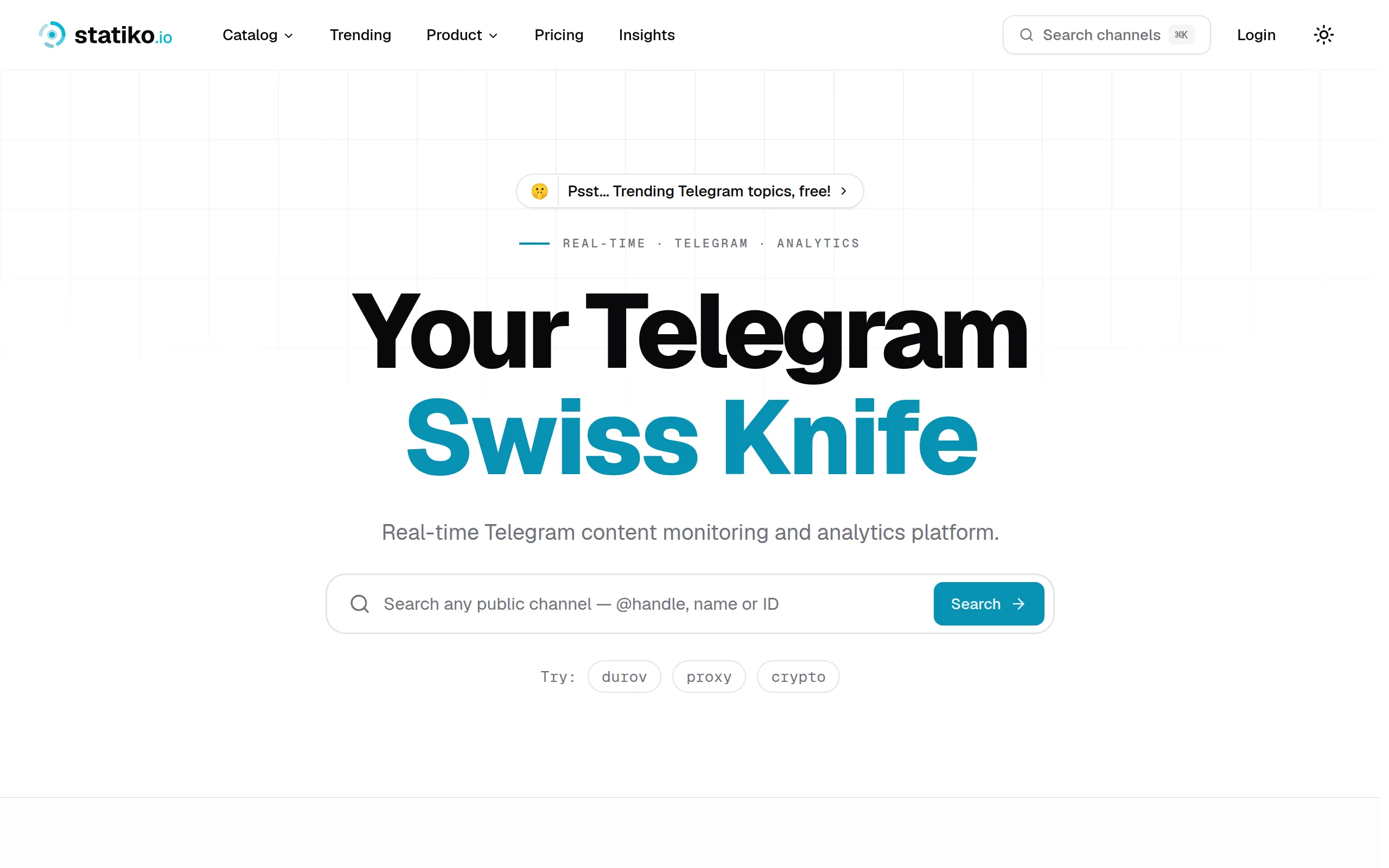
Statiko
Monitor any Telegram channel in real time - track posts, edits, deletions, and growth with AI recaps 📡
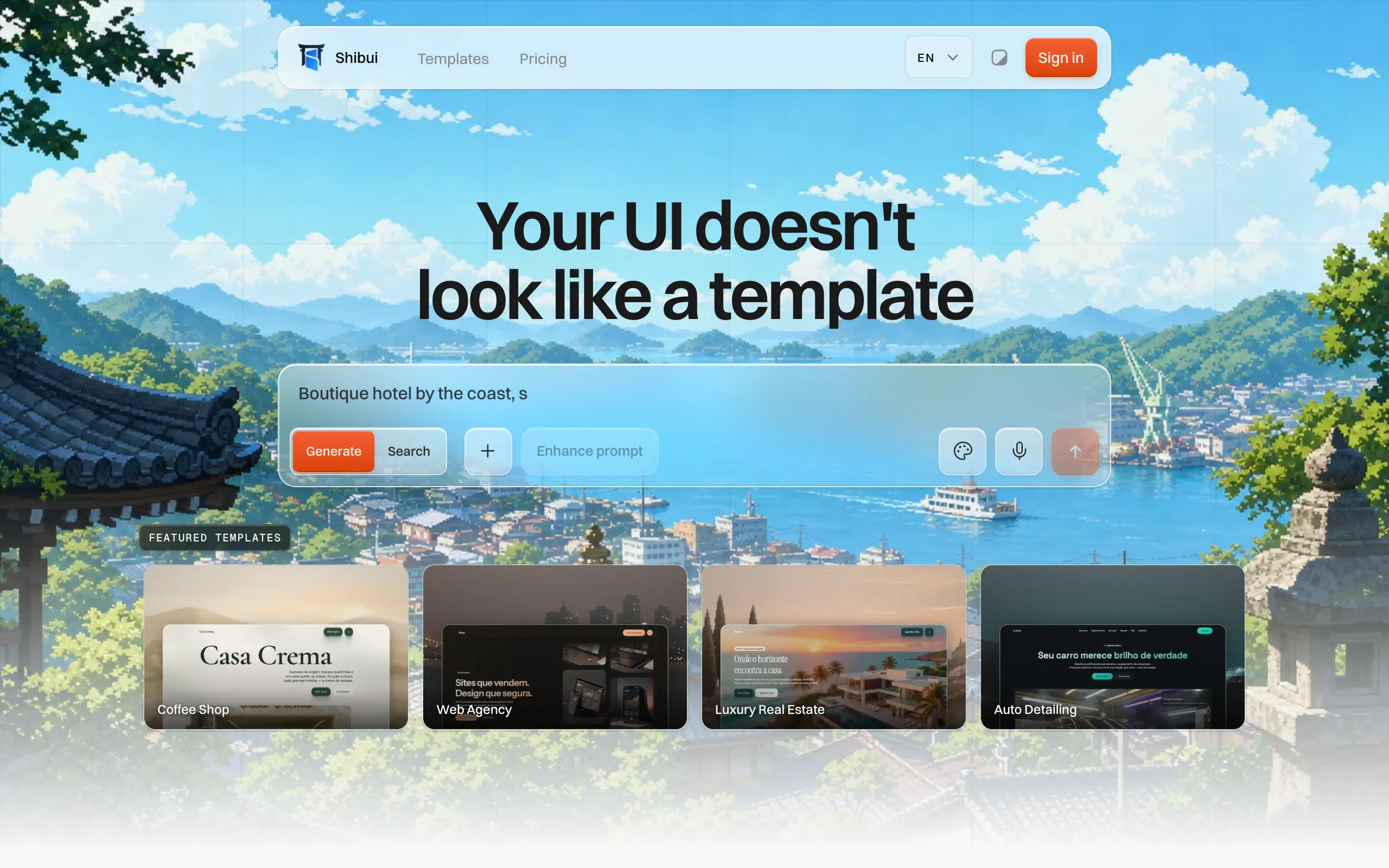
Shibui
AI website builder - describe your business, pick a niche template, edit by chatting, and publish instantly ✨
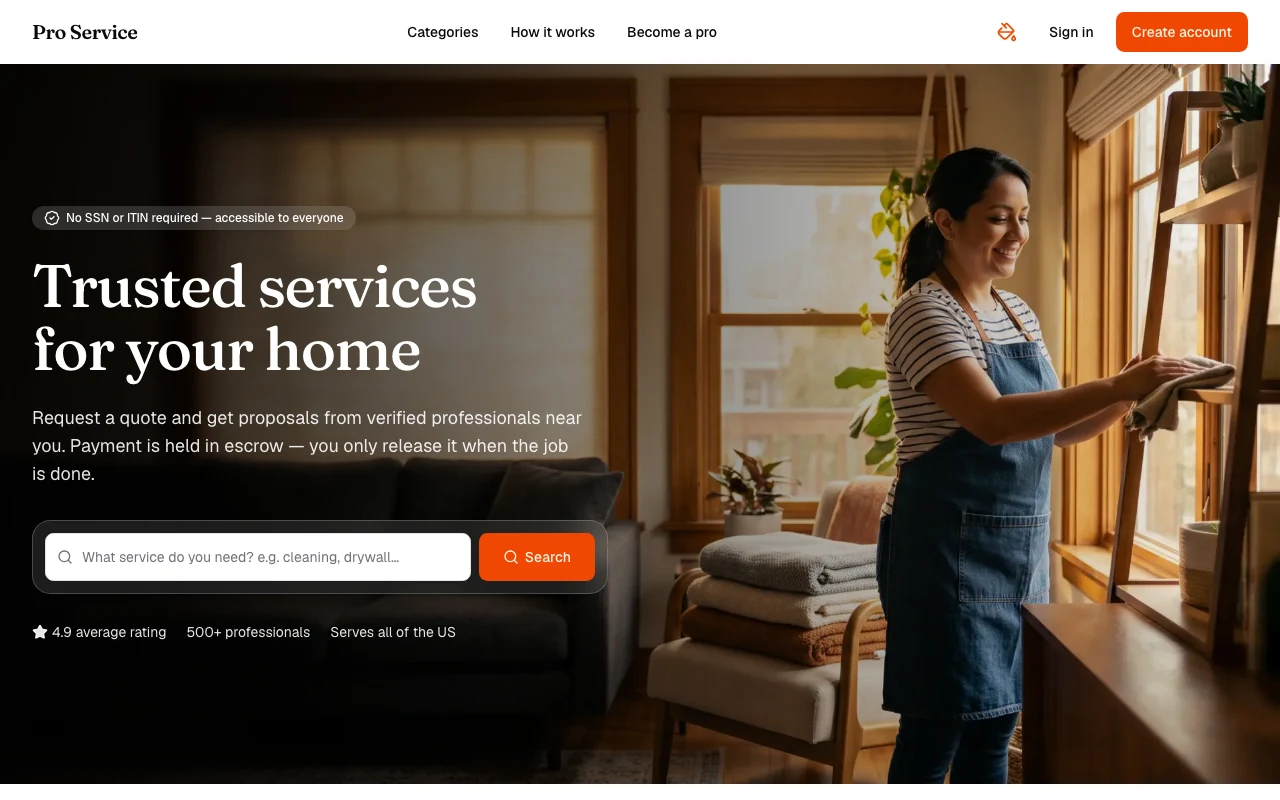
Pro Service
Find verified home service professionals, compare quotes, and pay securely through escrow - built for Brazilians across the US 🏠
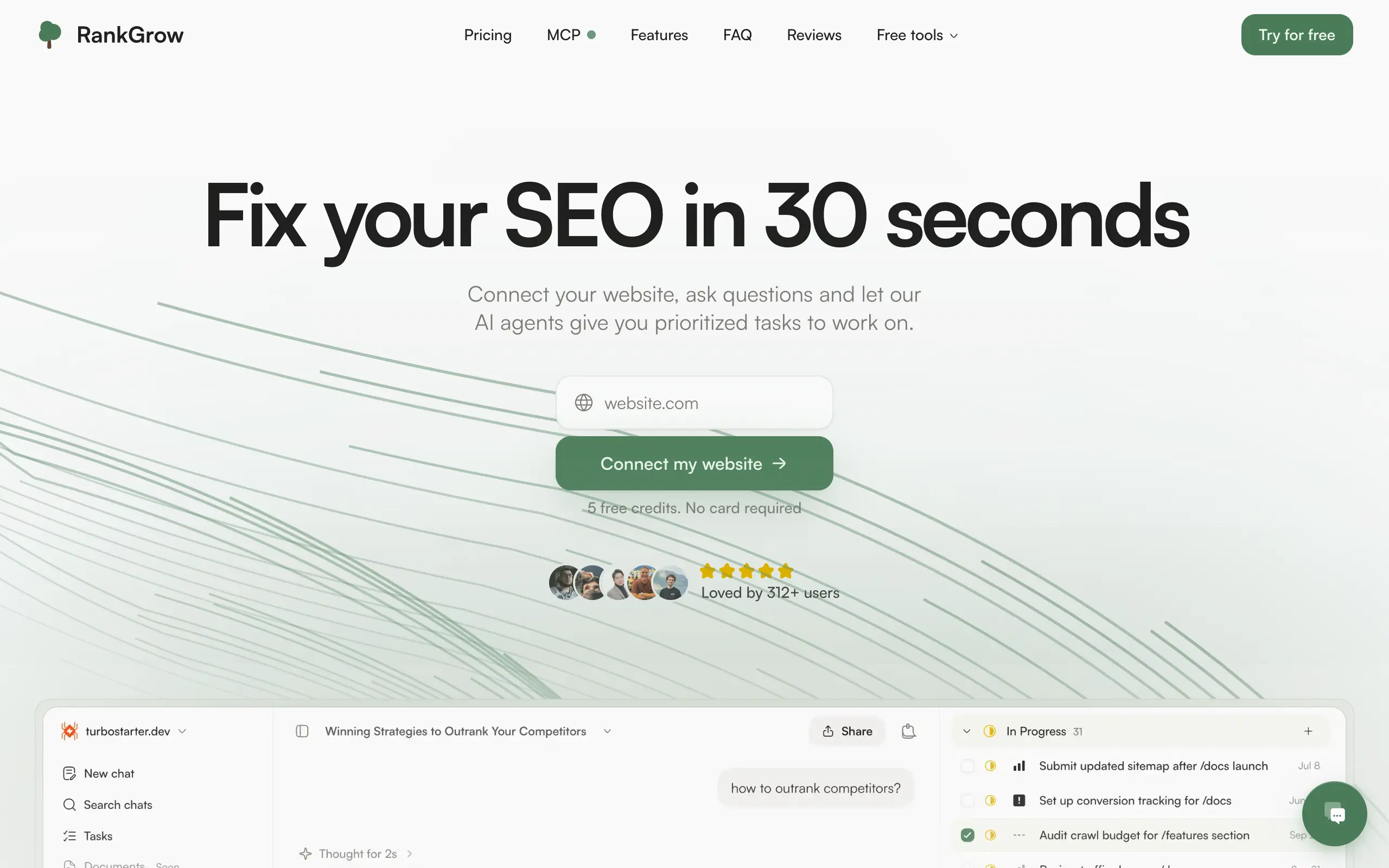
RankGrow
Fix your SEO with AI agents - connect Search Console, get prioritized tasks, and grow organic traffic 📈
SyncReads
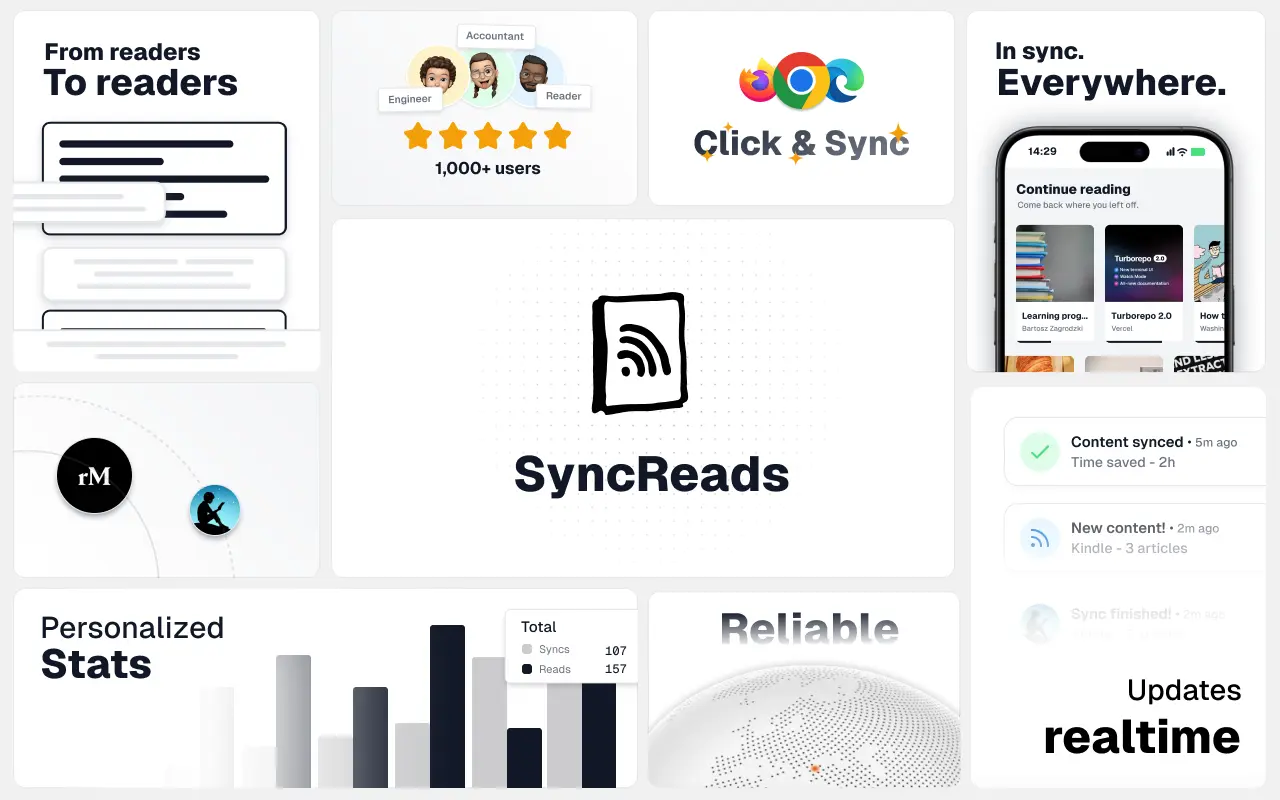
Sync your favorite content for distraction-free reading, save time and replace multiple apps. Anytime, anywhere 🔄
Socialcrawl
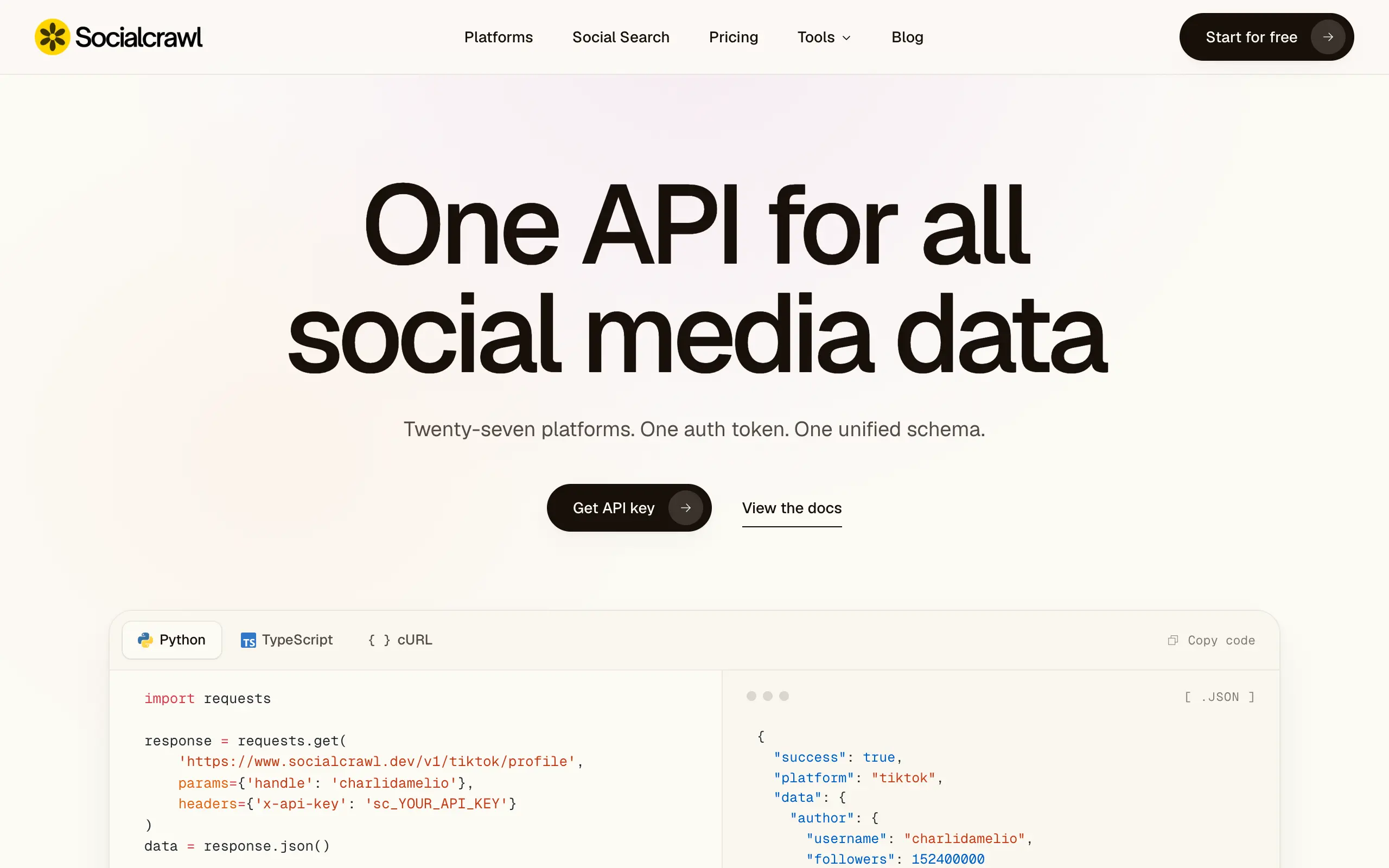
Get clean, structured data from 21 platforms like TikTok, Instagram, and YouTube with a single request 📊
Statiko
Monitor any Telegram channel in real time - track posts, edits, deletions, and growth with AI recaps 📡
Shibui
AI website builder - describe your business, pick a niche template, edit by chatting, and publish instantly ✨
Pro Service
Find verified home service professionals, compare quotes, and pay securely through escrow - built for Brazilians across the US 🏠
RankGrow
Fix your SEO with AI agents - connect Search Console, get prioritized tasks, and grow organic traffic 📈
SyncReads
Sync your favorite content for distraction-free reading, save time and replace multiple apps. Anytime, anywhere 🔄
Socialcrawl
Get clean, structured data from 21 platforms like TikTok, Instagram, and YouTube with a single request 📊
Statiko
Monitor any Telegram channel in real time - track posts, edits, deletions, and growth with AI recaps 📡
Shibui
AI website builder - describe your business, pick a niche template, edit by chatting, and publish instantly ✨
Pro Service
Find verified home service professionals, compare quotes, and pay securely through escrow - built for Brazilians across the US 🏠
RankGrow
Fix your SEO with AI agents - connect Search Console, get prioritized tasks, and grow organic traffic 📈
SyncReads
Sync your favorite content for distraction-free reading, save time and replace multiple apps. Anytime, anywhere 🔄
Socialcrawl
Get clean, structured data from 21 platforms like TikTok, Instagram, and YouTube with a single request 📊
Statiko
Monitor any Telegram channel in real time - track posts, edits, deletions, and growth with AI recaps 📡
Shibui
AI website builder - describe your business, pick a niche template, edit by chatting, and publish instantly ✨
Pro Service
Find verified home service professionals, compare quotes, and pay securely through escrow - built for Brazilians across the US 🏠
RankGrow
Fix your SEO with AI agents - connect Search Console, get prioritized tasks, and grow organic traffic 📈
SyncReads
Sync your favorite content for distraction-free reading, save time and replace multiple apps. Anytime, anywhere 🔄
Socialcrawl
Get clean, structured data from 21 platforms like TikTok, Instagram, and YouTube with a single request 📊
Dotallio
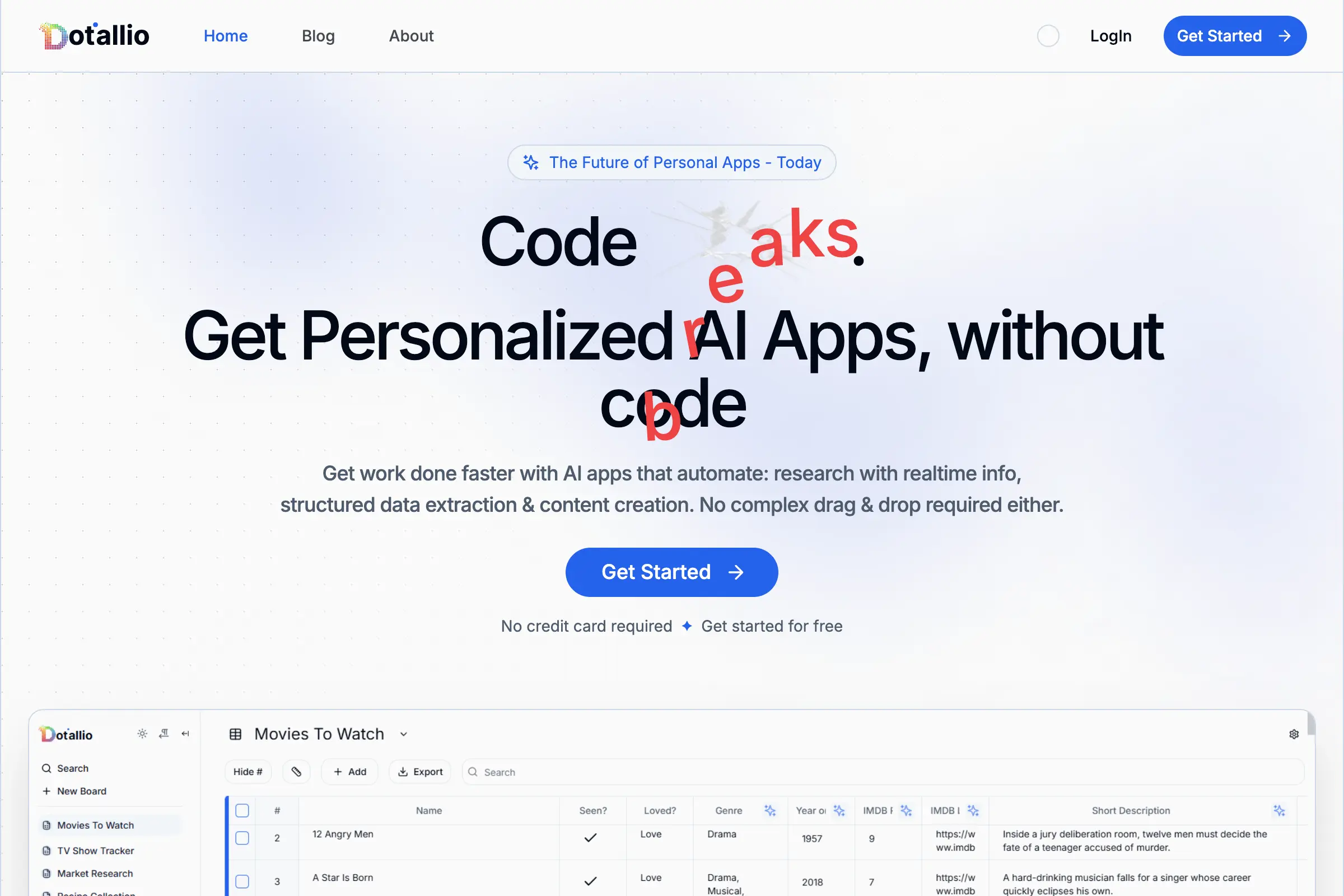
Personalized AI apps that automate research, data extraction, and content creation without code 🤖

Talk to Santa
Enjoy a magical live video chat or receive a unique AI-generated video greeting from Santa Claus 🎅
pozywka.pl
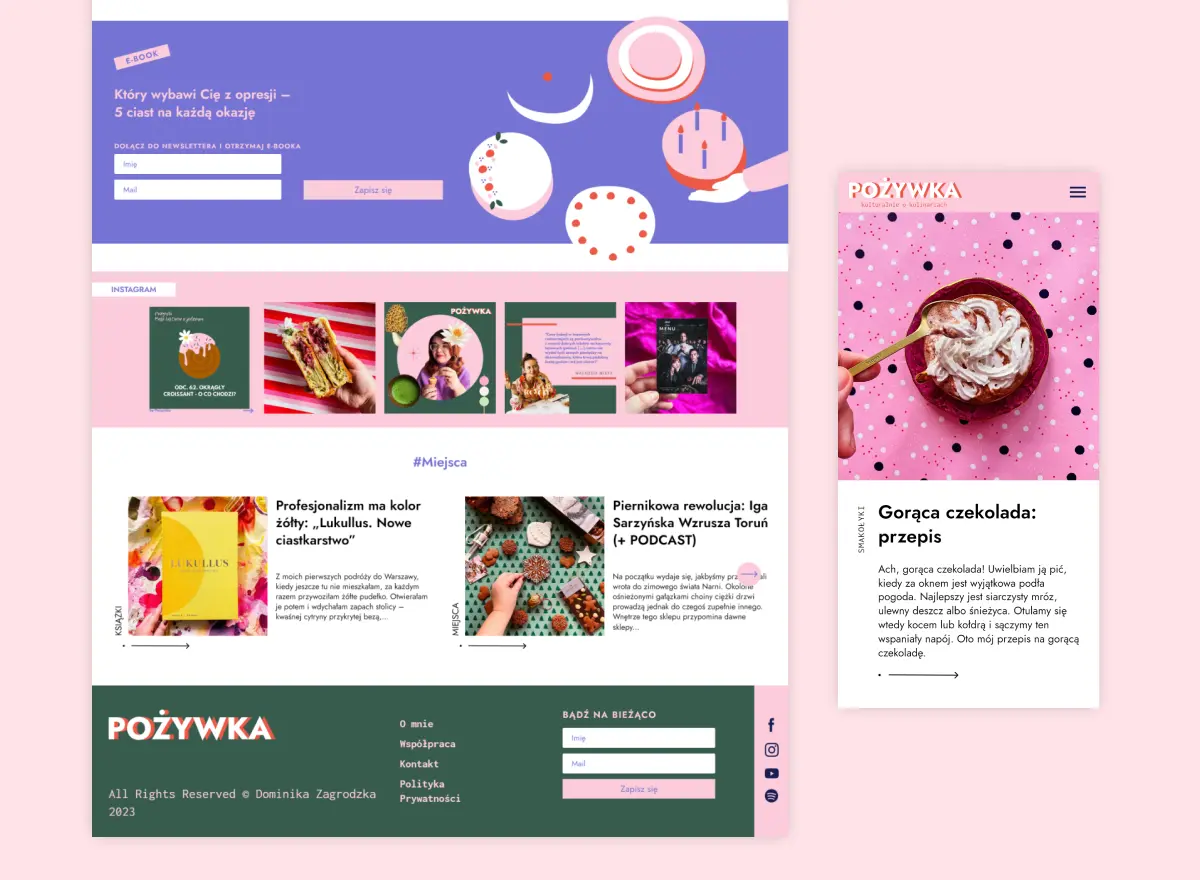
Scalable blog for food journalist, focused on performance and user experience 🌭
zagrodzki.me
Personal blog and portfolio of Bart Zagrodzki, where he shares his knowledge and work 💼
TurboStarter
Ship your startup everywhere. In minutes.
HTML to Markdown
Convert HTML to Markdown with ease, directly in your browser 📄
Dotallio
Personalized AI apps that automate research, data extraction, and content creation without code 🤖
Talk to Santa
Enjoy a magical live video chat or receive a unique AI-generated video greeting from Santa Claus 🎅
pozywka.pl
Scalable blog for food journalist, focused on performance and user experience 🌭
zagrodzki.me
Personal blog and portfolio of Bart Zagrodzki, where he shares his knowledge and work 💼
TurboStarter
Ship your startup everywhere. In minutes.
HTML to Markdown
Convert HTML to Markdown with ease, directly in your browser 📄
Dotallio
Personalized AI apps that automate research, data extraction, and content creation without code 🤖
Talk to Santa
Enjoy a magical live video chat or receive a unique AI-generated video greeting from Santa Claus 🎅
pozywka.pl
Scalable blog for food journalist, focused on performance and user experience 🌭
zagrodzki.me
Personal blog and portfolio of Bart Zagrodzki, where he shares his knowledge and work 💼
TurboStarter
Ship your startup everywhere. In minutes.
HTML to Markdown
Convert HTML to Markdown with ease, directly in your browser 📄
Dotallio
Personalized AI apps that automate research, data extraction, and content creation without code 🤖
Talk to Santa
Enjoy a magical live video chat or receive a unique AI-generated video greeting from Santa Claus 🎅
pozywka.pl
Scalable blog for food journalist, focused on performance and user experience 🌭
zagrodzki.me
Personal blog and portfolio of Bart Zagrodzki, where he shares his knowledge and work 💼
TurboStarter
Ship your startup everywhere. In minutes.
HTML to Markdown
Convert HTML to Markdown with ease, directly in your browser 📄
Omichat
Chat with 50+ AI models, including ChatGPT and Claude, in one place - switch models anytime without losing context 🤖
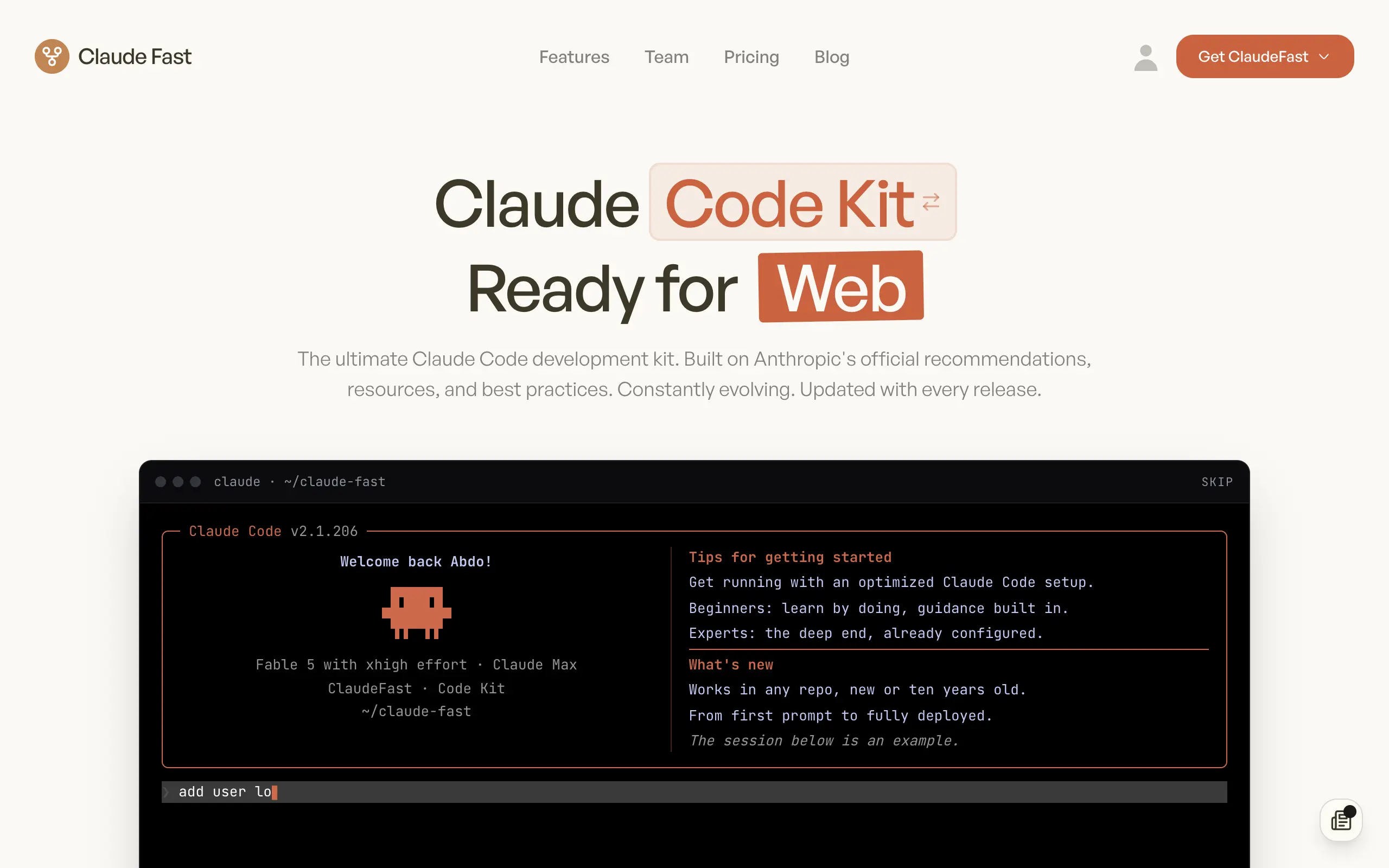
Claude Fast
Supercharge your Claude Code with 6x effective context window and specialized AI agents 🤖
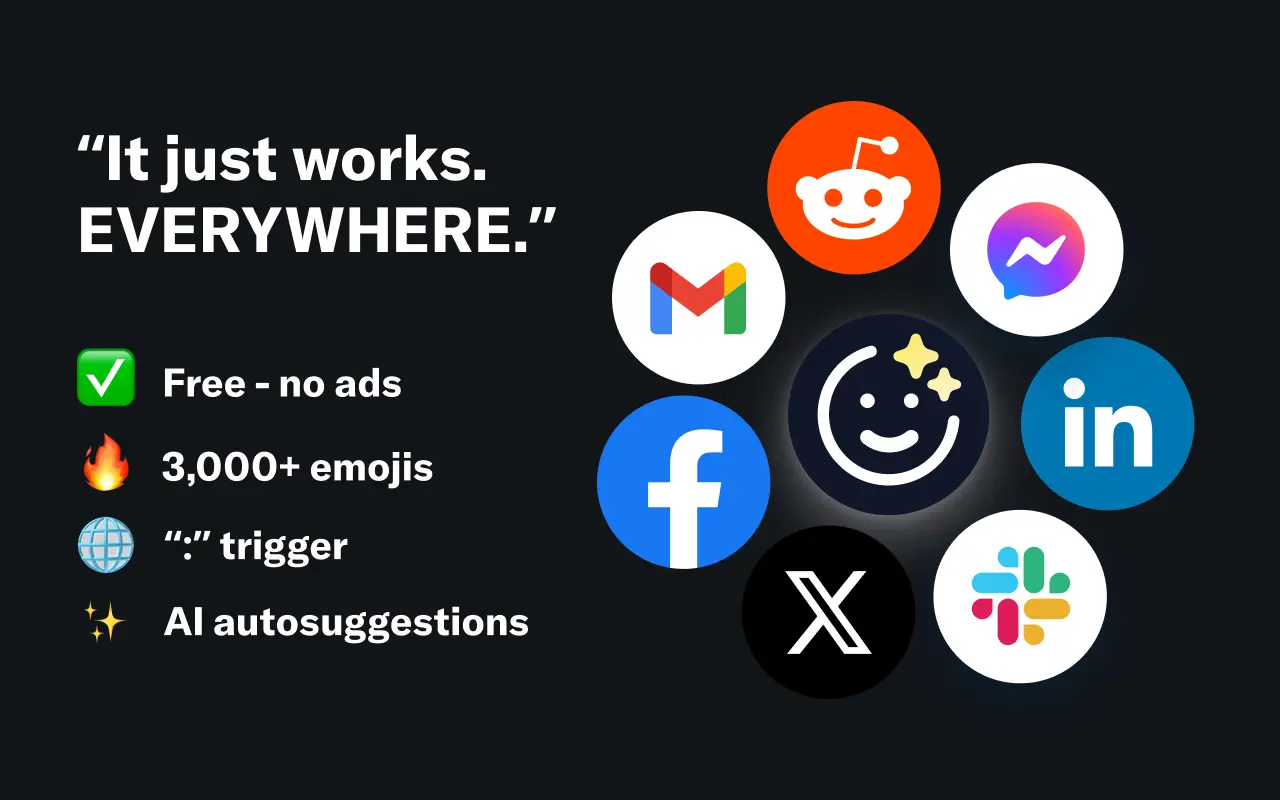
EmojAI
AI-powered emoji picker with smart, context-aware suggestions 🤖

Solohacker
Autonomous company launcher - AI agents work 24/7, escalate what matters, and you stay in control 🤖
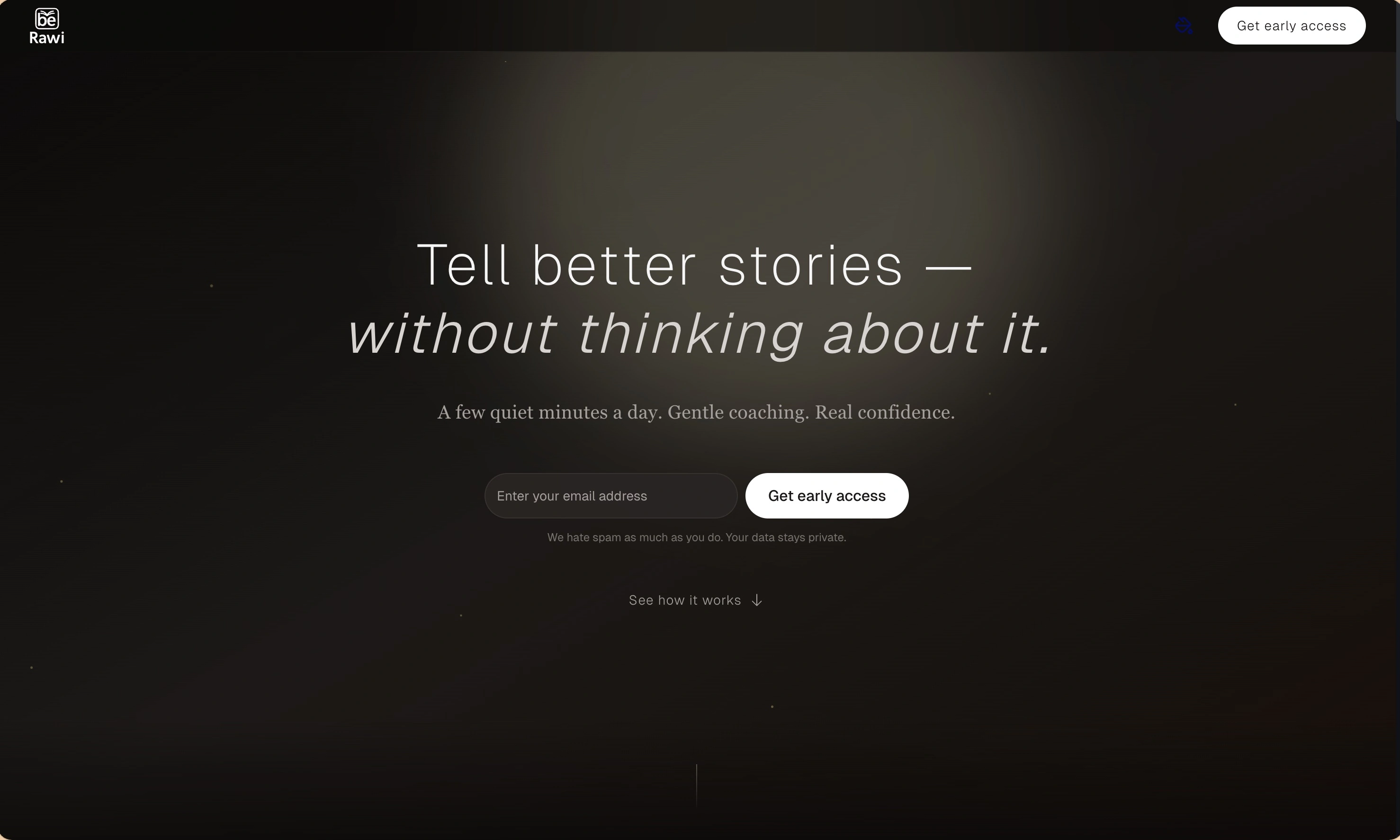
BeRawi: Storytelling Coach
Practice storytelling daily with instant feedback to sound clearer, more engaging, and confident 🎤
Omichat
Chat with 50+ AI models, including ChatGPT and Claude, in one place - switch models anytime without losing context 🤖
Claude Fast
Supercharge your Claude Code with 6x effective context window and specialized AI agents 🤖
EmojAI
AI-powered emoji picker with smart, context-aware suggestions 🤖
Solohacker
Autonomous company launcher - AI agents work 24/7, escalate what matters, and you stay in control 🤖
BeRawi: Storytelling Coach
Practice storytelling daily with instant feedback to sound clearer, more engaging, and confident 🎤
Omichat
Chat with 50+ AI models, including ChatGPT and Claude, in one place - switch models anytime without losing context 🤖
Claude Fast
Supercharge your Claude Code with 6x effective context window and specialized AI agents 🤖
EmojAI
AI-powered emoji picker with smart, context-aware suggestions 🤖
Solohacker
Autonomous company launcher - AI agents work 24/7, escalate what matters, and you stay in control 🤖
BeRawi: Storytelling Coach
Practice storytelling daily with instant feedback to sound clearer, more engaging, and confident 🎤
Omichat
Chat with 50+ AI models, including ChatGPT and Claude, in one place - switch models anytime without losing context 🤖
Claude Fast
Supercharge your Claude Code with 6x effective context window and specialized AI agents 🤖
EmojAI
AI-powered emoji picker with smart, context-aware suggestions 🤖
Solohacker
Autonomous company launcher - AI agents work 24/7, escalate what matters, and you stay in control 🤖
BeRawi: Storytelling Coach
Practice storytelling daily with instant feedback to sound clearer, more engaging, and confident 🎤

Connect with like-minded people
Join our community to get feedback, support, and grow together with 1,000+ builders on board, let's ship it!
Join usShip your startup everywhere. In minutes.
Don't burn tokens on setup and start building features on day one.