GameNight Planner
Easily organize virtual or in-person game and movie nights with friends, featuring scheduling, polls, and integrated streaming/game launch links.
Understanding the user intent behind GameNight Planner
When users search for solutions like "GameNight Planner," their intent is clear: they want a seamless, fun, and efficient way to organize game or movie nights with friends—whether virtually or in-person. They’re looking for tools that simplify scheduling, gather group consensus (polls), and provide direct access to games or streaming services. The ideal solution should remove friction, reduce endless group chats, and make social gatherings easy to coordinate.
This article provides a comprehensive, expert-level analysis of the GameNight Planner SaaS idea, covering its target audience, market opportunity, core features, technology stack, monetization, risks, competitive landscape, and actionable steps for implementation.
Who is the target audience for GameNight Planner?
Understanding the audience is crucial for building a product that resonates and achieves product-market fit. GameNight Planner’s primary users include:
- Casual gamers and movie enthusiasts: Individuals or friend groups who regularly organize game or movie nights, both online and offline.
- Remote teams and communities: Distributed teams seeking virtual social events, or online communities (e.g., Discord servers) wanting to coordinate group activities.
- Families and social circles: Families or friend groups looking for easy ways to plan get-togethers, especially across different locations.
- Event organizers: Small-scale event hosts who need lightweight tools for recurring or one-off entertainment events.
Demographics and psychographics:
- Age: Primarily 16–40, but can extend to older adults who are tech-savvy.
- Tech comfort: Moderate to high; familiar with apps, group chats, and online tools.
- Values: Convenience, social connection, inclusivity, and minimizing planning friction.
Pain points addressed:
- Endless group chats with no consensus on date/time or activity.
- Difficulty coordinating across time zones or platforms.
- Forgetting event details or missing out on invites.
- Hassle of sharing links to games or streaming services.
Identifying the market opportunity and gaps
The social event planning space is crowded, but there are clear gaps when it comes to niche, entertainment-focused planning tools. Most existing solutions fall into two categories:
- Generic event planners (e.g., Doodle, Google Calendar): Great for business or general events, but lack entertainment-specific features like integrated game launch links or streaming service coordination.
- Group chat platforms (e.g., WhatsApp, Discord): Used for coordination, but lack structured scheduling, polling, and direct integration with entertainment platforms.
Key market gaps GameNight Planner addresses:
- Entertainment-first design: Tailored for game and movie nights, not just generic events.
- Integrated launch links: Directly open games or streaming services from the event page.
- Polls for group consensus: Built-in voting for date, time, and activity selection.
- Hybrid support: Equally effective for virtual and in-person gatherings.
- Frictionless invites: Shareable links, calendar integration, and reminders.
Market trends supporting this opportunity:
- Rise of remote socializing: Post-pandemic, virtual hangouts remain popular ([reference: Pew Research Center, 2023]).
- Growth in gaming and streaming: The global gaming market is projected to reach $321 billion by 2026 ([reference: Newzoo, 2023]), and streaming subscriptions continue to rise.
- Desire for lightweight, purpose-built tools: Users increasingly prefer specialized apps over bloated, all-in-one solutions.
Core features and solution details
GameNight Planner’s value lies in its focused, user-friendly feature set. Here’s a breakdown of the essential components:
1. Event scheduling and calendar integration
- Create events: Set up a game or movie night with title, description, date/time, and location (virtual or physical).
- Smart time suggestions: Suggests optimal times based on participants’ availability.
- Calendar sync: Integrates with Google Calendar, Outlook, and Apple Calendar.
2. Polls and group decision-making
- Activity polls: Let participants vote on which game or movie to play/watch.
- Date/time polls: Gather input on the best time for everyone.
- Real-time updates: See poll results live and lock in decisions.
3. Integrated launch and streaming links
- Game launch links: Directly open supported games (e.g., Steam, Epic Games) from the event page.
- Streaming service integration: Share and launch Netflix, Disney+, or YouTube watch parties.
- One-click join: Participants can join virtual rooms or lobbies with a single click.
4. Invitations and reminders
- Shareable invites: Send event links via email, SMS, or social media.
- RSVP tracking: See who’s in, who’s out, and who hasn’t responded.
- Automated reminders: Email or push notifications before the event.
5. Group management and recurring events
- Persistent groups: Save friend groups for quick re-invites.
- Recurring events: Set up weekly or monthly game/movie nights.
6. User profiles and preferences
- Personalized dashboard: See upcoming events, past activities, and recommendations.
- Time zone handling: Automatically adjusts event times for each user.
7. Mobile and desktop accessibility
- Responsive web app: Works seamlessly on all devices.
- (Optional) Native apps: For push notifications and deeper integration.
Scheduling made easy
Smart time suggestions and calendar sync remove the hassle from planning.
Group consensus, simplified
Built-in polls for activity and time ensure everyone has a say.
Instant access to fun
Integrated launch links for games and streaming services mean no more hunting for links.
Recommended tech stack for GameNight Planner
Choosing the right technology stack is critical for scalability, maintainability, and user experience. Here’s an expert-recommended stack, with trade-offs explained:
Frontend
- React: Modern, component-based UI, large ecosystem, and excellent for building responsive web apps.
- TailwindCSS: Utility-first CSS framework for rapid, consistent styling.
- Next.js: Server-side rendering, static site generation, and API routes for a performant, SEO-friendly app.
- PWA support: For installable, app-like experience on mobile.
Trade-offs: React and Next.js offer flexibility and performance, but require more setup than no-code tools. TailwindCSS speeds up styling but has a learning curve for those new to utility-first CSS.
Backend
- Node.js: Non-blocking, scalable backend for real-time features.
- Express: Minimalist web framework for APIs.
- Socket.IO: Real-time communication for live polls and updates.
- Prisma: Type-safe ORM for database access.
Trade-offs: Node.js is great for real-time, but may not be ideal for CPU-intensive tasks. Prisma simplifies database work but adds an abstraction layer.
Database
- PostgreSQL: Reliable, scalable relational database.
- Redis: For caching and real-time session management.
Integrations
- Calendar APIs: Google, Outlook, Apple.
- Game/streaming APIs: Steam, Discord, Netflix (where possible).
- Email/SMS: SendGrid, Twilio.
Hosting and DevOps
- Vercel or Netlify: For frontend hosting and serverless functions.
- Heroku or AWS: For backend and database hosting.
- CI/CD: GitHub Actions for automated testing and deployment.
Monetization strategy options
GameNight Planner is a B2C SaaS, so monetization must balance user growth with revenue. Here are proven strategies:
1. Freemium model
- Free tier: Core features (event creation, basic polls, invites) are free.
- Premium tier: Advanced features (integrations, recurring events, custom branding, analytics) for a monthly or annual fee.
2. Group/Family plans
- Discounted pricing for groups or families, encouraging viral growth.
3. Affiliate partnerships
- Earn commissions by integrating with game stores (e.g., Steam) or streaming services.
4. In-app purchases
- Sell premium event themes, stickers, or customizations.
5. Sponsored content
- Feature promoted games or movies in activity suggestions (clearly marked as sponsored).
Pricing recommendations: Start with a generous free tier to drive adoption, then upsell power users and groups. Benchmark against similar tools (e.g., Doodle, Discord Nitro) for pricing guidance.
Potential risks and mitigation strategies
Launching a B2C SaaS like GameNight Planner comes with challenges. Here’s how to anticipate and address them:
Risk: Difficulty attracting and keeping users in a crowded market.
Mitigation: Focus on viral features (easy invites, group plans), seamless onboarding, and delighting users with entertainment-specific value.
Risk: Some game or streaming platforms may not offer public APIs.
Mitigation: Start with platforms that allow integration, and provide manual link options for others. Monitor API changes and maintain flexibility.
Risk: Handling user data (emails, calendars) requires strong security.
Mitigation: Use industry-standard encryption, comply with GDPR/CCPA, and be transparent about data usage.
Risk: Users may resist paying for features they expect to be free.
Mitigation: Offer real value in premium tiers, keep the free tier generous, and communicate benefits clearly.
Risk: Real-time features and integrations can strain infrastructure as user base grows.
Mitigation: Use scalable cloud services, monitor performance, and optimize code for efficiency.
Competitive advantage analysis
To stand out, GameNight Planner must offer clear, defensible advantages over both generic event planners and group chat platforms.
| GameNight Planner | Doodle | Google Calendar | Discord | |
|---|---|---|---|---|
| ✅ | ❌ | ❌ | ✅ | ❌ |
| ✅ | ❌ | ✅ | ✅ | ❌ |
Unique selling proposition (USP):
- Entertainment-first: Designed specifically for game and movie nights, not generic events.
- Integrated launch links: No other mainstream tool offers direct game/streaming launches from the event page.
- Frictionless group consensus: Built-in polls and reminders reduce planning fatigue.
- Hybrid support: Equally effective for virtual and in-person gatherings.
- Viral growth features: Shareable invites and group management drive organic adoption.
Actionable implementation steps
Building and launching GameNight Planner requires a structured, iterative approach. Here’s a step-by-step roadmap:
Conclusion: Why GameNight Planner is a winning SaaS idea
GameNight Planner fills a real, growing need for effortless, fun, and inclusive social event planning—tailored specifically for the entertainment era. By focusing on user experience, entertainment integrations, and group consensus, it stands out from generic event tools and chat apps. The market trends, clear pain points, and viral growth potential make it a compelling SaaS opportunity.
For founders and builders, the path to success lies in validating with real users, shipping a delightful MVP, and iterating quickly based on feedback. With the right tech stack, monetization strategy, and focus on privacy and security, GameNight Planner can become the go-to platform for game and movie night organizers everywhere.
Frequently asked questions about GameNight Planner
Yes! The platform is designed to support both virtual and physical gatherings, with features like location selection, integrated video/streaming links, and in-person RSVP tracking.
At launch, expect integrations with major calendar platforms, popular game launchers (like Steam), and streaming services (where APIs allow). More integrations will be added based on user demand.
Absolutely. GameNight Planner will use industry-standard encryption, comply with privacy regulations, and never sell your data.
There will be a free tier with core features, and premium plans for advanced integrations and group management. Pricing will be competitive with similar SaaS tools.
Use a SaaS boilerplate like TurboStarter to accelerate your MVP development, and follow the implementation steps outlined above.
Further reading and resources
- React documentation
- TailwindCSS documentation
- Next.js documentation
- Node.js documentation
- Prisma documentation
- TurboStarter for rapid SaaS prototyping
By focusing on the unique needs of entertainment-focused social planning, GameNight Planner is positioned to become an indispensable tool for friend groups, families, and communities everywhere.
More 👥 B2C Application SaaS ideas
Discover more innovative b2c application SaaS ideas that are trending in 2026. Each idea is AI-generated with market validation and growth potential to help you find your next profitable venture faster than competitors.
Your competitors are building with TurboStarter
Below are some of the SaaS ideas that have been generated and built with our starter kit.
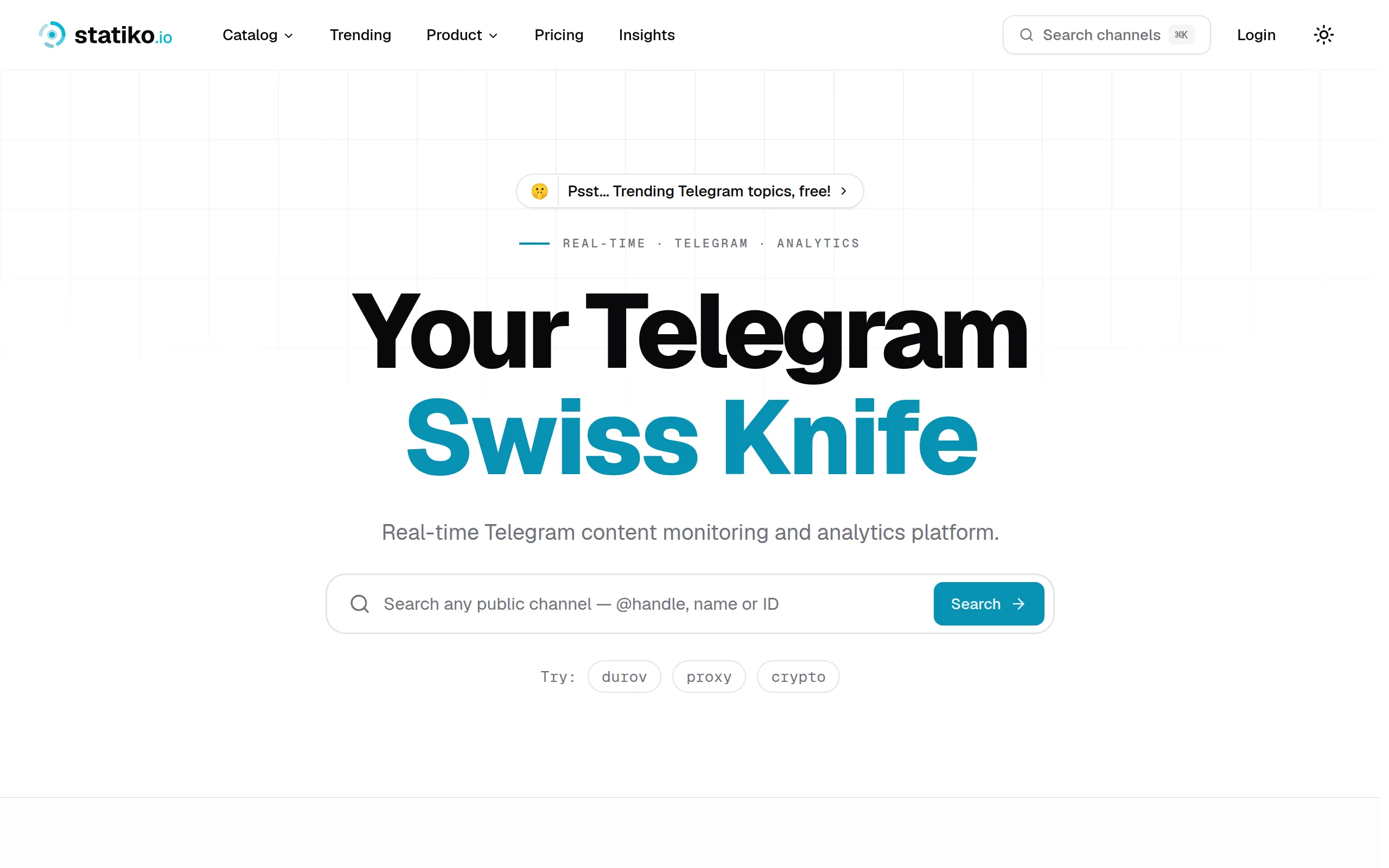
Statiko
Monitor any Telegram channel in real time - track posts, edits, deletions, and growth with AI recaps 📡

Shibui
AI website builder - describe your business, pick a niche template, edit by chatting, and publish instantly ✨

Pro Service
Find verified home service professionals, compare quotes, and pay securely through escrow - built for Brazilians across the US 🏠
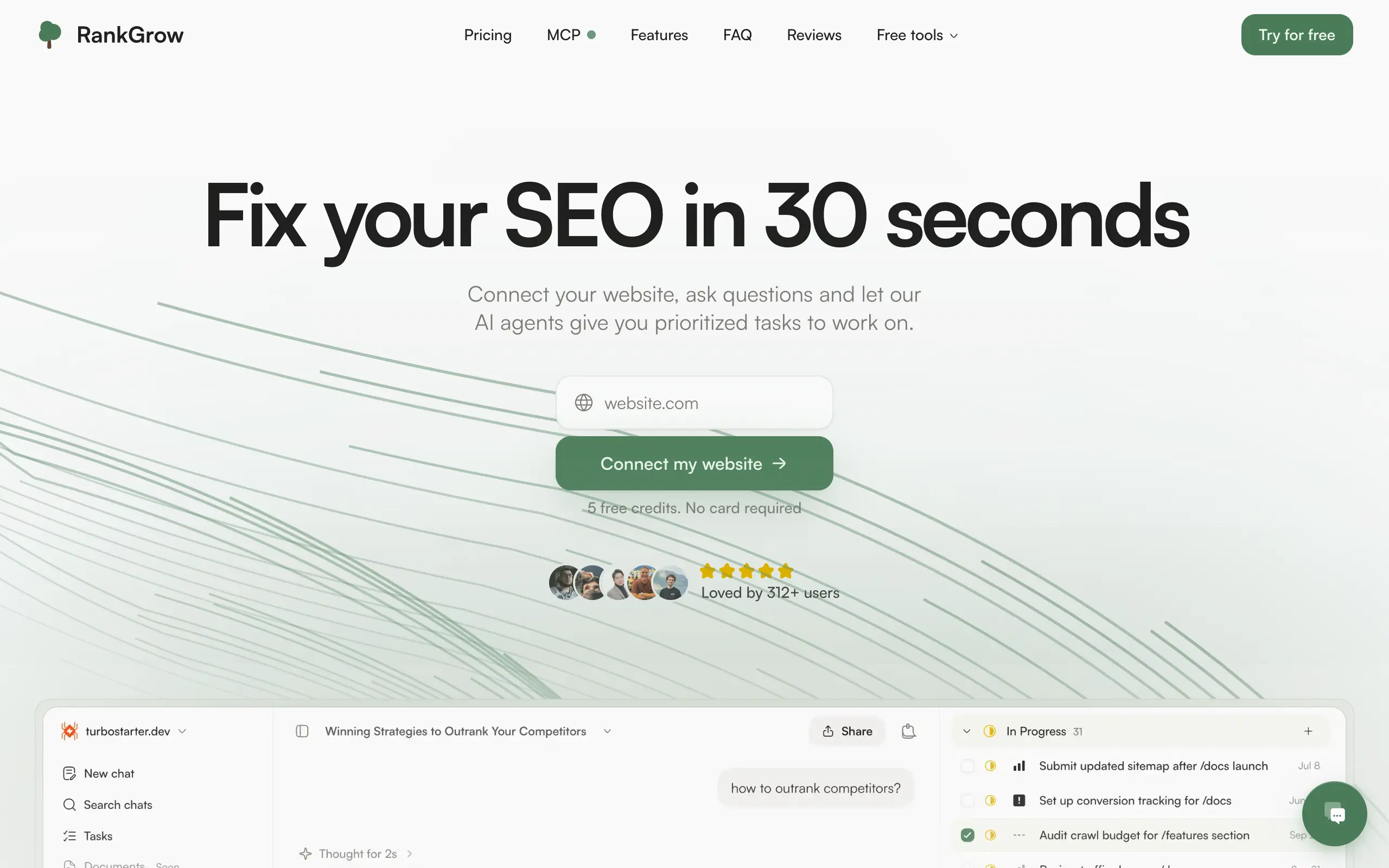
RankGrow
Fix your SEO with AI agents - connect Search Console, get prioritized tasks, and grow organic traffic 📈
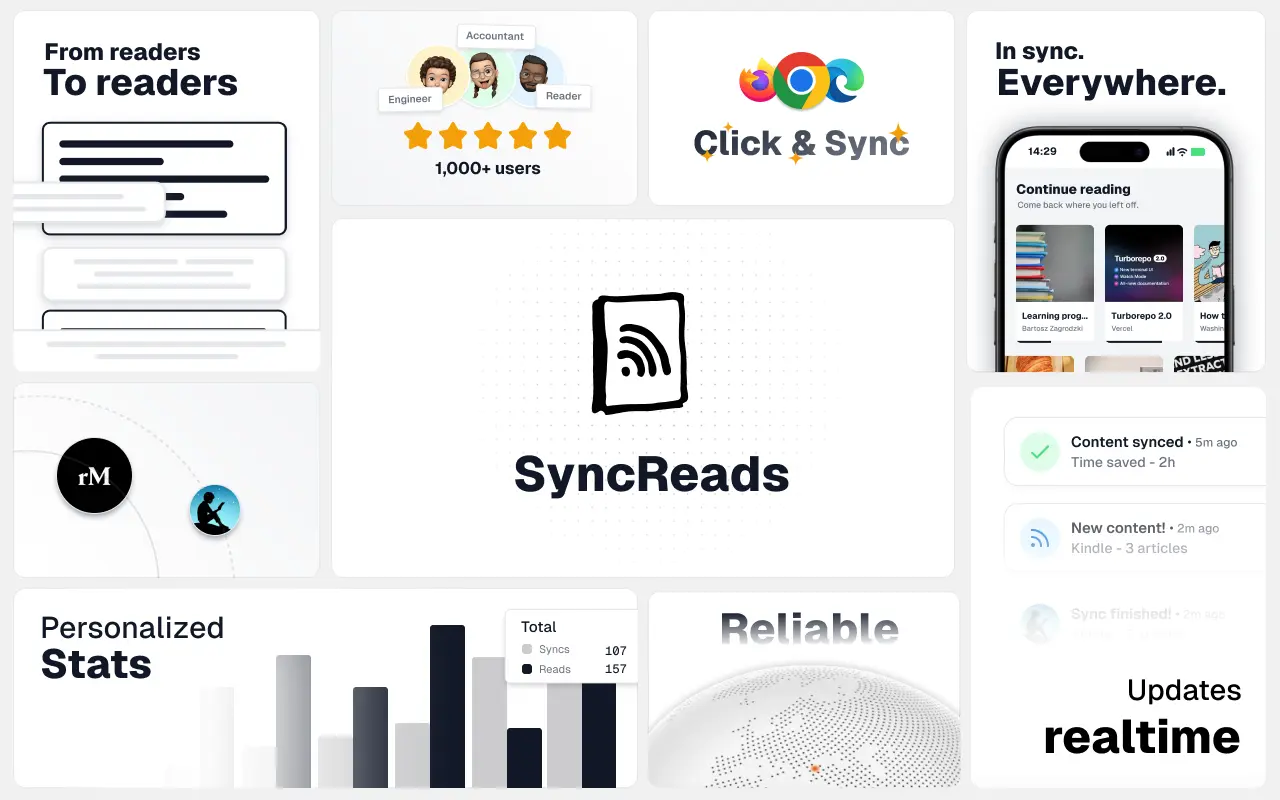
SyncReads
Sync your favorite content for distraction-free reading, save time and replace multiple apps. Anytime, anywhere 🔄
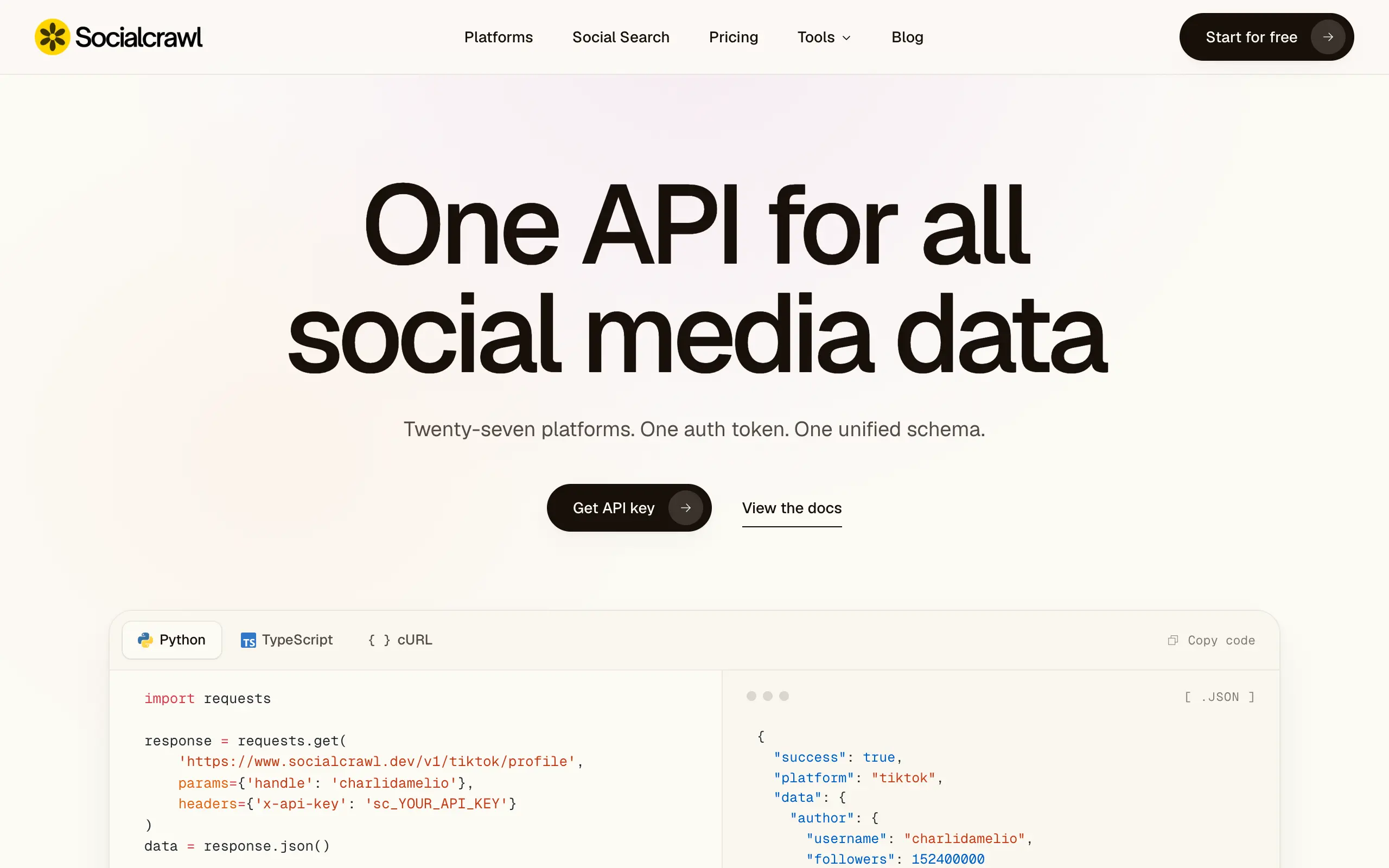
Socialcrawl
Get clean, structured data from 21 platforms like TikTok, Instagram, and YouTube with a single request 📊
Statiko
Monitor any Telegram channel in real time - track posts, edits, deletions, and growth with AI recaps 📡
Shibui
AI website builder - describe your business, pick a niche template, edit by chatting, and publish instantly ✨
Pro Service
Find verified home service professionals, compare quotes, and pay securely through escrow - built for Brazilians across the US 🏠
RankGrow
Fix your SEO with AI agents - connect Search Console, get prioritized tasks, and grow organic traffic 📈
SyncReads
Sync your favorite content for distraction-free reading, save time and replace multiple apps. Anytime, anywhere 🔄
Socialcrawl
Get clean, structured data from 21 platforms like TikTok, Instagram, and YouTube with a single request 📊
Statiko
Monitor any Telegram channel in real time - track posts, edits, deletions, and growth with AI recaps 📡
Shibui
AI website builder - describe your business, pick a niche template, edit by chatting, and publish instantly ✨
Pro Service
Find verified home service professionals, compare quotes, and pay securely through escrow - built for Brazilians across the US 🏠
RankGrow
Fix your SEO with AI agents - connect Search Console, get prioritized tasks, and grow organic traffic 📈
SyncReads
Sync your favorite content for distraction-free reading, save time and replace multiple apps. Anytime, anywhere 🔄
Socialcrawl
Get clean, structured data from 21 platforms like TikTok, Instagram, and YouTube with a single request 📊
Statiko
Monitor any Telegram channel in real time - track posts, edits, deletions, and growth with AI recaps 📡
Shibui
AI website builder - describe your business, pick a niche template, edit by chatting, and publish instantly ✨
Pro Service
Find verified home service professionals, compare quotes, and pay securely through escrow - built for Brazilians across the US 🏠
RankGrow
Fix your SEO with AI agents - connect Search Console, get prioritized tasks, and grow organic traffic 📈
SyncReads
Sync your favorite content for distraction-free reading, save time and replace multiple apps. Anytime, anywhere 🔄
Socialcrawl
Get clean, structured data from 21 platforms like TikTok, Instagram, and YouTube with a single request 📊
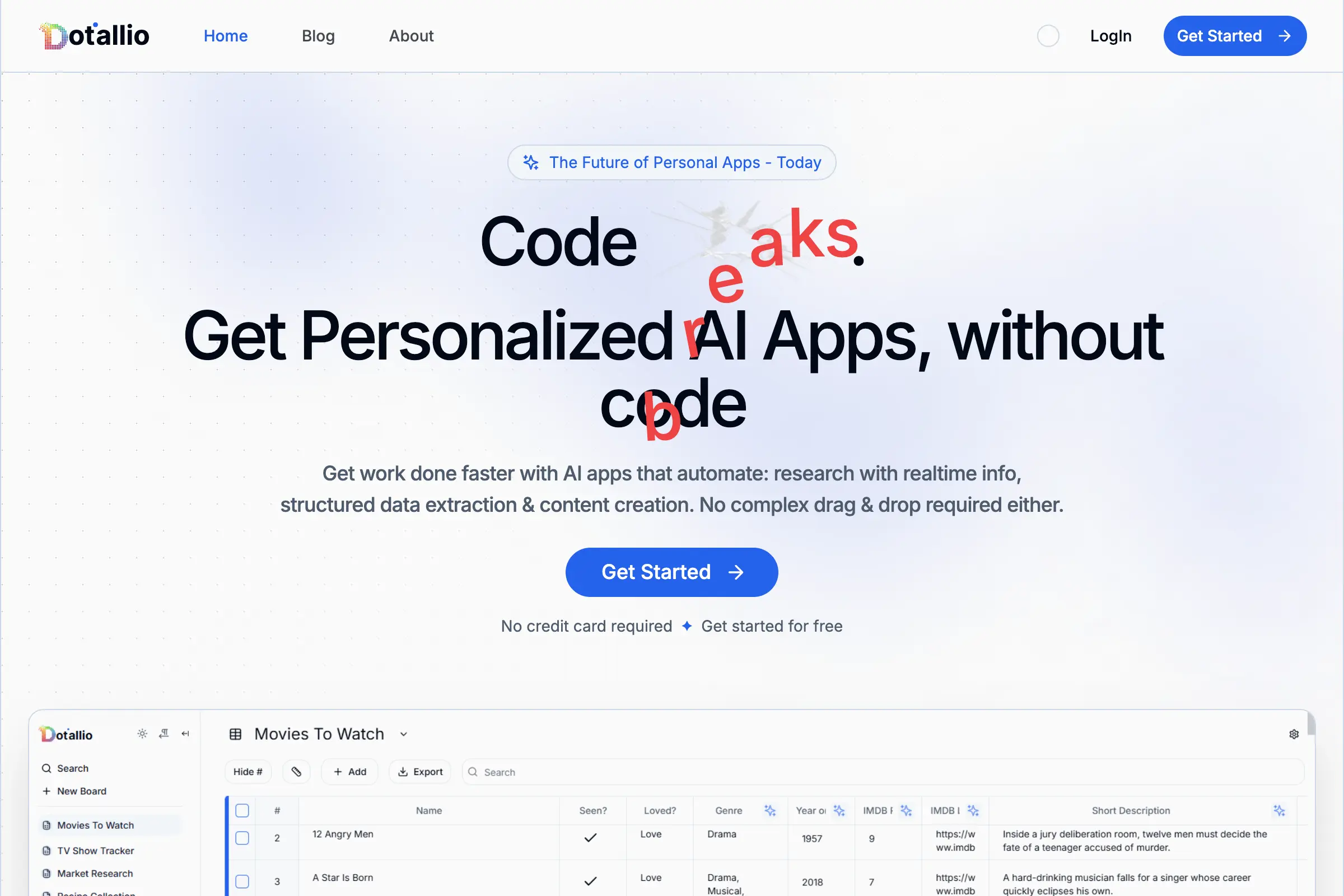
Dotallio
Personalized AI apps that automate research, data extraction, and content creation without code 🤖
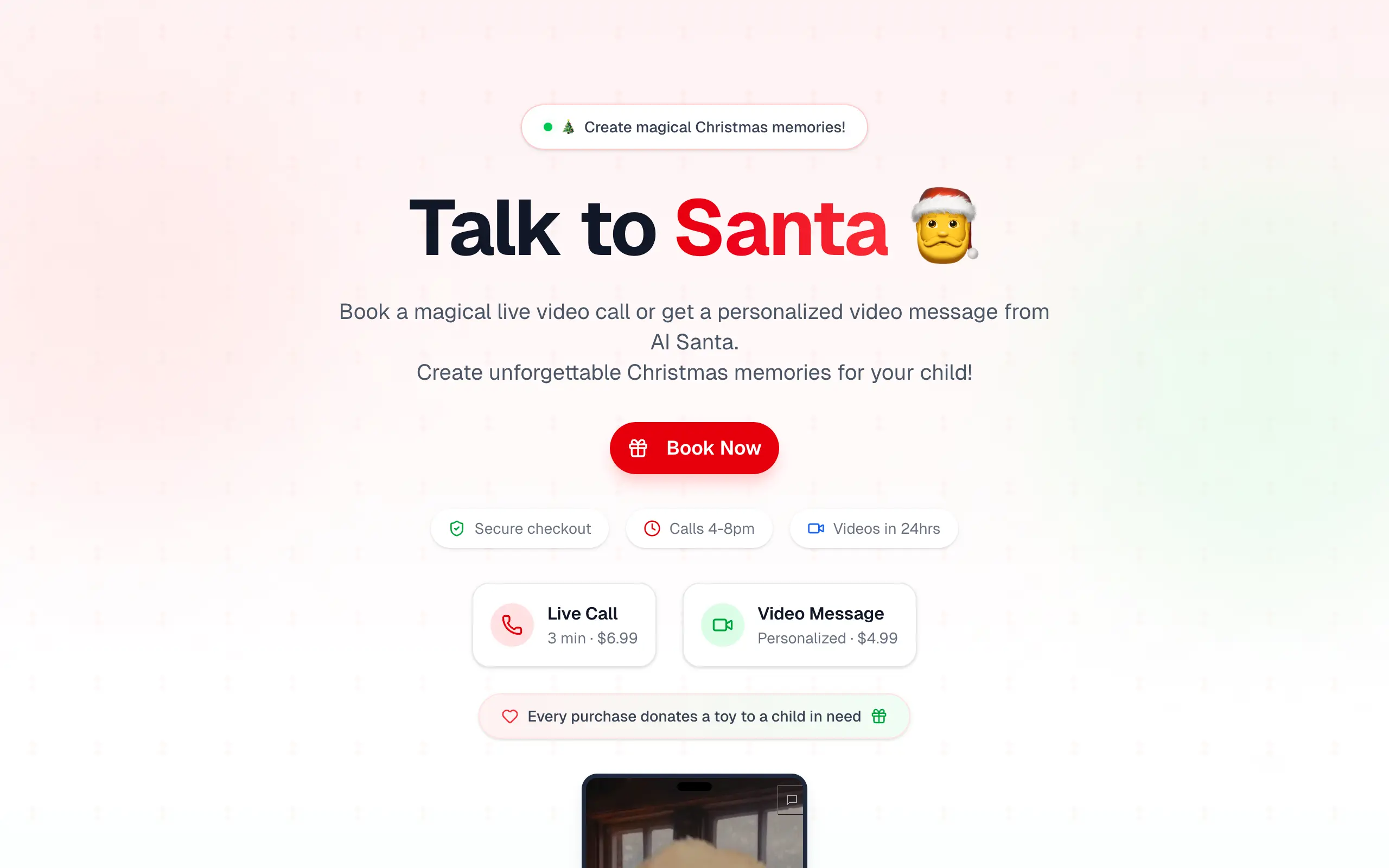
Talk to Santa
Enjoy a magical live video chat or receive a unique AI-generated video greeting from Santa Claus 🎅
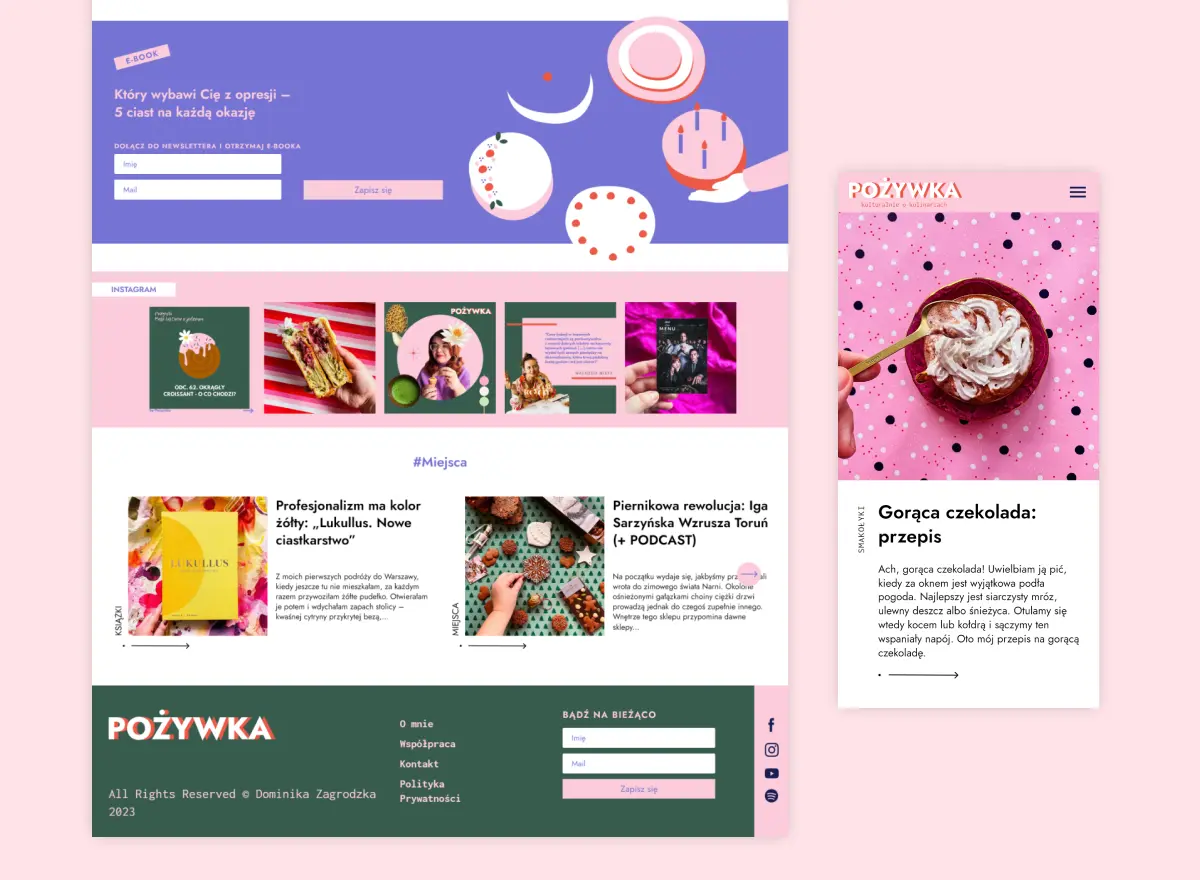
pozywka.pl
Scalable blog for food journalist, focused on performance and user experience 🌭
zagrodzki.me
Personal blog and portfolio of Bart Zagrodzki, where he shares his knowledge and work 💼
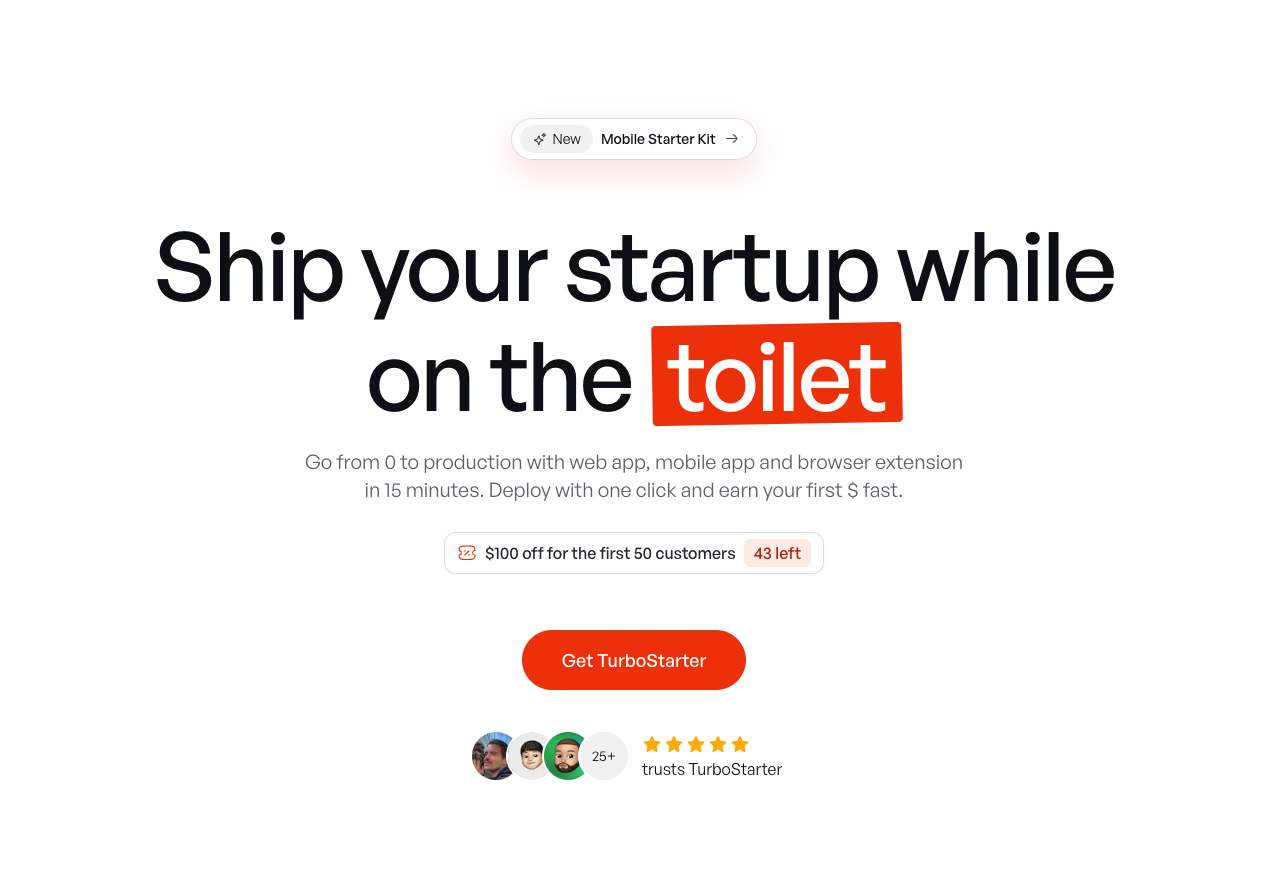
TurboStarter
Ship your startup everywhere. In minutes.
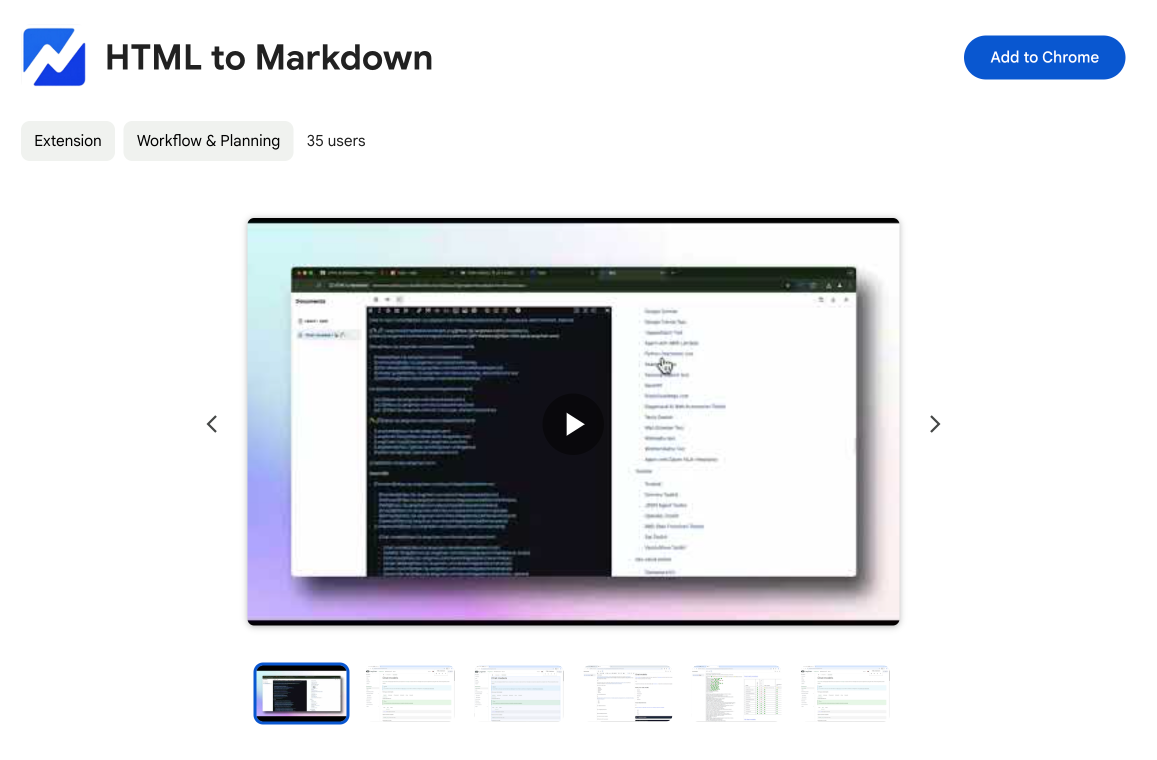
HTML to Markdown
Convert HTML to Markdown with ease, directly in your browser 📄
Dotallio
Personalized AI apps that automate research, data extraction, and content creation without code 🤖
Talk to Santa
Enjoy a magical live video chat or receive a unique AI-generated video greeting from Santa Claus 🎅
pozywka.pl
Scalable blog for food journalist, focused on performance and user experience 🌭
zagrodzki.me
Personal blog and portfolio of Bart Zagrodzki, where he shares his knowledge and work 💼
TurboStarter
Ship your startup everywhere. In minutes.
HTML to Markdown
Convert HTML to Markdown with ease, directly in your browser 📄
Dotallio
Personalized AI apps that automate research, data extraction, and content creation without code 🤖
Talk to Santa
Enjoy a magical live video chat or receive a unique AI-generated video greeting from Santa Claus 🎅
pozywka.pl
Scalable blog for food journalist, focused on performance and user experience 🌭
zagrodzki.me
Personal blog and portfolio of Bart Zagrodzki, where he shares his knowledge and work 💼
TurboStarter
Ship your startup everywhere. In minutes.
HTML to Markdown
Convert HTML to Markdown with ease, directly in your browser 📄
Dotallio
Personalized AI apps that automate research, data extraction, and content creation without code 🤖
Talk to Santa
Enjoy a magical live video chat or receive a unique AI-generated video greeting from Santa Claus 🎅
pozywka.pl
Scalable blog for food journalist, focused on performance and user experience 🌭
zagrodzki.me
Personal blog and portfolio of Bart Zagrodzki, where he shares his knowledge and work 💼
TurboStarter
Ship your startup everywhere. In minutes.
HTML to Markdown
Convert HTML to Markdown with ease, directly in your browser 📄
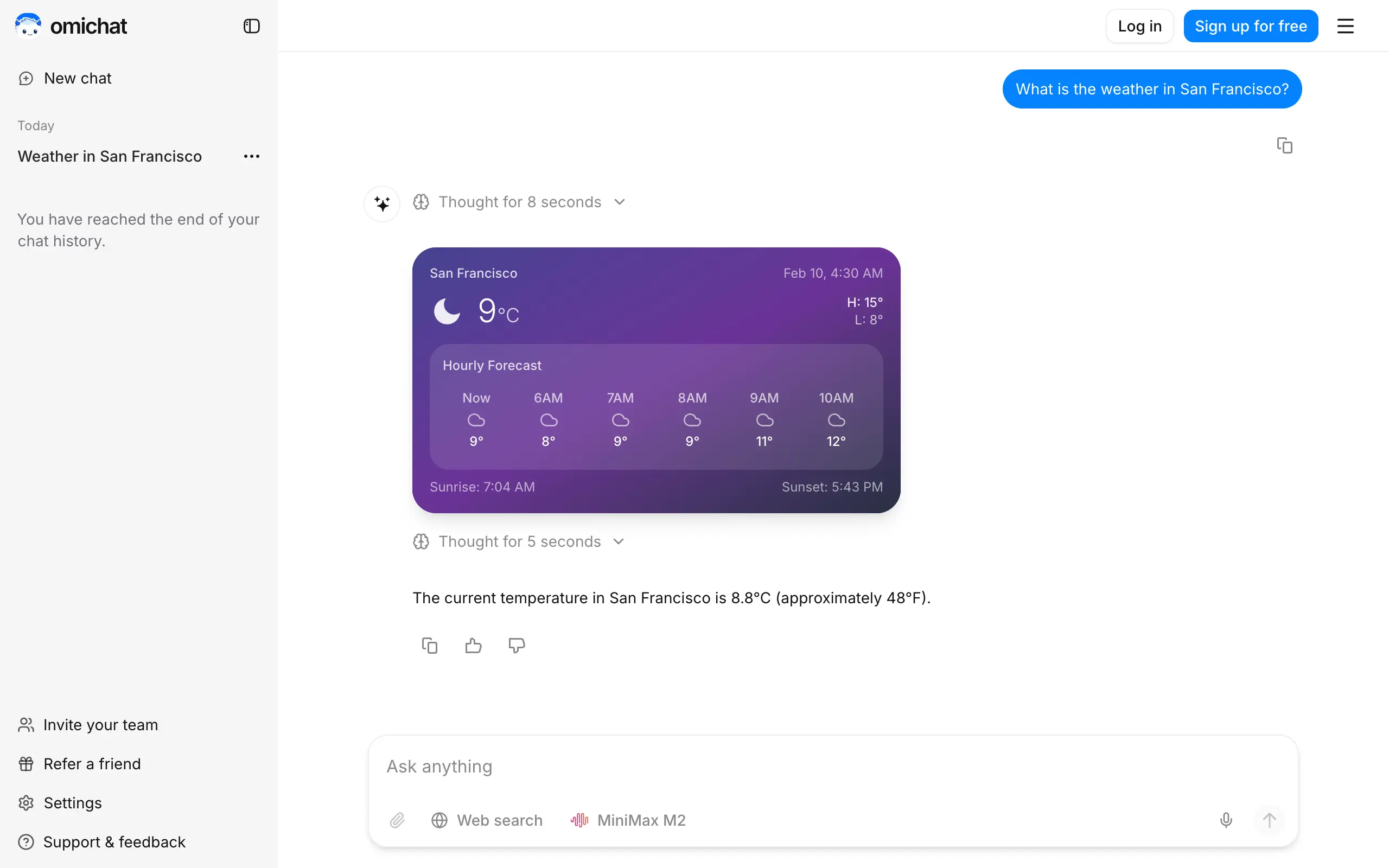
Omichat
Chat with 50+ AI models, including ChatGPT and Claude, in one place - switch models anytime without losing context 🤖
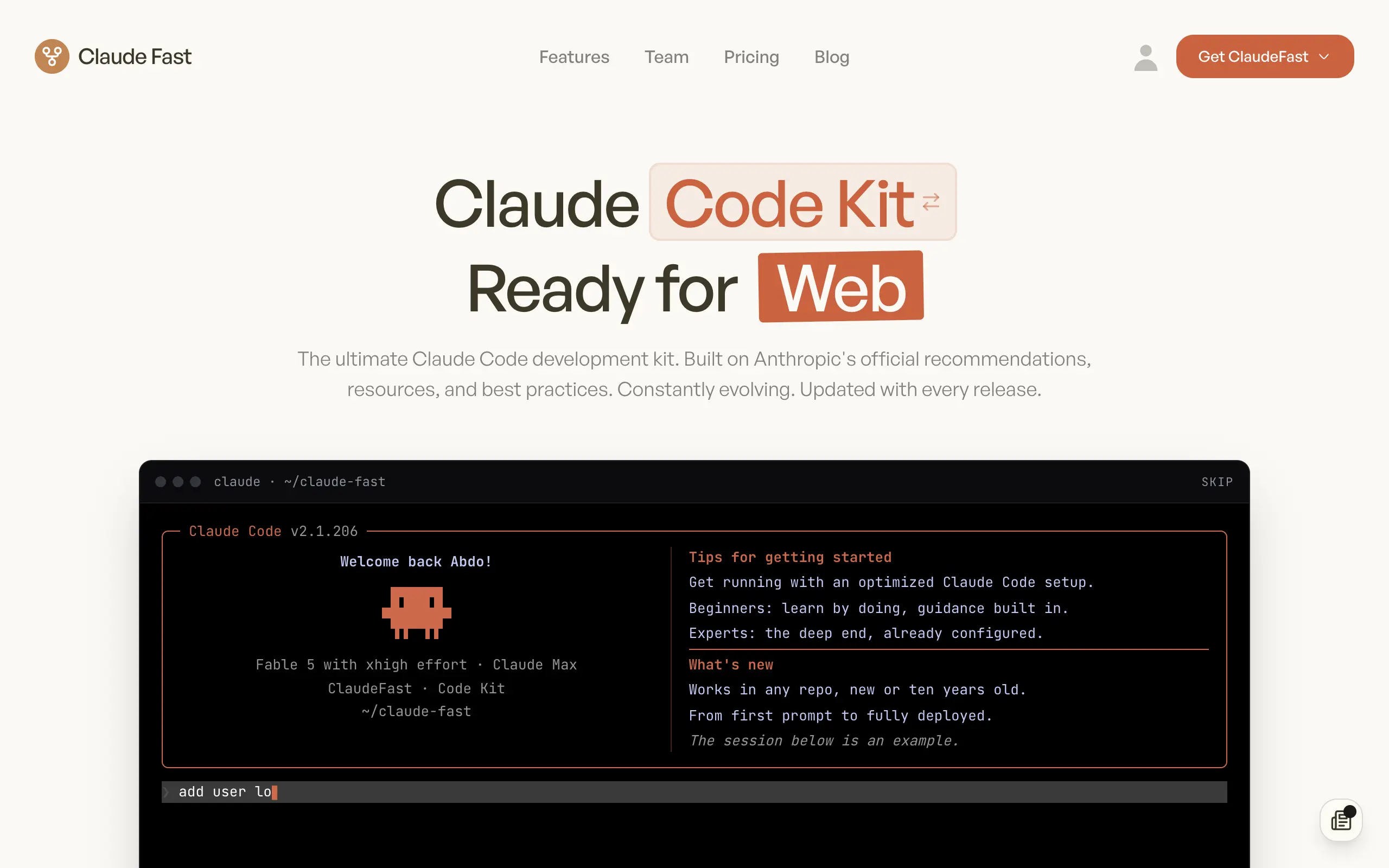
Claude Fast
Supercharge your Claude Code with 6x effective context window and specialized AI agents 🤖
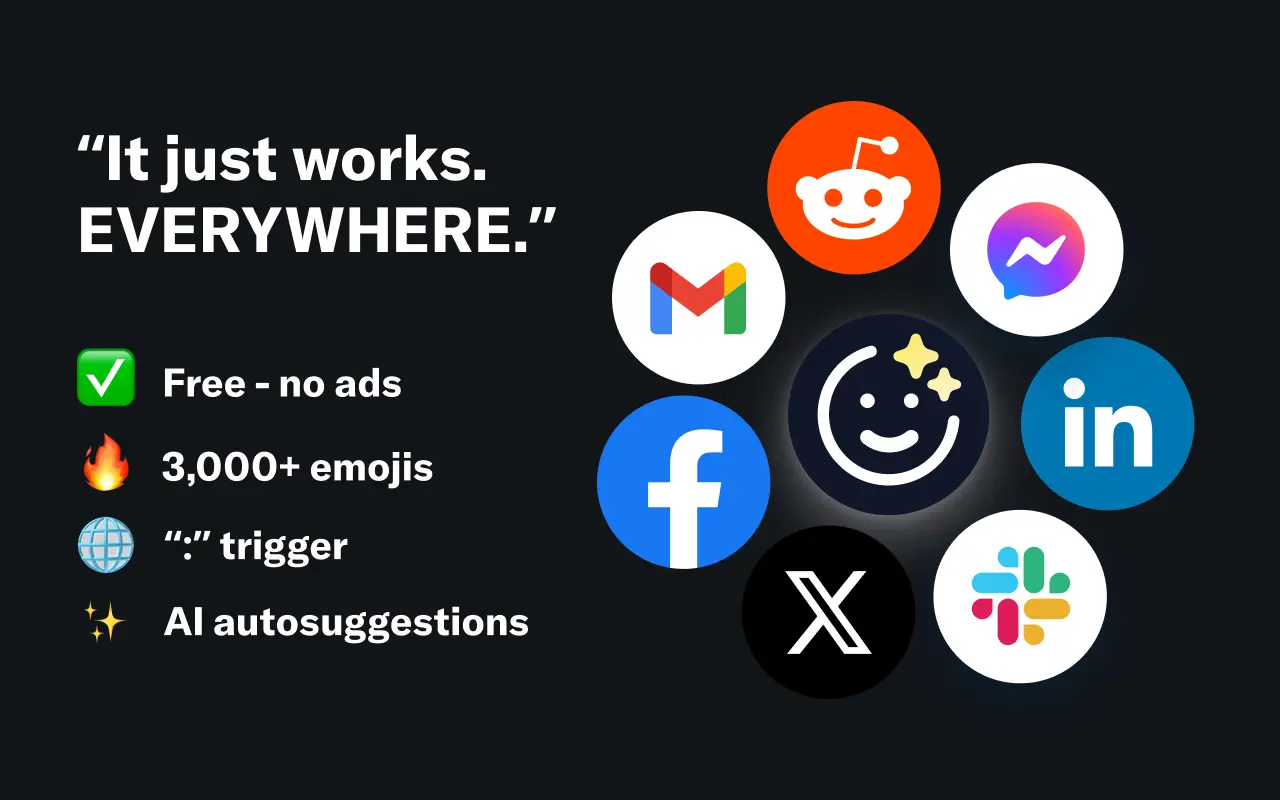
EmojAI
AI-powered emoji picker with smart, context-aware suggestions 🤖
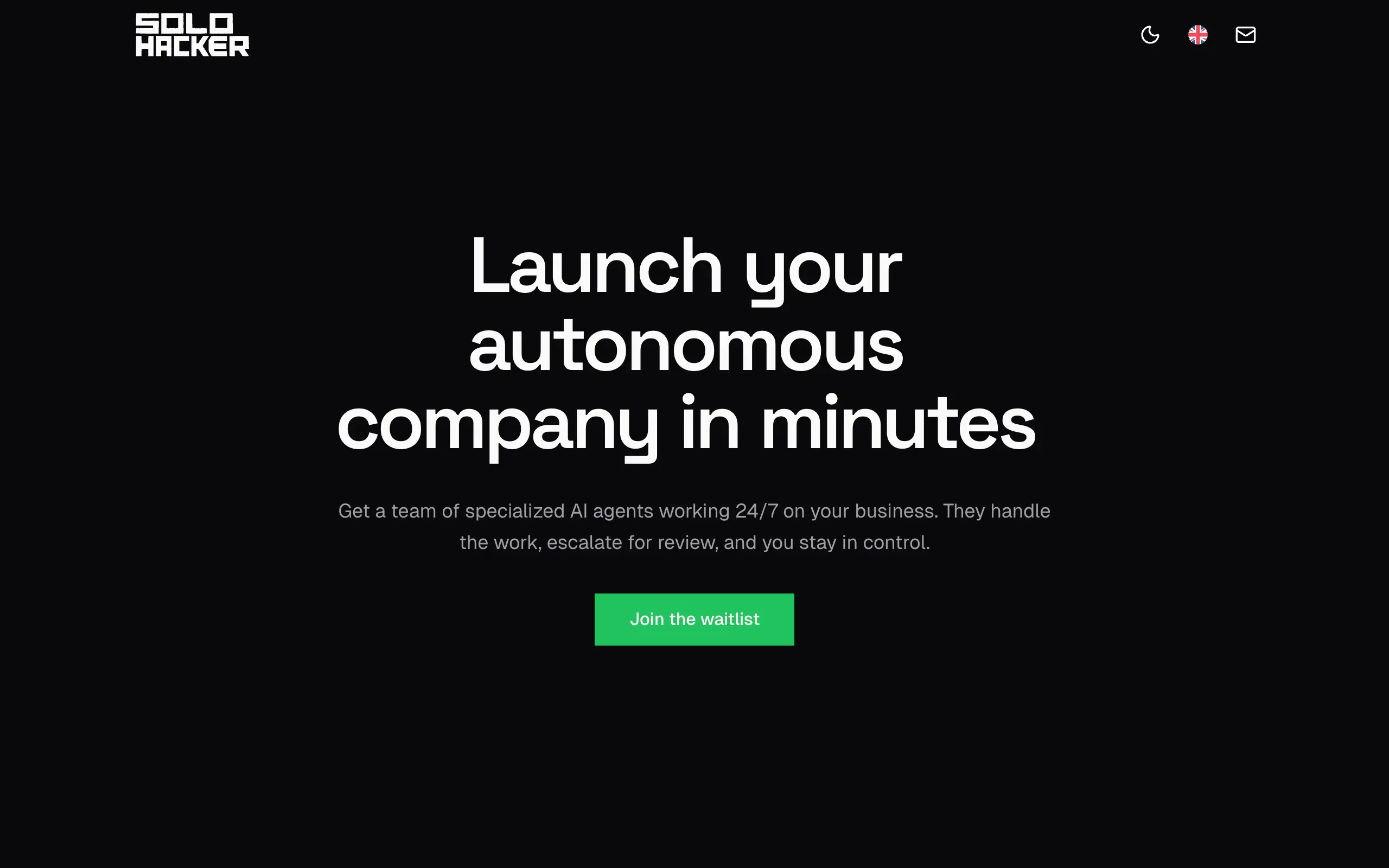
Solohacker
Autonomous company launcher - AI agents work 24/7, escalate what matters, and you stay in control 🤖
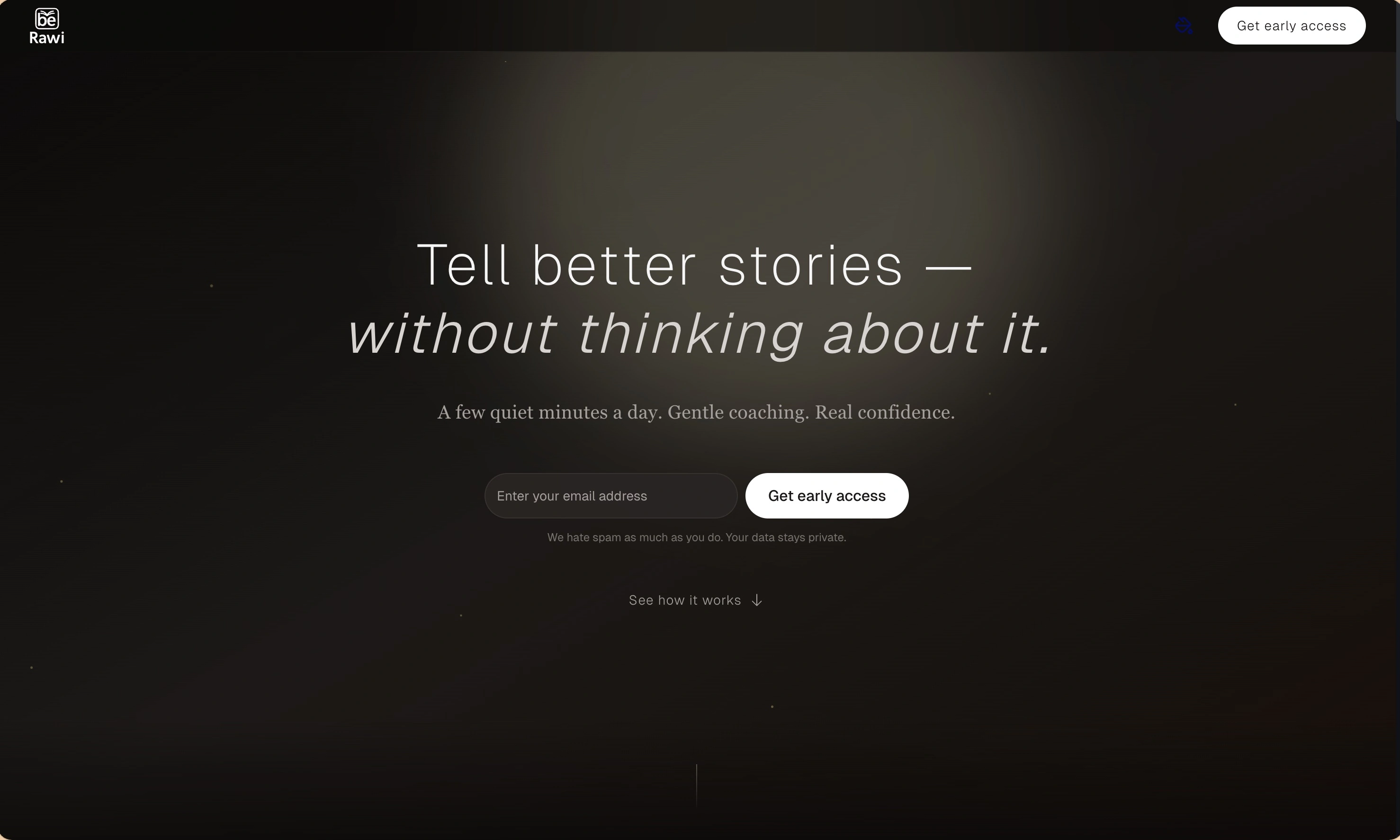
BeRawi: Storytelling Coach
Practice storytelling daily with instant feedback to sound clearer, more engaging, and confident 🎤
Omichat
Chat with 50+ AI models, including ChatGPT and Claude, in one place - switch models anytime without losing context 🤖
Claude Fast
Supercharge your Claude Code with 6x effective context window and specialized AI agents 🤖
EmojAI
AI-powered emoji picker with smart, context-aware suggestions 🤖
Solohacker
Autonomous company launcher - AI agents work 24/7, escalate what matters, and you stay in control 🤖
BeRawi: Storytelling Coach
Practice storytelling daily with instant feedback to sound clearer, more engaging, and confident 🎤
Omichat
Chat with 50+ AI models, including ChatGPT and Claude, in one place - switch models anytime without losing context 🤖
Claude Fast
Supercharge your Claude Code with 6x effective context window and specialized AI agents 🤖
EmojAI
AI-powered emoji picker with smart, context-aware suggestions 🤖
Solohacker
Autonomous company launcher - AI agents work 24/7, escalate what matters, and you stay in control 🤖
BeRawi: Storytelling Coach
Practice storytelling daily with instant feedback to sound clearer, more engaging, and confident 🎤
Omichat
Chat with 50+ AI models, including ChatGPT and Claude, in one place - switch models anytime without losing context 🤖
Claude Fast
Supercharge your Claude Code with 6x effective context window and specialized AI agents 🤖
EmojAI
AI-powered emoji picker with smart, context-aware suggestions 🤖
Solohacker
Autonomous company launcher - AI agents work 24/7, escalate what matters, and you stay in control 🤖
BeRawi: Storytelling Coach
Practice storytelling daily with instant feedback to sound clearer, more engaging, and confident 🎤

Connect with like-minded people
Join our community to get feedback, support, and grow together with 1,000+ builders on board, let's ship it!
Join usShip your startup everywhere. In minutes.
Don't burn tokens on setup and start building features on day one.