Good Turn
Find meaningful one-hour ways to help nearby, from micro-volunteering to neighbor tasks. Match by skills, availability, and verified local needs.
Good Turn is a B2C local impact platform built around a simple but powerful promise: anyone should be able to do meaningful good in about one hour. Instead of asking people to commit to long volunteer shifts, complicated onboarding processes, or distant causes, the platform matches them with verified nearby needs based on their skills, location, availability, accessibility requirements, and preferred type of help.
The opportunity sits at the intersection of micro-volunteering, neighborhood mutual aid, community care, and flexible digital marketplaces. People increasingly want to contribute to their communities, but many cannot commit to recurring schedules. At the same time, local nonprofits, older adults, caregivers, schools, community groups, and neighbors often need small but urgent tasks completed quickly.
A well-executed micro-volunteering app can turn fragmented local demand into trusted, manageable, one-hour acts of service.
Why the one-hour volunteering model matters
Traditional volunteering often assumes that participants have abundant free time, reliable transportation, and the ability to make recurring commitments. That leaves out a large group of potential helpers, including busy professionals, students, parents, retirees with limited mobility, and people who want to contribute without joining a formal organization.
Good Turn reduces the friction between intent and action.
Someone may have an hour before dinner, a free lunch break, or an open Saturday morning. They may not be ready to join a committee or commit to a monthly shift. However, they may be able to:
- Pick up groceries for a neighbor recovering from surgery
- Translate a short document for a local nonprofit
- Help a student practice for an interview
- Walk a dog for an elderly resident
- Deliver supplies to a food pantry
- Make a few calls for a community fundraiser
- Help a small charity set up an online donation page
- Spend an hour reading with children at a nearby school
- Assist a neighborhood group with event setup
- Complete a remote digital task for a mission-driven organization
The core insight is that many community needs are small, time-bound, and local. The problem is not always a lack of willing people. It is a lack of trusted discovery, matching, coordination, and verification.
The behavioral advantage
The strongest value proposition is not simply “find volunteer opportunities.” It is “turn one available hour into a verified local impact.” That framing makes participation feel practical, immediate, and achievable.
Target audience for a micro-volunteering app
Good Turn should not attempt to serve every community participant with the same experience. The marketplace becomes more useful when user journeys, recommendations, and trust features reflect the needs of distinct groups.
Time-constrained individuals who want to help locally
This is likely the largest consumer audience for Good Turn. These users care about impact, but their schedules make traditional volunteering difficult.
Typical characteristics include:
- Professionals with irregular schedules
- Parents with narrow windows of availability
- Students seeking experience or service hours
- Remote workers looking for meaningful local connection
- New residents who want to meet people and contribute
- Retirees who want flexible, low-pressure ways to help
- People who value civic participation but dislike administrative friction
Their primary need is convenience without compromising authenticity. They want to know that a task is real, close by, safe, and genuinely useful.
For this segment, the ideal experience is a fast path from opening the app to reserving a task. A user should be able to state, “I have one hour this afternoon and can help with errands,” then receive a short list of relevant, verified options.
Local nonprofits and community organizations
Nonprofits frequently need help with small operational tasks that do not justify a full volunteer campaign. These tasks can be urgent, irregular, or too lightweight for existing volunteer management systems.
Examples include:
- Delivering materials to an event venue
- Sorting donations for one hour
- Updating a spreadsheet
- Capturing photos at a community event
- Posting flyers around a neighborhood
- Making reminder calls to participants
- Translating a short resource guide
- Helping with social media content
- Filling a sudden staffing gap
These organizations need reliable volunteers, clear task completion records, low administrative overhead, and safeguards for vulnerable populations. They do not need another complex enterprise system that requires weeks of configuration.
Good Turn can become valuable by offering a lightweight nonprofit dashboard that converts specific needs into well-scoped micro-volunteer opportunities.
Neighbors and informal community networks
A large portion of local help happens outside formal nonprofits. A neighbor may need someone to bring in a package, help carry boxes, troubleshoot a smartphone, or accompany them on a short walk after an injury.
This audience is valuable but requires stricter safety design. The platform should avoid becoming an unmoderated local task board. Instead, it should create structured task categories, identity checks, escalation processes, location privacy controls, and community reporting.
Schools, universities, and early-career participants
Students often seek community service opportunities, practical experience, and evidence of civic engagement. Schools and universities may also need a way to promote local service opportunities that fit around classes.
A student-oriented experience could include:
- Verified service hour tracking
- Downloadable completion certificates
- Skill tags such as writing, tutoring, design, or event support
- Portfolio-friendly impact summaries
- Campus-specific local opportunity feeds
- Team volunteering challenges
This audience can support early marketplace liquidity because students are often flexible, digitally native, and motivated by both social impact and career development.
The market gap Good Turn can own
The volunteer technology market includes nonprofit volunteer management platforms, broad opportunity directories, gig marketplaces, neighborhood forums, and mutual-aid groups. Each solves part of the problem, but few focus tightly on verified, one-hour, skill-aware local help.
Good Turn’s gap is the space between formal volunteering and informal favors.
| Solution type | Strength | Common limitation | Good Turn opportunity | Primary user |
|---|---|---|---|---|
| Traditional volunteer portals | Structured nonprofit listings | Often built around recurring shifts | Make flexible one-hour tasks easy to discover | Nonprofits and planned volunteers |
| Neighborhood forums | High local awareness | Inconsistent verification and task structure | Offer trusted matching and completion flows | Neighbors |
| Gig marketplaces | Fast matching and scheduling | Commercial rather than community-first incentives | Center impact, volunteering, and mission alignment | Task requesters and workers |
| Mutual-aid groups | Strong community motivation | Manual coordination and uneven safety controls | Provide scalable workflows without losing local trust | Community organizers |
The market opportunity is not merely to list opportunities. It is to create a reliable operating system for small acts of local assistance.
That requires solving five difficult problems at the same time:
- Need quality through structured, verified requests.
- Match quality through skills, time, distance, and preferences.
- Safety through identity, moderation, and controlled communications.
- Completion reliability through reminders, check-ins, and fallback workflows.
- Impact proof through verified outcomes rather than vague participation claims.
A successful local volunteer matching platform becomes more valuable as it learns what people can do, when they are available, and which organizations or neighborhoods consistently create high-quality tasks.
Good Turn’s unique selling proposition
Good Turn should position itself as the fastest safe route from available time to meaningful local impact.
The strongest USP is:
Verified local help, matched to the hour you actually have.
This is more focused than a generic volunteer directory and more mission-aligned than a task marketplace. The platform should make every task feel specific, credible, manageable, and useful.
The product must answer the questions users silently ask before they volunteer:
- Is this need real?
- Can I genuinely complete it in the time shown?
- Is it close enough or remote enough for me?
- Will I be safe?
- Does my skill actually matter here?
- What happens if plans change?
- Can I see the difference my help made?
One-hour first
Tasks are designed, labeled, and filtered around a realistic one-hour commitment rather than vague volunteer availability.
Local and verified
Users see nearby needs from trusted organizations, reviewed community members, and moderated request flows.
Skills create better matches
People can contribute practical capabilities such as tutoring, translation, driving, design, technology, and event support.
Impact is visible
Completion confirmations and outcome summaries help volunteers understand the real value of their contribution.
Core features for Good Turn
The initial product should prioritize trust, matching quality, and repeat engagement. A broad feature list is less important than a clear path to successful task completion.
Personalized onboarding and skill profiles
The onboarding process should feel brief, but it must collect enough information to produce useful matches.
Recommended profile inputs include:
- Location or preferred service radius
- Remote, in-person, or hybrid preference
- Typical availability windows
- Transportation access
- Skills and interests
- Languages spoken
- Physical activity preferences or limitations
- Causes the user cares about
- Age and safeguarding eligibility where relevant
- Background check status where required
- Notification preferences
Avoid asking every question at once. Progressive profiling works better. Ask only what is necessary for an initial recommendation, then gather optional information as users engage.
For example, a new user can begin with location, available time, and top causes. When they attempt to reserve a tutoring task, the app can request relevant experience or background-check information.
Structured one-hour task creation
Task quality is essential to marketplace trust. Requesters should not be allowed to post vague prompts such as “need help sometime this week.”
Instead, task creation should require structured fields:
- Task title
- Category
- Exact expected duration
- Start window or deadline
- Location type
- Required skills
- Accessibility information
- Number of volunteers needed
- Safety requirements
- Contact method
- Clear completion criteria
- Photos or documents when appropriate
- Organization or requester verification status
A strong task template prevents scope creep. If a requester needs three hours of help, the platform can recommend splitting that need into three one-hour tasks or labeling it accurately as a longer commitment.
Smart matching and recommendations
The matching engine should initially use explainable rules rather than a black-box algorithm. Users trust recommendations more when they understand why an opportunity appears.
A simple matching score can combine:
- Distance from the volunteer
- Calendar and time-window overlap
- Skill relevance
- Cause affinity
- Task urgency
- Reliability history
- Accessibility fit
- Prior task preferences
- Whether the task is remote or in-person
The product interface should explain recommendations in plain language, such as:
- “Matches your Spanish language skill”
- “Only 12 minutes away”
- “Fits your available time this evening”
- “Supports a cause you follow”
- “Posted by a verified local organization”
As the marketplace grows, Good Turn can add machine learning carefully. The goal should be better relevance, not opaque automation. In a community platform, explainability and fairness matter as much as conversion rate.
Verification, trust, and safety tools
Safety is not a feature to defer until after growth. It is part of the product’s core value proposition.
Verification should be tiered. A food pantry with an established registration number or recognized web presence may receive a higher trust level than a newly created individual requester. Volunteers can also earn trust over time through completed tasks, identity verification, and positive feedback.
A practical trust system may include:
- Email and phone verification
- Identity verification for higher-risk categories
- Organization verification for nonprofits and community groups
- Optional background checks for sensitive roles
- Verified badge definitions that clearly explain scope
- In-app communication that protects personal contact information
- Location sharing only after a task is accepted
- Task reporting and emergency escalation options
- Moderator review queues
- Anti-fraud signals for suspicious posting patterns
- Two-way post-task feedback
Do not overstate verification
A badge should never imply that a volunteer or requester is universally safe. Explain exactly what was checked, when it was checked, and what the platform does not guarantee. Clear language is both safer and more trustworthy.
Scheduling, reminders, and no-show prevention
The highest-risk moment in local matching is the period between acceptance and completion. A volunteer may forget, experience an emergency, or realize they misunderstood the task. A requester may also cancel or change the scope.
Good Turn should include:
- One-tap task acceptance
- Calendar integration
- Confirmation reminders
- Check-in prompts before the task starts
- Cancellation flows with reason options
- Waitlists for popular or urgent tasks
- Backup volunteer notifications
- Requester confirmation of completion
- No-show tracking with fair appeal mechanisms
- Repeat reliability indicators
Reliability should not become punitive by default. People volunteer around real-life constraints. The system should distinguish between a rare emergency cancellation and repeated last-minute no-shows.
Impact records and personal contribution history
People are more likely to return when they can see a clear record of their contribution. After a completed task, volunteers should receive a concise impact update.
Examples include:
- “Your delivery helped stock 18 family grocery boxes.”
- “Your translation made this resource available to 42 families.”
- “Your hour of tutoring supported a student preparing for an exam.”
- “Your event setup help allowed the clinic to serve more attendees.”
These statements should be submitted or approved by the requester and should avoid inflated claims. Where direct outcomes cannot be measured, Good Turn can report verified activity data such as time contributed, task type, organization served, or people reached.
An impact dashboard can show:
- Total hours contributed
- Tasks completed
- Causes supported
- Skills used
- Neighborhoods helped
- Repeat organizations supported
- Verified service history
- Optional shareable achievement summaries
Building supply and demand in the same neighborhood
Local marketplaces face a classic cold-start challenge. Volunteers will not return if there are no relevant tasks. Organizations will not post needs if no reliable volunteers are available.
The best response is not to launch everywhere. It is to launch with density.
Start with a focused geographic wedge
Choose a specific geography where Good Turn can build community awareness and operational quality. Possible launch wedges include:
- A university town
- A dense urban neighborhood
- A city with active nonprofit networks
- A corporate campus district
- A region with strong civic technology programs
- A city recovering from a local disruption where community support is visible
A focused launch makes manual marketplace work possible. The founding team can personally onboard organizations, review task quality, gather feedback, and ensure volunteers have good first experiences.
Seed the platform with trusted organizations
The early supply side should prioritize organizations that already have credible local missions and recurring operational needs.
Strong initial partners may include:
- Food banks
- Libraries
- Community centers
- School support organizations
- Animal shelters
- Refugee support groups
- Senior support nonprofits
- Environmental cleanup groups
- Local health outreach organizations
- Neighborhood associations
These organizations can provide consistent, legitimate tasks. They also reduce the risk of the platform appearing empty or unsafe.
Design for repeat behavior
The real growth engine is not a one-time sign-up. It is the user who completes one task successfully, feels good about the experience, and returns next week.
Retention loops can include:
- Personalized weekly opportunity digests
- Saved causes and skill alerts
- Streaks that reward consistency without guilt
- Neighborhood impact milestones
- Team volunteering with friends or coworkers
- Follow buttons for favorite organizations
- Seasonal campaigns tied to local needs
- Thank-you messages from requesters
- Simple rebooking for recurring micro-tasks
The tone should remain community-centered. Avoid over-gamifying care work in ways that make volunteering feel transactional or competitive.
Recommended tech stack for Good Turn
The best technology stack depends on team strengths, speed requirements, budget, and expected scale. For an early-stage SaaS-enabled consumer platform, the priority is rapid iteration with a foundation that can support secure data handling and marketplace workflows.
A practical stack could use React for the web application, Next.js for full-stack rendering and routing, TypeScript for safer development, and Tailwind CSS for a consistent design system.
Suggested application architecture
Frontend: Next.js with React and TypeScript provides fast iteration, server rendering, SEO-friendly public opportunity pages, and a mature ecosystem.
Database: PostgreSQL is a strong default for users, tasks, availability, verification states, messages, and audit records.
Authentication: Use a mature authentication provider or carefully implemented secure session management with role-based access.
Maps: Add geocoding, distance calculations, and privacy-aware location display through a reputable maps provider.
Notifications: Use email first, then add push and SMS selectively for urgent task reminders.
Search: Start with database filtering and geographic indexes. Introduce dedicated search infrastructure only when filtering complexity and data volume justify it.
Matching: Begin with transparent rules and event tracking. Add ranking models after collecting enough high-quality completion data.
Moderation: Build internal operations tools early because safety workflows do not scale through spreadsheets forever.
Analytics: Track marketplace metrics by neighborhood, task category, organization, and verification tier.
PostgreSQL is especially suitable because Good Turn has relational data. A task relates to a requester, one or more volunteers, an address or service region, skill requirements, messages, completion evidence, and moderation history. This structure is easier to manage safely in a relational database than in a document-first approach.
For location queries, use geospatial capabilities or a managed service that supports efficient radius searches. Do not expose exact home addresses in public task listings. A listing can show an approximate area before acceptance, then reveal precise details only when necessary.
Core data model considerations
The core entities should include:
- User profiles
- Organization profiles
- Verification records
- Tasks
- Task applications or reservations
- Availability windows
- Skills and causes
- Messages
- Reviews and incident reports
- Notifications
- Completion confirmations
- Impact outcomes
- Audit logs
Audit logs are particularly important. When disputes arise, the platform needs a secure record of significant events such as task edits, acceptance timestamps, cancellations, verification changes, and moderator actions.
A simplified TypeScript model might look like this:
type TaskStatus =
  | "draft"
  | "pending_review"
  | "published"
  | "matched"
  | "in_progress"
  | "completed"
  | "cancelled";

type GoodTurnTask = {
  id: string;
  requesterId: string;
  title: string;
  category: string;
  estimatedMinutes: number;
  startsAt: Date;
  status: TaskStatus;
  isRemote: boolean;
  requiredSkills: string[];
  trustLevelRequired?: "basic" | "identity_verified" | "background_checked";
  completionCriteria: string;
  approximateLocationLabel?: string;
};
The important product rule is that estimatedMinutes should not be cosmetic. Good Turn should measure actual duration and use that feedback to improve future estimates. If a task repeatedly takes longer than promised, flag it for requester education or moderation review.
Build speed versus control
A no-code or low-code prototype can validate demand quickly, especially for a tightly managed local pilot. However, custom product development becomes valuable once the platform needs reliable matching, permission models, location privacy, task state transitions, and trust workflows.
For founders who want a production-ready SaaS foundation without rebuilding common infrastructure, TurboStarter can reduce time spent on boilerplate such as authentication, billing foundations, dashboards, and core application structure. The time saved can be reinvested in the hard differentiators: task matching, trust design, moderation operations, and local partner onboarding.
Monetization options for Good Turn
Good Turn should be careful not to make altruism feel like a fee-based transaction. The consumer experience should remain free or very low-friction for volunteers. Revenue should come primarily from organizations, employers, institutions, and value-added services.
Organization subscriptions
Nonprofits and community groups can pay for operational tools beyond basic posting.
Potential paid capabilities include:
- Branded organization pages
- Higher posting limits
- Volunteer pipeline management
- Advanced scheduling
- Recurring task templates
- Team coordination
- Completion and attendance reports
- Impact reporting exports
- Custom intake forms
- Priority support
- API or integrations for larger organizations
A freemium model is appropriate. Small local groups need access to basic functionality, while organizations with regular volunteer operations can pay for efficiency.
Corporate social impact programs
Employers are increasingly interested in flexible volunteering options for distributed teams. Good Turn can offer a business plan that lets companies fund employee volunteering, organize local service campaigns, and report participation.
A corporate plan may include:
- Employee invitation and single sign-on
- Curated local opportunity collections
- Volunteer time-off tracking
- Team challenges
- Impact dashboards
- Branded campaigns
- Donation matching integrations
- Company-level reporting
This can become a high-value revenue stream because employers often have budgets for employee engagement, corporate social responsibility, and community impact.
Educational institution plans
Schools and universities may pay for student service-hour tracking, local partner networks, administrative reporting, and safety controls.
This model is particularly useful if Good Turn develops credible verification workflows for service completion.
Sponsored community campaigns
Local businesses, foundations, or municipalities may sponsor campaigns around themes such as food security, environmental cleanup, digital inclusion, or senior support.
Sponsorship must be clearly labeled and should never allow sponsors to influence safety decisions or manipulate volunteer recommendations in misleading ways.
Ethical considerations for monetization
Avoid charging a fee from an individual who needs urgent help. Also avoid selling sensitive user data, behavior profiles, or location information. Trust is the product. A monetization decision that weakens trust can damage the marketplace more than it helps revenue.
Risks and mitigation strategies
A local volunteer marketplace operates in a sensitive environment. The platform may involve vulnerable users, physical locations, personal data, and real-world commitments. Risks must be treated as product requirements.
Safety and safeguarding risk
Some tasks may involve children, elderly people, medical needs, private homes, or transportation. These categories require stricter policies.
Mitigation approaches include:
- Restricting high-risk task categories during the MVP
- Requiring organization verification for sensitive activities
- Using background checks where legally and operationally appropriate
- Providing clear safety guidelines
- Limiting direct contact before task acceptance
- Adding reporting and rapid response processes
- Training moderators on escalation rules
- Establishing prohibited-task policies
Do not launch with tasks involving medical care, emergency response, legal advice, childcare, or high-risk home access unless the operating model, insurance, verification, and legal review are robust.
Fraud and spam risk
Bad actors may create fake tasks, solicit money, harvest contact details, or use the platform for scams.
Mitigation should include:
- Manual review for new requesters
- Rate limits on posting and messaging
- Phone and identity verification thresholds
- Suspicious-content detection
- Payment and donation restrictions
- User reporting tools
- Fast suspension workflows
- Transparent appeal processes
Marketplace liquidity risk
A volunteer marketplace fails when supply and demand are geographically or temporally mismatched.
Mitigation includes:
- Launching in a narrow geography
- Recruiting organizations before broad consumer marketing
- Seeding recurring, high-quality tasks
- Offering remote micro-volunteering as a secondary supply source
- Sending targeted alerts instead of generic blasts
- Creating waitlists and backup volunteer pools
- Tracking fill rate by category and location
Scope creep risk
Requesters may underestimate time requirements or add extra work after a volunteer accepts.
Mitigation includes:
- Structured task templates
- Mandatory completion criteria
- Duration verification after completion
- Clear rules against material task changes
- Task-splitting recommendations
- Volunteer reporting for inaccurate listings
- Requester quality scores reviewed by moderators
Privacy and data protection risk
Location, identity, availability, and cause preferences are sensitive. The platform should collect only what it needs and should make privacy controls easy to understand.
Mitigation includes:
- Approximate location displays before matching
- Data minimization
- Role-based access controls
- Encryption in transit and at rest where applicable
- Retention policies for sensitive records
- Consent-based communications
- Clear privacy documentation
- Regular security review
For legal requirements, consult qualified counsel familiar with the jurisdictions where Good Turn operates. Privacy, background checks, volunteer liability, and consumer protection obligations vary significantly by region.
Competitive advantage and defensibility
Good Turn’s defensibility will not come from the basic ability to create a task listing. That functionality can be copied. Its durable advantage comes from local trust, structured impact data, high-quality matching, and operating knowledge.
Trust graph and reliability data
Over time, Good Turn can learn which volunteers show up reliably, which organizations create realistic tasks, which categories have strong completion rates, and which neighborhoods need more supply.
This proprietary trust graph can improve recommendations while maintaining clear fairness standards. A platform that consistently produces good matches earns repeat behavior and referrals.
Local partner relationships
Nonprofit and community relationships are difficult to replicate quickly. If Good Turn becomes embedded in a city’s network of food banks, schools, libraries, mutual-aid groups, and civic organizations, new competitors face a much harder path than simply launching an app.
Better task design
Task quality is a meaningful moat. Organizations may need help learning how to turn broad needs into clear, safe, one-hour assignments. Good Turn can provide templates, education, quality scores, and suggestions based on successful past tasks.
Verified impact data
A credible database of completed tasks and verified outcomes is valuable to organizations, employers, funders, and volunteers. The platform should prioritize trustworthy reporting over vanity metrics.
For example, “4,000 volunteer hours logged” is less meaningful than a structured report showing the type of task, organization served, completion reliability, and requester-confirmed outcome.
Practical MVP roadmap for Good Turn
The first release should prove that people will accept and complete verified local tasks in a short time window. Do not begin with every feature, every city, or every task category.
The MVP should answer a narrow set of questions:
- Will people reserve a local task when they have one free hour?
- Will requesters create tasks with enough clarity for a stranger to complete them?
- Can Good Turn maintain safety and quality with lightweight but effective verification?
- Which task categories create the highest completion and repeat rates?
- Can the platform build a habit around flexible local contribution?
Metrics that matter in the first six months
Track operational metrics that reveal marketplace health rather than focusing only on registrations.
- "Task fill rate": percentage of published tasks matched with a volunteer
- "Completion rate": percentage of matched tasks completed successfully
- "Median time to match": how quickly a task receives a suitable volunteer
- "Repeat volunteer rate": percentage of volunteers who return within 30 days
- "Requester retention": percentage of organizations that post another task
- "Cancellation rate": cancellations by volunteers and requesters
- "Safety incident rate": reports relative to completed tasks
- "Task accuracy score": whether actual task duration and scope matched the listing
- "Net promoter feedback": whether users would recommend the experience
- "Impact confirmation rate": percentage of completed tasks with a requester-confirmed outcome
These metrics should be segmented by geography, category, verification level, and user cohort. A high overall completion rate can hide serious issues in a specific category or neighborhood.
How Good Turn can earn trust before it scales
Trust is built through product behavior, not marketing language alone. Good Turn should publish clear standards for verification, task eligibility, data privacy, safety, and reporting.
It should also make operational accountability visible:
- Explain what “verified” means for each badge
- Show when a task was posted and last updated
- Display realistic duration estimates
- Give volunteers an easy way to decline or cancel safely
- Provide responsive support after a report
- Remove misleading tasks quickly
- Share impact updates without exaggeration
- Publish community guidelines in plain language
Where Good Turn makes claims about volunteering trends, civic participation, or local need, it should cite credible primary sources or established research. Suitable references may include government labor statistics, university research centers, recognized nonprofit sector reports, and reputable civic participation studies. Use current publication dates and clearly distinguish between national figures and local pilot findings.
Final implementation priorities
Good Turn has the potential to make local service more accessible by treating time as the central constraint. The strongest product is not a broad list of volunteer opportunities. It is a trusted matching system that helps a person convert a single available hour into a concrete, verified contribution.
The implementation priorities are clear:
- Build density in one local market before expanding.
- Prioritize verified organizations and low-risk task categories.
- Make task duration, scope, and completion criteria explicit.
- Use transparent matching rather than unexplained recommendations.
- Invest in moderation, privacy, and incident response from day one.
- Measure successful completions and repeat behavior, not just sign-ups.
- Monetize through organizations, employers, and institutions rather than vulnerable individuals.
- Turn completed tasks into credible, human-centered impact records.
A well-designed micro-volunteering platform can make community support feel less intimidating and more actionable. When the next meaningful opportunity is nearby, safe, relevant, and genuinely achievable in an hour, more people can make helping others part of ordinary life.
More 👥 B2C Application SaaS ideas
Discover more innovative b2c application SaaS ideas that are trending in 2026. Each idea is AI-generated with market validation and growth potential to help you find your next profitable venture faster than competitors.
Your competitors are building with TurboStarter
Below are some of the SaaS ideas that have been generated and built with our starter kit.
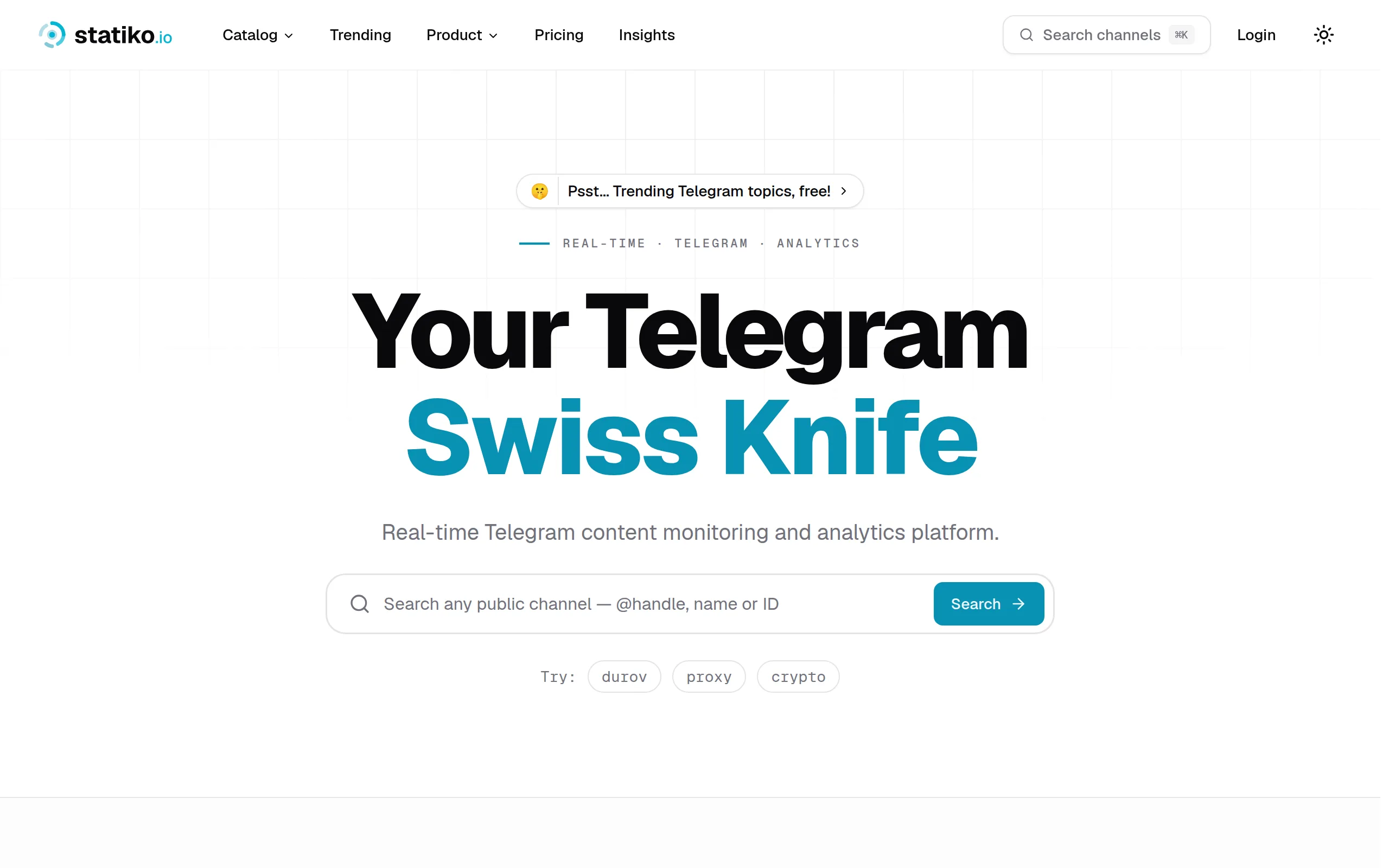
Statiko
Monitor any Telegram channel in real time - track posts, edits, deletions, and growth with AI recaps 📡

Shibui
AI website builder - describe your business, pick a niche template, edit by chatting, and publish instantly ✨

Pro Service
Find verified home service professionals, compare quotes, and pay securely through escrow - built for Brazilians across the US 🏠
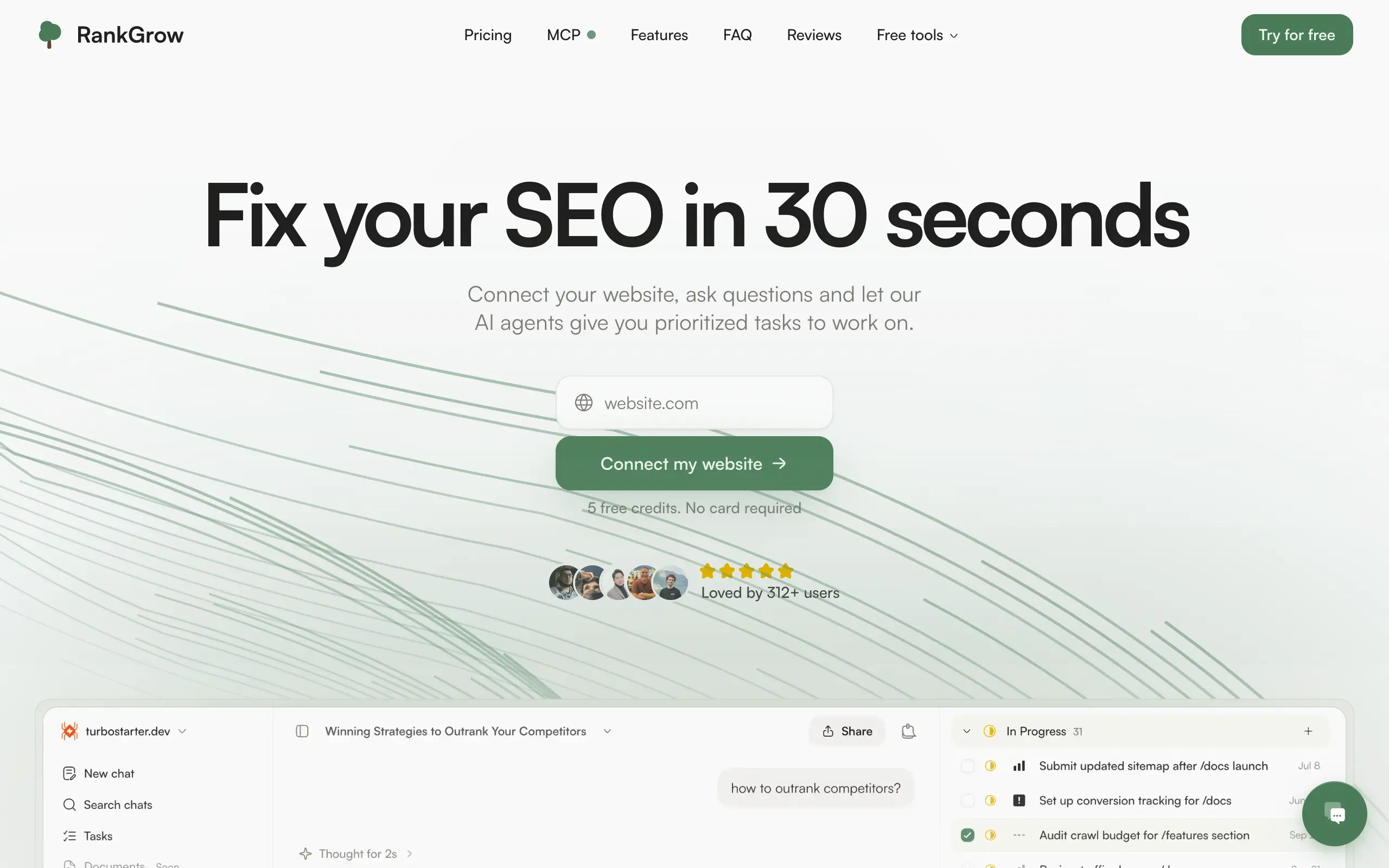
RankGrow
Fix your SEO with AI agents - connect Search Console, get prioritized tasks, and grow organic traffic 📈
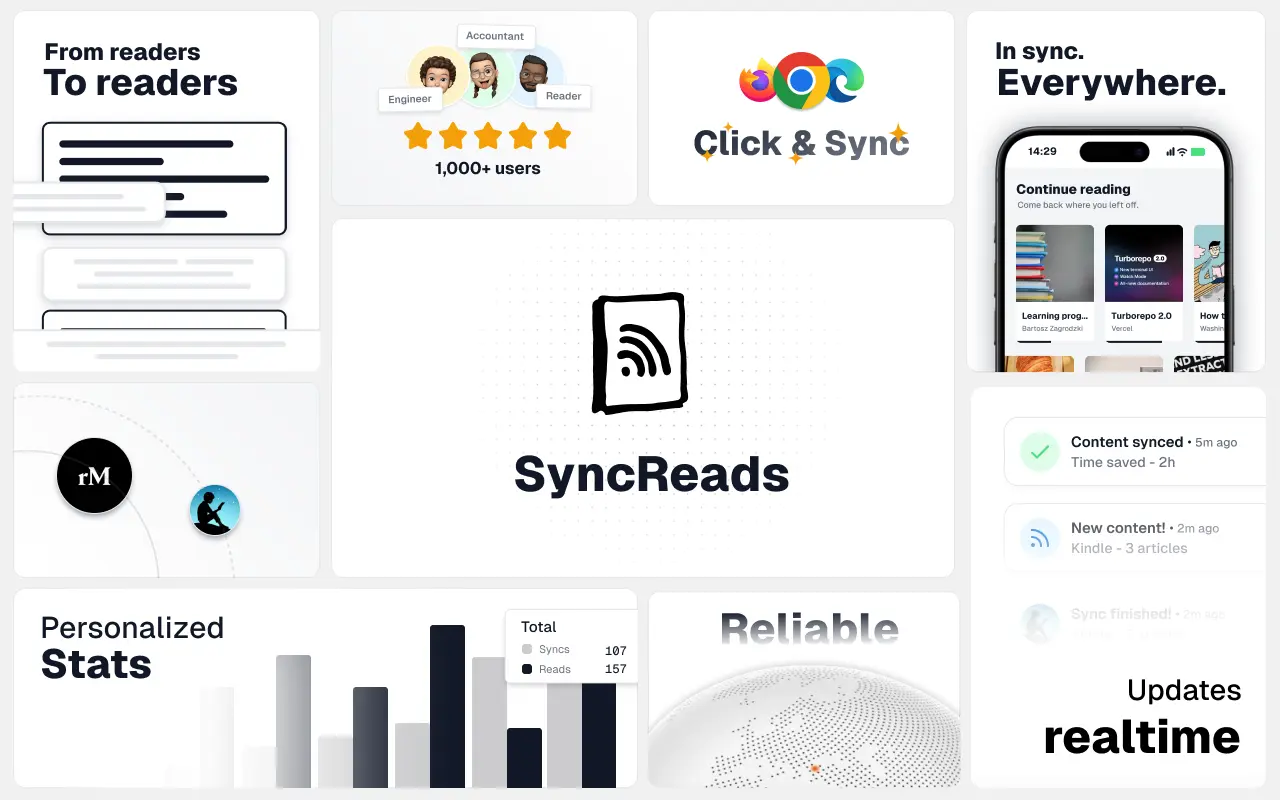
SyncReads
Sync your favorite content for distraction-free reading, save time and replace multiple apps. Anytime, anywhere 🔄
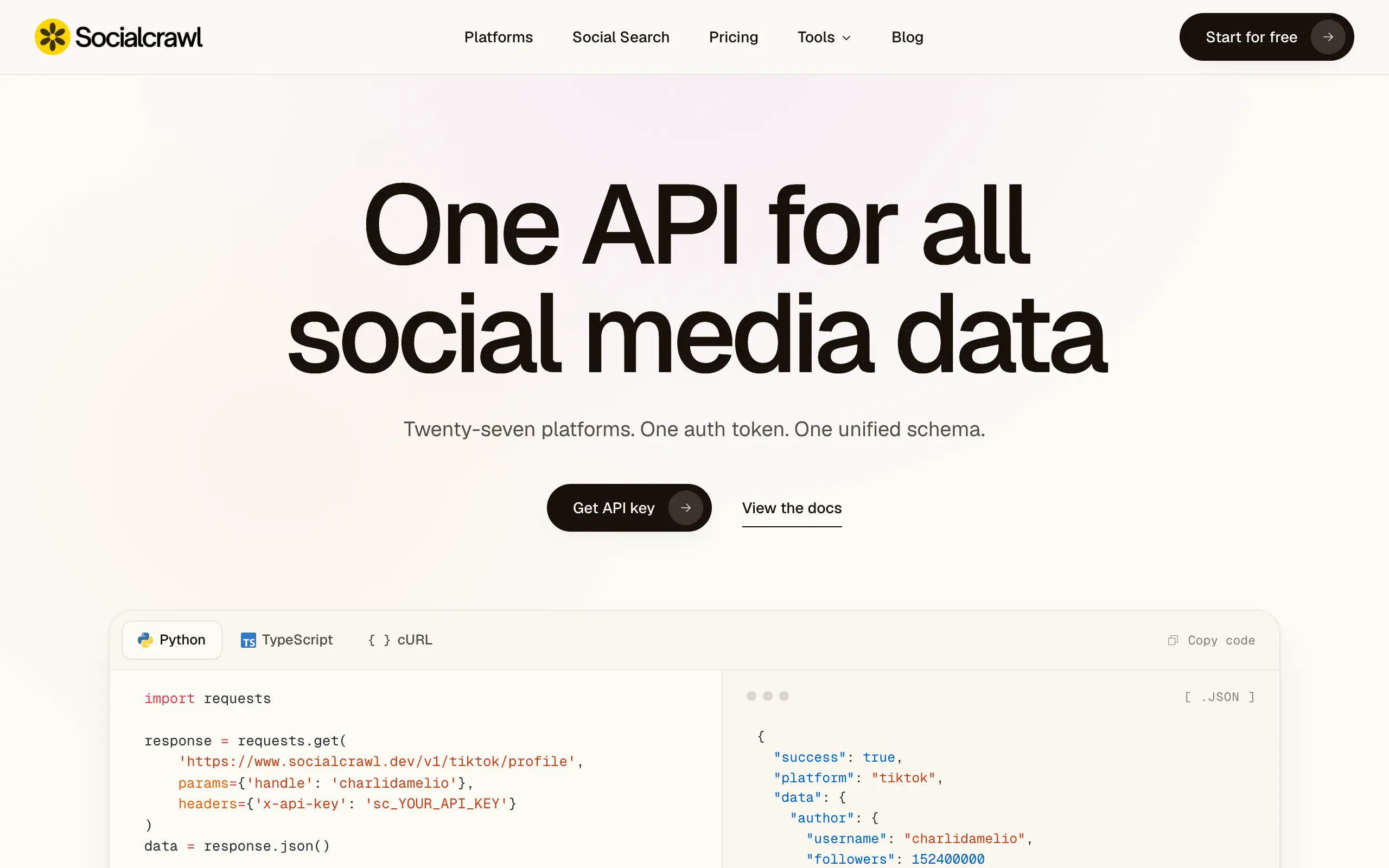
Socialcrawl
Get clean, structured data from 21 platforms like TikTok, Instagram, and YouTube with a single request 📊
Statiko
Monitor any Telegram channel in real time - track posts, edits, deletions, and growth with AI recaps 📡
Shibui
AI website builder - describe your business, pick a niche template, edit by chatting, and publish instantly ✨
Pro Service
Find verified home service professionals, compare quotes, and pay securely through escrow - built for Brazilians across the US 🏠
RankGrow
Fix your SEO with AI agents - connect Search Console, get prioritized tasks, and grow organic traffic 📈
SyncReads
Sync your favorite content for distraction-free reading, save time and replace multiple apps. Anytime, anywhere 🔄
Socialcrawl
Get clean, structured data from 21 platforms like TikTok, Instagram, and YouTube with a single request 📊
Statiko
Monitor any Telegram channel in real time - track posts, edits, deletions, and growth with AI recaps 📡
Shibui
AI website builder - describe your business, pick a niche template, edit by chatting, and publish instantly ✨
Pro Service
Find verified home service professionals, compare quotes, and pay securely through escrow - built for Brazilians across the US 🏠
RankGrow
Fix your SEO with AI agents - connect Search Console, get prioritized tasks, and grow organic traffic 📈
SyncReads
Sync your favorite content for distraction-free reading, save time and replace multiple apps. Anytime, anywhere 🔄
Socialcrawl
Get clean, structured data from 21 platforms like TikTok, Instagram, and YouTube with a single request 📊
Statiko
Monitor any Telegram channel in real time - track posts, edits, deletions, and growth with AI recaps 📡
Shibui
AI website builder - describe your business, pick a niche template, edit by chatting, and publish instantly ✨
Pro Service
Find verified home service professionals, compare quotes, and pay securely through escrow - built for Brazilians across the US 🏠
RankGrow
Fix your SEO with AI agents - connect Search Console, get prioritized tasks, and grow organic traffic 📈
SyncReads
Sync your favorite content for distraction-free reading, save time and replace multiple apps. Anytime, anywhere 🔄
Socialcrawl
Get clean, structured data from 21 platforms like TikTok, Instagram, and YouTube with a single request 📊
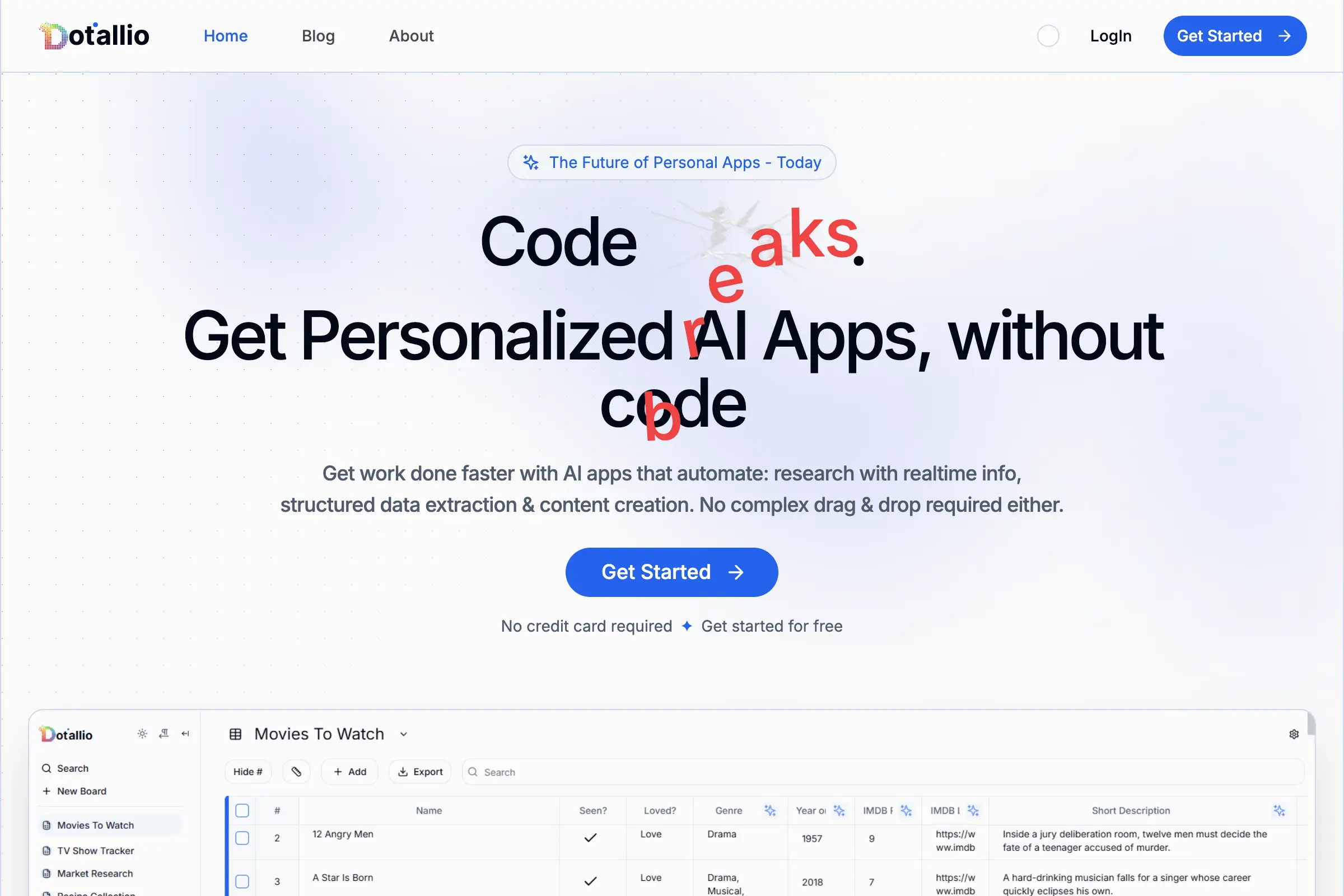
Dotallio
Personalized AI apps that automate research, data extraction, and content creation without code 🤖
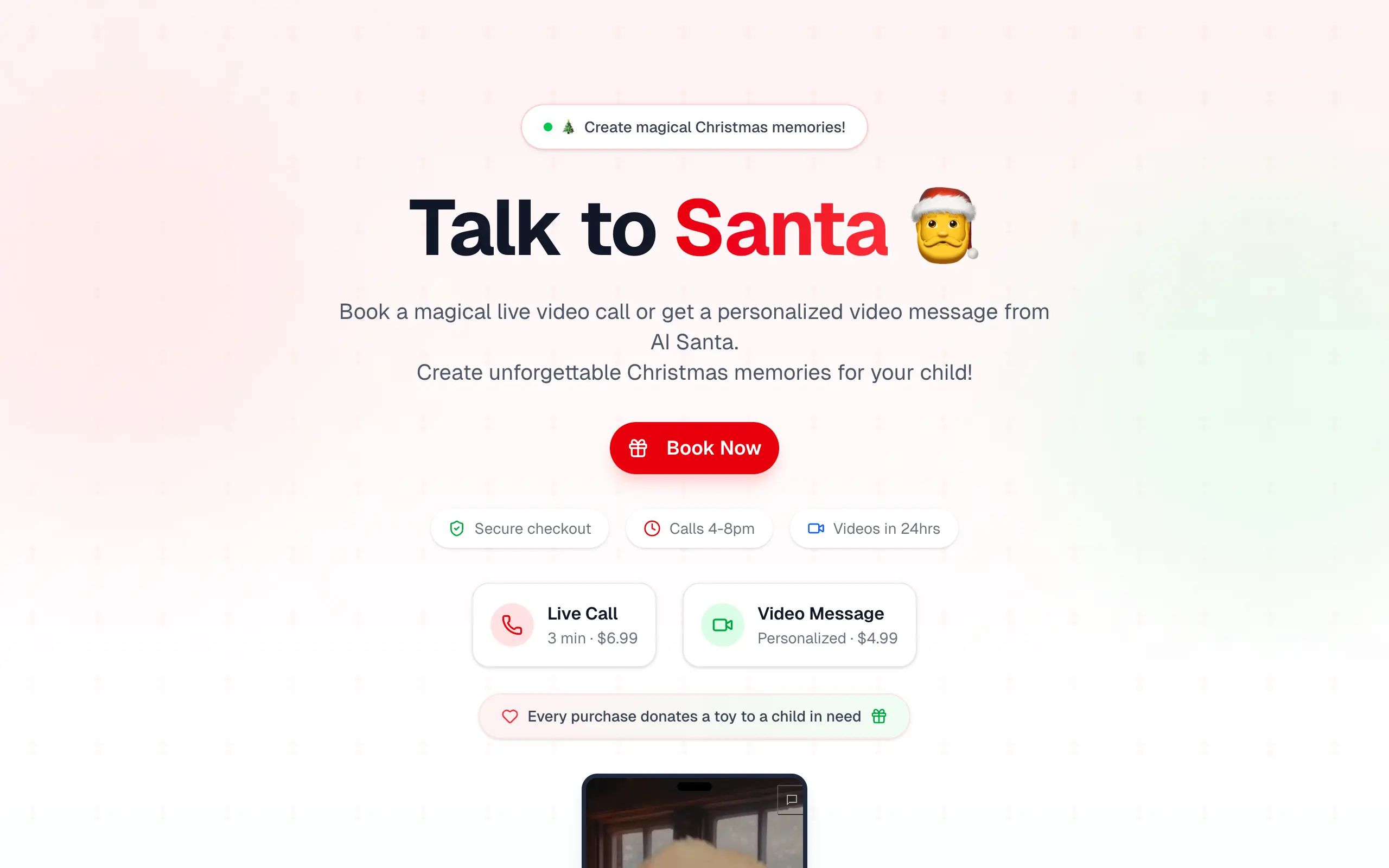
Talk to Santa
Enjoy a magical live video chat or receive a unique AI-generated video greeting from Santa Claus 🎅
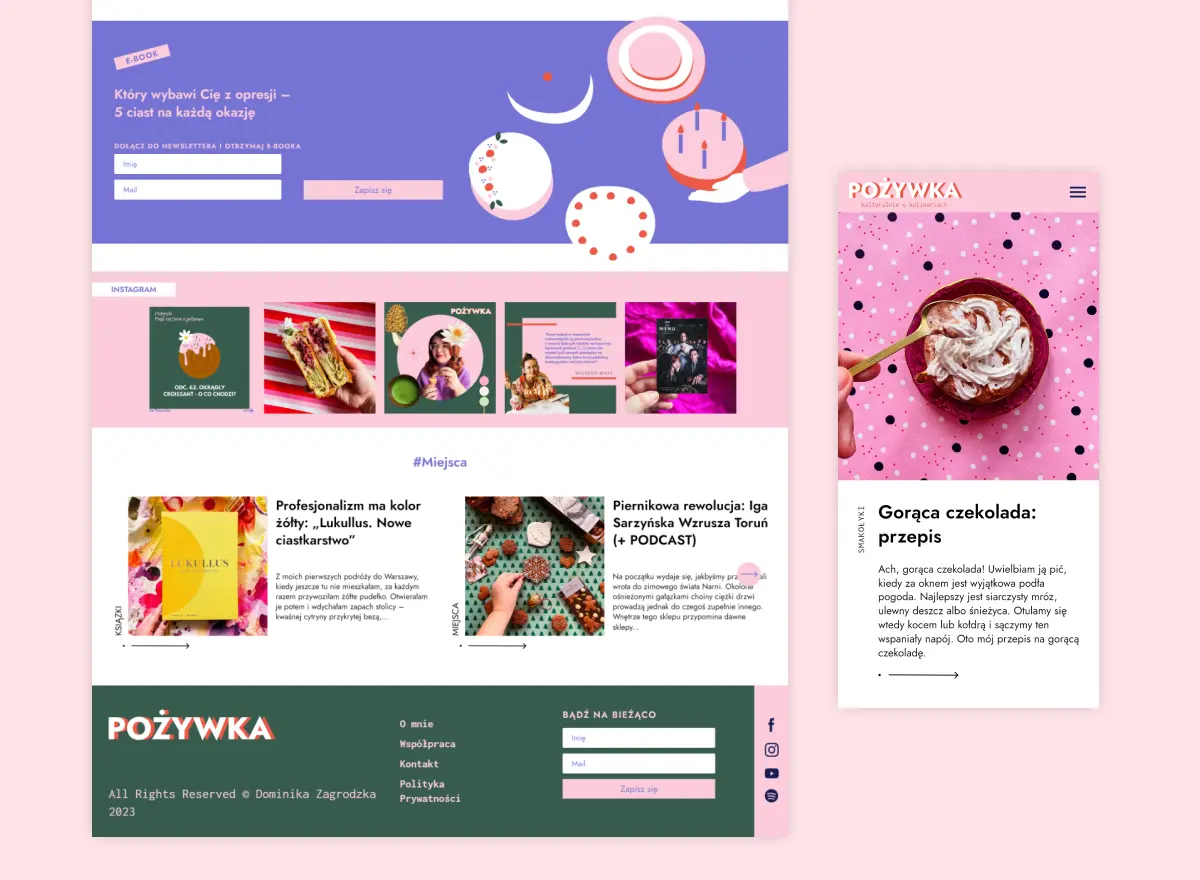
pozywka.pl
Scalable blog for food journalist, focused on performance and user experience 🌭
zagrodzki.me
Personal blog and portfolio of Bart Zagrodzki, where he shares his knowledge and work 💼
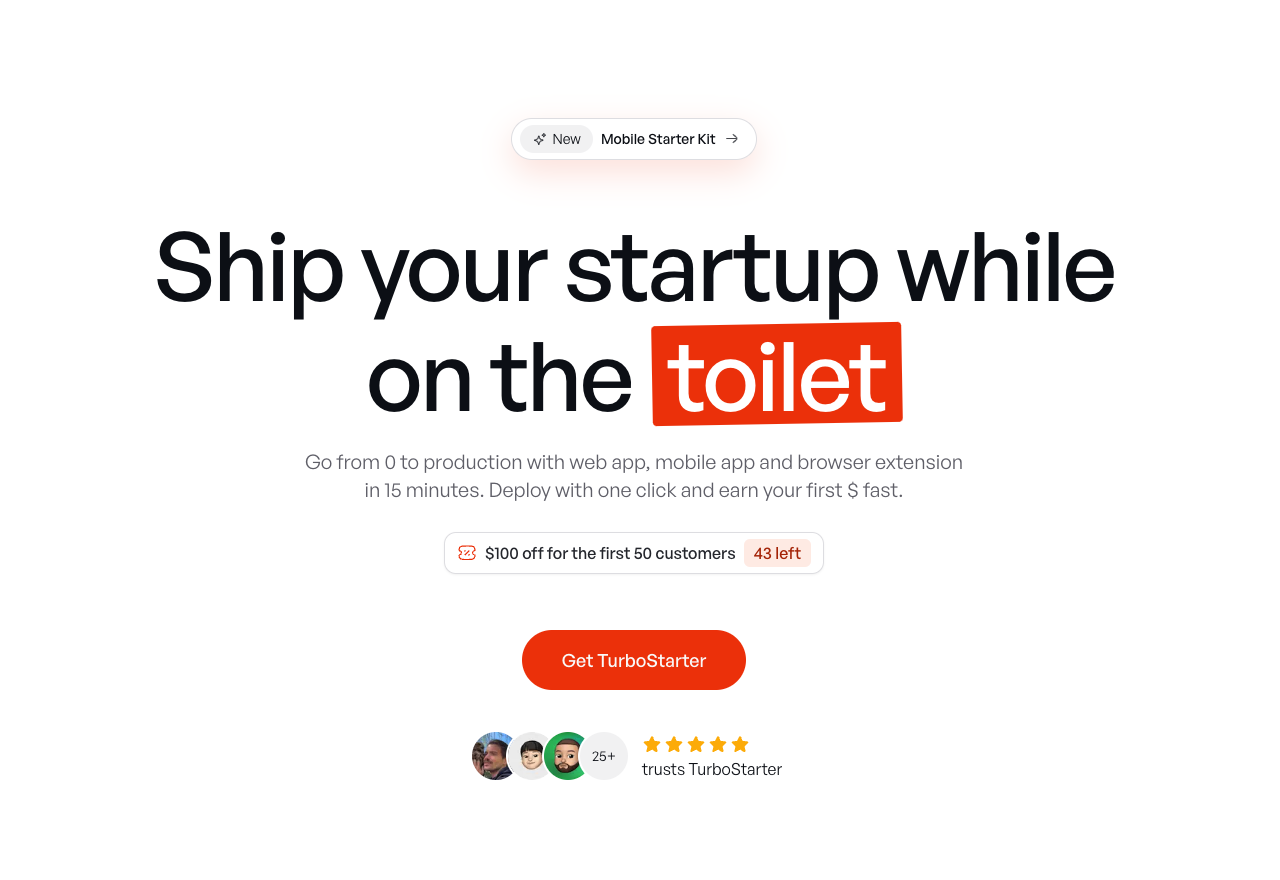
TurboStarter
Ship your startup everywhere. In minutes.
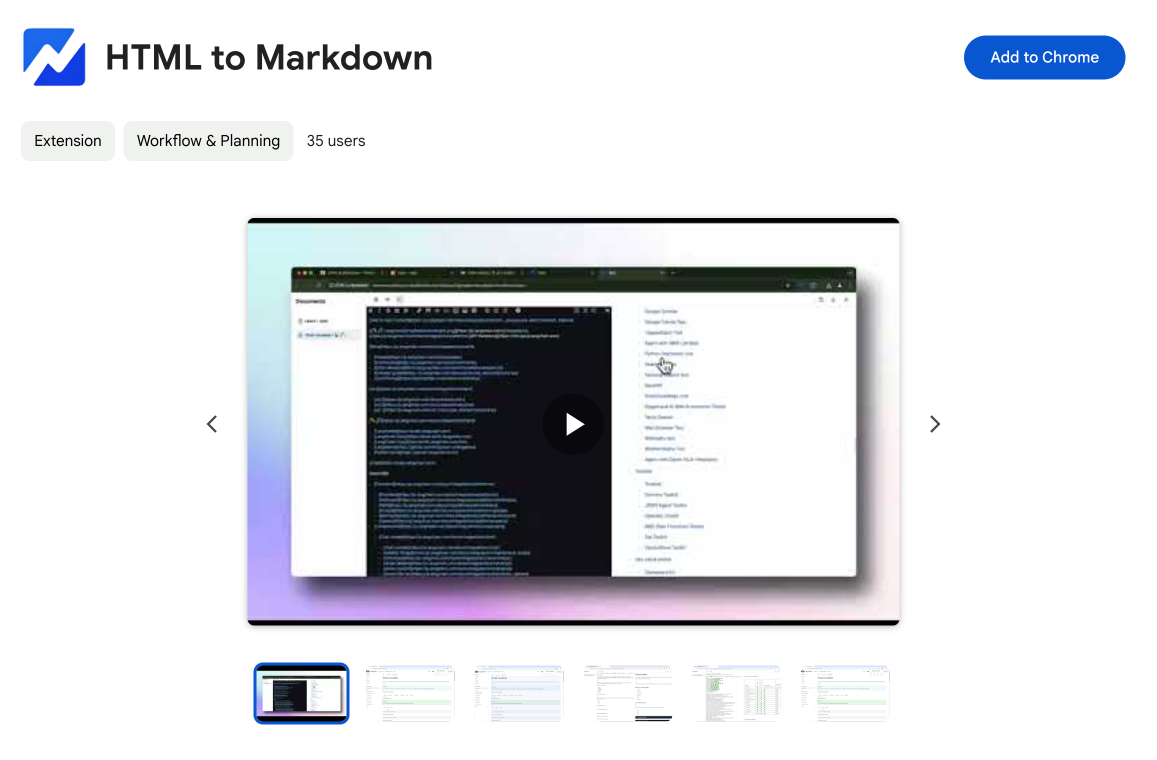
HTML to Markdown
Convert HTML to Markdown with ease, directly in your browser 📄
Dotallio
Personalized AI apps that automate research, data extraction, and content creation without code 🤖
Talk to Santa
Enjoy a magical live video chat or receive a unique AI-generated video greeting from Santa Claus 🎅
pozywka.pl
Scalable blog for food journalist, focused on performance and user experience 🌭
zagrodzki.me
Personal blog and portfolio of Bart Zagrodzki, where he shares his knowledge and work 💼
TurboStarter
Ship your startup everywhere. In minutes.
HTML to Markdown
Convert HTML to Markdown with ease, directly in your browser 📄
Dotallio
Personalized AI apps that automate research, data extraction, and content creation without code 🤖
Talk to Santa
Enjoy a magical live video chat or receive a unique AI-generated video greeting from Santa Claus 🎅
pozywka.pl
Scalable blog for food journalist, focused on performance and user experience 🌭
zagrodzki.me
Personal blog and portfolio of Bart Zagrodzki, where he shares his knowledge and work 💼
TurboStarter
Ship your startup everywhere. In minutes.
HTML to Markdown
Convert HTML to Markdown with ease, directly in your browser 📄
Dotallio
Personalized AI apps that automate research, data extraction, and content creation without code 🤖
Talk to Santa
Enjoy a magical live video chat or receive a unique AI-generated video greeting from Santa Claus 🎅
pozywka.pl
Scalable blog for food journalist, focused on performance and user experience 🌭
zagrodzki.me
Personal blog and portfolio of Bart Zagrodzki, where he shares his knowledge and work 💼
TurboStarter
Ship your startup everywhere. In minutes.
HTML to Markdown
Convert HTML to Markdown with ease, directly in your browser 📄
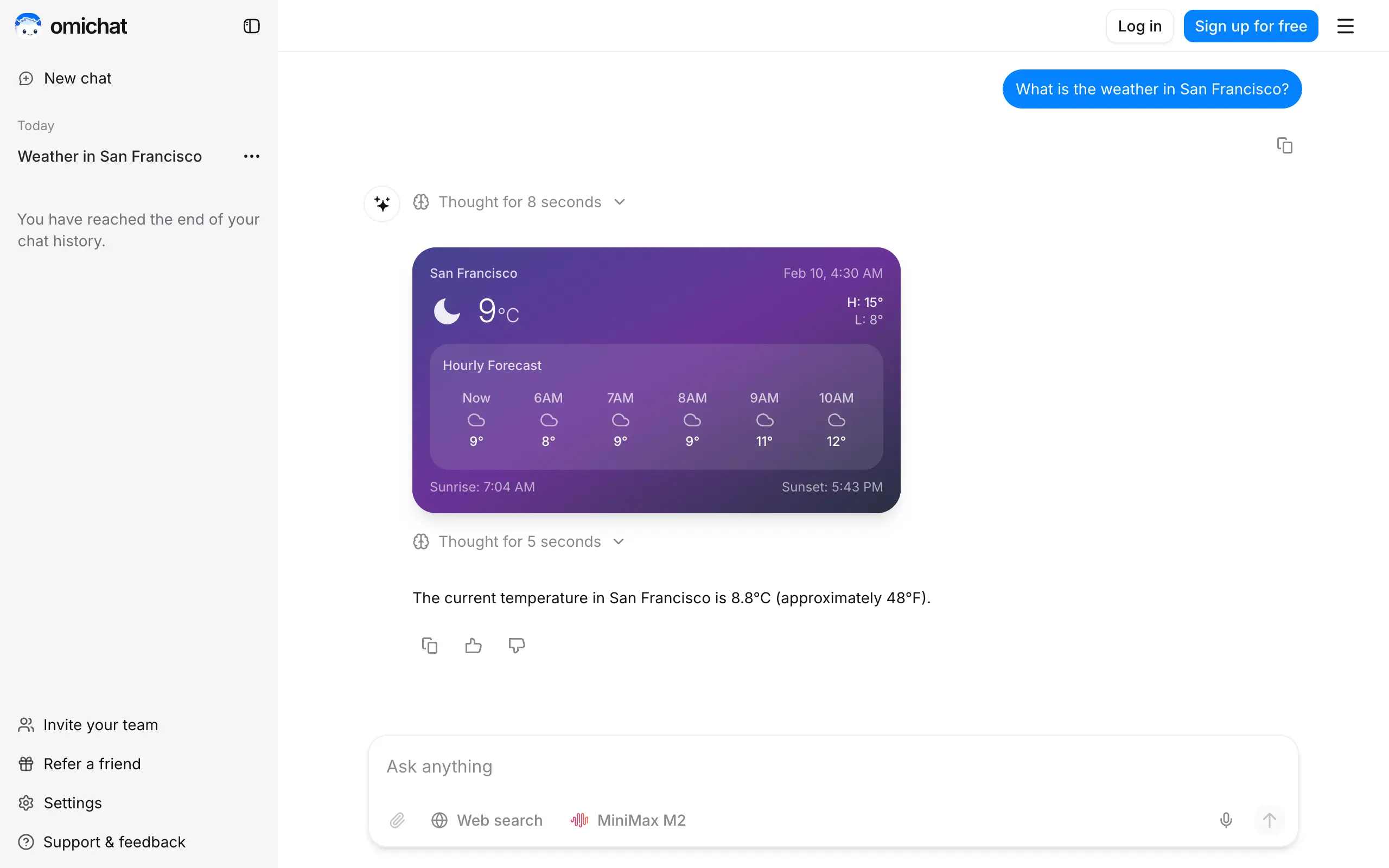
Omichat
Chat with 50+ AI models, including ChatGPT and Claude, in one place - switch models anytime without losing context 🤖
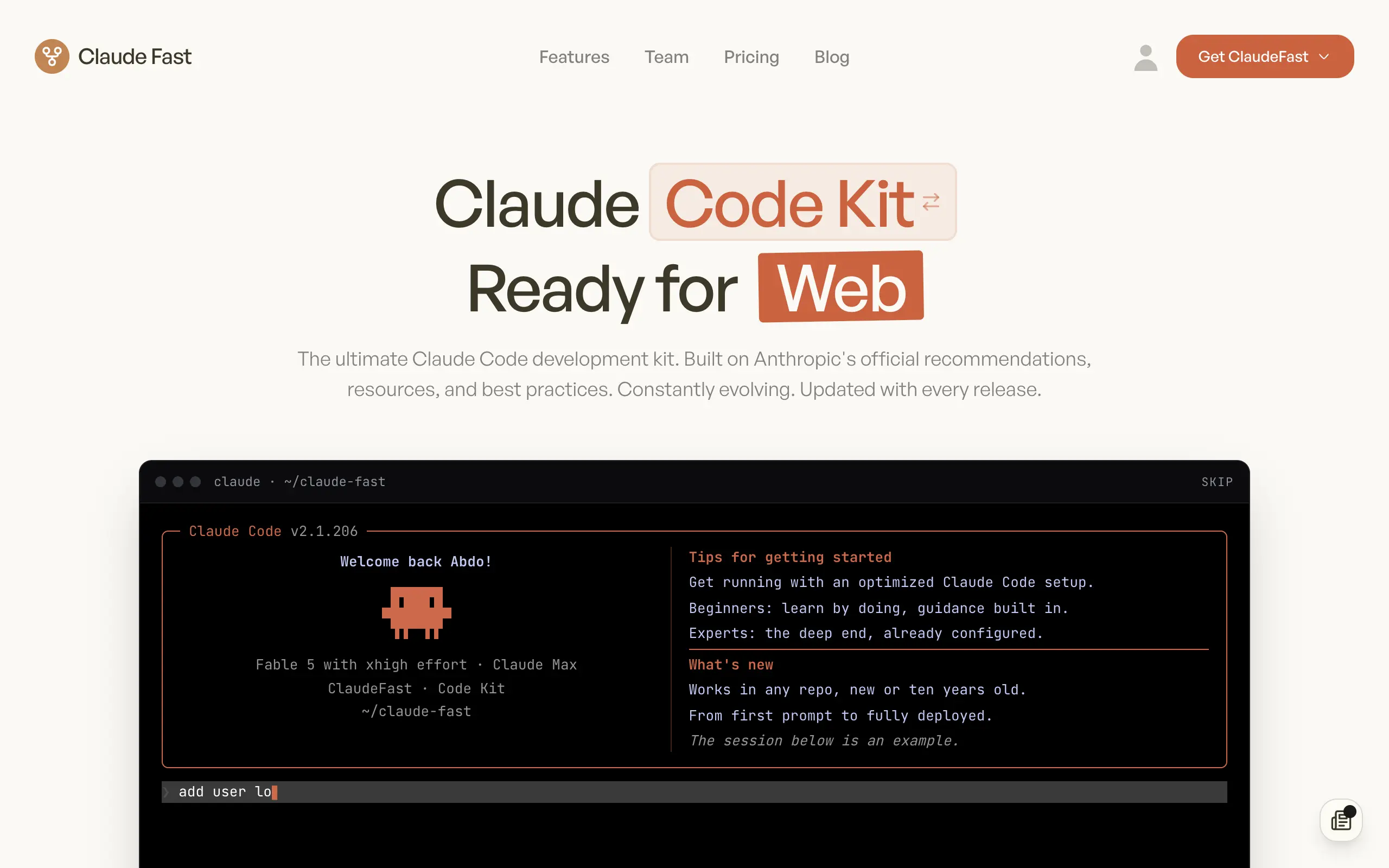
Claude Fast
Supercharge your Claude Code with 6x effective context window and specialized AI agents 🤖
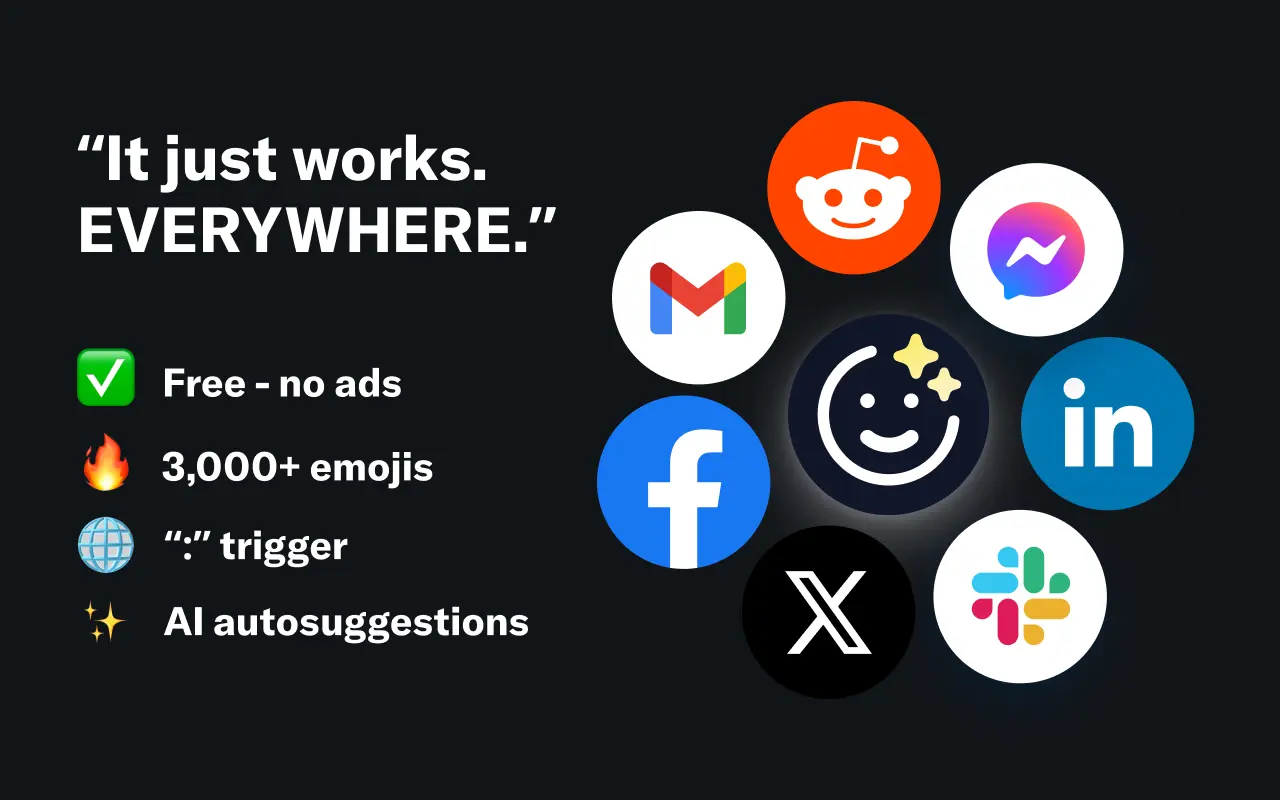
EmojAI
AI-powered emoji picker with smart, context-aware suggestions 🤖
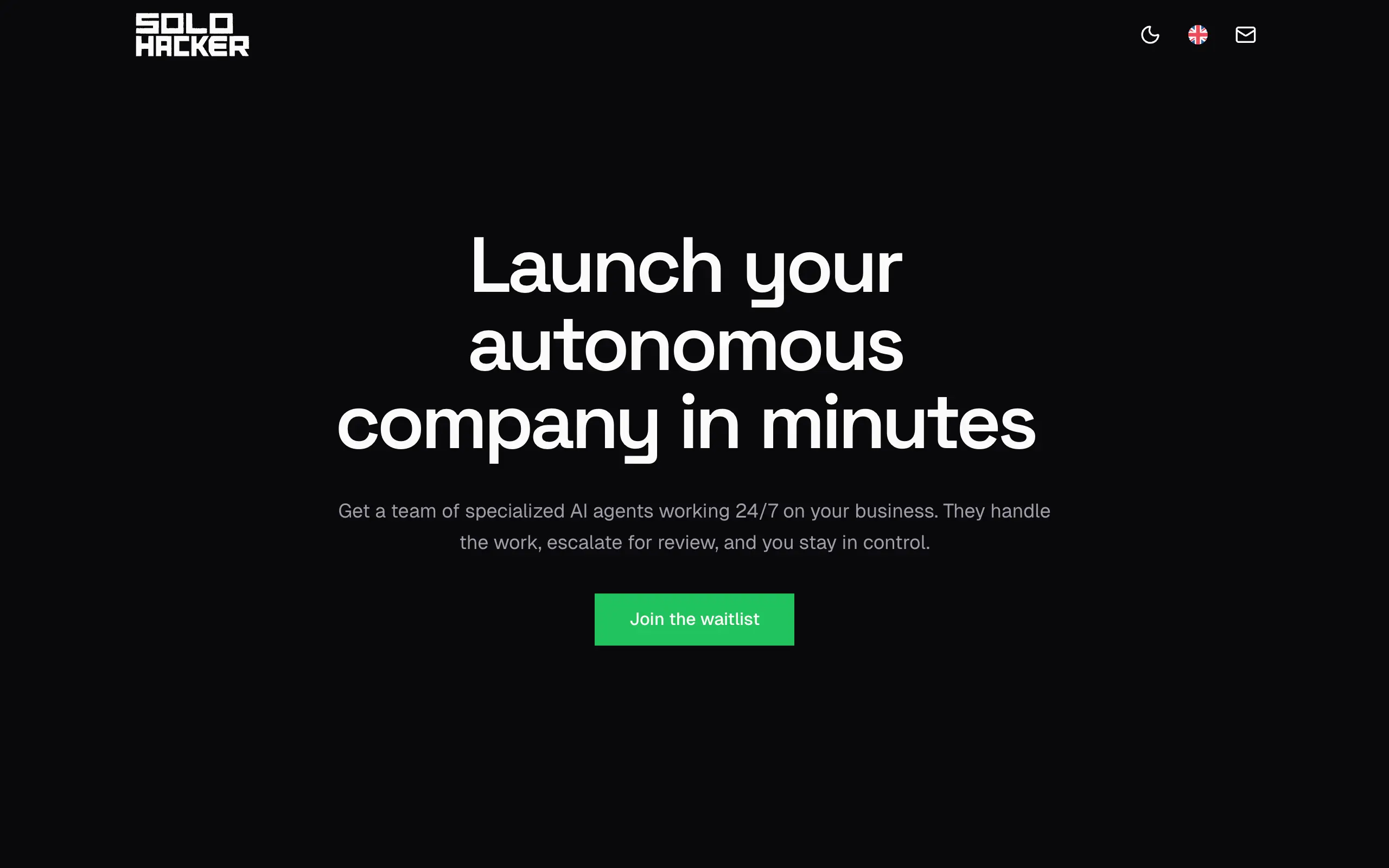
Solohacker
Autonomous company launcher - AI agents work 24/7, escalate what matters, and you stay in control 🤖
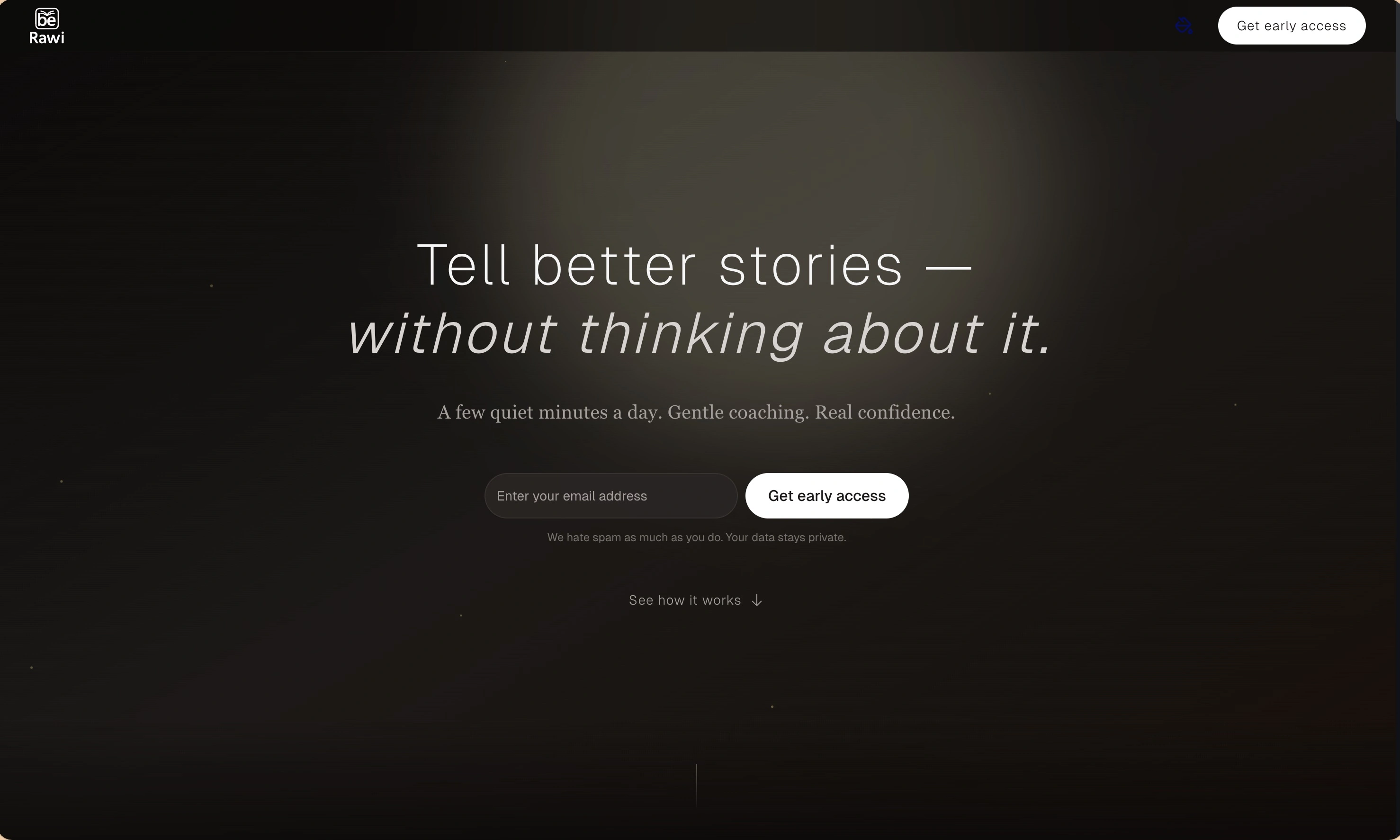
BeRawi: Storytelling Coach
Practice storytelling daily with instant feedback to sound clearer, more engaging, and confident 🎤
Omichat
Chat with 50+ AI models, including ChatGPT and Claude, in one place - switch models anytime without losing context 🤖
Claude Fast
Supercharge your Claude Code with 6x effective context window and specialized AI agents 🤖
EmojAI
AI-powered emoji picker with smart, context-aware suggestions 🤖
Solohacker
Autonomous company launcher - AI agents work 24/7, escalate what matters, and you stay in control 🤖
BeRawi: Storytelling Coach
Practice storytelling daily with instant feedback to sound clearer, more engaging, and confident 🎤
Omichat
Chat with 50+ AI models, including ChatGPT and Claude, in one place - switch models anytime without losing context 🤖
Claude Fast
Supercharge your Claude Code with 6x effective context window and specialized AI agents 🤖
EmojAI
AI-powered emoji picker with smart, context-aware suggestions 🤖
Solohacker
Autonomous company launcher - AI agents work 24/7, escalate what matters, and you stay in control 🤖
BeRawi: Storytelling Coach
Practice storytelling daily with instant feedback to sound clearer, more engaging, and confident 🎤
Omichat
Chat with 50+ AI models, including ChatGPT and Claude, in one place - switch models anytime without losing context 🤖
Claude Fast
Supercharge your Claude Code with 6x effective context window and specialized AI agents 🤖
EmojAI
AI-powered emoji picker with smart, context-aware suggestions 🤖
Solohacker
Autonomous company launcher - AI agents work 24/7, escalate what matters, and you stay in control 🤖
BeRawi: Storytelling Coach
Practice storytelling daily with instant feedback to sound clearer, more engaging, and confident 🎤

Connect with like-minded people
Join our community to get feedback, support, and grow together with 1,000+ builders on board, let's ship it!
Join usShip your startup everywhere. In minutes.
Don't burn tokens on setup and start building features on day one.