GuildLaunch
A membership platform for niche gaming communities to run paid leagues, coaching groups, and digital drops without Discord payment chaos.
Why a gaming community membership platform is needed now
Gaming communities have evolved far beyond casual Discord servers. Many niche groups now operate like small digital businesses. They organize competitive leagues, sell coaching, host private events, offer member-only content, distribute game assets, and create recurring social experiences around titles such as Valorant, League of Legends, Final Fantasy XIV, World of Warcraft, Counter-Strike, Fortnite, fighting games, tabletop RPGs, and emerging indie games.
The operational problem is that community monetization is still fragmented.
A typical paid gaming group may rely on Discord roles for access, Stripe payment links for subscriptions, Google Sheets for league registrations, Calendly for coaching appointments, Notion for rules, Gumroad for digital downloads, and manual direct messages when a member fails to pay. This arrangement works at a very small scale, but it becomes fragile once the community reaches dozens or hundreds of paying members.
GuildLaunch is positioned as a purpose-built gaming community membership platform for organizers who want to run paid leagues, coaching groups, and digital drops without Discord payment chaos.
The central opportunity is not to replace Discord. Discord remains where many gaming communities communicate. The opportunity is to become the reliable commercial and operational layer behind the community:
- Manage memberships and recurring subscriptions
- Connect member payment status to Discord access
- Sell leagues, tournaments, and seasonal passes
- Package coaching as subscriptions, sessions, or cohorts
- Deliver digital drops securely
- Give members a polished branded destination outside a cluttered server
- Reduce manual work for moderators and organizers
For founders evaluating this SaaS idea, the strongest positioning is simple:
GuildLaunch helps gaming community leaders turn an active Discord audience into an organized, paid membership business.
That message directly addresses a common pain point: community operators want to monetize, but they do not want to become full-time payment administrators.
Who GuildLaunch should serve first
A gaming community membership platform can address a wide market, but an effective go-to-market strategy requires a focused early customer profile. The best initial users are not every gamer. They are organizers already running communities with proven engagement and a clear reason for members to pay.
Competitive league operators
Organizers running amateur leagues, ladders, scrims, seasonal tournaments, and ranked team competitions.
Coaching communities
Creators and experts selling VOD reviews, group sessions, practice plans, private channels, and mentoring.
Guild and clan leaders
Leaders managing premium raiding groups, roleplay communities, social gaming clubs, and progression-focused teams.
Digital creators
Gaming creators selling overlays, guides, aim routines, builds, mods, presets, or downloadable resources.
Primary audience: experienced Discord community operators
The most valuable initial audience is a community operator who already has an engaged Discord server and a monetization problem.
This user may be:
- A tournament organizer running weekly or monthly leagues
- A high-ranked player selling coaching and educational content
- A guild leader coordinating premium raid teams
- A streamer with a private subscriber community
- An esports club manager organizing structured practice
- A creator selling resources for a specific game or genre
- A moderator-led community that wants sustainable revenue to fund events
They do not need another chat tool. They need systems that connect payment, permissions, member records, content, scheduling, and community operations.
Their biggest frustrations often include:
- Manual payment verification through screenshots or DMs
- Members keeping premium Discord access after canceling
- Difficulty selling different membership tiers
- Confusion around event eligibility and league registration
- No single source of truth for active members
- Payment links that lack community context
- Lost revenue from expired subscriptions and failed renewals
- A member experience that feels informal or unprofessional
GuildLaunch should speak directly to these operational realities. The product is not merely “creator monetization software.” It is infrastructure for gaming communities with recurring activities.
Secondary audience: members who expect convenience
Members are not the buyer in most cases, but they strongly influence retention and conversion. A player paying for a league, coaching membership, or private guild expects:
- Clear pricing before purchase
- A fast mobile-friendly checkout
- Immediate confirmation of access
- A visible schedule and event history
- Easy access to purchased digital items
- Transparent cancellation and billing controls
- Confidence that the community is legitimate
A good member experience protects the organizer’s reputation. It also lowers support volume. If a player can see their plan, Discord status, league registration, invoices, and downloadable products in one account area, fewer questions land in moderator inboxes.
Best niche segments for validation
GuildLaunch should begin with segments where paid access already feels natural. Avoid communities built entirely around general social conversation at the beginning, because their willingness to pay can be weaker and harder to validate.
Promising early segments include:
- Competitive game communities with recurring league seasons
- MMO guilds with paid progression groups or coaching
- Fighting game communities offering tournament access and training cohorts
- Coaching groups for tactical shooters and battle royale games
- Simulation racing leagues with subscription-based seasons
- Minecraft, Roblox, and modding communities with premium content
- Tabletop and roleplaying groups selling campaigns, resources, and private sessions
The strongest early customers have repeatable paid value. A one-off tournament can use a basic payment link. A community that runs leagues every season, coaching every week, and drops new content every month needs a dedicated membership platform.
The market gap behind Discord payment chaos
Discord is an excellent community platform, but it is not a complete membership operations platform for specialized gaming businesses. Community leaders often fill the gaps with bots, spreadsheets, forms, payment processors, and manual role assignments.
That patchwork creates a meaningful SaaS opportunity.
The broken workflow GuildLaunch replaces
Consider a typical paid league workflow:
- An organizer posts a payment link in Discord.
- A player buys a pass through an external checkout.
- The player submits a registration form.
- A moderator checks payment records manually.
- The organizer assigns Discord roles.
- Team placement is tracked in a spreadsheet.
- Event reminders are sent manually.
- Refunds, upgrades, and missed payments create more work.
This is not only inefficient. It creates avoidable trust problems. Members may not know whether they are registered, moderators may accidentally grant incorrect access, and organizers may struggle to reconcile revenue with actual participation.
GuildLaunch can turn that fragmented workflow into a single flow:
- A member visits a branded community storefront.
- They buy a membership, league entry, coaching plan, or digital product.
- Their account is created and payment is recorded.
- Their Discord access is automatically synced.
- They see eligible events, resources, and member benefits.
- Operators manage members and revenue from one dashboard.
The product’s value comes from reducing the coordination cost between commerce, access, and community activity.
Why generic membership software is not enough
Generic creator tools and membership platforms can process payments, but gaming communities have additional operational needs:
- Discord roles often act as the real access-control layer
- Events may require specific skill tiers, regions, or roster status
- League participation involves seasonal enrollment rather than only subscriptions
- Coaching can include booking, group access, and private resource libraries
- Digital drops may need staged access for certain plans
- Community staff need clear permissions and moderation-friendly workflows
- Gaming communities frequently use aliases, Discord IDs, in-game usernames, and team names
GuildLaunch should not compete only on billing. Its competitive advantage should come from understanding the data model and workflows of organized gaming groups.
Positioning principle
GuildLaunch should complement Discord rather than frame Discord as the enemy. Discord is the engagement layer; GuildLaunch is the monetization, membership, and operations layer.
Core GuildLaunch features for a compelling MVP
A strong minimum viable product should solve one painful workflow extremely well. For GuildLaunch, that workflow is paid membership with automated Discord access, then adjacent products such as leagues, coaching, and digital drops.
Branded membership storefronts
Each community should receive a branded public page hosted on a GuildLaunch subdomain or custom domain. The storefront should let organizers present their offering without asking prospective members to interpret a busy Discord channel.
Essential storefront capabilities include:
- Community logo, cover image, colors, and description
- Membership plans with monthly, quarterly, or annual billing
- One-time purchases for league entries and digital products
- Benefits lists for each plan
- Public event calendar or upcoming season information
- Social proof such as member counts, testimonials, or creator profiles
- Frequently asked questions and refund policy links
- Custom domain support for higher-tier plans
The storefront must make a community feel more credible. This matters especially when users are paying for coaching, organized competition, or premium access for the first time.
Discord role synchronization
Discord integration is the table-stakes feature for a gaming community membership platform. It should be reliable, transparent, and easy for operators to configure.
The initial integration should support:
- Secure Discord account connection
- Server selection by authorized administrators
- Mapping membership plans to one or more Discord roles
- Role assignment after successful payment
- Role removal or downgrade after cancellation or failed payment
- A visible sync status for operators and members
- Manual resync tools for edge cases
- Audit logs showing what action occurred and when
Avoid overpromising with an integration that cannot recover from webhook delays, revoked permissions, or members linking the wrong Discord account. The product should surface actionable errors such as “Discord role could not be assigned because the bot lacks role hierarchy permissions.”
That level of clarity is a trust feature, not just a technical feature.
Membership plans and billing controls
Recurring memberships are the revenue engine for many communities. GuildLaunch should allow operators to create simple, understandable plans before it introduces sophisticated pricing rules.
A practical initial plan builder includes:
- Recurring and one-time purchase options
- Free trials where appropriate
- Limited-time launch pricing
- Coupon codes
- Member caps for exclusive plans
- Upgrade and downgrade behavior
- Cancellation settings
- Grace periods for failed payments
- Tax and invoice support based on payment-provider capabilities
For the member, the billing portal should make it easy to update a card, view invoices, cancel a plan, and understand when access changes. Clear self-service controls reduce chargeback risk and support tickets.
Paid leagues and seasonal passes
Leagues differentiate GuildLaunch from a basic Discord subscription bot. A league should be treated as a structured purchasable offering with eligibility and operational data.
A league module can include:
- Season landing pages
- Registration deadlines
- Capacity limits and waitlists
- Individual player and team registration
- In-game name and region collection
- Rules acknowledgments
- Entry fee payment
- League-specific Discord role assignment
- Roster export
- Status labels such as registered, waitlisted, approved, or refunded
- Reminder messages before the season begins
A later version can support brackets, standings, match reporting, and team matchmaking. However, those features should not delay the core commerce workflow. There are established tournament platforms, so GuildLaunch should initially win by making paid participation and community access frictionless.
Coaching products and cohorts
Coaching can be monetized in several ways, and GuildLaunch should support the formats gaming experts actually use.
Members pay monthly for private channels, group calls, training plans, office hours, and a library of recorded lessons. This is ideal for coaches who want predictable recurring revenue.
A player buys a specific session, submits their goals and availability, then receives booking instructions or a scheduling link. Automated Discord access can unlock a client channel.
Players enroll in a limited group program with a start date, curriculum, recurring live sessions, and a dedicated Discord role.
Members purchase a fixed number of replay or VOD reviews. The product can collect upload links and request details during checkout.
The MVP does not need to build video conferencing. It can integrate with established scheduling and video tools through links, calendar files, or later API integrations. GuildLaunch should own the commercial relationship, access control, and member record.
Digital drops and member content
Digital drops create monetization opportunities beyond recurring subscriptions. They are especially relevant for gaming creators who sell guides, templates, mod packs, overlays, training routines, spreadsheets, and downloadable assets.
Useful digital product capabilities include:
- File uploads with access-controlled download links
- Product bundles
- Member-only releases
- Drip content for longer programs
- Version updates and notification emails
- Download limits when necessary
- Purchase history
- License or usage notes for creator-made assets
For initial scope, avoid becoming a full digital asset management system. The key job is to ensure paid members can reliably access what they purchased.
Operator dashboard and member records
The operator dashboard is where GuildLaunch earns long-term retention. The community team needs a dependable source of truth.
The dashboard should show:
- Active, trialing, past-due, canceled, and refunded members
- Membership plan and Discord connection status
- League registrations and eligibility
- Revenue by product and time period
- Failed payments requiring attention
- Recent role synchronization events
- Notes and tags for staff workflows
- CSV export for accounting and roster management
- Role-based staff access
A team view is particularly important. Community businesses often have an owner, moderators, coaches, event staff, and finance support. Not everyone should be able to issue refunds or change payout settings.
A recommended tech stack for GuildLaunch
The product should prioritize integration reliability, secure payment handling, event-driven workflows, and a fast dashboard experience. The ideal stack depends on the founding team, but a modern TypeScript architecture is a sensible choice for rapid iteration.
| Layer | Recommended option | Why it fits | Trade-off | Early priority |
|---|---|---|---|---|
| Web app | Next.js and React | Fast product development with server rendering and API routes | Requires clear server-client boundaries | High |
| Database | PostgreSQL | Strong relational modeling for users, plans, roles, and orders | Schema design must evolve carefully | High |
| Payments | Stripe | Subscriptions, invoices, checkout, and webhook ecosystem | Platform dependency and processing fees | High |
| Background jobs | Queue and worker service | Reliable retries for Discord sync and webhook processing | More operational complexity | High |
Application and user interface
Use Next.js with React and TypeScript for the application. This combination supports server-rendered storefront pages, authenticated dashboards, API endpoints, and a cohesive full-stack codebase.
For UI styling, Tailwind CSS is a practical choice because it enables fast design iteration and consistent branded storefront themes. A component system should still enforce design standards so that operator-created pages do not become visually inconsistent.
The primary trade-off is that frontend flexibility can create complexity if permissions, billing state, and Discord status are handled casually in the client. Treat access decisions as server-side authorization problems.
Payments and billing architecture
Stripe is a strong initial payment partner because it supports recurring billing, hosted checkout, customer portals, invoices, promotion codes, payment retries, and webhook events.
The essential engineering rule is to make Stripe webhooks the billing source of truth. Do not unlock Discord access only because a client-side checkout redirect says a payment succeeded.
A simplified event flow might look like this:
type MembershipEvent = {
  communityId: string
  memberId: string
  stripeCustomerId: string
  subscriptionStatus: "active" | "past_due" | "canceled"
  discordRoleIds: string[]
}

async function handleSubscriptionUpdated(event: MembershipEvent) {
  await saveMembershipStatus(event)

  if (event.subscriptionStatus === "active") {
    await enqueueDiscordRoleGrant(event)
    return
  }

  if (event.subscriptionStatus === "past_due") {
    await enqueueGracePeriodCheck(event)
    return
  }

  await enqueueDiscordRoleRemoval(event)
}
This architecture separates payment confirmation from Discord API execution. If Discord is temporarily unavailable, a queue can retry the action rather than losing the membership update.
Database model and access control
PostgreSQL is a strong fit because GuildLaunch has relational data:
- Communities
- Community staff
- Members
- Discord identities
- Membership plans
- Subscriptions
- Orders
- League seasons
- Registrations
- Digital products
- Downloads
- Audit events
Use explicit tenancy controls from day one. Every critical query should be scoped to a community ID, and every staff action should be checked against a permission model. This prevents the most damaging class of multi-tenant SaaS mistakes: accidental data exposure between customers.
For database access, an ORM can accelerate development, but the team should still understand generated queries, transaction boundaries, indexes, and constraints. Payment events and role updates can arrive more than once, so idempotency keys are essential.
Discord integration and job processing
The Discord integration needs a bot with carefully limited permissions. Do not request broad permissions when a narrower scope will work. The setup process should clearly explain that the bot role must sit above any roles it will assign in Discord’s hierarchy.
Use a background queue for:
- Assigning and removing roles
- Retrying failed role operations
- Sending onboarding and payment-failure emails
- Export generation
- Scheduled league reminders
- Digital drop release notifications
A serverless-only architecture can be attractive early on, but asynchronous event handling often benefits from a dedicated job solution. The trade-off is additional infrastructure, yet it is worth it when product reliability depends on external APIs.
Monetization options for GuildLaunch
GuildLaunch has two distinct monetization layers: what community operators charge their members and what GuildLaunch charges operators.
Pricing for community operators
A hybrid SaaS model is likely the best fit.
- "Starter plan" targets small communities with a platform fee and feature limits.
- "Growth plan" includes more active members, custom branding, advanced automations, and staff seats.
- "Pro plan" supports custom domains, priority support, deeper reporting, and larger event capacity.
- "Transaction fee" can apply to payments processed through the platform, especially on lower subscription tiers.
- "Optional add-ons" can cover premium analytics, custom onboarding, migration support, or advanced league operations.
The strategic decision is whether to charge a higher fixed subscription or take a larger percentage of revenue. Early operators usually prefer low fixed costs while testing monetization. More established communities may prefer predictable pricing once their revenue grows.
A balanced approach could use a modest subscription plus a transaction fee that declines at higher plans. This aligns GuildLaunch with customer success without making pricing feel punitive.
Revenue opportunities inside customer communities
GuildLaunch should educate organizers about revenue models without dictating how they run their communities.
Common monetization formats include:
- Monthly membership tiers
- Premium Discord access
- Seasonal league passes
- Single-event tournament entry
- Team registration fees
- Group coaching subscriptions
- One-to-one coaching sessions
- Downloadable game resources
- Limited digital drops
- VIP event access
- Sponsored league partnerships
The platform can improve conversion by supporting bundles. For example, a “Competitive Season Pass” might include league access, premium Discord channels, weekly coaching calls, and a resource pack.
Competitive advantage and differentiation
GuildLaunch will face competition from generic membership platforms, digital storefronts, tournament tools, payment bots, and community management software. Its competitive advantage cannot simply be “all-in-one.” Many products claim to be all-in-one and end up being shallow everywhere.
The sharper advantage is gaming-native membership operations centered on Discord-connected access and paid community programs.
What makes GuildLaunch different
Discord-aware commerce
Payments, subscription status, and Discord roles are connected by design instead of stitched together through manual processes.
Program-level monetization
Leagues, coaching cohorts, memberships, and digital drops fit the same member record and checkout system.
Gaming-specific data
Support in-game identities, regions, teams, rosters, roles, and seasonal eligibility without awkward workarounds.
Operator-friendly reliability
Audit logs, sync status, retries, and billing visibility reduce moderator workload and member disputes.
A credible product narrative should avoid claiming that GuildLaunch replaces every tool. Instead, it should say that it replaces the messy manual links between tools.
Defensibility over time
The initial Discord role sync feature is replicable. The longer-term moat comes from workflow depth and customer data.
Over time, GuildLaunch can build defensibility through:
- Community-specific membership and revenue benchmarks
- Historical records across seasons and events
- Automated re-engagement campaigns for churned members
- League templates tuned to different game genres
- A library of successful pricing and onboarding patterns
- Partner integrations with tournament, streaming, scheduling, and analytics tools
- Switching costs created by member history, billing continuity, and operational workflows
The product should earn loyalty through reliability. Community leaders can forgive a missing cosmetic feature. They are much less forgiving when paid members lose access before an important event.
Risks and practical mitigation strategies
Every marketplace-adjacent or community SaaS product carries risks. GuildLaunch can reduce them by choosing a narrow initial promise and designing for operational edge cases.
Payment disputes and refund conflicts
Gaming communities may encounter disputes when members misunderstand benefits, miss an event, or cancel after receiving access to digital content.
Mitigation should include:
- Clear terms and refund policies on each community storefront
- Purchase confirmations that explain exactly what was bought
- Invoice and receipt records
- A documented operator refund workflow
- Audit logs for access grants and downloads
- Support guidance for community owners
GuildLaunch should not make legal promises on behalf of its customers. It should give them tools to communicate clearly and keep records.
Discord API and permission failures
Role sync failures can damage trust quickly.
Mitigation should include:
- Preflight integration checks during setup
- Detailed bot permission instructions
- Role hierarchy validation
- Retry queues with exponential backoff
- Member-facing sync status
- Operator alerts for unresolved sync failures
- A manual override and resync workflow
Overbuilding league management
Tournament brackets, matchmaking, standings, anti-cheat, score reporting, and streaming integrations are complex product areas. Building all of them immediately would create a long path to market.
Mitigation is to focus first on paid registration, eligibility, access control, and communication. Let organizers export data or connect to specialized tools until there is strong evidence that native league features will create retention.
Churn among small communities
Small Discord servers can disappear or stop charging members. A product dependent only on tiny communities may face elevated churn.
Mitigation should include targeting operators with recurring programming, offering annual billing incentives, and building workflows that become more valuable as a community matures. Data history, member segmentation, season renewals, and coaching operations all make GuildLaunch harder to replace.
Privacy and account security
GuildLaunch will manage email addresses, payment-linked customer identifiers, Discord identities, and potentially game account names.
Mitigation should include:
- Minimal data collection
- Encryption in transit and at rest through reputable infrastructure
- Clear privacy documentation
- Role-based access controls
- Secure OAuth flows
- Webhook signature verification
- Audit logging for staff actions
- Regular dependency and security reviews
For trust-sensitive claims, publish a security page and link to the relevant payment provider compliance documentation. Avoid vague promises such as “bank-level security” unless they can be substantiated.
A practical validation and implementation plan
The fastest path is not to build every feature listed above. It is to validate whether organizers will pay for a product that removes manual membership administration.
Metrics that indicate real product-market pull
GuildLaunch should track more than signups. Early traction is visible when operators use the platform for an important recurring process.
High-signal metrics include:
- The percentage of connected communities that publish a paid plan
- Time from community signup to first completed payment
- Discord role-sync success rate
- Percentage of members who link Discord without support
- Monthly recurring revenue processed per active community
- Renewal rate for seasonal passes
- Failed-payment recovery rate
- Support tickets per 100 active members
- Net revenue retention among established operators
- Number of communities running a second paid season through the product
A community that returns for the next league season is a much stronger validation signal than a creator who sets up a storefront but never makes a sale.
Build faster without skipping foundations
Founders can accelerate the initial SaaS build with TurboStarter, especially when they need a production-ready foundation for authentication, billing patterns, dashboards, and multi-tenant application structure. The critical work for GuildLaunch remains the gaming-specific layer: Discord OAuth, role synchronization, membership states, league enrollment, and the operator workflows that generic starter kits cannot fully solve.
Final takeaways for building GuildLaunch
GuildLaunch has a compelling SaaS opportunity because it addresses an operational problem that many gaming community leaders already feel: paid community management is too fragmented.
The best version of the product does not try to replace Discord, tournament software, coaching platforms, or every digital commerce tool on day one. Instead, it becomes the dependable system connecting payments to access and community programs.
The MVP should focus on four essential outcomes:
- Community operators can launch a branded paid membership page quickly.
- Members can pay and connect their Discord account with minimal friction.
- Discord roles accurately reflect billing and enrollment status.
- Operators can manage memberships, leagues, coaching offers, and digital drops from one trusted dashboard.
From there, GuildLaunch can grow into a specialized operating system for paid gaming communities. Its enduring advantage will come from understanding how gaming groups actually function: Discord-first communication, recurring seasons, team-based participation, premium coaching, digital resources, and the constant need to make membership access feel fair, immediate, and organized.
More 👥 B2C Application SaaS ideas
Discover more innovative b2c application SaaS ideas that are trending in 2026. Each idea is AI-generated with market validation and growth potential to help you find your next profitable venture faster than competitors.
Your competitors are building with TurboStarter
Below are some of the SaaS ideas that have been generated and built with our starter kit.
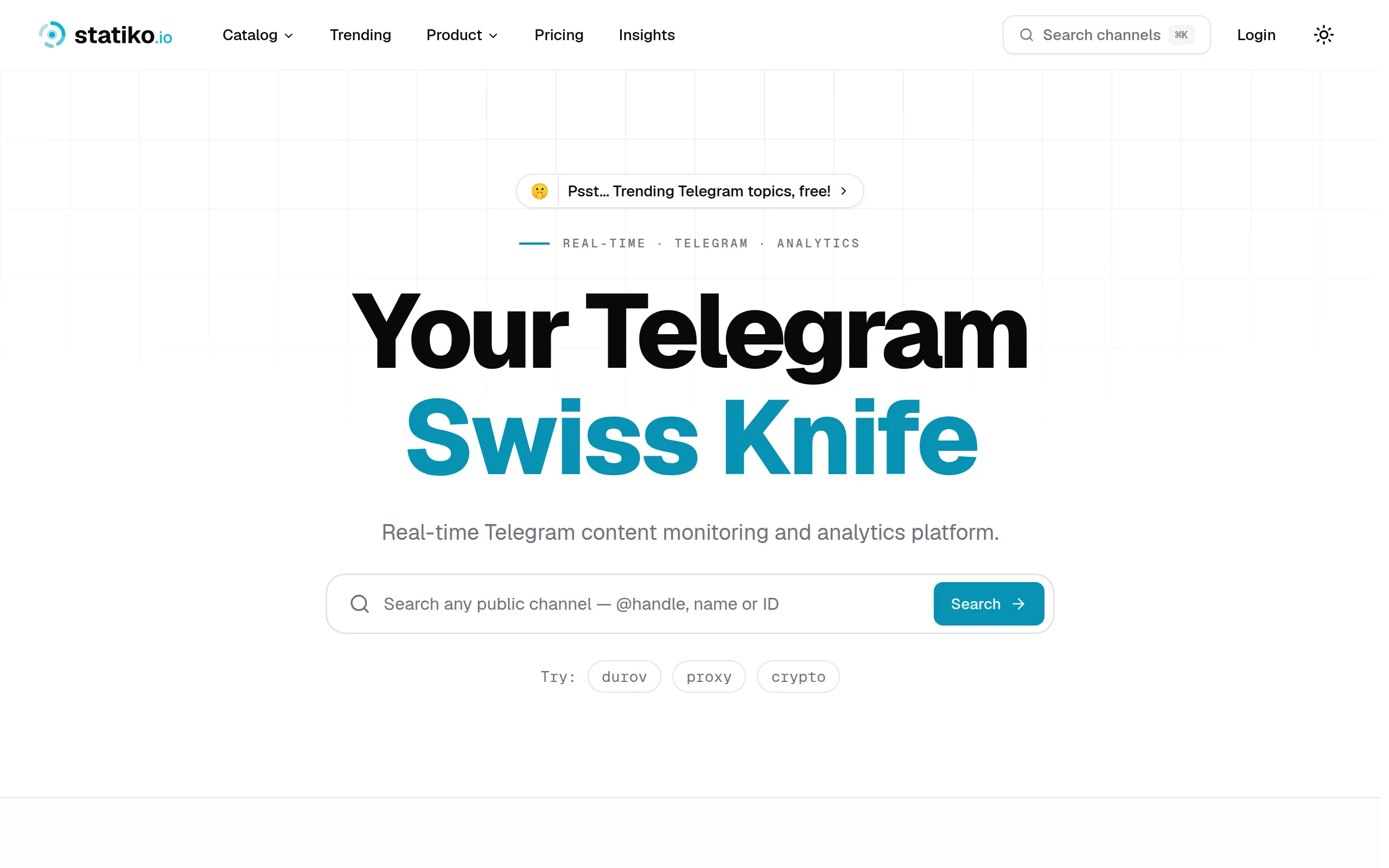
Statiko
Monitor any Telegram channel in real time - track posts, edits, deletions, and growth with AI recaps 📡

Shibui
AI website builder - describe your business, pick a niche template, edit by chatting, and publish instantly ✨

Pro Service
Find verified home service professionals, compare quotes, and pay securely through escrow - built for Brazilians across the US 🏠
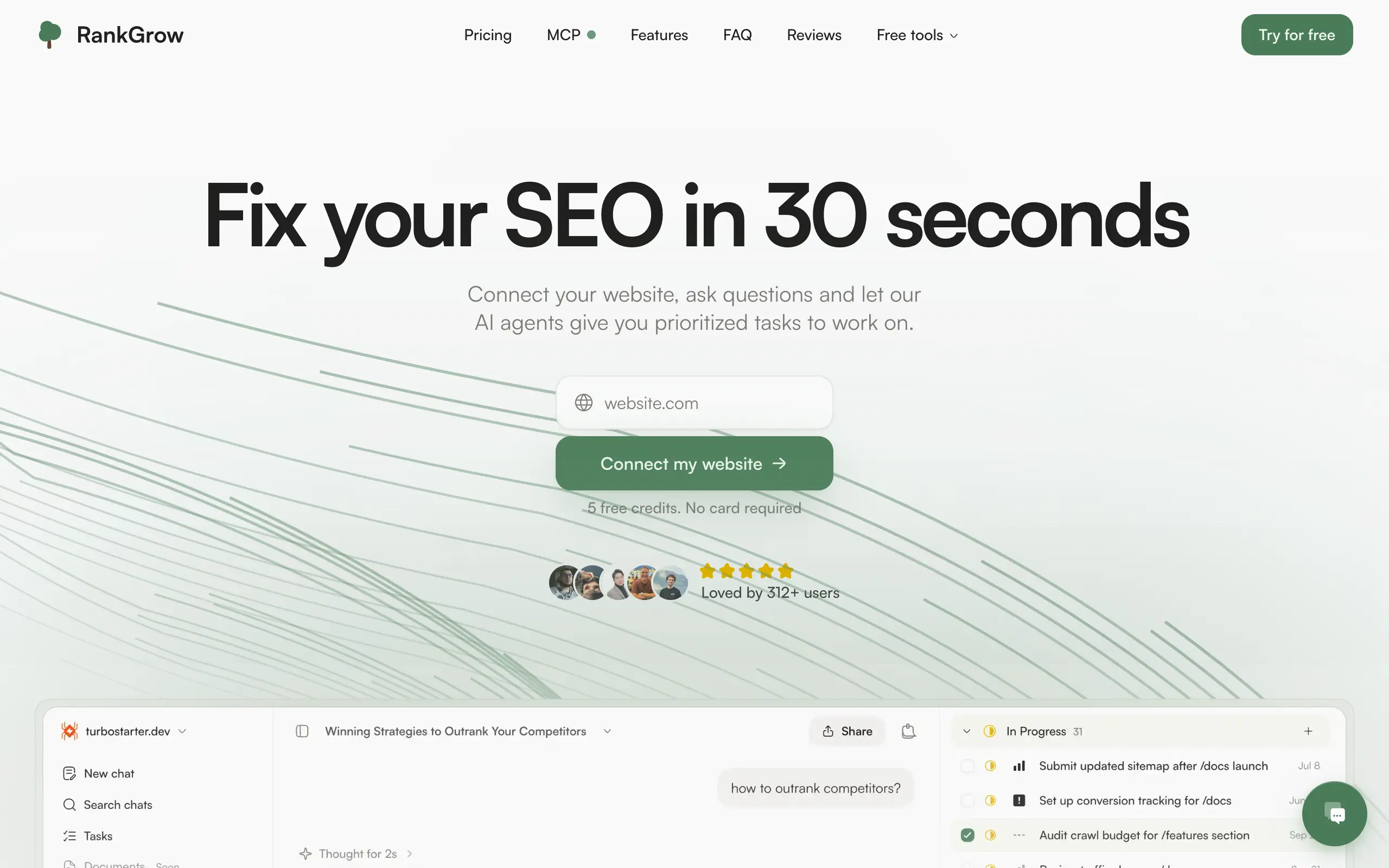
RankGrow
Fix your SEO with AI agents - connect Search Console, get prioritized tasks, and grow organic traffic 📈
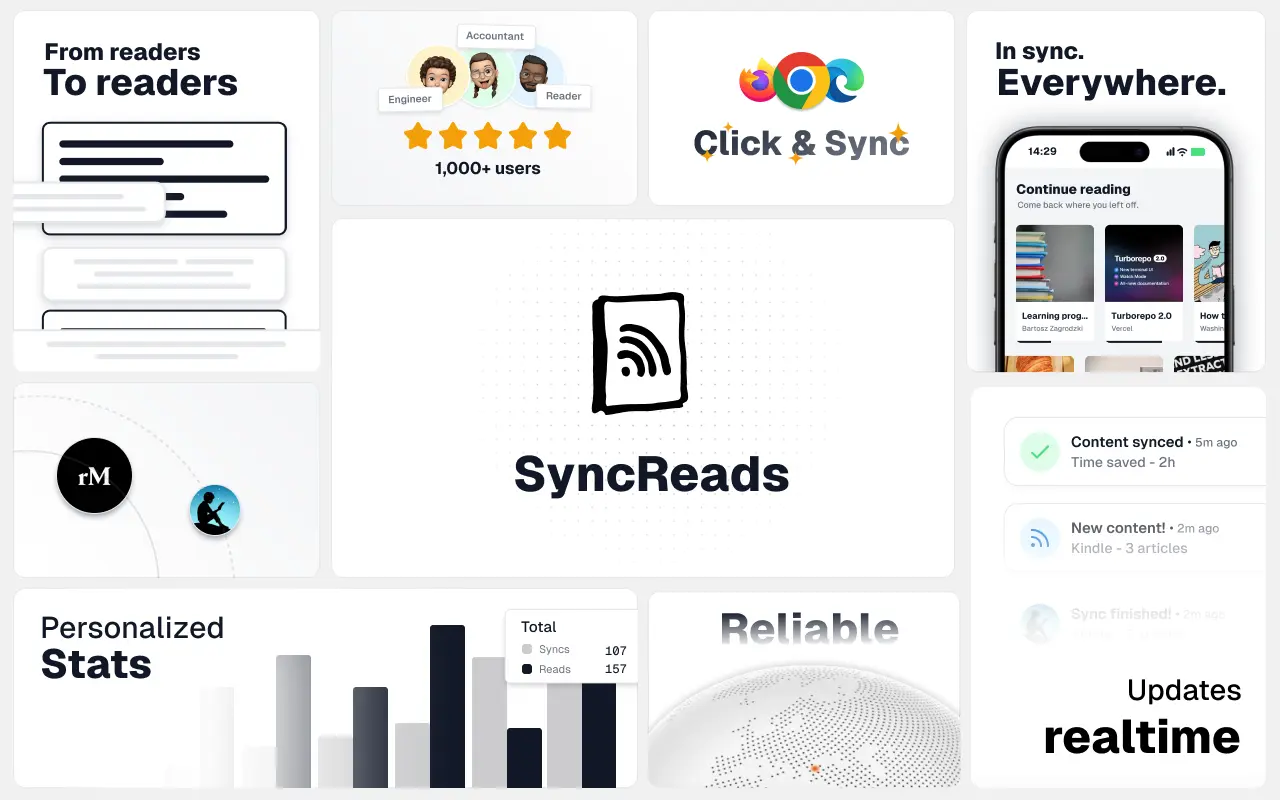
SyncReads
Sync your favorite content for distraction-free reading, save time and replace multiple apps. Anytime, anywhere 🔄
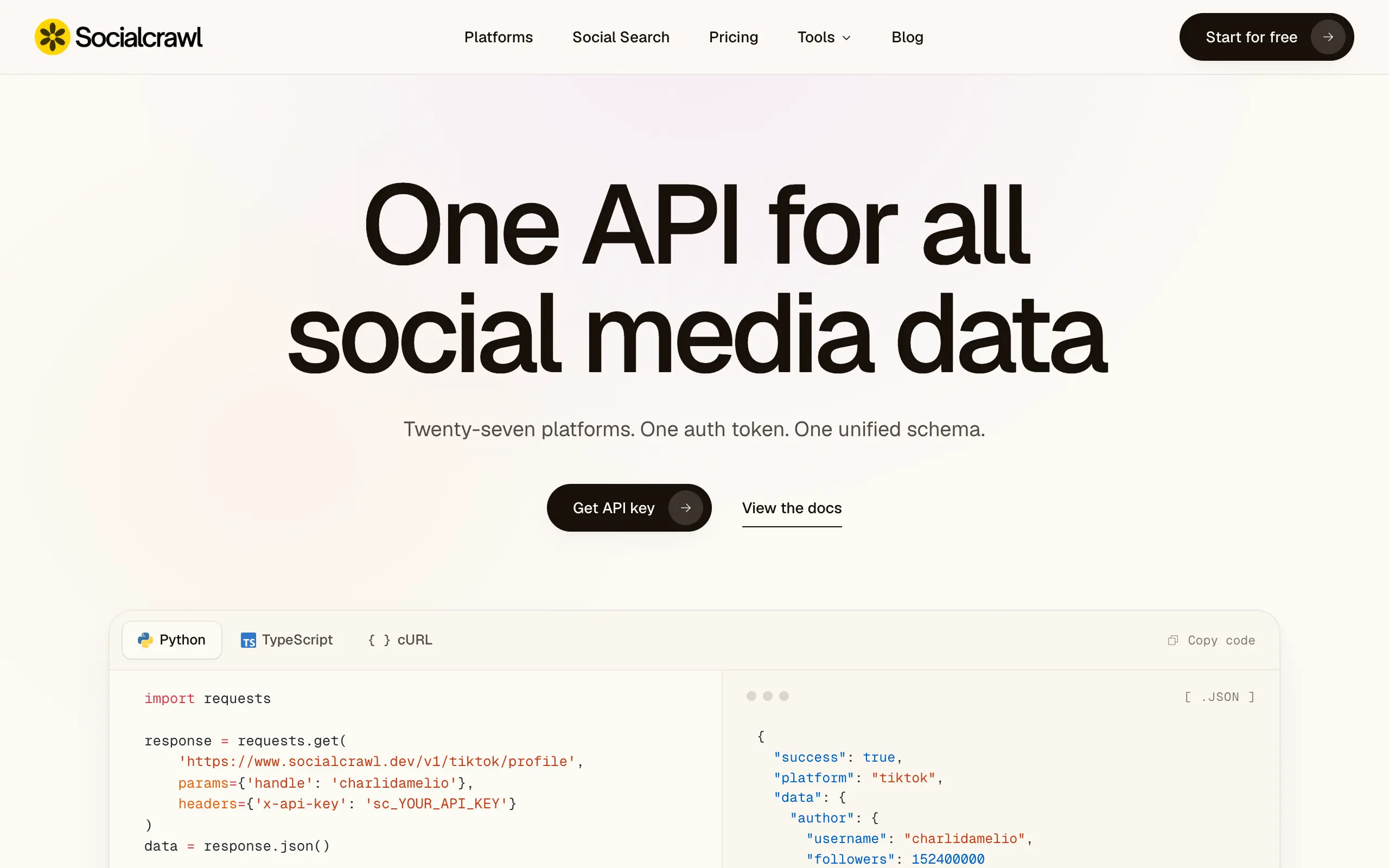
Socialcrawl
Get clean, structured data from 21 platforms like TikTok, Instagram, and YouTube with a single request 📊
Statiko
Monitor any Telegram channel in real time - track posts, edits, deletions, and growth with AI recaps 📡
Shibui
AI website builder - describe your business, pick a niche template, edit by chatting, and publish instantly ✨
Pro Service
Find verified home service professionals, compare quotes, and pay securely through escrow - built for Brazilians across the US 🏠
RankGrow
Fix your SEO with AI agents - connect Search Console, get prioritized tasks, and grow organic traffic 📈
SyncReads
Sync your favorite content for distraction-free reading, save time and replace multiple apps. Anytime, anywhere 🔄
Socialcrawl
Get clean, structured data from 21 platforms like TikTok, Instagram, and YouTube with a single request 📊
Statiko
Monitor any Telegram channel in real time - track posts, edits, deletions, and growth with AI recaps 📡
Shibui
AI website builder - describe your business, pick a niche template, edit by chatting, and publish instantly ✨
Pro Service
Find verified home service professionals, compare quotes, and pay securely through escrow - built for Brazilians across the US 🏠
RankGrow
Fix your SEO with AI agents - connect Search Console, get prioritized tasks, and grow organic traffic 📈
SyncReads
Sync your favorite content for distraction-free reading, save time and replace multiple apps. Anytime, anywhere 🔄
Socialcrawl
Get clean, structured data from 21 platforms like TikTok, Instagram, and YouTube with a single request 📊
Statiko
Monitor any Telegram channel in real time - track posts, edits, deletions, and growth with AI recaps 📡
Shibui
AI website builder - describe your business, pick a niche template, edit by chatting, and publish instantly ✨
Pro Service
Find verified home service professionals, compare quotes, and pay securely through escrow - built for Brazilians across the US 🏠
RankGrow
Fix your SEO with AI agents - connect Search Console, get prioritized tasks, and grow organic traffic 📈
SyncReads
Sync your favorite content for distraction-free reading, save time and replace multiple apps. Anytime, anywhere 🔄
Socialcrawl
Get clean, structured data from 21 platforms like TikTok, Instagram, and YouTube with a single request 📊
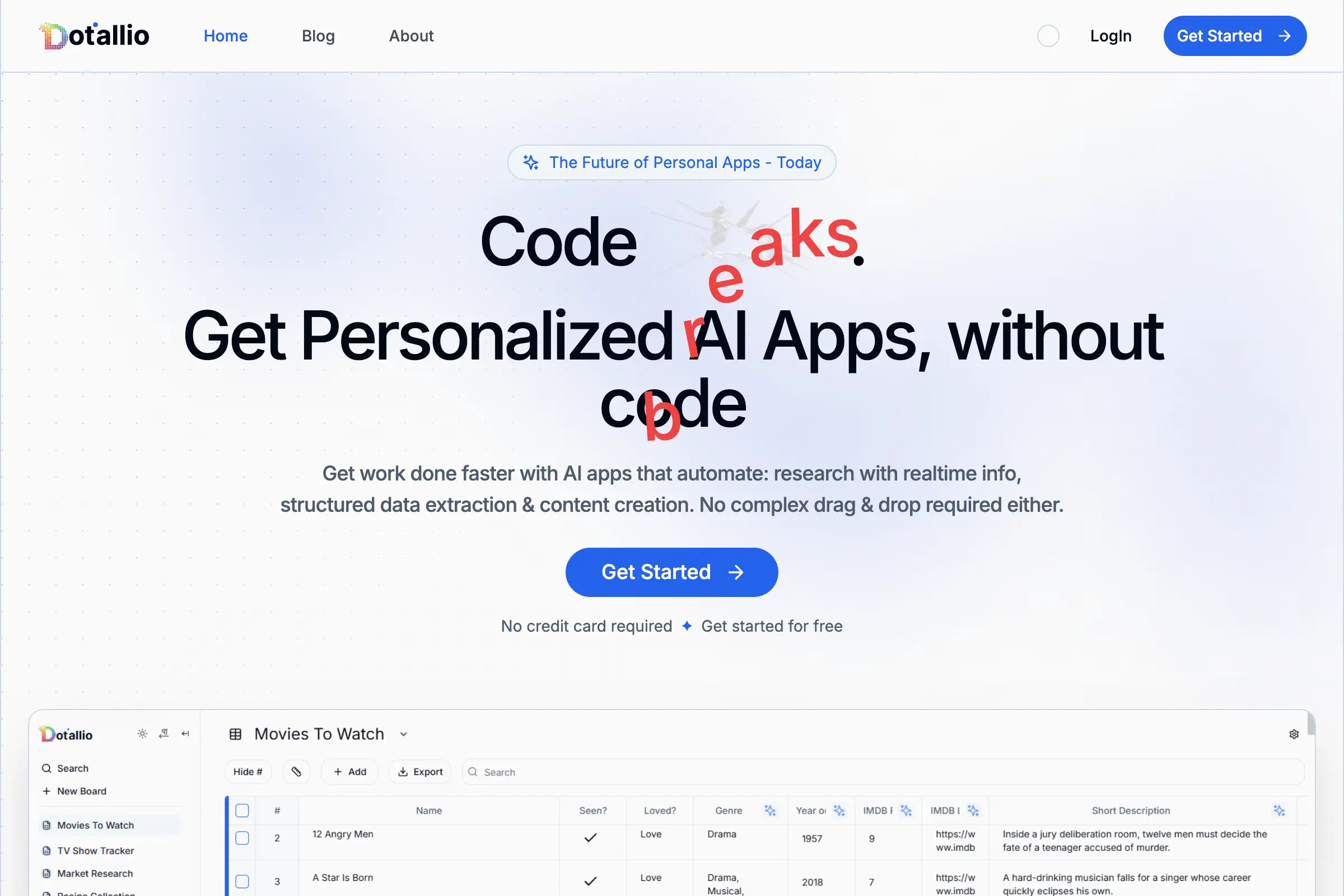
Dotallio
Personalized AI apps that automate research, data extraction, and content creation without code 🤖
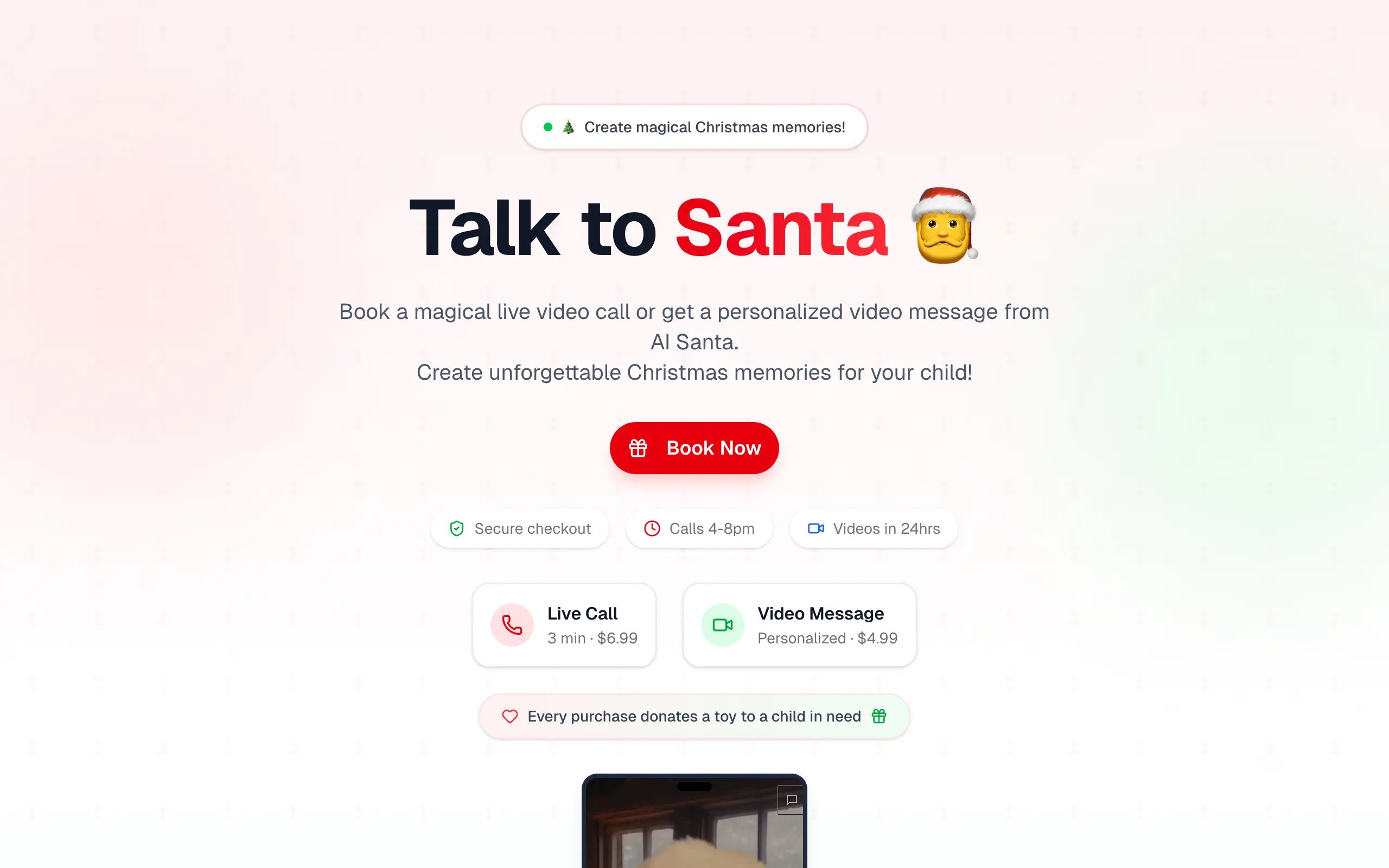
Talk to Santa
Enjoy a magical live video chat or receive a unique AI-generated video greeting from Santa Claus 🎅
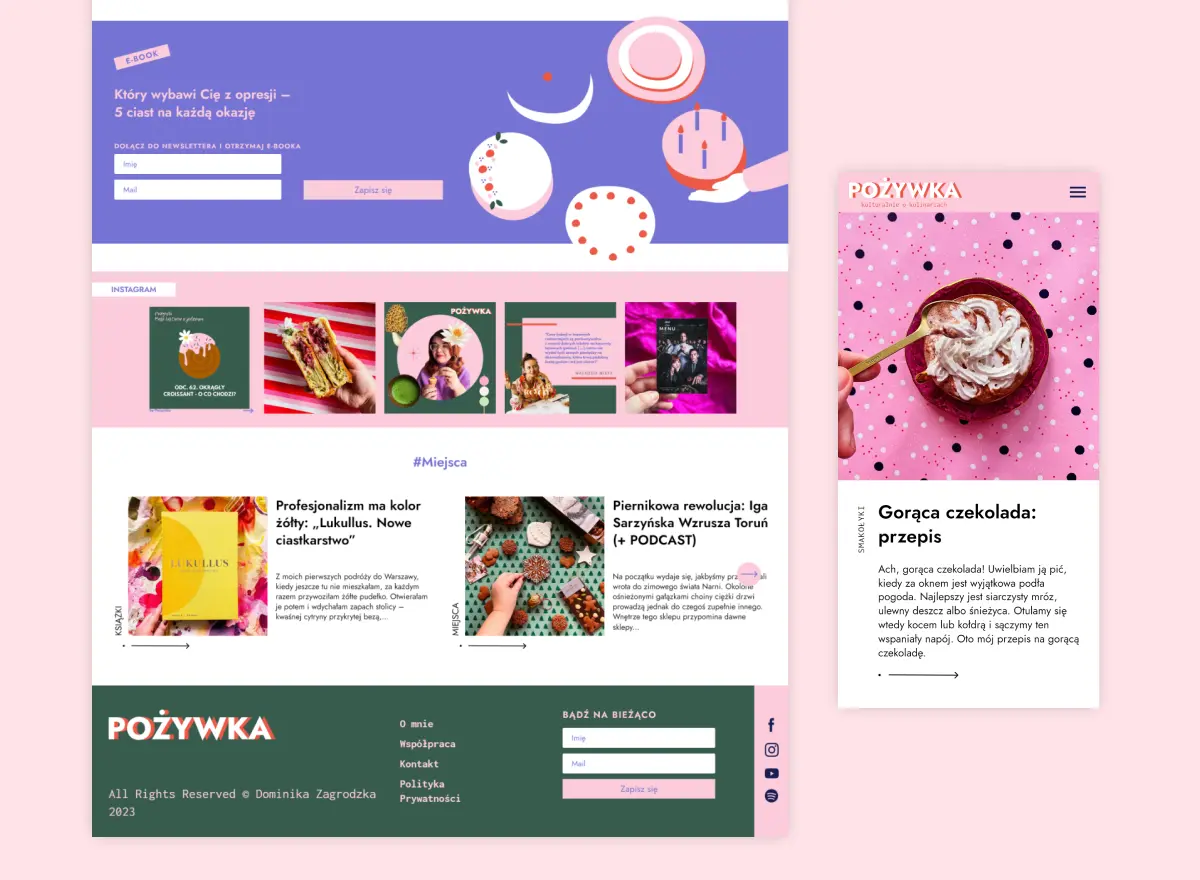
pozywka.pl
Scalable blog for food journalist, focused on performance and user experience 🌭
zagrodzki.me
Personal blog and portfolio of Bart Zagrodzki, where he shares his knowledge and work 💼
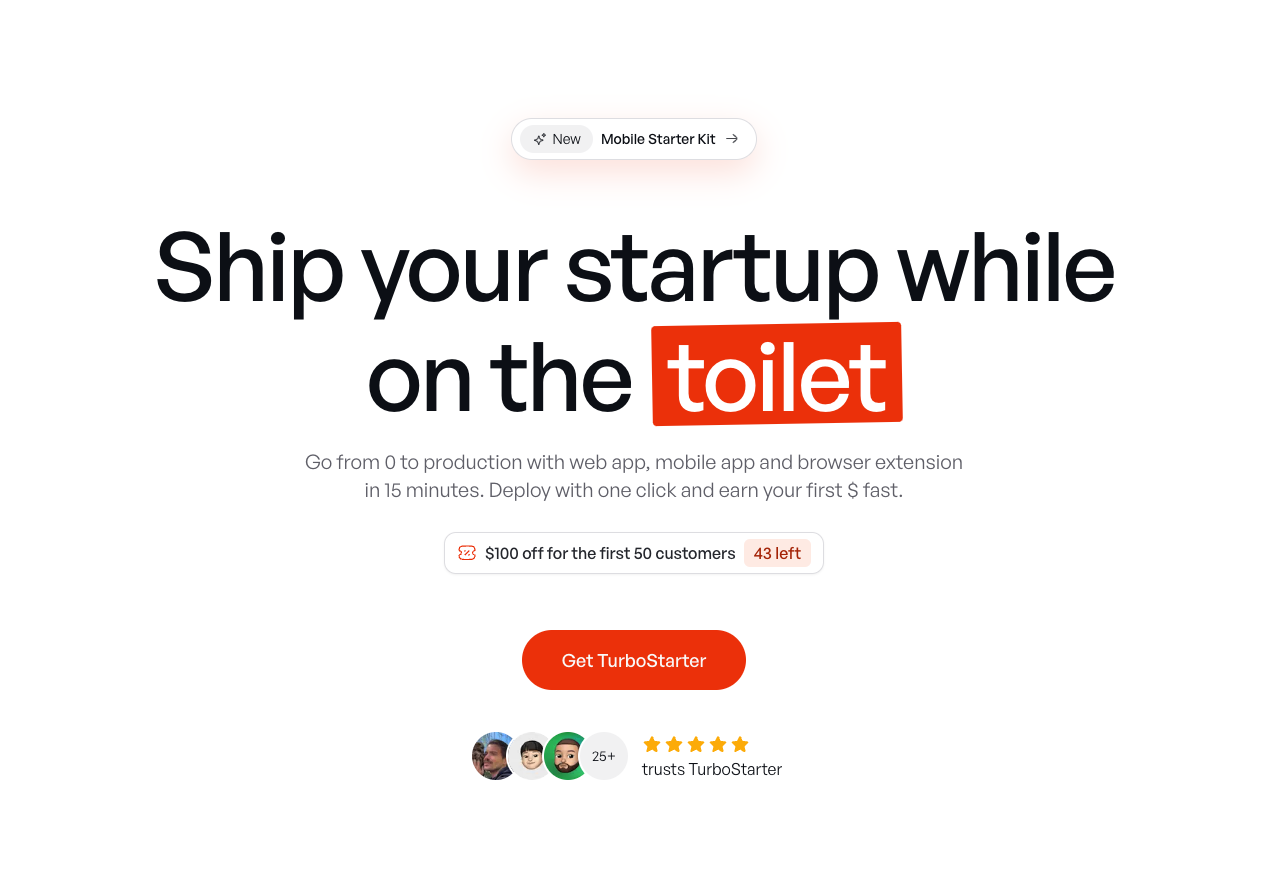
TurboStarter
Ship your startup everywhere. In minutes.
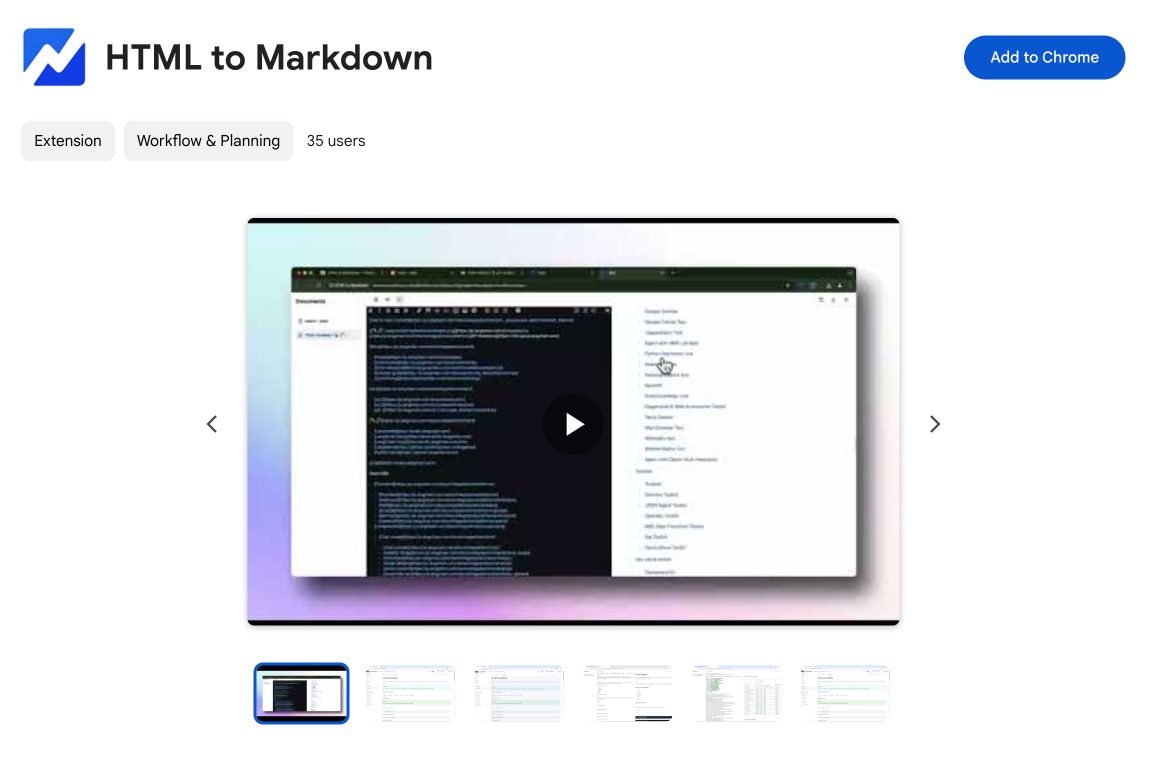
HTML to Markdown
Convert HTML to Markdown with ease, directly in your browser 📄
Dotallio
Personalized AI apps that automate research, data extraction, and content creation without code 🤖
Talk to Santa
Enjoy a magical live video chat or receive a unique AI-generated video greeting from Santa Claus 🎅
pozywka.pl
Scalable blog for food journalist, focused on performance and user experience 🌭
zagrodzki.me
Personal blog and portfolio of Bart Zagrodzki, where he shares his knowledge and work 💼
TurboStarter
Ship your startup everywhere. In minutes.
HTML to Markdown
Convert HTML to Markdown with ease, directly in your browser 📄
Dotallio
Personalized AI apps that automate research, data extraction, and content creation without code 🤖
Talk to Santa
Enjoy a magical live video chat or receive a unique AI-generated video greeting from Santa Claus 🎅
pozywka.pl
Scalable blog for food journalist, focused on performance and user experience 🌭
zagrodzki.me
Personal blog and portfolio of Bart Zagrodzki, where he shares his knowledge and work 💼
TurboStarter
Ship your startup everywhere. In minutes.
HTML to Markdown
Convert HTML to Markdown with ease, directly in your browser 📄
Dotallio
Personalized AI apps that automate research, data extraction, and content creation without code 🤖
Talk to Santa
Enjoy a magical live video chat or receive a unique AI-generated video greeting from Santa Claus 🎅
pozywka.pl
Scalable blog for food journalist, focused on performance and user experience 🌭
zagrodzki.me
Personal blog and portfolio of Bart Zagrodzki, where he shares his knowledge and work 💼
TurboStarter
Ship your startup everywhere. In minutes.
HTML to Markdown
Convert HTML to Markdown with ease, directly in your browser 📄
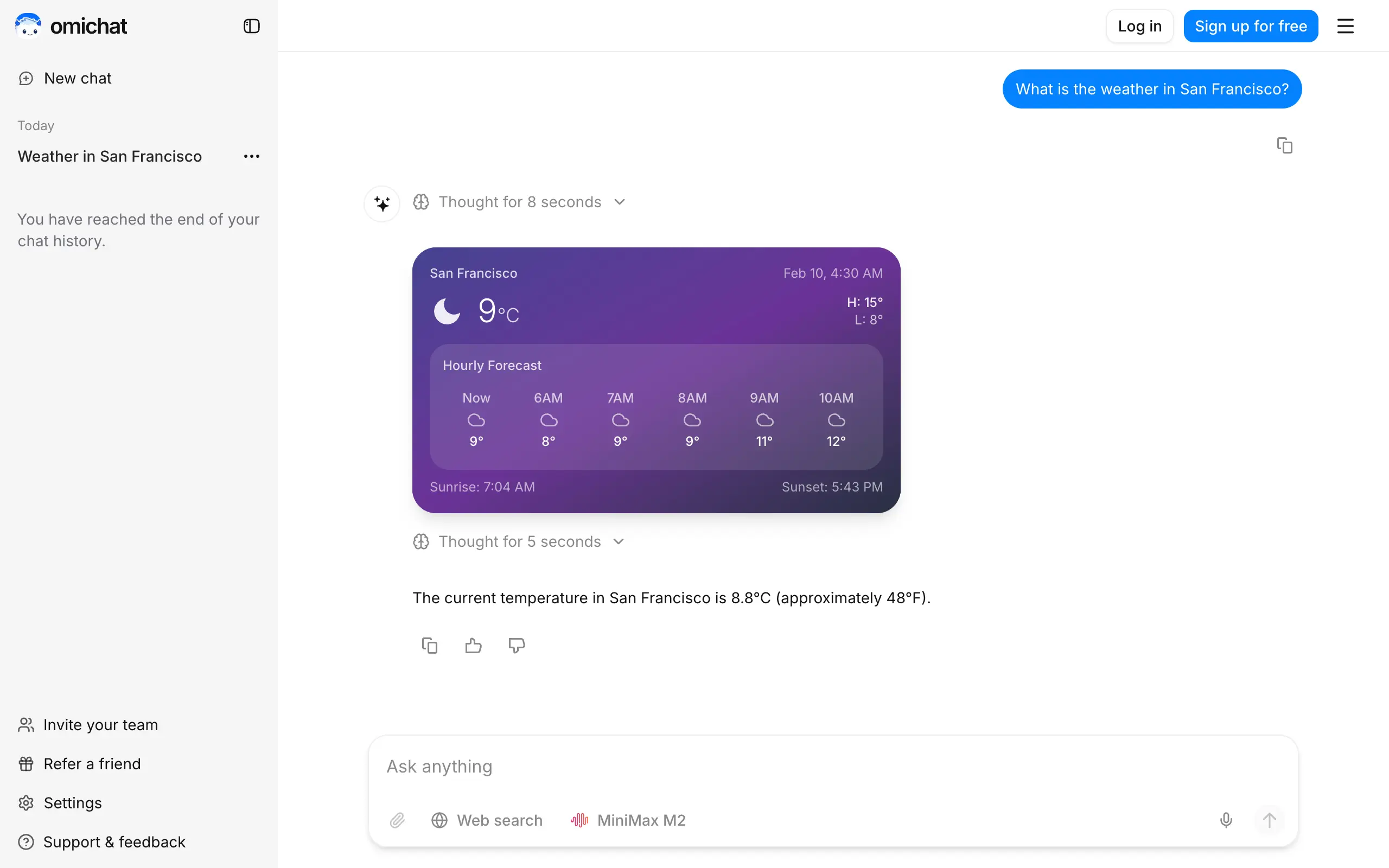
Omichat
Chat with 50+ AI models, including ChatGPT and Claude, in one place - switch models anytime without losing context 🤖
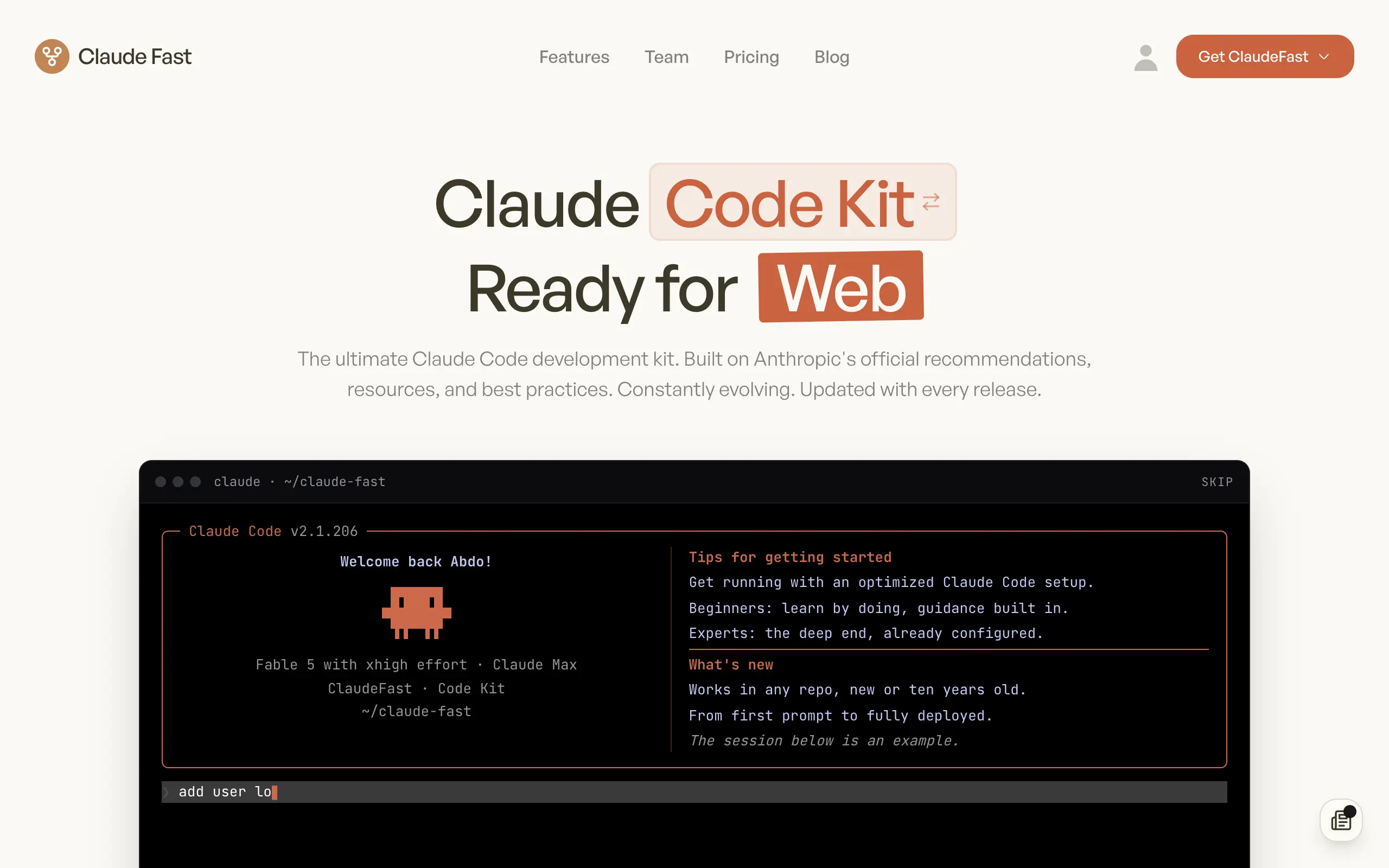
Claude Fast
Supercharge your Claude Code with 6x effective context window and specialized AI agents 🤖
EmojAI
AI-powered emoji picker with smart, context-aware suggestions 🤖
Solohacker
Autonomous company launcher - AI agents work 24/7, escalate what matters, and you stay in control 🤖
BeRawi: Storytelling Coach
Practice storytelling daily with instant feedback to sound clearer, more engaging, and confident 🎤
Omichat
Chat with 50+ AI models, including ChatGPT and Claude, in one place - switch models anytime without losing context 🤖
Claude Fast
Supercharge your Claude Code with 6x effective context window and specialized AI agents 🤖
EmojAI
AI-powered emoji picker with smart, context-aware suggestions 🤖
Solohacker
Autonomous company launcher - AI agents work 24/7, escalate what matters, and you stay in control 🤖
BeRawi: Storytelling Coach
Practice storytelling daily with instant feedback to sound clearer, more engaging, and confident 🎤
Omichat
Chat with 50+ AI models, including ChatGPT and Claude, in one place - switch models anytime without losing context 🤖
Claude Fast
Supercharge your Claude Code with 6x effective context window and specialized AI agents 🤖
EmojAI
AI-powered emoji picker with smart, context-aware suggestions 🤖
Solohacker
Autonomous company launcher - AI agents work 24/7, escalate what matters, and you stay in control 🤖
BeRawi: Storytelling Coach
Practice storytelling daily with instant feedback to sound clearer, more engaging, and confident 🎤
Omichat
Chat with 50+ AI models, including ChatGPT and Claude, in one place - switch models anytime without losing context 🤖
Claude Fast
Supercharge your Claude Code with 6x effective context window and specialized AI agents 🤖
EmojAI
AI-powered emoji picker with smart, context-aware suggestions 🤖
Solohacker
Autonomous company launcher - AI agents work 24/7, escalate what matters, and you stay in control 🤖
BeRawi: Storytelling Coach
Practice storytelling daily with instant feedback to sound clearer, more engaging, and confident 🎤

Connect with like-minded people
Join our community to get feedback, support, and grow together with 1,000+ builders on board, let's ship it!
Join usShip your startup everywhere. In minutes.
Don't burn tokens on setup and start building features on day one.