Habitualist
AI-powered habit builder that personalizes routines, tracks progress, and adapts to user motivation, making lasting change easier for individuals seeking self-improvement.
Understanding the need for AI-powered habit builders
The pursuit of self-improvement is a universal human drive, but building and maintaining positive habits remains a challenge for most people. Traditional habit trackers offer basic reminders and progress logs, but they often fail to address the underlying psychological and motivational factors that determine long-term success. This is where an AI-powered habit builder like Habitualist stands out—by personalizing routines, dynamically adapting to user motivation, and providing actionable insights, it bridges the gap between intention and sustained behavioral change.
In this comprehensive guide, we’ll explore the market opportunity for AI-driven habit formation tools, analyze the target audience, break down the core features of Habitualist, and provide actionable steps for launching a successful SaaS in this space.
Who is Habitualist for? Target audience analysis
Understanding your user base is critical for product-market fit. Habitualist is designed for individuals seeking self-improvement, but let’s dig deeper into the personas and segments most likely to benefit from an AI-powered habit builder.
Primary user personas
- Young professionals: Ambitious individuals juggling work, health, and personal growth goals, often struggling with time management and consistency.
- Students: High school and college students aiming to develop study routines, fitness habits, or mindfulness practices.
- Health and wellness enthusiasts: People committed to fitness, nutrition, or mental health who want to optimize their routines and track progress.
- Productivity seekers: Anyone interested in maximizing daily output, reducing procrastination, and building positive routines.
- Individuals with ADHD or executive function challenges: Users who benefit from adaptive, motivational support and personalized nudges.
User pain points addressed
- Lack of personalization: Most habit apps offer generic reminders, not tailored to individual motivation or context.
- Motivation fluctuations: Users often abandon habits when initial enthusiasm wanes.
- Overwhelm from complex routines: Too many goals or rigid schedules can lead to burnout.
- Difficulty tracking progress meaningfully: Simple streaks or checklists don’t provide actionable insights.
By focusing on these pain points, Habitualist positions itself as a solution that goes beyond tracking—offering adaptive, AI-driven support for real, lasting change.
Market opportunity and gap analysis
The global self-improvement market is booming, with digital wellness and productivity tools seeing rapid adoption. According to recent industry reports, the habit-tracking app market is projected to grow at a CAGR of over 10% through 2028 (reference: Statista). However, most existing solutions fall into two categories:
- Basic trackers: Apps like Habitica or Streaks focus on gamification or simple checklists.
- Manual planners: Tools like Notion or Google Sheets require significant user input and lack automation.
Where current solutions fall short
- Limited personalization: Few apps leverage AI to adapt routines based on user behavior and motivation.
- Static reminders: Most tools send fixed notifications, ignoring context or emotional state.
- Lack of actionable feedback: Users rarely receive insights on why they succeed or fail.
The AI advantage
Habitualist’s use of AI and machine learning enables:
- Dynamic routine adaptation: Adjusts goals and reminders based on real-time engagement and motivation.
- Personalized nudges: Sends context-aware encouragement or suggestions.
- Progress analytics: Surfaces patterns and actionable insights, not just streaks.
This positions Habitualist to capture a significant share of users seeking more than just habit tracking—a true partner in self-improvement.
Core features and solution details
Let’s break down the essential features that make Habitualist a standout AI-powered habit builder.
1. Personalized habit recommendations
- Onboarding assessment: Users complete a brief survey about goals, lifestyle, and motivation triggers.
- AI-driven suggestions: The system recommends habits and routines tailored to user preferences and readiness.
2. Adaptive routine scheduling
- Dynamic scheduling: Routines adjust automatically based on user engagement, calendar events, and energy levels.
- Smart reminders: Notifications are sent at optimal times, factoring in user behavior and context.
3. Motivation tracking and support
- Mood and motivation check-ins: Users log their emotional state, allowing the AI to adapt encouragement and difficulty.
- Gamification elements: Earn badges, streaks, and rewards for consistency and progress.
4. Progress analytics and insights
- Visual dashboards: Track habit streaks, completion rates, and motivational trends.
- Actionable feedback: AI surfaces insights on what’s working and suggests tweaks for better results.
5. Community and accountability
- Peer groups: Join or create groups for shared goals and mutual support.
- Accountability partners: Pair up with friends or mentors for regular check-ins.
6. Integrations and automation
- Calendar sync: Connect with Google Calendar or Outlook for seamless scheduling.
- Wearable integration: Sync with devices like Fitbit or Apple Watch for activity-based habits.
Personalized AI routines
Custom habit plans adapt to your unique motivation and lifestyle.
Smart reminders
Notifications are sent when you’re most likely to act, not just on a fixed schedule.
Actionable analytics
Visualize your progress and receive tailored feedback for continuous improvement.
Community support
Join groups or find accountability partners to stay motivated.
Recommended tech stack for building Habitualist
Choosing the right technology stack is crucial for scalability, performance, and rapid iteration. Here’s a recommended stack for Habitualist, with trade-offs considered.
Frontend
- React: Modern, component-based UI development. Large ecosystem and community support.
- TailwindCSS: Utility-first CSS framework for rapid, responsive design.
- TypeScript: Adds type safety and improves maintainability.
Backend
- Node.js: Non-blocking, event-driven server for real-time features.
- Express: Minimalist web framework for building APIs.
- Python (for AI/ML): Leverage libraries like TensorFlow or PyTorch for machine learning models.
Database
- PostgreSQL: Reliable, scalable relational database for user data and analytics.
- Redis: In-memory store for caching and real-time notifications.
AI/ML infrastructure
- TensorFlow or PyTorch: For building and deploying machine learning models.
- Hugging Face: Pre-trained models for NLP tasks (e.g., sentiment analysis in motivation check-ins).
Hosting and DevOps
- Vercel or Netlify: For frontend hosting and CI/CD.
- AWS or Google Cloud: Scalable backend and AI infrastructure.
Trade-offs to consider
- Monolithic vs. microservices: Monolithic architecture is simpler for MVP, but microservices offer better scalability as user base grows.
- Custom AI vs. third-party APIs: Building custom models offers more control, but using APIs like OpenAI can accelerate development.
Pro tip
Leverage platforms like TurboStarter to accelerate SaaS development with pre-built authentication, billing, and deployment workflows.
Monetization strategy options
A successful SaaS needs a clear path to revenue. Here are proven monetization models for Habitualist:
1. Freemium model
- Free tier: Basic habit tracking, limited AI features, and community access.
- Premium tier: Advanced analytics, unlimited habits, personalized coaching, and integrations.
2. Subscription plans
- Monthly/annual subscriptions: Offer discounts for annual commitments to improve retention.
- Family or group plans: Enable shared access and accountability features.
3. In-app purchases
- One-time purchases: Unlock specific features, themes, or habit packs.
- Coaching sessions: Book AI-powered or human coaching for personalized support.
4. Affiliate partnerships
- Wellness brands: Recommend products or services aligned with user goals (e.g., fitness gear, meditation apps).
5. B2B licensing
- Corporate wellness: Offer white-labeled versions for companies investing in employee well-being.
| Freemium | Subscription | In-app | Affiliate | B2B |
|---|---|---|---|---|
| ✅ | ❌ | ❌ | ✅ | ❌ |
| ✅ | ❌ | ✅ | ✅ | ❌ |
Potential risks and mitigation strategies
Launching an AI-powered habit builder comes with unique challenges. Here’s how to anticipate and address them:
1. Data privacy and security
- Risk: Handling sensitive user data (habits, motivation, health) requires robust security.
- Mitigation: Implement end-to-end encryption, comply with GDPR/CCPA, and be transparent about data usage.
2. AI bias and accuracy
- Risk: AI recommendations may not suit all users, leading to frustration or disengagement.
- Mitigation: Continuously train models on diverse datasets, allow user feedback to refine suggestions.
3. User retention
- Risk: Users may abandon the app if they don’t see quick wins or value.
- Mitigation: Focus on onboarding, early habit success, and personalized nudges to build momentum.
4. Feature creep
- Risk: Adding too many features can overwhelm users and complicate the product.
- Mitigation: Prioritize core features, validate with user feedback, and iterate based on real needs.
5. Competition
- Risk: The market is crowded with habit trackers and wellness apps.
- Mitigation: Double down on AI-driven personalization and actionable insights as unique differentiators.
All user data is encrypted in transit and at rest. We follow industry best practices for privacy and comply with relevant regulations.
Users can provide feedback on recommendations, and the AI adapts over time to better fit your preferences and results.
Competitive advantage analysis
To stand out in a crowded market, Habitualist must offer clear, defensible advantages:
Unique selling propositions (USPs)
- AI-powered personalization: Most competitors offer static routines; Habitualist adapts in real time to user motivation and context.
- Motivation-aware nudges: Instead of generic reminders, users receive encouragement tailored to their emotional state and progress.
- Actionable analytics: Go beyond streaks—users get insights into why habits succeed or fail, and how to improve.
- Community and accountability: Built-in support systems foster engagement and long-term retention.
How Habitualist compares to alternatives
- Vs. basic trackers: Offers deeper personalization and adaptive routines.
- Vs. manual planners: Automates habit management, reducing user effort.
- Vs. other AI apps: Focuses on motivation and emotional context, not just behavior tracking.
Actionable implementation steps
Ready to bring Habitualist to life? Here’s a step-by-step roadmap for launching your AI-powered habit builder:
Conclusion: Why Habitualist is the future of habit building
The science of habit formation is evolving, and so are user expectations. With its AI-powered personalization, adaptive routines, and actionable insights, Habitualist is uniquely positioned to help individuals achieve lasting self-improvement. By addressing real user pain points and leveraging the latest in machine learning and behavioral science, Habitualist stands out as a next-generation solution in the digital wellness space.
Whether you’re an entrepreneur, developer, or self-improvement enthusiast, now is the time to invest in smarter, more effective habit-building tools. Use platforms like TurboStarter to accelerate your SaaS journey, and focus on delivering real, measurable value to your users.
Frequently asked questions
Habitualist uses AI to personalize routines, adapt to your motivation, and provide actionable feedback—going beyond simple checklists or reminders.
Yes, integrations with popular wearables like Fitbit and Apple Watch are planned to automate activity-based habits.
Absolutely. We prioritize privacy and security, using encryption and following best practices for data protection.
By focusing on adaptive, AI-powered habit building, Habitualist is set to redefine how individuals approach self-improvement—making lasting change not just possible, but easier and more engaging than ever before.
More 👥 B2C Application SaaS ideas
Discover more innovative b2c application SaaS ideas that are trending in 2026. Each idea is AI-generated with market validation and growth potential to help you find your next profitable venture faster than competitors.
Your competitors are building with TurboStarter
Below are some of the SaaS ideas that have been generated and built with our starter kit.
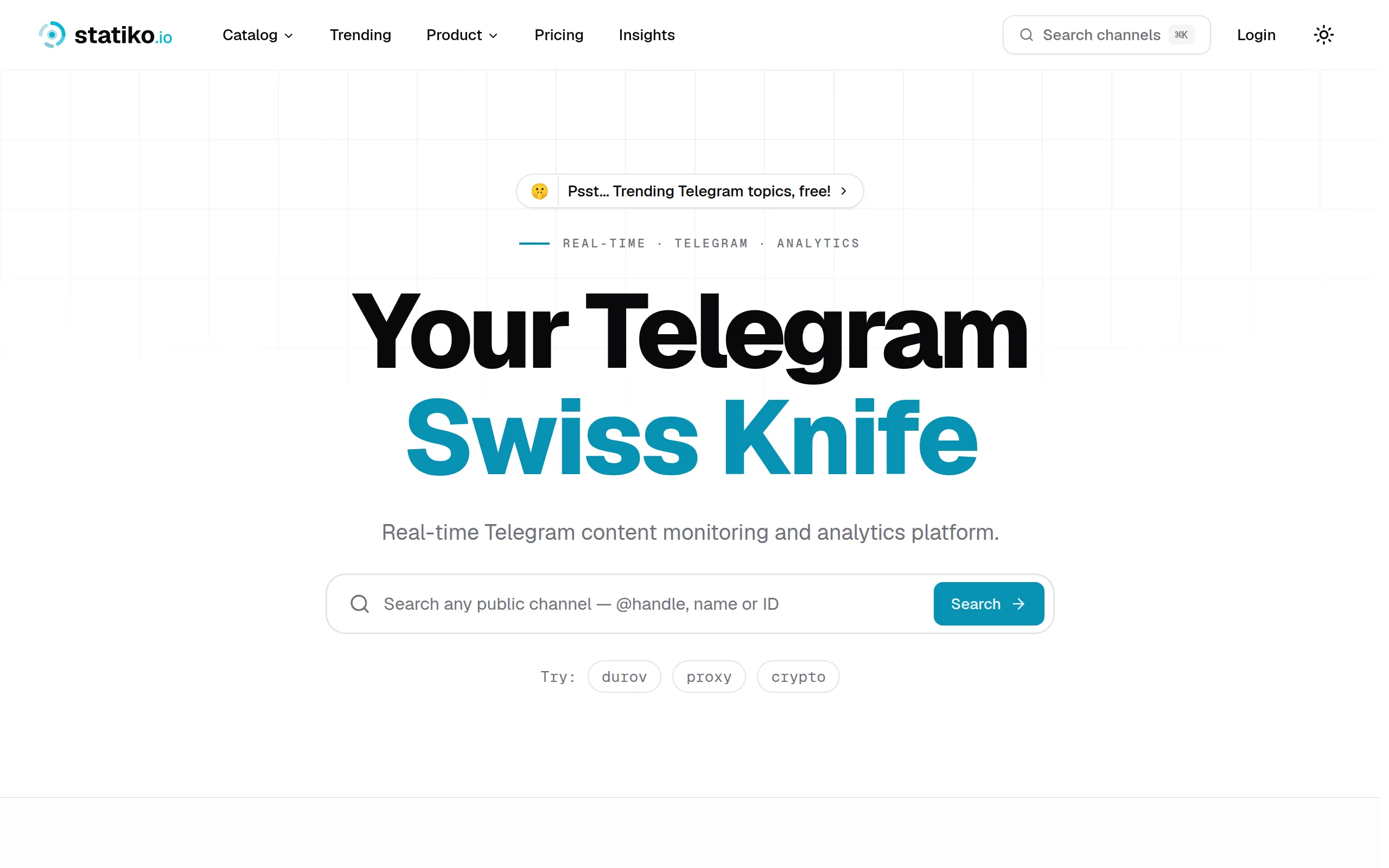
Statiko
Monitor any Telegram channel in real time - track posts, edits, deletions, and growth with AI recaps 📡

Shibui
AI website builder - describe your business, pick a niche template, edit by chatting, and publish instantly ✨

Pro Service
Find verified home service professionals, compare quotes, and pay securely through escrow - built for Brazilians across the US 🏠
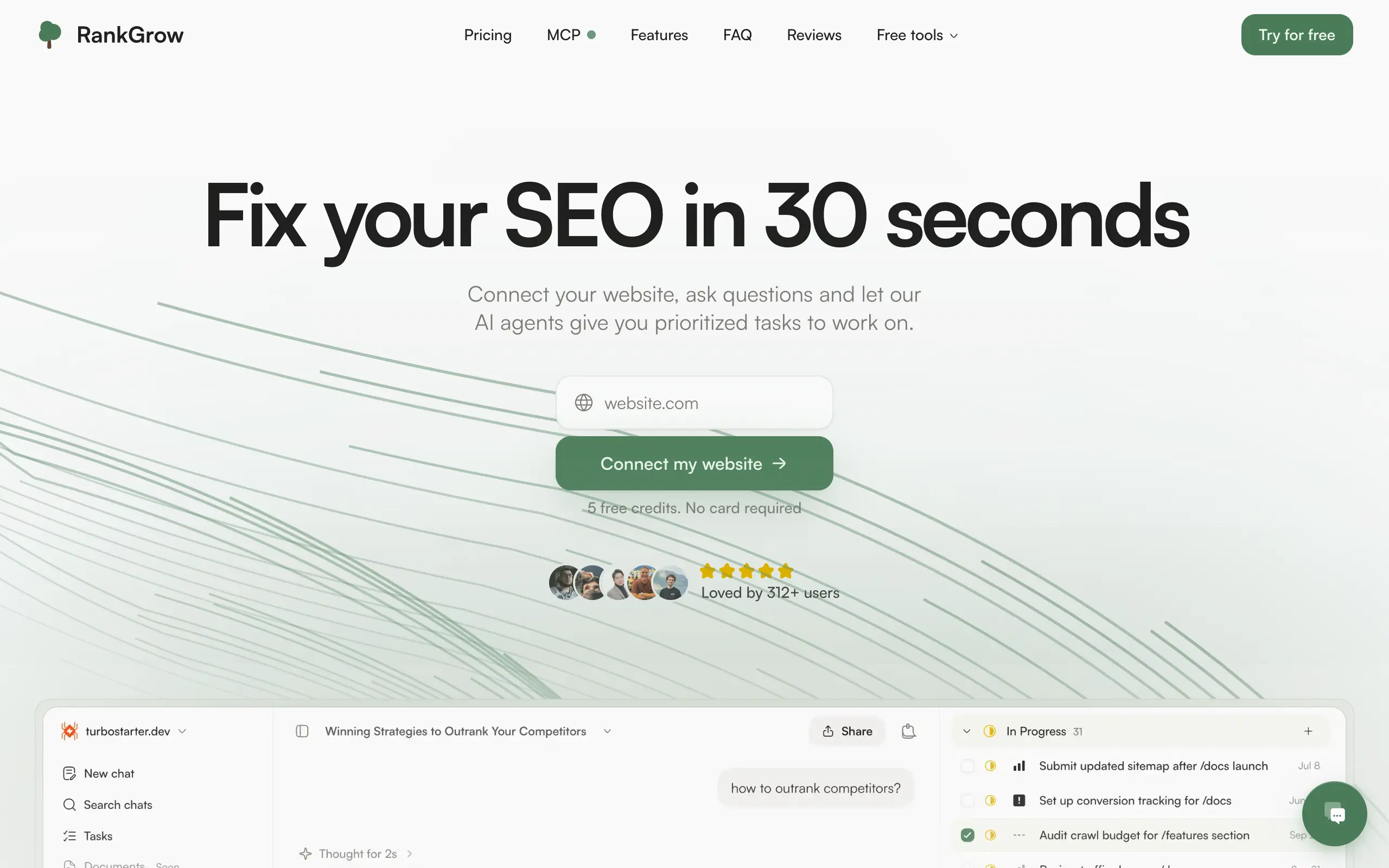
RankGrow
Fix your SEO with AI agents - connect Search Console, get prioritized tasks, and grow organic traffic 📈
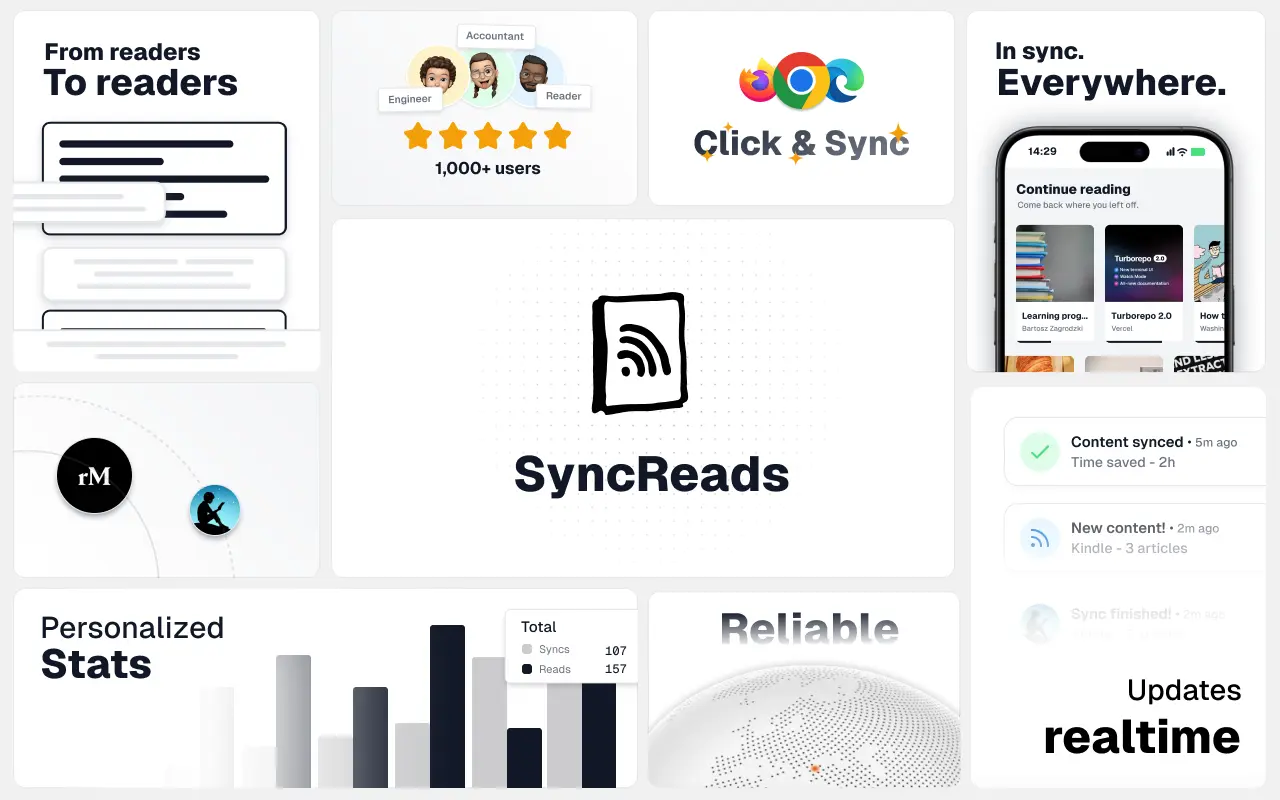
SyncReads
Sync your favorite content for distraction-free reading, save time and replace multiple apps. Anytime, anywhere 🔄
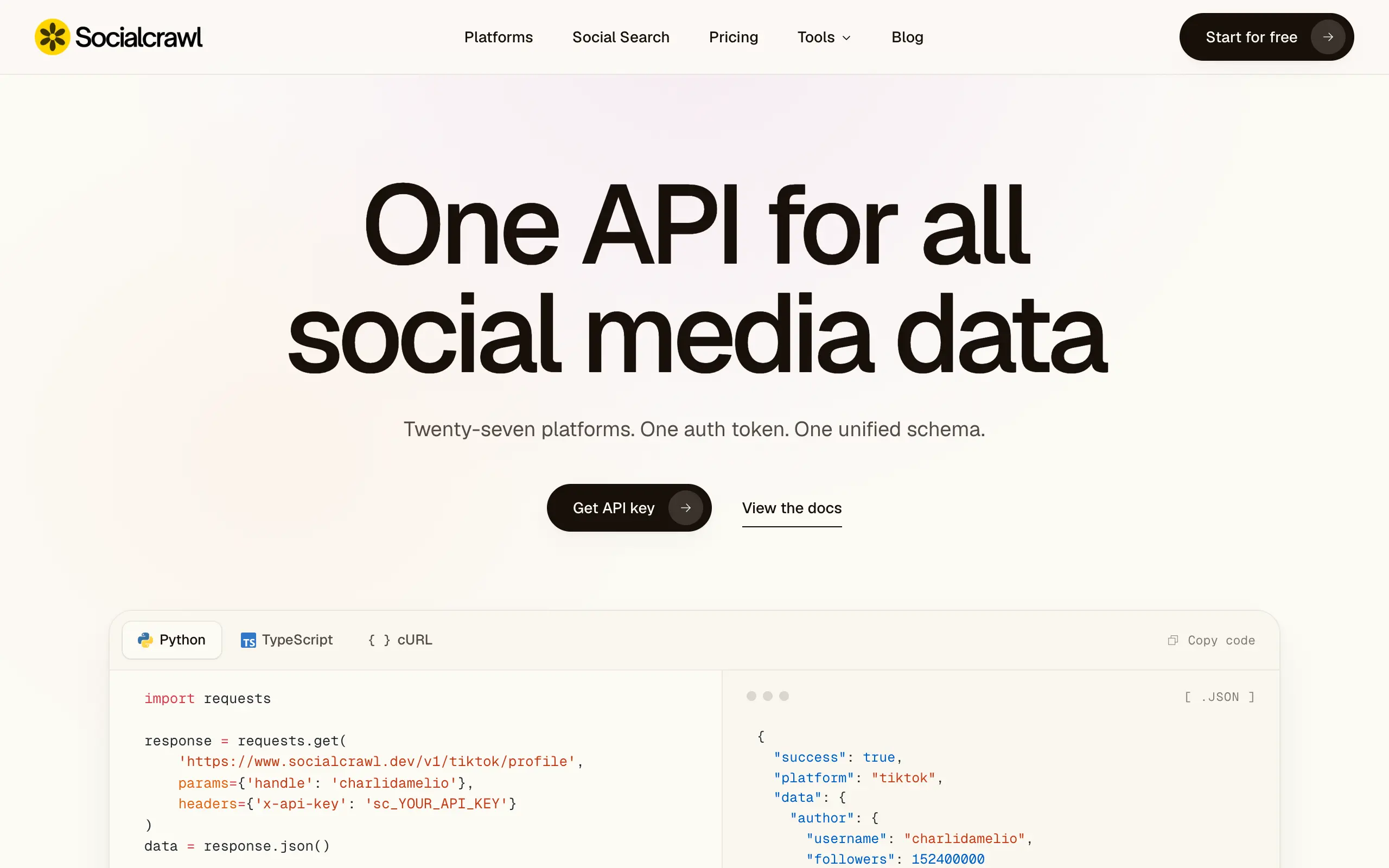
Socialcrawl
Get clean, structured data from 21 platforms like TikTok, Instagram, and YouTube with a single request 📊
Statiko
Monitor any Telegram channel in real time - track posts, edits, deletions, and growth with AI recaps 📡
Shibui
AI website builder - describe your business, pick a niche template, edit by chatting, and publish instantly ✨
Pro Service
Find verified home service professionals, compare quotes, and pay securely through escrow - built for Brazilians across the US 🏠
RankGrow
Fix your SEO with AI agents - connect Search Console, get prioritized tasks, and grow organic traffic 📈
SyncReads
Sync your favorite content for distraction-free reading, save time and replace multiple apps. Anytime, anywhere 🔄
Socialcrawl
Get clean, structured data from 21 platforms like TikTok, Instagram, and YouTube with a single request 📊
Statiko
Monitor any Telegram channel in real time - track posts, edits, deletions, and growth with AI recaps 📡
Shibui
AI website builder - describe your business, pick a niche template, edit by chatting, and publish instantly ✨
Pro Service
Find verified home service professionals, compare quotes, and pay securely through escrow - built for Brazilians across the US 🏠
RankGrow
Fix your SEO with AI agents - connect Search Console, get prioritized tasks, and grow organic traffic 📈
SyncReads
Sync your favorite content for distraction-free reading, save time and replace multiple apps. Anytime, anywhere 🔄
Socialcrawl
Get clean, structured data from 21 platforms like TikTok, Instagram, and YouTube with a single request 📊
Statiko
Monitor any Telegram channel in real time - track posts, edits, deletions, and growth with AI recaps 📡
Shibui
AI website builder - describe your business, pick a niche template, edit by chatting, and publish instantly ✨
Pro Service
Find verified home service professionals, compare quotes, and pay securely through escrow - built for Brazilians across the US 🏠
RankGrow
Fix your SEO with AI agents - connect Search Console, get prioritized tasks, and grow organic traffic 📈
SyncReads
Sync your favorite content for distraction-free reading, save time and replace multiple apps. Anytime, anywhere 🔄
Socialcrawl
Get clean, structured data from 21 platforms like TikTok, Instagram, and YouTube with a single request 📊
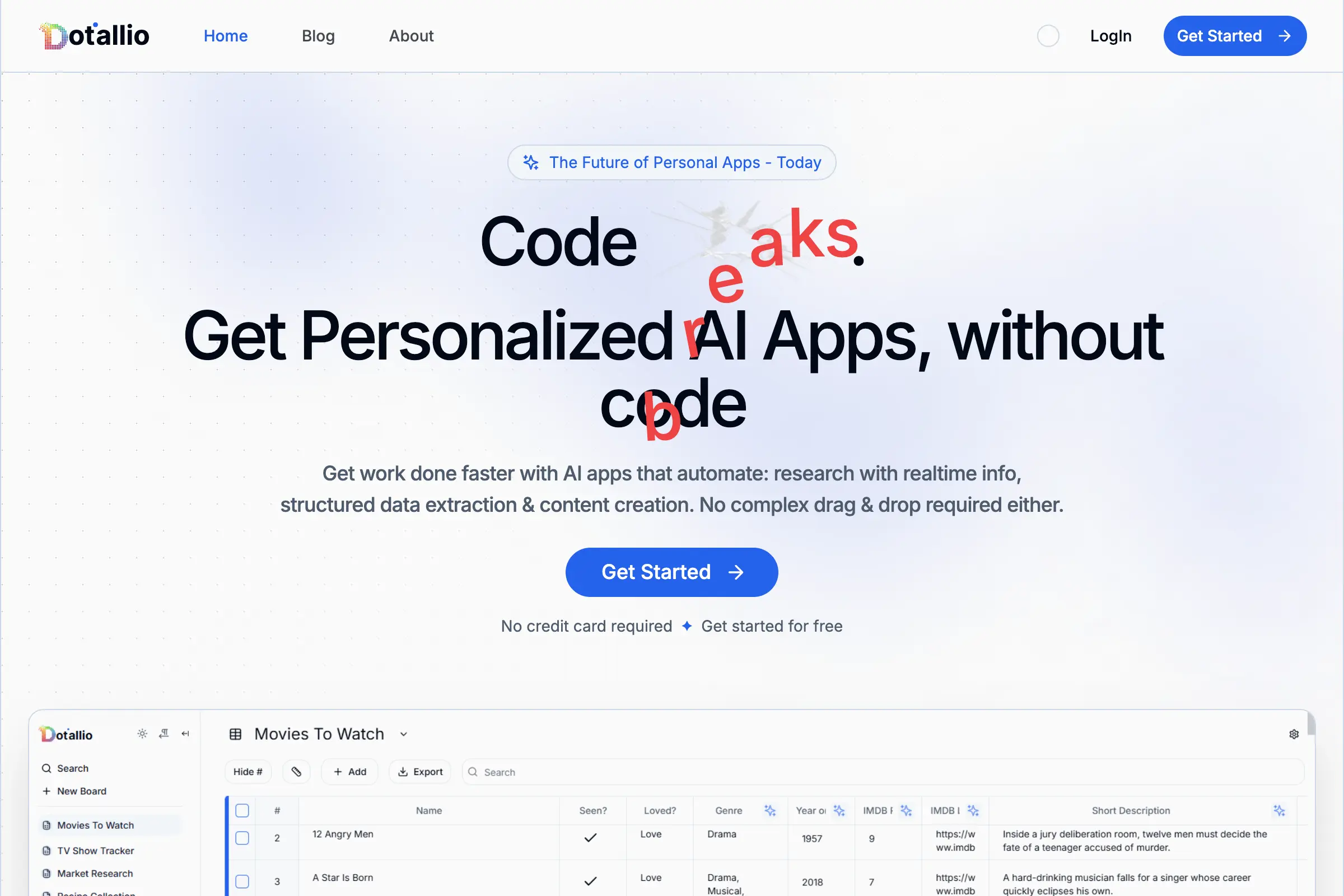
Dotallio
Personalized AI apps that automate research, data extraction, and content creation without code 🤖

Talk to Santa
Enjoy a magical live video chat or receive a unique AI-generated video greeting from Santa Claus 🎅

pozywka.pl
Scalable blog for food journalist, focused on performance and user experience 🌭
zagrodzki.me
Personal blog and portfolio of Bart Zagrodzki, where he shares his knowledge and work 💼
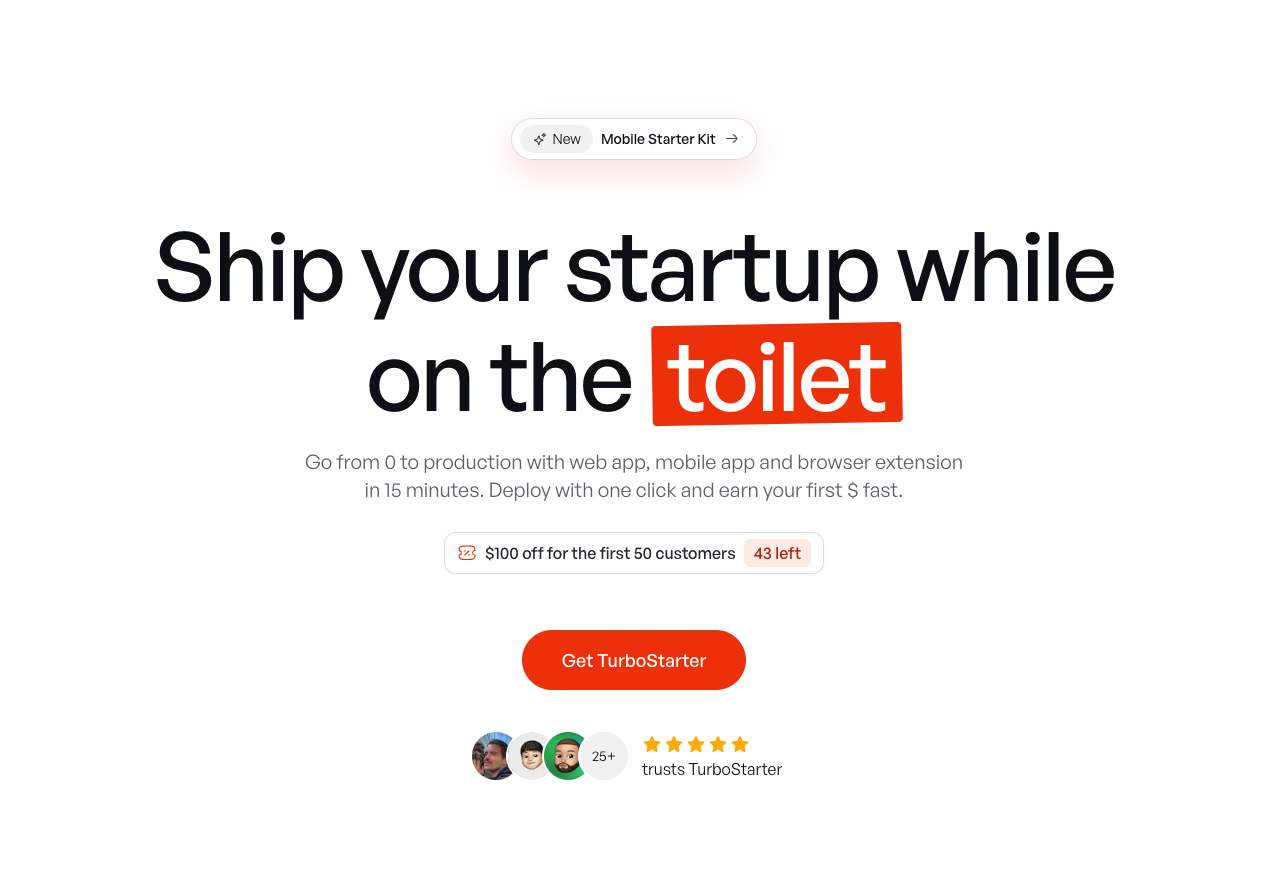
TurboStarter
Ship your startup everywhere. In minutes.
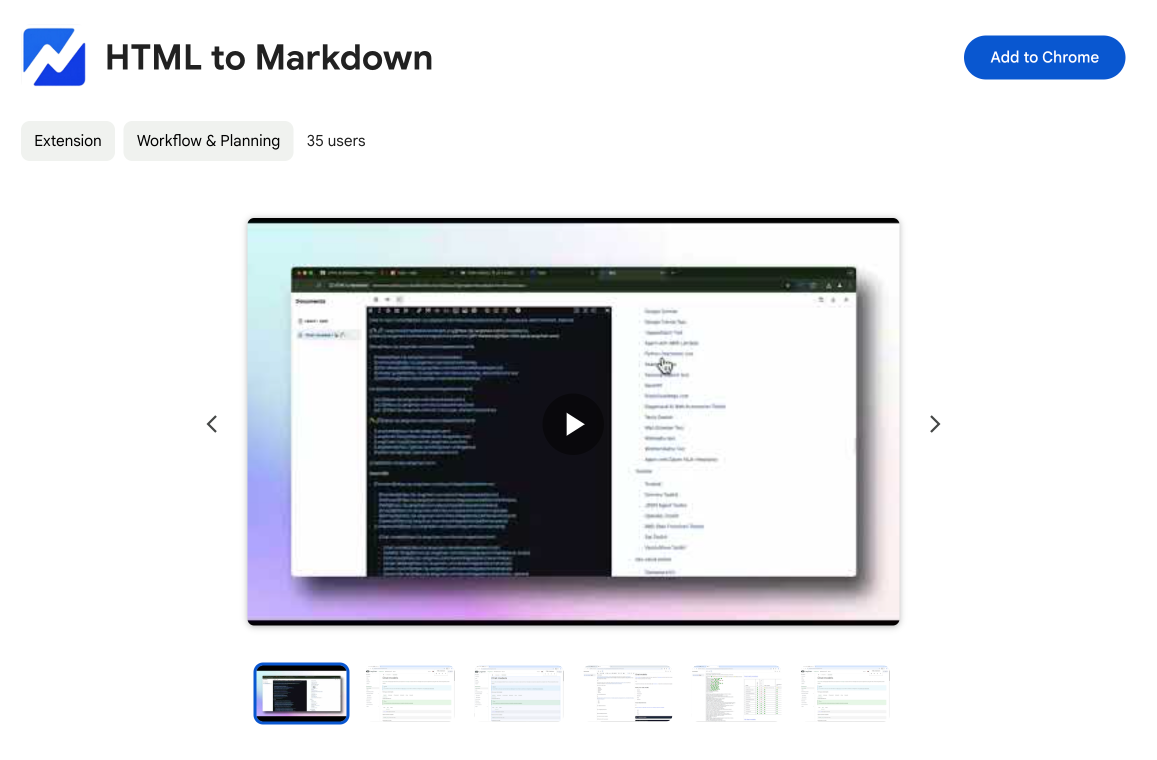
HTML to Markdown
Convert HTML to Markdown with ease, directly in your browser 📄
Dotallio
Personalized AI apps that automate research, data extraction, and content creation without code 🤖
Talk to Santa
Enjoy a magical live video chat or receive a unique AI-generated video greeting from Santa Claus 🎅
pozywka.pl
Scalable blog for food journalist, focused on performance and user experience 🌭
zagrodzki.me
Personal blog and portfolio of Bart Zagrodzki, where he shares his knowledge and work 💼
TurboStarter
Ship your startup everywhere. In minutes.
HTML to Markdown
Convert HTML to Markdown with ease, directly in your browser 📄
Dotallio
Personalized AI apps that automate research, data extraction, and content creation without code 🤖
Talk to Santa
Enjoy a magical live video chat or receive a unique AI-generated video greeting from Santa Claus 🎅
pozywka.pl
Scalable blog for food journalist, focused on performance and user experience 🌭
zagrodzki.me
Personal blog and portfolio of Bart Zagrodzki, where he shares his knowledge and work 💼
TurboStarter
Ship your startup everywhere. In minutes.
HTML to Markdown
Convert HTML to Markdown with ease, directly in your browser 📄
Dotallio
Personalized AI apps that automate research, data extraction, and content creation without code 🤖
Talk to Santa
Enjoy a magical live video chat or receive a unique AI-generated video greeting from Santa Claus 🎅
pozywka.pl
Scalable blog for food journalist, focused on performance and user experience 🌭
zagrodzki.me
Personal blog and portfolio of Bart Zagrodzki, where he shares his knowledge and work 💼
TurboStarter
Ship your startup everywhere. In minutes.
HTML to Markdown
Convert HTML to Markdown with ease, directly in your browser 📄
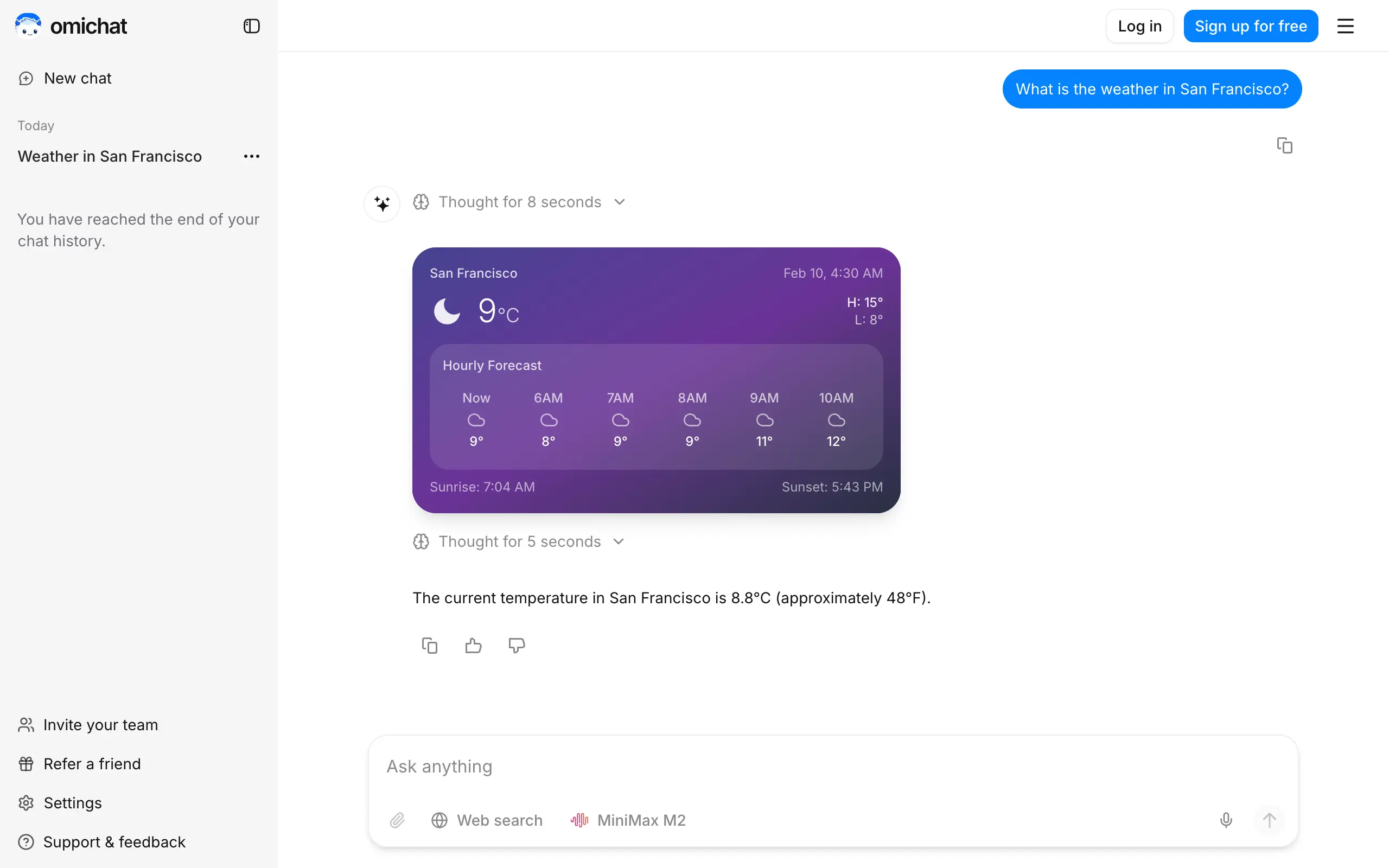
Omichat
Chat with 50+ AI models, including ChatGPT and Claude, in one place - switch models anytime without losing context 🤖
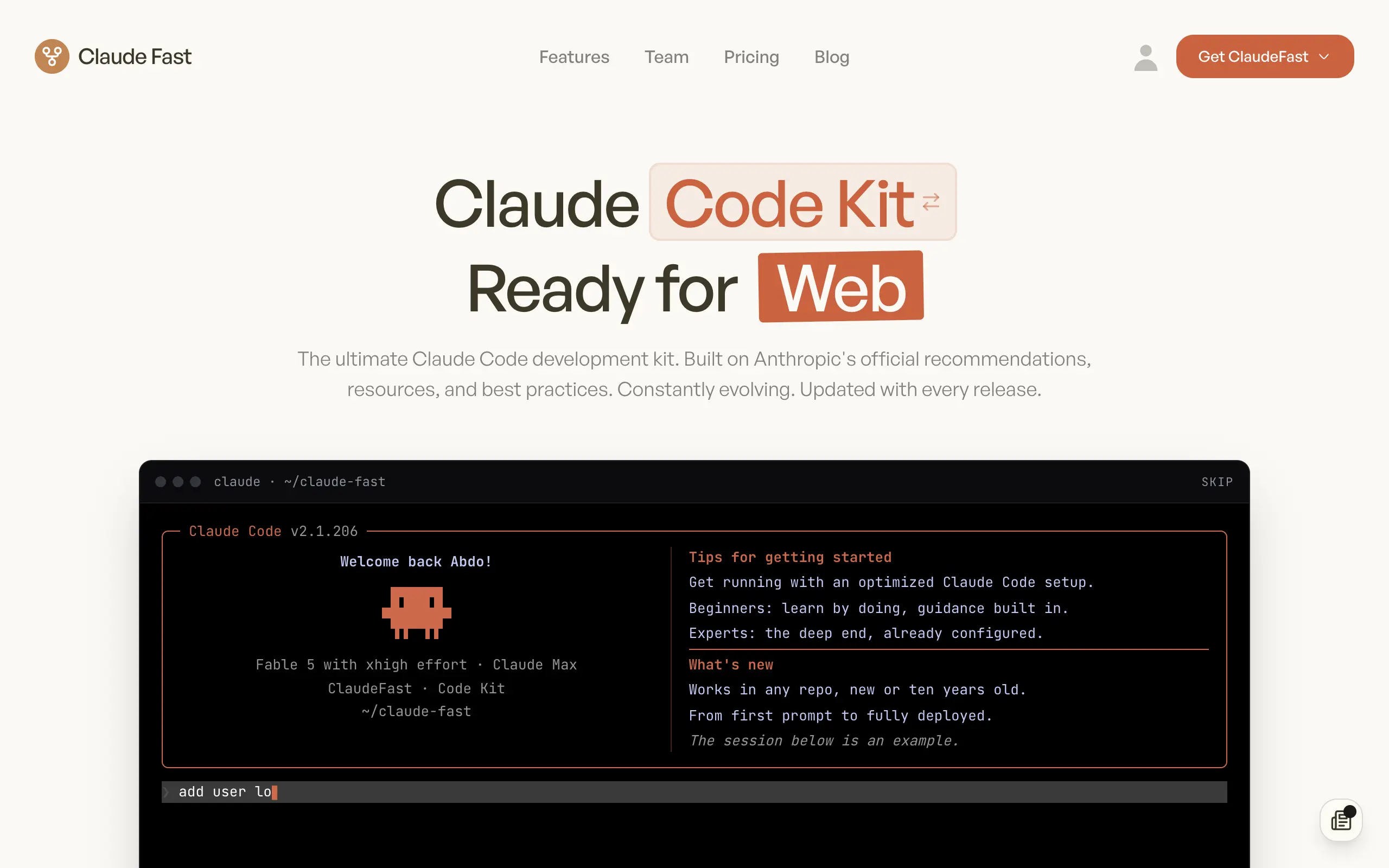
Claude Fast
Supercharge your Claude Code with 6x effective context window and specialized AI agents 🤖
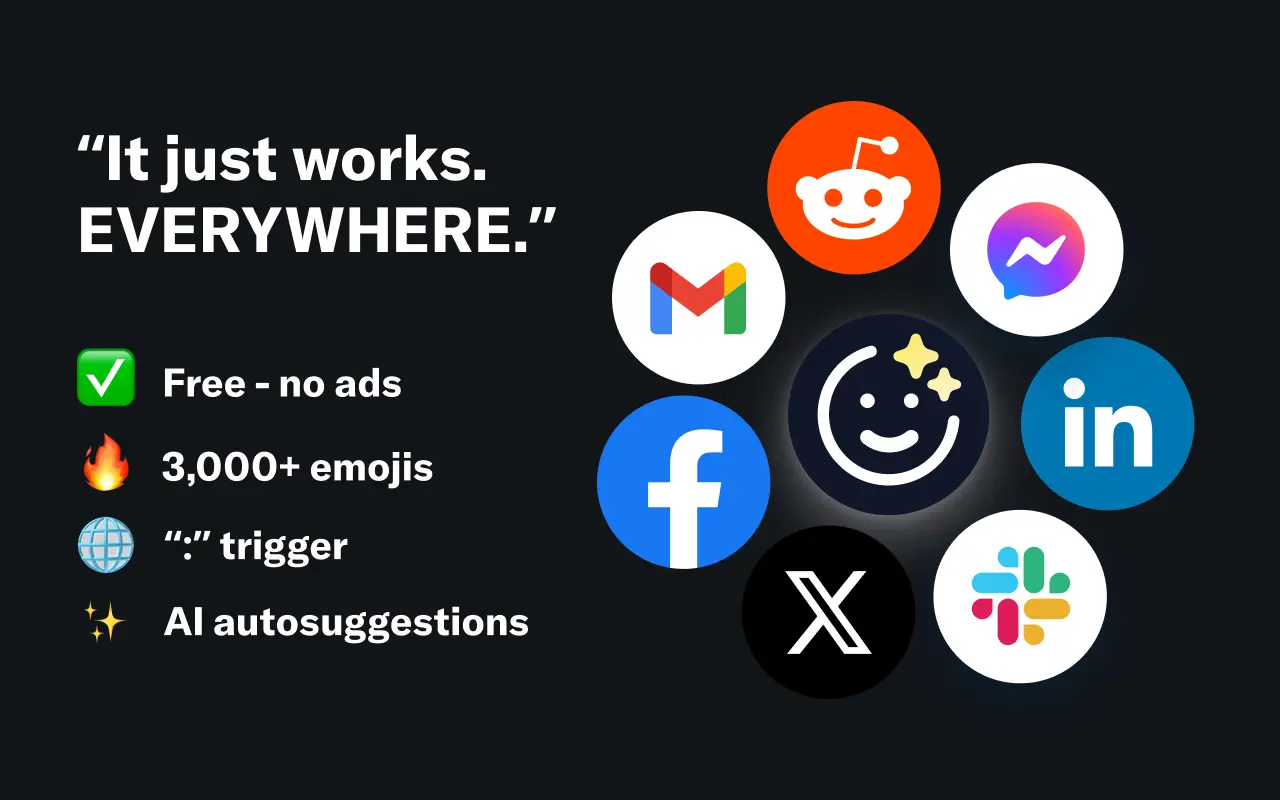
EmojAI
AI-powered emoji picker with smart, context-aware suggestions 🤖
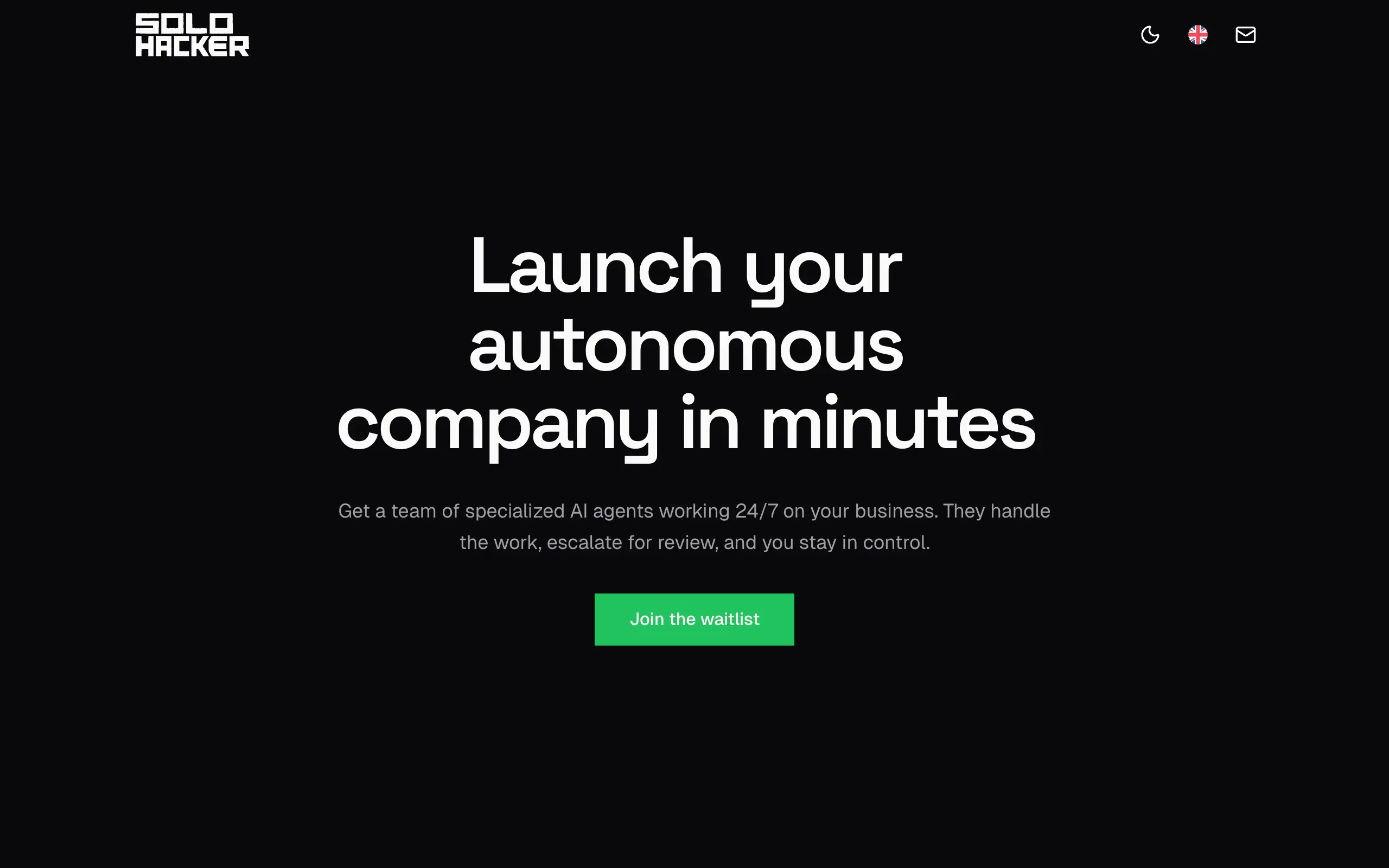
Solohacker
Autonomous company launcher - AI agents work 24/7, escalate what matters, and you stay in control 🤖
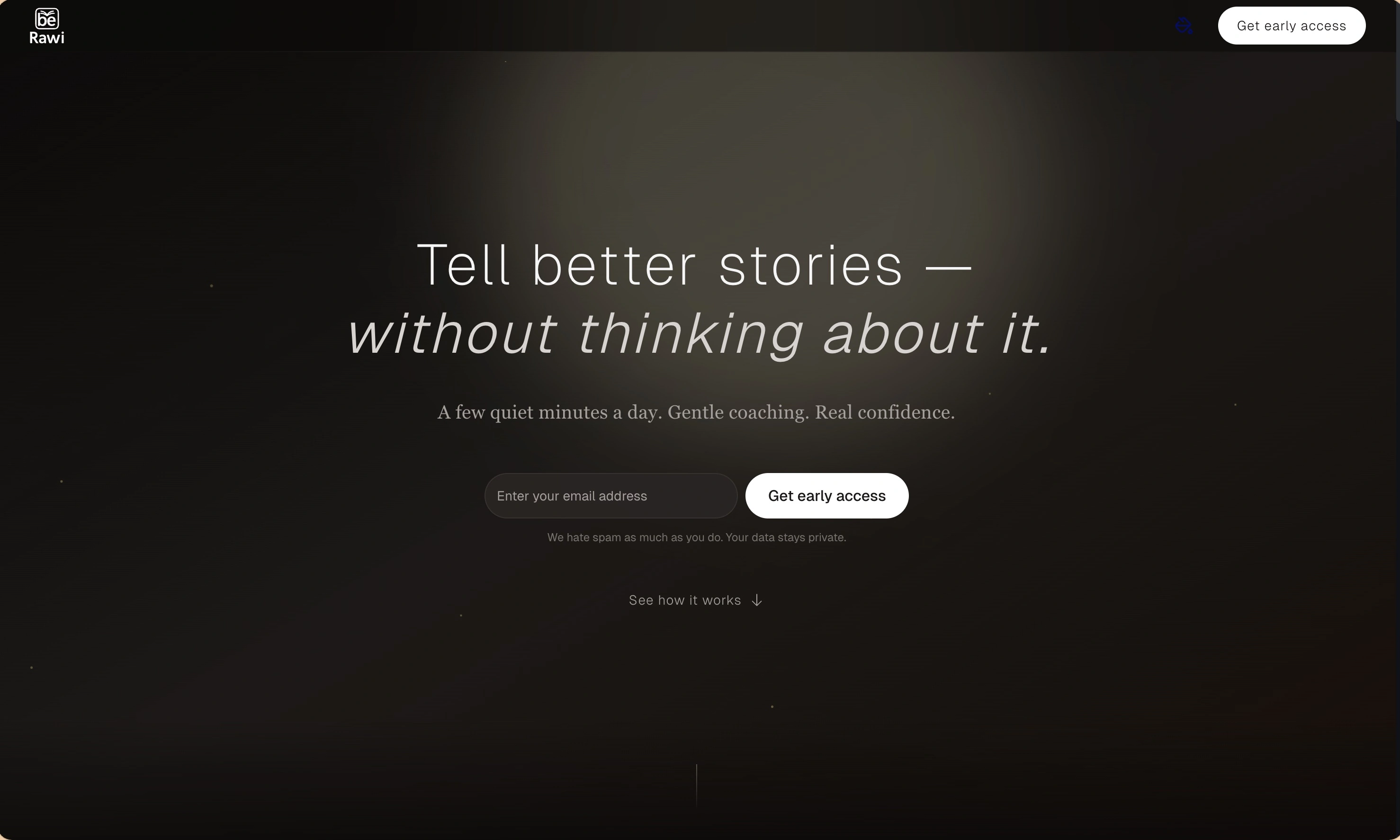
BeRawi: Storytelling Coach
Practice storytelling daily with instant feedback to sound clearer, more engaging, and confident 🎤
Omichat
Chat with 50+ AI models, including ChatGPT and Claude, in one place - switch models anytime without losing context 🤖
Claude Fast
Supercharge your Claude Code with 6x effective context window and specialized AI agents 🤖
EmojAI
AI-powered emoji picker with smart, context-aware suggestions 🤖
Solohacker
Autonomous company launcher - AI agents work 24/7, escalate what matters, and you stay in control 🤖
BeRawi: Storytelling Coach
Practice storytelling daily with instant feedback to sound clearer, more engaging, and confident 🎤
Omichat
Chat with 50+ AI models, including ChatGPT and Claude, in one place - switch models anytime without losing context 🤖
Claude Fast
Supercharge your Claude Code with 6x effective context window and specialized AI agents 🤖
EmojAI
AI-powered emoji picker with smart, context-aware suggestions 🤖
Solohacker
Autonomous company launcher - AI agents work 24/7, escalate what matters, and you stay in control 🤖
BeRawi: Storytelling Coach
Practice storytelling daily with instant feedback to sound clearer, more engaging, and confident 🎤
Omichat
Chat with 50+ AI models, including ChatGPT and Claude, in one place - switch models anytime without losing context 🤖
Claude Fast
Supercharge your Claude Code with 6x effective context window and specialized AI agents 🤖
EmojAI
AI-powered emoji picker with smart, context-aware suggestions 🤖
Solohacker
Autonomous company launcher - AI agents work 24/7, escalate what matters, and you stay in control 🤖
BeRawi: Storytelling Coach
Practice storytelling daily with instant feedback to sound clearer, more engaging, and confident 🎤

Connect with like-minded people
Join our community to get feedback, support, and grow together with 1,000+ builders on board, let's ship it!
Join usShip your startup everywhere. In minutes.
Don't burn tokens on setup and start building features on day one.