HalaDeals
A location-aware deals app that surfaces real-time discounts at malls, restaurants, and attractions across Dubai based on your preferences.
Understanding the opportunity behind HalaDeals
Dubai is one of the most competitive consumer markets in the world. From luxury malls and fine‑dining restaurants to family attractions and pop‑up experiences, consumers are constantly presented with choices — and with promotions designed to influence those choices in real time.
HalaDeals is a B2C, location‑aware deals app designed to surface real‑time discounts at malls, restaurants, and attractions across Dubai, personalized to each user’s preferences and current location. The core promise is simple but powerful: help people discover the best nearby deals exactly when and where they can act on them.
The primary keyword for this concept is location-aware deals app, supported by related semantic keywords such as:
- real-time deals in Dubai
- location-based offers
- mall and restaurant discounts app
- hyperlocal promotions
- personalized deals app
This article explores HalaDeals as a SaaS business idea from multiple angles — market opportunity, target audience, features, technology, monetization, risks, and execution — to validate its potential and provide a clear roadmap for implementation.
Why a location-aware deals app makes sense in Dubai
Dubai’s consumer ecosystem has several characteristics that make a location-based deals platform uniquely compelling:
- High smartphone penetration and comfort with mobile payments
- Tourist-heavy foot traffic, especially in malls and attractions
- A deal-driven culture, with seasonal festivals like Dubai Shopping Festival
- Dense commercial clusters, where proximity matters (malls, promenades, dining districts)
Traditional coupon sites and generic deal newsletters fail in this environment because they lack context. A discount that is irrelevant to where you are right now — or what you enjoy — creates friction.
HalaDeals positions itself at the intersection of:
- Location intelligence
- User preference modeling
- Real-time merchant inventory
This combination transforms discounts from passive marketing into an on-demand utility.
Target audience analysis: who HalaDeals is for
A strong B2C SaaS product starts with a clear understanding of its users. HalaDeals serves multiple overlapping segments, each with distinct motivations.
1. Urban residents and expats
Dubai’s resident population is highly mobile and experience-driven.
Key motivations:
- Discover new places without overspending
- Optimize leisure spending (dining, entertainment, shopping)
- Avoid “tourist pricing” at popular venues
Behavioral traits:
- Regular mall visits
- Heavy app usage
- Willingness to share location data if value is clear
2. Tourists and short-term visitors
Tourists are time-constrained and value convenience over optimization.
Key motivations:
- Maximize experiences within a limited stay
- Avoid missing popular attractions
- Trust curated recommendations
Behavioral traits:
- High intent, low loyalty
- Short usage window
- Strong response to urgency (“near you now”)
3. Families and groups
Families often plan outings around value.
Key motivations:
- Bundle deals (kids eat free, group tickets)
- Predictable spending
- Weekend planning
Behavioral traits:
- Advance browsing
- Preference for attractions and malls
- Less spontaneous, more value-driven
4. Merchants and venue operators (indirect users)
While HalaDeals is B2C, merchants are critical stakeholders.
Their motivations:
- Increase foot traffic during off-peak hours
- Clear excess inventory (empty tables, unsold tickets)
- Reach nearby high-intent customers
Understanding these dual-sided incentives is key to building sustainable traction.
Market gap and competitive landscape
Existing solutions and their limitations
Dubai already has several deal platforms, loyalty apps, and coupon aggregators. However, most fall into one of these categories:
- Static deal aggregators (web-first, not context-aware)
- Membership-based discount apps with annual fees
- Merchant-specific loyalty apps
- Credit card–driven offers
These solutions typically suffer from:
- Poor personalization
- No real-time relevance
- Friction-heavy redemption processes
- Overwhelming deal lists
Where HalaDeals fits differently
HalaDeals is not just another “discount app.” Its differentiation lies in when and how deals are presented.
| Feature | Static deal sites | Membership apps | Credit card offers | HalaDeals | Merchant-only apps |
|---|---|---|---|---|---|
| Real-time location awareness | ❌ | ❌ | ❌ | ✅ | ❌ |
| Personalized recommendations | ❌ | ✅ | ❌ | ✅ | ✅ |
The gap: a neutral, city-wide platform that adapts in real time to user location, preferences, and merchant supply.
Core features that define HalaDeals
To fulfill its promise, HalaDeals must balance simplicity for users with power for merchants.
Location-aware deal discovery
The foundation of the app is precise location awareness.
How it works:
- Uses GPS and geofencing to detect nearby venues
- Surfaces deals within walking or short driving distance
- Updates dynamically as users move
This supports intent-driven use cases like:
- “I’m at Dubai Mall — what deals are available right now?”
- “Where can I eat nearby with a discount?”
Preference-based personalization
Personalization prevents deal fatigue.
Preference signals include:
- Cuisine types
- Budget range
- Family-friendly vs adult-only
- Shopping vs experiences
- Time-of-day behavior
Over time, HalaDeals builds a lightweight preference graph to rank deals by relevance rather than by advertiser spend alone.
Real-time deal inventory
Unlike static coupons, deals can be time-bound and capacity-aware.
Examples:
- 20% off lunch menus between 2–4 PM
- Flash discounts for unsold attraction slots
- Happy hour extensions during slow periods
This real-time layer increases value for both users and merchants.
Seamless redemption
Redemption must be frictionless.
Options include:
- QR code validation at venue
- In-app confirmation for staff
- POS integrations (longer term)
Every extra step reduces conversion, so simplicity is a competitive advantage.
Supporting features that increase retention
Beyond the core, several supporting features can significantly improve engagement.
Smart notifications
Contextual push notifications triggered by location, time, and preferences — not spammy blasts.
Saved areas and malls
Users can follow favorite malls or districts and receive tailored deal updates.
Social proof signals
Lightweight indicators like 'popular now' or 'trending nearby' to build trust.
Technical architecture and recommended tech stack
A location-aware deals app must be reliable, fast, and privacy-conscious.
Frontend
- Mobile-first approach, with native or cross-platform
- React Native or Flutter for faster iteration
- Lightweight UI optimized for quick scanning
For a web dashboard or landing pages, React is a strong choice due to its ecosystem and performance.
Backend and APIs
Core backend responsibilities:
- User profiles and preferences
- Deal ingestion and scheduling
- Location queries and ranking logic
- Notification triggers
A typical stack might include:
- Node.js or Python for APIs
- PostgreSQL for structured data
- Redis for real-time deal caching
Location and mapping services
- Google Maps Platform or equivalent
- Geofencing and distance calculations
- Trade-off: accuracy vs cost at scale
Notifications and messaging
- Firebase Cloud Messaging (FCM)
- Apple Push Notification service (APNs)
- Careful throttling to avoid fatigue
Privacy and compliance considerations
Location-based apps must be explicit about data usage.
Privacy is a trust lever
Clearly communicate how location data is used, allow granular permissions, and comply with UAE data regulations. Trust directly impacts adoption.
Monetization strategies for HalaDeals
HalaDeals can monetize in multiple complementary ways.
1. Merchant-paid promotions (primary)
Merchants pay to:
- Feature deals prominently
- Trigger location-based visibility
- Run time-bound campaigns
Pricing models:
- Pay-per-redemption
- Monthly subscription
- Campaign-based fees
2. Commission on redeemed deals
For attractions and ticketed experiences:
- Take a percentage of each redeemed deal
- Aligns incentives around performance
3. Premium user features (optional)
While core usage should remain free, premium tiers could include:
- Ad-free experience
- Early access to limited deals
- Exclusive partner offers
4. Data insights for merchants (later stage)
Aggregated, anonymized insights such as:
- Foot traffic trends
- Time-based demand patterns
- Deal performance benchmarks
This should be positioned carefully to maintain user trust.
Competitive advantage and defensibility
HalaDeals’ defensibility comes from contextual relevance at scale.
Key advantages include:
- First-mover focus on real-time, location-driven deals in Dubai
- Neutral platform not tied to a single merchant or card provider
- Preference-driven ranking rather than pay-to-win listings
- High switching costs once users rely on it habitually
Over time, the combination of:
- User behavior data
- Merchant performance data
- Location intelligence
creates a flywheel that is difficult to replicate.
Potential risks and mitigation strategies
No SaaS idea is without challenges.
Merchant adoption risk
Risk: Merchants may be slow to onboard.
Mitigation:
- Start with high-traffic malls and chains
- Offer pilot programs
- Emphasize off-peak revenue recovery
User notification fatigue
Risk: Too many alerts lead to churn.
Mitigation:
- Strict relevance thresholds
- User-controlled notification settings
- Machine-learning–assisted ranking
Location accuracy issues
Risk: Poor GPS accuracy indoors (malls).
Mitigation:
- Combine GPS with Wi‑Fi and beacon data
- Allow manual area selection
- Focus on mall-level rather than store-level precision initially
Deal quality dilution
Risk: Low-value deals erode trust.
Mitigation:
- Minimum discount thresholds
- Merchant quality scoring
- User feedback loops
Go-to-market strategy for Dubai
A focused launch strategy is critical.
Phase 1: Anchor locations
Start with:
- One or two major malls
- A limited number of dining districts
- A curated set of attractions
This concentrates value and simplifies onboarding.
Phase 2: User acquisition
Effective channels include:
- App store optimization (ASO)
- Influencer partnerships focused on “Dubai hacks”
- In-mall QR codes and signage
- Hotel and tourism partnerships
Phase 3: Merchant scaling
Once user demand is visible:
- Use case studies to onboard more merchants
- Offer self-serve merchant dashboards
- Introduce paid promotion tiers
Implementation roadmap
A phased approach reduces risk and accelerates learning.
For founders looking to accelerate development, platforms like TurboStarter can significantly reduce time-to-market by providing production-ready SaaS foundations.
Long-term vision: beyond deals
While discounts are the entry point, HalaDeals can evolve into a city companion app.
Future extensions may include:
- Event discovery
- Loyalty and rewards aggregation
- Smart itineraries for tourists
- AI-driven recommendations based on mood or context
By starting with a narrow, high-value use case — real-time deals nearby — HalaDeals earns the right to expand.
Final thoughts: is HalaDeals worth building?
From a SaaS strategy perspective, HalaDeals addresses a clear, persistent problem: discovering relevant, timely deals in a dense, fast-moving city.
Its strength lies in:
- Strong alignment with user intent
- Clear merchant value proposition
- Scalable, data-driven personalization
- Geographic focus that allows depth before breadth
With disciplined execution, careful attention to trust and privacy, and a relentless focus on relevance, HalaDeals has the potential to become a daily-use app for residents and a must-have utility for visitors in Dubai.
More 👥 B2C Application SaaS ideas
Discover more innovative b2c application SaaS ideas that are trending in 2026. Each idea is AI-generated with market validation and growth potential to help you find your next profitable venture faster than competitors.
Your competitors are building with TurboStarter
Below are some of the SaaS ideas that have been generated and built with our starter kit.
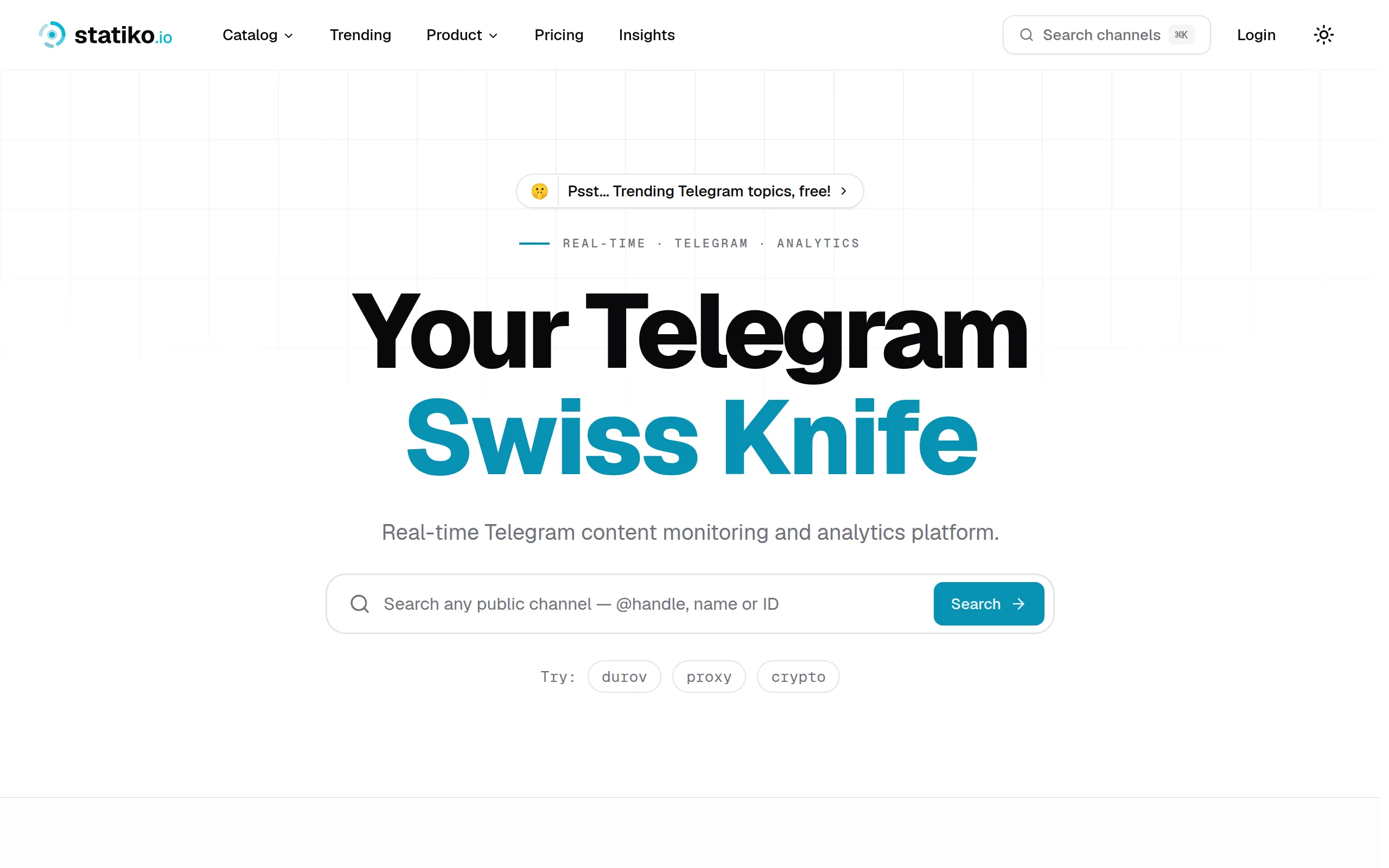
Statiko
Monitor any Telegram channel in real time - track posts, edits, deletions, and growth with AI recaps 📡
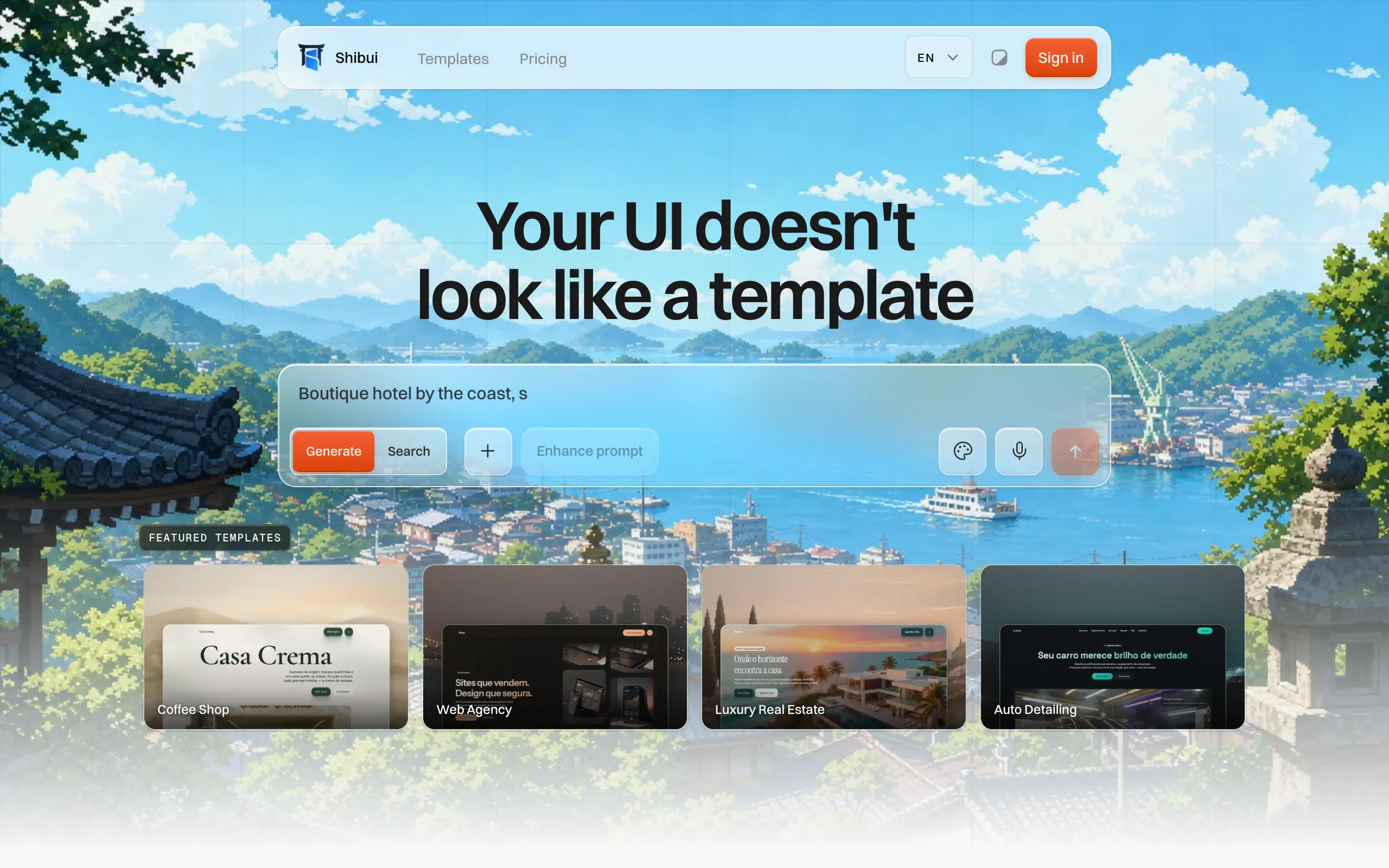
Shibui
AI website builder - describe your business, pick a niche template, edit by chatting, and publish instantly ✨

Pro Service
Find verified home service professionals, compare quotes, and pay securely through escrow - built for Brazilians across the US 🏠
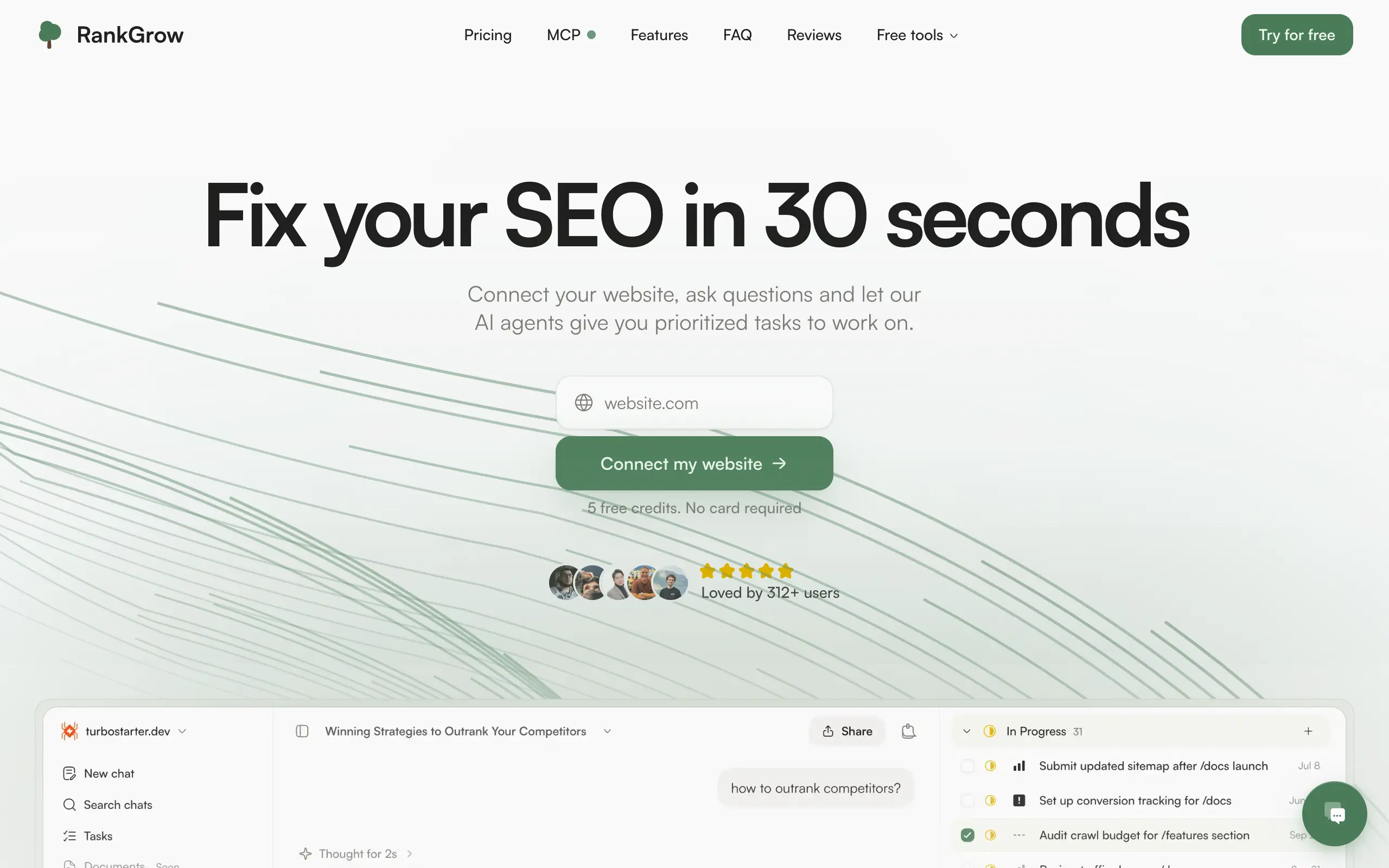
RankGrow
Fix your SEO with AI agents - connect Search Console, get prioritized tasks, and grow organic traffic 📈
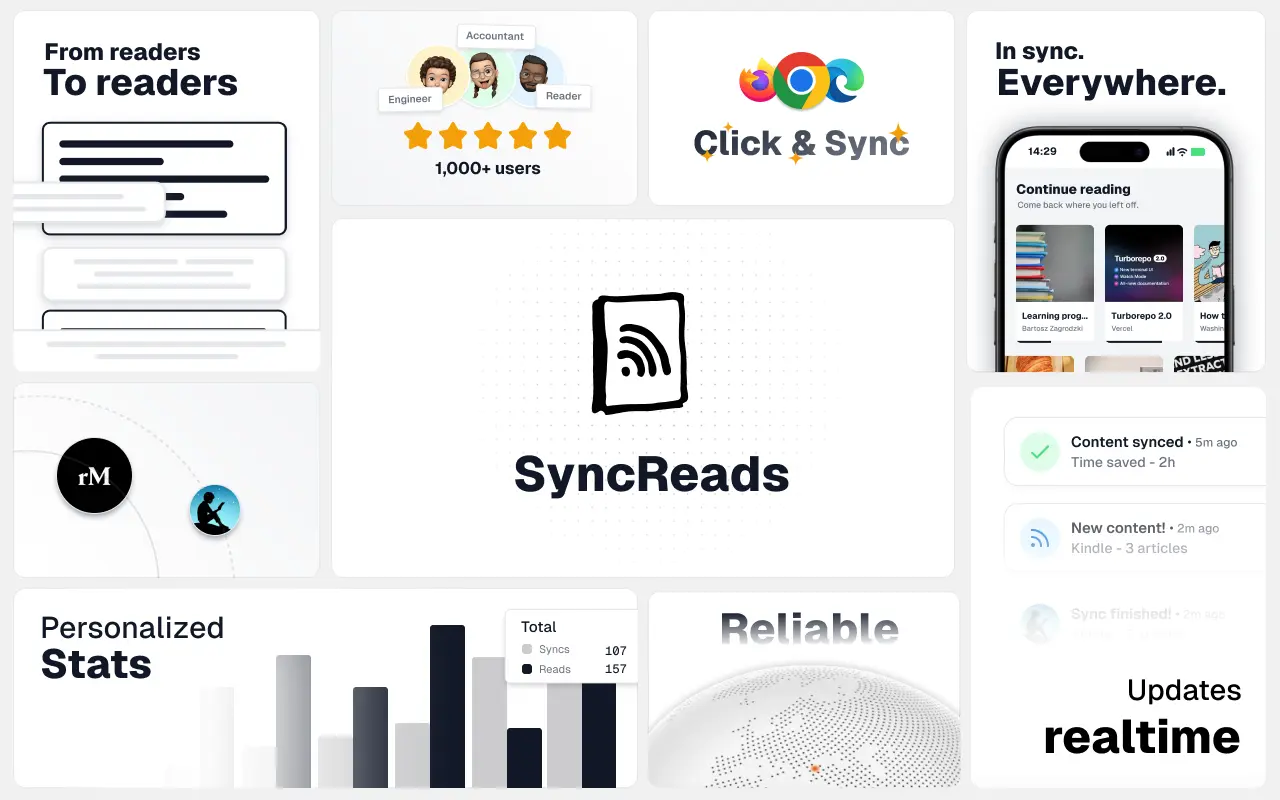
SyncReads
Sync your favorite content for distraction-free reading, save time and replace multiple apps. Anytime, anywhere 🔄
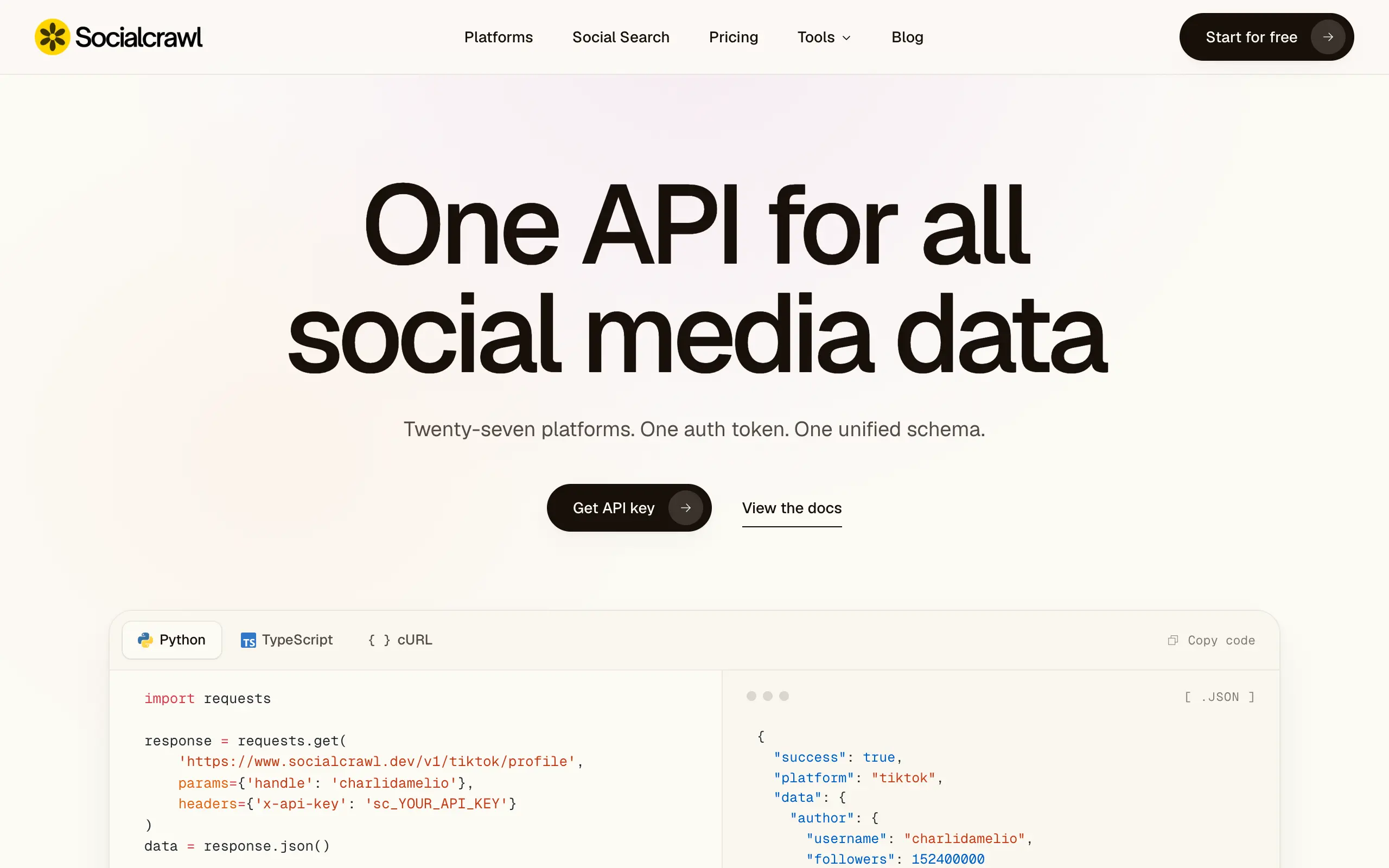
Socialcrawl
Get clean, structured data from 21 platforms like TikTok, Instagram, and YouTube with a single request 📊
Statiko
Monitor any Telegram channel in real time - track posts, edits, deletions, and growth with AI recaps 📡
Shibui
AI website builder - describe your business, pick a niche template, edit by chatting, and publish instantly ✨
Pro Service
Find verified home service professionals, compare quotes, and pay securely through escrow - built for Brazilians across the US 🏠
RankGrow
Fix your SEO with AI agents - connect Search Console, get prioritized tasks, and grow organic traffic 📈
SyncReads
Sync your favorite content for distraction-free reading, save time and replace multiple apps. Anytime, anywhere 🔄
Socialcrawl
Get clean, structured data from 21 platforms like TikTok, Instagram, and YouTube with a single request 📊
Statiko
Monitor any Telegram channel in real time - track posts, edits, deletions, and growth with AI recaps 📡
Shibui
AI website builder - describe your business, pick a niche template, edit by chatting, and publish instantly ✨
Pro Service
Find verified home service professionals, compare quotes, and pay securely through escrow - built for Brazilians across the US 🏠
RankGrow
Fix your SEO with AI agents - connect Search Console, get prioritized tasks, and grow organic traffic 📈
SyncReads
Sync your favorite content for distraction-free reading, save time and replace multiple apps. Anytime, anywhere 🔄
Socialcrawl
Get clean, structured data from 21 platforms like TikTok, Instagram, and YouTube with a single request 📊
Statiko
Monitor any Telegram channel in real time - track posts, edits, deletions, and growth with AI recaps 📡
Shibui
AI website builder - describe your business, pick a niche template, edit by chatting, and publish instantly ✨
Pro Service
Find verified home service professionals, compare quotes, and pay securely through escrow - built for Brazilians across the US 🏠
RankGrow
Fix your SEO with AI agents - connect Search Console, get prioritized tasks, and grow organic traffic 📈
SyncReads
Sync your favorite content for distraction-free reading, save time and replace multiple apps. Anytime, anywhere 🔄
Socialcrawl
Get clean, structured data from 21 platforms like TikTok, Instagram, and YouTube with a single request 📊
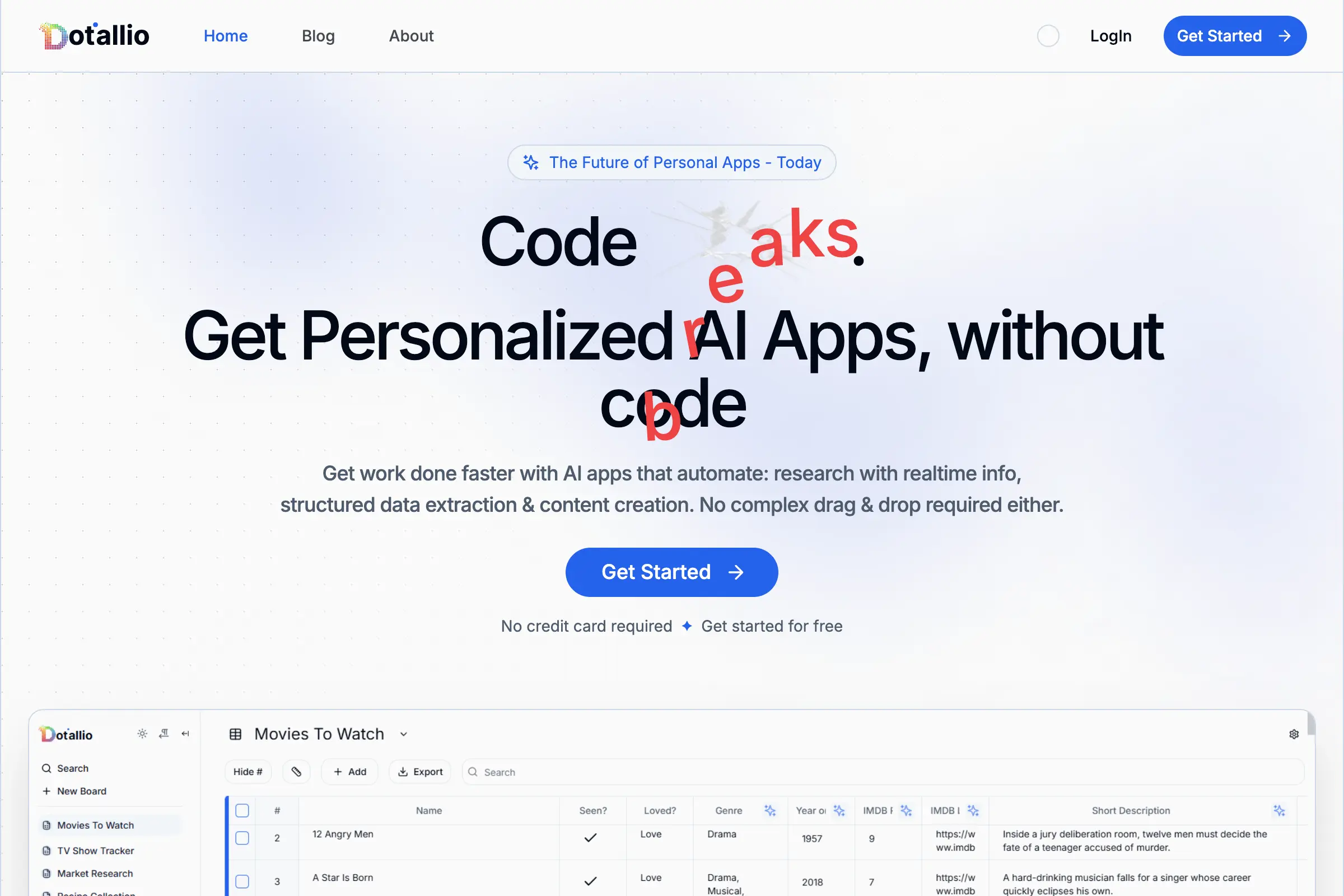
Dotallio
Personalized AI apps that automate research, data extraction, and content creation without code 🤖
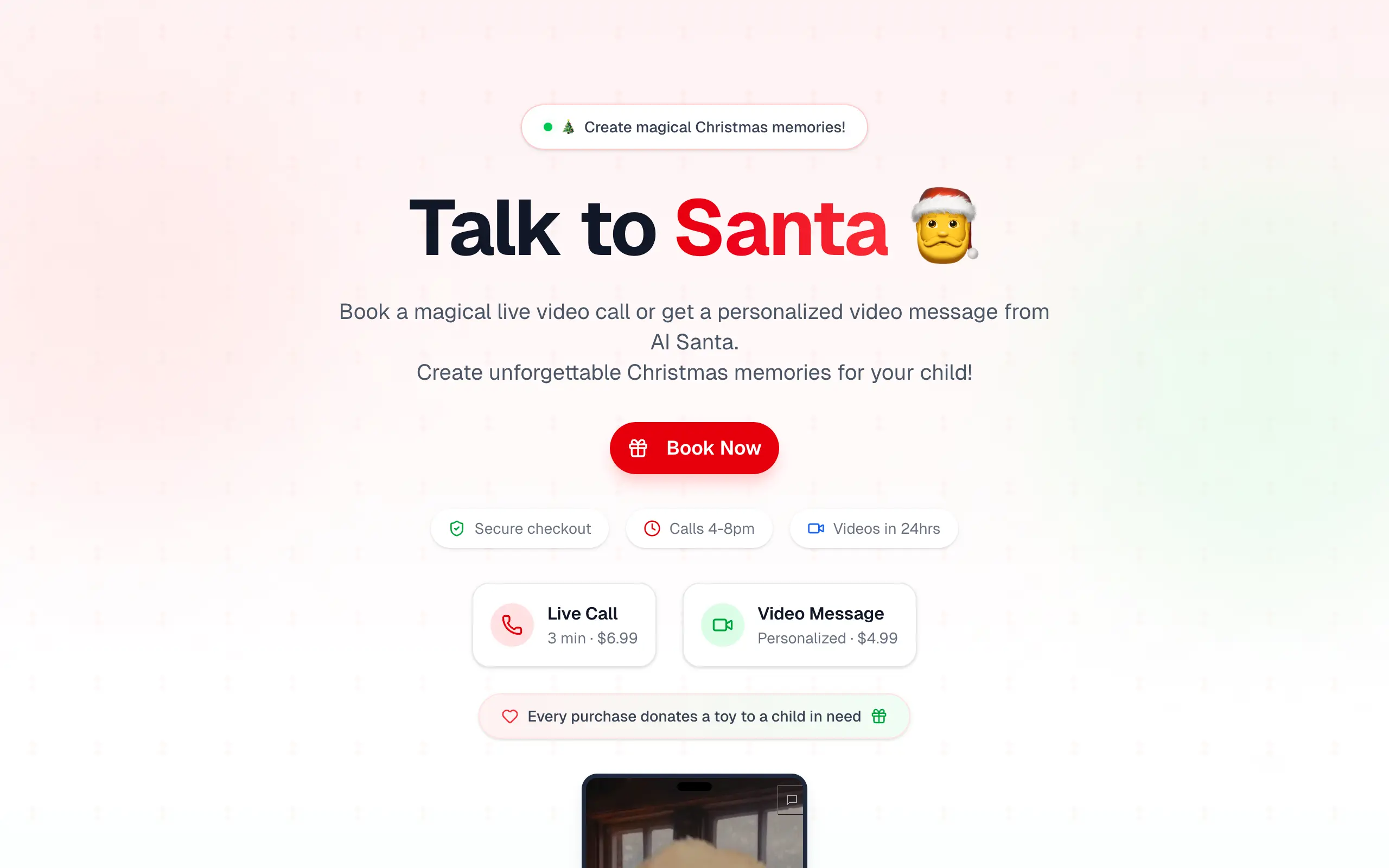
Talk to Santa
Enjoy a magical live video chat or receive a unique AI-generated video greeting from Santa Claus 🎅
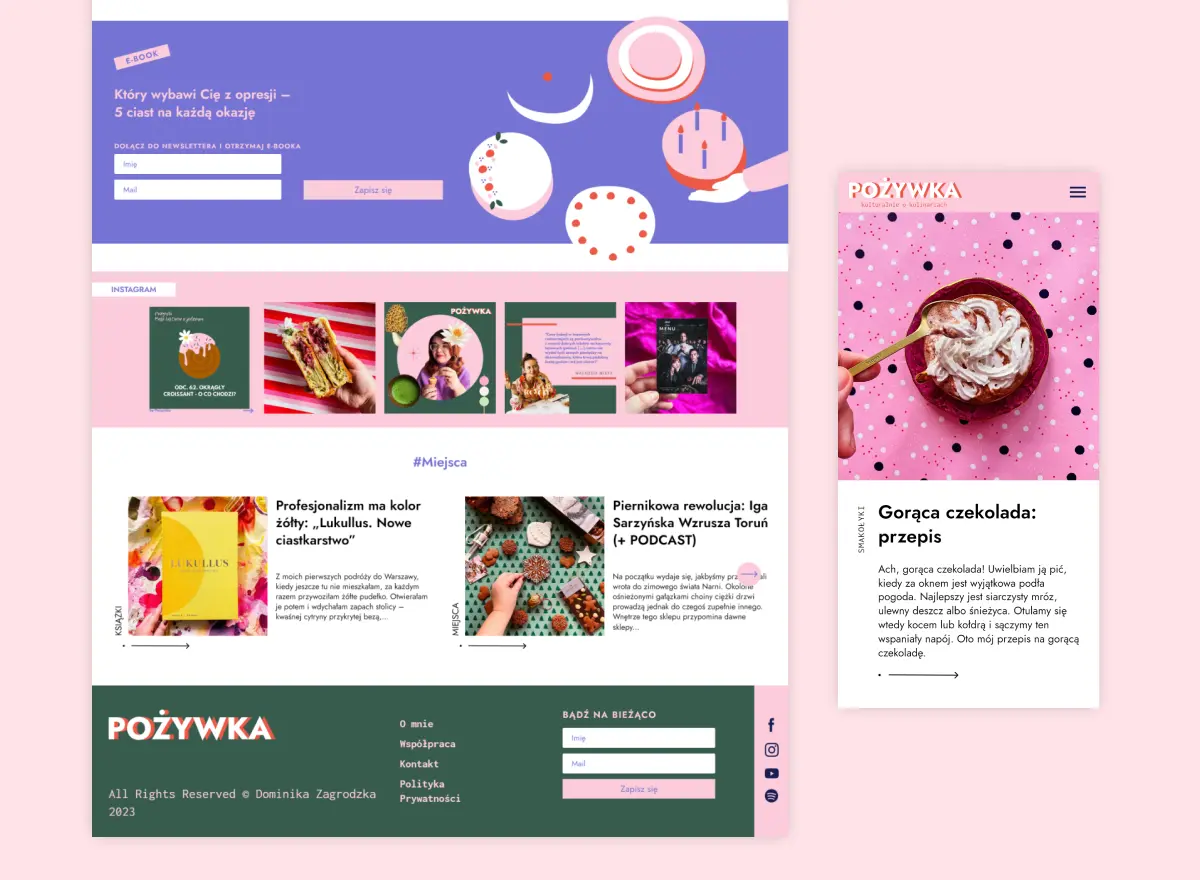
pozywka.pl
Scalable blog for food journalist, focused on performance and user experience 🌭
zagrodzki.me
Personal blog and portfolio of Bart Zagrodzki, where he shares his knowledge and work 💼
TurboStarter
Ship your startup everywhere. In minutes.
HTML to Markdown
Convert HTML to Markdown with ease, directly in your browser 📄
Dotallio
Personalized AI apps that automate research, data extraction, and content creation without code 🤖
Talk to Santa
Enjoy a magical live video chat or receive a unique AI-generated video greeting from Santa Claus 🎅
pozywka.pl
Scalable blog for food journalist, focused on performance and user experience 🌭
zagrodzki.me
Personal blog and portfolio of Bart Zagrodzki, where he shares his knowledge and work 💼
TurboStarter
Ship your startup everywhere. In minutes.
HTML to Markdown
Convert HTML to Markdown with ease, directly in your browser 📄
Dotallio
Personalized AI apps that automate research, data extraction, and content creation without code 🤖
Talk to Santa
Enjoy a magical live video chat or receive a unique AI-generated video greeting from Santa Claus 🎅
pozywka.pl
Scalable blog for food journalist, focused on performance and user experience 🌭
zagrodzki.me
Personal blog and portfolio of Bart Zagrodzki, where he shares his knowledge and work 💼
TurboStarter
Ship your startup everywhere. In minutes.
HTML to Markdown
Convert HTML to Markdown with ease, directly in your browser 📄
Dotallio
Personalized AI apps that automate research, data extraction, and content creation without code 🤖
Talk to Santa
Enjoy a magical live video chat or receive a unique AI-generated video greeting from Santa Claus 🎅
pozywka.pl
Scalable blog for food journalist, focused on performance and user experience 🌭
zagrodzki.me
Personal blog and portfolio of Bart Zagrodzki, where he shares his knowledge and work 💼
TurboStarter
Ship your startup everywhere. In minutes.
HTML to Markdown
Convert HTML to Markdown with ease, directly in your browser 📄
Omichat
Chat with 50+ AI models, including ChatGPT and Claude, in one place - switch models anytime without losing context 🤖
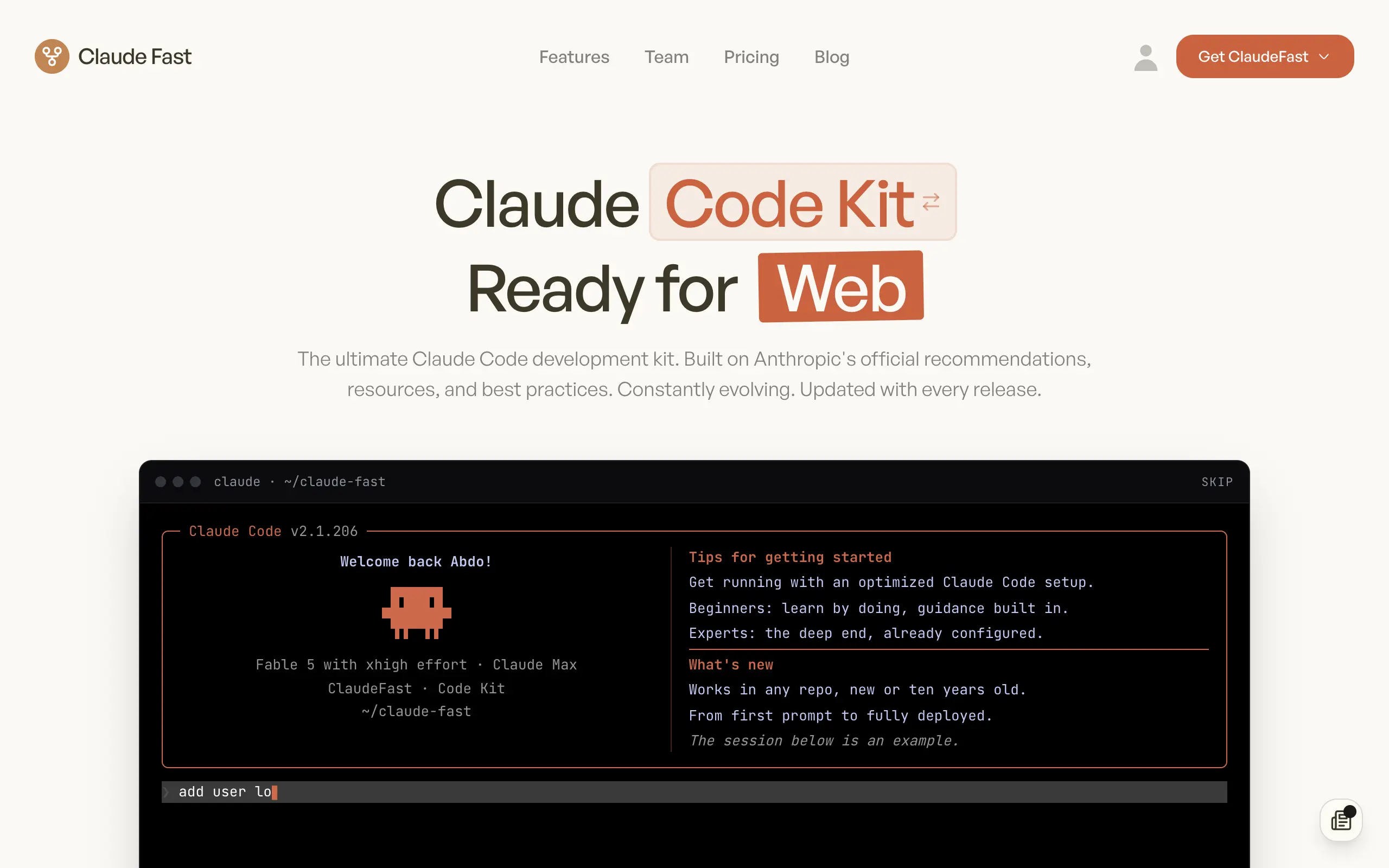
Claude Fast
Supercharge your Claude Code with 6x effective context window and specialized AI agents 🤖
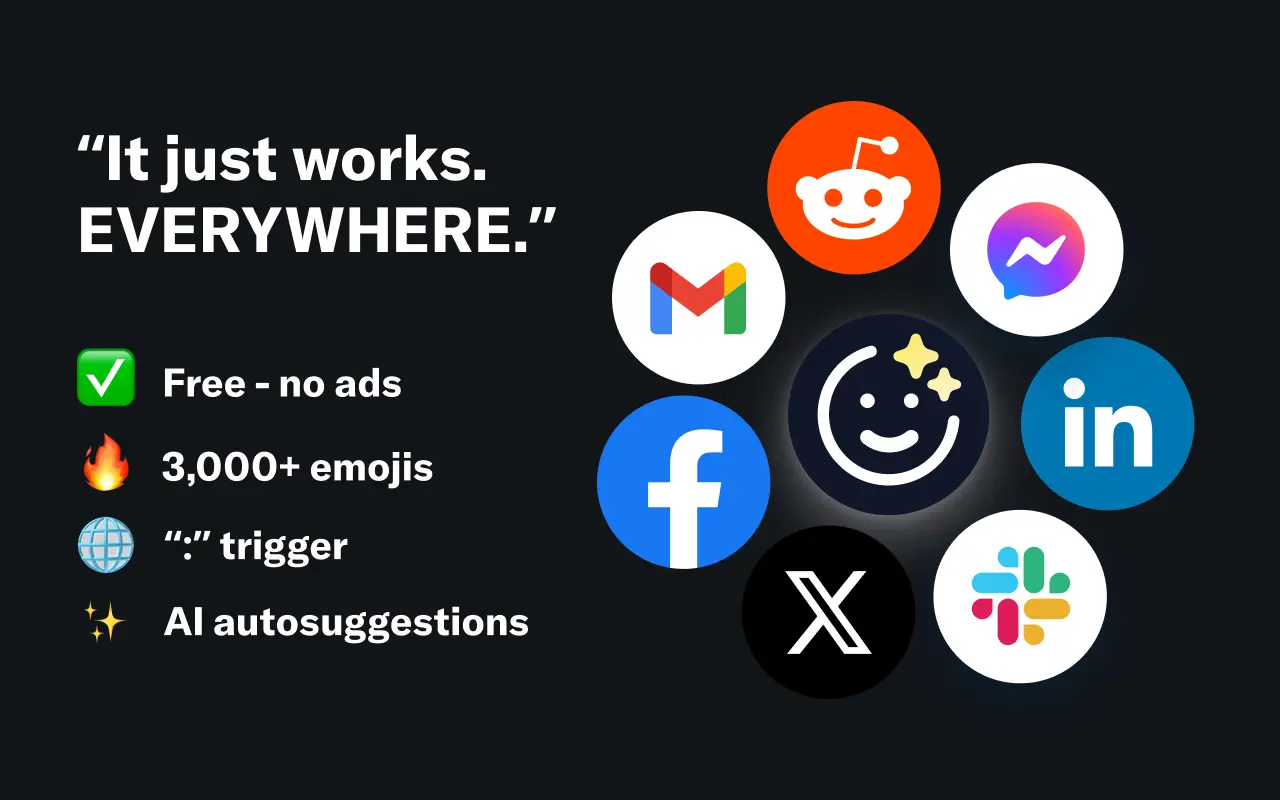
EmojAI
AI-powered emoji picker with smart, context-aware suggestions 🤖
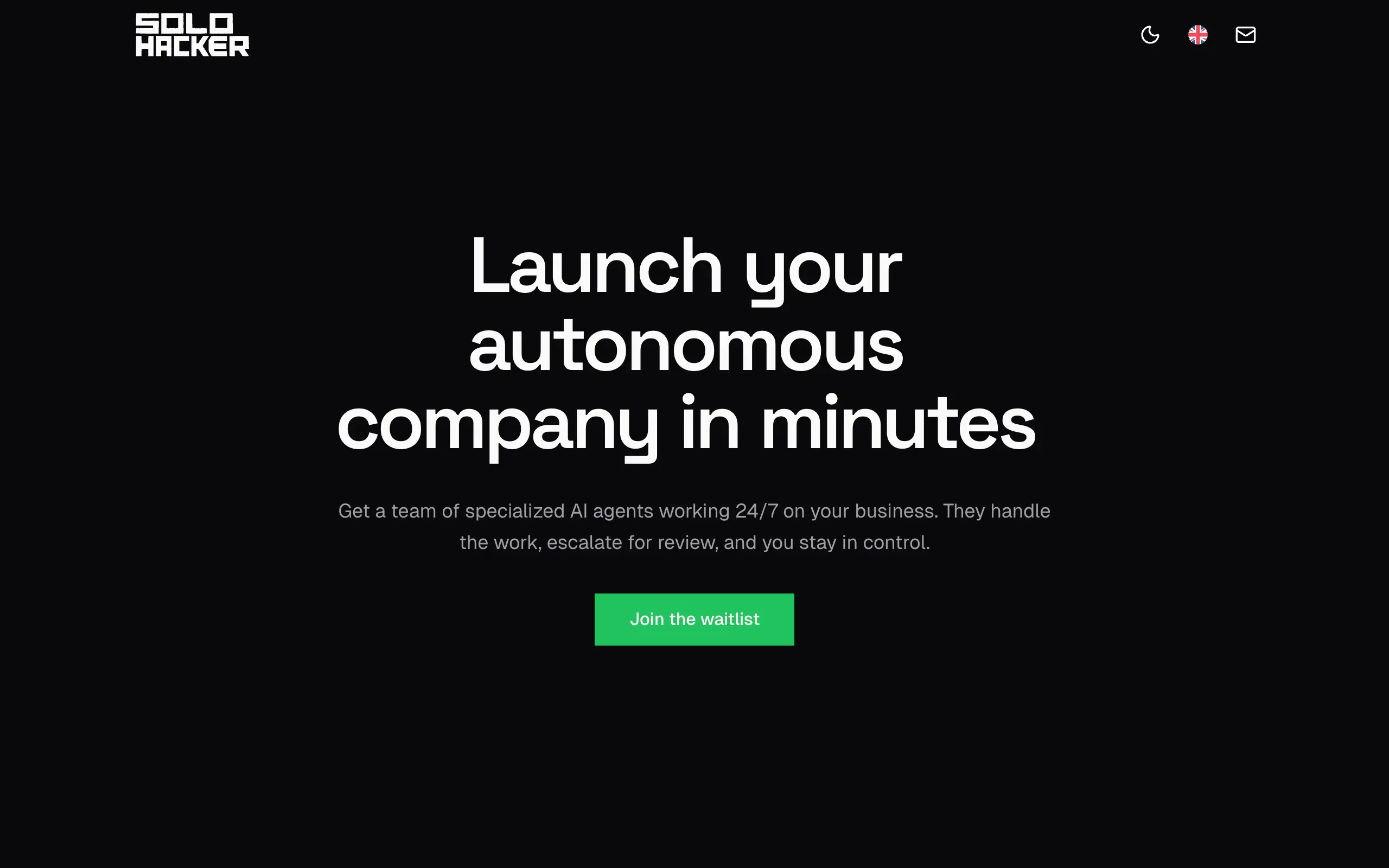
Solohacker
Autonomous company launcher - AI agents work 24/7, escalate what matters, and you stay in control 🤖

BeRawi: Storytelling Coach
Practice storytelling daily with instant feedback to sound clearer, more engaging, and confident 🎤
Omichat
Chat with 50+ AI models, including ChatGPT and Claude, in one place - switch models anytime without losing context 🤖
Claude Fast
Supercharge your Claude Code with 6x effective context window and specialized AI agents 🤖
EmojAI
AI-powered emoji picker with smart, context-aware suggestions 🤖
Solohacker
Autonomous company launcher - AI agents work 24/7, escalate what matters, and you stay in control 🤖
BeRawi: Storytelling Coach
Practice storytelling daily with instant feedback to sound clearer, more engaging, and confident 🎤
Omichat
Chat with 50+ AI models, including ChatGPT and Claude, in one place - switch models anytime without losing context 🤖
Claude Fast
Supercharge your Claude Code with 6x effective context window and specialized AI agents 🤖
EmojAI
AI-powered emoji picker with smart, context-aware suggestions 🤖
Solohacker
Autonomous company launcher - AI agents work 24/7, escalate what matters, and you stay in control 🤖
BeRawi: Storytelling Coach
Practice storytelling daily with instant feedback to sound clearer, more engaging, and confident 🎤
Omichat
Chat with 50+ AI models, including ChatGPT and Claude, in one place - switch models anytime without losing context 🤖
Claude Fast
Supercharge your Claude Code with 6x effective context window and specialized AI agents 🤖
EmojAI
AI-powered emoji picker with smart, context-aware suggestions 🤖
Solohacker
Autonomous company launcher - AI agents work 24/7, escalate what matters, and you stay in control 🤖
BeRawi: Storytelling Coach
Practice storytelling daily with instant feedback to sound clearer, more engaging, and confident 🎤

Connect with like-minded people
Join our community to get feedback, support, and grow together with 1,000+ builders on board, let's ship it!
Join usShip your startup everywhere. In minutes.
Don't burn tokens on setup and start building features on day one.