HealthHabit: Daily Wellness Suggestion App
AI-driven app that suggests actionable, science-backed wellness activities and micro-habits matched to the user’s energy, mood, environment, and long-term goals. Integrates with wearables to adapt suggestions for sleep, stress, nutrition, and movement. Monetization via premium challenges, personalized coaching add-ons, and product affiliate links.
Understanding the core need: Why a daily wellness suggestion app is vital today
Modern life is fast-paced, stressful, and filled with information overload about health and well-being. Most people struggle to sift through complex advice or generic routines. Instead, they're searching for personalized, actionable, and science-backed wellness suggestions that fit seamlessly into their real lives—taking into account not just long-term goals, but their mood, energy, environment, and day-to-day circumstances.
HealthHabit: Daily Wellness Suggestion App is a solution crafted for this exact need. By leveraging AI, wearables, and behavioral science, it provides adaptive micro-habits and wellness nudges that align with the user’s context, helping foster consistent, meaningful progress. In this article, we’ll explore the target audience, market gap, deep-dive into solution features, explore technology options, monetization strategies, risks, competitive edge, and step-by-step implementation guidance.
Who needs HealthHabit? Audience analysis and user personas
Understanding the precise target audience is central to any successful B2C SaaS, especially in the health and wellness app sector.
Core user personas
- Busy professionals: High-stress jobs, little time for self-care, heavy wearables use (Apple Watch, Fitbit).
- Health enthusiasts: Already proactive, seeking science-backed micro-habits to optimize their well-being.
- Newcomers to fitness & wellness: Want small, manageable steps to build healthy routines without overwhelm.
- Remote workers & students: Struggle with sedentary behavior, irregular routines, stress, and sleep patterns.
- People with chronic conditions: (e.g., anxiety, poor sleep, mild hypertension) looking for gentle, tailored interventions alongside doctor advice.
Segment analysis
- Age range: 20–45 (primary), skewing slightly urban and tech-savvy.
- Behavioral traits:
- Strong usage of smartphones and health wearables.
- Frequently seek health advice online but are wary of misinformation.
- Motivated by tangible progress, gamification, and community support.
- Pain points:
- Overwhelm from a flood of generic advice.
- Lack of personalization—suggestions often don’t fit daily realities.
- Difficulty in turning good intentions into sustainable action.
Market insight
65% of wearable owners use their devices mainly to track wellness, but most apps fail to recommend actions—they simply report data (suggest referencing [Pew Research or Statista Reports]).
Identifying the market gap: Where existing health & wellness apps fall short
Despite a saturated app store, real user needs remain largely unmet. Let’s analyze why.
1. Data vs. Action
Most leading apps (e.g., Fitbit, Apple Health, Google Fit) excel at data collection—steps, sleep, heart rate—but rarely translate that data into actionable daily suggestions fitted to actual context.
2. One-size-fits-all routines
Generic content (e.g., “drink more water,” “get 30 minutes of exercise”) doesn’t account for:
- Current mood/energy
- Stress or sleep quality last night
- User’s environment or schedule
- Specific long-term goals or constraints
3. Lack of adaptive personalization
AI-driven personalization is still limited. Even “personalized” plans often simply filter standard routines.
4. Science vs. Trends
Misinformation and “wellness fads” abound. Users crave credible, science-backed recommendations.
| Generic trackers | Coaching apps | Trendy wellness | HealthHabit | Manual journaling |
|---|---|---|---|---|
| ✅ Tracks data | ❌ | ❌ | ✅ Actionable suggestions | ❌ |
| ✅ Easy interface | ❌ High coaching fees | ✅ Trendy tips | ✅ Science-backed + personalized | ❌ |
What HealthHabit delivers: Core features and solution breakdown
Let’s break down exactly how the HealthHabit wellness suggestion app addresses real user needs.
Dynamic, AI-driven daily wellness suggestions
- Real-time analysis of user mood, energy, and recent habits
- Adapts to wearable data (sleep score, HRV, steps), calendar, weather, and even location
- Delivers bite-sized activities and micro-habits (e.g., “2-min deep breathing,” “stand up and stretch,” “short walk after coffee”)
360-degree life integration
- Connects with wearables: Apple Watch, Fitbit, Garmin, and more via APIs (Apple HealthKit, Fitbit API)
- Syncs with user calendars, reminders, and environment data (e.g., light, noise sensors)
Evidence-based recommendations
- Every suggestion is based on published wellness science (e.g., sleep hygiene principles, stress reduction, habit formation studies)
- Offers citations and “why this matters” for each micro-habit
- Option to adjust for health conditions (with appropriate medical disclaimers)
Personalization engine
- Builds a model of user’s preferences, energy cycles, and behavioral patterns over time
- Algorithmically refines suggestions based on what works for the individual
- Allows users to provide feedback (“Useful,” “Too hard,” “Remind me later”)
Habit-building and motivation
- Streaks, badges, and progression tracking to gamify engagement
- Community challenges and social sharing (optional)
- Premium add-ons: personalized coaching, deep-dive analytics, monthly wellness challenges
Seamless, gentle user experience
- Simple daily check-in: “How do you feel today? What’s your energy?”
- Subtle reminders, never nagging or guilt-driven
- One-tap completion or rescheduling of activities
AI-powered micro-habits
Adaptive suggestions adjust to your lifestyle and changing context.
Wearable integration
Automatic analysis of sleep, stress, activity, and more informs suggestions.
Science-backed content
Every recommendation grounded in evidence and best practices.
Recommended tech stack for the HealthHabit wellness suggestion app
Choosing the right tech stack is crucial for reliability, scalability, and user experience. Here’s an expert breakdown with reasons and trade-offs.
Frontend: Mobile-first experience
- React Native (React Native): Code once for both iOS and Android, huge developer community, great for rapid iteration.
- Alternative/Trade-off: Flutter (Flutter) offers high performance and beautiful UIs, but React Native may have better 3rd-party integrations for wearables.
- TypeScript: Safety and maintainability for complex UI logic.
Backend: Real-time AI and analytics
- Node.js (Node.js): Event-driven, ideal for realtime API processing and integration with wearables.
- Python for AI/ML: Libraries (e.g., scikit-learn, TensorFlow) to develop recommendation algorithms, processed via API microservices.
Data & analytics
- PostgreSQL (PostgreSQL): Robust, ACID-compliant for core user data.
- Redis for fast caching, especially for personalized recommendations.
- AWS Lambda or Google Cloud Functions: Scalable serverless solutions for processing wearable integrations and notifications.
APIs & integrations
- OAuth 2.0: For secure connection to Apple HealthKit, Google Fit, Fitbit, etc.
- Secure cloud messaging (Firebase or AWS SNS) for reminders.
Security & privacy
- End-to-end encryption for sensitive health data (HIPAA-compliant practices where regionally required).
- Granular data permissions for users; strong privacy policy.
Trade-offs & scaling considerations
- Pros: React Native and cloud serverless allow for rapid scaling and updates.
- Cons: For highly complex ML on-device, native builds could be necessary in future; starting cross-platform ensures fast MVP.
The wellness suggestion app depends on integration with wearables and device sensors, making mobile-first essential for full functionality and push notifications.
Certain lightweight personalization models (e.g., habit pattern recognition) could be run locally, but deep analytics and adaptability work best cloud-powered for now.
Monetization strategies for a B2C wellness suggestion app
The HealthHabit app can be both valuable to users and financially sustainable through multiple monetization streams, tailored to health app user psychology.
1. Freemium model
- Free tier: Core wellness suggestions, simple tracking, limited integrations.
- Premium tier: Advanced personalization, daily coaching nudges, deep analytics, priority support, unlimited integrations.
2. Premium challenges and gamification
- Pay-to-join 30-day health challenges with leaderboards, rewards, or exclusive content.
- Real incentives (e.g., discounts on health products for challenge victors).
3. Personalized coaching add-ons
- Optional upsells for one-on-one or group video sessions with certified wellness coaches.
- AI-generated progress reports to inform more effective coaching.
4. Affiliate integration
- Curated, science-aligned product recommendations for users (smart water bottles, standing desks, supplements).
- Transparent affiliate links—these only appear when relevant to the user’s goals and activity data.
- Monetization through commission, but always secondary to trusted advice.
5. Data analytics (with strong privacy)
- Offer de-identified, aggregated trend insights (never individual data) for academic research partnerships or wellness industry analytics.
Potential risks and how to mitigate them
Launching in the health and wellness tech domain carries distinct risks. Proactively planning mitigations is part of building lasting trust (and E-E-A-T signals).
1. Privacy and data compliance
- Risk: Handling sensitive wellness and biometric data heightens privacy and compliance risks.
- Mitigation:
- Clearly outlined privacy policy, GDPR/HIPAA compliance as required by geography
- End-to-end encryption and anonymized analytics
2. Medical liability
- Risk: Users may interpret suggestions as medical advice.
- Mitigation:
- Prominent disclaimers that app suggestions are not substitutes for medical care
- All content reviewed by certified experts, with citation or reference suggestions
3. Misinformation / loss of trust
- Risk: Recommending unsubstantiated or fad-driven advice could damage credibility.
- Mitigation:
- Strict editorial process; only science-backed, referenced suggestions appear
- Regular external audits or reviews by wellness professionals
4. Engagement drop-off
- Risk: Micro-habit fatigue or app abandonment over time is a common wellness app pitfall.
- Mitigation:
- Dynamic suggestion algorithm learns and adapts based on user feedback and success
- Rotating challenges, gentle nudges, and context-sensitive notifications
5. Platform dependency
- Risk: Over-reliance on third-party APIs (e.g., wearables) can cause unexpected disruptions.
- Mitigation:
- Build modular integration pipelines; always offer a manual-input fallback
- Stay updated with major API/platform changes
Competitive advantage: Why HealthHabit stands out
Achieving standout position in the busy health app market requires a unique selling proposition grounded in real value and trust.
What makes HealthHabit different?
- Actionability, not just data: Goes beyond tracking numbers, offering clear micro-actions that fit today's reality.
- Adaptive intelligence: Factors in mood, energy, calendar, and environmental context, not just sleep/steps.
- Evidence-based content: Each tip is grounded in psychology and health science, with sources.
- Seamless wearable integration: Real-time sync for truly tailored suggestions—most competitors stop at passive data.
- Gentle habit formation: Emphasizes encouragement and progress, not guilt or shame.
- User-first privacy: No hidden data selling, fully transparent affiliate recommendations only when they match actual user need.
- Modular personalization: Learns over time, gets smarter and more custom as it’s used.
Step-by-step implementation plan for your wellness suggestion app
Building a B2C SaaS in the wellness sector is both an art and a science. Here’s a staged approach to go from concept to market-winning product:
Conclusion: Bringing adaptive, science-backed wellness to daily life
In an era of information overload and digital health fatigue, HealthHabit: Daily Wellness Suggestion App provides a much-needed, trusted bridge between raw data and actionable, sustainable change. It uniquely stands out by fusing wearable technology, AI-driven personalization, and the highest standard of evidence-based micro-habits, all while respecting user privacy and agency.
For founders, product teams, or solo developers, the path is clear: Deeply understand your audience, ground your design in behavioral science, and be relentless about trust and user fit. The combination of technology, psychology, and business model innovation puts you in an ideal position to address both individual and global wellness challenges.
To streamline your product validation or technical development, consider tools like TurboStarter to jumpstart your SaaS journey.
Frequently asked questions
HealthHabit's personalization engine improves with user feedback and data. Every suggestion is grounded in peer-reviewed research and tailored to real-world variables like energy, mood, and environment.
Yes, strict privacy protocols and encryption are implemented. Users have full control over permissions, and data is never sold or shared without explicit consent.
Absolutely. While wearables enhance personalization, users can manually input key data or skip integration entirely.
HealthHabit is designed for dynamic lives. Suggestions adjust in real time to changes in schedule, location, and energy—helping you form habits even when life gets hectic.
Ready to transform everyday wellness through adaptive, actionable micro-habits? The next wave of health innovation is personal, practical, and science-backed—just like HealthHabit.
More 👥 B2C Application SaaS ideas
Discover more innovative b2c application SaaS ideas that are trending in 2026. Each idea is AI-generated with market validation and growth potential to help you find your next profitable venture faster than competitors.
Your competitors are building with TurboStarter
Below are some of the SaaS ideas that have been generated and built with our starter kit.
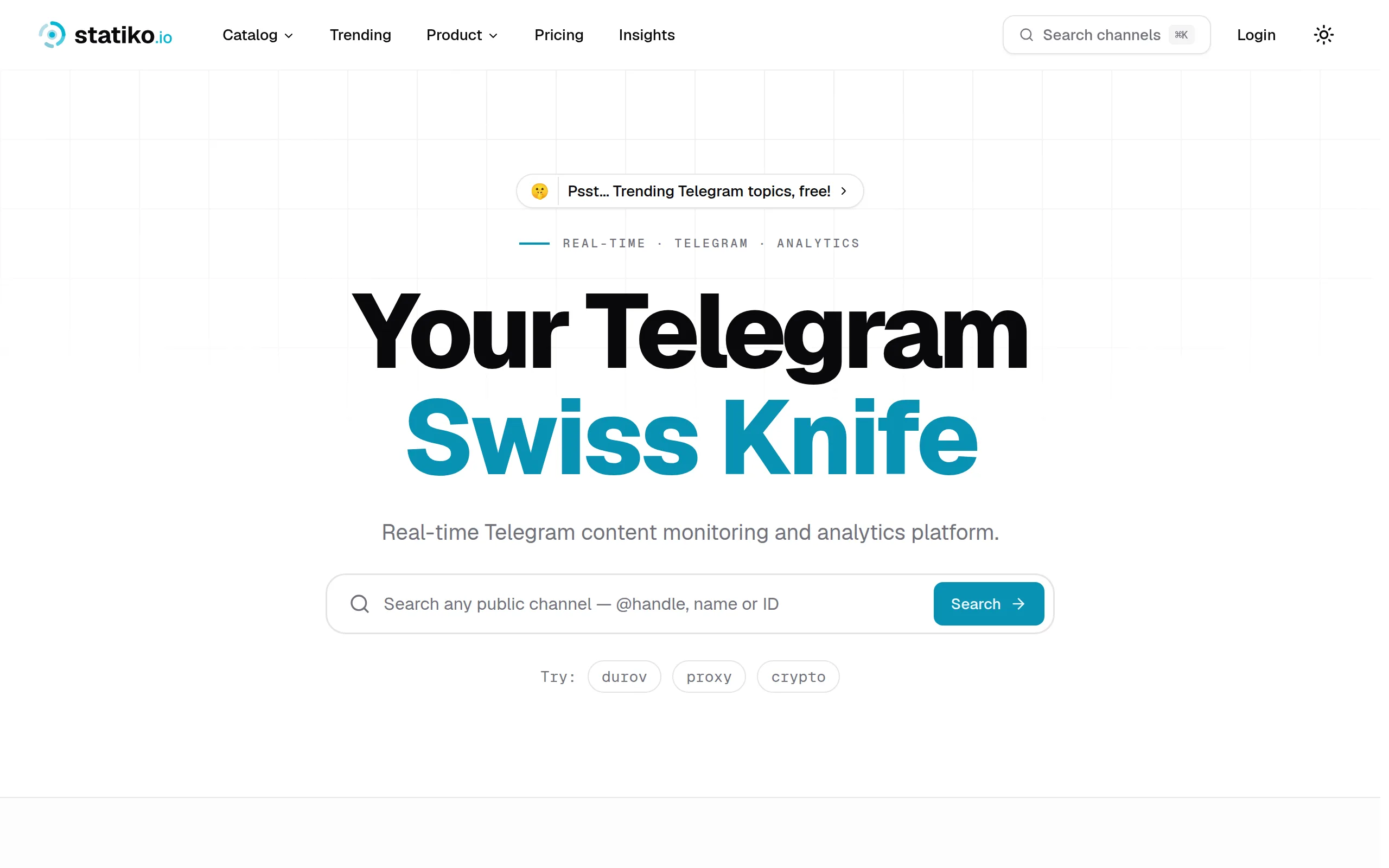
Statiko
Monitor any Telegram channel in real time - track posts, edits, deletions, and growth with AI recaps 📡
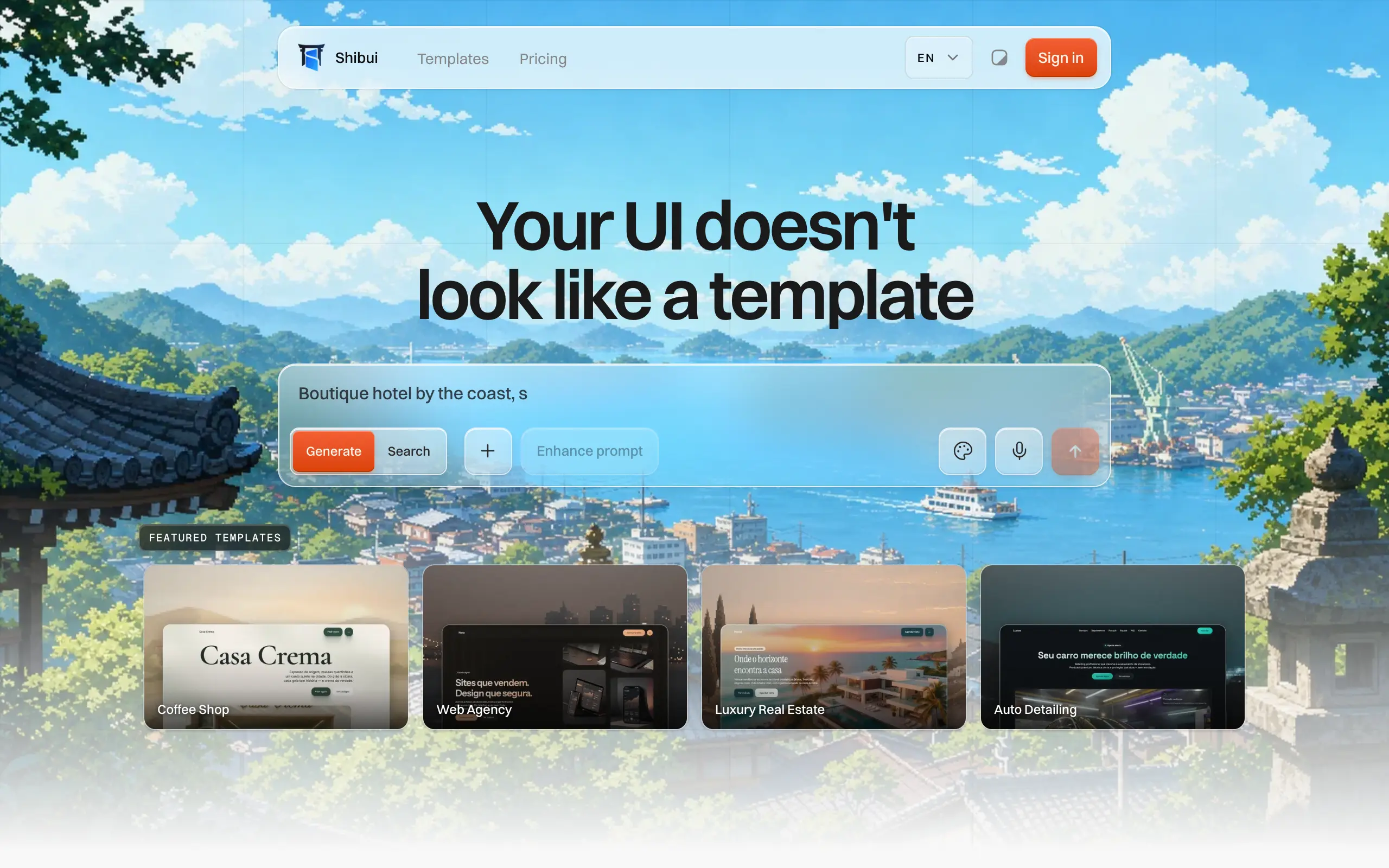
Shibui
AI website builder - describe your business, pick a niche template, edit by chatting, and publish instantly ✨
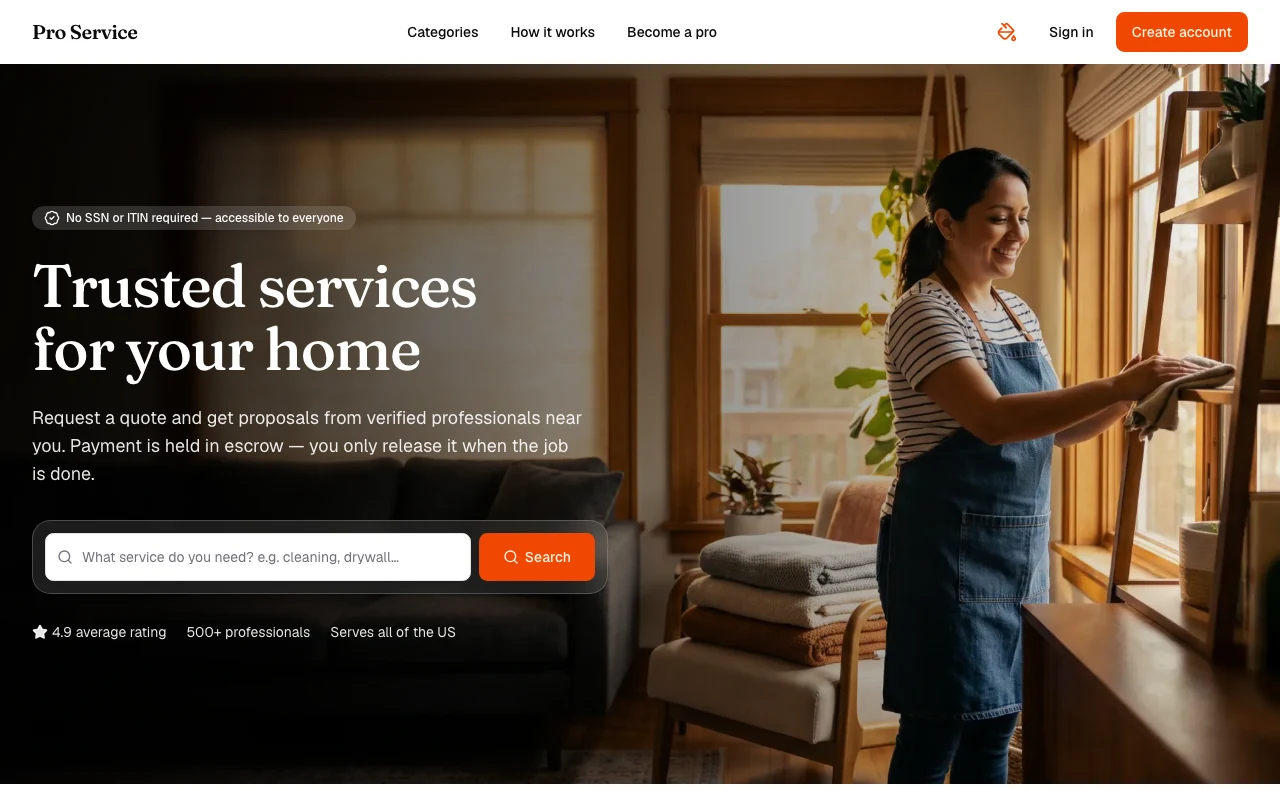
Pro Service
Find verified home service professionals, compare quotes, and pay securely through escrow - built for Brazilians across the US 🏠
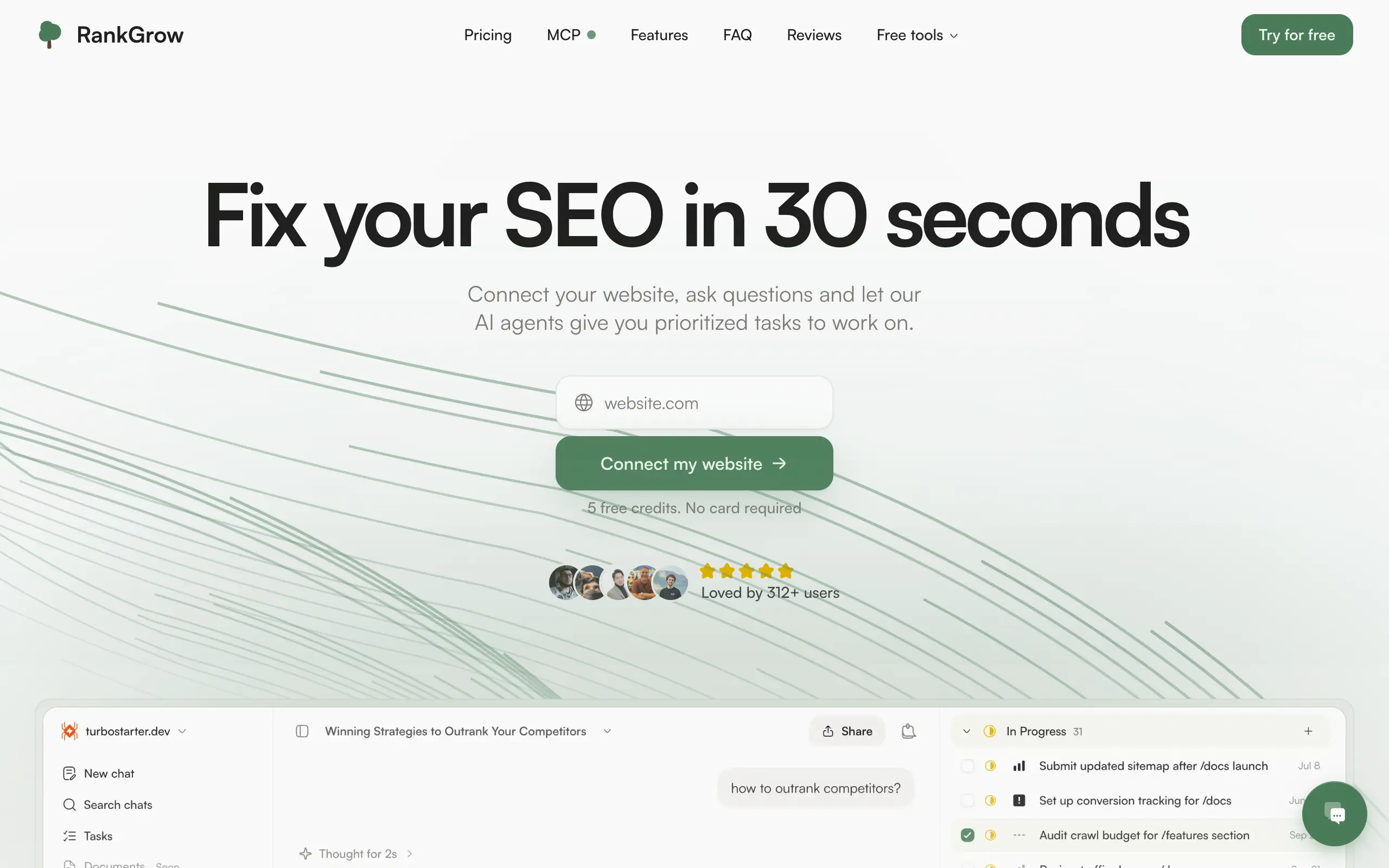
RankGrow
Fix your SEO with AI agents - connect Search Console, get prioritized tasks, and grow organic traffic 📈
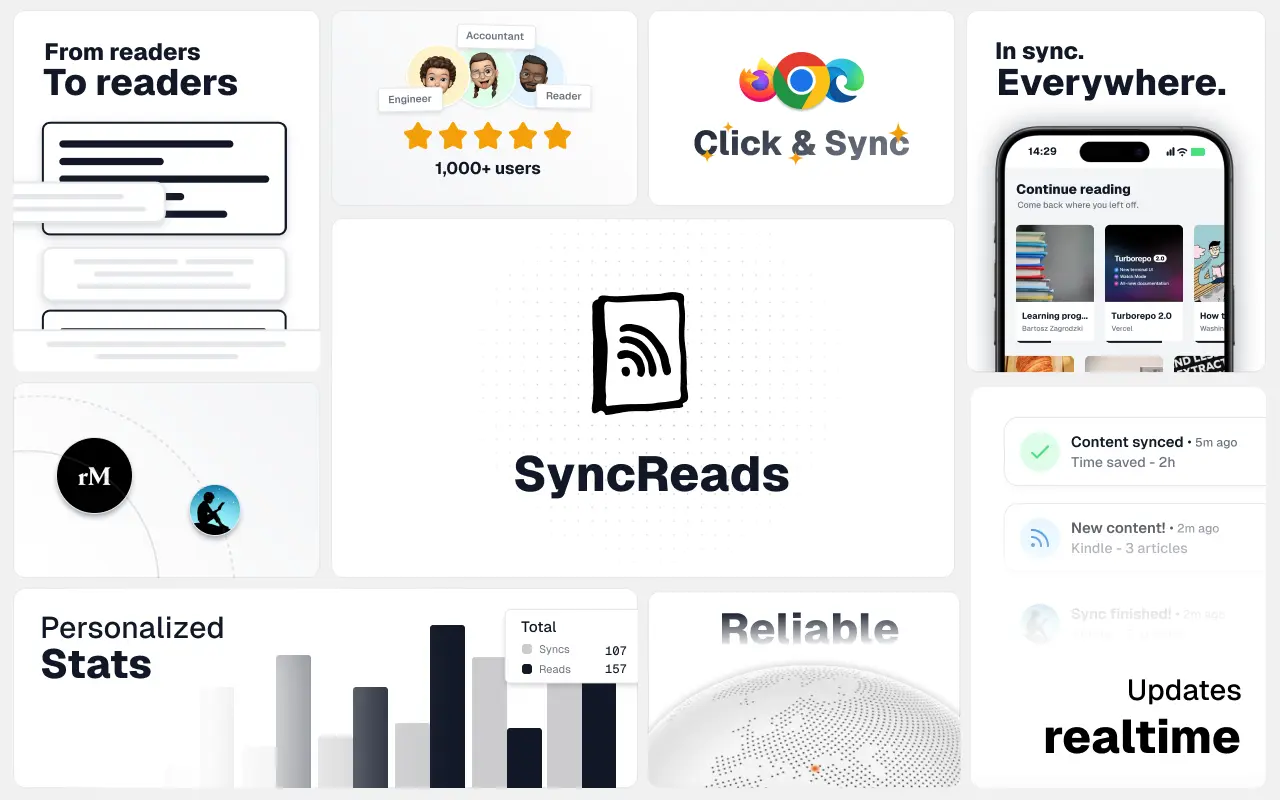
SyncReads
Sync your favorite content for distraction-free reading, save time and replace multiple apps. Anytime, anywhere 🔄
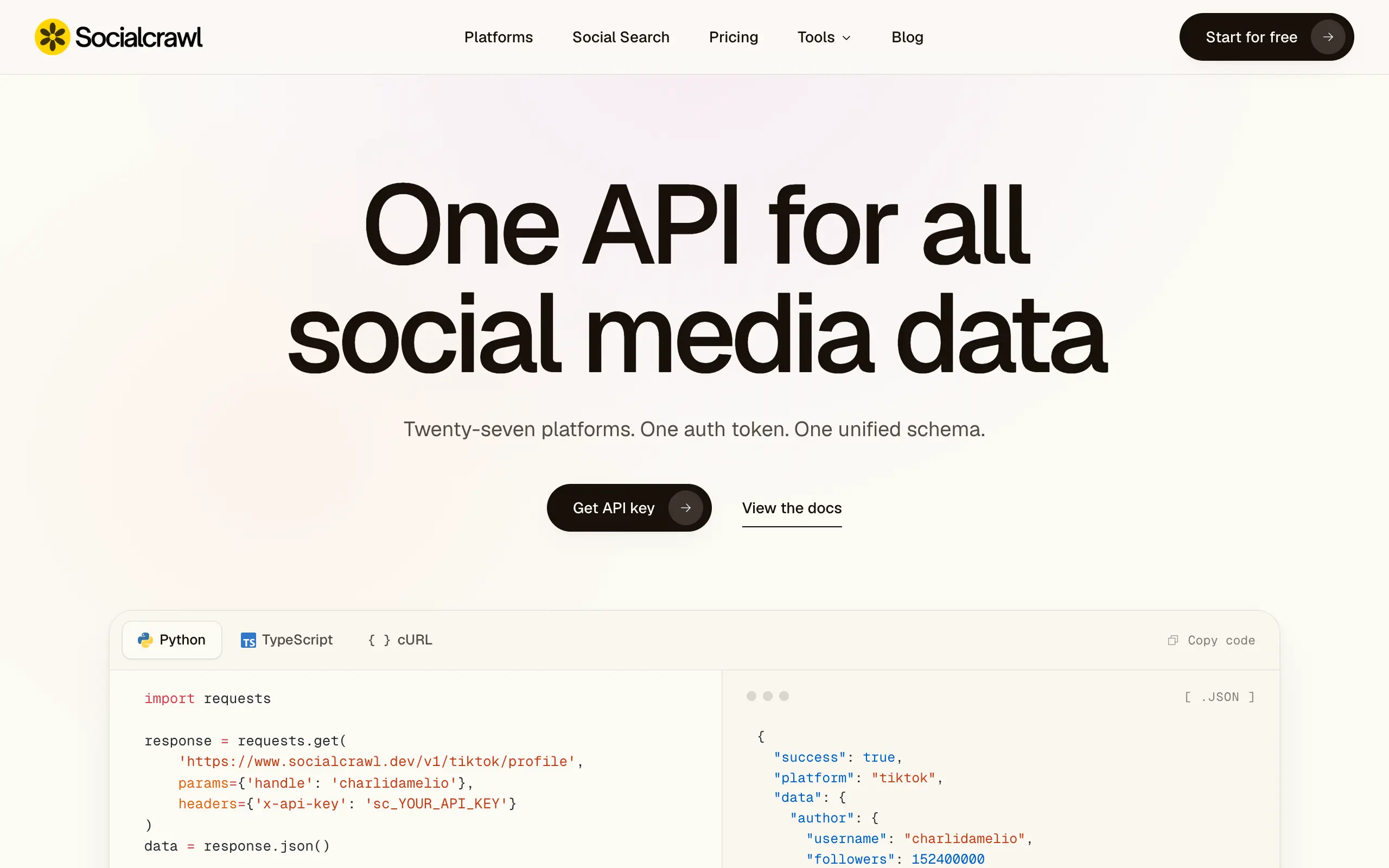
Socialcrawl
Get clean, structured data from 21 platforms like TikTok, Instagram, and YouTube with a single request 📊
Statiko
Monitor any Telegram channel in real time - track posts, edits, deletions, and growth with AI recaps 📡
Shibui
AI website builder - describe your business, pick a niche template, edit by chatting, and publish instantly ✨
Pro Service
Find verified home service professionals, compare quotes, and pay securely through escrow - built for Brazilians across the US 🏠
RankGrow
Fix your SEO with AI agents - connect Search Console, get prioritized tasks, and grow organic traffic 📈
SyncReads
Sync your favorite content for distraction-free reading, save time and replace multiple apps. Anytime, anywhere 🔄
Socialcrawl
Get clean, structured data from 21 platforms like TikTok, Instagram, and YouTube with a single request 📊
Statiko
Monitor any Telegram channel in real time - track posts, edits, deletions, and growth with AI recaps 📡
Shibui
AI website builder - describe your business, pick a niche template, edit by chatting, and publish instantly ✨
Pro Service
Find verified home service professionals, compare quotes, and pay securely through escrow - built for Brazilians across the US 🏠
RankGrow
Fix your SEO with AI agents - connect Search Console, get prioritized tasks, and grow organic traffic 📈
SyncReads
Sync your favorite content for distraction-free reading, save time and replace multiple apps. Anytime, anywhere 🔄
Socialcrawl
Get clean, structured data from 21 platforms like TikTok, Instagram, and YouTube with a single request 📊
Statiko
Monitor any Telegram channel in real time - track posts, edits, deletions, and growth with AI recaps 📡
Shibui
AI website builder - describe your business, pick a niche template, edit by chatting, and publish instantly ✨
Pro Service
Find verified home service professionals, compare quotes, and pay securely through escrow - built for Brazilians across the US 🏠
RankGrow
Fix your SEO with AI agents - connect Search Console, get prioritized tasks, and grow organic traffic 📈
SyncReads
Sync your favorite content for distraction-free reading, save time and replace multiple apps. Anytime, anywhere 🔄
Socialcrawl
Get clean, structured data from 21 platforms like TikTok, Instagram, and YouTube with a single request 📊
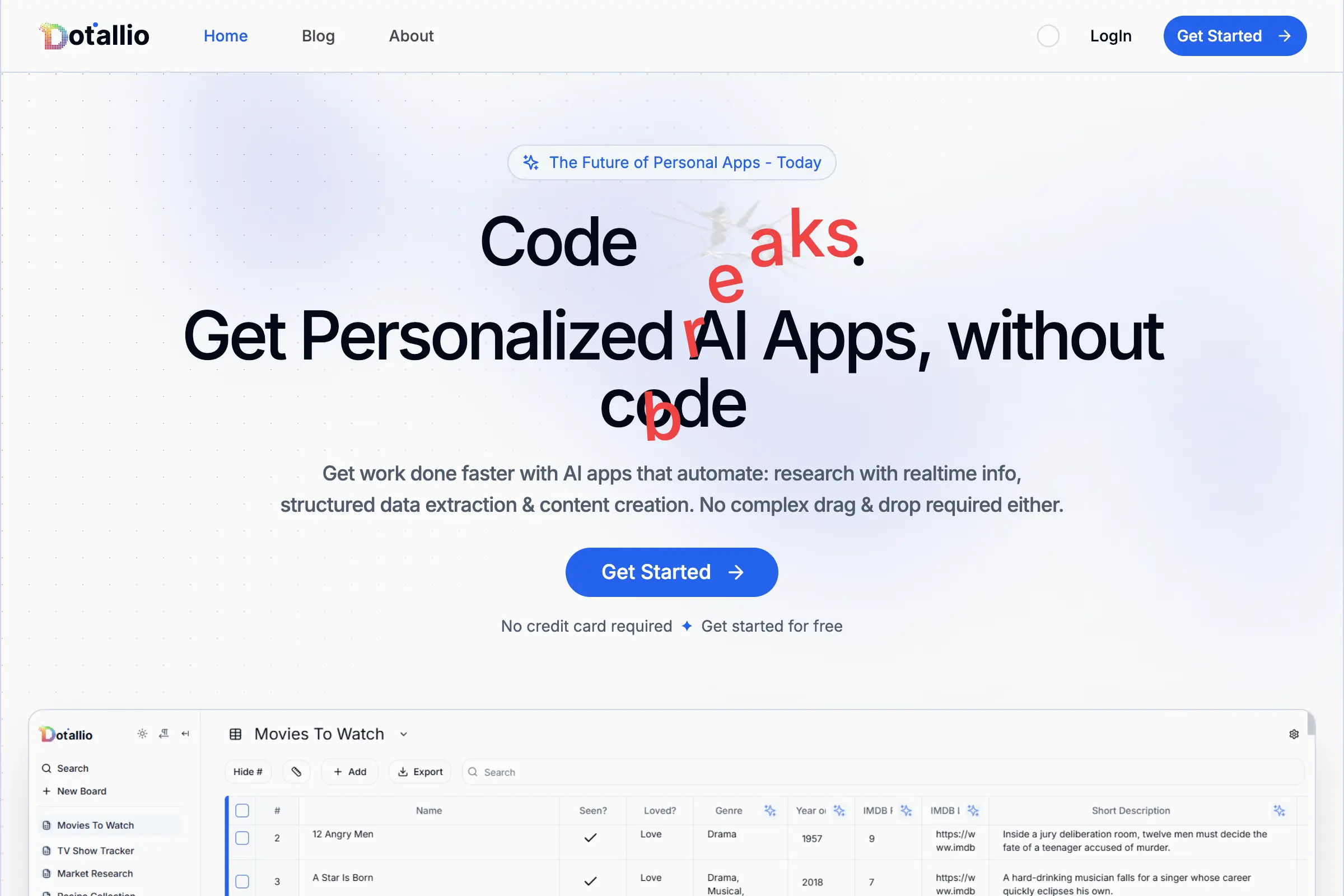
Dotallio
Personalized AI apps that automate research, data extraction, and content creation without code 🤖
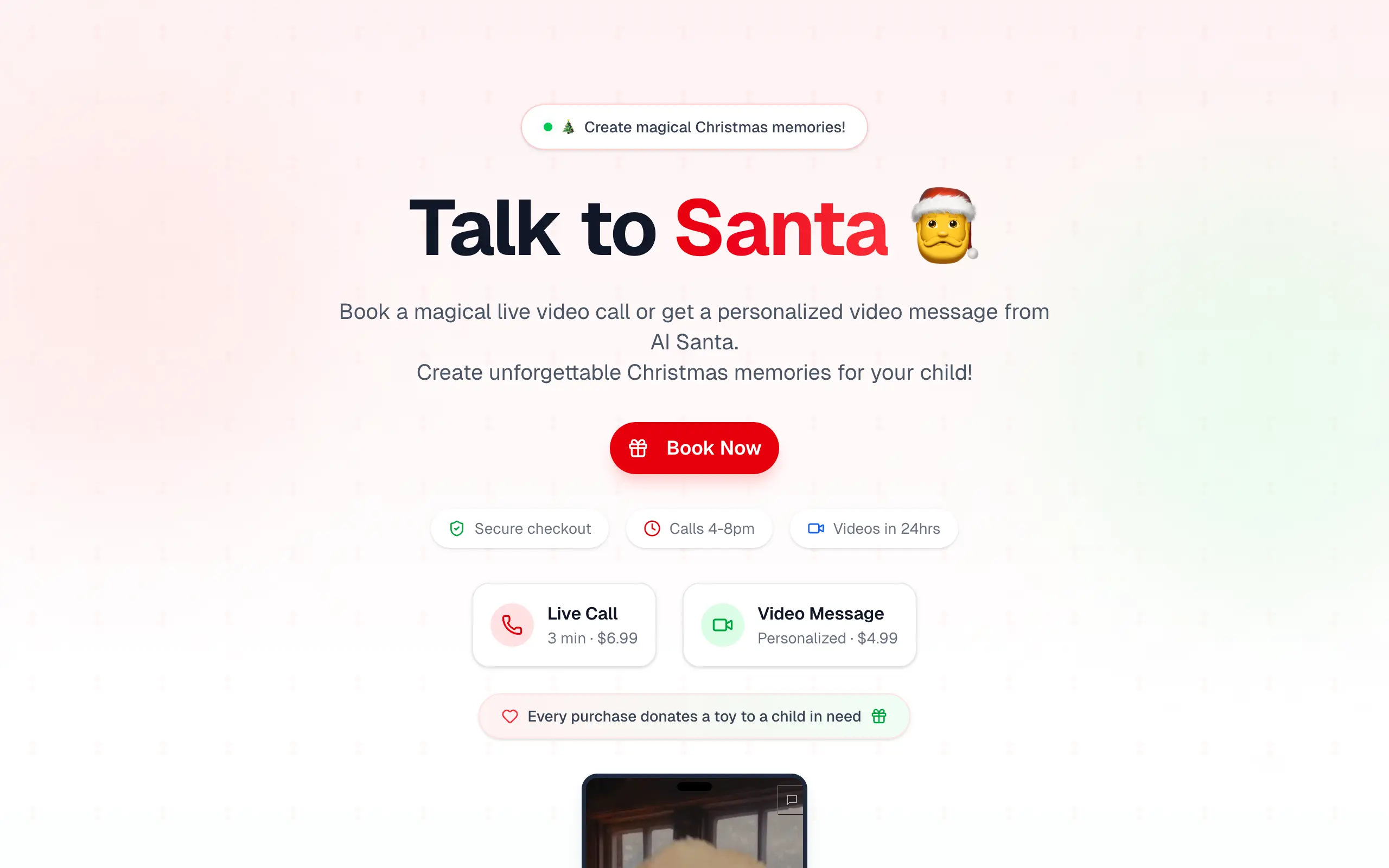
Talk to Santa
Enjoy a magical live video chat or receive a unique AI-generated video greeting from Santa Claus 🎅
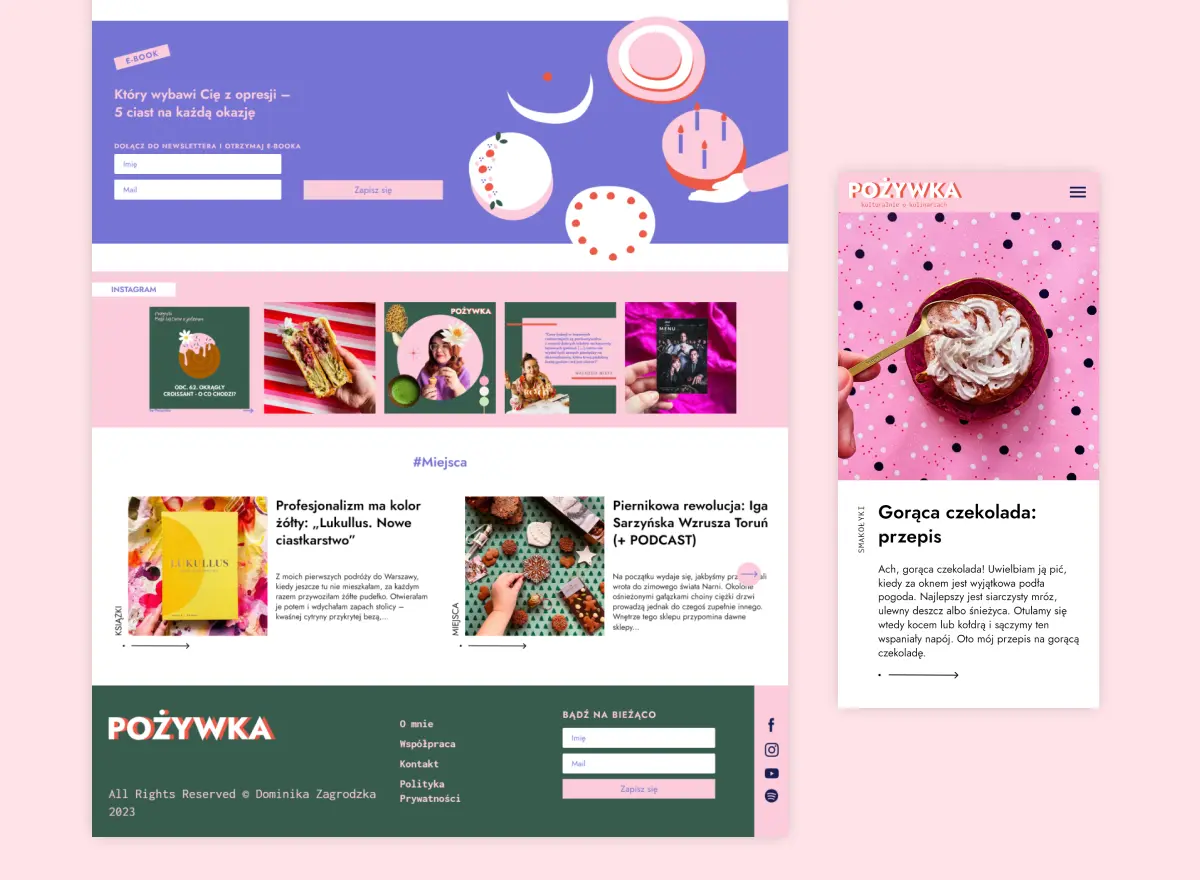
pozywka.pl
Scalable blog for food journalist, focused on performance and user experience 🌭
zagrodzki.me
Personal blog and portfolio of Bart Zagrodzki, where he shares his knowledge and work 💼
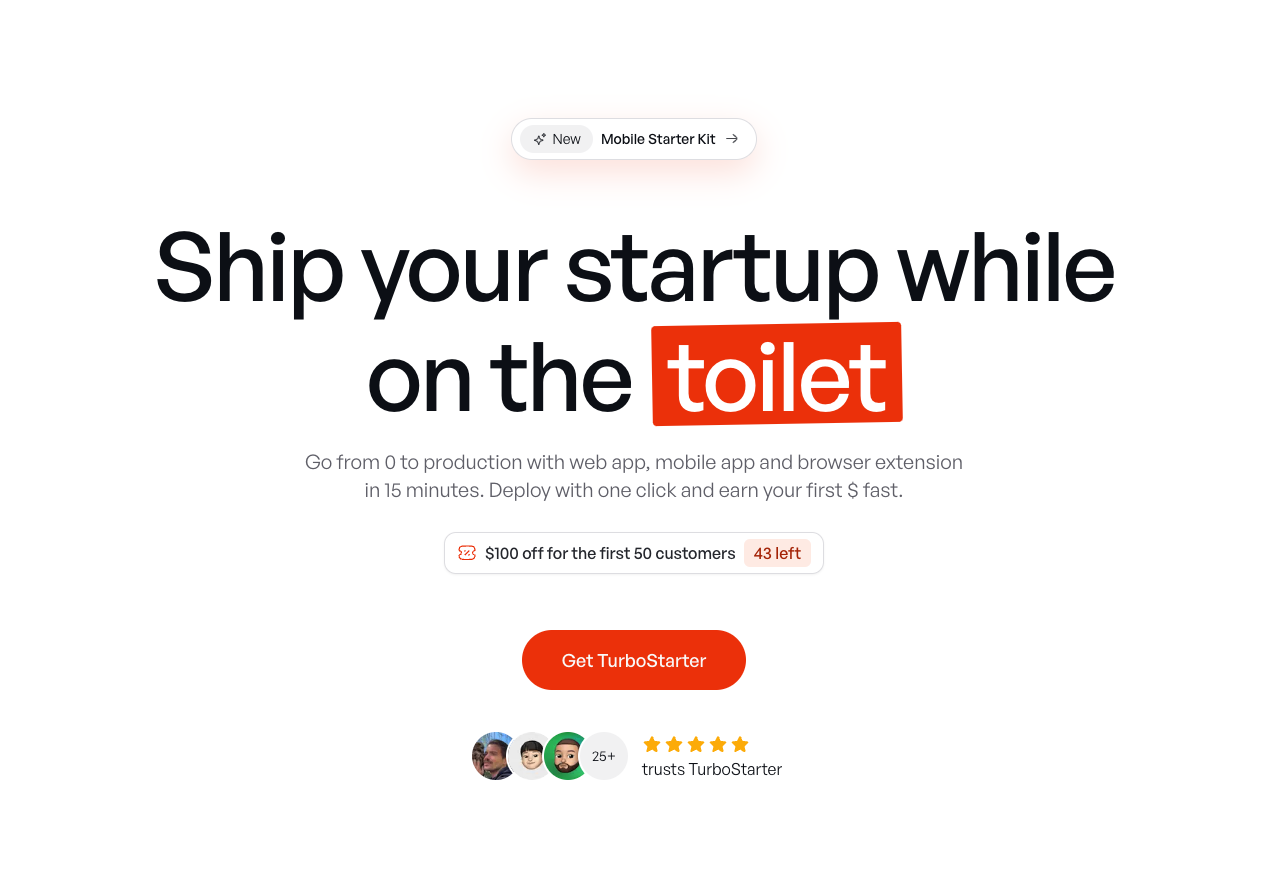
TurboStarter
Ship your startup everywhere. In minutes.
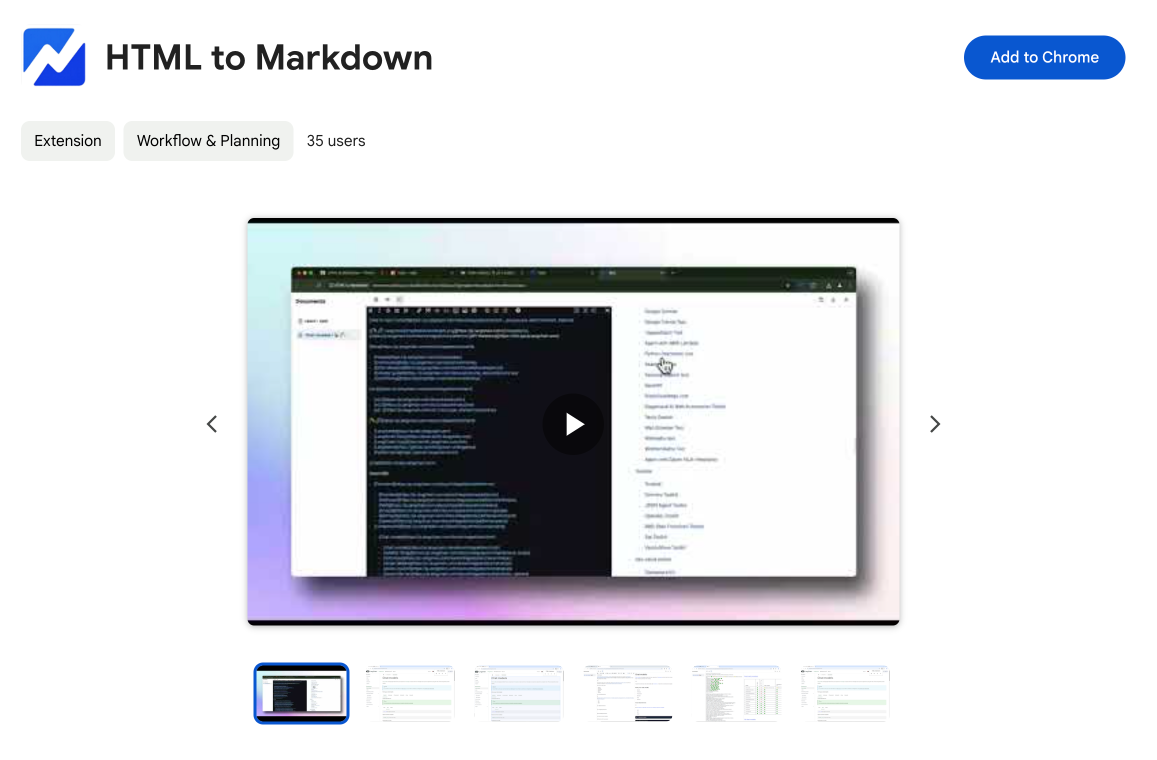
HTML to Markdown
Convert HTML to Markdown with ease, directly in your browser 📄
Dotallio
Personalized AI apps that automate research, data extraction, and content creation without code 🤖
Talk to Santa
Enjoy a magical live video chat or receive a unique AI-generated video greeting from Santa Claus 🎅
pozywka.pl
Scalable blog for food journalist, focused on performance and user experience 🌭
zagrodzki.me
Personal blog and portfolio of Bart Zagrodzki, where he shares his knowledge and work 💼
TurboStarter
Ship your startup everywhere. In minutes.
HTML to Markdown
Convert HTML to Markdown with ease, directly in your browser 📄
Dotallio
Personalized AI apps that automate research, data extraction, and content creation without code 🤖
Talk to Santa
Enjoy a magical live video chat or receive a unique AI-generated video greeting from Santa Claus 🎅
pozywka.pl
Scalable blog for food journalist, focused on performance and user experience 🌭
zagrodzki.me
Personal blog and portfolio of Bart Zagrodzki, where he shares his knowledge and work 💼
TurboStarter
Ship your startup everywhere. In minutes.
HTML to Markdown
Convert HTML to Markdown with ease, directly in your browser 📄
Dotallio
Personalized AI apps that automate research, data extraction, and content creation without code 🤖
Talk to Santa
Enjoy a magical live video chat or receive a unique AI-generated video greeting from Santa Claus 🎅
pozywka.pl
Scalable blog for food journalist, focused on performance and user experience 🌭
zagrodzki.me
Personal blog and portfolio of Bart Zagrodzki, where he shares his knowledge and work 💼
TurboStarter
Ship your startup everywhere. In minutes.
HTML to Markdown
Convert HTML to Markdown with ease, directly in your browser 📄
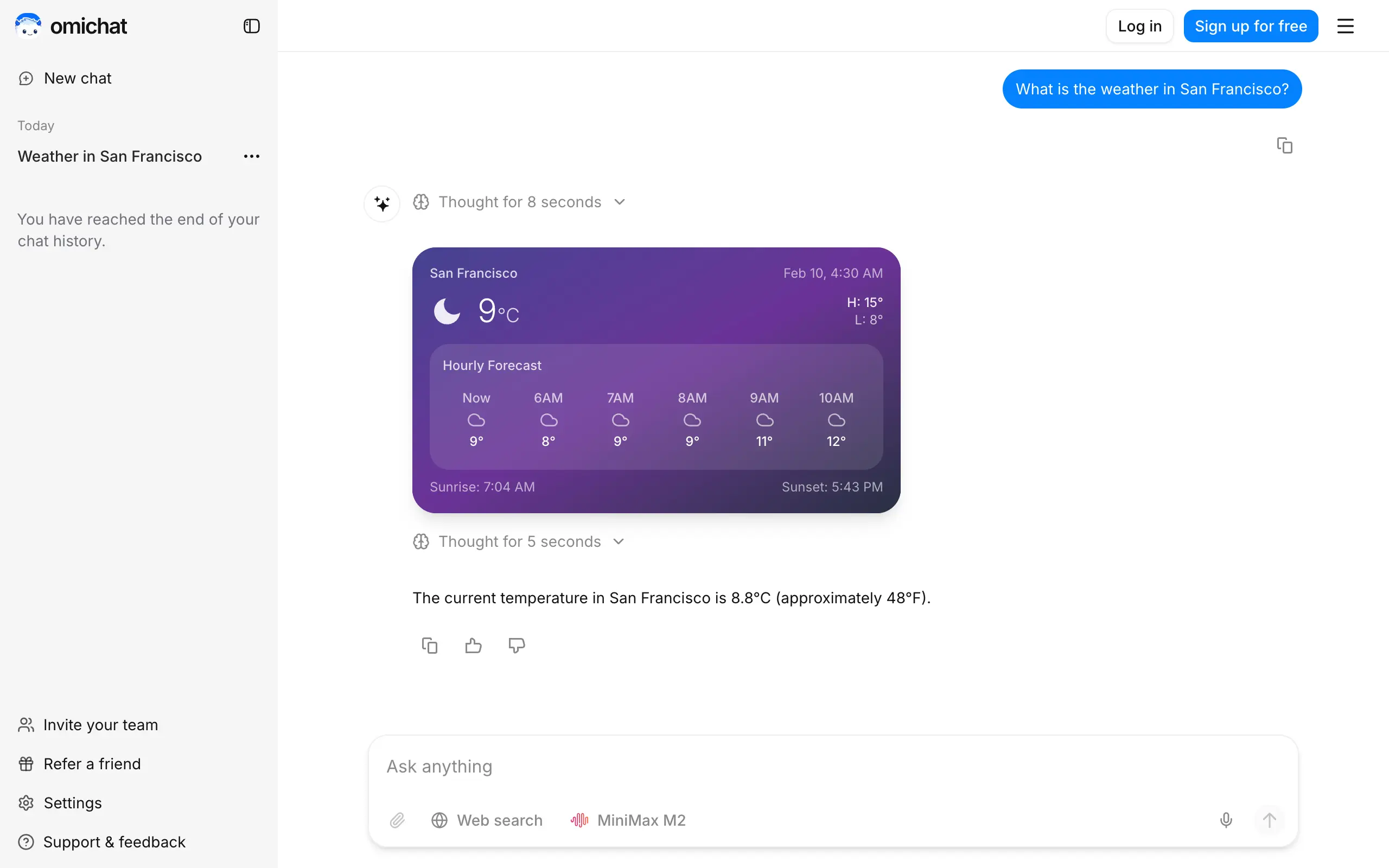
Omichat
Chat with 50+ AI models, including ChatGPT and Claude, in one place - switch models anytime without losing context 🤖
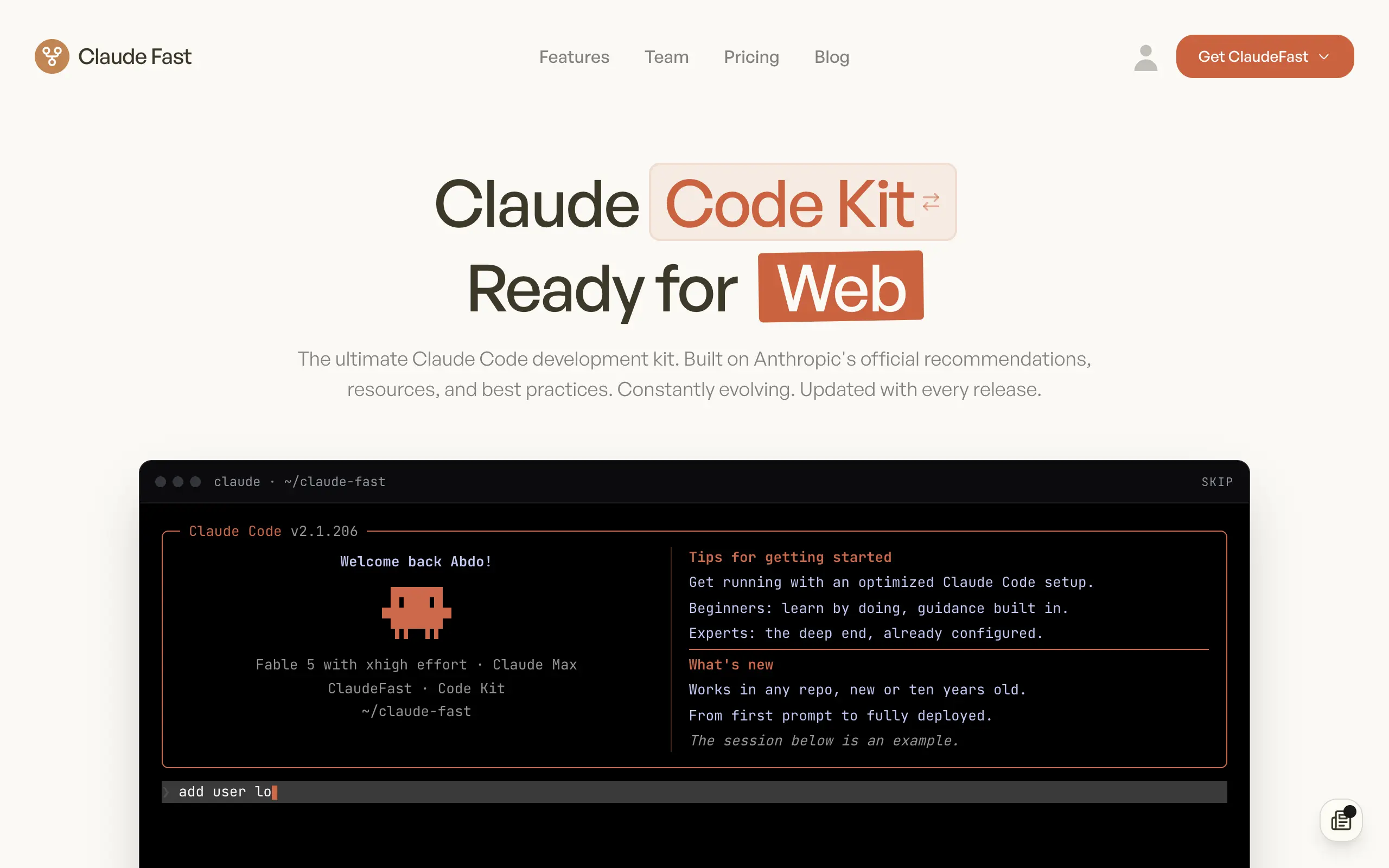
Claude Fast
Supercharge your Claude Code with 6x effective context window and specialized AI agents 🤖
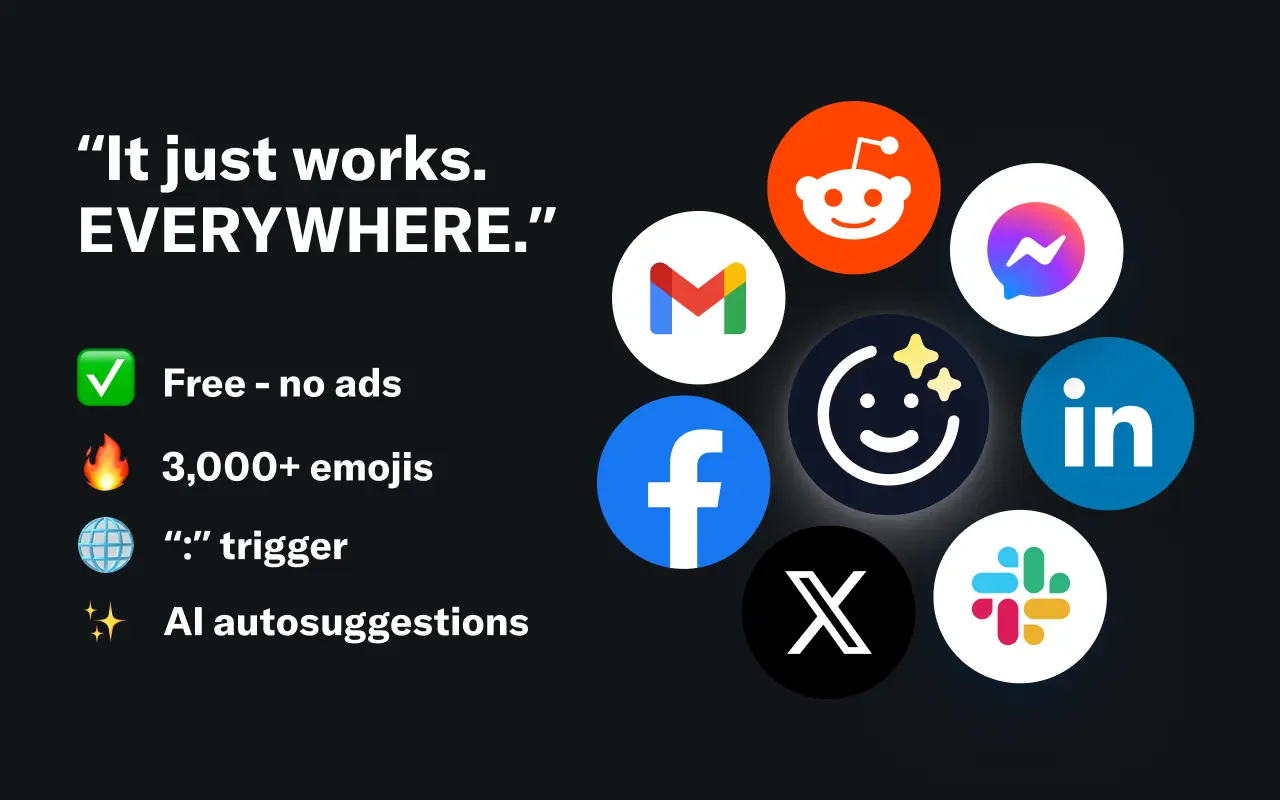
EmojAI
AI-powered emoji picker with smart, context-aware suggestions 🤖
Solohacker
Autonomous company launcher - AI agents work 24/7, escalate what matters, and you stay in control 🤖
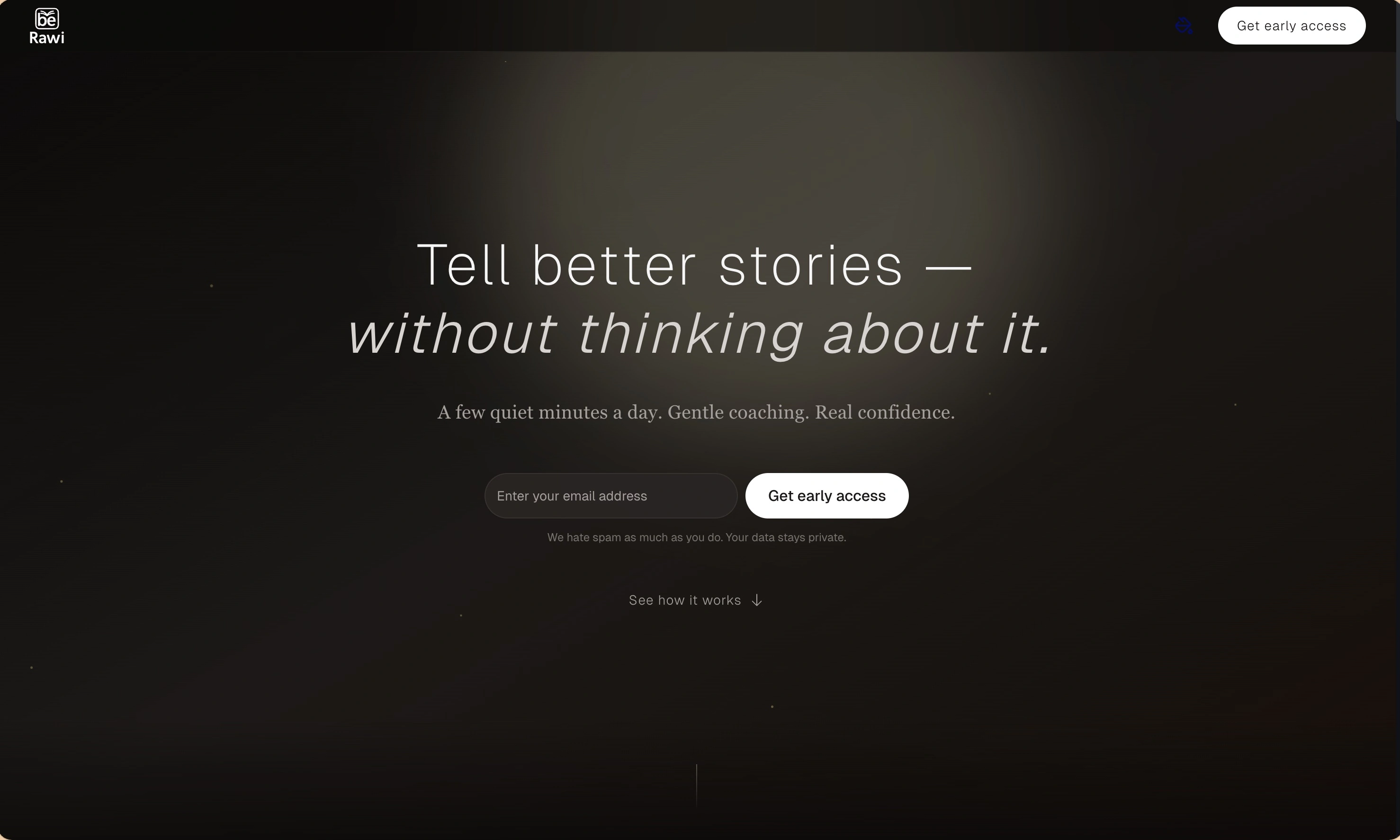
BeRawi: Storytelling Coach
Practice storytelling daily with instant feedback to sound clearer, more engaging, and confident 🎤
Omichat
Chat with 50+ AI models, including ChatGPT and Claude, in one place - switch models anytime without losing context 🤖
Claude Fast
Supercharge your Claude Code with 6x effective context window and specialized AI agents 🤖
EmojAI
AI-powered emoji picker with smart, context-aware suggestions 🤖
Solohacker
Autonomous company launcher - AI agents work 24/7, escalate what matters, and you stay in control 🤖
BeRawi: Storytelling Coach
Practice storytelling daily with instant feedback to sound clearer, more engaging, and confident 🎤
Omichat
Chat with 50+ AI models, including ChatGPT and Claude, in one place - switch models anytime without losing context 🤖
Claude Fast
Supercharge your Claude Code with 6x effective context window and specialized AI agents 🤖
EmojAI
AI-powered emoji picker with smart, context-aware suggestions 🤖
Solohacker
Autonomous company launcher - AI agents work 24/7, escalate what matters, and you stay in control 🤖
BeRawi: Storytelling Coach
Practice storytelling daily with instant feedback to sound clearer, more engaging, and confident 🎤
Omichat
Chat with 50+ AI models, including ChatGPT and Claude, in one place - switch models anytime without losing context 🤖
Claude Fast
Supercharge your Claude Code with 6x effective context window and specialized AI agents 🤖
EmojAI
AI-powered emoji picker with smart, context-aware suggestions 🤖
Solohacker
Autonomous company launcher - AI agents work 24/7, escalate what matters, and you stay in control 🤖
BeRawi: Storytelling Coach
Practice storytelling daily with instant feedback to sound clearer, more engaging, and confident 🎤

Connect with like-minded people
Join our community to get feedback, support, and grow together with 1,000+ builders on board, let's ship it!
Join usShip your startup everywhere. In minutes.
Don't burn tokens on setup and start building features on day one.