HobbyMatch
Connects users with niche hobbies to local groups, events, and resources, making it easy to find and grow communities around unique interests.
Understanding the HobbyMatch opportunity: connecting people through niche hobbies
In today's hyper-connected world, people crave authentic, local connections around shared interests. Yet, finding a community for a unique or niche hobby—be it urban beekeeping, retro gaming, or Japanese calligraphy—remains surprisingly difficult. HobbyMatch aims to bridge this gap by connecting users with niche hobbies to local groups, events, and resources, making it easy to find and grow communities around unique interests.
This comprehensive guide explores the HobbyMatch SaaS opportunity, analyzing the target audience, market gap, core features, technology stack, monetization, risks, and competitive landscape. Whether you're seeking inspiration, validation, or a roadmap for building a B2C SaaS in the hobby discovery space, this article delivers actionable insights grounded in expertise and current industry trends.
Who is HobbyMatch for? Target audience analysis
Understanding the target audience is crucial for any SaaS product, especially in the B2C space. HobbyMatch's core users can be segmented as follows:
1. Hobby enthusiasts seeking community
- Profile: Individuals passionate about a specific hobby, often niche or less mainstream.
- Needs: Desire to connect with like-minded people, attend events, and access resources.
- Pain points: Difficulty finding local groups, fragmented information, lack of event discovery.
2. Newcomers exploring hobbies
- Profile: People looking to try new activities, especially after life changes (moving, retirement, etc.).
- Needs: Easy discovery, beginner-friendly resources, welcoming communities.
- Pain points: Overwhelm, lack of guidance, fear of not fitting in.
3. Organizers and community leaders
- Profile: Individuals or small businesses running hobby groups, clubs, or events.
- Needs: Tools to promote events, manage memberships, and grow their communities.
- Pain points: Limited reach, manual processes, difficulty attracting new members.
4. Local businesses and service providers
- Profile: Shops, instructors, or venues catering to hobbyists (e.g., craft stores, climbing gyms).
- Needs: Targeted advertising, event promotion, partnership opportunities.
- Pain points: Inefficient marketing, difficulty reaching engaged audiences.
Demographics: HobbyMatch appeals to a broad age range (teens to retirees), with a slight skew toward urban and suburban dwellers who have access to local events and venues.
Psychographics: Users are curious, community-oriented, and value authentic, in-person connections.
Identifying the market gap: why HobbyMatch is needed
Despite the explosion of online communities, most platforms (e.g., Facebook Groups, Meetup) are either too broad or not optimized for niche hobby discovery. Key market gaps include:
- Fragmented discovery: Information about niche hobbies is scattered across forums, social media, and outdated websites.
- Poor local focus: Existing platforms often lack robust local filtering, making it hard to find nearby groups or events.
- Limited support for organizers: Event and group management tools are basic or require juggling multiple platforms.
- Lack of resource curation: Beginners struggle to find high-quality, vetted resources tailored to their interests and location.
Industry trends: The rise of the "passion economy" and renewed interest in offline activities (especially post-pandemic) have fueled demand for platforms that facilitate real-world connections around shared interests. According to recent surveys, over 60% of adults are interested in joining new hobby groups, but only 20% know where to start (suggest referencing a reputable market research source).
Core features and solution details: what makes HobbyMatch unique
To address these gaps, HobbyMatch should offer a robust, user-friendly platform with features tailored to both hobbyists and organizers.
Essential features for users
- Personalized hobby discovery: Smart onboarding and recommendation engine based on interests, location, and skill level.
- Local group and event search: Filter by distance, date, popularity, and niche.
- Resource library: Curated guides, tutorials, and local business listings relevant to each hobby.
- Community profiles: User profiles showcasing interests, experience, and participation badges.
- Messaging and forums: Safe, moderated spaces for discussion and planning.
Essential features for organizers
- Event creation and management: Easy tools for scheduling, RSVPs, waitlists, and reminders.
- Group management: Membership tracking, communication tools, and analytics.
- Promotion tools: Featured listings, targeted notifications, and integration with social media.
- Resource contribution: Ability to add guides, tips, or local business partnerships.
Advanced and differentiating features
- AI-powered matching: Suggests groups, events, and resources based on user behavior and preferences.
- Gamification: Badges, leaderboards, and rewards for participation and community building.
- Mobile-first experience: Responsive web app and/or native mobile apps for on-the-go discovery.
- Privacy controls: Robust settings for user data, group visibility, and communication preferences.
Personalized recommendations
AI-driven suggestions for groups, events, and resources tailored to each user's interests and location.
Organizer tools
Comprehensive event and group management features to help community leaders grow and engage their audience.
Curated resource library
High-quality guides, tutorials, and local business listings for every hobby, from beginner to expert.
Recommended tech stack for HobbyMatch
Choosing the right technology stack is critical for scalability, performance, and user experience. Below is a recommended stack for building HobbyMatch, with trade-offs considered.
Frontend
- React: Popular, component-based framework for building interactive UIs. Large ecosystem and community support.
- Next.js: Enables server-side rendering, SEO optimization, and fast page loads.
- TailwindCSS: Utility-first CSS framework for rapid, consistent styling.
- React Native (optional): For building cross-platform mobile apps with shared codebase.
Backend
- Node.js: Scalable, event-driven backend runtime.
- Express: Minimalist web framework for building APIs.
- PostgreSQL: Robust, open-source relational database with strong support for geospatial queries (important for local search).
- Redis: For caching and real-time features (e.g., chat, notifications).
Infrastructure
- Vercel or Netlify: For seamless deployment and hosting of frontend.
- AWS or Google Cloud: For scalable backend, storage, and managed database services.
- SendGrid: For transactional emails and notifications.
Trade-offs and considerations
- Monolithic vs. microservices: Start with a monolithic architecture for speed, then modularize as the platform grows.
- Mobile-first vs. web-first: A responsive web app is fastest to market; native apps can follow based on user demand.
- No-code/low-code options: Tools like TurboStarter can accelerate MVP development, but may limit customization for advanced features.
Pro tip
Consider using TurboStarter to rapidly prototype your MVP and validate core features before investing in a full custom build.
Monetization strategies for HobbyMatch
A sustainable SaaS business requires a clear path to revenue. HobbyMatch, as a B2C platform, can explore several monetization models:
1. Freemium with premium features
- Free tier: Basic group/event discovery, limited messaging, and access to public resources.
- Premium tier: Advanced search filters, unlimited messaging, exclusive events, and early access to new features.
2. Organizer subscriptions
- Monthly/annual plans for group leaders, unlocking advanced management tools, analytics, and promotional features.
3. Local business advertising
- Sponsored listings for hobby-related businesses (e.g., craft stores, studios, instructors).
- Event sponsorships and featured placements.
4. Transaction fees
- Ticketing for paid events: Small commission on ticket sales or event registrations processed through the platform.
5. Affiliate partnerships
- Resource library links to partner products, courses, or gear, earning a commission on referrals.
| Freemium | Organizer subs | Ads | Transaction fees | Affiliate |
|---|---|---|---|---|
| ✅ | ❌ | ❌ | ✅ | ❌ |
| ✅ | ❌ | ✅ | ✅ | ❌ |
Best practice: Start with a freemium model to drive user growth, then layer in organizer subscriptions and advertising as the platform matures.
Potential risks and mitigation strategies
Launching a B2C SaaS like HobbyMatch comes with unique challenges. Proactively addressing these risks is key to long-term success.
1. User acquisition and retention
- Risk: Difficulty reaching critical mass in local markets; users churn if communities are inactive.
- Mitigation: Focus initial marketing on hobby hotspots (urban areas, universities), incentivize organizers, and seed early content.
2. Content moderation and safety
- Risk: Spam, harassment, or inappropriate content can erode trust.
- Mitigation: Implement robust moderation tools, clear community guidelines, and user reporting features.
3. Platform fragmentation
- Risk: Users and organizers may default to existing platforms (Facebook, Meetup).
- Mitigation: Offer unique value (better discovery, organizer tools, local focus) and seamless onboarding/import from other platforms.
4. Monetization pushback
- Risk: Users resist paywalls or excessive ads.
- Mitigation: Keep core features free, ensure ads are relevant and non-intrusive, and clearly communicate the value of premium features.
5. Data privacy and compliance
- Risk: Handling sensitive user data (location, interests) requires strict compliance.
- Mitigation: Adhere to GDPR/CCPA, offer granular privacy controls, and be transparent about data usage.
By combining automated moderation (AI/ML for flagging content) with human review, clear reporting channels, and education on safe community practices.
Use targeted marketing, partnerships with local businesses, and incentives for early organizers to seed activity and build momentum.
Competitive advantage: how HobbyMatch stands out
The hobby discovery space is competitive, but HobbyMatch's unique approach offers several advantages:
1. Hyper-local, niche focus
Unlike broad platforms, HobbyMatch is purpose-built for discovering and growing communities around unique interests at the local level.
2. All-in-one platform
Combines group/event discovery, resource curation, and organizer tools in a single, seamless experience.
3. Personalization and AI
Leverages AI to deliver tailored recommendations, making it easier for users to find their tribe and for organizers to reach the right audience.
4. Community-first ethos
Prioritizes safety, inclusivity, and authentic connections—key differentiators in the B2C SaaS landscape.
5. Modern, mobile-first design
Delivers a fast, intuitive experience across devices, meeting the expectations of today's users.
Implementation steps: how to build and launch HobbyMatch
Ready to bring HobbyMatch to life? Here’s a step-by-step roadmap for building, launching, and scaling the platform.
Conclusion: why HobbyMatch is a winning SaaS idea
HobbyMatch addresses a real, growing need: helping people find and build local communities around their unique interests. By combining personalized discovery, robust organizer tools, and a focus on safety and inclusivity, it stands out in a crowded market. With a thoughtful approach to technology, monetization, and user experience, HobbyMatch has the potential to become the go-to platform for hobby enthusiasts and organizers alike.
Key takeaways:
- The market for hobby discovery and community-building is large, underserved, and growing.
- HobbyMatch’s unique selling proposition lies in its hyper-local, niche focus and all-in-one platform approach.
- Success depends on delivering a seamless, safe, and engaging experience for both users and organizers.
- Leveraging modern tech stacks and tools like TurboStarter can accelerate development and reduce risk.
By following the steps and best practices outlined above, you can turn the HobbyMatch vision into a thriving SaaS business that brings people together—one hobby at a time.
More 👥 B2C Application SaaS ideas
Discover more innovative b2c application SaaS ideas that are trending in 2026. Each idea is AI-generated with market validation and growth potential to help you find your next profitable venture faster than competitors.
Your competitors are building with TurboStarter
Below are some of the SaaS ideas that have been generated and built with our starter kit.
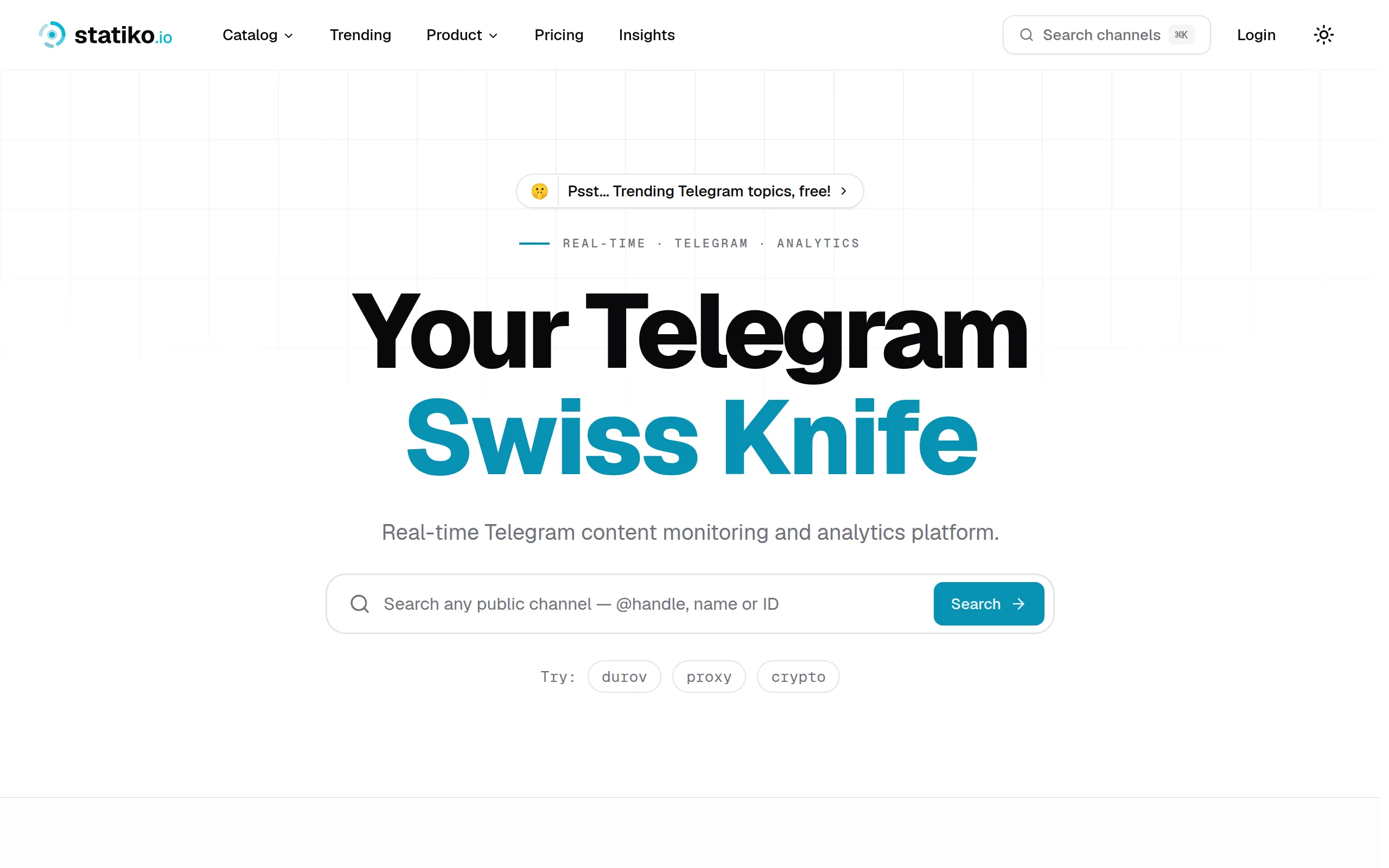
Statiko
Monitor any Telegram channel in real time - track posts, edits, deletions, and growth with AI recaps 📡

Shibui
AI website builder - describe your business, pick a niche template, edit by chatting, and publish instantly ✨

Pro Service
Find verified home service professionals, compare quotes, and pay securely through escrow - built for Brazilians across the US 🏠
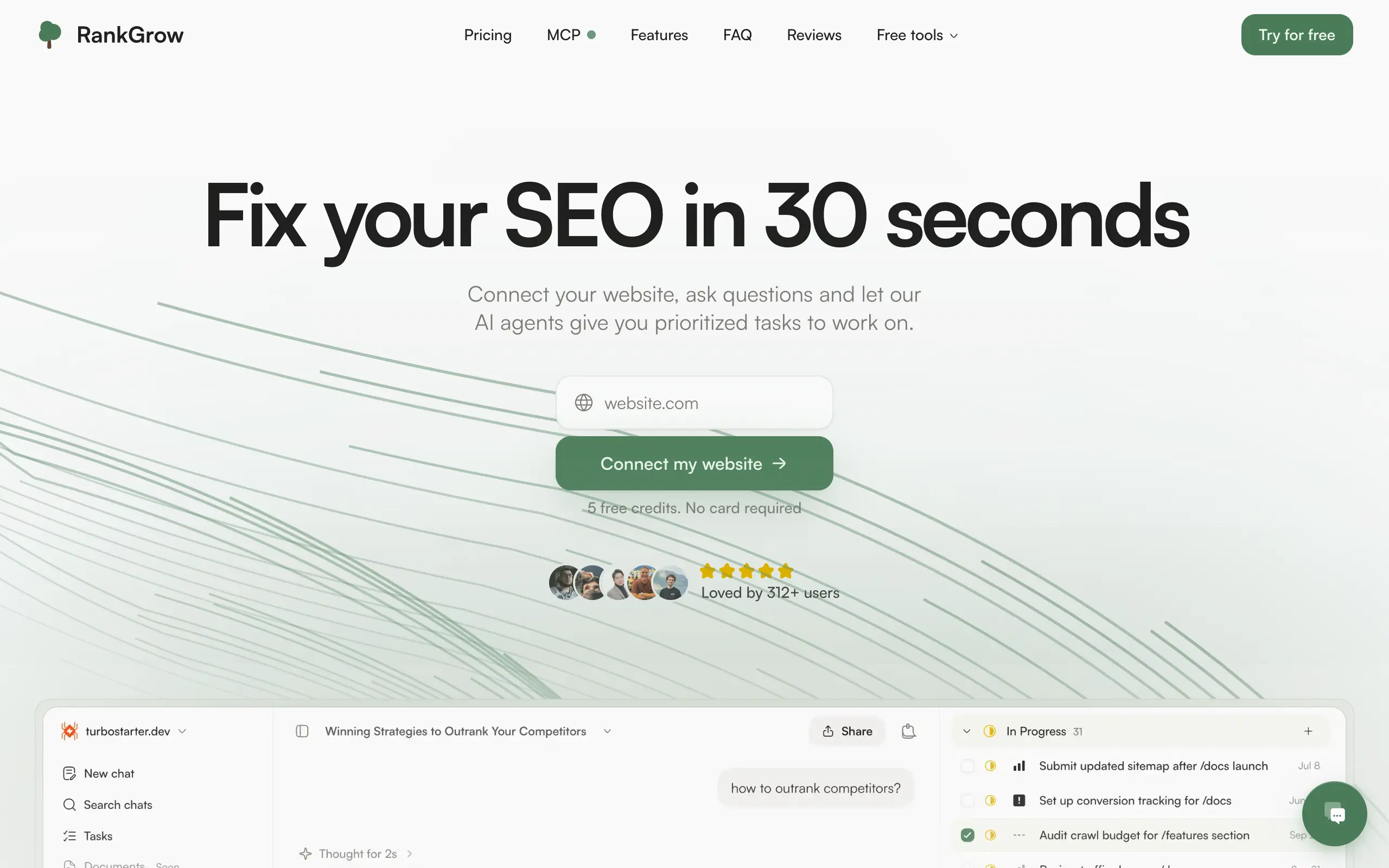
RankGrow
Fix your SEO with AI agents - connect Search Console, get prioritized tasks, and grow organic traffic 📈
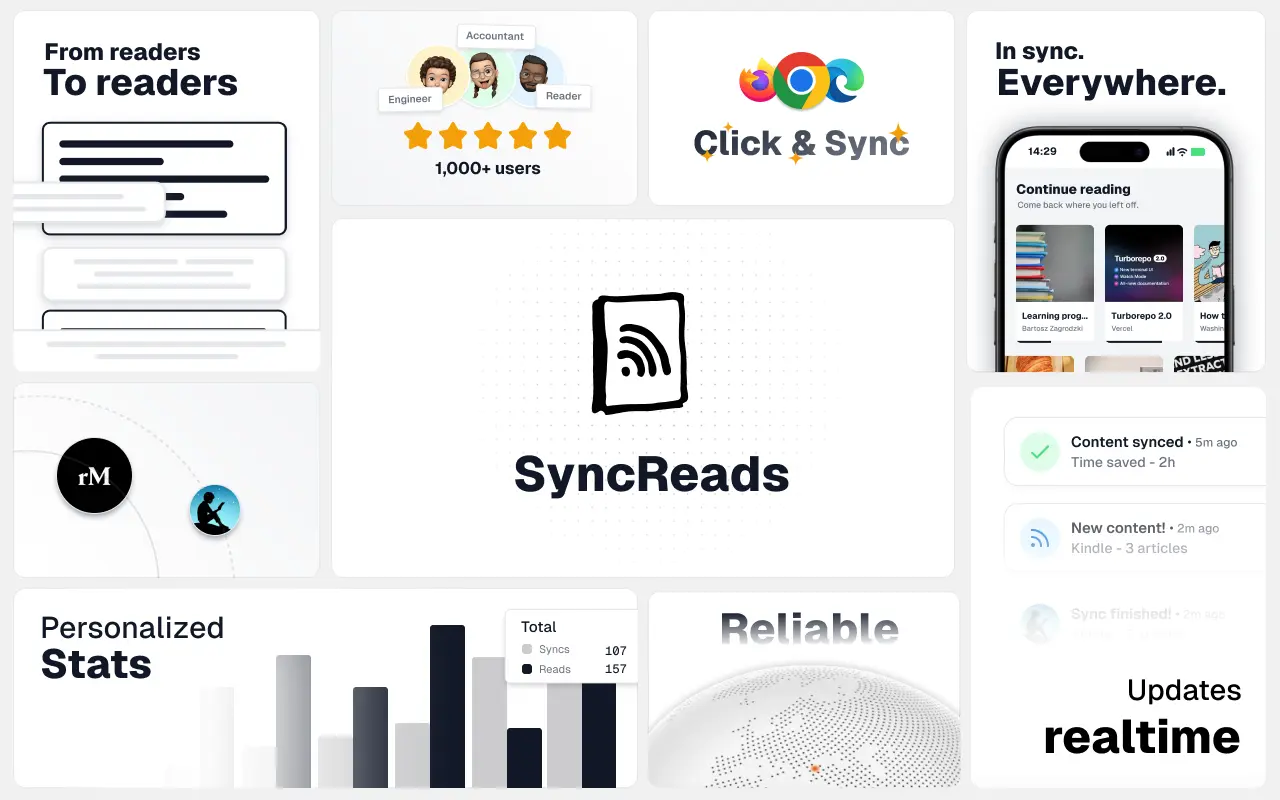
SyncReads
Sync your favorite content for distraction-free reading, save time and replace multiple apps. Anytime, anywhere 🔄
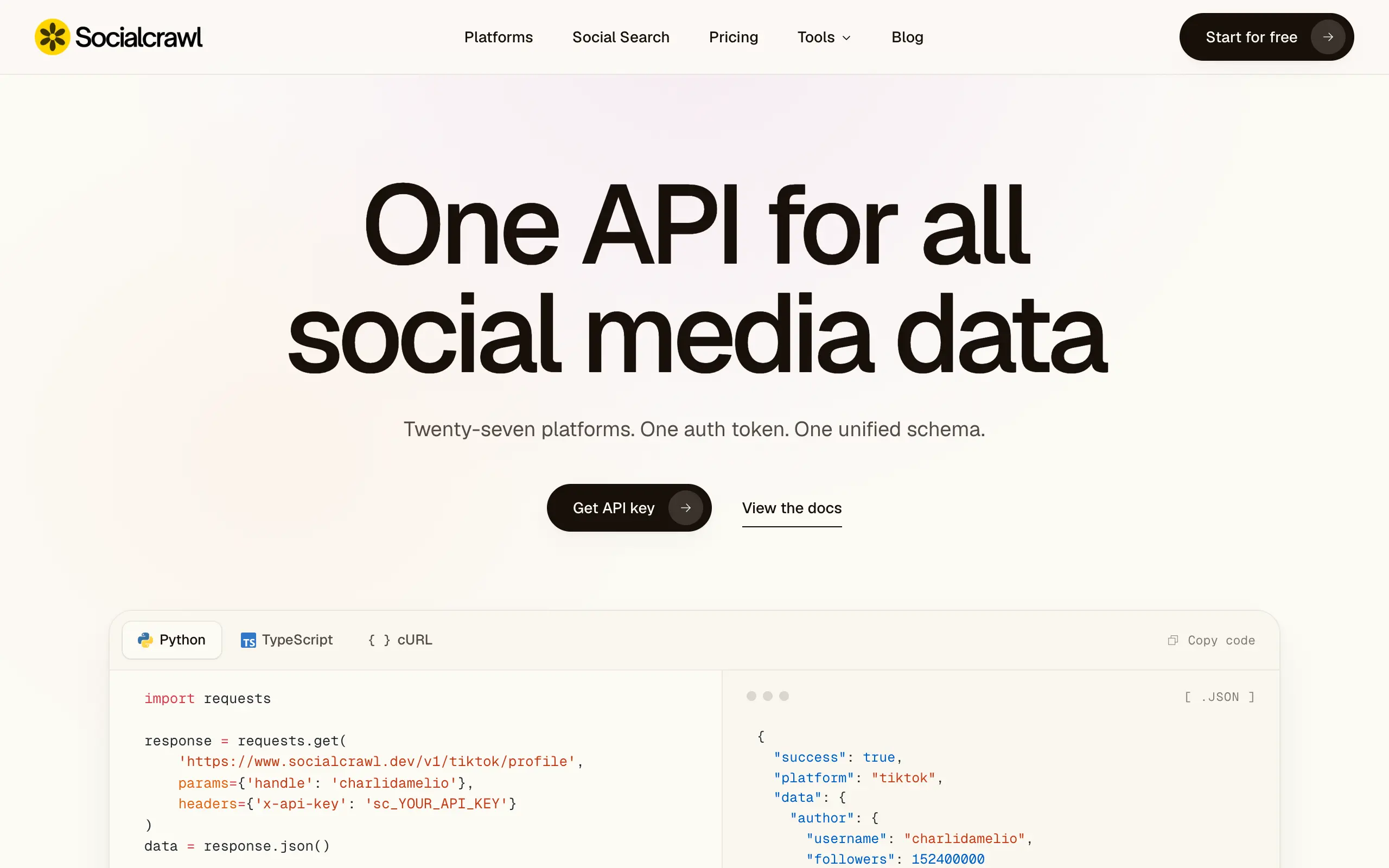
Socialcrawl
Get clean, structured data from 21 platforms like TikTok, Instagram, and YouTube with a single request 📊
Statiko
Monitor any Telegram channel in real time - track posts, edits, deletions, and growth with AI recaps 📡
Shibui
AI website builder - describe your business, pick a niche template, edit by chatting, and publish instantly ✨
Pro Service
Find verified home service professionals, compare quotes, and pay securely through escrow - built for Brazilians across the US 🏠
RankGrow
Fix your SEO with AI agents - connect Search Console, get prioritized tasks, and grow organic traffic 📈
SyncReads
Sync your favorite content for distraction-free reading, save time and replace multiple apps. Anytime, anywhere 🔄
Socialcrawl
Get clean, structured data from 21 platforms like TikTok, Instagram, and YouTube with a single request 📊
Statiko
Monitor any Telegram channel in real time - track posts, edits, deletions, and growth with AI recaps 📡
Shibui
AI website builder - describe your business, pick a niche template, edit by chatting, and publish instantly ✨
Pro Service
Find verified home service professionals, compare quotes, and pay securely through escrow - built for Brazilians across the US 🏠
RankGrow
Fix your SEO with AI agents - connect Search Console, get prioritized tasks, and grow organic traffic 📈
SyncReads
Sync your favorite content for distraction-free reading, save time and replace multiple apps. Anytime, anywhere 🔄
Socialcrawl
Get clean, structured data from 21 platforms like TikTok, Instagram, and YouTube with a single request 📊
Statiko
Monitor any Telegram channel in real time - track posts, edits, deletions, and growth with AI recaps 📡
Shibui
AI website builder - describe your business, pick a niche template, edit by chatting, and publish instantly ✨
Pro Service
Find verified home service professionals, compare quotes, and pay securely through escrow - built for Brazilians across the US 🏠
RankGrow
Fix your SEO with AI agents - connect Search Console, get prioritized tasks, and grow organic traffic 📈
SyncReads
Sync your favorite content for distraction-free reading, save time and replace multiple apps. Anytime, anywhere 🔄
Socialcrawl
Get clean, structured data from 21 platforms like TikTok, Instagram, and YouTube with a single request 📊
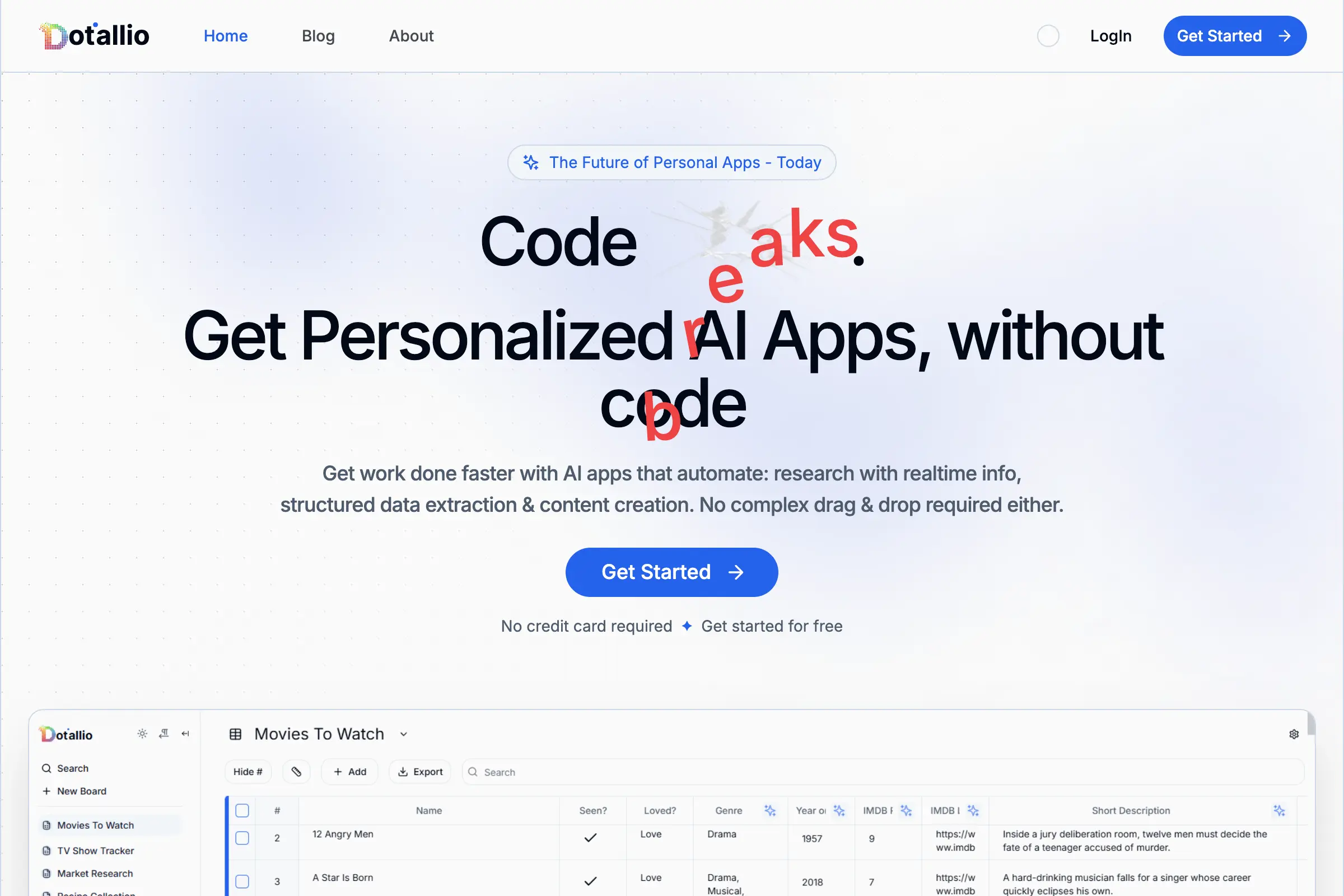
Dotallio
Personalized AI apps that automate research, data extraction, and content creation without code 🤖
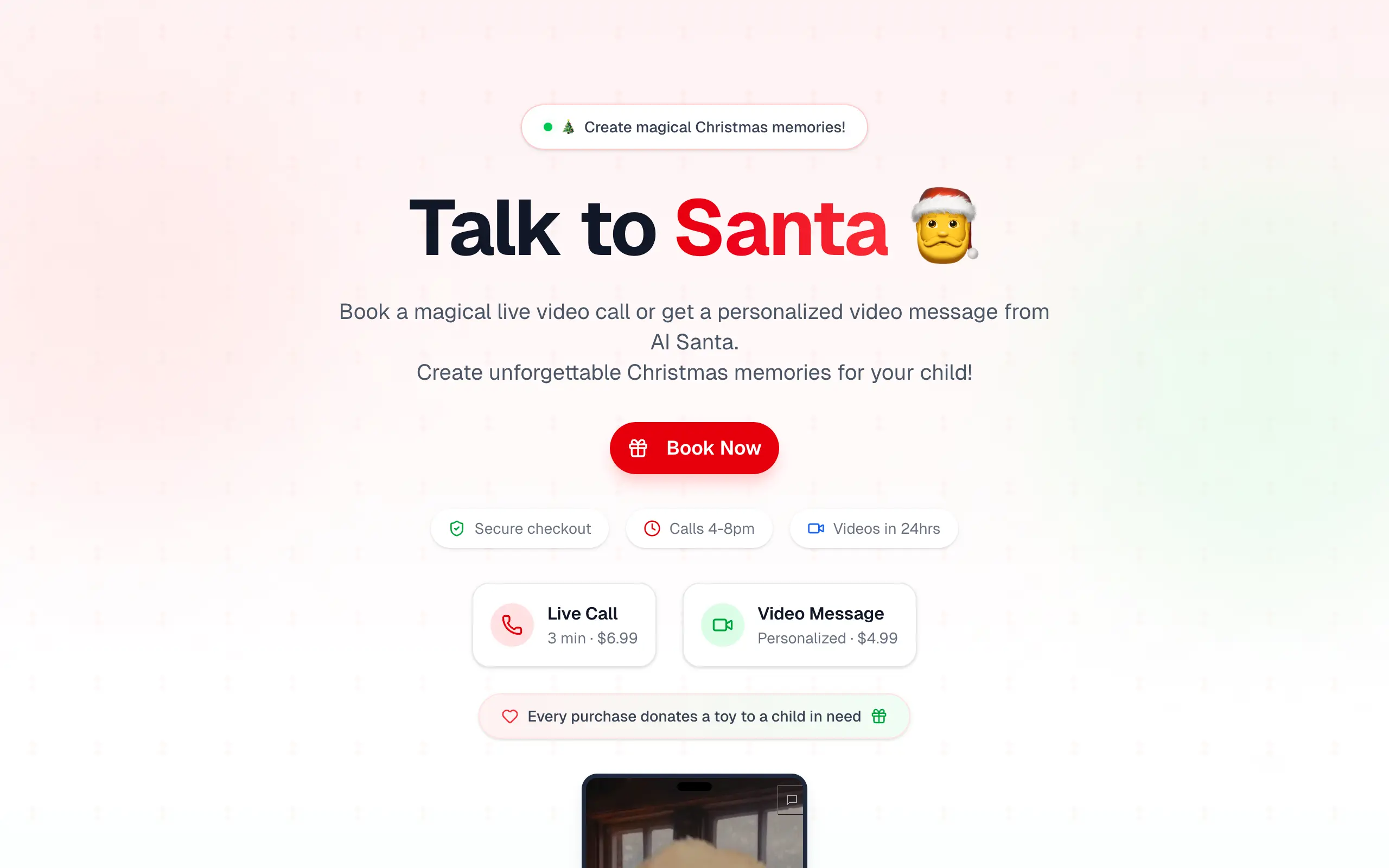
Talk to Santa
Enjoy a magical live video chat or receive a unique AI-generated video greeting from Santa Claus 🎅
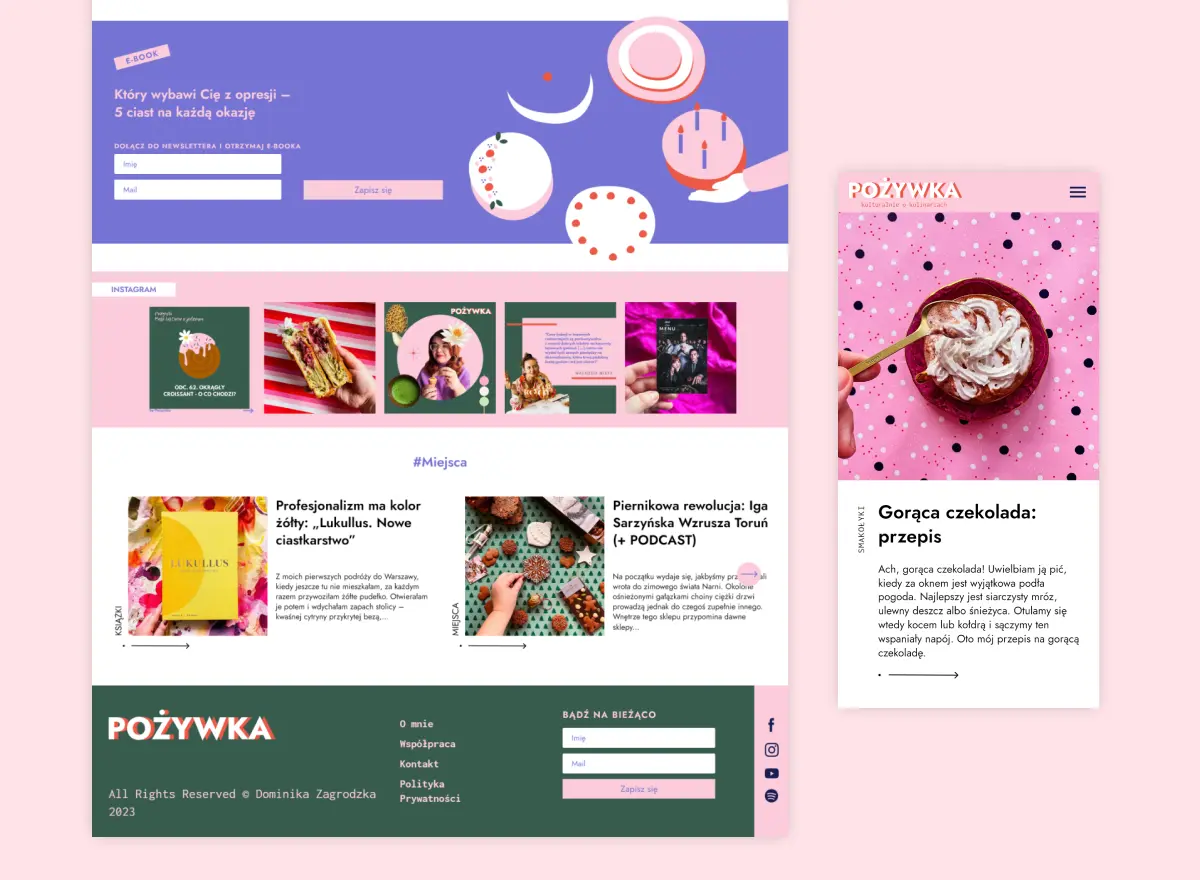
pozywka.pl
Scalable blog for food journalist, focused on performance and user experience 🌭
zagrodzki.me
Personal blog and portfolio of Bart Zagrodzki, where he shares his knowledge and work 💼
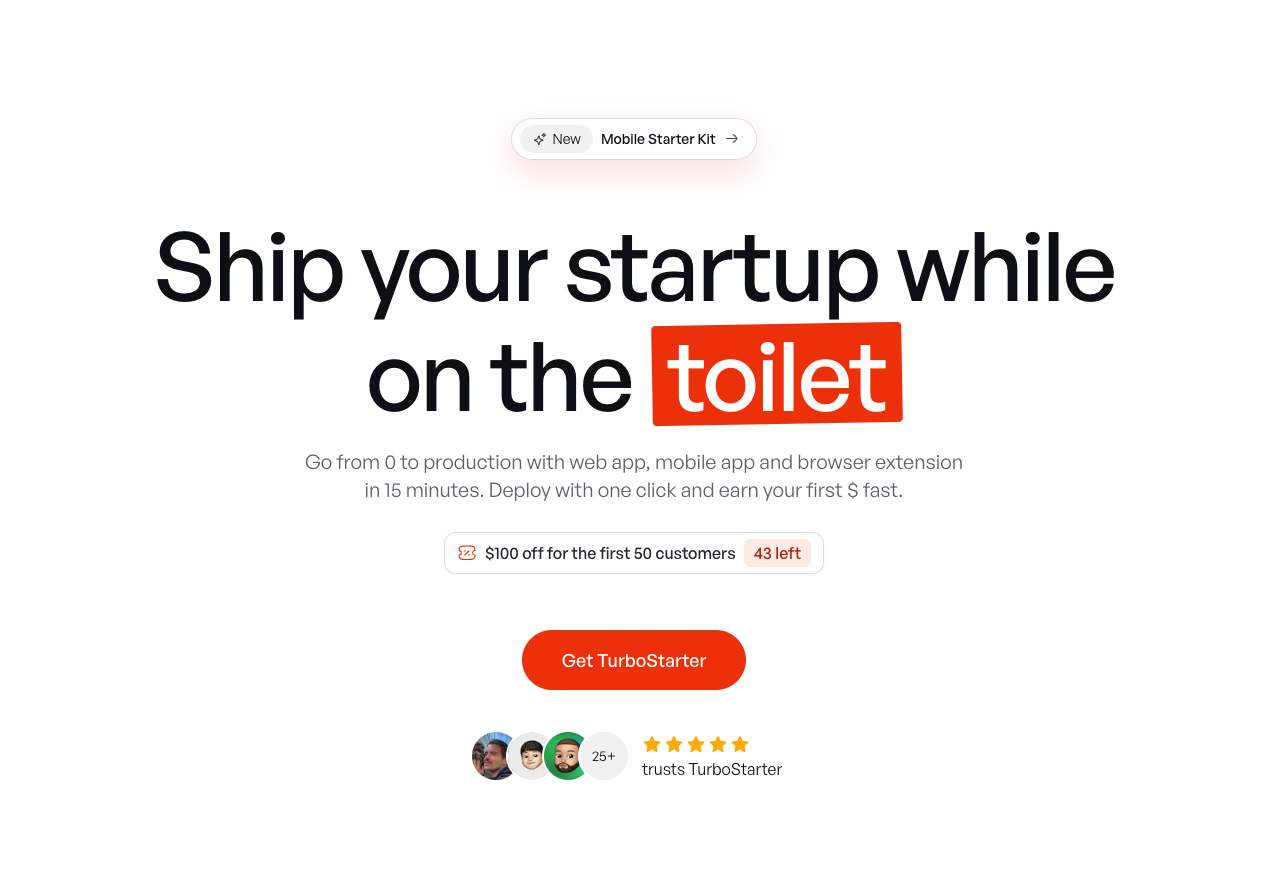
TurboStarter
Ship your startup everywhere. In minutes.
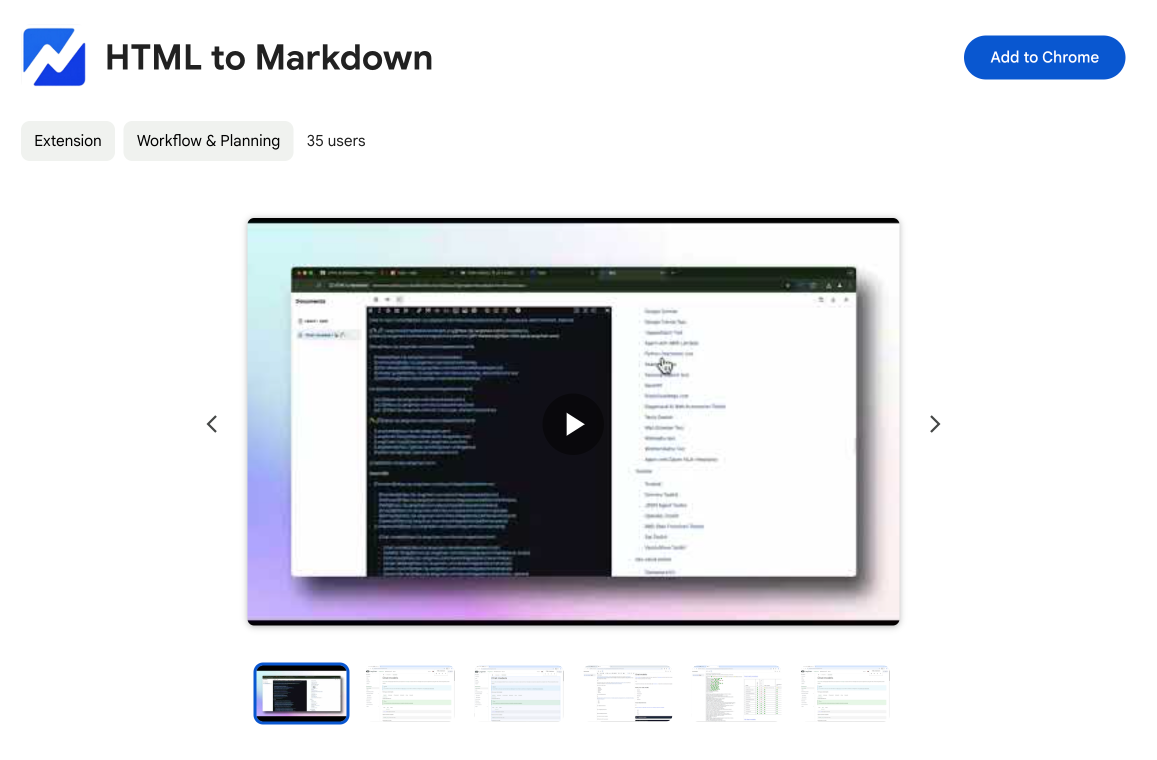
HTML to Markdown
Convert HTML to Markdown with ease, directly in your browser 📄
Dotallio
Personalized AI apps that automate research, data extraction, and content creation without code 🤖
Talk to Santa
Enjoy a magical live video chat or receive a unique AI-generated video greeting from Santa Claus 🎅
pozywka.pl
Scalable blog for food journalist, focused on performance and user experience 🌭
zagrodzki.me
Personal blog and portfolio of Bart Zagrodzki, where he shares his knowledge and work 💼
TurboStarter
Ship your startup everywhere. In minutes.
HTML to Markdown
Convert HTML to Markdown with ease, directly in your browser 📄
Dotallio
Personalized AI apps that automate research, data extraction, and content creation without code 🤖
Talk to Santa
Enjoy a magical live video chat or receive a unique AI-generated video greeting from Santa Claus 🎅
pozywka.pl
Scalable blog for food journalist, focused on performance and user experience 🌭
zagrodzki.me
Personal blog and portfolio of Bart Zagrodzki, where he shares his knowledge and work 💼
TurboStarter
Ship your startup everywhere. In minutes.
HTML to Markdown
Convert HTML to Markdown with ease, directly in your browser 📄
Dotallio
Personalized AI apps that automate research, data extraction, and content creation without code 🤖
Talk to Santa
Enjoy a magical live video chat or receive a unique AI-generated video greeting from Santa Claus 🎅
pozywka.pl
Scalable blog for food journalist, focused on performance and user experience 🌭
zagrodzki.me
Personal blog and portfolio of Bart Zagrodzki, where he shares his knowledge and work 💼
TurboStarter
Ship your startup everywhere. In minutes.
HTML to Markdown
Convert HTML to Markdown with ease, directly in your browser 📄
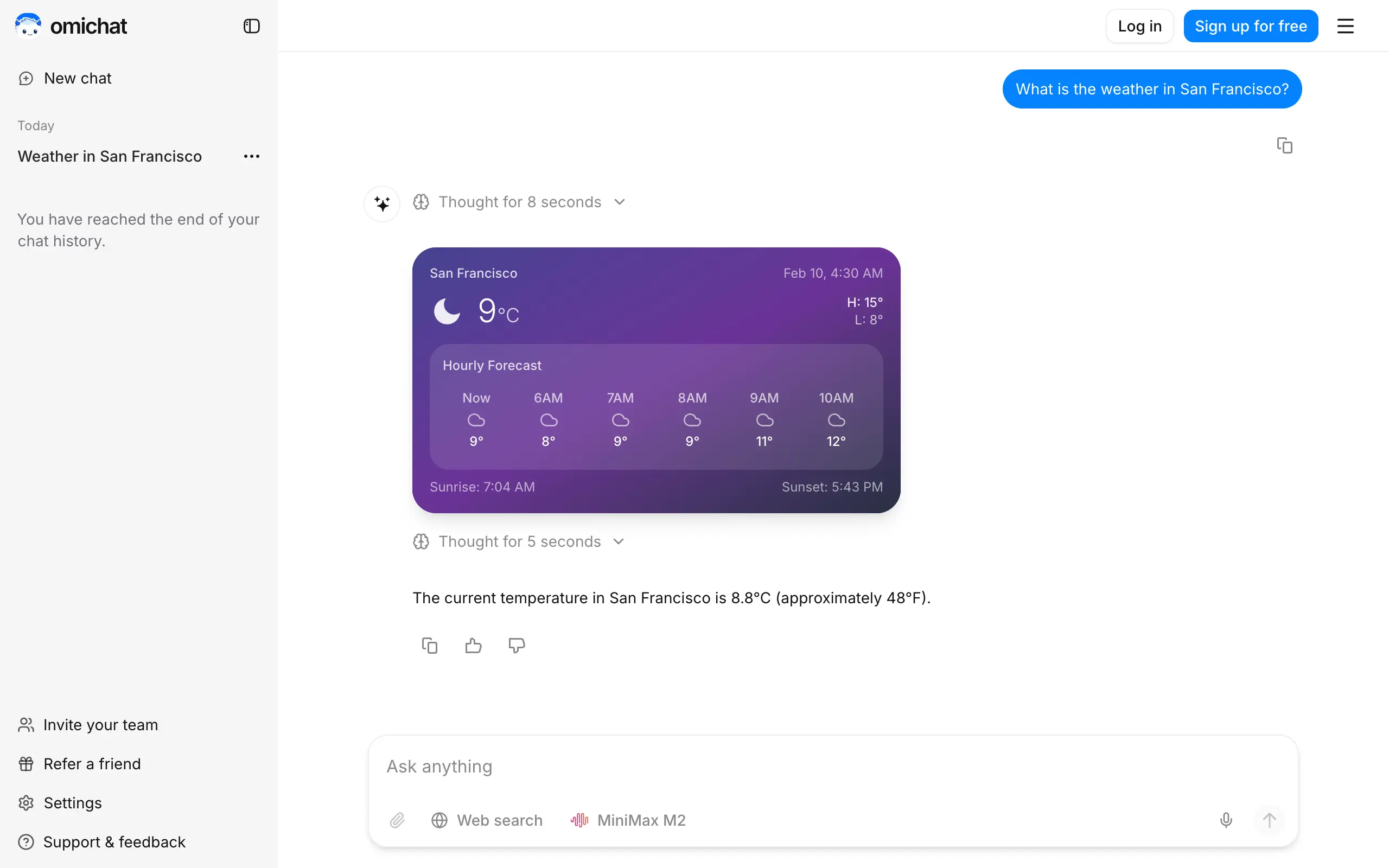
Omichat
Chat with 50+ AI models, including ChatGPT and Claude, in one place - switch models anytime without losing context 🤖
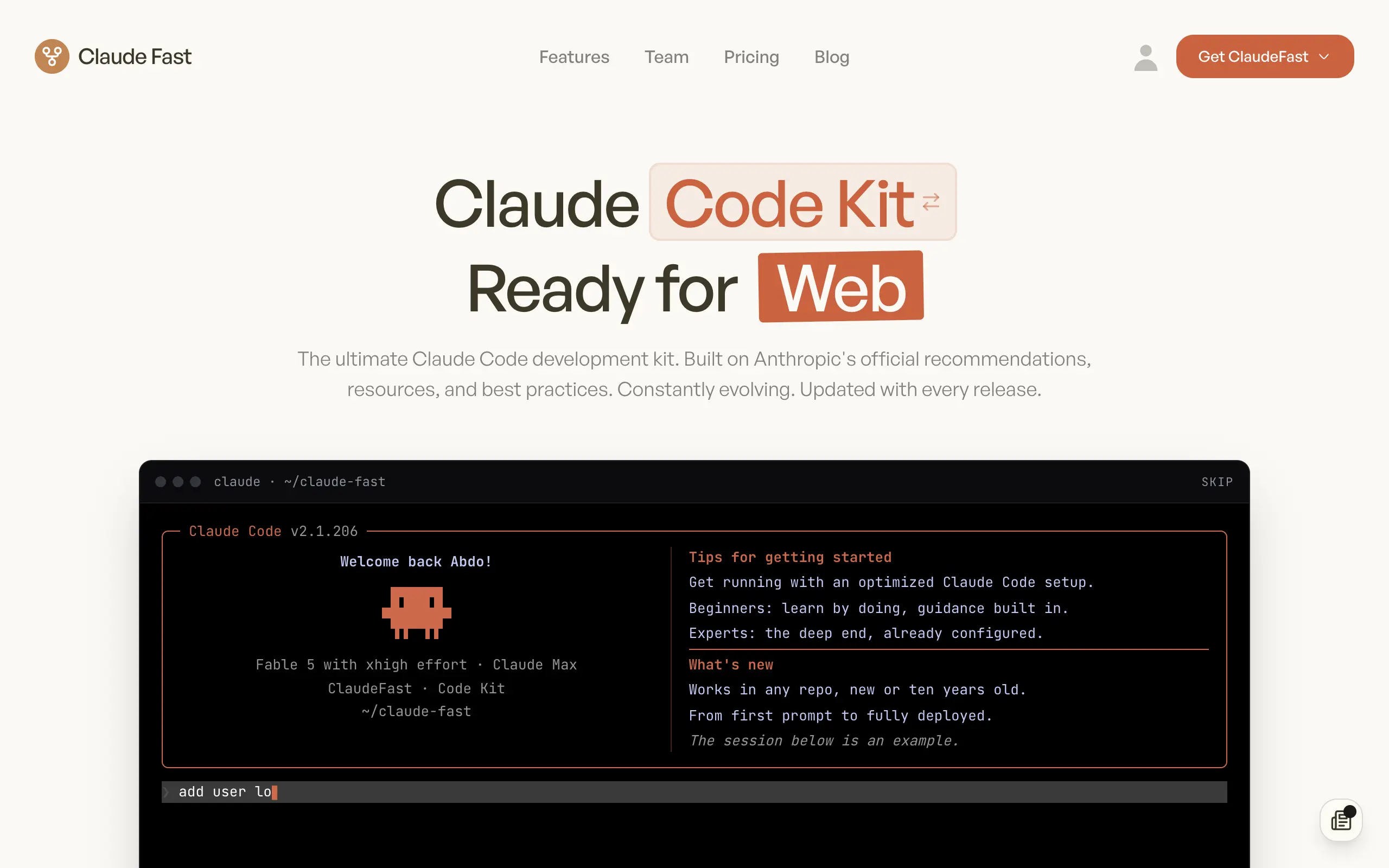
Claude Fast
Supercharge your Claude Code with 6x effective context window and specialized AI agents 🤖
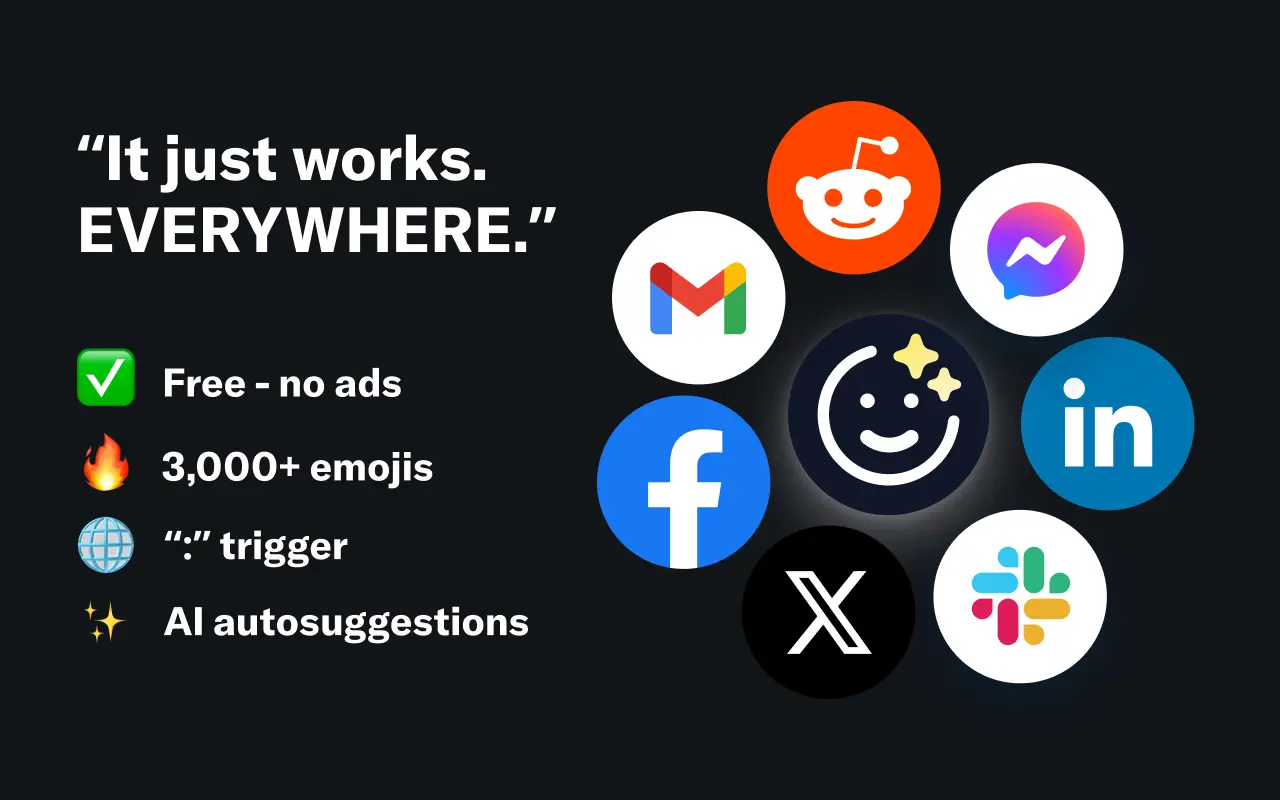
EmojAI
AI-powered emoji picker with smart, context-aware suggestions 🤖
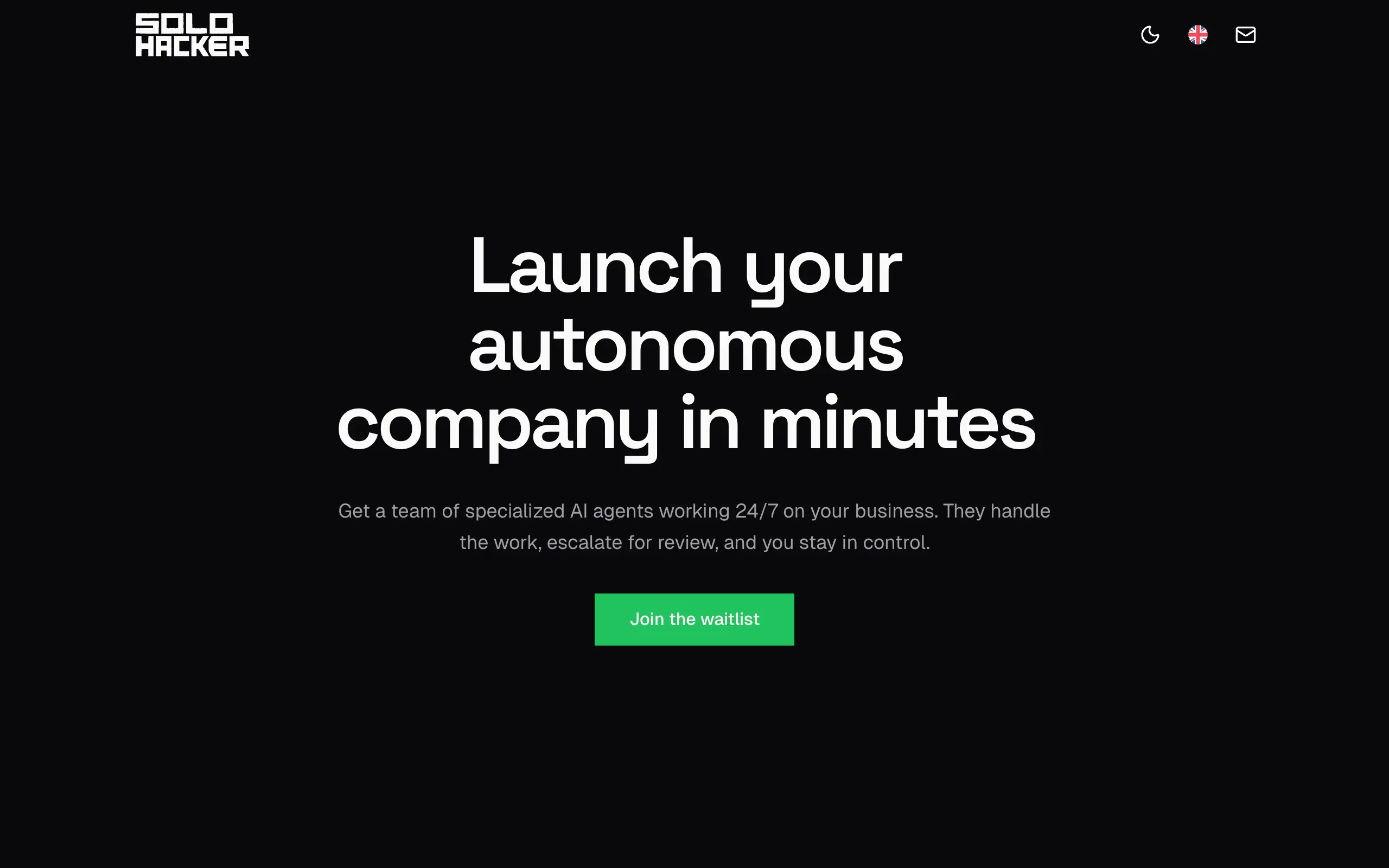
Solohacker
Autonomous company launcher - AI agents work 24/7, escalate what matters, and you stay in control 🤖
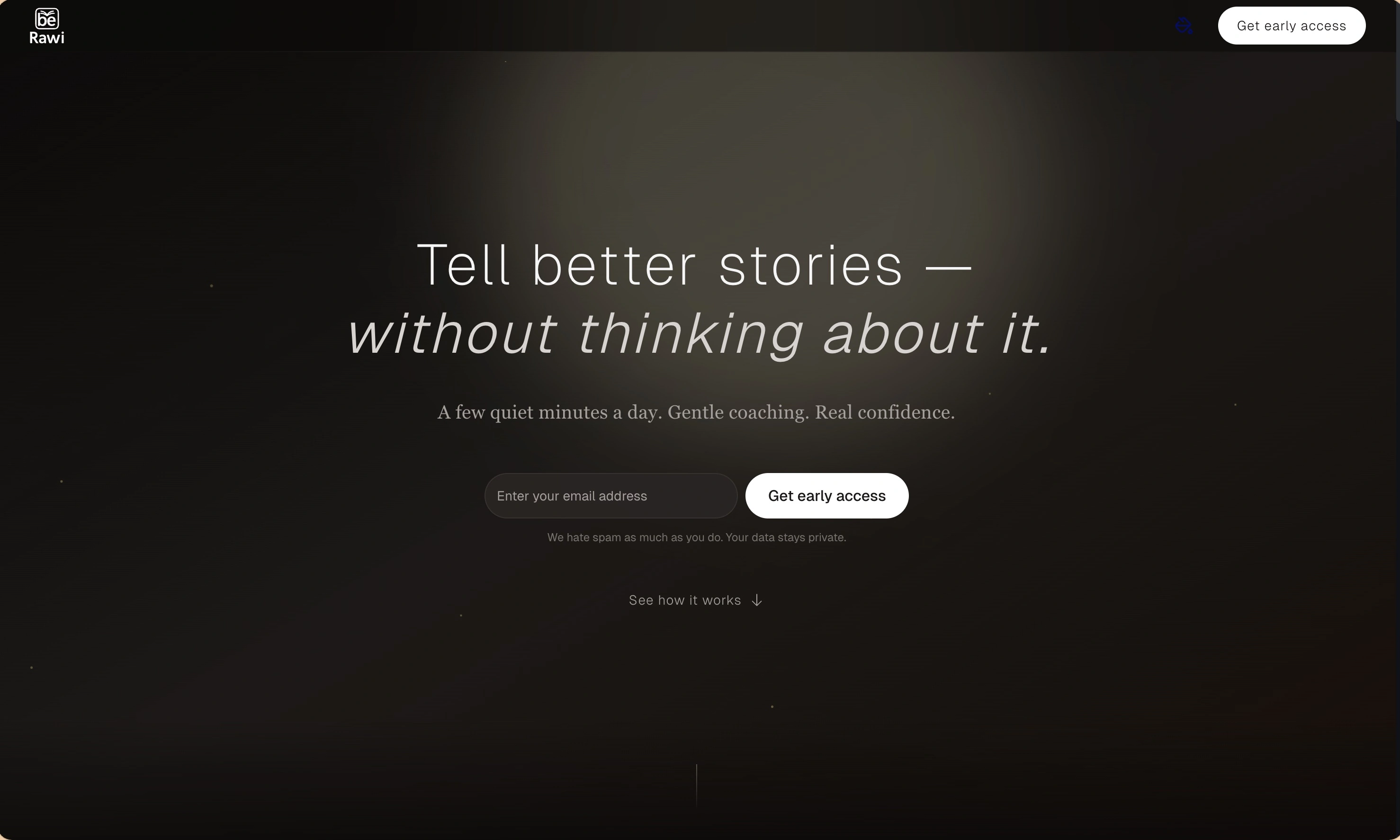
BeRawi: Storytelling Coach
Practice storytelling daily with instant feedback to sound clearer, more engaging, and confident 🎤
Omichat
Chat with 50+ AI models, including ChatGPT and Claude, in one place - switch models anytime without losing context 🤖
Claude Fast
Supercharge your Claude Code with 6x effective context window and specialized AI agents 🤖
EmojAI
AI-powered emoji picker with smart, context-aware suggestions 🤖
Solohacker
Autonomous company launcher - AI agents work 24/7, escalate what matters, and you stay in control 🤖
BeRawi: Storytelling Coach
Practice storytelling daily with instant feedback to sound clearer, more engaging, and confident 🎤
Omichat
Chat with 50+ AI models, including ChatGPT and Claude, in one place - switch models anytime without losing context 🤖
Claude Fast
Supercharge your Claude Code with 6x effective context window and specialized AI agents 🤖
EmojAI
AI-powered emoji picker with smart, context-aware suggestions 🤖
Solohacker
Autonomous company launcher - AI agents work 24/7, escalate what matters, and you stay in control 🤖
BeRawi: Storytelling Coach
Practice storytelling daily with instant feedback to sound clearer, more engaging, and confident 🎤
Omichat
Chat with 50+ AI models, including ChatGPT and Claude, in one place - switch models anytime without losing context 🤖
Claude Fast
Supercharge your Claude Code with 6x effective context window and specialized AI agents 🤖
EmojAI
AI-powered emoji picker with smart, context-aware suggestions 🤖
Solohacker
Autonomous company launcher - AI agents work 24/7, escalate what matters, and you stay in control 🤖
BeRawi: Storytelling Coach
Practice storytelling daily with instant feedback to sound clearer, more engaging, and confident 🎤

Connect with like-minded people
Join our community to get feedback, support, and grow together with 1,000+ builders on board, let's ship it!
Join usShip your startup everywhere. In minutes.
Don't burn tokens on setup and start building features on day one.