HomeChef AI
Smart meal planner that creates weekly menus, generates shopping lists, and suggests recipes based on dietary preferences, leftovers, and local grocery deals.
Understanding the need for smart meal planning
In today's fast-paced world, meal planning is a persistent challenge for individuals and families alike. The rise of health consciousness, dietary restrictions, and the desire to save both time and money have made traditional meal planning methods feel outdated and inefficient. Enter HomeChef AI, a B2C SaaS solution designed to revolutionize how people approach their weekly menus, grocery shopping, and recipe discovery.
By leveraging artificial intelligence, HomeChef AI creates personalized weekly menus, generates optimized shopping lists, and suggests recipes tailored to dietary preferences, available leftovers, and even local grocery deals. This comprehensive approach addresses the core pain points of modern home cooks, making meal planning smarter, easier, and more cost-effective.
Who is HomeChef AI for? Target audience analysis
Understanding the target audience is crucial for any SaaS product's success. HomeChef AI is designed for a broad yet clearly defined user base:
- Busy professionals and families: Individuals with limited time who want to eat healthily without the hassle of daily meal decisions.
- Health-conscious consumers: Users with specific dietary goals (e.g., keto, vegan, gluten-free) seeking tailored meal plans.
- Budget-minded shoppers: People looking to save money by utilizing local grocery deals and minimizing food waste.
- Home cooks of all skill levels: From beginners needing step-by-step guidance to experienced cooks seeking inspiration.
- People with dietary restrictions or allergies: Those who require meal plans that strictly adhere to their health needs.
User intent for this audience typically falls into these categories:
- Finding inspiration for weekly meals
- Simplifying grocery shopping
- Managing dietary restrictions
- Reducing food waste by using leftovers
- Saving money through smart shopping
Identifying the market opportunity and gaps
The meal planning and recipe app market is crowded, but significant gaps remain:
- Fragmented solutions: Most apps focus on either meal planning, recipe discovery, or grocery lists—not all three in a seamless workflow.
- Lack of true personalization: Many platforms offer generic plans, failing to account for individual dietary needs, leftovers, or local deals.
- Manual data entry: Users often have to input preferences, inventory, and shopping lists manually, which is time-consuming.
- Limited integration with local grocery data: Few solutions dynamically adjust plans based on real-time local deals, missing out on cost-saving opportunities.
HomeChef AI addresses these gaps by offering an integrated, AI-driven platform that personalizes every aspect of the meal planning process.
Core features and solution details
HomeChef AI stands out by combining advanced AI with practical, user-centric features. Here’s a breakdown of its core functionalities:
1. AI-powered weekly menu creation
- Personalized meal plans: Users input dietary preferences, restrictions, and goals. The AI generates a balanced weekly menu tailored to these inputs.
- Dynamic adjustments: Plans adapt based on user feedback, changing schedules, or new dietary needs.
2. Smart shopping list generation
- Automated grocery lists: Each menu comes with a pre-populated shopping list, organized by store section.
- Inventory tracking: Users can mark pantry items, and the AI will avoid suggesting purchases for items already in stock.
- Integration with local grocery deals: The platform fetches real-time deals from local stores, suggesting substitutions or highlighting savings.
3. Recipe suggestions based on leftovers
- Waste reduction: Users input leftover ingredients, and the AI suggests recipes to use them up.
- Creative inspiration: The system offers new ideas based on what’s already in the fridge or pantry.
4. Dietary and allergy management
- Strict filtering: Recipes and meal plans automatically exclude allergens or unwanted ingredients.
- Nutritional analysis: Each meal includes a breakdown of calories, macros, and other key nutrients.
5. Seamless user experience
- Intuitive interface: Designed for all skill levels, with step-by-step cooking instructions and visual aids.
- Mobile-first design: Accessible on any device, making it easy to check lists or recipes on the go.
- Calendar and reminders: Sync meal plans with personal calendars and receive timely notifications.
Personalized AI meal plans
Menus adapt to your dietary needs, preferences, and schedule.
Smart shopping lists
Automatically generated, organized, and synced with local grocery deals.
Leftover-based recipes
Reduce waste by turning leftovers into delicious meals.
Allergy & nutrition management
Strict filtering and nutritional breakdowns for every meal.
Recommended tech stack for HomeChef AI
Choosing the right technology stack is essential for scalability, performance, and user satisfaction. Here’s a recommended stack, with trade-offs considered:
Frontend
- React: Offers a robust, component-based architecture and a vast ecosystem. Ideal for building responsive, interactive UIs.
- TailwindCSS: Enables rapid, consistent styling with utility-first classes. Reduces CSS bloat and improves maintainability.
- PWA support: Ensures the app is installable and usable offline, enhancing the mobile experience.
Backend
- Node.js: High performance for real-time data processing and API integrations.
- Express.js: Lightweight, flexible framework for building RESTful APIs.
- Python (for AI/ML modules): Leverage libraries like TensorFlow or PyTorch for recipe recommendation and menu optimization.
Database
- PostgreSQL: Reliable, scalable, and supports complex queries for user data, recipes, and inventory.
- Redis: For caching frequently accessed data, improving speed.
Integrations
- Grocery API providers: For real-time local deals and product data.
- Calendar APIs: Sync meal plans with Google Calendar, Apple Calendar, etc.
Hosting & DevOps
- AWS or Google Cloud: Scalable infrastructure with managed services for databases, storage, and AI workloads.
- Docker: Containerization for consistent deployment across environments.
Trade-offs
- Python vs. Node.js for AI: While Node.js is excellent for web APIs, Python remains the leader for AI/ML tasks. A hybrid approach leverages the strengths of both.
- Self-hosted vs. managed cloud: Managed cloud services reduce operational overhead but may increase costs at scale.
Monetization strategy options
A successful SaaS product needs a clear path to revenue. HomeChef AI can explore several monetization models:
1. Freemium model
- Free tier: Basic meal planning, limited recipes, and shopping lists.
- Premium tier: Advanced features like AI-powered leftovers, local deal integration, allergy management, and nutritional analysis.
2. Subscription plans
- Monthly/annual subscriptions: Unlock all features, with discounts for longer commitments.
- Family plans: Allow multiple users under one account.
3. Affiliate partnerships
- Grocery store partnerships: Earn commissions for driving users to partner stores or online grocery services.
- Cookware and ingredient brands: Feature sponsored products in recipes.
4. In-app purchases
- Specialty meal plans: Offer one-off purchases for unique diets (e.g., holiday menus, fitness challenges).
5. White-label solutions
- Licensing to nutritionists or fitness coaches: Allow professionals to offer branded versions to their clients.
Potential risks and mitigation strategies
Launching a B2C SaaS like HomeChef AI comes with inherent risks. Here’s how to anticipate and address them:
Handling sensitive dietary and personal data requires robust security measures. Implement end-to-end encryption, comply with GDPR/CCPA, and be transparent about data usage.
Inaccurate or biased recommendations can erode trust. Regularly audit AI models, incorporate user feedback, and ensure diverse recipe datasets.
Meal planning fatigue is real. Combat this with gamification, regular content updates, and personalized notifications.
Reliance on third-party data can lead to outages or inaccuracies. Build fallback mechanisms and maintain multiple data sources.
Differentiate through unique features (e.g., leftover-based recipes, real-time local deals) and superior user experience.
Competitive advantage analysis
To stand out in a crowded market, HomeChef AI must offer clear, defensible advantages:
| Feature | HomeChef AI | Generic Meal Planners | Recipe Apps | Grocery List Apps |
|---|---|---|---|---|
| AI-driven personalization | ✅ | ❌ | ❌ | ❌ |
| Leftover-based suggestions | ✅ | ❌ | ✅ | ❌ |
| Local grocery deal integration | ✅ | ❌ | ❌ | ❌ |
| Allergy & nutrition management | ✅ | ✅ | ❌ | ❌ |
| Seamless workflow (plan → shop → cook) | ✅ | ❌ | ❌ | ❌ |
Unique selling proposition (USP):
HomeChef AI is the only platform that unifies AI-powered meal planning, leftover-based recipe suggestions, and real-time local grocery deal integration into a seamless, user-friendly experience.
Industry trends and recent advancements
Staying ahead requires awareness of the latest trends:
- AI and personalization: Consumers expect hyper-personalized experiences. AI-driven recommendations are now table stakes for food and wellness apps.
- Sustainability and food waste reduction: Platforms that help users minimize waste are gaining traction, aligning with global sustainability goals.
- Integration with smart home devices: Voice assistants and smart fridges are becoming more common, opening new integration opportunities.
- Mobile-first and cross-platform access: Users demand seamless experiences across devices.
- Data privacy: With increasing scrutiny on data practices, transparent and secure handling of user data is essential.
For up-to-date statistics on food waste, meal kit adoption, or AI in consumer apps, reference reputable sources such as Statista, the USDA, or industry research reports.
Actionable implementation steps
Ready to bring HomeChef AI to life? Here’s a step-by-step roadmap:
Pro tip
For rapid prototyping and SaaS launch acceleration, consider leveraging TurboStarter to streamline your development workflow.
Conclusion: Why HomeChef AI is the future of meal planning
HomeChef AI is poised to transform the way people plan, shop for, and prepare meals. By combining advanced AI, real-time local data, and a relentless focus on user experience, it addresses the most pressing challenges faced by modern home cooks. Its unique blend of features—personalized meal plans, smart shopping lists, leftover-based recipes, and allergy management—sets it apart from generic meal planning or recipe apps.
With a clear understanding of its target audience, a robust technical foundation, and a flexible monetization strategy, HomeChef AI is well-positioned to capture a significant share of the growing digital meal planning market. By staying attuned to industry trends and prioritizing user trust and engagement, it can build lasting value for both users and stakeholders.
More 👥 B2C Application SaaS ideas
Discover more innovative b2c application SaaS ideas that are trending in 2026. Each idea is AI-generated with market validation and growth potential to help you find your next profitable venture faster than competitors.
Your competitors are building with TurboStarter
Below are some of the SaaS ideas that have been generated and built with our starter kit.
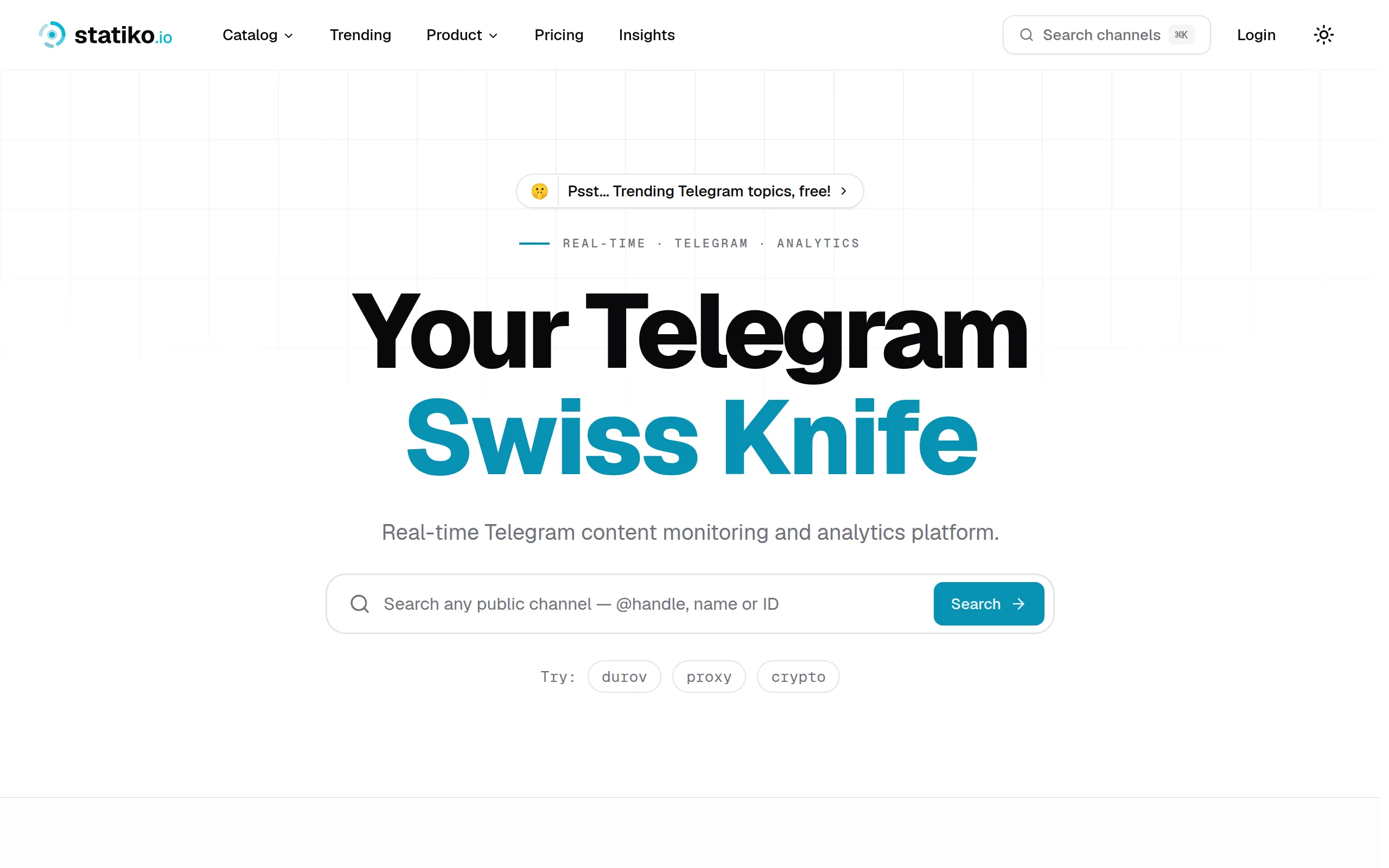
Statiko
Monitor any Telegram channel in real time - track posts, edits, deletions, and growth with AI recaps 📡

Shibui
AI website builder - describe your business, pick a niche template, edit by chatting, and publish instantly ✨

Pro Service
Find verified home service professionals, compare quotes, and pay securely through escrow - built for Brazilians across the US 🏠
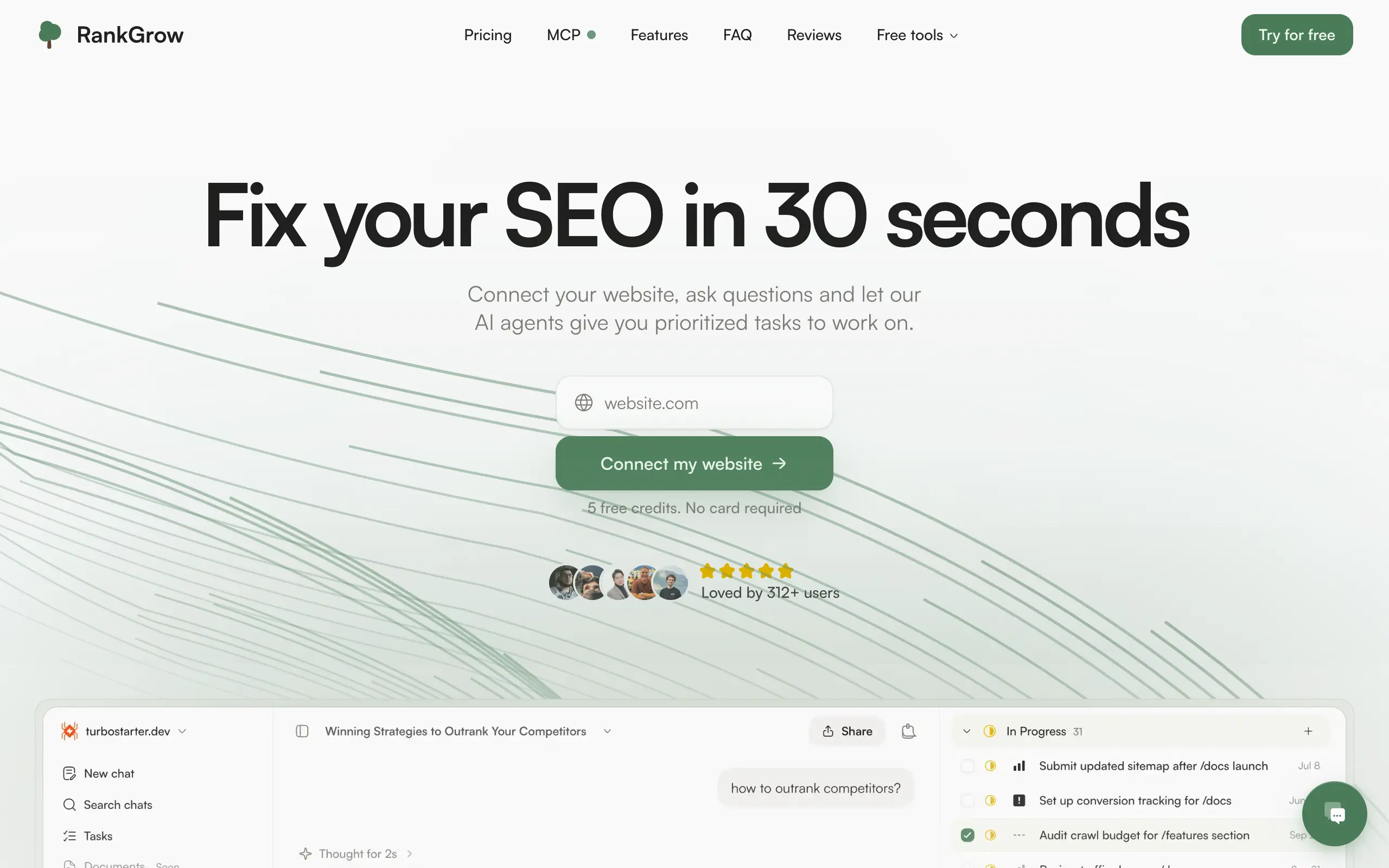
RankGrow
Fix your SEO with AI agents - connect Search Console, get prioritized tasks, and grow organic traffic 📈
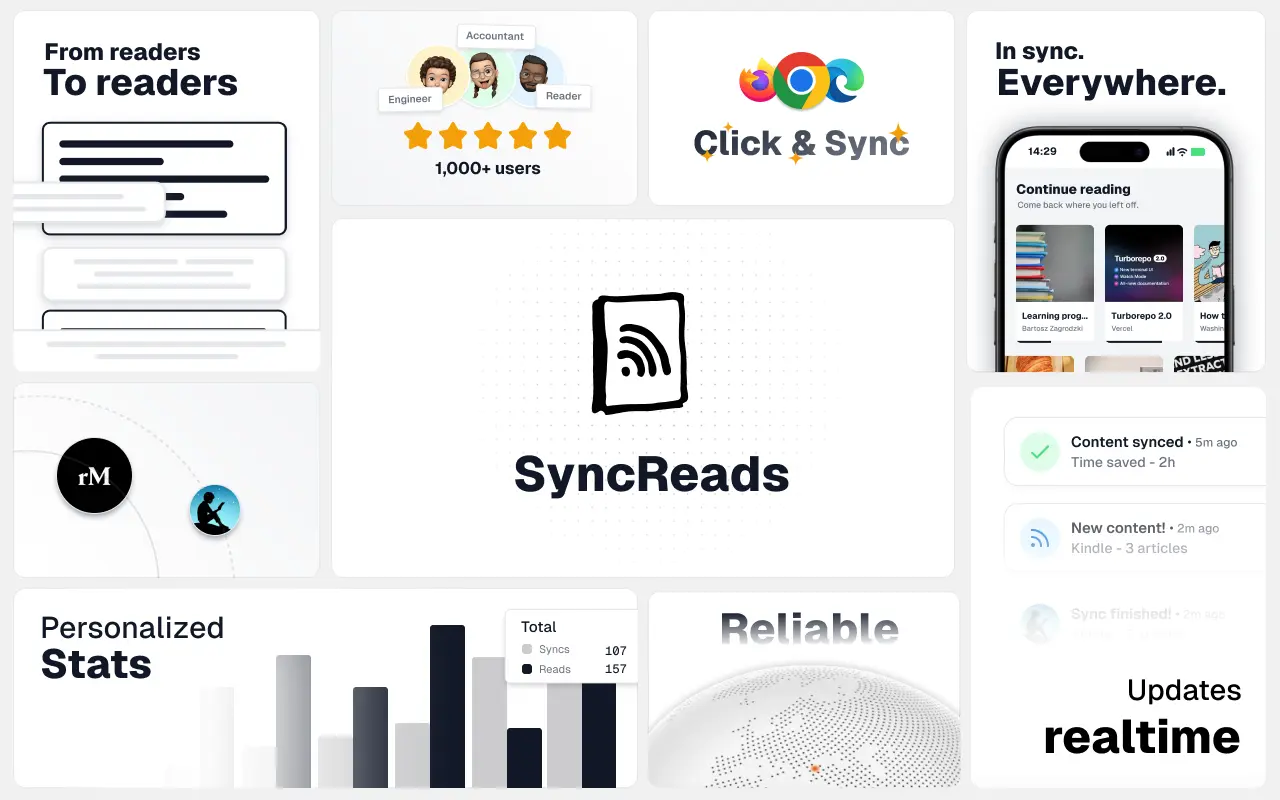
SyncReads
Sync your favorite content for distraction-free reading, save time and replace multiple apps. Anytime, anywhere 🔄
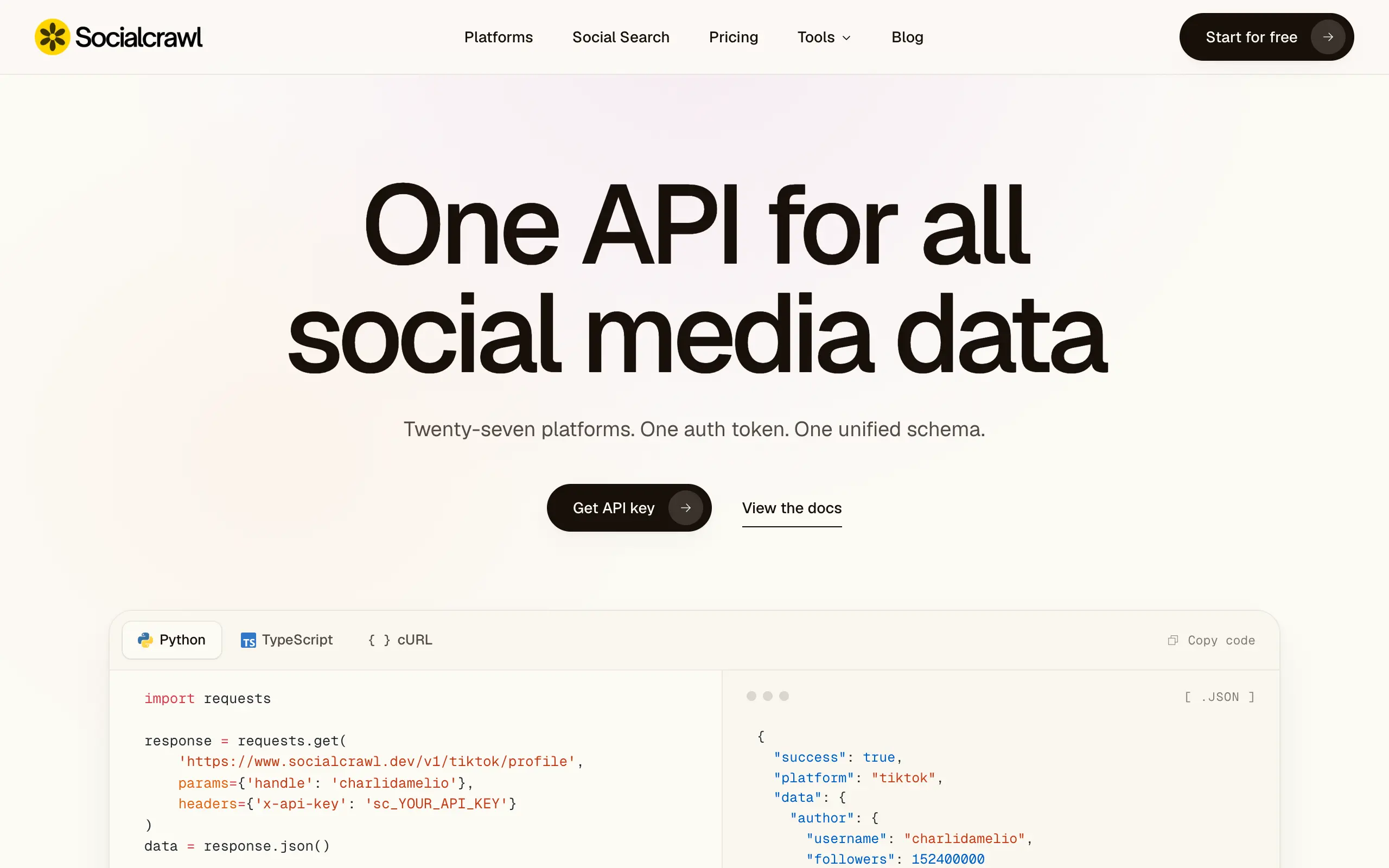
Socialcrawl
Get clean, structured data from 21 platforms like TikTok, Instagram, and YouTube with a single request 📊
Statiko
Monitor any Telegram channel in real time - track posts, edits, deletions, and growth with AI recaps 📡
Shibui
AI website builder - describe your business, pick a niche template, edit by chatting, and publish instantly ✨
Pro Service
Find verified home service professionals, compare quotes, and pay securely through escrow - built for Brazilians across the US 🏠
RankGrow
Fix your SEO with AI agents - connect Search Console, get prioritized tasks, and grow organic traffic 📈
SyncReads
Sync your favorite content for distraction-free reading, save time and replace multiple apps. Anytime, anywhere 🔄
Socialcrawl
Get clean, structured data from 21 platforms like TikTok, Instagram, and YouTube with a single request 📊
Statiko
Monitor any Telegram channel in real time - track posts, edits, deletions, and growth with AI recaps 📡
Shibui
AI website builder - describe your business, pick a niche template, edit by chatting, and publish instantly ✨
Pro Service
Find verified home service professionals, compare quotes, and pay securely through escrow - built for Brazilians across the US 🏠
RankGrow
Fix your SEO with AI agents - connect Search Console, get prioritized tasks, and grow organic traffic 📈
SyncReads
Sync your favorite content for distraction-free reading, save time and replace multiple apps. Anytime, anywhere 🔄
Socialcrawl
Get clean, structured data from 21 platforms like TikTok, Instagram, and YouTube with a single request 📊
Statiko
Monitor any Telegram channel in real time - track posts, edits, deletions, and growth with AI recaps 📡
Shibui
AI website builder - describe your business, pick a niche template, edit by chatting, and publish instantly ✨
Pro Service
Find verified home service professionals, compare quotes, and pay securely through escrow - built for Brazilians across the US 🏠
RankGrow
Fix your SEO with AI agents - connect Search Console, get prioritized tasks, and grow organic traffic 📈
SyncReads
Sync your favorite content for distraction-free reading, save time and replace multiple apps. Anytime, anywhere 🔄
Socialcrawl
Get clean, structured data from 21 platforms like TikTok, Instagram, and YouTube with a single request 📊
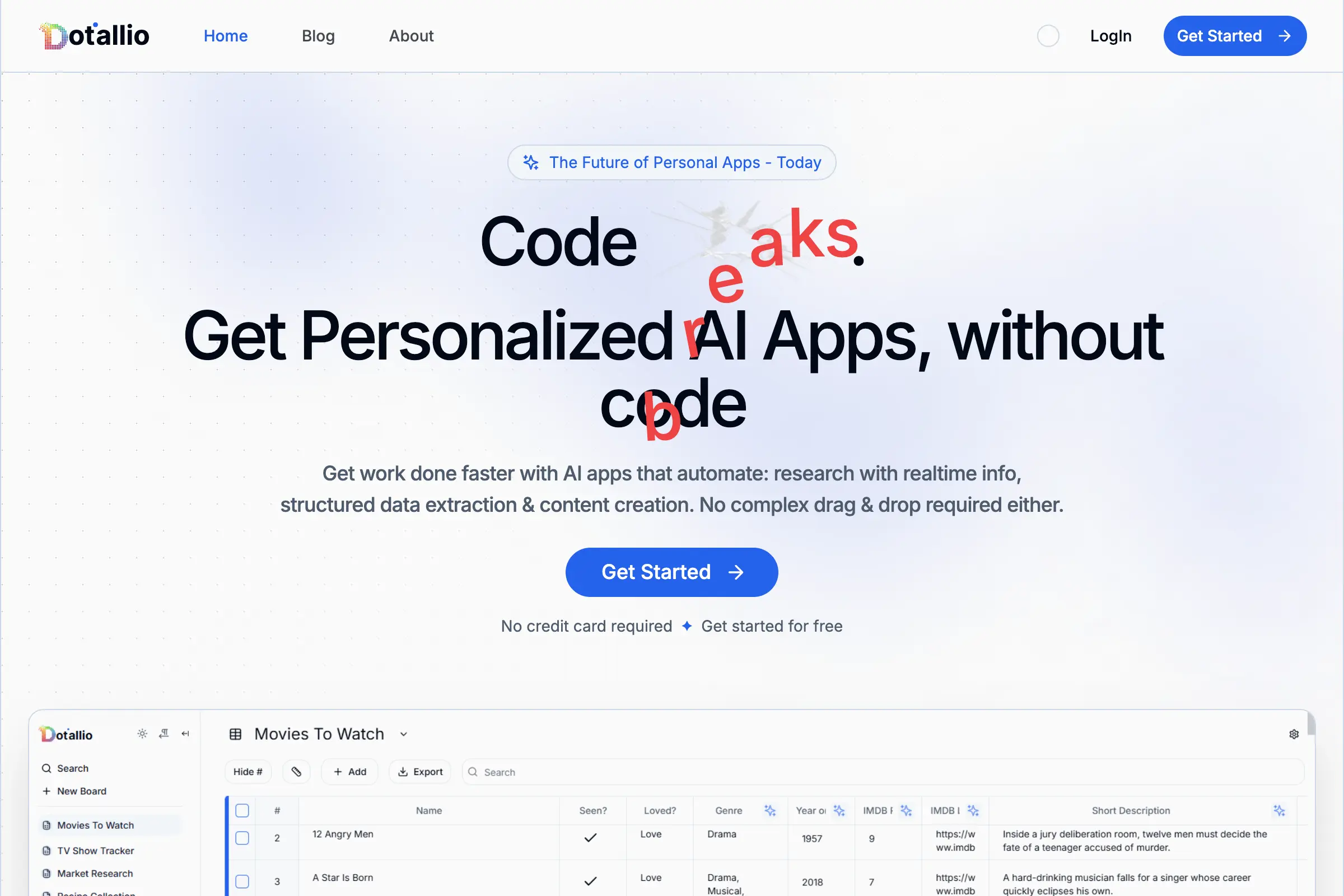
Dotallio
Personalized AI apps that automate research, data extraction, and content creation without code 🤖

Talk to Santa
Enjoy a magical live video chat or receive a unique AI-generated video greeting from Santa Claus 🎅
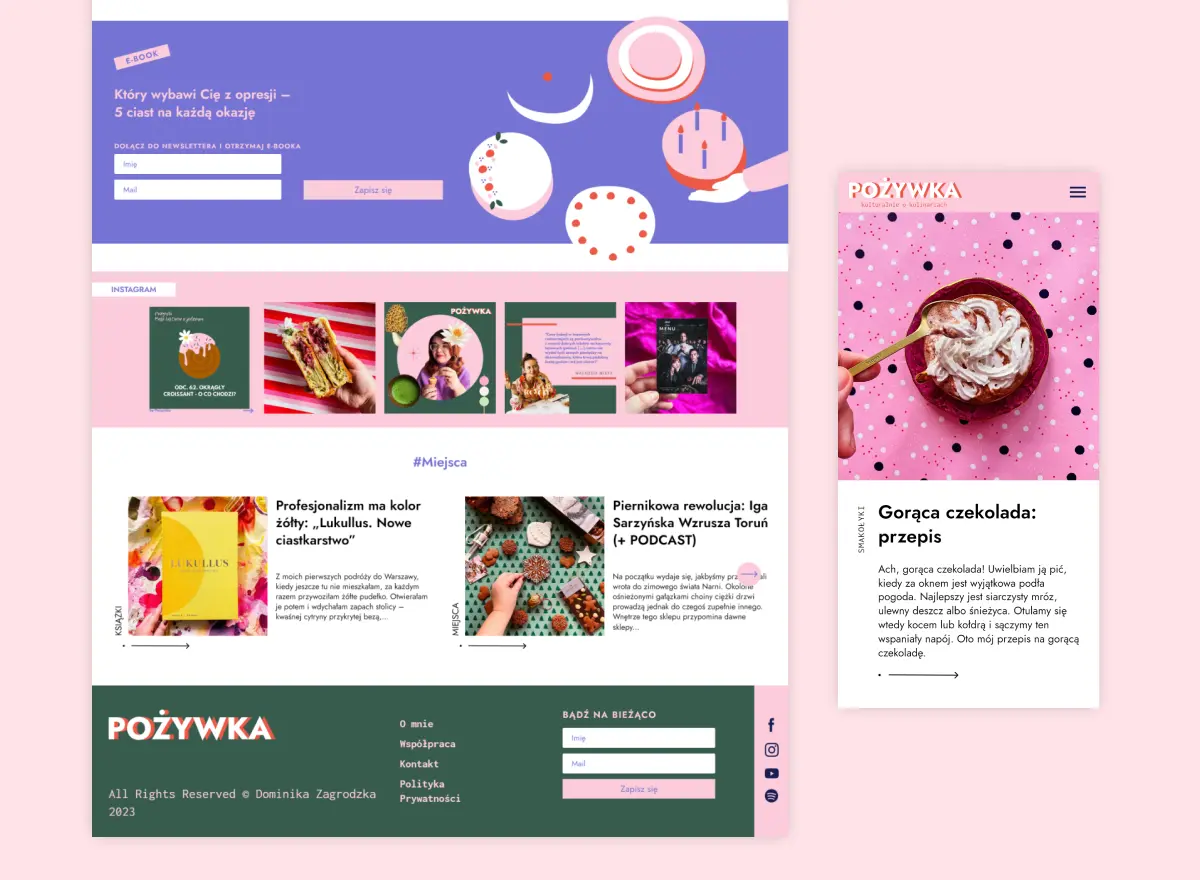
pozywka.pl
Scalable blog for food journalist, focused on performance and user experience 🌭
zagrodzki.me
Personal blog and portfolio of Bart Zagrodzki, where he shares his knowledge and work 💼
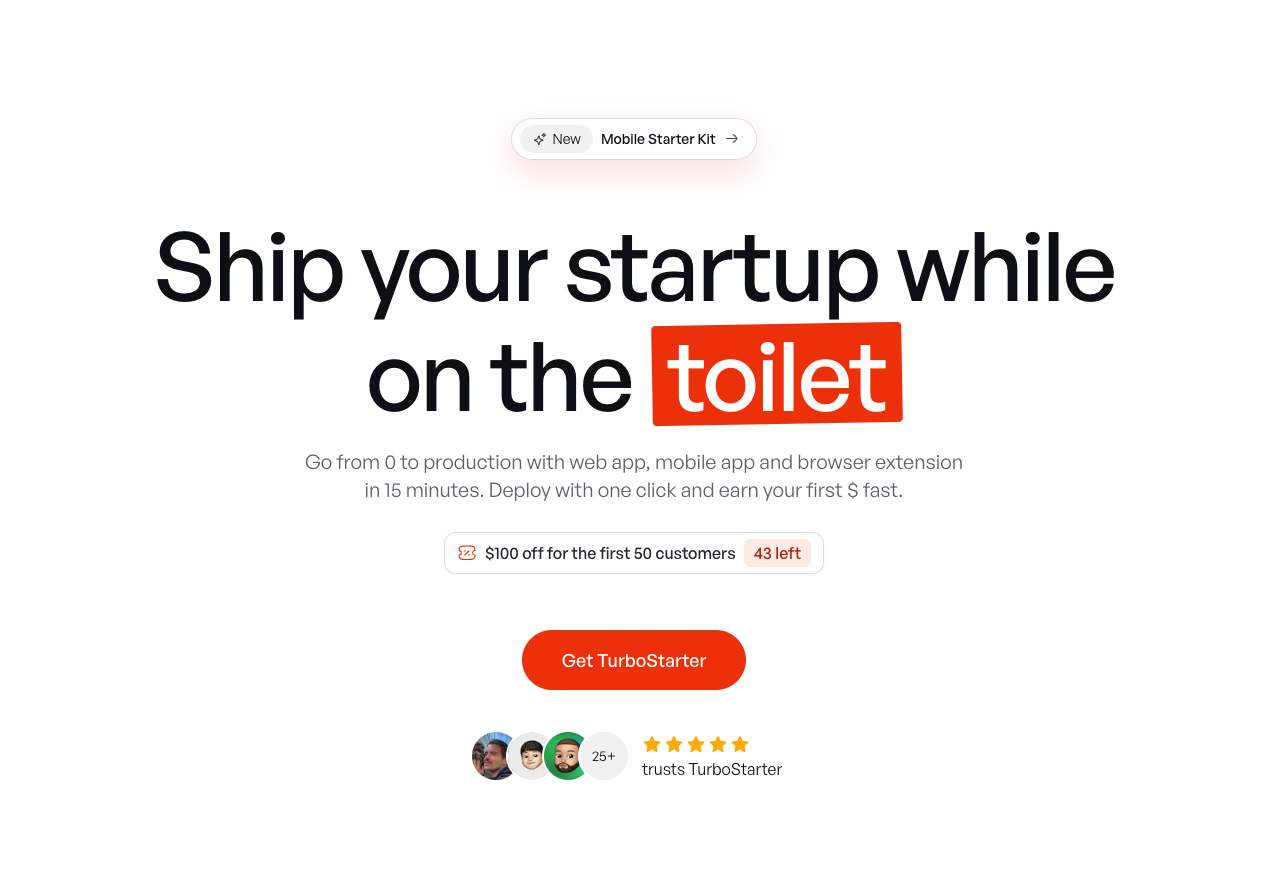
TurboStarter
Ship your startup everywhere. In minutes.
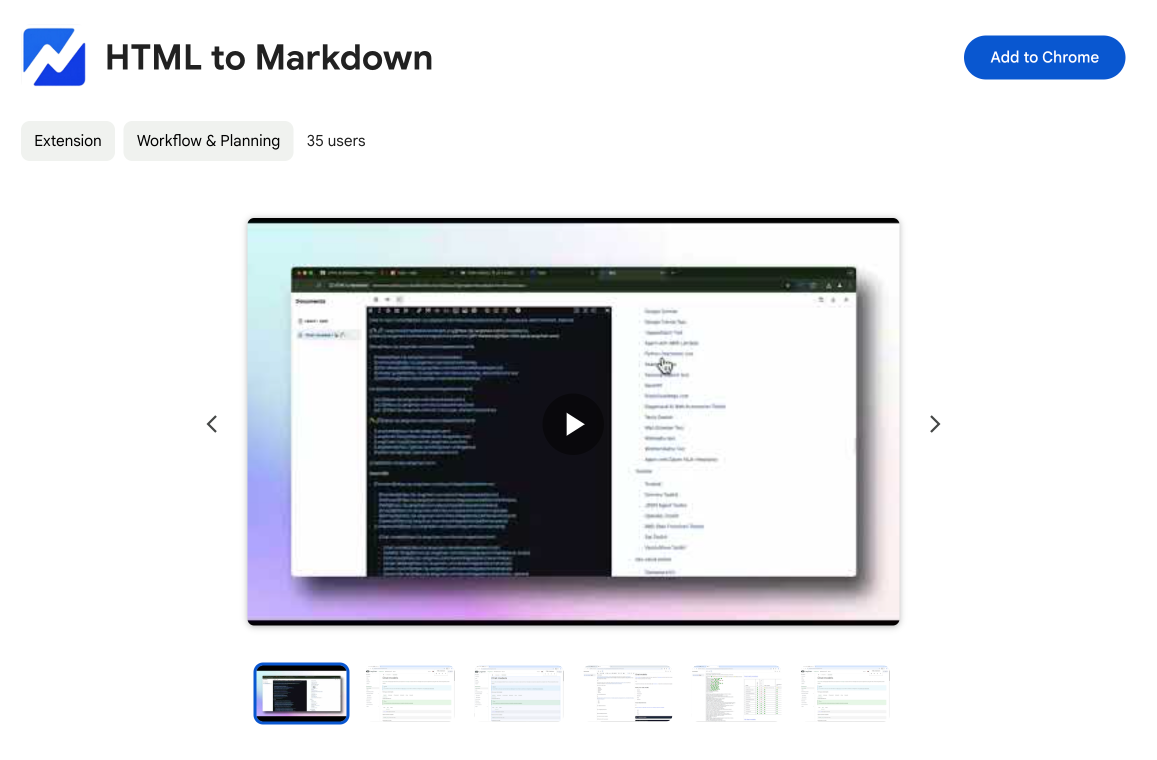
HTML to Markdown
Convert HTML to Markdown with ease, directly in your browser 📄
Dotallio
Personalized AI apps that automate research, data extraction, and content creation without code 🤖
Talk to Santa
Enjoy a magical live video chat or receive a unique AI-generated video greeting from Santa Claus 🎅
pozywka.pl
Scalable blog for food journalist, focused on performance and user experience 🌭
zagrodzki.me
Personal blog and portfolio of Bart Zagrodzki, where he shares his knowledge and work 💼
TurboStarter
Ship your startup everywhere. In minutes.
HTML to Markdown
Convert HTML to Markdown with ease, directly in your browser 📄
Dotallio
Personalized AI apps that automate research, data extraction, and content creation without code 🤖
Talk to Santa
Enjoy a magical live video chat or receive a unique AI-generated video greeting from Santa Claus 🎅
pozywka.pl
Scalable blog for food journalist, focused on performance and user experience 🌭
zagrodzki.me
Personal blog and portfolio of Bart Zagrodzki, where he shares his knowledge and work 💼
TurboStarter
Ship your startup everywhere. In minutes.
HTML to Markdown
Convert HTML to Markdown with ease, directly in your browser 📄
Dotallio
Personalized AI apps that automate research, data extraction, and content creation without code 🤖
Talk to Santa
Enjoy a magical live video chat or receive a unique AI-generated video greeting from Santa Claus 🎅
pozywka.pl
Scalable blog for food journalist, focused on performance and user experience 🌭
zagrodzki.me
Personal blog and portfolio of Bart Zagrodzki, where he shares his knowledge and work 💼
TurboStarter
Ship your startup everywhere. In minutes.
HTML to Markdown
Convert HTML to Markdown with ease, directly in your browser 📄
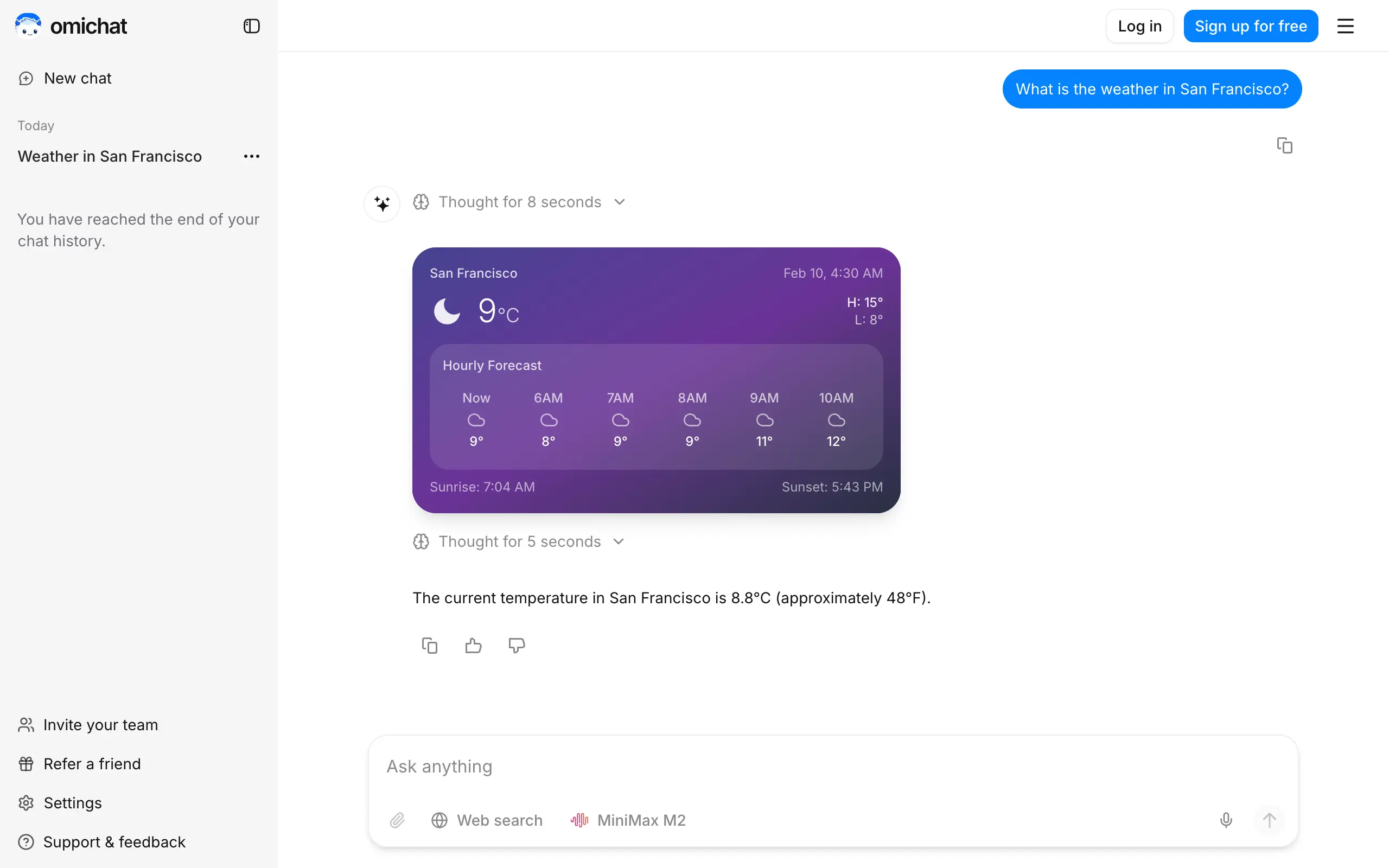
Omichat
Chat with 50+ AI models, including ChatGPT and Claude, in one place - switch models anytime without losing context 🤖
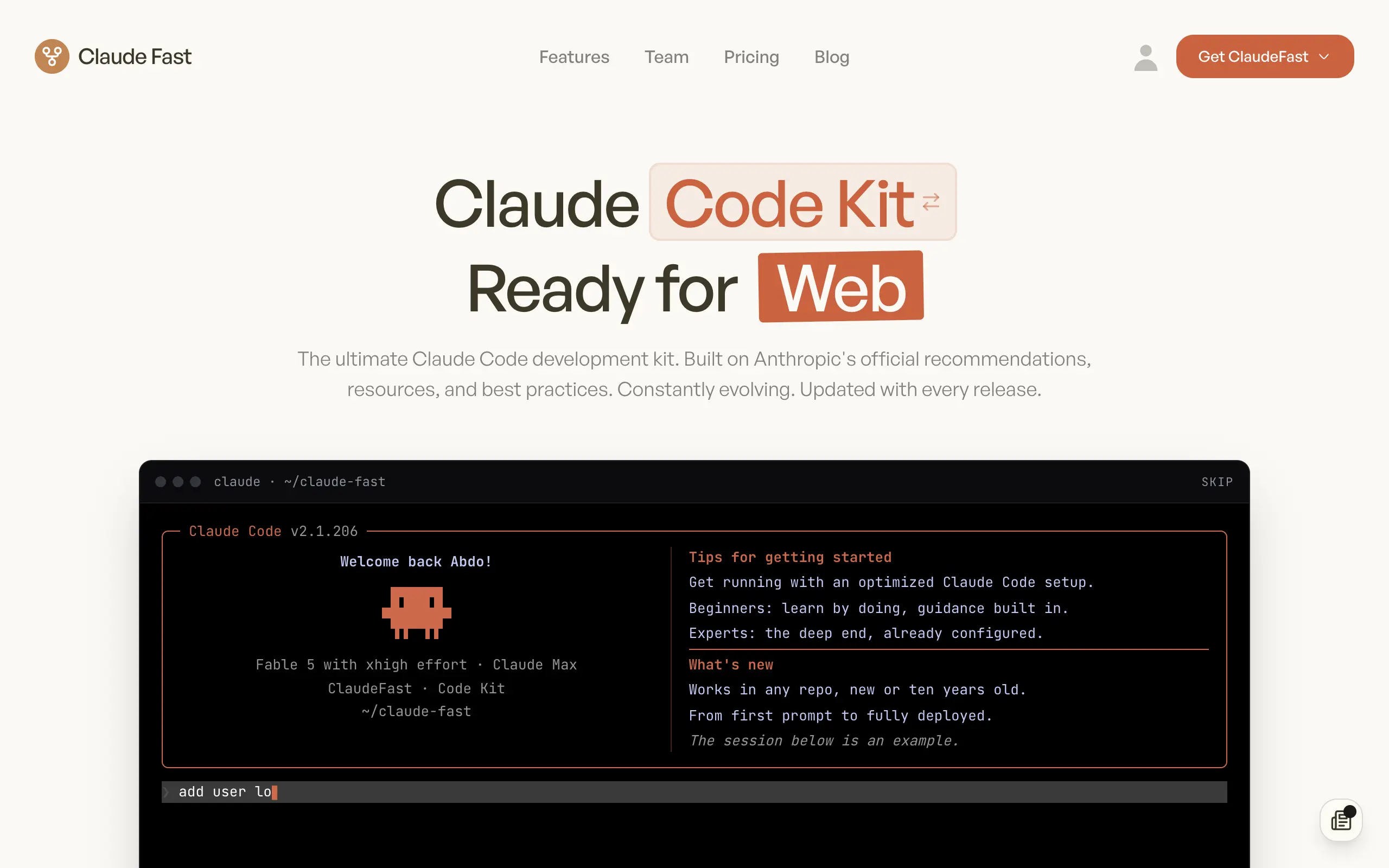
Claude Fast
Supercharge your Claude Code with 6x effective context window and specialized AI agents 🤖
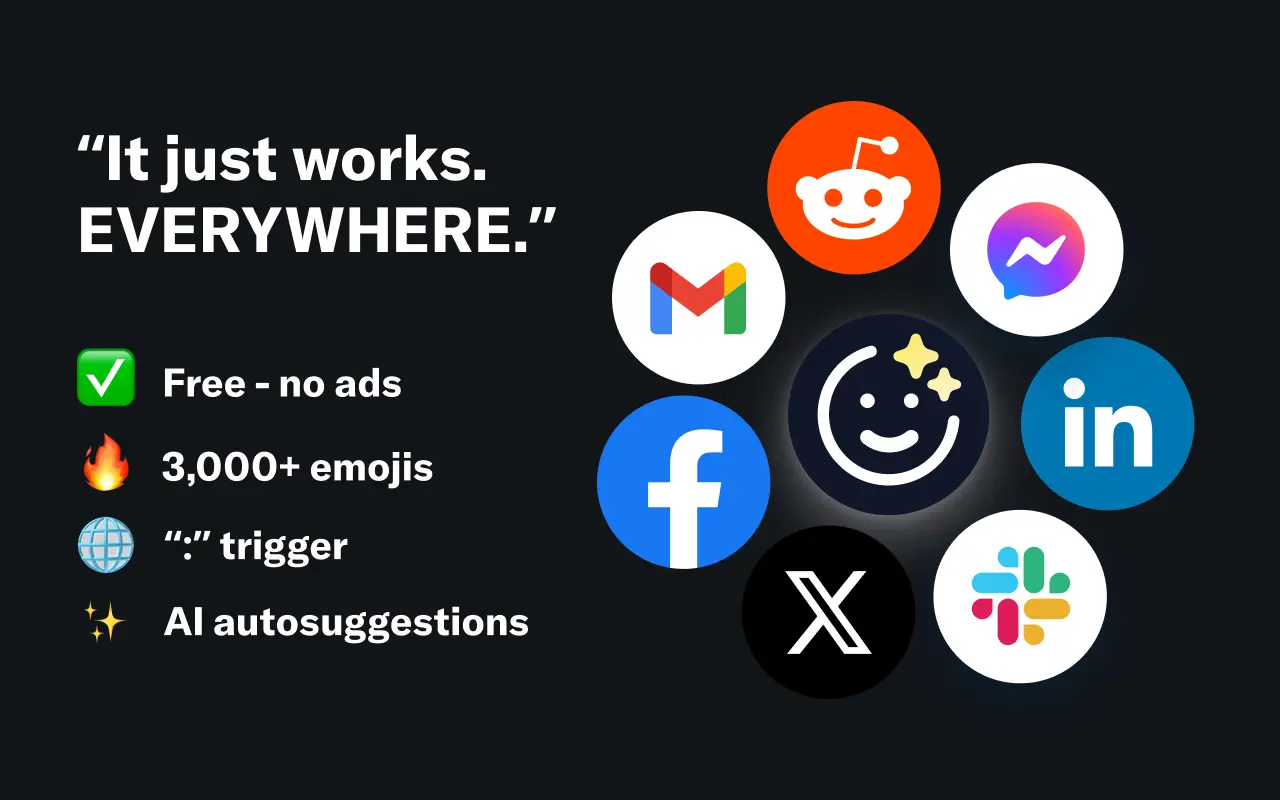
EmojAI
AI-powered emoji picker with smart, context-aware suggestions 🤖

Solohacker
Autonomous company launcher - AI agents work 24/7, escalate what matters, and you stay in control 🤖
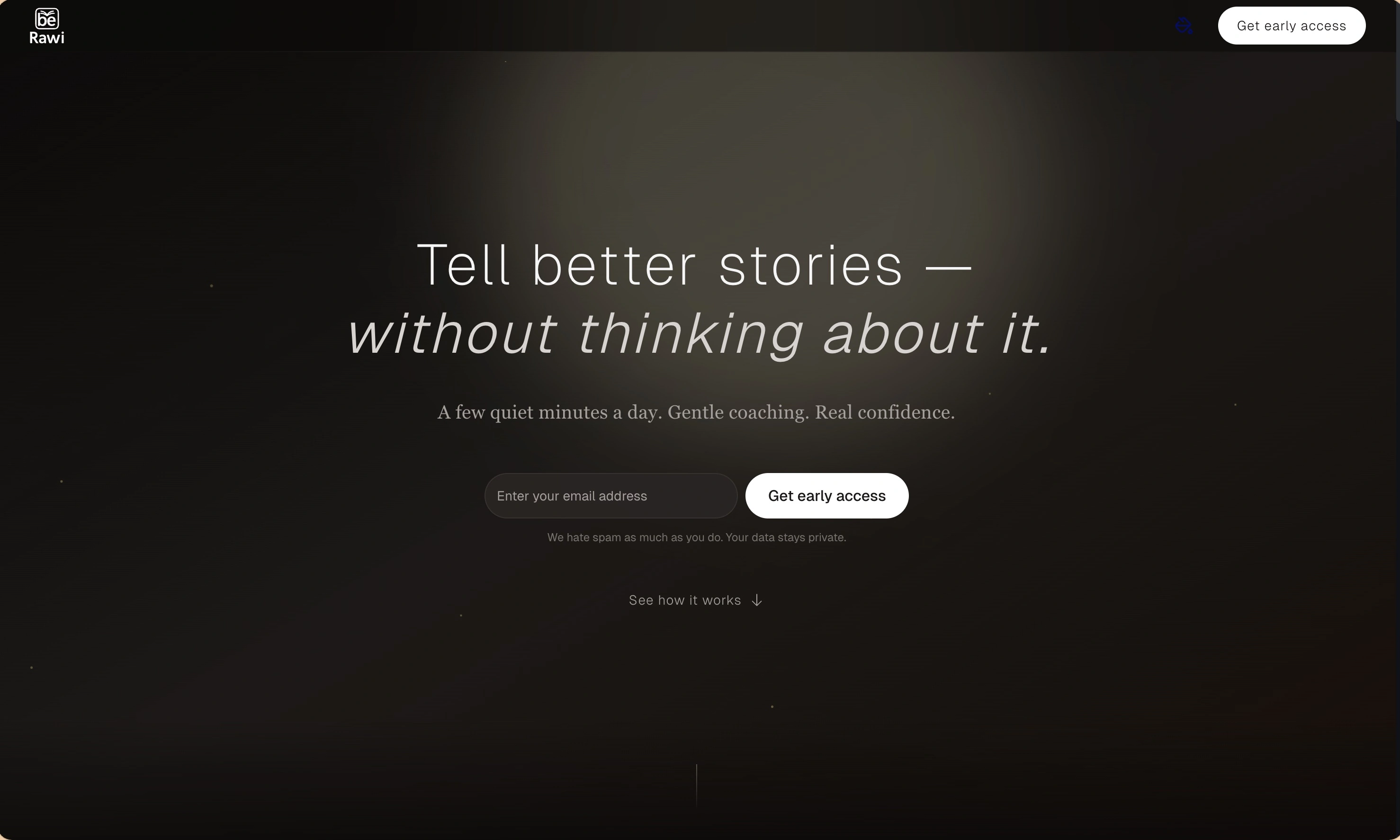
BeRawi: Storytelling Coach
Practice storytelling daily with instant feedback to sound clearer, more engaging, and confident 🎤
Omichat
Chat with 50+ AI models, including ChatGPT and Claude, in one place - switch models anytime without losing context 🤖
Claude Fast
Supercharge your Claude Code with 6x effective context window and specialized AI agents 🤖
EmojAI
AI-powered emoji picker with smart, context-aware suggestions 🤖
Solohacker
Autonomous company launcher - AI agents work 24/7, escalate what matters, and you stay in control 🤖
BeRawi: Storytelling Coach
Practice storytelling daily with instant feedback to sound clearer, more engaging, and confident 🎤
Omichat
Chat with 50+ AI models, including ChatGPT and Claude, in one place - switch models anytime without losing context 🤖
Claude Fast
Supercharge your Claude Code with 6x effective context window and specialized AI agents 🤖
EmojAI
AI-powered emoji picker with smart, context-aware suggestions 🤖
Solohacker
Autonomous company launcher - AI agents work 24/7, escalate what matters, and you stay in control 🤖
BeRawi: Storytelling Coach
Practice storytelling daily with instant feedback to sound clearer, more engaging, and confident 🎤
Omichat
Chat with 50+ AI models, including ChatGPT and Claude, in one place - switch models anytime without losing context 🤖
Claude Fast
Supercharge your Claude Code with 6x effective context window and specialized AI agents 🤖
EmojAI
AI-powered emoji picker with smart, context-aware suggestions 🤖
Solohacker
Autonomous company launcher - AI agents work 24/7, escalate what matters, and you stay in control 🤖
BeRawi: Storytelling Coach
Practice storytelling daily with instant feedback to sound clearer, more engaging, and confident 🎤

Connect with like-minded people
Join our community to get feedback, support, and grow together with 1,000+ builders on board, let's ship it!
Join usShip your startup everywhere. In minutes.
Don't burn tokens on setup and start building features on day one.