KebeleConnect
Find vetted neighborhood plumbers, electricians and cleaners in cached listings, then call or SMS offline. Earn from provider leads and sponsored listings.
What KebeleConnect is and why it matters
KebeleConnect is a proposed neighborhood services directory for people who need to find reliable plumbers, electricians, cleaners, and other local service providers. Its defining feature is that customers can save or access cached provider listings and call or send an SMS even when their internet connection is weak or unavailable.
That combination addresses a practical problem: finding a nearby service provider often depends on timely, trustworthy contact information, but a searchable online directory is less useful when the connection is slow, mobile data is expensive, or the user is offline. KebeleConnect can make discovery work online while keeping essential details available offline.
The opportunity is not simply to publish phone numbers. To become useful and earn trust, KebeleConnect needs to help people answer three questions:
- Is this provider relevant to the job I need done?
- Can I contact them easily from where I am?
- What evidence supports the claim that they are vetted?
A focused answer to those questions can distinguish KebeleConnect from a general business directory, a social media recommendation, or an informal list passed between neighbors. The product’s potential advantage is the combination of local discovery, practical verification, and offline-ready contact details.
KebeleConnect is best approached as a local services marketplace with a directory-first launch strategy. That means it should first make a small number of neighborhoods genuinely useful rather than attempting to list every provider across a large region. After customers can reliably find and contact providers in an initial area, the business can expand its coverage and add more advanced marketplace features.
Who KebeleConnect should serve
KebeleConnect has two primary customer groups: people looking for local services and service providers looking for customers. It may also serve community organizations or local partners that help people discover trusted services.
Residents looking for a provider
The primary end user is a resident who needs a service and wants to find someone nearby without relying entirely on personal referrals. Their needs may include:
- Finding a plumber for a leak or blocked drain
- Contacting an electrician for a repair or installation
- Booking a cleaner for a home or workplace
- Locating another provider, such as a painter, carpenter, or appliance repair technician
- Comparing available providers by location, service type, or working hours
- Calling or texting a provider without having to keep an internet connection active
For many residents, the most important feature will not be a sophisticated recommendation engine. It will be accurate, actionable information: a provider’s name, service area, phone number, supported services, and a clear way to contact them.
The product should also consider users with different levels of digital confidence. The interface should use plain language, avoid unnecessary steps, and make the primary action—calling or messaging—easy to understand. If KebeleConnect serves multiple language communities, language preferences should be validated through local research rather than assumed from a single default.
People with limited or inconsistent internet access
KebeleConnect’s offline capability is especially relevant for customers whose connectivity is intermittent. A resident may have access to the internet while browsing listings but lose the connection later, or may want to save contact details for future use.
This audience needs more than a page that happens to remain open in a browser. The product should make offline behavior deliberate and understandable. Users should know:
- Which listings are saved on their device
- When those listings were last updated
- Whether a phone number or business profile may have changed
- Which actions still require a network connection
Offline access can help with discovery and access to saved information, but it cannot guarantee that a provider will answer a call or that a phone number remains current. Clear expectations are part of a trustworthy user experience.
Local service providers
Independent providers and small service businesses may want new customers but lack the time, budget, or technical ability to maintain a polished online presence. A simple listing can help them explain what they do and how customers can reach them.
A useful provider profile might include:
- Provider or business name
- Service categories and a concise description
- Neighborhoods or areas served
- Phone number and preferred contact method
- Operating hours, if known
- Languages spoken, if the provider chooses to share them
- Verification status and verification date
- Customer feedback or completed-job indicators, once those signals can be collected responsibly
Providers are not just inventory for the directory. They are customers of the business if KebeleConnect charges for enhanced visibility or qualified leads. Their onboarding should therefore communicate the value of participating, explain any fees, and give them a way to correct inaccurate information.
Community organizations and local partners
Community groups, property managers, neighborhood associations, and other local organizations may be able to help KebeleConnect identify service gaps, verify business details, or introduce the service to residents. These organizations may also provide feedback about language, safety expectations, and appropriate local practices.
Partnerships should not be treated as proof that every provider is trustworthy. A partner can help with distribution and local context, but the platform still needs clear verification standards and a process for handling complaints.
The market opportunity and the gap KebeleConnect can address
Local service discovery is a fragmented problem. Residents may find providers through word of mouth, social media groups, search engines, storefront signs, or existing directories. Each channel can be useful, but each can also leave gaps.
A personal recommendation may be valuable but difficult to search, verify, or reuse later. A social media post may be recent but quickly become hard to find. A broad directory may contain many businesses but provide limited neighborhood-level relevance. A provider’s own profile may be helpful but may not make it easy to compare alternatives.
KebeleConnect can focus on the space between an informal referral and a large, generalized marketplace: a practical, neighborhood-oriented directory with contact details designed to remain accessible offline.
Why a neighborhood-first approach makes sense
Local services are inherently location-sensitive. A provider’s availability, travel range, and usefulness can depend on the specific neighborhood and the type of job. A directory that lists providers across a large geography without showing meaningful service coverage may create frustration rather than value.
A neighborhood-first launch can help KebeleConnect:
- Build a sufficiently complete directory in a defined area
- Learn which categories residents search for most often
- Verify provider details through a manageable process
- Understand how customers prefer to contact providers
- Test offline access under real conditions
- Build local awareness through trusted channels
The goal is not to claim exhaustive coverage. It is to make a clear, honest promise about what users can find in the initial service area and improve that coverage over time.
How to research the opportunity before building extensively
The product should be validated through direct research with both residents and providers. Avoid relying only on general assumptions about internet access, payment preferences, smartphone usage, or service-provider behavior. These factors can differ significantly by neighborhood and customer segment.
Useful validation activities include:
- Interview residents about how they currently find plumbers, electricians, and cleaners. Ask about recent searches, not just hypothetical preferences.
- Interview providers about how they currently receive leads, what types of jobs they want, and what would make a listing worthwhile.
- Audit existing discovery options in the target area, including local directories, search results, community groups, and referral practices.
- Test a manually curated directory with a small group before building complex marketplace features.
- Measure contact outcomes with consent and appropriate privacy practices. A profile view is not the same as a successful customer-provider connection.
- Test offline behavior on real devices and under realistic connectivity conditions.
For market sizing, use a transparent bottom-up method rather than an unsupported top-down claim. Estimate the number of reachable residents and providers in the intended launch area, identify the service categories KebeleConnect can support, and test what proportion of providers may pay for optional services. Any published market-size estimate should explain its geography, assumptions, data sources, and date.
Core features for a useful local services directory
The initial product should prioritize reliable discovery and contact over features that are expensive to build but do not yet solve a validated problem.
Search and category browsing
Residents should be able to find providers by service category and neighborhood. The first version can support a limited set of clearly named categories, such as plumbing, electrical work, and cleaning. Additional categories should be added as local research confirms demand and the team can maintain adequate listing quality.
Search results should make important distinctions visible, including:
- The provider’s service category
- The area or neighborhoods they serve
- Whether the profile is verified, and what that means
- Whether the listing is sponsored
- The available contact methods
Sponsored results should never be visually confused with verification status. Paying for promotion is not evidence that a provider has passed a quality check.
Provider profiles with useful, current information
A provider profile should answer the customer’s most immediate questions without requiring extensive scrolling. Contact information and service area should be prominent. Where a detail has not been confirmed, the interface should avoid presenting it as certain.
Each profile can include a last-updated or last-verified date. This does not guarantee that all information is still correct, but it helps users judge how recent the platform’s check was. KebeleConnect should also offer a simple way for providers to update their details and for customers to report a problem.
Offline-ready listings
Offline access is a central part of the KebeleConnect concept. A practical implementation is to let users browse online and save a limited set of listings to their device for later use. The saved information can include the provider’s name, category, service area, phone number, and the time the listing was last updated.
The product should distinguish between:
- Available offline, meaning the relevant listing data is stored locally
- Available online only, meaning fresh information or a particular action requires a connection
- Not guaranteed, meaning the provider’s current availability or phone number cannot be confirmed while offline
Offline access should not silently preserve stale information indefinitely. The app can show when saved details were last refreshed and encourage users to reconnect periodically. It should also be clear that making a call or sending an SMS depends on the user’s phone plan, device, and mobile network—not on KebeleConnect alone.
One-tap calling and SMS
For a directory focused on practical contact, calling and SMS should be direct actions rather than hidden behind a complicated lead form. A tap-to-call action can open the device’s phone app, while an SMS action can open the messaging app with the provider’s number prepared.
This approach is comparatively lightweight, but it limits KebeleConnect’s visibility into whether a lead became a completed job. If the business later introduces lead tracking, it should do so transparently and avoid collecting more personal information than necessary.
A credible verification process
“Vetted” is a meaningful promise, so KebeleConnect must define exactly what it means. Verification could include confirming that a phone number works, that the provider offers the listed service, or that the provider can serve the stated area. More demanding checks may be possible, but should only be described if they are actually performed.
A responsible verification program should specify:
- What information is checked
- How checks are completed
- How often details are reviewed
- What a verification badge does and does not guarantee
- How users can report a concern
- How disputed or misleading listings are handled
A verification badge should not imply guaranteed workmanship, legal compliance, or protection from all forms of fraud unless the platform can substantiate that claim. If KebeleConnect cannot reliably perform a particular check, it should not suggest that it has.
Ratings, reviews, and customer feedback
Reviews can help residents compare providers, but they can also be manipulated or unfairly damaging. KebeleConnect should introduce reviews only after it has a reasonable method to reduce fake submissions and respond to disputes.
A cautious early approach could collect structured feedback after a reported contact, while clearly distinguishing between:
- A user’s opinion
- A confirmed completed job
- A platform-verified transaction
If KebeleConnect cannot confirm that work was completed, it should not label feedback as a verified job review. Moderation rules should address abusive content, personal information, conflicts of interest, and provider responses.
Listing correction and safety reporting
Any directory can contain outdated or incorrect information. Users and providers should have an accessible way to report a wrong phone number, an unavailable business, misleading claims, or safety concerns.
The product needs an operational process behind the report button. Reports should be categorized, reviewed within a defined internal timeframe, and escalated when necessary. A feature that collects reports without anyone responsible for reviewing them can undermine trust.
How KebeleConnect can stand apart from alternatives
KebeleConnect will compete with multiple ways people already discover providers, not just with other dedicated apps. The strongest positioning is therefore based on a specific user benefit rather than a claim that the product has no competitors.
| Discovery option | What it does well | Common limitation | KebeleConnect opportunity | Key consideration |
|---|---|---|---|---|
| Word of mouth | Builds on personal experience | Hard to search or reuse | Make local recommendations easier to access | Preserve the value of trusted referrals |
| Social media groups | Can surface recent community posts | Information may be scattered or outdated | Organize provider details by service and area | Moderation and recency matter |
| General search | Offers broad discovery | Results may not be locally curated | Focus on neighborhood relevance and useful contact details | Avoid promising complete coverage |
| Broad business directories | Can list many businesses | May not fit offline or neighborhood-first use | Make selected listings saveable and callable offline | Listing accuracy must be maintained |
| KebeleConnect | Combines local listings with offline-ready contact | Must earn coverage and trust from scratch | Build depth in a defined launch area | Verification claims need clear standards |
KebeleConnect’s potential competitive advantage
The product’s USP is the combination of:
- Neighborhood-oriented service discovery
- Cached listings for offline access
- Direct call and SMS actions
- Vetted provider information with transparent standards
Any one of these features may exist elsewhere. The opportunity is to deliver them together in a product built around the constraints and habits of its intended users.
This advantage is not permanent by default. A competitor could add offline features, and a directory could improve its local coverage. KebeleConnect’s defensibility will depend on execution: current data, trusted provider relationships, responsive support, and a user experience that works reliably in real conditions.
A useful positioning statement might be: Find local service providers, save the details you need, and contact them by call or SMS—even when you are not connected. The final wording should be tested with target users and should avoid implying that every provider is available or every listing is fully verified.
Recommended technology stack and architecture
The right technology stack depends on the team’s skills, the expected device mix, and how the product will handle offline access. KebeleConnect should choose a simple, maintainable architecture before optimizing for scale it has not yet earned.
A mobile-friendly web app or installable PWA
A responsive web app can make it easier for people to access the directory without installing a native application. If offline support is important, a Progressive Web App can cache application assets and selected listing data on supported browsers.
This route can reduce initial distribution friction, but offline behavior varies by browser and device. The team should test the actual supported devices and explain limitations clearly.
For the user interface, React is one possible framework choice, and Tailwind CSS can be used to build a responsive design system. These tools are options, not requirements; the best choice is one the team can maintain and test confidently.
Backend and data model
The backend should support provider profiles, service categories, neighborhood coverage, verification records, listing updates, user reports, and sponsored placement. A relational database is a sensible fit because these records are connected and need clear rules.
A basic data model could include:
- Provider: identity, contact details, status, and profile ownership
- Service: category and service description
- Coverage area: neighborhoods or zones served
- Verification record: check type, result, date, and reviewer
- Listing update: changed fields and update timestamp
- Report: issue type, user-submitted details, and moderation status
- Sponsorship: placement, payment status, duration, and disclosure
Keep verification history separate from the public provider profile. This makes it easier to audit what was checked and when, without exposing sensitive internal notes.
Offline data and synchronization
Offline support needs deliberate decisions about what is cached, how long it is retained, and how updates are reconciled. The first version can keep the scope limited: let users save selected provider profiles rather than caching the entire directory.
Important implementation questions include:
- Which data is safe and useful to store on a shared device?
- How will users remove saved listings?
- How will the app show stale or refreshed information?
- What happens if a provider changes their phone number?
- Will user-generated reports remain queued until a connection returns?
- How will conflicting updates be handled?
If users can submit changes offline, those changes should be stored as pending rather than represented as published facts. The server should validate the update when connectivity returns, and the user should see whether it was accepted.
Security, privacy, and reliability
KebeleConnect should collect the minimum personal information needed to provide its service. If accounts are not necessary for basic browsing, requiring registration may add friction without clear value. Provider accounts may be useful for profile management, but should use secure authentication and access controls.
The product should also consider:
- Protecting provider phone numbers from unauthorized changes
- Preventing spam and automated abuse
- Limiting access to administrative tools
- Recording meaningful changes for moderation and audit purposes
- Communicating how reports and personal information are handled
- Backing up business-critical data and testing recovery procedures
For calling and SMS, the app can hand the user off to the device’s native phone or messaging application. This avoids building unnecessary communications infrastructure at launch, though it also means KebeleConnect may not know whether the communication succeeded.
Monetization strategies for KebeleConnect
KebeleConnect can earn revenue from provider leads and sponsored listings, but the business model should not compromise the credibility of recommendations. Monetization needs clear rules and visible disclosures.
Sponsored listings
Providers can pay for enhanced placement in relevant categories or areas. Sponsored positions should be clearly labeled and should not be presented as a sign of quality or verification.
To protect user trust:
- Keep sponsored placements relevant to the user’s search
- Display sponsorship labels prominently
- Separate payment status from verification status
- Avoid allowing payment to override safety or accuracy rules
- Monitor whether sponsored placement improves meaningful outcomes
A provider should not be able to pay to remove legitimate complaints or bypass the platform’s listing standards.
Provider subscriptions
A subscription could offer providers profile-management features, additional photos, service-area controls, or performance insights. This model is most attractive when providers can see a clear benefit and the price fits their business realities.
Before launching subscriptions, test whether providers prefer a recurring fee, a one-time listing fee, or payment for specific services. A free basic listing may help build supply, while paid features can be introduced after the directory demonstrates that it attracts relevant customers.
Pay-per-lead or contact fees
Charging providers for leads may align payment with customer interest, but the model is difficult to implement fairly if contact happens through a normal phone call or SMS. A tap on a call button is not proof that a conversation occurred or that the lead was qualified.
If KebeleConnect tests lead fees, it should define what counts as a billable lead, provide clear pricing, and create a dispute process. A simple paid placement product may be easier to explain during the earliest stage.
Local partnerships
Partnerships with property managers, community organizations, or local businesses may support distribution, provider onboarding, or sponsored campaigns. Any partnership should be disclosed when it affects listings or recommendations.
Avoiding a trust-damaging revenue model
KebeleConnect should not sell placement in a way that makes paid providers look vetted, or use user data in ways people would not reasonably expect. The directory’s value depends on residents believing that search results are useful and that promotional content is labeled honestly.
A practical sequence is to establish the quality of the directory first, then test one monetization method with a small number of providers. Measure provider retention and customer outcomes alongside revenue. Short-term revenue is not a success if it causes residents to stop trusting the results.
Risks and how to reduce them
Inaccurate or outdated listings
A phone number can change, a provider can stop working, and a service area can shift. Outdated listings make offline access particularly sensitive because a saved profile may remain on a device after the live record changes.
Mitigation: Show the last-updated date, let providers request corrections, provide a user reporting flow, and periodically recheck high-traffic listings. Set an internal process for reviewing reports and removing information that cannot be confirmed.
Weak provider coverage
A directory with only a few providers in a category may not be useful enough for residents. Expanding too quickly can create the appearance of broad coverage without adequate quality.
Mitigation: Launch in a narrowly defined area and publish honest coverage information. Prioritize a few categories with enough provider supply to offer meaningful choice. Track searches that return no useful results and use them to guide recruitment.
Misleading verification claims
The word “vetted” can create expectations that exceed what the platform can verify. If users interpret a badge as a guarantee of safety or workmanship, KebeleConnect may damage trust and create avoidable risk.
Mitigation: Define each check in plain language, record the check date, train reviewers, and avoid broad guarantees. Have local legal counsel review consumer-facing claims and relevant platform policies before launch.
Fraud, spam, and impersonation
A person could submit a false business profile, impersonate a provider, or use a listing to mislead customers.
Mitigation: Use a controlled provider claim process, confirm key contact details, review unusual changes, and make it easy for users to report suspected impersonation. Restrict sensitive profile edits to authenticated or reviewed workflows.
Offline data becoming stale or exposed
Cached information can be outdated, and some users may share devices. A locally stored profile or contact history could expose information if the app stores more than it needs.
Mitigation: Cache only essential public listing data, provide a way to clear saved information, communicate data freshness, and avoid storing sensitive user details without a strong product reason.
Low willingness to pay
Providers may appreciate visibility but resist paying before they see evidence of customer demand. Sponsored listings may also be ineffective if the directory has limited reach.
Mitigation: Interview providers, test pricing in small experiments, and report meaningful outcomes rather than vanity metrics. Avoid assuming that listing views equal valuable leads.
Reputation and dispute management
A complaint about a provider can involve conflicting accounts, urgent safety concerns, or potentially defamatory claims.
Mitigation: Publish fair community standards, keep a documented review process, distinguish allegations from confirmed findings, and seek qualified local legal advice for policy design. Provide a clear route for providers to respond without letting them control or suppress legitimate feedback.
Regulatory and operational uncertainty
The business may need to consider local rules related to consumer protection, advertising, privacy, messaging, payments, and business listings. Requirements can differ by location and change over time.
Mitigation: Before launch, consult qualified local professionals about applicable obligations. Keep a record of the platform’s data practices, advertising disclosures, and provider terms. Do not treat an online product checklist as a substitute for jurisdiction-specific advice.
Metrics that show whether the product is working
KebeleConnect should measure whether it helps residents reach relevant providers, not merely whether people open the app.
Useful early metrics include:
- Searches that return one or more relevant providers
- Search sessions with no results
- Listing saves and repeat access to saved listings
- Call and SMS action taps
- Provider profile completion and verification turnaround time
- Listing correction reports and resolution time
- Provider retention and willingness to recommend the platform
- Customer-reported contact outcomes, where collection is appropriate and optional
- The share of listings that have been reviewed within the team’s freshness target
Interpret these metrics carefully. A call-button tap does not prove that a call connected. A completed profile does not prove that the provider is reliable. A low report count does not necessarily mean that listings are accurate; users may not know how to report a problem.
Actionable implementation steps
A disciplined launch should validate the local need, build a useful minimum product, and improve operations before expanding.
Define one launch area and a narrow service scope
Choose a specific neighborhood or small group of nearby areas. Select an initial set of service categories that residents actually request and that providers can support. Write down what KebeleConnect will and will not promise about coverage and verification.
Interview residents and providers
Conduct interviews about recent service searches and current provider acquisition. Ask residents how they found their last plumber or electrician, what information they needed, and what happened when connectivity was poor. Ask providers which customers they want, how they currently receive leads, and what would make a directory listing useful.
Create a manual listing and verification workflow
Before automating everything, build a small directory using a consistent provider intake form and verification checklist. Record what was checked, when it was checked, and how the provider can request a correction. This reveals the true operational cost of keeping listings current.
Prototype search, profiles, and contact actions
Create a mobile-first prototype with category browsing, neighborhood filtering, concise provider profiles, and direct call or SMS actions. Test the interface with residents who were not involved in designing it. Observe whether they can find and understand the information without coaching.
Test offline access on real devices
Let users save selected profiles, disconnect from the internet, and retrieve the saved details. Test what happens when the listing is refreshed, when a provider’s information changes, and when a user removes saved data. Make stale information visible rather than silently presenting it as current.
Launch as a controlled pilot
Invite a limited group of residents and providers to use the product. Make support and reporting channels easy to find. Review search failures, listing corrections, and provider feedback frequently, then fix operational problems before adding more neighborhoods.
Test one revenue model at a time
Once the directory provides clear value, test a small sponsored-listing or provider-subscription offer. Label paid placement clearly and measure both revenue and user trust. Keep basic listing quality independent from payment.
Expand based on evidence
Add new categories or neighborhoods when KebeleConnect can recruit providers, maintain listing quality, and support users there. Use real search demand, provider retention, and issue-resolution data to decide where to grow.
Final perspective
KebeleConnect has a clear, practical premise: help people find local service providers and keep essential contact details available when internet access is unreliable. Its strongest opportunity is not to become the largest directory immediately. It is to become a dependable one in a defined area.
The product’s success will depend on the quality of its local data, the clarity of its verification standards, and whether offline access works as promised. A modest directory with current phone numbers and transparent limitations can be more useful than a large directory that residents do not trust.
For teams building the first version, TurboStarter can help accelerate the SaaS foundation so more time can go toward provider onboarding, user research, and testing the offline experience. The most important early investment, however, is not a complex feature set. It is a reliable operating process that keeps listings useful and gives residents a clear way to act on them.
Frequently asked questions
KebeleConnect is a proposed local services directory that helps residents find plumbers, electricians, cleaners, and other neighborhood providers. Its core differentiator is that users can save or access cached listings and contact providers by phone or SMS.
The app can store selected listing details on a user’s device so those details remain available offline. The product should show when each listing was last updated. Offline access cannot confirm that a provider is currently available, and calls or SMS still depend on the user’s device and mobile network.
KebeleConnect should define specific checks, such as confirming a phone number or service area, and explain what each check means. It should record when checks took place and avoid implying that a badge guarantees safety, workmanship, or future availability.
Potential revenue models include clearly labeled sponsored listings, provider subscriptions, and carefully defined lead fees. The best option should be tested with providers and should not make paid placement appear to be the same thing as verification.
A useful first version can focus on neighborhood and category search, concise provider profiles, direct call and SMS actions, selected offline caching, a basic verification workflow, and a way to report incorrect details. More advanced booking and review features can wait until the directory has reliable local coverage.
More 👥 B2C Application SaaS ideas
Discover more innovative b2c application SaaS ideas that are trending in 2026. Each idea is AI-generated with market validation and growth potential to help you find your next profitable venture faster than competitors.
Your competitors are building with TurboStarter
Below are some of the SaaS ideas that have been generated and built with our starter kit.
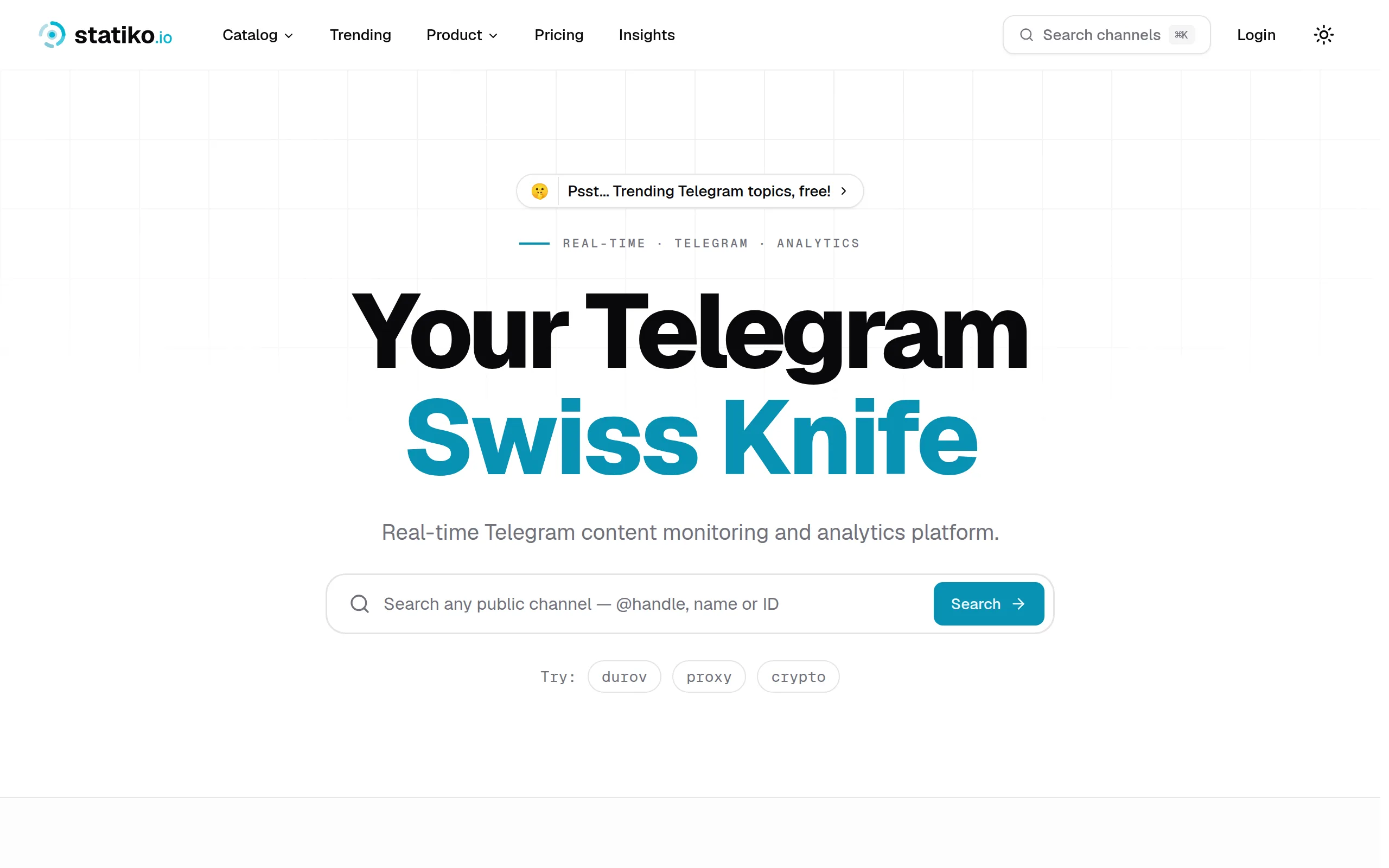
Statiko
Monitor any Telegram channel in real time - track posts, edits, deletions, and growth with AI recaps 📡

Shibui
AI website builder - describe your business, pick a niche template, edit by chatting, and publish instantly ✨
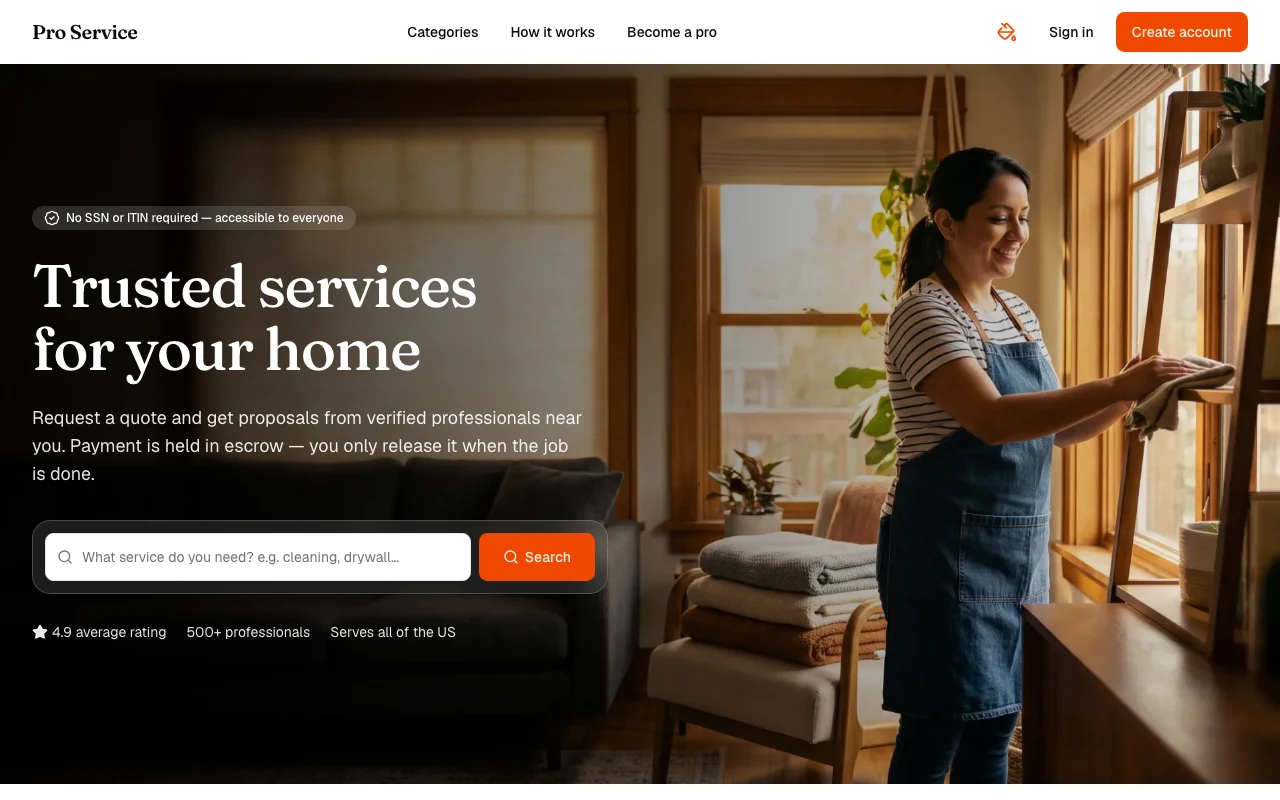
Pro Service
Find verified home service professionals, compare quotes, and pay securely through escrow - built for Brazilians across the US 🏠
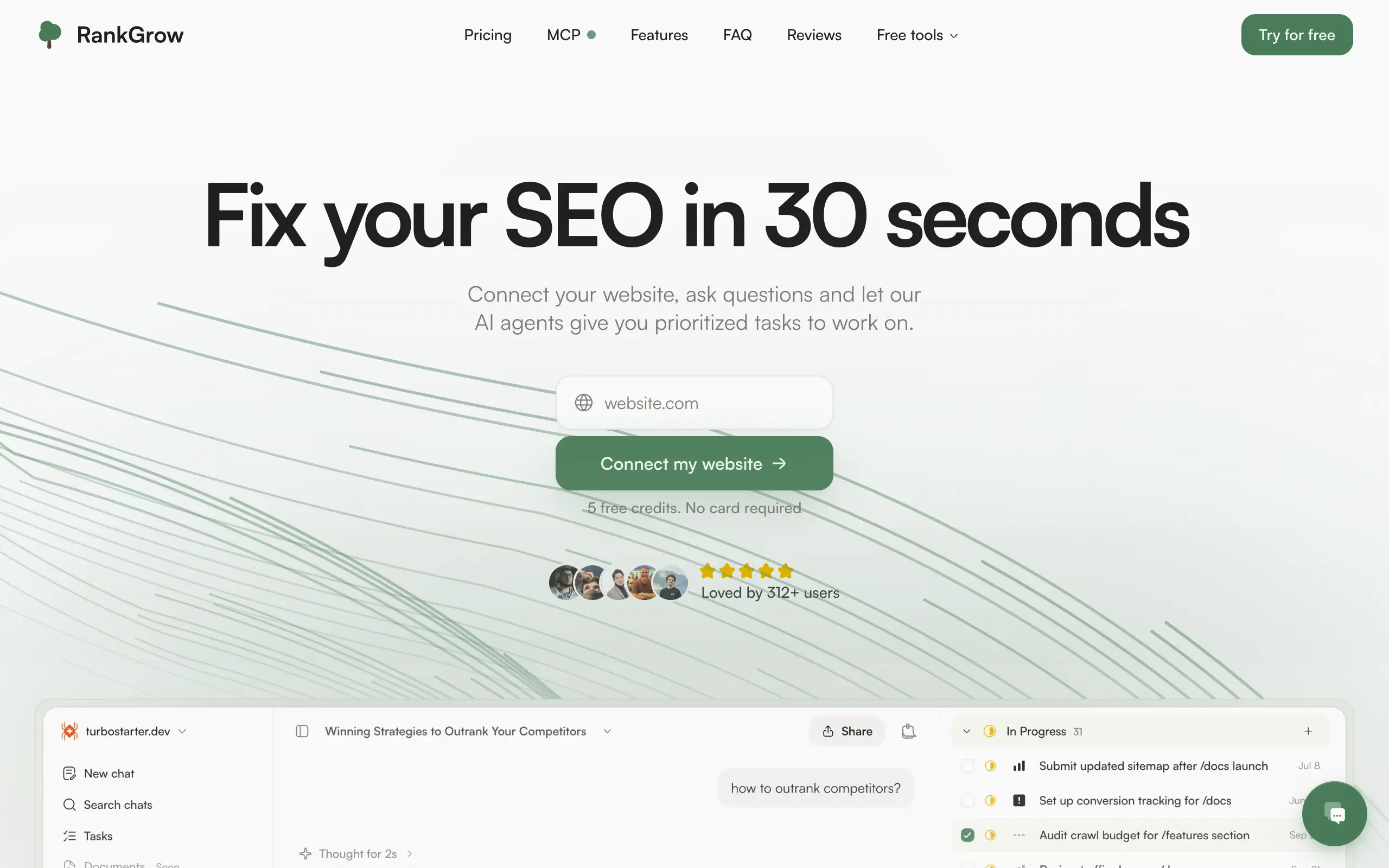
RankGrow
Fix your SEO with AI agents - connect Search Console, get prioritized tasks, and grow organic traffic 📈
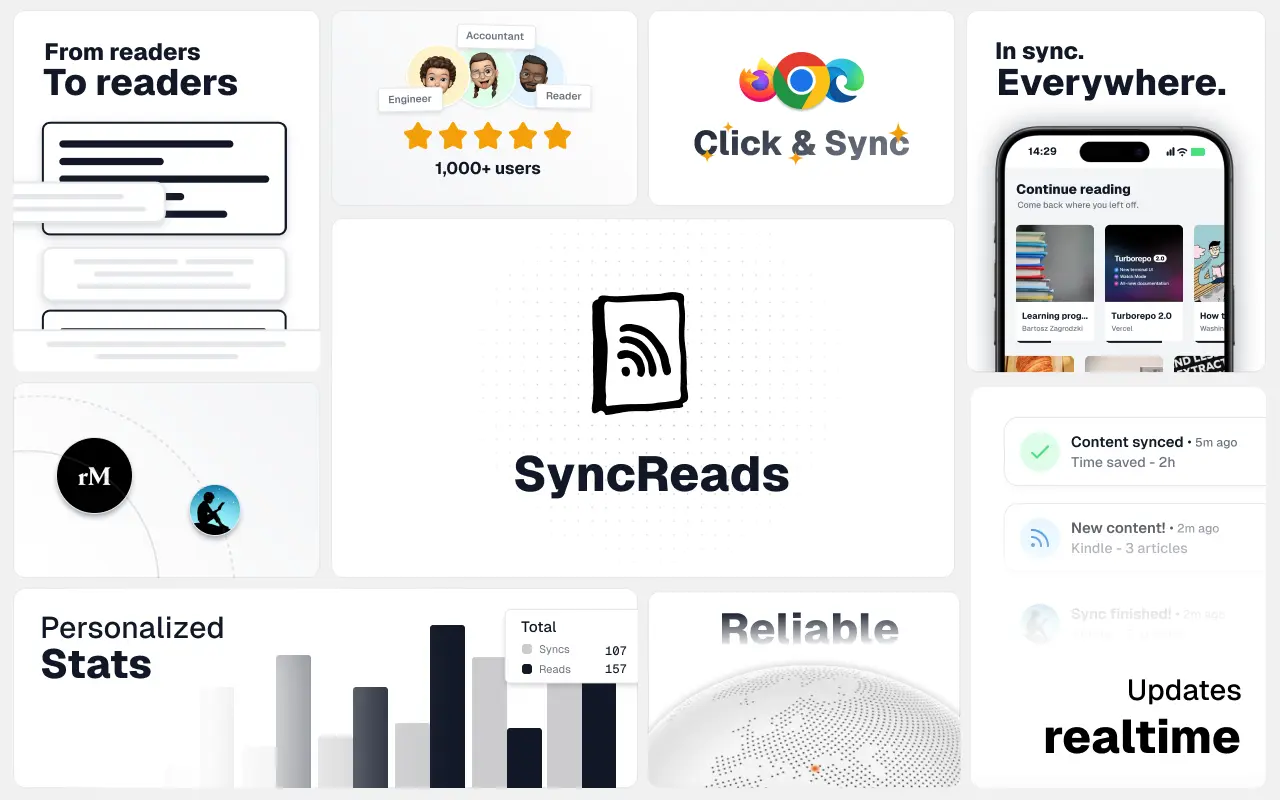
SyncReads
Sync your favorite content for distraction-free reading, save time and replace multiple apps. Anytime, anywhere 🔄
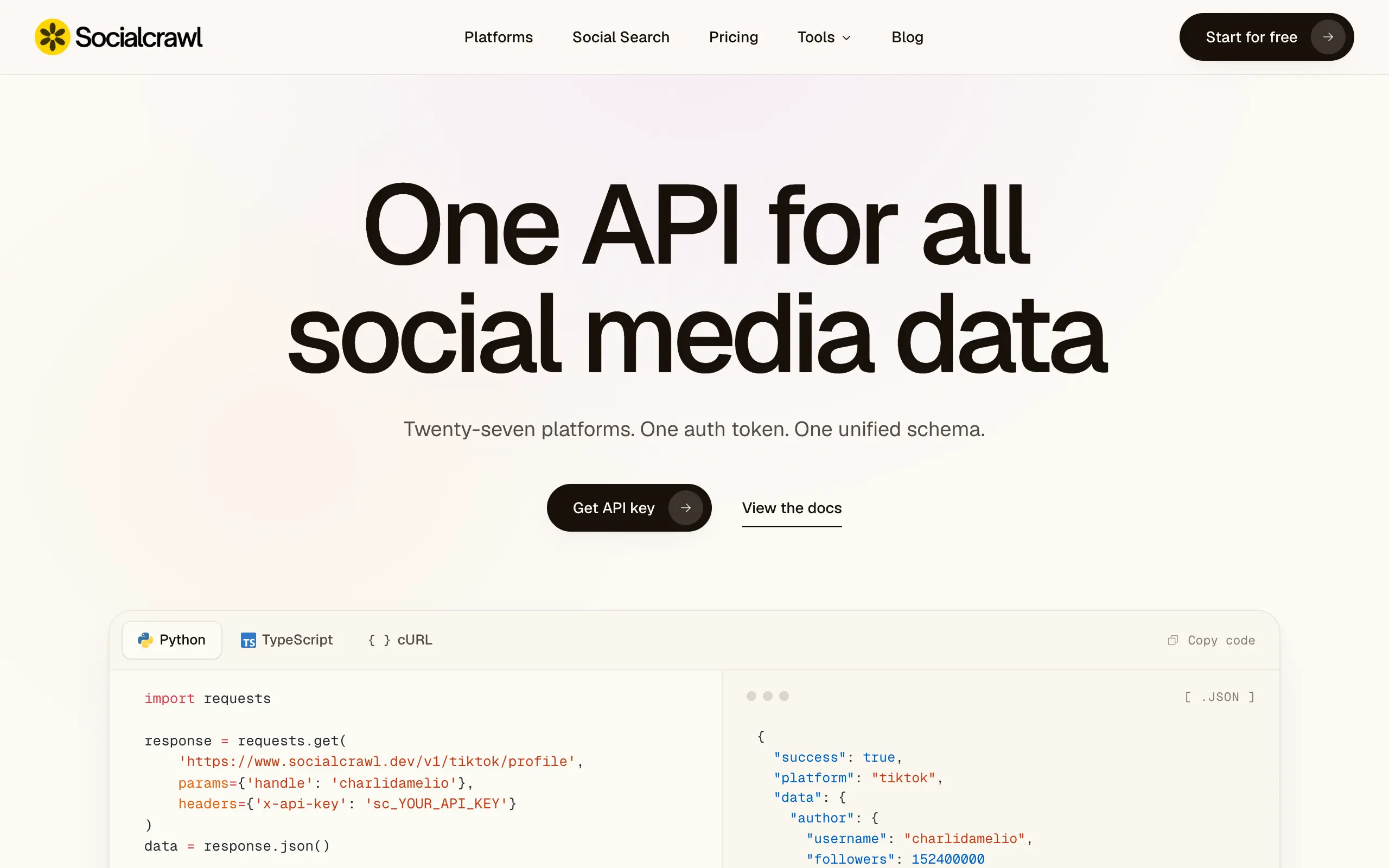
Socialcrawl
Get clean, structured data from 21 platforms like TikTok, Instagram, and YouTube with a single request 📊
Statiko
Monitor any Telegram channel in real time - track posts, edits, deletions, and growth with AI recaps 📡
Shibui
AI website builder - describe your business, pick a niche template, edit by chatting, and publish instantly ✨
Pro Service
Find verified home service professionals, compare quotes, and pay securely through escrow - built for Brazilians across the US 🏠
RankGrow
Fix your SEO with AI agents - connect Search Console, get prioritized tasks, and grow organic traffic 📈
SyncReads
Sync your favorite content for distraction-free reading, save time and replace multiple apps. Anytime, anywhere 🔄
Socialcrawl
Get clean, structured data from 21 platforms like TikTok, Instagram, and YouTube with a single request 📊
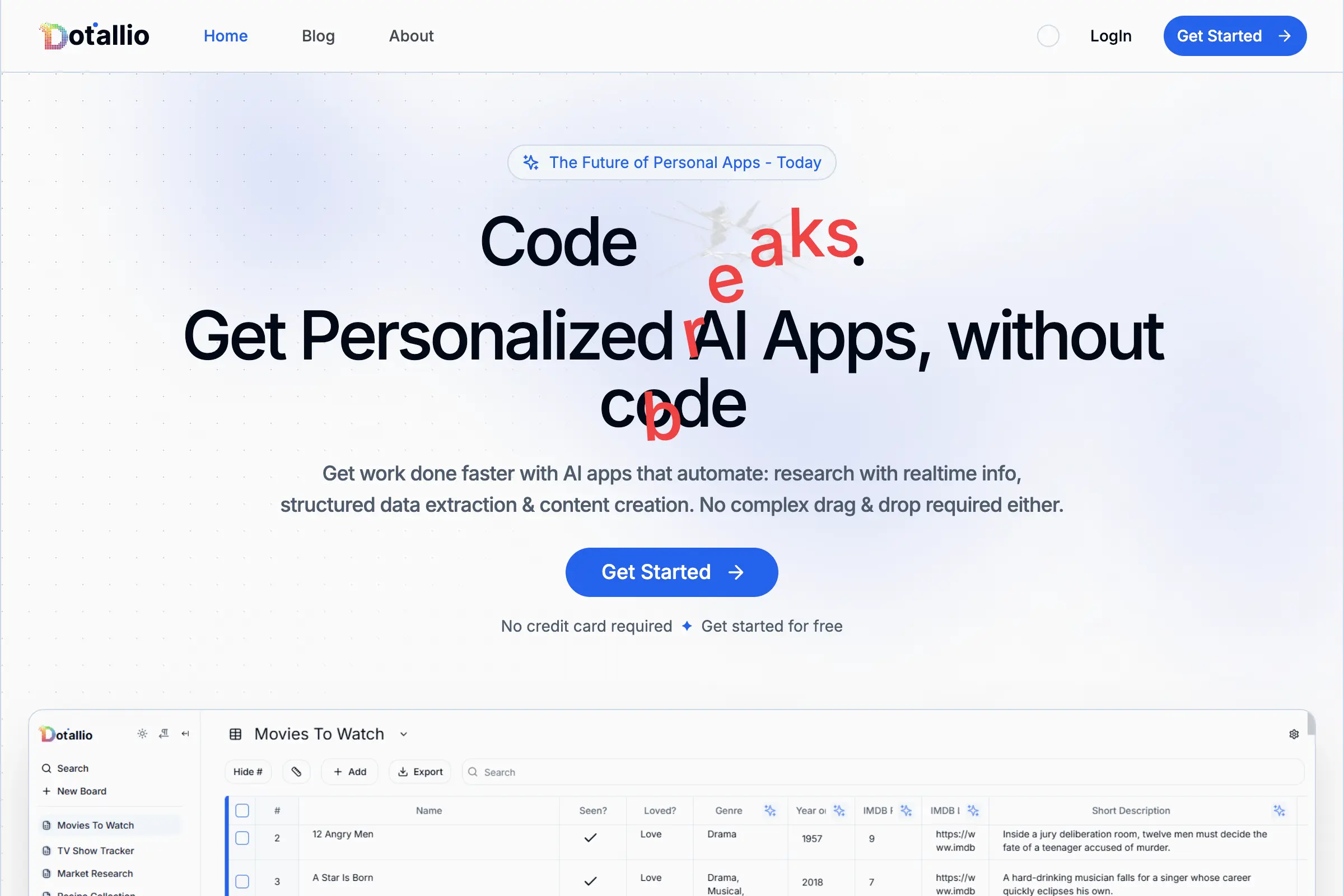
Dotallio
Personalized AI apps that automate research, data extraction, and content creation without code 🤖
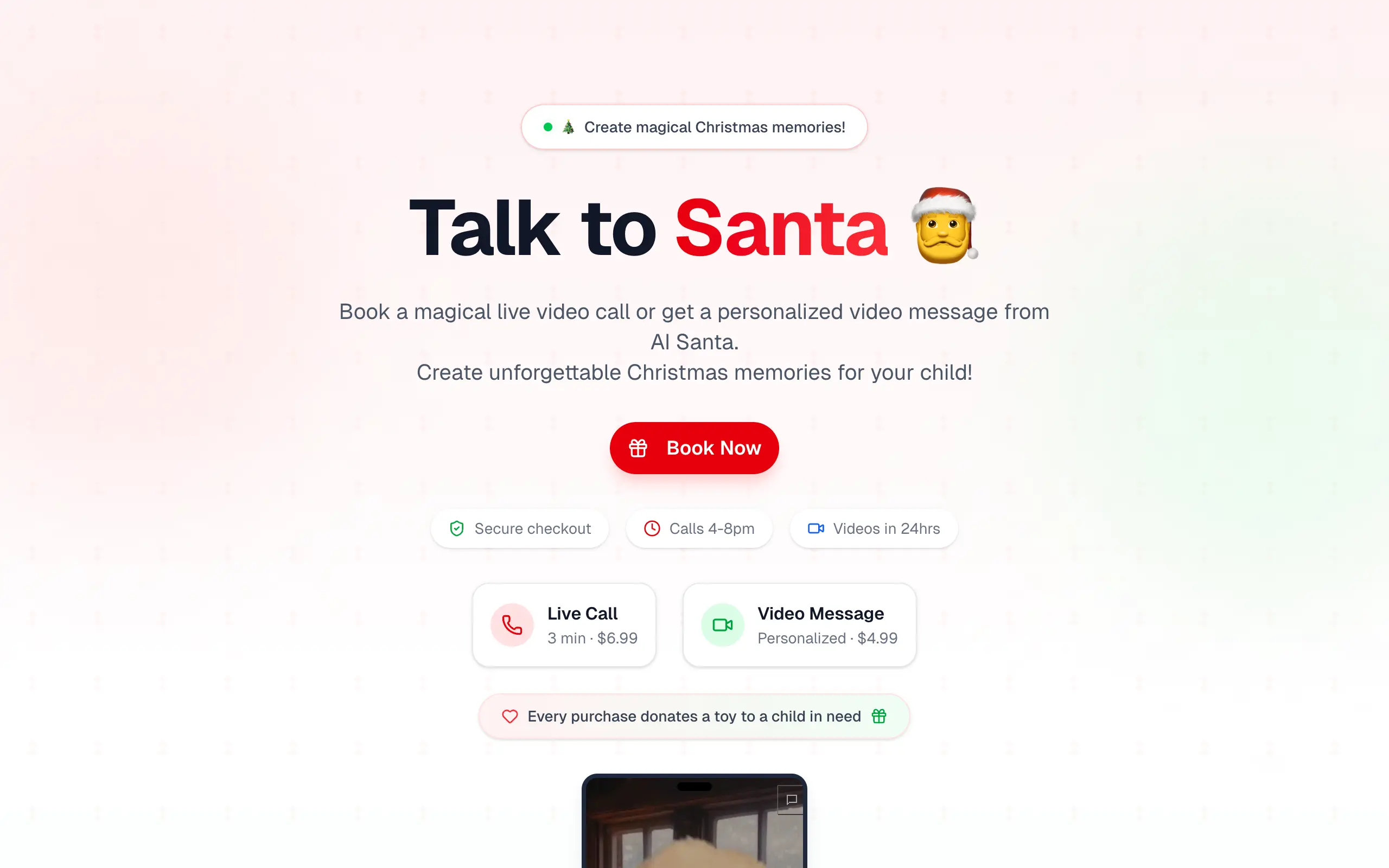
Talk to Santa
Enjoy a magical live video chat or receive a unique AI-generated video greeting from Santa Claus 🎅

pozywka.pl
Scalable blog for food journalist, focused on performance and user experience 🌭
zagrodzki.me
Personal blog and portfolio of Bart Zagrodzki, where he shares his knowledge and work 💼

TurboStarter
Ship your startup everywhere. In minutes.
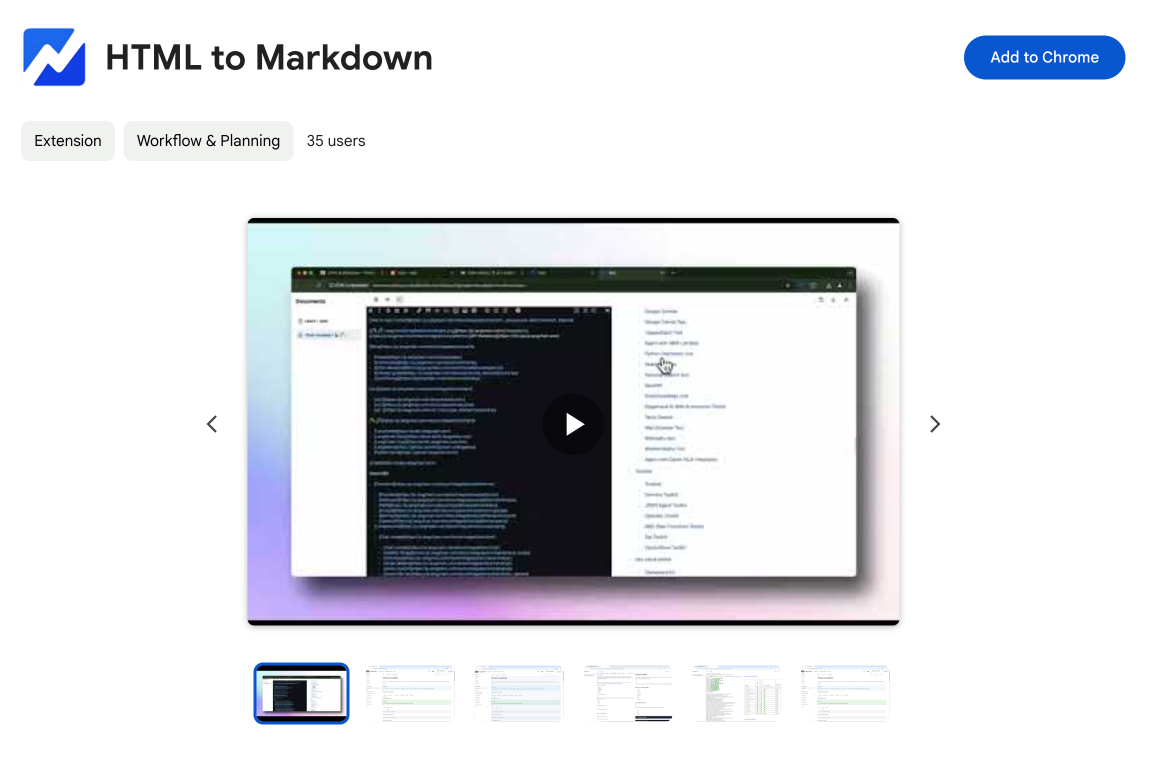
HTML to Markdown
Convert HTML to Markdown with ease, directly in your browser 📄
Dotallio
Personalized AI apps that automate research, data extraction, and content creation without code 🤖
Talk to Santa
Enjoy a magical live video chat or receive a unique AI-generated video greeting from Santa Claus 🎅
pozywka.pl
Scalable blog for food journalist, focused on performance and user experience 🌭
zagrodzki.me
Personal blog and portfolio of Bart Zagrodzki, where he shares his knowledge and work 💼
TurboStarter
Ship your startup everywhere. In minutes.
HTML to Markdown
Convert HTML to Markdown with ease, directly in your browser 📄
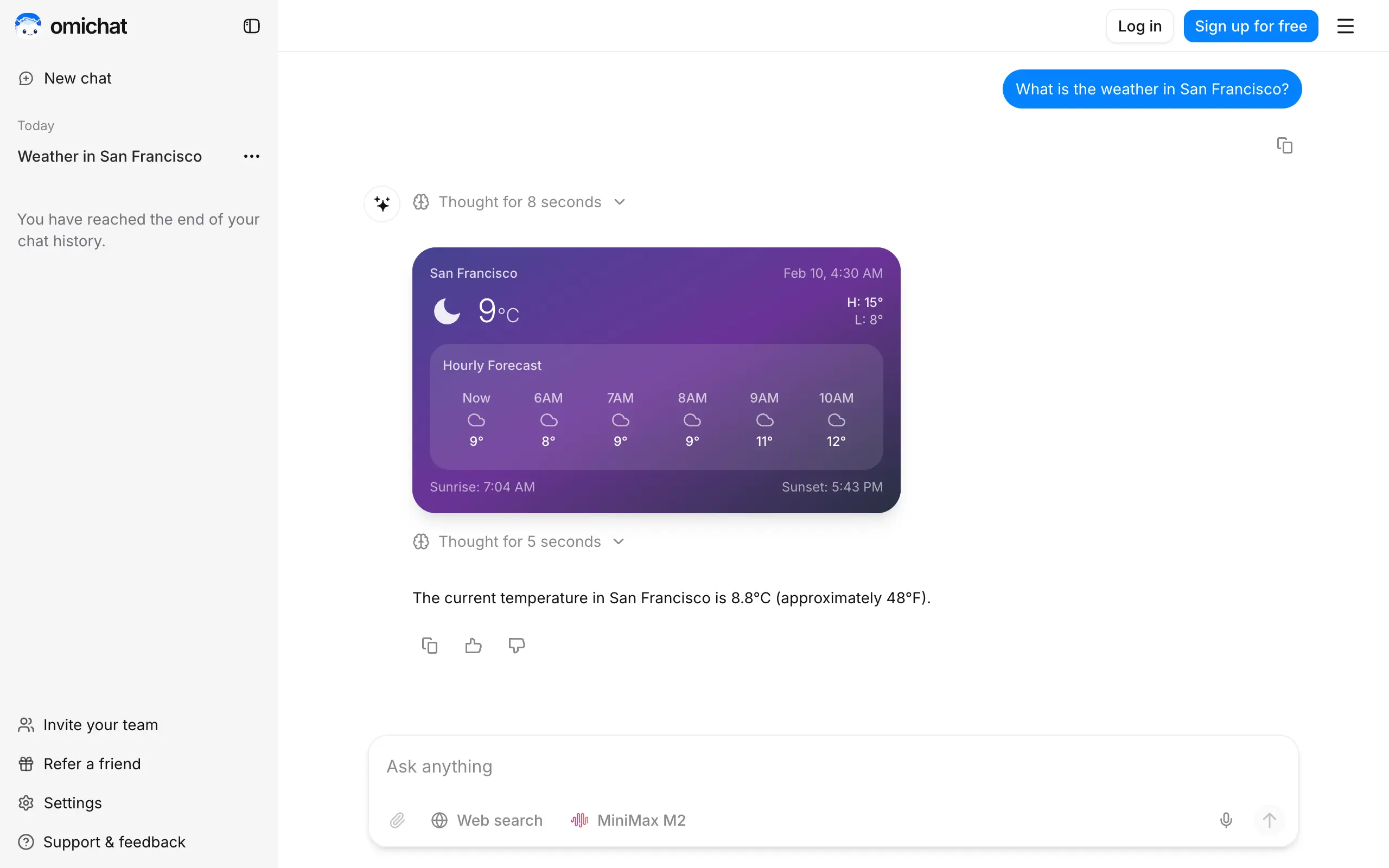
Omichat
Chat with 50+ AI models, including ChatGPT and Claude, in one place - switch models anytime without losing context 🤖
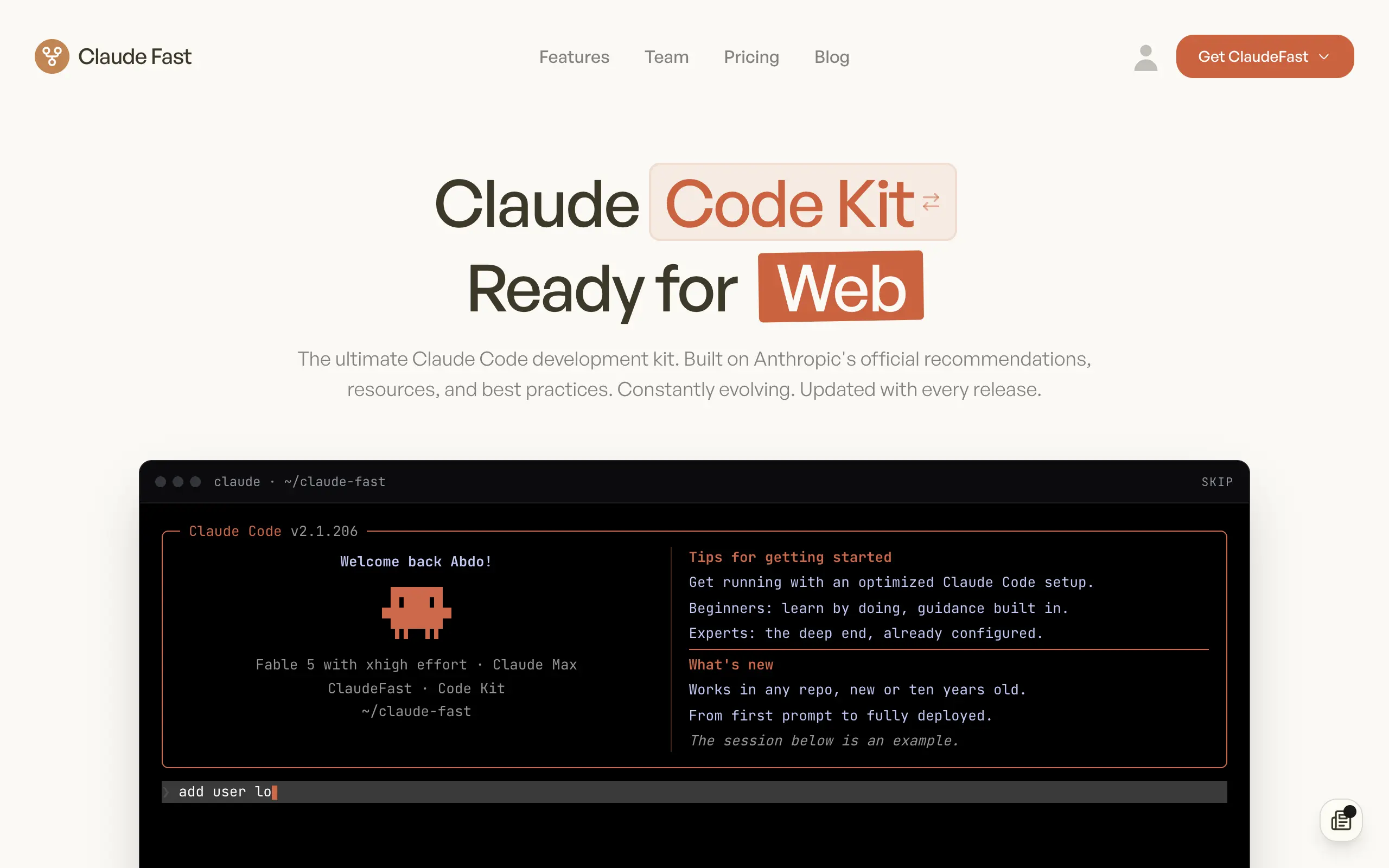
Claude Fast
Supercharge your Claude Code with 6x effective context window and specialized AI agents 🤖
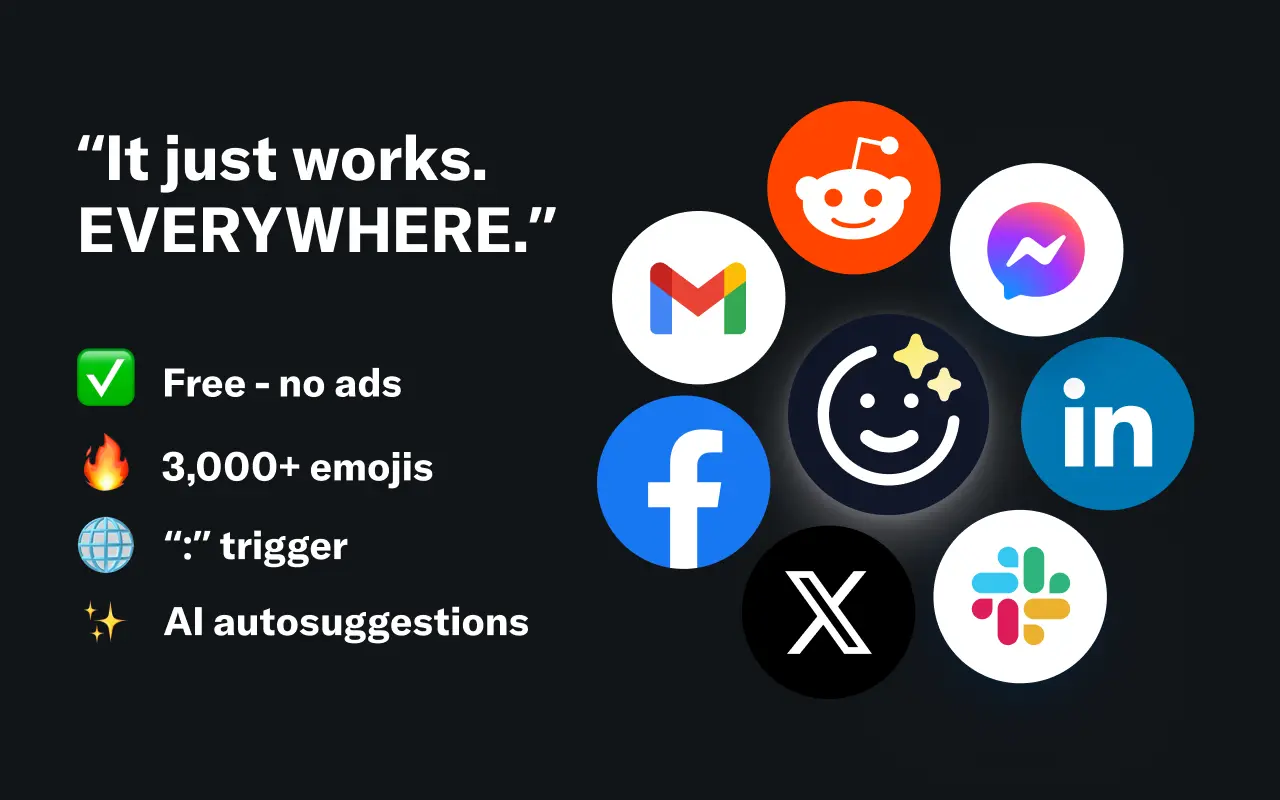
EmojAI
AI-powered emoji picker with smart, context-aware suggestions 🤖
Solohacker
Autonomous company launcher - AI agents work 24/7, escalate what matters, and you stay in control 🤖

BeRawi: Storytelling Coach
Practice storytelling daily with instant feedback to sound clearer, more engaging, and confident 🎤
Omichat
Chat with 50+ AI models, including ChatGPT and Claude, in one place - switch models anytime without losing context 🤖
Claude Fast
Supercharge your Claude Code with 6x effective context window and specialized AI agents 🤖
EmojAI
AI-powered emoji picker with smart, context-aware suggestions 🤖
Solohacker
Autonomous company launcher - AI agents work 24/7, escalate what matters, and you stay in control 🤖
BeRawi: Storytelling Coach
Practice storytelling daily with instant feedback to sound clearer, more engaging, and confident 🎤

Connect with like-minded people
Join our community to get feedback, support, and grow together with 1,000+ builders on board, let's ship it!
Join usShip your startup everywhere. In minutes.
Don't burn tokens on setup and start building features on day one.