Khorj
Khorj helps Tajik families turn irregular remittances into weekly budgets, bill reminders, and shared savings goals in Tajik and Russian.
Why a remittance budgeting app for Tajik families is a meaningful opportunity
For many Tajik households, money does not arrive on a predictable local payroll schedule. It may come from a family member working abroad, arrive in uneven amounts, be delayed by transfer logistics, or need to cover several people at once. Standard budgeting apps assume that income is regular, individual, bank-connected, and easy to categorize. That assumption makes them poorly suited to a household that plans around remittances.
Khorj is a remittance budgeting app for Tajikistan designed around this reality. It helps families convert irregular incoming transfers into a clear weekly spending plan, receive reminders before essential bills are due, and coordinate savings goals with relatives. The experience is available in Tajik and Russian, which matters in a market where language, trust, and household context directly influence product adoption.
The core value proposition is simple:
Khorj turns uncertain remittance income into a practical household plan that families can understand and follow together.
This is not simply a personal finance dashboard. It is a financial coordination tool for households whose income is shared, variable, and often managed across borders.
A successful Khorj product should make users feel more in control within the first few minutes. A household member should be able to enter a received transfer, allocate money to food, utilities, transport, education, debt, and savings, then see exactly what is safe to spend this week.
The central product insight
The strongest Khorj experience should not ask users to become finance experts. It should guide them through a familiar household question: “How much can we spend before the next transfer arrives?”
The target audience for Khorj
The primary audience is not one homogeneous group. Khorj should serve several closely related user segments with different financial roles, device habits, and decision-making authority.
Household financial managers in Tajikistan
The primary user is likely a household member who receives, stores, and distributes remittance money. This may be a parent, spouse, adult child, or other trusted relative responsible for day-to-day expenses.
Their needs commonly include:
- Knowing how much money is available after essential obligations
- Preventing overspending immediately after a transfer arrives
- Planning food and household purchases week by week
- Remembering rent, electricity, mobile, school, medical, or debt payments
- Explaining spending decisions to other family members
- Building a savings habit despite inconsistent income
- Using an app without needing a complex bank account connection
This user may already track expenses mentally, in a notebook, through chat messages, or by keeping cash in separate envelopes. Khorj should respect these existing habits rather than frame them as failures. The app can digitize familiar envelope budgeting principles without imposing Western personal-finance conventions that feel unfamiliar.
Migrant workers and remittance senders
A second important segment is the person sending funds from abroad. They want assurance that their contribution is helping the family cover important needs and progress toward shared priorities.
For senders, the app can provide value through:
- Shared savings goals for housing repairs, school fees, healthcare, or business equipment
- Permission-based visibility into high-level household progress
- Notes attached to a transfer or budget allocation
- A way to agree on priorities without creating conflict in a group chat
- Progress updates that do not expose every private transaction
The sender should not automatically become a financial supervisor. Khorj needs thoughtful consent controls so the household manager can decide what is shared. Transparency is valuable, but surveillance can damage trust.
Young adults building independent financial habits
Younger Tajik adults may be interested in budgeting, saving for education, building an emergency reserve, preparing for marriage, or funding a small business. They can become an early-adopter segment because they are more likely to use smartphones actively and share product recommendations with family.
Khorj can meet their needs with:
- Simple weekly spending limits
- Visual goal tracking
- Expense logging in seconds
- Optional reminders and low-balance alerts
- A clear separation between personal spending and household contributions
- A language experience that feels local rather than translated
Community organizations and financial education partners
Although Khorj is a B2C product, community groups, financial literacy programs, employers, and remittance-adjacent organizations may become valuable distribution partners. They can introduce the app as a practical budgeting resource rather than an abstract fintech product.
A partnership strategy should be approached carefully. Khorj must maintain user privacy and avoid sharing household-level data with third parties unless users give explicit, informed consent.
The market gap in remittance budgeting for Tajikistan
Tajikistan has long been associated with a high dependence on remittance income. For current figures, Khorj’s public-facing market research should cite primary or widely trusted sources such as the World Bank, the National Bank of Tajikistan, the International Organization for Migration, or formal household-finance studies. Figures can change substantially by year, exchange rate, migration conditions, and reporting methodology.
The important product observation does not depend on one statistic. A meaningful share of families experience income volatility, and financial tools built for stable monthly salaries do not address this well.
Why conventional budgeting apps often fail this audience
Most mainstream personal finance apps are built around assumptions that create friction for remittance-receiving families.
| Budgeting assumption | What a conventional app expects | What many Khorj users experience | Product implication | Khorj opportunity |
|---|---|---|---|---|
| Income timing | Regular monthly salary | Transfers of varying size and timing | Monthly plans become unreliable | Build around received money and weekly allocation |
| Account access | Automatic bank syncing | Cash, transfer agents, cards, and fragmented records | Sync may be unavailable or incomplete | Make manual entry exceptionally fast |
| Decision maker | One independent account owner | Multiple household contributors and dependents | Budgets are shared social decisions | Offer consent-based household collaboration |
| Language | English-first finance terminology | Tajik and Russian preferences | Comprehension and trust decline | Use localized content and plain language |
The gap is therefore not merely “a budgeting app in Tajik.” The opportunity is a localized irregular income budgeting system that is designed for remittances from the first screen.
The behavioral gap matters as much as the technical gap
Income volatility creates emotional pressure. When a transfer arrives, users can feel compelled to address every urgent need immediately. Without a plan, funds that must last several weeks can be consumed quickly. This can lead to borrowing, late bills, family disagreement, or an inability to save for predictable annual expenses.
Khorj should reduce this pressure by translating a total transfer amount into smaller, understandable decisions:
- Set aside essential bills.
- Reserve a safety amount.
- Fund one or more agreed savings goals.
- Divide flexible spending into weekly limits.
- Show the current week’s safe-to-spend amount.
This structure is intuitive because it mirrors how households already prioritize money. The difference is that Khorj makes the plan visible, repeatable, and shareable.
Khorj’s unique selling proposition
Khorj stands out when it is positioned as the household budgeting companion for irregular remittances, not as another generic expense tracker.
Its unique selling proposition can be expressed as:
Khorj helps Tajik families make every remittance last by turning each transfer into a shared weekly budget, timely bill plan, and achievable savings goal.
That positioning combines five differentiators:
- Remittance-first planning rather than salary-first budgeting
- Weekly budgeting that works when the date of the next transfer is uncertain
- Tajik and Russian localization that supports comprehension and confidence
- Household collaboration with privacy-aware sharing permissions
- Low-friction manual tracking for cash-heavy financial behavior
A strong go-to-market message should avoid implying that users are irresponsible with money. It should focus on stability, preparation, and family progress.
Good messaging examples include:
- “Plan each transfer for the weeks ahead.”
- “Keep bills, food, and savings in one clear plan.”
- “Build family goals together, even when income changes.”
- “Know what is safe to spend this week.”
Core Khorj features that solve the real problem
The first version of Khorj should be opinionated. A narrow, excellent workflow will outperform a feature-heavy financial app that confuses users.
Remittance-to-weekly-budget planner
This is the core Khorj workflow. When money arrives, users enter the amount, source, date, and optional expected next-transfer window. The product then helps them allocate it.
The budget creation flow could ask:
- How much did you receive?
- Which essential bills must be paid before the next transfer?
- How many weeks should this money cover?
- Is there a savings goal you want to fund?
- How much should remain available for this week?
Instead of requiring users to create a detailed budget from scratch, Khorj can recommend a starting allocation based on prior behavior. Recommendations must remain clearly editable. The user stays in control.
A helpful screen might show:
- Available now for the current week
- Reserved for bills that should not be spent
- Protected savings assigned to goals
- Future weekly amounts planned until the expected next transfer
Flexible income and cash-flow calendar
Irregular income demands a different calendar model. Rather than showing only monthly income and expenses, Khorj should show upcoming pressure points.
Examples include:
- A utility bill due in five days
- A school expense expected next week
- A savings contribution scheduled after the next remittance
- A week where planned spending exceeds the remaining budget
A simple timeline can make future tradeoffs easier to understand. The goal is not to predict income with false precision. It is to help users prepare for known obligations and notice risk early.
Bill reminders with local relevance
Bill reminders should be practical and configurable. Users need the ability to create recurring or one-time reminders for household obligations.
Useful reminder categories include:
- Rent or housing payments
- Electricity and water
- Mobile phone and internet
- School fees and supplies
- Loan repayments
- Medicine and healthcare visits
- Transportation costs
- Family events and seasonal spending
Notifications should use respectful language. A warning that feels judgmental will be ignored. A calm prompt such as “Your electricity payment is due in three days. You have already reserved funds for it” reinforces the value of planning.
Shared savings goals for families
Savings is often easier when the goal is visible and socially meaningful. Khorj can support individual and shared goals, including:
- Emergency fund
- Home renovation
- Education costs
- Medical reserve
- Wedding expenses
- Small business inventory
- Travel or migration-related expenses
- Debt repayment
Each goal should have a target amount, target date, contribution history, and optional collaborators. Users should be able to see progress without necessarily seeing every household expense.
Privacy options could include:
- Only the goal owner can view details
- Contributors can view total progress
- Contributors can view contributions but not spending
- Household members can suggest contributions without editing the goal
- A member can be removed at any time
Tajik and Russian language support
Localization is more than interface translation. Khorj should use culturally understandable examples, date formats, number formatting, and financial vocabulary. The onboarding process should be written in plain language and avoid jargon such as “discretionary income” or “cash-flow forecasting.”
Language selection should happen early and remain easy to change. Every user-facing surface needs localization:
- Onboarding
- Budget categories
- Notifications
- Help center content
- Consent screens
- Error messages
- Support flows
- Marketing pages
A financial product loses credibility quickly when translated strings are confusing, inconsistent, or overly formal.
Low-connectivity and offline-friendly workflows
Connectivity quality can vary, and users should not lose confidence because a transaction fails to save while their connection is weak.
A progressive web app or mobile app should support:
- Local draft saving
- Offline expense entry
- Background syncing when a connection returns
- Visible sync status
- Conflict resolution for shared budget changes
- Lightweight screens that load well on lower-end devices
Offline capability is not merely a technical feature. It is a trust feature. If people cannot rely on a budgeting app when they need it, they will return to paper.
Fast setup
Create a useful weekly budget within minutes of receiving a transfer.
Family alignment
Make goals visible while allowing users to control what they share.
Practical confidence
Show a clear safe-to-spend amount instead of overwhelming charts.
Designing the Khorj user experience for trust
Financial products must earn trust before they can earn retention. For Khorj, trust should be designed into language, data practices, interface choices, and customer support.
Make the first successful moment immediate
The ideal activation event is not “account created.” It is when a user sees a real weekly plan after entering a remittance amount.
A strong onboarding sequence could be:
This path gives users a concrete outcome before requesting optional information such as household invitations or detailed expense categories.
Use clear consent in shared budgeting
Shared financial tools can create power imbalances if permissions are vague. Khorj should make access levels explicit in human language.
Avoid default sharing. Instead, explain:
- What another person can see
- What they can edit
- Whether they can invite others
- How access can be revoked
- Whether they will receive notifications
A user should never be surprised that a family member can view their activity. This is especially important when remittance senders and recipients have different expectations around control.
Avoid financial advice claims
Khorj can provide budgeting guidance, but it should not present individualized financial advice, loan recommendations, or investment promises unless it is appropriately licensed and legally reviewed.
Helpful product copy can say:
Khorj helps you organize your household plan. It does not guarantee that funds will last or replace professional financial advice.
This protects both the company and users by setting honest expectations.
Recommended tech stack for Khorj
The best technical approach depends on launch scope, team experience, and local payment integration requirements. For an MVP, Khorj should prioritize speed, security, localization, and mobile reliability over a complex banking-integration strategy.
Frontend and product delivery
A practical web-first stack could use Next.js with React. This combination supports fast product iteration, server-rendered marketing pages, authenticated application experiences, and progressive web app capabilities.
Tailwind CSS is a strong option for building a consistent, responsive interface efficiently. Its utility-first approach can help a small team maintain a design system while adapting carefully to smaller mobile screens.
For client-side data fetching and state synchronization, TanStack Query is useful for handling caching, retries, optimistic updates, and offline-aware patterns.
Recommended frontend choices include:
- Next.js for the application and landing site
- React for user interface components
- TypeScript for safer domain logic
- Tailwind CSS for responsive design
- Zod for runtime form and API validation
- TanStack Query for server-state management
- Progressive web app support for installability and offline workflows
Backend, database, and authentication
A relational database is the right default for Khorj because budgets, household memberships, permissions, goals, transactions, and audit events have clear relationships. PostgreSQL is a mature and reliable fit.
An MVP can use Supabase to accelerate authentication, PostgreSQL provisioning, storage, row-level security, and real-time data updates. This reduces operational work for an early-stage team.
However, convenience does not eliminate security responsibilities. The application must still implement authorization policies correctly, test access boundaries, and minimize sensitive data collection.
Key backend requirements include:
- Row-level access control for households and shared goals
- Server-side validation for every money-related action
- Immutable audit logs for important permission and budget changes
- Encrypted data in transit and at rest
- Backups and tested restoration processes
- Rate limiting for authentication and API endpoints
- A reliable notification queue
Payment and remittance integrations
Do not make payment integration a launch dependency unless a verified local partner relationship is already available. Integrations in financial services are often slower than expected because of contractual, regulatory, data-quality, and operational requirements.
The MVP should work well with manual transaction entry. Later, Khorj can explore integrations with licensed payment providers, banks, or remittance partners after conducting legal and technical due diligence.
The trade-off is clear:
- Manual-first launch delivers faster validation and works across cash-based behavior, but requires user effort.
- Automatic transfer detection can improve retention, but raises integration complexity, privacy concerns, and dependency risk.
A good intermediate option is user-confirmed transfer notifications or SMS parsing only if consent, accuracy, security, and local regulations are fully addressed.
Example budget allocation logic
The allocation engine should remain transparent. A simple rule-based recommendation is often better than opaque machine learning at the beginning.
type BudgetInput = {
  remittanceAmount: number;
  reservedBills: number;
  savingsContribution: number;
  weeksToCover: number;
};

export function calculateWeeklyBudget(input: BudgetInput) {
  const flexibleFunds =
    input.remittanceAmount -
    input.reservedBills -
    input.savingsContribution;

  const safeFlexibleFunds = Math.max(flexibleFunds, 0);
  const safeWeeks = Math.max(input.weeksToCover, 1);

  return {
    flexibleFunds: safeFlexibleFunds,
    weeklyLimit: Math.floor(safeFlexibleFunds / safeWeeks),
    warning:
      flexibleFunds < 0
        ? "Your planned bills and savings are higher than this transfer."
        : null,
  };
}
The product should always explain the calculation in plain language. Users need to understand why the recommended weekly amount changed.
Monetization options for a B2C remittance budgeting app
Khorj should avoid putting its most essential stability features behind a hard paywall. Budget creation, basic reminders, and core savings tracking should remain accessible, because these features establish trust and recurring usage.
Freemium subscription model
A freemium model is the most natural starting point.
The free plan could include:
- One household budget
- Weekly spending plan
- Basic bill reminders
- A limited number of savings goals
- Tajik and Russian language access
- Manual remittance and expense entry
A paid plan could include:
- Multiple household members
- Advanced goal collaboration
- Longer financial history
- Custom reminder schedules
- Exportable reports
- Shared planning templates
- Priority support
- Advanced insights about spending patterns
Pricing should be tested locally and expressed in a way users can compare easily with their household budget. A low monthly price may still feel expensive if it competes with essential spending. Consider annual pricing only after users have experienced clear ongoing value.
Family plan
A family plan is aligned with Khorj’s product design. Instead of charging each person, charge for a household workspace with several members and clear permission controls.
This model encourages collaboration without requiring every participant to become a paying customer.
Ethical partner distribution
Financial institutions, remittance providers, mobile operators, employers, and nonprofit programs could sponsor access to Khorj or offer it as a value-added service. This can reduce customer acquisition costs.
The risk is that sponsored distribution may create suspicion about data sharing. Khorj should maintain a strict policy that customer budget data is not sold or shared for marketing without explicit consent.
Avoid monetization through sensitive data
Selling behavioral financial data, targeting users during hardship, or using budgeting data to profile people for high-cost credit would undermine the product’s mission. Even if technically legal in some contexts, these approaches create reputational and ethical risk.
The most durable Khorj business model is one where users understand exactly what they pay for and trust that the product works in their interest.
Competitive advantage and positioning strategy
Khorj does not need to beat every global personal finance app on feature count. It needs to be meaningfully better for a specific financial context.
Its competitive moat can grow through four layers.
Localized product understanding
Tajik and Russian language support is only the starting point. The true advantage comes from designing around irregular transfers, shared household decisions, local bill categories, and cash-heavy workflows.
A globally popular app may offer many charts. Khorj can win by offering one answer that users return to repeatedly:
What can our family safely spend this week?
Trust-centered household collaboration
Most financial products are individual-centric. Khorj can differentiate with collaboration that protects privacy and prevents accidental overreach.
The best shared features should feel like coordination, not monitoring. This distinction is difficult for competitors to replicate if they have not built permission models and user research practices around family dynamics.
A focused habit loop
Khorj’s retention loop can be built around real household events:
- A transfer arrives.
- The household creates or updates the plan.
- The app sends useful bill and weekly-budget reminders.
- The family sees savings progress.
- The next transfer is planned with better context.
This is more relevant than encouraging users to log every small purchase perfectly. Expense tracking should support budgeting, not become a burdensome end in itself.
Educational content as a growth engine
Khorj can build organic search visibility with helpful content in Tajik, Russian, and English where appropriate. Topics could include:
- How to budget irregular income
- How to make remittances last longer
- Weekly budgeting for families
- How to create an emergency fund on variable income
- How to discuss household money goals with family members
- Simple methods for tracking bills and savings
Content should be reviewed by qualified financial educators and localized carefully. When citing remittance data or financial statistics, cite the original report, publication date, methodology, and country scope. This improves both SEO quality and trustworthiness.
Key risks and how to mitigate them
A remittance budgeting product handles sensitive behavior and, potentially, sensitive family relationships. Risk management should be part of the product roadmap from the beginning.
Users may hesitate to enter household money information into a new product. Mitigate this with plain-language privacy explanations, minimal permissions, no unnecessary bank credentials, transparent support channels, and a useful manual-first workflow.
Budgeting apps often lose users after initial setup. Create recurring value through weekly check-ins, upcoming bill reminders, savings progress, and easy budget adjustments when a new transfer arrives.
Shared data can create pressure or conflict. Make every sharing choice explicit, provide granular roles, keep private notes private by default, and allow users to revoke access quickly.
Financial records are sensitive even when they do not include bank connections. Use strong authentication, least-privilege authorization, encryption, audit logs, secure backups, and regular security review.
Local integrations may be expensive and slow. Validate the manual budgeting experience first, then pursue partnerships only where they reduce meaningful user friction.
Regulatory and compliance considerations
Khorj should obtain professional legal advice in each jurisdiction where it operates, especially if it evolves from budgeting software into payment initiation, remittance facilitation, lending, credit scoring, or investment guidance.
Important areas to assess include:
- Consumer protection requirements
- Privacy and data protection obligations
- Financial promotion rules
- Record retention requirements
- Cross-border data transfer rules
- Know-your-customer obligations if payments are introduced
- Licensing requirements for financial activity
At the MVP stage, staying focused on budgeting and planning can significantly reduce regulatory complexity. That does not remove the need for strong privacy and security practices.
Metrics that prove Khorj is creating real value
Vanity metrics such as downloads and registrations are useful but insufficient. Khorj should measure whether users are successfully planning irregular income and returning when they need support.
The most important early metrics include:
- Activation rate measured by users who create a weekly plan after entering a transfer
- Time to first budget measured from account creation to completed plan
- Weekly active households rather than only individual active users
- Bill reminder completion rate based on users confirming or updating planned obligations
- Savings goal contribution rate for households with at least one active goal
- Shared household retention for users who invite a trusted collaborator
- Budget adjustment rate to understand whether users can adapt plans when circumstances change
- Support issue themes to identify confusing language, trust concerns, or accessibility barriers
Khorj should also use qualitative research. Short interviews with real households can reveal more than a dashboard. Ask users what happened after the last remittance arrived, how decisions were made, whether the weekly amount felt useful, and what the app made easier or harder.
Actionable implementation plan for Khorj
The fastest path to a useful product is to validate the remittance-to-weekly-budget workflow before expanding into complex fintech infrastructure.
Phase one: research and product validation
Interview households that receive remittances, people who send them, and young adults managing family expenses. Research should be conducted in Tajik and Russian where possible.
Focus on questions such as:
- How do transfers arrive and get recorded today?
- What expenses create the most stress?
- How long must a typical transfer cover?
- Who makes spending decisions?
- What information is safe to share with family?
- What reminders would genuinely help?
- What would make users distrust an app like Khorj?
Create clickable prototypes before building full functionality. Test whether users understand “reserved money,” “weekly budget,” and “shared goal” without explanation.
Phase two: build the focused MVP
The MVP should include:
- Language selection for Tajik and Russian
- Secure account creation
- Manual remittance entry
- Essential bill setup
- Weekly budget allocation
- Simple expense logging
- Bill reminders
- Savings goals
- Basic household invitations with explicit permissions
- Export and account deletion controls
Do not launch with lending, investment products, complex analytics, broad marketplace features, or unverified payment integrations.
Phase three: pilot with a narrow audience
Run a controlled pilot with a small number of real households. Give users responsive support and document every confusing moment in onboarding.
The pilot should test:
- Whether users can complete a plan without help
- Whether weekly amounts are perceived as realistic
- Which reminders get acted on
- Whether sharing features create value or discomfort
- Whether users return after the next remittance
- Which language strings require refinement
Use the pilot results to simplify rather than add features immediately.
Phase four: strengthen retention and distribution
Once the core workflow is validated, improve habit formation through weekly summaries, goal celebrations, budget adjustment prompts, and educational content.
Then test distribution channels such as:
- Community referrals
- Financial literacy workshops
- Content marketing around irregular income budgeting
- Partnerships with trusted local organizations
- Referral incentives that do not pressure users to share sensitive data
A production-ready launch can move faster with a foundation that already includes authentication, billing, marketing pages, and scalable application patterns. TurboStarter can help teams avoid rebuilding common SaaS infrastructure so they can focus their effort on Khorj’s localized budgeting experience and privacy-sensitive household features.
Building a more resilient household finance experience
Khorj has the potential to solve a problem that generic finance tools frequently overlook. For families living with irregular remittances, the challenge is not simply recording what was spent. It is creating a reliable plan when income timing is uncertain and household needs are immediate.
The product should stay grounded in that problem. Every feature should help a user answer one of three questions:
- What must we protect before spending?
- What can we safely use this week?
- Are we moving toward the goals that matter to our family?
By combining remittance-first budgeting, localized Tajik and Russian experiences, useful reminders, shared goals, and privacy-aware collaboration, Khorj can become more than an expense tracker. It can become a trusted household planning system built for the financial reality of Tajik families.
More 👥 B2C Application SaaS ideas
Discover more innovative b2c application SaaS ideas that are trending in 2026. Each idea is AI-generated with market validation and growth potential to help you find your next profitable venture faster than competitors.
Your competitors are building with TurboStarter
Below are some of the SaaS ideas that have been generated and built with our starter kit.
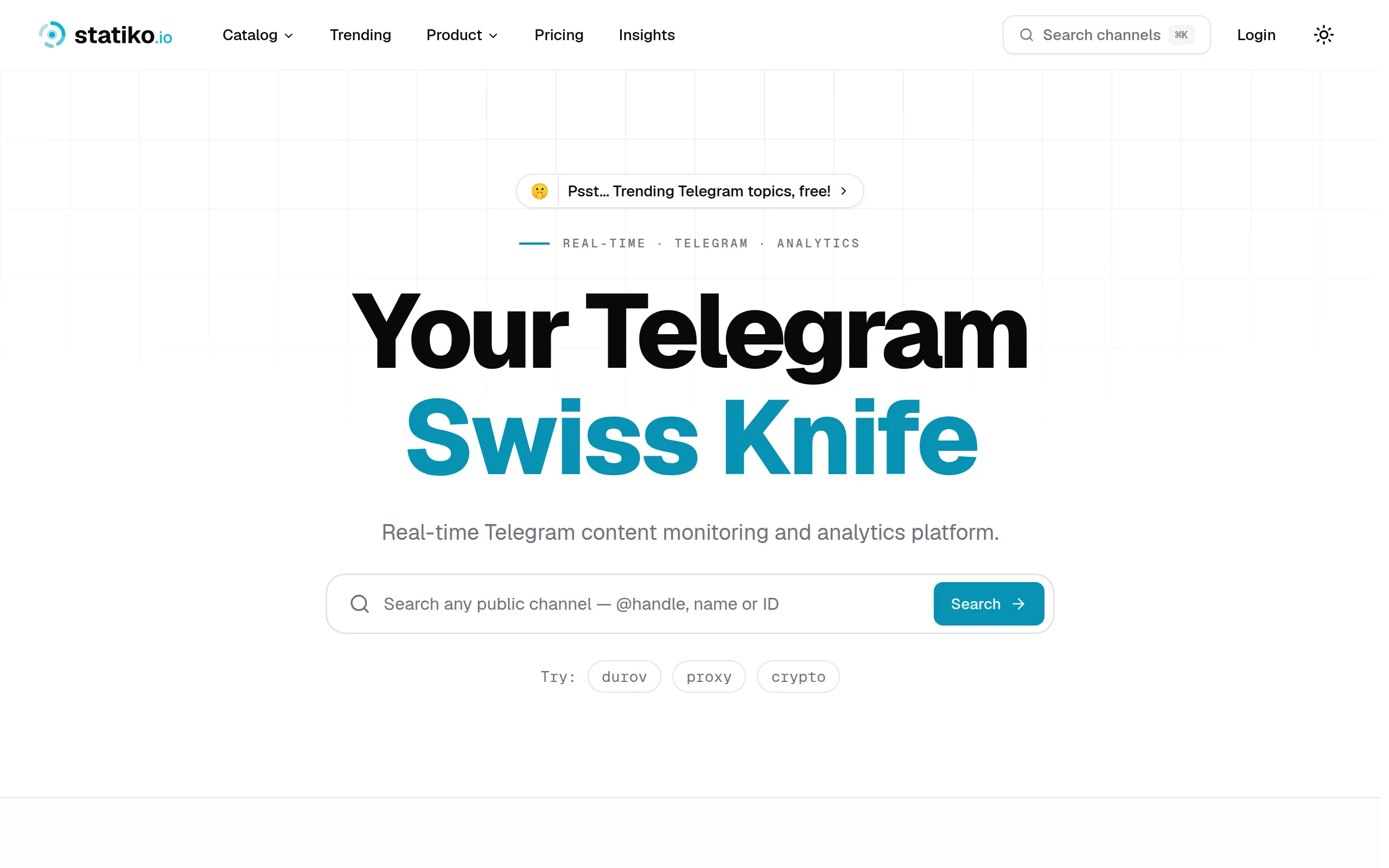
Statiko
Monitor any Telegram channel in real time - track posts, edits, deletions, and growth with AI recaps 📡

Shibui
AI website builder - describe your business, pick a niche template, edit by chatting, and publish instantly ✨

Pro Service
Find verified home service professionals, compare quotes, and pay securely through escrow - built for Brazilians across the US 🏠

RankGrow
Fix your SEO with AI agents - connect Search Console, get prioritized tasks, and grow organic traffic 📈
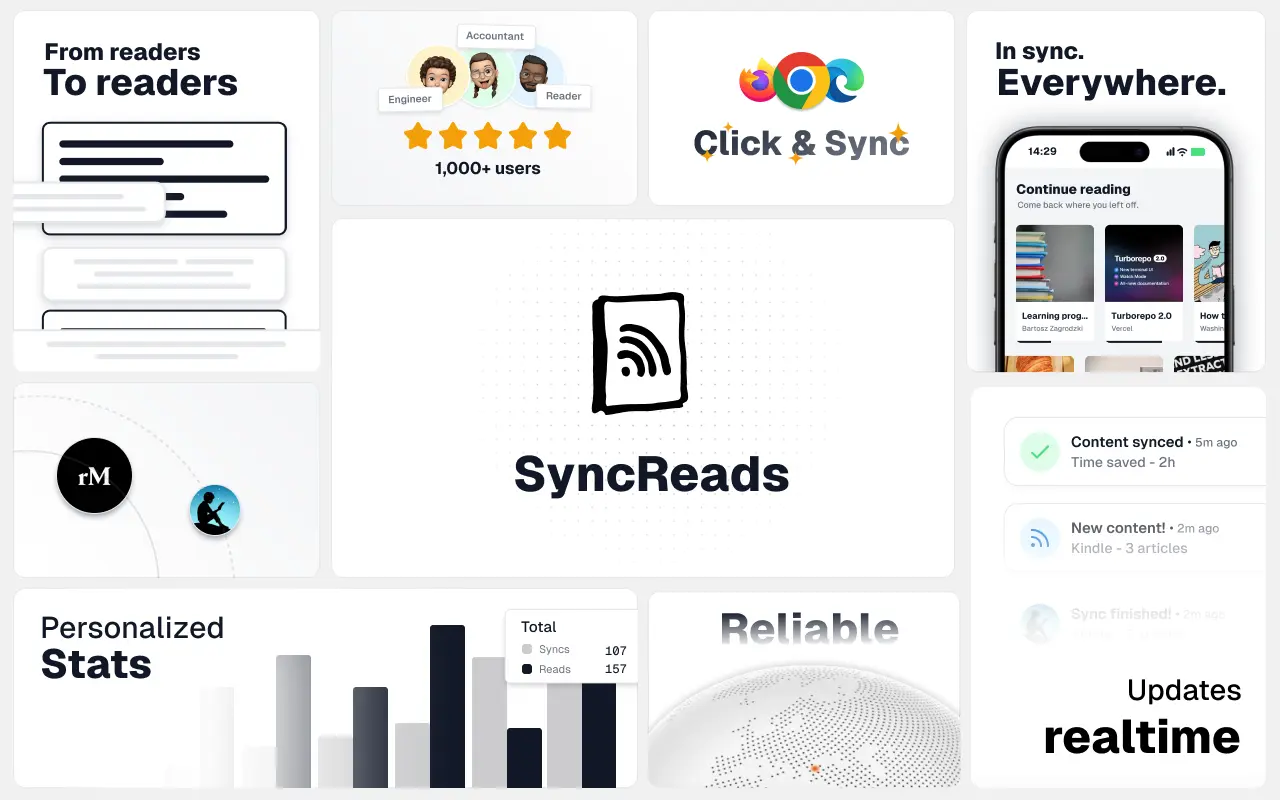
SyncReads
Sync your favorite content for distraction-free reading, save time and replace multiple apps. Anytime, anywhere 🔄
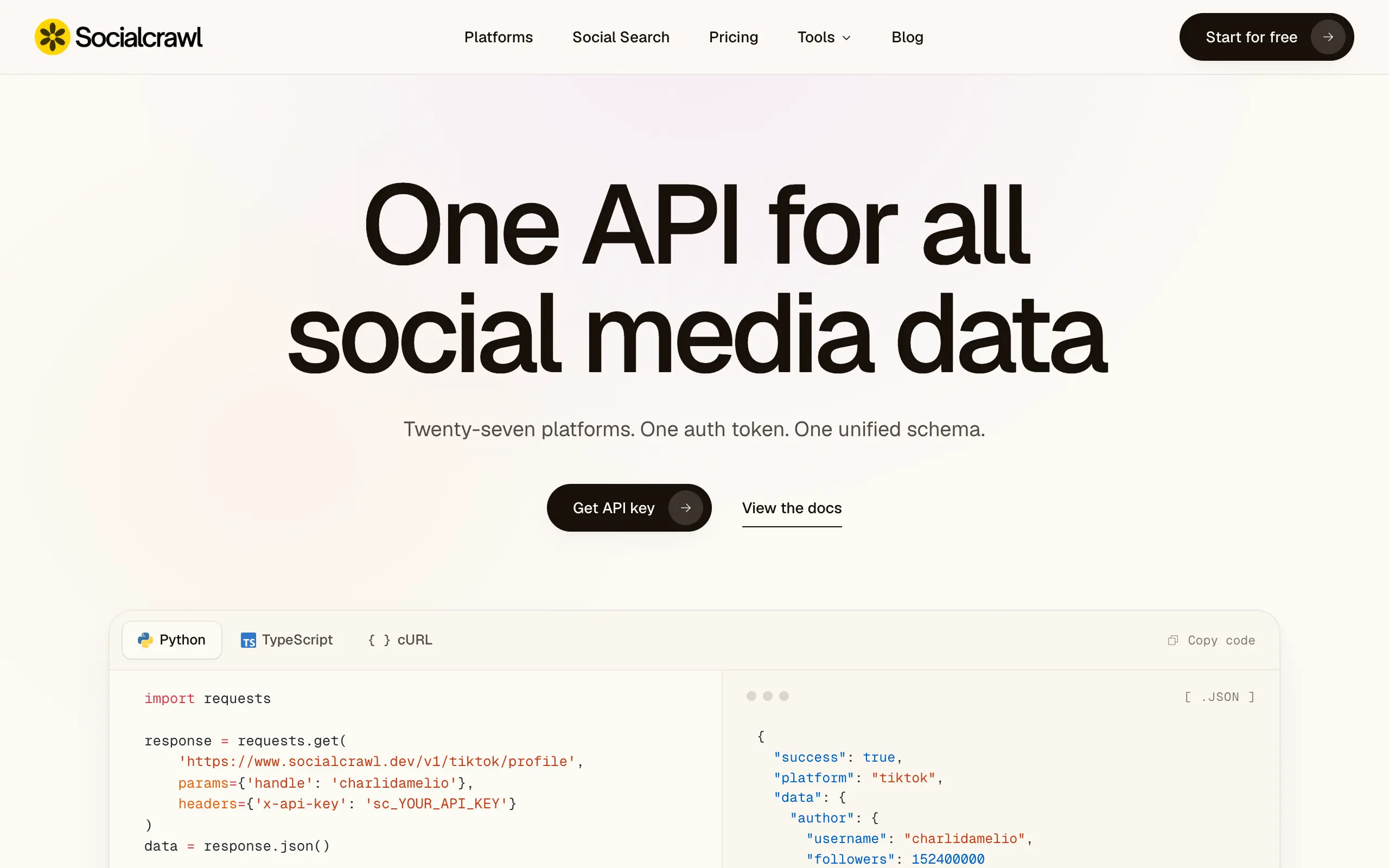
Socialcrawl
Get clean, structured data from 21 platforms like TikTok, Instagram, and YouTube with a single request 📊
Statiko
Monitor any Telegram channel in real time - track posts, edits, deletions, and growth with AI recaps 📡
Shibui
AI website builder - describe your business, pick a niche template, edit by chatting, and publish instantly ✨
Pro Service
Find verified home service professionals, compare quotes, and pay securely through escrow - built for Brazilians across the US 🏠
RankGrow
Fix your SEO with AI agents - connect Search Console, get prioritized tasks, and grow organic traffic 📈
SyncReads
Sync your favorite content for distraction-free reading, save time and replace multiple apps. Anytime, anywhere 🔄
Socialcrawl
Get clean, structured data from 21 platforms like TikTok, Instagram, and YouTube with a single request 📊
Statiko
Monitor any Telegram channel in real time - track posts, edits, deletions, and growth with AI recaps 📡
Shibui
AI website builder - describe your business, pick a niche template, edit by chatting, and publish instantly ✨
Pro Service
Find verified home service professionals, compare quotes, and pay securely through escrow - built for Brazilians across the US 🏠
RankGrow
Fix your SEO with AI agents - connect Search Console, get prioritized tasks, and grow organic traffic 📈
SyncReads
Sync your favorite content for distraction-free reading, save time and replace multiple apps. Anytime, anywhere 🔄
Socialcrawl
Get clean, structured data from 21 platforms like TikTok, Instagram, and YouTube with a single request 📊
Statiko
Monitor any Telegram channel in real time - track posts, edits, deletions, and growth with AI recaps 📡
Shibui
AI website builder - describe your business, pick a niche template, edit by chatting, and publish instantly ✨
Pro Service
Find verified home service professionals, compare quotes, and pay securely through escrow - built for Brazilians across the US 🏠
RankGrow
Fix your SEO with AI agents - connect Search Console, get prioritized tasks, and grow organic traffic 📈
SyncReads
Sync your favorite content for distraction-free reading, save time and replace multiple apps. Anytime, anywhere 🔄
Socialcrawl
Get clean, structured data from 21 platforms like TikTok, Instagram, and YouTube with a single request 📊
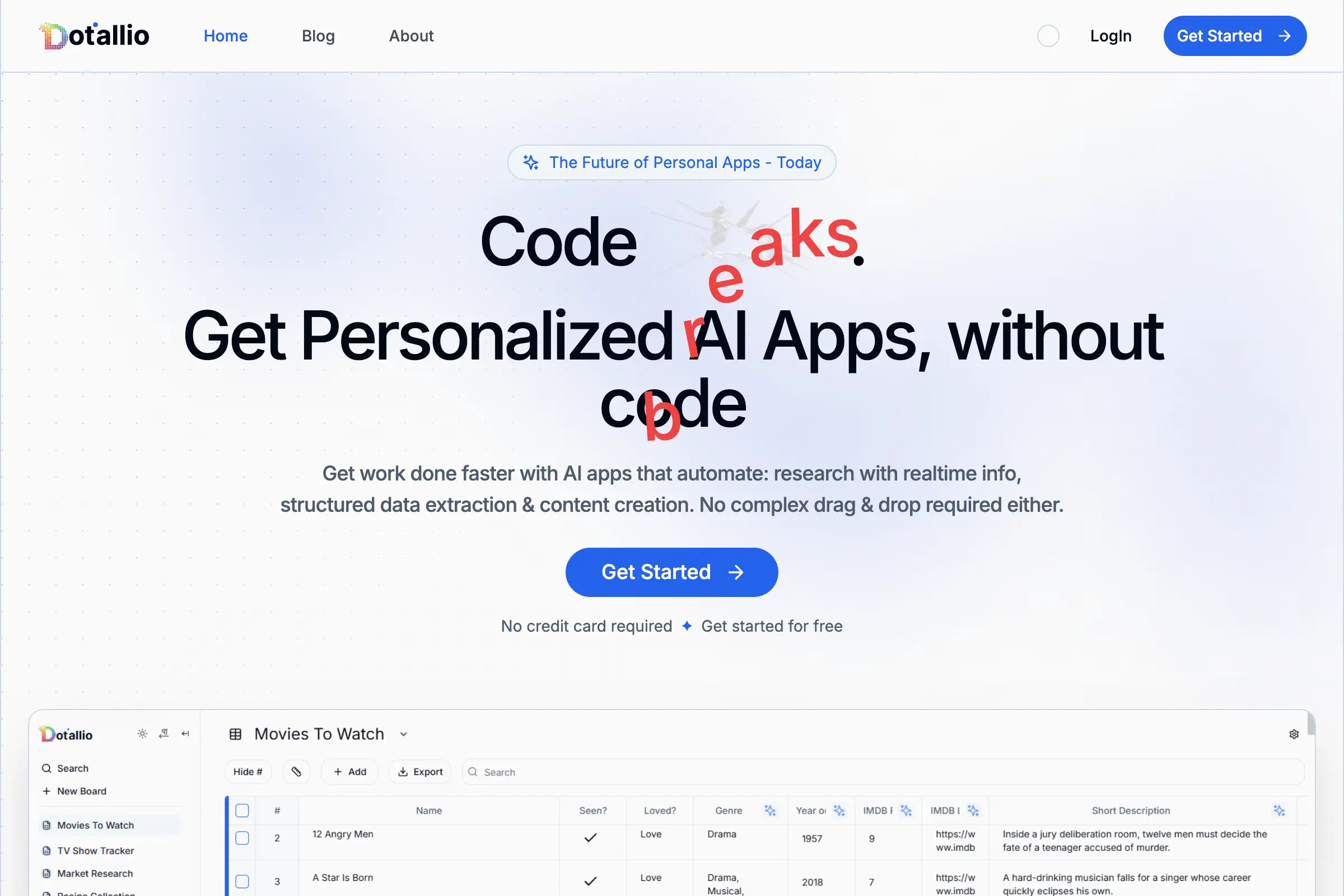
Dotallio
Personalized AI apps that automate research, data extraction, and content creation without code 🤖
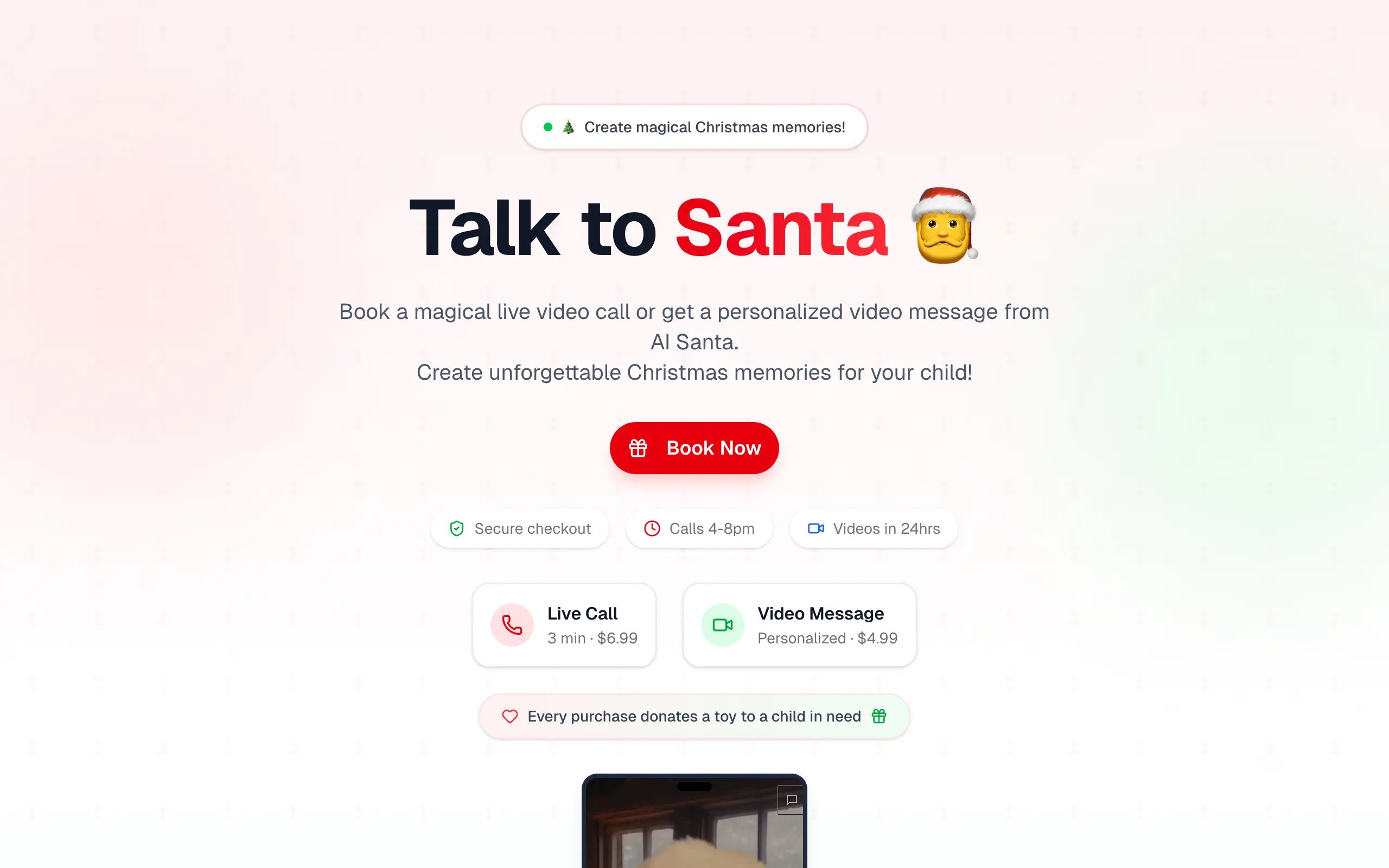
Talk to Santa
Enjoy a magical live video chat or receive a unique AI-generated video greeting from Santa Claus 🎅
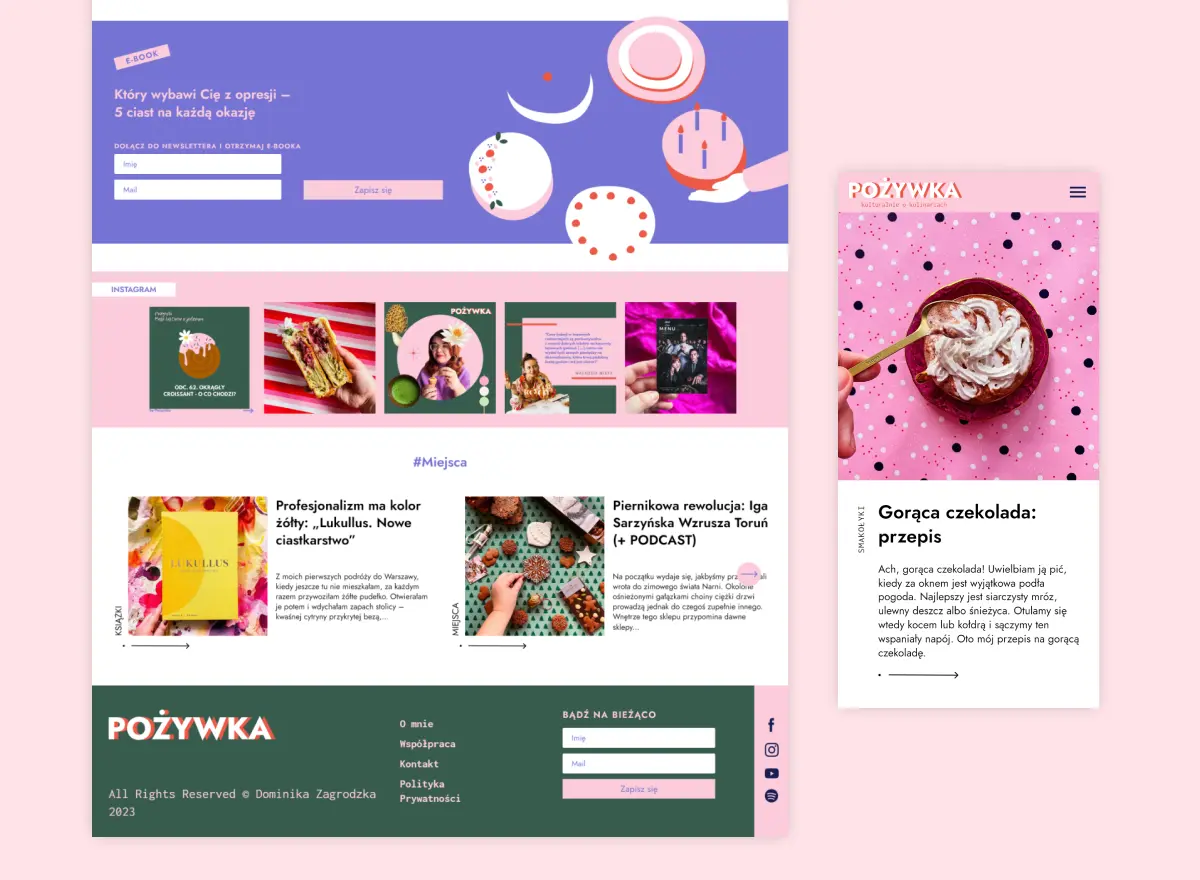
pozywka.pl
Scalable blog for food journalist, focused on performance and user experience 🌭
zagrodzki.me
Personal blog and portfolio of Bart Zagrodzki, where he shares his knowledge and work 💼
TurboStarter
Ship your startup everywhere. In minutes.
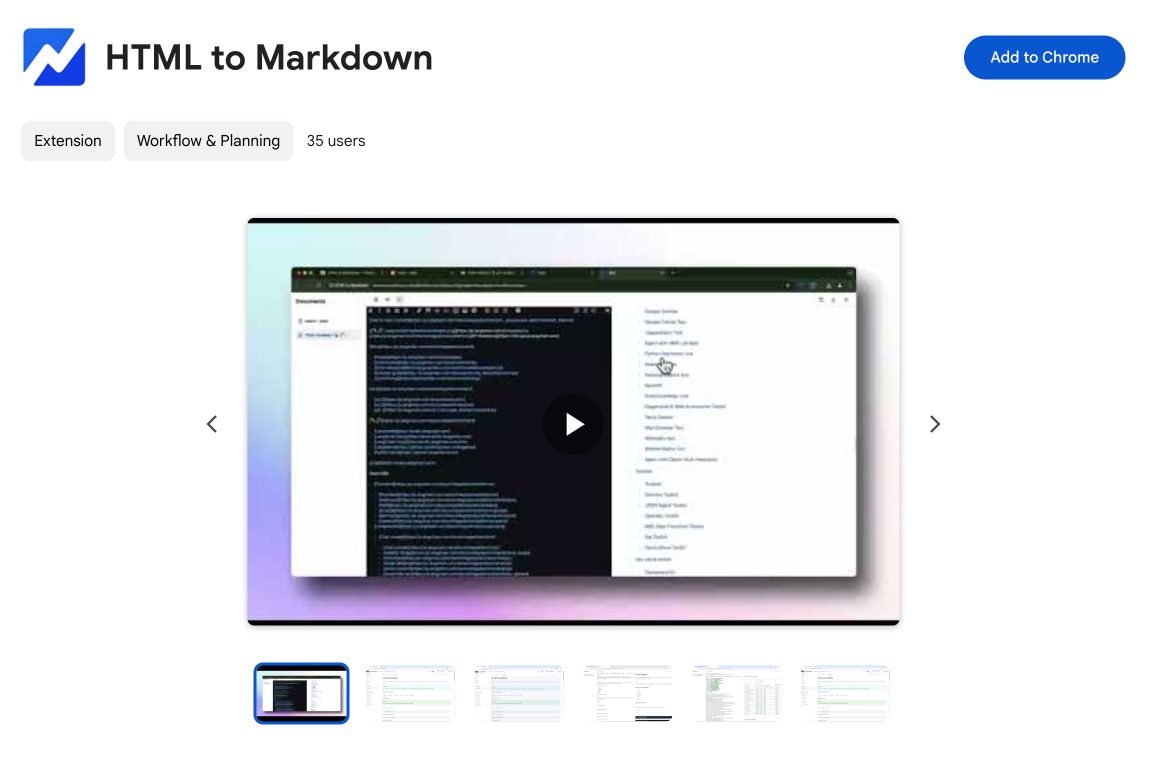
HTML to Markdown
Convert HTML to Markdown with ease, directly in your browser 📄
Dotallio
Personalized AI apps that automate research, data extraction, and content creation without code 🤖
Talk to Santa
Enjoy a magical live video chat or receive a unique AI-generated video greeting from Santa Claus 🎅
pozywka.pl
Scalable blog for food journalist, focused on performance and user experience 🌭
zagrodzki.me
Personal blog and portfolio of Bart Zagrodzki, where he shares his knowledge and work 💼
TurboStarter
Ship your startup everywhere. In minutes.
HTML to Markdown
Convert HTML to Markdown with ease, directly in your browser 📄
Dotallio
Personalized AI apps that automate research, data extraction, and content creation without code 🤖
Talk to Santa
Enjoy a magical live video chat or receive a unique AI-generated video greeting from Santa Claus 🎅
pozywka.pl
Scalable blog for food journalist, focused on performance and user experience 🌭
zagrodzki.me
Personal blog and portfolio of Bart Zagrodzki, where he shares his knowledge and work 💼
TurboStarter
Ship your startup everywhere. In minutes.
HTML to Markdown
Convert HTML to Markdown with ease, directly in your browser 📄
Dotallio
Personalized AI apps that automate research, data extraction, and content creation without code 🤖
Talk to Santa
Enjoy a magical live video chat or receive a unique AI-generated video greeting from Santa Claus 🎅
pozywka.pl
Scalable blog for food journalist, focused on performance and user experience 🌭
zagrodzki.me
Personal blog and portfolio of Bart Zagrodzki, where he shares his knowledge and work 💼
TurboStarter
Ship your startup everywhere. In minutes.
HTML to Markdown
Convert HTML to Markdown with ease, directly in your browser 📄
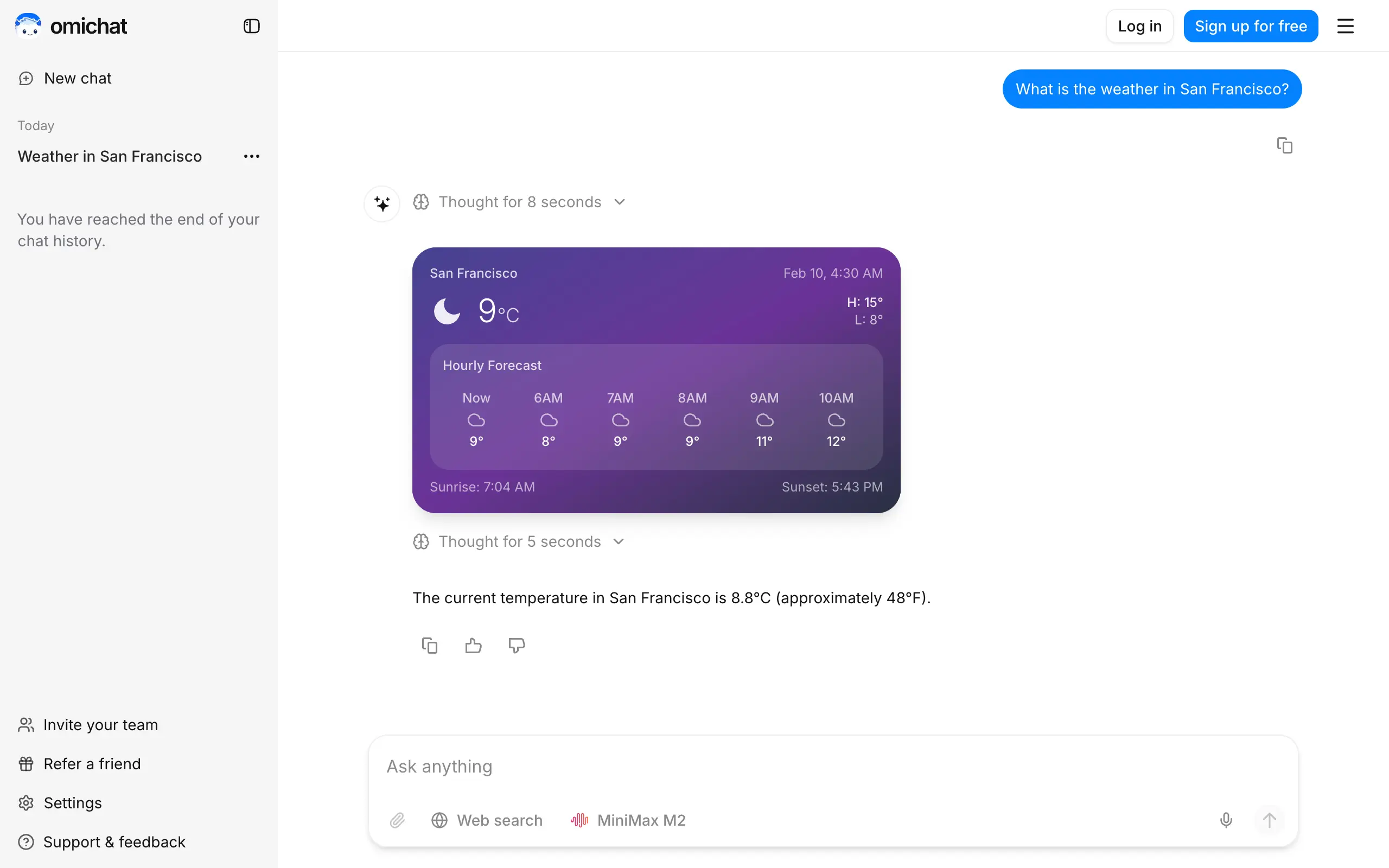
Omichat
Chat with 50+ AI models, including ChatGPT and Claude, in one place - switch models anytime without losing context 🤖
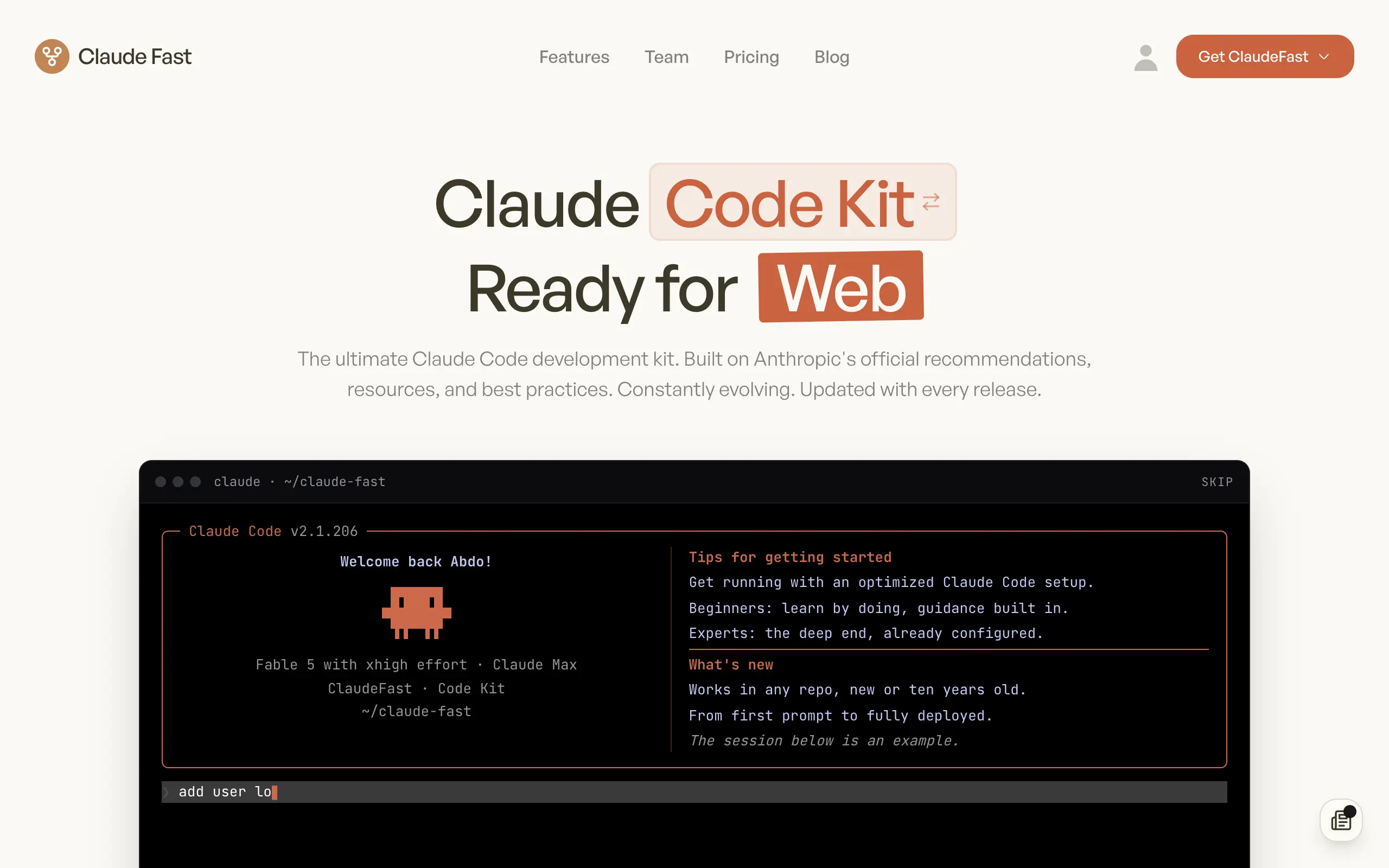
Claude Fast
Supercharge your Claude Code with 6x effective context window and specialized AI agents 🤖
EmojAI
AI-powered emoji picker with smart, context-aware suggestions 🤖

Solohacker
Autonomous company launcher - AI agents work 24/7, escalate what matters, and you stay in control 🤖

BeRawi: Storytelling Coach
Practice storytelling daily with instant feedback to sound clearer, more engaging, and confident 🎤
Omichat
Chat with 50+ AI models, including ChatGPT and Claude, in one place - switch models anytime without losing context 🤖
Claude Fast
Supercharge your Claude Code with 6x effective context window and specialized AI agents 🤖
EmojAI
AI-powered emoji picker with smart, context-aware suggestions 🤖
Solohacker
Autonomous company launcher - AI agents work 24/7, escalate what matters, and you stay in control 🤖
BeRawi: Storytelling Coach
Practice storytelling daily with instant feedback to sound clearer, more engaging, and confident 🎤
Omichat
Chat with 50+ AI models, including ChatGPT and Claude, in one place - switch models anytime without losing context 🤖
Claude Fast
Supercharge your Claude Code with 6x effective context window and specialized AI agents 🤖
EmojAI
AI-powered emoji picker with smart, context-aware suggestions 🤖
Solohacker
Autonomous company launcher - AI agents work 24/7, escalate what matters, and you stay in control 🤖
BeRawi: Storytelling Coach
Practice storytelling daily with instant feedback to sound clearer, more engaging, and confident 🎤
Omichat
Chat with 50+ AI models, including ChatGPT and Claude, in one place - switch models anytime without losing context 🤖
Claude Fast
Supercharge your Claude Code with 6x effective context window and specialized AI agents 🤖
EmojAI
AI-powered emoji picker with smart, context-aware suggestions 🤖
Solohacker
Autonomous company launcher - AI agents work 24/7, escalate what matters, and you stay in control 🤖
BeRawi: Storytelling Coach
Practice storytelling daily with instant feedback to sound clearer, more engaging, and confident 🎤

Connect with like-minded people
Join our community to get feedback, support, and grow together with 1,000+ builders on board, let's ship it!
Join usShip your startup everywhere. In minutes.
Don't burn tokens on setup and start building features on day one.